
How To Reduce Blood Sugar Level Immediately And Effectively – Orlando Magazine
Depriving Yourself? Yes! Experts Share Their Best Tips
By Katherine Wandersee Updated: March 27, 2024
Reviewed by Jill Weisenberger, MS, RDN and Tina Claypool, Pharm.D., CDCES,
You’ve just had your annual blood test, and your doctor gives you the news: You have prediabetes. Before you panic, know that the condition is very common. According to the Centers for Disease Control and Prevention (CDC), a whopping 96 million American adults have prediabetes. And over 80% don’t even know they have it. If you’ve been diagnosed, or know someone who has, you’re likely wondering how to reverse prediabetes.
A prediabetes diagnosis is a wake-up call, says Tina Claypool, PharmD, a certified diabetes educator and lead clinical pharmacist for the UofL Health Diabetes Management Program in Louisville, KY. “Diabetes is a progressive condition,” she explains. “This means it will continue to get worse unless you take control. With prediabetes, you are in the driver’s seat. You can make changes now that will affect the rest of your life.”
Here, we explain what a prediabetes diagnosis actually means and share the best ways to help reverse the condition. You don’t have to ban chocolate or exercise for hours on end to lower your blood sugar!
What is prediabetes?
Diabetes is a condition in which your body doesn’t make enough insulin or doesn’t respond properly to the insulin you have. Insulin is an essential hormone that processes sugar in your bloodstream. When you eat or drink something sweet, insulin is released from the pancreas into your blood to help turn that sugar into energy. If the insulin is insufficient or not working properly, it leaves behind excess sugar in your bloodstream.
Having excess sugar in the blood (hyperglycemia) is a dangerous condition. Over time, it can lead to damage in the eyes, heart, blood vessels, nerves and kidneys. With a typical American diet high in sugar and carbohydrates, the pancreas needs to produce more insulin to keep up with demand, Claypool explains.
How To Prevent Type 2 Diabetes, Plus the Sneaky Risk Factors You Need To Know
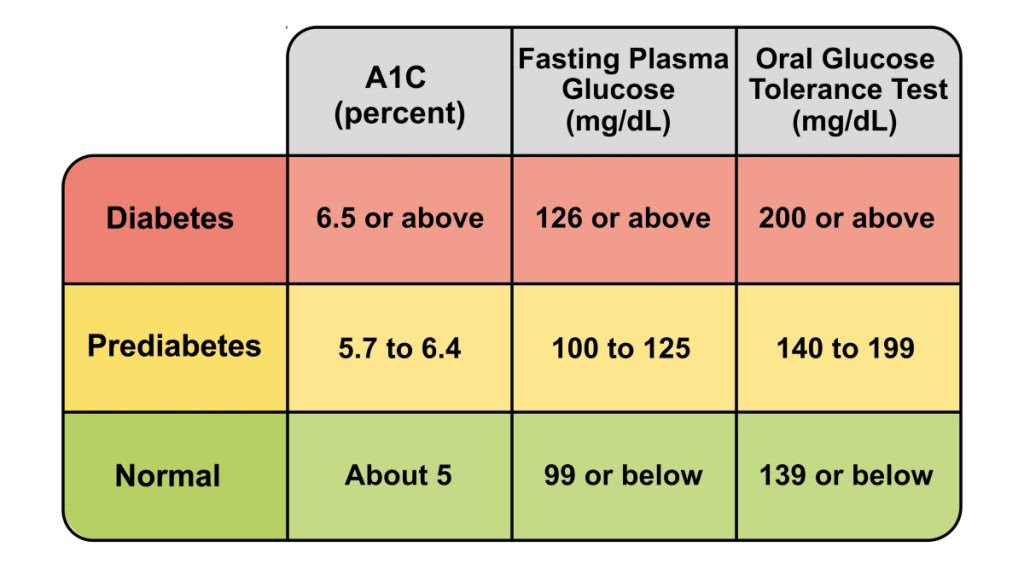
Prediabetes means that your blood sugar levels are just short of diabetes. Blood sugar is often measured by hemoglobin A1c (HbA1c or just A1c). The American Diabetes Association (ADA) defines prediabetes as a blood sugar level (A1c) of 5.7% to 6.4%, and diabetes as 6.5% or higher. Your doctor may also measure your blood glucose when you’re fasting or a few hours after you’ve eaten. A fasting blood glucose of 100 to 125 mg/dL indicates prediabetes.
Blood samples should be re-tested
“Blood sugar measurements are just a snapshot in time,” says Claypool.
“They can change based on what you eat and the time of day the sample is taken.” Laboratory blood tests for prediabetes should ideally be taken after you fasted overnight, meaning that you consumed nothing other than water that morning. If your test results are in the prediabetes range, she recommends a follow-up test to confirm the result. “The worst thing you can do with prediabetes is to ignore it!” she adds. (Learn how reversing prediabetes can help ward off fatty liver, too.)
Is Falling Asleep After Eating a Sign of Diabetes? It Can Be — Here’s How To Tell
First steps after a prediabetes diagnosis
Working with a qualified diabetes educator or education program is a great start, suggests Claypool. You can find a qualified diabetes counselor through your doctor, local hospital or the ADA. Many of these programs are free, and some can even be done virtually.
“There are some risk factors for diabetes we can’t change, including our age and genes,” Claypool says. “That leaves us with diet, weight and activity level as things we can change to get prediabetes under control.” Adjusting your diet is a big one, but often intimidating. “Many people believe they need to stick to a diet of kale and celery to manage their prediabetes,” she says. The problem is, that’s unrealistic for most people. She urges clients to instead make changes that they can keep and improve upon over time.

Talking to a diabetes counselor is a great first step.
How to reverse prediabetes
The term “reverse” is a bit controversial when it comes to prediabetes. While the CDC uses reverse in reference to prediabetes, the ADA prefers the term “control.” Why? Even if you bring your numbers down, you’ll always need to stay on top of prediabetes. Here are some of the best ways to get your numbers into a healthy range:
1. Don’t deprive yourself
“People think I’m going to take away all the foods that they love, but I don’t live that way myself, so why would I suggest it for them?” says Jill Weisenberger, MS, RDN, a registered dietitian and author of Prediabetes: A Complete Guide: Your Lifestyle Reset to Stop Prediabetes and Other Chronic Illnesses. “Deprivation only increases cravings. If I tell someone they can never have ice cream, it’s like telling someone not to think about white bears. They’re going to be constantly thinking about that thing they can’t have.”
A smarter strategy: Enjoy some of the foods you love, but as special treats as part of an overall healthy diet. “Maybe you allow yourself two squares of rich dark chocolate every day and love the heck out of it because that’s how you treat yourself,” Weisenberger suggests. “That will help you to skip the fast food burger or bag of chips and cook yourself a more wholesome meal.” (See how indulging in a big breakfast helps speed weight loss and ward off diabetes, and how spirulina can help, too.)

2. Swap fruit juice for berries
While it may seem like there’s always a trendy new superfood making headlines, there’s actually serious scientific research on the anti-diabetes effects of berries. They’re great in a smoothie with yogurt (another anti-diabetes food), on top of oatmeal or enjoyed as a snack in place of candy. “It’s true that fruit is mainly carbohydrates, or sugar, but berries and fruits contain a lot more than the macronutrient,” Weisenberger says. “They contain fiber and phytonutrients that your body can use to help fight disease.”
In fact, researchers at California Polytechnic State University found that raspberries (fresh, frozen or dried) contain enzymes and antioxidants that help prediabetes by improving glucose, insulin and lipid metabolism. The antioxidant benefits of blueberries have been shown to have similar effects on prediabetes, containing natural chemicals that may even help with diabetes management.
The key to maximizing the benefits: Opt for whole fruit over fruit juice. Claypool says fruit juices strain out the beneficial fiber and often add extra fructose, leaving you with a sugary drink not much better than soda. “Cutting out sugary drinks like soda, lemonade, sweet tea and fruit juice is one of the easiest steps you can take toward improving your diet,” she says. “You can eat apples — with their skin on — every day, but don’t substitute by drinking apple juice.”

These 9 Simple (and Delicious!) Food Swaps Significantly Lower Diabetes Risk, Say MDs
3. Take a dance break
You’ve heard that a sedentary lifestyle is a major risk factor for developing diabetes. Now, research shows that holds true regardless of how healthy your diet may be. One study found that people who sit for 5 or more hours a day had a greater risk for developing diabetes than to those who sit less than 4 hours a day.
The good news: Regular exercise improves your blood sugar levels. “Every time you exercise, you improve your insulin sensitivity for at least a couple of hours,” Weisenberger says. “What if you did that every day, or several days a week?”
Instead of slogging your way through a gym workout, Claypool advises looking for something you enjoy. “Activity can literally mean walking in place in your home in front of your TV, using a standing desk or always parking at the far end of the parking lot,” she suggests. Try curling up your favorite upbeat playlist and dancing around your kitchen or toiling away in your garden while you soak up the sun. (Learn why dancing is one of the best longevity-boosting secrets of “super agers“, too.)

Not sure where to start? The CDC offers a yearlong coaching plan called the Lifestyle Change Program as part of the National Diabetes Prevention Program. Participants who lost between 5% and 7% of their body weight and added about 30 minutes of exercise a day cut their type 2 diabetes risk by up to 58%. And folks over age 60 curbed their risk by an impressive 71%.
How to reverse prediabetes: Medication can help
A diagnosis of prediabetes can range from a milder case to one that is teetering close to diabetes. If your health condition warrants it, your healthcare provider may recommend medication to help reverse or control prediabetes.
“Metformin is the only medication currently approved for prediabetes,” Claypool says. “It slows the progression of diabetes by preventing your body from making extra sugar.” For those prescribed metformin, she recommends taking it with food to help prevent side effects like GI upset. “If you do start this drug, make sure you also focus on other lifestyle changes,” Claypool says. “This will help keep the drug working for you and may delay the need for additional drugs or higher doses.”
Here’s How I Knew I Had Pre-Diabetes: A Patient’s Story
Nearly 98 million Americans are prediabetic, yet more than 80% of those with the condition are unaware they have it. Often, prediabetes remains silent until a routine blood test reveals elevated blood sugar levels. For many, this discovery can serve as a chance to make meaningful lifestyle changes and prevent the progression to Type 2 diabetes.
“Diabetes is a metabolic and endocrine dysfunction,” explains Shirisha Avadhanula, MD, a board-certified endocrinologist at the Cleveland Clinic. Dr. Avadhanula explains that when sugar builds up in the bloodstream, “this sugar can then deposit into small blood vessels in the body, which can then lead to organ dysfunction.” This makes early intervention and prevention essential to long-term health.
Ahead, we share what you need to know about prediabetes, including how to manage and potentially reverse it. We also hear from Angela Larson, 45, from Tampa, FL, who shares her personal journey of receiving a prediabetes diagnosis and taking steps toward better health.
What is prediabetes?
Prediabetes is a condition where blood sugar levels are elevated beyond the normal range but not high enough to be diagnosed as Type 2 diabetes. It often develops due to a combination of factors, including genetics, lifestyle habits and diet. These influences can lead to insulin resistance, a state in which the body becomes less effective at processing glucose. Over time, this can cause blood sugar levels to rise.
If left untreated, prediabetes can progress to Type 2 diabetes and increase the risk of serious complications, including heart disease, stroke, kidney issues and nerve damage.
The good news? Early detection and proactive lifestyle changes, such as improving your diet, increasing physical activity and maintaining a healthy weight, can often stop prediabetes in its tracks or even reverse it.
How is prediabetes diagnosed?
Prediabetes can be diagnosed through one or more blood tests:
- A1C test: This measures your average blood sugar levels over the past two to three months. An A1C result between 5.7% and 6.4% indicates prediabetes.
- Fasting blood sugar test: This test checks your blood sugar levels after an overnight fast. A result between 100 and 125 milligrams per deciliter (mg/dL) signals prediabetes.
- Glucose tolerance test: This test measures your blood sugar levels before and after drinking a glucose solution. Prediabetes is indicated by a result between 140 and 199 mg/dL two hours after drinking the solution.
The American Diabetes Association (ADA) recommends regular diabetes screenings starting at age 35, or earlier if you’re overweight, obese or have risk factors like a family history of diabetes.
Symptoms of prediabetes
One of the challenges with prediabetes is that it often has no noticeable symptoms. As Dr. Avadhanula notes, “The most common symptom is no symptom at all.”
This was the case for Angela who discovered her condition during a routine checkup: “I didn’t feel any different,” Angela recalls. “But my mom was diagnosed with diabetes around my age, so I made it a point to stay on top of my checkups. My sugar levels had always been on the higher end, so when my doctor told me I had prediabetes after my bloodwork, I can’t say I was completely shocked. Still, it was frustrating. I knew I had to take it seriously if I wanted to avoid diabetes.”
While most people with prediabetes don’t experience symptoms, certain signs can indicate you’re borderline diabetic. These include:
- Increased thirst and frequent urination: Excess glucose in the blood is flushed out through urination, which can lead to dehydration and constant thirst.
- Fatigue: When your body struggles to process glucose for energy, it can leave you feeling drained.
- Blurred vision: High blood sugar levels can cause fluid shifts in the eyes, making your vision blurry.
- Unexpected weight changes: Insulin resistance may cause sudden, unexplained weight loss or gain.
If you experience any of these symptoms, it’s important to consult your doctor. Even if you don’t have noticeable symptoms, regular screenings can catch prediabetes early and give you a chance to take action.
What food should you eat if you have prediabetes?
If you’ve been diagnosed with prediabetes, your diet is one area where small changes can make a big difference. A balanced, nutrient-rich diet is key, and certain foods can help stabilize blood sugar levels, reduce insulin resistance and keep you feeling satisfied. Here’s what to focus on:
- Whole grains: Opt for whole-grain bread, brown rice, and quinoa over refined grains. These options have more fiber, which can help prevent blood sugar spikes.
- Lean proteins: Chicken, fish, eggs and tofu are excellent choices that don’t raise blood sugar levels.
- Healthy fats: Avocado, nuts, seeds and olive oil can help you feel full and provide essential nutrients.
- Non-starchy vegetables: Load up on leafy greens, peppers, broccoli and other non-starchy vegetables, as they’re low in carbs and packed with fiber and nutrients.
“You want to aim for caloric restriction, but there are many different pathways to get there,” advises Dr. Avadhanula. “The most important thing is that you’re able to adhere to whatever healthy eating style you pick.” Recommended approaches include the Mediterranean diet and the DASH diet, both of which emphasize whole, nutrient-dense foods.
Dr. Avadhanula also stresses that monitoring the quality of the foods you eat is just as important as managing calorie intake. If possible, consulting with a registered dietitian can provide valuable guidance that fits your specific needs.
Angela shares her experience: “I’ve found it’s about eating foods that keep you full and feeling good, not just ones that taste good at the moment. I swapped sugary cereals for oatmeal topped with fruit and replaced chips with a handful of nuts. Another favorite snack is carrots and hummus.” She adds, “Keeping things simple has made a huge difference.”
Dining out with prediabetes
When dining out, choose grilled or baked options, ask for dressings on the side and swap out refined carbs like white bread for whole grains or extra veggies. Fast food joints often offer salads, grilled chicken and other lower-carb options if you ask. Also avoid sugary drinks like sodas.
“I still love going out with friends, and I didn’t want that to change,” Angela says. “Now, I’ll look at the menu ahead of time and plan what to eat if I can.”
What to avoid eating if you have prediabetes
Certain foods can make it harder to manage blood sugar levels. Here’s what to avoid or limit:
- Sugary foods and drinks: Sodas, desserts and sugary snacks can cause blood sugar spikes. Try replacing them with fruit or sugar-free options, but be mindful of artificial sweeteners.
- Refined grains: White bread, what pasta and white rice have a high glycemic index, meaning they can spike blood sugar quickly. One helpful strategy is to start your meal with a large salad before eating pasta. The fiber in the salad helps slow the absorption of carbohydrates, preventing sharp blood sugar spikes and promoting more stable levels.
- Alcohol: Alcoholic beverages can impact blood sugar levels unpredictably, especially those with added sugars like cocktails. Limit alcohol and stick to lower-carb options if you do drink.
Can I eat bananas?
Yes, bananas can be eaten in moderation. They are high in potassium and fiber, which can help manage blood sugar levels. Opt for smaller, ripe bananas and pair them with protein or healthy fat, like a handful of nuts, to slow sugar absorption.
How to reverse prediabetes
While prediabetes is a precursor to diabetes, lifestyle changes can often reverse it.
Still, it’s essential to work with a healthcare provider to monitor blood sugar levels regularly, usually every three to six months. They can tell you if your steps to prevent prediabetes are working or if medication is needed.
Here’s what to know.
Weight management
Even small amounts of weight loss can make a big difference in blood sugar levels. “The best way to reverse the prediabetes process and for you not to develop Type 2 diabetes is weight loss,” explains Dr. Avadhanula. “As we gain more weight, our cells become more and more resistant to the effects of insulin. And unfortunately, insulin resistance is the first key step in developing Type 2 diabetes.”
Consistent research supports this, showing that losing just 5% to 7% of your body weight, combined with at least 150 minutes of exercise per week, can reduce your risk of Type 2 diabetes by as much as 58%.
Regular exercise
Physical activity increases insulin sensitivity and helps your muscles use glucose. In addition to 150 minutes of exercise per week, incorporate at least two to three strength training sessions.
How Exercise Helps Reverse Prediabetes
In prediabetes, blood sugar is high but not high enough to be classified as type 2 diabetes. This means it’s the ideal time to retrain your body to effectively use excess glucose. “Exercise allows the body to consume sugar in the body,” explains Dr. Akhil Shenoy, M.D., medical advisor at Aeroflow Diabetes, “Once the glucose arrives at the muscle, the muscle cells use a metabolic process called Glycolysis to break it down into a readily available form of energy.
Exercise is a Powerful Prescription
A 2024 review in Frontiers in Endocrinology found that moderate-intensity aerobic exercise, light-to-moderate resistance training and a mix of the two improve fasting blood glucose, post-meal glucose and other factors that contribute to type 3 diabetes. Any exercise you enjoy will yield benefits, says Dr Shenoy. To try a Pure Barre-style class, check out Kel’s Barre Workout on YouTube to get your blood sugar between 75 and 90 the normal range.
Lower Blood Sugar Naturally With Berberine
In a study in BMC Endocrine Disorders, people with prediabetes took 500 mg of berberine or a placebo daily for 12 weeks, By the end of that 12 weeks, the berberine group had lowered their fasting glucose by 21%, their insulin by 20% and their markers for insulin resistance by 33%, while the placebo group saw virtually no change.
Research suggests that consuming your largest meal in the morning or early afternoon can help stabilize blood sugar levels and maintain energy throughout the day. This approach aligns with your body’s natural rhythms, as insulin sensitivity tends to be higher earlier in the day.
Researchers have known for several years that being overweight and having Type 2 diabetes can increase the risk of developing Alzheimer’s disease. But they’re now beginning to talk about another form of diabetes: Type 3 diabetes. This form of diabetes is associated with Alzheimer’s disease.
Type 3 diabetes is a controversial name sometimes used to refer to Alzheimer’s disease 1. It is associated with Alzheimer’s disease and occurs when neurons in the brain become unable to respond to insulin, which is essential for basic tasks, including memory and learning. Some researchers believe insulin deficiency is central to the cognitive decline of Alzheimer’s disease 2. Symptoms of type 3 diabetes include brain insulin resistance, memory and thinking problems, and damage to brain cells and connections 3.
Type 3 diabetes occurs when neurons in the brain become unable to respond to insulin, which is essential for basic tasks, including memory and learning. Some researchers believe insulin deficiency is central to the cognitive decline of Alzheimer’s disease. Mayo Clinic’s Florida and Rochester campuses recently participated in a multi-institution clinical study, testing whether a new insulin nasal spray can improve Alzheimer’s symptoms. The results of that study are forthcoming.
But how is this tied to the Alzheimer’s gene APOE?
A new study from Guojun Bu, Ph.D., a Mayo Clinic neuroscientist and Mary Lowell Leary Professor of Medicine, found that the culprit is the variant of the Alzheimer’s gene known as APOE4. The team found that APOE4, which is present in approximately 20 percent of the general population and more than half of Alzheimer’s cases, is responsible for interrupting how the brain processes insulin.
Mice with the APOE4 gene showed insulin impairment, particularly in old age. Also, a high-fat diet could accelerate the process in middle-aged mice with the gene. “The gene and the peripheral insulin resistance caused by the high-fat diet together induced insulin resistance in the brain,” Dr. Bu says. Their findings are published in Neuron.
Watch: Dr. Bu discusses the link between diabetes and Alzheimer’s.
Journalists: Broadcast-quality sound bites with Dr. Bu are in the downloads.
The team went on to describe how it all works in the neurons. They found that the APOE4 protein produced by the gene, can bind more aggressively to insulin receptors on the surfaces of neurons than its normal counterpart, APOE3. As if playing a game of musical chairs, the APOE4 protein outcompetes the normal protein and blocks the receptor. APOE4 goes on to do lasting damage to brain cells.
After blocking the receptor, the sticky APOE4 protein begins to clump and become toxic. Further, once the protein enters the interior of the neuron, the clumps get trapped within the cell’s machinery, impeding the receptors from returning to the neuron surface to do their work. The insulin signal processing gets increasingly more impaired, starving brain cells.
“This study has furthered our understanding of the gene that’s the strongest genetic risk factor known for Alzheimer’s disease,” says Dr. Bu, who adds that, ultimately, the finding may personalize treatment for patients. “For instance, an insulin nasal spray or a similar treatment may be significantly more helpful for patients who don’t have the APOE4 gene. Patients who have the gene may need additional medications to help prevent cognitive decline.”
Also, pain and stress levels have a significant impact on insulin sensitivity and blood sugar control. Try to get seven to nine hours of quality sleep each night and consider relaxation techniques like meditation, journaling or deep breathing can help control blood sugar and dementia. Follow This Diet To Reverse Insulin Resistance & Diabetes in 2 Weeks!
Yes, It’s Possible to Reverse Prediabetes. Here’s How.
One woman’s story of reversing prediabetes
Co-first authors of this study are:
- Na Zhao, M.D., Ph.D., Mayo Clinic
- Chia-Chen Liu, Ph.D., Mayo Clinic
In addition to Dr. Bu, other researchers on the team include:
- Alexandra Van Ingelgom
- Yuka Martens, Ph.D., Mayo Clinic
- Cynthia Linares, Mayo Clinic
- Joshua Knight, Mayo Clinic
- Patrick Sullivan, Ph.D., Duke University School of Medicine
- Meghan Painter, Ph.D.