

The average life expectancy in France is 1.3 years older than in Greece.
I’m a doctor — why the French diet beats the Mediterranean diet for obesity, longevity and colon cancer
Story by McKenzie Beard
Dr. Michael Aziz Interview on The Ageless Revolution
For decades, Americans have been told that eating like the Greeks is the gold standard for good health. However, Dr. Michael Aziz, an internist and author of “The Ageless Revolution”, argues that we should have been looking to Paris all along.
“The French diet wins in every category,” Aziz told The Post, uncorking a full-bodied case for why fromage might just beat feta when it comes to staying slim and living longer.
But first: How did the French diet get such a bad rap?
It’s not just because of the cigarettes.
“The idea that the Mediterranean diet is ideal comes from the Seven Countries study, which showed that diets that are low in saturated fats can prevent heart disease,” Aziz explained.
But he’s not buying it. Aziz argues that the study cherry-picked countries, conveniently leaving out places like France and Switzerland, where saturated fats are a staple but heart disease rates remain surprisingly low.
As a result, Aziz said the public turned their backs on butter and cheese and embraced the Greek method instead — a move he believes was a mistake.
“No doubt, the Mediterranean diet is great. It is high in vegetables, fruits and whole grains — seven to 11 servings a day to be precise,” Aziz said.
“But the Seven Countries study was done on farmers who were very active in the fields working out hours to burn those excess calories from bread,” he continued.
What Is the Mediterranean Diet, and How Can It Help You?
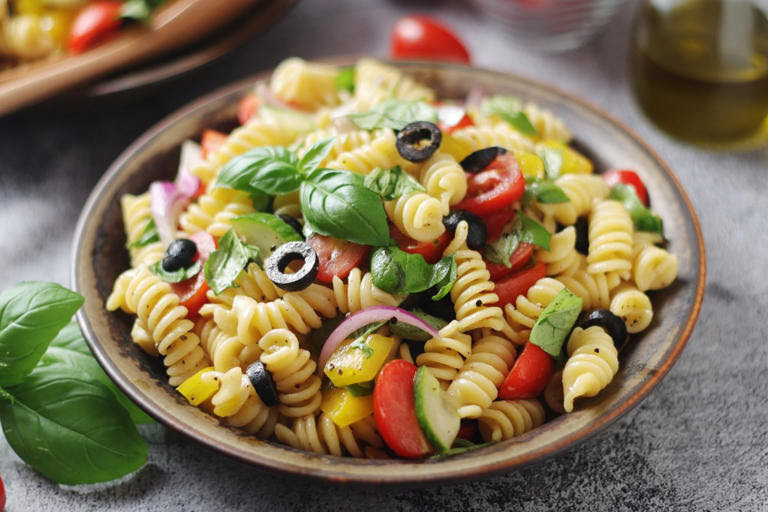
Aziz said the Mediterranean diet’s emphasis on whole grains can be harmful in excess.
This 2,500-calorie diet can help you lose weight and lower your cancer risk
Why keto and paleo diets are the worst popular weight loss fads: study
For most Americans, though, that’s not the reality. Aziz insists the Mediterranean diet doesn’t fit with our sedentary lifestyles and can lead to weight gain — going so far as to call it a “dangerous diet” for anyone trying to slim down.
Let’s dive into the specifics.
Portion control
“The French diet is better for our weight,” Aziz said.
Just look at the numbers. Globally, Greeks rank 43rd for obesity rates, while the French come in at 143 — one of the lowest in the world.
Aziz believes the secret lies in portion control, which he argues helps keep calorie intake in check without relying on restrictive diets.

The French diet is high in saturated fats, despite the country having low rates of heart disease.
This 2,500-calorie diet can help you lose weight and lower your cancer risk
“The French diet emphasizes smaller portions and slow eating, leading to better digestion and reduced calorie intake,” Aziz explained.
In contrast, he said the Mediterranean diet features larger portions of olive oil, nuts and whole grains — which he says can lead to overeating.
“It is easy to eat seven to 11 servings of whole wheat bread a day from sandwiches as in the Mediterranean diet, but I have never seen anyone eating seven to 11 croissants a day,” Aziz said.
Dairy delights
Losing weight can be a boon for your bones, but Aziz argues that the core principles of the French diet give them an extra boost.
“The French diet includes more full-fat dairy like cheese and yogurt, which provides calcium and vitamin D,” he said. “These nutrients are great for bone health.”

Milk provides 13 essential nutrients our bodies need.
Aziz also claims that the French diet is the superior choice for reducing the risk of colon cancer, a deadly disease that kills more than 50,000 Americans annually.
“The Mediterranean diet limits dairy,” Aziz said. “Calcium plays a role in colon cancer prevention, which is an epidemic in men below 50 in the US.”
I was diagnosed with stage 3 colon cancer at 45 — this is my biggest regret
Scientists find ‘key’ that could be driving rising colon cancer rates
In France, 22 out of every 100,000 people are diagnosed with colon cancer, while in Greece, that number jumps to 149, he noted.
Wine with meals
Both diets encourage moderate red wine consumption, but Aziz pointed out that the French typically enjoy it with meals.
“This reduces excessive alcohol intake and enhances polyphenol absorption from food,” he said. Polyphenols are plant compounds known for their antioxidant properties, which help neutralize harmful free radicals in the body.
“Drinking wine with food reduces blood sugar spikes and improves digestion,” Aziz added.

After the US, France is the world’s second-biggest consumer of wine.
While research suggests that moderate wine consumption may offer some health benefits, excessive alcohol intake can lead to serious issues, including long-term damage to the brain, heart, liver and an increased risk of cancer.
Current US dietary guidelines recommend limiting wine intake to two 5-ounce glasses per day for men, while women should stick to one drink daily.
Beer vs. wine and liquor drinkers — here’s who has the worst diet
Meat matters
“The French diet includes more high-quality meats, including organ meats like liver, which are rich in iron, B vitamins and essential nutrients,” Aziz said.
“The Mediterranean diet relies more on fish, which is great for omega-3s but can be low in iron and less satisfying for some people,” he continued.
Aziz argues that incorporating nutrient-dense meats in our diets can help prevent anemia and support brain function. However, research suggests it’s important to consume organ meats in moderation due to their high cholesterol content.
Putting it all together
“The French diet wins in longevity,” Aziz declared.
In France, the average life expectancy is 83.1 years, compared to 81.8 years in Greece.
“This data suggests that despite consuming rich, fatty foods, the French stay slimmer and healthier, likely due to portion control and meal timing,” Aziz concluded.
The 10 hallmarks of aging are biological processes that contribute to the aging of cells and tissues. They are grouped into three categories: primary hallmarks, antagonistic hallmarks, and integrative hallmarks2.
Primary Hallmarks
These are the root causes of cellular damage:
- Genomic Instability: Accumulation of DNA damage over time, leading to impaired cellular function.
- Telomere Attrition: Shortening of telomeres, the protective caps on chromosomes, which limits cell division.
- Epigenetic Alterations: Changes in gene expression without altering the DNA sequence, disrupting normal cellular processes.
- Loss of Proteostasis: Impaired protein folding and degradation, leading to the accumulation of damaged proteins.
Antagonistic Hallmarks
These are responses to damage that can become harmful over time:
- Deregulated Nutrient Sensing: Disruption in pathways that regulate energy and nutrient use, affecting metabolism.
- Mitochondrial Dysfunction: Decline in mitochondrial efficiency, reducing energy production and increasing oxidative stress.
- Cellular Senescence: Accumulation of non-dividing, dysfunctional cells that secrete harmful substances.
Integrative Hallmarks
These result from the culmination of damage and responses:
- Stem Cell Exhaustion: Decline in the regenerative capacity of stem cells, impairing tissue repair.
- Altered Intercellular Communication: Disruption in signaling between cells, leading to inflammation and reduced tissue function.
- Microbiome Dysbiosis: Imbalance in gut microbiota, affecting overall health and immunity.
These hallmarks provide a framework for understanding aging and developing interventions to promote healthier aging2. Which of these do you find most intriguing?
1www.fountainlife.com 2oxfordlongevityproject.org 3www.drkatbodden.com
Intermittent fasting 3 days helps with faster weight loss than daily diet: Study | Watch