DNA Journeys of the First Native Americans and Their Hidden Legacy
Welcome to History and In this episode, we explore the incredible story of the First Americans through the lens of ancient DNA.
From the icy corridors of Beringia migration to the deep rainforests of Amazon tribes, modern science helps us understand the enduring genetic ancestry of Native Americans. Through archaeological evidence and analysis of mitochondrial haplogroups, we uncover how early settlers navigated rugged terrains, adapted to new environments, and created distinct civilizations.
This documentary highlights key moments in Paleoindian genetics, the rise of Clovis culture, coastal migration, and the development of isolated groups in Central and South America. By studying ancient genomes, we link the past to the present, showing that the DNA of Indigenous history still pulses in their modern descendants. Join us as we journey through time, tracing the origins of the Americas from Beringia to the Amazon.
Did you know that there were once hundreds of Native American tribes in North America? These tribes thrived for thousands of years, each with their own unique cultures, languages, and traditions. However, as the centuries passed, many of these tribes faced devastating challenges such as disease, warfare, forced relocation, and cultural assimilation. Consequently, a significant number of Native American tribes have become extinct, leaving behind only fragments of their rich histories and legacies.
But what led to the extinction of these tribes?
How did they disappear from the vast tapestry of Native American cultures?
Exploring the reasons behind the disappearance of these tribes offers us a glimpse into the complex and often tragic history of Native Americans.
From the impact of colonization to the encroachment of settlers on their lands, the story of how many Native American tribes became extinct is a tale of resilience, resistance, and ultimately, loss. Join us as we unravel this lesser-known aspect of Native American history and shed light on the forgotten chapters of our collective past.
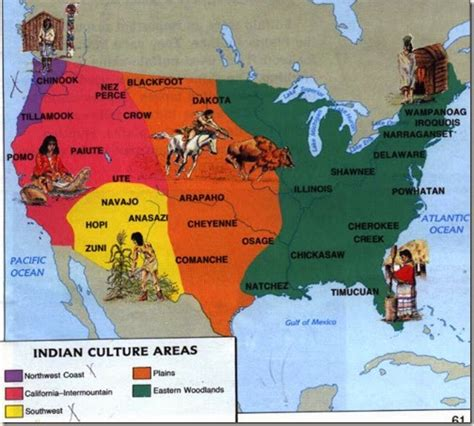
Native American Tribes & Native Indigenous People Photo Map Nation Border Wall
When considering the history of Native American tribes, it becomes evident that a significant number of these tribes no longer exist today. This unfortunate reality stems from various factors that have led to the extinction of numerous indigenous groups across North America. One of the main contributing factors is the violent colonization and displacement of Native Americans by European settlers, which resulted in the loss of land, resources, and cultural identity.
Additionally, the spread of diseases brought by the newcomers had devastating effects on Native American populations, decimating entire tribes. Furthermore, forced assimilation policies and government-sanctioned removals disrupted traditional ways of life and eroded tribal communities over time. These historical events highlight the painful legacy of Native American tribes’ extinction, representing a profound loss of heritage, language, and traditional knowledge.
The article delves deeper into the topic of how many Native American tribes are extinct, shedding light on the magnitude of this issue. It provides insights into the historical context and factors that have contributed to the disappearance of numerous tribes. The article emphasizes the impact of European colonization, including land dispossession and the introduction of diseases that ravaged Native American populations.
It also highlights the detrimental effects of forced assimilation policies and government removals, which further eroded tribal communities. Through its exploration of related keywords such as indigenous cultures, cultural heritage, and historical trauma, the article underscores the importance of understanding and acknowledging the painful history surrounding the extinction of Native American tribes. By recognizing these facts, we can strive towards fostering cultural preservation, inclusivity, and justice for Native American communities today.
The Native American tribes are an integral part of America’s history and culture. These tribes have inhabited the land for thousands of years before the arrival of Europeans.
However, over time, many Native American tribes have become extinct, leaving behind a rich legacy and profound impact on the history of the United States.
Historical Context
Before the arrival of Europeans, it is estimated that there were hundreds of Native American tribes across North America. Each tribe had its unique customs, traditions, languages, and ways of life. They thrived in diverse environments, ranging from the plains to the forests and deserts.
However, the arrival of Europeans had devastating consequences for Native American tribes. The introduction of new diseases, forced displacement, warfare, and cultural assimilation resulted in the decline and extinction of many tribes.
Causes of Extinction
The extinction of Native American tribes occurred due to various factors. One significant cause was the spread of infectious diseases brought by Europeans, such as smallpox, measles, and influenza. These diseases ravaged Native American populations, who had no immunity against them, leading to mass casualties and population decline.
Another factor contributing to the extinction of Native American tribes was the loss of their ancestral lands. As European settlers expanded westward, Native American tribes were forcibly removed from their territories through treaties, wars, and government policies. This displacement often disrupted their way of life, resulting in the breakdown of tribal structures and the loss of cultural practices.
Furthermore, conflicts between Native American tribes and European settlers, as well as the United States government, led to the decimation of numerous tribes. Wars, such as the Indian Wars in the late 19th century, resulted in the loss of many lives and further weakened the tribal communities.
Assimilation efforts by the US government, such as the Indian Boarding Schools, aimed to erase Native American cultures and traditions. Native American children were taken away from their families and forced to adopt European-American customs, languages, and religions. These policies disrupted the transmission of cultural knowledge and contributed to the decline of tribal identities.
Extent of Extinction
It is challenging to determine the exact number of extinct Native American tribes due to limited historical records and varying definitions of extinction. However, it is estimated that hundreds of tribes have become extinct in the United States.
Some prominent examples of extinct Native American tribes include the Yuchi, Calusa, Timucua, and Karankawa tribes of the southeastern United States. Other tribes, such as the Mandan, Hidatsa, and Arikara, experienced significant population declines and cultural loss but managed to survive through intertribal alliances and adaptation.
The extinction of these tribes represents a profound loss of cultural diversity and knowledge. Each tribe had its unique way of life, language, arts, and spiritual practices. With their disappearance, invaluable cultural heritage has been lost forever.
“I can see that something else died there in the bloody mud, and was buried in the blizzard. A people’s dream died there. It was a beautiful dream.”
—Oglala Lakota Holy Man Black Elk, recalling the Wounded Knee Massacre
Legacy and Cultural Revitalization
While many Native American tribes have become extinct, their legacies continue to shape American society. Their contributions to art, music, agriculture, medicine, and environmental stewardship are evident throughout history.
Efforts are being made to revitalize and preserve Native American cultures. Tribal communities and organizations work tirelessly to reclaim and protect their ancestral lands, revive traditional languages, and promote cultural practices. They strive to pass down their rich heritage to future generations and ensure that the legacy of extinct tribes lives on.
In recent years, there has been a growing recognition of the importance of Native American cultures and the need to honor their contributions. This includes initiatives to teach Native American history in schools, support for tribal sovereignty, and the revitalization of traditional practices.
15 Places Where Real Native American Culture Still Thrives
“Respect should be given to those indigenous nations who still carry on their ceremonies — those who still follow the ancient laws of nature with songs and ceremonies.”
—Oren Lyons, Seneca
Home of the Oglala Lakota Nation
Located in the southwestern corner of South Dakota, the Pine Ridge Reservation is approximately 100 miles from Rapid City. Surrounded by rolling prairie, Badlands, and the Black Hills, the Pine Ridge Reservation is home to the Oglala Lakota Nation.
Life on the Pine Ridge Native American reservation | Human Rights | Al Jazeera
Hidden America: Children of the Plains – Full DocumentaryYouTube – Search Videos
Hidden America: Children of the Plains – Full Documentary YouTube – Search Videos
Hidden America: Children of the Plains ABC 20/20 – YouTube
The Pine Ridge Reservation occupies the entirety of Oglala Lakota (formerly Shannon) County, the southern half of Jackson County and Bennett County. The total land area of the reservation is 2.1 million acres. The reservation is among the largest in the United States.
“I can see that something else died there in the bloody mud, and was buried in the blizzard. A people’s dream died there. It was a beautiful dream.”
—Oglala Lakota Holy Man Black Elk, recalling the Wounded Knee Massacre
See Beyond the Poverty; Embrace the Possibilities
Verified and accurate statistics can be hard to come by on the reservation, and only paint a partial picture of the realities endured by the residents of the communities on Pine Ridge. Likewise, statistics do not capture the vibrant culture, talented artists, hopeful young people, and the many individuals and organizations committed to building a better today – and tomorrow across the reservation.
The average life expectancy on Pine Ridge is 66.81 years, the lowest in the United States. Other statistics, attributed to the Pine Ridge hospital, cite an average life expectancy for men of just 47 years. Women fare slightly better, with an average life expectancy of 55 years.
There are 3,143 counties in the United States. Oglala Lakota County, contained entirely within the boundaries of the Pine Ridge Reservation, has the lowest per capita income ($8,768) in the country, and ranks as the “poorest” county in the nation.
A 2020 study found Oglala Lakota County ranked last for health outcomes (length of life and quality of life) and health factors (behaviors, clinical care, social and economic factors and physical environment) in the state of South Dakota.
“Respect should be given to those indigenous nations who still carry on their ceremonies — those who still follow the ancient laws of nature with songs and ceremonies.”
—Oren Lyons, Seneca
Population and Demographics
The population of the reservation is constantly in-flux. Depending on availability of resources (including access to food, transportation and utilities), a house may domicile more than a dozen individuals. The following numbers are indicative of the challenges in capturing accurate data:
18,834 individuals were recorded as living on the Pine Ridge Reservation during the 2010 U.S. Census. The vast majority (16,906) identified as American Indian.
The Department of the Interior’s Bureau of Indian Affairs reports the tribe has an enrollment of 46,855 members.
42.4% of the population was identified as being younger than 20 years old in the 2010 U.S. Census. By comparison, the state of South Dakota average for this demographic is 27.8%.
The median age on Pine Ridge is 25.4 years; 24.6 for men, and 26 for women.
19.8% of the population was identified as being older than 50 years old. The South Dakota average for this demographic is 33.8%.
“Good words will not get my people a home where they can live in peace and take care of themselves … It makes my heart sick when I remember all the good words and all the broken promises.”
—Chief Joseph, Nez Perce
“They want us to give up another chunk of our tribal land. This is not the first time or the last time. They will again try to gain possession of the last piece of ground we possess.”
— Sitting Bull, Lakota, 1889
Employment and Income
An 89% unemployment rate was identified in a 2005 Department of the Interior report. With a labor force of 29,539 in the tribe (not specifically the reservation), just 3,131 were employed. The Department of the Interior has since ceased producing estimates of “unemployment.”
Per capita income for American Indians living on Pine Ridge is $7,773. The average for all reservations is $10,543. The United States average is $27,599.
The median household income is $26,721 for American Indians living on Pine Ridge Reservation. The United States average is $53,482.
The officially reported poverty rate for American Indians living on Pine Ridge is 53.75%. The United States average is 15.6%.
Many assessments, drawing from sources other than U.S. Census data and government tabulations place the actual poverty rate in excess of 80% of the reservation’s population.
Two of the five “poorest communities in America” are located on the Pine Ridge Reservation! – Search
“Good words will not get my people a home where they can live in peace and take care of themselves … It makes my heart sick when I remember all the good words and all the broken promises.”
—Chief Joseph, Nez Perce
Education and Health
The school drop-out rate is over 70%. 28.7% of the native population of Pine Ridge Reservation reports having attained a high school diploma, GED or alternative. 10.7% of the native population reports having attained a bachelor’s degree or higher.
Statistics produced by the Oglala Sioux Tribe paint a bleak picture about the health of the reservation
Tuberculosis: 800% higher than America as a whole
Infant mortality: 300% higher than America as a whole
Teen suicide: 150% higher than America as a whole
Approximately 85% of Lakota families are affected by alcoholism
Approximately 58% of grandparents of Lakota families are raising their grandchildren
Approximately 50% of adults over the age of 40 have diabetes
Native American Cancer Rates – Search
Pine Ridge Indian Reservation Facts | Re-Member
Conclusion
The extinction of Native American tribes is a tragic chapter in American history. The loss of diverse cultures, languages, and knowledge is a profound reminder of the devastating consequences of European colonization.
However, efforts to preserve and revitalize Native American cultures offer hope for the future. By honoring the legacy of extinct tribes and supporting the continued vitality of surviving tribes, we can ensure that their contributions are recognized and celebrated for generations to come.
How Many Native American Tribes Are Extinct
The history of Native American tribes is a complex and often tragic one. Over the centuries, many tribes have faced displacement, violence, and disease brought by European colonization. As a result, numerous Native American tribes have become extinct or have significantly diminished in population. While it is difficult to determine an exact number, estimates suggest that over 500 Native American tribes have vanished since the arrival of Europeans in North America.
When discussing the extinction of Native American tribes, it is important to acknowledge the devastating impact of colonization. The arrival of Europeans led to the forced relocation of indigenous peoples, the destruction of their cultures, and the introduction of diseases for which they had no immunity. These factors, combined with warfare and assimilation policies, resulted in the disappearance of many tribes.
One example of an extinct Native American tribe is the Beothuk people of Newfoundland, Canada. The Beothuk had a unique language and culture but were gradually pushed out of their traditional lands by European settlers. By the early 19th century, the Beothuk population declined rapidly due to violence and disease. The last known Beothuk individual, Shanawdithit, died in 1829, marking the extinction of the tribe.
Another example is the Yahi tribe of California. The Yahi people faced severe violence and displacement during the California Gold Rush and subsequent settlement. By the late 19th century, only a few Yahi individuals remained. The last known survivor, Ishi, emerged from hiding in 1911 and became an important source of information about his tribe’s culture and history. The Yahi tribe is considered extinct.
How Many Native American Tribes Are Extinct
- The Beothuk Tribe
- The Yahi Tribe
- The Passamaquoddy Tribe
- The Powhatan Confederacy
- The Timucua Tribe
These are just a few examples of the many Extinct Tribes A-Z tribes that have become extinct over time. Each tribe had its unique history, culture, and struggles.
Recognizing and preserving the knowledge of these extinct tribes is crucial for understanding the full scope of Native American history and honoring their legacy.
How Many Native American Tribes Are Extinct?
Below are four commonly asked questions and answers related to the topic:
1. Question: How many Native American tribes are currently considered extinct?
Answer: It is estimated that approximately 562 Native American tribes are federally recognized in the United States today. Out of these, around 370 tribes are still active, while around 192 tribes are considered extinct.
2. Question: What factors contribute to the extinction of Native American tribes?
Answer: The extinction of Native American tribes can be attributed to a variety of factors, including diseases brought by European settlers, forced assimilation policies, displacement from ancestral lands, warfare, and loss of cultural practices.
3. Question: Can extinct Native American tribes regain recognition?
Answer: In some cases, extinct Native American tribes have successfully regained federal recognition. However, this process can be lengthy and challenging, requiring extensive historical documentation and proof of continuous community existence.
4. Question: How does the extinction of Native American tribes impact their descendants?
Answer: The extinction of Native American tribes has profound effects on their descendants, as it means the loss of cultural heritage, traditional knowledge, and connection to ancestral lands. It also often leads to the erosion of tribal languages, customs, and spiritual practices.
Conclusion of How Many Native American Tribes Are Extinct:
In conclusion, the extinction of Native American tribes has been a tragic outcome of historical events. While approximately 192 tribes are considered extinct, efforts are ongoing to preserve and revitalize Native American cultures and acknowledge the contributions and resilience of their descendants. It is crucial to recognize the importance of preserving indigenous languages, traditions, and customs for future generations.
It is a somber subject that sheds light on the tragic history of many indigenous communities in North America. Throughout the centuries, numerous Native American tribes have faced devastating consequences, leading to their extinction. By examining this aspect of history, we hope to raise awareness and foster a deeper understanding of the challenges faced by these cultures.
Transitioning to the main focus of our discussion, it is important to acknowledge that determining the exact number of extinct Native American tribes is a complex task. Due to various factors such as colonization, forced assimilation, disease, and displacement, many tribes have vanished from existence. However, it is vital to approach this topic with sensitivity and respect, recognizing that these tribes were once vibrant communities with rich cultures, traditions, and languages.
While precise numbers are difficult to ascertain, estimates suggest that hundreds of Native American tribes have become extinct over the centuries. Each tribe had its unique identity, customs, and way of life, contributing to the diverse tapestry of indigenous cultures across the continent. The loss of these tribes represents not only a cultural tragedy but also a loss of knowledge, wisdom, and valuable contributions to humanity.
In conclusion, reflecting on the extinct Native American tribes reminds us of the importance of preserving and celebrating the rich heritage of indigenous communities that continue to thrive today. By understanding the challenges faced by these tribes throughout history, we can work towards promoting inclusivity, respect, and justice for all cultures. Together, let us honor and remember the legacy of these tribes, ensuring that their stories are never forgotten.
Things About Native Americans You Didn’t Learn in School—Including Their Deep Connection to Wildlife
The 11 Native American Warriors19 and Leaders Who Defined America’s Frontier
Important Native Americans They Didn’t Teach You About In School | Watch
14 Native American Heroes History Books Left Out – but Shouldn’t Have
19 Iconic National Park Animals Every American Should Know by Sight
5 Native American Proverbs That Can Be Applied To Modern Living
The Largest Native American Reservations in the United States
The 10 Most Powerful Native American Tribes In History | Watch
20 Native American Proverbs That Carry Profound Life Lessons
How many native american tribes went extinct – Search Videos
Why did Native Americans have an ‘ecological consciousness’?
Why do Native American people respect the Earth?
Native American Beliefs About Nature – Search
Native American Beliefs About Souls – Search