
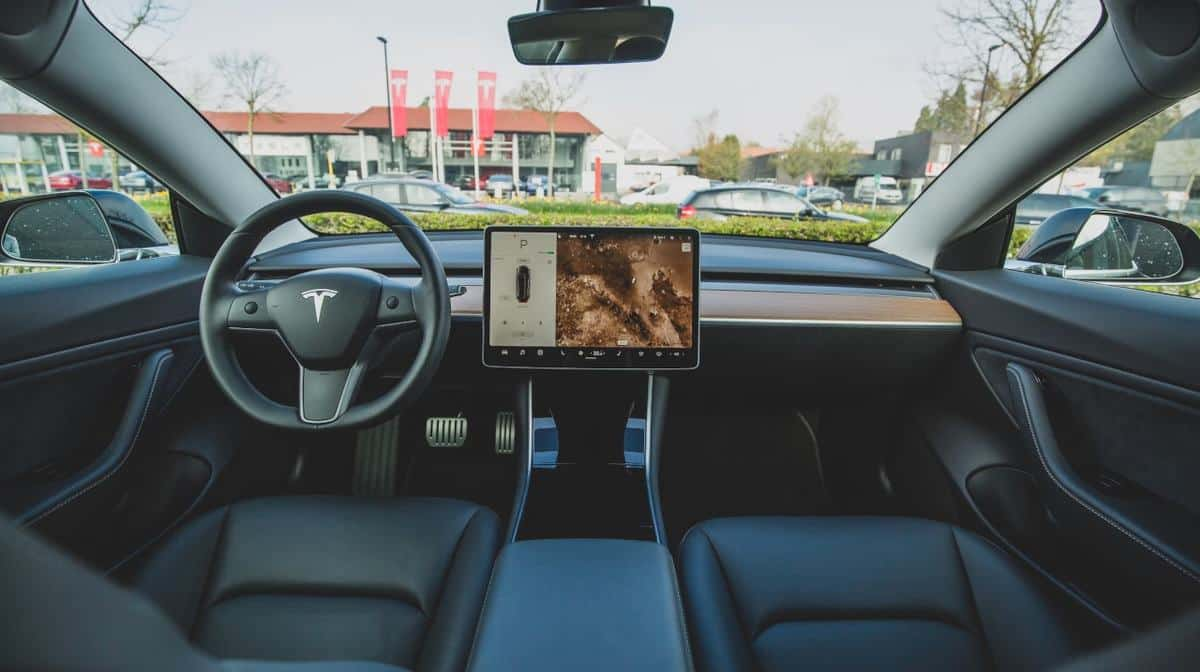
How Wealthy the Average American Is Compared to The Rest Of The World
When a group of Spanish journalists embarked on a 2,500-kilometer journey across Europe, their mission seemed clear: test the viability of electric cars on long-distance trips.
But after their trek from Berlin to Madrid, the team returned with an unexpected conclusion. The future of electric cars, it seems, is not quite ready to dethrone traditional vehicles for those in search of a cost-effective and practical option on the road.
he advent of electric vehicles (EVs) has been heralded as a major leap forward in the quest for clean, sustainable transportation. The image of silent, pollution-free cars gliding down city streets offers a seductive vision of an environmentally friendly future.
But beneath the surface of this green revolution lies a complex web of environmental, economic, and geopolitical implications that challenge the simplistic narrative of EVs as the unalloyed good for our planet.
How Much Debt The Average American Is In, How It Compares Globally
How America’s Income Gap Compares to The Rest of the World
The Journey Begins in Berlin with Blurred Vision
The Journey began in Berlin, where the group toured Tesla’s Gigafactory.
From there, they set out in two Tesla models, the Model Y Long Range RWD and the Model 3 Highland, both with Long Range versions designed for extended travel.
The goal was to assess how these electric vehicles stacked up against their diesel counterparts, particularly for long trips. The team’s route would take them through several European countries, ultimately ending in Madrid, offering ample opportunity to compare the costs and practicality of electric vs. diesel.
Testing the Real-World Efficiency
The journalists’ experiment was straightforward: drive the electric cars the same distance as a typical long-distance road trip while stopping every 200 to 300 kilometers for recharging. The trip allowed the team to experience firsthand the potential challenges of recharging an electric vehicle in real-world conditions.
 The Electric Car Conundrum: Is this really the future we want – Search
They primarily used Tesla’s Supercharger network but also explored other public charging stations. As they went from one stop to the next, they were constantly evaluating the time spent charging and the cost of electricity at each stop.
Despite the reliability of Tesla’s Superchargers, which provided a fast and efficient recharging experience, the team found themselves in frequent discussion over the challenges electric car users face.
One major factor they couldn’t ignore:
The time spent waiting for the vehicles to recharge was often far longer than the time it would take to fill up a diesel car at a fuel station. This was particularly evident as they navigated through areas where charging stations were sparse or less efficient.
The Cost of Recharging: Diesel’s Financial Edge
When the journey came to an end, the team sat down to crunch the numbers. According to data from the European Union’s official fuel price reports, the costs associated with recharging the Teslas were significantly higher than refueling a diesel vehicle.
Over the course of 2,500 kilometers, recharging the electric vehicles cost them €53.62 more than if they had fueled a comparable diesel car. This cost discrepancy grew even more when comparing the electric vehicles to a gasoline car, with the electric vehicles’ total fuel cost exceeding the gasoline vehicle’s by €136.61.
The study underscored a stark reality for electric car enthusiasts: while electric vehicles are often advertised as more affordable to fuel, long-distance trips could incur unexpected costs—particularly if fast-charging options like Tesla’s Superchargers are used.
Charging Infrastructure
While the cost of recharging was a concern, the type of charging infrastructure also played a significant role in the overall experience. Superchargers, known for their speed, are an expensive option. The journalists realized that opting for slower charging stations could reduce the overall cost of the trip, but it would also mean adding more time to the journey. The infrastructure of charging stations across Europe remains a work in progress.
While fast-charging options are becoming more widespread, they often come at a premium. This challenge becomes particularly apparent when traveling across countries with varying electricity prices. The team’s findings suggested that for drivers to get the best value out of their electric vehicles, they may need to carefully strategize their charging stops, balancing speed, cost, and convenience.
Diesel’s Practicality: Speed and Convenience
Despite the higher fuel costs, the diesel vehicles proved to be far more practical for the long-distance journey. The speed of refueling with diesel far outpaced the recharging times of the electric vehicles. This was a crucial advantage also for the team, especially considering the nature of their trip. Diesel vehicles are widely available across Europe, and refueling stations are common, meaning the team could stop at any point and resume their journey without significant delays.
Though electric vehicles may offer lower maintenance costs and environmental benefits in the long run, the benefits of a diesel vehicle—speed and convenience—were clear. The team noted that for long-distance travel, diesel vehicles are likely to remain the preferred choice for most drivers in the foreseeable future, at least until the charging infrastructure for electric vehicles becomes more widespread and efficient.
Even Reporters Admit EVs Don’t Beat Internal Combustion

Close Up Detail Of The Unique, Minimalist Design of the Steering Wheel of a Tesla Cyber Truck. Credit: Shutterstock | Great Discoveries Channel© Daily Galaxy US
Electric vehicles don’t work for long distance driving. The infrastructure does not match that built for internal combustion engines (ICE). And then there is cost. After Driving 2,500 Kilometers in Electric Car, they Reached an Irrefutable Conclusion: “Diesel” Is Still King on the Road
A group of journalists started at the Tesla factory in Berlin, and drove 2 vehicles from there to Madrid.
When a group of Spanish journalists embarked on a 2,500-kilometer journey across Europe, their mission seemed clear: test the viability of electric cars on long-distance trips. But after their trek from Berlin to Madrid, the team returned with an unexpected conclusion.
The future of electric cars, it seems, is not quite ready to dethrone traditional vehicles for those in search of a cost-effective and practical option on the road.
The cost of recharging was higher than what a comparable vehicle would have paid for either gas or diesel. Over the course of 2,500 kilometers, recharging the electric vehicles cost them €53.62 more than if they had fueled a comparable diesel car.
This cost discrepancy grew even more when comparing the electric vehicles to a gasoline car, also with the electric vehicles’ total fuel cost exceeding the gasoline vehicles by €136.61.
The charging infrastructure is also lacking. They were driving Tesla vehicles, and when they could find a Tesla supercharger, things were good. They couldn’t always find a Tesla charger however.
Superchargers, known for their speed, are an expensive option.
The journalists realized that opting for slower charging stations could reduce the overall cost of the trip, but it would also mean adding more time to the journey.
So will that extra time equate to a motel stay?
The article still parrots the idea that electric vehicles are better for the environment. Pay no attention to the environmental devastation caused by lithium mining in South America, or nickel mining in Indonesia, or child labor mining cobalt in Africa. The fact is that EVs don’t work for everyone.
This video is less than 4 minutes: The hat tip goes to Net Zero Quickie: Auto industry in “FULL PANIC MODE” | MGUY Australia.
Enjoyed these articles?
10 States Reach Major EV Target By 2025 Deadline In Decade-Long Clean Energy Push
10 Car Companies Worked on EVs Before It Was Cool & 10 That Never even Bothered
The Electric Vehicle Conundrum: Green Savior or Eco-Challenger? – The Geopolitics
2025 Chinese Cars: The 7 Models That Will Shake Up the Auto Industry | Watch
The electric car conundrum: more cars, more hype, or more hope? – ArenaEV
Spanish Muslims Start 8,000-KM Horseback Journey to Makkah | About Islam
10 Countries Speeding Toward Gas Car Bans—And a Few That Reversed Plans
20 Game-Changing Cars Set to Shake Up the Auto Industry in 2025 and 2026
Hybrid vs EV vs Gas: Which Actually Saves You the Most Money?
How Deep in Debt is America Compared to Other Countries?
Why Hybrid Cars May Be Better Than Full Electric (New Data Reveals)
Revealed: The Countries with The Most Electric Cars On The Road
13 States That Are Gearing Up to Ban Gas-Powered Cars
This new Hyundai EV might outrange all the rest
Here’s Why Electric Cars May Not Be The Future