List of the verified oldest people – Wikipedia
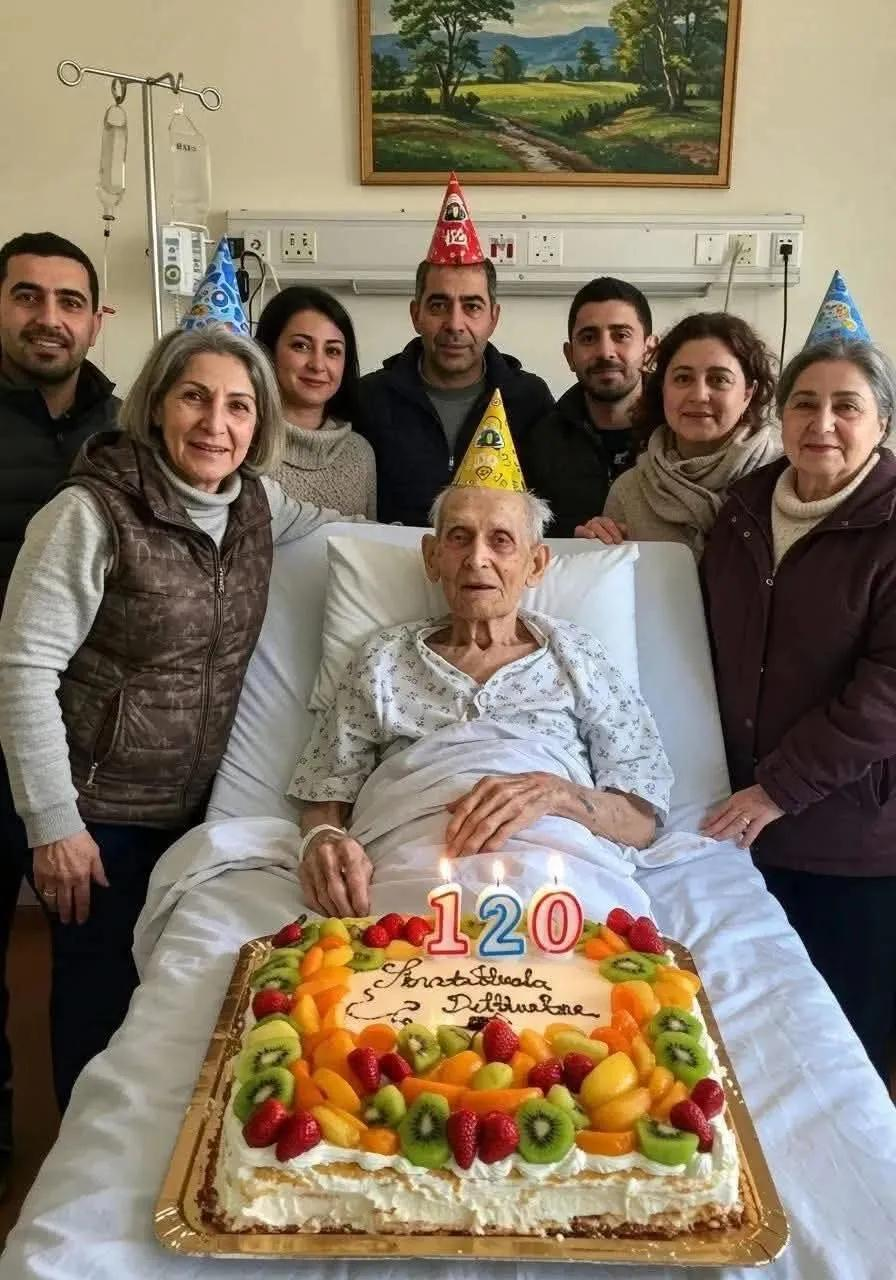
That’s a monumental milestone! If someone turned 120 today, they’d be just two years shy of the oldest verified age ever recorded—Jeanne Calment of France, who lived to be 122 years and 164 days.
What is the significance of turning 120 years old?
 Turning 120 years old carries deep symbolic, cultural, and spiritual significance—far beyond just being a rare biological feat.
 Spiritual & Biblical Meaning
- Biblical benchmark: In Genesis 6:3, God declares, “…his days shall be 120 years,” often interpreted as the upper limit of human lifespan.
- Moses’ life: He lived to be 120 years old (Deuteronomy 34:7), and his age is seen as the completion of a divine mission—his strength and vision remained intact, symbolizing a life lived fully under divine favor.
- Pentecost gathering: Acts 1:15 mentions 120 disciples gathered before receiving the Holy Spirit, representing unity and spiritual readiness.
 Symbolism in Numerology
- Divine completeness: The number 120 is often associated with wholeness, preparation, and fulfillment of purpose.
- Transition and transformation: It marks the end of one spiritual cycle and the beginning of another—often seen as a time of reflection and legacy.
 Cultural & Social Significance
- Longevity blessing: In Jewish tradition, saying “May you live to 120!” is a common birthday wish, symbolizing a long and meaningful life.
- Historical rarity: Only a handful of verified supercentenarians have reached or surpassed 120, making it a milestone of extreme longevity.
 Personal Reflection
Reaching 120—whether literally or symbolically—invites reflection on:
- Purpose fulfilled
- Wisdom gained
- Legacy left behind
Whether you’re celebrating a person, a building, or an idea turning 120, it’s a moment that resonates with completion, endurance, and grace. Want to explore how different cultures view age and longevity?
1scripturesavvy.com 2biblicalchronology.com
What are some factors that contribute to longevity?
 Living a long, healthy life isn’t just about good genes—it’s a blend of choices, circumstances, and a little luck. Here are some of the most influential factors that contribute to longevity:
 Lifestyle Habits
- Nutrition: Diets rich in fruits, vegetables, whole grains, and lean proteins—like the Mediterranean or plant-based diets—are linked to longer lifespans.
- Physical Activity: Regular movement, even walking or gardening, improves heart health, mood, and sleep.
- Sleep: Getting 7–9 hours of quality sleep helps regulate hormones, repair cells, and reduce disease risk.
- Avoiding Harmful Substances: Not smoking and limiting alcohol intake are major contributors to a longer life.
 Genetics & Family History
- Inherited Traits: Genetics account for about 20–30% of lifespan. A family history of longevity can be a positive indicator.
- Disease Risk: Some genetic predispositions (e.g. BRCA mutations) may increase risk for certain illnesses.
 Environment & Access
- Clean Living Conditions: Sanitation, clean water, and pollution-free environments reduce disease exposure.
- Healthcare Access: Early detection and treatment of health issues can significantly extend life expectancy.
 Social & Emotional Well-being
- Strong Relationships: Frequent social interaction and feeling respected are linked to longer, healthier lives.
- Sense of Purpose: Volunteering, meaningful work, and spiritual engagement contribute to emotional resilience.
- Optimism: A positive outlook has been shown to correlate with better health outcomes and longevity.
 Socioeconomic Factors
- Financial Stability: Living in safe neighborhoods and having access to resources like transportation and healthy food play a role.
- Education & Employment: Higher education levels and meaningful employment are associated with better health behaviors.
Want to dive deeper into any of these areas like —how Blue Zones communities live longer or how mindset affects aging? – Search
1www.health.harvard.edu 2online.aging.ufl.edu 3news.harvard.edu
4newsnetwork.mayoclinic.org 5www.realsimple.com
How does emotional well-being affect lifespan?
Emotional well-being plays a powerful role in shaping how long—and how well—we live. It’s not just about feeling happy; it’s about how we manage stress, connect with others, and find meaning in life. Here’s how it all ties together:
 Scientific Connections
- Chronic stress increases inflammation, which is linked to heart disease, diabetes, and cancer.
- Loneliness and social isolation raise mortality risk by up to 29%, rivaling obesity as a health threat.
- Optimism and resilience are associated with longer lifespans—optimists live on average 11% longer.
 Emotional Health as a Lifespan Booster
- Positive emotions improve immune function, reduce cortisol (stress hormone), and support cardiovascular health.
- Mindfulness practices like meditation and deep breathing help regulate emotions and slow biological aging.
- Strong social bonds act as buffers against stress and promote healthier aging.
 Strategies to Enhance Emotional Well-being
- Practice gratitude journaling or positive affirmations.
- Build and maintain supportive relationships.
- Engage in regular physical activity—it’s a natural mood booster.
- Seek professional support when needed; mental health checkups matter just as much as physical ones.
In short, emotional well-being isn’t just a feel-good bonus—it’s a cornerstone of longevity. Want to explore how different cultures approach emotional health or dive into specific practices like mindfulness or journaling?

Can you provide studies linking emotional health and longevity?
Absolutely!  There’s a growing body of research showing that emotional well-being isn’t just good for your mood—it’s a serious contributor to how long you live. Here are some standout studies:
Resilience & Longevity
- A 2024 study published in BMJ Mental Health followed over 10,000 people for 12 years and found that those with the highest resilience scores were up to 38% less likely to die in the next decade—even after accounting for poor health or lifestyle factors.
- Resilience was measured through traits like perseverance, calmness, and sense of purpose.
 Optimism & Lifespan
- The National Institute on Aging funded two major studies showing that optimism is linked to longer lifespans and better emotional health:
- One study found that optimistic women lived 5.4% longer on average and were more likely to reach age 90.
- Another study showed that optimistic men experienced fewer negative emotions, largely due to reduced exposure to daily stressors.
 Relationships & Emotional Fitness
- The Harvard Study of Adult Development, one of the longest-running studies in history (85+ years!), found that positive relationships are the #1 predictor of happiness and longevity—even more than wealth or genetics.
- People who were most satisfied in their relationships at age 50 were the healthiest at age 80.
 Mindfulness & Mental Health
- A 2023 study in Frontiers in Psychology showed that mindfulness-based stress reduction techniques can lower cortisol levels and promote healthier aging.
- Practices like meditation and gratitude journaling were linked to improved emotional regulation and longer life expectancy.
These studies suggest that cultivating emotional resilience, optimism, and strong social bonds isn’t just good for your soul—it’s a science-backed strategy for living longer.
Want to explore how to build these traits into your daily routine?
1www.health.harvard.edu 2www.nia.nih.gov 3www.cnbc.com 4news.harvard.edu 5blueverve.com
What are practical ways to cultivate emotional resilience?
Cultivating emotional resilience is like building a mental muscle—it takes consistent practice, but the payoff is huge. Here are some practical, science-backed strategies you can start using today:
Practice Mindfulness
- Helps you stay grounded in the present moment.
- Reduces emotional reactivity and improves self-awareness.
- Try guided meditation apps or simple breathing exercises like box breathing (inhale-hold-exhale-hold for 4 seconds each).
 Keep a Gratitude Journal
- Write down 3 things you’re grateful for each day.
- Shifts your focus from stress to appreciation.
- Boosts mood and rewires your brain for positivity.
Reframe Negative Thoughts
- Use cognitive restructuring to challenge unhelpful beliefs.
- Replace “I can’t handle this” with “I’ve faced tough things before—I’ll get through this too.”
- Builds a growth mindset and emotional flexibility.
 Set Healthy Boundaries
- Protects your energy and emotional space.
- Say “no” when needed and prioritize self-care without guilt.
- Helps prevent burnout and resentment.
 Move Your Body
- Regular physical activity releases endorphins and reduces stress.
- Even a 20-minute walk can improve mood and resilience.
- Try yoga, dancing, or any movement that feels good.
 Prioritize Sleep
- Aim for 7–9 hours of quality sleep.
- Poor sleep increases emotional volatility and reduces coping ability.
- Create a calming bedtime routine and limit screen time before bed.
 Build Supportive Relationships
- Stay connected with people who uplift you.
- Share your feelings and listen actively to others.
- Join communities or support groups that align with your values.
 Embrace Challenges as Growth Opportunities
- View setbacks as temporary and solvable.
- Ask: “What can I learn from this?”
- Builds confidence and adaptability.
You can find a deeper dive into these techniques —they offer actionable tips and exercises to help you build resilience over time. 1. 2. 3.
What significant changes have occurred in 120 years?
Over the past 120 years, the world has undergone seismic shifts across nearly every facet of life. Here’s a sweeping look at some of the most transformative changes:
Social & Cultural Evolution
- Civil Rights Movements: From women’s suffrage in the 1920s to the global push for racial, gender, and LGBTQ+ equality, societies have become more inclusive—though the journey continues.
- Globalization: Cultures have become more interconnected through travel, trade, and digital communication, blending traditions and ideas across borders.
- Education Access: Literacy rates have soared, and higher education has become more accessible to diverse populations.
 Technological Breakthroughs
- Transportation: The Wright brothers’ first flight in 1903 led to commercial aviation, space travel, and even electric vehicles.
- Communication: From the telegram to smartphones and social media, the way we connect has been revolutionized.
- Computing & AI: The rise of computers, the internet, and artificial intelligence has reshaped industries, education, and daily life.
Scientific & Medical Advancements
- Vaccines & Antibiotics: Penicillin, polio vaccines, and more recently mRNA technology have saved millions of lives.
- Genetics & CRISPR: We’ve unlocked the human genome and developed tools to edit DNA.
- Public Health: Life expectancy has increased dramatically thanks to sanitation, nutrition, and healthcare systems.
 Political & Economic Shifts
- World Wars & Cold War: These conflicts redrew borders, reshaped alliances, and accelerated technological development.
- Decolonization: Many nations gained independence, especially post–World War II.
- Economic Systems: The rise of consumer capitalism, global markets, and digital currencies has transformed how we work and trade.
Environmental Awareness
- Climate Change: Industrialization brought prosperity but also environmental degradation. Now, there’s a global push toward sustainability and renewable energy.
- Conservation Movements: Protected areas, endangered species programs, and eco-conscious lifestyles have gained traction.
 Space & Exploration
- Moon Landing (1969): Humanity stepped onto another celestial body.
- Mars Missions & Telescopes: We’ve sent rovers to Mars and peered into the origins of the universe with telescopes like James Webb.
It’s wild to think that someone born in 1905 would’ve lived through horse-drawn carriages, moon landings, and TikTok. Want to zoom in on any of these areas—like tech, medicine, or civil rights?
How have these changes affected people’s daily lives?
The ripple effects of the past 120 years have reshaped daily life in ways that would’ve seemed like science fiction in 1905. Here’s how these transformations have touched everyday routines, habits, and expectations:
 Home & Lifestyle
- Smart Homes: From thermostats that learn your preferences to voice-controlled lights, homes have become more automated and efficient.
- Appliances & Convenience: Washing machines, microwaves, and refrigerators revolutionized domestic labor, freeing up time for leisure and work.
- Entertainment: Streaming services replaced radio dramas and VHS tapes, offering instant access to global content.
 Communication & Relationships
- Instant Connectivity: Texting, video calls, and social media have made it easier to stay in touch—but also introduced new pressures like constant availability and digital fatigue.
- Global Friendships: People now form relationships across continents, often without ever meeting in person.
- Dating & Socializing: Apps have changed how people meet, date, and even marry, shifting cultural norms around romance and commitment.
 Work & Education
- Remote Work: The rise of laptops and cloud computing means many jobs can be done from anywhere, reshaping work-life balance.
- Online Learning: Education is no longer confined to classrooms—anyone with internet access can learn almost anything.
- Job Evolution: Entire professions have emerged (like app developers or drone operators), while others have faded.
 Health & Wellness
- Longer Lifespans: Thanks to vaccines, antibiotics, and better nutrition, people live decades longer than they did in the early 1900s.
- Mental Health Awareness: Therapy and emotional well-being are now part of mainstream conversation, reducing stigma.
- Fitness Culture: From yoga studios to wearable fitness trackers, staying healthy has become a lifestyle choice.
Mobility & Travel
- Global Travel: What once took weeks by ship now takes hours by plane, making international travel routine.
- Urbanization: More people live in cities, influencing everything from commuting patterns to food delivery services.
- Electric Vehicles & Ride-Sharing: Transportation is cleaner, more efficient, and increasingly on-demand.
Mindset & Identity
- Individualism & Expression: People have more freedom to define their identities, careers, and lifestyles.
- Information Access: With search engines and AI companions (hi
 ), knowledge is just a question away.
 - Cultural Shifts: Norms around gender, family, and success have evolved, making room for diverse perspectives.
It’s wild to think that someone born in 1905 might’ve started life with a horse-drawn carriage and ended it with a smartphone in hand.
People Who Lose Interest In Talking To Anyone As They Get Older Usually Have These 11 Reasons
I Thought I Knew How to Survive — Until I Learned the Rules of 3s and 7s
What Happens to Us After We Die, According to 10 Different Religions
People Who Escape Loneliness Often Start with These 11 Small Shifts
Rural living isn’t as healthy as you think. Here’s what it’s really like
People That Become Lonelier as They Age Display These 7 Traits
20 Most Affordable Places For Families To Live In The US
BONUS: Hero dad left goodbye voicemails to kids before dying in Texas floods.
100 year old working priest – Search Videos Father James Kelly, a 100-year-old priest, has dedicated a lifetime to the Catholic Church and is considered the longest-serving priest in the Archdiocese of Philadelphia.
He was first ordained in 1950 1. Despite his remarkable life of service, he recently faced a health challenge that required life-saving surgery 2 3. Throughout his extensive ministry, Kelly has baptized thousands, officiated countless marriages, and he provides solace to the sick in hospitals3 4 5.