Medically Reviewed | Last reviewed by an MD Anderson Cancer Center medical professional reviewed on January 24, 2022
Leiomyosarcoma Cancer: My Story
Soft tissue sarcoma begins in the soft – or connective – tissues of the body, such as muscle, fat and blood vessels. There are dozens of types of soft tissue sarcoma. One of the more common subtypes of sarcoma in adults is leiomyosarcoma. But with an estimated incidence of 1 in 100,000 people per year, it’s still quite rare compared to lung or colorectal cancer.
Leiomyosarcoma is believed to originate in the body’s smooth muscles, including the uterus, the intestines, stomach, bladder and blood vessels. Since smooth muscle is present throughout the body, leiomyosarcoma can occur anywhere in the body.
To learn more about this form of soft tissue sarcoma, we spoke with Patrick Lin, M.D., an orthopaedic surgeon who treats leiomyosarcoma patients in MD Anderson’s Sarcoma and Orthopaedic Center, the nation’s largest program for bone and soft tissue sarcomas.
What is leiomyosarcoma?
Leiomyosarcoma is a rare type of cancer that falls into the category of sarcomas, which generally arise from connective tissue. Leiomyosarcoma generally forms in the smooth muscles of the body.
What are the symptoms of leiomyosarcoma?
The symptoms depend on where the tumor occurs, which can be almost anywhere. Leiomyosarcoma often presents as a firm, painless lump in the soft tissues of the body. It sometimes causes cramping or pain when it arises in an internal organ, such as the uterus or in the digestive tract. Symptoms rarely involve the bones, except in late stages of the disease.
How is leiomyosarcoma diagnosed?
The gold standard for diagnosis is tissue biopsy of the primary tumor. This can be accomplished by needle biopsy. This is when a needle is used to obtain a sample of cells from the tumor for laboratory testing.
What is the prognosis for someone diagnosed with leiomyosarcoma?
The prognosis for leiomyosarcoma varies greatly
A Metabolic Approach to Fighting Cancer With Dr. Thomas Seyfried
Cancer’s Metabolic Fuel: Glucose, Glutamine and Cellular Energy Dynamics
Leiomyosarcoma: 7 facts about this rare soft tissue cancer.
BY Lisa Garcia
Leiomyosarcoma is a rare and aggressive form of soft tissue sarcoma that originates in the smooth muscles of the body. Here are seven key facts about this cancer:
- Rarity: Leiomyosarcoma is estimated to occur in about 1 in 100,000 people per year, making it quite rare compared to other cancers like lung or colorectal cancer. 1
- Location: It can occur almost anywhere in the body, but the most common location is the uterus, which is composed largely of smooth muscle. 1
- Symptoms: Symptoms depend on where the tumor occurs, which can be almost anywhere. It often presents as a firm, painless lump in the soft tissues of the body, but it can cause cramping or pain when it arises in an internal organ. 1
- Diagnosis: The gold standard for diagnosis is tissue biopsy of the primary tumor, which can be accomplished by needle biopsy. 1
- Prognosis: The prognosis varies greatly depending on the stage of disease, size, and metastatic spread. Early detection and treatment are key to a better outcome. 1
- Treatment: Treatments include surgery, chemotherapy, radiation therapy, and targeted therapy. Surgery is the main treatment for leiomyosarcoma. 1
- Subtypes: Leiomyosarcoma can be classified into three subtypes: somatic soft tissue LMS, uterine leiomyosarcoma, and cutaneous or subcutaneous LMS. 1
These facts provide a comprehensive overview of leiomyosarcoma, its characteristics, and the importance of early detection and treatment for improving outcomes.
I am a “THRIVER”, not a survivor. We don’t survive this cancer. But we can thrive!
At this moment, I am thriving! help #endcancer – Search Results | Facebook
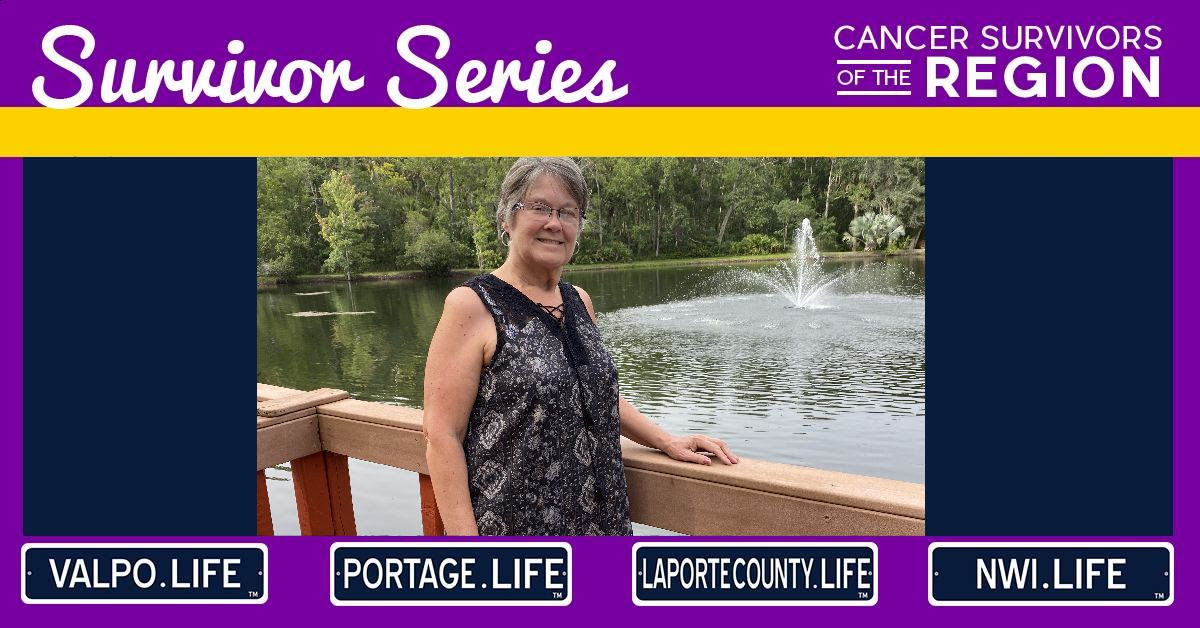
“I have been fighting stage 4 Uterine #Leiomyosarcoma (uLMS) for over 4 years.
Marge Brauer: Leiomyosarcoma – Search Videos
LMS is a rare incurable type of cancer which affects less than 2 out of 150,000 people. But there are treatments and hope! Read the story of our friend Marge who is THRIVING while facing the challenges of this rare disease!
At 68 years young Marge Brauer is a retired teacher and business owner “enjoying life”. Spending time at home in Indiana or vacationing at her “happy place” in Florida, you may find her riding her bike, playing shuffleboard, or socializing at a community gathering. But keeping up this lifestyle isn’t as simple as it may look to the unknowing observer. Because for the last 5 years Marge Brauer has been living with leiomyosarcoma, a rare and aggressive form of cancer.
Marge describes that due to both her cancer and treatments, there are many days she wakes up fatigued or depressed, not wanting to leave the house, or even get out of bed. But over the past 5 years, Marge has pushed herself to get past the fatigue or depression by being active. As she has done this, she has been much happier falling asleep at night due to the “good exhaustion” her active life provides instead of being controlled by fatigue and depression brought on by the disease.
While Marge is reaping both physical and mental benefits of pushing herself, she also expresses the frustration that comes along with her efforts, “My husband and daughter in law are very supportive and see me when I am struggling.
Other friends, family, and neighbors see me out and say things like ‘You look great, you’re doing great, or you are so strong’. I know they mean well, but I just want to scream. I don’t feel like I’m looking great or doing great, and I definitely don’t feel strong … While I might be out now, I may barely have any energy in an hour. It’s important for me to stay positive and make the best of my life, but then because I appear positive, everyone thinks I’m fine. Meanwhile I struggle on a day to day basis”.
In order to help her cope with emotions brought on by those well-meaning, but misplaced comments, Marge has found comfort in support groups of fellow patients who have a shared life experience. “My advice to any cancer patient is to find a local support group where you’ll find other people who know exactly what you are going through. This will help you to not feel alone. They’ll understand your frustrations. Plus, you can learn so much more about your disease and treatment options”. For people like Marge who live with a rare cancer or in a small community, there may not be local support groups available. In those cases, Marge advocates for “online support groups” where people from around the world share, comfort, and educate each other.
As a former teacher, Marge’s quest for knowledge has never stopped. Through the support groups and her online research, she has educated herself on her diagnosis, treatment options, and provider options. She encourages her fellow survivors to do the same. “The more information you have the better you can advocate for your health”.
Research indicates that Former Teachers Have an Increase Cancer Rates due to various environmental and lifestyle factors. A study found that teachers share several factors that increase their cancer risk compared to non-teachers.
The California Teachers Study specifically highlighted higher rates of breast cancer among female teachers, attributing these disparities to various factors.
Former teacher’s stress causes her cancer – Search
Additionally, a study examined the relationship between cancer incidence and the electrical environment in schools, suggesting that factors like high-frequency voltage transients may contribute to increased cancer rates among teachers.
These findings suggest a potential link between teaching and increased cancer risk, warranting further investigation. Marge describes the power she feels having gained this knowledge.
She recalls a visit in September 2023, “I always review my labs, scans, test results. I think everyone should. You need to understand so you can talk to your doctor and advocate for yourself. You must have a doctor who you know will listen. Dr. Kassar always takes the time when I need it. On this visit in September 2023, I reviewed a radiologist report and was concerned with the radiologist’s conclusions. I pointed this out to Dr. Kassar. He took the time to listen, review the report, evaluate it further, and we changed the course of action”. This change of course may have stopped Marge’s health from taking an unnecessary change for the worse.
With a smile Marge relayed “I am a “THRIVER”, not a survivor. We don’t survive this cancer. But we can thrive! At this moment, I am thriving!” “In fact”, Marge reports, “This week’s scans showed stability!”
She is grateful for advancements in medicine, the efforts & knowledge of her doctors, the support of family, and having a treatment team close to home. But as Marge’s story illustrates, having the determination to push yourself, the knowledge to advocate for yourself, and the emotional support of fellow “thrivers” are the key components to “enjoying life”.
Like most uLMS patients, it hides under the guise of uterine fibroids. I have undergone multiple chemo and radiation treatments that may not cure but hold this cancer at bay. Currently, I’m stable and grateful for that. I get through each and every day by finding something that puts a smile on my face – no matter how small it may be.
I have undergone multiple chemo and radiation treatments that may not cure but hold this cancer at bay. Currently, I’m stable and grateful for that. I get through each and every day by finding something that puts a smile on my face – no matter how small it may be.
Participating in Count Me In’s LMS Project gives me hope. Hope that it will help, maybe not me, but future individuals that are fighting this very rare cancer. Hope that this research will better help understand LMS and working treatments are found.” – Marge Brauer | Join the movement that can impact the future understanding of cancer at LMSProject.org – JoinCountMeIn.org #SarcomaAwarenessMonth#JoinCountMeIn
We offer support to patients, survivors and caregivers. Leiomyosarcoma is a subset type of Sarcoma, a rare cancer. Please share your experiences and journey with others and ask questions. We learn from each other and believe that knowledge is power. We have many members that may be going through a recent surgery or treatments, we are here for you and send everyone positive thoughts and healing energy.
Please note we are not medical professionals although we do share our medical experiences including links to online sites and info. It is key to ask your medical team any medical questions regarding your health or any type of treatments or suggestions that you read about in any online groups.We do not allow graphic photos of medical procedures or of the human body related to this disease.
Please post in a respectful courteous manner. All posts that are of a violent tone or argumentative will be removed. We do not sell products for profit and do not allow individual fundraising. We do not support any political party or religious groups. Lori Baylis McCourt is the Founder of our group and a caregiver for her husband who is a LMS survivor.
Lori is also an Admin along with Marge Hodgetts Brauer, Cheryl Watson Davis, Jennifer Jones & Karen Navitsky Brake. Marge & Cheryl are both ulms survivor’s. This is a closed group on Facebook and all new members will need to be approved. We ask you to answer a few questions as a vetting process & agree to our rules.
What you post can be seen by other members but will not show up on your FB page. Please do not share other members’ posts without their permission. If you have any questions or concerns please feel free to contact Lori, Marge or Cheryl through messenger. Together we are Stronger!
LeioMyoSarcoma (LMS) support group | Facebook
Survival Stories – Northwest Cancer Centers
Breelyn Wilky MD | Medical Oncology | UCHealth – Search Videos
Brauer has a long journey ahead of her, but she is strong, and she is fighting every day. Always remember to stop and smell the roses when times get rough.
Nancy McGuire: Thriving with Leiomyosarcoma Thanks to Research | AACR Cancer Progress Report 2016
Thriving with and healing from incurable uterine leiomyosarcoma cancer