DIET: Let Food Become Thy Medicine.
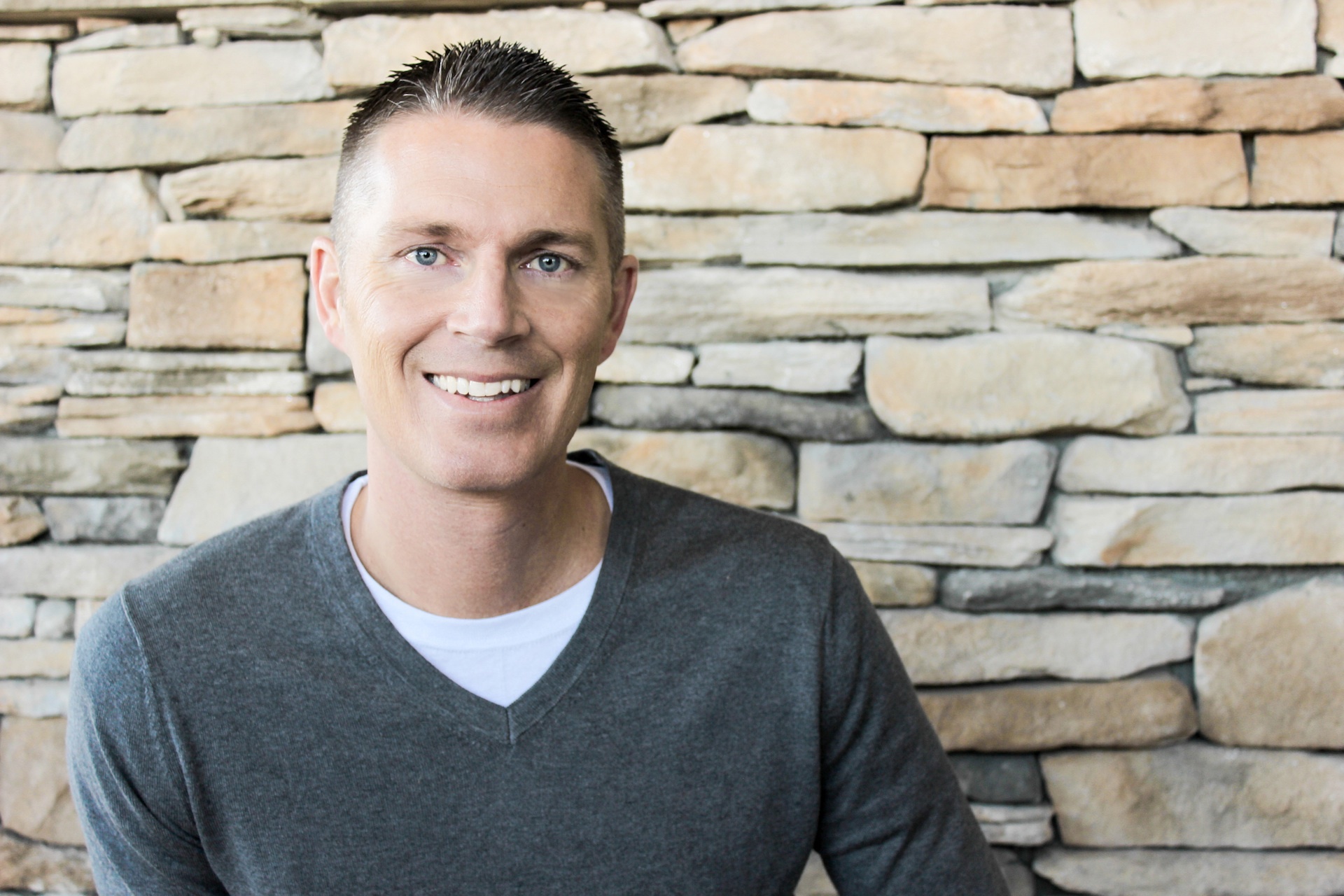
Dr. Pete Sulack
The phrase “Let food become thy medicine” is attributed to Hippocrates, the ancient Greek physician, and emphasizes the importance of nutrition in maintaining health. 1. It suggests the food we consume can either heal us or contribute to illness, highlighting the connection between diet and overall well-being. 2.
I moved to a therapeutic ketogenic diet to cut off the glucose that cancer cells feed on and focused on consuming anti-inflammatory foods, angiogenesis inhibiting foods that starve cancer of its fuel sources, and eliminated sugar, seed oils, and processed grains. I leaned into the Budwig protocol — flaxseed oil and cottage cheese for its metabolic benefits.
What did I learn?
Healing isn’t just about what you add in. It’s about what you remove, sugar, yes, but also stress, guilt, and noise. I learned to eat with intention, not fear. Cancer is a horrible and terrifying disease. Authority Magazine started a new series called “I Survived Cancer and Here Is How I Did It”. – Search
In this interview series, we are talking to cancer survivors to share their stories, in order to offer hope and provide strength to people who are being impacted by cancer today. As a part of this interview series, I had the pleasure of interviewing Dr. Pete Sulack who is a survivor, health practitioner, and the Founder of Redeem Health and Redeem Essentials. He began his career as a trusted healthcare provider, leading one of the largest chiropractic wellness clinics in the nation: Redeem Health.
But everything changed when he was diagnosed with Grade 4 Diffuse Astrocytoma, a terminal brain cancer with no cure. Instead of giving up, Dr. Sulack turned to the very functional, metabolic, and holistic protocols he had spent years developing for others.He became his own patient in November 2024. And just a few months later in March 2025, he was declared in full remission.
Dr. Sulack has become a leading voice in functional medicine, using his personal story and clinical expertise to reach others through Be Resilient Program and Redeem Essentials. The Be Resilient Program is an 8-month personalized health transformation program designed for those facing cancer and chronic illness. Redeem Essentials is a premium supplement line built to support metabolic health, mitochondrial function, detox pathways, and inflammation reduction.
Dr. Sulack is a devoted husband, father, and evangelist whose faith has been a cornerstone throughout his life, especially during his journey overcoming terminal brain cancer. He has a passion for helping others build resilience on their journey to healing and well-being.
Thank you so much for joining us in this interview series!
We really appreciate the courage it takes to publicly share your story. Before we start, our readers would love to “get to know you” a bit better. Can you tell us a bit about your background and your childhood backstory?
Absolutely. I’m honored to share my story. I’ve had an incredibly blessed life!
For over 20+ years I have been a chiropractor. For years, I poured my heart into serving patients and teaching them how to live happier and healthier lives. My focus has been on preventative, holistic approaches, however, I never imagined that one day I’d be the patient fighting for my life. Looking back, life has a way of giving you the exact tools that I would eventually need to overcome one of my life’s greatest battles!
Can you please give us your favorite “Life Lesson Quote”?
Can you share how that was relevant to you in your life?
One of my favorite “quotes” is actually just two words: “But God.” In other words, no matter how dire or impossible a situation looks, I remind myself: but God can turn it around. This became incredibly personal to me during my cancer battle. I was literally told I had a 1% chance to be alive in eight months, essentially a death sentence, but God had another plan.
Refusing to Die: A True Story of Miraculous Healing: Dr. Sulack With Jerry Hammond
Four months after my diagnosis, the oncologist and neurosurgeon were both stunned to tell me I was in full remission. To me, “But God” means that hope always exists beyond the odds. Let’s now shift to the main part of our discussion about surviving cancer. Do you feel comfortable sharing with us the story surrounding how you found out that you had cancer?Of course. My diagnosis story still feels surreal.
It was late November 25, 2024.
I had been feeling “off” for quite some time. Looking back, I realize I’d experienced symptoms for about 18 months before we knew what it was. I remember in the week leading up to Thanksgiving, my symptoms suddenly started getting worse. I started having trouble speaking and articulating my words. I’d be in the middle of a conversation and the right words just wouldn’t come out. My wife, Stephanie, became really good (even better than she already was) at finishing my sentences. As an evangelist and doctor, that really began to alarm me.
At first, I brushed it off to stress or being overtired, but the issue persisted and was getting progressively worse. On Monday, November 25th, I was on the phone with my brother, and he noticed I was struggling to articulate my thoughts. He said, “Pete, something isn’t right. You need to get this checked out.”I drove to one of the local hospitals, thinking they might find maybe a minor stroke or some neurological hiccup.
I honestly never imagined the real cause would be a massive, tennis ball size, tumor in my brain. But after a CT scan and an MRI, a doctor came into the room with that look on his face that no one ever wants to see. He said they found a 6 cm mass in my brain, located near the area that controls speech and motor control. At that moment, time seemed to slow down. I recall him using the word “glioblastoma” a word I had obviously heard before, but in regard to others, not myself, and one you never want to hear.
My heart just sank.
It’s hard to describe that feeling — it was like the air got sucked out of the room.I was admitted for further tests, and within a short time the diagnosis was confirmed to be: Grade 4 diffuse astrocytoma, an aggressive form of brain cancer. Essentially, it was a terminal diagnosis. The doctors were very honest and told me the prognosis was not good. I was 48 years old and suddenly I’m being told I might have less than a year to live. It was the shock of a lifetime.
That night, lying in bed, I felt a mix of emotions: disbelief, fear, and oddly, a sense of okay…what now? Because I realized I had a choice: either succumb to despair or fight with everything I had. In that initial storm of uncertainty, one thing became clear — I was going to fight. I didn’t know how exactly yet, but I knew I wasn’t going to just accept a death sentence. Little did I know how life-changing the next steps would be. But that moment, hearing “you have terminal brain cancer,” is etched in my memory forever.
What was the scariest part of that event?
What did you think was the worst thing that could happen to you?
When you’re hit with news like that, an avalanche of fears comes crashing in.
The scariest part for me was the unknown.
In those first moments, my mind immediately went to my wife and children. The absolute worst thing I imagined was not being there for my family — the thought that I might have to say goodbye to my wife, that I might not see my kids grow up. Cancer wasn’t just threatening me; it was threatening to steal the life we had planned as a family. That was terrifying.
Even as a person of deep faith, I’m human.
Lying in bed that first night, I had a very real confrontation with my mortality. I asked myself, “Am I ready to die? Is this how my story ends?” The worst outcome in my mind was leaving my loved ones in grief and having unfinished work here on earth. I was afraid of the heartbreak it would cause my family, and I was afraid of missing out on what God still had in store for my life.
However, I will say that even in those scary moments,
I had a supernatural peace, and my faith began to kick in and counter some of those fears. I remember my wife, kids, and I praying together through tears that first night. In that prayer, a sense of peace started to glimmer. It wasn’t that I wasn’t afraid — I was — but I had this assurance that I wasn’t facing this alone, that God was with us. It’s strange to say, but amidst the terror, I felt a reassurance in my spirit that this was not the end of my story.
That little spark of hope helped push back the darkest fears.
Still, the initial terror of “what if I only have months to live?” was the scariest feeling I’ve ever had to grapple with.How did you react in the short term?In the very short term — those first days and weeks, I went through a whirlwind of reactions. Initially, there was shock and a lot of tears. My wife and I cried together, and the brevity of life became very real. I remember being so appreciative of the simple things of life.
Family became very dear to me, more than ever before!
We informed our close family and friends, and there were many emotional phone calls. Surprisingly, after the first wave of shock, I felt this resolve settle in. It’s like something in me switched gears into fight mode. I remember literally saying out loud, “Okay, this is the reality. Now what are we going to do about it?
”Being a doctor, my instinct was to gather information and formulate a plan.
I started talking with my close friends and community about immediate next steps. They recommended surgery to remove as much of the tumor as possible, which we agreed to do almost right away. I underwent brain surgery not long after the diagnosis (on December 11th), and by God’s grace it was successful. Coming out of surgery, I knew that was just the beginning. So in those early days, my reaction was twofold: lean on faith and mobilize every resource.
Spiritually, I pressed hard into prayer.
My family and I prayed constantly; we rallied our church and community to pray. There was this incredible supernatural peace that enveloped us, which I truly credit to the power of prayer and God’s presence. My wife Stephanie has said it best: “the enemy doesn’t realize what he’s done — an army of prayer warriors have been awakened and my God is bigger than this.” We really felt that support.
On the practical side, I “became my own patient,” so to speak.
I immediately started applying all the functional and holistic protocols I had researched over the years. We ran extensive tests on my body to identify any vulnerabilities.
I changed my diet drastically (cutting out sugar and inflammatory foods overnight).
I began a regimen of targeted supplements and therapies — everything from high-dose vitamin C IVs to hyperbaric oxygen sessions, to cold plunges and coffee enemas.
If it supported metabolic health or immunity, I was doing it!
Each morning I’d take a few moments to center myself, take deep breaths, pray, and visualize a good outcome. I adopted the mantra “healing is possible; resilience is real” to counter the doubt. In fact, instead of surrendering to despair, I doubled down on the very framework I believed in. We tested everything, optimized my mitochondria, retrained my lifestyle, and trusted that God still heals.
Four months later, that approach was vindicated when my scans came back completely clear.After the dust settled, what coping mechanisms did you use? What did you do to cope physically, mentally, emotionally, and spiritually?Once the initial crisis and treatment phase passed, coping became a day-by-day journey. “After the dust settled” for me meant after I got through surgery and received a treatment roadmap.
Physically, I focused heavily on restoring balance and strength.
I practiced gentle exercise and functional movement daily. I paid close attention to sleep, aiming for a solid 8–9 hours because I knew my brain needed quality rest to heal. One coping mechanism was activating my vagus nerve (the body’s calming pathway) through chiropractic adjustments, deep breathing exercises and prayer each day. Calming my nervous system was key to physical healing; as I often say, we have to restore homeostasis. “A body at rest wins!”Nutrition was another huge physical coping strategy. I went on an intensive anti-cancer nutrition protocol: mostly plant-based, organic, with a lot of healthy fats and quality protein.
I replenish my body with the nutrients it had been missing.
We did lab tests to see what vitamins or minerals I was deficient in, and I took personalized supplements to address those. I avoided all processed foods and sugar because cancer feeds on sugar.Mentally, I had to retrain my mind to not dwell on worst-case scenarios. I’d listen to uplifting podcasts, read Scripture or devotionals every morning. Filling my mind with hope was an active coping strategy. I also limited my exposure to anything that spiked anxiety.
Emotionally, I kept a journal throughout my treatment where I’d pour out my feelings — the fear, the gratitude, the questions. Writing was therapeutic for me and helped me process the rollercoaster of emotions. Perhaps the biggest emotional lifeline was the support of my community.
My family, friends, and even patients rallied around me.
We had people bringing meals, sending encouraging messages daily, and literally an army of folks praying for us around the clock. Knowing I was loved this much kept my spirits up.
Spiritually, my faith in God became my anchor like never before.
I coped through constant prayer and meditation on Scripture. Every morning, before I even got out of bed, I would thank God for another day and ask for strength for whatever that day held. I spent a lot of time quietly sitting with God, sometimes not even speaking but just being aware of His presence. It gave me a deep sense of peace. I spoke declarations of faith over myself daily. I’d look in the mirror and say, “My body was created to heal.”
I am not a victim; I am resilient, whole, and restored.” I’d declare, “I will not fear. God is with me in every step of this journey.” I even spoke to my tumor in prayer, telling it that it had no authority in my body and commanding it to leave in Jesus’ name. That might not resonate with everyone, but for me it was a powerful spiritual coping tactic — essentially combining prayer with a mindset of victory.
Many nights, my family would gather around me and just worship and pray. Those were some of the most profound moments.Is there a particular person you are grateful towards who helped you learn to cope and heal? Can you share a story about that?There are so many people I’m grateful for, but if I have to choose one, it would be my wife, Stephanie. She was my rock throughout this entire journey.Early on she said something I’ll carry with me forever.
Through her tears, with a fierce conviction in her voice, she declared, “The enemy doesn’t realize what he’s done, he’s awakened an army of prayer warriors, and our God is bigger than this.” Hearing my wife say that gave me chills.Stephanie also took on so many practical burdens so I could focus on healing. She managed communications with all the Doctors and specialists, with our extended family and friends to keep everyone updated, organized meal trains and help for our household, and tirelessly researched additional therapies we might try. She’d share what others had to say, “Listen to what this person wrote to encourage you today,” and she’d read me messages of hope from others. She was and still is amazing!
Also, being a mother (we have four boys and two beautiful daughter-in-laws), she had to keep life as normal as possible for our kids during this ordeal. I’m in awe of how she managed it all — caregiver, mom, and my fiercest advocate, without falling apart.If I learned to cope, it’s largely because she led by example. She reminded me to lean on God when things felt unbearable.I’m grateful for many people, my kids, my brother who pushed me to get the scan, my inner circle, church family, friends, but Stephanie’s role was singular.
I truly don’t think I’d be here, or at least be whole, without her. She’s my hero in this story.In my own cancer struggle, I sometimes used the idea of embodiment to help me cope. Let’s take a minute to look at cancer from an embodiment perspective. If your cancer had a message for you, what do you think it would want or say?
This is a fascinating question. It really makes you step back and consider the “message” behind the hardship. If my cancer could speak to me, I think it would say something like: “Slow down and truly live your life. Appreciate the gift you’ve been given.” In hindsight, I realize that before my diagnosis, I was running at 100 miles per hour. I was treating thousands of patients, starting businesses, traveling for speaking engagements, often burning the candle at both ends.
I was so busy taking care of others that I neglected myself in some ways.
So I believe my cancer, as cruel a teacher as it was, forced me to pause and re-evaluate my priorities. It’s as if it was saying, “Hey Pete, you can’t pour from an empty cup. Take care of your own health and soul, too.”I sense the cancer’s message was also, “This is not the end; it’s a new beginning.”
At first, I saw cancer as a death sentence.
But as I went through the journey, I began to feel it was transforming me for a new purpose. It’s like cancer was forcing a hard reset on my life. And indeed, it did lead to a new chapter, one where I’m more present, more purposeful, and helping others in a more profound way.What did you learn about yourself from this very difficult experience? How has cancer shaped your worldview? What has it taught you that you might never have considered before?
Can you please explain with a story or example?
Cancer turned out to be one of my life’s greatest teachers. I learned so much about myself through this journey. One of the biggest things I learned is that I’m more vulnerable — and more courageous — than I ever knew. Before cancer, I was the expert, the doctor who had a lot of answers. I was used to being in control. Cancer flipped the script; suddenly, I was the patient, vulnerable and unsure.
I had to confront my own frailty and mortality head-on. That was humbling.
I learned that it’s okay to not have it all together, to be scared, and to ask for help. I never truly understood what my patients went through emotionally until I went through it myself. It has made me a far more empathetic and gentle doctor and human being. I don’t think I fully grasped that before. The experience taught me the importance of true empathy and meeting people where they are. I can honestly say that outside my own salvation and my family, this diagnosis was the greatest gift in my life — it established a conviction of what’s truly important and that our bodies are truly remarkable and can 100% heal!
Another thing I learned is the importance of resilience and hope.
I had talked about resilience for years, but now I embodied it. I’ve seen firsthand that the human spirit, with God’s help, can endure and overcome more than we think. This has made me incredibly optimistic about what’s possible, not just for me but for others. My worldview now is that even when odds are 1% or doctors say “no way,” there can be a way. I genuinely see miracles as possible because I’ve lived through one. For example, one of my oncologists frankly admitted, “We didn’t expect you to walk back in here with no evidence of disease.”
They were happy but baffled.
And I realized part of my calling is to show that hope is never irrational — sometimes hope is the very thing that carries you to a better outcome than anyone thought.How have you used your experience to bring goodness to the world?
Coming out the other side of this journey,
I felt a profound responsibility to share what I’ve learned and to help others walking a similar path. I often say that I believe I survived for a purpose greater than just my own life, and that is to bring hope and healing to as many people as I can.Early on, I invited people to join me on my journey through social media simply to inspire people and give people hope that all things are possible! I founded the Be Resilient Program, which is an 8-month personalized health transformation program. This came directly out of what I did for myself.
The Resilience Protocol is FINALLY LIVE! The exact strategies I’ve used to fight Grade 4 Diffuse Astrocytoma (brain cancer)—FREE for you to download.
Inside, you’ll get:
→ The top research-backed healing strategies that support brain function & immune resilience.
→ The metabolic therapies that help starve disease while fueling healthy cells.
→ Powerful detox methods to reduce inflammation and clear out toxins.
→ Biblical promises of healing—because FAITH is part of the fight.
I believe this protocol will change lives—and that’s why I’m giving it away.
Pete Sulack Cancer Protocol | PDF System – Search
📖 Fasting & the ketogenic diet slow brain cancer growth. (Seyfried et al., Cancer Metabolism, 2014)
→ Cancer cells rely on glucose—fasting & a ketogenic state can deprive them of their fuel while strengthening healthy cells.
📖 Hyperbaric oxygen therapy (HBOT) enhances oxygenation & weakens cancer cells. (Riedl et al., Redox Biology, 2021)
→ Cancer cells struggle to survive in oxygen-rich environments, making them more vulnerable.
📖 Red light therapy & mitochondrial support improve brain function & recovery. (Hamblin, BBA Clinical, 2016)
→ Light therapy stimulates ATP production, giving cells more energy for repair and regeneration.
📖 Detox strategies (coffee enemas, glutathione support) clear metabolic waste & boost immune function. (Díaz et al., Oxidative Medicine and Cellular Longevity, 2018)
→ Detoxification is key to reducing oxidative stress and supporting the immune system.
I’ve seen these strategies make a difference in my healing journey—and now I want YOU to have them too.
DISCLAIMER: This information is for educational purposes only and is not a substitute for professional medical advice. Consult your doctor before making any health decisions.
I basically took this blueprint that saved my life, a combination of precision medicine, nutrition, detox, stress management, and spiritual support, and turned it into a program that others can follow. We now have participants (especially those with cancer or chronic illnesses) who go through Be Resilient and are seeing amazing improvements. It’s so rewarding to take what was a very personal protocol and use it to potentially save or better someone else’s life. It feels like I’m paying forward the grace I was given.I’ve tried to use every platform I have to spread hope and educate.
What are a few of the biggest misconceptions and myths out there about fighting cancer that you would like to dispel? There are quite a few myths about fighting cancer that I encountered, and I’d love to help dispel them:
“Cancer is always a death sentence.”
This is perhaps the biggest myth.
Yes, cancer is serious and can be deadly, but a diagnosis is not an automatic death sentence. I’m living proof that even a “terminal” diagnosis can sometimes be overcome. I was given 8 months to live and I’m here, cancer-free. I’ve met many survivors of stage 4 cancers who are thriving years later. So I want people to know that statistics are just numbers — they don’t account for individual determination, faith, and new breakthroughs.
Never let the prognosis steal your hope.
As I often say, no doctor can tell you exactly how your story will go. There’s always room for hope and possibility beyond what the textbooks say.“You have no control over your health during cancer — you just have to do what the doctors say.” I find this to be a harmful misconception. While of course following medical advice is crucial, patients often feel powerless, like they’re just along for the ride. The truth is, there are many things you can do to support your own healing in tandem with medical treatment.
Your daily choices — nutrition, hydration, stress management, sleep, supplements, gentle exercise — these can significantly improve your quality of life and even outcomes. For instance, I integrated a functional medicine approach with my conventional treatment. I truly believe that optimizing my nutrition, taking care of my gut, and managing stress helped my recovery. Cancer treatment isn’t just passive; you can be an active participant.
I want patients to feel empowered to ask questions, seek second opinions, and incorporate safe complementary therapies. You are the ultimate expert on you, and when you work with your healthcare team as an informed partner, it can lead to better care. Don’t fall for the myth that you’re helpless. Your mindset and actions matter a great deal.“Faith and science don’t mix in a cancer battle.” This is a myth I’m particularly passionate about dispelling. Some people assume you have to choose either a purely medical route or rely on faith alone. Why not both?
In my journey, I combined faith with cutting-edge medicine, and it was incredibly effective. I believed in divine healing and got surgery. There’s no rule that says you can’t do everything in your power medically while also trusting God for a miracle. In fact, I think the two can complement each other beautifully. My doctors often remarked on my calm and optimistic demeanor — I credit that to faith, and that mental/spiritual peace likely helped my body respond better to treatment.
So I want people to know that embracing spirituality or faith is not anti-science; it can be a source of strength that works hand-in-hand with medical care. Likewise, people of faith should know it’s not a lack of trust in God to pursue aggressive treatment — God can work through treatments, too.
Faith and science are both gifts, and using them together is wise.I could probably list more, but those are a few big ones. Dispelling these myths is important because having the right mindset and information can truly make a difference in how someone navigates their cancer journey. Zoom image will be displayed Based on your experiences and knowledge, what advice would you give to others who have recently been diagnosed with cancer?
I love this question, because I’m passionate about equipping others with the things that helped me beat cancer.
Drawing from my personal journey, I believe there are five crucial pillars:
What are your “5 Things You Need To Beat Cancer?
1. DIET
Food became my first medicine. I moved to a therapeutic ketogenic diet to cut off the glucose that cancer cells feed on. I focused on consuming anti-inflammatory foods, angiogenesis inhibiting foods that starve cancer of its fuel sources, and eliminated sugar, seed oils, and processed grains. I leaned into the Budwig protocol — flaxseed oil and cottage cheese for its metabolic benefits. What did I learned? Healing isn’t just about what you add in. It’s about what you remove, sugar, yes, but also stress, guilt, and noise. I learned to eat with intention, not fear.
2. SUPPLEMENTATION
I used targeted supplements based on lab testing, not guesswork. We tested over 200 biomarkers, revealing deficiencies I didn’t even know I had. I compounded personalized formulas, incorporated high-dose vitamin C, medicinal mushrooms, methylated B vitamins, CoQ10, and adaptogens. Supplements weren’t magic pills, they were targeted tools to fill what cancer had depleted. The lesson? Quality matters more than quantity. One-size-fits-all approaches leave too many gaps.
3. DETOXIFICATION
Every day, I focused on unburdening my body from years of toxic build-up. I did coffee enemas, infrared sauna, rebounder therapy, and liver support using milk thistle, binders, and minerals. Detoxing wasn’t glamorous. It was messy, humbling, and necessary. My experience taught me that detox isn’t just physical. I had to detox emotionally from unforgiveness, perfectionism, and the need to be the “strong one.” That’s where true healing started.
4. OXYGENATION
I used Hyperbaric Oxygen Therapy (HBOT) three times a week. Cancer hates oxygen. So, I flooded my cells with it. I also used red light therapy, ozone therapy, PEMF, breath work, and vagus nerve stimulation. I walked barefoot on the earth, let sunlight hit my skin, and added intentional daily movements to activate lymphatic flow. These were simple, but extremely potent. Health isn’t always high-tech, sometimes it’s about returning to what our ancestors used.
5. FAITH
This one isn’t negotiable for me. My faith anchored me during the storm. I prayed through fear, recited scripture during IV drips, and believed in healing even when I didn’t feel it. I had to trust that there was more going on than my eyes could see. Faith doesn’t make healing easy, but it does make it possible. Faith gave me the courage to hope when scans were unclear, and peace when I couldn’t sleep at night. My body healed, yes, but so did my soul.You are a person of great influence. If you could inspire a movement that would bring the most amount of good to the greatest amount of people, what would that be?
If I could inspire a movement, I would spark a “HEALTH = RESILIENCE” in healthcare and communities. By that, I mean a movement that empowers people everywhere to take charge of their health and cultivate resilience in every aspect of life. I envision a world where the default approach to any health challenge — whether it’s cancer, chronic illness, or even mental health struggles — is holistic, proactive, and hope-filled.
Is there a person in the world, or in the US with whom you would love to have a private breakfast or lunch, and why? He or she might just see this if we tag them. :-)There are so many amazing individuals out there, but one person who comes to mind is Tim Tebow. I’d be absolutely thrilled to have a private lunch with him. Tim Tebow is someone who has excelled in sports and media, but what really inspires me is his character and faith. He’s known for his unwavering commitment to his beliefs and for using his platform to spread positivity and help others (through the Tim Tebow Foundation, for example).How can our readers further follow your work online?I’d be delighted for readers to follow along and stay in touch. Here are the best ways to find me and my work online:• Social Media: I’m fairly active on social media.
You can follow me on https://www.instagram.com/drpetesulack/ Instagram (@drpetesulack), where I share regular encouragement, health tips, and behind-the-scenes glimpses of my life and work.• Be Resilient Program: If anyone is interested specifically in the health transformation program I mentioned, you can check out BeResilient.me.
There you’ll find details about the 8-month program, how to apply, and testimonials from participants.• Redeem Essentials: For those curious about our supplement line or looking for quality supplements to support their health, you can find information at RedeemEssentials.com. We have an online store and also blog posts that explain the science behind different nutrients and how they help in healing.
Thank you so much for sharing these important insights.
We wish you continued success and good health!About The Interviewer: Savio P. Clemente, TEDx speaker and Stage 3 cancer survivor, infuses transformative insights into every article. His journey battling cancer fuels a mission to empower survivors and industry leaders towards living a truly healthy, wealthy, and wise lifestyle. As a Board-Certified Wellness Coach (NBC-HWC, ACC),
Savio guides readers to embrace self-discovery and rewrite narratives by loving their inner stranger, as outlined in his acclaimed 7 Minutes to Wellness: How to Love Your Inner Stranger | TEDxRaleigh from his best-selling book to his impactful work as a media journalist covering resilience and wellness trends with notable celebrities and TV personalities, Savio’s words touch countless lives. His philosophy, “to know thyself is to heal thyself,” resonates in every piece. Source Dr Pete Sulack: I Survived Cancer and Here Is How I Did It | by Savio P. Clemente | Authority Magazine | Jul, 2025 | Medium
https://www.progressivemedicalcenter.com/provider/pete-sulack/
~Pete Sulack