
Learn from the Top Doctors That Write Books and Not those That Haven’t!!!
Stay True to You and What You Feel Will Heal You!!!
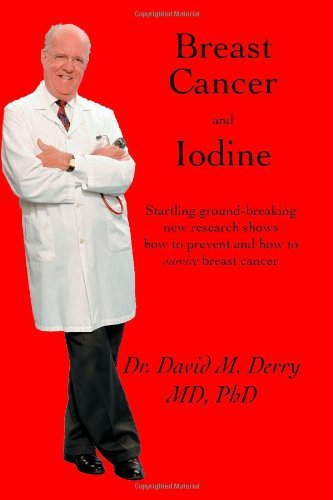
 “Breast Cancer and Iodine: How to Prevent and How to Survive Breast Cancer” by Dr. David Derry
This 116-page book, published in 2001 by Trafford Publishing, presents Dr. Derry’s theory on the role of iodine and thyroid hormones in both the prevention and treatment of breast cancer.
 About the Author
Dr. David Derry holds both an MD and a PhD in biochemistry and neurochemistry. He has a background in pharmacology and general practice, with a long-standing interest in thyroid function and breast cancer.
Here’s a quick overview:
 Key Concepts
- Two Phases of Breast Cancer:
- Phase 1: From abnormal cells to carcinoma in situ — Dr. Derry suggests this phase can be reversed with iodine.
- Phase 2: Invasion — believed to be controlled by connective tissue thyroid hormone.
- Iodine’s Role:
- Proposed as a preventive and therapeutic agent.
- Based on clinical experience and literature, Derry argues iodine deficiency may contribute to breast cancer development.
- Thyroid Connection:
- Emphasizes the importance of thyroid hormone in managing cancer progression.
How is iodine related to breast cancer prevention?
 Iodine and Breast Cancer Prevention: What the Research Suggests
Emerging studies and clinical observations suggest that iodine may play a significant role in breast cancer prevention.
Here’s a breakdown of the key findings:
 How Iodine May Help Prevent Breast Cancer
- Anticancer Properties: Molecular iodine has been shown to:
- Reduce proliferation and invasiveness of breast cancer cells
- Activate immune responses in mammary cancer models
- Induce apoptosis (programmed cell death) and inhibit angiogenesis (tumor blood vessel growth)
- Hormonal Regulation:
- Iodine helps desensitize estrogen receptors in breast tissue and reduce estrogen production from overactive ovaries
- This may be crucial since estrogen dominance is linked to breast cancer risk
- Fibrocystic Breast Disease:
- Iodine deficiency is associated with fibrocystic breast disease, a known risk factor for breast cancer
- Supplementation has been shown to reduce symptoms and reverse tissue abnormalities
- Geographic and Dietary Correlations:
- Japanese women, who consume significantly more iodine (mostly from seaweed), have lower breast cancer rates compared to Western populations
- In contrast, iodine consumption in the U.S. has dropped 50% since the 1970s, while breast cancer rates have risen
 Iodine Deficiency and Risk Factors
- Deficiency Link: Dr. B.A. Eskin’s research over 30 years concluded that iodine deficiency can lead to both breast and thyroid cancers
- Environmental Factors: Bromides in flour, fluoridated water, and certain medications can block iodine absorption, worsening deficiency
 Supplementation Considerations
- Dosage: Some experts recommend higher iodine intake (e.g., 12.5 mg/day) based on Japanese dietary patterns, though this exceeds the standard RDA of 150 mcg/day
- Safety: Iodine is generally safe in moderate doses, but excessive intake can affect thyroid function. Always consult a healthcare provider before supplementing
1www.prevailovercancer.com 2www.breastcancerchoices.org 3bing.com
Can you explain the recommended iodine intake for adults?
 Recommended Iodine Intake for Adults
The amount of iodine you need depends on your age, sex, and life stage.
Source: Iodine – Health Professional Fact Sheet
Here’s a breakdown based on current guidelines:
 Daily Recommended Intake (RDI)
| Group | Recommended Daily Intake |
|---|---|
| Adults (men & women) | 150 mcg |
| Pregnant women | 220–250 mcg |
| Breastfeeding women | 250–290 mcg |
 Common Dietary Sources of Iodine
- Iodized salt (most reliable source)
- Seafood: cod, tuna, shrimp, seaweed (kelp, nori, wakame)
- Dairy products: milk, yogurt, cheese
- Eggs
- Fortified foods: some breads and cereals
Upper Limit
- The Tolerable Upper Intake Level (UL) for adults is 1,100 mcg/day
- Exceeding this regularly may lead to thyroid dysfunction
Would you like help identifying iodine-rich foods or exploring whether supplementation might be right for you?
What are the effects of iodine deficiency?
Effects of Iodine Deficiency
Iodine is essential for producing thyroid hormones, which regulate metabolism, growth, and development. When your body lacks iodine, it can’t make enough of these hormones, leading to a range of symptoms and complications.
Common Symptoms
- Goiter: Swelling in the neck due to an enlarged thyroid gland trying to compensate for low iodine levels
- Hypothyroidism: Fatigue, cold intolerance, dry skin, constipation, and depression caused by low thyroid hormone production
- Weight Gain: Slower metabolism leads to increased fat storage
- Cognitive Issues: Difficulty concentrating, memory problems, and slowed mental function
- Hair Thinning: Reduced thyroid activity can affect hair growth
- Fatigue and Weakness: Due to impaired energy metabolism
- Irregular Menstrual Cycles: Hormonal imbalance may affect reproductive health
 Effects During Pregnancy
- Developmental Delays: Iodine deficiency in pregnant women can lead to intellectual disabilities and stunted growth in the fetus
- Increased Risk of Miscarriage and Stillbirth
 Who’s at Risk?
- People who don’t use iodized salt
- Vegans and vegetarians (limited access to iodine-rich foods)
- Those living in regions with iodine-poor soil
- Pregnant and breastfeeding women (higher iodine needs)
 Prevention & Treatment
- Dietary Sources: Seaweed, seafood, dairy, eggs, iodized salt
- Supplements: Available as potassium iodide or in multivitamins
- Medical Supervision: Treatment may include iodine and thyroid hormone supplements
Would you like help assessing your iodine intake or exploring foods that can boost your levels naturally?
1www.healthline.com 2my.clevelandclinic.org
What are the long-term effects of iodine deficiency?
Long-Term Effects of Iodine Deficiency
Iodine deficiency, especially when prolonged, can lead to serious and sometimes irreversible health consequences. Here’s a breakdown of the most significant long-term effects:
 Thyroid-Related Disorders
- Goiter: Chronic deficiency causes the thyroid gland to enlarge in an attempt to capture more iodine, leading to visible neck swelling.
- Hypothyroidism: Persistently low iodine levels impair thyroid hormone production, resulting in fatigue, weight gain, cold intolerance, and slowed metabolism.
- Thyroid Nodules and Cancer: Long-term deficiency may increase the risk of developing nodules and, in some cases, thyroid cancer.
Cognitive and Developmental Impairments
- Intellectual Disabilities: Iodine deficiency during pregnancy and early childhood is a leading cause of preventable intellectual disability worldwide.
- Cretinism: A severe form of developmental delay and physical deformity caused by extreme iodine deficiency in utero.
- Learning Difficulties: Even mild deficiency in children can impair cognitive function and academic performance.
Pregnancy Complications
- Miscarriage and Stillbirth: Inadequate iodine during pregnancy increases the risk of fetal loss.
- Impaired Fetal Brain Development: Leads to lower IQ and delayed motor skills in children.
 Metabolic and Hormonal Disruption
- Menstrual Irregularities: Hormonal imbalances from thyroid dysfunction can affect reproductive health.
- Infertility: Long-term deficiency may impair ovulation and fertility.
Public Health Impact
- Widespread Deficiency: In regions with iodine-poor soil or limited access to iodized salt, entire populations may suffer from these long-term effects.
Would you like help identifying whether you’re at risk or exploring ways to safely boost your iodine intake?
1my.clevelandclinic.org 2www.apollohospitals.com
What are the guidelines for iodine supplementation?
Guidelines for Iodine Supplementation
Iodine supplementation is generally safe and beneficial when used appropriately, especially for individuals at risk of deficiency.
Here’s a summary of current recommendations:
 General Adult Guidelines
- Recommended Daily Intake:
- Adults: 150 mcg/day
- Pregnant women: 220–250 mcg/day
- Breastfeeding women: 250–290 mcg/day
- Upper Limit:
- Adults: 1,100 mcg/day — exceeding this regularly may lead to thyroid dysfunction
Pregnancy and Lactation
- The American Thyroid Association and American Academy of Pediatrics recommend:
- A daily multivitamin or prenatal supplement containing 150 mcg of iodine for pregnant and breastfeeding women
- This supports fetal brain development and prevents cognitive delays
Forms of Iodine in Supplements
- Potassium iodide and sodium iodide are common forms
- Kelp-based supplements are also available but vary in iodine content
- Some products (like Lugol’s solution or Iodoral) offer milligram-level doses, which are much higher than standard RDI and should only be used under medical supervision
When Supplementation Is Needed
- People who:
- Don’t use iodized salt
- Follow vegan or dairy-free diets
- Live in areas with iodine-deficient soil
- Are pregnant or breastfeeding
Important Notes
- Microgram vs. Milligram: Most people only need microgram-level doses. Milligram doses (e.g., 12.5 mg/day) are sometimes used therapeutically but require monitoring.
- Supporting Nutrients: Selenium, magnesium, and vitamin C may help optimize iodine metabolism and reduce side effects during supplementation
Would you like help choosing a safe iodine supplement or exploring natural food sources to meet your needs?
Can you summarize the iodine protocol discussed?
Certainly! Here’s a summary of the iodine protocol as discussed in Dr. David Derry’s book and supported by related research:
Iodine Protocol for Breast Cancer Prevention and Support
Core Principles
- Iodine deficiency is believed to contribute to the development of breast cancer.
- Supplementing with iodine may help:
- Reverse early-stage breast abnormalities (e.g., fibrocystic breast disease)
- Support healthy breast tissue
- Potentially slow or prevent cancer progression
Suggested Supplementation
While Dr. Derry does not provide a rigid dosage chart, related research and clinical observations suggest:
| Form of Iodine | Typical Dose Range | Purpose |
|---|---|---|
| Lugol’s Iodine Solution | 6–50 mg/day | Used in studies to reduce fibrocystic symptoms |
| Iodoral (tablet form) | 12.5–50 mg/day | Easier to dose and monitor |
| Seaweed (e.g., kelp) | Variable, lower potency | Natural dietary source |
Mechanisms of Action
- Normalizes estrogen receptors in breast tissue
- Reduces estrogen production in overactive ovaries
- Promotes apoptosis (cell death) in abnormal cells
- Inhibits angiogenesis (blood vessel growth to tumors)
- Improves fibrocystic breast disease symptoms
Global Comparisons
- Japanese women consume ~25x more iodine than North American women and have significantly lower breast cancer rates.
- Regions with low soil iodine (e.g., U.S. “Goiter Belt”) show higher breast cancer incidence.
Would you like help finding a practitioner familiar with iodine protocols or a deeper dive into how thyroid hormones factor into Dr. Derry’s theory?

What are potential side effects of iodine supplementation?
Absolutely — iodine supplementation can be beneficial, but it’s important to be aware of potential side effects, especially at higher doses. Here’s a breakdown:
Potential Side Effects of Iodine Supplementation
Thyroid-Related Issues
- Hyperthyroidism: Excess iodine can overstimulate the thyroid, leading to anxiety, weight loss, and heart palpitations.
- Hypothyroidism: Paradoxically, too much iodine can also suppress thyroid function, especially in those with autoimmune thyroid disease.
- Thyroid Nodules or Goiter: Overuse may trigger abnormal growths or enlargement of the thyroid gland.
 Physical Symptoms
- Metallic taste
- Burning sensation in mouth or throat
- Soreness of teeth and gums
- Stomach upset or nausea
- Headaches or fatigue
Autoimmune Reactions
- In people with Hashimoto’s or Graves’ disease, iodine can exacerbate symptoms by triggering immune responses.
 Rare but Serious Effects
- Iodine-induced acneiform eruptions
- Iodine toxicity: Can occur with extremely high doses, leading to systemic symptoms like fever, joint pain, and swelling.
How to Minimize Risk
- Start low and go slow: Begin with small doses and monitor your response.
- Test thyroid function: Regular blood tests (TSH, Free T3, Free T4) can help track changes.
- Work with a knowledgeable practitioner: Especially if you have a thyroid condition or are pregnant.
You can find more details in IODINE: Overview, Uses, Side Effects, Precautions, Interactions, Dosing and Reviews
Would you like help identifying iodine-rich foods that are safer than supplements, or guidance on how to talk to your doctor about this?
1www.restartmed.com 2healthhearty.com
How does iodine affect thyroid function?
Iodine plays a critical role in thyroid function, but both deficiency and excess can disrupt the delicate hormonal balance.
Here’s a clear breakdown:
How Iodine Affects the Thyroid
Essential for Hormone Production
- The thyroid gland uses iodine to produce thyroxine (T4) and triiodothyronine (T3)—hormones that regulate metabolism, energy, and organ function.
- Each T4 molecule contains 4 iodine atoms, and each T3 contains 3 iodine atoms, making iodine indispensable.
Effects of Iodine Deficiency
- Hypothyroidism: Low iodine intake can lead to underproduction of thyroid hormones, causing fatigue, weight gain, and cold intolerance.
- Goiter: The thyroid may enlarge in an attempt to trap more iodine from the bloodstream.
- Developmental issues: In pregnant women, deficiency can impair fetal brain development.
Effects of Excess Iodine
- Hyperthyroidism: Too much iodine can overstimulate the thyroid, especially in people with nodules or latent Graves’ disease.
- Hypothyroidism: Ironically, excess iodine can also suppress thyroid function, particularly in autoimmune conditions like Hashimoto’s.
- Thyroiditis: Inflammation of the thyroid may occur due to iodine overload.
Sources of Iodine
- Iodized salt (about 76 mcg per gram)
- Seafood (e.g., cod, shrimp, seaweed)
- Dairy products
- Supplements (e.g., kelp tablets, Lugol’s solution)
Most people in developed countries get enough iodine through diet, but supplementation should be approached cautiously and under medical supervision.
Would you like help interpreting thyroid lab results or exploring iodine-rich foods that support thyroid health naturally?
1www.verywellhealth.com 2bing.com 3www.mayoclinic.org
What are the symptoms of thyroid issues related to iodine?
Certainly! Iodine plays a vital role in thyroid health, and imbalances—either too little or too much—can lead to noticeable symptoms. Here’s a breakdown of what to watch for:
Symptoms of Thyroid Issues Related to Iodine
Iodine Deficiency
When your body lacks iodine, it can’t produce enough thyroid hormones, leading to hypothyroidism. Common symptoms include:
- Swelling in the neck (goiter): The thyroid enlarges to compensate for low hormone production
- Fatigue and weakness: Slowed metabolism causes low energy
- Unexpected weight gain: Fewer calories burned at rest
- Cold intolerance: Body struggles to regulate temperature
- Dry skin and hair thinning
- Depression or mood changes
- Slow heart rate
- Memory problems or difficulty concentrating (“brain fog”)
- Menstrual irregularities
Iodine Excess
Too much iodine can also disrupt thyroid function, potentially causing:
- Hyperthyroidism: Overproduction of thyroid hormones
- Symptoms: Anxiety, rapid heartbeat, weight loss, sweating, insomnia
- Hypothyroidism (in some cases): Especially in autoimmune thyroid conditions
- Symptoms mirror those of iodine deficiency
- Thyroiditis: Inflammation of the thyroid gland
- Acne-like skin eruptions or metallic taste
What to Do
- Get tested: A thyroid panel (TSH, Free T3, Free T4) and urinary iodine test can help pinpoint the issue.
- Consult a healthcare provider: Especially before starting or adjusting iodine supplements.
Function Health | Track Your Health
It’s Time You Own Your Health—Starting With 160+ Lab Tests & Insights with Function. One Membership, 160+ Lab Tests, Actionable Health Insights. Just $499 Per Year
160+ Lab Tests · 100 Healthy Years · FSA & HSA Eligible
You can read more in 10 Signs and Symptoms of Iodine Deficiency or Iodine Deficiency: Symptoms, Causes, Treatment & Prevention
Would you like help interpreting thyroid test results or exploring natural ways to balance iodine intake?
Swelling in the neck-7 early signs of iodine deficiency you shouldn’t ignore
10 Calming Phrases to Say to Someone Who Just Had a Panic Attack
Iodine Thyroid and breast cancer Dr Brownstein – Search
The Lawrence Welk Show – Play List Full Episodes