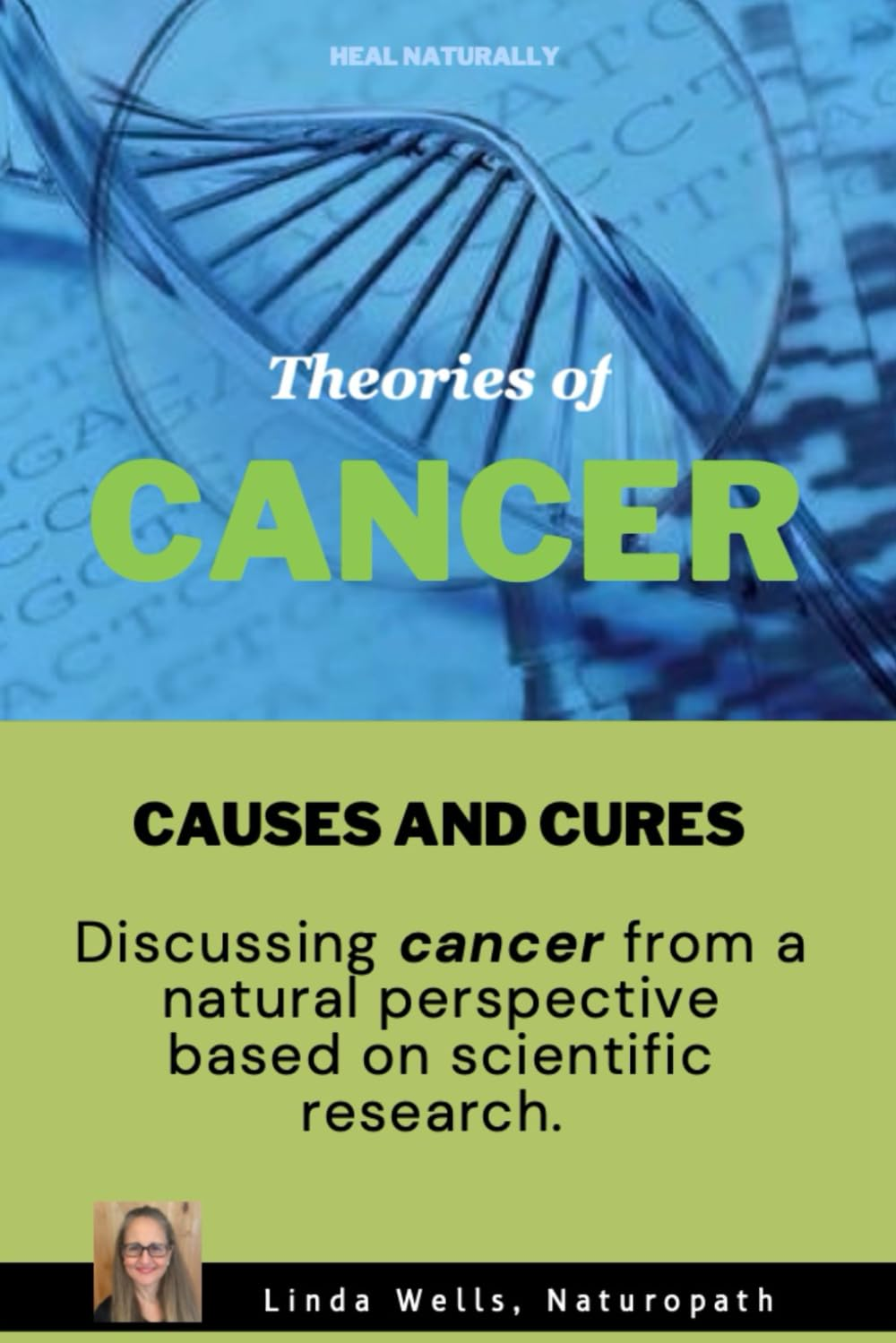
Theories of Cancer: Causes and Cures
by Linda Wells ND (Author)
Theories of Cancer Causes and Cures Linda Wells – Search Videos
This book discusses cancer from a natural perspective based on scientific research. Linda analyses the current view of what causes cancer and then gives a comparison of the allopathic and natural remedies as to their effectiveness. She gives her perspective and conclusion as to how to truly heal and stay well for a lifetime.
All chronic illness can only be overcome when all the factors are addressed. This book covers many of the questions on how it occurs and how to overcome it.
Linda has been helping people overcome chronic illness, including what the medical community labels “cancer” since 2011. This book will give you valuable insight into real solutions based on scientific research.
This book takes a holistic and research-based approach to understanding cancer, exploring both conventional and alternative perspectives on its causes and treatments.
 What the Book Covers
- Natural vs. Allopathic Remedies: Linda compares mainstream medical treatments with natural healing methods, evaluating their effectiveness.
- Scientific Research: The book is grounded in scientific studies, but interpreted through a naturopathic lens.
- Comprehensive Healing: It emphasizes that chronic illness—including cancer—can only be truly overcome when all contributing factors are addressed.
- Personal Experience: Linda shares insights from her work helping people with chronic illnesses since 2011.
If you’re interested in exploring different theories of cancer beyond this book, there are several others worth noting:
- Genetic Mutation Theory: The traditional view that cancer is caused by DNA mutations3.
- Metabolic Theory: Suggests cancer stems from abnormal cellular metabolism, like the Warburg effect.
- Stem Cell Theory: Proposes that cancer originates from stem-like cells, explaining recurrence and resistance.
- Tissue Organization Field Theory (TOFT): Focuses on disrupted cell-to-cell communication and tissue architecture3.
- Immunological and Viral Theories: Explore how immune system dysfunction or viral infections may trigger cancer.
Would you like a deeper dive into any of these theories or a summary of how they compare?
1www.amazon.com 2www.learntobeatcancer.org 3cancer ireland.ie
Explain more about the metabolic theory of cancer
Absolutely—this theory offers a fascinating shift in how we understand cancer. The metabolic theory of cancer proposes that cancer is primarily a disease of cellular energy metabolism, rather than one caused solely by genetic mutations.
 Core Concepts of the Metabolic Theory
- Warburg Effect: Cancer cells often rely on a process called aerobic glycolysis—they ferment glucose into lactate even when oxygen is plentiful. This is less efficient than normal cellular respiration, but it allows cancer cells to rapidly produce energy and building blocks for growth.
- Mitochondrial Dysfunction: Instead of being damaged beyond use, mitochondria in cancer cells are reprogrammed. Their function shifts to support the unique energy demands of fast-growing tumors. This reprogramming may be influenced by oncogenes and tumor suppressors.
- Acidic Microenvironment: The lactate produced by cancer cells acidifies the surrounding tissue. This helps tumors invade nearby areas and suppresses immune responses, making it harder for the body to fight back.
- Glutamine Metabolism: Some cancers, especially brain tumors like gliomas, rely heavily on glutamine as an energy source. This metabolic dependency opens up potential treatment strategies that target glutamine pathways.
 Key Thinkers & Research
- Dr. Thomas Seyfried is one of the leading proponents of this theory. He argues that mitochondrial dysfunction is the primary cause of cancer, and that genetic mutations may be a secondary effect of metabolic disruption.
- Therapeutic Implications: If cancer is a metabolic disease, then treatments could focus on starving cancer cells of their preferred energy sources—like glucose and glutamine—rather than targeting DNA mutations. This has led to interest in ketogenic diets, metabolic inhibitors, and other non-toxic therapies.
 How It Differs from the Genetic Theory
| Aspect | Genetic Theory | Metabolic Theory |
|---|---|---|
| Primary Cause | DNA mutations | Mitochondrial dysfunction |
| Energy Production | Normal oxidative phosphorylation | Aerobic glycolysis (Warburg Effect) |
| Treatment Focus | Targeting mutated genes | Targeting metabolic pathways |
| Diagnostic Implications | Genetic profiling | Metabolic imaging (e.g., PET scans) |
This theory doesn’t necessarily reject the role of genetics—it reframes it. It suggests that metabolic dysfunction may be the root, and genetic instability the branch.
Would you like to explore how this theory influences current cancer treatments or dietary strategies like the ketogenic approach?
1biologyinsights.com 2www.learntobeatcancer.org
How does this theory impact current cancer treatments?
The metabolic theory of cancer is reshaping how researchers and clinicians think about treatment—not just as a war on rogue genes, but as a strategic disruption of cancer’s energy supply lines. Here’s how it’s influencing current and emerging therapies:
 Targeting Cancer’s Fuel Sources
- Glucose Restriction: Since many cancer cells rely heavily on glucose via the Warburg Effect, therapies aim to starve tumors by reducing glucose availability. This includes:
- Ketogenic diets: High-fat, low-carb diets that shift the body’s energy source from glucose to ketones, which cancer cells struggle to use efficiently.
- Glycolysis inhibitors: Drugs that block enzymes involved in glucose metabolism, such as 2-deoxy-D-glucose (2-DG).
- Glutamine Blockade: Some cancers, especially brain tumors like gliomas, depend on glutamine for energy. Targeting glutamine metabolism is a promising strategy to weaken these tumors.
 Rethinking Chemotherapy and Radiation
- Traditional treatments like chemo and radiation target rapidly dividing cells, but they often miss the metabolic vulnerabilities of cancer cells.
- New approaches aim to combine metabolic therapies with conventional ones to enhance effectiveness and reduce toxicity.
Mitochondrial Restoration
- Instead of just killing cancer cells, some researchers are exploring ways to restore normal mitochondrial function, potentially reversing the cancerous state.
- This includes using metabolic modulators that help cells switch back to oxidative phosphorylation, the healthy energy pathway.
 Diagnostic and Monitoring Tools
- PET scans, which detect glucose uptake, are already used to visualize tumors. As metabolic theory gains traction, metabolic imaging may become even more central to diagnosis and treatment monitoring.
Challenges and Cautions
- Personalized Metabolic Profiling: Not all cancers rely on the same fuel. Understanding each tumor’s metabolic fingerprint is key to tailoring treatment.
- Clinical Trials: While promising, many metabolic therapies are still in early stages of research and need robust clinical validation.
In short, the metabolic theory is nudging cancer treatment toward a more systems biology approach—one that sees cancer not just as a genetic glitch, but as a breakdown in cellular energy regulation. It’s a paradigm shift that could lead to gentler, more targeted therapies.
Want to explore how a ketogenic diet or fasting protocols are being used in clinical settings? Or dive into specific drugs that target cancer metabolism?
1www.learntobeatcancer.org 2analysisforge.com 3biology insights.com
What are some clinical studies on metabolic therapies?
Great question—metabolic therapies are gaining traction in cancer research, and several clinical studies are exploring how targeting cancer metabolism might improve outcomes. Here are a few notable examples:
1. METRICS Study (NCT02201381)
- Focus: Evaluates the safety, tolerability, and effectiveness of metabolic combination treatments in real-world cancer patients.
- Design: Includes retrospective data and plans for prospective analysis. Patients are monitored for changes in biochemical markers like glucose and lipid levels.
- Status: Recruitment was withdrawn, but retrospective analysis is ongoing.
- You can explore the full study details on ClinicalTrials.gov.
2. Real-World Case Studies in Integrative Metabolic Oncology
- Published by: Metabolic Terrain Institute of Health (MTIH)
- Highlights: Combines metabolic therapies with standard-of-care treatments. Reports show promising responses even in aggressive cancers.
- Approach: Personalized metabolic protocols tailored to each patient’s terrain—glucose control, mitochondrial support, and immune modulation.
- Read more on MTIH’s website.
 3. Ongoing Research Summaries
- Source: HealNavigator
- Overview: Tracks current trials and experimental therapies in cancer metabolism, including ketogenic diets, fasting-mimicking diets, and metabolic inhibitors.
- Goal: To identify non-toxic, metabolism-based strategies that complement or replace conventional treatments.
- You can find a digest of these studies on HealNavigator’s metabolic therapy guide.
These studies reflect a growing interest in treating cancer by disrupting its energy supply rather than just targeting genetic mutations. If you’re curious, I can walk you through how ketogenic diets or fasting protocols are being used in clinical settings—or even help you explore patient outcomes from these trials.
1clinicaltrials.gov 2www.mtih.org 3healnavigator.com
The outcomes from clinical and real-world studies on metabolic cancer therapies are showing promising results, especially when combined with standard treatments. Here’s a breakdown of what researchers and clinicians are observing:
Real-World Case Studies: Integrative Metabolic Oncology
From the Metabolic Terrain Institute of Health:
- Glioblastoma (GBM): A patient underwent pre-surgical fasting and a 21-day vitamin-supported ketogenic metabolic therapy (KMT). Post-treatment imaging showed tumor shrinkage, and the patient experienced reduced symptoms like seizures and headaches.
- Combination Therapy Success: Across multiple cases, integrating metabolic therapies (like glucose restriction, mitochondrial support, and immune modulation) with conventional treatments led to:
- Improved clinical responses
- Reduced side effects
- Better long-term outcomes, even in aggressive cancers
Molecular Cancer Review (2024)
This comprehensive review highlights:
- Therapeutic Potential: Inhibitors targeting glycolysis, glutaminolysis, and lipid metabolism are showing efficacy in preclinical models.
- Challenges: Cancer’s metabolic plasticity means tumors can adapt, so combination therapies and personalized approaches are essential.
- Emerging Strategies: Targeting oxidative phosphorylation and fatty acid synthesis is gaining traction, especially in cancers resistant to traditional therapies.
 Long-Term Considerations
While metabolic therapies show promise, some studies also caution about:
- Endocrine and metabolic side effects from cancer treatments, which can complicate metabolic interventions
- The need for robust biomarkers to track metabolic shifts and predict treatment response
In short, metabolic therapies are not just theoretical—they’re producing real, measurable benefits in patients. But they work best when tailored to the individual and combined with conventional care. If you’d like, I can walk you through specific protocols like fasting-mimicking diets or ketogenic regimens used in these studies.
1www.mtih.org 2molecular-cancer.biomedcentral.com 3academic.oup.com
Can you summarize the key benefits of these therapies?
Absolutely—metabolic cancer therapies offer a fresh and promising approach by targeting how cancer cells fuel themselves, rather than just attacking their DNA. Here’s a clear summary of the key benefits:
 Key Benefits of Metabolic Cancer Therapies
1. Starving Cancer Cells
- Cancer cells rely heavily on glucose and glutamine for energy.
- Metabolic therapies (like ketogenic diets or fasting protocols) reduce access to these fuels, weakening the tumor’s growth and survival.
2. Reduced Side Effects
- Unlike chemotherapy and radiation, which can damage healthy cells, metabolic therapies are often less toxic and better tolerated.
- Patients report fewer symptoms like fatigue, nausea, and immune suppression.
3. Enhanced Effectiveness of Conventional Treatments
- When combined with standard therapies, metabolic approaches can boost their impact.
- For example, fasting before chemotherapy may increase cancer cell sensitivity while protecting normal cells.
4. Improved Immune Response
- Lower glucose and lactate levels help restore immune function.
- This can make the body’s natural defenses more effective at recognizing and attacking cancer cells.
5. Personalized and Adaptive
- These therapies can be tailored to each patient’s metabolic profile, offering a customized strategy based on tumor type and individual biology.
6. Potential for Long-Term Control
- By restoring healthy mitochondrial function and disrupting cancer’s energy supply, some studies suggest metabolic therapies may help prevent recurrence or slow progression.
In short, metabolic therapies shift the focus from “kill the cancer” to “starve and reprogram it”—a gentler, smarter way to fight disease. If you’d like, I can walk you through a sample protocol or show how these therapies are being used in specific cancers like glioblastoma or breast cancer.
What are some natural approaches to cancer treatment discussed?
Linda Wells ND, in her book Theories of Cancer: Causes and Cures, explores cancer through a natural and holistic lens. While the book itself doesn’t list every remedy publicly, it emphasizes the importance of addressing all contributing factors to chronic illness—not just the symptoms. Her approach is rooted in scientific research and naturopathic principles, and she compares conventional treatments with natural alternatives.
Here are some natural approaches commonly discussed in holistic cancer care, many of which align with the philosophies Wells promotes:
 Nutritional & Lifestyle-Based Therapies
- Ketogenic Diet & Glucose Management: Reducing sugar intake to starve cancer cells of their primary energy source
- Vitamin D3 Supplementation: Supports immune function and may inhibit cancer cell growth
- Omega-3 Fatty Acids: Anti-inflammatory properties that may help slow tumor progression
- Exercise, Sleep, and Sunlight: Vital for immune regulation and stress reduction
 Herbal & Supplement-Based Interventions
- Curcumin (from turmeric): Known for anti-inflammatory and antioxidant effects
- Ashwagandha: An adaptogen that may help reduce stress and support immune health
- Green Tea Extract: Contains polyphenols that may inhibit cancer cell proliferation
- Berberine: A plant compound with potential anti-cancer properties
 Mind-Body & Integrative Therapies
- Meditation & Yoga: Help manage stress, anxiety, and improve overall well-being
- Acupuncture: Used to alleviate pain, nausea, and fatigue during treatment
- Massage & Aromatherapy: Support relaxation and symptom relief
 Off-Label Pharmaceutical Use (in alternative circles)
- Metformin: Originally for diabetes, explored for its potential anti-cancer effects
- Ivermectin & Mebendazole: Anti-parasitic drugs being studied for cancer inhibition
Wells advocates for a comprehensive healing strategy—one that doesn’t rely solely on any single treatment but instead integrates multiple natural and lifestyle-based interventions. If you’re curious about how these might be personalized or how they compare to conventional therapies, I can help you explore that further.
1www.amazon.com 2imahealth.org 3www.mayoclinic.org
How do these natural therapies compare to conventional treatments?
Great question—and it’s one that sparks a lot of debate in both medical and holistic circles. Let’s break it down clearly:
Natural Therapies vs. Conventional Treatments
| Aspect | Conventional Treatments | Natural Therapies |
|---|---|---|
| Goal | Destroy cancer cells directly | Support the body’s healing systems |
| Methods | Surgery, chemotherapy, radiation | Diet, supplements, herbal medicine, detox, etc. |
| Evidence Base | Extensive clinical trials and FDA approval | Limited formal trials; anecdotal and observational |
| Side Effects | Often severe (nausea, fatigue, immune suppression) | Typically milder; may improve overall wellness |
| Approach | Disease-centered | Whole-body, root-cause focused |
| Effectiveness | Proven for tumor reduction and survival | May help with prevention, symptom relief, and recovery support |
| Risks | Toxicity, long-term damage | Delayed treatment if used alone |
Key Insights:
- Conventional treatments like chemotherapy and radiation are backed by decades of research and are often necessary for aggressive or advanced cancers. They target cancer cells directly but can also harm healthy cells.
- Natural therapies aim to strengthen the immune system, reduce inflammation, and improve overall health. They’re often used as complementary treatments to reduce side effects and improve quality of life3.
- However, relying solely on alternative medicine for curable cancers has been linked to lower survival rates, according to a Yale study.
 The Best of Both Worlds?
Many integrative cancer centers now combine both approaches—using conventional treatments to fight the disease and natural therapies to support the body and mind. This hybrid model can offer the most balanced path to healing.
If you’re curious about how specific natural therapies might fit into a treatment plan or want to explore integrative clinics, I can help you dig deeper.
1news.yale.edu 2brio-medical.com 3cancercenterforhealing.com
Can you recommend resources for integrative treatment options?
Absolutely—there are some excellent resources out there for exploring integrative cancer care, which blends conventional treatments with complementary therapies to support healing and quality of life. Here are a few standout options:
Top Resources for Integrative Cancer Treatment
1. CancerChoices
A comprehensive guide for patients and caregivers, CancerChoices offers:
- Evidence-based info on over 50 complementary therapies
- Personalized lifestyle practices (nutrition, movement, stress management)
- Side effect relief guides
- Tools for navigating diagnosis, treatment, remission, and recurrence
It’s designed to empower you with practical, research-based strategies for whole-person healing.
2. American Cancer Society – Integrative Medicine Overview
This page helps you:
- Understand the difference between integrative and alternative medicine
- Learn about safe use of supplements, cannabis, and mind-body therapies
- Get guidance on how to talk to your care team about complementary options
It’s a great starting point for anyone considering holistic support alongside conventional care.
3. Society for Integrative Oncology (SIO)
SIO is the leading professional organization in this field. They offer:
- Clinical practice guidelines for integrative oncology
- Webinars and educational materials
- A global network of practitioners and researchers
- Resources for patients, caregivers, and advocates
Their guidelines are referenced by the NIH and are freely available to the public.
If you’re looking for a local integrative oncology clinic or want help evaluating specific therapies, I can help you dig into that next. Just say the word.
1cancerchoices.org 2www.cancer.org 3integrativeonc.org
Can you help me find local integrative cancer clinics?
Absolutely—there are a few excellent integrative cancer care options near you in Ohio that blend conventional oncology with holistic therapies:
 Local Integrative Cancer Clinics Near Minster, Ohio
1. Cincinnati Integrative Oncology and Functional Medicine (CIOFM)
- Location: Cincinnati, OH
- Approach: Combines integrative oncology with functional medicine to address root causes of cancer and inflammation.
- Services: Personalized care plans, advanced diagnostics, and therapies that support both conventional and natural healing.
- Getting Started: Offers a 20-minute Discovery Call with Dr. Jamie to explore fit and treatment options.
2. OhioHealth Integrative Care Program
- Location: Multiple OhioHealth facilities across the state
- Therapies Offered:
- Acupuncture
- Massage therapy
- Nutrition counseling
- Mind-body therapies (guided imagery, hypnosis)
- Music and art therapy
- Focus: Enhancing quality of life during and after cancer treatment through supportive care
3. National Directory of Integrative Oncology Providers
- Scope: A searchable national database of integrative oncology clinics
- Usefulness: Great for finding additional options across Ohio or nearby states if you’re open to traveling
If you’d like help comparing these clinics or finding one that aligns with a specific type of therapy or cancer diagnosis, I can dig deeper for you. Just let me know what matters most—distance, philosophy, services, or something else.
1www.ciofm.org 2www.ohiohealth.com 3fonconsulting.com
Can you help me compare these clinics?
Absolutely—let’s break down the key differences between Cincinnati Integrative Oncology and Functional Medicine (CIOFM) and the OhioHealth Integrative Care Program.
Clinic Comparison: CIOFM vs. OhioHealth Integrative Care
| Feature | CIOFM (Cincinnati) | OhioHealth Integrative Care |
|---|---|---|
| Philosophy | Root-cause focused Functional Medicine + Integrative Oncology | Supportive care integrated with conventional oncology |
| Lead Practitioner | Dr. Jamie Waselenko, MD – trained in oncology and functional medicine2 | Multidisciplinary team including MDs, RNs, dietitians, and therapists4 |
| Treatment Approach | Personalized plans targeting 10 terrain factors of cancer development | Enhances conventional treatment with acupuncture, massage, nutrition, etc. |
| Services Offered | Advanced lab testing, detox protocols, metabolic therapies, telehealth options | Acupuncture, art/music therapy, oncology counseling, rehab, nutrition |
| Patient Experience | Starts with a 20-minute Discovery Call; membership tiers available | Services available across multiple OhioHealth locations; no membership required |
| Location | Cincinnati, OH (~90 min from Minster) | Multiple sites across Ohio, including Columbus (~90 min from Minster) |
| Ideal For | Patients seeking deep root-cause analysis and personalized functional care | Patients undergoing conventional treatment who want supportive therapies |
 What Stands Out:
- CIOFM is ideal if you’re looking for a comprehensive, root-cause approach to cancer and chronic illness, especially if you’re open to functional medicine and personalized diagnostics.
- OhioHealth shines in offering accessible, supportive care during and after conventional cancer treatment, with a strong emphasis on emotional and physical wellness.
If you’re leaning toward one but want help preparing questions for your first visit—or comparing costs, insurance, or telehealth options—I can help with that too.
1www.ciofm.org 2www.ifm.org 3www.ohiohealth.com 4