
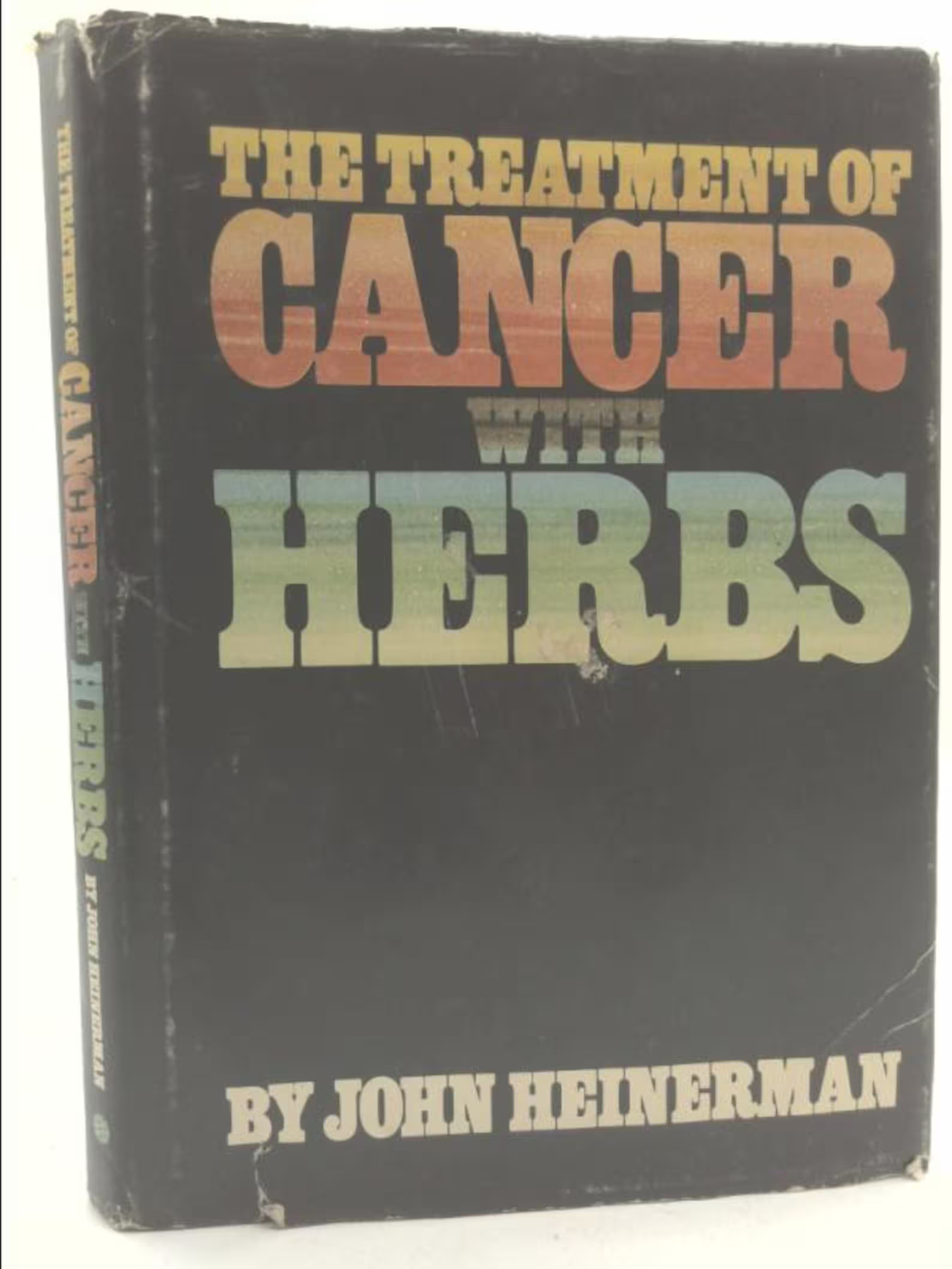
The Treatment of Cancer With Herbs by John Heinerman
 “The Treatment of Cancer With Herbs” by John Heinerman is a holistic health guide first published in 1980. It explores alternative approaches to cancer treatment using herbal remedies, drawing from traditional medicine and folk practices. Heinerman, known for his work in natural healing, compiles various case studies, herbal protocols, and anecdotal evidence to support the use of herbs in managing cancer symptoms and potentially aiding recovery.
 In The Treatment of Cancer With Herbs, John Heinerman highlights several herbal remedies that he believes may support cancer treatment, based on his research and global observations. While he doesn’t claim these herbs cure cancer, he emphasizes their potential roles in detoxification, immune support, and symptom relief.
 Key Herbal Remedies Featured:
- Red Clover (Trifolium pratense)** Considered one of the oldest natural cancer remedies. Heinerman places this at the top of his list due to its historical use and potential anti-tumor properties.
- Chaparral (Larrea divaricata)** Rich in NDGA (nordihydroguaiaretic acid), which has antioxidant effects. Heinerman suggests making a tea by simmering it and letting it steep for hours.
- Alfalfa Valued for its chlorophyll and mineral content. Often used to support overall vitality and detoxification.
- Garlic High in sulfur compounds, which Heinerman associates with immune support and cellular health.
- Dandelion Root Known for its liver-detoxifying properties. Heinerman emphasizes liver health as central to cancer recovery.
 His Holistic Approach:
Heinerman also stresses that herbal remedies are just one part of a broader healing journey. He outlines three essential steps:
- Changing thoughts and emotions — viewing cancer as a wake-up call for life reassessment.
- Detoxification — using herbs and lifestyle changes to cleanse the body.
- Rebuilding — nourishing the body with herbs, nutrition, and discipline.
If you’re curious, I can dive deeper into how each herb is used or explore modern research on their effects. Want to go further?

What modern studies support these herbal remedies?
Great question ! Here’s a look at what modern research says about the herbal remedies John Heinerman highlighted in The Treatment of Cancer With Herbs. While many of these herbs show promise, most studies emphasize that they should be used as complementary therapies—not replacements for conventional cancer treatment.
 1. Red Clover (Trifolium pratense)**
- Contains: Isoflavones, coumestans, flavonoids
- Potential Use: Hormone-related cancers (e.g., breast, prostate)
- Evidence: Preliminary studies suggest red clover may benefit prostate and colon cancers due to its isoflavones, but the evidence is not yet strong enough to recommend it clinically.
2. Chaparral (Larrea tridentata)**
- Contains: NDGA (nordihydroguaiaretic acid)
- Potential Use: Antioxidant and anti-inflammatory effects
- Evidence: NDGA has shown anti-cancer activity in lab studies, but chaparral has also been linked to liver toxicity, making it controversial and generally not recommended without medical supervision.
3. Alfalfa (Medicago sativa)**
- Contains: Chlorophyll, vitamins, minerals
- Potential Use: Detoxification and immune support
- Evidence: Limited direct cancer research, but alfalfa is often used in blends for general wellness. No strong clinical evidence supports its use specifically for cancer.
4. Garlic (Allium sativum)**
- Contains: Allicin and sulfur compounds
- Potential Use: Immune modulation, anti-tumor effects
- Evidence: Multiple studies show garlic may help reduce cancer risk, especially for gastrointestinal cancers. It’s one of the most well-supported herbs in cancer prevention research.
5. Dandelion Root (Taraxacum officinale)**
- Contains: Sesquiterpene lactones, inulin
- Potential Use: Liver detox, apoptosis induction
- Evidence: Recent lab studies suggest dandelion root extract may induce cell death in leukemia and pancreatic cancer cells, but human trials are still lacking.
If you’d like, I can help you explore clinical trials or dive deeper into one of these herbs. Or we could look at how these are used in integrative oncology today. Just say the word.

What are the potential side effects of these herbal remedies?
Absolutely—herbs can be powerful allies, but they’re not without risks. Here’s a breakdown of potential side effects for the herbal remedies mentioned in The Treatment of Cancer With Herbs by John Heinerman, based on modern research and safety data:
 Red Clover (Trifolium pratense)**
- Common Side Effects:
- Muscle aches
- Nausea
- Vaginal spotting or bleeding
- Warnings:
- May act like estrogen—avoid if you have hormone-sensitive conditions (e.g., breast or uterine cancer)
- Can interact with tamoxifen and methotrexate, reducing their effectiveness
 Chaparral (Larrea tridentata)**
- Common Side Effects:
- Liver toxicity is the biggest concern
- Nausea, fatigue, and abdominal pain
- Warnings:
- Several cases of acute hepatitis have been linked to chaparral use
- Not recommended for internal use without medical supervision
Alfalfa (Medicago sativa)**
- Common Side Effects:
- Photosensitivity (increased sensitivity to sunlight)
- Gastrointestinal discomfort
- Warnings:
- Contains L-canavanine, which may trigger autoimmune responses in susceptible individuals
- May interfere with blood sugar and estrogen levels
 Garlic (Allium sativum)**
- Common Side Effects:
- Bad breath (obviously!)
- Heartburn, gas, and upset stomach
- Increased bleeding risk (especially with blood thinners)
- Warnings:
- Can interact with anticoagulants like warfarin
- May lower blood pressure and blood sugar—monitor if you’re on related meds
 Dandelion Root (Taraxacum officinale)**
- Common Side Effects:
- Diuretic effects (frequent urination)
- Upset stomach or allergic reactions (especially in people allergic to ragweed)
- Warnings:
- May interact with diuretics, lithium, and antacids
- Can affect blood sugar and electrolyte balance
 Pau D’Arco Supplements: What the Research Says
Lapacho a.k.a. Pau d’arco is traditionally promoted by herbalists as a treatment for a number of human ailments, including cancer. According to the American Cancer Society, “available evidence from well-designed, controlled studies does not support this substance as an effective treatment for cancer in humans”, and using it risks harmful side-effects.
Side Effects
When taken by mouth: Pau d’arco is possibly unsafe. In high doses, a chemical found in pau d’arco can cause severe nausea, vomiting, diarrhea, dizziness, and internal bleeding. The safety of pau d’arco in typical doses is not known.
When applied to the skin: There isn’t enough reliable information to know if pau d’arco is safe to use or what the side effects might be.
Special Precautions and Warnings
When taken by mouth: Pau d’arco is possibly unsafe. In high doses, a chemical found in pau d’arco can cause severe nausea, vomiting, diarrhea, dizziness, and internal bleeding. The safety of pau d’arco in typical doses is not known.
When applied to the skin: There isn’t enough reliable information to know if pau d’arco is safe to use or what the side effects might be.
Pregnancy: Pau d’arco is possibly unsafe when taken by mouth. There isn’t enough reliable information to know if pau d’arco is safe when applied to the skin during pregnancy. Stay on the safe side and avoid any use.
Breast-feeding: There isn’t enough reliable information to know if pau d’arco is safe to use when breast-feeding. Stay on the safe side and avoid use.
Surgery: Pau d’arco might slow blood clotting and could increase the chance of bleeding during and after surgery. Stop using it at least 2 weeks before a scheduled surgery.
Moderate Interaction
- Medications that slow blood clotting (Anticoagulant / Antiplatelet drugs) interacts with PAU D’ARCOPau d’arco might slow blood clotting. Taking pau d’arco along with medications that also slow clotting might increase the risk of bruising and bleeding.
If you’re considering using any of these herbs, especially alongside cancer treatment, it’s wise to consult with a healthcare provider or integrative oncologist. Want help building a safe herbal protocol or exploring alternatives with fewer risks? I’ve got you.

How can I assess drug interactions with my medications?
 Assessing drug interactions is crucial for staying safe—especially if you’re taking multiple medications, supplements, or herbs. Here’s how you can do it effectively:
 1. Use a Trusted Drug Interaction Checker
One of the most reliable tools is the Drug Interaction Checker – Find Unsafe Combinations
- Enter the names of your medications, supplements, or herbs
- Review potential interactions, categorized by severity
- Learn about side effects, contraindications, and warnings
 2. Talk to Your Healthcare Provider
- Always share a complete list of everything you’re taking—including over-the-counter meds, vitamins, and herbal remedies
- Ask your doctor or pharmacist to review for drug-drug, drug-food, and drug-condition interactions
- They may adjust dosages or recommend alternatives based on your health history
 3. Keep an Updated Medication List
- Include dosage, frequency, and reason for each item
- Note any side effects you’ve experienced
- Bring this list to every medical appointment
 4. Watch for Warning Signs
Common symptoms of drug interactions include:
- Dizziness, confusion, or drowsiness
- Nausea, vomiting, or diarrhea
- Skin rashes or unusual bruising
- Changes in heart rate or blood pressure
If you notice anything unusual, don’t wait—reach out to your provider.
Would you like help checking interactions for a specific herb or medication combo you’re using? I can walk you through it.

Disclaimer: I once had an Amish Doctor tell me that Herbs can be hit or miss when it comes to cancer. That personally he has experienced more success with The Gonzalez Cancer Protocol – Search
Dr. Nicholas Gonzalez wrote the foreword to three of Carol Alt’s raw food cookbooks. He explains in “Eating in the Raw” that enzymes are protein catalysts…a molecule that allows a chemical reaction to occur efficiently with minimal energy. Enzymes do many things, both within our cells and without.
They help produce chemical energy to fuel our cells and their many varied activities (attacking bacteria, viruses and fungi as well as dangerous cancer cells). Enzymes wear out and need to be replaced and we can ONLY get new enzymes from raw foods. Historical Articles – The Nicholas Gonzalez Foundation
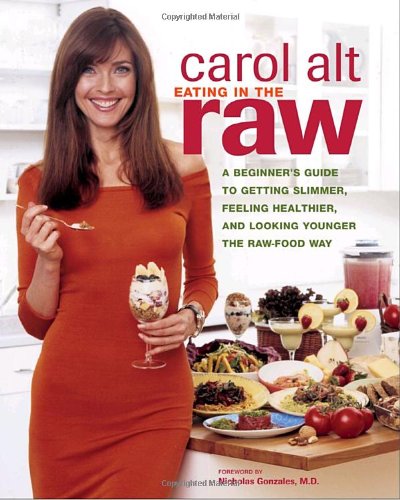
Carol Alt: “Raw food has worked for me and I’m in awe at the power of it.”
Enzymes begin to deteriorate at 106 degrees and are completely inactive above 116 degrees. In other words, when we cook food, we change it. Heat inactivates certain vitamins such as folic acid and vitamin C. At high sustained temperatures, certain minerals such as calcium become less readily absorbed. The general rule is that when you cook food, you very quickly destroy all its enzymes.
On The Gonzalez Protocol®, each Gonzalez Metabolic Type is prescribed a different ratio of raw to cooked foods as they relate to that types ability to efficiently digest foods. In our new cookbook, we have many raw food recipes for you to enjoy from breakfasts, salads, entrees and desserts.
Title: The Treatment of Cancer with Herbs Author/Editor: John Heinerman – Search Images
Title: The Treatment of Cancer with Herbs Author/Editor: John Heinerman – Search Videos
The Treatment of Cancer With Herbs by John Heinerman – Search Images
The truth about anxiety’s impact on the gut and how to manage it
Father Romano Zago Aloe Vera Cancer treatment – Search
11 Places To Live In Mexico That Aren’T Hot | Watch
15 US Cities Every Music Lover Needs to Visit
Do Cancer – Resources, Inspiration & Hope
Amazon.com : medicinal mushrooms books
Barbara O’Neill – Playlist Series