
Why do dementia patients have outburst
Dementia patients often experience emotional outbursts due to a complex mix of neurological, psychological, and environmental factors. Here’s a breakdown of why these episodes happen:
 Brain Changes
- Damage to emotional centers: Dementia affects areas like the limbic system and prefrontal cortex, which regulate emotions. This damage can cause neurons to misfire, leading to sudden, intense reactions like crying, yelling, or aggression.
- Loss of inhibition: As dementia progresses, patients may lose the ability to control impulses, making them more likely to express emotions freely and intensely.
 Psychological Triggers
- Confusion and fear: Patients may feel lost even in familiar places, struggle to recognize people, or forget where they are. This confusion can trigger fear and frustration.
- Hallucinations and delusions: Especially in types like Lewy Body Dementia, patients may see or believe things that aren’t real, leading to panic or anger.
- Unmet needs: Hunger, thirst, pain, or the need to use the bathroom can cause distress. If they can’t communicate these needs, they may act out instead.
 Environmental Stressors
- Overstimulation: Noisy environments, crowded places, or sudden changes in routine can overwhelm someone with dementia, leading to agitation.
- Routine disruption: Changes in caregivers, living situations, or daily schedules can provoke anxiety and emotional instability.
 Behavioral Patterns
- Sundowning: Many patients experience increased agitation and emotional volatility in the late afternoon or evening—a phenomenon known as sundowning.
- Pseudobulbar affect (PBA): This condition causes uncontrollable crying or laughing, often without a clear emotional trigger.
Caregivers can help by identifying triggers, maintaining a calm and predictable environment, and responding with reassurance rather than correction. Would you like tips on how to manage these outbursts or communicate more effectively with someone experiencing them?
xxx
Dementia-related outbursts—whether emotional, verbal, or physical—can be deeply distressing for both the person experiencing them and their caregivers. These episodes often stem from a complex mix of neurological changes, unmet needs, and environmental stressors. Here’s a breakdown of why they happen:
Brain Changes
- Emotional dysregulation: Dementia damages areas of the brain responsible for processing emotions, like the limbic system and prefrontal cortex. This can cause neurons to misfire, leading to sudden, intense reactions that seem out of proportion.
- Cognitive confusion: Patients may not recognize familiar places or people, leading to fear, frustration, or sadness.
 Unmet Needs or Discomfort
- Pain, hunger, or thirst: If a person can’t communicate discomfort, they may lash out or cry instead.
- Bathroom needs: Incontinence or the inability to find or use the bathroom can trigger agitation.
- Fatigue or sleep disruption: Poor sleep can heighten irritability and reduce coping ability.
 Environmental Triggers
- Noise and clutter: Overstimulating environments can overwhelm someone with dementia, leading to outbursts.
- Changes in routine: Sudden shifts in daily structure can be confusing and upsetting.
- Crowds or unfamiliar places: These can provoke fear or anxiety, especially if the person feels lost or unsafe.
Psychological Factors
- Depression and loneliness: Feelings of isolation or loss of control can manifest as anger or sadness.
- Hallucinations or delusions: Especially in types like Lewy Body Dementia, these can lead to unexpected crying or yelling.
 Caregiver Tips
- Break tasks into simple steps.
- Maintain a calm, predictable environment.
- Watch for signs of pain or discomfort.
- Avoid arguing—redirect gently and reassure.
- Consult a doctor if outbursts persist, to rule out treatable conditions or medication side effects.
If you’re caring for someone with dementia, you’re not alone. These behaviors are symptoms of the disease—not personal attacks. Would you like strategies for calming someone during an outburst or tips for preventing them?
Dementia-related outbursts—whether emotional, verbal, or physical—can be deeply distressing for both the person experiencing them and their caregivers.
Absolutely—and that distress is often compounded by the unpredictability of these episodes. For caregivers, it can feel like walking on eggshells, unsure what might trigger the next outburst. For the person with dementia, these reactions are often expressions of fear, frustration, or unmet needs they can no longer articulate.
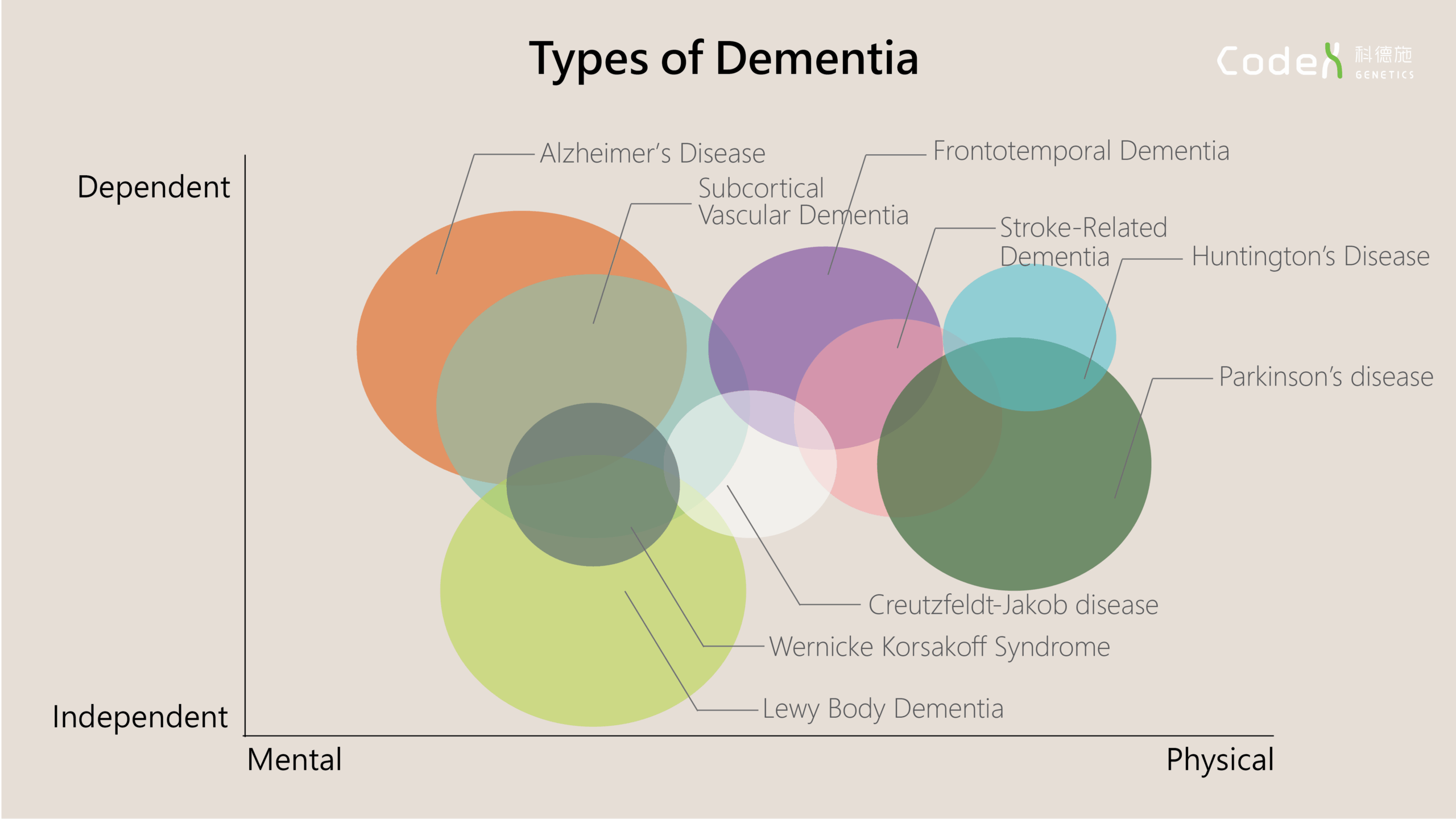
Understanding Different Types of Dementia | Codex Genetics
Dementia Infographic Poster :: Behance
Here’s a deeper look at what might be going on beneath the surface:
 What Triggers Outbursts?
- Loss of control: Dementia strips away autonomy. When someone feels powerless, they may lash out.
- Misinterpretation of surroundings: A caregiver’s helpful gesture might be perceived as threatening if the person doesn’t recognize them.
- Sensory overload: Bright lights, loud noises, or crowded spaces can overwhelm someone with dementia, leading to agitation.
- Routine disruptions: Even small changes—like a different meal or unfamiliar visitor—can provoke anxiety or anger.
The Brain’s Role
- Damage to the frontal lobe and amygdala affects impulse control and emotional regulation.
- Memory gaps can cause someone to believe they’re being mistreated or neglected, even when they’re not.
 What Caregivers Can Do
- Validate feelings: Instead of correcting, acknowledge their emotions. “You seem upset. I’m here with you.”
- Redirect gently: Shift focus to a calming activity—music, a walk, or a favorite snack.
- Track patterns: Keep a journal of when outbursts occur. You might spot triggers like time of day, hunger, or overstimulation.
- Use nonverbal cues: A soothing tone, soft touch, or calm facial expression can speak louder than words.
Would you like help creating a personalized care plan or calming strategies tailored to specific behaviors you’re seeing?
For caregivers, it can feel like walking on eggshells, unsure what might trigger the next outburst. For the person with dementia, these reactions are often expressions of fear, frustration, or unmet needs they can no longer articulate.
Exactly—and that emotional disconnect is one of the most heartbreaking aspects of dementia care. The person may be reacting to something very real in their experience, even if it seems irrational or unfounded to others. Their world is shifting, and they’re trying to make sense of it with a brain that’s no longer processing information reliably.
Here’s how caregivers can navigate this delicate terrain with more confidence and compassion:
Practical Strategies for Caregivers
- Anticipate triggers: Keep a log of when outbursts happen—time of day, environment, people present, recent activities. Patterns often emerge.
- Simplify communication: Use short, clear sentences. Avoid open-ended questions like “What do you want to eat?” Instead, offer choices: “Would you like soup or a sandwich?”
- Create a calming routine: Familiarity breeds comfort. Regular meals, quiet time, and consistent sleep schedules can reduce anxiety.
- Use distraction and redirection: If agitation builds, gently shift focus. “Let’s look at your photo album,” or “Can you help me fold these towels?”
- Offer reassurance: Even if you don’t understand the cause of distress, your presence and calm tone can be grounding. “You’re safe. I’m here with you.”
 Emotional Support for Caregivers
- Don’t take it personally: Outbursts are symptoms, not reflections of your care or their love.
- Seek respite: Regular breaks are essential. Burnout helps no one.
- Connect with others: Support groups—online or in person—can offer validation, advice, and a sense of community.
Would you like help crafting a daily care plan or finding support resources near you?
Would you like help crafting a daily care plan or finding support resources near you?
I’d be honored to help with either—or both. Here’s how we can approach it:
 Crafting a Daily Care Plan for Dementia
A well-structured day can reduce anxiety and outbursts. Here’s a sample framework we can personalize:
| Time | Activity | Purpose |
|---|---|---|
| Morning | Wake-up routine, light breakfast | Comfort, orientation |
| Mid-morning | Gentle exercise or walk | Physical health, mood boost |
| Late morning | Cognitive activity (puzzles, music) | Mental stimulation |
| Noon | Lunch, quiet time | Nutrition, rest |
| Afternoon | Social time or simple chores | Engagement, sense of purpose |
| Late afternoon | Snack, calming activity (TV, reading) | Transition to evening |
| Evening | Dinner, hygiene routine | Wind-down, comfort |
| Night | Bedtime ritual | Sleep hygiene |
We can tailor this to your loved one’s preferences, abilities, and triggers. Just let me know their typical behaviors or challenges.
 Finding Support Resources Near Minster, OH
I can help locate:
- Local caregiver support groups
- Respite care services
- Memory care facilities
- Dementia-friendly activities or adult day programs
Would you like me to search for these now, or focus on customizing the daily care plan first?
Can we further customize the daily care plan?
Absolutely—we can tailor the daily care plan to match your loved one’s unique personality, preferences, and needs. Here’s how we can break it down:
Step-by-Step Customization
1. Cognitive Abilities
- Are they in early, middle, or late-stage dementia?
- Can they follow simple instructions or need full assistance?
2. Physical Mobility
- Are they ambulatory, use a walker, or wheelchair-bound?
- Do they enjoy movement like walking or stretching?
3. Emotional Triggers
- What tends to upset them—noise, unfamiliar faces, changes in routine?
- What calms them—music, nature, pets, certain people?
4. Personal Interests
- Do they enjoy puzzles, crafts, gardening, cooking, or watching TV?
- Any favorite music, books, or hobbies from earlier in life?
5. Medical Needs
- Medication schedules?
- Dietary restrictions or feeding assistance?
Sample Customized Daily Plan (Middle-Stage Dementia, Moderate Mobility)
| Time | Activity | Notes |
|---|---|---|
| 7:30 AM | Wake-up, hygiene, light breakfast | Use warm lighting and soft music |
| 9:00 AM | Short walk or chair stretches | Encourage movement with gentle prompts |
| 10:00 AM | Music therapy or photo album time | Use familiar songs or family pictures |
| 11:30 AM | Lunch | Serve favorite foods with minimal distractions |
| 1:00 PM | Quiet time or nap | Dim lights, soft blanket |
| 2:30 PM | Simple task (folding towels, sorting cards) | Builds confidence and purpose |
| 4:00 PM | Snack and storytelling or TV show | Choose calming, familiar content |
| 5:30 PM | Dinner | Keep routine consistent |
| 7:00 PM | Hygiene, pajamas, bedtime ritual | Use lavender lotion or soothing music |
| 8:00 PM | Sleep | Monitor for sundowning symptoms |
If you tell me more about your loved one—their stage of dementia, personality, and daily challenges—I can refine this even further. Would you like to build a version specifically for early-stage dementia, or one that includes caregiver breaks and support time?
Can we adapt activities based on their mood?
Absolutely—adapting activities based on mood is one of the most effective ways to reduce distress and increase engagement for someone with dementia. Their emotional state can shift quickly, so flexibility is key. Here’s how you can build a mood-responsive care plan:
 Mood-Based Activity Adaptation
 Calm or Content
- Ideal Activities:
- Listening to favorite music
- Looking through photo albums
- Light gardening or folding laundry
- Gentle puzzles or coloring
- Goal: Maintain peace and offer quiet stimulation
Anxious or Agitated
- Ideal Activities:
- Guided breathing or hand massage
- Watching birds or nature scenes
- Repetitive tasks like sorting or stacking
- Familiar routines (e.g., setting the table)
- Goal: Reduce stimulation and offer reassurance
 Sad or Withdrawn
- Ideal Activities:
- One-on-one conversation or storytelling
- Playing soft, nostalgic music
- Reading aloud from a favorite book
- Pet therapy or sensory items (soft blankets, scented oils)
- Goal: Provide comfort and emotional connection
 Angry or Frustrated
- Ideal Activities:
- Physical release: walking, squeezing a stress ball
- Redirect with a task that gives control (e.g., “Can you help me?”)
- Avoid complex or frustrating tasks
- Goal: Channel energy safely and restore calm
 Cheerful or Energetic
- Ideal Activities:
- Dancing or clapping to upbeat music
- Baking or simple cooking tasks
- Group games or storytelling
- Art or crafts with bright colors
- Goal: Celebrate the moment and encourage expression
How to Implement This
- Create a “Mood Menu”: A list of go-to activities for each emotional state.
- Use visual cues: If verbal communication is limited, observe facial expressions, body language, and tone.
- Keep options ready: Have materials prepped—music playlists, photo books, sensory items—so you can pivot quickly.
Would you like help building a personalized “Mood Menu” based on your loved one’s favorite activities and emotional patterns?
Dealing with Emotional & Behavioral Problems from Alzheimer’s / Dementia