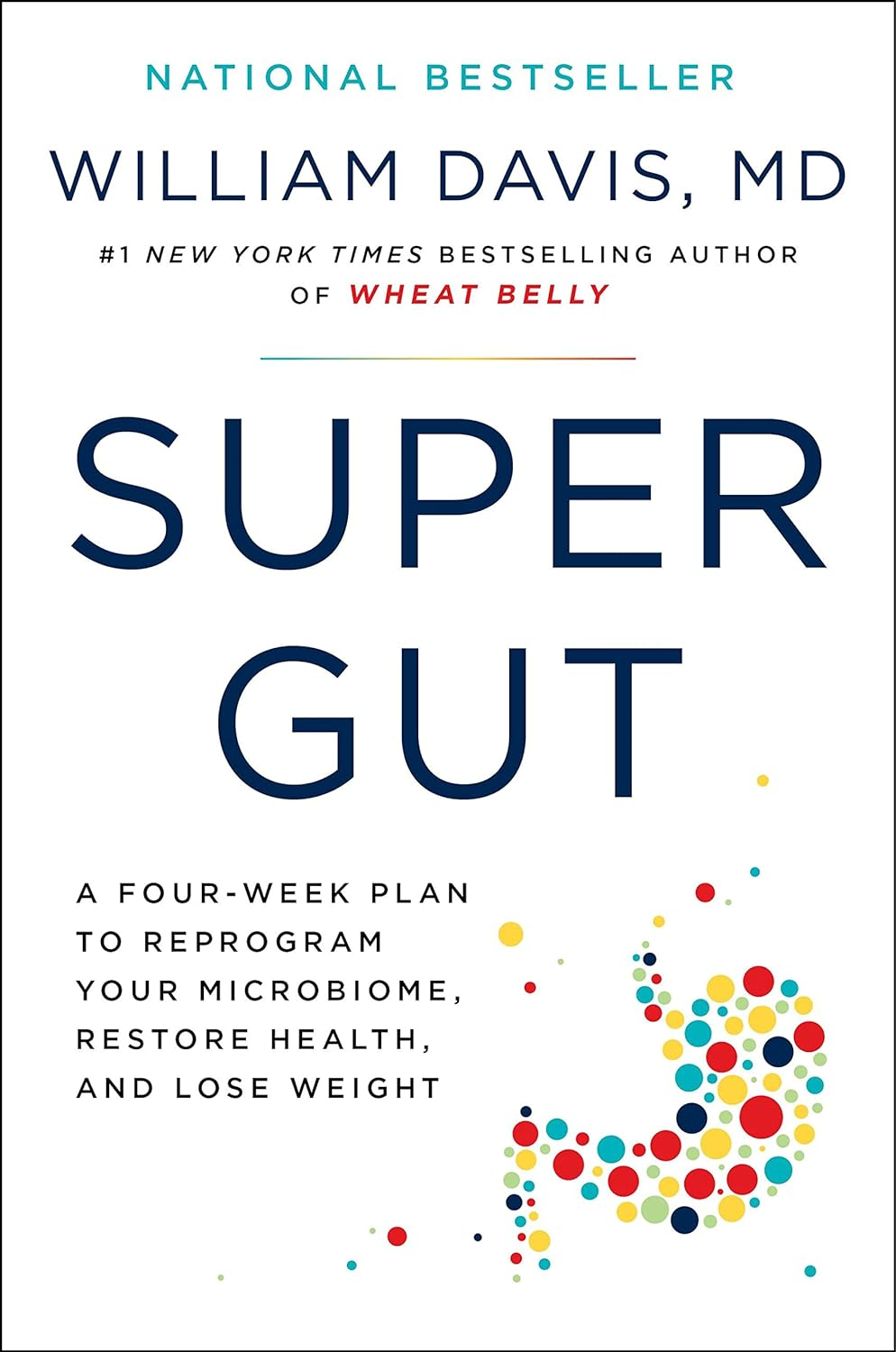
The makeup of the gut microbiome has shifted dramatically in recent times due to factors like antibiotic overuse, processed foods, and environmental pollutants. “In Super Gut”, William Davis argues that this “Frankenbelly” negatively impacts everything from mental health to heart disease through disrupted microbial diversity.
Davis explores conditions like SIBO and SIFO, characterized by overgrowth of bacteria and fungi in the small intestine. He also shares strategies to restore balance, such as probiotics, dietary changes, and natural antimicrobials like curcumin. With practical advice for rebuilding a healthy gut microbiome, this guide aims to help reclaim gastrointestinal—and overall—wellbeing.
The balance of microbes in the contemporary digestive system has become disrupted, with various factors playing a role in this imbalance.
Contemporary people have experienced a substantial disruption in their gut microbiome. In contemporary times, the balance between individuals and their intestinal flora has altered, resulting in the loss and replacement of numerous species, and in certain instances, their complete eradication from the digestive tracts of modern humans. The result has caused a reduction in both the variety and population of bacterial communities. The reduction in beneficial microbial diversity and the resulting imbalance are key factors in the widespread occurrence of chronic diseases in today’s society.
The author calls this altered microbial landscape a “Frankenbelly”, and they compare it to the destructive consequences of the changes inflicted on modern wheat, what they call “Frankengrain”. Our contemporary lifestyle has disturbed the equilibrium of helpful microorganisms in our bodies, resulting in various negative effects on our health.
Modern human lifestyles have led to a significant reduction in the variety of our intestinal microbiota.
Davis emphasizes several factors that have dramatically altered the composition of bacteria in our digestive systems, resulting in what he terms a “Frankenbelly.” Many aspects of modern life are likely familiar to most individuals.
Antibiotics are frequently employed in medical practice.
Antibiotics significantly contribute to the demise of advantageous bacterial colonies. Although antibiotics are essential for treating serious infections such as pneumonia and meningitis, the author argues that doctors often overprescribe these drugs, even for viral conditions like the common cold and flu, where they are ineffective. At times, they are given in advance as a protective measure against the potential emergence of bacterial infections. The author believes that employing antibiotics in this manner is unnecessary and simply disrupts the balance within the communities of microbes.
Antibiotics, even when used correctly, can also harm our health by eradicating not only the harmful pathogens but also the beneficial microbes that reside within us. A disruption in the equilibrium of the gut’s microbial community may result in an excessive proliferation of detrimental bacteria and fungi, often referred to as dysbiosis, SIBO, and SIFO. The use of antibiotics can lead to lasting effects, potentially rendering the human microbiome into a condition where full restoration is impossible, culminating in the irreversible disappearance of specific species. The overuse of antibiotics in farm animals worsens the problem, as traces of these medications found in beef, poultry, and fish could potentially disturb the equilibrium of microbial populations.
The rise in the intake of processed foods has been observed.
Modern eating habits, characterized by an excessive intake of sugar, have a profound impact on the equilibrium of intestinal microbiota. This includes not only sucrose but also various types of sweetening agents such as high-fructose corn syrup. Indulging in a sugary delight might be alluring, yet the author cautions that it essentially serves as a lavish summons to the microbes and yeasts inhabiting your digestive system, encouraging them to engage in an uncontrolled banquet. The abundant sugars not only provide a consistent supply of preferred food but also shift the balance of microbes, leading to an increase in populations of species such as Candida that thrive on high sugar levels. Davis recommends avoiding sugar, including the types present in natural sweeteners such as honey and maple syrup, as well as those in processed foods.
Artificial sweeteners such as aspartame, sucralose, and saccharine carry comparable risks to human health as sugar does. The balance of gut microbiota can be negatively impacted by the use of artificial sweeteners. While people reach for these sugar-free alternatives in the hope of reducing their sugar intake and thereby losing weight, in the author’s view, these artificial sweeteners can actually contribute to weight gain and obesity through altering gut microbes that worsen [restricted term] resistance.Our bodies are exposed to numerous contaminants from industrial byproducts and substances through various routes of exposure. These include inhalation, ingestion, and skin contact with harmful chemicals. The U.S. EPA evaluates human exposure to environmental contaminants and their health effects, using this information to develop guidelines for safe handling and management of hazardous substances. The Agency tracks exposures and health conditions across different segments of the population to guide public health decisions and strategies.
Toxic chemicals are part of many industrial and commercial processes, but their presence can pose significant health risks if not handled properly. Exposure to these substances—whether through inhalation, ingestion, or skin contact—can cause short—and long-term harm to human health. Understanding the potential effects of toxic chemicals is key to protecting workers, communities, and the environment.
How Toxic Chemicals Enter the Body
Toxic chemicals can affect human health through three main routes of exposure:
- Inhalation: Breathing in fumes, vapours, dust, or gases.
- Ingestion: Accidental swallowing of chemicals, often through contaminated food or water.
- Skin Contact: Absorption through the skin when handling chemicals without proper protective equipment.
Even at low levels, repeated or prolonged exposure can increase health risks over time.
Immediate Effects of Toxic Chemical Exposure
Short-term or acute exposure to toxic chemicals can cause immediate symptoms, including:
- Respiratory Issues: Coughing, shortness of breath, and throat irritation caused by inhaling chemical fumes.
- Skin and Eye Irritation: Chemicals like acids, solvents, or corrosives can cause burns, rashes, or redness.
- Nausea and Vomiting: Ingestion or inhalation of toxic substances often leads to gastrointestinal distress.
- Headaches and Dizziness: Common effects of exposure to volatile organic compounds (VOCs) like paint fumes or industrial solvents.
Severe acute exposure may result in life-threatening conditions such as chemical burns, organ failure, or respiratory collapse.
Long-Term Health Effects of Toxic Chemicals
Chronic exposure, where individuals are repeatedly exposed over time, can lead to serious long-term health conditions, including:
- Respiratory Diseases: Prolonged exposure to chemicals like asbestos or silica dust can lead to lung damage, asthma, or chronic bronchitis.
- Neurological Disorders: Chemicals like lead, mercury, and certain pesticides can impair brain function, causing memory loss, tremors, and cognitive decline.
- Cancer: Exposure to carcinogenic chemicals (e.g., benzene, formaldehyde, asbestos) increases the risk of various cancers, including lung, liver, and bladder cancer.
- Reproductive Issues: Some chemicals can cause congenital disabilities, infertility, or developmental problems in unborn children. Examples include exposure to phthalates and pesticides.
- Organ Damage: Toxic chemicals, such as heavy metals, solvents, and certain industrial chemicals, can cause liver, kidney, and heart damage over time.
Vulnerable Groups at Higher Risk
Certain individuals face greater risks when exposed to toxic chemicals:
- Workers in High-Risk Industries: People in manufacturing, agriculture, and construction are frequently exposed to hazardous materials.
- Children and Pregnant Women: Developing bodies are more sensitive to chemical exposure, which can cause lifelong health effects.
- Immunocompromised Individuals: Those with weakened immune systems may experience more severe health effects.
Proper safety measures are critical to reducing the risks faced by these groups.
Preventing the Harmful Effects of Toxic Chemicals
Protecting human health from toxic chemicals requires awareness, planning, and safety measures:
- Use Proper Personal Protective Equipment (PPE): Ensure workers use gloves, masks, goggles, and respirators when handling hazardous chemicals.
- Ventilate Work Areas: Proper ventilation reduces the buildup of toxic fumes and vapours.
- Provide Training: Educate employees on safe chemical handling, storage, and emergency response.
- Follow Storage Guidelines: Store chemicals in sealed, labelled containers with appropriate hazard symbols.
- Monitor Exposure Levels: Conduct regular air quality testing and exposure assessments.
- Have Emergency Plans in Place: Equip workplaces with first aid kits, spill response tools, and clear protocols for exposure incidents.
Why Awareness Matters
Toxic chemicals are unavoidable in many processes, but their effects on human health can be devastating if ignored. By recognizing the risks and implementing effective safety measures, businesses can safeguard their employees and prevent long-term harm.
How Global Hazmat Can Help
At Global Hazmat, we specialize in providing comprehensive hazardous material safety solutions. From employee training and workplace assessments to chemical handling and spill response planning, we help businesses mitigate risks and ensure compliance.
Protect your people, your business, and the environment. Contact Global Hazmat today to learn how we can support your safety initiatives.
You can access a PDF version of Super Gut by William Davis through the following sources:
 Full Book PDF:
- Kindness2.com hosts a full PDF version of the book.
 Official Preview:
- Dr. Davis Infinite Health offers an exclusive PDF version of the book.
 Library Access:
- Many local libraries offer digital lending through apps like Libby. If you have a library card, you might be able to borrow the ebook version for free.
Let me know if you’d like a summary or key takeaways from the book!
13 Mindful Habits to Start During the Autumn Months
Electricity Prices Up Over 25% In Some States
Human Exposure and Health | US EPA