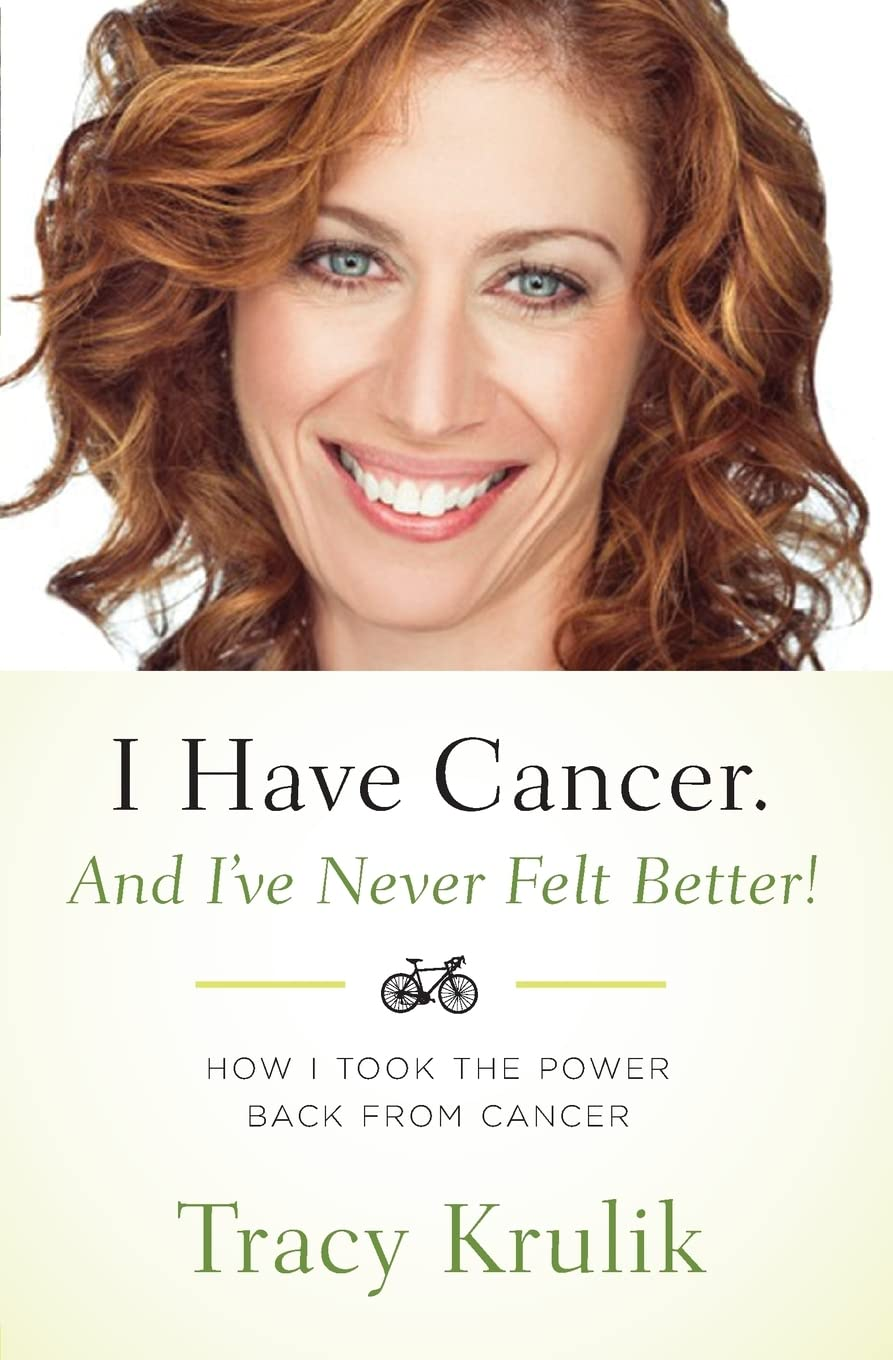
I Have Cancer. And I’ve Never Felt Better!: How I Took The Power Back From Cancer:
Krulik, Tracy: Amazon.com: Books
Told with both frankness and humor, I Have Cancer.
And I’ve Never Felt Better! is the everyman’s (or woman’s) Lance Armstrong story. It’s one woman’s wild journey from unraveling a medical mystery that took nine years to solve, to navigating the science and art of medicine in search of the right treatments, to finally awakening to a healthier, more balanced life — with cancer.
Just as millions of people live healthy lives with chronic diseases like diabetes and even HIV, Tracy Krulik shares how she learned to do the same in her fight against cancer — using her bike and a plant-based diet as weapons.
Tracy Krulik’s cancer story is a powerful journey of perseverance, misdiagnosis, and ultimately, empowerment. Here’s a deeper look into her experience:
 The Long Road to Diagnosis
- In 1998, Tracy was rushed to a South Florida emergency room after a week of nausea, vomiting, and extreme weakness.
- Doctors initially diagnosed her with gastroparesis, a condition that affects stomach motility, and prescribed medication. But this was just the beginning of a nine-year medical odyssey.
- Over the years, she endured a wide range of symptoms: gallstones, hypoglycemia, hives, multiple trigger fingers, and intense abdominal pain.
 The Real Diagnosis
- After years of misdiagnoses and frustration, Tracy was finally diagnosed with a pancreatic neuroendocrine tumor, a rare form of cancer that had metastasized to her liver and chest.
- Instead of succumbing to fear, she chose to take control of her health and her life.
 Reclaiming Her Power
- Tracy adopted a plant-based diet and embraced cycling as a way to rebuild her strength and spirit.
- She became a vocal advocate for patient empowerment, encouraging others to ask questions, seek second opinions, and not settle for vague medical answers.
- Her memoir, I Have Cancer. And I’ve Never Felt Better!, chronicles this transformation with humor, honesty, and hope.
- READ MORE I Have Cancer. And I’ve Never Felt Better! – Physicians News
 Her Message
Tracy’s story is not just about surviving cancer—it’s about thriving in spite of it. She shows that with knowledge, self-advocacy, and lifestyle changes, it’s possible to live a vibrant life even with a chronic illness.
If you’d like, I can share more about pancreatic neuroendocrine tumors or how lifestyle changes can support cancer recovery.
I would like to read more about pancreatic neuroendocrine tumors or how lifestyle changes can support cancer recovery.
Here’s a comprehensive overview of pancreatic neuroendocrine tumors (pNETs) and how lifestyle changes can support cancer recovery:
Pancreatic Neuroendocrine Tumors (pNETs)
Pancreatic neuroendocrine tumors are a rare type of cancer that begins in the hormone-producing cells of the pancreas, known as islet cells.
 Key Facts
- Prevalence: pNETs make up less than 2% of all pancreatic cancers.
- Types:
- Functioning pNETs: Produce hormones like insulin, glucagon, or gastrin, causing noticeable symptoms.
- Non-functioning pNETs: Do not produce excess hormones and often grow silently until they’re large.
- Grades:
- Grade 1 & 2: Slow-growing, better prognosis.
- Grade 3 (pNECs): Fast-growing, more aggressive.
 Symptoms
- Abdominal pain
- Weight loss
- Diarrhea
- Skin rash
- Fatigue
- Hormone-related effects (e.g., low blood sugar from insulinomas)
 Diagnosis & Treatment
- Blood tests, imaging, and biopsies help identify the tumor type.
- Treatments include surgery, hormone therapy, targeted therapy, and sometimes chemotherapy.
You can explore more on American Cancer Society’s page or Mayo Clinic’s overview.
 Lifestyle Changes That Support Cancer Recovery
Making healthy lifestyle choices can significantly improve your quality of life and may reduce the risk of recurrence.
 Nutrition
- Eat a balanced diet rich in fruits, vegetables, whole grains, and lean proteins.
- Limit processed foods, added sugars, and saturated fats.
- Avoid excessive vitamin supplements unless advised by a doctor.
 Physical Activity
- Aim for 150–300 minutes of moderate exercise per week.
- Benefits include reduced fatigue, improved mood, better sleep, and lower recurrence risk.
 Sleep & Stress
- Get at least 7 hours of sleep nightly.
- Practice stress-reduction techniques like meditation, yoga, or counseling.
 Avoid Tobacco & Limit Alcohol
- Quitting smoking reduces the risk of recurrence and secondary cancers.
- Alcohol should be consumed in moderation, if at all.
 Maintain a Healthy Weight
- Work with a dietitian or doctor to reach and maintain a healthy weight.
- Weight management supports immune function and overall recovery.
For more guidance: What Is a Pancreatic Neuroendocrine Tumor? | American Cancer Society or Pancreatic neuroendocrine tumors – Symptoms and causes – Mayo Clinic
Would you like help creating a personalized wellness plan or exploring specific lifestyle strategies for your recovery journey?
Tracy Krulik’s cancer journey is a remarkable story of resilience, self-advocacy, and transformation. Here’s how she overcame her diagnosis and reclaimed her life:
A Long Road to Diagnosis
Tracy spent nine years searching for answers to mysterious health issues—nausea, vomiting, gallstones, hypoglycemia, and more. Despite numerous tests and consultations, doctors couldn’t pinpoint the cause. Eventually, she was diagnosed with a pancreatic neuroendocrine tumor, a rare form of cancer that had metastasized to her liver and chest.
 Taking the Power Back
Instead of succumbing to fear, Tracy chose to take control of her health and life:
- Lifestyle Overhaul: She adopted a plant-based diet, which helped her feel stronger and more energized.
- Exercise and Movement: Tracy embraced cycling and Pilates, transforming her body and mindset.
- Patient Advocacy: She became a fierce advocate for asking questions, seeking second opinions, and not settling for vague medical answers.
- Writing and Speaking: Her memoir, I Have Cancer. And I’ve Never Felt Better!, shares her journey with humor and honesty, inspiring others to take charge of their health.
 Life After Diagnosis
Tracy didn’t just survive—she thrived. She became a Pilates instructor, a speaker, and a writer for outlets like The Washington Post Express and Whole Living. Her story encourages others to see cancer not as the end, but as a turning point.
Help explore her wellness strategies or guide you through creating a personalized recovery plan inspired by her journey.
Absolutely — let’s explore Tracy Krulik’s wellness strategies and build a personalized recovery plan inspired by her empowering journey through cancer.
 Tracy Krulik’s Wellness Strategies
Tracy’s approach to healing was holistic, proactive, and deeply personal. Here are the key pillars she embraced:
1. Plant-Based Nutrition
- Tracy adopted a whole-food, plant-based diet to reduce inflammation and support her immune system.
- She focused on nutrient-dense foods like leafy greens, legumes, whole grains, and healthy fats (e.g., avocado, nuts).
2. Movement & Exercise
- She became an avid cyclist and later a Pilates instructor, using movement to rebuild strength and confidence.
- Regular exercise helped her manage stress, improve circulation, and boost energy.
 3. Mindset & Advocacy
- Tracy took control of her medical journey by asking questions, researching her condition, and refusing to settle for vague answers.
- She used humor and storytelling to process her experience and inspire others.
 4. Emotional Wellness
- She emphasized the importance of mental health, finding joy in small moments and staying connected to supportive communities.
 Personalized Recovery Plan Inspired by Tracy
Here’s a customizable framework you can adapt to your own journey:
 Nutrition
- Goal: Support healing and reduce inflammation.
- Actions:
- Transition to a plant-forward diet with whole foods.
- Eat smaller, frequent meals to ease digestion.
- Work with a dietitian to manage weight and nutrient needs.
Movement
- Goal: Rebuild strength and stamina.
- Actions:
- Start with gentle activities like walking or stretching.
- Progress to cycling, yoga, or Pilates as tolerated.
- Track progress and celebrate small wins.
 Emotional Support
- Goal: Cultivate resilience and peace.
- Actions:
- Join a survivorship or support group.
- Practice mindfulness, journaling, or guided meditation.
- Seek counseling if anxiety or fear of recurrence arises.
Medical Follow-Up
- Goal: Monitor health and prevent recurrence.
- Actions:
- Create a survivorship care plan with your doctor.
- Schedule regular imaging and lab tests.
- Keep copies of medical records and maintain insurance.
Lifestyle Habits
- Goal: Reduce risk and improve overall well-being.
- Actions:
- Quit smoking and limit alcohol.
- Stay hydrated, especially if dealing with digestive issues.
- Maintain a healthy weight through balanced eating and movement.
Sources: 8 Things to Know About Your Diet After a Pancreatic Neuroendocrine Tumor
Living as a Pancreatic Neuroendocrine Tumor Survivor | American Cancer Society
Post-Recovery Care & Recurrence Prevention in Pancreatic Cancer
Tracy Krulik’s memoir I Have Cancer. And I’ve Never Felt Better!: How I Took The Power Back From Cancer is a candid, uplifting, and often humorous account of her journey through a life-altering diagnosis of a pancreatic neuroendocrine tumor.
 What the Book Is About
- Medical Mystery Unraveled: Krulik spent nine years seeking answers to unexplained symptoms before finally receiving her cancer diagnosis.
- Empowerment Through Knowledge: She dives into the science and art of medicine, advocating for patients to take an active role in their care.
- Transformation: Rather than succumbing to fear, Krulik uses her diagnosis as a catalyst to live a healthier, more balanced life.
- Tone and Style: The book is told with frankness and humor, making it relatable and inspiring for anyone facing a health crisis or seeking to reclaim control over their life.
 Key Themes
- Patient advocacy and self-empowerment
- The emotional and psychological journey of living with cancer
- The importance of lifestyle changes and holistic wellness
- Finding joy and purpose in the face of adversity
You can find the book on Amazon or read more about it through the Carcinoid Cancer Foundation.
I Have Cancer. And I’ve Never Felt Better!: How I Took The Power Back From Cancer By Tracy Krulik
Would you like a few inspirational quotes or takeaways from the book?
Tracy Krulik’s I Have Cancer. And I’ve Never Felt Better! is filled with empowering insights and reflections. While the book itself doesn’t have a widely published list of quotes, here are a few inspirational takeaways and sentiments that reflect its spirit:
Inspirational Takeaways
- Reclaiming Control: Krulik emphasizes that a diagnosis doesn’t mean surrender. She took charge of her health, researched her condition, and made lifestyle changes that helped her feel better than ever.
- Humor as Healing: Her witty and candid storytelling shows that laughter can be a powerful medicine—even in the face of cancer.
- Patient Advocacy: She encourages readers to be their own advocates, ask questions, and not settle for vague answers from medical professionals.
- Living Fully: The book celebrates the idea that life doesn’t pause for illness—it can be richer, more intentional, and more joyful.
Quotes Inspired by the Book’s Message
While direct quotes from the book are limited online, here are a few that echo its themes:
- “Cancer may be a part of my journey, but it does not define my destination.”
- “I won’t let cancer define me, but I’ll use my journey to help others.”
- “You gain strength, courage, and confidence by every experience in which you really stop to look fear in the face.” – Eleanor Roosevelt
If you’d like, I can help you find more quotes from cancer survivors or even craft a few original ones inspired by Krulik’s story. Would you like that?
151 Best Cancer Uplifting Inspirational Quotes (with Commentary) – Burning For Success
30 Inspiring Quotes From Cancer Survivors | Reader’s Digest Canada
50 Inspiring Cancer Survivor Quotes for Strength
Tracy Krulik – Carcinoid Cancer Foundation
Paul Perry ponders the question ‘what happens when we die” The Afterlife through a series of interviews with subjects who have had near-death experiences, as well as renowned experts in the field of NDE research.