Welcome ~ The Mission – Dr. Kelley’s VICTORY OVER CANCER
I remember taking a trip in November 2016 to Millersburg Ohio to visit an Amish Doctor. While Driving there I thought I would gain knowledge 0f Amish Herbs to battle Cancer, and that Doctor told me he has witnessed greater success with the Nicholas Gonzalez Protocol than any herb that he had stored on his shelf in his office.
Reaching out researching more about it. I discovered Dr. William Donald Kelley’s book, Cancer: Curing the Incurable Without Surgery, Chemotherapy, or Radiation, offers a holistic approach to cancer treatment.
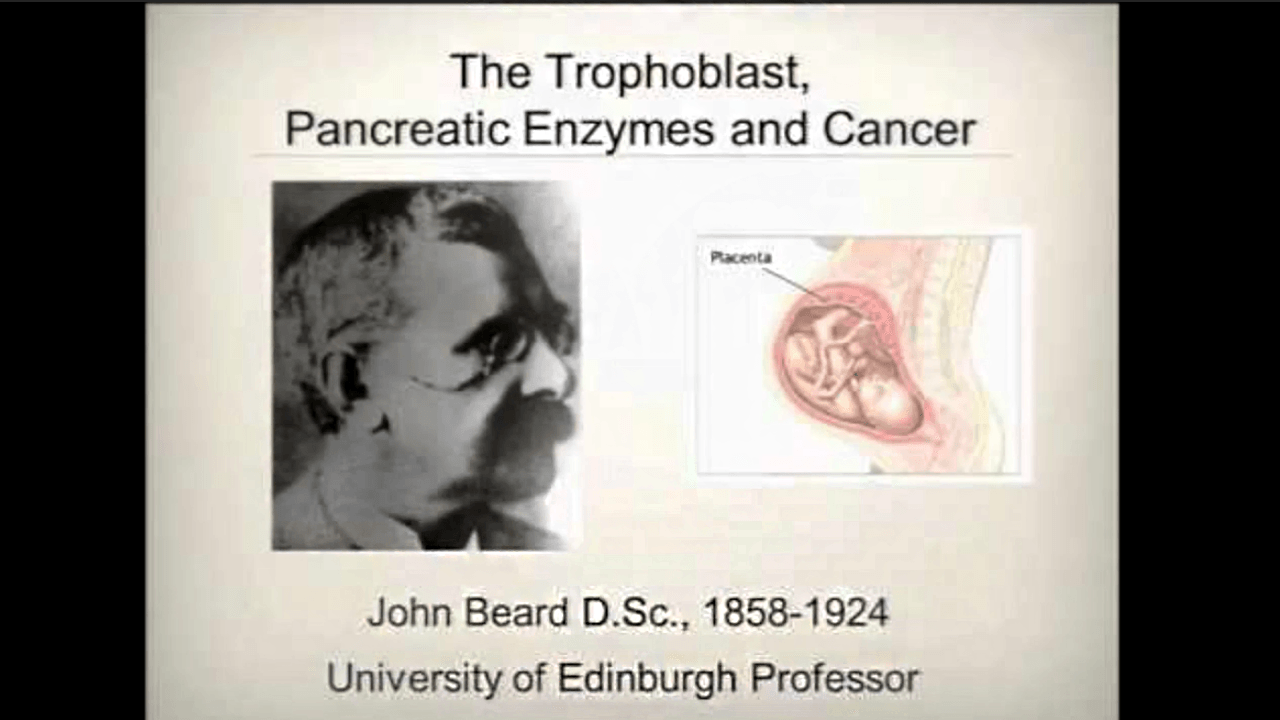
This is the incredible story of the maverick doctors Dr John Beard to Dr William Kelley – Searchassociated with The Gonzalez Protocol®. From Dr. John Beard to Dr. William Donald Kelley and finally Dr. Nicholas Gonzalez who, despite taking arrows from an entrenched medical establishment, paved the way for the doctors who are carrying on this work today. Each of these doctors made a meaningful sacrifice and paid a high personal price for their extraordinary careers. Still their efforts resulted in the monumental scientific advancement which proved that the treatment of cancer by purely non-toxic, natural means is viable and advantageous.
Kelley’s book has received significant attention and has been praised for its holistic approach to cancer treatment. It has been described as a “recipe” for counteracting cancer, offering a method that has been observed to work by readers. The book has been a significant discovery in nutritional medicine, as stated by Linda Clar of the Price-Pottenger Foundation. It has been available through Amazon and other locations in “Print on Demand” order, despite a Cease and Desist order from the FDA due to the term “Curing” in its title. The book has been a topic of discussion and has been recommended for those interested in alternative cancer treatments.
 Core Concepts
- Kelley advocates for a metabolic therapy approach, which includes:
- Nutritional protocols
- Detoxification methods
- Enzyme therapy
- The book claims to offer a scientific paradigm for curing cancer without surgery, chemotherapy, or radiation.
- Kelley reportedly treated over 33,000 patients using these methods.
William Donald Kelley’s Cancer: Curing the Incurable Without Surgery, Chemotherapy, or Radiation presents a radically alternative approach to cancer treatment, centered around what he called metabolic therapy. Here’s a breakdown of the book’s core philosophy and how it contrasts with conventional cancer care:
Kelley’s Metabolic Therapy Philosophy
Kelley believed cancer was not a localized disease but a systemic metabolic disorder. His treatment focused on restoring the body’s natural healing mechanisms rather than attacking tumors directly. Key components include:
1. Pancreatic Enzyme Therapy
- Kelley theorized that pancreatic enzymes are the body’s primary defense against cancer.
- He prescribed high doses of these enzymes to break down cancerous tissue.
2. Personalized Nutrition Plans
- Patients were categorized into metabolic types (sympathetic, parasympathetic, or balanced).
- Diets were tailored to each type, emphasizing whole foods and avoiding processed items.
3. Detoxification
- Regular detox routines (e.g., coffee enemas, liver cleanses) were used to eliminate toxins believed to fuel cancer growth.
4. Supplements and Lifestyle Changes
- Kelley recommended a wide array of vitamins, minerals, and lifestyle adjustments to support immune function and metabolic balance.
 Comparison with Conventional Cancer Therapies
| Aspect | Kelley’s Approach | Conventional Medicine |
|---|---|---|
| Philosophy | Cancer is a metabolic disorder | Cancer is a genetic/molecular disease |
| Treatment Goal | Restore metabolic balance | Destroy cancer cells |
| Methods | Enzymes, nutrition, detox, supplements | Surgery, chemotherapy, radiation |
| Scientific Backing | Largely anecdotal, controversial | Evidence-based, peer-reviewed |
| Patient Role | Active participant in healing | Often passive recipient of treatment |
| Side Effects | Claimed to be minimal | Can be severe (e.g., nausea, fatigue) |
 Controversy and Criticism
- Kelley’s methods were not accepted by mainstream medicine, and he was criticized for promoting unproven therapies.
- His work inspired Dr. Nicholas Gonzalez, who continued researching enzyme therapy but also faced skepticism.
- No large-scale clinical trials have validated Kelley’s approach, and experts caution against abandoning conventional treatments.
If you’re curious, I can dive deeper into the science behind enzyme therapy or explore how modern integrative oncology views these ideas.
Let’s unpack both the science behind enzyme therapy and how modern integrative oncology views metabolic approaches to cancer:
and dive deeper into the science behind enzyme therapy or explore how modern integrative oncology views these ideas.
 Enzyme Therapy: Scientific Foundations
Enzyme therapy, particularly proteolytic enzymes like trypsin and chymotrypsin, has been explored for its potential anticancer effects.
The theory is that these enzymes:
- Break down the protective coating around cancer cells, making them more vulnerable to immune attack.
- Reduce inflammation, which is often linked to tumor progression.
- Support detoxification and digestion, improving overall metabolic health.
A 2021 systematic review found that enzyme therapy was generally well tolerated, with mild gastrointestinal side effects like diarrhea or bloating. However, clinical evidence remains limited, and most studies are small or observational.
 Integrative Oncology: A Broader Perspective
Integrative oncology blends conventional cancer treatments with evidence-based complementary therapies. It doesn’t reject chemotherapy or radiation but seeks to enhance outcomes and quality of life through:
1. Metabolic Theory of Cancer
- Emerging research suggests cancer may stem from metabolic dysfunction, not just genetic mutations.
- This theory focuses on how cancer cells alter energy production (e.g., favoring glycolysis even in oxygen-rich environments — the Warburg effect).
2. Personalized Nutrition and Lifestyle
- Diets are tailored to reduce inflammation and support mitochondrial function.
- Therapies may include fasting, ketogenic diets, and plant-based protocols.
3. Targeting Tumor Microenvironment
- Integrative approaches aim to modulate the immune system, gut microbiome, and hormonal balance to create an environment less conducive to cancer growth.
4. Real-World Applications
- Clinics like the Metabolic Terrain Institute of Health use case-based models to combine metabolic therapies with conventional care.
- These include enzyme therapy, hyperthermia, IV nutrients, and stress reduction techniques.
 Summary: Where Science Meets Philosophy
| Approach | Enzyme Therapy (Kelley) | Integrative Oncology |
|---|---|---|
| Core Idea | Cancer is a metabolic disorder | Cancer is multifactorial (genetic + metabolic) |
| Tools Used | Enzymes, detox, nutrition | Conventional + complementary therapies |
| Evidence Base | Anecdotal, limited trials | Growing body of peer-reviewed research |
| Patient Role | Active participant | Collaborative, personalized care |
Sources: Proteolytic Enzyme Therapy in Complementary Oncology: A Systematic Review
Frontiers | Beyond genetics: integrative oncology and the metabolic perspective on cancer treatment
Walk me through a real-world case study or help you explore clinics that offer integrative oncology programs.
Absolutely! Let’s explore both a real-world case study involving enzyme therapy and a few top clinics offering integrative oncology programs in the U.S.
Real-World Case Study: Enzyme Therapy in Breast Cancer
A case study published by Transformation Enzymes examined the effects of proteolytic enzymes on a patient with triple-negative breast cancer, a particularly aggressive form of the disease.
Case Highlights:
- The patient received proteolytic enzymes alongside conventional chemotherapy.
- Goals included reducing drug side effects and improving quality of life.
- Outcomes showed:
- Reduced inflammation
- **Improved digestion and nutrient absorption
If you’d like, I can walk you through a real-world Case_Study_-_Breast_Cancer.pdf or help you explore clinics that offer integrative oncology programs.
Dr William Kelly Walk me through a real-world case study or help you explore clinics that offer integrative oncology programs.
Certainly! Let’s explore both parts of your request: a real-world case study involving Dr. William Kelly and a guide to clinics offering integrative oncology programs.
Real-World Case Study: Dr. William Kelly & Integrative Oncology
Dr. William Kelly, MD, is a medical oncologist at the Mays Cancer Center at UT Health San Antonio MD Anderson Cancer Center. He specializes in neuro-oncology and thoracic oncology and is known for his work in translational research, particularly in developing innovative therapies for complex cancers.
One notable case study involving Dr. Kelly is his work on a Phase 2 clinical trial investigating the efficacy of sacituzumab govitecan in patients with recurrent glioblastoma. In this study:
- Objective: Evaluate the safety and early efficacy signals of sacituzumab govitecan, an antibody-drug conjugate targeting TROP2.
- Findings: A post hoc analysis revealed a statistically significant correlation between overall survival (OS) and TROP2 expression, suggesting that patients with higher TROP2 expression might benefit more from the treatment.
- Impact: This research contributes to the growing field of targeted therapies in neuro-oncology, offering hope for patients with aggressive brain tumors.
 Clinics Offering Integrative Oncology Programs
Integrative oncology combines conventional cancer treatments with evidence-based complementary therapies to support the whole person—physically, emotionally, and spiritually. Here are some leading centers in the U.S.:
1. MD Anderson Cancer Center – Integrative Medicine Center (Houston, TX)
- Offers acupuncture, massage, meditation, music therapy, and nutrition counseling.
- Personalized care plans developed in collaboration with primary oncology teams.
2. Mayo Clinic – Integrative Oncology Program
- Combines Western medicine with complementary therapies like mind-body practices, dietary changes, and natural products.
- Focuses on symptom management and improving quality of life throughout the cancer journey.
3. Banner MD Anderson Cancer Center – Integrative Oncology Program (Gilbert, AZ)
- Offers services such as naturopathic medicine, acupuncture, and mind-body therapies.
4. Brio-Medical Integrative Cancer Treatment Centers
- Provides a holistic approach including medical oncology, naturopathic medicine, and lifestyle interventions.
5. National Cancer Institute (NCI)-Designated Cancer Centers
- Many of the 50+ NCI centers offer integrative medicine programs, though the scope varies.
- A comprehensive list is available through NCI Integrative Medicine – CancerChoices
I Would like help finding a center near you or exploring specific therapies like acupuncture, nutrition, or mind-body medicine?
Here are some standout options nearby:
Integrative Oncology Centers in Ohio
1. Cincinnati Integrative Oncology and Functional Medicine
- Location: Cincinnati, OH
- Services: Personalized care plans combining integrative oncology and functional medicine.
- Therapies Offered: Acupuncture, nutrition, detox protocols, immune support, and root-cause cancer care.
- Highlights: Focus on reducing cancer recurrence and treatment resistance through holistic strategies.
2. Integrative Care | OhioHealth
- Location: Columbus, OH
- Services: Acupuncture, massage therapy, nutritional planning, wellness coaching, and mind-body therapies.
- Highlights: Designed to manage symptoms like pain, nausea, and fatigue while enhancing overall well-being.
3. Integrative Oncology | KY, IN & OH | St. Elizabeth Healthcare (Edgewood, KY)
- Services: Acupuncture, art and music therapy, meditation, massage, counseling, and a demonstration kitchen.
- Highlights: Offers a calming space and holistic care alongside conventional cancer treatments.
4. Innovative Care at Ohio’s Top Alternative Cancer Treatment Center (Mansfield, OH)
- Services: Holistic cancer therapies tailored to individual needs.
- Highlights: Emphasizes compassionate care and a personalized healing journey.
Therapies You Can Explore
Here are some integrative therapies commonly offered at these centers:
- Acupuncture: Helps manage pain, nausea, and fatigue during treatment.
- Nutrition Counseling: Supports immune health and energy levels with tailored dietary plans.
- Mind-Body Medicine: Includes meditation, guided imagery, and yoga to reduce stress and improve resilience.
- Massage Therapy: Eases muscle tension and promotes relaxation.
- Art & Music Therapy: Enhances emotional expression and healing.
How does the Nicholas Gonzalez Protocol cure cancer
The Nicholas Gonzalez Protocol is an alternative cancer treatment developed by Dr. Nicholas Gonzalez, focusing on individualized nutritional enzyme therapy, diet, and detoxification.
Overview of the Protocol
The Gonzalez Protocol is a comprehensive treatment approach designed for cancer patients and those with degenerative diseases. It is based on the belief that chronic diseases can be managed and potentially reversed through a combination of dietary changes, nutritional supplements, and detoxification methods. The protocol emphasizes the body’s natural ability to heal itself when provided with the right conditions and nutrients.
Key Components
Diet: The protocol includes a highly individualized diet plan that varies from nearly vegetarian to including red meat several times a week. All diets emphasize organic foods, fresh vegetable juices, and the avoidance of synthetic and refined foods. Coffee and alcohol are prohibited, and meals should be prepared fresh daily.
Supplements: Patients are prescribed a tailored regimen of vitamins, minerals, antioxidants, and other supplements, including a pancreas product containing naturally occurring enzymes. The specific supplements are chosen based on the patient’s health needs and biochemical makeup.
Detoxification: The protocol includes detoxification routines, such as coffee enemas, which are believed to help cleanse the body and support overall health.
Historical Context and Criticism
Dr. Nicholas Gonzalez practiced medicine for nearly 30 years and developed his protocol based on the work of his mentors, Dr. William Donald Kelley and Dr. John Beard. While the protocol has been used by many patients, it has faced significant criticism from the medical community. Critics argue that the protocol lacks rigorous scientific validation and that some of its claims are unsubstantiated. In fact, Dr. Gonzalez faced disciplinary actions for his practices, and some studies indicated that patients treated with his methods did not fare as well as those receiving conventional treatments. Dr. Nicholas Gonzalez Protocol Explained (2025)
Conclusion
The Gonzalez Protocol represents a controversial approach to cancer treatment, emphasizing nutrition and individualized care. While some patients report positive outcomes, it is essential for individuals considering this protocol to consult with healthcare professionals and weigh the potential risks and benefits. The protocol’s effectiveness remains a topic of debate within the medical community.
Dr Nicholas Gonzalez Cancer Protocol Review: Benefits, Risks, and Scientific Evidence Explained
The Nicholas Gonzalez Protocol is an alternative cancer treatment developed by Dr. Nicholas Gonzalez. It does not cure cancer in the conventional medical sense, and its effectiveness remains highly controversial. Here’s a detailed look at what it involves and what the evidence says:
What Is the Gonzalez Protocol?
The protocol is based on the idea that cancer results from metabolic imbalances and that restoring balance can help the body fight cancer naturally. It includes:
- Individualized Diets: Tailored to a person’s metabolic type (sympathetic or parasympathetic dominance), ranging from vegetarian to high-protein diets.
- Nutritional Supplements: High doses of vitamins, minerals, and enzymes—especially porcine pancreatic enzymes, which are believed to break down cancer cells.
- Detoxification Routines: Includes coffee enemas, liver flushes, and other methods to eliminate toxins.
Dr. Gonzalez built his approach on the earlier work of Dr. John Beard, who theorized that pancreatic enzymes could digest cancer cells.
Scientific Evidence & Controversy
- A non-randomized clinical trial of terminal pancreatic cancer patients showed that those on the Gonzalez regimen had shorter survival times than those receiving conventional chemotherapy.
- The National Cancer Institute (NCI) reviewed the protocol and found no strong evidence to support its effectiveness. The regimen is no longer actively updated in their database.
- The medical community has largely rejected the protocol, citing lack of rigorous evidence and concerns about safety and efficacy.
Important Considerations
- The protocol is not FDA-approved and should not be considered a replacement for conventional cancer treatments.
- Some patients report improved quality of life, but these are anecdotal and not supported by large-scale clinical trials.
- Critics warn that delaying conventional treatment in favor of alternative protocols like this can be dangerous.
 Summary
The Gonzalez Protocol is a holistic, enzyme-based approach to cancer care that emphasizes diet, detox, and supplements. While some individuals believe it helped them, scientific evidence does not support it as a cure, and it has been widely criticized by medical experts.
If you’re exploring integrative or alternative therapies, it’s best to do so under the guidance of a licensed oncologist or integrative medicine specialist.
Sources: Would you like help comparing this protocol to other integrative approaches or finding a practitioner who offers enzyme-based therapies?
Here’s a comparison of the Nicholas Gonzalez Protocol with other integrative oncology approaches, plus guidance on finding practitioners who offer enzyme-based therapies near you.
Comparing the Gonzalez Protocol to Other Integrative Approaches
| Feature | Gonzalez Protocol | Conventional Integrative Oncology | Functional Medicine-Based Oncology |
|---|---|---|---|
| Core Philosophy | Cancer stems from metabolic imbalance | Support whole-person healing alongside conventional treatment | Address root causes and optimize body systems |
| Diet | Highly individualized based on metabolic type | Anti-inflammatory, plant-rich diets | Personalized based on labs and genetics |
| Supplements | High-dose enzymes (porcine pancreas), vitamins | Evidence-based supplements (e.g., vitamin D, omega-3) | Targeted nutrients based on deficiencies |
| Detoxification | Coffee enemas, liver flushes | Gentle detox (e.g., sauna, hydration) | Gut and liver support protocols |
| Scientific Support | Limited and controversial | Backed by clinical trials and guidelines | Emerging evidence, often personalized |
| Practitioner Training | Gonzalez Guardians (certified by his foundation) | MDs, NDs, and integrative specialists | IFM-certified practitioners |
The Gonzalez Protocol includes a highly individualized supplement regimen, often involving up to 130 capsules per day, depending on the patient’s metabolic type and condition. While there isn’t a fixed list of 27 daily supplements for every patient, here are 27 commonly used supplements in the protocol, especially for cancer patients:
27 Common Supplements in the Gonzalez Protocol
- Pancreatic Enzymes (Porcine) – Central to the protocol; taken multiple times daily to break down cancer cells
- Magnesium Potassium Complex – Supports cellular energy and muscle function
- N-Acetyl-L-Cysteine (NAC) – Antioxidant and liver detox support
- Natural Beta-Carotene Emulsion – Precursor to vitamin A for immune health
- Di-Gest Plus – Digestive enzyme blend
- Pure Adrenal 200 – Supports adrenal gland function
- Pure Heart – Glandular support for cardiovascular health
- Pure Hypothalamus – Regulates endocrine system
- Pure Kidney – Supports detox and kidney function
- Pure Liver – Enhances liver detoxification
- Pure Pituitary – Hormonal balance support
- Pure Spleen – Immune system support
- Pure Thymus – T-cell production and immune modulation
- Pure Thyro – Thyroid gland support
- Neuro Medulla Complex – Nervous system support
- Ovarian Complex / Prostate Complex – Gender-specific glandular support
- Vitamin C – Immune and antioxidant support
- Vitamin E – Cellular protection and immune health
- Zinc – Immune function and enzyme activity
- Selenium – Antioxidant and cancer-protective properties
- B-Complex Vitamins – Energy metabolism and neurological health
- Calcium/Magnesium – Bone and muscle support
- Coenzyme Q10 (CoQ10) – Mitochondrial energy and heart health
- L-Tyrosine – Neurotransmitter precursor
- L-Glutamine – Gut and immune support
- Essential Fatty Acids (Omega-3s) – Anti-inflammatory and cellular health
- Probiotics – Gut microbiome balance
Important Notes
- Customization is key: No two patients receive the same regimen. The exact supplements and doses are determined by metabolic type and health status.
- Glandulars are sourced from range-fed animals in New Zealand and Australia, and are a hallmark of the protocol.
- Detox routines like coffee enemas are also part of the daily regimen.
You can find these supplements through Homepage – Gonzalez Guidance and Products – Professional Formulas
Great questions. Here’s a breakdown of the Gonzalez Protocol™: Affordability and access – CancerChoices costs and duration associated with the daily supplements in the Nicholas Gonzalez Protocol:
 Cost of Daily Supplements
The Gonzalez Protocol can be expensive due to the high volume and quality of supplements. Based on current listings from Professional Formulas – Practitioner Only Supplements and Homeopathic Remedies and other sources:
- Pancreatic Enzymes (Activated Pancreas): ~$230/month
- Glandular Supplements (e.g., adrenal, liver, thymus): $20–$48 each
- Vitamins and Minerals (e.g., NAC, magnesium, beta-carotene): $22–$42 each
- Digestive Enzymes and Complexes: ~$26–$48 each
Patients often take 100–130 capsules daily, which can total $800–$1,500 per month, depending on the regimen and supplier.
 Do You Stay on Them for Life?
Not necessarily—but it depends on your health goals:
- Cancer Patients: Typically take the full regimen during active treatment and for several years afterward to prevent recurrence.
- Wellness or Chronic Conditions: May continue a modified version long-term for maintenance.
- Protocol Philosophy: Dr. Gonzalez believed in long-term metabolic support, but regimens are individualized and adjusted over time.
The Gonzalez Foundation recommends working with a certified practitioner to tailor the duration and dosage based on progress and lab results.
Would you like help estimating costs for a specific supplement list or finding a practitioner who can customize a plan for you?
I Would like help estimating costs for a specific supplement list or finding a practitioner who can customize a plan for you?
Thanks for your patience! Here’s a detailed breakdown of estimated supplement costs for the Gonzalez Protocol and how to find a certified practitioner who can customize a plan for you.
 Estimated Monthly Costs for a Typical Gonzalez Protocol Supplement List
Based on pricing from Professional Formulas, here’s a sample cost estimate for 27 commonly used supplements:
| Supplement | Estimated Monthly Cost |
|---|---|
| Activated Pancreas (porcine enzymes) | $230 |
| Di-Gest Plus | $26 |
| Magnesium Potassium Complex | $22 |
| N-Acetyl-L-Cysteine (NAC) | $42 |
| Natural Beta-Carotene Emulsion | $30 |
| Pure Adrenal 200 | $22–$46 |
| Pure Heart | $28 |
| Pure Hypothalamus | $48 |
| Pure Kidney | $24 |
| Pure Liver | $24 |
| Pure Pituitary | $22 |
| Pure Spleen | $20 |
| Pure Thymus | $24 |
| Pure Thyro | $36 |
| Neuro Medulla Complex | $24 |
| Ovarian/Prostate Complex | $22–$26 |
| Vitamin C | $20–$40 |
| Vitamin E | $25–$35 |
| Zinc | $15–$25 |
| Selenium | $15–$25 |
| B-Complex Vitamins | $20–$30 |
| Calcium/Magnesium | $20–$30 |
| Coenzyme Q10 | $30–$50 |
| L-Tyrosine | $15–$25 |
| L-Glutamine | $20–$30 |
| Omega-3 Fatty Acids | $25–$45 |
| Probiotics | $30–$50 |
Estimated Total Monthly Cost: $800–$1,500 depending on dosage and supplier.
 Finding a Gonzalez-Certified Practitioner
To get a personalized plan, you can apply through the Nicholas Gonzalez Foundation:
 How to Apply to Meet a Gonzalez Certified Doctor – The Nicholas Gonzalez Foundation
- Practitioners are trained in metabolic typing, detox routines, and supplement protocols.
- You’ll complete a health history and metabolic type test before receiving a customized regimen.
Sources: Gonzalez Protocol™ – CancerChoices, Dr. Nicholas Gonzalez’s Successful Cancer Treatment Protocol Employs Proteolytic Enzymes – Vitality Magazine, Nicholas Gonzalez | Foundation for Alternative and Integrative Medicine
The Gonzalez Protocol – Individualized Diet, Supplements & Detoxification
Gonzalez Regimen – NCI || Nicholas Gonzalez (physician) – Wikipedia
Alternative Cancer Therapy Through Pancreatic Enzymes
On today’s A Healthy You & Carol Alt, Carol welcomed Dr. Nicholas Gonzalez, the author of “What Went Wrong: The Truth Behind the Clinical Trial and Enzyme Treatment of Cancer.”
What to Eat if You Have Cancer (revised): Healing Foods that Boost Your Immune System
The Enzyme Treatment of Cancer: John Beard, Nicholas J. Gonzalez: Amazon.com: Books
Alternative Cancer Therapy Through Pancreatic Enzymes – Search Videos
Healing Scriptures: Kenneth E. Hagin: 9780892765218 – Christianbook.com
History of Enzyme Therapy – The Nicholas Gonzalez Foundation
The Dr. Kelley Story in 7 Parts – The Nicholas Gonzalez Foundation
History of Enzyme Therapy – The Nicholas Gonzalez Foundation
ENZYMES Archives – The Nicholas Gonzalez Foundation
How Your Diet Affects Cancer Risk Video Playlist