
https://www.shortform.com/pdf/cancer-secrets-pdf-jonathan-stegall
“Cancer Secrets” by Jonathan Stegall – Cancer stands as the second-leading cause of death in the United States, on the precipice of overtaking heart disease as the foremost killer. This year, within the United States alone, a staggering 1.9 million new cancer cases are projected, accompanied by an unfortunate toll of over 600,000 cancer-related fatalities.
It’s a somber truth that the battle against cancer appears to be slipping from our grasp. In the midst of this challenging landscape, cancer patients and their families find themselves navigating a labyrinth of emotions and uncertainties.
As they seek understanding, they turn to oncology books and online resources, yearning for insights and answers while grappling with the question of who to trust. The debut release of the forward-thinking book on cancer, Cancer Secrets, made waves in 2018, emerging as a bestseller that ushered in valuable enlightenment for countless cancer patients and their families.
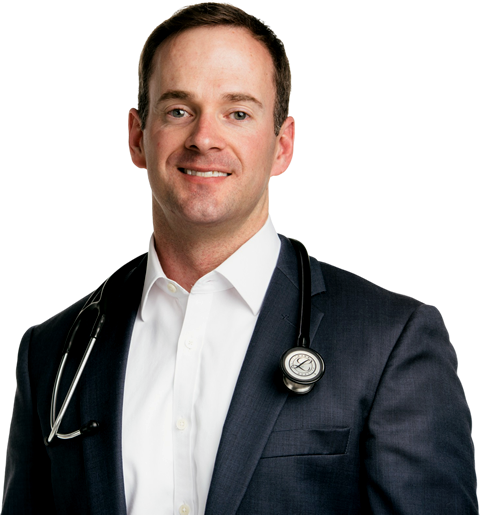
Now, the highly anticipated second edition of Cancer Secrets carries forth integrative oncologist Jonathan Stegall, MD’s commitment to disseminate the latest, most forward-thinking and practical information about cancer in an easy-to-read cancer book.
Dr. Stegall’s insights are rooted in his thriving integrative oncology practice located in Atlanta, GA. Through hands-on involvement with his patients, Dr. Stegall’s open-minded approach has garnered a comprehensive understanding of which approaches have proven effective and which ones fall short in the realm of cancer treatment.
Within the pages of this indispensable anti-cancer book, readers can expect a treasure trove of insights they aren’t likely to find elsewhere. A “must-have” resource for those engaged in fighting cancer, this comprehensive book on cancer is an invaluable companion for individuals who are seeking expert guidance on integrative cancer modalities to help them on their cancer journey.
Overview of the Book
“Cancer Secrets” by Dr. Jonathan Stegall offers a holistic roadmap for cancer care, blending modern medicine with natural therapies to empower patients and families. Amazon cancersecrets.com Podcast | Cancer Secrets
Here’s a detailed overview of the book and its key insights:
 Overview of Cancer Secrets
- Author: Dr. Jonathan Stegall, a board-certified integrative oncologist based in Atlanta, Georgia.
- First Published: 2018, with updated editions released since.
- Focus: Integrative oncology—merging conventional cancer treatments with evidence-based alternative therapies.
- Audience: Cancer patients, caregivers, and anyone seeking a deeper understanding of comprehensive cancer care.
 Key Concepts and Takeaways
- Integrative Approach: Stegall advocates combining chemotherapy, radiation, and surgery with complementary methods like nutrition, supplements, and stress management.
- Personalized Treatment Plans: Emphasizes tailoring therapies to each patient’s unique biology, lifestyle, and emotional needs.
- Metabolic Targeting: Discusses how cancer cells rely on specific nutrients and how restricting these can weaken tumors.
- Mind-Body Connection: Highlights the role of meditation, emotional healing, and spiritual wellness in cancer recovery.
- Diet and Lifestyle: Offers guidance on anti-inflammatory diets, detoxification, and exercise as part of healing.
- Critique of Conventional Medicine: While not dismissive, Stegall critiques the limitations of traditional oncology and calls for more patient-centered care.
- Empowerment Through Education: The book aims to demystify cancer and equip readers with actionable knowledge to make informed decisions.

The Integral Role of Nutrition in Cancer Treatment – Dr Jonathan Stegall
Tell me more about: Diet and Lifestyle
Dr. Jonathan Stegall emphasizes diet and lifestyle as foundational pillars in cancer care, aiming to support the immune system, reduce inflammation, and improve treatment outcomes. His recommendations are personalized and science-based, not one-size-fits-all.
 Dietary Principles in Stegall’s Approach
Dr. Stegall’s nutritional strategy focuses on metabolic balance and immune support. Key principles include:
- Anti-inflammatory foods: Emphasizes vegetables, berries, nuts, seeds, and healthy fats like olive oil and avocado.
- Low-glycemic eating: Reduces sugar and refined carbs to limit insulin spikes and starve cancer cells of glucose.
- Adequate protein: Supports tissue repair and immune function, especially during treatment.
- Organic and clean sourcing: Avoids pesticides, hormones, and additives that may disrupt cellular health.
- Hydration and detox: Encourages filtered water and herbal teas to support liver and kidney function.
Stegall also tailors diets based on lab results, food sensitivities, and metabolic needs.
 Lifestyle Recommendations
His lifestyle guidance complements medical treatment and includes:
- Regular movement: Light exercise like walking, yoga, or stretching to boost circulation and mood.
- Stress management: Meditation, prayer, and breathwork to reduce cortisol and support immune resilience.
- Sleep hygiene: Prioritizes 7–9 hours of restorative sleep to aid cellular repair.
- Environmental detox: Minimizes exposure to toxins from plastics, cleaning products, and air pollution.
- Social and spiritual connection: Encourages meaningful relationships and spiritual practices to foster hope and purpose.
These habits are not just supportive—they’re therapeutic, helping the body recover and resist recurrence.
Would you like to explore how Stegall uses lab testing to personalize nutrition or his views on sugar and cancer metabolism?
Dr. Jonathan Stegall believes that sugar plays a significant role in cancer metabolism and advocates for dietary strategies that limit glucose availability to cancer cells. He challenges mainstream views that downplay the connection between sugar and cancer progression.
 Stegall’s Perspective on Sugar and Cancer
According to Dr. Stegall:
Glucose fuels all cells, including cancer cells—but cancer cells are often more dependent on glucose due to their altered metabolism.
Healthy cells can survive on fat and protein, while cancer cells struggle without glucose, making sugar restriction a strategic tool.
Carbohydrate reduction is central to his nutritional approach, aiming to weaken cancer cells metabolically.
He states: “Healthy cells require protein and fat for survival, but not carbohydrates. When carbohydrates are kept very low, cancer cells are deprived of their preferred fuel.”
 Scientific Basis
Stegall’s views align with the Warburg effect, a well-known phenomenon where cancer cells rely heavily on glycolysis (sugar metabolism) even in the presence of oxygen.
This makes them vulnerable to therapies that restrict glucose or disrupt glycolysis.He also emphasizes:
Ketogenic diets and low-glycemic eating as tools to reduce insulin spikes and glucose availability.
Metabolic therapies that target cancer’s energy production pathways, often combined with low-dose chemotherapy and insulin potentiation.
 Key Takeaways
Sugar doesn’t “cause” cancer, but it can fuel its growth once cancer is present.
Reducing sugar intake is part of a broader metabolic strategy—not a standalone cure.Personalized nutrition is essential, as some patients may need modified approaches based on their health status and treatment plan.
You can read more on The connection between sugar and cancer – Dr Jonathan Stegall
Would you like to explore: How ketogenic diets are used in cancer care
Ketogenic diets are being explored as a complementary strategy in cancer care, aiming to exploit cancer cells’ dependence on glucose by shifting the body’s metabolism toward fat-burning. While promising in theory, the evidence is mixed and context-dependent.
Scientific Rationale: Targeting Cancer Metabolism
The ketogenic diet (KD) is a high-fat, very low-carbohydrate, moderate-protein diet that induces a state of ketosis, where the body uses ketones (from fat) instead of glucose for energy.
This is relevant in cancer care because:
Cancer cells often rely heavily on glucose for energy (the Warburg effect).
Healthy cells can adapt to ketones, but many cancer cells cannot, making them more vulnerable in a ketogenic state.
Lower insulin levels from reduced carbohydrate intake may suppress tumor-promoting pathways.
 Clinical Applications and Evidence
Supportive Therapy: Some integrative oncologists, including Dr. Stegall, use ketogenic diets alongside conventional treatments to potentially enhance outcomes and reduce side effects.
Weight and Inflammation Control: KD may help manage cancer-related cachexia (muscle wasting) and reduce systemic inflammation.
Mixed Results in Research: A 2025 meta-analysis found that ketogenic diets may improve quality of life and metabolic markers in some cancer patients, but evidence for survival benefit remains limited.
A 2024 study from Columbia University raised concerns that KD might increase metastasis risk in certain cancers, such as breast cancer, in animal models.
 Considerations and Cautions
Not a cure: KD is not a standalone treatment and should never replace conventional therapies.
Not for everyone: It may not be suitable for patients with certain metabolic conditions, advanced cachexia, or specific tumor types.
Requires supervision: Medical guidance is essential to avoid nutrient deficiencies and monitor metabolic changes.
Summary
Potential benefits: May weaken cancer cells metabolically, reduce inflammation, and support treatment.
Risks and limitations: Evidence is still emerging, and effects may vary by cancer type and individual biology.
For a deeper dive, you can explore Frontiers | Impact of ketogenic diets on cancer patient outcomes: a systematic review and meta-analysis or New Study Links the Keto Diet to Cancer Metastasis | Herbert Irving Comprehensive Cancer Center (HICCC) – New York
Would you like to explore how Dr. Stegall incorporates ketogenic principles into his protocols or what types of cancer may benefit most from metabolic therapies?
Sources: The Keto for Cancer Myth: Separating Bold Hope from Hard Science – Courage Against Cancer
The relationship between omega-3 fatty acids and cancer spread is complex and multifaceted. While some studies suggest that omega-3s may help reduce the risk of certain cancers by mitigating inflammation, others indicate potential adverse effects on cancer treatment and an increased risk for specific cancers, such as skin and lung cancer.
The balance between omega-3 and omega-6 fatty acids is crucial, as omega-6s can promote inflammation, which contributes to tumor growth. Side effects from omega-3 supplementation may include gastrointestinal issues and a taste alteration.
Additionally, individuals on blood thinners or certain medications should exercise caution when consuming omega-3s. Overall, while omega-3 fatty acids show promise in cancer-related research, the findings are mixed and highlight the need for further investigation to understand their role fully.Omega 3 fatty acid and metastatic cancer
Omega-3 fatty acids have shown promise in managing metastatic cancer, particularly in breast cancer. Studies suggest that these fatty acids can improve the nutritional status of patients with lung cancer who have lost muscle mass and may enhance the outcomes of chemotherapy for metastatic breast cancer.
The combination of omega-3 fatty acids with chemotherapy has been shown to reduce the risk of metastasis and improve the efficacy of the treatment. It is important to note that while omega-3 fatty acids may offer benefits in cancer treatment, they should be used under the guidance of a healthcare provider, especially when considering their use in conjunction with other therapies.
Despite advances in treatment, individuals diagnosed with cancer are often at risk of suffering from metastasis, tumor recurrence, therapy resistance, and off-target toxicities from conventional chemo-, radio-, and endocrine- therapies.
Drugs with potent anticancer and antimetastatic activity but with milder side effects can be combined with conventional therapies to increase efficacy, reduce therapy resistance, and decrease toxicity. Substantial data from epidemiological, cell culture, animal, and clinical studies have established the anticancer potential of nontoxic omega-3 fatty acids.
This paper highlights the beneficial effects of omega-3 fatty acid treatment when used in combination with conventional therapies to protect against metastasis, enhance therapeutic efficacy, and prevent the off-target toxicity caused by conventional therapies. These omega-3 fatty acids target therapy-induced central players, NF-κB and ROS, to prevent drug-associated metastasis, therapy resistance, and off-target toxicities.
Information sheet: Fish, Omega-3 fatty acids and cancer | Cancer CouncilOmega-6, Omega-3 Fatty Acid Levels Inversely Tied to Cancer Incidence
Omega-3 Fatty Acids and Their Impact on Cancer Omega-3 Fatty Acids – CancerChoices
Omega-3 fatty acids and cancer | Research Starters | EBSCO Research
Exploring omega-3, omega-6 fatty acids and cancer risk
 Why the Mind-Body Connection Matters in Cancer Care
Mind-Body Practices in Alternative Cancer Treatments | TCFAM
Dr. Jonathan Stegall emphasizes the mind-body connection as a vital pillar of integrative cancer care, recognizing that emotional and spiritual health directly influence physical healing and treatment outcomes. According to Stegall, cancer affects more than just the body—it disrupts emotional balance, mental clarity, and spiritual peace.
His approach integrates therapies that address these dimensions because:
- Stress and anxiety can suppress immune function and worsen inflammation.
- Depression and fear may reduce treatment adherence and motivation.
- Spiritual distress can lead to hopelessness, which impairs healing.
By supporting the mind and spirit, Stegall believes patients are better equipped to fight cancer and recover more fully.
Key Mind-Body Practices in Stegall’s Protocol
- Meditation and Mindfulness: Used to calm the nervous system, reduce cortisol, and improve emotional resilience.
- Prayer and Spiritual Counseling: Encouraged for patients who find strength in faith or spiritual traditions.
- Emotional Support: Includes therapy, journaling, and support groups to process grief, fear, and trauma.
- Visualization Techniques: Helps patients mentally rehearse healing and recovery, fostering a sense of control.
- Breathwork and Gentle Movement: Practices like yoga or tai chi are recommended to reconnect body and mind.
These practices are not optional add-ons—they’re embedded into Stegall’s treatment plans as essential components.
Scientific Backing
Stegall’s emphasis on the mind-body connection aligns with growing research showing that:
- Chronic stress can accelerate tumor growth.
- Positive emotional states improve immune surveillance.
- Spiritual well-being correlates with better quality of life and survival rates.
His model reflects a shift from disease-centered care to whole-person healing, where emotional and spiritual health are treated with the same seriousness as physical symptoms.
Would you like to explore how meditation impacts cancer recovery or how Stegall incorporates spiritual care into treatment?
Mind-Body Practices in Alternative Cancer Treatments | TCFAM
Tell me more about: how Stegall’s approach compares to other integrative oncologists
Dr. Jonathan Stegall’s integrative oncology approach stands out for its structured, science-based methodology that blends conventional treatments with complementary therapies in a highly personalized way. Compared to other integrative oncologists, his model is more protocol-driven and emphasizes metabolic targeting and patient empowerment.
 How Stegall’s Approach Compares
Here’s a breakdown of how Dr. Stegall’s method aligns with and diverges from other integrative oncology practices:
Metabolic Targeting
- Stegall’s Focus: He uses metabolic therapies to disrupt cancer cell energy production, often involving low-dose chemotherapy combined with insulin potentiation therapy (IPT).
- Others: While some integrative oncologists explore metabolic approaches, few apply them as systematically or combine them with IPT as Stegall does.
 Evidence-Based Complementary Therapies
- Stegall’s Focus: Supplements, detoxification, and nutrition are selected based on lab testing and clinical evidence.
- Others: Many practitioners use similar tools, but Stegall emphasizes rigorous testing and avoids unproven or anecdotal remedies.
 Mind-Body Integration
- Stegall’s Focus: He incorporates stress reduction, emotional healing, and spiritual support as core components of care.
- Others: Most integrative oncologists include these elements, but Stegall’s model integrates them into a formal treatment plan rather than offering them as optional add-ons.
 Structured Protocols
- Stegall’s Focus: His 12-week, three-phase program is designed to be repeatable and measurable, with clear goals and checkpoints.
- Others: Many integrative oncologists offer flexible, evolving plans based on patient feedback and evolving research, which can be less structured.
 Patient Education and Empowerment
- Stegall’s Focus: Through his book Cancer Secrets and podcast, he prioritizes educating patients to make informed decisions.
- Others: Education is common in integrative oncology, but Stegall’s multimedia approach and emphasis on demystifying cancer are particularly robust.
Summary Table
| Feature | Stegall’s Approach | Typical Integrative Oncologist |
|---|---|---|
| Metabolic Therapy | Central to treatment | Occasionally used |
| Supplement Strategy | Lab-guided and evidence-based | Often anecdotal or generalized |
| Mind-Body Integration | Embedded in protocol | Offered as optional support |
| Treatment Structure | 12-week, phased program | Flexible and evolving |
| Patient Education | Book, podcast, online courses | Consultations and handouts |
Tell me more about: what specific therapies he recommends
Dr. Jonathan Stegall recommends a blend of conventional and natural therapies, carefully selected and personalized for each patient. His approach emphasizes metabolic targeting, immune support, and whole-body wellness.
Here’s a breakdown of the specific therapies featured in Cancer Secrets and his clinical practice:
 Conventional Therapies (Modified for Safety and Precision)
- Low-Dose Chemotherapy (LDI): Uses significantly reduced doses of chemo drugs to minimize side effects while maintaining effectiveness.
- Insulin Potentiation Therapy (IPT): Administers insulin to lower blood sugar, making cancer cells more vulnerable to chemotherapy.
- Targeted Drug Therapy: Incorporates FDA-approved medications tailored to the patient’s tumor profile.
- Radiation and Surgery: Used selectively, often in coordination with integrative support to reduce toxicity and improve recovery.
 Natural and Integrative Therapies
- High-Dose Vitamin C IV Therapy: Acts as a pro-oxidant in cancer cells, potentially damaging them while sparing healthy tissue.
- Ozone Therapy: Enhances oxygenation and may stimulate immune response.
- Nutritional Therapy: Anti-inflammatory, low-glycemic diets designed to starve cancer cells and support the immune system.
- Supplement Protocols: Includes curcumin, resveratrol, melatonin, and other compounds with anti-cancer or immune-boosting properties.
- Detoxification Support: Liver and lymphatic detox strategies using herbs, saunas, and hydration.
Mind-Body and Lifestyle Therapies
- Stress Reduction: Meditation, prayer, and counseling to reduce cortisol and support healing.
- Spiritual Care: Encourages patients to explore faith and purpose as part of recovery.
- Exercise and Movement: Tailored physical activity plans to improve circulation, immunity, and mood.
Personalization Through Testing
- Genomic and Tumor Marker Testing: Identifies mutations and biomarkers to guide therapy choices.
- Nutrient and Toxicity Panels: Detects deficiencies or heavy metal burdens that may affect treatment outcomes.
Dr. Stegall’s philosophy is to “treat the tumor while supporting the patient,” ensuring that every therapy—whether conventional or alternative—is grounded in science and tailored to the individual.
Would you like to explore how he uses IPT in more detail or what types of cancer respond best to his protocol?
Tell me more about: Stegall’s 12-week treatment phases:
Integrative Oncology – Dr Jonathan Stegall’s 12-week treatment protocol is a cornerstone of his integrative oncology approach, designed to systematically weaken cancer while supporting the body’s healing capacity. It’s structured into three distinct phases, each with a specific focus and set of therapies.
 Stegall’s 12-Week Cancer Treatment Protocol
Phase 1: Foundation and Preparation (Weeks 1–4)
- Goal: Prepare the body for targeted cancer treatment.
- Key Components:
- Comprehensive lab testing to assess cancer markers, immune function, and metabolic health.
- Nutritional optimization and detoxification support.
- Introduction of supplements and therapies to strengthen the immune system and reduce inflammation.
- Emotional and spiritual support to build resilience.
Phase 2: Targeted Cancer Therapy (Weeks 5–8)
- Goal: Directly attack cancer cells while minimizing harm to healthy tissue.
- Key Components:
- Low-dose chemotherapy combined with Insulin Potentiation Therapy (IPT) to enhance drug uptake by cancer cells.
- Hyperthermia and oxidative therapies (e.g., ozone or high-dose vitamin C) to stress cancer cells metabolically.
- Continued immune support and detoxification.
- Monitoring of tumor response and patient tolerance.
Phase 3: Recovery and Maintenance (Weeks 9–12)
- Goal: Support healing and prevent recurrence.
- Key Components:
- Adjustments to therapy based on progress and lab results.
- Ongoing nutritional and lifestyle guidance.
- Emotional and spiritual integration.
- Development of a long-term wellness plan.
What Makes This Protocol Unique
- Structured yet flexible: While the 12-week timeline is consistent, therapies are tailored to each patient’s biology and cancer type.
- Metabolic targeting: Stegall’s use of IPT and metabolic therapies is more aggressive and precise than most integrative oncologists.
- Whole-person care: Emotional, spiritual, and lifestyle factors are treated as essential—not optional—parts of the healing process.
Would you like to explore how Insulin Potentiation Therapy works or what types of cancer Stegall treats with this protocol?
Dr. Jonathan Stegall’s integrative oncology model differs from standard oncology protocols by emphasizing personalization, reduced toxicity, and whole-person care, while still incorporating conventional treatments like chemotherapy and surgery.
Here’s a detailed comparison of the two approaches:
 Stegall’s Integrative Model vs. Standard Oncology Protocols
| Feature | Stegall’s Integrative Model | Standard Oncology Protocols |
|---|---|---|
| Treatment Philosophy | Treat the tumor and support the whole person | Focus on tumor eradication and disease control |
| Chemotherapy Approach | Low-dose chemo with Insulin Potentiation Therapy | Full-dose chemo based on tumor type and stage |
| Personalization | Extensive lab testing and genomic profiling | Some personalization, mostly based on cancer type |
| Complementary Therapies | Includes IV vitamin C, ozone, supplements | Rarely used or recommended |
| Mind-Body-Spirit Care | Integrated into treatment plan | Often overlooked or referred out |
| Nutrition and Detox | Central to healing and prevention | Not typically addressed |
| Patient Role | Active participant in care decisions | Passive recipient of standardized protocols |
| Side Effect Management | Proactive with natural and supportive therapies | Reactive with medications and symptom control |
Sources:
Integrative Colorectal Cancer Treatment | Dr. Jonathan Stegall | TCFAM
Integrative Oncology – Complementary Therapies – Dr Jonathan Stegall
Key Differences Explained
- Chemotherapy Delivery: Stegall uses Insulin Potentiation Therapy (IPT) to sensitize cancer cells to low-dose chemo, reducing side effects. Standard protocols rely on full-dose regimens that can be harsh on healthy tissue.
- Whole-Person Focus: Stegall’s model integrates emotional, spiritual, and lifestyle factors into care. Standard oncology often treats these as secondary or outside the scope of treatment.
- Complementary Therapies: Stegall incorporates scientifically supported natural therapies. Conventional oncology may discourage or ignore these unless part of clinical trials.
- Patient Empowerment: Education and shared decision-making are central to Stegall’s approach. Standard care tends to follow rigid protocols with limited patient input
Tell me more about: Integrative Approach
Dr. Jonathan Stegall’s integrative oncology approach is a comprehensive, patient-centered model that blends conventional cancer treatments with scientifically supported complementary therapies. It’s designed to treat the tumor while strengthening the body, mind, and spirit—offering a more holistic path to healing than standard protocols.
Core Elements of the Integrative Approach
Personalized Medicine
- Stegall uses advanced lab testing, genomic profiling, and metabolic analysis to tailor treatments to each patient’s unique biology.
- This contrasts with one-size-fits-all protocols often seen in conventional oncology.
Modified Conventional Therapies
- He employs low-dose chemotherapy and Insulin Potentiation Therapy (IPT) to reduce toxicity while maintaining effectiveness.
- These methods aim to target cancer cells more precisely and gently.
 Complementary Therapies
- Includes high-dose vitamin C, ozone therapy, and targeted supplements like curcumin and resveratrol.
- These are selected based on lab results and integrated into the overall treatment plan.
Mind-Body-Spirit Integration
- Emotional and spiritual support are considered essential—not optional.
- Practices like meditation, prayer, counseling, and visualization are woven into care to reduce stress and enhance resilience.
Nutrition and Lifestyle
- Anti-inflammatory, low-glycemic diets are used to support immune function and reduce cancer’s fuel supply.
- Detoxification, sleep hygiene, and gentle movement are also emphasized.
Patient Empowerment
- Through his book Cancer Secrets, podcast, and clinical consultations, Stegall educates patients to take an active role in their healing.
- He encourages informed decision-making and collaboration.
Why It’s Different
Unlike conventional oncology, which often focuses solely on tumor eradication, Stegall’s integrative model treats the whole person. It’s proactive, personalized, and grounded in both science and compassion.
Would you like to explore how Stegall’s use of IPT works or how his protocols vary by cancer type?
Dr. Jonathan Stegall shares several compelling patient success stories through his Cancer Secrets Podcast, illustrating how integrative oncology can lead to remarkable outcomes—even in advanced cancer cases.
Here are two standout examples:
 Dorothy – Ovarian Cancer with Metastasis
- Diagnosis: Advanced ovarian cancer with metastasis; given a prognosis of only six months to live.
- Treatment: Dorothy chose Dr. Stegall’s integrative approach, which included:
- Low-dose chemotherapy
- Insulin Potentiation Therapy (IPT)
- Fasting protocols
- High-dose intravenous vitamin C
- Other supportive therapies
- Outcome: Despite her grim prognosis, Dorothy experienced a significant improvement in quality of life and tumor response, defying expectations and extending her survival well beyond initial estimates. CSP S6E087 – Ep.87, Ovarian Cancer Success Story Libsyn Directory
 Amanda – Stage 4 Breast Cancer
- Diagnosis: Stage 4 breast cancer with metastases to the lungs and liver.
- Treatment: Amanda underwent a personalized integrative plan that included:
- Low-dose conventional treatments
- Hyperthermia therapy
- Mistletoe injections
- Pulsed Electromagnetic Field (PEMF) therapy
- Mindful nutrition and lifestyle changes
- Outcome: Amanda achieved a state of “no evidence of disease,” confirmed through advanced bloodwork and imaging. Her case highlights the potential of combining conventional and complementary therapies for late-stage cancer. The Cancer Secrets Podcast – Podcast – Apple Podcasts
These stories underscore Stegall’s belief that hope and healing are possible even in dire circumstances, especially when patients are treated as whole individuals—not just diagnoses.
Would you like to explore how hyperthermia and mistletoe therapy work or what role fasting plays in cancer treatment?
How hyperthermia and mistletoe therapy work
Hyperthermia and mistletoe therapy are complementary cancer treatments used in integrative oncology to enhance immune response and weaken cancer cells. Dr. Jonathan Stegall incorporates both into his protocols when appropriate, based on patient needs and tumor biology.
 Hyperthermia Therapy
How it works:
- Hyperthermia involves raising the temperature of body tissues to damage or kill cancer cells.
- Cancer cells are more sensitive to heat than normal cells, especially when combined with radiation or chemotherapy.
- Localized hyperthermia targets specific tumor areas, while whole-body hyperthermia may stimulate systemic immune responses.
Benefits:
- Increases blood flow to tumors, improving drug delivery.
- Enhances the effectiveness of chemotherapy and radiation.
- May trigger immune activation and apoptosis (cell death) in cancer cells.
Techniques used:
- Infrared saunas
- Radiofrequency or microwave devices
- Thermal chambers (for whole-body applications)
Mistletoe Therapy (Viscum album)
How it works:
- Mistletoe extract is injected subcutaneously or intravenously.
- It contains lectins and viscotoxins that may stimulate the immune system and induce apoptosis in cancer cells.
Benefits:
- Enhances immune surveillance and natural killer cell activity.
- Reduces chemotherapy side effects like fatigue and nausea.
- Improves quality of life and emotional well-being.
Usage in Europe:
- Widely used in Germany and Switzerland as part of anthroposophic medicine.
- Often combined with conventional treatments in integrative clinics.
In Stegall’s Practice
- These therapies are not standalone cures but part of a broader integrative plan.
- He selects them based on tumor type, patient tolerance, and lab results.
- They’re used to support immune function, reduce toxicity, and enhance treatment synergy.
Would you like to explore how Stegall combines these with IPT and metabolic therapy or what cancers respond best to mistletoe and hyperthermia?What role fasting plays in cancer treatment?
Dr. Jonathan Stegall views fasting as a strategic tool in cancer care, used to enhance treatment effectiveness, reduce side effects, and support metabolic health. He explores this in his book Fasting From Cancer, emphasizing timing and personalization over extreme restriction.
How Fasting Supports Cancer Treatment
Fasting is believed to influence cancer biology in several key ways:
- Reduces glucose and insulin levels, depriving cancer cells of their preferred fuel.
- Triggers autophagy, a cellular cleanup process that may help eliminate damaged cells.
- Protects healthy cells during chemotherapy by shifting them into a stress-resistant state.
- Enhances immune function and reduces inflammation.
Stegall highlights that fasting may make cancer cells more vulnerable to treatments while shielding normal cells—a concept supported by emerging research.
 Types of Fasting in Stegall’s Approach
- Intermittent Fasting (IF): Time-restricted eating (e.g., 16:8 or 18:6) to reduce insulin spikes and support metabolic balance.
- Short-Term Fasting Before Treatment: Fasting for 24–48 hours before chemotherapy may reduce side effects and improve drug uptake.
- Modified Fasting Protocols: Includes low-calorie or nutrient-specific fasting mimicking diets (FMDs) tailored to patient needs.
Stegall cautions that fasting should be medically supervised, especially during active treatment, and adapted to each patient’s condition and tolerance.
From Fasting From Cancer
In his book, Stegall writes:
“When done properly, fasting can be a powerful tool in the cancer toolbox—not a cure, but a catalyst.”
He emphasizes that when we eat may be just as important as what we eat, especially in the context of cancer metabolism.
Would you like to explore how fasting mimicking diets work or how Stegall combines fasting with metabolic therapies?
Fasting From Cancer: Stegall, Jonathan: 9781732327368: Amazon.com: Books
Integrative Oncology – Dr Jonathan Stegall
Fasting From Cancer by Jonathan Stegall