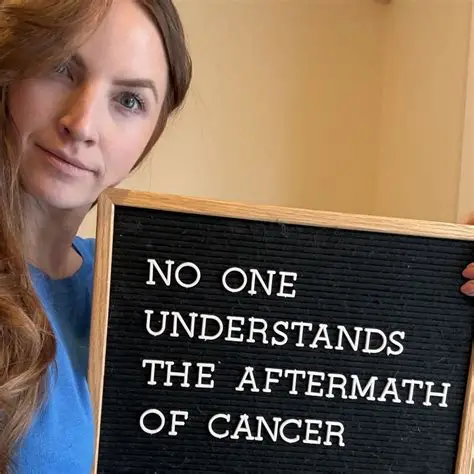
Dr. Amy – Cancer Researcher & Cancer Survivor 🤲
Dr. Amy Morris was diagnosed with stage 3 ovarian cancer at the age of 30 years old.
Barely any side effects & no family history of cancer, I was being given a 39% chance of surviving to just 5 years. It was a terrible state that I simply could not accept.
Because I truly follow my own philosophy, I wanted to use every strategy scientifically proven to help me get to cancer free & stay cancer free.
So I got to work – First a surgery to remove the cancer and one of my ovaries.
Then chemotherapy. Every day, I used comprehensive strategies to help me recover from surgery and chemo cycles. Anti-Cancer Nutrition, Targeted Exercise, and Transformative Mindset Work.
Once my treatment was complete, that’s when I really dove in.
There is so much that cancer thrivers can do to reduce their risk of recurrence. You have so much power. As an ovarian cancer survivor – I was going to make sure I did it all! This experience allowed me to truly understand all aspects of cancer on a deeply personal level. I am a much better clinician now – having gone through cancer myself.
0:00 5 Cancer Tips That No One Tells You About (DO NOT Miss This!)
Cancer changes everything. Here’s what you need to know to feel like yourself again.
Hey, Dr. Amy Morris here, and as an eight-year cancer survivor, I’m sharing with you five cancer tips that nobody tells you about. These are the things that I wish I had known sooner.
So, no matter where you are in your cancer journey, these are the tips that can make a real difference in your recovery and your long-term health, these small strategies help you heal, stay healthy, and be cancer-free for life. Let’s get into it.
Starting with number one, rest is not recovery. Most cancer survivors think that rest equals healing. But the truth is that your body does not rebuild itself just by getting more sleep. Healing takes energy. It takes movement. True recovery means restoring your muscles and stabilizing your hormones, reducing inflammation. And this doesn’t happen just through rest. When I was diagnosed with stage 3 cancer, my biggest battle was exhaustion.
I thought I needed to sleep as much as possible to recover. But even after 12 hour nights, I’d wake up feeling the same. It wasn’t until I truly started rebuilding my strength that I actually felt alive. Cancer survivors don’t understand that simple strategies like walking for 30 minutes every day or doing body weight strength training exercises can reduce your risk of a cancer recurrence by up to 60%. That’s not a small number. That’s life changing.
Exercise increases blood flow throughout your body. It helps flush out inflammatory cells. Plus, it’s going to activate your body’s own healing pathways. Inside the Cancer Freedom program, I work with a breast cancer patient. After she finished her treatment, she could barely walk a block without having to sit down and take a rest.
So, we started slow, 5 minutes a day, then 10 minutes a day.
Within 3 months, she was walking five miles, and her joint pain completely disappeared. Her energy came back. her inflammatory markers dropped. Rest did not do that. Movement did. Now, look, recovery doesn’t mean pushing yourself until you’re totally drained. It means rebuilding strategically. Your body needs to be guided back to strength. Rest gives your body time, but movement gives your body purpose.
2:54 Okay, but on to number two. Eating healthy isn’t always cancer fighting. You can eat clean and still miss out on the key nutrients that can help you stay cancer free. Many cancer survivors fall into the trap of cutting calories or cutting out total food groups. They’re thinking that they’re doing everything right. They eat organic food. They eat lots of fruits and vegetables, only chicken and fish, but yet still something’s missing.
Here’s what it is. You need to know the specifics behind your nutrition. If I were to ask you, how many grams of protein did you eat yesterday? How many grams of fiber? I want to know the exact number. If we don’t have a concept of your nutrition to that level, we actually don’t know if it’s a healthy diet for you or not. You might be eating all the right foods in all the wrong quantities.
Most cancer survivors that start working with me inside the cancer freedom program are deficient on specific nutrients that are needed to recover from treatment and stay cancer-free. These are micronutrients like magnesium and vitamin D. These are not minor details. These are the foundation of your immune system. When these nutrients are low, your body is slower in repairing DNA damage.
Inflammation stays higher for longer. Most cancer survivors need to be aiming for a minimum of 1 gram of protein per kilo of body weight per day. And most cancer survivors are not reaching that minimum. But keep in mind, this is your minimum, the basement requirement. To really thrive, you’re going to need even more than that. Protein helps repair tissues and lean muscle mass. It supports your hormone balance.
This is all critical after going through surgery, chemo, or radiation. And don’t forget about fiber. Fiber actually binds to excess hormones in your body and excretes it. It also helps to stabilize your blood sugar and it’s going to feed the healthy bacteria in your gut. That’s so critical to your immune system. Now, the sweet spot for fiber is around 30 grams per day, but that truly does depend on your other micronutrients.
Now, that might sound like a lot, especially because most of the women who come to work with me start out at 15 grams per day, not 30. They need to double their fiber intake. But we have a great amount of research to show that for every 10 grams of fiber, you reduce your risk of a cancer recurrence by 10%. Now, inside the cancer freedom program, I worked with a cancer thor who was eating mostly plant-based.
Now, this is an amazing way to eat, but she was not hitting all of her macro and micronutrient targets. She thought if she ate plant-based, that would be healthy. But yet, the data was not supporting her body. Her iron levels were low, her magnesium, her B vitamins, and her energy kept crashing every afternoon. But then we adjusted her meals to bring up the protein.
More lentils, more pumpkin seeds. Her lab markers improved and she finally felt clear-headed again. Now, eating healthy is not a onesizefits-all. After cancer, your nutrition, it needs to be strategic. We are talking about cancer after all. It needs to target your unique biology, your cancer, your treatment, and your unique goals.
6:27 Okay, but moving on to number three. Your mindset impacts your side effects. Now, this is not about being positive all the time. It’s about understanding that your thoughts can alter your physiology. When I was in recovery, I didn’t realize how much mindset was working against me. I’d lie awake at night worrying about recurrence. The stress of it was keeping my cortisol levels high. My body was constantly inflamed.
I didn’t connect all the dots for a long time, but then I clued in that this was stress physiology. Research shows that chronic stress increases inflammation and increases fatigue. It disrupts hormones. It suppresses your immunity.
This can even alter how your body metabolizes medications. Now, cancer survivors who intentionally train their mindset through gratitude, through visualization, through cognitive behavioral therapy, these survivors experience fewer hot flashes, less pain, and a better sleep.
When I introduced this approach to my client Sarah, who was navigating debilitating joint pain from her therapy, she was skeptical. But we started just by incorporating a five minute nightly routine. And within weeks her sleep improved, her mood stabilized and her pain decreased.
This is not a placebo. This is neurobiology.Your brain communicates directly with your immune system. When you quiet your stress response, your body is able to heal more effectively. Mindset isn’t magic. It’s actually medicine.
8:10 Okay, but on to number four. Supplements are only as good as the strategy behind them. Most people take supplements reactively. A friend recommends one, they see an advertisement, they hear about it on podcast, and they start taking it. Pretty soon, your cupboard is filled with supplements and you have no plan. Without understanding your deficiencies, your dosing, your timing, this is not very useful.
You’re not helping your body. You might even be Wasting your effort. The supplement industry thrives on generalized marketing. Boost your immune system. Reduce inflammation. But what your body needs after cancer is precision. For example, vitamin D supports your immune system, but the dose depends on your specific blood level.
Magnesium supports muscle repair and sleep patterns, but it comes in different forms. When I tested 9:04 my own micronutrients after cancer, I found that I was deficient in very specific areas. All I needed to do was take two supplements to correct those specific deficiencies. Once I corrected those, everything normalized.
Now, inside the Cancer Freedom program, we often reflect upon blood work to help us with our supplement decisions. I work with a cancer patient who’s spending hundreds of dollars on supplements every single month.
Once we tested her levels, we found that we could take away a lot of her supplements.
They were unnecessary and some of the ones she was taking; were actually underdosed. We made the right adjustments. We saved her money, and she felt better in a matter of weeks. But supplements don’t work in isolation. They work as part of a strategy. The right compound, the right form, and for the right reason.
9:54 Okay, on to number five. You don’t rebound, you rebuild. No one tells you this, but cancer recovery is not about returning to who you were before. It’s about becoming stronger and wiser and more strategic. Your metabolism, your hormones, they’ve all changed. That’s not a failure. That’s information. It means your body has a new operating system. When you understand how to fuel it, move it, and support it properly, you feel better than you did before your diagnosis. When I finished my treatment, I was determined to bounce back.
I wanted to pretend like nothing had happened, but my body was different. My tolerance to stress was lower. My energy was fluctuating. My inflammation markers were off. It wasn’t until I stopped trying to bounce back and I started focusing on rebuilding that I actually started to feel like myself again. Think of it like renovating a house. We don’t
rebuild it with the same materials that failed before. You get better ones, safer, faster, more effective.
That’s what thriving after cancer really means.
I’ve seen this transformation over and over again. Women who were stuck in exhaustion after cancer, they finally start to thrive because they focus on rebuilding instead of just waiting to come back to life. They’re rebuilding their health piece by piece, step by step. Healing after cancer is not passive. It’s strategic. It’s deliberate and it can be empowering. Okay, but look, now that you know these five tips that almost no one will tell you, the next thing you need to know about are chemo secrets. Are you ready?
I’ve linked up this next video for you here.
11 Things No One Tells You About Chemo (Until It’s Too Late)
I’ll see you in the next: Eat THIS During Chemo (Dr. Amy Explains)
How Long Do Chemo Side Effects Last? (Doctor Explains)
Dr. Amy – Cancer Researcher & Cancer Survivor – Search Videos
In this episode of The Other C Word, I’m joined by the inspiring Dr. Amy Morris— Stage 3 Ovarian Cancer warrior, and founder of the Cancer Freedom Program. Diagnosed at just age 30, Amy has taken her personal battle with cancer into a mission to helping women thrive after treatment. We dive into:
- Her journey through diagnosis, treatment, and recovery
- The challenges women face after cancer and how to overcome them
- Strategies for lowering the risk of recurrence and reclaiming your health
- Practical tips for managing side effects, menopause, and body confidence
Whether you’re navigating a new diagnosis, living with metastatic disease, or trying to rebuild your life after treatment, this episode is packed with hope, guidance, and actionable steps to help you feel like yourself again.
Home | This Is Living With Cancer | Official Site