The Cancer Journey — Shannon Knight
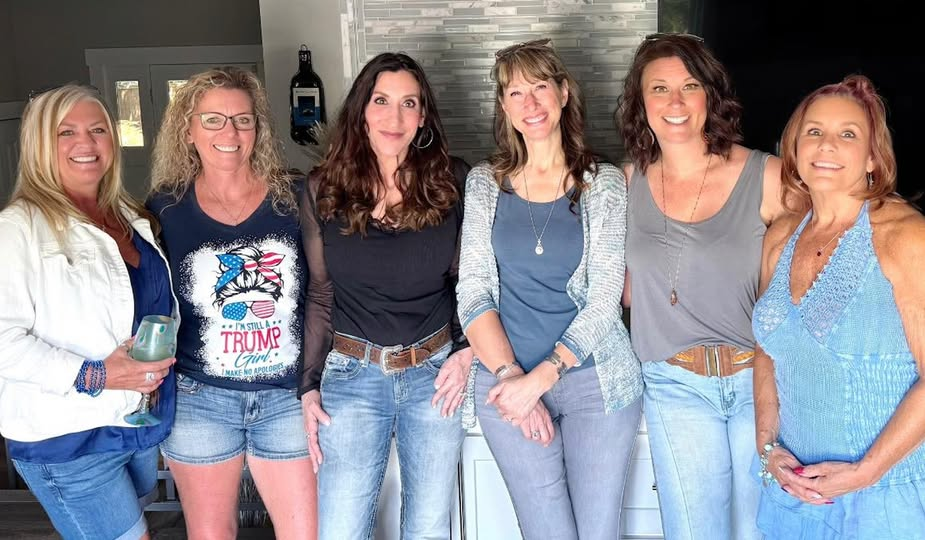
When I write, it’s always with the hope that a woman reading will feel a little more understood and a little more free from something pressuring or scaring her. This photo is of me and my dearest friends. It was taken this year and it represents twenty years of friendship and what that takes.
We have seen the best and the worst in each other and through it all, we’ve shared our stories of health, relationships, fears, loss, and survival — divorce, heartbreak, and battles we’ve fought with our heart, our soul, and all the courage we could muster.
Over the years, we’ve had our differences too — things that never would have mattered twenty years ago but somehow, because of everything happening in the world around us and the increasing manipulation through AI and media, we have to step back and look at how unpredictable and fragile life really is. Here we are, experiencing it together.
Sometimes life beat us down hard where we wondered how we would get through, sometimes we’d rise and find grace easily again, and other times it took a while and we were there to support each other. I look back on those years when aging wasn’t something we ever had to think about.
As a cancer coach and advocate for women, my goal is for them to help heal from past trauma, to understand stages of grief, emotional wellness when they are afraid and strengthen their faith. I do not teach health from a nutrition standpoint — my focus is on emotional well-being, healing from unresolved trauma, and growing stronger in faith. The emails I get are from women who have cancer and some are very confused that they got a diagnosis because they do eat healthy foods and take supplements and do not understand why.
I see how advertising spotlights women at midlife and it is easy to understand why many women blame themselves. I’ve noticed how aggressively vitamins, minerals, prebiotics, probiotics, digestive enzymes, and every kind of supplement are pushed at women in our fifties and sixties. Reds, greens, golds, oils — anything to prevent weight gain, aging, cancer, Alzheimer’s — and the list goes on: thinning hair, brittle nails, collagen loss, wrinkles, skin elasticity, bone density, crepey skin.
We must improve everything about us — the ads are meant to cause a disturbance or fear and then offer solutions by using those perfect “before and after” AI images that aren’t even real. Most “before and after” photos today are created by AI. They take an ordinary woman and make her look worn down in the first picture, then turn her into a version of herself that looks decades younger in the next — all to convince us that one more bottle is the answer.
And then, of course, there are the diets. Keto, carnivore, intermittent fasting, low-carb, no-carb — and somehow it comes up in almost every conversation I have, even with family and friends. There’s always a new rule, a new warning, a new thing we’re “supposed” to do. And honestly, half the time it feels like one more way women are told that who we are isn’t enough unless we’re following the newest plan.
I do think fear is a big part of the reason health declines. The lack of peace of mind can increase cortisol levels. Unresolved emotional trauma can cause illness and when we get sick it does not have to be our fault with regard to what we ate or did not eat.
With AI ads now, the targeting is streamlined and more personal than ever. They know exactly which words, which fears, and which insecurities will stop a woman, make her look in the mirror and notice things she did not before — then sell you the pill, liquid or powder at a ridiculous cost for the worry they just stirred up. And it works! The supplement world has turned into a massive, money-driven industry.
It’s no wonder many women think it’s their fault if they’re not taking half the supplement aisle home — there’s something sold for every part of our body now. The supplement industry has grown by more than 50% in the last five years and the cost has gone up steadily too.
But here’s what I keep coming back to: women my age have lived a lot of life. We’ve cared for people. We’ve lost people we loved. We’ve survived things no ad could ever understand.
We are strong in ways that will never make headlines.
And I don’t believe for a second that a woman needs a counter full of bottles to feel whole.
It’s okay to want less.
It’s okay to keep things simple.
It’s okay to say, “This is too damn much, and I don’t need all of it.”
Some supplements can help, yes — but not the way fear would have you feel if you take a month off from pills. What most of us need is something reasonable that doesn’t drain our peace of mind or our bank account.
If you’ve been feeling this too… you’re not alone. I think with the overkill of before and after AI images a lot of us are waking up to it.
And it feels good to remember that we get to choose what we welcome into our lives — and what we don’t.
You are more beautiful than you realize.
Shannon Knight discusses what she did after she was diagnosed with stage 4 cancer.
Shannon K. & her no-chemo journey – products vs. chemo
The Best Diet for Cancer — What Oncologists Don’t Tell You About Food
Like minded support is Quite Healing – Search
AND HAPPY 6th Anniversary to Shannon Kight

 Happy anniversary, my love!
Today marks the beginning of an extraordinary journey that has profoundly transformed my life day after day and through the years, a true testament to the boundless power of love.
Our wedding day, December 3, 2019, was a beautiful celebration of the transformative power of true love, a union that continues to uplift and inspire me every day.
You and I against the world – this phrase resonates deeply within me, and I am forever grateful for our life together, a gift that I cherish deeply, here on earth and for eternity.
I recall reading a book once, small yet powerful (I still have it), “Don’t Sweat the Small Stuff,” a book that has helped countless people gain a new perspective on what truly matters in life.
It has taken on new meaning for me, reminding me that life’s little challenges that once seemed insurmountable now pale in comparison to our shared journey and the daily promise of a brighter future unfolding before our eyes.
Reflecting on what we’ve gone through together, including the pandemic that kicked in right after we got married, I am reminded of the strength and resilience of our love.
With you by my side, I am always empowered to focus on what truly matters most – our love, our faith in God, and trust in the Lord, knowing that we are in His hands and He is the center of our marriage.
When we face challenges in life, we know that we don’t just turn to each other, we turn to God, and we always find the answers we need to bring us peace and a successful marriage.
What a gift and a blessing in challenging times to have one another’s perspective lighting other paths we may not have seen, providing answers we need – that’s the magic of partnership, knowing we can trust each other’s best intentions for each other.

I love you, Michael Madden – you are my everything, and your happiness and well-being are forever intertwined with mine.
I know what it means to love and to be truly loved always and forever.
Love Stimulate and Fear Suppresses the Immune System – Search
Love and fear are two sides of the same coin, and they can both influence the immune system in different ways. Love can stimulate the immune system, as seen in studies where women who fell in love showed increased activity of genes involved in antiviral defenses. This could be a proactive response to anticipating future intimate contact, given that most viruses are spread via close physical contact. However, this increased activity of antiviral genes is also consistent with the biological preparation of the body for pregnancy.
On the other hand, fear can suppress the immune system. The amygdala, the brain’s fear center, lights up when you feel fear, preparing your body for a fight-or-flight response. This can lead to inflammation and chronic illnesses. Chronic stress, which is often associated with fear, can impair immune response and reduce the activity of natural killer cells and other immune cells.
Understanding the interplay between emotions and the immune system is crucial for maintaining overall health and well-being. Engaging in positive emotional responses and fostering social connections can help strengthen the immune system and reduce the risk of chronic inflammation.
The relationship between love and the immune system is complex and multifaceted. While love can stimulate the immune system, fear can suppress it. Here’s a summary of how love and fear impact the immune system:
Love:
Positive Emotions: Love, joy, and gratitude can boost immune function. These emotions activate the immune system and can even prepare the body for pregnancy.
Thymus Gland: Positive emotions like love stimulate the thymus gland, which is crucial for immune system function.
Social Connections: Engaging in meaningful relationships enhances emotional well-being and supports immune function.
Fear:
Negative Emotions: Fear, anger, and pessimism can weaken the immune system. These emotions can lead to chronic inflammation and reduced immune cell activity.
Stress: Chronic stress from fear can trigger the release of cortisol, which can impair immune response.
Inflammation: Negative emotions increase inflammation, contributing to chronic illnesses like diabetes and heart disease.
Understanding this interplay can help individuals manage their emotions and improve their immune health.