
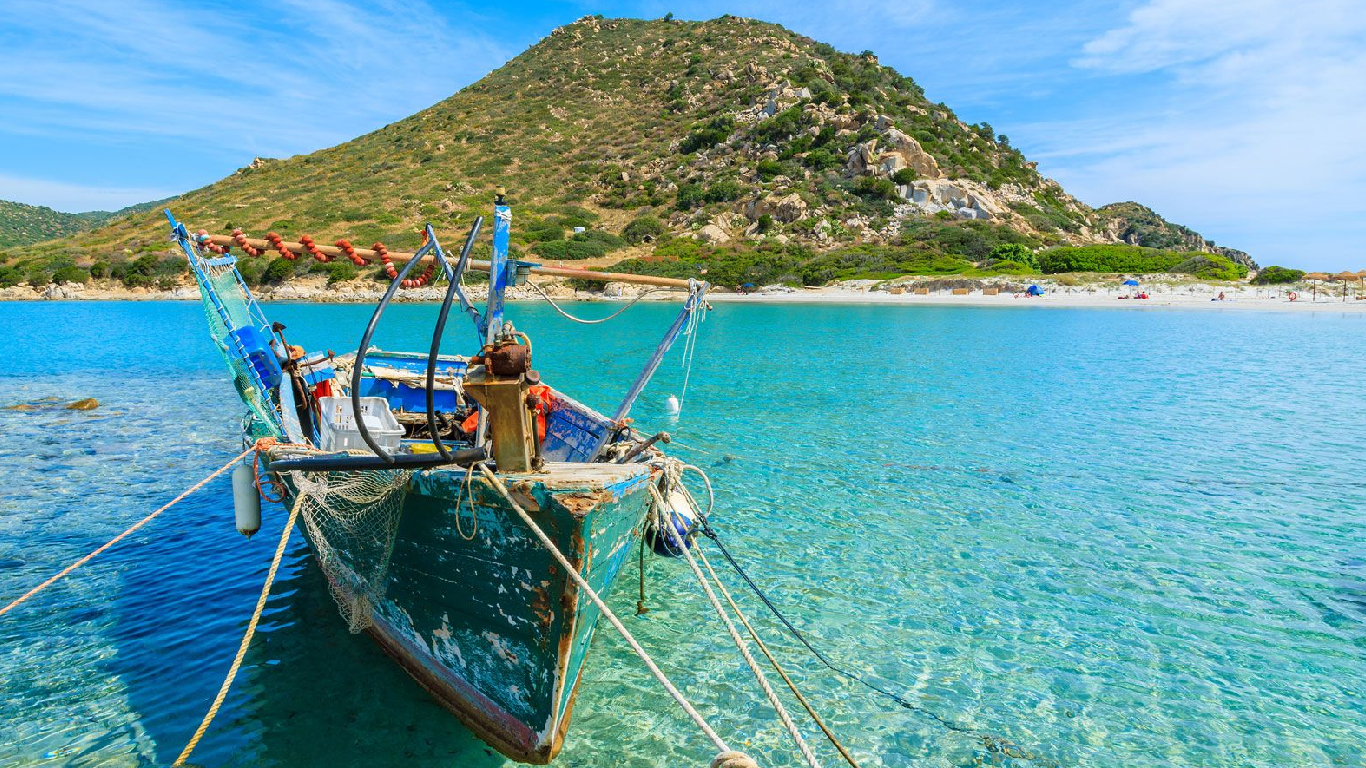
We’ve outlined some of the key dietary and lifestyle characteristics specific to the Blue Zones that make each of them part of this exclusive club below.
I had a loudmouth hater on social media tell me one night that he didn’t believe in the Blue Zones because there are other parts of the world that have higher life expectancy.
He was right 0n that account, but the Blue Zone have the highest concentrations of centenarians (people over 100 years of age),
What is a blue zone?
“Blue zone” is the term given by Dan Buettner to geographic regions home to unusually large numbers of older people. Buettner named five such zones in a book he wrote on the subject.
They are:
- Ogliastra, Sardinia Lifestyle – Search
- Ikaria, Greece Lifestyle – Search
- Okinawa, Japan Lifestyle – Search
- Why do the people of the Nicoya Peninsula live so long?
- The Seventh-day Adventists in Loma Linda, California, USA – Search
The Ikaria Greece Secrets to Longevity, Health, and Happiness
In Search Of The Secret Of Long Life In Ogliastra. Sardinia Approach to Life
Cultures Explained: Okinawa — Why is it so Different from the Rest of Japan
What Lifestyle Nicoya People Live – A Longer Healthy Life
How Costa Rica’s Nicoya Became a ‘Blue Zone’
RELATED: Good Sleep Is More Important Than You Think… Here’s How Anyone Can Master It
Blue Zones: 5 Locations With The Secrets To “Immortality”
The never-ending pursuit of biological longevity has seen people jump some ridiculous hoops to maintain – or at the very least, maintain the appearance of – a healthy mind and body. While cosmetic treatments and fad diets may offer temporary solutions to the anti-aging battle, five parts of the world known as Blue Zones have ostensibly unlocked the secrets to a long and healthy life.
For context, Blue Zones are the unique geographic regions where you’ll find the oldest life expectancies, the highest concentrations of centenarians (people over 100 years of age), as well as the lowest rates of chronic diseases. The term was originally coined by American author Dan Buettner, who studied these areas with his team at National Geographic. During their research, Buettner placed a blue circle around each locale on a map – hence ‘Blue Zones.’
1. Ikaria (Greece)
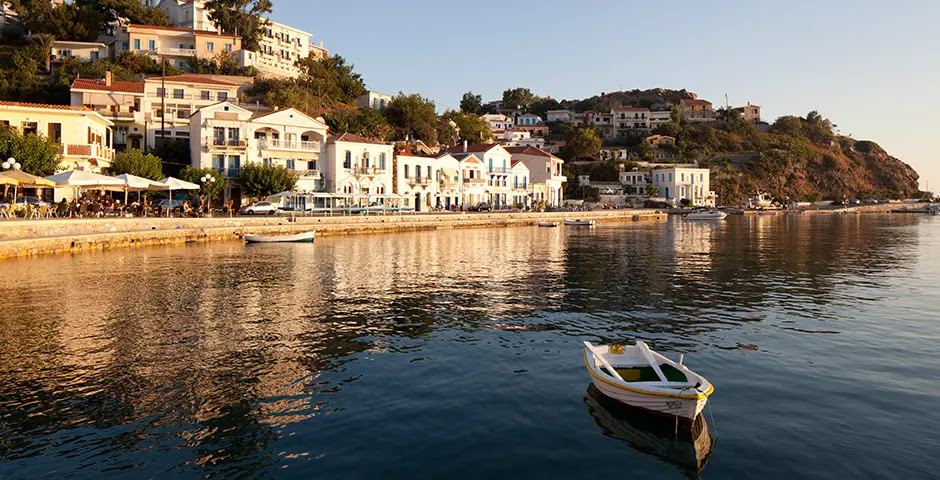
Island where people live longer than anyone on earth | 60 Minutes Australia
Lifestyle
This small Greek island typifies the traditional Mediterranean lifestyle. For many generations, Ikaria’s mountainous landscape has forced locals to be in prime physical condition simply by moving around the island. Exercise is seamlessly integrated into their daily lives, from tending to livestock, gardening, walking along the glorious paths, to doing their own backyard work and renovations. No Airtasker here, that’s for sure.
Ikarians live humble and modest lives prioritising strong relationships between family and friends. The locals are also proud Greek Orthodox Christians with a total of 58 parishes spread across the tiny island. Their strong social and religious ties have created a sense of meaning and purpose that is conditioned into both the current and future generations. A siesta is also on the daily to-do list, having proven to reduce the risk of heart disease by up to 35%.
Diet
The Ikarian diet is a variation of the Mediterranean diet involving the consumption of potatoes, full-fat dairy products, and coffee (Greek-style, of course). The strictly whole food diet is rich in olive oil which provides a source of healthy fats. Fruits, vegetables, beans, legumes, and whole grains are all essential for fibre. Ikarains maintain a low consumption of meat, coupled with moderate red wine consumption.
Dairy products derived from goats are favoured to those from cows and since it’s a lactose-free way to get some potassium, in addition to containing tryptophan (a stress-relieving hormone). As an island, Ikaria loves its seafood with sardines, salmon, herring, and trout being amongst those most frequently consumed. Herbal teas ranging from wild rosemary to sage are commonly enjoyed by Ikarians as they’re high in antioxidants which maintain low blood pressure.
In Ikaria, one in three people make it to 90 and the island is almost completely free from dementia. Their clean Aegean air, lush mountains, whole food diet, and balanced lifestyle have essentially culminated into a Mediterranean utopia.
2. Sardinia (Italy)
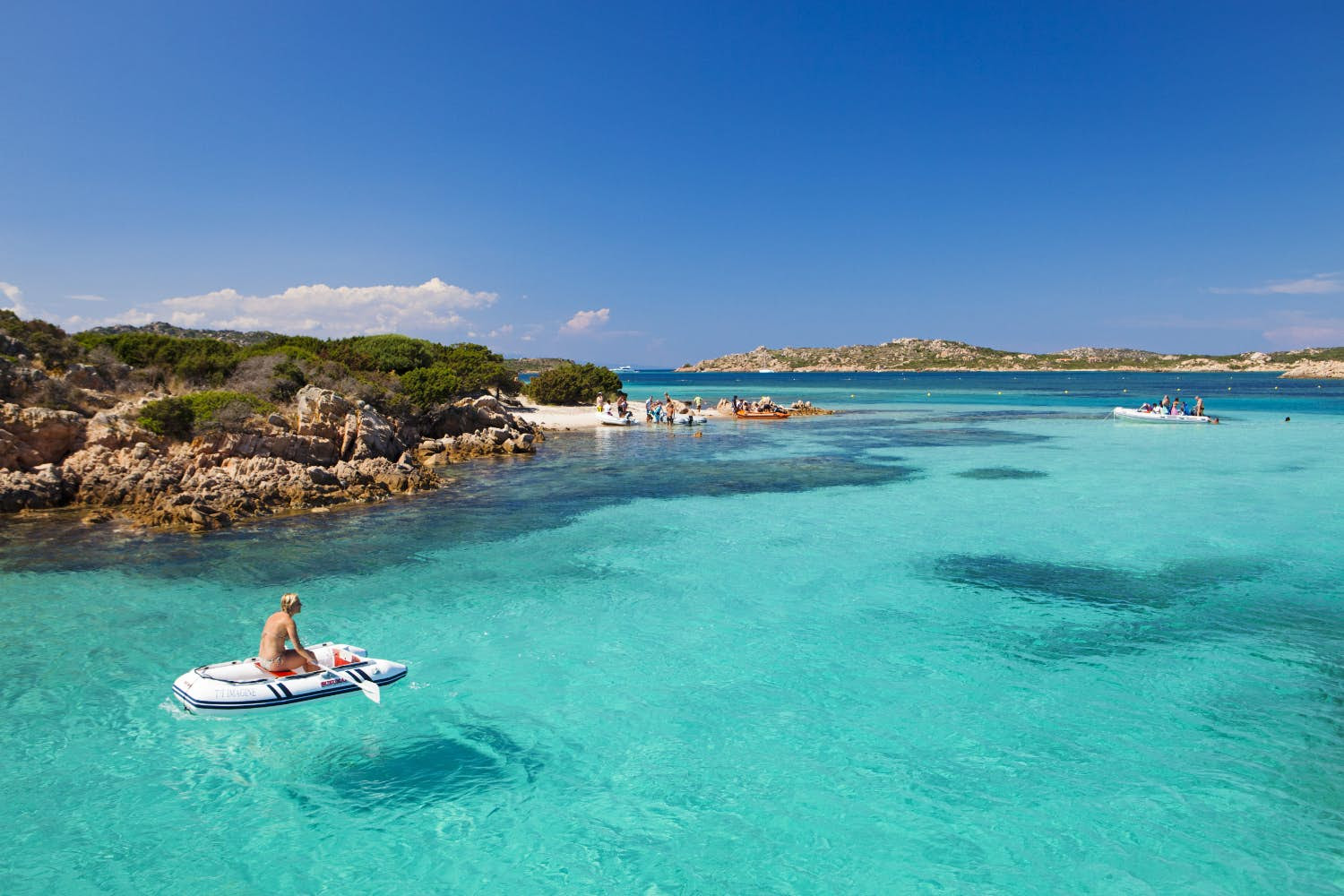
Sardinia — The Island Of Mysterious Longevity
Lifestyle
Officially home to the world’s oldest men, Sardinia is a small Italian island situated south of Corse and north of Tunisia. The Ogliastra region within the island is a cluster of villages that has almost ten times more centenarians per capita than the US.
The Sardinian locals have strong family values which (apparently) contributes to lower rates of stress, depression, and suicide. Grandparents are not just part of the family but are active members of the communities with solid relational ties between the youth and the elderly.
It’s also common to frequently socialise with friends, the region known for its sardonic humour. Laughter reduces stress and, over time, lowers the risk of cardiovascular disease. Many locals are shepherds or farmers who engage in physical labour, consistently walking in excess of eight kilometres a day, proving all the exercise required to live past a century.
Diet
Another variation of the Mediterranean diet, the Sardo-Mediterranean diet is heavily associated with the prevention of chronic diseases. Under this regime, Sardinian locals eat high amounts of olive oil, fish, and dairy products. Processed foods are not consumed and nutrients are instead obtained from various fruits, vegetables, legumes, grains, nuts, and herbs alike.
With low meat consumption, a low-protein diet is commonly consumed amongst the Sardinian population who have extremely minimal rates of diabetes and cancer. One or two glasses a day (and almost always more) of red wine is also welcomed with open arms.
Eternal Life? The secrets of the centenarians | DW Documentary
3. Okinawa (Japan)
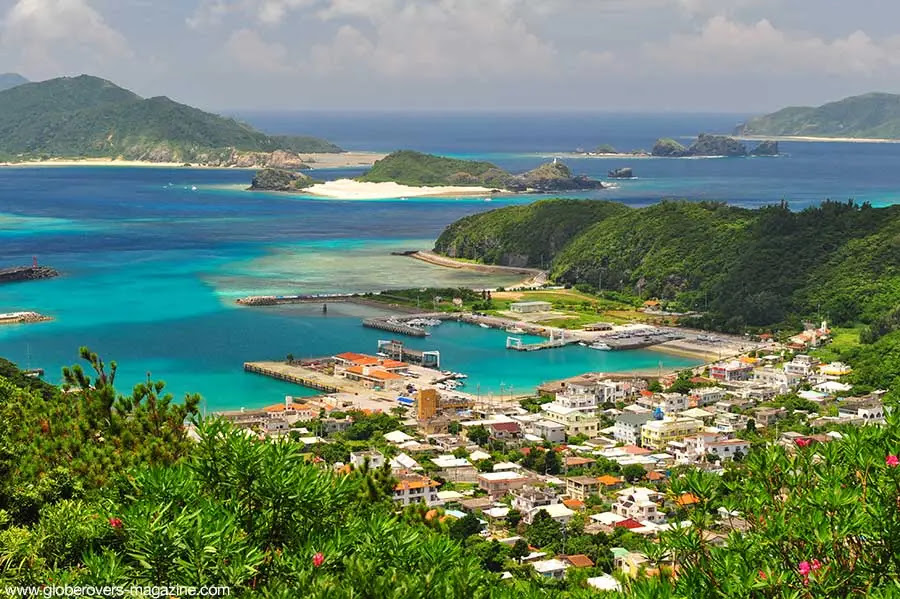
Okinawa (Japan) longest lived people – Search Videos
Lifestyle
The largest island in Japan’s subtropical archipelago, Okinawa is officially home to the world’s oldest women. Once known as the land of immortals, this Japanese prefecture boasts incredibly low rates of cancer, dementia, and heart disease per capita. Potentially the most compelling factor behind the majority of citizens living to 100 and beyond is the Okinawans’ focus on ‘ikigai.’
Ikigai is a Japanese word that encapsulates a deep sense of meaning and life purpose. There is not a single uniform purpose that everyone follows, but rather it is unique to each individual. A clear sense of roles and responsibilities that lead to enhanced psychological well-being means that Okinawans have an extremely low rate of depression.
This is furthered by their emphasis on ‘moai’ or ‘social networks,’ which provide emotional and financial support in times of need. In some villages, there are buckets where members of the local community can donate. The funds are then graciously given to families or individuals who are struggling in desperate times of need.
The Okinawan lifestyle is also upheld by a passion for gardening and walking, serving as a source of low-intensity exercise. Tai chi, a meditative martial art form, also increases blood flow and enhanced joint stability. Spending frequent time outside also allows for Okinawans to consistently soak up vitamin D leading to positive impacts on immune function, bone, muscle, and heart health.
Diet
The Okinawan diet comprises mostly foods rich in soy, such as miso soup and tofu. It is almost exclusively a plant-based diet that focuses on staples like leafy greens, sweet potato, and low GI grains – in other words, the ones that won’t spike your blood sugar levels. Animal-based products such as meat and dairy are only consumed occasionally.
Okinawans have also been known to follow a rule they call the ‘hara hachi bu.’ In Western culture, this is known as the ‘80% rule,’ which essentially dictates you eat only until you’re 80% full and nothing more. This avoids a caloric surplus and subsequently reduces the risk of weight gain and chronic diseases.
4. Nicoya (Costa Rica)
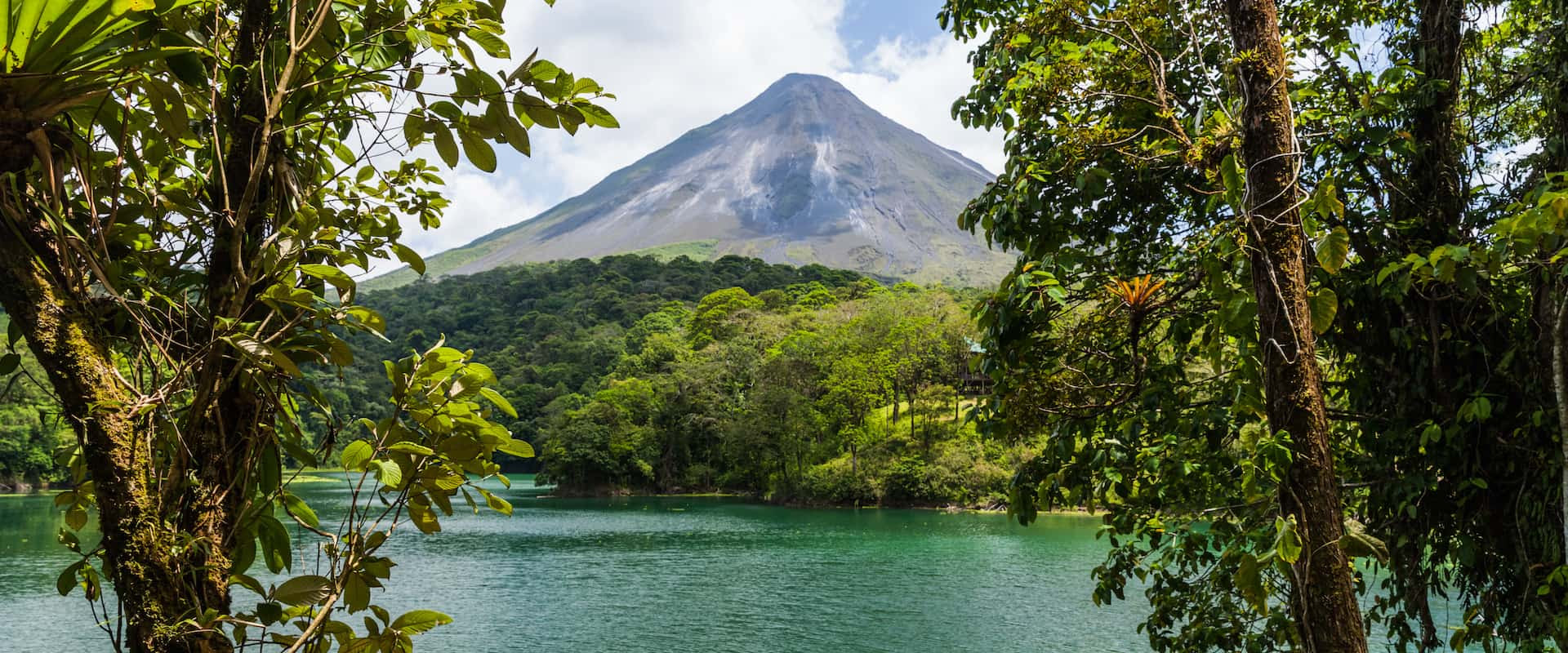
Nicoya (Costa Rica) longest lived people – Search Videos
Lifestyle
Situated in the Guanacaste province of Costa Rica, this 130-kilometre peninsula has a mortality rate 20% lower than the rest of the country. Successful centenarians from Nicoya live in close association with their ‘plan de vida’ or ‘reason to live.’ It provides elders with a strong sense of purpose within their communities who also feel an innate need to contribute to something bigger than themselves.
Nicoyans are extremely social people with frequent visits from neighbours matched by a great appreciation for life and laughter. Elder members of the community often live with their families, emphasising the importance of the family unit and values. Locals also engage in regular exercise, often achieved through physical labour, closely related to consistent sun exposure and vitamin D.
Diet
When compared to the diets of the other Blue Zones, the Nicoyan diet has a higher animal-based food consumption, including chicken, eggs, and cheeses. They have a low intake of healthy fats and high intakes of foods rich in fibre, such as fruits, vegetables and legumes, grains, as well as low GI foods.
Nicoyans drink a lot of coffee, juice, and guaro (a Costa Rican alcoholic beverage). The diet avoids milk as well as both processed and frozen foods.
5. Loma Linda, California (US)

Healthy Aging in Loma Linda – YouTube
Lifestyle
Undoubtedly the biggest outlier out of all the Blue Zones, Loma Linda is a small city just south of San Bernadino in California that has the highest concentration of Seventh-day Adventists in the United States. The Seventh-day Adventist church is an Adventist Protestant Christian denomination.
Possibly the most unique element of this way of life is the 24-hour sabbath taking place every Saturday. During this day, the focus of Adventists is exclusively on family and God, serving to provide perspective, clarity, and stress relief. Daily walks are a popular form of regular exercise and Adventists commonly spend the majority of their time with other Adventists. They find spending time with like-minded individuals in tight-knit communities to be extremely beneficial to their mental well-being.
Volunteering through the church is also very common, creating a strong sense of togetherness and inclusivity. Adventists don’t drink alcohol or smoke.
Diet
People in the Seventh-day Adventist community typically follow a vegan diet. This consists of fruits, vegetables, legumes, and grains. Olive oil and nuts are also good sources of fat. It’s also customary for Adventists to eat early, light dinners. This is believed to avoid large caloric consumption during inactive stages of the day. This may be linked to lower BMI and better sleep.
Although each of the five Blue Zones have very little in common geographically, their populations share several common characteristics highly pivotal to their collective longevity. While some of these factors are more prevalent in certain Blue Zones than others, they provide a balanced framework that can help you achieve an overall healthier mind and body.
Tips to live like you’re in the Blue Zones
- Consume a diet rich with whole foods (especially plant-based foods)
- Consume alcohol only in moderation (make red wine your first choice if you can)
- Integrate exercise into daily life, this can be as simple as walking or household chores
- Prioritise a good night’s sleep and try to sneak in a nap when you can
- Have a clear life purpose and search for deeper meaning
- Get involved in your community, maintaining a healthy social network with friends and family
It’s important to remember that there’s no single food or lifestyle trait which will automatically gift you “immortality.” The key is to ensure you maintain a healthy balance of social engagement with diet and exercise. Consistent stimulation of mind and body coupled with a strong sense of self and spiritual purpose is where the magic happens.
If you’d like to learn more about Blue Zones, check out The Blue Zones by Dan Buettner here.
The Singaporean Way of Life: Harmony in Diversity
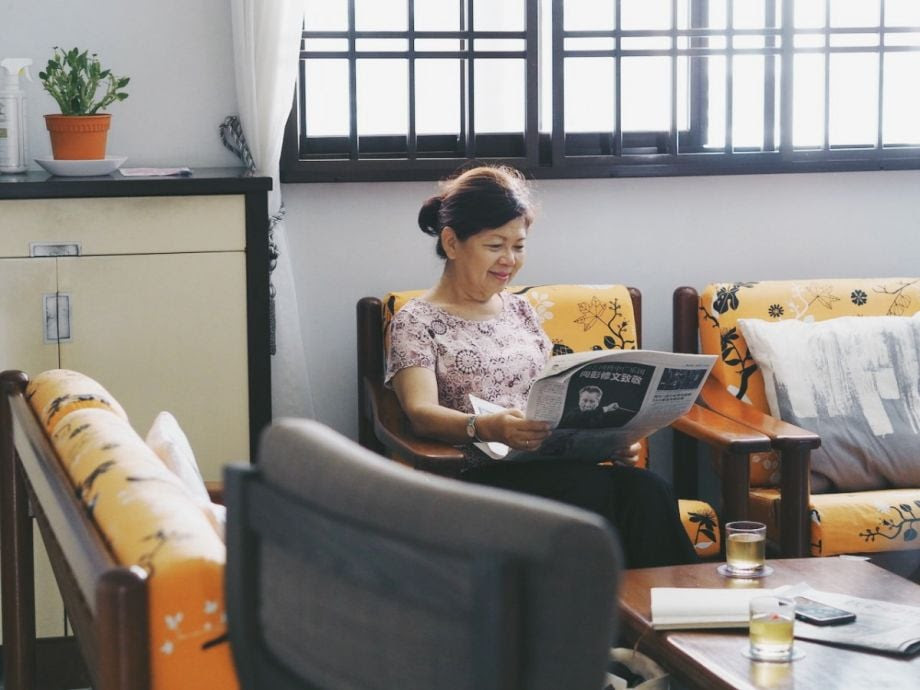
Singapore longest lived people – Search
6th Blue Zone Singapore – Search
Singapore has been hailed as the world’s sixth ‘Blue Zone’. Blue zones are regions where people live longer than average, and Singapore is an “engineered blue zone” representing healthy longevity. The longevity secrets in Singapore are attributed to its health-conscious policies, culture of activity, and strong community bonds.
Lifestyle in Singapore | Expat Arrivals
In Singapore, harmony in diversity is not just a slogan; it’s a way of life that pulsates through the city-state’s vibrant streets. Here, cultures intertwine seamlessly, creating a mosaic where Chinese, Malay, Indian, and various expatriate communities coexist and thrive.
Picture bustling hawker centers, alive with the aromas of char kway teow and nasi lemak, where individuals from all walks of life congregate, sharing laughter and stories over food. This intricate tapestry of traditions comes alive during festivals, where the streets are adorned with colorful decorations, and celebrations blend into a kaleidoscope of sounds and sights, captivating everyone in their midst. In Singapore, respect for differences is cultivated from a young age, encouraged in schools and communities alike, transforming the city into a model of inclusion and unity that resonates with its inhabitants.
The essence of the Singaporean way of life lies not just in tolerance, but in the genuine celebration of its rich diversity, fostering a sense of belonging that envelops all who call this unique city home.
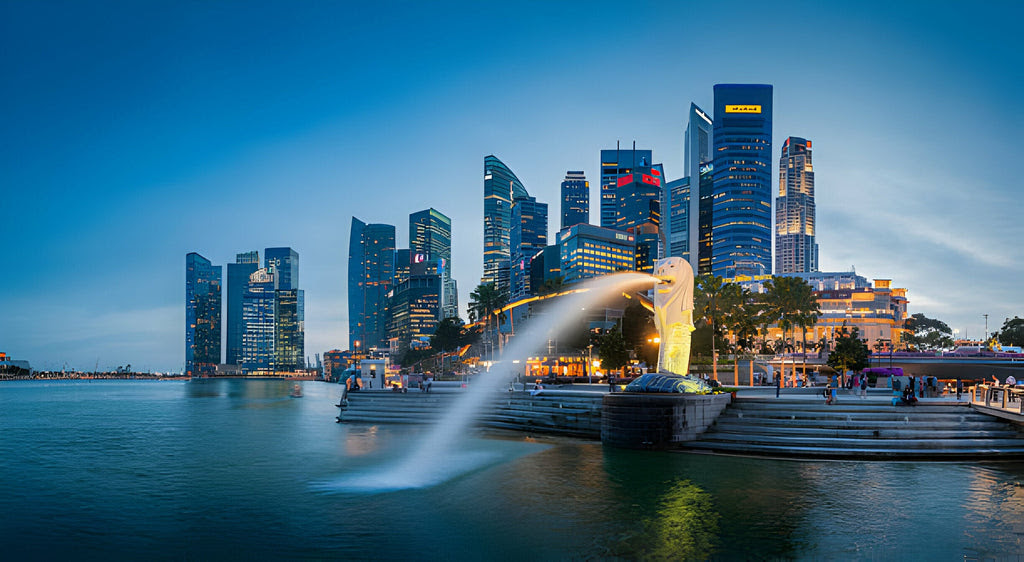
Navigating the Urban Jungle: Public Transport in Singapore – Search Videos
Singapore Lifestyle – Search Navigating Singapore’s urban jungle can be an exhilarating experience, thanks to its highly efficient public transport system that seamlessly connects every corner of the island. The Mass Rapid Transit (MRT) system, with its sleek trains gliding through underground tunnels and sprawling above-ground tracks, is the backbone of daily commutes. Each station buzzes with a blend of hurried professionals and leisurely tourists, all moving in a symphony of purpose.
Buses, too, play a vital role, their routes crisscrossing the city like veins in a living organism, making even the most remote neighborhoods accessible. Combined with a host of apps that offer real-time updates and directions, getting around is not just easy; it’s a journey filled with opportunities for micro-adventures.
There’s something uniquely invigorating about sharing a crowded train at peak hour, surrounded by the rich tapestry of Singaporean society, where every journey tells a story waiting to unfold.
Culinary Delights: A Food Lover’s Paradise
Stepping into Singapore is like wandering into a gourmet wonderland where the diverse tapestry of cultures is vividly reflected on every plate. Imagine the sizzling sounds of satay skewers over charcoal flames wafting through the air, mingling with the tantalizing aroma of fragrant laksa that beckons from vibrant street hawker stalls.
From Michelin-starred restaurants nestled in sleek skyscrapers to humble eateries serving soul-satisfying dishes, the city is a culinary treasure trove. Every meal is an adventure waiting to unfold—whether its indulging in the rich flavors of Indian biryani, savoring the light, delicate notes of Cantonese dim sum, or delighting in the fiery zest of Malay rendang.
Each bite tells a story, with influences from Chinese, Indian, and Malay cuisines creating a unique palate that keeps food enthusiasts coming back for more. In Singapore, dining is not just about the food; it’s a vibrant cultural experience that invites both locals and visitors to gather, share, and revel in the joy of eating together.
Conclusion
In conclusion, living in Singapore is an experience like no other, blending modernity with rich cultural heritage and natural beauty. The city’s unique lifestyle is characterized by its vibrant public spaces, efficient public transport, and a tapestry of diverse cuisines that reflect its multicultural population.
From the bustling streets of Little India to the tranquil paths along the Singapore River, residents find a balance between urban excitement and serene escapes. Areas like River Green serve as perfect reminders of the city’s commitment to integrating nature within its urban landscape.
Whether you are a local or an expatriate, the dynamic essence of Singapore fosters a sense of community and belonging, making it an exceptional place to call home.
How To Live To Be 100. Full Series
Singapore named 6th “Blue Zone” region known for exceptional longevity – Singapore News
Netflix’s Live to 100 Names Singapore the World’s Sixth Blue Zone
Blue Zone’ Status: Discover the Longevity Secrets in Singapore
Netflix’s Live to 100 – Search Videos
Journey on the longest roads across the globe