How much energy do we expend thinking and using our brain?
The sun makes us happy primarily through the release of serotonin!
Sunlight enters through your eyes Exposure to sunlight triggers the production of serotonin in the brain, which can improve mood and overall well-being.
Additionally, sunlight helps regulate the body’s natural sleep-wake cycle and promotes the production of vitamin D, which is essential for bone health and overall health.
The bright light from the sun can also enhance our sense of well-being and energy levels, contributing to a more positive emotional state.
The behaviors you observe in your mother with dementia, such as a sunny disposition during the day and a weary attitude at night, are often linked to a phenomenon known as sundowning. Sundowning occurs when dementia symptoms worsen in the late afternoon or evening, often due to changes in the brain’s circadian rhythm.
1 . Symptoms may include confusion, agitation, and mood swings, particularly around sunset.
2 . To manage sundowning, caregivers can create a calming environment, maintain a regular routine, and avoid alcohol and caffeine in the evening.
3 . It’s also beneficial to engage in activities during the day to help maintain cognitive function and reduce nighttime confusion.
4. Understanding and addressing these behaviors can help improve the quality of life for both the individual with dementia and their caregivers.
How Red Light Therapy Beats Dementia – Search Videos.
Red light therapy may enhance cognitive function, improve mood, and reduce behavioral symptoms in individuals with dementia, offering a non-invasive treatment option
Cognitive Improvements
Red light therapy, also known as photobiomodulation, has been shown to stimulate neuronal activity in the brain. This stimulation can lead to enhanced cognitive abilities, including improved memory, attention, and executive function. By promoting neuroplasticity, red light therapy may help in the formation of new neural connections, which is crucial for cognitive health in dementia patients.
Mood and Behavioral Benefits
Research indicates that red light therapy can have a calming effect on individuals with dementia, potentially reducing symptoms of agitation, anxiety, and depression. This therapy may help alleviate behavioral and psychological symptoms of dementia (BPSD), leading to improved overall behavior and quality of life.
Sleep Regulation
Individuals with dementia often experience sleep disturbances, which can exacerbate cognitive decline and behavioral issues. Red light therapy has been associated with better sleep quality, helping to regulate circadian rhythms and reduce insomnia. Improved sleep can lead to better daytime functioning and reduced symptoms of confusion and agitation.
Mechanisms of Action
The effectiveness of red light therapy is thought to stem from its ability to penetrate the skull and stimulate brain cells. It enhances mitochondrial function, which is vital for energy production in cells, and promotes increased blood flow to the brain. This improved blood flow can enhance nutrient and oxygen delivery to brain cells, supporting overall brain health.
Safety and Non-Invasiveness
One of the significant advantages of red light therapy is its non-invasive nature and low risk of side effects compared to traditional medications used to treat dementia symptoms. This makes it an appealing option for patients and caregivers seeking alternative or complementary therapies.
In summary,
Red light therapy presents a promising avenue for improving cognitive function, mood, and behavior in individuals with dementia, while also addressing sleep issues and offering a safe treatment alternative. Further research is needed to fully understand its long-term benefits and applications in dementia care.
 Regular sun exposure on as much of your skin activates powerful healing mechanisms in your body!
UV light stimulates vitamin D production for optimal immunity, hormone balance and brain function.
UV also stimulates endothelial nitric oxide, which improves circulation and oxygen delivery to cells and improves blood pressure and cardiovascular health.
Infrared light stimulates mitochondrial melatonin production. Melatonin, known as the sleep hormone, is also a critical mitochondrial antioxidant and protects and optimizes mitochondrial function.
Darkness is just as important as sunlight. Getting out of the UV light or blue light (from electronics and most light bulbs), stimulates pineal gland melatonin release for restorative sleep.
As melatonin rises and insulin drops at night, human growth hormone (HGH) elevates. HGH turns on deep tissue repair and fat burning.
Optimal HGH production improves our skin health, joint, bone and muscle healing, fat burning and lean body tissue development.In This Episode:
Most of us think nutrition is the biggest driver of inflammation and cellular health. But what if the real answer lies in something far simpler—and often overlooked?
In this episode, I interview quantum biologist Dr Sara Pugh @busy_superhuman and we uncover how light shapes your metabolism, hormones, and energy production in ways food alone can’t explain.
03:11 The Importance of Sunlight and Mitochondrial Health
15:26 The Role of UVA and UVB Light in Health
20:39 The Impact of Light on Metabolism and Hormones
25:54 Structured Water and Its Health Benefits
32:32 The Power of Keystone Bacteria
33:44 A Nine-Day Fasting Experiment
36:30 Understanding Leptin and Its Effects
37:49 The Role of Blue Light and Vitamin A
38:29 The Leptin Melanocortin Pathway
38:56 Low Leptin and Its Causes
43:12 Breaking a Long Fast: Lessons Learned
46:17 The Benefits of Sauna and Cold Therapy
50:09 Cold Face Plunge: A Simple Hack
 To listen to this podcast episode, find the link in my comments or you can find the latest episode of the Dr Jockers Functional Nutrition podcast on Apple iTunes, Spotify or wherever you listen to podcasts. Episode #611: Does Light Impact Cellular Health and Inflammation More Than Food? With Dr. Sara Pugh – DrJockers.com
Why Does The Sun Make Us Happy? – Search Images
Sunlight plays a crucial role in feeding our brains energy by regulating key brain functions such as sleep-wake cycles, mood, focus, and memory. It stimulates the production of vitamin D, which is vital for brain health and helps maintain a healthy circadian rhythm. Additionally, sunlight increases serotonin production, a neurotransmitter that enhances mood and reduces anxiety, making it essential for overall mental well-being. Regular exposure to natural light can improve cognitive performance and emotional stability, contributing to a more alert and energetic state.
The sun feeds our brains energy and impacts function by regulating mood (serotonin), alertness (cortisol), sleep (melatonin), and even learning,
Primarily by light entering the eyes and triggering vital brain pathways, although some light also reaches the brain through the skull, influencing metabolism and health. It boosts happiness, focus, and energy by increasing serotonin, managing the circadian rhythm, and promoting Vitamin D synthesis, but overexposure brings risks, so balance is key.
How Sunlight Powers Your Brain
Mood & Alertness: Sunlight increases serotonin, a neurotransmitter for feeling good, and helps set cortisol levels for wakefulness.
Sleep Cycle (Circadian Rhythm): Morning light tells your brain it’s daytime, blocking melatonin and setting your internal clock for better sleep later.
Learning & Cognition: Light, especially certain wavelengths, can boost glutamate, a chemical vital for learning and memory.
Deeper Brain Effects: Specific neurons in the brain can detect violet light from the sun, influencing metabolism and other bodily functions, a process distinct from eye-based signaling.
Vitamin D: Sunlight helps the body produce Vitamin D, essential for bone health and immunity, which indirectly supports overall brain function.
Risks & Best Practices
Protection is Key: Too much sun causes skin damage, sunburn, and eye issues, so use sunscreen.
Timing Matters: Morning sunlight is most effective for setting your body clock; avoid bright lights (screens) at night.
Indoor Light: Artificial indoor lighting often lacks the full spectrum of outdoor sunlight, affecting our internal rhythms.
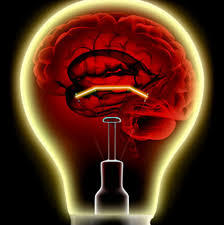
How much energy do we expend thinking and using our brain?
 The brain is super cool! Here are some fun facts:
Energy Saver: The brain uses only 20% of the energy in your body but is only 2% of your body weight!
Busy Neurons: It has about 86 billion tiny messengers called neurons that help it work!
Fast Talkers: Neurons send messages really fast, up to 267 miles per hour!
Dreamy Sleep: When you sleep, your brain is busy helping you remember things and handling your feelings.
Brain Protectors: Your brain is safe inside your skull and gets a special cushion from the fluid around it.
Isn’t the brain amazing?
Boosting the ‘brains’ of computers with less wasted energy – Purdue University News
#brainfacts #didyouknow #healthandwellness #brainhealth #funfacts #vital
Why Does The Sun Make You Tired? And How To Combat It.
The sun feeds our brains energy – Search Videos
The energy that powers sunlight is created deep inside the Sun’s core through nuclear fusion, where hydrogen atoms are fused into helium under extreme heat and pressure. Once formed, a photon of energy begins a slow, chaotic journey outward. Instead of traveling in a straight line, it constantly collides with particles, scattering in random directions. This process, called the “photon random walk,” means it can take anywhere from 100,000 to 1 million years for that energy to finally reach the Sun’s surface. But once it escapes and becomes visible light, it races through the vacuum of space at 300,000 kilometers per second, reaching Earth in just 8 minutes and 20 seconds.
Why Does the Brain Need So Much Power?
New study shows why the brain drains so much of the body’s energy
It is well established that the brain uses more energy than any other human organ, accounting for up to 20 percent of the body’s total haul. Until now, most scientists believed that it used the bulk of that energy to fuel electrical impulses that neurons employ to communicate with one another. Turns out, though, that is only part of the story.
A new study in Proceedings of the National Academy of Sciences USA indicates that two thirds of the brain’s energy budget is used to help neurons or nerve cells “fire” or send signals. The remaining third, however, is used for what study co-author Wei Chen, a radiologist at the University of Minnesota Medical School, refers to as “housekeeping,” or cell-health maintenance.
Researchers reached their conclusions after imaging the brain with magnetic resonance spectroscopy (MRS) to measure its energy production during activity shifts. Chen says the technology, which has been around for three decades and is used to track the products of metabolism in different tissues, could prove instrumental one day in detecting brain defects or to diagnose tumors or precursors of neurodegenerative diseases (such as Alzheimer’s and Parkinson’s) early.
Chen and his colleagues used MRS specifically to track the rate of adenosine triphosphate (ATP) production, the primary source of cellular energy, in rat brains. MRS employs a magnetic resonance imaging (MRI) machine programmed to pick up particular elements in the body—in this case, the three phosphorus atoms in each ATP molecule. Their goal: to determine whether ATP production is linked to brain activity by measuring the energy expended during different levels of consciousness.
Sure enough, ATP levels appeared to vary with brain activity. The team noted that when the lab rats were knocked out, they produced 50 percent fewer ATP molecules than when they were mildly anesthetized.The ATP produced when the brain is inactive, says Chen, seems to go mostly toward cell maintenance, whereas the additional ATP found in the more alert animals fueled other brain functions. He speculates that only a third of the ATP produced in fully awake brains is used for housekeeping functions, leaving the rest for other activities.
“Housekeeping power is important for keeping the brain tissue alive,” Chen says, “and for the many biological processes in the brain,” in addition to neuronal chats. Charged sodium, calcium and potassium atoms (or ions) are continuously passed through the membranes of cells, so that neurons can recharge to fire. ATP supplies the energy required for these ions to traverse cell membranes. Chen says there must be enough energy to maintain a proper ionic balance inside and outside cells; if too many get stuck inside, it can cause swelling, which can damage cells and lead to strokes and other conditions.
Videos
This Is How Sunshine Impacts Your Brain More Than You …
YouTube · Living Springs Retreat
YouTube · Living Springs Retreat
6:42
Sunshine is vital for mental health. It helps alleviate depression, balance circadian rhythms, and boost serotonin levels.
How Sunlight Affects Our Bodies and Minds – with Linda Geddes
YouTube · The Royal Institution
YouTube · The Royal Institution
56:12
I’m going to be talking about the effect of light on our minds and our bodies.
Heliobiology Expert Breaks Down How The Sun Impacts Your …
YouTube · Jimmy Rex
45:38
I wanted to talk about how radiation, photonic light plasma, all these things from the sun interact with our DNA our nervous system and our consciousness.
Keep their Hands Calm It Keep the Body’s Triangle in Place – Search
Christopher M Palmer – Search Videos
Good Question
Why Does The Sun Make Us Happy?
March 9, 2021 / CBS Minnesota – Search
MINNEAPOLIS (WCCO) — If you’ve been in a better mood over the past week, you might want to look towards the sky to say thanks.
The bright sun and spring-like warmth has a way of lifting our spirits. And with daylight saving time around the corner, that had us wondering why does the sun make us happy?
Good Question.
Jeff Wagner learned how it brightens our day in more ways than one.
The sun has incredible power that goes well beyond providing earth’s natural light. It not only creates life, it improves it.
What is it about the sun that makes you happy?
“Well after not having the sun for so long it just feels good to be out and get some vitamin D,” said Kayla Koep, who was enjoying a picnic with her nanny charge Millie near Bde Maka Ska.
“It’s kind of hard when the sun’s out to go outside and not smile,” added Randy Booen.
Is there something physically happening in our brain when we get more sunlight?
“Absolutely,” said Dr. Michael Howell, neurologist with M Health Fairview. “There’s all sorts of different neurotransmitters that release to help us wake up and help us remind ourselves that we need to interact with each other and feel better about ourselves and each other.”
Exposure to sunlight also releases serotonin in the brain. Serotonin boosts a person’s mood. A lack of sunlight can lead to a lack of serotonin, increasing the chances for someone to feel depressed or suffer from seasonal affective disorder (SAD).
That’s why those winter months can be tough. According to climatemps.com, in Minnesota the average amount of sunlight per day in December is under four hours. In March, the average jumps past six hours per day. By July, it peaks at 10 hours.
What are we missing when we don’t have the sun?
“We miss vitamin D,” said Howell. “Vitamin D is a critically important hormone. To help, it increases our energy levels. It makes for healthy bones and joints.”
That means your bones can get weaker in the winter months. Howell adds that low levels of vitamin D can weaken a person’s immune system.
“I actually started using a sunlamp last year and upped medication and started taking vitamin D,” said Koep.
The ability of the sun to lift your mood while physically making you healthier creates a combination that benefits your body and mental health.
“Your body’s circadian rhythm, its 24 hour clock, helps balance your physical health and your mental health,” said Howell.
As the sunshine increases thanks to daylight saving time, Howell suggests you get about 10-15 minutes of it in the morning to start your day. Then, take advantage of it in the evening through exercise.
Top 12 Simple Daily Detoxifica… – Dr. Jockers Functional Nutrition – Apple Podcasts