When I went through Depression back in 2015 into 2016 it felt like a deep dark rabbit hole everytime i felt I was about to climb
  out of it. I would dig
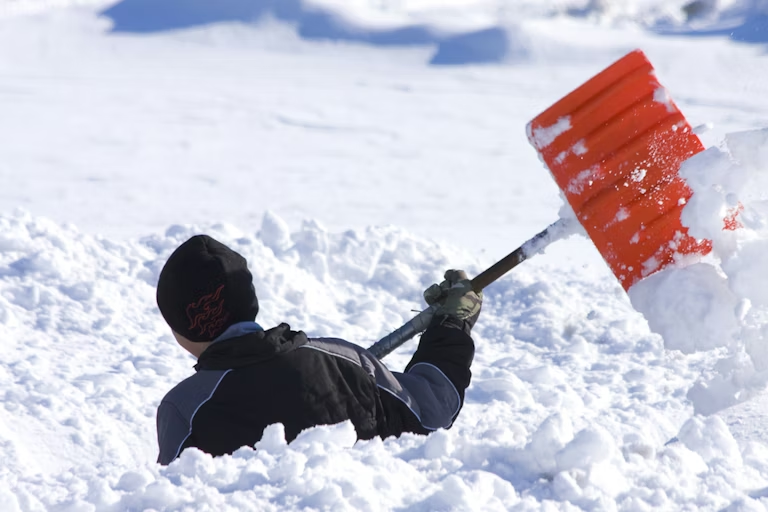
  myself deeper into it. Now matter which antidepressant given nothing seems to work. It wasn’t until I finally changed my outlook on life did I finally pull myself out of depression. Much like shoveling snow once the job was done you feel entirely different about the storm.
Here’s a clear, easy‑to‑navigate overview of common antidepressants and what they generally do. This stays at a safe, educational level — not medical advice or anything personalized.
 Major Types of Antidepressants and What They Do
1. SSRIs — Selective Serotonin Reuptake Inhibitors
These increase serotonin levels in the brain, which can help improve mood, anxiety, and emotional regulation.
Examples:
- Fluoxetine
- Sertraline
- Escitalopram (Lexapro)
- Citalopram
- Paroxetine
- Fluvoxamine
What they do:
- Boost serotonin availability
- Often used for depression, anxiety disorders, OCD, PTSD
2. SNRIs — Serotonin–Norepinephrine Reuptake Inhibitors
These increase both serotonin and norepinephrine, affecting mood and energy.
Examples:
- Venlafaxine
- Desvenlafaxine
- Duloxetine
- Levomilnacipran
What they do:
- Improve mood and energy
- Sometimes used for chronic pain conditions as well
3. Atypical Antidepressants
Each works in its own unique way.
Examples & what they do:
- Bupropion: affects dopamine and norepinephrine; often energizing
- Mirtazapine: increases certain neurotransmitters; often calming and can increase appetite
- Trazodone: affects serotonin; often used for sleep at lower doses
- Vortioxetine: modulates serotonin in multiple ways
- Vilazodone: boosts serotonin and partially stimulates serotonin receptors
4. TCAs — Tricyclic Antidepressants
Older medications that affect several neurotransmitters.
Examples:
- Amitriptyline
- Nortriptyline
- Imipramine
- Clomipramine
- Doxepin
What they do:
- Increase serotonin and norepinephrine
- Sometimes used for chronic pain or migraines
5. MAOIs — Monoamine Oxidase Inhibitors
These prevent the breakdown of neurotransmitters like serotonin, dopamine, and norepinephrine.
Examples:
- Phenelzine
- Tranylcypromine
- Isocarboxazid
- Selegiline (patch)
MAOIs are the only antidepressants that require dietary restrictions, and the reason is actually pretty interesting once you see how it works.
 Why MAOIs Require Dietary Restrictions
MAOIs block an enzyme called monoamine oxidase, which normally breaks down a substance in food called tyramine. When tyramine builds up, it can cause a dangerous spike in blood pressure.
So the restrictions exist to prevent food–drug interactions, not because the foods are unhealthy.
 Foods That Must Be Avoided (High Tyramine)
These foods contain large amounts of tyramine, especially when aged, fermented, or cured.
Aged cheeses
- Cheddar
- Swiss
- Blue cheese
- Parmesan
Cured or smoked meats
- Salami
- Pepperoni
- Prosciutto
- Smoked sausages
Fermented foods
- Sauerkraut
- Kimchi
- Miso
- Soy sauce
Aged or fermented beverages
- Certain wines (especially red)
- Some beers (especially tap or craft beers)
Other high‑tyramine items
- Overripe bananas
- Fava beans
- Some pickled foods
 Foods That Are Usually Safe
Most fresh, non‑aged, non‑fermented foods are fine.
- Fresh meats
- Fresh fruits and vegetables
- Milk, yogurt, cream cheese
- Most grains
- Coffee and tea
- Most beers in bottles/cans (not tap)
 Why This Matters
If someone on an MAOI eats high‑tyramine foods, the body can’t break down the tyramine, which may trigger:
- Severe headache
- Very high blood pressure
- Risk of medical emergency
This is why doctors give very specific guidance when prescribing MAOIs
The metaphor of depression as snow touches me deeply.
Feeling smothered by having to stay in for too many days in a row. Not being able to see what is coming at me. Not being able to clear the way for someone to reach me to help. No substance filling enough to fill the hole. Thinking that what is good will run out before the storm is over. I didn’t come up with this metaphor, but I think it is worth sharing widely.
The remainder of this piece is not by me, but I am sharing it here in hopes that it reaches more people. The author prefers to stay anonymous but encourages us all to share either directly or via copy and paste.

Some days it’s only a couple of inches. It’s a pain in the ass, but you still make it to work, the grocery store. Sure, maybe you skip the gym or your friend’s birthday party, but it IS still snowing and who knows how bad it might get tonight. Probably better to just head home. Your friend notices, but probably just thinks you are flaky now, or kind of an asshole.
Some days it snows a foot. You spend an hour shoveling out your driveway and are late to work. Your back and hands hurt from shoveling. You leave early because it’s really coming down out there. Your boss notices.
Some days it snows four feet. You shovel all morning but your street never gets plowed. You are not making it to work, or anywhere else for that matter. You are so sore and tired you just get back in the bed. By the time you wake up, all your shoveling has filled back in with snow.
Looks like your phone rang; people are wondering where you are. You don’t feel like calling them back, too tired from all the shoveling. Plus they don’t get this much snow at their house so they don’t understand why you’re still stuck at home. They just think you’re lazy or weak, although they rarely come out and say it.
Some weeks it’s a full-blown blizzard. When you open your door, it’s to a wall of snow. The power flickers, then goes out. It’s too cold to sit in the living room anymore, so you get back into bed with all your clothes on. The stove and microwave won’t work so you eat a cold Pop Tart and call that dinner. You haven’t taken a shower in three days, but how could you at this point? You’re too cold to do anything except sleep.
Sometimes people get snowed in for the winter. The cold seeps in. No communication in or out. The food runs out. What can you even do, tunnel out of a forty foot snow bank with your hands? How far away is help? Can you even get there in a blizzard? If you do, can they even help you at this point? Maybe it’s death to stay here, but it’s death to go out there too.
The thing is, when it snows all the time, you get worn all the way down. You get tired of being cold. You get tired of hurting all the time from shoveling, but if you don’t shovel on the light days, it builds up to something unmanageable on the heavy days. You resent the hell out of the snow, but it doesn’t care, it’s just a blind chemistry, an act of nature. It carries on regardless, unconcerned and unaware if it buries you or the whole world.
Also, the snow builds up in other areas, places you can’t shovel, sometimes places you can’t even see. Maybe it’s on the roof. Maybe it’s on the mountain behind the house. Sometimes, there’s an avalanche that blows the house right off its foundation and takes you with it. A veritable Act of God, nothing can be done. The neighbors say it’s a shame and they can’t understand it; he was doing so well with his shoveling.
I don’t know how it went down for Anthony Bourdain or Kate Spade. It seems like they got hit by the avalanche, but it could’ve been the long, slow winter. Maybe they were keeping up with their shoveling. Maybe they weren’t. Sometimes, shoveling isn’t enough anyway. It’s hard to tell from the outside, but it’s important to understand what it’s like from the inside.
I firmly believe that understanding and compassion have to be the base of effective action. It’s important to understand what depression is, how it feels, what it’s like to live with it, so you can help people both on an individual basis and a policy basis. I’m not putting heavy shit out here to make your Friday morning suck. I know it feels gross to read it, and realistically it can be unpleasant to be around it, that’s why people pull away.
I don’t have a message for people with depression like “keep shoveling”. It’s asinine. Of course you’re going to keep shoveling the best you can, until you physically can’t, because who wants to freeze to death inside their own house? We know what the stakes are. My message is to everyone else.
Grab a shovel and help your neighbor. Slap a mini snow plow on the front of your truck and plow your neighborhood.
Petition the city council to buy more salt trucks, so to speak.
Depression is blind chemistry and physics, like snow. And like the weather, it is a mindless process, powerful and unpredictable with great potential for harm. But like climate change, that doesn’t mean we are helpless. If we want to stop losing so many people to this disease, it will require action at every level.
Including results for Why shovel snow it’s a lonely feeling.
Do you want results only for Why shoveling snow is a lonely feeling?
Hauling wet, heavy snow in a chilly morning, when the body’s circadian rhythm is most sensitive to cardiac events, puts a strain on the metabolic processes that drive our cardiovascular system. It’s partially the same reason we equate seasonal dropping of temperature with low energy.
Shoveling snow feels like a lonely experience because it is often a silent, repetitive, and strenuous task performed in isolation, usually in the early morning or late evening when the world is quiet. It acts as a physical metaphor for being overwhelmed, where one is left alone to battle nature, often causing feelings of being trapped or unsupported. Here is why shoveling snow often evokes a lonely, isolating, or melancholy feeling:Isolation and Silence: Shoveling usually takes place in the early morning or late at night to clear the way for work, leading to a sense of being the only person awake or active.
A Metaphor for Depression: The act of clearing snow has been described as a “chilling” metaphor for depression, where the sheer volume of snow, like emotional burdens, can feel overwhelming and impossible to keep up with.
Physical Exhaustion and Strain: The intense, often solitary, physical labor can cause mental fatigue and anxiety, especially when one is trying to clear a large, unmanageable area alone.
Sense of Helplessness: It can feel like a losing battle against nature, where the snow continues to fall or accumulate regardless of personal effort, leading to feelings of insignificance.
Mental Burden: It is often a task accompanied by anxiety, such as the fear of a heart attack or the pressure to get it done quickly to avoid being late for work.
Lack of Control: The unpredictable nature of the weather and the necessity of the, at times, dangerous chore can make one feel at the mercy of the elements. While it can be a lonely task, it is also noted that for some, it can be a moment of quiet, productive, and mindful solitude. There’s something strangely emotional about shoveling snow, and a lot of people feel that quiet loneliness you’re describing.
A few things tend to blend together in that moment:
1. The world goes quietSnow absorbs sound. When you’re outside shoveling, the usual background noise—cars, birds, people—is muted. That silence can feel peaceful, but it can also make you feel very alone with your thoughts.
2. It’s usually just you vs. the coldShoveling is one of those chores you rarely do with someone else. It’s physical, repetitive, and isolating. You’re out there in the cold while everyone else is warm inside, which can amplify that sense of being on your own.
3. The mind wandersWhen your body is busy but your mind isn’t, thoughts tend to drift. Sometimes they drift into reflective or even heavy territory. The combination of physical effort and mental stillness can make emotions feel louder.
4. It’s a reminder of responsibilitySnow doesn’t care if you’re tired, stressed, or overwhelmed—it still needs to be cleared. That “it’s all on me” feeling can make the task feel heavier than the snow itself.
5. Winter has its own emotional weightShort days, gray skies, and cold weather can make people feel more isolated in general. Shoveling just happens to be a moment where that mood becomes very noticeable.
If you think about it, shoveling snow is one of those rare times when the world forces you into solitude. Sometimes that solitude feels peaceful; other times it feels lonely.
What part of it hits you the hardest—the silence, the cold, or the feeling of doing it alone?
Shoveling snow feels like a lonely endeavor because it is a physically isolating, demanding, and often silent chore that forces you to confront the elements alone.
Here is why it evokes that feeling:
Forced Isolation: It is often done very early in the morning or late at night, in the quiet,, when few other people are around.
Intense Physical Labor: Shoveling involves heavy, repetitive work—sometimes moving hundreds of pounds of wet, heavy snow—which leaves you exhausted and focused only on the task, shutting out the world.
The “Silent” Environment: The snow creates a quiet, muffled, and often beautiful, yet solitary atmosphere, which can amplify feelings of isolation or trigger seasonal depression.
Metaphorical Weight: The act is often compared to a “chilling” form of meditation or a “weight” that builds up, making it feel like a personal battle against nature.
Safety Risks: Because it requires intense exertion in cold, silent, and often dangerous conditions, it’s a task that can feel “too much” for one person to handle. Even if others are in their homes, the act of clearing the path by yourself, often while wearing heavy gear that muffles sound, can contribute to a profound sense of solitude.
Snowfall of Depression: Understanding the Unpredictable and Powerful Nature of Mental Illness.
A brilliant (and chilling) description of depression – Care to Change
There’s something strangely emotional about shoveling snow, and a lot of people feel that quiet loneliness you’re describing. A few things tend to blend together in that moment:
 1. The world goes quiet
Snow absorbs sound. When you’re outside shoveling, the usual background noise—cars, birds, people—is muted. That silence can feel peaceful, but it can also make you feel very alone with your thoughts.
 2. It’s usually just you vs. the cold
Shoveling is one of those chores you rarely do with someone else. It’s physical, repetitive, and isolating. You’re out there in the cold while everyone else is warm inside, which can amplify that sense of being on your own.
3. The mind wanders
When your body is busy but your mind isn’t, thoughts tend to drift. Sometimes they drift into reflective or even heavy territory. The combination of physical effort and mental stillness can make emotions feel louder.
 4. It’s a reminder of responsibility
Snow doesn’t care if you’re tired, stressed, or overwhelmed—it still needs to be cleared. That “it’s all on me” feeling can make the task feel heavier than the snow itself.
 5. Winter has its own emotional weight
Short days, gray skies, and cold weather can make people feel more isolated in general. Shoveling just happens to be a moment where that mood becomes very noticeable.
If you think about it, shoveling snow is one of those rare times when the world forces you into solitude. Sometimes that solitude feels peaceful; other times it feels lonely.
What part of it hits you the hardest—the silence, the cold, or the feeling of doing it alone?
For me, the part that stands out most is the silence. There’s something almost eerie about how snow muffles the world. It creates this pocket of stillness where you suddenly become hyper-aware of yourself—your breath, your thoughts, the scrape of the shovel.
That quiet can feel peaceful, but it can also make everything inside your head feel louder. The cold is uncomfortable, sure, but it’s straightforward. You can bundle up. You can fight it.
The “doing it alone” part is interesting because it’s not just physical solitude. It’s that sense of being the only one awake in a sleeping world, doing a task no one else sees or shares. It can make you feel strangely invisible.
I’m curious what lands most heavily for you.
There’s something strangely emotional about shoveling snow, and a lot of people feel that quiet loneliness you’re describing. A few things tend to blend together in that moment:
1. The world goes quiet
Snow absorbs sound. When you’re outside shoveling, the usual background noise—cars, birds, people—is muted. That silence can feel peaceful, but it can also make you feel very alone with your thoughts.
2. It’s usually just you vs. the cold
Shoveling is one of those chores you rarely do with someone else. It’s physical, repetitive, and isolating. You’re out there in the cold while everyone else is warm inside, which can amplify that sense of being on your own.
3. The mind wanders
When your body is busy but your mind isn’t, thoughts tend to drift. Sometimes they drift into reflective or even heavy territory. The combination of physical effort and mental stillness can make emotions feel louder.
4. It’s a reminder of responsibility
Snow doesn’t care if you’re tired, stressed, or overwhelmed—it still needs to be cleared. That “it’s all on me” feeling can make the task feel heavier than the snow itself.
5. Winter has its own emotional weight
Short days, gray skies, and cold weather can make people feel more isolated in general. Shoveling just happens to be a moment where that mood becomes very noticeable.
If you think about it, shoveling snow is one of those rare times when the world forces you into solitude. Sometimes that solitude feels peaceful; other times it feels lonely.
What part of it hits you the hardest—the silence, the cold, or the feeling of doing it alone?
What part of it hits you the hardest—the silence, the cold, or the feeling of doing it alone?
For me, the part that stands out most is the silence. There’s something almost eerie about how snow muffles the world. It creates this pocket of stillness where you suddenly become hyper-aware of yourself—your breath, your thoughts, the scrape of the shovel. That quiet can feel peaceful, but it can also make everything inside your head feel louder.
The cold is uncomfortable, sure, but it’s straightforward. You can bundle up. You can fight it.
The “doing it alone” part is interesting because it’s not just physical solitude. It’s that sense of being the only one awake in a sleeping world, doing a task no one else sees or shares. It can make you feel strangely invisible.