
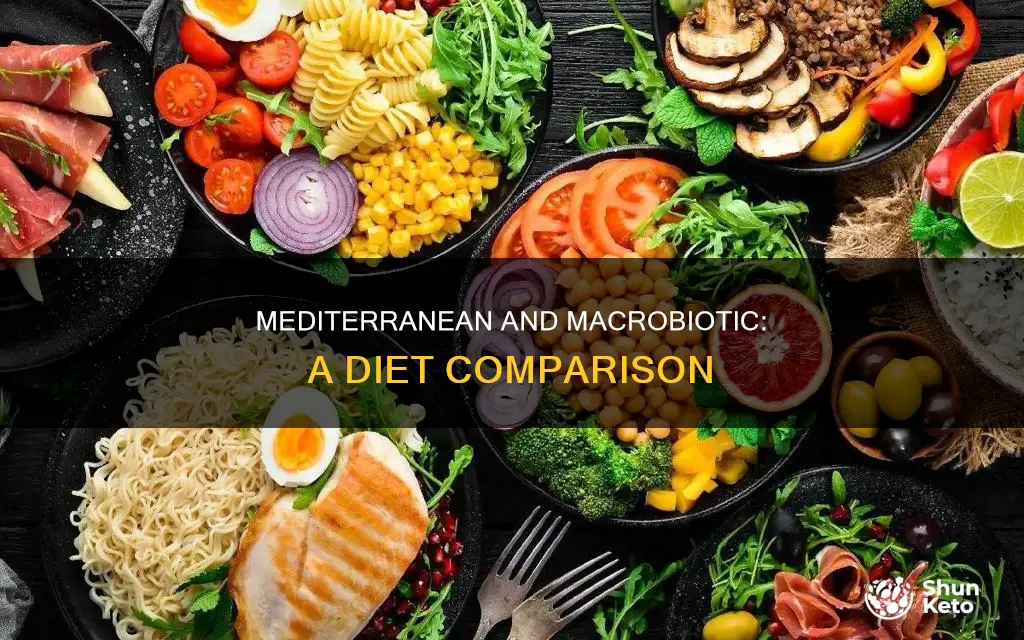
Here’s a crisp, insightful comparison of the Modern Macrobiotic vs. Mediterranean Diet —two eating patterns that share some common ground but come from very different philosophies and nutritional traditions.
 Modern Macrobiotic vs. Mediterranean Diet
A practical, side‑by‑side comparison of philosophy, food choices, health impact, and sustainability
 Modern Macrobiotic Diet
A contemporary, flexible version of the original macrobiotic philosophy.
Core Features
- Plant‑centered, whole‑grain‑heavy
- Seasonal vegetables, legumes, sea vegetables
- Moderate fruit
- Optional small amounts of fish
- Healthy fats from seeds, nuts, and occasional oils
- Emphasis on mindful eating, simplicity, and natural foods
- Yin–yang balance used as a guiding principle, not a strict rule
Strengths
- High in fiber, antioxidants, and whole foods
- Low in processed foods and added sugars
- Encourages slow, mindful eating and lifestyle balance
- Adaptable to different cultures and cuisines
Potential Challenges
- Can still be restrictive if interpreted narrowly
- Requires planning to ensure adequate B12, D, calcium, and omega‑3s
- Less scientific research compared to the Mediterranean diet
 Mediterranean Diet
Based on traditional eating patterns of Greece, Italy, and surrounding regions.
Core Features
- Abundant vegetables, fruits, whole grains, legumes
- Olive oil as the primary fat
- Regular fish and seafood
- Moderate dairy (yogurt, cheese)
- Limited red meat
- Wine in moderation (optional)
- No philosophical framework—just food traditions
Strengths
- One of the most researched diets in the world
- Strong evidence for reducing cancer, heart disease, and diabetes risk
- Naturally nutrient‑dense and balanced
- Flexible and easy to follow
Potential Challenges
- Higher fat intake may not suit everyone
- Some versions include more dairy than plant‑focused eaters prefer
- Wine recommendations may not be appropriate for all lifestyles
 Side‑by‑Side Comparison
| Feature | Modern Macrobiotic | Mediterranean |
|---|---|---|
| Philosophy | Balance, simplicity, natural foods, yin–yang | Traditional food culture, enjoyment, moderation |
| Primary Foods | Whole grains, vegetables, legumes, sea vegetables | Vegetables, fruits, whole grains, olive oil, fish |
| Animal Products | Optional small amounts of fish | Regular fish, moderate dairy, occasional poultry |
| Fats | Nuts, seeds, minimal oils | Olive oil as main fat |
| Fruit | Moderate | Abundant |
| Processed Foods | Strongly discouraged | Limited |
| Scientific Evidence | Moderate, mostly indirect | Very strong, widely studied |
| Nutrient Risks | B12, D, calcium, omega‑3 if fish is limited | Few, generally nutrient‑complete |
| Ease of Following | Moderate | High |
 Which One Is “Better”?
It depends on your goals and personality.
Choose Modern Macrobiotic if you value:
- A structured, mindful, whole‑food lifestyle
- Seasonal, plant‑centered eating
- A philosophical or spiritual dimension to food
- Minimal processed foods and simple cooking
Choose Mediterranean if you value:
- A flexible, enjoyable, social eating pattern
- Strong scientific evidence for disease prevention
- A balanced approach with healthy fats and regular fish
- A diet that’s easy to maintain long‑term
A nutrient comparison chart
Here’s a clean, easy‑to‑read nutrient comparison chart showing how the Modern Macrobiotic Diet and the Mediterranean Diet stack up nutritionally. It highlights strengths, gaps, and what each pattern naturally provides.
 Nutrient Comparison Chart
Modern Macrobiotic Diet vs. Mediterranean Diet
| Nutrient | Modern Macrobiotic Diet | Mediterranean Diet |
|---|---|---|
| Protein | Moderate; mostly plant-based (beans, tofu, tempeh). Adequate if varied. | Moderate to high; fish, legumes, dairy, and some poultry. |
| Healthy Fats (Omega‑3, MUFAs) | Lower unless seeds/nuts/oils are emphasized. Omega‑3 depends on flax/chia or fish. | High in healthy fats, especially from olive oil and fish. Strong omega‑3 intake. |
| Fiber | Very high due to whole grains, legumes, vegetables. | High from vegetables, fruits, legumes, whole grains. |
| Vitamin B12 | Low unless fish or fortified foods are included. | Adequate from fish, dairy, eggs. |
| Vitamin D | Often low unless fortified foods or sunlight exposure is emphasized. | Moderate; fish and dairy contribute. |
| Calcium | Moderate; depends on greens, tofu (calcium-set), sea vegetables. | Moderate to high; dairy provides a reliable source. |
| Iron | Plant-based iron; absorption varies. Needs vitamin C pairing. | Good; includes both plant and animal sources. |
| Zinc | Moderate; plant sources less bioavailable. | Adequate; seafood and dairy help. |
| Iodine | Good if sea vegetables are consumed; low otherwise. | Moderate; seafood and iodized salt contribute. |
| Antioxidants | Very high due to vegetables, whole grains, fermented foods. | Very high due to fruits, vegetables, olive oil, herbs. |
| Sodium | Can be high if miso, tamari, and pickled foods are used heavily. | Moderate; depends on cheese, olives, and processed additions. |
| Overall Nutrient Adequacy | Strong but requires planning and sometimes supplementation. | Strong and generally balanced without supplementation. |
What This Chart Shows
Modern Macrobiotic Strengths
- Exceptional fiber and antioxidant intake
- Very low in processed foods
- Strong plant diversity
- Naturally low in saturated fat
Modern Macrobiotic Watch‑Outs
- B12, D, calcium, omega‑3, and zinc may require attention
- Lower fat intake unless intentionally added
- Nutrient balance depends heavily on variety
Mediterranean Strengths
- One of the most nutrient-complete eating patterns
- Excellent healthy fat profile
- Strong evidence for heart and cancer risk reduction
- Easy to meet B12, D, calcium, and omega‑3 needs
Mediterranean Watch‑Outs
- Higher fat intake may not suit everyone
- Dairy and wine may not align with all preferences
- Sodium can creep up depending on food choices
Bottom Line
- Modern Macrobiotic is a powerful whole‑food, plant‑centered approach but needs mindful nutrient planning.
- The Mediterranean is nutritionally robust, flexible, and strongly evidence‑supported with fewer deficiency risks.
- Blood Type Diet And Cancer – Search Videos Although people still follow the blood type diet today, there’s no scientific evidence to support the diet and experts have since criticized its concept, according to Devon Peart, RD.
If you want, I can also create:
- A hybrid diet that blends the best of both
- A weekly menu for either pattern
- A nutrient‑optimized macrobiotic meal plan
Just tell me what direction you want to explore next.
Macrobiotic diet and cancer | Health and Medicine | Research Starters | EBSCO Research
Macrobiotic diet | Complementary and Alternative therapies | Cancer Research UK
The Cancer Prevention Diet | PDF | Indian Cuisine | Macrobiotic Diet
Macrobiotic Diet & Cancer: Benefits, Risks & Research – Nutriphy
Macrobiotic Diet: Popular among cancer patients, but is it safe?
the cancer prevention diet michio kushi PDF – Search
The Macrobiotic Diet & Cancer | Cook for Your Life
the cancer prevention diet PDF – Search Videos
cancer prevention diet book PDF – Search
Nutrition & Lifestyle for Cancer Prevention
Macrobiotic diet – Susan G. Komen®
——–
Modern Macrobiotic Diet and Cancer – Search
The modern macrobiotic diet, popularized by Michio Kushi, promotes a plant-based lifestyle with a focus on whole grains, beans, vegetables, and the Chinese principle of yin and yang. While some individuals with cancer adopt this diet, there is no scientific evidence supporting its ability to treat or cure cancer. The diet emphasizes natural, plant-based eating and avoids dietary toxins, with most followers excluding animal products. However, it can cause nutrient deficiencies and unwanted weight loss, which may hinder recovery and reduce tolerance to cancer treatments. Individuals considering this diet are encouraged to ensure they meet their nutritional needs through fortified foods or supplements.
At 19, Marisa was told her colon might need to be removed to heal her ulcerative colitis. At 29, she was diagnosed with thyroid cancer. But today, she’s thriving—and sharing how she used food, intuition, and determination to heal. In this powerful episode of The Exam Room, Chuck Carroll sits down with Marisa to unpack her two-decade-long health journey. From life-threatening flare-ups and hospital stays to a macrobiotic diet, emotional resilience, and the importance of advocating for your body, Marisa’s story is a beacon of hope for anyone navigating chronic illness. In this episode, you’ll learn:
- How Marisa used macrobiotics to heal
- Why Marisa said “no” to surgery—and what happened next
- How trauma, stress, and intuition played a role in recovery
- The life-changing mindset shift she wants everyone to hear
Don’t miss this one—especially if you or someone you love is struggling with ulcerative colitis, thyroid issues, or chronic inflammation
Mediterranean Diet and Cancer – Search
The Mediterranean diet is associated with a lower risk of cancer and improved outcomes for cancer patients, thanks to its rich array of nutrients and health-promoting properties.
Overview of the Mediterranean Diet
What the Evidence Says About the Mediterranean Diet for Patients With Cancer | Oncology Nursing Society
The Mediterranean diet emphasizes whole, plant-based foods, including fruits, vegetables, whole grains, legumes, nuts, and olive oil, with moderate consumption of fish and minimal intake of processed foods. This dietary pattern is known for its high levels of antioxidants, polyphenols, and healthy fats, which contribute to its health benefits.
Cancer Prevention and Risk Reduction
Lower Cancer Risk: Research indicates that adherence to the Mediterranean diet is linked to a 14% reduction in cancer mortality across various types, including colorectal, breast, gastric, and prostate cancers. The diet’s anti-inflammatory and antioxidant properties are believed to play a significant role in this protective effect. Mediterranean Diet and Cancer Prevention: What Science Shows
cancerbiologyresearch.com
Mechanisms of Action: The Mediterranean diet may help lower cancer risk through several biological mechanisms, including reducing oxidative stress, inflammation, and metabolic dysregulation. These factors are crucial in the development and progression of cancer.
Mediterranean diet and healthy habits improve cancer survival rates
Support for Cancer Survivors: For cancer survivors, the Mediterranean diet may enhance overall health and longevity. A study found that cancer survivors who closely followed this diet had a 32% lower risk of death from all causes and a 60% lower risk of death from heart problems. This is particularly important as many cancer treatments can increase the risk of cardiovascular issues.
How a Mediterranean Diet May Benefit Cancer Survivors | American Cancer Society
Practical Implications
Dietary Recommendations: Nutritionists often recommend the Mediterranean diet to cancer patients and survivors as part of a comprehensive approach to health. It can be tailored to meet individual nutritional needs, especially during treatment.
Long-term Adherence: The diet’s flexibility and focus on taste and variety make it easier for individuals to maintain over the long term, which is essential for sustained health benefits.
Conclusion
The Mediterranean diet represents a well-balanced dietary pattern that not only supports general health but also plays a significant role in cancer prevention and survivorship. Its emphasis on whole foods and healthy fats, combined with its anti-inflammatory properties, makes it a valuable dietary approach for reducing cancer risk and improving outcomes for those affected by the disease.
American Cancer Society