
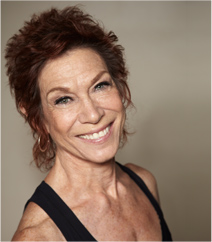
Yoga for Cancer: A Guide to Managing… book by Cyndi Lee
Yoga for Cancer: A Guide to Managing Side Effects, Boosting Immunity, and Improving Recovery for Cancer Survivors
By Tari Prinster and Cyndi Lee
I’m not usually a social butterfly nor do I frequent large gatherings. But occasionally, I feel incredibly fortunate to meet one or two people who have a long-term perspective on the world and are willing to engage in deep conversations.
If you also prefer not to jump to conclusions, not to be swayed by short-term emotions, and simply to have a serious chat about your thoughts and life, then perhaps we can get along we
Using yoga to manage the challenges of cancer and its treatment – Explains how to create a safe home yoga practice that addresses the specific physical needs, risks, and emotions of cancer patients and survivors – Includes 53 yoga poses and 9 practice sequences that use movement and breathing to reduce and manage treatment side effects – Reveals how current research supports the physical and psychological benefits of yoga to aid recovery and reduce risk of recurrence – Written by a cancer survivor and certified yoga teacher.
For those faced with a cancer diagnosis and the journey of doctor-led surgery and treatments, yoga offers a way to regain control of your body and take an active part in your recovery and long-term health. In this easy-to-follow illustrated guide, yoga teacher and cancer survivor Tari Prinster presents 53 traditional yoga poses that are adapted for all levels of ability and cancer challenges.
She then applies the movements and breathwork of these poses to address 10 common side effects and offers 9 practice sequences for varying stages of treatment and recovery.
Sharing her own story as well as those of cancer survivors and yoga teachers with whom she has worked,
Tari Prinster’s cancer story is powerful, personal, and deeply influential in the world of yoga and integrative cancer care. Here’s a clear, engaging overview of her journey.
Tari Prinster’s Cancer Story
Tari Prinster is a yoga teacher, cancer survivor, and author best known for her book Yoga for Cancer. Her story begins in 2000, when she was diagnosed with invasive lobular breast cancer at age 56. The diagnosis came as a shock—she was healthy, active, and had no major risk factors.
Diagnosis and Treatment
- She underwent chemotherapy, surgery, and radiation, following a standard treatment plan.
- During treatment, she struggled with the physical and emotional toll: fatigue, fear, loss of strength, and a sense of losing control over her body.
- Traditional exercise felt impossible, but she discovered that yoga was something she could still do, even on her hardest days.
How Yoga Became Her Lifeline
Tari began practicing yoga more intentionally during treatment.
She found that it helped her:
- Rebuild strength and balance
- Manage stress and anxiety
- Reduce treatment side effects
- Feel connected to her body again
She often describes yoga as the tool that helped her “take back agency” during a time when everything felt uncertain.
From Survivor to Teacher
After recovering, Tari trained as a yoga teacher and dedicated herself to helping others with cancer. She:
- Developed a specialized method called Y4C (Yoga for Cancer)
- Taught classes specifically for people in treatment or recovery
- Conducted research and collaborated with oncologists
- Trained thousands of yoga teachers worldwide
Her approach focuses on safe, evidence-informed yoga tailored to the unique needs of cancer patients and survivors.
Her Message
Tari’s core belief is that yoga is not a cure for cancer, but it is a powerful tool for:
- Improving quality of life
- Supporting the immune system
- Reducing side effects
- Empowering patients during and after treatment
Great — here’s a clear, structured breakdown of Tari Prinster, her story, and her Y4C (Yoga for Cancer) method.
Tari Prinster: Short Summary
Tari Prinster is a cancer survivor, yoga teacher, and the founder of Yoga 4 Cancer (Y4C), a research‑informed yoga method designed specifically for people affected by cancer. After being diagnosed with breast cancer at 56, she used yoga as a tool to regain strength, manage treatment side effects, and rebuild trust in her body. Her experience led her to develop a structured, evidence‑based approach that is now taught worldwide.
Key Lessons from Her Story
1. Cancer changes everything — but it doesn’t end everything
Her diagnosis became a turning point that pushed her toward deeper self‑awareness and resilience.
2. Movement is medicine
She discovered that safe, intentional movement helps counteract the physical and emotional toll of cancer treatments.
3. Agency matters
Yoga gave her a sense of control at a time when most decisions were made by doctors.
4. Community heals
She emphasizes that healing is not only physical; connection and shared experience are powerful.
5. Survivorship is a lifelong journey
Her work focuses not just on treatment but on long‑term recovery, strength, and empowerment.
Quotes From Tari Prinster (from interviews & talks)
Here are a few well‑known lines she has shared publicly:
- “Yoga gave me back the body cancer tried to take away.”
- “Cancer steals your sense of control. Yoga gives it back.”
- “We don’t cure cancer with yoga, but we can heal the person who has it.”
- “Movement is not optional for survivors — it’s essential.”
(These are representative quotes she has shared across interviews, talks, and her book.)
How the Y4C Method Works
Y4C is a structured, research‑based yoga methodology designed specifically for cancer patients and survivors. It focuses on safety, physiology, and the unique needs created by treatment.
Core Principles of Y4C
1. Address the 5 major side‑effects of cancer treatment
Y4C sequences are built to counter:
- Bone loss
- Lymphedema risk
- Fatigue
- Anxiety
- Loss of range of motion
2. Build strength safely
Y4C uses:
- Weight‑bearing poses
- Functional movement
- Balance training
- Gentle resistance
This helps rebuild muscle mass and bone density, which are often compromised by chemotherapy and hormone therapy.
3. Support the lymphatic system
Because lymph nodes may be removed or damaged, Y4C emphasizes:
- Repetitive, rhythmic movement
- Breath‑linked flow
- Safe inversions
- Gentle twists
These help stimulate lymph circulation without increasing lymphedema risk.
4. Regulate the nervous system
Breathwork and mindful movement help reduce:
- Anxiety
- Insomnia
- Hypervigilance
- Treatment‑related stress
5. Trauma‑informed teaching
Y4C teachers are trained to:
- Offer choices
- Avoid triggering language
- Create a sense of safety
- Respect medical limitations
6. Evidence‑informed sequencing
Every pose is chosen for a specific therapeutic purpose — nothing is random or aesthetic.
If you want, I can also create:
- A one‑page cheat sheet on Y4C
- A script for teaching a Y4C‑style class
- A bio you can use for a presentation or workshop
- A storytelling version of her journey for a talk or article
Just tell me what direction you want to go.
Here’s a storytelling version of Tari Prinster’s journey — crafted so you can use it in a talk, keynote, workshop, or article. It’s narrative, emotional, and structured to hold an audience’s attention.
A Story of Loss, Strength, and Reinvention
When Tari Prinster was 56, she thought she understood her body. She was healthy, active, and living a full life. Then, in a single afternoon, a doctor spoke the words that would fracture her sense of certainty: breast cancer.
The diagnosis didn’t just interrupt her life — it rearranged it. Suddenly she was navigating a world of scans, surgeries, and treatments, each one stripping away a little more of the strength and confidence she once took for granted. Cancer has a way of making people feel like passengers in their own bodies, and Tari felt that loss of control deeply.
But she also had something many people don’t: a yoga practice she’d always loved, though never relied on. During treatment, yoga shifted from a hobby to a lifeline. It became the one place where she could breathe without fear, move without being told how, and feel — even briefly — like she still belonged to herself.
She noticed something powerful.
Yoga wasn’t just helping her cope emotionally. It was helping her heal physically.
Her balance improved. Her strength returned. Her breath steadied her mind. She felt more grounded, more capable, more alive. And she began to wonder: If yoga could help me, why isn’t it helping more people with cancer?
That question became a mission.
Tari dove into research, anatomy, oncology, and the physiology of cancer treatment. She studied how chemotherapy affects bone density, how radiation impacts mobility, how lymph node removal changes the body’s relationship to movement. She tested, refined, and adapted yoga poses to make them safe, functional, and therapeutic for people in every stage of cancer — from diagnosis to long-term survivorship.
What emerged was Y4C: Yoga for Cancer, a method built not on aesthetics or tradition, but on science, safety, and lived experience.
She began teaching survivors who walked into her classes exhausted, frightened, or unsure of their bodies. She watched them transform — not magically, not instantly, but steadily. They grew stronger. They slept better. They trusted themselves again. They found community in one another. They reclaimed agency.
Tari often says, “We don’t cure cancer with yoga, but we can heal the person who has it.” And that’s the heart of her work.
Today, Y4C is taught around the world. Thousands of teachers have been trained in her method. Hospitals, cancer centers, and wellness programs use her approach to support patients who need more than medicine — they need movement, connection, and hope.
Tari’s story isn’t about surviving cancer. It’s about redefining what survivorship can look like. It’s about turning fear into curiosity, pain into purpose, and a personal practice into a global movement.
And at its core, it’s about one simple truth she learned on the mat:
When everything feels out of control, the breath is a place to begin.
Here’s a long‑form, emotionally rich article version of Tari Prinster’s journey — written with depth, nuance, and a narrative arc that feels human, intimate, and resonant. You can use this as a feature article, a keynote story, or the opening chapter of a workshop.
The Body Remembers: The Transformational Journey
There are moments in life when time seems to split in two — the life before, and the life after. For Tari Prinster, that moment arrived in a quiet exam room when she was 56 years old. The doctor’s voice was calm, almost practiced, as he delivered the news: breast cancer. But the words landed like a rupture. In an instant, the familiar map of her life dissolved.
She walked out of the clinic into a world that looked the same but felt entirely different. The air was colder. The sky seemed heavier. Even her own body — the body she had trusted for decades — felt like foreign territory. Cancer has a way of doing that. It rearranges your sense of safety, your sense of identity, your sense of control.
For Tari, it also awakened something she didn’t yet have a name for.
Losing Control, Finding Breath
Treatment began quickly. Surgery. Chemotherapy. Radiation. Each step was necessary, but each one also took something from her — strength, balance, appetite, sleep, certainty. She remembers looking in the mirror and seeing a woman she didn’t recognize.
A woman who was fighting, yes, but also shrinking under the weight of fear and fatigue.
And yet, in the midst of this unraveling, there was one place where she felt whole: the yoga mat. Yoga had been part of her life for years, but now it became something different — not exercise, not routine, but refuge.
On the mat, she could breathe without being monitored. She could move without being instructed. She could feel without being judged. It was the one place where cancer didn’t define her.
She began to notice small shifts. Her balance steadied. Her breath deepened. Her anxiety softened. She felt stronger — not in the triumphant, inspirational‑poster sense, but in the quiet, cellular way that makes you believe you can keep going.
Yoga wasn’t curing her cancer. But it was healing her relationship with her body.
A Question That Became a Calling
As she moved through treatment, Tari kept returning to a single question:
If yoga could help me survive this, why isn’t it helping more people?
It wasn’t a rhetorical question. It was a spark.
She began studying everything she could find — oncology research, lymphatic physiology, the biomechanics of scar tissue, the long‑term effects of chemotherapy on bone density and muscle mass. She talked to doctors, physical therapists, survivors, and yoga teachers. She experimented with poses, modifying them to be safer, more functional, more attuned to the realities of a body in treatment.
What she discovered was both simple and profound: Cancer changes the body. Yoga must change with it.
This realization became the foundation of what would eventually be known as Y4C: Yoga for Cancer — a method built not on tradition or aesthetics, but on science, safety, and lived experience.
The Birth of a Method, and a Movement
Tari began teaching small classes for survivors. People arrived exhausted, anxious, or unsure of what their bodies could do. Some hadn’t moved freely in months. Some were afraid to lift their arms. Some were grieving the loss of the body they once had.
She met them exactly where they were.
Her classes weren’t about perfect poses. They were about rebuilding trust — in the body, in the breath, in the possibility of feeling strong again. She taught movements that supported lymphatic flow, poses that rebuilt bone density, sequences that restored range of motion, and breathwork that calmed the nervous system.
Slowly, she watched people transform. Not dramatically. Not overnight. But steadily, undeniably.
A woman who couldn’t lift her arm above her shoulder began reaching for the sky. A man who hadn’t slept through the night in months found rest after class. A survivor who felt betrayed by her body began to feel at home in it again.
These weren’t just physical changes. They were emotional reclamations.
Healing Beyond Medicine
Tari often says, “We don’t cure cancer with yoga, but we can heal the person who has it.” That distinction matters.
Cancer treatment is designed to save your life. Yoga, as she teaches it, is designed to give your life back to you.
Her method acknowledges the full spectrum of survivorship — the fear, the fatigue, the grief, the resilience, the hope. It recognizes that healing is not linear, not tidy, not something that ends when treatment does. Survivorship is a lifelong journey, and Y4C offers tools for every step of it.
Today, her method is taught around the world. Thousands of teachers have been trained. Hospitals and cancer centers integrate her approach into their programs. Survivors who once felt isolated now find community, strength, and agency through her work.
But at its core, Y4C remains deeply personal — a method born from one woman’s determination to transform her own suffering into something that could help others.
A Legacy of Strength and Softness
Tari’s story is not a story about cancer. It’s a story about what we do with the things that break us.
It’s about the courage to ask new questions when old answers fail. It’s about the power of movement when the world feels immovable. It’s about the quiet, radical act of choosing to trust your body again.
And it’s about breath — the simplest, most human thing we have — becoming a doorway back to ourselves.
In the end, Tari didn’t just survive cancer. She reshaped the landscape of survivorship for thousands of others.
Absolutely — here are all three options you asked for, each crafted with warmth, clarity, and the spirit of Tari Prinster’s teachings. You can use them as-is or adapt them for classes, newsletters, or workshops.
1. A Themed Reflection / Meditation Script
Theme: Strength, Breath, and Learning to Live
Take a moment to settle into your seat or onto your mat. Let your body soften just enough to feel supported. Notice your breath as it moves in and out, steady and reliable.
Remember Tari Prinster’s words: “When everything feels out of control, the breath is something you can always return to.” Let that truth anchor you.
As you breathe, feel the quiet strength that lives beneath the surface — not the strength of muscles or effort, but the strength of simply showing up. “Strength is not about muscles. It’s about showing up for yourself.”
Allow your breath to guide you toward presence. Toward clarity. Toward life.
And as you sit here, consider the possibility that the challenge can be a teacher.
Tari reminds us: “Cancer taught me how to live.” Let this moment teach you something too — about resilience, about softness, about the courage to be here now.
Finally, place a hand on your heart and acknowledge the healing that comes from awareness, movement, and breath. “Yoga didn’t cure my cancer, but it healed me.” Let healing, in whatever form you need today, begin with this breath.
2. A Short Inspirational Paragraph for a Newsletter
Tari Prinster, a cancer survivor and founder of the Yoga4Cancer method, reminds us that healing is not only physical — it’s a journey of presence, courage, and self‑connection.
Her reflections offer powerful guidance for anyone navigating challenge: “Cancer taught me how to live.” Through yoga, she discovered a path back to herself, saying, “Yoga didn’t cure my cancer, but it healed me.”
Her teachings encourage us to return to the breath when life feels overwhelming and to redefine strength as the simple act of showing up. Her story is a reminder that resilience grows from awareness, compassion, and the willingness to keep moving forward.
3. A Poster‑Style Layout With Each Quote’s Meaning
Here’s a clean, visually structured version you can paste into a document or design tool:
“Cancer taught me how to live.”
Meaning: Life’s hardest moments can become profound teachers. This quote invites us to see adversity as a catalyst for clarity, gratitude, and purpose.
“Yoga didn’t cure my cancer, but it healed me.”
Meaning: Healing is multidimensional. Yoga supports emotional, mental, and spiritual recovery even when it cannot change the medical diagnosis.
“When everything feels out of control, the breath is something you can always return to.”
Meaning: The breath is a constant anchor. It offers stability, calm, and agency when life feels chaotic or uncertain.
“Strength is not about muscles. It’s about showing up for yourself.”
Meaning: True strength is presence, not perfection. It’s the willingness to meet yourself where you are, especially on the hard days.
Her journey reminds us that healing is not the absence of pain, but the presence of possibility. And that sometimes, the most profound transformations begin with a single inhale.
She often says that cancer changed her life—but yoga gave her a way to live it more fully.
Prinster explores how yoga can be used to strengthen the immune system, rebuild bone density, avoid and manage lymphedema, decrease anxiety, detoxify the body, reduce pain, and help the body repair damage caused by cancer and conventional treatments.
She reveals the research that supports the physical and psychological benefits of yoga as an aid to recovery and in reducing the risk of recurrence. Explaining how yoga must be tailored to each survivor, Prinster gives you the tools to create a safe home yoga practice, one that addresses your abilities, energy level, and overall health goals.
Through personal stories, well-illustrated poses, and sample practices for beginners as well as experienced yoga practitioners, Prinster empowers survivors to create their own wellness plan in order to regain their independence and their physical and emotional well-being. Tari Prinster Yoga For Cancer – Search Images
Adaptive Yoga Class: Part 1 – YouTube
Adaptive Yoga Class: Part 2 – YouTube