
A groundbreaking meta-analysis study, published in the journal Frontiers in Oncology,
Has revealed overwhelming scientific support for the use of medical cannabis in cancer treatment.
The extensive research, which analyzed data from over 10,000 peer-reviewed research papers, found that more than 70% of studies support the therapeutic benefits of cannabis for cancer patients.
Researchers from the Whole Health Oncology Institute and Chopra Foundation reviewed findings from studies containing nearly 40,000 data points related to cannabis and various health outcomes.
Their analysis revealed that “support for medical cannabis is 31.38× stronger than opposition to it” across all cancer topics examined.
“The findings indicate a strong and growing consensus within the scientific community regarding the therapeutic benefits of cannabis, particularly in the context of cancer,” the study authors stated. “The consistent correlation strengths for cannabis as both a palliative adjunct and a potential anticarcinogenic agent redefine the consensus around cannabis as a medical intervention.”
The meta-analysis, described as “the largest ever conducted on medical cannabis and its effects on cancer-related symptoms,” examined three main categories: health metrics, cancer treatments, and cancer dynamics. In health-related measures, the supportive sentiment was nearly 47 times stronger than opposition, with researchers noting “a robust consensus indicating that cannabis’ benefits in reducing inflammation significantly outweigh potential risks.”
For managing cancer treatment side effects, the study found strong support for cannabis use in alleviating pain, nausea, and appetite loss. The evidence for pain relief was particularly compelling, with supported sentiments being 211.96% more likely than not supported sentiments. “This indicates that studies involving medical cannabis and pain were significantly more likely than average to result in supported sentiment and significantly less likely than average to report not supported sentiments,” the researchers explained.
Perhaps most striking was the evidence supporting cannabis as a potential anticarcinogenic agent. The analysis revealed particularly strong associations between cannabis and reduced tumour growth, with no significant opposition found in the literature. “Studies investigating therapeutic use of cannabis were overwhelmingly likely to present supported sentiments, with inverse relationships between not supported and unclear sentiments,” the study noted.
“We expected controversy. What we found was overwhelming scientific consensus. This is one of the clearest, most dramatic validations of medical cannabis in cancer care that the scientific community has ever seen,” said Ryan Castle, Head of Research at Whole Health Oncology Institute, in a press release.
The findings are especially significant given the legal restrictions on cannabis, which have historically complicated research into its therapeutic potential. The authors suggest that their results challenge this classification, stating that “the strong consensus supporting the therapeutic use of cannabis, particularly in the context of cancer, suggests that there is a substantial scientific basis for re-evaluating cannabis’ legal status.”
The meta-analysis also identified areas requiring further research, including the precise mechanisms of cannabinoid interaction with inflammatory processes and the topic of cannabis and opioid use in pain management. Despite these knowledge gaps, the study concludes that “the consistency of positive sentiments across a wide range of studies suggests that cannabis should be re-evaluated within the medical community as a treatment option.”
The findings have significant implications for public health research, clinical practice, and policy discussions surrounding the legal status of medical cannabis. As the researchers note, “These results suggest a need for further research to explore the full therapeutic potential of cannabis and address knowledge gaps.”
Cannabis Use in Patients With Cancer: A Clinical Review
Authors: Brooke Worster, MD https://orcid.org/0000-0002-6687-1760 Brooke.Worster@jefferson.edu, Emily R. Hajjar, PharmD, and Nathan Handley, MD, MBA https://orcid.org/0000-0001-5804-4784Authors Info & Affiliations
Abstract
Cannabis use and interest continues to increase among patients with cancer and caregivers. High-quality research remains scant in many areas, causing hesitancy or discomfort among most clinical providers. Although we have limitations on hard outcomes, we can provide some guidance and more proactively engage in conversations with patients and family about cannabis.
Several studies support the efficacy of cannabis for various cancer and treatment-related symptoms, such as chemotherapy-induced nausea and cancer pain. Although formulations and dosing guidelines for clinicians do not formally exist at present, attention to tetrahydrocannabinol concentration and understanding of risks with inhalation can reduce risk.
Conflicting information exists on the interaction between cannabis and immunotherapy as well as estrogen receptor interactions. Motivational interviewing can help engage in more productive, less stigmatized conversations.
Accompanying Article
Free access
CLINICAL REVIEWS
Understanding the Role of Cannabis in Cancer Care: An Emerging Priority
Publication: JCO Oncology Practice
https://doi.org/10.1200/OP.22.00080
Mr Jones is a 55-year-old man with a medical history of hypertension, gastrointestinal reflux disease and ulcerative colitis who presented to a local hospital with weight loss and jaundice. He received a diagnosis of metastatic cholangiocarcinoma, underwent stent placement, and recently began systemic chemotherapy.
He is six feet tall and originally weighed 215 lbs. When he comes in for treatment today, his weight has decreased to 192 lbs. He reports that he has pain with anything he tries to eat. He does not like how much constipation resulted from opiates, so he is using only sparingly. He currently takes acetaminophen, famotidine, amlodipine/hydrochlorothiazide senna, and oxycodone as needed. He asks you what can be done for his appetite and pain.
Introduction
Of the 15.5 million Americans living with cancer,1 moderate to severe pain (0-10 numerical rating score ≥ 5) is experienced by more than a third because of consequences of cancer, its treatments, or both.2 According to a large, longitudinal study done by the American Cancer Society, pain was among the top three symptoms contributing the greatest negative impact to patients’ quality of life (QoL).3
Although improving QoL in patients with cancer remains a top priority, we continue to struggle with effective and safe interventions for many of the cancer and cancer treatment–related side effects including pain and anorexia. Given the increasing awareness of risks associated with long-term or high-dose opioid use, many patients now want to limit or avoid opioid use when possible.4,5 Recent surveys report that between 25% and 40% of patients with cancer use cannabis in any form, from a state-regulated dispensary or obtained from illicit sources,6,7 and among those, a large majority report using it to manage symptoms such as pain or anxiety.8
At least 36 states and the District of Columbia have approved cannabis for medical use, and 18 have laws allowing legal recreational access.9 Understanding the terminology associated with cannabis is important to have a basis for composition, safety, or availability.
The US government created the distinction between high (> 0.3% tetrahydrocannabinol [THC]) and low THC (< 0.3% THC) cannabis as a regulatory mechanism. The Farm Bill10 of 2018 deregulated low THC cannabis, known as hemp. Hemp is often referred to as cannabidiol (CBD); however, this nomenclature is inaccurate, as hemp contains numerous compounds, including THC.
Subsequently, innumerable CBD-based products flooded the marketplace with little to no regulation in content or quality.11 Although patients have online or even convenience store access to these CBD products, there is minimal assurance of composition (Table 1).
Table 1. Distinguishing Factors: Cannabis, Marijuana, and HempOpen in viewer
There remains wide discrepancy between state-to-state regulation and operational procedures surrounding cannabis. Rapid expansion of legislation allows greater access, but high-grade scientific evidence remains limited.12 Thus, it is not surprising that national guidelines lack recommendations about possible therapeutic uses of cannabis, which creates clinical challenges for clinicians.13 A recent nationally representative sample of medical oncologists found that 70% of oncologists did not feel equipped to make clinical recommendations regarding cannabis, and only 46% had recommended its use.13
Mr Jones reports a desire to avoid higher-dose opioids and denies significant nausea as the cause of his poor appetite. In conversation with his care team, cannabis use is brought up as a potential treatment. He does not feel comfortable smoking or inhaling anything and wonders if there is another way for him to use cannabis.
Formulations, Pharmacokinetics, and the Endocannabinoid System
It is important to understand both the endocannabinoid system, where phytocannabinoids are primarily active, and the range of cannabis-based products available to patients, as the potency, tolerability, and pharmacokinetics can vary widely (Table 2).
Table 2. Potential Benefits and Risks of Cannabis on the Basis of FormulationOpen in viewer
Although there are more than 100 known phytocannabinoids, the most well recognized are Δ9 THC and CBD. The two best-studied targets for cannabinoids in the human body are the endocannabinoid system receptors CB1 and CB2.14 There are other receptors that both THC and CBD activate or antagonize; however, these remain less mapped than the CB1 and CB2 receptors. CB1 is found predominantly in the central and peripheral nervous system, whereas CB2 has a more limited distribution in the immune and hematopoietic system.15
There are four main methods of ingesting cannabis: inhalation (vaporization or smoking), oral, sublingual, and topical. Each method has unique pharmacokinetics and other considerations that may make it more or less tolerable to specific patients (Table 3). Cannabis is metabolized by the liver and primarily excreted in feces. Metabolites are highly lipophilic, leading to a very long half-life in humans (up to 70 days).16
Table 3. Cannabis PharmacokineticsOpen in viewer
Inhalation
Inhalation remains the most common method of cannabis consumption in the United States and worldwide.17 This can include smoking, which is the burning of the dried flower and inhaling the components that are released. Smoking can occur via several forms (eg, rolled cigarette joint v pipe bong). Vaporization is similar; however, the plant is not burned, but instead heated to a temperature at which the active ingredients in the plant are released as vapor that is inhaled by the consumer.
Although much is still unknown about long-term side effects of inhalation of cannabis via vaporization, a meta-analysis from 2018 published in Annals of Internal Medicine showed minimal impact on pulmonary function with short-term cannabis vaporization.18 However, vaporizers use concentrated oil extracted from the plant and can contain up to as much as 90% THC, which can result in serious side effects for a novice consumer.
Inhaling high THC concentrations, via either smoking or vaporizing, may increase risk for arrhythmia or myocardial infarction in susceptible patients.19 Common side effects specific to inhalation include sore throat, irritation of oral mucosa, and cough. A potential benefit of inhalation is both rapid onset of action (helpful when nausea is a prominent symptom) and ability to easily titrate one’s dose, making overconsumption less likely.20
Oral/Sublingual
Oral ingestion is rapidly becoming a more prominent form of cannabis ingestion, and much research and development has gone into formulations of cannabis-infused candy, beverages, and other food products.21 Formulations include pills, edibles (food-based products and candies), and beverages.
Sublingual ingestion includes sprays, dissolvable strips, tinctures, and lozenges. The largest limitation in oral or sublingual ingestion is poor pharmacokinetics: bioavailability is low (between 6% and 25%) because of the lipophilic nature of the bioactive substances and absorption is erratic, as it can be delayed and otherwise affected by other stomach contents.22
This makes oral ingestion difficult to effectively titrate as well as more prone to overconsumption, especially with high-THC products, in that patients may need to wait longer than expected for the onset of effect and assume they need more. Over Ingestion of THC can lead to nausea, anxiety, paranoia, disorientation, and short-term psychosis.23 Additionally, most edible products are potentially appealing to children or pets (candy, cookies, and flavored drinks); so, caution must be used in storage.
Sublingual use may improve bioavailability and absorption. Sativex (nabiximols), the one plant-based cannabinoid medication, approved for medical use in Canada and parts of Europe but not yet in the United States, includes the entire spectrum of natural cannabinoids and is delivered as a sublingual spray. The time of onset is similar to those seen in general oral consumption; however, some studies have reported an earlier onset.22
Topical
A final common way to consume cannabis is topical use in the form of lotions, salves, oils, and patches. Topical administration of cannabis potentially allows a steady infusion of a drug to be delivered over a prolonged period of time, while also minimizing the adverse effects of higher drug peak concentrations because of limited systemic availability, which can reduce unwanted side effects.
Topical administration is potentially ideal for localized symptoms, such as those found in dermatologic conditions and arthritis. However, local skin irritation can occur, and the absorption capacity of both the cannabis preparation and the additives may not be well described.24 Topical use is often popular in novice users or older adults who wish to avoid the intoxicating effects of cannabinoids.
Rick Simpson Oil
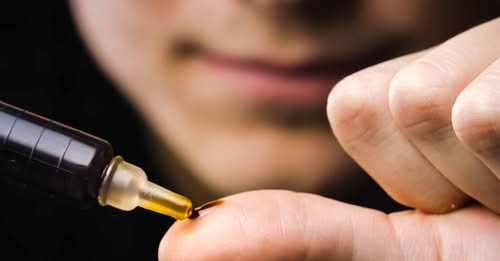
Rick Simpson oil (RSO) refers to a full-spectrum extract that is known to be high in THC. These products are highly potent and have a viscous consistency.25 Because of the activation of the THC in the extraction process, RSO can be ingested orally, sublingually, or topically. It does not need to be heated to work like other preparations require.26 Although RSO products have the same considerations as other formulations listed above, special consideration should be noted on the potency, as unintentional overdose can occur more frequently with this type of product. Although some believe the topical application of RSO products may cure cancers, this is only supported by anecdotal stories.27
Risks
It is important to consider risks and side effects of cannabis use when counseling patients. Cannabis smoke carries many of the same carcinogens found in tobacco smoke. However, large cross-sectional and longitudinal studies have not found a link between cannabis smoking and long-term pulmonary consequences, such as chronic obstructive pulmonary disease and lung cancer.28,29
More recent evidence highlights cardiovascular concerns among cannabis users as well. Randomized controlled trials evaluating the therapeutic use and safety of cannabis are lacking, but a growing body of evidence suggests that marijuana consumption may be associated with adverse cardiovascular risks.30 There is much to be learned, and most studies now are retrospective analyses with confounding variable such as high prevalence of tobacco use in the populations as well.31
Data regarding the relationship between cannabis use and psychiatric disorders are incompletely understood, often in conflict, and vary on the basis of cannabinoid type, potency, and composition, with synthetic, illicit THC products carrying a much higher risk than whole plant or extract.32
Mr Jones has an appointment with the interprofessional Supportive Oncology team.
The team evaluates his perceptions and prior experiences surrounding cannabis use in an effort to create open dialogue about his fears and interest in using cannabis. He admits that a friend gave him a gummy that was helpful for both pain and appetite but made him somewhat dizzy. He is not sure what the composition of that product was.
The physician certifies him for the state-approved medical cannabis program, and the social worker helps guide him through the cost, payment, and dispensary access, reminding him that these are all state-specific. Recommendations given for a tincture to use for both pain and appetite with initial use of a 2.5 mg dose of THC and to prioritize formulations that also have CBD.
Select Indications and Evidence Base
Pain
Very few well-designed, randomized controlled trials exist examining medical cannabis in patients with cancer pain. However, there has been increasing interest in cannabis use for cancer pain, given the lack of safety or tolerability of opioids and other analgesics (eg, renal impairment and nonsteroidal anti-inflammatory drugs, polypharmacy, and risk of addiction).
Although evidence is mixed,33 there appears to be at least a weak indication for cannabis use if standard of care has failed across pain types. Although the evidence is somewhat better for neuropathic pain34 and cancer pain,34 it is difficult to control for route of administration as well as composition of products. The risks of inhalation as the route of administration often lead many guidelines to steer away from this as a method of consumption.35
Therapeutic trials of cannabis for naive users should start with low dose, non inhaled products, possibly with higher CBD component or a CBD:THC 1:1 ratio with slow increases of THC as indicated and tolerable (Table 4). Patients who have had prior exposure to cannabis may be able to tolerate higher THC concentrations. Dosing or oral or sublingual products should start with no higher than 5 mg THC for inexperienced users. Dosing of CBD can be more liberal and is generally well tolerated.
Table 4. Guidelines for Initial Dosing on the Basis of THC Amount for Cannabis-Naive UsersOpen in viewer
Insomnia
Impaired sleep onset and latency are frequent concerns among patients with cancer and may affect up to 19% of the general population.36 One very common patient-reported use of cannabis is to treat insomnia. However, research into cannabis use and sleep is very conflicting. There is some evidence that short-term, high-dose CBD may be helpful in decreasing sleep onset and lengthening time asleep37 possibly through its anxiolytic effects.38 Conflicting evidence suggests that cannabis cessation after prolonged use can cause or exacerbate insomnia.39
Chronic pain affects individuals’ ability to get restful sleep. Research, primarily with nabiximols (Sativex THC:CBD 1:1 oromucosal spray), has started to examine the potential role of cannabinoids in addressing sleep disturbances in the context of pain. A significant majority of study patients reported a subjective improvement in sleep quality, although possibly more related to reduced pain levels than a change in biological sleep patterns. Frequent cannabis use, especially with high-THC products, results in tolerance and may trigger self-titration and very high THC use over prolonged exposure for sleep.40
Although many patients may turn to cannabis for help with sleep impairments, there is little in the way of evidence-based guidance for dosing or composition of product to recommend. Given the longer half-life of oral or sublingual products, this may be the preferred formulation to help with sleep duration.
Anxiety
Anxiety disorders, as a group, are the most common mental illness in the world, leading to high psychosocial and financial burden.41 The first-line treatment of anxiety disorders includes various antidepressants (selective serotonin reuptake inhibitor and serotonin and norepinephrine reuptake inhibitor) and benzodiazepines as well as psychotherapy. Up to 40% of patients still experience anxiety symptoms despite this treatment,42 thus driving interest in additional effective therapeutics.
CBD has therapeutic potential as a treatment for anxiety as shown by the burgeoning number of studies and meta-analysis examining use in several anxiety disorders, ranging from post-traumatic stress disorder to public speaking. There is well-supported data that high THC can exacerbate anxiety, induce panic attacks, or even trigger transient psychosis in infrequent users or if overingested,43 whereas CBD has shown tolerability and effectiveness in social anxiety, post-traumatic stress disorder, and general anxiety treatment.44 Studies have examined both oral and inhaled forms of CBD predominant cannabis with similar efficacy.
Nausea and Anorexia
There are two US Food and Drug Administration (FDA)–approved delta-9-THC pharmaceutical agents, dronabinol and nabilone, for use in treating nausea and vomiting associated with cytotoxic chemotherapy. A meta-analysis summarizing 28 trials, most completed before 2000, favored these over placebo or other antiemetics available.45
Additional studies completed more recently also support that although patients reported more frequent side effects, they preferred cannabinoids over other antiemetics.46 There are no published trials examining the impact of CBD alone on chemotherapy-induced nausea and vomiting. A review published in 2020 demonstrated a small number of smoked or inhaled plant strains with CBD present but no controlled data regarding CBD-predominant cannabis formulations for appetite or nausea currently exist.12
Similarly, patients often subjectively report improvements in appetite with cannabis use. Marinol originally received FDA approval for this indication in HIV patients in the 1980s. Studies show that smoked cannabis increase blood levels of ghrelin and leptin, hormones associated with hunger.47 Small trials of THC supplementation in patients with advanced cancer have shown subjective reports of improved taste and appetite.48 However, there are minimal studies examining CBD-predominant products in appetite stimulation or weight gain to date.
It is important to note that of all the antiemetics currently available, cannabis and corticosteroids are the only two options with both antiemetic and orexigenic effects. Balancing risk, benefit, or drug-drug interactions between corticosteroids may limit its use at times, especially in those patients with cancer receiving immunotherapy.
Cancer-specific Concerns for Cannabis
Immunotherapy
The biological impact of cannabis is mediated by the endocannabinoid system. Although the two best-studied targets for cannabinoids in the human body are the endocannabinoid receptors CB1 and CB2, it is increasingly recognized that additional receptors, enzymes, and endocannabinoid-like lipids appear to be part of an extended endocannabinoid system, or endocannabinoidome.49–51
This extended system has been implicated in immune system regulation, leading to the hypothesis that cannabis may affect the activity of immunomodulatory agents, including immunotherapy for patients with cancer. Some preliminary data suggest this may be the case. In one retrospective study of 140 patients with melanoma, small-cell lung cancer, and clear cell renal cell carcinoma, receiving either nivolumab alone or nivolumab and cannabis, cannabis use was the only significant factor that decreased response rate (37.5% relative risk in nivolumab alone versus 15.9% in the nivolumab-cannabis group; P = .016; odds ratio = 3.13; 95% CI, 1.24 to 8.1).
However, cannabis use did not significantly affect either progression-free survival or overall survival.52
Similarly, a prospective observational study including 102 patients with metastatic disease (68 receiving immunotherapy—pembrolizumab, nivolumab, durvalumab, atezolizumab, or ipilimumab and nivolumab—and 34 receiving immunotherapy plus cannabis) suggested that cannabis users had a lower rate of clinical benefit (39% in users v 59% in nonusers, P = .035).
Similarly, median time to progression was 3.4 months (95% CI, 1.8 to 6.0) for users versus 13.1 months (95% CI, 60 to not available) for nonusers, and median overall survival was 6.4 months versus 28.5 months (P = .0025).53 Cannabis users also had a significant reduction in immune-related adverse events (P = .057). Although these studies raise some concerns, additional prospective studies are needed to further examine the association between cannabis use and immunotherapy efficacy.
Antitumor Characteristics
Several cancer types express cannabinoid receptors in a manner related to the degree of anaplasia and grade of the tumor.54 In vitro and in vivo cancer models have demonstrated that cannabinoids can modulate tumor growth, although the data remain nascent.55 Similarly, cell- and animal-based studies have demonstrated similar anticancer effects to plant-derived cannabinoids.56
Understanding the process by which cannabinoids regulate cellular processes involved in tumor development remains an important area of research. In 2017, the National Academy of Sciences convened a committee to review the health effects of marijuana.57 In evaluating potential antitumor characteristics for patients with cancer, the committee found one systematic review focusing specifically on gliomas.58
The review identified 2,260 studies. Of these, 35 met inclusion, and all were preclinical (with the exception of one small clinical trial); all 16 of the in vivo studies described an antitumor effect of cannabinoids. The committee concluded that there is insufficient evidence to support or refute the conclusion that cannabinoids are an effective treatment for cancers (including glioma), and suggested that signals from the preclinical literature suggest additional clinical research needs to be conducted.
Estrogen Receptor Interactions
Animal models demonstrate that cannabinoids can alter multiple hormonal systems—including suppression of gonadal steroids, growth hormone, prolactin, and thyroid hormone, and activation of the hypothalamic-pituitary-adrenal axis.59 Crude marijuana extract and condensed marijuana smoke can compete with estradiol for binding to the estrogen receptor; of purified cannabinoids, CBD also demonstrates binding.60
These observations have led to the hypothesis that cannabis may play a role in hormone-positive breast cancer. Indeed, several studies have demonstrated that THC, CBD, and other CBs can inhibit disease progression in breast cancer models.61 One study suggests that the effect of a botanical drug formulation may have greater antiproliferative effects than that of pure CBs.62
Additionally, one study of human breast cancer tissue specimens demonstrated that 75.6% of breast adenocarcinoma expressed CB2, regardless of the subtype (although expression was most highly associated with tumors expressing human epidermal growth factor 2.63 However, there are not yet clinical data evaluating the effect of either exogenous or endogenous CBs on treatment outcomes or disease prognosis of any breast cancer subtype.64
Talking with Patients About Cannabis
Given the social, cultural, and regulatory complexity surrounding cannabis, discussing its use with patients can pose a challenge. Motivational interviewing, which seeks to understand a patient’s perspective before attempting to impart information, can be an effective tool to have these discussions when a provider senses that cannabis may be of benefit to a patient. In motivational interviewing, a health care provider uses a four-step approach to engage the patient: engaging, focusing, evoking, and planning.65
In the engaging phase, a provider first listens to the patient to elicit their pre-existing perceptions regarding cannabis. In the focusing phase, a provider then clarifies the goal of the treatment (in this case, symptom management). In evoking, the provider then works to understand motivations that may support or inhibit use of cannabis. Finally, in the planning phase, the provider and patient work together to develop a mutually agreeable plan for cannabis use, if appropriate.
In conclusion, improving QoL in patients with cancer remains a top priority. Although the field is early in development, cannabis may play an important role for symptom management in this population. It is important to discuss the potential benefits and adverse effects of cannabis along with counseling points to allow patients to use each dosage form properly.
SOURCE: Cannabis Use in Patients With Cancer: A Clinical Review | JCO Oncology