Is Jerusalem in Israel – Search
Holy Land Overview – Search Videos
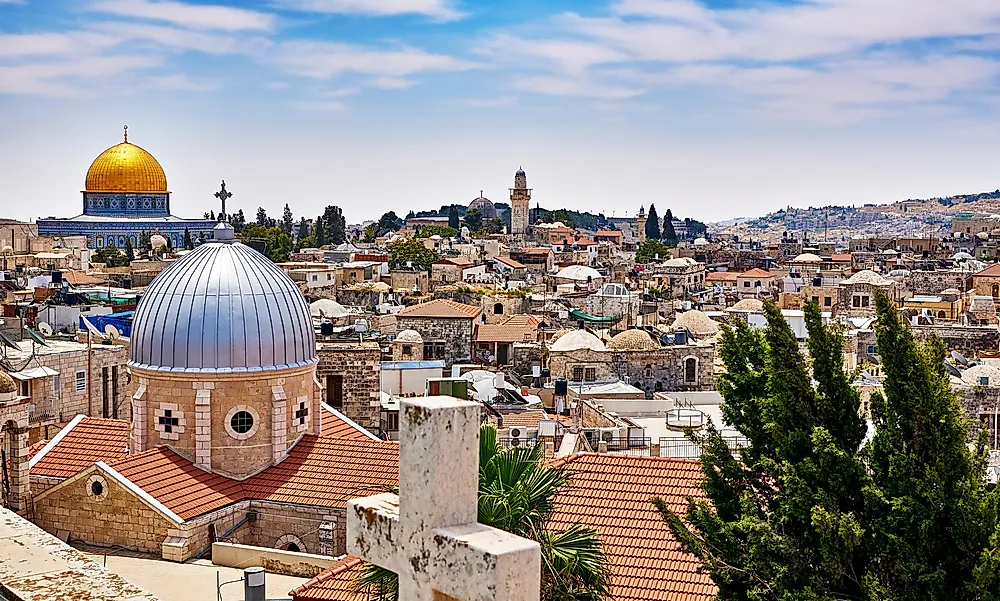
The city of Jerusalem is one of the world’s oldest cities. The Holy Land is considered a holy city by the three major Abrahamic religions: Christianity, Judaism, and Islam. Located in the Middle East, Jerusalem has a long history that dates back to the 4th millennium BCE. Throughout its long history, the city has been destroyed several times, attacked at least fifty times, and captured and recaptured over 40 times. Today, the city has a population of approximately 850,000 residents including Israelis and Palestinians. Both Israel and Palestine consider Jerusalem to be their capital city. Neither claim is internationally accepted.
Geographical Location Of Israel
The city of Jerusalem is located on a plateau in the Judean Mountains between the Dead Sea and the Mediterranean. It is surrounded by valley and dry riverbeds with the three valleys of Tyropoeon, Kidron, and Hinnon intersecting in an area south of the Old City of Jerusalem. Jerusalem experiences a hot-summer Mediterranean climate with January as the coldest month and July and August as the hottest months.
Is Jerusalem In Palestine Or Israel?
Although the geographical location of Jerusalem cannot be disputed, its status remains one of the major issues fueling the Israeli-Palestinian conflict. Both Israel and Palestine have claimed Jerusalem as their capital city. Despite Israel having most of its primary governmental institutions in the city and Palestine foreseeing it as its seat of power, neither of the claims represent an international standard. Under the UN Partition Plan for Palestine adopted in 1947 by the General Assembly of the UN, Jerusalem is considered a “Corpus separatum” and is administered by the UN. In 2017, the United Nations refused to recognize exclusive Israeli claim to Jerusalem.
Jerusalem As The Capital Of Both Israel And Palestine
Jerusalem was proclaimed as the “eternal” and “sacred” capital of Israel on December 5, 1949, by the country’s first Prime Minister, David Ben-Gurion. Since the beginning of 1950, all branches of government have resided in the city except the Ministry of Defense which is in Tel Aviv. In 1995, the US Congress voted to move its embassy from Tel Aviv to Jerusalem and in December 2017 President Donald Trump officially recognized Jerusalem as the Capital of Israel, a decision that was not accepted by a majority of the world’s superpowers.
Ceasefire Aims and Timeline Between Israel and Iran
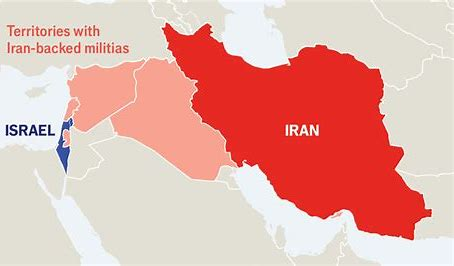
The ceasefire was announced by President Trump on June 23, 2025, to end 12 days of fighting. The conflict had started on June 13 with Israeli strikes on Iran.
The truce was meant to be phased. Iran was supposed to stop attacks first, followed by Israel. The plan was for the war to fully stop by June 25 at midnight ET.
But almost immediately, both sides accused each other of breaking the agreement. The situation became tense within hours of the truce beginning.
Iran Launches Missile Barrages Despite Ceasefire
According to Israel, Iran fired several waves of missiles, even minutes after the truce started. One major attack killed four people in Beersheba.
The Israeli military said that 20 missiles were launched in a single wave. Homes were hit, and several people were injured in the chaos.
Iran’s government denied the attacks broke the truce. They said all operations stopped by 4 a.m. Tehran time, before the ceasefire deadline.
Israel Responds With Targeted Strikes in Iran
Israel admitted to hitting a radar site near Tehran in response to Iran’s missile launches. They claimed it was a limited strike.
Earlier, just before the ceasefire, Israel launched major airstrikes in Tehran. Targets included a nuclear scientist and missile sites.
Iranian sources said nine people died in those strikes, including civilians. Israel said it was wrapping up pre-ceasefire operations.
Trump Pressures Both Nations to Respect Truce
Trump’s frustration boiled over as both nations defied the peace deal. He pushed Israel to stop further strikes during a private call with Netanyahu.
He blamed both countries equally, calling their actions reckless. Trump’s direct tone surprised even seasoned diplomats.
Eventually, Israel agreed to halt further action after bombing the radar site.
Trump’s intervention played a key role in cooling tensions.
Ceasefire Aims and Timeline Between Israel and Iran
The ceasefire was announced by President Trump on June 23, 2025, to end 12 days of fighting. The conflict had started on June 13 with Israeli strikes on Iran.
The truce was meant to be phased. Iran was supposed to stop attacks first, followed by Israel. The plan was for the war to fully stop by June 25 at midnight ET.
But almost immediately, both sides accused each other of breaking the agreement. The situation became tense within hours of the truce beginning.
Iran Launches Missile Barrages Despite Ceasefire
According to Israel, Iran fired several waves of missiles, even minutes after the truce started. One major attack killed four people in Beersheba.
The Israeli military said that 20 missiles were launched in a single wave. Homes were hit, and several people were injured in the chaos.
Iran’s government denied the attacks broke the truce. They said all operations stopped by 4 a.m. Tehran time, before the ceasefire deadline.
Israel Responds With Targeted Strikes in Iran
Israel admitted to hitting a radar site near Tehran in response to Iran’s missile launches. They claimed it was a limited strike.
Earlier, just before the ceasefire, Israel launched major airstrikes in Tehran. Targets included a nuclear scientist and missile sites.
Iranian sources said nine people died in those strikes, including civilians. Israel said it was wrapping up pre-ceasefire operations.
Trump Pressures Both Nations to Respect Truce
Trump’s frustration boiled over as both nations defied the peace deal. He pushed Israel to stop further strikes during a private call with Netanyahu.
He blamed both countries equally, calling their actions reckless. Trump’s direct tone surprised even seasoned diplomats.
Eventually, Israel agreed to halt further action after bombing the radar site. Trump’s intervention played a key role in cooling tensions.

Iran vs Israel – Deposit photo
Trump Wants World Peace before it Bankrupts the World – Search
Both Nations Blame Each Other for Violations
Iran and Israel each claimed the other was the first to break the ceasefire. The blame game made it hard to know who truly started the violations.
Israel’s Defense Minister ordered a strong response. Meanwhile, Iran said it would honor the truce if Israel stopped its strikes.
The back-and-forth accusations only made the ceasefire feel even more fragile and uncertain.
Ceasefire Begins to Hold—For Now
By the evening of June 24, both nations seemed to ease off. Israel lifted restrictions on public events, signaling calm.
Iran also said it was willing to talk—if Israel followed the agreement. Leaders on both sides suggested the truce might finally stick.
Despite the rough start, peace efforts looked to be gaining ground by late June 24, with international help pushing both sides to stop.
Casualties from the 12-Day Conflict Revealed
The brief war was deadly, especially in Iran. Reports showed between 606 and 974 people were killed by Israeli strikes.
Israel also suffered, though less heavily. At least 28 people were killed by Iranian missile attacks, including during the ceasefire period.
The violence underscored the high human cost of even short-lived clashes in the region.
Time Zone Confusion Clouds Ceasefire Start
One major issue was unclear timing. Trump’s ceasefire announcement didn’t specify an exact time, leading to confusion.
Both Nations Blame Each Other for Violations
Iran and Israel each claimed the other was the first to break the ceasefire. The blame game made it hard to know who truly started the violations.
Israel’s Defense Minister ordered a strong response. Meanwhile, Iran said it would honor the truce if Israel stopped its strikes.
The back-and-forth accusations only made the ceasefire feel even more fragile and uncertain.
Ceasefire Begins to Hold—For Now
By the evening of June 24, both nations seemed to ease off. Israel lifted restrictions on public events, signaling calm.
Iran also said it was willing to talk—if Israel followed the agreement. Leaders on both sides suggested the truce might finally stick.
Despite the rough start, peace efforts looked to be gaining ground by late June 24, with international help pushing both sides to stop.
Casualties from the 12-Day Conflict Revealed
The brief war was deadly, especially in Iran. Reports showed between 606 and 974 people were killed by Israeli strikes.
Israel also suffered, though less heavily. At least 28 people were killed by Iranian missile attacks, including during the ceasefire period.
The violence underscored the high human cost of even short-lived clashes in the region.
Time Zone Confusion Clouds Ceasefire Start
One major issue was unclear timing. Trump’s ceasefire announcement didn’t specify an exact time, leading to confusion.
Iran is 30 minutes ahead of Israel and 7 hours ahead of Eastern Time. This time gap caused disputes over when the ceasefire officially began.
With no firm start time, both sides claimed their attacks happened before the truce started, creating more doubt and distrust.
Why Trump’s Ceasefire Comment Matters Now
Trump’s use of harsh language highlighted the frustration surrounding the ceasefire failures. It showed how fragile peace in the Middle East still is.
His role as a broker made his voice powerful, but the chaos that followed raised questions about the truce’s strength.
With regional mediators like Qatar stepping in, and the International Atomic Energy Agency urging talks, diplomacy may yet bring longer peace.
SOURCE Trump Dropped F-Bomb Over Israel-Iran Ceasefire Violations Was Jesus A Hebrew Or Jew – Religious Question
What is the difference between Judah & Israel – Search
Yes, Jesus was Jewish—both ethnically and religiously. He was born into a Jewish family, raised in a Jewish culture, and practiced Jewish customs throughout his life. His lineage is traced in the Gospels of Matthew and Luke, connecting him to key figures in Jewish history like Abraham and King David.
Jesus observed Jewish festivals, read from the Hebrew Scriptures, and taught in synagogues. His teachings often referenced Jewish law and tradition, and many of his followers initially saw him as a Jewish rabbi or prophet.
Understanding Jesus’ Jewish identity is essential for grasping the historical and cultural context of his life and message. It also sheds light on the early development of Christianity, which emerged from within the Jewish world.
1www.biblestudytools.com 2www.biblicalarchaeology.org 3oracioncristiana.org
What was life like for Jews during Jesus’ time?
Life for Jews during Jesus’ time was shaped by a mix of religious devotion, cultural diversity, and political tension under Roman rule.
Religiously, Judaism was vibrant and multifaceted. There were several sects—like the Pharisees, Sadducees, Essenes, and Zealots—each interpreting Jewish law differently. Despite their differences, most Jews observed core practices such as keeping kosher, observing the Sabbath, and making pilgrimages to the Temple in Jerusalem.
Culturally, Jewish society was deeply rooted in tradition but also influenced by Hellenistic and Roman customs. Education, especially in the Torah, was highly valued, and synagogues served as centers for both worship and community life.
Economically and politically, things were more difficult. The region was a Roman province, and while some local rulers like Herod the Great had autonomy, they were ultimately beholden to Rome. Heavy taxation, landlessness, and corruption were widespread. A small elite lived in luxury, but most people—especially in rural areas like Galilee—lived modestly or in poverty.
This environment of religious hope and political unrest set the stage for messianic expectations—many Jews longed for a deliverer who would free them from Roman oppression and restore justice.
Would you like to explore how these dynamics influenced Jesus’ teachings or the early Christian movement?
1www.learnreligions.com 2factsanddetails.com 3israelmyglory.org
How did Roman rule affect daily life for Jews?
Roman rule had a profound impact on the daily lives of Jews in the first century, shaping everything from politics to religion to economics.
1. Political Control and Tension: Judea became a Roman province in 6 AD, and while local rulers like Herod the Great had some autonomy, ultimate authority rested with Roman governors. These officials often lacked sensitivity to Jewish customs, leading to resentment and unrest. The imposition of Roman symbols and interference in Temple affairs were especially provocative.
2. Heavy Taxation and Economic Strain: Jews were subject to multiple layers of taxation—local, Temple, and Roman. The Roman tax burden was particularly harsh, contributing to widespread poverty and social inequality. Many small farmers lost their land and became laborers or debtors.
3. Religious Autonomy—With Limits: Initially, Rome allowed Jews to practice their religion freely. Synagogues were protected, and Jews were exempt from worshiping Roman gods. However, this tolerance had limits. After the Jewish revolt in 66 AD and the destruction of the Second Temple in 70 AD, Rome imposed the Fiscus Judaicus, a tax on Jews, and religious life shifted dramatically from Temple-centered worship to synagogue-based community life1.
4. Social and Cultural Pressures: Jews lived in a multicultural empire influenced by Greek and Roman customs. While some adopted aspects of Hellenistic culture, others resisted, leading to internal divisions. The presence of Roman soldiers and officials in daily life was a constant reminder of foreign domination.
In short, Roman rule brought both relative stability and deep-seated tension. It created the conditions for both cultural flourishing and revolutionary fervor—setting the stage for movements like that of Jesus and, later, the rise of Rabbinic Judaism. Want to explore how this tension played into the expectations of a messiah?
1www.pbs.org 2divinenarratives.org 3en.wikipedia.org
What are the long-term effects of Roman rule on Jews?
Roman rule left a deep and lasting imprint on Jewish history—politically, religiously, and culturally.
1. The Diaspora Expanded: After the destruction of the Second Temple in 70 CE and the crushing of the Bar Kokhba revolt in 135 CE, many Jews were killed, enslaved, or exiled. These events accelerated the spread of Jewish communities throughout the Roman Empire and beyond, laying the foundation for the global Jewish diaspora.
2. Shift from Temple to Torah: With the Temple in Jerusalem destroyed, Jewish religious life pivoted from sacrificial worship to Torah study, prayer, and synagogue-based community life. This transformation gave rise to Rabbinic Judaism, which became the dominant form of Jewish practice for centuries.
3. Legal and Social Restrictions: Over time, especially as Christianity became the state religion of the Roman Empire in the 4th century, Jews faced increasing legal discrimination. They were barred from certain professions, restricted in worship, and subjected to social marginalization.
4. Cultural Resilience and Identity: Despite persecution, Jewish communities maintained a strong sense of identity. The challenges of Roman rule helped solidify core aspects of Jewish tradition, law, and communal structure that endured through centuries of displacement and adversity.
5. Seeds of Future Conflict: The Roman-Jewish wars and the resulting trauma left a legacy of mistrust and tension between Jews and dominant powers. These conflicts also shaped how Jews were perceived in the broader Greco-Roman world, often as outsiders or resistors to assimilation.
It’s remarkable how a period of such hardship also became a crucible for Jewish endurance and renewal. Want to explore how Rabbinic Judaism evolved in the centuries after Rome?
1en.wikipedia.org 2link.springer.com
What were the major conflicts between Jews and Romans?
The major conflicts between Jews and Romans—collectively known as the Jewish–Roman Wars—were a series of fierce revolts that spanned roughly 70 years and had lasting consequences for Jewish history and identity.
1. The First Jewish–Roman War (66–73 CE)
Also called the Great Revolt, this was sparked by religious tensions, heavy taxation, and Roman disrespect for Jewish customs. It culminated in the destruction of the Second Temple in 70 CE by the future emperor Titus. The war ended with the dramatic siege of Masada, where Jewish rebels made a last stand.
2. The Kitos War (115–117 CE)
This lesser-known but brutal conflict occurred mainly in Jewish communities outside Judea—such as in Cyrene, Egypt, Cyprus, and Mesopotamia. It was part of a broader wave of unrest during Emperor Trajan’s reign and led to widespread massacres and destruction.
3. The Bar Kokhba Revolt (132–136 CE)
Led by Simon bar Kokhba, this was a final, desperate attempt to reclaim Jewish independence. Initially successful, the revolt was eventually crushed by Rome with devastating consequences: hundreds of thousands of Jews were killed, Judea was renamed Syria Palaestina, and Jews were banned from Jerusalem.
These wars not only decimated the Jewish population in Judea but also transformed Judaism, shifting its center to the diaspora and laying the groundwork for Rabbinic Judaism. They also deepened the rift between Jews and the Roman state, and later, between Judaism and emerging Christianity.
Want to dive into the story of Masada or explore how these revolts shaped Jewish identity in exile?
What were the long-term effects of these conflicts on Judaism?
The Jewish–Roman wars had profound and lasting effects on Judaism, reshaping its religious practices, social structure, and global presence:
- Destruction of the Second Temple (70 CE): This marked a turning point. With the Temple gone, Judaism transitioned from a sacrificial, priest-centered religion to one focused on Torah study, prayer, and synagogue life. This shift laid the foundation for Rabbinic Judaism, which became the dominant form of Jewish practice.
- Diaspora and Displacement: The wars—especially the Bar Kokhba revolt—led to mass killings, enslavement, and exile. Jewish communities spread further across the Roman Empire, accelerating the development of the Jewish diaspora and shifting the cultural and religious center away from Judea.
- Suppression and Renaming of Judea: After the Bar Kokhba revolt, Rome renamed Judea as Syria Palaestina in an attempt to erase Jewish ties to the land. Jews were banned from Jerusalem, and Roman authorities imposed harsh restrictions on Jewish life.
- Rise of Rabbinic Authority: With the priesthood diminished, rabbis emerged as the new spiritual leaders, interpreting Jewish law and guiding communities in exile. This decentralized leadership helped Judaism adapt and survive in diverse environments.
- Separation from Christianity: These conflicts also widened the rift between Judaism and the emerging Christian movement. As Christianity gained favor in the Roman world, Jews faced increasing marginalization and legal discrimination.
In many ways, these tragedies forged a more resilient and adaptable Judaism—one that could survive without a central Temple or homeland. Want to explore how Rabbinic Judaism evolved in the centuries that followed?
1
How did Jesus’ teachings influence the development of Christianity?
Jesus’ teachings are the bedrock of Christianity—they didn’t just influence the religion, they defined it. His messages about love, forgiveness, humility, and the Kingdom of God reshaped how people thought about their relationship with the divine and with each other.
He taught in parables—like the Good Samaritan and the Prodigal Son—that emphasized compassion, mercy, and the value of every individual. These stories weren’t just moral lessons; they challenged social norms and religious hierarchies of the time.
After his death and reported resurrection, his followers—especially the apostles—spread his teachings across the Roman Empire. They formed early Christian communities that lived out his principles, often in stark contrast to the surrounding culture. Over time, these teachings were codified into doctrine, shaping everything from worship practices to ethical standards.
Pilgrim’s Map of the Holy Land – Curtis Wright Maps
So in a way, Christianity didn’t just grow from Jesus’ teachings—it is his teachings, carried forward by generations of believers. Want to explore how those teachings evolved in different parts of the world?

What is the difference between Zionism and Judaism – Search
The main difference between Zionism and Judaism is that Judaism is a religious faith, while Zionism is a political ideology focused on Jewish nationalism and statehood. Judaism has ancient roots, dating back millennia, while Zionism is a recent movement that gained momentum in the late 19th and early 20th centuries. Zionism is a nationalist movement emphasizing the collective identity and self-determination of the Jewish people. Judaism is one of the world’s oldest monotheistic religions, encompassing both a religious faith and a cultural identity 1 2 3 4 5.