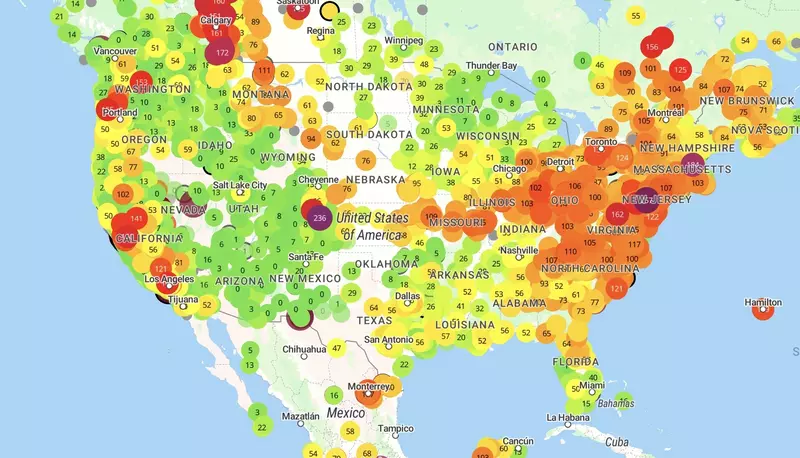
U.S. Cities With the Highest Cancer Mortality Rates – Search
Why Does Northern California have higher cancer incidence rates than Southern California,
Notes: State Cancer Profiles > Incidence Rates Table || Printable Maps
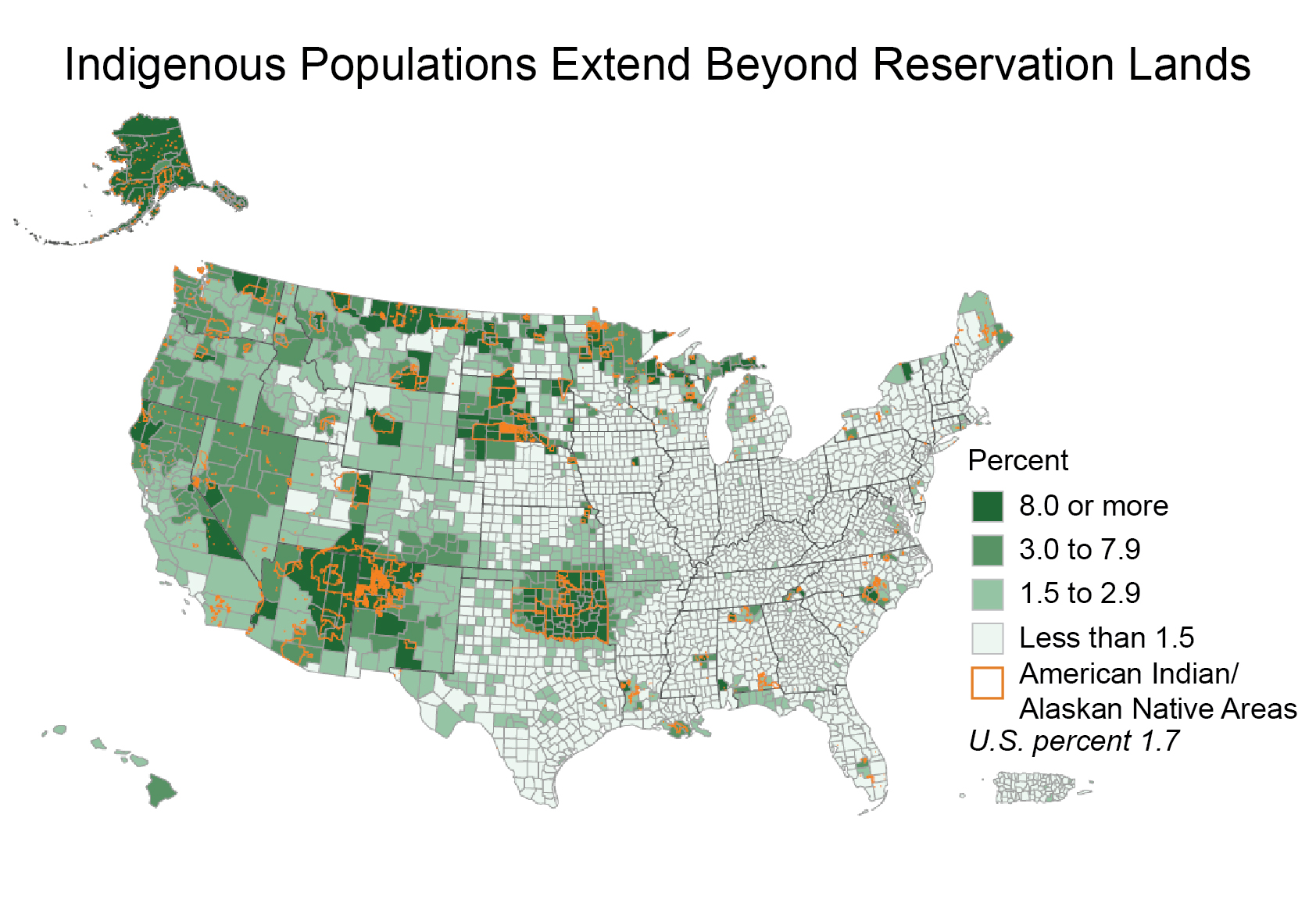
Native Americans Have Higher Cancer Rates – Search
Northern California does tend to show higher cancer incidence rates than Southern California, and while it’s tempting to pin that on environmental factors alone, the reality is more nuanced.
Here’s a breakdown of what might be driving the difference: One of History’s Biggest Natural Disasters Lies at the Base of California’s Mount Shasta | Watch
 Demographics & Lifestyle Factors
- Age distribution: Northern California counties often have older populations, and cancer risk increases with age.
- Education & reproductive patterns: Women in affluent areas like Marin or San Mateo tend to have children later and fewer of them, which increases lifetime exposure to estrogen — a known risk factor for breast cancer.
- Smoking & obesity: These behavioral factors vary by region and are linked to several cancer types.
 Environmental & Occupational Exposure
- Air and water quality: Some Northern counties have histories of industrial pollution or agricultural pesticide use, which can elevate cancer risks over time.
- Occupational risks: Higher cancer rates have been observed among workers in farming, meat processing, and manufacturing — industries more prevalent in certain Northern counties.
 Access to Screening & Diagnosis
- Better healthcare access in wealthier Northern counties may lead to more frequent screenings, which can increase reported incidence rates even if actual cancer occurrence isn’t higher.
- Late-stage diagnoses are more common in underserved areas, which can skew mortality statistics but not necessarily incidence.
 Statistical Clustering & Chance
- Cancer clusters can occur randomly, and sometimes what looks like a pattern is just statistical noise. Epidemiologists often investigate these clusters but rarely find a single environmental cause.
If you’re curious about a specific county or cancer type, I can dig deeper. Want to explore Marin vs. Los Angeles, for example?
1www.publichealth.lacounty.gov 2www.ccrcal.org 3stacker.com 4statecancerprofiles.cancer.gov
How do lifestyle factors vary between Northern and Southern California?
The lifestyle differences between Northern and Southern California are pretty striking — almost like two siblings with totally different personalities. Here’s how they diverge:
 Urban Vibe & Pace of Life
- Northern California is intellectual and tech-driven, especially around the Bay Area. Cities like San Francisco and Berkeley have a more progressive, activist spirit and a slower, more reflective pace.
- Southern California is fast-paced and entertainment-focused. LA and San Diego pulse with media, fashion, and beach culture — it’s more about hustle and image.
 Climate & Outdoor Culture
- NorCal has cooler, foggier weather (especially near the coast), which lends itself to hiking redwood forests, wine tasting in Napa, and cozying up in mountain cabins.
- SoCal boasts year-round sunshine and beach-perfect weather. Surfing, rollerblading, and outdoor yoga are practically lifestyle staples.
 Food & Wellness
- Northern California is the birthplace of the farm-to-table movement. Think organic markets, kombucha on tap, and vegan co-ops.
- Southern California is equally health-conscious but with a flashier twist — juice cleanses, celebrity-endorsed fitness studios, and trendy fusion cuisine.
 Attitudes & Values
- NorCal tends to be more introspective, eco-conscious, and tech-savvy. There’s a strong emphasis on sustainability and innovation.
- SoCal is more laid-back, image-driven, and culturally diverse. It’s about lifestyle branding, wellness aesthetics, and creative expression.
 Cost of Living & Housing
- Both regions are expensive, but:
- NorCal has sky-high housing costs in places like San Francisco and Palo Alto due to tech industry demand.
- SoCal is pricey too, especially in coastal cities like Santa Monica and Laguna Beach, but inland areas offer more affordability.
Want to compare specific cities like San Francisco vs. Los Angeles or Sacramento vs. San Diego? I can break it down even further.
What are the cultural differences between Northern and Southern California?
Northern and Southern California may share a state name, but culturally they often feel like two distinct worlds. Here’s a breakdown of their key differences:
 Mindset & Values
- Northern California tends to be more introspective, tech-driven, and eco-conscious. Think innovation, sustainability, and social activism.
- Southern California leans toward laid-back, image-conscious, and entertainment-focused values. It’s about lifestyle branding, creative expression, and beach vibes.
 Arts & Entertainment
- NorCal is known for indie music scenes, experimental theater, and literary culture — especially in places like Berkeley and San Francisco.
- SoCal is the global epicenter of film and television, with Hollywood shaping pop culture worldwide.
Food & Culinary Scene
- NorCal birthed the farm-to-table movement and is home to wine country and Michelin-starred restaurants.
- SoCal offers vibrant Mexican, Korean, and fusion cuisines, plus a strong street food and health-conscious scene (think acai bowls and juice cleanses).
 Lifestyle & Leisure
- Northern Californians often spend weekends hiking redwoods, wine tasting, or skiing in Tahoe.
- Southern Californians are more likely to hit the beach, surf, or visit theme parks like Disneyland and Universal Studios.
 Architecture & Urban Design
- NorCal cities like San Francisco showcase Victorian architecture and walkable neighborhoods.
- SoCal favors Spanish Colonial Revival styles and sprawling suburban layouts, with car culture deeply embedded.
 Language & Slang
- NorCal residents famously say “hella” and “yee-ahuh.”
- SoCal folks lean toward “you guys,” “yahh,” and sprinkle in surfer lingo like “gnarly” and “stoked”.
 Education & Industry
- NorCal is home to Stanford and UC Berkeley, with a strong tech and startup culture.
- SoCal boasts UCLA and USC, with deep ties to entertainment, fashion, and media.
Both regions are melting pots of global cultures, but they express that diversity in different ways.
Want to dive into how these cultural vibes affect politics, fashion, or even dating norms?

How do these cultural differences affect social interactions?
The cultural divide between Northern and Southern California doesn’t just shape how people live — it subtly influences how they connect, communicate, and build relationships. Here’s how those regional vibes ripple into social interactions:
Communication Style
- Northern Californians often favor thoughtful, nuanced conversations. There’s a tendency toward intellectual engagement, active listening, and respectful disagreement — especially in progressive hubs like Berkeley or Palo Alto.
- Southern Californians lean toward expressive, upbeat interactions. Conversations may be more casual, image-conscious, and centered around shared experiences like entertainment or wellness.
 Social Circles & Networking
- NorCal socializing often revolves around shared interests — tech meetups, book clubs, or environmental activism. Relationships may take longer to form but tend to be deep and purpose-driven.
- SoCal fosters fast-paced, fluid social networks. From beach parties to industry mixers, connections are often made quickly and span diverse backgrounds, especially in creative fields.
Personal Boundaries & Social Norms
- Northern California tends to value privacy and introspection. People may be more reserved initially, and social norms emphasize consent, inclusivity, and emotional intelligence.
- Southern California embraces openness and spontaneity. There’s a greater comfort with physical touch (like hugs), informal greetings, and sharing personal stories early on.
 Leisure & Interaction Spaces
- NorCal social life often unfolds in nature — hiking trails, wineries, or cozy cafés. These settings encourage slower, more reflective interactions.
- SoCal thrives on vibrant public spaces — beaches, rooftop bars, and wellness studios — where socializing is energetic and visually expressive.
 Social Causes & Conversations
- Northern Californians may engage in more politically charged or philosophical discussions, especially around sustainability, equity, and innovation.
- Southern Californians often center conversations around lifestyle, pop culture, and personal branding — though activism is strong in communities like Venice or Echo Park.
In short, NorCal interactions tend to be intentional and introspective, while SoCal ones are often dynamic and expressive.
Want to explore how these differences play out in dating, workplace culture, or family dynamics? I’ve got insights for all of it.
What impact do these differences have on family interactions?
The cultural contrasts between Northern and Southern California ripple into family life in subtle but meaningful ways. Here’s how they shape family interactions:
 Family Dynamics & Communication
- Northern California families often emphasize intentional communication and emotional intelligence. Discussions around feelings, boundaries, and values are common, especially in progressive communities.
- Southern California families may lean toward expressive and spontaneous interactions, with a focus on shared experiences like outings, entertainment, and wellness routines.
Parenting Styles
- NorCal parents tend to adopt conscious or attachment-based parenting, prioritizing autonomy, mindfulness, and eco-conscious values.
- SoCal parenting often blends laid-back attitudes with trend-driven approaches — from holistic wellness to social media-savvy parenting.
 Family Activities & Leisure
- Northern families might bond over nature hikes, museum visits, or volunteering for social causes.
- Southern families often gather around beach days, theme parks, or creative pursuits like dance, film, or art.
Multigenerational Interactions
- NorCal families may have more structured boundaries between generations, with respect for privacy and personal growth.
- SoCal families often embrace intergenerational closeness, with grandparents actively involved in childcare and family events.
 Education & Values
- Northern California families often prioritize academic achievement, innovation, and civic engagement.
- Southern California families may emphasize creativity, emotional well-being, and cultural diversity.
In essence, NorCal family life tends to be reflective and values-driven, while SoCal family life is often vibrant and experience-oriented. Want to explore how these differences show up in holiday traditions, family rituals, or even conflict resolution styles? I’d love to dive deeper.
What is the difference between Northern And Southern California’s family rituals, or even conflict resolution styles?
I’d love to dive deeper.
Absolutely, let’s dig into the cultural soil of California and see what blossoms  . While Northern and Southern California share many overarching American customs, their regional identities shape distinct family rituals and approaches to conflict resolution. Here’s a breakdown:
 Northern California: Family Rituals & Conflict Styles
Family Rituals
- Nature-centric traditions: Families often bond through outdoor activities like hiking in redwood forests, camping in Yosemite, or attending seasonal festivals like mushroom or wine harvest events.
- Cultural exchange: With strong Indigenous roots (e.g., Yurok, Pomo, Modoc), rituals may include storytelling, ceremonial dances, and gifting practices like the potlatch, which emphasizes generosity and community ties.
- Symbolic gifting: A unique example is the “California Lemon Ritual,” where families bring lemons to East Coast relatives as a symbol of West Coast abundance and connection.
Conflict Resolution Styles
- Collaborative and introspective: Influenced by progressive values and tech/startup culture, Northern Californians often favor collaborative problem-solving, open dialogue, and restorative practices.
- Community-based mediation: Schools and organizations may use peer mediation and restorative circles to resolve disputes, emphasizing empathy and mutual understanding.
Southern California: Family Rituals & Conflict Styles
Family Rituals
- Heritage-driven celebrations: With strong Latino, Asian, and Indigenous influences, family rituals often center around multi-generational gatherings, religious festivals, and food-centric traditions like tamale-making or Lunar New Year feasts,
- Spiritual practices: Tribes like the Cahuilla and Luiseño maintain ceremonies tied to nature, dreams, and ancestral spirits—such as the White Deerskin Dance or mourning rituals that involve symbolic offerings.
Conflict Resolution Styles
- Structured and expressive: Southern California’s diverse urban landscape fosters a mix of formal mediation services and expressive conflict styles, including assertive communication and emotional openness.
- Restorative justice in schools: Programs like the ABCs of Conflict train educators to use peer mediation and healing circles, especially in multicultural school settings.
 Key Differences
| Aspect | Northern California | Southern California |
|---|---|---|
| Family Rituals | Nature-based, symbolic gifting, Indigenous roots | Heritage-driven, spiritual ceremonies, food traditions |
| Conflict Resolution | Collaborative, introspective, community-led | Structured, expressive, restorative justice |
| Cultural Influences | Tech, progressive activism, Indigenous tribes | Latino, Asian, Indigenous, entertainment industry |
Would you like to explore how these styles show up in parenting, workplace dynamics, or even dating culture? I’ve got plenty more where that came from.
1www.discovering northern california.com 2california unpublished.com 3www.students history.com
4folklore.usc.edu 5www.westernjustice.org 6. Culture of California – Wikipedia
7. Traditions: Honoring Heritage, Ritual, and Family – Muzeo Museum and Cultural Center
8. Culture – Cahuilla Band of Indians | Tribal Sovereign Nation
9. The Luiseño of Southern California – Early California Resource Center
10. Workplace Conflict and Mediation – CalHR
11. Conflict Resolution Services San Diego