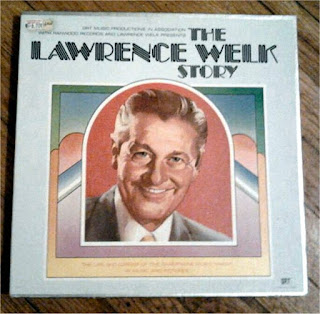
DJ Twain’s Lawrence Welk Collection: THE LAWRENCE WELK STORY
Lawrence Welk (1903-1992) was an American bandleader and television personality known for his “champagne music” and the long-running television show, The Lawrence Welk Show, which aired from 1951 to 1982.
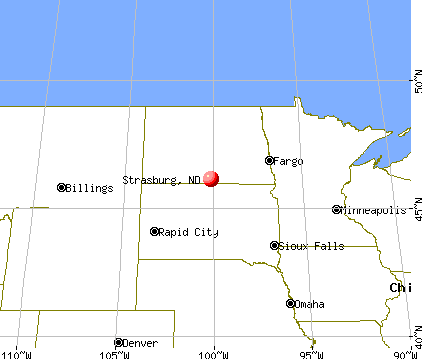
Lawrence Welk was born to German-Russian immigrant parents in Strasburg, North Dakota, where he developed a strong work ethic and love for music growing up on the family farmstead. Strasburg is a historically German-speaking city in Emmons County, North Dakota, United States. The population was 379 at the 2020 census. Strasburg was founded in 1902.
Lawrence Welk Homestead – Search Videos
After touring the Midwest in his 20s, he was scouted by ABC in 1955 to create the now-iconic “The Lawrence Welk Show,” which still runs on public television stations today. In this biographical documentary, explore the life and legacy of North Dakota’s music man, Lawrence Welk: A North Dakota Farm Boy | PBS
Early Life
Lawrence Welk was born on March 11, 1903, in Strasburg, North Dakota, to German immigrant parents. He was the sixth of eight children in a Roman Catholic family. His parents had emigrated from the Alsace-Lorraine region of France, fleeing religious persecution. The family lived on a homestead, and Welk began working on the farm at a young age, dropping out of school in the fourth grade. He did not learn to speak English until he was 21, growing up in a German-speaking community. Wikipedia+1
Musical Career Beginnings
Welk’s musical journey began when he persuaded his father to buy him an accordion. He started performing at local dances and events by the age of 13. Over the years, he formed several bands, including “The Hotsy-Totsy Boys” and “The Biggest Little Band in America.” His big break came when he moved to Los Angeles, where he began to gain national recognition. Wikipedia+1
The Lawrence Welk Show
On May 11, 1951, The Lawrence Welk Show began as a local program on KTLA in Los Angeles, the flagship station of the Paramount Television Network. The original show was broadcast from the since-demolished Aragon Ballroom at Venice Beach. Which featured a mix of music, dance, and comedy. The show became a staple of American television, known for its wholesome entertainment and catchy music. It was initially broadcast on ABC and later syndicated, running until 1982. Welk’s signature phrases, such as “wunnerful, wunnerful,” and his trademark bubble machine became iconic elements of the show. Wikipedia+1
Legacy and Impact
Welk’s show was particularly popular among conservative audiences, providing a counterbalance to the counterculture of the 1960s. He was known for his strict standards regarding the content of his show, refusing sponsorship from alcohol and cigarette companies. After retiring, he continued to manage his business interests, including real estate and music publishing. The Famous People+1
Welk passed away on May 17, 1992, but his legacy lives on through reruns of his show and the continued popularity of his music. His contributions to the entertainment industry have made him a beloved figure in American culture, and his childhood home in North Dakota has been preserved as a museum. Wikipedia+1
Conclusion
Lawrence Welk’s life story is a testament to his dedication to music and family-friendly entertainment. From humble beginnings to becoming a television icon, his journey reflects the American dream and the enduring appeal of wholesome entertainment.
 Lawrence Welk was a self-made music icon whose journey from a humble farm in North Dakota to national television stardom is a classic American success story.
 Early Life
- Born March 11, 1903, in Strasburg, North Dakota, to German-Russian immigrant parents.
- Grew up speaking German and didn’t learn English until age 21.
- Left school in fourth grade to work on the family farm, later persuading his father to buy him an accordion for $400—a huge sum at the time.
- Promised to work on the farm until age 21 to repay the cost of the accordion.
 Musical Beginnings
- Started performing at local dances and events as a teenager.
- Formed bands like The Hotsy-Totsy Boys and The Honolulu Fruit Gum Orchestra.
- Gained regional fame through radio performances in the Midwest, especially on WNAX in South Dakota.
 Rise to Fame
- Moved to Los Angeles in 1951 and launched The Lawrence Welk Show on KTLA.
- The show went national on ABC in 1955, featuring his signature “champagne music”—light, melodic, and danceable tunes.
- Known for his catchphrases like “Wunnerful, wunnerful!” and “Ah-one, ah-two!”, and for the iconic bubble machine on set.
 Show Legacy
- The show ran for 27 years, ending in 1982, and was syndicated across hundreds of stations.
- Welk was a strict producer, maintaining a wholesome image and refusing sponsorships from alcohol or tobacco companies.
- Featured a “musical family” of performers including the Lennon Sisters, Myron Floren, and the “Champagne Lady”.
 Business Ventures & Later Life
- Built a real estate empire including the Welk Resort in California.
- Acquired rights to over 20,000 songs, including the works of Jerome Kern.
- Authored two autobiographies: Wunnerful, Wunnerful! and Ah-One, Ah-Two!.
- Passed away on May 17, 1992, in Santa Monica, California, at age 89.
Lawrence Welk’s legacy lives on through reruns of his show, his music catalog, and the resort community he founded. He turned a modest accordion into a cultural phenomenon—and kept a song in his heart the whole way. Want to hear more about his musical style or famous guests from the show?
1en.wikipedia.org 2www.thefamouspeople.com 3www.imdb.com
4www.britannica.com 5www.encyclopedia.com
How did The Lawrence Welk Show influence American culture?
The Lawrence Welk Show had a surprisingly deep impact on American culture, especially in how it reflected and shaped values for a particular generation.
Preserving Traditional Entertainment
- Welk’s show championed big band and easy-listening music during a time when rock and roll and counterculture were rising.
- It offered a safe, wholesome alternative to edgier programming, appealing to older viewers and families who felt alienated by modern trends.
- His “champagne music” became synonymous with nostalgia and comfort, reinforcing a sense of continuity in a rapidly changing world.
 Promoting Family Values
- Welk curated a “Musical Family” of performers, emphasizing teamwork, respect, and moral decency.
- The show’s tone and content reflected Midwestern ideals—clean fun, modesty, and patriotism—which resonated with millions across the country.
 Cultural Counterbalance
- During the 1960s and ’70s, when TV was embracing youth culture, Welk’s show stood as a cultural counterweight, preserving older traditions.
- It was one of the few programs that targeted mature audiences, proving that entertainment didn’t have to chase trends to be successful.
 Syndication & Longevity
- After being dropped by ABC in 1971, Welk launched his own production company and thrived in syndication, often outperforming network shows.
- Reruns continue to air on PBS, keeping his legacy alive and introducing new generations to his style of entertainment.
 Academic & Cultural Legacy
- Scholars have studied Welk’s show as a cultural artifact, representing the values, anxieties, and aspirations of mid-20th-century America.
- His influence is still referenced in parodies, documentaries, and retrospectives, showing how deeply embedded he is in American pop culture.
Lawrence Welk didn’t just host a show—he built a cultural sanctuary for millions who wanted music, manners, and memories. Want to explore how his musical style evolved over the decades?
1www.avclub.com 2online.ucpress.edu 3www.jstor.org
4en.wikipedia.org 5www.welkmusicalfamily.com
What is the legacy of The Lawrence Welk Show today?
The Lawrence Welk Show continues to ripple through American culture like a gentle waltz—its legacy is both enduring and surprisingly vibrant.
Ongoing Broadcasts
- Reruns of the show still air on PBS stations across the U.S., especially on weekends, drawing loyal viewers who cherish its nostalgic charm2.
- These broadcasts introduce Welk’s “champagne music” to new generations, keeping his signature style alive.
Living Cast Members
- Several original cast members are still alive and occasionally participate in reunion specials or fan events, such as Mary Lou Metzger, Bob Ralston, Ralna English, and Bobby Burgess.
- Their continued presence helps maintain a personal connection to the show’s golden era.
Cultural & Academic Interest
- Scholars and fans alike view the show as a cultural time capsule, reflecting mid-20th-century values like modesty, patriotism, and family unity.
- It’s often referenced in documentaries, retrospectives, and even parodied in pop culture—proof of its lasting imprint.
 Welk Homestead & Museum
- Welk’s childhood home in Strasburg, North Dakota has been preserved as a museum, thanks to fan donations after Congress declined funding.
- It serves as a tribute to his humble beginnings and the American dream he embodied.
Influence on Music & Media
- Welk’s emphasis on wholesome entertainment paved the way for other family-friendly programming.
- His production model—syndicating the show after network cancellation—became a blueprint for independent media success.
In short, The Lawrence Welk Show isn’t just a relic—it’s a living legacy of music, manners, and mid-century Americana. Want to explore how his influence shows up in modern entertainment or music trends?
What are the current activities of the original cast members?
Many original cast members of The Lawrence Welk Show have gracefully transitioned into retirement, but a number of them remain active in ways that keep the spirit of the show alive.
 Still Active in Entertainment
- Kathie Sullivan continues to perform at retirement communities and senior centers, sharing music and memories with longtime fans.
- Bobby Burgess, the beloved dancer, occasionally appears at reunion events and special performances.
- Gail Farrell also participates in fan gatherings and musical retrospectives.
- Ralna English lives in Scottsdale, Arizona, and has been involved in gospel and country music performances.
Living Quiet Lives
- Bob Havens (trombone) and Bob Ralston (piano) are retired but still celebrated for their contributions. Ralston occasionally hosts concerts at his residence.
- Richard Maloof (bass/tuba) and Mary Lou Metzger (singer/dancer) are living privately but have appeared in reunion specials.
- Anacani, The Aldridge Sisters, and Ava Barber are alive and living in various parts of the U.S., occasionally engaging with fans.
Occasional Appearances
- Many cast members reunited for the 2001 PBS special Lawrence Welk: Milestones & Memories, and some have participated in similar events since.
- Jo Ann Castle, Guy Hovis, Cissy King, and Johnny Zell are among those who’ve made public appearances or shared updates through fan channels.
The Welk cast may no longer be on weekly television, but their music, charm, and legacy continue to sparkle through fan events, PBS reruns, and heartfelt performances. Want to dive into one of their solo careers or see how fans celebrate them today?
1crazyjackz.com 2www.answers.com
How is *The Lawrence Welk Show* celebrated by fans today?
 Fans of The Lawrence Welk Show continue to celebrate its legacy with enthusiasm, nostalgia, and community spirit—even decades after its final broadcast.
Weekly PBS Broadcasts
- The show still airs on over 200 PBS stations nationwide, often on Saturday evenings.
- It draws over 3 million viewers weekly, outperforming some cable networks on weekends.
- Episodes are often themed and hosted by surviving cast members who share behind-the-scenes stories.
Welk Homestead Celebrations
- The Welk Homestead in Strasburg, North Dakota hosts annual events honoring Welk’s life and heritage.
- In 2025, fans gathered for the 10th anniversary of the site’s state ownership, featuring:
- A statue dedication
- Live musical tributes
- A PBS documentary premiere
- Activities like rope-making and antique printing demos
Fan Reunions & Guest Appearances
- Cast members like Bobby Burgess, Gail Farrell, and Mary Lou Metzger still appear at reunion specials and fan events.
- These gatherings often include performances, meet-and-greets, and tributes to departed cast members.
 Books & Documentaries
- New biographies, such as Lawrence Welk: A North Dakota Legacy, continue to be published.
- Documentaries and retrospectives air on public television, keeping Welk’s story fresh for new audiences.
 Online Communities
- Fans connect through Facebook groups, fan forums, and local PBS station websites, sharing memories, trivia, and favorite performances.
- Some even organize viewing parties or themed events around classic episodes.
Lawrence Welk’s fans aren’t just reminiscing—they’re actively preserving a slice of Americana.
Want to explore how his influence shows up in today’s music or variety shows?
1www.remindmagazine.com 2www.bek.coop 3www.answers.com
Lawrence Welk Show full episodes – Search Videos