
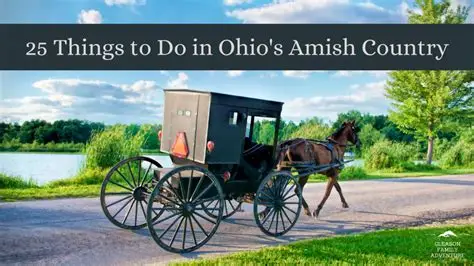
25 Things to Do in Ohio’s Amish Country – Gleason Family Adventure
Holmes County Houses the World’s Largest Amish Settlements
Lessons Learned in Amish Country | Cancer Quick Facts
Over 36,000 Amish people maintain their traditional way of life here (food, culture, and craftsmanship). Located 77 miles southwest of Cleveland and also 83 miles northeast of Columbus, this peaceful region offers a chance to experience authentic Amish traditions.
The rolling hills and 2,200 working farms create a serene backdrop.
Explore the simple yet fascinating Amish lifestyle that has remained largely unchanged since their settlement in the area in the 1800s.
Ever wondered what it feels like to step into a slower, simpler summer?
One where life moves with the sound of horseshoes, pies cool on windowsills, and sunsets stretch long over quilted fields?
Ohio’s Amish Country during peak summer isn’t loud or flashy; it’s honest, rich, and deeply rooted. From roadside markets to scenic drives, this is where summer slows down and traditions bloom in full.
Horse-drawn buggies pass by red barns and wide porches, while handmade goods fill local shops with warmth. Every stop feels personal, like a return to something you didn’t know you missed.
Keep reading to experience how summer transforms every corner of Amish Country.
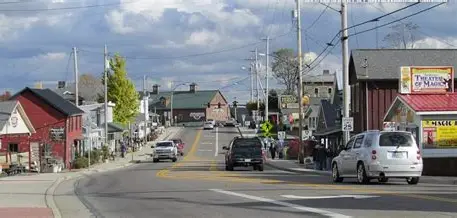
Berlin: Cultural Heart of Amish Country
Berlin in Holmes County welcomes many tourists with its shops, museums, and restaurants. The Amish and Mennonite Heritage Center offers the Behalt cyclorama. In summer, Berlin hosts Music on the Square concerts under the stars.
The Heritage Center opened in 1981 and now includes the restored schoolhouse and barn exhibit. The Behalt display took fourteen years to complete by one artist. It is called the only single‑artist cyclorama in the world.
Berlin’s Main Street holds over 50 restaurants, inns, hotels, and shops. You will find Amish baked goods, local cheeses, quilts, furniture, and home decor. Summer shopping includes sidewalk sales and artisan crafts that reflect tradition and quality.
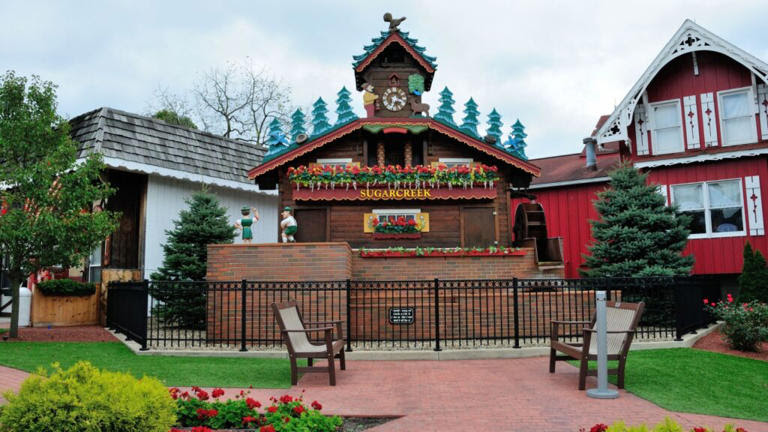
Sugarcreek: Little Switzerland Charm
Sugarcreek is nicknamed “Little Switzerland of Ohio” and is known for its giant cuckoo clock downtown. Locals and visitors take photos by the iconic clock standing in the center of town. It reflects Swiss roots and adds charm to the village.
The Farm at Walnut Creek lies nearby in Sugarcreek, offering pick‑your‑own berries, petting zoo wagon rides, and exotic animal encounters. It is a working farm that lets visitors interact with animals and nature in a fun setting.
The village feels peaceful yet alive in summer. Rolling hills, farmland, horse buggies, slow traffic, and fields of sunflowers and corn create serene rural landscapes. It is a restful place to unwind in nature.
 Related video: Experience the Hidden Gems of America’s Small Towns (Traveling World ) – Search
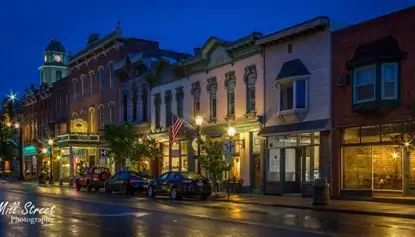
Ohio’s Amish Country – Search Source: Shutterstock
Millersburg: County Seat and Relaxation Retreat
Millersburg is the county seat of Holmes County, with a population of around 3,000. It offers quieter small-town charm and access to Main Street shops, theaters, festivals, and local eateries in summer.
Nearby, The Inn at Honey Run is a boutique adult‑only retreat built on 56 acres. The hotel offers walking trails, art installations, haiku paths, and fine dining. Honeycomb rooms carved into hillsides create a magical woodland stay.
Millersburg hosts community events, and summer weekends include markets, music, comedy shows, and food gatherings. Amish Country Theater in Berlin also screens comedy variety shows nearby. Guests can enjoy Haystack Hilarity or All‑Quacked Up performances.
Local shops and restaurants serve homemade ice cream pies, cheese, and family-style meals. Schloneger’s ice cream is a popular local favorite for dessert after exploring downtown and countryside stops in the warm season.
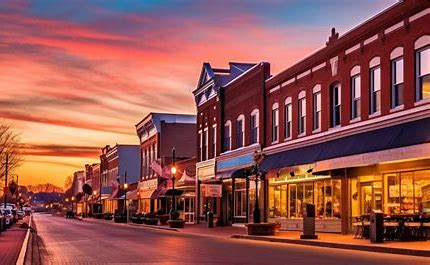
Walnut Creek: Marketplace and Culture Stop
Walnut Creek and nearby Berlin host the flea market featuring handmade jellies cheeses, quilts, crafts, and farm goods. Visitors can enjoy free samples and artisan baked goods amid vendor stalls and live music.
Local Amish Home and Farm tours operate from the Walnut Creek area. Guests tour actual Amish homes and farms, ride horse-drawn buggies, and learn about traditional life.
The Amish Country Theater presents shows featuring magic, comedy, and musicals. Productions like Haystack Hilarity All‑Quacked Up and family favorites run through summer weekends.
Walnut Creek also features scenic walking trails, galleries, and outdoor art displays. You might join a culture tour exploring woodland sculptures, murals, or heritage exhibits immersed in storytelling and creativity.
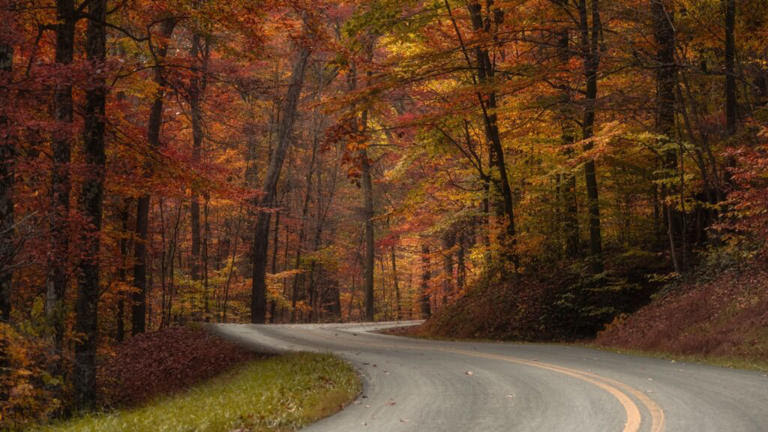
Scenic Drive: Amish Country Byway Loop
The Amish Country Scenic Byway spans roughly 76 miles through Holmes County. Route 39 and Route 62 link Berlin, Sugarcreek, Millersburg, and Walnut Creek. The loop offers peaceful backroad views of rolling farmland, horse buggies, and roadside stands.
Driving in summer gives sunny, warm days and lush green fields. You pass farms selling produce, flowers, and crafts. It is ideal for casual stops at farm stands or spontaneous photo breaks amid rural beauty.
Along the way you may spot Amish families working in fields, harvesting sweet corn berries, or tending livestock. Respectful observation and casual greetings let visitors experience daily life without disrupting traditions.
The loop includes access to Mohican State Park for hiking, kayaking, or trout fishing. Wooded trails, wetlands, and shaded picnic spots provide natural escapes beyond the towns and add variety to summer journeys.
Food & Markets: Tastes of Amish Country
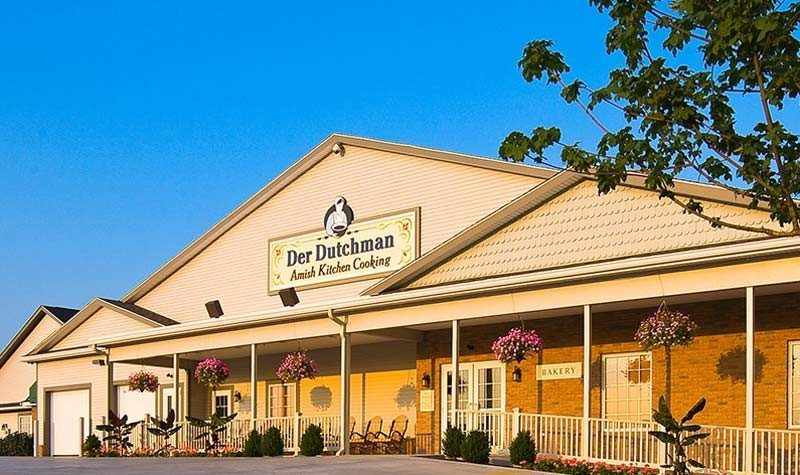
Sample local Amish home-cooked meals at Der Dutchman in Berlin, East Main Cafe in Baltic, or Mrs. Yoder’s Kitchen in Mt. Hope. These family-style restaurants serve hearty dishes, breads, pies, and local favorites.
Don’t skip the Walnut Creek flea market for handmade jams, syrups, pies, and cheeses. Friendly vendors often offer free samples. You can take home quilts, soap crafts, or novelty foods that reflect local craftsmanship and flavors.
Stop at Schloneger’s ice cream in Berlin or Millersburg for homemade cones and sundaes. Their old-fashioned recipes are a summertime highlight. Families and couples both rave about the fresh local ice cream options.
Also shop for Amish furniture, quilts, baskets, and décor. Lehman’s Hardware in Kidron offers non-electric tools, antiques, and crafts. Charm Mt Hope and Berlin shops show traditional woodworking and heirloom decor in scenic settings.
The Summer You Don’t Need to Escape From
You don’t leave Amish Country the same way you arrived. Something softer takes root, not just in memory, but in how you start to notice the quiet in your own life again.
Long after the roads flatten behind you, it’s the details that echo, the creak of a buggy wheel, the scent of fresh bread, the hush between breezes. These aren’t just moments; they’re reminders of what simplicity can give back.
Maybe the real takeaway isn’t just a place, but a pace, one that doesn’t demand, but invites. And if you’re lucky, a part of that rhythm follows you home, asking you to slow down just enough to hear yourself think.
TL;DR
- Amish Country offers a peaceful summer with buggies, fields, and handmade goods.
- Berlin features local shops, heritage exhibits, and free summer concerts.
- Sugarcreek charms with its giant clock, farms, and animal encounters.
- Millersburg mixes small‑town life with markets and cozy retreats.
- Walnut Creek offers flea markets, Amish tours, and summer shows.
- The scenic byway passes fields, farm stands, and Mohican State Park.
- Visitors enjoy family‑style meals, pies, ice cream, and artisan crafts.
Amish Cancer rates in Ohio increasing
 Amish Cancer Rates in Ohio: Lower Than Average
Contrary to what one might expect, cancer rates among the Amish population in Ohio are significantly lower than both state and national averages. Here’s what research has found:
 Key Findings from Ohio State University Study
- Overall cancer rates in Amish adults were:
- 60% of the age-adjusted rate for Ohio
- 56% of the national rate
- Tobacco-related cancers were especially low:
- Only 37% of the Ohio average
- Non-tobacco-related cancers were also reduced:
- About 72% of the Ohio average
 Possible Reasons for Lower Rates
- Lifestyle factors:
- Minimal tobacco and alcohol use
- Limited number of sexual partners
- Diets rich in homegrown, unprocessed foods
- High levels of physical activity
- Genetic factors:
- Despite a higher risk for some genetic disorders due to intermarriage, researchers suspect the Amish may carry protective genetic traits against cancer3
- Environmental exposure:
- Living in rural areas may reduce exposure to pollutants compared to urban populations
 Still a Mystery
Researchers are intrigued but cautious. While the data is compelling, the exact mechanisms—especially genetic ones—remain elusive. As one researcher put it, studying protective genetic traits is “like trying to find a black hole”.
Would you like to explore how these findings compare to other rural or religious communities? Or dive into how lifestyle changes might influence cancer risk more broadly?
1cancer.osu.edu 2en.wikipedia.org 3www.dispatch.com
How do these rates compare to other communities?
 Cancer Rates: Amish vs. Other Communities
The Amish community in Ohio stands out for its remarkably low cancer rates, especially when compared to other rural and religious populations. Here’s how they stack up:
 Rural Communities (General U.S. Population)
- Higher cancer death rates than urban areas, despite fewer new cases
- Common cancers with elevated rural mortality:
- Lung
- Colorectal
- Cervical
- Key contributing factors:
- Limited access to screening and treatment
- Fewer oncologists (only 5.6% practice in rural areas)
- Higher smoking and obesity rates
- Cultural stoicism may discourage seeking care
- Financial barriers:
- High out-of-pocket costs
- Lower insurance coverage
- Transportation challenges for treatment
 Religious Communities
 Urban Muslim Populations
- Screening rates vary:
- 56% of women had mammograms
- 83% had cervical cancer screenings
- 45% of men had prostate screenings
- 35% had colorectal screenings
- Faith influences behavior:
- Some rely on prayer over medical intervention
- Modesty and gender-concordant care preferences may limit screening uptake
 Christian Faith Communities
- Churches often provide emotional and spiritual support, but:
- Spiritual care is underutilized in cancer treatment plans
- Many pastors want training to better support cancer patients
- Faith-based settings can be powerful venues for health education and outreach
 Broader Religious Trends
- Religious attendance is generally associated with higher cancer screening rates, especially in the U.S.
- However, denomination and personal religiosity show mixed effects on screening behavior
 Comparison Summary
| Community Type | Cancer Incidence | Screening Access | Mortality Risk | Key Barriers |
|---|---|---|---|---|
| Amish (Ohio) | Very Low | Moderate | Low | Genetic traits, lifestyle |
| Rural (General) | Moderate | Low | High | Access, cost, cultural factors |
| Urban Muslim | Moderate | Mixed | Unknown | Modesty, faith-based decisions |
| Christian Churches | Varies | Increasing | Varies | Lack of spiritual care integration |
Would you like to explore how faith-based health initiatives could help reduce cancer disparities in rural areas? Or dive deeper into how lifestyle and genetics might protect the Amish?
1www.cdc.gov 2link.springer.com 3www.oatext.com
What specific factors contribute to the Amish’s low cancer rates?
Why Do the Amish Have Lower Cancer Rates?
Research into Amish communities—especially in Holmes County, Ohio—has revealed a fascinating combination of lifestyle, environmental, and genetic factors that contribute to their significantly lower cancer rates. Here’s a breakdown of the most compelling contributors:
 1. Lifestyle Choices
- Minimal tobacco and alcohol use: Tobacco-related cancers are dramatically lower among the Amish—only 37% of the Ohio average.
- Low sexual promiscuity: Reduces risk for cancers linked to HPV and other infections.
- Physically active lives: Farming, construction, and manual labor keep obesity rates low and physical fitness high.
- Homegrown diets: Amish families eat mostly unprocessed, home-raised foods, which may reduce exposure to carcinogens found in processed items.
 2. Environmental Factors
- Rural living: Less exposure to urban pollutants and industrial toxins.
- Sun protection habits: Despite working outdoors, Amish wear wide-brimmed hats and long sleeves, which helps prevent skin cancer.
- Lower stress levels: Strong community ties and family support may contribute to better overall health and resilience.
3. Genetic and Population Structure
- Closed gene pool: Descended from about 100 original settlers, the Amish have a unique genetic makeup that may include protective traits against cancer.
- Excellent genealogical records: Their well-documented family trees make them ideal for genetic studies.
- Mystery of protective genes: Researchers found no known cancer-causing mutations, suggesting the possibility of unknown protective genetic factors.
 4. Cultural and Behavioral Norms
- Avoidance of modern conveniences: Less exposure to radiation from electronics and chemicals in household products.
- Community-based health decisions: While they may delay seeking care, their communal lifestyle fosters early informal support and observation.
Would you like to explore how these protective factors could be adapted or studied for broader public health benefits? Or dive into the genetic research being done on Amish populations?
1cancer.osu.edu 2www.dispatch.com 3amishamerica.com
Can you elaborate on their diet and nutrition?
Amish Diet & Nutrition: A Key to Cancer Prevention
The Amish community’s dietary habits are deeply rooted in tradition, simplicity, and self-sufficiency—and they may play a major role in their lower cancer rates. Here’s a closer look at what sets their nutrition apart:
 1. Homegrown, Organic Produce
- No GMOs: Amish farms avoid genetically modified organisms, which may reduce inflammation and long-term health risks.
- Seasonal eating: Their meals are based on what’s grown locally and seasonally, which supports nutrient diversity and freshness.
- Preservation methods: Canning, fermenting, and drying are common, avoiding chemical preservatives.
 2. Healthy Fats
- Grass-fed dairy: Rich in vitamins A, E, and K2, which support immune function and cellular health.
- Natural animal fats: Used in cooking, but from animals raised without hormones or antibiotics.
- Minimal processed oils: They rarely use industrial seed oils linked to inflammation.
 3. Whole Grains & Homemade Breads
- Stone-ground flours: Often milled locally, preserving fiber and nutrients.
- Fermented doughs: Sourdough and other traditional methods improve digestibility and gut health.
 4. Low Sugar & Processed Foods
- Limited refined sugar: Sweets are homemade and consumed in moderation.
- No packaged snacks: Their diet avoids artificial additives, dyes, and preservatives common in processed foods.
 5. Herbal Remedies & Natural Supplements
- Many Amish families use herbs, teas, and vitamins as part of their health routines, often passed down through generations.
Nutritional Philosophy
- Food is seen as nourishment, not convenience.
- Meals are communal and home-cooked, reinforcing emotional well-being and mindful eating.
Would you like a sample Amish-style weekly meal plan or a breakdown of how their food choices compare to modern dietary guidelines?
1www.lifeadvancer.com 2www.cancertodaymag.org
How does their diet compare to modern diets?
 Amish Diet vs. Modern Diet: A Nutritional Showdown
The Amish diet is a fascinating blend of tradition, simplicity, and self-sufficiency—and it contrasts sharply with the typical modern American diet. Here’s how they differ across key nutritional dimensions:
1. Food Sourcing & Processing
| Feature | Amish Diet | Modern Diet |
|---|---|---|
| Food origin | Homegrown, locally sourced | Mass-produced, globally sourced |
| Processing level | Minimal to none | Highly processed, packaged |
| Preservatives | Rarely used | Common in snacks, frozen meals |
| Additives | Avoided | Artificial flavors, colors, sweeteners |
Amish families grow their own vegetables, raise livestock, and preserve food through canning and fermenting. In contrast, modern diets rely heavily on convenience foods with long shelf lives2.
2. Grains & Carbohydrates
- Amish: Whole grains, homemade breads, scratch-made noodles
- Modern: Refined flours, instant cereals, processed pasta
Amish bread is often made from stone-ground wheat or rye, free from preservatives. Modern bread tends to be enriched, bleached, and loaded with additives.
 3. Meat & Dairy
- Amish: Farm-raised, hormone-free meats and raw dairy
- Modern: Feedlot-raised meats, pasteurized dairy, processed cheeses
Amish meals feature traditional dishes like scrapple and roasted meats, often prepared from animals they raise themselves.
 4. Sugar & Sweets
- Amish: Homemade desserts, limited sugar intake
- Modern: High sugar consumption from sodas, snacks, cereals
While Amish enjoy pies and custards, they avoid sugary breakfast cereals and soft drinks. Candy is reserved for special occasions.
 5. Beverages
- Amish: Water, herbal teas, homemade juices
- Modern: Soda, energy drinks, flavored coffees
Water is the preferred drink in Amish homes, while sugary beverages dominate modern diets.
Health Impact
- Amish obesity rate: ~4%
- U.S. obesity rate: ~36.5%
- Amish children: One-third as likely to be obese as non-Amish kids
- Cancer, diabetes, cardiovascular disease: All significantly lower among Amish
Would you like a sample Amish-style meal plan or tips on how to incorporate some of their dietary habits into a modern lifestyle?
1www.restonyc.com 2homefavorites.net 3time.com
What are the health benefits of an Amish diet?
Health Benefits of the Amish Diet
The Amish diet, rooted in agrarian tradition and simplicity, offers a range of health benefits that contribute to their notably low rates of cancer, obesity, and chronic disease. Here’s a detailed look at how their eating habits support long-term wellness:
1. Whole, Unprocessed Foods
- Fresh produce from home gardens: Rich in vitamins, minerals, and antioxidants
- Minimal preservatives and additives: Reduces exposure to chemicals linked to inflammation and disease
- Traditional cooking methods like canning and fermenting help retain nutrients
 Benefit: Supports immune health, reduces oxidative stress, and lowers cancer risk2
2. Clean Meat & Dairy
- Grass-fed livestock: Provides lean protein and healthy fats
- Raw or minimally processed dairy: High in vitamins A, E, and K2
- No hormones or antibiotics: Avoids endocrine disruptors common in commercial products
Benefit: Promotes heart health, hormone balance, and strong bones
3. Whole Grains & Fiber
- Stone-ground flours and homemade breads
- High-fiber meals: Aid digestion and regulate blood sugar
Benefit: Reduces risk of Type 2 diabetes and supports gut health
4. Low Sugar Intake
- Desserts are homemade and occasional
- No sugary drinks or processed snacks
Benefit: Helps maintain healthy weight and reduces risk of metabolic syndrome
5. Physical Activity Synergy
- Their diet complements a lifestyle of intense physical labor, with Amish men averaging over 18,000 steps per day
Benefit: Combats obesity—only 4% of Amish are obese vs. 36.5% of the general U.S. population
6. Disease Prevention
- Cancer rates: 40% lower than Ohio average
- Diabetes: Rare among Amish adults
- Cardiovascular disease: Slightly elevated due to high-fat meals, but offset by physical activity
Benefit: Lower incidence of chronic diseases and better late-life health outcomes3
Would you like tips on how to adopt some Amish-style eating habits into a modern lifestyle—or maybe a sample weekly meal plan inspired by their traditions?
1time.com 2tastesfood.com 3caloriehealthy.com
The Ohio Amish Don’t Eat Cancer – Search
Ingredients in Amish Food – Search
How can I find Amish ingredients near me?
You’re in luck—there are several great places near you and throughout Ohio Amish Country where you can find authentic Amish ingredients, from bulk foods to fresh produce and homemade specialties. Here are some top spots to check out:
 Amish Markets & Stores Nearby
- Germantown Amish Market, Fresh Baked Goods, Meats, Fried Chicken Poultry & More | Home – Germantown, MD Offers a wide range of Amish goods including baked items, meats, cheeses, and produce.
- Fountain Acres Foods – Just Plain Business – Fountain City, IN A beloved grocery store with bulk foods, fresh produce, and Amish-made specialties.
- Amish Country Popcorn | Non-GMO Popcorn Kernels, Spices, Glazes, Oils – Berne, IN Specializes in non-GMO popcorn varieties grown and packaged by Amish families.
- Amish Heritage Country Market | Marysville Ohio | Amish Store – Marysville, OH Offers groceries, baked goods, and deli items with a strong Amish influence.
- Amish Market :: Shop Meats, Furniture, Food – PA Dutch Farmers Market – Annapolis Harbour Center, MD – Annapolis, MD A vibrant market with Amish vendors selling meats, cheeses, baked goods, and more.
- Amish Store 31 – Amish Store Locator – Ronks, PA Known for its selection of Amish groceries and bulk food items.
- Amish Ridge Bulk Foods & Variety Store – Just Plain Business – Somerset, OH A hidden gem for bulk ingredients, spices, and pantry staples.
- Amish Family Recipes Online Store – Lancaster, PA Offers traditional Amish recipe kits and ingredients for home cooking.
Local Options in Ohio Amish Country
- Troyer Market | Wholesome Foods from Amish Country – Millersburg, OH A massive store offering bulk foods, meats, cheeses, jar goods, and baked items.
- Local Produce & Specialties | Amish Country Ohio Foods – Explore roadside stands, farmers markets, and orchards for fresh seasonal produce, meats, and cheeses.
If you’re already in the heart of Amish Country. Keep an eye out for roadside produce stands, local farmers markets, and small-town grocery stores that carry Amish-made goods. Would you like help planning a food tour or finding a specific ingredient like roll butter or shoofly pie filling?
Are there specific Amish ingredients I should look for?
Absolutely! If you’re aiming to cook or stock your pantry like the Amish do, there are certain ingredients that stand out for their authenticity, versatility, and traditional use. Here’s a curated list of specific Amish ingredients to look for when shopping:
Pantry Staples
- Roll Butter
- Made from fresh cream, often churned by hand. Richer and creamier than store-bought butter.
- Lard or Schmaltz
- Used for frying, baking, and flavoring—especially in pie crusts and traditional dishes.
- Molasses
- A key ingredient in shoofly pie, baked beans, and spice cakes.
- Brown Sugar & Sorghum Syrup
- Adds depth to baked goods and sauces.
- Unbleached Flour (often in bulk)
- Used for breads, noodles, and pastries.
- Cornmeal
- Essential for mush, cornbread, and coating meats.
 Dairy & Protein
- Farm-Fresh Eggs
- Often brown, with rich yolks—used in everything from noodles to custards.
- Raw Milk or Whole Milk
- Used in baking, cheese-making, and creamy dishes.
- Cottage Cheese (dry curd style)
- Common in casseroles and salads.
- Ring Bologna or Summer Sausage
- Popular in Amish lunches and charcuterie.
- Smoked Meats (ham, bacon, chicken)
- Often cured or smoked using traditional methods.
Produce & Preserved Goods
- Home-Canned Vegetables & Fruits
- Look for jars of green beans, peaches, applesauce, and pickled beets.
- Apple Butter & Pumpkin Butter
- Spreadable fruit preserves with warm spices.
- Pickled Eggs & Chow-Chow
- Tangy, crunchy sides often served with meals.
- Dried Beans & Split Peas
- Used in soups and stews.
Baking Essentials
- Yeast (often sold in bulk)
- For breads, rolls, and sweet doughs.
- Cinnamon, Nutmeg, Cloves
- Heavily used in pies, cakes, and fruit preserves.
- Vanilla Extract (homemade or strong)
- Adds flavor to baked goods and puddings.
 Where to Find Them
- Bulk food stores – These often carry Amish-style ingredients in large quantities.
- Farmers markets – Look for homemade jams, pickles, and baked goods.
- Amish-run stores – They’ll have the most authentic selection, including items not found in mainstream groceries.
Would you like a printable checklist for shopping, or maybe a starter recipe using these ingredients—like Amish chicken pot pie or molasses cookies?
1www.amish365.com 2insanelygoodrecipes.com 3mastersofkitchen.com
1strengthandsunshine.com 2monkeyandmekitchenadventures.com
3pipingpotcurry.com 4munchyesta.com
Would you like me to calculate nutrition for other vegan Amish recipes like apple fritter bread or molasses cornmeal mush? I can also help you build a weekly vegan meal plan using these ingredients.
1ketosisguide.us 2monkeyandmekitchenadventures.com 3
Vegan Amish Onion Fritters Vegan Amish Creamy Cucumber Salad Amish White Bread Vegan Recipe
12 Amish Country Destinations That Still Feel Genuinely Traditional
Exploring Ohio’s Amish Country during peak summer season
Growing Up Amish: The Life Most People Don’t See
Amish Restaurants You Should Visit In The US