I Once had an Amish Doctor through my Trials, Tribulations and Travels had more Success treating cancer with the Nicholas Gonzalez Cancer Treatment then any Herb.
People always ask how I do all that I do…
Growth. Grace. Grind.
These aren’t just words, they’re the rhythm to my beat .
.
Growth means allowing yourself to evolve, even when it’s uncomfortable. 
Grace means showing yourself compassion through every step of the journey. 
Grind means staying committed, even when the path isn’t clear. 
The real flex though!? Balancing all three. 
You can be soft and powerful. Healing and hustling. Becoming and believing. 
Keep going. The version of you you’re working toward is already proud. 
#growthgracegrind #keepbecoming #doctierra #healingandhustling
#purposeinprogress #mentalhealthsupport #psychologist #nipseyhussle
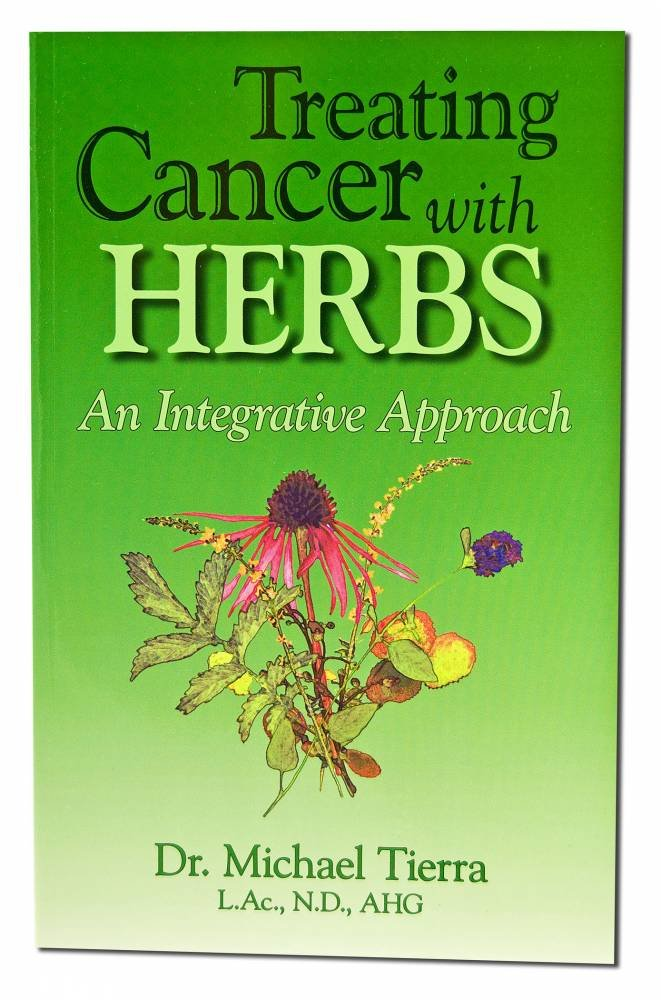
 “Treating Cancer with Herbs: An Integrative Approach” by Michael Tierra is a comprehensive guide that explores how herbal medicine can complement conventional cancer treatments. Here’s a quick overview:
 About the Book
- Author: Michael Tierra, a renowned herbalist and acupuncturist
- Published: May 13, 2003 by Lotus Press
- Length: 528 pages
- ISBN: 978-0914955931
- Approach: Offers a holistic framework combining Western and Eastern herbal traditions, nutrition, lifestyle changes, and emotional healing to support cancer patients2.
 Key Themes
- Root Cause Exploration: Emphasizes understanding the underlying causes of cancer, including environmental toxins, stress, and poor diet.
- Herbal Protocols: Details specific herbs and formulas used in Traditional Chinese Medicine and Western herbalism for various types of cancer.
- Integrative Care: Advocates for combining herbal support with conventional treatments like chemotherapy and radiation to improve outcomes and quality of life.
- Mind-Body Connection: Stresses the importance of emotional and psychological well-being in healing.
 Where to Find It
- Available on Amazon in paperback and Kindle formats
- Also listed on Simon & Schuster’s official site
1www.amazon.com 2www.simonandschuster.com 3books.google.com
What are some common herbs mentioned in the book?
Common Herbs Mentioned in Treating Cancer with Herbs: An Integrative Approach by Michael Tierra include a blend of Western and Traditional Chinese Medicine botanicals known for their immune-boosting, detoxifying, and anticancer properties. Here are some of the most frequently discussed:
 Frequently Used Herbs
| Herb | Traditional Use | Cancer-Related Benefits |
|---|---|---|
| Astragalus | TCM tonic for vitality and immunity | Enhances immune function, supports chemo |
| Burdock Root | Blood purifier in Western herbalism | Detoxification, antioxidant support |
| Bupleurum | Liver support in Chinese formulas | Clears inflammation, supports detox |
| Codonopsis | Qi tonic similar to ginseng | Strengthens digestion and immunity |
| Red Clover | Western herb for skin and lymph | Contains phytoestrogens, supports detox |
| Turmeric | Ayurvedic and culinary spice | Anti-inflammatory, antioxidant, anticancer |
| Green Tea | Widely consumed beverage | Rich in catechins, supports apoptosis |
| Reishi Mushroom | Immune modulator in TCM | Enhances immune response, reduces fatigue |
| Milk Thistle | Liver protector | Supports liver detox during treatment |
| Ginseng | Adaptogen and energy booster | Enhances stamina, immune support |
These herbs are often used in combination formulas tailored to the individual’s constitution, type of cancer, and treatment stage. Tierra emphasizes the importance of working with a qualified practitioner to ensure safety and effectiveness.
Would you like to explore how these herbs are used in specific cancer types or see sample herbal protocols from the book?
1
How are these herbs applied in specific cancers?
Herbal Applications for Specific Cancers In Treating Cancer with Herbs: An Integrative Approach, Michael Tierra outlines how different herbs and formulas are tailored to specific cancer types based on their energetic patterns, organ systems affected, and conventional treatment side effects.
Here’s a breakdown of how some herbs are applied:
 1. Lung Cancer
- Herbs Used: Astragalus, Cordyceps, Elecampane, and Schizandra
- Purpose: Strengthen lung Qi, support respiratory function, and enhance immunity
- Formulas: Often combined with expectorants and tonics to clear phlegm and strengthen lung tissue
2. Brain Tumors
- Herbs Used: Gotu Kola, Ginkgo Biloba, and Lion’s Mane Mushroom
- Purpose: Improve circulation to the brain, support nerve regeneration, and reduce inflammation
- Approach: Focuses on neuroprotective herbs and adaptogens to support cognitive function
 3. Digestive System Cancers (Stomach, Colon)
- Herbs Used: Turmeric, Ginger, Codonopsis, and Licorice Root
- Purpose: Reduce inflammation, support digestion, and protect mucosal linings
- Formulas: Often include bitters and tonics to enhance nutrient absorption and detoxification
 4. Breast Cancer
- Herbs Used: Red Clover, Chaste Tree Berry, and Dong Quai
- Purpose: Balance hormones, support lymphatic drainage, and detoxify
- Approach: Emphasizes phytoestrogens and liver-supporting herbs to modulate estrogen metabolism
 5. Leukemia and Lymphoma
- Herbs Used: Reishi Mushroom, Astragalus, and Echinacea
- Purpose: Boost immune function, support bone marrow, and reduce fatigue
- Formulas: Often include blood tonics and immune modulators
These protocols are not one-size-fits-all. Tierra stresses the importance of customizing herbal treatments based on the individual’s constitution, stage of cancer, and concurrent therapies. You can explore more about the book on 1www.amazon.com or on East West School of Herbology – Herb Whisperer
Can you provide more examples for each cancer type?
Absolutely! Here’s a deeper dive into how herbs are applied across different cancer types, with additional examples drawn from Michael Tierra’s integrative approach and other holistic sources:
 Lung Cancer
Herbs focus on clearing phlegm, reducing inflammation, and boosting immunity.
Additional Herbs:
- Turmeric: Curcumin inhibits lung cancer cell growth and reduces inflammation
- Ginger: Eases chemotherapy-induced nausea and has anti-cancer effects
- Garlic: Contains allicin, which may inhibit lung cancer cell proliferation
- Schizandra: Supports lung detox and adrenal function
- Cordyceps: Enhances oxygen uptake and lung vitality
Brain Tumors
Herbs aim to support neurological function, reduce inflammation, and inhibit tumor growth.
Additional Herbs:
- Green Tea: EGCG may inhibit brain tumor growth
- Turmeric: Curcumin disrupts cancer cell signaling and reduces inflammation
- Ashwagandha: Adaptogen that supports brain health and reduces oxidative stress
- Frankincense (Boswellia): Contains boswellic acids used adjunctively in glioblastoma care
- Bromelain: Enzyme from pineapple with anti-inflammatory effects on glioma cells
Digestive System Cancers (Stomach, Colon, Liver)
Herbs support digestion, detoxification, and reduce inflammation.
Additional Herbs:
- Astragalus: Boosts immunity and supports gut integrity
- Milk Thistle: Protects liver and aids detox during chemotherapy
- Maitake Mushroom: Enhances immune response and may inhibit tumor growth
- Licorice Root: Soothes mucosal linings and supports adrenal health
- Berberine (from Goldenseal or Coptis): Antimicrobial and anti-tumor effects in colon cancer
 Breast Cancer
Herbs are used to balance hormones, support lymphatic drainage, and modulate estrogen metabolism.
Additional Herbs:
- Black Cohosh: Used for hormone balancing, though caution is advised in estrogen-sensitive cases
- Red Clover: Contains isoflavones with potential anti-tumor activity
- Dong Quai: Supports blood and hormonal balance
- Chaste Tree Berry (Vitex): Regulates progesterone levels
- Turmeric: Anti-inflammatory and may inhibit breast cancer cell growth
Leukemia and Lymphoma
Herbs focus on immune modulation, detoxification, and supporting bone marrow.
Additional Herbs:
- Cleavers: Supports lymphatic drainage and immune response
- Parsley: May inhibit cancer-promoting proteins like EGF
- Pau d’Arco: Bark extract with anti-inflammatory and anti-tumor properties
- Olive Leaf: Boosts immunity and may inhibit leukemia cell growth
- Korean Red Ginseng: Induces apoptosis in leukemia cells
Would you like to explore how these herbs are combined into formulas or how Tierra integrates emotional and dietary healing into his protocols?
1gardenerbible.com 2brainwavetrail.com 3www.immunitytherapycenter.com 4www.frontiersin.org 5cancercenterforhealing.com 6herbal-supplements-and-breast-cancer.pdf 7Herbal Remedies for Leukemia | Healthfully 8John Hopkins herbs supplements – Search
9 Herbal Treatments for Lymphoma | New Hope Unlimited
Can you explain how these herbs interact with treatments?
Herbs and Cancer Treatments: How They Interact
Michael Tierra’s integrative approach emphasizes the synergistic potential of herbs when used alongside conventional cancer therapies like chemotherapy, radiation, and immunotherapy. However, modern research also highlights the risks of herb-drug interactions, which can affect treatment efficacy and safety. Here’s a breakdown of how these interactions work:
 Types of Herb-Drug Interactions
1. Pharmacokinetic Interactions
These affect how drugs are absorbed, metabolized, or eliminated.
- Example:
- Curcumin (Turmeric) and Reishi Mushroom can inhibit CYP450 enzymes, which are responsible for metabolizing many chemotherapy drugs. This may increase drug levels and toxicity.
- Green Tea may reduce the bioavailability of certain anticancer drugs by affecting drug transporters.
2. Pharmacodynamic Interactions
These influence the drug’s effect on the body.
- Example:
- Astragalus may enhance immune response, potentially synergizing with immunotherapy—but could also overstimulate the immune system if not monitored.
- Ginkgo Biloba may increase bleeding risk when combined with blood-thinning chemotherapy agents.
 Positive Synergies
Some herbs can enhance treatment outcomes or reduce side effects:
- Milk Thistle: Protects the liver during chemotherapy, reducing hepatotoxicity.
- Ginger: Alleviates nausea from chemo without interfering with drug action.
- Cordyceps: May improve energy and oxygen uptake, supporting recovery.
 Risks and Precautions
- Unregulated Supplements: Variability in potency and purity can lead to unpredictable effects.
- Undisclosed Use: Up to 70% of patients don’t tell their oncologists about herbal use, increasing risk.
- Timing Matters: Some herbs should be paused during active chemotherapy to avoid interference.
What Michael Tierra Recommends
- Individualized Protocols: Herbs are selected based on constitution, cancer type, and treatment phase.
- Practitioner Guidance: Always work with a qualified herbalist or integrative physician.
- Complement, Not Replace: Herbs are used to support—not substitute—conventional care.
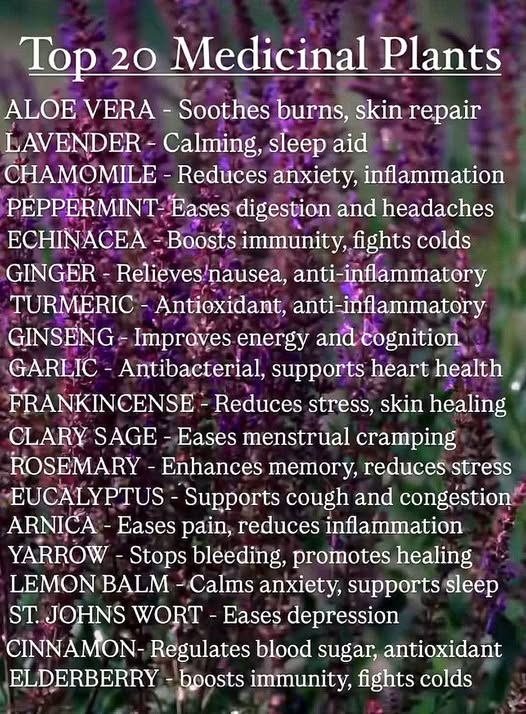
Let’s utilize what God gave us 🫒
What are the most common herb-drug interactions?
Most Common Herb-Drug Interactions in Cancer Care
Herbs can interact with cancer treatments in ways that either enhance or compromise their effectiveness. Based on insights from Michael Tierra’s work and recent clinical reviews2, here are some of the most frequently encountered herb-drug interactions:
High-Risk Interactions
| Herb | Interaction Type | Effect on Treatment |
|---|---|---|
| Curcumin (Turmeric) | CYP450 enzyme inhibition | May increase blood levels of chemotherapy drugs, raising toxicity risk |
| Green Tea (EGCG) | Drug transporter interference | Can reduce absorption of certain anticancer drugs |
| Reishi Mushroom | Immunomodulation & CYP inhibition | May enhance or suppress immune therapies; affects drug metabolism |
| Ginkgo Biloba | Antiplatelet effect | Increases bleeding risk when combined with blood thinners or chemo |
| Garlic | Anticoagulant effect | Similar bleeding risk; may also alter drug metabolism |
| St. John’s Wort | CYP3A4 induction | Can reduce effectiveness of chemotherapy by speeding up metabolism |
Supportive Interactions (With Caution)
| Herb | Benefit | Caution |
|---|---|---|
| Ginger | Reduces nausea from chemotherapy | May interact with anticoagulants |
| Milk Thistle | Protects liver from chemo toxicity | Can alter drug metabolism via liver enzymes |
| Astragalus | Boosts immunity and energy | May overstimulate immune system during immunotherapy |
| Cordyceps | Enhances oxygen uptake and stamina | Potential interaction with immunosuppressants |
| Ashwagandha | Reduces stress and fatigue | May interfere with sedatives or thyroid medications |
Key Takeaways
- Pharmacokinetic interactions affect how drugs are absorbed, metabolized, or excreted.
- Pharmacodynamic interactions influence how drugs act on the body.
- Timing and dosage are critical—some herbs should be paused during active chemotherapy.
- Disclosure is vital—up to 70% of patients don’t tell their doctors about herbal use.
For a deeper dive into the molecular mechanisms and risk prediction models, check out this https://johnshopkinshealthcare.NutritionalSupplements/Herbs/
Would you like help creating a personalized herb-safety checklist for someone undergoing treatment?
1www.pharmacytimes.com 2www.cancernetwork.com 3
Dr Michael Tierra > Cancer – Search Videos Bing Videos
Read More Microsoft Copilot: Your AI companion
Cancer Nutrition Facts – Search Videos