
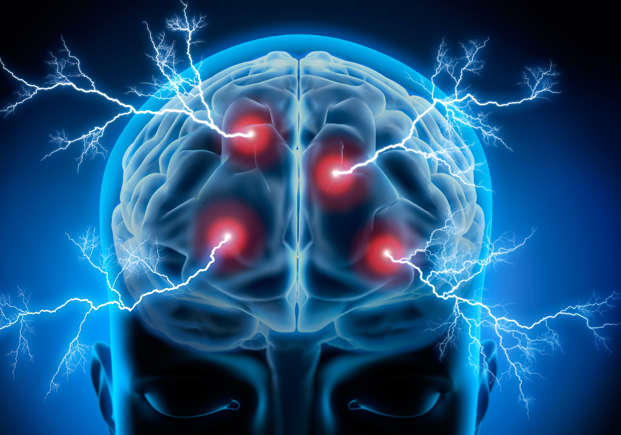
Scientists Discover Exercise Can ‘Rewrite’ Your Genetic Code in Just 20 Minutes
Twenty minutes of exercise just rewrote parts of your genetic code.
Research reveals how brief exercise sessions trigger genetic switches that boost metabolism, reduce inflammation, and activate longevity genes. That’s not an exaggeration—it’s cutting-edge science that’s revolutionizing how we understand fitness and aging. Researchers at the University of Copenhagen have discovered that even a single workout session triggers immediate changes in your DNA’s “switches,” activating protective genes while silencing harmful ones.
“Our findings provide a mechanism for the known beneficial effects of exercise,” explains lead researcher Dr. Romain Barrès, whose team found that exercise rewires enhancers in regions of DNA known to be associated with disease risk. These epigenetic modifications happen faster than anyone imagined, affecting everything from metabolism to inflammation to cellular repair.
1. Your DNA has millions of genetic “switches” that exercise can flip in minutes.
Scientists just discovered something amazing: exercise doesn’t just build muscle—it rewires your DNA to protect against disease. Think of your genetic code like a control panel with millions of switches called enhancers that turn genes on or off.
When you work out, you literally flip these genetic switches in your favor. Researchers found DNA methylation decreased after just one exercise session, meaning you’re activating protective genetic programs that were sitting dormant in your cells, The New York Times reported.
2. Exercise triggers immediate changes in genes that control inflammation and aging.
Within minutes of starting your workout, your cells begin producing different proteins that fight inflammation and cellular damage. Studies show that moderate exercise up-regulates the methylation status of genes involved in inflammatory signaling pathways. This means exercise literally turns down your body’s inflammatory response at the genetic level.
The genetic switches that exercise flips are connected to some pretty important stuff: how your body uses energy, how your cellular powerhouses (mitochondria) function, and how your muscles repair themselves. These lightning-fast genetic changes help explain why even a 10-minute walk or quick gym session can boost your health so dramatically—your DNA is literally getting to work the moment you start moving, according to Henry Ford Health.
3. Your muscles become genetic powerhouses that communicate with your entire body.
Scientists found that 531 exercise-activated genes help your muscles release special signaling molecules that travel to your brain, heart, and other organs. So when you work out, your muscles aren’t just getting stronger—they’re becoming hormone factories that send healthy messages throughout your entire body, according to AAAS research.
These muscle-made signals specifically boost your heart, brain, kidneys, and blood function. That’s why one workout can improve so many different parts of your health at once.
4. High-intensity exercise creates the most dramatic genetic changes.
The harder you work out, the more genetic switches flip in your favor. Endurance athletes actually have different baseline DNA patterns than couch potatoes, proving that intense training creates permanent genetic upgrades. But don’t worry if you’re just starting—beginners see immediate benefits too.
High-intensity workouts activate more protective genes and shut down more harmful ones than easy exercise. This means those tough 20-minute HIIT sessions might actually rewire your DNA better than hour-long leisurely walks.
5. Exercise literally turns on your cellular anti-aging machinery.
Just six months of regular cardio literally rewires your DNA to fight aging. Your cells already have anti-aging programs installed—they just need exercise to activate them. Working out boosts production of SIRT1 (your longevity protein) and cranks up DNA repair systems that fix cellular damage.
Exercise also turns on antioxidant genes that neutralize harmful molecules and fires up mitochondrial genes for better energy production. It’s basically like hitting a switch that tells your body to start running its own internal anti-aging program.
6. Your brain gets a genetic makeover every time you work out.
Just six months of regular workouts actually rewires your DNA to slow down aging. Your cells come pre-loaded with anti-aging software—exercise is what boots it up. Working out increases your longevity protein (SIRT1) and supercharges the repair systems that fix daily cellular damage.
Exercise also activates genes that fight harmful molecules and boosts your cellular power plants for better energy. It’s like flipping a master switch on your body’s built-in youth preservation system.
7. Even your fat cells get genetically reprogrammed by exercise.
Exercise doesn’t just change your muscle DNA—it reprograms your fat cells at the genetic level. About 63% of specific DNA sites in muscle tissue show reduced methylation after workouts, and your fat tissue gets similar upgrades. Your fat isn’t just sitting there storing energy—it’s an active organ that exercise completely rewires.
These genetic changes help fat cells burn more calories, fight inflammation, and better communicate with other organs. That’s why your metabolism stays boosted even hours after your workout ends.
A Sedentary Lifestyle Causes Dis`ease – Search Videos
8. The genetic benefits of exercise can be passed to your children.
Here’s something that’ll blow your mind: the genetic changes from your workouts might actually get passed down to your future children. Scientists are discovering that exercise-triggered DNA modifications can be inherited, potentially giving your kids better metabolism, stronger disease resistance, and improved physical abilities.
While researchers are still studying this phenomenon, early evidence suggests that staying active could literally give your future offspring a genetic advantage in life. Your gym sessions today might be the best gift you never knew you were giving your kids.
9. Different types of exercise create different genetic signatures.
Cardio and weight training literally rewrite different parts of your genetic code. Endurance athletes show more DNA changes overall than strength athletes, but both create unique genetic signatures.
When you do cardio, your body activates genes for energy production, heart adaptation, and fat burning. Hit the weights instead, and you’re turning on completely different genes focused on muscle building and protein creation. It’s incredible how your body tailors its genetic response to match exactly what you’re asking it to do.
10. The genetic changes happen faster than scientists ever imagined.
Your DNA starts changing the second you begin exercising, not weeks or months later like they originally thought. DNA methylation drops immediately after your first workout, proving that genetic reprogramming happens in real-time.
While longer training programs create deeper changes over 8 weeks, some genetic switches flip within minutes of starting a single workout session. Researchers studying muscle samples right after resistance exercise found that your genes literally start rewriting themselves before you’ve even finished your first set.
This genetic reprogramming explains why exercise is medicine.
Scientists now understand why exercise prevents practically every chronic disease—it’s literally changing the structure of your DNA. The genetic switches that flip during workouts target pathways involved in cancer prevention, heart disease, diabetes, brain health, and aging.
These DNA changes work by lowering your body’s baseline inflammation levels, which is the root cause of most chronic illnesses. It’s no wonder researchers are calling exercise one of the most powerful medical therapies we have—it’s reprogramming your genes to fight disease at the molecular level.
From Gym to Genes: Can Exercise Really Change Your DNA?
You rarely miss a workout (unless it’s a rest day). You’re unafraid to break a sweat and push your body to its limits. And why do you do it? The health benefits, of course! Not to mention it builds muscle definition, bone density, and improves metabolic health. But could there be another “sneaky” way it impacts your health? Could it affect your DNA, the genetic material that codes for everything from your appearance to your susceptibility to illness? Let’s look closer.
The Power of Epigenetics
While it may sound like science fiction or even something from the twilight zone, research suggests that working up a sweat through exercise may alter your genes, the long strands of DNA inside each of your cells. It doesn’t alter the genetic code itself. Instead, it changes how your genes express themselves or whether they express themselves at all.
Think of your DNA as a complex musical score, and epigenetics as the conductor that decides which parts will be loud or soft, fast, or slow, or even skipped entirely. Just as a conductor can interpret the same score in diverse ways, epigenetic modifications can lead to quite different outcomes from the same underlying DNA.
Epigenetics is a rapidly growing field. The best way to think of it is the study of how factors other than changes in the DNA sequence affect gene function and expression. Factors like lifestyle, environmental exposures, and even trauma can cause epigenetic changes that affect health and well-being, in positive or negative ways.
Exercise Leaves Marks on Your Genes
So how do we know that exercise affects how genes are expressed? In a groundbreaking study conducted by researchers at Karolinska Institute in Sweden, scientists discovered that only a few minutes of intense bicycling triggered epigenetic changes in the muscle cells of healthy volunteers.
The experiment was set up in an ingenious way. The subjects cycled vigorously on a stationary bike – but here’s the kicker. They only cycled with one leg while the other leg remained idle. This clever design meant that each participant served as their own control. This means any differences between the two legs were due to the exercise intervention.
After the intense cycling, scientists and healthcare professionals performed muscle biopsies on the legs of the participants. The results were mind-blowing! The legs that cycled intensely had modifications called methylations at thousands of sites along the muscle cell DNA. Methylations are tags that modify the expression of genes (epigenetically), either turning a gene off or on. Methylation is one type of epigenetic regulation of genes, changes that alter the expression of genes without changing the gene (or DNA) sequence. Exercise brought about these changes.
The researchers found that exercise-methylated genes are involved in insulin sensitivity, glucose and fat metabolism, and inflammation. In the exercised legs, activity altered these genes in a way that improved how they function. For example, insulin sensitivity improved, and inflammation declined.
Another type of epigenetic modification involves modifying chemical tags on DNA or the proteins that package DNA called histones. By modifying these tags, it changes gene expression. Methylation and histone modification are the two most common types of epigenetic mechanisms that affect how genes are expressed.
Also, be aware that unhealthy lifestyle habits, like smoking, drinking lots of alcohol, or eating an ultra-processed food diet, can have the opposite effect. It can modify gene expression in ways that worsen insulin resistance and inflammation.
Flexing Your Epigenome
The implications of this study for athletes and fitness buffs are profound and exciting. They suggest that even a brief bout of exercise can change gene expression through epigenetic mechanisms. Plus, exercise does it in a way that helps genes that affect health function better. Now take it one step further. Imagine the cumulative impact of a lifetime of gene modification from physical activity!
Regular exercise may subtly shape our gene expression in ways that boost health and cellular function. This could help explain why working out lowers the risk for so many health issues, from diabetes and heart disease to cancer and dementia.
Yet there are still questions. How long do these epigenetic changes last? What’s the optimal dose and what type of exercise is best? Can we target specific genes for maximal benefit? Researchers are asking these questions and looking for answers.
The Takeaway
Epigenetics is a young science, so there’s still much to learn. Yet one message rings loud and clear: what you do with your body today could resonate in your cells for years to come. Amazingly, there’s even evidence that epigenetic changes can pass down to future generations. It’s another reason to lead a healthy lifestyle during pregnancy. So, the next time you lace up your sneakers and head out the door, remember – you’re not just shaping your muscles, you’re shaping your DNA. And that may be the most profound workout of all.
What we know about epigenetics also illustrates how lifestyle can overcome some of the genetic cards we’re dealt with from birth. This is particularly true for health issues that are modifiable through lifestyle, like type 2 diabetes and cardiovascular disease. The message is empowering: the actions you take today and the choices you make matter. It also means you have more control over your health destiny than you think. So, what are you waiting for? Your genes are ready for their next workout!
References:
- Wu H, Hu Y, Jiang C, Chen C. Global scientific trends in research of epigenetic response to exercise: A bibliometric analysis. Heliyon. 2024 Feb 6;10(4): e25644. doi: 10.1016/j.heliyon.2024.e25644. PMID: 38370173; PMCID: PMC10869857.
- Plaza-Diaz J, Izquierdo D, Torres-Martos Á, Baig AT, Aguilera CM, Ruiz-Ojeda FJ. Impact of Physical Activity and Exercise on the Epigenome in Skeletal Muscle and Effects on Systemic Metabolism. Biomedicines. 2022 Jan 7;10(1):126. doi: 10.3390/biomedicines10010126. PMID: 35052805; PMCID: PMC8773693.
- Long-term endurance training impacts muscle epigenetics. News.ki.se. Published June 11, 2024. Accessed June 17, 2024. https://news.ki.se/long-term-endurance-training-impacts-muscle-epigenetics
- Jacques M, Hiam D, Craig J, Barrès R, Eynon N, Voisin S. Epigenetic changes in healthy human skeletal muscle following exercise- a systematic review. Epigenetics. 2019 Jul;14(7):633-648. doi: 10.1080/15592294.2019.1614416. Epub 2019 May 13. PMID: 31046576; PMCID: PMC6557592.
- Fabre O, Ingerslev LR, Garde C, Donkin I, Simar D, Barrès R. Exercise training alters the genomic response to acute exercise in human adipose tissue. Epigenomics. 2018 Aug;10(8):1033-1050. doi: 10.2217/epi-2018-0039. Epub 2018 Apr 19. PMID: 29671347; PMCID: PMC6190185.
- “Physical activity in the prevention of human diseases: role of ….” 14 Nov. 2017, https://bmcgenomics.biomedcentral.com/articles/10.1186/s12864-017-4193-5.
This Is The Age When Ageing ‘Accelerates’, According To New Research
The States With The Highest Obesity Rates—Ranked According To Data
Which states have the highest cancer rates? | USAFacts
Cathe Friedrich Workout & Exercise Videos – YouTube
cathe friedrich exercise videos youtube – Search Images
cathe friedrich full body workout video – Search
cathe friedrich full body workout pdf – Search
Cathe Friedrich full workouts – YouTube
Description
Our company was started by Cathe Friedrich and Chris Williams 30 years ago with the mission of producing no-nonsense high-quality workout and exercise videos that always follow a simple rule – If it doesn’t challenge you, it doesn’t change you!
Our videos are known for their outstanding quality, detailed chaptering, extra premixes and bonus footage as well as Cathe’s expert instruction and choreography. Cathe is a certified professional group fitness instructor who has been teaching fitness classes for over 30 years.
She is one of the most experienced fitness instructors in the world with over 20,000 hours of teaching experience and owns a large Gym in New Jersey where she continues to do what she loves – teach group fitness classes and help as many people as possible reach their fitness goals.
Today Cathe has produced over 550 workout videos, and she is excited to share them all with you on her new Cathe OnDemand and Cathe Live streaming channels and exercise DVDs.
Cathe Friedrich full workouts – YouTube
Related Articles By Cathe:
Longevity and Markers for Aging: is How Long You Live All in Your Genes?
How a Healthy Lifestyle Can Reprogram Your Genes for Better Health
Can Leading a Healthy Lifestyle Change Your Genes?
Can Changing Your Diet Change Your Genes?
How Fast Can Exercise Change Your Genes?
Does the Diet You Eat Alter Your Genes?
Love to Exercise: Is It in Your Genes?
Obesity Genes: Are Genetics Destiny When It Comes to Controlling Your Weight?
Scientists Discover Exercise Can ‘Rewrite’ Your Genetic Code in Just 20 Minutes
Nutritional Scientist Reveals How Improving Your Gut Health Leads to Weight Loss