Improve your physical, mental, and emotional health with the plant that is rewriting medicine as we know it. The Endocannabinoid System and Cannabis: – Search Videos
An ancient system designed to protect and heal, the endocannabinoid system is a group of receptors, molecules, and enzymes crucial to optimum health.
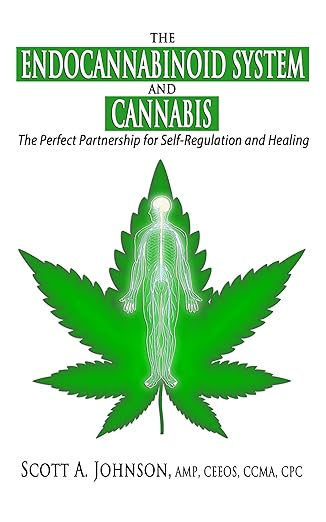
The Endocannabinoid System and Cannabis: A Perfect Partnership for Self-Regulation and Healing explores how this ancient system works and how the cannabis plant provides molecules that can heal and regulate multiple body functions. Whether an experienced cannabis user or a first-time explorer, you’ll be empowered to use cannabis to improve your
Dr. Scott A. Johnson’s book The Endocannabinoid System and Cannabis:The Perfect Partnership for Self-Regulation and Healing Kindle Edition by Dr. Scott A. Johnson – is a comprehensive guide to understanding how cannabis interacts with the body’s natural healing mechanisms. 

 What the Book Covers
- The Endocannabinoid System (ECS): Explains how this ancient system of receptors, molecules, and enzymes helps regulate physical, mental, and emotional health.
- Cannabis Compounds: Breaks down the roles of cannabinoids like THC, CBD, CBC, CBN, and THCV in supporting ECS function.
- Practical Guidance: Offers insights for both seasoned cannabis users and newcomers on how to use cannabis safely and effectively.
- Scientific Backing: Includes research and clinical perspectives on cannabis as a therapeutic tool for various conditions.
How does THC differ from CBD in effects?
Great question! THC and CBD are the two most well-known cannabinoids found in the cannabis plant, and while they share some similarities, their effects on the body are quite different.
Here’s a breakdown  :
:
THC (Tetrahydrocannabinol)
Psychoactive: THC is the compound responsible for the “high” associated with cannabis use.
Mood Alteration: It can cause euphoria, relaxation, or anxiety depending on the dose and individual.
Medical Uses: Often used to relieve pain, nausea, insomnia, and stimulate appetite.
Side Effects: May include dry mouth, red eyes, memory impairment, and increased heart rate.Drug Testing: THC will show up on most drug tests.
 CBD (Cannabidiol)
Non-Psychoactive: CBD does not produce a high.
Calming Effects: Known for reducing anxiety, inflammation, and seizures without intoxication.
Medical Uses: Used for epilepsy (e.g., Epidiolex), chronic pain, anxiety, and sleep disorders.Side Effects: Generally mild—may include fatigue, diarrhea, or changes in appetite.Drug Testing: May show up depending on purity and trace THC content.
How They Work
Both interact with the endocannabinoid system, but they bind to receptors differently.
THC binds directly to CB1 receptors in the brain, triggering psychoactive effects. CBD influences these receptors more subtly, often modulating their activity without direct binding.
If you’re considering using either for wellness or medical reasons, it’s worth exploring how they complement each other—some formulations balance both for synergistic effects. Want help comparing popular products or delivery methods next?
- Endocannabinoid system – Wikipedia Endocannabinoid System Explained: It breaks down this complex system of receptors, molecules, and enzymes that help regulate mood, pain, appetite, and more.
- Cannabis as a Healing Agent: Johnson details how compounds like THC and CBD can support self-regulation and healing across physical, mental, and emotional domains.
- Safe and Effective Use: Whether you’re new to cannabis or a seasoned user, the book offers practical advice on how to use it responsibly and effectively.
- Medical Perspectives: Includes endorsements from physicians who appreciate its clarity and usefulness in clinical settings.
 Where to Find It
You can check out: Amazon.com: Books or listen to the The Endocannabinoid System and Cannabis Audiobook by Dr. Scott A. Johnson【2}.
It’s also available in paperback if you prefer flipping real pages.
If you’re curious about how cannabis might support your health journey—or just want to understand the science behind the buzz—this book is a solid place to start. Want a quick summary of the ECS itself? I can break it down for you.
What are the potential health benefits of cannabis?
Cannabis has been studied for a wide range of potential health benefits, thanks to its active compounds—especially THC (tetrahydrocannabinol) and CBD (cannabidiol). While research is ongoing and effects can vary from person to person, here’s a breakdown of some of the most commonly reported benefits:
Physical Health Benefits
- Chronic Pain Relief: Cannabinoids interact with pain receptors and may help reduce inflammation and nerve-related pain2.
- Improved Lung Capacity: Surprisingly, some studies suggest that cannabis (when smoked) may not impair lung function like tobacco and could even improve lung capacity.
- Diabetes Regulation: Cannabis may help regulate insulin and stabilize blood sugar levels, potentially aiding in diabetes management.
- Cancer Symptom Relief: Cannabinoids have shown promise in alleviating nausea, pain, and appetite loss in cancer patients. Some studies even suggest anti-tumor properties.
- Bone Healing: CBD may help mend broken bones and strengthen them during the healing process.
Mental & Neurological Benefits
- Depression & Anxiety Relief: The endocannabinoid system plays a role in mood regulation, and cannabis may help stabilize mood and reduce anxiety2.
- PTSD Support: Some users report reduced intrusive thoughts and improved sleep, though effects can vary and may worsen certain symptoms.
- ADHD/ADD Management: Cannabis may improve focus and cognitive performance in some individuals.
- Seizure Control: CBD has been shown to reduce seizure frequency in certain types of epilepsy, such as Dravet syndrome.
- Autism Spectrum Support: Cannabis may help regulate mood and reduce aggression in children with autism.
 Addiction & Recovery
- Opioid & Alcohol Reduction: Some studies suggest cannabis may help reduce dependency on opioids and alcohol by offering alternative pain relief and mood support.
Of course, cannabis isn’t a one-size-fits-all remedy. It can have side effects and risks, especially when used excessively or without medical guidance. If you’re considering it for health reasons, it’s best to consult a healthcare provider who understands cannabinoid medicine.
Would you like a breakdown of the risks too, or maybe how different strains affect the body? 1www.healtheuropa.com 2www.medicalnewstoday.com
Partnership for Self-Regulation and Healing is a comprehensive guide that explores how cannabis interacts with the body’s endocannabinoid system to promote healing and balance.
- Understanding the Endocannabinoid System: It breaks down this ancient biological system—made up of receptors, molecules, and enzymes—that plays a key role in regulating mood, pain, appetite, and immune response.
- Cannabis Compounds Explained: The book dives into cannabinoids like THC, CBD, CBC, CBN, and THCV, explaining how each affects the body and contributes to therapeutic outcomes.
- Practical Guidance: Whether you’re new to cannabis or a seasoned user, Johnson offers insights on how to use it safely and effectively for physical, mental, and emotional health.
- Scientific Backing: The content is well-researched and includes references to studies and clinical experiences, making it accessible to both medical professionals and curious readers.
Dr. Scott A. Johnson’s The Endocannabinoid System and Cannabis: The Perfect Partnership for Self-Regulation and Healing offers a deep dive into how cannabis interacts with the body’s natural regulatory system to support healing and wellness.
Here are the key takeaways:
Core Findings from the Book
- The Endocannabinoid System (ECS) Is Vital The ECS is described as a foundational biological system that helps regulate mood, pain, appetite, sleep, immune response, and more. It consists of receptors (CB1 and CB2), endogenous cannabinoids (like anandamide and 2-AG), and enzymes that break them down.
- Cannabis Mimics and Enhances ECS Function Cannabinoids from the cannabis plant—especially THC and CBD—interact with ECS receptors to support balance and healing. THC primarily binds to CB1 receptors (affecting mood and perception), while CBD influences both CB1 and CB2 receptors more subtly, often enhancing the body’s own endocannabinoids.
- Therapeutic Potential Across Conditions The book outlines how cannabis may help with chronic pain, anxiety, inflammation, sleep disorders, neurodegenerative diseases, and even autoimmune conditions. It emphasizes cannabis as a non-pharmacologic alternative that aligns with the body’s natural healing mechanisms.
- Safety and Practical Use Johnson provides guidance on safe usage, dosing, and choosing the right cannabinoid profiles for different needs. He stresses the importance of individualized approaches and understanding the differences between cannabis strains and delivery methods.
- Bridging the Gap Between Science and Public Understanding The book is praised for making complex science accessible to both healthcare professionals and everyday readers. It encourages informed, responsible use of cannabis as part of a holistic health strategy.
If you’re curious about how cannabis could fit into your own wellness journey—or just want to understand the science behind it—this book is a solid resource. Want a breakdown of how CBD and THC differ in their effects? 1www.webmd.com 2www.healthline.com
Can you explain the role of THC and CBD in more detail?
Absolutely! THC and CBD are the two most prominent cannabinoids found in the cannabis plant, and they play very different roles in how cannabis affects the body—especially through the endocannabinoid system.
Let’s break it down 
THC (Tetrahydrocannabinol) – The Psychoactive Powerhouse
- Primary Action: THC binds directly to CB1 receptors in the brain and central nervous system.
- Effects:
- Produces the “high” or euphoric feeling
- Alters perception, mood, memory, and coordination
- Stimulates appetite (aka “the munchies”)
- Reduces nausea and vomiting
- Relieves pain and muscle spasms
- Therapeutic Uses:
- Often used for chronic pain, chemotherapy-induced nausea, glaucoma, and multiple sclerosis
- Side Effects:
- Anxiety or paranoia (especially in high doses)
- Dry mouth, red eyes, increased heart rate
- Short-term memory impairment
CBD (Cannabidiol) – The Balancer and Healer
- Primary Action: CBD doesn’t bind directly to CB1 or CB2 receptors. Instead, it modulates receptor activity and enhances the body’s own endocannabinoids.
- Effects:
- Non-psychoactive (does not cause a high)
- Calming and anti-anxiety properties
- Anti-inflammatory and neuroprotective
- Helps regulate mood and sleep
- Therapeutic Uses:
- Used for anxiety, epilepsy, inflammation, autoimmune disorders, and neurodegenerative diseases
- FDA-approved in the form of Epidiolex for certain types of epilepsy
- Side Effects:
- Generally well tolerated
- May cause drowsiness, appetite changes, or mild digestive issues
- Can interact with medications, so medical guidance is recommended
 Together: A Synergistic Duo
Dr. Scott A. Johnson emphasizes how THC and CBD can work in harmony:
- CBD can counterbalance some of THC’s psychoactive effects, reducing anxiety or paranoia.
- Using both cannabinoids together may offer enhanced therapeutic benefits—a concept known as the “entourage effect.”
If you’re curious about how to tailor cannabinoid use to specific health goals, I can help you explore strain profiles, delivery methods, or even build a personalized wellness plan. Want to go there next?
What are the different strains of cannabis?
Cannabis strains come in a dazzling array of types, each with its own personality—flavor, aroma, effects, and therapeutic potential. Think of them like different breeds of dogs: all part of the same species, but with wildly different traits.
Main Categories of Cannabis Strains
| Type | Traits | Common Effects |
|---|---|---|
| Indica | Short, bushy plants | Relaxing, sedative, body-focused |
| Sativa | Tall, thin plants | Energizing, uplifting, cerebral |
| Hybrid | Cross of Indica & Sativa | Balanced or tailored effects depending on genetics |
 Popular Strains and Their Profiles
Here’s a taste of some well-known strains and what they’re known for:
- Blue Dream (Hybrid): Sweet, berry aroma; creative and uplifting
- Granddaddy Purple (Indica): Grape flavor; deeply relaxing and sleep-inducing
- Sour Diesel (Hybrid/Sativa-dominant): Pungent, fuel-like scent; energizing and euphoric
- Girl Scout Cookies (GSC) (Hybrid): Sweet and earthy; relaxing and happy
- Gelato (Hybrid): Dessert-like flavor; relaxing with a touch of euphoria
- Jack Herer (Sativa): Earthy and piney; clear-headed and focused
- OG Kush (Hybrid): Earthy and citrusy; stress-relieving and euphoric
- Northern Lights (Indica): Spicy and sweet; calming and sleep-promoting
What Makes Strains Unique?
- Cannabinoid Content: THC and CBD levels vary widely, influencing psychoactive and therapeutic effects.
- Terpenes: These aromatic compounds (like myrcene, limonene, and caryophyllene) shape flavor and influence mood.
- Flavors & Aromas: From fruity and floral to earthy and diesel-like, each strain has a signature scent.
You can explore thousands of strains on Browse All Marijuana Strains on Leafly | Leafly, or check out Cannabis (Weed) Strains: Types, Effects, & Differences for a more clinical overview.
Want help picking a strain based on your goals—like sleep, creativity, or pain relief?
1www.leafly.com 2www.webmd.com
Popular Cannabis Strains
Here are some well-known strains and what they’re known for:
- Blue Dream (Hybrid): Sweet, berry aroma; creative and uplifting
- OG Kush (Hybrid): Earthy, pine scent; relaxing and euphoric
- Sour Diesel (Sativa): Pungent, diesel-like smell; energizing and cerebral
- Granddaddy Purple (Indica): Grape flavor; deeply relaxing and sleep-inducing
- Jack Herer (Sativa): Spicy, pine aroma; clear-headed and focused
- Gelato (Hybrid): Dessert-like flavor; balanced and euphoric
- Northern Lights (Indica): Smooth and spicy; calming and sleep-friendly
You can explore thousands more on Leafly’s strain database. – Search
Want help picking a strain based on mood or medical need? I can help tailor suggestions.
Help me find a specific strain based on effects.
Absolutely, I’ve got you covered . Let’s narrow it down based on what kind of experience you’re looking for. Here are a few common effect categories—just let me know which one fits your vibe, and I’ll suggest strains that match:
 Effect Categories
| Desired Effect | What You Might Feel | Ideal For |
|---|---|---|
| Relaxation | Calm, body-heavy, mellow | Stress relief, winding down |
| Euphoria | Happy, uplifted, giggly | Socializing, mood boost |
| Focus & Creativity | Clear-headed, inspired, alert | Work, art, brainstorming |
| Pain Relief | Physical comfort, reduced tension | Chronic pain, inflammation |
| Sleep Aid | Drowsy, sedated, tranquil | Insomnia, nighttime use |
| Energy & Motivation | Uplifted, active, mentally sharp | Daytime use, fatigue |
Bonus: Want to go deeper?
If you know your tolerance or preferences, I can tailor it even more:
- THC vs. CBD: High THC for strong psychoactive effects; high CBD for therapeutic, non-intoxicating relief
- Flavor/Terpene Profile: Fruity, earthy, citrusy, spicy—each terpene adds a twist to the experience
Just tell me what kind of effect you’re after—or even what mood or activity you want to pair it with—and I’ll match you with a few standout strains. Want something chill for evenings, or a spark for your creative mornings?
Help me find a specific strain based on effects.
Absolutely, I’ve got you covered . Let’s narrow it down based on what kind of experience you’re looking for. Here are a few common effect categories—just let me know which one fits your vibe, and I’ll suggest strains that match:
Effect Categories
| Desired Effect | What You Might Feel | Ideal For |
|---|---|---|
| Relaxation | Calm, body-heavy, mellow | Stress relief, winding down |
| Euphoria | Happy, uplifted, giggly | Socializing, mood boost |
| Focus & Creativity | Clear-headed, inspired, alert | Work, art, brainstorming |
| Pain Relief | Physical comfort, reduced tension | Chronic pain, inflammation |
| Sleep Aid | Drowsy, sedated, tranquil | Insomnia, nighttime use |
| Energy & Motivation | Uplifted, active, mentally sharp | Daytime use, fatigue |
Bonus: Want to go deeper?
If you know your tolerance or preferences, I can tailor it even more:
- THC vs. CBD: High THC for strong psychoactive effects; high CBD for therapeutic, non-intoxicating relief
- Flavor/Terpene Profile: Fruity, earthy, citrusy, spicy—each terpene adds a twist to the experience
- WATCH: Your Terpene Toolbox: Choosing the Right Terpenes for Your Condition
- WATCH: 13 Cannabis Terpenes You Should Know
Just tell me what kind of effect you’re after—or even what mood or activity you want to pair it with—and I’ll match you with a few standout strains. Want something chill for evenings, or a spark for your creative mornings?
Popular Strains by Type
 Indica-Dominant
- Northern Lights: Deep relaxation, sleep-friendly
- Granddaddy Purple: Grape flavor, stress relief
- Ice Cream Cake: Sweet, calming, great for winding down
 Sativa-Dominant
- Jack Herer: Focused, creative, named after a cannabis activist2
- Sour Diesel: Energetic, pungent aroma, daytime use
- Ghost Train Haze: High THC, piney, may help with mood
Hybrids
- Blue Dream: Uplifting yet relaxing, berry flavor2
- Gelato: Euphoric, dessert-like aroma
- Wedding Cake: Balanced, relaxing, slightly sedative
- GSC (Girl Scout Cookies): Happy, mellow, great for stress
What Makes a Strain Unique?
- THC & CBD Levels: THC gives the “high,” CBD offers therapeutic effects
- Terpenes: Aromatic compounds like myrcene, limonene, and caryophyllene influence flavor and mood
- Cannabinoids: Beyond THC and CBD, others like CBG and CBN play roles in healing and regulation
You can explore thousands more on Browse All Marijuana Strains on Leafly | Leafly or dive into Cannabis Strains: Types, Effects, and What to Know
Want help choosing a strain based on your mood, goals, or medical needs?
Each strain also contains unique terpenes (aromatic compounds) and varying levels of THC and CBD, which influence its effects.
Cannabis can be a powerful ally for people managing cancer symptoms, but the “best” strain depends on the specific challenges you’re facing—like pain, nausea, appetite loss, fatigue, or anxiety. Here’s a breakdown of strains that have shown promise for different cancer-related symptoms, based on expert insights and patient experiences:
Top Cannabis Strains for Cancer-Related Relief
| Symptom | Recommended Strains | Notes |
|---|---|---|
| Pain Relief | Blackberry Kush, Harlequin | Blackberry Kush is THC-heavy and sedating; Harlequin offers balanced THC/CBD for clear-headed relief |
| Nausea | Northern Lights, Blueberry Diesel | Both are fast-acting and calming for upset stomachs |
| Appetite Loss | Skywalker OG, Lemon Sour Diesel | THC-rich strains that stimulate hunger |
| Fatigue/Depression | Charlotte’s Web, ACDC | High-CBD strains that uplift without intoxication |
| Sleep Issues | Granddaddy Purple, Ice Cream Cake | Indica-dominant strains for deep rest |
Why These Strains Work
- THC helps with pain, nausea, and appetite stimulation.
- CBD offers anti-inflammatory and anti-anxiety effects without the high.
- Terpenes like myrcene (sedating), limonene (uplifting), and caryophyllene (pain relief) add therapeutic depth.
 A Note on Cancer Types
While no strain “cures” cancer, some research suggests cannabinoids may inhibit tumor growth in certain types. However, this is still under investigation and should never replace conventional treatment. Always consult your oncologist or a medical cannabis specialist before starting.
You can explore more detailed recommendations on The best cannabis strains for cancer-related symptoms | Leafly or 4 Strains for Killing Cancer: Comparing Their Effects and Risks | Leafy DOC
If you tell me which symptoms you’re targeting or what kind of cancer you’re dealing with, I can help you narrow it down even further. READ MORE: Search Results for Cannabis Oil | Cancer Quick Facts