
Lorenzo Cohen, PhD and Alison Jefferies, MEd

The evidence is in: You can reduce cancer risk and support treatment by focusing on six key areas of health and wellness. The scientific data on the link between lifestyle, environmental factors, and cancer risk has been accumulating at an accelerated rate over the past decade: Every week, we learn something more that we can do as individuals to decrease the risk of cancer and improve the likelihood of long-term survival.
Many of us – patients and doctors included – do not realize that changes in our daily choices and habits can improve quality of life, increase the chances of survival, and aid in the healing process for those with a diagnosis. These ideas were pioneered in David Servan-Schreiber’s Anticancer: A New Way of Life and became the basis for a research study developed by Lorenzo Cohen and Servan-Schreiber at The University of Texas MD Anderson Cancer Center.
Introducing the concept of the “Mix of Six”, Cohen and Alison Jefferies make an informed case that building social and emotional support; managing stress; improving sleep, exercise, and diet; and minimizing exposure to environmental toxins work together to promote an optimal environment for health and well-being. While each plays an independent role, the synergy created by all six factors can radically transform health, delay or prevent many cancers, support conventional treatments, and significantly improve quality of life – as many testimonies and stories of those in the anticancer community eloquently show.
Anticancer Living provides an accessible, prescriptive guide to wellness based on the latest scientific findings and clinical trials, and it showcases the community of doctors, researchers, caregivers, and patients who have been inspired to create change.
Cancer is a leading cause of death in the world.
In the United States one in two men and one in three women will be diagnosed with cancer in their lifetime. Yet, there is irrefutable evidence that the majority of cancer and the suffering that follows can be prevented through appropriate lifestyle choices. These same lifestyle factors influence outcomes for those with cancer.
As our year is coming to an end and New Year’s resolutions are being formed, it is time review your goals, establish what is feasible, and set yourself up for the most success for AntiCancer Living in 2017. AntiCancer Living consists of six lifestyle pillars of health that are linked with cancer risk and influence outcomes for those with cancer:
1) Love and support
2) Stress management
3) Sleep
4) Diet
5) Physical activity
6) Environmental toxins
(note: tobacco use accounts for at least 30% of cancer, but hopefully the world knows this already)
Each of these factors influences critical biological systems like gene expression and other key regulators of the cancer process. Although scientific evidence supports the role of each of the six areas for health and wellbeing, past research has rarely studied them together. However, emerging evidence reveals the best approach is to have the ideal mix of six, as each area influences the other (e.g., sleep deprivation is linked with unhealthy dietary choices and obesity; stress can cause sleep loss, modifies food metabolism, and sabotages all healthy choices, etc.).
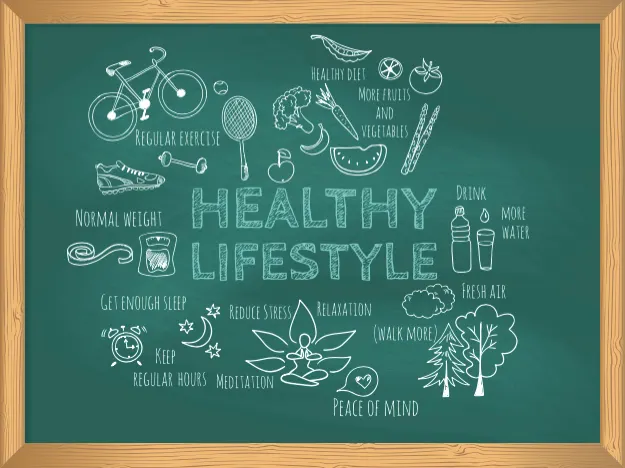
The following are the basic tenets, along with three simple tips, for AntiCancer Living. Follow this prescription if you wish to improve your health, decrease cancer risk, or improve your health if you have cancer.
To reinvigorate yourself as we move into winter, look at your own mix of six. First, set yourself up for success by engaging in some preparation. We recommend starting with Love and Support and then ensuring that stress does not sabotage your efforts to improve your sleep, diet, and physical activity habits. Remember, in order to foster our own wellness we must be mindful about every choice we make as we engage in daily life. Don’t forget the pebble in the pond metaphor; one small step has a ripple effect and will improve your mix of six.
Love and support: Seek to foster, surround yourself with, and deliver love and support. Giving and receiving support provides broad benefits, and can specifically affect how our cells function and express the genes that control our health.
1. Engage your friends to help you start AntiCancer Living. Build your team — who will support your changes and even join in the fun?
2. Look for opportunities to share experiences with those you love vs. giving rewards like food and material items.
3. Affirm yourself for who you are and all you do. Then reach out and affirm another person with a specific observation of their strengths or provide them with some needed support.
Stress Management: Engage in a stress management activity like meditation or yoga on a daily basis — in the morning, before bed, or when you need a “breather” in the middle of a busy day. This aspect of the prescription is critical, as chronic stress has not only been found to sabotage all good healthy intentions, but can negatively affect most biological processes, decreases the beneficial effects of healthy foods, and literally speeds the aging process.
1. Make an appointment on your calendar with yourself to meditate for at least 10 minutes a day. You can also do a movement-based mind-body practice daily like yoga or tai chi.
2. Be mindful in the moment. When stress mounts: stop, ground, and center before acting (stop what you are doing and take a few deep breaths to help clear your mind; literally ground yourself with both feet on the ground, scan your body and relax; center yourself by acknowledging the trigger, envision the ideal outcome, and act on it from a place of calm).
3. Participate in a six-week challenge of something new with a friend. If you are not engaging in a regular mind-body practice then find a friend and commit to exploring a new practice for 6 weeks.
Sleep: Try to get between 7 to 8 hours of sleep a night to improve your health, coping, mood, weight control, cognitive function, and more. Children and teenagers need more than 8 hours of sleep a night. More details are available at the National Sleep Foundation.
1. Establish a bedtime for yourself and your children and stick to it. Keep weekday and weekend bedtimes similar to ensure you get the required amount of sleep each night.
2. Reduce ambient light in the bedroom.
3. Eliminate screen time before bed (TV, smartphone, backlit tablet, etc.) and carefully monitor and reduce stimulants like caffeine, alcohol, and sugar.
Diet: Eat a primarily whole-foods, variety-filled, plant-based diet. Limit foods you know are not nutritious powerhouses (sweets and salty snacks) and maintain a balanced glycemic load. Research confirms this approach will improve health and decrease risk of most non-communicable diseases while improving outcomes for those with cancer, diabetes, and cardiovascular disease.
1. Cook in the morning when you are getting ready for work (put the beans and brown rice on while you shower) and cook for more than one meal at a time.
2. Fill half of your plate with vegetables. Decide on the vegetables first when planning a meal. Keeping the daily requirement of 5–7 servings of vegetables in mind, you will likely need to eat vegetables at breakfast. Try replacing meat with beans four times a week.
3. Look for sugar in EVERY product you buy — snacks, cereals, tomato sauces, and other processed foods are loaded with sugar. Whenever possible, refrain from buying and eating processed foods.
Physical Activity: Exercise regularly — at least 30 minutes a day, 5–6 days a week, and children need at least 1 hour a day. It is critical to also limit sedentary behavior, as the harms of sedentary behavior and lack of exercise are equivalent to the health risks of smoking or obesity.
1. Wear a pedometer and make sure you take a minimum of 10,000 steps a day. Make an effort to sit less and stand more. Children need 15,000–20,000 steps a day.
2. Incorporate physical activity when you can throughout your day. For example, always take the stairs, walk on escalators or moving walkways, park in the farthest spot in the parking lot from your destination, conduct walking meetings, and stand at your desk (buy or make a standing desk) or when watching TV, etc.
3. Incorporate exercise throughout the day. Even 10-minute bouts every 2 hours count toward daily exercise.
Environmental toxins: Limit your exposure to environmental toxins, especially endocrine (hormone) disruptors such as bisphenol A (BPA) and parabens. Hormone disruptors have been implicated in obesity, risk of cancer, and other illnesses. Other chemicals we are exposed to on a daily basis have also been classified as carcinogens (Styrofoam, formaldehyde, and triclosan to name a few).
1. Use glass containers for storage and stainless steel water bottles in order to reduce exposure to plastics that contain BPA or other plastic-based endocrine disruptors.
2. In personal-care products read the ingredients list and avoid parabens, other –“bens,” phthalates, tricolsan, and products with the term fragrance. All of these products are endocrine disruptors and/or carcinogenic.
3. Visit the Environment Working Group for detailed information on foods that you should preferably buy organic to decrease pesticide exposure and guidance on products and other strategies on decreasing exposure to environmental toxins.
Now that you know all six pillars of AntiCancer Living, consider the best mix of six and encourage others to join you. Although you may stray off the path during the holidays, it is still right there beside you. Know it is not a straight line, but a winding road paved for your unique journey. Engage today and start AntiCancer Living.
10 Lifestyle Changes That Could Reduce Your Cancer Risk By 50%
There may be a lot we don’t yet know about cancer prevention and healing, however, you may not realize that there are quite a few things we do know about cancer and key risk factors we can alter right away.
Alison Jeffries Dr. Lorenzo Cohen, Collage Photo
Dr. Lorenzo Cohen and Alison Jefferies, M Ed. are involved with the Anticancer Lifestyle Program, an online course informed by years of research and work with patients and top physicians at MD Anderson Cancer Center. Dr. Cohen is Director of Integrative Medicine at MD Anderson and Jeffries is the author of Anticancer Living: Transform Your Life and Health with the Mix of Six.
We asked Cohen and Jefferies to share core tips from their learning and they’ve shared this list of ten questions on factors that could decrease your cancer risk by more than fifty percent, as well as improve your odds of surviving and thriving after a cancer diagnosis…
It is now clear that how we live in our bodies, in our communities and the broader world — how we eat, sleep, work and play, manage stress and face life’s challenges, create our support networks and make choices about our environments — has a profound effect on our health and wellness; and on cancer in particular.
A healthy lifestyle along with continued attention to positive behavior changes decreases cancer risk, supports cancer treatments, and generally helps you feel better.
7 Cancer Risks To Consider Addressing Now
01. Am I at a healthy weight? Overweight and obesity are associated with increased risk of 13 different types of cancer and accounts for 40 percent of all cancers diagnosed in the United States. Obesity is linked to increased mortality risk from the most common forms of cancer in men (prostate, kidney, colorectal, esophagus, stomach, pancreas, and liver) and women (colorectal, ovary, breast, cervical, kidney, endometrial.
02. Do I smoke or use nicotine or tobacco products? Tobacco is responsible for about
30 percent of all cancer deaths worldwide (though death rates from tobacco- related cancers in the United States have dropped significantly in recent years; tobacco-related deaths continue to rise in the developing world).
03. How much do I drink? Alcohol is listed by the National Toxicology Program as a known human carcinogen. The more someone drinks, the higher their risk of developing certain types of cancers including head and neck, esophageal, liver, breast, and colorectal. In 2009, an estimated 3.5 percent of cancer deaths in the United States were alcohol related.
04. Do I exercise daily? Exercise regularly – at least 30 minutes a day, 5-6 days a week, and children need at least 1 hour a day.
05. Do I limit my sitting time each day? Limit sedentary behavior, as the harms of sedentary behavior and lack of exercise are equivalent to the health risks of smoking or obesity.
06. Do I treat food as medicine? Eat a primarily whole-foods, variety-filled, high fiber, plant-based diet. Limit foods you know are not nutritious powerhouses (sweets and salty snacks), limit red meat, avoid processed meats, and maintain a balanced glycemic load.
Research confirms this approach will improve health and decrease risk of most non-communicable diseases while improving outcomes for those with cancer, diabetes, and cardiovascular disease.
07. Do I use nontoxic products in my home and on my body? Limit your exposure to environmental toxins, especially endocrine (hormone) disruptors such as bisphenol A (BPA) and parabens. Hormone disruptors have been implicated in obesity, risk of cancer, and other illnesses.
Other chemicals we are exposed to on a daily basis have also been classified as carcinogens (Styrofoam, formaldehyde, and triclosan to name a few).
08. Do I have a solid love and support network? Seek to foster, surround yourself with, and deliver love and support. Having the right support will allow success in changing difficult lifestyle habits.
Giving and receiving support also provides broad benefits, and can specifically affect how our cells function and express the genes that control our health.
09. Do I manage my stress on a daily basis? Engage in a stress management activity like meditation or yoga on a daily basis – in the morning, before bed, or when you need a “breather” in the middle of a busy day. This aspect of the prescription is critical, as chronic stress has not only been found to sabotage all good healthy intentions, but can negatively affect most biological processes, decreases the beneficial effects of healthy foods, and literally speeds the aging process.
10. Do I get enough restful sleep each night? Try to get between 7 to 8 hours of sleep a night to improve your health, coping, mood, weight control, cognitive function, and more. Children and teenagers need more than 8 hours of sleep a night. More details are available at the National Sleep Foundation.
Set yourself up for success by engaging in some preparation. We recommend starting with love and support and then ensuring that you are managing your stress, as stress can sabotage your efforts to improve your sleep, diet, and physical activity habits.
Remember, in order to foster our own wellness we must be mindful about every choice we make as we engage in daily life.
Now that you know the pillars of anticancer living, consider the synergy of all areas and encourage others to join you. Although you may stray off the path from time to time, it is still right there beside you. Know it is not a straight line, but a winding road paved for your unique journey.
The Chalkboard Mag and its materials are not intended to treat, diagnose, cure or prevent any disease. All material on The Chalkboard Mag is provided for educational purposes only. Always seek the advice of your physician or other qualified healthcare provider for any questions you have regarding a medical condition, and before undertaking any diet, exercise or other health-related programs.
Show notes
Lorenzo Cohen, PhD, is the Richard E. Haynes Distinguished Professor in Clinical Cancer Prevention and director of the Integrative Medicine Program at The University of Texas MD Anderson Cancer Center in Houston. He is the former vice-chair of the Academic Consortium for Integrative Medicine and Health and is a founding member and past president of the Society for Integrative Oncology. Dr. Cohen has published more than 185 scientific articles in top medical journals and has edited two books on integrative medicine for cancer care.
Alison Jefferies, MEd, has worked extensively as an educator in museums, classrooms, and now helping individuals, families, and communities learn about anticancer living. She has a Master’s in Educational Psychology and is finishing a Wellness Coaching Certification. She helps people find strategies that work for them and makes the often-daunting task of finding a path forward, visible and doable, in the area of lifestyle change.
Cohen and Jefferies live in Houston with their three children. They are the authors of the book Anticancer Living: Transform Your Life and Health with the Mix of Six
During our conversation, Lorenzo and Alison speak about Lorenzo’s melanoma diagnosis and how his research helped in his healing, how to best support a caregiver, the (Mix of Six) areas to look at when on a healing journey, how to help cancer related fatigue, easy diet tips that everyone can do, why you should be careful with fermented foods, and their best advice for anyone going through cancer.
Follow Lorenzo Cohen, Ph.D. on Twitter: www.twitter.com/DrLCohen; Instagram Anticancer Living | Facebook
A Guide to Anti-Cancer Living (Part 1) – The ID Podcast – Podcast – Podtail
A Guide to Anti-Cancer Living (Part 2) – The ID Podcast – Podcast – Podtail
Dr. Lorenzo Cohen: Integrative Medicine, Cancer Prevention, and Lifestyle
Anti-Cancer Living: Dr Lorenzo Cohen and Alison Jeffries – PodcastHealth
Anticancer Living: Transform Your Life and Health with the Mix of Six
Anticancer Living: Dr Lorenzo Cohen and Allison Jeffries
Cancer Health 25: Lorenzo Cohen, PhD – Cancer Healthhttps://www.facebook.com/reel/1061400936197237