The Hunza Longevity Secret – Search
How the Hunza People Live Happy and Healthy Long Lives
Updated on July 22, 2025
Fact checked by Maddy Simpson
The Hunza people, who live in the Hunza Valley in Northern Pakistan, are among groups of long-lived people around the world. After a 1970s National Geographic series, the Hunza people and region became fascinating case studies on health and longevity. They remain so today as people seek ways to boost their own health and live longer lives.1
Life Expectancy of the Hunza People
Hunza was once an idyllic destination for American and European backpackers during the 1980s and 1990s. Some studies on the Hunza people’s health and longevity go back 100 years or more. The six tribes from Hunza now live a blend of traditional and modern, technology-driven lives.2
Their lives are changing, and there have been many myths about their longevity and ability to avoid disease. No one is precisely sure about their lifespans, and there is a lack of age verification. But living in their isolated, fertile valley at an altitude of 8,000 feet, the Hunza were believed by some to have an average life expectancy of 120 years, while others cite 100 years.34
Why Are the Hunza Long-Lived People?
Why the Hunza may have long lives remains the subject of much study, including that of a researcher in 1986. “Hunza is a dream place of every western writer, they love the idea of Hunza,” Ahmed wrote. “They are fascinated by longevity and come here to learn the secrets. The apricots? The glacier water? (Muddy but said to contain very healthy minerals.) The climate? Or maybe the local wine? These physical factors may be important but not that much. The main factor is the social organization and social behavior of this place.”2
How the Hunza People Keep Free From Illness
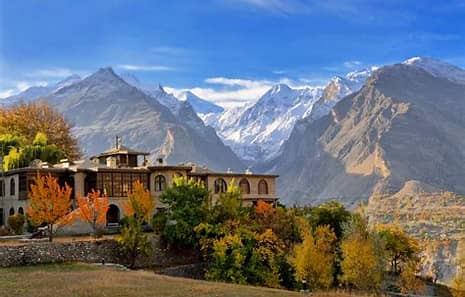
Studies of the Hunza people zero in on their high levels of exercise as a key to health. The environment in which the Hunza live is mountainous and has extremely rough terrain. The villages are incredibly isolated and built into the cliffside; some villages are more than 1,000 years old, with rough passages, steep ridges, and long walking journeys to their agricultural fields.4
But there are other factors to their health, and it’s not entirely true that they avoid disease. A study published in 2018 found that, in a random sample of adults aged 18 and older from 12 Hunza villages, about one in three had hypertension (high blood pressure). Furthermore, those with hypertension were also more likely to be with overweight (after adjusting for age and gender).5
The Hunza, however, were known to:
- Eat more produce and less meat in their diets (though meat is often preserved for winter)
- Make the choice to be physically active
- Have comparatively low rates of obesity, with only 12.5% of the study participants with obesity5
On the other hand, certain cultural habits (like salty tea consumed in winter) can lead to negative health impacts among Hunza people, who are not immune to the consequences.
What We Can Learn From the Hunza People
Studies of the Hunza people have offered a number of theories about their longevity, including access to water that’s loaded with minerals and antioxidant properties. That’s been cited as an advantage for health and longevity for other mountain-dwelling people across the world.6
Other health benefits of the Hunza lifestyle include diet, exercise, and social connection.
Follow an Anti-Inflammatory Diet
There’s evidence to suggest some people in the Hunza region are eating more meat than they once did.7 But on balance, the Hunza people consume a mostly plant-based diet, eaten raw. Apricots (which specifically help combat inflammation), cherries, grapes, and peaches are all cultivated by the Hunza.
They also eat a lot of grains — wheat, barley, and millet — and chapati, their daily bread. What they don’t eat are processed foods, which may help to explain their low levels of oxidative stress and oxidative-related health disorders like diabetes and high cholesterol.8
Exercise Daily
The health benefits of exercise are well-documented, quite apart from the lived experience of the Hunza people. These benefits include:
- Improved muscle tone and bone health, which can help to prevent injury
- Heart health, including stroke prevention9
- Respiratory health and prevention of chronic lung disease
- Metabolic benefits, like managing insulin and cholesterol levels10
- Improved cognitive function and a sense of well-being
Prioritizing Mental Health
Researchers find that the Hunza people benefit from social connection in a culture that has historically been low in stressors and prioritized its community and relationships. That remains the case, although life is changing (climate impacts, for example) and becoming more complex.
The associated mental health benefits came from a strong sense of identity within Hunza villages, and the underlying values may apply in your life.2
The takeaway is to make time for your mental and spiritual well-being, engage in hobbies and activities that you enjoy, and stay connected with family and friends.
Key Takeaways
- While some of the claims about the Hunza have reached a mythic status, there is evidence for their long lifespans and underlying lifestyle reasons for them.
- Hunza live in a remote mountain region and have remained isolated, though technology is changing their day-to-day lives. That often meant a more physically demanding life, with lots of exercise, as well as healthier plant-based, anti-inflammatory diets and water sources.
- Lower stress levels also may have protective health effects, and it’s among the strategies drawn from the Hunza people that may offer benefits in communities throughout the world.

The Secret to Longevity: How the Hunza People Live to 120 and Stay Healthy
Blog | Disease Prevention | Longevity
Written ByPartha Nandi, MD
The Hunza people, living in the breathtaking Hunza Valley of northern Pakistan, are renowned for their remarkable longevity and vitality. In this secluded region, it’s not uncommon to meet individuals who live well into their 100s, remaining healthy and active throughout their lives.
But what is the secret behind their impressive lifespan? While genetics might play a part, it’s the Hunza lifestyle, grounded in natural living and simple yet powerful habits, that holds the real key. Their diet and active way of life offer intriguing insights into how we, too, can embrace a longer, healthier life.
Hunza People’s Diet
The longevity of the Hunza people has sparked widespread curiosity, especially when it comes to their diet, which is the cornerstone of their remarkable health. The Hunza diet primarily consists of fresh, organic, and locally sourced foods, offering an array of essential nutrients that support both physical and mental well-being.
Whole Foods Rich in Nutrients
The Hunza people thrive on a diet rich in raw vegetables, fruits, grains, and legumes, with minimal reliance on processed or refined foods. Their meals are dominated by organic produce such as spinach, carrots, apricots, and beans. The emphasis on whole grains like millet, barley, and wheat, often served as chapati, provides them with sustained energy and essential nutrients. This contrasts with the modern Western diet, where processed and sugary foods contribute to inflammation and various chronic illnesses.
Apricots and Seeds
One of the most famous staples of the Hunza diet is the apricot, which plays a significant role in their culinary and medicinal practices. Apricots and their seeds are consumed in various forms, from fresh fruit to dried snacks and oil. These seeds are particularly notable for their content of vitamin B17, also known as amygdalin, which some studies suggest may have cancer-fighting properties. However, this claim remains controversial, as excessive consumption of apricot seeds could lead to cyanide toxicity. Regardless, apricots remain a key part of the Hunza diet, providing antioxidants that support immune health and protect against oxidative stress.
Minimal Meat and Dairy
Although the Hunza people are not strictly vegetarian, they consume meat in limited quantities. Meat is typically reserved for special occasions, and when consumed, it is lean and organically sourced from livestock such as goats and yaks.
Dairy products like yogurt and ghee are also part of their diet, offering beneficial probiotics and healthy fats that aid digestion and boost overall health. This balance between plant-based foods and occasional meat helps the Hunza people maintain a diet that is low in saturated fats and high in nutrients, contributing to their long life spans.
Hunza People’s Active Lifestyle
The Hunza people are not only known for their nutrient-rich diet but also for their highly active lifestyle, which plays a significant role in their impressive longevity. Unlike many modern societies where aging is often associated with physical decline, the elderly in Hunza remain vital and active well into their later years.
Movement as a Daily Practice
For the Hunza people, physical activity is woven into the fabric of daily life. Their mountainous terrain naturally demands regular movement, from walking long distances to tend to fields, to working with livestock.
This constant motion helps them maintain muscle strength, joint flexibility, and cardiovascular health. In contrast to more sedentary lifestyles, the Hunza are always on the move, which supports their longevity by keeping their bodies and minds sharp.
Physical Activity for Cognitive Health
Beyond the physical benefits, the Hunza people’s active way of life also contributes to maintaining mental acuity as they age. Research has shown that regular physical activity can delay cognitive decline by promoting brain health.
Physical movement enhances blood circulation, supports neuroplasticity, and encourages the growth of new brain cells, all of which are essential for preserving cognitive function. This lifestyle helps the Hunza remain mentally sharp, avoiding the age-related cognitive decline that is common in more sedentary populations.
Physical Labor
From farming to maintaining water canals, even the elderly in Hunza engage in physical labor, proving that activity is central to their way of life. This continuous engagement in labor-intensive tasks not only keeps their bodies fit but also supports their overall sense of purpose and mental well-being. Their example demonstrates how staying physically active can be a natural way to slow aging, both physically and mentally.
Social Bonds and Emotional Well-Being in the Hunza Tribe
Another pillar of the Hunza tribe’s longevity is their strong sense of community and emotional well-being. The Hunza people place great emphasis on social bonds, which play a crucial role in maintaining their physical and mental health throughout life. Living in close-knit communities, they foster deep relationships that support their overall well-being and contribute to their long, healthy lives.
Strong Community Ties
In the Hunza tribe, family and community are central to everyday life. This sense of belonging and purpose helps reduce stress, a key factor in both mental and physical health. The Hunza people frequently engage in social activities, gatherings, and celebrations, reinforcing bonds that help maintain emotional balance. These strong relationships provide emotional support, which has been shown to lower levels of stress-related hormones like cortisol, further promoting longevity.
Emotional Resilience and Happiness
The emotional well-being of the Hunza tribe is also linked to their outlook on life. The people of Hunza live with a sense of purpose and contentment, which contributes to their resilience in the face of challenges.
This positive attitude is vital in maintaining emotional health and is a significant factor in their longevity. Studies have shown that happiness and emotional satisfaction are directly linked to longer life expectancy, and the Hunza tribe exemplifies this connection with their consistently optimistic approach to life.
Mental and Spiritual Health
Beyond physical activity and social ties, the Hunza people also prioritize mental and spiritual well-being. Their peaceful environment, free from many of the stresses found in modern society, allows them to focus on mindfulness and mental clarity. The Hunza tribe’s lifestyle fosters a low-stress existence, which plays a significant role in their overall health and longevity. By living in harmony with nature and embracing a balanced, mindful lifestyle, they create a foundation for emotional and mental well-being that supports their long life spans.
The Hunza Tribe’s Approach to Natural Healing
The Hunza tribe is known for its remarkable ability to maintain health without relying on modern medicine. Instead, they have developed a system of natural healing that aligns with their lifestyle and environment. Their traditional remedies, derived from locally sourced herbs and plants, play a crucial role in their overall well-being.
Herbal remedies are central to the Hunza tribe’s approach to healthcare. The people use a wide range of herbs, many of which are grown in their own gardens, to treat common ailments. For instance, they use wild mint and thyme for digestive health, while other herbs like tumuru (a native herb) are brewed into teas to promote relaxation and general well-being. These practices reflect the Hunza people’s deep connection with their natural surroundings, and their ability to harness the power of nature to maintain good health.
Additionally, the Hunza tribe places a strong emphasis on preventive care. Their diet, lifestyle, and natural remedies are all designed to prevent illness rather than merely treat symptoms. This preventive mindset, combined with their holistic approach to health, ensures that they remain healthy and active well into old age.
My Personal RX on Longevity Inspired by the Hunza Lifestyle
I believe the Hunza tribe’s approach to health offers valuable lessons that we can incorporate into our modern lives. From their nutrient-dense diet to their active lifestyle, there’s much we can adopt to enhance our longevity and well-being. Here are some key takeaways that can support both physical and mental health:
- Incorporate more whole, organic foods: Focus on fresh vegetables, fruits, and whole grains, avoiding processed and refined products. This mirrors the Hunza diet and can significantly reduce inflammation while boosting overall health.
- Move more throughout the day: The Hunza people’s active lifestyle is key to their longevity. Daily walks or light physical activity can improve both cardiovascular and cognitive health, protecting the body and brain as you age.
- Support your digestion: To optimize nutrient absorption and support gut health, consider incorporating Digestive Enzymes. These can aid in healthy digestion and enhance the body’s ability to process and utilize nutrients efficiently.
- Stay hydrated with clean water: Drinking plenty of water is essential for maintaining physical and cognitive function. Aim for filtered or mineral-rich water to support overall health and hydration.
- Explore the gut-brain connection: Improving gut health has a direct impact on mental well-being. I recommend reading the Heal Your Gut, Save Your Brain to gain a deeper understanding of the gut-brain axis and how a holistic approach to gut health can also enhance mental clarity and emotional balance.
- Include healthy fats: Use nutrient-dense oils, such as apricot or olive oil, to support brain function and reduce inflammation, just as the Hunza people do.
- Prioritize community and relationships: Like the Hunza people, surround yourself with supportive relationships. Emotional well-being plays a critical role in overall health, helping to reduce stress and enhance longevity.
- Limit processed foods: Avoid foods high in sugars and unhealthy fats, which can accelerate aging and increase the risk of chronic diseases. Instead, focus on whole, nutrient-dense options that nourish both body and mind.
- Mindful fasting: Consider integrating occasional fasting into your routine, as the Hunza do. Fasting can rejuvenate the body, promote healing, and support metabolic health.
Sources:
- Shea, S. (2024, February 17). People in this remote valley live to 100—they follow 5 distinct diet and lifestyle habits for longevity. CNBC. https://www.cnbc.com/2024/02/17/people-in-remote-region-of-hunza-valley-live-to-100-years-old-heres-how.html
- Traditional foods of Hunza and Gilgit-Baltistan – Google Arts & Culture. (n.d.). Google Arts & Culture. https://artsandculture.google.com/story/traditional-foods-of-hunza-and-gilgit-baltistan-soch/kAVRIgnAI7drzw?hl=en
- The Hunza Diet: A Low-Fat Plan for Long Longevity. (n.d.). https://heartify.io/blog/tpost/5otxdd7p51-the-hunza-diet-a-low-fat-plan-for-long-l
How the Hunza People Live Happy and Healthy Long Lives
Most Residents Of This Mountainous Area Live Beyond 100 Years | Gaia
LET ME HELP YOU TAKE THAT FIRST STEP TOWARDS A HEALTHIER LIFE
About the author

Partha Nandi M.D., F.A.C.P. is the creator and host of the internationally syndicated medical lifestyle television show, Ask Dr. Nandi.
A practicing physician and a renowned international speaker, his appearances include TEDx, college commencements, numerous charity functions, premier medical meetings such as Digestive Disease Week, and nationally syndicated television programs such as The Katie Couric Show.
Dr. Nandi has partnered with the Ministry of Health in multiple countries, including Jamaica and India, and has collaborated with The World Health Organization in multiple areas throughout the globe, Dr. Nandi delivers passionate and inspiring talks to diverse audiences.
He continues to travel internationally for conferences and symposia, meeting with global health leaders on his quest to improve healthcare quality, access, and to empower people across the world “To Be Your Own Health Hero.”
DrNandi@AskDrNandi.com
Hunza Valley – The Secret of Long Life
The Hunza people, who live in the beautiful Hunza Valley in Northern Pakistan, are famous for their long lifespans. Back in the 1970s, National Geographic published many articles exploring the claims about their longevity. This sparked great interest in the Hunza community, as people around the world looked for ways to improve their health and live longer.
This article will explain who the Hunza people are and share some general insights about their lifestyle, diet, and the water they drink that are thought to contribute to their health. It will also look at how their lives have changed over time and why the idea of special “secrets” to their health might just be about the choices they make.
Life Expectancy of the Hunza People
In the 1980s and 1990s, Hunza was a popular spot for American and European backpackers. The six tribes who live there now blend traditional ways with modern life. Their lifestyles are changing, and there have been many myths about how long they live and how they avoid illness. It’s not clear exactly how long they live, but some people believe the Hunza have an average life expectancy of around 120 years, thanks to their location in a fertile valley at a height of 8,000 feet.
How the Hunza People Stay Healthy
Research on the Hunza suggests that their high levels of physical activity play an important role in their health. They live in a mountainous area with tough terrain. Their villages are remote and built into cliffs, with some being over 1,000 years old. Getting to their farms can require long walks on steep paths. However, they do experience some health issues. A study in 2021 revealed that about one in three people in five Hunza villages had high blood pressure, often related to diabetes. Despite this, the Hunza people generally have healthier habits. They tend to:
– Eat more fruits and vegetables than meat (though they save meat for winter)
– Smoke very little (only 47 participants in the study were smokers)
– Stay physically active
– Have lower rates of obesity.
However, some cultural practices, like consuming salty tea in winter, can lead to health problems, showing that they are not completely free from health issues.
What We Can Learn from the Hunza People
Studies have provided ideas about why the Hunza people live so long, including their access to mineral-rich water. This has also been noted as a health benefit for other communities living in high places around the world. The Hunza lifestyle, involving diet, exercise, and strong social ties, may offer some key lessons.
Follow a Plant-Based Diet
While some Hunza people may be eating more meat lately, they usually stick to a mostly plant-based diet, often eating raw fruits and vegetables. They grow apricots, cherries, grapes, and peaches, and consume grains like wheat and barley, along with chapati, their daily bread. They avoid processed foods, which could help explain their lower instances of health issues like diabetes and high cholesterol.
Exercise Regularly
Exercise is known to be good for health, and the benefits are clear, even beyond the experience of the Hunza people. Some of the advantages of staying active include:
– Better muscle and bone health to reduce the risk of injuries
– Improved heart health and lower risk of strokes
– Better lung function and lower chances of lung disease
– Help with managing insulin and cholesterol levels
– Enhanced brain function and wellbeing.
Take Care of Your Mental Health
The Hunza people have strong social connections and live in a culture that traditionally has less stress. Although things are changing now, their sense of community remains important. Studies suggest that feeling part of a supportive group can positively influence mental health. You might find it helpful to prioritise your own wellbeing by engaging in enjoyable hobbies, spending time with family and friends, or simply taking some time for yourself.
In Summary
Researchers have long been fascinated by the Hunza people, with some studies on their health and longevity going back over a century. While some tales about the Hunza have turned into myths, there is real evidence for their long lives connected to their lifestyle. The Hunza live in a remote mountain area and have maintained a somewhat isolated existence, but modern life is changing things for them. Their active lifestyles, healthy diets, and low stress levels may offer valuable strategies for your own health and wellbeing.
Most Residents Of This Mountainous Area Live Beyond 100 Years | Gaia
Hunza Valley – The Secret of Long Life
The Hunza – The 8 SECRETS of the people who NEVER grow old and live LONG and HAPPY lives Bing Videos
HUNZA: The Secret of Immortality? A Shocking Journey to the Valley of Longevity! Bing Videos
The Hunza people live for 120 years without getting sick. These are their secrets. Bing Videos
HUNZA: The Secret of Immortality? Also A Shocking Journey to the Valley of Longevity! – Do you want to know everything about a trip to Hunza — and the mysterious valley of longevity where the long-living Hunza people reside? In this video, we travel to the heart of Pakistan to see with our own eyes the nature of Hunza, meet the Hunza people, explore their culture, traditions, lifestyle, and uncover the secrets behind their long lives.
Discover how they live in Hunza, what they eat, what they believe in, and why they are called the healthiest people in the world. We’ll tell you how to get to Hunza, which places to visit, the best time to go — spring, summer, or winter — and what will surprise you during a tour of Hunza.
 This video is especially interesting for those who love ecotourism, seek natural wonders, enjoy mountain travel, and want to discover more than just a typical tourist destination. Don’t miss this magical corner of the world where women look young at 60 and men climb mountains at 90.
How to get to Hunza Who are the Hunza people Why they are called long-living What they eat How they live and what they believe in Legends and history of the Hunza people Best time to travel: spring, summer, winter Where to stay in Hunza Tips for tourists What to pack for the trip
You won’t believe it, but hidden deep in the dangerous mountains of Pakistan lies one of the most mysterious tribes on earth.
Where the roads end and the wilderness begins, among the dark and majestic peaks of the Hindu Kush live the Kalash, an ancient tribe that has survived against all odds. Their world is one of the most remote and harsh places on the planet. You can’t just walk through here. Deadly slopes, steep cliffs, and freezing winds don’t forgive mistakes. And it is in these extreme conditions that the Kalash have managed not only to preserve their lives but also their unique customs, appearance, and way of life. The faces of these people seem to be from another world.
They have fair skin, bright blue or green eyes, and hair ranging from light brown to chestnut. And all of this in a region where such features are extremely rare. Their weddings are more than just traditions. They are true love stories. Men and women here are equal and no one forces them into marriage. This is almost unheard of in this part of the world.
In this episode, you’ll discover who the Kalash really are, how they survive in mountains where there’s no signal, almost no roads, and even the army struggles to reach, why scientists still argue about their origins, and how today their ancient culture is under threat of extinction. Many believe the Kalash are descendants of the soldiers of Alexander the Great, who remained here after his legendary campaigns more than 2,000 years ago. And although there’s no definitive proof, this theory adds to the mystery of their history.
But to understand why the Kalash are so unique, you must first look at the place they call home. It’s the far northwestern corner of Pakistan, right on the border with Afghanistan. This is where some of the world’s highest and the wildest mountains are found. The region is known as the land of giant mountains and for good reason. Towering peaks, glacia, rushing rivers, and a total lack of infrastructure make this region nearly inaccessible.
Pakistan is a large country located in South Asia, bordering Afghanistan, India, Iran, and the Arabian Sea. Its territory covers nearly 900,000 km. It’s one of the most
populous countries in the world, home to over 240 million people. But none of that matters in the mountain valleys where the Kalash live.
Life here follows its own rules. These areas are nearly uninhabited.
While the big cities of Pakistan are full of cars, people and noise, the Kalash live in a completely different world. The country’s geography is breathtaking. From deserts to lush
valleys, from plains to snow-covered peaks. The Himalayas, Carakorum and Hindu Kush mountains are true natural wonders. They’re not only beautiful but vital for life. Rivers are born here, providing water to the valleys below.
And thanks to these rivers and high altitude plateaus, the Kalash have been able to live here for centuries. The mountains became their shield. On one hand, protecting them and on the other completely isolating them. In such conditions, living a normal life is impossible. But the Kalash have adapted. They have a unique rhythm of life, customs, clothing, and even their own language. They speak a distinctive dialect unlike the languages of their neighbors.
The origin of the Kalash is one of Asia’s greatest mysteries.
Scientists can’t agree on where they came from. Their culture is unlike those around them, and their appearance is vastly different. The Greek origin theory is the most popular that they’re descendants of warriors left behind after Alexander the Great’s campaigns and indeed they have many features resembling Europeans. Geneticists have tried to find a connection but so far the data is inconclusive.
Even the Kalash themselves don’t know for sure where they came from but to them that doesn’t matter much. What matters is preserving what they have. And in this their isolation helps them. The mountains are their fortress. They not only shield them from the outside world but also keep outside influences at bay. That’s why the Kalash still live almost the same way they did centuries ago.
This isolation made them unique. No one else in the region celebrates like the Kalash. Their festivals are bright, loud, and joyful. They sing, dance, and share food with guests. They don’t follow strict religious prohibitions and the Muslim majority of Pakistan. As a result, the Kalash are often criticized, even threatened. But despite all this,
they don’t give up. They preserve their faith, their traditions, and their freedom.
Their women wear colorful dresses and take part in public life equally with men.
This is astonishing, especially in this part of the world.
The physical features of the Kalash spark particular interest. Their fair skin, blue or green eyes, and light hair are truly rare on the Indian subcontinent. Scientists continue to
study their genes, trying to solve the mystery. But for now, the answers remain elusive. Perhaps it’s the result of ancient isolation and adaptation to harsh conditions.
Or perhaps there really is some ancient warrior blood flowing through their veins.
However, for the Kalash themselves, all of this is simply life. They don’t consider themselves special. They just live as their ancestors did, preserving old songs, teaching their children their customs, and passing down legends by word of mouth. Their world is a small universe hidden in the mountains. Their story is not just about the past. It’s about the present. Because today, in the 21st century, their existence is under threat.
Tourism, religious pressure, climate change, and economic hardship are slowly eroding their way of life. That’s why it’s so important to talk about them now. The Kalash tribe is a living reminder of how diverse and fragile our world truly is. They are like a window into the past where the spirit of an ancient civilization still flickers. And if we don’t care for their future, one day that window may close forever.
If you enjoyed this video, don’t forget to hit the like button. It really helps the channel grow.
Subscribe so you won’t miss new videos about amazing cultures and traditions from around the world. And in the comments, let us know which tradition surprised
you the most and which country you’d like us to explore next. Thanks for being with us. See you next time.
Embracing Life in Hunza Valley: A Digital Nomad’s Journey – Daily Empire News
Moving Off the Grid: A Journey from Miami to a Village in Pakistan … – Search
I Moved From Miami to Pakistan As a Digital Nomad – Search
moving off the grid a journey from miami to a village … – Search
Jelly Roll | God Met Me in the Mess of Life | Christian Worship Lyric
I’m 101 years old. Here’s what I know about longevity.
Who has spent time in Pakistan? : r/digitalnomad
The Ultimate Truth: Why Are We Truly Here?
Living in Pakistan as a Digital Nomad