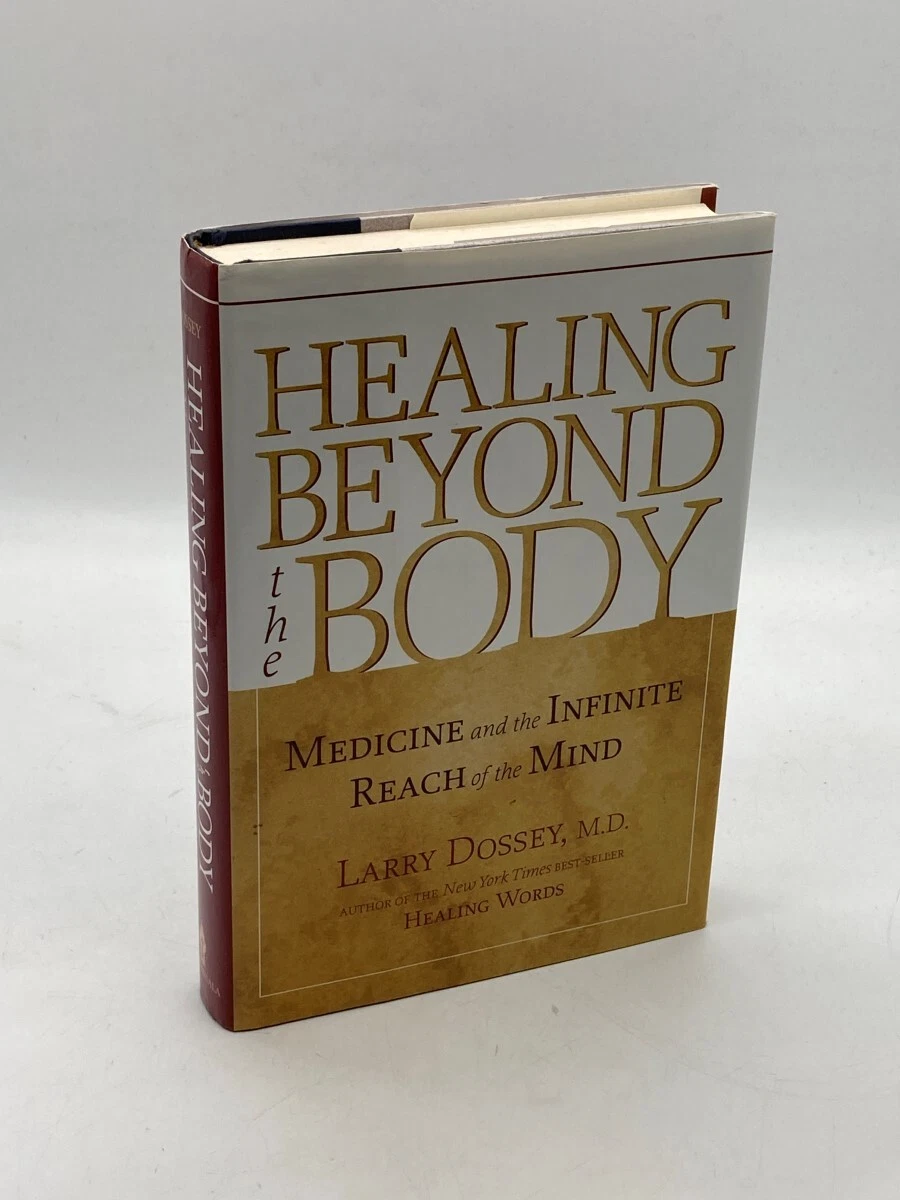
If modern medicine is truly to be a healing art, Dr. Larry Dossey, a pioneer in exploring the intersection of consciousness, spirituality, and medicine. says, it must embrace three ideas it has too long ignored. It must address not only our bodies, but our minds and spirits as well; it must deal not only with the mechanism of illness, but with its meaning; and it must recognize that our power to heal and be healed extends beyond our physical bodies. Bestselling author Dossey is one of the most influential spokespersons for the role of consciousness and spirituality in medicine.
In these writings, he explores the relationship – often documented in extensive research – between science and ‘unscientific’ topics such as prayer, love, laughter, work, war, creativity, dreams and immortality. Does the mind produce consciousness – or transmit it? Why has job stress become a worldwide epidemic? Could war be a biological condition? Why is fishing good for your health? How can science study the effects of prayer? Dossey tackles all these questions and more. Some essays are funny, some sober, some inspirational. Each in its own way challenges us to examine ourselves and our health in a new and different light.
“Healing Beyond the Body” by Larry Dossey explores the profound connection between consciousness, spirituality, and healing, emphasizing that true medicine must address not just the body, but also the mind and spirit.
Overview of the Book
In “Healing Beyond the Body,” Dr. Larry Dossey, a prominent advocate for integrating consciousness and spirituality into medicine, presents a collection of essays that challenge conventional medical paradigms. He argues that healing extends beyond physical treatments and encompasses emotional and spiritual dimensions. The book is organized around themes such as the significance of meaning in illness, the effects of love, humor, and prayer on health, and the concept of nonlocality, which suggests that consciousness can influence healing at a distance.
Key Themes
Consciousness and Healing: Dossey emphasizes the role of consciousness in the healing process, suggesting that understanding the mind’s influence on health is crucial for effective medical practice.
Integration of Mind and Spirit: The book advocates for a holistic approach to medicine that includes not only physical health but also mental and spiritual well-being. Dossey believes that addressing the meaning of illness is essential for true healing.
Research and Anecdotes: Dossey supports his arguments with extensive research and personal anecdotes, exploring topics like the impact of prayer, laughter, and creativity on health outcomes. He challenges readers to reconsider the boundaries of scientific inquiry in relation to healing.
Alternative Perspectives: The essays also touch on alternative medicine practices and the importance of understanding patients’ experiences and beliefs in the healing process.
Author Background
Larry Dossey, M.D., is a physician with a background in internal medicine and has served in various capacities, including as a battalion surgeon in Vietnam.
He is a well-known speaker and author, advocating for the integration of spirituality in healthcare.
Conclusion
“Healing Beyond the Body” is a thought-provoking exploration of the intersection between medicine and the mind, encouraging readers to embrace a more comprehensive understanding of health and healing. It is particularly relevant for those interested in alternative medicine, spirituality, and the psychological aspects of health care. The book is available for purchase on platforms like Amazon.com AbeBooks | WeBuyBooks Healing Beyond the Body: Medicine and the Infinite Reach of the Mind | eBay
 Key Themes and Insights
- Mind-Body-Spirit Connection: Dossey argues that true healing must address not just the physical body, but also the mind and spirit. He challenges the reductionist view of medicine that focuses solely on biological mechanisms.
- Consciousness and Nonlocality: The book explores the idea that consciousness may not be confined to the brain, suggesting it has a “nonlocal” nature—capable of extending beyond physical boundaries.
- Unconventional Healing Factors: Dossey examines how elements like prayer, love, laughter, dreams, and creativity can influence health outcomes, citing research that supports their therapeutic potential.
- Philosophical Questions: He poses deep questions such as whether the mind produces or transmits consciousness, and whether war could be a biological condition.
Iam curious about how intangible forces like intention, belief, and emotion can shape physical health
You’re tapping into a fascinating and increasingly validated area of mind-body medicine. Here’s how intention, belief, and emotion can shape physical health:
The Mind-Body Connection
- Emotions and Physical Health: Emotions like stress, anxiety, and sadness can trigger physical symptoms such as headaches, digestive issues, and weakened immunity. Chronic negative emotions may contribute to conditions like heart disease and high blood pressure.
- Positive Emotions and Healing: Joy, love, and gratitude can enhance immune function, reduce inflammation, and improve cardiovascular health. Cultivating these emotions through practices like mindfulness and social connection can promote healing.
 Belief and Intention
- Placebo Effect: One of the most studied examples of belief influencing health. Patients who believe they’re receiving treatment—even if it’s inert—often show real improvements. This demonstrates how expectation and belief can activate the body’s healing mechanisms.
- Mindset and Recovery: A hopeful, empowered mindset can accelerate recovery from illness or surgery. Belief in one’s ability to heal can influence hormonal balance, immune response, and even gene expression.
 Techniques That Harness These Forces
- Mindfulness and Meditation: Help regulate emotions, reduce stress, and improve overall well-being.
- Visualization and Affirmations: Used in sports psychology and healing practices to reinforce positive outcomes.
- Expressive Writing and Therapy: Allow emotional release, which can reduce physical symptoms tied to emotional suppression.
 Why It Matters
Understanding and harnessing these intangible forces doesn’t mean ignoring conventional medicine—it means complementing it. Integrative approaches that include emotional and mental well-being often lead to better outcomes and more holistic care.
How Emotions Impact Physical Health: Understanding the Mind-Body Connection – Digital Naturopath
The Mindset Effect: How Belief Shapes Healing and Well-Being | Psychology Today
How Do Thoughts and Emotions Affect Health? | Taking Charge of Your Wellbeing
Mind/Body Connection: How Emotions Affect Physical Health
I Would like to explore specific practices or scientific studies that support these ideas?
Absolutely! There’s a growing body of scientific research and practical approaches that show how intention, belief, and emotion can influence physical health. Here are some compelling examples:
 Scientific Studies
- The Mindset Affect A Psychology Today article highlights how belief and hope can shape healing outcomes. Studies show that mindset influences immune function, recovery speed, and even pain perception.
- The Biology of Belief Research in psychoneuroimmunology reveals that thoughts and beliefs can affect immune responses, hormone levels, and cellular health. This field bridges neuroscience, psychology, and immunology to explain how mental states impact physical well-being.
- Religion and Spirituality in Health A systematic review published in Religions found that spiritual practices like prayer and meditation can improve physical activity levels and overall health markers, especially when integrated into daily routines.
- Health Beliefs and Behavior A study in BMC Psychology showed that college students with strong health beliefs were more likely to engage in physical exercise. Their intentions were shaped by mental imagery and belief systems.
- Positive Thinking and Resilience According to Science News Today, optimism and hope can trigger biological effects that enhance resilience, speed recovery, and even extend lifespan. Chronic negativity, on the other hand, can suppress immune function and increase disease risk.
 Practical Techniques
- Mindfulness Meditation: Reduces stress, lowers blood pressure, and improves immune function.
- Guided Imagery: Uses visualization to promote healing and reduce pain.
- Gratitude Journaling: Enhances emotional well-being and lowers inflammation markers.
- Affirmations and Positive Self-Talk: Reinforce belief in recovery and resilience.
- Expressive Writing: Helps process trauma and reduce physical symptoms like fatigue and pain.
The Mindset Effect: How Belief Shapes Healing and Well-Being | Psychology Today
The Power of Positive Thinking on Health
I Would like to dive deeper into one of these studies or explore how to apply these practices in your daily life?
Let’s dive deeper into one of the most compelling areas: the placebo effect—a powerful demonstration of how belief and intention can shape physical health.
Deep Dive: The Placebo Effect
What it is: The placebo effect occurs when a person experiences real improvements in health after receiving a treatment that has no therapeutic value—simply because they believe it will work.
Key Study: In a landmark study published in The New England Journal of Medicine, patients with knee pain underwent sham surgery (where no actual repair was done). Surprisingly, many reported significant pain relief—comparable to those who had real surgery. Their belief in the procedure triggered healing responses.
Biological Mechanisms:
- Belief activates brain regions involved in pain relief and reward.
- Neurotransmitters like endorphins and dopamine are released.
- Stress hormones decrease, improving immune function.
Applying These Practices in Daily Life
Here are simple, science-backed ways to harness intention, belief, and emotion for better health:
1. Mindfulness Meditation
- How: Sit quietly, focus on your breath, and observe thoughts without judgment.
- Benefits: Reduces stress, lowers blood pressure, and improves immune response.
2. Guided Imagery
- How: Visualize healing scenes—like your body repairing itself or being surrounded by light.
- Benefits: Used in cancer care and pain management to reduce anxiety and improve outcomes.
3. Gratitude Journaling
- How: Write down 3 things you’re grateful for each day.
- Benefits: Boosts mood, reduces inflammation, and improves sleep.
4. Positive Affirmations
- How: Repeat phrases like “I am healing,” “My body is strong,” or “I am calm and capable.”
- Benefits: Reinforces belief in recovery and reduces stress-related symptoms.
5. Expressive Writing
- How: Write about your thoughts and feelings for 15–20 minutes.
- Benefits: Helps process trauma, reduces physical symptoms, and improves mental clarity.
Would you like a personalized plan to integrate these into your routine, or explore another study like the effects of prayer or optimism on health?
I Would like a personalized plan to integrate these into your routine, or explore another study like the effects of prayer or optimism on health?
Let’s build a personalized daily plan to help you integrate intention, belief, and emotion into your health routine—while also drawing on the science behind prayer and optimism 

 Morning Ritual (10–15 minutes)
Goal: Set a positive tone for the day
- Gratitude Journaling (3 min) Write down 3 things you’re grateful for. This boosts dopamine and reduces inflammation.
- Affirmations (2 min) Say or write affirmations like: “I am healing,” “I am strong,” “Today is a gift.”
- Prayer or Meditation (5–10 min) Choose a spiritual or reflective practice. Studies show prayer can reduce stress, improve focus, and enhance emotional resilience.
 Midday Reset (5–10 minutes)
Goal: Re-center and reduce stress
- Mindful Breathing (5 min) Focus on your breath. Inhale for 4 counts, hold for 4, exhale for 4. Repeat.
- Optimism Boost Recall a recent challenge you overcame. Remind yourself of your resilience—optimism has been linked to better immune function and lower disease risk.
 Evening Wind-Down (15–20 minutes)
Goal: Reflect, release, and restore
- Expressive Writing (10 min) Write freely about your thoughts or emotions. This reduces anxiety and improves self-awareness.
- Guided Imagery (5–10 min) Visualize your body healing or being surrounded by light. This technique is used in cancer care and pain management.
 Weekly Practices
Goal: Deepen emotional and spiritual connection
- Nature Walks or Movement Meditation Engage in gentle movement while staying present. Enhances mood and reduces cortisol.
- Community or Spiritual Gathering Attend a group prayer, meditation, or discussion. Social connection amplifies emotional healing.
The Divided Brain – YouTube is a mind-altering odyssey about one scientist’s quest to prove a growing imbalance in our brains and to help us understand how this makes us increasingly unable to grapple with critical economic, environmental, and social issues.