Understanding Different Types of Dementia | Codex Genetics
What Are Signs That Dementia Is Getting Worse?
As our loved ones age, we become increasingly worried for them and their health. One issue that frequently arises in the elderly population is dementia or the loss of cognitive functioning. Roughly one-third of all people aged 85 years or older are affected by dementia in some form. Because of the potentially severe effects of dementia, it is important to know what signs may indicate that it is worsening.
What Is Dementia?
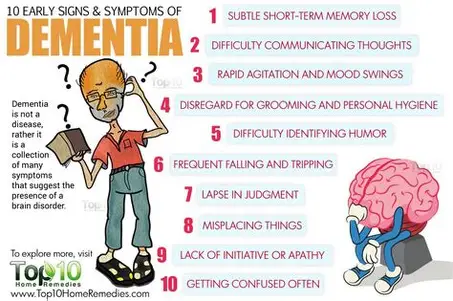
Dementia is a major neurological disorder with no known cure. It will affect a person’s ability to remember, think, and reason, as well as potentially change their personality and alter their control over their emotions. These symptoms are caused by changes in certain regions of the brain that result in neurons and their connections failing to work together properly. These incorrectly functioning cells will eventually die. Dementia is not a single, specific disease; instead, it is a general term applied to disorders that affect a person’s neurological abilities. Since dementia is only a general term, the effects can vary significantly from person to person. Signs and symptoms can include:
- Wandering and becoming lost in a familiar neighborhood
- Repeating questions
- Difficulty with speaking, understanding, and expressing thoughts, or reading and writing
- Taking longer to complete typical daily tasks
- Hallucinating or experiencing paranoia or delusions
- Disinterest in other people’s feelings
- Trouble with responsibly handling money or paying bills
Is Dementia a Normal Part of Aging?
Typical signs of aging include stiffening of vessels and arteries, muscle and bone weakness, and some minor memory changes.
These memory changes include struggling to find a word but remembering it later, forgetting very recent events, occasionally misplacing items, and forgetting the name of an acquaintance.
These minor memory lapses are much different from dementia, as experiences and knowledge that were built over their lives, language, and old memories will remain intact.
These expected changes should also not significantly affect their day-to-day lives. Dementia is not considered a normal part of aging, as many senior citizens live out the entirety of their lives without developing the condition.
Signs that Dementia is Worsening
Dementia can pose serious safety problems for our loved ones that are affected, so being aware of signs that indicate an increase in severity is important. Symptoms of dementia are unpredictable—even if a person is stable for a long time, dementia can suddenly cause an increase in symptoms. Signs that dementia may be increasing in severity include:
- Puzzling Actions – Because dementia will alter a person’s brain, they may begin to act in ways that their loved ones find confusing. These actions can include aggressive reactions, hallucinations, excessive hand activity, restlessness, and increased agitation later in the day (sundowning). Dementia patients may also repeat words or rock back and forth as self-soothing mechanisms. An increase in sounds, like groaning, moaning, and grunting, could also be expected as dementia increases.
- Behavioral Changes – A rapid increase in behavioral symptoms, like disorientation or hostility, could potentially indicate the presence of a more severe underlying issue. Some common medical complaints for the elderly, like urinary tract infections, bloating, and gas, can cause discomfort and pain that can present as increased irritation. Those affected with dementia may be unable to communicate what is happening with their bodies, so these medical issues outwardly present as unhappiness. Personality changes can also occur as dementia worsens.
- Difficulties Communicating – If your loved one has managed to communicate fairly well or with few word choice errors, a decrease in communication abilities can signal that the dementia is getting worse. Their neurological connections and mental capacities are decreasing, causing an inability to communicate effectively.
- Reduced Physical State – Worsening signs of dementia are indicated by the body’s beginning to shut down. Signs like weight loss, loss of mobility, incontinence, and skin infections indicate that your loved one’s body is struggling to function properly. The senior may also begin having seizures or more severe seizures as the damage to their brain increases.
Why do people that have dementia make weird noises – Search Videos
An elderly person making grunting noises might be doing it for a thousand different reasons. In fact, vocally disruptive behavior is a trait found among as many as 40% of nursing home residents. It can be a consequence of dementia. It can also be a consequence of movement disorders like progressive supranuclear palsy, tic disorders like Tourette syndrome, neurodegenerative syndromes like Huntington’s disease, or metabolic disorders like Wilson’s disease.
In short, involuntary vocalizing can originate from an enormous range of potential problems. And that’s part of the reason it’s a good idea to discuss these behaviors with a physician as they emerge, especially if they develop suddenly.
Treatment for Elderly Grunting Noises
Involuntary grunting noises can even be irritating, sometimes even to the person making the noise. Treatment will depend on the root cause, but in many cases, there are excellent options. For instance, behavioral therapy might be used for vocal tics, physiological reflexes, and other sources of continual grunting. There are also pharmacological approaches to alleviating involuntary grunting noises, which might include things like antidepressants, antipsychotics, cannabinoids, and other psychoactive drugs.
Outside of formal behavioral therapy, communicating with your loved one about the noise they’re making is often a good start. They may or may not be aware they’re making it, and you might find they can make an effort to control it. For instance, many anecdotal cases have reported success in voluntarily suppressing groaning with the practice of breathing techniques.
But again, it’s important to understand the source of the noise. If the grunting takes the form of a repetition of sounds or phrases, that could be a form of echolalia. In autistic adults, this is normal self-regulative behavior. But reemergence or persistence of echolalia in a neurotypical adult could be suggestive of anything from brain damage to autoimmune disorders, which is why it’s a good idea to keep your doctor aware of the emergence of these types of behaviors.
When it comes to patients with dementia, addressing grunting behavior can be uniquely challenging. But if the noise stops during certain activities, it could be a sign of pain, indicating anything from poorly fitting dentures to a simple rash. And that can require intervention.
Download Your Path to Care Guide – Griswold
Living with the Elderly Grunting
At the end of the day, constant grunting in elderly folks can’t always be helped.
Many kinds of grunting behavior can’t be helped. In some cases, there’s no better solution than an inexpensive pair of earplugs. But communicating with your family doctor and your loved ones can help you determine your best options for solving the problem.
Dementia FAQs
Q: How Should I Care for My Loved One that Suffers from Dementia?
A: Caring for an aging loved one can be a complex situation, as every person will need a plan that is tailored to their needs. The first step should be speaking with your loved one’s doctors and understanding the severity of their dementia, as well as any other health issues they may be experiencing. If your loved one’s dementia has progressed to a point where they need 24/7 care, it may be time to consider transitioning them to an assisted living facility.
Q: What Are the Late-Stage Signs of Dementia?
A: Because dementia is a general term that describes a number of different neurological issues, there are a few signs and symptoms that apply to every person. One of the major indications that your loved one has entered late-stage dementia is their body has begun shutting down. The affected person may become bedridden due to weight and mobility loss. They may also become uncommunicative and sleep much more frequently.
Q: What Causes Dementia to Progress Quickly?
A: Dementia is a degenerative condition that will continue to worsen as time goes on. It is impossible to predict how and when symptoms will progress, but there are some things identified that can cause them to worsen more quickly. These include a change in routine, stroke or other brain injuries, isolation, poor health, little physical activity, and some medications.
Q: What Are the Different Types of Dementia?
A: Dementia is not a single condition but instead a general term that applies when there is a progressive and irreversible loss of brain function due to neuron death. The various types of dementia include frontotemporal dementia, Alzheimer’s Disease, vascular dementia, Lewy body dementia, and mixed dementia. Mixed dementia is a combination of two or more dementia types that cause many brain changes associated with different forms of dementia.
Your Elderly Loved One with Dementia
Your loved one is incredibly important to you and learning about their health conditions is only one way to show your love. Unfortunately, you may not be in a position to provide the comprehensive care that your loved one needs while they navigate their lives with dementia. Dementia is caused by irreparable damage, and symptoms can worsen at any moment. Rocky Mountain Assisted Living and Memory Care provides a safe place for your loved one, staffed with experts that will care for your loved one as carefully as you would. Contact us today so we can discuss how our facilities can help your loved one succeed with their dementia diagnosis.
People with dementia make unusual, repetitive, or loud noises (such as moaning, grunting, screaming, or humming) because brain damage impairs their ability to communicate needs, manage emotions, or process sensory input. These behaviors often serve as self-soothing mechanisms to relieve anxiety, stress, or physical pain they cannot verbally express.
Here are the primary reasons for these behaviors:
- Communication Breakdown: As language skills decline, individuals may use sounds to express pain, discomfort (e.g., from infections like UTIs), fear, or boredom.
- Brain Damage and Cognitive Decline: Damage to the brain, specifically the frontal and temporal lobes, can trigger involuntary vocalizations and reduce the ability to regulate socially appropriate behavior.
- Emotional Regulation and Anxiety: Unusual noises often stem from high levels of stress, confusion, or agitation. These sounds may serve as a coping mechanism to reduce anxiety.
- Sensory Overload or Under-stimulation: The brain may have difficulty processing sound, making everyday noise feel overwhelming, leading to distress. Conversely, they may make noises to create stimulation in a quiet environment.
- Sundowning: Increased restlessness and vocalizations often occur later in the day due to fatigue and confusion, a phenomenon known as “sundowning”.
If these noises are sudden or distressing to the patient, consulting a healthcare professional is important, as they can sometimes indicate treatable physical pain or discomfort.
We have described twelve dementia patients with noise making. We categorized noise making into (i) persistent screaming, (ii) perseverative vocalization, (iii) continuous chattering, muttering, singing or humming, and (iv) swearing, grunting and bizarre noise-making. The patients’ ages ranged from 70 to 92 years with a mean of 78.
There were four males and eight females.
Five had Alzheimer’s disease and the remaining seven had vascular dementia.
Five exhibited mild to moderate aggression while another five displayed severe aggression. All but one had motor restlessness and four had delusions or hallucinations. In ten patients the dementia was moderate to severe with five having total dissolution of speech. All but two were in the third stage of the illness and were totally dependent for basic self care.
There was a wide network of anatomical structures involved in the twelve patients.
The findings are related to what is known of the neuroanatomic location of the lesions and the role of frontal subcortical circuitry and neurotransmitter systems in relation to behavior. Noise-making could be explained by damage to the frontal lobe or interruption of the complex subcortical circuits and related brain chemistry. Treatment of patients with noisemaking remains a challenge.
Scientists reveal six middle age early warning signs of dementia
Caring for my mother:
For her 90th Birthday back in 2019, my mother she spent time in a Nursing Home after her 5th Heart Attack in her lifetime. This time a previous stent collapsed in the widow maker given Morphine, cared flighted then given Fentanyl and General Anesthesia for the stent placement catheterization.
Needless to say, she was on a trip for a few weeks. Thinking she would probably not make it, she was sent for cardiac rehabilitation for ten days and ended up 3 months in one of those places. This was after Mary Beth the nurse at Miami Valley Hospital told me the worst thing you can do to an Elderly person is something they don’t want to do because it drives them over the edge.
Long story short: This time a previous stent collapsed in the widow maker while given Morphine, she was care flighted given Fentanyl then General Anesthesia for the stent placement catheterization she needed that rest period in a nursing home. Shortly after all that her memory started to fade and she was diagnosed with vascular dementia. Mary Beth told me that with dementia keeping them out of a nursing home until they really need it is the smart thing to do.
In nursing homes when they act out or have meltdowns from sundowners when no family member isnt around to help settle them down. They sedate them and turn them into a vegetable until they’re lungs or kidneys give out on them. So it’s best to keep them at home, playing memory games, build jigsaw puzzles and what I do is take them out for joyrides, to restaurants and bird watch at the Lake. I am also a big believer in mind body spirit through encouragement, self-confidence and support.

I also play Q & A with my mother, putting words into her mind about the thoughts and feelings she is having at the time. For instance, when she wants to go home to her mom she wants to go there because her mom always knew how to make it all better (e.g. Leg pain.) Or a simple thing like constipation might trigger an outburst (e.g. prune juice every couple day.) Having dementia causes a lot of anxiety & frustration which makes my mother upset which causes upset stomachs (e.g. Emetrol)
Fatigue is a common symptom in individuals with Alzheimer’s and dementia, often referred to as “dementia fatigue,” and can significantly impact their quality of life.
Understanding Dementia Fatigue
Commonality: Fatigue is frequently observed in people living with Alzheimer’s disease and other forms of dementia. It can manifest as excessive daytime sleepiness, difficulty staying awake, or profound exhaustion, even after adequate rest.
Causes of Low Energy:
Sleep Disruptions: Many individuals with dementia experience significant disruptions in their sleep patterns, leading to fragmented sleep at night and increased daytime sleepiness. This is often linked to changes in the brain that affect the circadian rhythm, which regulates sleep-wake cycles.
Neurological Changes: The progression of Alzheimer’s disease involves damage to brain cells that regulate alertness and energy levels. This neuronal damage can make even simple daily tasks feel exhausting.
Depression: Approximately 40% of individuals with Alzheimer’s also suffer from depression, which can contribute to feelings of fatigue and low energy. Symptoms such as apathy and social isolation can further exacerbate this issue.
Poor Nutrition: Nutritional deficiencies can lead to decreased energy levels. Individuals with dementia may have unhealthy eating habits, which can affect their overall energy and health.
Management Strategies:
Routine and Environment: Establishing a consistent daily routine can help manage energy levels. Creating a calm and supportive environment may also reduce anxiety and improve sleep quality.
Physical Activity: Encouraging light physical activity can help improve energy levels and overall well-being. Activities should be tailored to the individual’s capabilities.
Nutrition: A balanced diet rich in fruits, vegetables, and omega-3 fatty acids can support energy levels. Caregivers should encourage healthy eating habits to combat fatigue.
Conclusion
Understanding the relationship between lack of energy and conditions like Alzheimer’s and dementia is crucial for caregivers and family members. By recognizing the causes and implementing supportive strategies, it is possible to improve the quality of life for those affected by these conditions. Addressing fatigue not only enhances daily functioning but also contributes to better emotional and physical health.
Niacin, or vitamin B3, is a water-soluble vitamin that plays a crucial role in energy production and brain health. It supports memory and cognitive function by:
Improving cerebral blood flow: Niacin increases blood flow to the brain, delivering oxygen and nutrients essential for brain cells. This improved circulation enhances memory and cognitive performance.
Stimulating acetylcholine production: Niacin stimulates the production of acetylcholine, a neurotransmitter that is key to memory formation and recall. Adequate levels of vitamin B3 ensure optimal acetylcholine production, leading to better memory.
Supporting mitochondrial function: As a precursor to NAD+, niacin supports the energy demands of brain cells, which is particularly important for memory processes. Healthy mitochondria in neurons are essential for memory and cognitive functions.

Limiting age-related cognitive decline:
Niacin helps sustain mitochondrial health, which tends to decline with age. By maintaining healthy mitochondria in neurons, niacin can slow cognitive decline and protect the brain from oxidative stress, a key factor in age-related cognitive decline. Niacin is available in various forms, including capsules, powders, sublingual tablets, topical creams, and intravenous solutions. It is important to consume niacin in safe amounts to avoid potential side effects, such as flushing and stomach problems.