
Puerto Rico Has The Lowest Cancer Rates In The U.S.
Cancer rates have dropped within the last five years
By Karla Demery
Published Apr 20, 2025, 11:00 AM EDT
Karla Demery is a travel journalist who specializes in investigative reporting. Her passion for uncovering how culture, history, and travel intersect began while living in South Korea and traveling throughout Asia for four years. Since then, she has returned to the United States.
According to the Centers for Disease Control and Prevention (CDC), cancer is the second-leading cause of death in the United States. However, not every region is equally impacted. Across the country, cancer rates vary based on a wide range of factors, including access to healthcare, preventative screenings, environmental factors, diet, and even genetics.
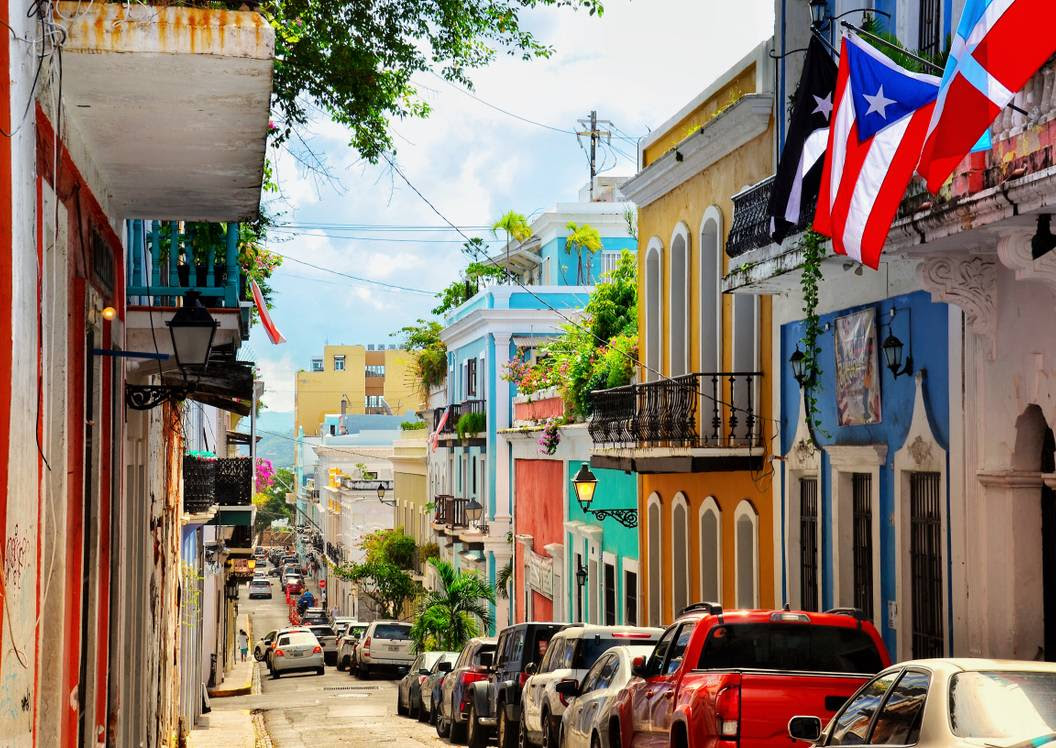
These variances are seen in data released by the CDC and the National Cancer Institute. The data shows that one place in America has the lowest number of cancer incidences per 100,000 people across several cancer types. Surprisingly, the location is not a mainland state. It’s Puerto Rico, a U.S. territory home to the oldest European settlement in America and plenty of resorts with stunning beachfront views.
Despite ongoing healthcare challenges that have forced doctors and nurses to leave the island altogether, researchers say there are several reasons why Puerto Rico still has the lowest cancer rates in the country. Here’s what they learned.
According to the CDC and the NCI, Puerto Rico has an age-adjusted cancer incidence rate of 347.6 cases per 100,000 people. Age-adjusted data uses the 2000 U.S. standard population to account for differences in age across groups.
For example, since cancer risk increases with age, areas that have older populations would have skewed data depicting higher cancer rates if the data were not age-adjusted.
Additionally, the data set includes only invasive cancers, or cancers that spread beyond the tissue where they first developed.
Examples of invasive cancers are:
- Breast Cancer
- Lung Cancer
- Colorectal Cancer
- Pancreatic Cancer
- Prostate Cancer
Bladder cancer is an exception, as both invasive cases and cases that have not spread are included in the data.

Cancer incidence rates in Puerto Rico have also been on a downward trend over the last five years, with rates dropping by 1.8 cases per 100,000 people.
Despite its ongoing healthcare challenges, how does Puerto Rico still have the lowest cancer rates in the U.S.?
| State/Territory | Age-Adjusted Cancer Incidence Rate | Recent 5-Year Trend |
|---|---|---|
| Puerto Rico | 347.6 | -1.8 |
| California | 397.4 | -0.5 |
| District of Columbia | 426.9 | -1.1 |
| New York | 465.1 | -0.7 |
| Kentucky | 513.7 | -0.7 |
This Ancient Disease Has Reappeared In The U.S., And Scientists Still Don’t Know Why
Humans have been struggling with this horrific lung disease for at least 9,000 years. And now, a new outbreak is plaguing Kansas City.
Why Does Puerto Rico Have The Lowest Cancer Rates In The U.S.?
Researchers have released several studies within the last ten years

Condado beach in San Juan on Puerto Rico Credit: Shutterstock
The average age-adjusted cancer incidence rate across the U.S. is 444.4 per 100,000 people, about 28.7% higher than Puerto Rico’s. Researchers believe this gap is due to several factors.
A 2015 CDC study suggests that the differences in reported cancer rates may be due to variations in health-related behaviors and cancer screening practices.
For example, Puerto Rico has:
- A higher rate of pregnancies early on in life, which may lower breast cancer risk.
- A lower smoking rate, which could explain lower lung cancer rates.
Another study published in 2022 by the American Association for Cancer Research (AACR) discussed the relationship between breast cancer risk and sun exposure.
While researchers reported that the findings were somewhat inconsistent, they did note a lower risk of breast cancer among women in Puerto Rico, where UV radiation is high year-round. However, they cautioned against too much sun exposure, the number one cause of skin cancer.
CDC Claps Back At Allegations Cruise Ship Cleanliness Checks To End, Amid Mass Layoffs
The program responsible for overseeing the cleanliness of cruise ships has been gutted, but the CDC believes layoffs will not impact cruisers’ health.
People Are Least Likely To Die From Cancer In Utah
Despite having a higher cancer incidence rate than Puerto Rico, Utah has the lowest mortality rate


In addition to cancer incidence rates, the CDC has compiled cancer mortality rates by U.S. state. According to 2022 data, Utah is the state where residents are least likely to die from cancer, and it is also the healthiest state for seniors and retirees.
Puerto Rico was not included in this set of data.
Although Utah reported a cancer incidence rate of 412.7 per 100,000 people in 2023, about 18% higher than Puerto Rico’s, it had a significantly low cancer mortality rate of 116.1 deaths per 100,000 residents.
This low mortality rate is most likely due to a number of lifestyle factors. For example, Utah is known for its incredible hiker towns and beautiful small locales with easy national park access, encouraging its residents to exercise. Researchers say physical activity helps cancer patients endure treatment and improve energy levels.
Additionally, Utah has the lowest binge-drinking rate in the U.S., according to a study conducted by the CDC, and the NCI warns that heavy alcohol use can negatively impact cancer recovery and increase the risk of recurrence.
| State/Territory | Cancer Death Rate |
|---|---|
| Utah | 116.1 |
| Hawaii | 122.4 |
| New York | 122.4 |
| Colorado | 124.5 |
| New Jersey | 125.3 |
America’s State With The Lowest Life Expectancy Continues To Face Health Challenges
If you want to see yourself living a long and healthy life, you may want to stay away from living in this Southern US state.

While researchers know lifestyle, environmental factors, and health-related behaviors play a role in why Puerto Rico and Utah experience lower cancer incidence and mortality rates, ongoing research could uncover even more valuable data to help prevent and treat the disease.
Factors Behind Puerto Rico and Utah’s Lower Cancer Rates
While Puerto Rico and Utah both have lower cancer incidence rates than the U.S. average, their reasons differ due to distinct demographic, behavioral, and environmental factors.
Puerto Rico’s case
Puerto Rico’s age‑adjusted cancer incidence rate is about 347.6 per 100,000, compared to the U.S. average of 444.4 TheTravel. Key contributing factors include:
- Lower tobacco use: Puerto Rico has historically lower smoking rates than most U.S. states, which directly reduces lung cancer risk archive.cdc.gov.
- Health behaviors and screening: Differences in health‑related behaviors and cancer screening practices may contribute to lower reported rates TheTravel.
- Diet and lifestyle: Traditional diets rich in plant‑based foods, fruits, and vegetables may reduce certain cancer risks TheTravel.
- Genetic and population factors: Some studies suggest genetic predispositions and population history may influence cancer susceptibility TheTravel.
- Environmental disparities: While some municipalities have higher cancer risk due to industrial chemical exposure, the overall population still benefits from lower exposure in many areas American Association for Cancer Research.
Utah’s case
Utah’s lower rates are less about tobacco or diet and more about demographics and healthcare access:
- Younger population: Utah has a relatively younger median age, reducing the cumulative cancer risk over time TheTravel.
- Healthcare access: Strong public health infrastructure, including preventive care and early detection programs, may improve outcomes TheTravel.
- Lifestyle factors: Active lifestyles, lower obesity rates, and lower rates of certain risk behaviors (e.g., smoking, alcohol misuse) may contribute TheTravel.
- Environmental factors: Utah’s clean air and water, and lower industrial pollution compared to some U.S. regions, may reduce environmental cancer risk TheTravel.
Shared themes
Both regions benefit from stronger preventive care systems, lower prevalence of major risk factors (like smoking), and population characteristics (age, lifestyle) that reduce cancer incidence. However, Puerto Rico’s advantage is more tied to behavioral and dietary patterns, while Utah’s is more influenced by demographics and healthcare access.
In short, Puerto Rico’s low rates are driven by lower tobacco use, healthier diets, and screening differences, while Utah’s are driven by a younger population, better healthcare access, and healthier lifestyles.
I’m a surgeon and gut health expert—the No. 1 magical food I eat every day for a longer life
2 foods you should eat more of to lower inflammation, according to research
BOTTOM LINE: Puerto Rico vs Mainland United States Diet – Search