Life Was A Blur With My Cancer DX

Pancreatic cancer survivor was given four months to live;
six years later she shares her story – YouTube

At age 69, Pam Sander had lived a wonderful life. A former teacher and lifelong St. Louis resident, Pam had been married to her soulmate, Roy, for almost 50 years. “We finish each other’s sentences,” Pam laughs. “We’ve gotten to be the typical old married couple.”
After going to the doctor with stomach pain, Pam learned she had pancreatic cancer.
“I asked the doctor how long somebody usually lives with this,” Pam recalls.

“She said about four months.”
After realizing she wouldn’t make it to 70, Roy was overcome with sadness.
But Pam took the opportunity to reflect on how wonderful her life had been:
“How lucky I had been to live my whole life with someone I loved.
With children that I loved.
With friends that I love…so we didn’t cry anymore. We just got on with gettin’ on.” 
As Pam tried to come to terms with her diagnosis, her doctor presented her with some potentially exciting news: She was eligible for a clinical trial of a new form of targeted radiation therapy, known as MRIdian, developed by ViewRay.

Discover MRIdian – ViewRay  
Shortly after treatment, Pam learned that her tumor had not grown. “I felt like I could exhale,” she says. “Like we could live our lives again.” Now six years after treatment,
Pam is one of an incredibly small number of pancreatic cancer survivors who has lived more than five years.

She attributes the clinical trial using MRIdian to be saving her life: “I [feel] proud to
be part of history,” says Pam. “If this can help other people, wouldn’t that be wonderful?
It just made [me] feel like [I was] doing something worthwhile… I thank the doctors and
that machine for being my saviors.” MRIdian, developed by ViewRay. – Bing images

MRIdian Locator – ViewRay
Please contact your healthcare provider with any questions or concerns.
Find hospitals where MRIdian is available here. viewray.com
https://viewray.com/about-us/mridian-locator

image.png
MRIdian by ViewRay is the world’s first radiotherapy device
with an integrated onboard MRI.

What is MRIdian (ViewRay)?
It allows the treatment of tumors previously considered untreatable.
Until recently, physicians used magnetic resonance imaging (MRI) scans to see tumors, and linear accelerators (LINAC) to treat them. MRI-LINAC is a revolutionary solution that combines both technologies in the same device. MRIdian by ViewRay is the world’s first MRI-guided radiation therapy system that can image and treat cancer patients simultaneously. It is a radiotherapy solution that integrates LINAC with MRI technology in a compact design, together with software, to locate, target, and track the position and shape of tumors while radiation is being delivered.

How does MRIdian (ViewRay) work?
As with conventional radiotherapy, the patient is placed on a table, and MRI is performed on the targeted tissues. The tumor area and surrounding healthy tissues can be visualized clearly with the aid of MRI. Real-time imaging helps physicians control the treatment process during irradiation. If a clinically important movement of targets or healthy tissues is detected, physicians can adjust the target and replan the treatment while the patient is still on the treatment couch. A new MRI scan is performed before each treatment session, allowing for tailored treatment based on the patient’s daily anatomy. 
Patients play an active role in MRI-Linac radiotherapy. During treatment, the patient can monitor the tumor on a screen and adjust their breathing to keep it within the marked frame. When the treatment session is over, the patient can go home immediately.

Differences between MRIdian and conventional LINAC-based treatments
MRIdian is a new technology for advanced radiotherapy. The new therapeutic method addresses the limitations of radiation oncology. Due to its ability to see the soft tissues well and monitor radiation delivery in real-time, MRI-guided radiation therapy allows for the treatment of small or hard-to-reach tumors, tumors located close to critical structures, or tumors that move (for example, with breathing).

Compared to conventional radiotherapy, MRIdian offers advanced features:
Provides continuous imaging in real-time
Enables the physician to see tumors clearly, even in soft tissues
Allows access to hard-to-reach or moving tumors in the chest or abdomen
Tracks the movements of tumors and healthy tissues during radiation treatment
Provides real-time, on-table adaptive radiotherapy planning
Provides video recording during the treatment process and allows for visualization of progress
Enables the delivery of high doses and precise irradiation
Avoids the need for invasive and costly markers and tissue expanders
Advantages of MRIdian (ViewRay)
The MRIdian LINAC system provides significant benefits for certain patients:
Enhanced real-time tumor visualization
Tight margins and minimal radiation to surrounding healthy tissues
Few treatment sessions
Minimal side effects for the patient
Excellent safety and efficacy of radiation therapy
Improved outcomes for hard-to-treat tumors

Conditions Treatable with MRIdian (ViewRay)
MRI-LINAC can be used for all tumors throughout the body. However, it provides significant advantages for patients with lung cancer, prostate cancer, abdominal cancer, liver tumors and metastases, and pancreatic cancer in particular. Its range of applications includes breast, periaortic, lung, kidney, bladder, and pelvic lymph nodes, head and neck area, bile duct, stomach, cervix, adrenal gland, orbit, bone, spleen, gyn pelvis, thorax, aortic arch, pancreas, heart, prostate, mesenteric, abdomen (soft tissue), neck, rectal, parotid gland, pelvis, spine, esophagus, thyroid, colon, liver, extremity, mediastinal,
pelvic, soft tissue pelvic, brain, uterine, flank, gall bladder, and lingual lymph nodes, nasopharynx, ovaries, rib, and thymus.

What Types of Cancer are Treated by MRIdian?
MRIdian is used mostly for the treatment of:
Head and neck cancers
Lung cancer
Prostate cancer
Liver cancer
Gynecologic cancers
Gastrointestinal cancers
Pancreas cancer
Bile duct cancer (cholangiocarcinoma)
Breast cancer
Kidney cancer
Soft tissue sarcomas

MRIdian provides an opportunity to see and track soft tissues and tumors in real-time. This enables re-planning of the treatment course on the table if need be. MRIdian can be used in all tumors but is especially advantageous in the locations where the body has some degree of motion: the tumors located in the abdomen, the thoracal regions, etc. Tumors in these regions are in motion even during normal breathing patterns.
Therefore, the tumor area and surrounding healthy tissues can be visualized clearly (are clearly visible) with the aid of the MRIdian. In case of detecting a clinically significant movement of targets or healthy tissues, physicians are able to adjust the target and re-plan the treatment while the patient is still on the table. Keeping an eye on the findings of each treatment session, a new MRI scan could be performed before the other one. It allows a tailored treatment in accordance with the patient’s daily anatomy.
With MRIdian, it is possible to track the tumor and give the treatment at the right time and target position. It allows treatment of hard-to-reach tumors, tumors located close to critical structures, or tumors that can move during normal bodily functions such as breathing. This makes MRI-Guided Radiation Therapy unique and more effective compared to other technologies. Moreover, MRIdian therapy offers better results with little to no side effects or complications.

What Should I Expect After MRIdian Treatment?
After your tumor board decides to carry out the treatment with MRIdian, the treatment journey consists of 4 steps: simulation, planning, treatment, and follow-up. MRIdian treatment is completed between 1-5 sessions. With MRIdian, it is possible to escalate the dose while keeping the healthy tissue unharmed. Thus, MRIdian radiotherapy is finalized with fewer fractions than conventional radiotherapy. Depending on tumor localization and type, one session would take approximately between 25 to 60 minutes. You can go to their homes or hotel rooms after each treatment session. After a week, you come back to the hospital again for a control examination and tests. According to your tumor, the succeeding treatment can be planned. For instance, if MRIdian is used for a pancreatic cancer case, the patient may need to be operated on after the treatment. On the other hand, if a patient suffers from localized prostate cancer, he can cure with MRIdian treatment and will no longer need additional treatment.

What are MRIdian’s Disadvantages?
All radiotherapy treatments may bring about some side effects. Side effects of MRIdian are roughly similar to other radiation treatments. They are typically temporary and may result in respiratory, digestive, urinary, or reproductive system issues. In addition, some patients are likely to suffer from fatigue, nausea, skin irritation, and hair loss.
However, MRIdian sees and tracks healthy tissues and tumors in real-time, and consequently, it delivers the radiation beams to the tumor with utmost accuracy and causes minimum damage to healthy tissues. During the treatment, the radiation beam solely targets the tumor.
If the tumor is out of the treatment area, the system automatically stops the beam
thus decreasing the toxicity risk. Potential side effects depend on the treatment area.
For instance, after the treatment of prostate cancer, some patients face temporary urine problems or loose and frequent bowel movements.

Susan Riddle on a swing, with her husband behind her
A Longer Plan with Treatment Options
   
Susan Riddle

Stomach troubles a precursor to stage III pancreatic cancer
Shrinking the tumor with chemotherapy and radiation
NanoKnife and side effects
I noticed I was having minor stomach aches starting in November 2015, as best as I can remember. The stomach problems started to increase in January 2016. Since they always occurred around eating, I tried to vary my diet to get relief. Not much helped, but the stomachaches were not bad enough to go to a doctor and say I was having an upset stomach. Vomiting and diarrhea occurred occasionally but mostly after eating.
In March 2016, I developed a boil on my backside that became very painful; I could not sit down comfortably. I was forced to see my doctor at that time, and after she took care of my boil, I mentioned my stomach problems. She analyzed a stool sample and thought all was ok but recommended I see a gastrointestinal doctor. That doctor performed a sigmoidoscopy but found nothing that concerned him; however, he thought I had Gilbert’s syndrome, since my bilirubin was high. 
However,  since Gilbert’s syndrome should not be causing an upset stomach, occasional vomiting, or diarrhea, the gastroenterologist suggested I get a CT scan. I had the scan on April 7, 2016, and it showed a tumor and a cyst in my pancreas. I had an endoscopy on April 14; the cyst was removed, and a sample of the tumor was taken. The first round of testing was inconclusive, but a second look indicated cancer.

A Plan to Shrink My Tumor
The diagnosis was stage III pancreatic adenocarcinoma. I was not able to have a resection of the tumor because of its location around the superior mesenteric artery. Dr. Martin Palmeri, my oncologist (now in Asheville, North Carolina), set up a treatment protocol
for me. The plan was to shrink the tumor so it was no longer wrapped around the artery, and then I would have either a resection or an irreversible electroporation (NanoKnife).
I started IV infusions of Gemzar and Abraxane on May 1, 2016.
I had these infusions once a week for two weeks and then was off for one week over a period of four months. Twice my blood counts prohibited me from getting the infusion.
I was given steroids and anti-nausea drugs at the time of each infusion.
I also took prochlorperazine and/or Zofran the day after treatment to prevent nausea.
Over the course of the four months, I was sick enough to vomit less than five times, for which I felt very thankful and blessed. On the day after the infusion, I had a great amount of energy—I assume this was from steroids. 

On the second day after the infusion, I felt fatigued—not enough to severely limit my activity, but I rested more on those days. My hair was gone by the third chemo treatment, and I developed a body rash around my midsection after the third week of infusion.
After applying lotion, the rash disappeared in a couple of weeks.
After three months, I had another CT scan, which revealed a reduction in tumor size.
My CA 19-9 was dropping quickly.

Next Steps and Side Effects
The next step was radiation with Dr. William McCollough, which I underwent daily for approximately 25 days. I took Xeloda orally in conjunction with the radiation, on a schedule of 14 days on and seven days off. At the end of the 14 days of Xeloda, the bottom of my feet would get tender, but I did not develop blisters. After radiation and chemo ended, I noticed I had difficulty walking upstairs because my legs had become very weak. This lasted for about four weeks.

While I was having the radiation, I noticed a gray curtain effect in my right eye. I learned I had a retinal virus, possibly because my immune system was compromised during chemo and radiation. I had my retina surgically reattached, but the virus did quite a bit of damage and I no longer have sight in my right eye.
A CT scan a month after radiation showed the tumor was smaller and just butted up against the artery. My CA 19-9 numbers were low.

Time for NanoKnife
Dr. Palmeri recommended that I travel to Louisville, Kentucky, to meet with Dr. Robert Martin, a leader in irreversible electroporation, also known as the NanoKnife surgery.
I underwent this procedure on January 5, 2017, and the ablation was successful.
Like most NanoKnife patients, I had the recommended feeding tube in place for three months. I started chemo IV infusions of Gemzar in February 2017, along with Xeloda.
I continued this chemo regimen until July 3, 2017. I got blisters on my hands and feet from the Xeloda, so my doctor gave me a two-week holiday from the drug and then reduced my dose.

A CT scan three months after the NanoKnife surgery showed the tumor was still there but not active. Dr. Palmeri remained concerned and wanted another expert to look at the scan to see if the tumor needed to be removed. I had a PET scan and an MRI. The consensus was the tumor was so involved with my arteries that it would be dangerous to remove it, especially since I was doing well and it appeared to be dormant. Good news, but there was a cyst on my right ovary, something they had seen on a previous scan but it had gotten larger. I was referred to Dr. Timothy Vanderkwaak, a gynecologic oncologist, for my ovaries because of my cancer history.
On August 30, 2017, I had laparoscopic surgery to remove my ovaries and fallopian tubes. All went well, but the cyst was cancerous. The doctor got it all, however, and no further medication was needed. I was relieved.

Continued Vigilance
I continued to have CT scans every three months, which was a good thing because one scan detected a blood clot in my pancreas, pressing on a vein. I gave myself injections of enoxaparin for three months. The clot did not go away, but there were many collateral veins around the clot, so the injections were stopped. Isn’t it wonderful how the body heals itself?
Dr. Martin asked me if he could use samples of the tumor for research.
I signed the papers, but I do not know exactly what kind of testing was performed.
Dr. Vanderkwaak suggested testing for ovarian and breast cancer mutations. I found out that I have a BARD1 gene mutation, which increases my chances of breast and ovarian cancers. Owing to this mutation, he has suggested increased breast examinations. I was also tested for Gilbert’s syndrome. Because I have the BARD1 mutation, my oncologist changed the choice of chemo drugs ordered for me.

I had a CT scan in June that showed a lesion on my liver, and my CA 19-9 has been rising slowly. I am scheduled for an MRI, to help evaluate the liver lesion, and a meeting with my doctor in mid-July, which will determine the next steps. Praise God!

Eighteen months after sharing her story. Susan passed away.
Challenged by side effects she continued to pursue treatments and
underwent genetic testing to find one that might make a difference.
We offer our deep sympathy to her family.

Dr. Robert Martin & Elise Tedeschi-Stage 3 … – Search (bing.com)

ConnJackson Dr. Robert Martin & Elise Tedeschi-Stage 3 Pancreatic Cancer – YouTube

Kay Kays | A 29-Year Pancreatic Cancer Survivor (seena magowitz foundation.org)

Maria Menounos opens up about pancreatic cancer diagnosis – YouTube

‘Tumors just vanished’: Cancer patients now in remission after drug trial – YouTube

Treatment with the immunotherapy dostarlimab showed promising results in a small trial of more than a dozen rectal cancer patients, according to new research, but further study is needed and it is too early to call it a cure. CNN’s Erin Burnett speaks to Dr. Andrea Cercek, an oncologist at Memorial Sloan Kettering Cancer Center. Please consider sending this video link to your oncologist /doctors as they may be unaware of this new drug, sending you good luck and blessings, this is great news! 🙏


I thought my body would never be the same again, but you fixed it. My heartiest gratitude my cancer is no more, this world needs more people like you.

God bless you 👏

No argument from me on that. However, in these particular colon
cancer patients there is an immune system deficiency in their DNA.
But again, you are so right! Well over 50% of us are obese and an alarming number
of us are morbidly obese from eating processed foods, too many carbs, not enough fruits and vegetables that have the micronutrients that are crucial to a healthy immune system.
This creates massive profits not only for the processed food industry but also for hospitals and especially pharmaceutical corporations who love to sell us more pills.
Dr. Zhaoping Li: Nutritional Myths With Pancreatic Cancer – YouTube
Pancreatic Cancer: A Beautiful Story of Survival – YouTube

Patients reportedly beating cancer with just one tablet a day | 9 News Australia – YouTube
Brain cancer survivor working with lawmakers to boost cancer prevention efforts Microsoft News ABC15 Phoenix, AZ 7 hours ago – Search (bing.com)
The cancer prevention diet: 6 smart tips from a nutritionist on what to eat and why — and what to avoid (msn.com)
Brain cancer survivor raises funds for the community in hopes to decrease violence in the Triad (msn.com)
Brain cancer survivor working with lawmakers to boost cancer prevention efforts (abc15.com)
I’m A Breast Cancer Survivor. Here’s What I Wish I’d Known About Self-Checks (msn.com)

The 5 Longevity Exercises a Physical Therapist Recommends To Stay Strong and Pain-Free As You Age—No Equipment Required (msn.com)

The cancer prevention diet: 6 smart tips from a nutritionist on what to eat and why — and what to avoid (msn.com)
Cancer cure by miracle drug Dostarlimab | Know all about Dostarlimab | Oneindia News *explainer – YouTube
The Absolute Best Snack for Reducing Inflammation, According to Registered Dietitians
A fitness trainer shares the No. 1 exercise for a ‘longer life’: It has ‘major aging benefits’
The #1Best Breakfast for Lowering Inflammation, According to Registered Dietitians
Eat These 8 Types of Vegetables to Lower Inflammation, According to Dietitians
12 So-Called Healthy Habits That Are Actually Really Bad for You (msn.com)
Study Finds Eating These 6 Foods Can Lower Your Risk of Heart Disease

The 18 Best Foods for Gut Health, According to Nutritionist (msn.com)
Foods that fight depression and enhance your well-being (msn.com)
One of the best healthy salad dressings you’re not having (msn.com)
Scientists Identify Six Foods We’re Not Eating Enough Of (msn.com)
Foods You Have to Be Eating for The Best Gut Health (msn.com)
A comprehensive guide to an anti-inflammatory diet (msn.com)

The 6 Best Healthy Habits to Help You Live Longer (msn.com)
20 Cancer Signs People Ignore Until It’s Too Late (msn.com)
15 Types Of Peppers and When To Use Them (msn.com)
How To Build An Anti-Inflammatory Diet (msn.com)
The Superfoods You Need in Your Diet (msn.com)
The Best Foods for a Healthy Gut (msn.com)
What Is the Mediterranean Diet? (msn.com)

Posted in Uncategorized | Leave a comment

How I Slowed Down Aging

Chris Mirabile is the founder of longevity company Novos. © Getty Images

A 39-year-old who claims his biological age is 26 shares his longevity secrets,
including enjoying pizza and wine in moderation
Story by (Rachel Hosie) •rhosie@insider.com

Chris Mirabile is an entrepreneur who claims he’s slowed down his aging.
Mirabile believes this is down to his lifestyle, not genetics.
He lives a healthy lifestyle but doesn’t over-restrict, he said. 
If you listen to some of the most vocal “longevity experts” who claim to have reduced their biological age, you’d be forgiven for thinking you need to take 100-plus supplements, fast for 19 hours, and exercise for an hour a day to live a long, healthy life.

But Chris Mirabile disagrees. Bing Videos
39-year-old man claims reverse aging, says that his biological age is 26 (sportskeeda.com)
Mirabile, a 39-year-old entrepreneur based in the US, claims his “biological age” is 26 and that he has slowed his aging by 37%. As Insider previously reported, some researchers agree it’s possible for a person to have different biological and chronological ages — but whether it’s possible to pinpoint a specific biological age is still up for debate.

image.png 
1. A doctor who wrote a book on the Mediterranean diet shares his 4 favorite snacks 
©Dr. Simon Poole The Real Mediterranean Diet by Dr. Simon Poole – YouTube

The Real Mediterranean Diet Simon Poole – Bing video
The Mediterranean diet is widely considered the healthiest way to eat.
Dr. Simon Poole, a dietary expert, shared his favorite Mediterranean snack ideas
with Insider. He said to try simple foods such as olives, skin-on nuts, and chocolate
(but make sure it’s dark).

The Mediterranean diet is widely considered the healthiest way to eat.
It prioritizes eating vegetables, legumes, seafood, and olive oil with minimal amounts of processed and fried foods, red meat, refined grains, sugar, and saturated fat.
Dr. Simon Poole, a dietary expert based in the UK, told Insider that there was a “very considerable amount of really good, high quality scientific research to show that it reduces the risks of really so many chronic diseases, from heart disease and stroke through to many cancers and even Alzheimer’s disease.”
It’s also associated with longevity, better mental health, and maintaining a healthy weight, so it can improve quality of life in many areas as well, Poole said. He shared four of his favorite Mediterranean diet snack ideas with Insider, following on from his favorite breakfasts, lunches, and dinners.

Olives are a great snack and popular in the Mediterranean, Poole said.

image.png 
Olive Oil & Cancer – Scientists study 1,000,000+ people,
with astounding results. 2 Olives ©Getty

They are a brilliant source of polyphenols, which can improve digestion
and brain health as well as protect against conditions like heart disease,
and type 2 diabetes, also certain cancers, according to Healthline.
Poole recommends olives that have been preserved in extra virgin olive oil
rather than salt and brine, but it’s easy enough to wash off excess salt.
“They’re a great source of antioxidants that, of course, we get in a concentrated
form in extra virgin olive oil,” Poole said. “They’re also very filling because they contain monounsaturated fats. So a nice filling snack, but plenty of healthy fats.”

image.png 
3  Selenium, Brazil nuts and cancer – Bing video ©Getty

Crack Open the Science on Nuts and their Incredible Health Benefits!  Bing Videos
A handful of unsalted, skin-on nuts is a big part of the Mediterranean diet, Poole said. Nuts provide good quality fats and minerals such as magnesium and zinc. 
“They’re best with skins on because the protective and preservative antioxidants tend
to be on the outside of the nut, concentrated in the skins,” Poole said.
Too much salt can also increase blood pressure in some people, he added.
“If you want to have a little bit of sweetness with those nuts, mix them with some dry fruits, which we often see in trail mix snacks,” Poole said.

It was after surviving a life-threatening seizure caused by a brain tumor 
at the age of 16 that Mirabile devoted himself to living younger for longer — also known
as increasing HealthSpan — which led him to found Novos, a longevity supplements company (meaning he has a vested interest in promoting anti-aging).

image.png
4 Dark chocolate ©Getty

Dr. Simon Poole dark chocolate – Bing video
A square or two of high-percentage dark chocolate is a very filling snack, Poole said.
He recommends choosing chocolate that is 85% cocoa and has a “lovely bitter taste.”
“One square will fill you up, and people will get used to a slightly more bitter chocolate
if they wean themselves off the high sugar, low cocoa chocolate,” Poole said.
Dark chocolate is high in antioxidants, and consuming a small square a day
could reduce the risk of some diseases such as heart disease, Poole said.

image.png5
Poole recommended snacking on any piece of fruit. ©Getty

“Just carry an apple or a tangerine with you, then you’re going to get a really nice little boost of sugar, but relatively slowly released with fiber and vitamin C, and other minerals,” Poole said.

Related video: 10 Daily Habits of People Who Age Well (Martha Stewart Living).
Mirabile told Insider he had what’s known as the DunedinPACE Test that uses a person’s blood as a snapshot to measure their pace of aging, which was developed by researchers at Duke and Columbia universities. Although Mirabile said he doesn’t look 26, he said his results suggest he has the risk of death and disease of someone in their 20s. 
Due to a family history of obesity and ill-health, Mirabile doesn’t think genetics explain what he claims is his biological age. Instead he credits a healthy lifestyle “accessible to the common, average person,” involving good sleep, a balanced diet, and regular exercise. 
“It’s not for billionaires or people spending $2 million a year on testing and so on,” Mirabile said. “It’s for you and me, it’s for all of us.” It’s also not overly restrictive because he doesn’t find a super strict lifestyle sustainable, he said, which evidence shows is a universal experience.  “You’re sacrificing so much from life and you’re also taking things away from your loved ones who want to have fun and do things with you,” he said. 

Enjoying treats in moderation 
“You’re sacrificing so much from life and you’re also taking things away from your loved ones who want to have fun and do things with you,” he said. In his 20s, Mirabile became interested in longevity research and learned that a lot of common short-term health goals related to our bodies aren’t necessarily good for long-term health, such as rapid weight loss.

With this in mind, Mirabile doesn’t deprive himself of foods he likes that, depending on how they are prepared, can be higher in sugar and saturated fats, such as pasta, pizza, tiramisu, sushi rolls, and Thai food. He just enjoys them in moderation, saving them as weekend treats, he said. “I don’t overindulge. I eat just until I feel content,” Mirabile said. He suspects he eats in a slight calorie deficit during the week and a slight surplus at the weekends, meaning his weight stays stable.

When Mirabile does order, say, a pasta dish, he’ll order one with nutritious ingredients such as garlic, spinach, and olive oil, he said. “We want to enjoy ourselves but balance the longevity benefits,” Mirabile said.
The only foods Mirabile never eats are things like greasy fried chicken: “Those types of foods never agreed with me. I get stomach aches from them and have never craved them.”
Mirabile drinks alcohol on special occasions but not every weekend, and he drinks coffee and tea too, he said. According to the World Health Organization, there is no safe amount of alcohol to drink that does not affect health, while black tea has been linked with health benefits such as a reduced risk of heart disease and stroke, and coffee could help reduce risk of chronic illness, according to research.

Mirabile eats a nutrient-dense diet during the week:
During the week, he aims to eat minimally-processed, nutrient-dense foods such as fish, eggs, probiotics such as sauerkraut and kimchi, and a diverse range of plant-based foods, including in his daily protein smoothie.
“The American Gut Project found that those who are eating more than 30 different
species of plants had the healthiest microbiomes,” Mirabile said. Having a healthy
gut microbiome has been linked to improvements to digestion, the immune system,
and mental and physical well-being.

image.png

1 WEEK of Intermittent Fasting | My Thoughts, Tips + Before After Results – YouTube
Mirabile aims to intermittent fast every day, eating all his food in an eight-hour window — usually around 11 a.m. to 7 p.m. Time-restricted eating has been linked to health benefits such as lower blood pressure and a reduced risk of diabetes.

Supplements-wise, Mirabile takes his own longevity supplements Novos Core and Boost, omega-3s, a vitamin B complex, a multivitamin, and sometimes before bed he takes a low dose of extended release melatonin and some chamomile tea with valerian extract to help him sleep.
Evidence suggests that most supplements are unnecessary for people living a healthy lifestyle with a balanced diet, and overdoing it can lead to nasty side effects.

Prioritizing rest and exercise
Both exercise and sleep are thought to be key for lengthening our HealthSpan,
and Mirabile takes both seriously. He works out six days a week, incorporating both
cardio and strength work into his training, changing his workouts every so often to
keep his body guessing.

“I’m always challenging my body and tricking it, so I’m not going to get as big as a bodybuilder focused on hypertrophy, and I’m not going to be as slim as someone who’s focused purely on strength,” he said.
He aims to be in bed by between 10.30 p.m. to 11 p.m., sleeping for at least eight hours a night and tracking it with an Oura ring and Apple watch. Getting detailed sleep data led to Mirabile cutting down on alcohol after seeing how much it affected his sleep, he said.
To give himself the best chance of sleeping well, Mirabile wears an eye mask and ear plugs so he isn’t woken in the morning when his girlfriend is getting ready for her day, he said. Mirabile also uses wifi-connected light bulbs that dim and turn red automatically an hour before bed.

“It really helps me and my girlfriend ease down and when our heads hit the pillow,
we fall asleep in three or four minutes,” Mirabile said. “It really helps to get that melatonin produced and helps with the sound sleep throughout the night.”
While blue wavelength light, such as that emitted from phone screens and laptops,
is thought to suppress melatonin and keep us awake, red wavelength light has been linked
to boosting melatonin production in some small-scale studies, but substantive research is lacking.
Mariana Figueiro, director of the Mount Sinai Light and Health Research Center in
New York City, told CNN that it could be that by using red light at night, the benefit
comes from avoiding blue light.

Uncover the secrets of the Mediterranean diet with Dr. Simon Poole – August 16, 2021 – YouTube
Love Italy? Then You Have To Check Out These Underrated Small Towns (msn.com)
What Is the Mediterranean Diet? Inside the Year’s #1 Weight-Loss Plan (msn.com)
7 Iconic American Steakhouses To Add To Your Bucket List (msn.com)
The Cranberries: NPR Music Tiny Desk Concert – YouTube
Posted in Uncategorized | Leave a comment

Cancer Death Disparities

Geographic variation in rates of cancer death in all U.S. counties.
 Red shows the highest number of deaths per 100,000 persons.


River Basin States have the Highest Rates of Cancer.

Cancer death disparities linked to poverty, lifestyle factors nationwide. 
Food insecurity, smoking, physical inactivity, and quality of health care are the top factors linked to cancer death disparity rates in a new Yale study. Yale researchers have identified factors that may contribute to widening cancer death disparities among counties across the United States. These factors, which include both socioeconomic and behavioral traits, may provide public health experts with specific targets for potentially reducing cancer disparities, the researchers said.

The study was published in JAMA Network Open.
While cancer death rates have decreased overall in the United States in recent decades, substantial disparities among counties still exist and are growing. To examine the factors that may drive these disparities, a team of Yale-led researchers analyzed publicly available data documenting cancer mortality rates by county. They compared the rates in low-, medium-, and high-income counties. Using a novel method known as mediation analysis, the research team identified factors that were associated with the disparities, they said.

Where in the U.S. Are You Most (And Least) Likely to Get Cancer?
The research team confirmed that there are significant county-level disparities in cancer deaths, ranging from 186 deaths per 100,000 persons in high-income counties to 230 deaths per 100,000 persons in low-income counties.
Their mediation analysis found that most of the disparities could be explained by a small number of key factors. “The most important of these factors appear to be food insecurity, smoking, physical inactivity, and the quality of health care that is provided in the counties,” said first author Jeremy O’Connor, M.D., who conducted the research while he was a National Clinician Scholar at Yale School of Medicine.
Their findings show that cancer death disparities can be attributed to a mix of factors that involve both income and behavior. “The paper suggests all of these factors are interplaying to lead to disparities,” O’Connor noted. “It’s not just health behaviors or quality of care; it’s all of the factors together.”

As part of their methodology, the researchers also created maps to illustrate the cancer death disparity rates. This approach will allow public health officials in different parts of the country to identify specific factors that affect their counties, and respond accordingly. “Instead of every county addressing all eight factors, they can target their public health programs to the factors that are most important to their community,” said O’Connor.
The study also underscores the fact that while overall cancer death rates are affected by advances in cancer treatment, much of the disparities in death rates might be attributable to issues outside of treatment, such as smoking and obesity, the researchers said.
Other study authors are Tannaz Sedghi, Meera Dhodapkar, Michael J. Kane,
and Cary P. Gross. This work is made possible by a grant from the National Center for Advancing Translational Science, a component of the National Institutes of Health. Gross has received support for research from 21st Century Oncology, Johnson & Johnson, Medtronic, Inc., and Pfizer.

Related:
Low- or no-calorie soft drinks linked to improved outcomes in colon cancer.
What makes us well? Diversity, health care, and cycling to work matter.
Disparities found in lung cancer care, survival in U.S. versus England
Facing the Fear of Cancer by Joel Schorn – Bing video

image.png

The cancer rate gap by country has widened in recent years with the percentage
of people diagnosed in some countries being between four and five times that of
some other countries. 

According to Dana Farber’s Blog the countries with
the ten highest cancer rates are currently as follows.

Denmark                                                      
France
Austria
Belgium
Norway
United States
Ireland
South Korea
Netherlands
New Caledonia

While the ten countries with the lowest cancer rates are
Niger 
Gambia
Cape Verde
Bhutan
Yemen
Oman
Namibia
Guinea Bissau
Nepal
Mauritania

When looking at the two lists there are a few factors that stick out instantly. 
The highest rates are in the developed western world while the lowest rates are predominately in more agrarian societies throughout Africa and the Middle East. 
The higher rates exist in countries with much larger healthcare sectors. 

This could mean one reason for the disparagement would be the abilities of industrialized nations to detect the existence of cancer in the first place.  People in less developed nations are less likely to seek conventional medical attention when an issue arises.  This is a major component of the existing gap.  Let’s look at some other possible reasons why cancer rates may be lower in these less developed nations.

Clean Food: The agrarian economies are trading food that is a cut above any run
of the mill organic food in the west.  Their soil is mostly free of synthetic chemicals and pesticides (as are their neighbors/anyone else feeding into the local soil and water supply).

Clean Water: Most of these countries drink local water that has been used dating
back to their ancestors.  No contaminants like hydro-flora-solisic acid are added to their water supplies like they are in the west.  Typical American town water supplies can have hundreds of parts per million of chemicals added to it at the town supply itself. While it’s true some of these nations have water supply issues from traditional influences, animal waste/high water levels, it’s the lack of chemicals, pesticides and other synthetic microscopic compounds that is absent in many of these areas. 

Lack of Tech Devices; Over the past decade many high profile, public figures
have contracted brain cancer.  Within the U.S. Senate alone three very tenured members, Ted Kennedy, Arlen Specter and John McCain all died from this form of cancer.  They were all of a certain age where they may be more vulnerable from radiation put out by cell phones (75+).  These electronic devices seem to be glued to the ears of most politicians.  Less developed nations are also spared from the constant frequencies sent out by wifi as well as radio signals.  The air is less polluted, both by what can be seen or unseen.

Medical presence in the first world is a major issue for catching cancer early on and coming up with a treatment plan.  There are also possible issues in the “Developed World” that may be contributing factors as well.  Beyond the food and water supply, stress levels and workloads are also much higher in the first world. 

A farmer who feeds his or her family with what they grow has far less human interaction; both in person and online. A simpler life might be easier on the cells.  Quality nutrition grown next to one’s house is a much better way to eat; a relationship with Mother Earth that has worked well for thousands of years. 

Chronic stress has different symptoms than stress. Here’s how to spot the difference.
Scientists Predict How Much Time Mammals Have On Earth Before We Go Extinct.
Nine Absurdly Common Life Choices That Can Destroy Your Life (msn.com)
The Fittest States in the U.S., Ranked from Worst to First (farandwide.com) 
The #1 Habit to Break for a Longer Life, according to a Dietitian (msn.com)
The 6 Real Reasons You’re A Highly Sensitive Person (msn.com)

  image.png

Posted in Uncategorized | Leave a comment

Livin`Improbable Times

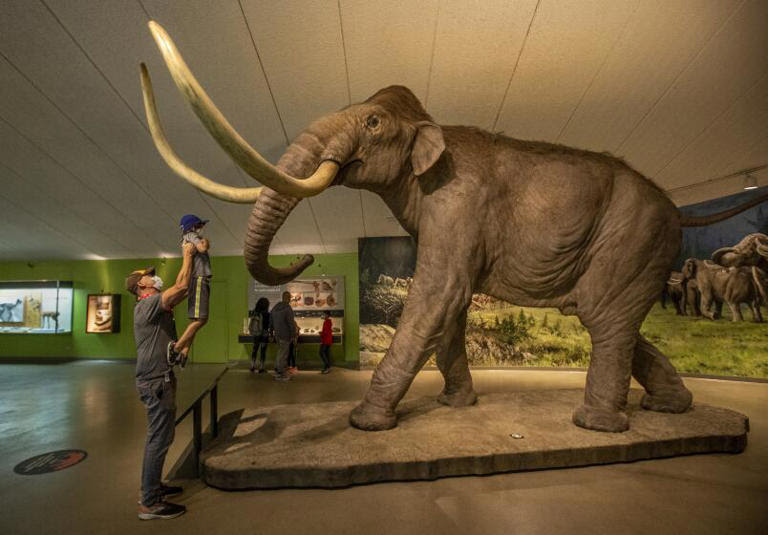
A Columbian mammoth on exhibit at Los Angeles’ La Brea Tar Pits, which preserved the remains of some ancient megafauna that went extinct during a period of global warming thousands of years ago.  © (Mel Melcon / Los Angeles Times)

A Mind is a Terrible Thing to Waste Away – Search (bing.com)
“A mind that is anxious about the future and unhappy before misfortune
even arrives is a disaster,” wrote the Stoic philosopher Lucius Annaeus Seneca.
It will never be at rest, and while overwhelmed with worry, it will “lose the present
things that it could enjoy.”
A pivotal political figure in first-century Rome, Seneca indeed had much to worry about, along with wealth and prominence to enjoy. He earned the distinction of offending three emperors: Caligula nearly ordered his death. Claudius banished him. And Nero, who once was his pupil, ultimately commanded him to commit suicide.

For those unable to take Seneca’s advice to abandon anxiety, there’s plenty to fret
about in our time — from immediate concerns like the Ukraine war, labor strikes in various industries and a possible US government shutdown to the existential threats
of climate change to natural disasters and nuclear weapons.
Yes, we have more modern voices advising us — how can we forget Bobby McFerrin’s musing in his 1988 hit, “Don’t Worry, Be Happy” – Bing video that “In every life we have some trouble, but when you worry, you make it double”? Yet there’s something reassuring about a voice that resonates across a span of 2,000 years, of someone who contended with strife in a world utterly remote from and in some ways strikingly familiar to our own.

It turns out that quite a few people are thinking about the world of ancient Rome. 
As historian David M. Perry pointed out, “a viral trend has swept through TikTok 
in which women asked their husbands and boyfriends how often they thought about
the Roman Empire.

A surprising number claimed to think about the ancient empire as often as ‘every day’
or least every week or two. It became a meme (are you even in a relationship if she hasn’t asked you about the Roman Empire?), spread to other social media sites, then received serious news coverage in multiple outlets.

Now it seems like it’s everywhere.”
In the Financial Times, Jo Ellison also explained that, judging by some TikTok posts,
“men are in awe of all the Romans achieved. They marvel at their absolute dominion, their mastery of every strand of civilisation — and then how that power suddenly slipped away.
Some see metaphorical comparisons: are we poised at the end of another epoch?

Others think about the Stoics.
Who knew Marcus Aurelius would be such an influencer? 
The millions of men who subscribe to apps daily offering his wisdom, that’s who.”
Podcasts, books, movies have all fed the appetite, David Perry noted. “There’s just a lot
(in a fairly narrow band) of Greek and Roman history to easily consume. What’s more, a small selection of surviving primary sources for the late Roman Republic and early empire are fun to read, lurid in sex and violence and available in cheap paperback translations.

Yet while “people love history,” Perry lamented:
 “the studying and teaching of history at the university level is slowly vanishing” 
as students are told that college is all about preparing for a career. A case in point is West Virginia University, which is sharply cutting programs and faculty in languages and other fields.

This Is How the World Ends (and Starts Over Again) | Vanity Fair
As Paula M. Krebs, executive director of the Modern Language Association, wrote,
“The cuts being made to the liberal arts at WVU will dramatically narrow educational opportunities not just for West Virginia students who want to major in humanities fields but also for STEM and business students. 
All students’ job prospects and lives are enriched by language study, writing instruction and the research and analytical skills taught in beginning and advanced literature and culture courses.”
“The climate is always changing!” So goes a popular refrain from climate deniers who continue to claim that there’s nothing special about this particular moment. There is 
no climate crisis, they say, because the Earth has survived dramatic warming before.

Republican presidential hopeful Vivek Ramaswamy recently exemplified misconceptions about our planet’s climate past. When he asserted that “carbon dioxide as a percentage of the atmosphere is still at a relatively low level throughout human history,” he didn’t just make a false statement (carbon dioxide concentrations are the highest they’ve been in at least 4 million years). He also showed fundamentally wrong thinking around the climate crisis. 

 What threatens us today isn’t the particular concentration of carbon dioxide in the atmosphere or the precise temperature of the planet, alarming as those two metrics are. Instead, it’s the unprecedented rate at which we are increasing carbon pollution through fossil fuel burning, and the resulting rate at which we are heating the planet.
Consider the warming event that paleoclimatologists point to as the best natural comparison for the rapid greenhouse-driven trend we’re seeing now.

This Will Be My Most Disliked Video On YouTube | Climate Change – YouTube

May be an image of text that says 'Graphic Sujatagwal Agarwal You Love yourself and stop acting small, are the Universe in human form. You are not just part of creation, but creators of your own reality.'

What caused the Extinction of Dinosaurs – Bing video
The Paleocene-Eocene Thermal Maximum happened 56 million years ago, roughly 10 million years after the demise of the dinosaurs, which itself was caused by climate change (a massive asteroid impact event led to a global dust storm and, in turn, rapid cooling). The PETM warming resulted from an unusually large and rapid injection of carbon dioxide into the atmosphere from volcanic eruptions in Iceland.
Global temperatures increased by approximately 10 degrees Fahrenheit in as little as 10,000 years, rising from an already steamy baseline of 80 degrees Fahrenheit possibly up to a sauna-like 90 degrees Fahrenheit. The impact event and Paleocene-Eocene Thermal Maximum were, ironically, fortuitous for humans: They paved the way for our ancestors.

There are several theories for the cause of the extinction of dinosaurs 12345.
These include Volcanism and mountain-building cycles altered the habitat and changed the climate 1. One or more asteroids hit Earth, resulting in immense dust clouds that blocked sunlight for several years 13. Disease, Heat waves & resulting sterility and freezing cold spells 2.

The extinction of the dinosaurs (except the ancestors of birds) created a new niche for early mammals, and the stifling conditions of the Paleocene-Eocene Thermal Maximum selected for small, arboreal mammals, including the oldest primate identified clearly by fossil materials, a primitive lemur-like creature named Dryomomys. Without either of these two events, our species likely wouldn’t have arrived at this moment — in contrast
to the current warming, which plenty of evidence shows is a threat to our existence. 

Extinctions followed another warming period in our more recent past,
when the last ice age ended about 18,000 years ago.
Driven by Earth’s changing orbit relative to the sun and boosted by a heightened greenhouse effect as warming oceans gave up their carbon dioxide in the same way an open bottle of warm soda loses carbonation, the planet warmed by about 10 degrees Fahrenheit over the subsequent 8,000 years.  
That rate of warming — which, again, was about 10 times slower than the warming
today — was rapid enough to wipe out entire species. Gone were the magnificent woolly mammoths and mastodons, giant ground sloths and saber-toothed cats that had roamed the plains of North America. A combination of climate change and overhunting by paleo-Americans did them in. A few of them got stuck in tar pits and are preserved — some at the La Brea Tar Pits in Los Angeles. 

Boomer explains why America is experiencing labor issues and hits the nail on the head.
In the fall of 2017, I participated in a climate change forum at the tar pits museum, which is at the center of those ancient pools of asphalt — the viscous, evaporated remains of crude oil that seeped to the surface from deep below.

I couldn’t help but see further irony there:
Crude oil from beneath Earth’s surface threatens us today because we’re ensnared
by it politically rather than physically. Paleo-humans survived the end of the ice age
because of the resilience afforded by our big brains, which gave us the behavioral
plasticity to adapt to the changing climate.

But that same intelligence has gotten us into trouble today.
We’ve used it to create a global energy system dependent on the burning of fossil fuels. The great Carl Sagan once commented on the absurdity of our plight: “Our civilization runs by burning the remains of humble creatures who inhabited the Earth hundreds of millions of years before the first humans came on the scene. Like some ghastly cannibal cult, we subsist on the dead bodies of our ancestors and distant relatives.”

Our societal infrastructure — upon which more than 8 billion people now depend — was built around a global climate that was stable for thousands of years. The viability of that infrastructure depends on the climate remaining close to what it was, or at least changing slowly enough that the rates of environmental change don’t exceed our adaptive capacity as a species and a civilization. What finished off the dinosaurs and the mastodons was a climate that shifted too rapidly away from what they were adapted to, in the first case cooling and the other case warming. That’s our challenge today.

Can our big brains save us this time? 
They can if we make proper use of them and learn the lessons offered by Earth’s past. Paleoclimate data characterizing past episodes of natural climate change, such as the Paleocene-Eocene Thermal Maximum and peak of the last ice age, allow us to test the models that we use to project future warming.
Our models pass these tests, reproducing the paleodata from historical periods when driven by the estimated changes in greenhouse gases and sunlight during those periods.

The paleodata, in turn, helps us refine the models.
The end result is that we can trust these models to peer into our climate future.
They tell us that we can avoid a catastrophic trajectory for our global climate if we reduce carbon emissions substantially over the next decade. So this fragile moment in which we find ourselves is in fact a critical juncture.

As Sagan said: “We are at a crossroads in human history.
The choice between peril and promise is ultimately still ours.
Never before has there been a moment so simultaneously perilous and promising.”
Michael E. Mann is presidential distinguished professor and director of the Center for Science, Sustainability and the Media at the University of Pennsylvania. He is the author of the forthcoming book “Our Fragile Moment: How Lessons from Earth’s Past Can Help Us Survive the Climate Crisis.” | This story originally appeared in Los Angeles Times.
May be an image of 1 person and text that says 'Have you ever heard the sun come out in the morning? Did you hear the moon come out last night? We have been taught that power is loud, forceful, aggressive, and somewhat intimidating It is not. In silence the Creato works. Iyanla Vanzant'
Posted in Uncategorized | Leave a comment

Bill Gates Climate Clown

Bill Gates says he’s among the people doing the most for climate change and planting
trees is “complete nonsense.”© Bennett Raglin/Getty Images for The New York Times.

Bill Gates gets real about climate change: 
Story by Paolo Confino 

Planting trees is ‘complete nonsense’ with the end of the oil and gas era is finally in sight.
Despite rising temperatures worldwide, unprecedented natural disasters, and the climate refugees they’ll create, Bill Gates remains a climate optimist. Perhaps this is buoyed by his own role in fighting climate change. Not only has he founded the climate investment firm Breakthrough Energy, he’s also donated millions through the Bill and Melinda Gates Foundation and he personally cuts a $10 million check each year to carbon capture company Climeworks to offset his own carbon emissions. So when he speaks on climate, people tend to listen, and he had a lot of thoughts for the “Climate Week” as the United Nations gathered for a General Assembly in New York City.  

“I’m the person who’s doing the most on climate in terms of the innovation and in how we can square multiple goals,” Gates said during an onstage interview at the New York Times’ Climate Forward Summit. 
The threats, while severe and acute, have solutions and therefore won’t lead to the end
of the world, he says. “There’s a lot of climate exaggeration,” he said earlier this week at a separate event, the Earthshot Prize Innovation Summit, which he attended with billionaire Michael Bloomberg and Prince William of the UK. “Climate is not the end of the planet.

So, the planet is going to be fine.” 
He reiterated that sentiment at the Times event a few days later. “There are effects on humanity, the planet less so,” Gates said. “It’s a fairly resilient thing. But the reason I’m engaged is because it affects human welfare.” He went on to say that he views the climate crisis primarily through the lens of malnutrition, which will only become exacerbated as it becomes increasingly difficult to grow crops in equatorial regions due to global warming. 

His optimism stems from his belief that humanity will find a way to solve the problems climate change will undoubtedly present. “It’s pretty clear we’re not going to go to extreme scenarios,” Gates said. “Emissions will peak and then start to go down. They won’t go down as fast as we want them to and so the temperature will continue to rise and once the temperature has risen it doesn’t go down very quickly, unless you do massive carbon removal.”
 
By “emissions,” of course, Gates is referring to carbon dioxide emissions that largely
occur when humans burn oil and natural gas—i.e., every time you drive your non-electric car or fly on a plane. Despite slow progress until now, with the notable exception of Elon Musk’s Tesla, the auto industry expects to see widespread electric vehicle adoption by the next decade. Climate nonprofit The Rocky Mountain Institute estimates EV sales will increase sixfold by 2030 and the White House—which has enacted some of the most broad climate policies under President Joe Biden—has set a goal of having at least half of all new cars sold in the U.S. be electric vehicles. 
 
‘Are we science people or are we idiots?’
Advances in carbon removal technology are just one example of the sort of solutions Gates sees on the horizon for the world. Once these innovations become commercialized and implemented at scale, they’ll offer the world, and in particular developing nations (or “poorer countries” as he termed them) a means to implement environmentally friendly technology without incurring additional costs. “Middle income countries, that are 60% of emissions, and say to them ‘Hey, you have to make steel in a new way, but that steel will not be more expensive,’” Gates said at the Earthshot Summit. “Likewise for cement, beef, or dairy.”  
For example, to curb deforestation in the Amazon, Gates advocated for a strategy that would look to make a palm oil substitute cheaper than palm oil, he told the Times. A policy of just banning deforestation on a certain portion of land would be a temporary measure because it wouldn’t eliminate the overall demand for palm oil. Furthermore, a change in government might simply reverse that policy because the demand for palm oil would remain. 

Gates, however, was skeptical of other recent tactics used to mitigate climate change.
He said it was “complete nonsense” that planting enough trees would take care of the climate problem. “Are we science people or are we idiots?” Gates asked rhetorically. 
His fellow Silicon Valley billionaire founder Marc Benioff has a plan to plant one trillion trees by the end of the decade. A study by MIT found that planting one trillion trees would eliminate about 6% of the carbon dioxide the world needs to stop emitting by 2050 to reach the goals set out in the 2015 Paris Accords.

President Joe Biden’s Inflation Reduction Act (IRA)—which Gates called a “fantastic climate bill” this week— incidentally includes $1.5 billion in grant money for cities to
plant trees in neighborhoods that lack them. 
Instead of unproven methods like planting trees, Gates said he prefers carbon taxes as ways to fund future green technologies, in particular carbon capture, which aims to take CO2 out of the atmosphere. Although he acknowledged that in most cases large fossil fuel and electricity companies would pass those costs on to consumers, making it a politically unpalatable policy for elected officials. “If you try to do climate things by brute force you’ll sometimes get people that say, ‘Hey I like climate. I’m for climate. I don’t want to bear that cost and reduce my standard of living,’” he told the New York Times.

Gates, however, was pleased with last year’s IRA passed last year under President Joe Biden. The IRA featured some of the largest climate investments in U.S. history, inducing some $200 billion in funding for clean energy and electric vehicle development. Gates personally intervened to help convince Sen. Joe Manchin (D-W.Va.) to pass the bill. To those who criticized the bill for not doing enough to address climate change because it still allowed for drilling on federal land, Gates offered a winking encouragement to continue their climate activism. “If some people think some other politician would have gotten more, great! They should vote for that person.”
This story was originally featured on Fortune.com

Bill Gates: ‘Republicans for climate change action are gold’.
There are several reasons why wealthy people buy farmland 123:
– Farmland provides an attractive source of passive income,
which allows investors to diversify their income streams 4.
– Farmland can help maintain and grow wealth through land value appreciation,
which has steadily increased over the past few decades 2.
– Farmland functions as an effective hedge against inflation,
as the price of crop payments fluctuates with the price of commodities 4.
– Wealthy people are often buying the land from “asset-rich, cash poor” small farmers whose families have owned the land for decades, which puts money in the farmers’
pockets as many struggles with tough times 3.

Why are the rich buying farmland – Search (bing.com)

Bill Gates Depopulation Agenda – Bing video
Bill Gates Investing Billions on the vaccine – Bing video
Bill Gates and the return on investment in vaccinations.  
Bill Gates Ted Talk Innovating to Zero – Search (bing.com)
Bill Gates Ted Talk 2010 transcript. – Search (bing.com)
Bill Gates Population Reduction Ted Talk – YouTube 
Bill Gates Ted Talk 2015 – Search (bing.com)
Bill Gates Ted Talk 2015 epidemic – Search (bing.com)
Bill Gates Ted Talk 2015 transcript – Search (bing.com)
We Can Make COVID-19 the Last Pandemic | Bill Gates | TED
Bill Gates Ted Talk 2022 transcript – Search (bing.com)


Climate ChangeClimate Change   Global Warming  Global Warming

image.png
Greg Wrightstone inconvenient facts – Search (bing.com)

Greg Wrightstone 
♫ Gary Jeff Walker | on 700 WLW (iheart.com) 
Climate Change is B.S. | 55-minute Timestamp.
Greg Wrightstone geologist – Bing video 

Steve Goreham
Sunday Night LIVE w/ Billy Cunningham @ 7/24/22 –
on 700WLW (podcast) | Listen Notes TimeStamp1:29.50
Since 1880 140 year – 1° degree raise    Democrat of Arizona  
compare climate to desert environment – Cows | Burp & Breathe 
  CO2   Coal Natural Gas Oil     20x Nature Emits    4 molecules 
 Since 1660 (362 Years) Temps went up 1.8 ° Celsius.  °C to °F?
 Global Govt. is spending $500 Billion Annually 


 Steve Goreham is the Executive Director Climate Science Coalition of America 

Steve Goreham books – Bing video  
              Steve Goreham bio – Search (bing.com)

Steve Goreham climate – Bing video
Steve Goreham Wikipedia – Bing video

Every State has a different climate: The warmest state in America isn’t
Louisiana or Texas, according to data. See how every state ranks. (msn.com)

Democrat Frauds Who Say Earth Is Dying
Refuse To Back Terrific GOP Bill To Plant Trees (the federalist papers.org)
The Examiner reported that House Democrats won’t support the Trillion Trees Act unless the GOP also agrees to reduce the use of fossil fuels. According to the report, 
Rep. Raul Grijalva of Arizona, the Democratic chairman of the House Natural Resources Committee, said in a hearing Wednesday, “All the trees in the world won’t stand a fighting chance if we don’t cut our fossil fuel emissions.”
  
image.png
Today, businesses are trapped in the green box of sustainable development.

Academics, government leaders, public opinion, and 1000s of laws and regulations demand the adoption of sustainability. In response, companies spend billions on renewable energy, carbon credits, biofuels, and other green policies in an effort
to counter the coming environmental apocalypse.

But a look at data and trends shows that the ideology of environmentally sustainable development is based on false concepts. Population growth is slowing, nations continue
to reduce air and water pollution, climate change is dominated by natural factors with negligible effects from human greenhouse emissions, and societal access to resources continues to grow.

Society and business should adopt a policy that is sensibly green.
We should continue to reduce air and water pollution, but avoid other policies aimed
at stopping global warming and halting hydrocarbon use. These other policies actually
do little for Earth’s environment.

Outside the Green Box is a well-illustrated and amusing look at society’s quest to be sustainable, and the resulting misguided policies that provide little benefit for the environment. Learn what “your green consultant didn’t tell you.”

Steve Goreham is a speaker, author, and researcher on environmental issues and a former engineer and business executive. He is an independent columnist and an invited guest on radio and television, including Fox Business Channel, the 700 Club, Jim Bohannon, Lou Dobbs, Sean Hannity, Dennis Miller, Lars Larson, and Janet Parshall. He’s the Executive Director of the Climate Science Coalition of America a non-political association of scientists, engineers, and citizens dedicated to informing about the realities of climate science and energy economics.

Outside the Green Box: Rethinking Sustainable Development is Steve’s third book.
Over 100,000 copies of his previous two books, The Mad, Mad, Mad World of Climatism: Mankind and Climate Change Mania and Climatism! – Search (bing.com) and Climatism! Science, Common Sense, and the 21st Century’s Hottest Topic, are now in print.

Steve’s full-time efforts are devoted to correcting misconceptions about energy, resources, climate change, and the environment, including resultant negative impacts on business, industry, agriculture, and public policy. He wrote this book to bring the facts about sustainable development to business and to change commonly-held, but mistaken,
beliefs about the environment.

Steve holds an MS in Electrical Engineering from the University of Illinois and an MBA from the University of Chicago. He has more than 30 years of experience at Fortune 100 and private companies in engineering and executive roles. He is husband and father of three and resides in Illinois in the United States of America. 

–This text refers to the paperback edition.

Why ‘urban heat island’ is keeping Arizona hot at night. – Bing video
CNN senior data reporter Harry Enten breaks down data on the recent record-breaking high temperatures around the globe and explains why places like Arizona remain hot at night. Read More: Is the Climate Crisis Real | Cancer Quick Facts (solitarius.org)
Posted in Uncategorized | Leave a comment

Pretty Nifty Trick.

Virus Expert Just Issued This COVID Update

Leana Sheryle Wen (Chinese: 温麟衍; born Wen Linyan; January 27, 1983) is an American physician, author, professor, speaker, consultant, newspaper columnist and television commentator. She is former health commissioner for the city of Baltimore 
and former president of Planned Parenthood. She has written two books based on her experiences as a medical professional.
Wen has served as a public health communicator during the COVID-19 pandemic and 2022 mpox outbreak, appearing frequently on CNN 
as an on-air medical analyst.[1][2][3]
Wen was asked to testify four times to Congress during the COVID-19 pandemic,
including twice to the Select Subcommittee on the Coronavirus Crisis.[4]

Currently, Wen serves as a public health professor at George Washington University 
and is a nonresident senior fellow at the Brookings Institution. She is also a columnist for The Washington Post and a medical analyst for CNN.[5]

As COVID-19 cases rise yet again due to new variants, Dr. Leana Wen,
a COVID expert & former health commissioner for the city of Baltimore, 
took questions from readers of the Washington Post about how you can stay safe and issued an update on the state of the virus. “According to the CDC, about 97 percent of the American public has some immunity due to prior infection, vaccination, or both,” she wrote. “New variants will continue to arise. We must track these variants and stay on top of them, and we have to do a lot more to develop better vaccines and treatments. Sadly, though, we are not going to end the coronavirus as it exists today,” said Dr. Wen. Here’s what she says you should do now to protect yourself and your family.

1 Dr. Wen Says Get Vaccinated
The new COVID-19 vaccine can protect you by reducing the severity of COVID and Long COVID-19. “These persistent symptoms are important to acknowledge and address, both for people who have Long COVID and for people who have lingering problems due to other illnesses,” said Dr. Wen. She also notes that the vaccine isn’t a bulletproof vest; if you want to remain truly safe, use protective measures like masking or avoiding crowded areas. “Know, too, that the vaccine is not very protective against infection, so even if you are
in the window of maximal protectiveness from it, you should still add other mitigation measures if you want to avoid covid (for instance, masking while on the plane),”
she said of traveling.

2 Dr. Wen Says Even Healthy Adults Should Get Vaccinated

“My husband is also a healthy adult in his 40s. He will be getting the COVID booster this year, and also he gets the flu shot every year. The reason to do so is that these shots reduce the chance of hospitalization and death from very low to extremely low. Also, they could lessen the severity of illness, which is important–most people can’t afford time away from work or caring for their families, and even if they aren’t sick enough to end up in the hospital, they’d take mild sniffles over being extremely fatigued and non stop coughing.”

3 Dr. Wen Says Here’s When to Get the New Vaccine
“The CDC says that you could get the new booster if it’s been at least 8 weeks since your last shot, so you could go and get the updated booster now. I think you could also wait until November to maximize your chance of having the protection last through the winter,” said Dr. Wen. “You could look into what high-exposure events you have coming up in the winter and time your next shot for a couple of weeks before that.”

4 Dr. Wen Says Masking Works
“One-way masking definitely works to protect the wearer, especially if you are wearing a well-fitting N95 or equivalent mask,” said Dr. Wen. “Whether you choose to wear masks depends on how much you continue to prioritize avoiding COVID-19. Those who do should wear them in crowded indoor spaces, including, during travel, at airports, on planes, in the subway, and so forth.”

5 Coinsider Your Risk for Catching COVID
Dr. Wen was asked about masking at weddings. “This depends on how important it is for you to avoid COVID and other respiratory infections,” she said. “There will be a chance you’ll contract it by attending the wedding and interacting with other guests. You could reduce that risk by standing apart from others, masking, and trying to socialize outdoors only, but I’m assuming these might be challenging to do at this wedding. In that case, you could make sure you are maximally protected by getting the flu and covid (and possibly RSV) vaccines at least two weeks before the wedding, and have a plan for taking antivirals (Paxlovid and Tamiflu, if eligible) if you become infected.”

6 Treatment and Medications
“Paxlovid works best when given early in the course of illness,” said Dr. Wen. “If you are eligible for Paxlovid, you should take it.” Do so despite a possible rebound.” Most people would prefer two mild cases of the sniffles to one instance of severe shortness of breath and fever. Also, Paxlovid works to block viral replication. By the time your symptoms have progressed to become more severe, it’s too late to take it. Better take it early to prevent severe disease. That’s what I recommend to my patients and to my own family members.”

7 Vaccines for Specific Demographics and Health Conditions
Regarding getting your flu shot, RSV shot and COVID shot at the same time, Wen says: “My opinion is that if you are only able to go once to get your shots, you should receive both at the same time. However, if you are able to go twice, there may be reasons to space them out. Some people have substantial side effects like fatigue and achiness from either or both of the vaccines, for example, and may wish to separate out the shots so as to reduce the simultaneous impact of the side effects.”

8 Get the RSV Vaccine
“While the respiratory syncytial virus (RSV) is commonly associated with young kids, it also causes significant illness in older adults. Every year, according to the CDC, it causes 60,000-160,000 hospitalizations and 6,000-10,000 deaths among adults ages 65 years and older. I think it’s a very good thing that there is now an RSV vaccine for older adults. I’d encourage you to call around other local pharmacies to see if they carry this vaccine,” she added.

IF YOU NEVER WATCH ANOTHER COVID VACCINE VIDEO
PLEASE WATCH THIS ONE! Heart-Stopping Trend: Myocarditis Rates
Are So High That Dr. McCullough Reports Seeing Two Cases PER DAY (substack.com)
IT IS A FULL, SHORT & TO THE POINT EXPLANATION OF OUR COLLEGES AND PROFESSIONAL SPORTS RESEARCH TESTING USED BEFORE AND AFTER THE INTRODUCTION OF THE VACCINE. THE RESULTS ARE ASTOUNDING! MYOCARDITIS CAUSED BY THE VACCINE IS ALWAYS DEADLY!

Florida Recommends Most People Don’t Receive New COVID-19 Vaccines.
Why when I scroll through posts does it always automatically glitch and scroll
back up several posts? Kinda frustrating. 

RELATED: Surprising Signs You’ve Already Had COVID

image.png
First Lady Jill Biden’s COVID-19 Diagnosis Sparks Controversy Over Vaccination
Effectiveness and Presidential Travel Plans Following Hurricane Community Visit
Story byThe Net Worth Of

First lady Dr. Jill Biden tested positive for COVID-19 on Monday evening,
as announced by the White House. Here’s how the story is unfolding.

The First Lady Has COVID-19
Biden, 72, had been experiencing mild symptoms at the time of the positive test, according to a statement from the first lady’s communications director, Elizabeth Alexander.

She had planned to remain at her home in Rehoboth Beach, Delaware.
Biden’s 72-year-old wife, whose symptoms were mild, last had COVID in August 2022.
The president, now 80, last tested positive in July 2022.

President Biden underwent a COVID-19 test after learning of the first lady’s positive result, and he tested negative, confirmed White House Press Secretary Karine Jean-Pierre. “The President Tested at Regular Intervals Throughout the Week and Monitored for Symptoms”

“Now Would Be a Great Time to Remind Everybody That There Is No Way Anyone Can Get COVID if They’re Vaccinated”, One X-er (a former Tweeter) commented on Biden’s own assurances that you could not get Covid if you had been vaccinated – he repeated Biden’s words “now would be a great time to remind everybody that there is no way anyone can get COVID if they’re vaccinated”. Joe Biden said so! “The various shots that people are getting now cover that. If you have them, you’re okay. You’re not going to get covid if you have these vaccinations.”

Yeah Right Joe!

Long COVID remains a collection of symptoms with no single cure.

image.png

Since Surviving Covid in December 2020.
I have been taking 5000 IUs of Vitamin and overcame my severe case of Covid by using XLEAR Sinus and rinsing with MouthWash half dozen times a day until I got my sense of taste and smell back, eating Mini Wheats for the fiber content. Then began eating 7 cans of cooked spinach (Vitamin K) for a week and got my strength back.
Also Eating Two jars of dill pickles plus drinking the juice until I got the fluid out of my legs and taking baby aspirin to prevent blood clots was a big plus.  Keeping the virus out of your digestive tract in an important tip I have received from a Naturopathic Doctor near me – Search (bing.com) K.E.G.

Vitamin K can now be added alongside vitamin D as an essential nutrient in which deficiencies have been linked to worse outcomes with COVID-19 patients. To be clear, there is currently no cure for COVID-19, no vaccine yet developed. Supplements cannot claim to prevent, cure or treat any disease.

Vitamin D has benefited from 22 published human clinical studies since the coronavirus outbreak began; these studies show that elevated levels of vitamin D improve clinical outcomes or at least mitigate the worst outcomes, while deficiency levels make things worse.

With vitamin K, researchers in a new study 
Stated from the observation that vitamin K deficiency might be related to worse
COVID-19 outcomes, given that patients with severe COVID-19 are more likely to have
so-called comorbidities such as type 2 diabetes, hypertension and cardiovascular diseases
—all of which are associated with reduced vitamin K levels.

Not only is cardiovascular disease linked to low vitamin K status, but it also includes
a breakdown of tissue fibers as measured by elastin, which is involved with pulmonary disease—and severe COVID-19 patients seem to use stores of vitamin K to protect the partially degraded elastic fibers in the lungs.

Researchers also noticed the connection between patients with severe COVID-19 symptoms and a bleeding disorder called coagulopathy, in which the blood’s ability
to form clots is impaired. These patients also suffer from thromboembolism, wherein dislodged blood clots block blood vessels. Vitamin K is most renowned for its ability to coagulate the blood—the process of promoting and dissolving blood clots.

Related: K2 ascends the mountain of letter vitamins

They hypothesized that vitamin K status is reduced in patients with severe COVID-19.
They looked at 123 COVID-19 patients and 184 controls. And found a clear connection.
“The study represents an amazing finding,” explained Leon Schurgers, professor of biochemistry of vascular calcification and vice chair of biochemistry at the Cardiovascular Research Institute Maastricht (CARIM), Maastricht University, and co-author of the study. “This study illustrates that a poor vitamin K status–deduced from low dp-ucMGP levels–is linked to poor prognosis.

The study concluded that vitamin K status was reduced in patients with COVID-19 and related to poor prognosis. Importantly, vitamin K levels were significantly lower in COVID-19 patients compared to healthy controls, as has been shown in patients with comorbidities. Also, low vitamin K status seemed to be associated with accelerated elastin degradation. In conclusion, vitamin K status was reduced in COVID-19 patients compared to controls and was associated with disease severity.

While inspired by the results, the study authors remained cautious.
“It might be tempting,” wrote the study authors, “to speculate that vitamin K administration has an improving effect on vitamin K status in severe COVID-19 patients. However, this has never been studied in this patient group. Additionally, whether improving vitamin K status would correlate with better prognosis in SARS-CoV-2-infected individuals has to be tested.

Preliminary evidence was provided suggesting a potential mechanistic
link between reduced vitamin K status and accelerated tissue degradation.
An intervention trial is now needed to assess whether vitamin K administration improves outcome in patients with COVID-19.” The researchers are currently measuring blood levels of vitamin D in the COVID-19 patients to see if there is any connection there as well.

The vitamin K2 connection
Because of the clear vitamin K connection, the researchers also hypothesized that vitamin K2 (not to be confused with vitamin K) could be linked to better health outcomes in these cases.

Vitamin K, along with vitamin D, has been found to improve COVID-19 outcomes
(note: NOT cure). And the popular vitamin K2 may play an important role as well.

Vitamin K2 has an integral role in activating and binding calcium to bones, and it also keeps calcium from accumulating in the walls of blood vessels—atherosclerosis, or hardening of the arteries, is the top cardio killer. Simply put, vitamin K2 takes calcium from where you don’t want it (arteries) and puts it where you do want it (bones).

The vitamin K2 connection is also correlated because it is found naturally in real cheese (not “American cheese”) as well as in natto—a funky fermented soy dish that’s a staple of Japanese breakfasts. One study researcher said it “may be very relevant” that Japanese regions in which natto consumption is high reportedly have less COVID-19 incidence and disease severity.

Interestingly, one key factor in the study is the measurement of vitamin K status determined by the amount of the “inactive” vitamin K-dependent protein, Matrix Gla Protein, or MGP. What makes that interesting is that vitamin K2 has been found to activate vitamin K-dependent proteins including MGP. The most widely studied brand of vitamin K2 is the MenaQ-7 brand owned by NattoPharma. The company has sponsored 19 published studies into MenaQ-7 brand vitamin K2.

According to the study, vitamin K-dependent MGP is generally accepted as an inhibitor of vascular calcification, and there are scientific studies suggesting that MGP also plays a role in the creation of lung fibrosis. MGP is crucial for the protection of elastic fibers against mineralization and fibrosis may be present in lungs of patients with severe COVID-19.
Also, low dp-ucMGP levels were significantly correlated with desmosome levels, a measure of the breakdown of elastin, which is an important factor for pulmonary health.

“Supplementation of vitamin K increases the vitamin K status in the body as measured
by the level of active vitamin K-dependent proteins, and vitamin K2 is clearly the best form of vitamin K due to its superior bioactivity,” said Hogne Vik, chief medical officer at NattoPharma. “MGP is the most potent known inhibitor of vascular calcification to date.
MGP is a K-dependent protein already present in the body, but it needs adequate vitamin K2 to be activated to perform its function.” The lead researcher, Rob Janssen, applied for a patent for vitamin K status as a prognostic and therapeutic biomarker in COVID-19.

Todd Runestad
Todd Runestad Content Director, NaturalProductsInsider.com,
Sr. Supplements Editor, Natural Products Insider, I’ve been writing on nutrition
science news since 1997. I’m The content director for NaturalProductsInsider.com 
and digital magazines. 

Emotional maltreatment in childhood might make one more prone to rumination, potentially leading to depression (msn.com)
Following the 30/10 rule could help you eat more protein and make meals healthier, according to a dietitian (msn.com)
I’m a Doctor And Here Is Everything You Need to Know About the COVID Variant.
Covid tests rolled out across US again after hint face masks to return (msn.com)
I’m a Doctor and Here’s How to Prevent Severe Illness from COVID (msn.com)
Study suggests suppressing negative thoughts may be good for mental health.
If You Have New COVID Variant, This Is When You’ll Begin to Feel Symptoms
This is Often the “First Sign” of New COVID Variant Infection (msn.com)
CDC Director Warns COVID Variant is “Causing Harm” (msn.com)
Virus Expert Just Issued This COVID Update (msn.com)
Posted in Uncategorized | Leave a comment

Longevity Research

The World’s healthiest countries – Vivid Maps

These places on Earth are home to the world’s oldest, healthiest people
By Ashley Williams, AccuWeather staff writer

In select regions of the world, people live long enough to make some wonder
if these countries have discovered the heavily sought-after fountain of youth.
“Maintaining youthful, radiant health is possible, and many cultures today prove
it with citizens who live extraordinarily long lives,” said author Susan Shumsky,
whose publication, “Ascension,” explores longevity.

For the first time in history, most people can expect to live into their 60s and beyond, according to the World Health Organization (WHO). The number of people living past
60 is expected to double by 2050, the WHO revealed.
The longevity of some cultures boils down to factors including more relaxed and active lifestyles as well as healthy diets. Political stability, economic success, access to modern healthcare and good sanitation can also contribute, according to Global Citizen.

In addition, warmer climates might allow people to live longer, according to some studies. Stanford University researchers found that warmer conditions over a period of time in the United States lowered the mortality rates, compared to the winter months, when the death rates peaked.
Ocean proximity might also offer health benefits. A study from the University of Exeter’s European Centre for Environment and Human Health showed that people living near the coast tended to have better overall health than people living inland.

Grandparents and grandchildren - Pexels image
These places on Earth are home to the world’s oldest, healthiest people – Bing images

The Central Intelligence Agency’s (CIA) World Factbook lists life expectancies at birth
for more than 100 countries, which measure the overall quality of life in a country.
Below are five countries where people tend to live longer.

1. Monaco
Monaco - List of longest-living countries
As the second-smallest country in the world, Monaco has the longest life expectancy on Earth at 89.4 years, according to the World Factbook. The Western European country borders the Mediterranean Sea on France’s southern coast.
The longer life expectancy could be attributed to factors including its state-funded healthcare system, a healthy Mediterranean diet and less stressful lifestyles.

2. Japan
Japan - List of longest-living countries
The World Factbook lists Japan as one of the longest-living countries, with an average
life expectancy of 85.3 years. Japanese people are able to live 75 of their years completely healthy and without disabilities, according to the WHO.
Some factors that might contribute to the island nation’s longevity are healthy diets, regular physical activity and extended work years, according to AARP. A study by the Center for Retirement Research at Boston College showed that working past the retirement years could add time to a person’s life.

3. Singapore
Singapore - List of longest-living countries
Singapore is a New Blue Zone – Search (bing.com)
Singaporeans can anticipate living an average of 85.2 years. It has been reported that better efforts being put into early prevention and detection of chronic illness have made
a significant impact on the longevity of those living in this southeast Asian country.


4. San Marino
San Marino - List of longest-living countries
People living in the European country of San Marino can live an average of 83.3
years, according to the World Factbook. Their long lives could be due to their healthy Mediterranean diets of fresh and locally grown foods, high employment rates and low-stress lifestyles.

5. Iceland
Iceland - List of longest-living countries
Icelandic people have a life expectancy of 83.1 years, which could largely be due to their fish-heavy diet containing omega-3 fatty acids that are beneficial to heart health, according to experts. Some believe genetic factors also play a role.

Places with the oldest-living people on Earth
In addition to countries with overall high life expectancies, some
areas are home to the highest number of centenarians on Earth.
Places with oldest people
“In all of these remarkable cultures, the elderly possess the keys to longevity—purposefulness, belonging and happiness,” Shumsky said. “They continue to work, contribute to society and exercise vigorously.”

RELATED:
How to offset negative health effects from urban air pollution
Experts explain the health risks of peeing in a pool
Athletes say vegan diets help improve performance while benefiting environment
Other qualities include living in extended families and prioritizing social interactions, maintaining low-fat diets with high complex carbohydrates, drinking water with high mineral content, growing their own food and living easygoing lifestyles, Shumsky added.

At least five areas on Earth have been officially identified as “blue zones,” where people live the longest and healthiest lives. The are Okinawa, Japan; Nicoya Peninsula, Costa Rica; Loma Linda, California; Ikaria, Greece; and Sardinia, Italy.
Tips for living longer, healthier lives
According to a study from researchers at Loma Linda University, the key to living
a long life lies in behaviors started as young children. The study took a look at seniors
and centenarians in North America’s only blue zone.
Findings showed that regardless of types of hardship, healthy habits developed as children relating to diet, exercise, spirituality, charity and relationships helped them lead long, healthy lives.
“These findings provide a solid foundation for early-life health promotion to help alleviate the burden of chronic disease and enable a collaborative movement toward a more resilient country of wellness and longevity,” said Rhonda Spencer-Hwang, DrPH, MPH, associate professor for the Center for Community Resilience at Loma Linda University School of Public Health.

Scientists find shocking new use for cocoa beans that could affect our entire planet — and it has nothing to do with chocolate (msn.com)

This Surprising Vegetable Is Actually Slowing Down Your Metabolism and Expanding Your Waistline, Nutritionists Say (msn.com)

The state with the most conservatives in America, according to data—plus, see where your state ranks (msn.com)

America’s 15 Most Miserable States Revealed: Data Shows Places You Don’t Want to Live.
Want to Live to 100? 7 Simple Foods the World’s Oldest People Eat Every Day (msn.com)
A longevity expert shares his exercise routine that he says was inspired by centenarians.
Someone With Arthritis Should Watch Out for These Inflammatory Foods (msn.com)
What’s the best country on Earth? The answer Americans gave may surprise you.
11 Best Foods for Reducing Gut Inflammation, according to a Longevity Doctor.
12 Life Secrets from 70-Year-Olds That Will Change Your Perspective (msn.com)
Many heart attack, stroke patients revert to bad habits, experts say (msn.com)
6 Simple Things This 104-Year-Old Woman Does to Live Long Life (msn.com)
102-year-old shares tips to living long life, diet, exercise routine (msn.com)
These Gorgeous Images of The World Will Soothe Your Soul (msn.com)
Aging Gracefully: 15 of The Best Things About Growing Old (msn.com)
The 20 Things You Should Avoid If You Want to Age Well (msn.com)
4500 years of Battles in 5 minutes – Vivid Maps
Posted in Uncategorized | Leave a comment

Julia Pugachevsky

Me after running a 5k; A tomato-topped avocado toast I eat for breakfast sometimes. 
Story by jpugachevsky@insider.com (Julia Pugachevsky) 

I don’t eat meat and am not a big fan of salads and smoothies, so I’ve always felt unhealthy. Blue Zone diets are mostly plant-based and include lots of beans and whole grains. Learning about the diets of the oldest people in the world validated my own eating habits.
Growing up, I always felt self-conscious about not loving the foods considered good for you, like salads and smoothies. Try as I might, I just never got into iceberg lettuce or acai bowls, convincing myself I was doomed to live an unhealthy lifestyle.
The feeling multiplied when I decided to stop eating meat six years ago and started fielding lectures and questions about my protein intake.
At the same time, I’d been working out more than ever and had no issues during my annual checkups. If anything, cutting my meat intake has kept my cholesterol levels down. Still, I internalized the fact that I was probably damaging my health, even though I felt physically better than ever.
But when I watched Netflix’s new documentary about the five Blue Zones — places in the world where people live longer than average — I realized I’ve been following a Blue Zone diet all along. One takeaway was that people mostly eat plant-based diets and that beans, some of my favorite protein sources, are superfoods.
Learning more about Blue Zones helped me finally embrace the diet I’ve had for years, while also showing me that the things I can improve (like cutting processed foods) are pretty approachable. 

image.png
Cooking my own beans; Lentil-cauliflower tacos with rice and beans. 
© Julia Pugachevsky

I get most of my protein from beans, tofu, and nuts
My partner is vegan, so when I meal prep for the week, I make something plant-based
we can both eat. To get enough protein, I cook with a lot of beans, lentils, and tofu, and
we add peanut butter, chia seeds, and hemp seeds to our morning oats.
Because we both lift weights, we also drink plant-based protein powder as a supplement.
I eat vegan about 80% of the time, only really consuming fish, eggs, and dairy when I order takeout or go out to eat.

Turns out, this is similar to the high-protein diet Blue Zone residents follow.
They mostly eat beans, legumes, nuts, seeds, and whole grains, incorporating
fish, cheese, and eggs on occasion, but not often.
When I tried eating like a Blue Zone resident from Nicoya, Costa Rica, I was doubly thrilled to learn that the meals consisted of squash, beans, and corn — all foods I love.

I prefer stir-frys and grain bowls over store-bought salads

image.png
A root vegetable, farro, and chickpea bowl with a homemade
chive dressing; A summer  grain salad with roasted vegetables,
feta, and a simple dressing. © Julia Pugachevsky

I get most of my protein from beans, tofu, and nuts
The problem with salads is that I usually don’t feel full unless I add more protein.
Plus, I’m picky: I hate the idea of store-bought dressing or raw, unseasoned vegetables.
Turns out, I just want my fruits and vegetables to take on a different form. People in Okinawa, Japan eat nutrient-dense stir-fries with tofu, gourds, plus lots of seaweed, all
of which I would down in a heartbeat. Okinawans’ main advice in the Netflix series is to remember that no one food carries every nutrient, so it’s important to switch things up.
Many Blue Zones also harvest and cook their own food. When I build my own salads or grain bowls at home, I usually add lots of roasted vegetables and make my own dressing, which helps me know exactly what I’m eating.

image.png
A tomato tart, because it’s always tomato season in my heart. 
© Julia Pugachevsky

I learned not to stress so much about my diet and eat what I love 
I don’t follow a perfect Blue Zone diet. I still reach for processed snacks and sugary treats, both of which I’m trying to curb. Dr. Heidi Tissenbaum, a professor in molecular, cell, and cancer biology at the University of Massachusetts Medical School, previously told Insider that cutting down on added sugars boosts longevity.
But knowing that the diet that’s made me feel good is actually good for me removes the shame-filled voice in my head I’ve had for years. I no longer wonder why I can run half-marathons and deadlift without eating heaps of chicken breasts, or if I’d live 10 years longer if I forced myself to eat raw kale more often.
Knowing that I’m getting enough vitamins and protein from my diet? 

Here’s How I Get 80 Grams Of Protein A Day Without Eating Meat
mbg Associate Movement & Wellness Editor

By Ray Bass, NASM-CPT   

There are so many opinions out there about protein—how much you should be eating, when you should be eating it—and everyone (yes, I mean everyone) has an opinion about non-meat-eaters getting their protein. Without a doubt the most common response to someone saying they don’t eat meat is “Where/how do you get your protein?”

I’ve spent the last 11 years of my life as a vegetarian—trying every different level, from vegan to ovo-vegetarian, to pescatarian. At each level, I’ve had to think about where I’m getting my protein and even though I love vegetables, I cannot hit the protein numbers I need to recover from my workouts and function at my best by eating only vegetables (for reference, 1 cup of veggies usually has 2 to 5 grams of protein). And while there are plenty of conflicting protein opinions out there, my viewpoint is simple: if you have a protein goal, you should have healthy options to help you hit it, regardless of what that number is. 

At present, I aim for 60 to 80 grams of protein a day. It may sound high, but this number was set for me by a naturopathic doctor, chosen specifically for my body and workout regimen (which is important because, according to Will Cole, D.C., the amount of protein someone should get in a day depends on many factors such as their body size, weight, and how much activity they do). Of course it’s easier to hit 60 grams than 80, but I make it work and adjust as needed, mostly depending on how hungry I am and the intensity of my workout.
So if you’re looking to increase your protein intake, or just looking for plant-based protein inspo, here are some tricks that have made hitting my numbers easy (without, of course, eating meat).

1. I always start my day with a protein-filled meal.
Until I had a protein goal, breakfast was a pretty low-protein meal for me. I used to eat oatmeal with fruit (virtually no protein) or some on-the-go bar (very little protein), but I soon realized that breakfast is one of the easier meals to pack protein into, regardless of your dietary preferences.
If you’re a vegan, and not soy-sensitive, an organic tofu scramble with veggies is a solid option. If you are soy-sensitive, pea protein smoothies are the perfect go-to. As a currently ovo-vegetarian, I love making scrambled eggs and adding extra egg whites to up the protein count (two eggs alone have only 12 grams of protein, but each egg white adds ~3.6 grams). If you’re a pescatarian, you can add some smoked salmon to your eggs for another 11 grams. Regardless of my dietary preferences, I always fill out my plate with sauteed vegetables, like mushrooms, spinach, onion, and sweet potato—these add negligible protein, but they’re nutrient-dense and oh so delicious.

2. I have a protein powder that I love…and I mean really love.
My best advice to anyone looking to increase their protein is to find a protein powder
that you love, now. Protein powder is one of the easiest ways to add more protein to your diet—what’s not easy is finding one that you love the taste of, especially one with clean ingredients. After years of sampling, I’ve found my go-to’s: specifically PEScience Vegan Select or the chocolate ALOHA protein, which are both plant-based. A shake or smoothie in the morning or post-workout will typically deliver anywhere from 20 to 30 grams of protein, which is crucial for muscle repair and recovery and, for me, knocks out a large chunk of my goal. I always have at least one protein shake a day, and sometimes I end up having two (they make a great afternoon slump snack). I usually mix protein powder with almond milk post-workout, and add spinach, banana, and chia seeds if I want something more substantial.

3. I pair lower protein with higher protein, because it really does add up.
Something I had to come to terms with when I started increasing my protein was that not every food out there is high in protein. Obvious, I know, but in the beginning I only ate foods that had the most grams per bite: protein powder, eggs, lentils, yogurt, anything that had 10 to 20 grams. As you can imagine, that strategy lost its sparkle fast, and I was eating large quantities of the same foods (which was as frustrating as it was boring).
So instead, I began adding smaller sources of protein like chia seeds (4 grams per tablespoon), hemp hearts (3 grams per tablespoon), almond butter (4 grams per tablespoon), and pumpkin seeds (10 grams per ¼ cup) to my meals. Of course, I thought that 4 grams wouldn’t make much of a difference, but if I add some chia seeds to my smoothie, a tablespoon of hemp hearts to a salad, and snack on some pumpkin seeds, I’ve now consumed 17 grams of plant-based protein without trying—and that definitely makes a difference. 

4. I eat more than one protein source at each meal.  
Not to be too dramatic, but this tip has been life-changing for me (too dramatic?).
With the protein goals, eating one protein source per meal just isn’t enough sometimes. Who wants to eat 3 cups of black beans? Count my sensitive stomach out. 

So instead of trying to throw back endless amounts of the same plant-based protein source, I try to mix and match. Chickpea pasta and chickpea rice are staples of mine, and they go with anything—I’ll make chickpea pasta with lemon, garlic, olive oil, and a veggie burger or make a tofu vegetable stir fry with chickpea rice. I also love a good lentil Bolognese, or using bean-based spaghetti to make spicy peanut noodles (to which you can add hemp seeds or edamame for more protein, if you’d like). In our increasingly plant-based world, there are endless ways to combine various protein sources, and adding more than one to each meal ensures that I’m full and satisfied, both with the meal and with my protein count.  

5. I make protein-filled treats that are sweet enough to curb my cravings.  
I don’t eat much dairy (and when I do, I try to save it for goat or sheep milk cheese), but I do love yogurt every now and again. If you’re not sensitive to dairy, Icelandic yogurt is a protein-filled option, but if you’re slightly dairy sensitive, try goat or sheep yogurt; I was skeptical, but it’s actually tasty and easy on my stomach. I haven’t found a clean, protein-filled vegan yogurt yet (sorry, coconut and cashew), but here’s hoping.  

At night when I want something sweet, I’ll mix yogurt with some protein powder to make a sort of protein pudding, and I’ve had some success making vegan chickpea cookie dough from Pinterest. If neither sounds good, I’ll search the blogosphere for protein cookies or truffles and then add them to my meal-prep plan (because if there’s room for anything on the meal plan, it’s dessert).  

Now if you’ve read all of this and are still not psyched about plant-based protein, please scroll back to the top and start over. But if you are excited (fingers crossed it’s all of you), check out our guide on how to go plant-based, this one-day plant-based meal plan, or try out these lesser-known plant-based protein sources.  

Want to turn your passion for wellbeing into a fulfilling career?  
Become a Certified Health Coach! Learn more here.  

SOURCE: Nicoya, Costa Rica, Blue Zone Diet Helped Me Feel More Full, Energetic (insider.com)

Longest Lived Area in the World – Bing video
The phrase “Blue Zones” was coined by National Geographic author Dan Buettner, who set out to find places in the world where populations lived the longest, with the highest quality of life. His findings were compiled in the book Blue Zones, where he reveals these five places that have the world’s oldest populations—and what their healthy lifestyle habits are.

The five blue zones + Two More are:
Okinawa, Japan Blue Zone Lifestyle – Bing video

Ikaria, Greece Blue Zone Lifestyle – Bing video

Sardinia, Italy Blue Zone Lifestyle – Bing video

Loma Linda, California (an Adventist community) Bing video

Nicoya, Costa Rica Blue Zone Lifestyle – Bing video

Hunza Valley Pakistan Blue Zone Lifestyle – Search (bing.com)

Samantha Shea Taylor | Cancer Quick Facts (solitarius.org)

Himalayan mushroom that kills cancer – Bing video

Longest Lived Area in the World – Search (bing.com)
If you want to know how to live longer, the data mined from this research can be your guide! People in Blue Zones live to be 100 at ten times the average rate. While Buettner’s research includes these populations’ exercise and social habits, it also spends a fair amount of time covering what they eat. Not only did Buettner find that people in blue zones shared some fundamental nutritional beliefs, but their diets shared some common healthy foods.

The following nine foods are some of the most common on the Blue Zone
food list. Blue Zone Foods: What the Oldest People in the World Eat (msn.com)

Here’s an overview of the states with the longest life expectancies:
The Top 5 States Where People Live Longer – EINSURANCE

Hawaii 81.3 years: Topping the list of states where people live the longest, Hawaii has low smoking and obesity rates and a high rate of people covered for health insurance. Interestingly, says the Wall Street Journal, the island state also has just 28.2 preventable hospitalizations per 1,000 Medicare recipients, the lowest in the country.
Minnesota 81.1 years: A close second, Minnesota enjoys lower obesity rates and drug-related deaths, and a high rate of access to health insurance may also contribute to the state’s ranking. All of this while binge drinking is rated among the highest, according to the Wall Street Journal.
California 80.8 years: Residents of California are among the most active people
in the country. Californians also tend to be non-smokers and are less likely to be obese.
Connecticut 80.8 years: Connecticut ties with California in life expectancy at birth. Like people in the Golden State, residents of Connecticut have lower rates of smoking and being obese. Other factors might be a low poverty rate and higher childhood immunization rates.
Massachusetts 80.5 years: Health insurance coverage rates are higher in Massachusetts, with the lowest rate of uninsured (3.7% in 2013). It might help
that the state has the highest number of general practitioners and dentists.
For the complete top ten states visit 247/wallst.com.
Looking at the states where people tend to live the longest, we may be able to lengthen
our lives by eating better, staying active, abstaining from smoking and having health insurance. It might also help to manage stress better, don’t drink too much, don’t use
hard drugs, avoid social isolation and maintain a positive attitude.  

I moved from Colorado to a Blue Zone in Costa Rica. I thought I was healthy before, but seeing 70-year-olds surfing showed me how much more content
I could be. | Business Insider Africa  

To read more about habits that can improve longevity,
see our article Live Long and Prosper: Tips for a Longer Life.
This interactive map shows the best time to see fall foliage (msn.com)

“Perfect For Fall” Everyone Has These 10 Cool Weather Destinations on Their Bucket List
When Will Leaves Change Colors in Your Area? Check Out This Year’s Fall Foliage Map!
Here Are Some Affordable Weekend Getaway Destinations For Epic Fall Foliage Views
Not Everyone Enjoys The Summer, And These U.S. Destinations Always Feel Like Fall
Bests beach town to live in on the East Coast isn’t in Florida. Top 25, according to data.
You Should Add This Spice To Your Coffee Every Day For Brain Health (msn.com)
Want to live longer? Learn the secrets of the Blue Zones (msn.com)
Ranking The Best Guitarists The World Has Ever Seen | CarNovels
15 Foods You Should Never Eat After 40 (msn.com)
5 of the Worst Foods for Your Heart (msn.com)
Home – Live Better, Longer – Blue Zones

A ‘Blue Zone’ heart doctor says he recently stopped drinking milk because of his own research — but he hasn’t cut back on cheese (msn.com) 
Nicoya, Costa Rica Is One of the World’s ‘Blue Zones.’ People Here Live on Average 10 Years Longer. (insider.com) 

I don’t eat meat and always get lectured about my protein intake.
Learning that people in Blue Zones mostly eat plants was validating. (msn.com)  
The Burger Connoisseur’s Guide to Fast Food: 10 Chains That Serve Up Burgers That Are Unforgettable (msn.com) 
National Hurricane Center monitoring system off Carolinas; Nigel now a hurricane (msn.com)  
I’ve traveled to all 50 states. Here are the 10 with the best national parks. (msn.com)  
6 Things You Should Do If You Have COVID Now, Dr. Gupta Says (msn.com)  
Blue Zone Foods: What the Oldest People in the World Eat (msn.com) 
How To Get A Ton Of Protein Without Eating Meat | mindbodygreen   
Posted in Uncategorized | Leave a comment

The Last Days

The Last Days is a 1998 documentary film directed by James Moll and produced by June Beallor and Kenneth Lipper; Steven Spielberg, in his role as founder of the Shoah Foundation, was one of the film’s executive producers.
The film tells the stories of five Hungarian Jews during the Holocaust 
(also known as the Shoah), focusing on the last year of World War II, when Nazi Germany occupied Hungary and began mass deportations of Jews in the country to  concentration and extermination camps, primarily Auschwitz.
It depicts the horrors of life in the camps, but also stresses the optimism and perseverance of the survivors.[1][2]
The film won the Academy Award for Best Documentary Feature at the 71st Academy Awards.[1][3] It was remastered and re-released on Netflix on May 19, 2021.[1]

Content
The film includes archival footage, photographs, and documents, as well as new
interviews with Holocaust survivors Bill Basch, Irene Zisblatt, Renée Firestone, Alice Lok Cahana, Tom Lantos, Randolph Braham, and Dario Gabbai.[1] 
The filmmakers take the first five of those, who all immigrated to the United States after WWII, back to visit their hometowns and the sites of the camps to which they were sent. Former Representative Lantos (D-CA) was the only Holocaust survivor ever elected to the United States Congress.[4][5] 
He was saved by Swedish diplomat Raoul Wallenberg, who hid Lantos in Budapest.[4]
There are also interviews with U.S. army veterans Paul Parks and Katsugo Miho, G.I.’s who helped liberate Dachau concentration camp. Former SS doctor Hans Münch, who was acquitted of war crimes at the Nuremberg trials, is interviewed about
his experiences at Auschwitz concentration camp.[2][4]

Release
The Last Days was first released in 1998, and it was remastered and re-released
worldwide on Netflix on May 19, 2021. It was produced by June Beallor, Kenneth Lipper, Steven Spielberg, and Survivors of the Shoah Visual History Foundation.
[citation needed]

Critical response
The Last Days received positive reviews from film critics. It holds a 92% approval rating on review aggregator website Rotten Tomatoes, based on 24 reviews.[6] On Metacritic,
the film has a score of 85 out of 100, based on 25 critics.[7]

According to Radheyan Simonpillai of The Guardian: “The film’s thesis is that the Nazis were so fueled by hatred that they would sacrifice their position in the war in order to carry out the genocide, deporting 438,000 Hungarian Jews to Auschwitz within a six-week period.”[1] Roger Ebert wrote for the Chicago Sun-Times that the film “focuses on the last year of the war, when Adolf Hitler, already defeated and with his resources running out, revealed the depth of his racial hatred by diverting men and supplies to the task of exterminating Hungary’s Jews.”[8] In New York Magazine, John Leonard wrote:
“It is a story told by five survivors of that fast-forward genocide, all of them naturalized American citizens, who return to the cities and villages from which they were seized, and to the camps to which they were committed.”[4]

Marc Savlov of The Austin Chronicle wrote:
“Moll’s film is a far cry from the elegiac poetry of, say, Night and Fog;
it’s a document more than an examination, and its power of record is inarguable and incorruptible.”[2] Barbara Shulgasser-Parker, former film critic for the San Francisco Examiner, wrote for Common Sense Media that “The horrors described by survivors of the death camps, the soldiers who liberated them, and historians, as well as photographs and archival footage, make this important and educational but best suited to teens and older.”[9]
Experimental psychologist George Mastroianni discussed The Last Days and a 2010 essay by independent scholar Joachim Neander in a 2021 article posted to The Times of Israel’s “The Blogs”, in which he wrote that “Neander analyzed Zisblatt’s testimony and raised concerns about the factual accuracy of some of the elements of her story.”[10][better source needed]  The Last Days Steven Spielberg Documentary – Bing video

image.png

The Last Days Documentary – Bing video

Product details
This 87 minute Academy Award winning documentary film is a DVD. This film traces
the distinctive experience of 5 Hungarian Holocaust survivors who fell victim to the far-
reach ing Nazi policies and persecution up to and during the last year of World War II.

WATCH: The Last Days (1998) Full Movie | M4uHD

Transcript The Last Days (Final) (dorjeshugden.com)

Steven Spielberg’s Survivors of the Shoah Visual History Foundation is engaged in making a record of as many such memories as can be recorded from those who saw the tragedy with their own eyes. The eventual goal is 50,000 taped interviews. “The Last Days” features five of those survivors, and others, telling their own stories. It focuses on the last year of the war, when Adolf Hitler, already defeated and with his resources running out, revealed the depth of his racial hatred by diverting men and supplies to the task of exterminating Hungary’s Jews.

At that late point, muses one of the witnesses in this film, couldn’t the Nazis have just stopped? Used their resources where they were needed for the war effort? Even gotten some “brownie points” by ending the death camps? No, because for the fanatic it is the fixed idea, not the daily reality, that obsesses the mind. Those apologists like the British historian David Irving, who argue that Hitler was not personally aware of many details of the Holocaust, are hard pressed to explain why his military mind could approve using the dwindling resources of a bankrupt army to kill still more innocent civilians.

In Spielberg’s “Schindler’s List” there are the famous shots of the little girl in the red coat (in a film otherwise shot in black and white). Her coat acts as a marker, allowing us to follow the fate of one among millions. “The Last Days,” directed by James Moll, is in
a way all about red coats–about a handful of survivors, and what happened to them.

One describes the Nazis’ brutality toward children, and says, “That’s when I stopped talking to God.” Another, Renee Firestone, confronts the evasive Dr. Hans Munch, who was acquitted in war crimes trials; his defense was that he spared the lives of some prisoners by conducting harmless medical experiments on them. But Firestone believes he was responsible for the death of her sister Klara, and when he grows vague in his answers, she grows angry. Anyone who worked in a death camp has much to be vague about.

There is another passage where a woman, now around 70, remembers instructions to Hungarian Jews to gather up their belongings for a trip by train. She took along a precious bathing suit, one she was looking forward to wearing at the pool as any teenage girl might, and as she describes the fate of that suit, and of herself and her family, we hear a lifelong regret: In a moment, she was denied the kind of silly, carefree time a teenage girl deserves.

There is a final passage of joy that affected me with the same kind of emotional uplift as did the closing scenes in “Schindler’s List.” We have met during the film the only Holocaust survivor to be elected to the U.S. Congress–Rep. Tom Lantos (D-Calif.), whose wife is also a survivor. Both lost all of the members of their families. But they had two daughters, who came to them with the promise of a gift: They would have a lot of children. And then there is a shot of the Lantos family and their 17 grandchildren.

That scene provides release after a harrowing journey. The movie contains footage of the survivors as they looked on the day their camps were liberated by the Allies–walking skeletons, whose eyes bear mute witness to horror. And the film has angry memories of the aftermath. One witness, an American soldier, describes shooting an unarmed German dead in cold blood, after being spat at. The film doesn’t follow up on the implications of that, and because we can understand his rage, perhaps we let it go. But I feel the film should have either left out that memory or dealt with it. The soldier was wrong, for the same reason the Holocaust was wrong.

The Holocaust is the most tragic and deadly outburst of the once-useful, now-dangerous human trait of tribalism, in which we are right and you are wrong because we are we, and you are not. In recent years in Serbia, in Africa, in Cambodia, in Northern Ireland, the epidemic is alive and well. Just the other day, in Israel, Orthodox Jewish students booed and insulted visiting Reform rabbis who hoped to pray at the Western Wall, and the New York Times reported that some of the attackers “screamed that the rabbis should `go back to Germany,’ to be exterminated, one explained later.” Any belief that also does not allow others the right to believe something else is based more on fear than on faith. If that is not the lesson of the Holocaust, then what has been learned?
image.png

Is this real life? What in the World? “Keep the people ignorant” couldn’t be more obvious at this point and still, no one cares. How can this possibly have passed as a law?? God help us. …. makes them dependent upon the government so it’s easier to manipulate them into the socialist agenda our government is pushing on us.

image.png
Posted in Uncategorized | Leave a comment

Longevity in the U.S.

Life Expectancy In The U.S. Is Declining at a Rapid Rate – Began Much Earlier
Than We Thought. © Provided by Home Knowledge

The issue of declining life expectancy in the country has garnered increased focus
in recent times, particularly during the pandemic, where the biggest decline since
WWII was observed.

The states with the highest cancer rates in America, according to data (msn.com)
With the ongoing decline in life expectancy in the United States, a recent report reveals that Americans were at a disadvantage starting in the 1950s. Unfortunately, the situation has only worsened over time. Furthermore, a recent American Journal of Public Health study highlights over 50 countries with better life expectancy rates than the U.S., and
a few states within the U.S. may bear partial responsibility for this trend.

Dr. Steven Woolf, Life Expectancy Study – Bing video

Dr. Steven Woolf is the lead author of a study published in the Journal of the American Medical Association. The study finds that working-age Americans are less likely to live to retirement age than at any time in recent history 1. According to an editorial by Dr. Woolf, an individual’s life expectancy in the U.S. increasingly depends on the state in which they live 2.

According to Dr. Steven Woolf, the author of the study and the Virginia Commonwealth University’s Center on Society and Health director, the issue of declining life expectancy
is more extensive and longstanding than previously believed.

These findings provide a fresh outlook on life expectancy in the United States and offer valuable insights into the necessary steps to reverse this concerning trend, as noted by experts in the field.

In the earlier half of the 20th century, the United States experienced significant advancements in public health, including improved sanitation and the widespread adoption of vaccines, which led to notable increases in life expectancy.

The recent report illustrates the continuation of this upward trend in life expectancy until the 1950s when the United States held the 12th highest ranking globally. However, starting from 1955, the growth rate hit a decline, and in 1968, the United States dropped to the 29th position.

Related video: U.S. life expectancy in decline: Working class hit hardest, expert says,
Confidence is returning. Our quality of life is improving because

U.S. life expectancy in decline: Working class hit hardest, expert says

Woolf’s research reveals that the decline in life expectancy started far before what was previously believed, challenging previous assumptions held by many researchers in the field.

When questioned about the origins of this issue, Dr. Woolf explained, “We previously pointed to the 1980s as the starting point because we had not thoroughly examined historical data prior to that period.” He added, “The fact that a decline in life expectancy occurred during the 1950s raises intriguing questions about the factors influencing this shift during that time.”

According to the study, the growth rate of life expectancy experienced a rebound in
1974 but declined in 1983. The latest 2021 data provided by the CDC indicates that life expectancy in the U.S. has declined to around 76 years, marking the lowest point since 1996.

Dr. Woolf clarified that the study was based on estimates provided by the U.S. Mortality Database and the U.N. Population Division. This meant that there could be a few notable variations in terms of the exact rankings and any significant changes that occur year over year.

Michal Engelman: Life Expectancy Study)
Michal Engelman is an Associate Professor of Sociology 1. She has been interviewed about the continued declines in US life expectancy 21. Life expectancy in the U.S. decreased from 2014 to 2017 by.3 years and slightly increased 2018 through 2019 by.2 years, according to CDC data. Instead of improving on those modest gains in 2020, Engelman said, the nation saw a backslide because of the pandemic 2.

However, the overall message remains consistent, as emphasized by Michal Engelman. Engelman is a University of Wisconsin-Madisonn associate professor dealing in sociology. He noted that the timeline highlighted in the study demonstrates that life expectancy is heavily determined by a number of systemic factors, many of which extend beyond the health choices of individuals.

Engelman expressed that adopting a historical perspective reminds us that we do not have predetermined circumstances and that change is possible, suggesting that there is room for future improvement as time goes on. The report reveals that since the 1950s, the pace of life expectancy growth has varied across different regions of the United States.

Dr. Woolf explains that western and northeastern states experienced the most rapid growth in life expectancy, whereas Midwestern and south-central states witnessed slower growth. He highlights the significance of this grouping of states, stating, “These states have had a disproportionate impact on the low rankings of the country in terms of life expectancy.”

On the other hand, states such as Hawaii and New York have achieved life expectancies comparable to the world’s healthiest countries. The findings of the study corroborate previous research that highlights the influence of policy decisions on our health and, consequently, life expectancy.

Michal Engelman affirms that factors affecting longevity and general health operate on various levels. She emphasizes, “The narrative surrounding our health extends well beyond elements we have the ability to individually manage or
control.”

Cancer rates along the River Basin Counties – Search (bing.com)
US cancer rates highest on the rivers, low in mountains, and deserts.
Sometimes I find I have important data that I can’t quite explain. For example, cancer rates in the US vary by more than double from county to county, but not at random.
The highest rates are on the rivers, and the lowest are in the mountains and deserts.
I don’t know why, but the map shows it’s so.

It seems the two effects cancel; see the cancer incidence map (below).

image.png
Cancer death rates map of the US age adjusted 2006-2010, by county. 
From www.statecancerprofiles.cancer.gov.

Counties shown in red on the map have cancer death rates between 210 and 393 per 100,000, more than double, on average the counties in blue. These red counties are mostly along the southern Mississippi, the Arkansas branching to its left; along the Alabama, to its right, and along the Ohio and the Tennessee rivers (these rivers straddle Kentucky).

The Yukon (Alaska) shows up in bright red, while Hawaii (no major rivers) is blue; southern Alaska (mountains) is also in blue. In orange, showing less-elevated cancer death, you can make out the Delaware river between NJ and DC, the Missouri heading Northwest from the Mississippi, the Columbia, and the Colorado between the Grand Canyon and Las Vegas. For some reason, counties near the Rio Grande do not show elevated cancer death rates. nor does Northern Mississippi and Colorado south of Las Vegas.

Contrasting this are areas of low cancer death, 56 to 156 deaths per year per 100,000, shown in blue. These appear along the major mountain ranges: The Rockies (both in the continental US and Alaska), the Sierra Nevada, and the Appalachian range. Virtually every mountain county appears in blue. Desert areas of the west also appear as blue, low cancer regions: Arizona, New Mexico, Utah, Idaho, Colorado, south-west Texas and southern California. Exceptions to this are the oasis areas in the desert: Lake Tahoe in western Nevada and Lake Meade in southern nevada. These oases stand out in red showing high cancer-death rates in a sea of low. Despite the AIDS epidemic and better health care, the major cities appear average in terms of cancer.

My first thought of an explanation was pollution: that the mountains were cleaner, and thus healthier, while industry had polluted the rivers so badly that people living there were cancer-prone. I don’t think this explanation fits, quite, since I’d expect the Yukon to be pollution free, while the Rio Grande should be among the most polluted. Also, I’d expect cities like Detroit, Cleveland, Chicago, and New York to be pollution-heavy, but they don’t show up for particularly high cancer rates. A related thought was that specific industries are at fault: oil, metals, chemicals, or coal, but this too doesn’t quite fit: Utah has coal, southern California has oil, Colorado has mining, and Cleveland was home to major Chemical production.

Another thought is poverty: that poor people live along the major rivers, while richer, healthier ones live in the mountains. The problem here is that the mountains and deserts are home to some very poor counties with low cancer rates, e.g. in Indian areas of the west and in South Florida and North Michigan. Detroit is a very poor city, with land polluted by coal, steel, and chemical manufacture — all the worst industries, you’d expect. We’re home to the famous black lagoon, and to Zug Island, a place that looks like Hades when seen from the air. The Indian reservation areas of Arizona are, if anything, poorer yet. 
image.png
Parishes that comprise Cancer Alley Louisiana – Bing video
 Cancer Alley – Wikipedia 

Cancer Alley (French: Allée du Cancer) is the regional nickname given to an 85-mile (137 km) stretch of land[1] along the Mississippi River  between Baton Rouge and New Orleans, in the River Parishes of Louisiana, which contains over 200[2] petrochemical plants and refineries.[3] This area accounts for 25% of the petrochemical production in the United States.[4] 
Environmentalists consider the region a sacrifice zone where rates of cancer caused
by air pollution exceed the federal government‘s own limits of acceptable risk.[5] 
Others have referred to the same region as “Death Alley“.[6]  
Community leaders such as Sharon Lavigne have led the charge in protesting the expansion of the petrochemical industry in Cancer Alley, as well as addressing the associated racial and economic disparities.[7] 

image.png

A Hidden America: Children of the Plains – Bing video
Diane Sawyer takes an in-depth look at the young dreamers and survivors of the Pine Ridge Indian Reservation, fighting against decades of neglect. Diane Sawyer travels to Pine Ridge Indian Reservation where some of the proudest Americans, living in unthinkable conditions, refuse to be defeated — a young girl filled with “American Idol” dreams, yet facing a life-changing reality; a high school quarterback whose strength and spirit knows no bounds; a magical little girl filled with hope. 

For over a year, as she has done with the poverty-stricken children from parts of Appalachia and Camden, New Jersey, Sawyer and her team followed young fighters and dreamers, this time from the Lakota Indian Tribe in Pine Ridge, South Dakota, living in the shadows of Mount Rushmore. A once-mighty people desperately trying to hold on, Sawyer finds that even with all of its grinding poverty and alcoholism, it’s a place from which warriors can still rise. This program also profiles law enforcement officials, schools, individuals and businesses that are helping to change Pine Ridge for the better.  Amazing Native American Heritage Sites And Attractions To Visit Right Now (msn.com)

Related video: U.S. life expectancy in decline: Working class hit hardest, expert says (MSNBC) – Search (bing.com)
Life Expectancy In The U.S. Is Declining at a Rapid Rate – it is Began Much Earlier Than We Thought (msn.com)
These 7 Lifestyle Factors May Help Lower the Risk of Depression, New Research Shows,
Staggering Number of Americans Haven’t Seen a Doc in 5 Years: Survey (msn.com)
The states with the highest cancer rates in America, according to data (msn.com)
15 Things to Start Doing at 50 That’ll Save Your Brain at 80 (msn.com)
Indian Reservation with shorten life expectancy – Search (bing.com)
New Report: This Is the No. 1 Happiest State in America (msn.com)
20 Everyday Habits That Are Adding Years to Your Life (msn.com)

image.png
Amish have a longer life expectancy.

The Amish are a religious group that live far from modern comforts and follow a strict set of rules. They have a longer life expectancy than other Americans: 85 years on average, compared to 78 years for an American adult 1. This is despite the fact that they have limited access to health care and modern medicine 2. The Amish have a lower risk of serious illnesses that affect late-life health quality, such as cancer, diabetes, and heart disease 3.

image.png
People in Loma Linda have a longer life expectancy,

Loma Linda is a “blue zone” designated by National Geographic as one of the five longest-living communities in the world 1. The average life expectancy in Loma Linda is higher than the national average, with residents being 10 times more likely to live to 100 than typical Americans 21. The average male in Loma Linda lives to 89, the average woman to 91, both of which are ten years longer than the national average 2.

image.png

A Hidden America: Children of the Mountains (1 of 3)

It’s been 55 years since Robert Kennedy called on the rest of America to reach out & help the people of Appalachia. These are the descendents of Davey Crockett, Daniel Boone, Loretta Lynn and Patsy Cline and the families of legendary soldiers and pioneers who helped open up the treacherous mountain passes and create an American continent.
They are fighters steeped in family, ferocity and faith.

10 Places in America Where People Live the Longest
Story by Carrie Madormo

image.png
Road trip couple looking out at Rocky Mountains from four wheel convertible,
Breckenridge, Colorado, USA © Image Source/Shutterstock

Summit County, Colorado
The residents of Summit County, Colorado, boast a median lifespan of 86.8 years (compared to the nationwide median life expectancy of 79 years.), so they know a thing or two about living their best lives, according to a 2018 report from realtor.com. Home to the ski town of Breckenridge, Summit County offers a variety of outdoor sports for its active population. In addition to spending more time outdoors, the residents value healthy diets:

There is not one fast food restaurant in the entire city of Breckenridge. With rates of obesity and diabetes on the rise across the country, the expected American lifespan is shrinking for the first time. Cutting out the happy meals keeps Summit County residents fit and healthy.

Experts Say Most People Who Live to 100 Years Old Share This One Thing in Common

image.png
This photo shows a curving river at Theodore Roosevelt N.Park
in Medora, N.D., © Beth J. Harpaz/Shutterstock

Marking the landscape in colorful patterns as it interacts with soil and stone.
Teddy Roosevelt spent time in the area to grieve after his wife and mother died
the same day, and his experiences there turned the future president into one of
America’s greatest conservationists. He described the area as

Billings County, North Dakota
Residents of this rural area can expect to live to 84, thanks to their active lifestyle and the county’s clean air. Billings County is home to ranchers who do physical labor every day; walking and horseback riding is the norm. The county is also free of the smog and stress that accompany life in a bigger city. Chronic stress can affect your lifespan, and actually make you age faster, according to a 2022 study by Yale researchers. Reducing stress by avoiding crazy commutes and large crowds helps keep these residents calm and healthy.

Want to Stop Stress? A New Study Found This Solution Was More Powerful Than Meditation

image.png
The San Francisco Bay Bridge in the foreground and the Golden Gate Bridge
in the background at sunset as seen from the San Francisco Bay in San Francisco,
California, USA, 11 May 2018. © JOHN G. MABANGLO/Shutterstock

Marin County, California
This county’s progressive laws & abundance of doctors make healthy lifestyles the norm. 
One explanation for residents reaching the median age of 83.8 years could be the county’s bans on both smoking and wood-burning heaters. There is also about one primary care doctor for every 630 residents and one mental health provider for every 140 people. According to the National CPR Association, a shortage of physicians is one of the most common reasons adults don’t seek medical care—and that directly impacts a person’s lifespan.

Eating These Foods Can Lead to Premature Death, Says New Study

image.png
Aaron Moorer looks for a book in the library at Hampden-Sydney College
in Hampden Sydney, Va., . © Steve Helber/Shutterstock

Moorer is from Fairfax County Va., where It’s an annual rite in Fairfax County,
where hundreds of second-graders troop off to private psychologists, taking
IQ tests to prove they’re worthy of the county’s advanced academic programs.
Data shows that worthy black and Hispanic students are mostly left out

Fairfax County, Virginia
It’s common for Fairfax residents to bike to work, which may explain why they have a median lifespan of 83.7 years. Education levels help too: About two-thirds of residents hold a bachelor’s degree or higher, compared to just 34% of Americans overall—and higher education is tied to healthy habits. Of course, education can lead to a higher income, and researchers have found that living in a more affluent community can tack on years to your life. Men are especially impacted by education; studies suggest that those with higher levels of education outlive men with lower levels of education.

Alton Brown’s #1 Best Recipe for a Sharper Brain

image.png
This photo also provided by Andy Varner, city administrator for
Sand Point, Alaska, shows the city’s harbor. © AP/Shutterstock

The small, isolated town at the edge of Alaska’s Aleutian Islands had no police oversight for several days after its three officers quit in quick succession and its police chief resigned. Officials say the predicament that befell Sand Point illustrates the persistent challenges of hiring and retaining workers in rural parts of the vast state. Town officials say no big problems occurred when officers were absent

Aleutians East Borough, Alaska
Not many people are lining up to move to rural Aleutians East Borough, Alaska—which might be a mistake. The residents there live an average of 83.7 years, thanks in part to their diets. With few grocery stores, the people of Aleutians East Borough are accustomed to hunting and fishing for their meals. Their clean diets just might be adding years to their lives. Studies show that the healthier food you eat, the longer you’re expected to live. Even focusing on just one healthy meal per day can cut your risk of premature death by as much as 8 to 17%.

This Is the Best Diet for Your Heart, Says New Report

image.png
Wide open landscape, Palo Duro Canyon State Park, Texas, USA
© Norbert Eisele-Hein/Shutterstock

Presidio County, Texas
Residents of Presidio County have a median lifespan of 83.7 years and boast
a tight-knit community. Those close relationships may be keeping this predominantly Hispanic community healthier. According to the longest running study of adult health and happiness in the world, published in a January 2023 book, The Good Life, the people most satisfied in their relationships at age 50 were the healthiest at age 80. The residents also have access to Texas’s largest state park, Big Bend Ranch, with year-round opportunities for hiking and biking.

5 Healthy Reasons to Bike Instead of Drive, According to Experts

image.png
Washington Dept. of Fish and Wildlife Marine Sgt. Russ Mullins, left,
© Elaine Thompson/Shutterstock

Talks with fishermen who inadvertently boated too close to passing orca whales in the Salish Sea in the San Juan Islands, Wash. The combination of boats and whales has state and federal authorities worried, especially this year, now that the Southern Resident pod of killer whales has four new calves. By federal and state law, boaters are required to stay 200 yards parallel from the orcas and give them 400 yards in front

San Juan County, Washington
This seaside county can thank its low-key lifestyle for the residents’ median lifespan
of 83.7 years. Fishing and shrimping are favorite pastimes, and so is volunteering. 
Many of San Juan’s residents are involved with charities and nonprofits. According to a meta-analysis in Psychology and Aging, older adults who volunteered reduced their risk of death by 47 percent. Volunteering not only provides crucial social interaction, but it also provides a sense of purpose. 

Check out more Science-Backed Reasons Volunteering Is Actually a Powerful Way to Feel Healthier.

image.png
Chaco Culture National Historical Park, New Mexico, USA, America
Excavated kivas, © Oliver Gerhard/Shutterstock

Los Alamos County, New Mexico
Home to Los Alamos National Laboratory, the county attracts well-educated residents who also love the outdoor lifestyle. Residents here can expect to live to 83.5 years, thanks in part to their higher levels of education. The area is also home to Pajarito Mountain Ski Area and two national parks, giving residents the chance to ski and hike whenever they like. Staying active every day is strongly linked to living longer.

Even walking briskly once per day can add several years to your life.
Spending This Much Time Outside Each Day Could Make You Live Longer

image.png
Top view Grand Prismatic spring from Fairy Falls trail, Midway Geyser Basin,
Yellowstone National Park, Wyoming © joojoob27/Shutterstock

Teton County, Wyoming
It would be difficult to not stay fit in Teton County, home to Jackson Hole and Yellowstone National Park. Residents can ski and hike in the fresh mountain air, boosting the median lifespan to 83.5 years. Hosting these popular travel destinations also means the county stays affluent, and wealthy Americans can expect to live up to 15 years longer than those living in poverty.

image.png
Blooming Purple wreath (Petrea volubilis) on pergola, Naples Botanical Garden
flowering © imageBROKER/Shutterstock

Collier County, Florida
Residents here can likely credit their access to health care for their median lifespan of
83.4 years. The NCH Healthcare System in Naples, Florida, is one of the best in the nation. Not only do the doctors and health services rank high, but even the hospital cafeterias offer better options than the typical burgers and fries. According to a study in Social Science and Medicine, having access to quality health care can increase your odds of living longer by as much as 22 to 68%.

New research shows that a devastating new virus is one of the worst outbreaks in history: ‘[This is] uncharted territory’ (msn.com)
How the World’s Richest People Are Fuelling the Climate Crisis While Pointing Fingers at You (msn.com)
5 Foods to Avoid as You Age: Learning to Live Without Can Help You Live Longer (msn.com)
Seven healthy lifestyle activities may massively cut depression risk (msn.com)
Nine Easy Ways to Stay Active and Boost Your Health as You Age (msn.com)
Places in America Where People Live the Shortest Life – – Search (bing.com)
I’m a Doctor and Warn You Don’t Believe These COVID Myths (msn.com)
Places in America with the Shortest Life Expectancy – Search (bing.com)
12 Natural Wonders Of The U.S. That Are Seriously Stunning (msn.com)
10 Ways to Reduce Your Biological Age by Years (msn.com)

Posted in Uncategorized | Leave a comment