
Senior Moments

When your loved one gets a little forgetful, you may think he is just getting older and less mentally sharp. Cracking the Cognitive Code: 12 Amazing Features of the Human Brain.

But as time goes by, your loved one may show a variety of other symptoms related to dementia. This article will list a few red flags that could indicate their possible onset of the condition. Please keep in mind that not all cases of dementia are easy to identify, and it’s vital for you to be well-aware of and monitor your loved one’s behaviors so that you can act on this knowledge to get them help as soon as possible.

What Is Dementia?
Dementia is a progressive brain disorder that affects your loved one’s memory, thinking, judgment, and behavior. It’s the most common form of long-term brain condition among older adults. The causes of dementia are still unknown, but research indicates that it’s the brain’s gradual deterioration due to some factors such as genetics, lifestyle choices, and other medical conditions.
No one knows your parent’s personality and hobbies better than you. So if you witnessed that your aging parent exhibits some unusual behavior or experienced a feeling that something is off. There is a great chance that your parents are struggling with a disease.
Identifying significant dementia symptoms in older adults and recording the early stages of dementia can make a huge difference. Your observations could give helpful insight to physicians, which can be used for making a diagnosis.
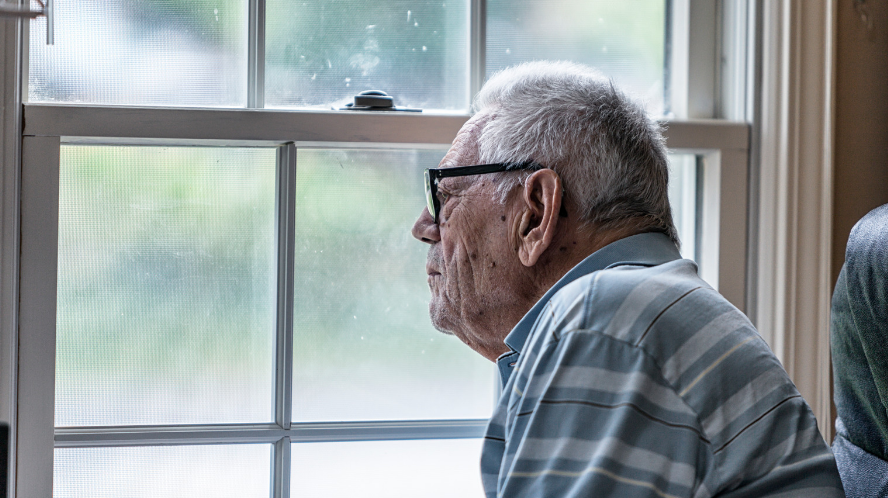
memory loss
Here are the early signs and common symptoms of dementia to look out for: 

1. Memory loss
It’s common for older adults to forget things as they age, but when your loved one seems
to have a hard time remembering events, conversations, and faces. Then you should get him checked by a doctor. Memory loss is the most common early symptom of dementia. It’s usually mild to moderate and can affect one or more of the following areas:
Decline in short-term memory: Difficulty remembering events that happened recently, such as recent conversations, appointments, or what was eaten for breakfast.
Sometimes they might forget where they’ve been or things they’ve said.
Decline in long-term memory: Difficulty remembering things that happened years ago, such as past school or work experiences, romantic relationships, and family members.

2. Poor Decision-making
When your loved one makes a lot of bad decisions, it may indicate that she is suffering a cognitive decline or some type of dementia. It usually means that she has trouble seeing the consequences of her actions or understanding the risks involved in a particular situation. One example is when your loved one buys something online, even though she can’t afford it. Or when he does not wear warm clothing, despite living in a cold climate.

3. Difficulty in Finding the Right Words
When your loved one is having a conversation with you, they may often use the wrong word for something. Additionally, your loved ones may repeat themselves several times because they can’t find the right word to express themselves.

changes in personality

4. Changes in Personality and Behavior
When your loved one suddenly becomes irritable, easily agitated, moody, or withdrawn,
he might be showing signs of impaired thinking. Some people with dementia may become suspicious of others or paranoid. They may become aggressive or abusive toward other people. Other symptoms include apathy, a lack of interest in things that used to be important to your loved one, and excessive sleeping or sleeplessness.

5. Inability to Perform Simple Tasks
If your loved one is having a difficult time doing familiar tasks, such as cooking, sending an email, or even paying bills. It’s time to show concern. Inability to perform daily tasks could mean that your loved one is suffering from the risk of dementia.

6. Less Concern With Appearance
When your loved one starts putting less effort into their appearance (clothes and hygiene), you should be concerned about his mental health. It can be a crucial sign he is suffering from some form of dementia, which affects his ability to maintain self-care. If your parents resist help with personal care or appear oblivious to how they look, there might be an issue of concern.

change in sleeping patterns

7. Change in Sleeping Patterns
Your loved one may begin to sleep a lot more or a lot less than before. For example, they may sleep during the day and be awake at night or wake up in the middle of the night and have trouble going back to sleep.

8. Struggling to Adapt to Change
It is another sign of dementia. Your loved one may show an inability to cope with change. For example, seniors may have a hard time speaking with a stranger or making new friends.
If you notice some of these crucial signs in your parents, don’t just brush them off because they could be a sign of a severe illness. Instead, be gentle and take time to truly listen to your parent and let them know you are there for them. Seeking help is an option to take to confirm if your loved one has acquired the disease.

How to Get Help for Your Aging Parents’ Dementia Symptoms
Consulting a doctor should be the first step if you believe your loved one is suffering from dementia. Your parent may need to get a full physical examination, and some tests could be done to assess his condition.
Exercise Compassion: When your loved one is diagnosed with dementia, you will have to learn how to live as your parent’s caregiver by having more patience and exercising more compassion toward them. You will also have to understand that even though it may seem like some of their actions are irrational; they are not being intentionally frustrating or mean-spirited. It’s just that their brains can no longer make sense of what they are doing or saying.
Find Companion Support: If you are concerned with your parent’s welfare but are sometimes busy with work. It is better to find companionship support for your parent to take care of them 24/7. It will give you peace of mind to know that they are being taken care of when away from home. However, finding a reliable companion for your loved one may seem difficult, but it does not have to be. Wellness Home Care, a leading home care agency in Connecticut, can help you if you are looking for someone to care for your parent.
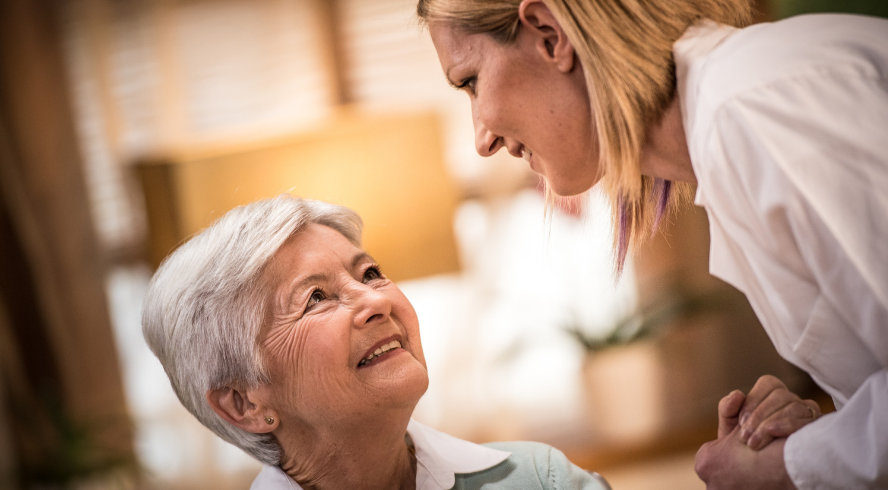
helping loved one with dementia

Ways You Can Help Your Loved One with Dementia
Dementia is a progressive disease that can cause anxiety in patients and caregivers. 
It is so common, but sadly it is not always easy for family members to cope with the symptoms. However, there are simple ways you can help your loved one with dementia to improve their quality of life:
Give Them Some Space – If your loved one is becoming agitated or restless because he cannot find a comfortable position, consider moving him to another room or putting him in a wheelchair. You can also provide some calming music that will allow him to relax and stay calm. Or take him outside to get fresh air and feel the sunshine on his face.

Allow Them to Have a Good Night’s Sleep:
It is important for your loved one to get a good night’s sleep because sleep deprivation
can be a common problem for people with dementia. If your loved one has been having trouble sleeping at night, you can schedule an earlier bedtime and try to maintain regular sleeping hours. Watch old comedy sitcoms in the evening before bedtime for better sleep.
You can also schedule a nap that lasts about 30 minutes or so during the day.

Provide Plenty of Activities and Laughter is the best medicine:
You can read or play games with your loved ones to keep them active and engaged in an activity during the day. This will help keep them mentally alert and prevent boredom, which contributes to mood swings, destructive behaviors, arguments, and even pacing around the house.
Be a Good Listener – Perhaps the most important thing you can do for your loved one
with dementia is listening to them as they talk and remember what they say. It will make your loved ones feel like they are being understood and valued by others.

The Bottom line
As the population of people with dementia continues to grow, it is important for family members to be aware of early signs and symptoms. Although we have talked about some symptoms to look out for, it is always best to consult a professional who can accurately diagnose your loved one. The earlier a person with dementia is diagnosed, the sooner
they can begin treatment which could delay or prevent further deterioration.
However, family obligations and work schedules can make it difficult for you to find the time to see a doctor about your parent’s dementia symptoms. So at this time, you may need to consider hiring someone to help with caregiving duties. Wellness Home Care is a leading home care agency in Connecticut that is licensed, insured, and certified to provide in-home care services to people of all ages. The agency has proven patient reviews and has been able to offer exceptional care for its clients. If you’re looking for a personal care assistant for your loved ones so they can maintain their quality of life, Wellness Home Care is a perfect choice. Call today at (860) 667-2273 to learn more! 

Dr. Holly Lucille – YouTube | Ageless Brain (getagelessbrainnow.com)
Dr. Holly Lucille, Red Sign flags of dementia – Search (bing.com)

Could this “eye trick” actually give you the memory of a 25-year-old?
Sounds like a fantasy, right? It’s NOT!
But you’re not the only one who thinks it sounds far-fetched… Because when I first heard about this “eye trick”, I was skeptical too. After all, everyone’s memory starts to fade as we age… I always thought it was one of those things you had to put up with as you get older… But now new science out of Harvard has busted that myth wide open.

Hello, my name is Dr. Holly Lucille.
I’m a licensed naturopathic doctor. You may have seen me on The Dr. Oz Show or
The Doctors, in the past. And while I’ve talked about a lot of exciting discoveries when
I appeared on those shows, none of them comes close to this… Because new clinical studies confirm how this simple “eye trick” could help you regain your youthful recall. Even better, this “eye trick” works no matter how many candles you blow out on your birthday cake.
It could work for almost everyone.

This “eye trick” takes just 30 seconds a day.
And you can do it anywhere.
So now you could have a stronger memory too.
Just imagine… simply rolling your eyes right to left!

Having conversations with friends without losing your train of thought… Learning something new without struggling to remember the details later…Introducing people at a party without fumbling for their name…And even more important… Never worrying about losing your precious memories… Forgetting your grandkids’ names… Or ending up in a nursing home.

It’s all possible now thanks to this simple “eye trick”.
So you’re probably wondering…. what do your EYES have to do with your memory?
It turns out… everything!
You see, Harvard scientists have uncovered the reason why some 90-year-olds…
even 100-year-olds… have the memory of a 25-year-old.
These sharp-thinking 80, 90, and 100 year olds are called “SuperAgers”.
How to prevent Alzheimer’s: Disease is rare on Greek island Ikaria (today.com)
Millions of people live with Alzheimer’s in the U.S., but the disease is almost non-existent on a remote Greek island nicknamed “the place where people forget to die.” Residents of  the small island of Ikaria stay healthy well into their 90s and even 100s with very little risk of Alzheimer’s, dementia or any other diseases of old age.

And their memories are remarkable.
SuperAgers can remember every detail of a conversation… Names of people they
met only once… And the exact right word they need to complete a crossword puzzle.
These SuperAgers can focus on complex paperwork with ease… multi-task better than people half their age… And quickly master video games to play with their grandchildren.
Researchers have spent decades trying to solve the mystery of how these SuperAgers stay so sharp…And now Harvard scientists have finally cracked the code. It’s all about SuperAgers’ EYES!
It turns out their eyes are the key to a little-known yet incredibly powerful memory retrieval system. What’s more, now researchers agree that problems with this memory retrieval system are what can cause memory loss. That’s because – if you’re not a SuperAger – this system starts breaking down as you age.

But now you could repair it with a simple “eye trick”!
In the Harvard study, scientists gave 40 SuperAgers an extremely difficult memory test.
At the same time, they viewed the SuperAgers’ brain activity using functional magnetic resonance imaging or fMRI. fMRI is more advanced than typical MRIs because it shows how different parts of the brain react to challenges.
Basically, it shows the brain “in action” when working on a problem. 
And to really put these SuperAgers up to a challenge, the scientists gave the same difficult memory test to a group of 25 year olds. And compared their youthful memories up against the SuperAgers. The scientists also used an fMRI to view the activity of the brains of these young people while they completed the test.
And they were floored by what they saw when the young and old participants were working on the memory test. Because a certain part of the brain lit up like a Christmas
tree in both the SuperAgers’ brains and the 25 year olds’ brains.

This part of the brain is called the visual cortex.
The visual cortex processes the images sent from your eyes and commits them to your memory. And Harvard scientists now confirm it’s the visual cortex that’s the true source of the amazing memories of SuperAgers. Even more remarkable, the SuperAgers performed the difficult memory test EXACTLY as well as the 25 year olds!
And it’s all because of the power of their eye-memory connection in the visual cortex –
the ultimate memory retrieval system. But to be 100% sure about this eye-memory connection’s power, researchers decided to try something weird…They had 102 men and women listen to a recording of a voice listing 20 lists of words.*

And here’s where it gets weird…
Because the researchers wanted to see if something as simple as an eye movement would make a difference in the volunteers’ memory…So they asked some of the volunteers to move their eyes back and forth horizontally before listening to the recorded words. 
Then the researchers tested the volunteers’ recall… And they were shocked to see that the volunteers that wiggled their eyes back and forth before trying to memorize the words had a dramatically improved recall!

That’s mind-blowing…

Just by wiggling their eyes right to left, their memory soared!

So it’s clear this eye-memory connection could be the answer to holding on to your precious memories. 
And it works like a phone connection. Dialing directly from your eyes to the root source of your memory, your visual cortex. When your eye-memory connection is strong and clear, everything gets through on this memory “phone line”.
But as you age, this connection can become weaker and weaker.
It’s like having a phone call with a friend…. but you have a bad connection. You hear parts of what they’re saying… and miss others. So you might remember where you put your keys… but forget what you were talking about in the middle of a conversation. Worse yet, over the years less and less of the things you want to remember get through on this memory “phone line”.

Leaving you with more “senior moments”.
And if you’re over 50, you know how frustrating… embarrassing…. and frankly,
SCARY “senior moments” can be. That’s why I’m so excited to tell you about this simple “eye trick”. And no, it’s not wiggling your eyes!
While the results of that eye-wiggle study were impressive, the men and women volunteers were college students. So their eye-memory connection was strong. No, the secret is rebuilding your weak eye-memory connection. And I’ve uncovered 2 unique nutrients that are scientifically proven to work together like an “eye trick” to effortlessly rebuild this connection… So you can enjoy the memory of a 25-year-old just like a SuperAger.

The proof is rock solid.
These two nutrients have been clinically shown in hundreds of studies to improve memory, focus, and sharp thinking in seniors. The first nutrient is a powerful rebuilder
of this eye-memory connection… Here’s why… This nutrient is already well-known for its ability to reboot your memory. But now new science shows this nutrient is also vital for your eyes!
The latest study found that this nutrient actually builds the retinal cells in your eyes.
And other studies confirm how this nutrient supports your healthy eyes AND your visual cortex – reconnecting your memory “phone line”.**  In a study published in The American Journal of Clinical Nutrition, scientists recruited 1391 men and women aged 36 to 83 years old. Then for 9 years, they recorded the volunteers’ intake of this nutrient.
At the end of 9 years, the scientists used a battery of tests to evaluate each volunteer’s memory, ability to learn, attention, and multi-tasking. They also gave the volunteers an MRI to see the volume and condition of their brains.

Result? Stunning! 
The volunteers who got plenty of this nutrient in their diets maintained their youthful memory. They even had younger-looking brains in the MRIs! And volunteers who didn’t get much of this nutrient suffered from memory lapses, trouble with problem solving, and brain fog.

So what is this nutrient?
Well, its discovery was so monumental it won the scientist who discovered it the Nobel Prize in Medicine! You may have guessed it by now…It’s called choline. Or what choline becomes when you take it: acetylcholine. As you may know, acetylcholine is the messenger that helps your brain cells “talk” to each other. Acetylcholine is what makes your memory lightning-fast when you’re young.
But as you age, your brain makes less and less of it. Even worse, it’s estimated that a staggering 90% of Americans are deficient in choline – the nutrient you must have for your body to make acetylcholine. So pop a choline pill and you’re all set, right?  
Wrong! Unfortunately, choline supplements are not easily absorbed or used by your body. So you won’t get the benefits. But here’s good news. There’s a new breakthrough form of choline that’s easily absorbed by your body. Even more important, this form of choline can cross the blood-brain barrier.
This is essential. Because by getting past the blood-brain barrier, this form of choline goes straight to where you need it in your brain. And also – because this form of choline is so easily absorbed – it’s also going to where your eyes need it. Making it a powerful re-builder of your eye-memory connection.

This form of choline is called alpha-glycero-phosphocholine. Or alpha-GPC.
And the science behind alpha-GPC is jaw dropping. Because alpha-GPC does more than just boost your memory… it could restore it. In a recent study, researchers gave 2,044 people with severe memory loss alpha-GPC daily. And in just 28 days, these people who struggled to remember a word or other simple things had an incredible improvement in their memory… In fact, a whopping 71% of them had NO forgetfulness at all anymore!
Even more astonishing… they still had no memory problems a full 6 months later.

So you could put an end to forgetfulness… for good! 
In another gold-standard study, 100% of the seniors taking alpha-GPC got a faster,
better memory. That’s extremely rare in any study… a 100% success rate! And other studies confirm these results… showing how alpha-GPC could put an end to your memory problems. But alpha-GPC is just part one. Because if you’re over age 50… And you want to enjoy a crystal-clear recall for years to come… Then you need this second nutrient that finishes the job at rebuilding your eye-memory connection.
Clinical studies show that people with high levels of this nutrient in their bodies have a strong memory… But people with low levels of this nutrient have such poor memories they forget the names of people they’ve known for years… where they parked their car at the grocery store… and the easy recipe for their favorite holiday dish.
The thing is, for years scientists couldn’t figure out why this nutrient was so essential for your memory… That’s because this nutrient is known for SLOWING DOWN your brain… So you wouldn’t guess it could SPEED UP your memory!
I’m talking about GABA.

As you may know, GABA is a neurotransmitter just like acetylcholine. So it helps your brain cells communicate. Research confirms that GABA also sends information back and forth from your eyes to your brain. So GABA is essential for maintaining your eye-memory connection. But can GABA actually rebuild this eye-memory connection?
Scientists decided to find out.
In a recent study published in the prestigious Science journal, scientists increased the GABA levels of a group of young and old monkeys. And the scientists saw that the old monkeys’ brains were suddenly acting like the young monkeys’… That’s because the old monkeys’ eye-memory connection had been supercharged… just by taking GABA!
But that study was on monkeys. Does GABA make a difference in people?

You betcha!
In a new study, researchers gave 30 men and women over 40 years old either GABA or a placebo for 12 weeks. Then they had the volunteers take cognitive and memory tests. And the difference the GABA made was astounding. Because the GABA group saw dramatic improvement in their memory, ability to focus, and problem solving.
The GABA group even reported a better quality of life. They actually FELT better!
And other research confirms how GABA even helps people prioritize better… plan things effectively… and enjoy enhanced thinking.

That means GABA is like a “smart” nutrient!
So when you combine Alpha-GPC and GABA, you could completely rebuild your eye-memory connection to get the fast recall of a SuperAger. And these are the only nutrients I’ve seen that can do this. But before you run out and buy Alpha-GPC and GABA pills, there’s something you need to know. These two nutrients are powerful, but they’re not enough on their own if you want to hold on to your sharp thinking for life.
That’s because there are two other brain aging problems these nutrients don’t fix. So you need nutrients that target these other big problems. That’s why I reached out to a group of professional researchers and laboratories here in the US. It’s a group called PureHealth Research. Knowing how many people are suffering from age-related cognitive problems, we started to put together a nutritional formula that combines Alpha-GPC and GABA with other proven brain-recharging nutrients.

It’s called Ageless Brain.
 contains the exact right amounts of Alpha-GPC and GABA to rebuild your eye-memory connection. But – of course – we didn’t stop there… Because the next ingredient fixes one of the most dreaded brain-aging problems… This problem is how certain proteins can build up in your brain as you age.
These proteins form bird’s-nest-like tangles in your brain that slow down the signaling of your brain cells. And the more these proteins accumulate, the greater the damage to your mental abilities… Giving you more and more memory problems, fuzzing thinking, and trouble focusing… Worse yet, these brain tangles can get so bad it could make it impossible for you to hold on to your independence.

That’s why this next ingredient is so essential.
It’s an herb that’s been used in Ayurvedic medicine for centuries to fight age-related memory loss… And now modern science proves how potent it is for fighting brain tangles. It’s called Bacopa monnieri. And Bacopa is shown in clinical studies to not only BLOCK these brain tangles…Bacopa even BREAKS them down and clears them away!
That’s right, the medical scans showed the brain tangles were completely GONE!
And the evidence showing how well Bacopa works is impressive. In one study, 60 elderly men and women were given either Bacopa or a placebo. They were also given memory and cognitive tests before, during, and after the study. And in just 12 weeks, the men and women saw dramatic improvements in their focus, memory, and quick-witted thinking.
And countless other studies continue to pour in showing how Bacopa is one of the most powerful weapons against brain aging found in Nature. Keeping your brain free of tangles that can clog your thinking…And helping you say “no” to the nursing home!

That’s why we included the most effective dose of Bacopa monnieri in Ageless Brain.
With just these 3 ingredients I’ve told you about, Ageless Brain is one of the best brain supplements I’ve seen.
But to be sure Ageless Brain is THE best in its category, we also included…
Tyrosine is an amino acid that’s well known for its ability to improve alertness, attention and focus. But what is less well known is how tyrosine works to restore your cognitive flexibility. Cognitive flexibility is your ability to quickly switch between mental tasks… solve problems… and adapt to new changes. So no matter what life throws at you, you handle it with ease and confidence.

But your cognitive flexibility can get worse with every passing year.
Making it harder to manage the challenges of daily life. That’s why scientists wanted to test tyrosine and see if it helped improve cognitive flexibility in people. So they gave 22 men and women tyrosine or a placebo. 
Then the researchers tested the volunteers’ cognitive flexibility.
And they saw that the people taking tyrosine had significant improvements in their ability to handle challenges and switch tasks. That’s amazing. Suddenly problem solving was a snap for these people!
That means this simple nutrient could help you easily figure out new technology… …organize and plan a tour of France with your spouse… ..and feel smart and on-the-ball when talking with friends and family.
That’s why adding tyrosine to Ageless Brain was an obvious must-do.

So with Ageless Brain you get…
Alpha-GPC and GABA that work together to rebuild your eye-memory connection –
the Super Ager secret to the memory of a 25-year-old… Bacopa monnieri that blocks
and clears away brain-clogging tangles so you can hold on to your sharp thinking and independence at any age… And tyrosine that restores your youthful cognitive flexibility
so handling problems and multi-tasking is a breeze! When you take these nutrients together in Ageless Brain, you could stop brain aging in its tracks. And enjoy a healthy mind and memory for life.

Faces of Lyme – YouTube 
is a documentary made in Nova Scotia by seniors – 
They did a great job. And you’ll NOTICE the difference… 
This Is the Best Nut for Brain Health,
According to a Neurologist and Alzheimer’s Expert (msn.com)
Brain-boosting foods for fighting memory loss, preventing Alzheimer’s disease
Ageless Brain Reviews: Rip-off Risky Pure Health Fake Supplement? – LA Weekly
I’m a Registered Dietitian, These are The 10 Foods I Recommend Everyone Eat More.
Three Of The Most Popular Songs Of All Time Were Written About Her (msn.com)
Small Island with great memory Dr Holly Lucille – Search (bing.com)
Brain Health: The Mind Is a Terrible Thing to Waste – YouTube
Dishwasher effect Dr holly lucille – Search (bing.com)
Ageless Brain (getagelessbrain.com)

Posted in Uncategorized | Leave a comment

Reduced Sugar

Woman Reveals the Shocking Changes to Her Body After Ditching Refined Sugar
BY ALICE GIBBS ON 6/15/23 AT 12:10 PM EDT

Woman Cuts Refined Sugar From Diet, Finds Huge Benefits,

Stephanie Sylvester, 30, cut refined sugar from her diet INSTAGRAM – Search (bing.com)
Stephanie, 30, cut refined sugar from her diet after realizing that it was leaving her with some less-than-desirable side effects. Sharing her journey online, she told Newsweek how much better she feels after cutting the sugar.

‘I had headaches, sugar cravings all day long, low energy all the time,’ recalled Stephanie who has since cut out refined sugar. , improved dental health, better energy levels, reduced inflammation, increased nutrient intake, and even better mood and mental clarity. After looking into refined sugar, Stephanie was inspired and decided to make the change in her own life.

“I felt motivated to give it a try and thought if I documented it on TikTok, it would be fun and keep me accountable to the challenge,” she explained. Since April, Stephanie has been cutting out anything that has refined sugar in the ingredients.

“It’s obvious things like chocolate, sweets, cakes, soft drinks, fruit juices, sauces,” she explained. “But I also read the nutrition labels on other foods like yogurts, milk, and bread as these things often have refined or added sugar included. I make sure I buy the best possible option with the lowest amount of refined or added sugar I can find.” headtopics.com

Like any big change, cutting out refined sugar isn’t easy, and Stephanie struggled to begin with. “I found it really difficult in the first week of cutting out refined sugar. I had lots of cravings and I experienced headaches,” she recalled.

Stephanie, 30, cut refined sugar from her die INSTAGRAM – Search (bing.com)

Day 49 no refined sugar! #nosugar #sugarfree #dayonmyplate | TikTok

Steph (@eats.bysteph) • Instagram photos and videos

steph (@eats.bysteph) | TikTok

Brain fog, headaches, low energy, and skin breakouts were just some of the things Stephanie was experiencing when she decided to cut refined sugar from her diet.

Two months ago, the 30-year-old who lives in Australia completely cut out refined and added sugar from her diet—and the changes she experienced were huge.

“I had been overdoing it with chocolate, other sweets, and highly processed foods for a few months and I was experiencing some negative side effects that I wanted to try and reduce and change,” Stephanie told Newsweek.

“I honestly felt like I was addicted to sugar, and it wasn’t a great feeling in many ways,”
she said. “I had headaches, sugar cravings all day long, low energy all the time, fatigue, poor sleep, poor mental health, brain fog, skin breakouts, and inflammation and puffiness.”

Woman Cuts Refined Sugar From Diet, Finds Huge Benefits | Watch (msn.com)
After some research, reading articles, listening to podcasts, and watching videos on YouTube and TikTok, she learned about the benefits of cutting refined sugar from your diet.

Refined sugar refers to sugar that has undergone processing to remove any impurities
and molasses, resulting in a product that is essentially pure sucrose. During refining, the natural components of sugarcane or sugar beet are stripped away. This removes any fiber, vitamins, minerals, and antioxidants leaving a product that is high in calories but provides little to no nutritional value.

Widely used in processed foods, baked goods, desserts, and beverages to give a sweet taste, excessive consumption of refined sugar has been linked to multiple health issues including obesity, Type 2 diabetes, and heart disease.

Giving up refined sugar can have many health benefits, including weight loss, improved dental health, better energy levels, reduced inflammation, increased nutrient intake, and even better mood and mental clarity.

After looking into refined sugar, Stephanie was inspired and decided to make the change in her own life. “I felt motivated to give it a try and thought if I documented it on TikTok,
it would be fun and keep me accountable to the challenge,” she explained. Since April, Stephanie has been cutting out anything that has refined sugar in the ingredients.

“It’s obvious things like chocolate, sweets, cakes, soft drinks, fruit juices, sauces,”
she explained. “But I also read the nutrition labels on other foods like yogurts, milk,
and bread as these things often have refined or added sugar included. I make sure
I buy the best possible option with the lowest amount of refined or added sugar
I can find.”

Like any big change, cutting out refined sugar isn’t easy, and Stephanie struggled
to begin with. “I found it really difficult in the first week of cutting out refined sugar.
I had lots of cravings and I experienced headaches,” she recalled.

image.png

Infographic: America’s Favorite Snacks | Statista You will find more infographics at Statista

6 Surprising Sources of Added Sugar – Bing video
But at just a week in, she started to experience the positives too.
“After the first week, I started to feel good and I noticed some changes
in my wellbeing—that motivated me to keep going with the challenge,” said Stephanie.
In just two months, the benefits have added up and Stephanie said she now feels amazing. “I lost around 12 pounds, I have less overall inflammation and puffiness around my face, my skin is clearer, my appetite has reduced and I’m snacking less.

“I have clearer thinking and more focus, more sustained energy throughout the day
and I am sleeping better at night,” she explained. There are even positives that she wasn’t expecting, like improved mental well-being and fewer PMS symptoms leading to her period.

“I usually get bad cramps the few day’s before my period is due, however, I have not experienced this since cutting out sugar,” said Stephanie. Choosing foods that don’t contain refined sugar isn’t always straightforward, and Stephanie does sometimes
find it challenging.

“I sometimes find it difficult now, mostly when I am hungry and want a quick snack,”
she said. “But the challenge has made me be really prepared with snacks and food so
that if I do get hungry and crave sugar, I have something on hand.”

Instead of high-sugar candy or chocolates, Stephanie opts for things like boiled eggs,
a can of tuna, fruit, mixed nuts, or plain Greek yogurt. “These satisfy my hunger cue and
then I forget about having a sugary treat because I am no longer hungry,” she explained.
Originally, Stephanie was only going to cut out refined sugar for a short time, but after
all of the benefits of her new diet, she has decided to continue.

What Happens to Your Body When You Cut Out Sugar (eatingwell.com)
“I feel amazing, I feel so happy that I made the change,” she said.

7 Health Benefits of Cutting Out Sugar
Here’s how cutting back on sugar can improve your health.
By Lindsey DeSoto, RD 
Updated on September 30, 2022
Medically reviewed by Melissa Nieves, LND

Deciding to cut back on your added sugar intake is no easy task. After all, it can hide in many different foods and beverages—even the so-called “healthy” ones. Although sugar isn’t considered to be a healthy food, a little sweetness is OK.

The U.S. Department of Agriculture recommends limiting added sugars to less than 10%
of your daily calories.1 Meanwhile, the American Heart Association recommends no more than 6 teaspoons (100 calories) of added sugar for women and 9 teaspoons (150 calories) for men.2 (As a daily average, adults are consuming nearly 17 teaspoons).3

It’s important to note that these recommendations don’t include naturally occurring sugars found in whole foods, such as fruit or milk. Your body spends more time digesting whole foods and processing their sugars.1

With added sugars, your body absorbs them more quickly or can’t process them fast enough.4 These sugars are used to sweeten food and beverages during processing and preparation. Think soda, juice, or sweetener in your morning cup of coffee.1

Too much sugar, whether it’s added or natural, can harm your health.1 In particular though, too much added sugar can place you at a greater risk for heart disease, liver disease, diabetes, obesity, and other health conditions.3  

Intermittent fasting could help people with pre-diabetes and obesity
control their blood sugar, a small study suggests (msn.com)

image.png
Reducing the amount of added sugar you consume can lead to weight reduction and more.
Here are seven possible benefits of cutting out sugar:

Helps regulate your blood sugar
In order for your body to process blood sugar, your pancreas releases a hormone called insulin. Think of insulin as a key: it allows the sugar to enter your cells. But when lots of sugar enter your bloodstream at once, the pancreas releases lots of insulin to try and keep up. If this happens often enough, you can develop insulin resistance: when your cells gradually stop responding to insulin, and sugar builds up in the bloodstream.4

Eventually, insulin resistance can lead to prediabetes and type 2 diabetes.
Several studies have found that people who frequently consume sugar-sweetened beverages have an increased risk of developing type 2 diabetes.5

Reducing your added sugar intake, exercising, and following a healthful diet can improve insulin sensitivity. When your cells are more sensitive to insulin, they require less insulin to absorb blood sugar. This can help regulate your blood sugar levels and decrease your risk for diabetes.4

Aids in weight management
As long as you stay below the recommended daily amounts for added sugar, consuming
it is unlikely to cause weight gain. However, several studies show that diets high in added sugar are associated with obesity and being overweight.6

In particular, diets high in added sugar are linked to belly fat. Also known as visceral fat, belly fat wraps around your abdominal organs. It is linked to chronic diseases, including diabetes and heart disease.7

For your long-term health, limit sugar-sweetened foods and beverages. Go for things
that are low in added sugar, such as sparkling water, fruits, and vegetables. This can help
you manage your weight and reduce belly fat.3

Improves your oral health
A sweet tooth can get you into trouble if you’re not careful about removing the sugar
that sticks to your teeth. Over time, bacteria in your mouth can break down the sugar to produce an acid. This acid gradually destroys the surface of your teeth, causing dental cavities. Too much bacteria can also lead to infected or inflamed gums, resulting in gum disease.8

Reducing the amount of added sugar in your diet to less than 10% of your total calories each day can reduce your risk of developing cavities, as recommended by the WHO.9

Regardless of your sugar intake, you should practice good oral hygiene by flossing daily, brushing your teeth twice daily with a fluoride toothpaste, and visiting a dentist at least once a year.10

Reduces your risk of liver disease
Studies show that consuming excessive amounts of added sugar is linked to non-alcoholic fatty liver disease (NAFLD). This type of liver disease is unrelated to alcohol, heavy metal poisoning, or a viral infection.11

It’s your liver’s job to break down fructose, a type of added sugar. But excess fructose—particularly from sweetened beverages—that reaches the liver is turned into fat. Eventually, when too much fat is stored in the liver, you can develop NAFLD.11

However, reducing your added sugar intake can help reduce your risk for liver disease.11

Helps your heart health
Added sugars are both indirectly and directly linked to heart disease.
Diets with greater than 20% of total calories from added sugars are associated with high levels of triglycerides, a type of blood fat. Elevated triglycerides can boost your risk for heart disease.12

One study examined daily added sugar consumption and heart disease risk in more than 11,000 people over about 15 years. Participants who consumed 25% or more of their daily calories from sugar were more than twice as likely to die from heart disease compared to those who consumed less than 10% of calories from added sugar. This was found to be likely regardless of age, sex, race or ethnicity, and physical activity level.13

Even if you are already at a healthy weight, reducing your intake of added sugar can help keep your blood pressure, cholesterol, and triglycerides at healthy levels. This can also decrease your risk for heart disease.13        

May reduce acne and improve skin health
Another reason to reduce your sugar intake: It may improve your skin health. Too much sugar means your body releases more insulin and insulin-like hormones. These hormones can trigger skin-related changes: your body might produce more androgen hormones
(like testosterone) and more sebum (oily substance)—both of which can lead to acne.14

Cutting back on added sugar might also help slow your skin from aging. When you reach early adulthood, the collagen and elastic proteins in your skin naturally age, leading to creases, sagging, and wrinkles. Sugar, along with grilled, fried, or roasted foods, might contain more substances that react with the collagen and elastic fibers in your skin.14

Although reducing added sugar cannot reverse wrinkles, it can slow the skin aging process. Eating certain herbs and spices, such as cloves, ginger, garlic, and oregano may help slow the appearance of wrinkles as well.14

May lower your risk of depression
What we eat may affect how our brain functions, thus impacting our mood. For example, eating healthy diets that emphasize fish, whole grains, nuts, and fresh fruits and vegetables (ie. Mediterranean diet) is associated with a lower risk of depressive symptoms.15

Several studies also suggest that sugary beverages are linked to a higher risk of depressive symptoms and depression. This may be because too much sugar can be addictive: When you eat it, your brain releases endorphins and dopamine—hormones that make you feel good in the moment. Over time, this can impact your mood.1516

However, other studies have found no relationship between sugar intake and depression risk. More research is needed to examine how sugar can affect your mood.1716

A Quick Review:
Reducing your sugar intake may support a healthy weight, decrease your risk of depression, and reduce your risk of heart disease, among other health benefits.

The good news is that you don’t necessarily have to quit sugar completely. A limited amount of added sugar each day is fine.21 Talk to your healthcare provider about ways to manage your sugar consumption, especially if you have a specific health condition related to blood sugar or are at risk of developing one.18

Sources:
American Heart Association. How much sugar is too much?
American Heart Association. How too much added sugar affects your health.
Centers for Disease Control and Prevention. Insulin resistance and diabetes.
United States Department of Agriculture. Dietary guidelines for Americans, 2020–2025.
Wang M, Yu M, Fang L, Hu RY. Association between sugar‐sweetened beverages and type 2 diabetes: A meta‐analysis. J Diabetes Invest. 2015;6(3):360-366. doi:10.1111/jdi.12309
Low Y, Lacy K, Keast R. The role of sweet taste in satiation and satiety. Nutrients. 2014;6(9):3431-3450. doi:10.3390/nu6093431
Yi SY, Steffen LM, Terry JG, et al. Added sugar intake is associated with pericardial adipose tissue volume. European Journal of Preventive Cardiology. 2020;27(18):2016-2023. doi:10.1177/2047487320931303
Centers for Disease Control and Prevention. Oral health conditions.
World Health Organization. Sugar and dental caries.
Centers for Disease Control and Prevention. Oral health tips.
Vreman RA, Goodell AJ, Rodriguez LA, Porco TC, Lustig RH, Kahn JG. Health and economic benefits of reducing sugar intake in the USA, including effects via non-alcoholic fatty liver disease: a microsimulation model. BMJ Open. 2017;7(8):e013543. doi:10.1136/bmjopen-2016-013543

Rippe JM, Angelopoulos TJ. Relationship between Added Sugars Consumption and Chronic Disease Risk Factors: Current Understanding. Nutrients. 2016;8(11):697. doi:10.3390/nu8110697
Yang Q, Zhang Z, Gregg EW, Flanders WD, Merritt R, Hu FB. 
Added sugar intake and cardiovascular diseases mortality among us adults. 
JAMA Intern Med. 2014;174(4):516. doi:10.1001/jamainternmed.2013.13563
Katta R, Desai SP. Diet and dermatology: the role of dietary intervention in skin disease. 
J Clin Aesthet Dermatol. 2014;7(7):46-51.
Huang Q, Liu H, Suzuki K, Ma S, Liu C. Linking what we eat to our mood: a review of diet, dietary antioxidants, and depression. Antioxidants. 2019; 8(9):376. doi10.3390/antiox8090376
Knüppel A, Shipley MJ, Llewellyn CH, Brunner EJ. Sugar intake from sweet food and beverages, common mental disorder and depression: prospective findings from the Whitehall II study. Sci Rep. 2017;7(1):6287. doi:10.1038/s41598-017-05649-7
Centers for Disease Control and Prevention. Manage blood sugar.

SOURCE:  What Are The Benefits Of Cutting Out Sugar? (health.com)
Woman Cuts Refined Sugar From Diet, Finds Huge Benefits | Bing Videos
Gravitas Plus: The truth behind preserved and processed food – Search (bing.com)
Woman Cuts Refined Sugar From Diet, Finds Huge Benefits | Watch (msn.com)
30-Day No Sugar Challenge: Benefits, What to Expect, and More (healthline.com)

This AMAZING VIOLINIST is Ugne Liepa Zuklyte (@violinistonfire) | Instagram

This video broke Tik Tok (+20 M views in 2 days) – YouTube 

0:13Sarah Shahi first pitch – Bing images

image.png
Posted in Uncategorized | Leave a comment

Steve Jobs Conflicted Life

ENGLISH SPEECH | STEVE JOBS: Stanford Speech(English Subtitles) – YouTube

Steve Jobs spoke at the 114th commencement at Stanford University in Stanford, California on Sunday, June 12, 2005. Photo by MediaNews Group/The Mercury News via Getty Image© Provided by Business In

The Puzzle of Pancreatic Cancer:

How Steve Jobs Did Not Beat the Odds—

but Nobel Winner Ralph Steinman Did!

Despite having the same name, the diseases that killed Apple co-founder Steve Jobs and 2011 Nobel laureate Ralph Steinman are different kinds of cancer. Researchers are looking for new ways to diagnose and treat both. 

By Katherine Harmon on October 7, 2011

  • Apple’s Steve Jobs gave the commencement address at Stanford University on June 12, 2005.
  • He told three stories about love, death, and following your gut. 
  • It’s been 18 years since Jobs delivered the speech, and the lessons he shared continue to resonate.

On January 9, 2007, Steve Jobs introduced the world to the iPhone.

In honor of the smart phone’s game-changing impact on personal electronics and communications, I am republishing the following story about Jobs’ battle with cancer, published shortly after his death in 2011.

Steve Jobs was a rare case, right down to his death. Announced Wednesday, Jobs’s death from “complications of pancreatic cancer” only hints at the vast complexity of the disease to which he succumbed at the age of 56.

Jobs joined recently announced Nobel Prize winner Ralph Steinman, actor Patrick Swayze and football great Gene Upshaw as the latest bold-faced name to die from this aggressive disease—one that even he, with his vast fortune, and Steinman, with his use of experimental immunological treatments, could not forestall indefinitely.

Most pancreatic cancers (53 percent) are diagnosed after they have spread—and those have an exceedingly low survival rate, with just 1.8 percent of patients living for more than five years after diagnosis. (For all types of the cancer, the average five-year survival rate when diagnosed is only slightly higher at 3.3 percent.) So how did Jobs, who was diagnosed in the fall of 2003—and who revealed it publicly in 2004—manage to survive for eight years?

Jobs had a rare form of the cancer, known as neuroendocrine cancer, which grows more slowly and is easier to treat, explains Leonard Saltz, acting chief of the gastrointestinal oncology service at Memorial Sloan-Kettering Cancer Center. “Survival for many years or even decades with endocrine cancer is not surprising.” For that type, the sort that Jobs had, “survival is measured in years, as opposed to pancreatic cancer, which is measured in months.” 

“When you have a pancreatic neuroendocrine tumor, that is substantially different from pancreatic cancer,” Saltz says. Steinman, on the other hand, did have the type that is usually fatal within a year after diagnosis.

“Ralph had the garden variety, poorly differentiated pancreatic cancer,” says Sarah Schlesinger, an associate professor of immunology and cell physiology at The Rockefeller University, where she worked with Steinman.

Given the grim prognosis for both these forms of cancer, researchers are hard at work trying to develop better treatments and diagnostics, and to figure out just why one patient might live for eight years—and another for eight months.

Two different kinds
Pancreatic cancer is a rare disease, with about 44,000 new cases diagnosed in the U.S. each year, and a lifetime risk of getting it at about 1.4 percent. The vast majority of those cancers—some 95 percent—are known as adenocarcinomas, the sort that Steinman had. Jobs’s form, known as pancreatic neuroendocrine tumor (pNET), makes up the small fraction of other pancreatic cancer sufferers.

The pancreas itself is essentially two different organs, which means two distinct kinds of tissue—and two very different types of cancer, Saltz points out. The most common kind of pancreatic cancer, the adenocarcinomas, originate in what is known as the exocrine portion of the pancreas. This is the main mass of the organ, which makes digestive enzymes that get shuttled to the gastrointestinal tract via specialized ducts.

“Scattered in that larger organ are thousands of tiny islands,” Saltz explains. “These are islands of endocrine tissue,” which makes hormones that are secreted into the blood. It was a cancer of these islet cells that Jobs had.

Difficult to diagnose
Pancreatic cancer is so deadly in large part because it is often caught at a very late stage. Unlike lung or colon cancer, it does not create a lot of early symptoms. Saltz said he was hesitant to even list the manifestations (which include upper abdominal pain, weight loss, appetite loss and blood clots) because they are such common complaints that, he noted, everyone would go home and decide by this evening that they had pancreatic cancer.

Most cases are discovered after some symptoms persist or more severe indications, such as jaundice, occur.

Some groups are looking for a better way to screen for pancreatic cancer, in hopes of catching it earlier. “There’s a big push for developing a blood test,” says Philip Arlen, president and CEO of Neogenix Oncology, Inc., a company that is looking into both diagnostics and treatment for pancreatic cancer. They have found a couple of genetic markers that are present in pancreatic cancer but not in normal tissue. The goal, says Arlen, who previously worked as a researcher at the National Cancer Institute, is to develop something akin to a PSA (prostate-specific antigen) test for prostate cancer.

There are clues, for example, that pancreatic cancer is not as much a sudden-onset disease as it often seems. After studying the accumulation of genetic mutations in pancreatic cancer tumors, researchers concluded that the disease takes an average of seven years to form a substantive tumor and closer to a decade to start moving to other organs, according to research published last October. Armed with that knowledge and the other finding of pre-malignant lesions, Arlen is hopeful that a non-invasive screening method will eventually be developed.

Widespread screening for more common cancers, such as breast, colon and prostate, have come under fire lately for leading to too many false positives and excessive follow-up treatment. With even rarer diseases, it is much trickier, Saltz points out, and would demand an exceedingly low false-positive rate. “Pancreatic cancer, although it’s a terrifying disease, is rare,” he says.

Trying new treatments
When pancreatic cancer is caught early, doctors will usually try to remove it surgically. As Saltz points out, however, the chances that it will come back in the next year or two are still relatively high. And the surgery itself is risky. The pancreas is lodged deep within the abdomen, surrounded by—and connected to—other major organs. “It’s considered the magnum opus of a surgeon’s repertoire,” she says of partial pancreas removal, which is known as the Whipple procedure.

If the cancer has already spread, as it had in Steinman’s case, the most common approach is chemotherapy, which “for regular pancreatic cancer, is not very effective,” Saltz says. The mainstay is the chemo drug gemcitabine (Gemzar), which is one of the treatments Steinman received. In trials, some patients saw no benefit, but for a minority, it extended life by as long as a few years, suggesting that an essential molecular difference exists in their tumors.

Despite initial positive signs from chemo, and even when Steinman was doing better:

“He felt like he was living with Damocles’ sword over his neck—he never knew when it was going to come back,” Schlesinger says. So he turned to what he knew: the immune system. “Ralph felt deeply that the key to a cure is getting the immune system revved up enough to fight off the tumor,” Schlesinger says. “That wasn’t such a simple thing to do.”

Enlisting the immune system to fight off cancer has long been a goal of researchers.

The only immunotherapy currently approved for general use as cancer treatment is a drug for metastatic melanoma (ipilimumab, or Yervoy, approved in March). Saltz calls that approval good “evidence that it’s an important avenue to explore” for other forms of cancer.

Scientist as test subject
When word spread that Steinman had pancreatic cancer, Schlesinger says, there was an outpouring of offers from fellow immunologists to try treatments they were working on—many having been made possible by Steinman’s own discoveries about the immune system’s dendritic cells. Not all the experimental drugs were meant to tackle pancreatic tumors; some were for skin or prostate cancer. 

In all, Steinman tried eight different experimental therapies, Schlesinger says. But they were not under-the-table, backroom needle jabs, she is quick to point out. Each drug was already being tested on other patients in phase I clinical trails, and Schlesinger and Steinman went through great pains—and many hours—to ensure all of the proper institutional and government approvals were granted before he got the therapies.

The first treatment he got was a vaccine called GVAX, under development to treat prostate cancer. He also received a novel therapy that worked on a developmental pathway (the hedgehog signaling pathway) and two that were based on dendritic cells: one in which dendritic cells were created from his own blood cells that were then “pulsed with RNA that had been isolated from his tumor,” Schlesinger explains; and another in which the dendritic cells were filled with “peptides that were from his own tumor.” The hope was that the RNA and proteins from his tumor would help his dendritic cells stimulate his immune system to attack the cancer.

Arlen’s group is testing, in a phase I trial, a monoclonal antibody to treat patients with the more common form of pancreatic cancer. Preliminary data show that the antibody finds its target with some 50 to 60 percent of patients with adenocarcinoma, he says. But that does not mean that it will leave them disease-free. And he hopes that a combination of the new approaches and the more standard drugs will yield even better results—a trial that they plan to start next year.

“I think it’s far too early to say they have a treatment for any of these diseases,” Saltz concludes.

Treating Jobs’s cancer
Endocrine cancer, the variety Jobs had, is treated with a different variety of chemotherapy drugs. Two new drugs for this type were just approved by the U.S. Food and Drug Administration (FDA) earlier this year. Everolimus (sold as Afinitor) works by blocking the mTOR kinase target to alter cellular signaling and was approved in May. Sunitinib (sold as Sutent) blocks a vascular endothelial growth factor. “Neither is a cure—neither is a wonder drug for the disease,” Saltz says. “Each provides some modest benefit. “

One form of treatment that is not recommended for most pancreatic cancer is a liver transplant. Media observers surmised that the transplant Jobs received in 2009 had been necessary because the cancer had spread to his liver. And although liver failure is a common cause of death for pancreatic cancer patients, because the liver is close to the pancreas and often gets invaded by the spreading cancer, getting a new one “is not an accepted standard form of treatment,” he says, citing a lack of evidence to show that it works.

Even if the new liver staved off organ failure, the immunosuppressants necessary to avoid organ rejection “can reduce the body’s ability to fight off any cancer cells that remain,” Saltz says. And factoring the many other variables of real life, it’s ultimately not possible to conclude whether the liver transplant “made him live longer, the same or shorter—we don’t know,” Saltz remarks.

Keys for a cure
Steinman, however, is a much different case. With his collection of therapies, he did manage to beat the average odds for his type of pancreatic cancer—by years. But “which thing made the difference, we will still never know,” Schlesinger says. “My personal belief is it is a combination of therapies.” Steinman, for his part, “had so much faith in dendritic cells,” Schlesinger says. “He believed that his dendritic cells played an important part.” She notes that even though they did apply and get special, individual treatment protocols for Steinman to receive each of the experimental therapies, she never doubted what they were doing; “I only felt inadequate,” she says, having a background in dendritic cells and HIV rather than cancer research.

To truly be able to hack into the inner-workings of pancreatic cancer, “there needs to be more basic science work in humans,” Schlesinger says. Saltz points to the current efforts to better grasp the molecular and genetic differences of each tumor, in hopes of finding patterns in growth rate and treatment response, which might turn into better therapeutic targets. But much of what determines why one patient might live for seven years and another for seven months seems to depend on the biology of these cancers. Which, Saltz says, “is a nice elegant way of saying that we truly don’t understand.”

The daughter Steve Jobs denied: ‘Clearly I was not compelling enough for my father’ | Family | The Guardian

Some people will tell you it was Steve Jobs Conflicted life with his daughter Lisa or his conflicted Career Life that caused his cancer. But what I know is that he battled cancer with conventional and alternative medicine and lived seven years longer than most with neuroendocrine cancer.

When Jobs was diagnosed with pancreatic cancer in 2004, he was initially told the cancer was incurable and that he had only months to live. Later that day, he said, a biopsy revealed the cancer could be treated with surgery. “I had the surgery and thankfully I’m fine now.”

But the near-death encounter gave him certainty, he said, of what he wanted to share with the graduates. “Death is the destination we all share,” Jobs said. “No one has ever escaped it. And that is as it should be, because death is very likely the single best invention of life.”

That is, it’s important to make sure you’re living true to you. 

“Your time is limited, so don’t waste it living someone else’s life,” Jobs said, adding, “Don’t let the noise of others’ opinions drown out your own inner voice. And most importantly, have the courage to follow your heart and intuition.”

Steve Jobs Conflicted Life May Have Caused His Cancer – Search (bing.com)

Posted in Uncategorized | Leave a comment

Obesity and Cancer Rates

Women and men face different cancers — depending on where fat falls
© Provided by New York Post

Obesity is known to increase the risk of cancer — but which kinds of cancer?
New research has found that the answer differs between men and women,
and depends in part on where fat is located on the body.
“Doctors and scientists are aware that obesity increases cancer risk, but this connection
is less well known to members of the public,” study author Mathias Rask-Andersen,
a researcher at Uppsala University in Sweden, said in a news release.
To investigate the links between cancer and obesity among men and women, Rask-Andersen and other researchers turned to the UK Biobank, a biomedical database with genetic and health information from more than half a million participants across the UK.

The massive database also includes information on the distribution of fat in participants’ bodies and their cancer history, if any. “An important aspect of obesity-associated disease risk is the distribution of fat in different compartments of the body,” said co-author
Asa Johansson, also of Uppsala University.
“Fat stored in the abdomen is considered more pathogenic [disease-causing] compared
to subcutaneous [below the skin] fat. In addition, the amount of fat stored in different compartments, as well as the rates of most cancers, is known to differ between females
and males,” Johansson said.
Among their findings, the research team discovered that all cancer types except brain, cervical and testicular cancers are associated with obesity.
Men with obesity were found to be at higher risk for breast cancer, hepatocellular carcinoma and renal cell carcinoma. For women with obesity, the highest risks were associated with gallbladder cancer, endometrial cancer and esophageal adenocarcinoma.
Obesity is a well-known risk factor for cancer — but which types, and in whom?

A new study defines how various forms of fat lead to different cancers in men & women.
And in terms of fat distribution versus fat accumulation, there were different effects between men and women for colorectal, esophageal and liver cancer.
For men, body fat accumulation was linked to a high risk for hepatocellular carcinoma,
but the same link was not seen among women. And unlike men, women with a larger proportion of fat stored in the abdomen had a higher risk of esophageal squamous cell carcinoma.
“We were surprised to see that there appeared to be a difference in the effect of obesity
on cancer risk, not only between males and females, but also between post- and pre-menopausal females,” Johansson said.
“Most remarkable, obesity is only a risk factor for breast cancer after menopause, probably due to the change in estrogen production in association with menopause,” she added.
The authors noted that rising rates of obesity make their research especially timely.

“Given the rapidly increasing rates of obesity globally, obesity is now the fastest-growing risk factor for overall cancer risk,” Rask-Andersen said. “Measures to prevent and reduce the occurrence of obesity and being overweight are therefore highly motivated.
“However, it is important to consider that reducing weight does not eliminate the risk
of cancer. There are still many individual risk factors that play a much larger impact on specific types of cancer, such as smoking for lung cancer and exposure to sun for skin cancer,” he added. Obesity and Cancer Locations – Bing video

43% of the worldwide population has an obesity-associated gene (FTO), making it the most common gene that can cause obesity.

Whilst Samoa has the highest rates of obesity in men, with a total of 60.8% of its male population. Tonga has 82.8% of their female population living with obesity.

According to the CDC, the average annual medical cost for handling obesity and obesity-related comorbidities was $147 billion in 2008. Image: en.wikipedia.org. Data: Wikipedia · cerbariatrics.com · loudcloudhealth.com · obesityreporter.com
Wikipedia text under CC-BY-SA license

News Healthy Living Tips
Common Health Risks of Obesity
Obesity is often associated with physical strain on the body, contributing to disease and other conditions. It can also have an adverse impact on social and emotional well-being, and it’s commonly linked to deep feelings of sadness, self-blame and depression.
These symptoms should not be ignored. Doctors and psychiatrists should work
together to address your total health.
If you struggle with weight, use a BMI calculator to estimate your potential link
to disease risk. The Body Mass Index, or BMI, provides you with the healthy weight
range for your height. While it doesn’t take into account age, gender or activity level,
it is the method most commonly used to indicate the presence of body weight concerns.
Talk to your doctor to find out if your weight is affecting your health and consider the
help of a nutritionist or dietician.

Obesity’s Impact on Health
 

Take control of your weight.
Call an HHC hospital or healthcare center in your area to ask about weight management programs and support groups. It’s all about creating an understanding that obesity can impact the:

MIND
Obesity goes deep. Assumptions and biases that exist around weight can have a real and cumulative impact on mental health and morale. People may internalize this weight bias and blame themselves, leading to depression, anxiety and low self-esteem. 
Mind icon
Body icon
BODY
Weight management is not just about willpower. Many factors are also at play within
our bodies, including genetics and biology, which can impact how we gain, lose and regain weight. These factors make living with obesity a unique journey for everyone and also play a role in physical health, with links to at least 60 other health conditions.

SOCIETY
Weight bias still exists. It leaves people feeling judged in society. Weight bias can be present in most areas of our life, including at work, in the doctor’s office, on the shows we watch, among friends and family, and more. In addition, factors like socioeconomics and cultural influence can sometimes contribute to further biases. 

Society icon
Spirituality
Using the Nurses’ Health Study II cohort, follow-up occurred from 2001 to 2015, with up to 35,547 participants assessed for the religious or spiritual coping and religious service attendance analyses. Cox regression and generalized estimating equations evaluated associations with obesity and weight change, respectively. Religious or spiritual coping and religious service attendance had little evidence of an association with obesity.
Compared with not using religious or spiritual coping at all, the fully adjusted hazard ratios (HRs) were minimally different across categories: a little bit (HR = 1.05, 95% CI: 0.92–1.18), a medium amount (HR = 1.09, 95% CI: 0.96–1.24), and a lot (HR = 1.10; 95% CI: 0.96–1.25) (Ptrend = 0.17).
Compared with participants who never or almost never attend religious meetings or services, there was little evidence of an association between those attending less than once/month (HR = 1.08, 95% CI: 0.97–1.10), 1–3 times/month (HR = 1.01, 95% CI: 0.90–1.13), once/week (HR = 0.92, 95% CI: 0.83–1.02), and more than once/week (HR = 0.94, 95% CI: 0.82–1.07) (Ptrend = 0.06).

Findings were similar for weight change.
There was no significant association between religious or spiritual coping, religious service attendance, obesity, and weight change. While religion and spirituality are prominent in American society, they are not important psychosocial factors influencing body weight in this sample.

New scientific findings reveal neuroinflammation as key factor in alcohol-induced pain.
12 Foods People Hated As Kids Then Realized Their Parents Just Didn’t Cook It Right.
15 Things You Do That Signals To Everyone Around You That You’re Insecure (msn.com)
Home Depot worker claims she’s ‘too pretty’ to work at the store (msn.com)
The Biggest Food Fads of the Past 50 Years (msn.com)

By shattering these misconceptions, real change will come in understanding that
biology and genetics play a role alongside diet and other factors. Then, it’s about putting
a spotlight on the need we have for better care and compassion from everyone–family, friends, coworkers, strangers and even doctors.

It only takes a spark to light a fire.
Let’s ignite a chain reaction that ends shame and shatters the misconceptions.
It’s bigger than numbers on a scale. It’s bigger than diet and exercise.
It’s bigger than lifestyle choices. 
Together, as a movement, community and society, we can create real change.
Join Us on Instagram: It’s Bigger Than Me (@itsbiggerthan) • Instagram photos & videos 
and also Make a Plan with Your HCP to Lose Weight & Maintain it | Truth About Weight®
Posted in Uncategorized | Leave a comment

Survived the Amazon

(CNN) — Four young children have been found alive after more than a month wandering the Amazon.

Where they survived like “children of the jungle,” according to Colombia’s President Gustavo Petro. “Their learning from indigenous families and their learning of living in the jungle has saved them,” Petro told reporters on Friday, after announcing on Twitter that they had been found 40 days after they went missing following a plane crash that killed their mother.

Children found after 40 days in Amazon survived by eating ‘cassava flour.’
Story by Stefano Pozzebon

Children found after 40 days in Amazon survived by eating ‘cassava flour’.
image.pngEating cassava flour helped save the lives of four children found alive in the Amazon jungle more than a month after their plane crashed, according to a Colombian military special force official.
The children ate “three kilograms (six pounds) of farina,” a coarse cassava flour commonly used by indigenous tribes in the Amazon region, said spokesperson Pedro Arnulfo Sánchez Suárez.“Days after the crash, they ate the farina which they had carried there… but they (eventually) ran out of food and decided to look for a place where they could stay alive,” Suárez said.
“They were malnourished but fully conscious and lucid when we found them,” he added.
“Their indigenous origins allowed them to acquire a certain immunity against diseases in the jungle and having knowledge of the jungle itself – knowing what to eat and what
not to eat – as well as finding water kept them alive – which would not have been possible
(if they) were not used to that type of hostile environment.”
The four children – 13-year-old Lesly Jacobombaire Mucutuy, 9-year-old Soleiny Jacobombaire Mucutuy, 4-year-old Tien Ranoque Mucutuy and infant Cristin Ranoque Mucutuy – are currently recovering in a hospital in the Colombian capital Bogota after being taken there by air ambulance flown by the Colombian Air Force on Saturday, officials said.
Medical reports say they are dehydrated and still “cannot eat food” – but are well and out of danger. “What’s required now is to stabilize (their health),” Colombian Defense Minister Ivan Velasquez told reporters who were gathered outside the hospital.

The children’s mother Magdalena Mucutuy Valencia was killed in the May 1st plane crash, leaving them alone and stranded in the Amazon jungle. The plane’s pilot Hernando Murcia Morales and Yarupari indigenous leader Herman Mendoza Hernández were also killed in the accident.
The children’s disappearance sparked a massive military-led search operation that saw more than one hundred Colombian special forces troops and over 70 indigenous scouts combing the deep forest.
The four were eventually found in an area clear of trees.
They told officials that they had found a dog – a Belgian Shepherd search dog named Wilson that belonged to special forces. The dog had gone missing on May 18, Suárez said. “The kids told us that they spent three or four days with Wilson and that they (found) him quite skinny,” he added. Reference: Whole 30 diet plan – Bing video

image.png
Hopes for the children’s survival waned as the weeks went on.

Amazon Indigenous People- Bing video
Their relatives shared that they endured “many sleepless nights worrying” until the children were found. Colombian President Gustavo Petro, who visited the children
in hospital on Saturday, celebrated their return and said their survival “would be remembered in history.”
“They are children of the jungle and now they are children of Colombia,” Petro said
the children were all together when they were found, adding they had demonstrated
an example of “total survival that will be remembered in history.”

“They are children of the jungle and now they are children of Colombia,” he added.
Revealing their discovery earlier in the day, the Colombian president had tweeted an image that seems to show search crews treating the children in a forest clearing, along with the words: “A joy for the whole country!”
Their grandmother, María Fátima Valencia, said she was “going to hug all of them”
and “thank everyone” as soon as they were reunited in their home city of Villavicencio, where they live.

“I’m going to encourage them, I’m going to push them forward, I need them here,”
she said. The children, who appear gaunt in the photos, were evaluated by doctors before being flown out by the Colombian Air Force on an air ambulance to the Military Transport Air Command in Bogota, the capital, early Saturday morning.
Four medics, including a pediatrician and a neonatologist, provided treatment on board the plane, according to the air force.
“We hope that tomorrow they will be treated at the military hospital,” Defense Minister Ivan Velasquez said earlier Friday night, while praising the Colombian military and indigenous communities for helping find them.
Petro said the children were weak, needed food and would have their mental status assessed. “Let the doctors make their assessment and we will know,” he added.

image.png
Their mother, Magdalena Mucutuy Valencia,

Was killed in the crash along with two other adult passengers: pilot Hernando Murcia Morales and Yarupari indigenous leader Herman Mendoza Hernández.

Stranded after plane crash.
Lesly Jacobombaire Mucutuy, age 13, Soleiny Jacobombaire Mucutuy, 9, Tien Ranoque Mucutuy, 4, and infant Cristin Ranoque Mucutuy were stranded in the jungle on May 1, the only survivors of a deadly plane crash.
The children’s subsequent disappearance into the deep forest galvanized a massive military-led search operation involving over a hundred Colombian special forces troops and over 70 indigenous scouts combing the area.
For weeks, the search turned up only tantalizing clues, including footprints, a dirty diaper and a bottle. Family members said the oldest child had some experience in the forest, but hopes waned as the weeks went on.
At some point during their ordeal, they’d had to defend themselves from a dog, Petro said.
He called the children’s survival a “gift to life” and an indication that they were “cared for by the jungle.”
The Colombian president said he had spoken with the grandfather of the children who said that their survival was in the hands of the jungle which ultimately chose to return them.

The grandfather, Fidencio Valencia, said he and his wife had endured many sleepless nights worrying about the children.
“For us this situation was like being in the dark, we walked for the sake of walking.
Living for the sake of living because the hope of finding them kept us alive.
When we found the children we felt joy, we don’t know what to do, but we are grateful
to God,” he said. The children’s other grandfather, Narcizo Mucutuy, said he wants his grandchildren to be brought back home soon.
“I beg the president of Colombia to bring our grandchildren to Villavicencio, where
the grandparents are, where their uncles and aunts are, and then take them to Bogota,”
he said.

FILE - In this photo released by Colombia's Armed Forces Press Office, a soldier stands in front of the wreckage of a Cessna C206, May 18, 2023, that crashed in the jungle of Solano in the Caqueta state of Colombia. The discovery of footprints on May 30 of a small foot rekindled the hope of finding the children alive after their plane crashed on May 1. Soldiers found the wreckage and the bodies of three adults, including the pilot and the children's mother. (Colombia's Armed Forces Press Office via AP, File)
FILE – In this photo released by Colombia’s Armed Forces Press Office,

A soldier stands in front of the wreckage of a Cessna C206, May 18, 2023, that crashed in the jungle of Solano in the Caqueta state of Colombia. The discovery of footprints on May 30 of a small foot rekindled the hope of finding the children alive after their plane crashed on May 1. Soldiers found the wreckage and the bodies of three adults, including the pilot and the children’s mother.
Indigenous leader Lucho Acosta, the coordinator of indigenous scouts, credited the
“extra effort” of search and rescue teams and local authorities to find the children in
a statement on Friday.
“They all added a little effort so that this Operation Hope could be successful, and we can hope the kids will emerge alive and stronger than before. We have been hoping together with the strength of our ancestors, and our strength prevailed,” he said.

“We never stopped looking for them until the miracle came,” the Colombian Defense Ministry tweeted. During a press conference Friday evening, Petro said he hoped to speak with the children on Saturday.
“The most important thing now is what the doctors say, they have been lost for 40 days, their health condition must have been stressed. We need to check their mental state too,” he said.
Petro, who was previously forced to backtrack after mistakenly tweeting that they had been found last month, described the children’s 40-day saga as “a remarkable testament
of survival.” This story was first published on CNN.com. “Missing children found after
40 days in Amazon survived like ‘children of the jungle,’ Colombian president says“

Posted in Uncategorized | Leave a comment

‘MEDITERRASIAN’ Diet

Longevity doctor shares the No. 1 diet he follows to ‘beat diseases and live longer’: 
It’s a ‘unique blend’ of foods

This Diet ‘De-Ages’ Your Brain By Months, According to New Study – Search (bing.com)
We’re finding more and more evidence that what we eat contributes to a range of outcomes within the human body, not just weight. Now researchers say that a Mediterranean diet or one high in veg, seafood and whole grains can actually
revert your biological brain age. Veuer’s Tony Spitz has the details.

MediterrAsian – Showcasing the Mediterranean Diet and Asian Diet
Story by Dr. William Li, Contributor

As a doctor and food scientist,
I’ve spent 20 years studying how our diets can help us beat diseases and live longer.
I’ve always taken a natural food-based approach, and much of my diet is inspired by a unique blend of two of the greatest food cultures in the world: Mediterranean and Asia.

I call it the “MediterrAsian” diet. ‘MEDITERRASIAN’ GRILLED SALAD – YouTube
Both the Mediterranean region and Asia have areas known as Blue Zones, where people age better and are overall healthier. The MediterrAsian eating can help you boost immune health and stay healthy.

Here are five staples:

1. Fruits
Apples: An apple a day might keep the doctor away, but three apples a day can help reduce body fat. They’re versatile, great for salads, and delicious as a snack or baked in a dessert.
Pears: Pears are an excellent source of dietary fiber (a medium-sized fruit has 6 grams) for gut health.
Pro tip: to find a ripe pear, hold the fruit by its base with one hand, and with the other, pinch the flesh at the bottom of the stem. If the flesh gives slightly, it’s ready to eat.
Grapefruit: Grapefruit flesh contains disease-fighting flavonoids and vitamin C,
which is a powerful DNA-protecting antioxidant and anti-anti-inflammatory substance.
Avocados: The fats in avocados are healthy monounsaturated fatty acids, which can reduce blood levels of bad LDL cholesterol and lower your risk of heart disease.

2. Vegetables
Broccoli: Broccoli is potent in sulforaphane, which protects stem cells,
improves gut health and metabolism, and amplifies immune responses.
Soy: Soy is eaten as a bean, made into tofu, fermented, and can even be transformed
into wine. It has been associated with lowering the risk of cardiovascular disease by 20% and diabetes by 23%.
Carrots: An ancient root vegetable that originated in Southwest Asia, carrots are a good source of dietary fiber for gut health. A half cup of grated carrot has 2 grams of fiber.
Mushrooms: Mushrooms contain a soluble fiber called beta-D-glucan,
which stimulates defenses to grow new blood vessels needed for healing wounds.
At the same time, it can prevent harmful blood vessels from feeding cancers.

3. Legumes
White beans: Beans are a nutritious food that can help reduce cardiovascular risk factors by lowering blood cholesterol levels. They also contain valuable nutrients like iron, zinc, magnesium and folate.
Lentils: Lentils are a classic legume in Mediterranean cuisine. A half cup of dry lentils contains 18 grams of fiber, which is more than half of the recommended daily intake for men and women.

4. Bottles and jars: Olive Oil Reduces Cancer Risk – Bing video
Extra virgin olive oil (EVOO): EVOO is the most desirable form of olive oil.
The “extra virgin” refers to oil that is not refined and contains tiny bits of ripe olives.
The oil and bits are the source of potent polyphenols that activate health defenses.
When I buy EVOO, I scan the label on the bottle to identify which olive varieties were used. Many are made from a variety of olives, which can taste very nice, but I prefer monovarietal oil, which is less likely to be diluted with cheaper oils.  
Apple cider vinegar: Studies have found that the acetic acid in apple cider vinegar reduces body fat, improves insulin sensitivity, and lowers blood sugar.
Fermented bean paste: Stroll through the middle aisles of any Asian grocery store,
and you’ll see many kinds of fermented bean paste. Made from fermented soy, they contain bioactives that fight fat cells.

5. Seafood
Salmon: Salmon is high in omega-3s, which get absorbed into fat cells and are metabolized. Then they create proteins that are released like cellular firefighters
into the surrounding fat mass to extinguish the inflammation caused by fat.
Roe: If you’re exploring unique tastes, you must try the roe (eggs) of certain seafoods.
Roe is naturally packed with omega-3s, so it takes remarkably little to get a major dose of healthy fats.
Sardine: Sardines are a time-honored seafood of the Mediterranean. They contain bioactives that can improve metabolism and lower blood cholesterol.

6. Liquids
Matcha tea: Matcha is a green tea known for its vivid green color. 
Studies have found that matcha can counter the metabolic effects of a high-fat diet.
Oolong tea: A study by the U.S. Department of Agriculture showed drinking six cups
of oolong tea three days a week improved overall metabolism.
Dr. William Li, MD, is a physician, scientist and the New York Times bestselling author of “Eat to Beat Your Diet: Burn Fat, Heal Your Metabolism, and Live Longer” and “Eat to Beat Disease.” His groundbreaking work has led to the development of more than 40 new medical treatments and impacts care for more than 70 diseases including cancer, diabetes, blindness, heart disease and obesity. Follow him on Twitter @drwilliamli.
Life, Part Two: Seven Keys to Awakening with Purpose and Joy as You Age: Chernikoff, David: Amazon.com: Books

Dying with disease rather than from it (msn.com)
A guide to seven essential elements that will illuminate your path to spiritual realization and wise elderhood. What Carl Jung called “the second half of life” has the potential to be a remarkable curriculum for insight and awakening. When wisely understood, the changes inherent in the aging process become stepping-stones to the actualization of our best human qualities: wisdom, lovingkindness, compassion, joy, and equanimity.
Author David Chernikoff has spent decades pursuing spiritual study and practice with remarkable teachers, including Ram Dass, Jack Kornfield, Sharon Salzberg, Father Thomas Keating, Yvonne Rand, and Reb Zalman Schachter-Shalomi.
In Life, Part Two, he distills lessons from across contemplative traditions to invite readers to embrace seven essential elements of conscious living: embracing mystery, choosing a vision, cultivating intuitive wisdom, committing to inner work, suffering effectively, serving from the heart & celebrating the journey.
These elements culminate in wise elderhood–a state celebrated by indigenous cultures around the world, yet largely unacknowledged in contemporary Western society. For those of us who aspire to live fully and to love well as we age, Life, Part Two is a lucid guidebook that empowers us to personally thrive and to contribute with ever greater clarity and purpose.   David Chernikoff on Life Part Two 1/12/22 – YouTube

Don’t miss: 
Americans Who Moved Between The East And West Coasts Are Revealing What Gave Them Culture Shock And It
I’m a nutritionist from Japan, home to the world’s longest-living people—here are 6 American foods I never eat
At 100 years old, I’m the ‘world’s oldest practicing doctor’—5 things I never do to live a long, happy life
A Harvard nutritionist shares the 6 best brain foods: ‘Most people aren’t eating enough of’ these
Maybe A Blessing: Chemotherapy shortages push cancer centers toward crisis (msn.com)
Deepak Chopra’s morning routine for better mental and physical health (cnbc.com)
5 L’s for living a long, fulfilling life, from a 102-year-old doctor (cnbc.com)

What are people curious about?

Asian diet – Search (bing.com)
Blood Type Diet – Bing video
Cajun Diet – Search (bing.com)
Caribbean diet for optimal health.
DASH diet

Diabetic diet
Dr. Weil’s anti-inflammatory diet
Elixir diet for optimal health – Search (bing.com)
F – F A C T O R _ Diet – Search (bing.com)
The flexitarian diet: what it is, and how to get started (msn.com)

Glycemic diet – Search (bing.com)
Heart Healthy diet – Search (bing.com)
Indonesian Diet – Search (bing.com)
Jenny Craig Diet
Keto diet
La Weight Loss Meal plans;
Mayo Clinic diet
Mediterranean diet

Nutrisystem diet
Nutritarian diet
Okinawa Diet.
Ornish diet

 Pritikin diet
South Beach diet
Therapeutic Lifestyle Changes, or TLC diet

Volumetrics diet
WeightWatchers
Y Diet Healthy Eating for a Healthy Weight, Nutrition, and Physical Activity | CDC
Zone diet

Best Diets Overall 2023 – Expertly Reviewed – US News Health
What Was Before The Big Bang? | Unveiled | Watch (msn.com)
Confirms US Regions Are Basically Different Countries (msn.com)
Top 12 Popular Diets – Bing video

This is for information purposes only, and should not be considered as a substitute for medical expertise. These are opinions from an external panel of individual doctors, and not to be considered as the opinion of Microsoft. Please seek professional help regarding any health conditions or concerns. (scoresbroadcast.com)

image.png
Marijuana is seen as a tool for enlightenment,

But what does Buddhism actually say about it?
Buddhism is not the most popular religion in North America with less than 1 percent
self-identifying, but its ideas permeate our culture.  From song lyrics by the Beastie Boys and spiritual themes in Star Wars, to the publicly professed faith of celebrities including Orlando Bloom, Harrison Ford and Richard Gere.  Steve Jobs claimed to be a Buddhist. And nothing reflects the image of zen, peaceful state of mind than someone consuming marijuana.

And, the name Buddha translates to “Awakened One” in Sanskrit.
Buddhism is one of the world’s largest religions and originated 2,500 years ago in India. Buddhists believe that human life is one of suffering and that meditation, spiritual and physical labor, and good behavior are the ways to achieve enlightenment or nirvana.
The Four Noble Truths comprise the essence of Buddha’s teachings, though they leave much left unexplained. They are the truth of suffering, the truth of the cause of suffering, the truth of the end of suffering, and the truth of the path that leads to the end of suffering.

Buddhism strongly discourages alcohol and other substances that intoxicate.
This is despite the great diversity of Buddhist traditions across various countries. Alcohol has been frowned upon since the beginning of the religion. Consuming marijuana can help you quiet your mind and reach a zen-like tranquility or temporary enlightenment, but seems to be a bit at odds with Buddhism’s beliefs on intoxicants.

Related video: Experimental drug shows promise for marijuana addiction (NBC News).
The Dalai Lama isn’t that keen on recreational marijuana use, but the spiritual leader told supporters in Mexico in 2014 that he supports legal, medicinal marijuana when the drug has been shown to have value.
In Buddhism, the Fifth Precept is frequently interpreted to mean “refrain from intoxicating drinks and drugs which lead to heedlessness”, although in some direct translations, the Fifth Precept refers specifically to alcohol. Cannabis and some other psychoactive plants are specifically prescribed in the Mahākāla Tantra for medicinal purposes.
Medical marijuana has converted from all walks of life and Buddhism is one of its fans. 
Considering the healing nature, fewer side effects and low cost, Buddhists appreciate the prop tiers of cannabis. A Buddhist quote is “May all beings have happy minds.”  
For those who consume, you can take as you want.

This article Buddhism And Marijuana: Is Weed OK? originally appeared on Benzinga.com.

Posted in Uncategorized | Leave a comment

Chimps Versus Human

Chimps Love Drinking Beer – Search (bing.com)

Researchers have recorded several chimpanzees in the wild drinking fermented palm sap, or palm wine, from raffia palm trees, according to a study published in the journal Royal Society Open Science. Palm wine has an average of 3.1% alcohol by volume but goes as high as 6.9%—more than most beers. And the chimpanzees aren’t just having a sip.

Researchers estimated that some of the chimpanzees were consuming as much as 85ml of alcohol, or about a bottle of wine. Some became visibly inebriated, even falling asleep soon after drinking. One even became restless, agitatedly moving from tree to tree while the other chimps were preparing to sleep, Dr. Kimberley Hockings, who led the research team, told BBC News.

The joys of palm wine aren’t just known to chimpanzees.
The local people in the Bossou area of Guinea, where the study occurred, also drink the palm wine, harvesting it by tapping the trees at the crown and collecting the sap in plastic containers. The chimpanzees, though, use a different method. Here’s Victoria Gill, reporting for BBC News: Chimpanzee – Search (bing.com)

Researchers working in the area had already witnessed chimpanzees climbing the trees – often in groups – and drinking the naturally fermented palm sap. The chimps used drinking tools called leaf sponges – handfuls of leaves that they chew and crush into absorbent sponges, dip into the liquid and suck out the contents.

To work out the extent of the animals’ indulgence, the scientists measured the alcohol content of the wine in the containers and filmed the chimps’ “drinking sessions.”

Related: https://www.pbs.org/wgbh/nova/article/social-skills/

https://www.pbs.org/wgbh/nova/article/great-minds-think-alike/

It plays right into the drunken monkey hypothesis.
Which was first posited by Robert Dudley back in 2004. Dudley suggested that human’s primate ancestors may have followed the scent of fermenting fruit to find food. Once they got there, the naturally occurring ethanol may have spurred their appetites, and so those who ate the fruit may have increased their caloric consumption. So, at one time, it was beneficial to be attracted to ethanol.

Chimps, which share a common ancestor with humans, could have the same inclination toward ethanol that humans do. In fact, a recent study showed that humans and African apes shared the genetic mutation that enabled them to metabolize alcohol.

Still, it remains rare for chimpanzees to voluntarily consume alcohol. Just 51 drinking events by individual primates were observed from 1995 to 2012, and one adult male accounted for 14 of those events.
A fascinating breakthrough in animal psychology has revealed that young chimpanzees combine various gestures, vocalizations, and facial expressions in a manner reminiscent
of the communication development observed in human infants. 

This research is a product of diligent work carried out by psychologists at Durham University, who ventured deep into understanding the dynamics of chimpanzee communication.
During their investigation, the research team discovered that young chimps have a unique ability to combine different communication signals, an evolutionary trick that possibly enhances their ability to convey messages across different situations such as play and conflict. Intriguingly, they observed that this talent matures as the chimps transition from infancy to adolescence. 

Why this study is important
Let’s delve into the specifics. The combined signals that these young primates utilize include a multitude of expressions and behaviors. For instance, they were seen combining playful open-mouth faces with laughter, or physically touching another chimp while whimpering, and even baring their teeth paired with squeaks.
Understanding these “multimodal” forms of communication has substantial implications for human linguistics and behavioral studies. It sheds significant light on the evolutionary path of communication in humans and our closest ape relatives, contributing to our understanding of the emergence of our own language skills.
The study, a collaboration between Durham University and the University of Portsmouth, gained recognition through its publication in the journal Animal Behaviour.. The research took place at the Chimfunshi Wildlife Orphanage Trust sanctuary in northern Zambia, where 28 semi-wild chimpanzees, aged one to 11 years, were observed.  

What the research team learned:

Contrary to previous studies.
That focused on isolated forms of communication signals, this research was unique as it examined how chimpanzees combined these signals as they matured and in different contexts. The team found that chimpanzees of all ages consistently used standalone communication signals such as grunting, arm movements, or facial expressions in various situations.
However, it was interesting to note that as the chimpanzees aged, they were more likely
to merge different communication signals. This practice was particularly evident during encounters of aggression or play, two scenarios where clear communication is paramount to avoid undesirable consequences. The older adolescent chimpanzees demonstrated a higher tendency to utilize a mix of signals instead of singular gestures or expressions, especially in aggressive contexts.
“When we think about human language, we know that it is a combination of different
types of communication such as speech, facial expressions, and gestures. The way we communicate likely has deep evolutionary roots that are shared with some of our closest living relatives such as apes. Our study provides evidence that the way chimpanzees communicate with increased complexity as they get older is consistent with the development of communication we see in human infants,” said Emma Doherty. 

Insights into human evolution
The research team suggests that the development of this multi-layered mode of communication among young chimpanzees could offer valuable insights into our own evolution. However, they added that further studies are needed to observe multimodal signals in wild primates to understand better how different environments impact communication development.
Furthermore, they proposed that studying multimodal communication, as opposed to observing individual signals in isolation, could provide more robust evidence of how communication evolved in apes, and by extension, in humans.
“A lot of the focus of research so far into communication, both in humans and other animals, looks at individual communication signals independently, but we know humans combine these signals all the time from early infancy.
As a close relative of humans, apes give us a snapshot into how these signals could have evolved into multimodal communications, ultimately culminating in human language,” said study co-author Dr Zanna Clay. 

Learning more about ourselves by observing chimpanzees
Related video: Chimps and Babies Basically Communicate In the Same Way (Buzz60) – Search (bing.com)

These discoveries underscore the similarities between human communication and
our nearest animal relatives. By studying the development of young chimpanzees’ communication and their ability to combine signals, the researchers have not only broadened our understanding of primate communication but have also brought us a step closer to unravelling the complexities of our own language evolution.
As we continue to push the boundaries of our knowledge, research like this reinforces our connection with the animal kingdom and reminds us of the shared evolutionary heritage we possess. Who knows, in the near future, we may even uncover more ways in which our forms of communication mirror those of the animal kingdom. 

After all, understanding the evolution of communication in animals may pave the way for more profound insights into human language development and the intriguing interplay of nature and nurture.
In essence, by peering into the communication patterns of our closest living relatives, we may just be getting a glimpse of our own ancient past and the evolutionary milestones that have shaped the complexity and diversity of human communication. 
As we move forward, further exploration of multimodal communication in primates could offer more definitive answers and add exciting chapters to our understanding of the story of human evolution.
This noteworthy research was made possible through funding from various entities, including a Durham University Doctoral Scholarship, the British Association of Biological Anthropology and Osteoarchaeology, and the Lucie Burgers Foundation for Comparative Behavioural Research. 

More about the similarities between humans and chimpanzees 
Chimpanzees are our closest living relatives in the animal kingdom, and we share many biological and behavioral similarities with them, given our shared ancestry. 
 
Genetic similarity
Chimpanzees and humans share nearly 99% of their DNA. This genetic similarity is one of the primary reasons why scientists study chimpanzees to understand human biology and evolution better. 
 
Social behavior 
Like humans, chimpanzees are highly social animals. They live in large communities and exhibit complex social behaviors such as cooperation, competition, alliance formation, and even aggression. They also demonstrate empathy and altruism, engaging in behavior such as grooming each other and sharing food. 

Communication 
As highlighted in the previous article, chimpanzees use a wide range of gestures, facial expressions, and vocalizations to communicate, much like humans. They use these signals in combination, showing that they have multimodal communication capabilities that could be the precursors to human language.  

Tool use and problem-solving
Chimpanzees are among the few animal species known to use tools. They’ve been observed using sticks to fish for termites, stones to crack open nuts, and leaves as sponges to absorb drinking water. This tool displays their problem-solving abilities and cognitive sophistication.  

Emotion and Intelligence 
Chimpanzees exhibit a wide range of emotions, including joy, sadness, fear, and anger, similar to human emotions. They’re also very intelligent, capable of learning sign language, playing computer games, and even recognizing themselves in mirrors, a sign of self-awareness.  

Bipedalism
While not their primary mode of locomotion, chimpanzees can walk on two legs (bipedalism), especially when carrying food or tools, suggesting that our common ancestor may have also been capable of bipedal locomotion. 
 
Cultural transmission 
Chimpanzees also show evidence of culture, in that different groups of chimpanzees have different behaviors and traditions, such as unique ways of grooming or using tools, which they pass down through generations.
These similarities provide a window into our own evolutionary past, offering crucial insights into human biology, behavior, culture, and the roots of our language. Understanding our shared traits with chimpanzees, as well as appreciating the differences, helps us understand our place in the natural world.  

image.png
There are more than 100 types of cancers that affect millions of men and women.

But do animals suffer from cancer?
Research has found cancer that affects wild animals like the Tasmanian devil facial tumor disease, sea turtle fibropapillomatosis and sea lion genital carcinoma and that human activities have contributed to development of these cancers. However, the prevalence of cancer among humans is thought to be higher than animals.

Why Chimps Don't Get Cancer and What That Means for Humans
Why Chimps Don’t Get Cancer and What That Means for Humans

Do Chimps Get Cancer – Search (bing.com) 
New research has shown why chimps, our closest cousins, don’t develop as many cancers as we do. Chimps and humans share about 96 percent of our DNA and it is the four percent that accounts for the difference in cancer rates among chimps and humans.

Researcher Soojin Yi from Georgia Tech analyzed brain samples of humans and chimps to find that certain modifications in the DNA structure raises the risk of cancer in humans.
“Our study indicates that certain human diseases may have evolutionary epigenetic origins. Such findings, in the long term, may help to develop better therapeutic targets or means for some human diseases,” said Yi, a faculty member in the School of Biology.
The modification called methylation doesn’t change the genetic structure of the DNA but alters the way it is expressed.

DNA methylation represses gene expression or puts it in ‘off’ mode.
Yi and her research team collected samples from the prefrontal cortex of the brains of humans and chimpanzees. They then generated genome-wide methylation maps of the brains. They found lower levels of methylation in human brains than chimps.
They also found that most of the genes that had low levels of methylations were the drivers of protein binding and cell metabolism. Researchers say that this explains why we are particularly susceptible to certain diseases.

“This list of genes includes disproportionately high numbers of those related to diseases. They are linked to autism, neural-tube defects and alcohol and other chemical dependencies. This suggests that methylation differences between the species might have significant functional consequences. They also might be linked to the evolution of our vulnerability to certain diseases, including cancer,” added Yi.

The study was published in the American Journal of Human Genetics.
You may have heard that humans and chimpanzees have something like 96 percent of our DNA in common. So why, then, are diseases like cancer so common in humans but so rare in chimps? If our DNA is nearly identical, shouldn’t we be at risk for many of the same diseases?

DNA Methylation
According to one study, the difference is due to something called DNA methylation,
which involves the chemical modification of DNA. Basically, methylation modifies some
DNA positions in the genome, and can also signal cells to switch specific genes to the
“off” position. Evidently, humans & chimps have different patterns of DNA methylation.

So even though we may share many of the same genes, the ways our cells switch these common genes on and off differs. And because at least some of these genes are linked to diseases including cancer, variations in the way DNA methylation happens among humans and chimps may help explain why chimps seem to avoid diseases common in humans.

15 Habits Guaranteed to Make You Irresistibly Attractive
and Impress Everyone Around You (msn.com)
Here’s How To Figure Out How Many Steps To Take Each Day
If You Are Trying To Lose Weight (msn.com)
‘I’m a Doctor Who Studies Sleep—Here’s What I Eat Before Bed
To Make Sure I Get Plenty of Rest’ (msn.com)
Mindfulness shows promise in reducing anxiety and depression
among people with autistic-like traits (msn.com)


Gene Expression And Environments
So what explains the differences among human and chimp DNA methylation?
It may be partly biological; scientists know environmental factors can affect methylation.
So, studying methylation in humans and chimps could also give scientists clues about how genetics and environment combine to make humans more vulnerable to cancer and other diseases. Another kind of animal that rarely gets cancer? Elephants.

Chimpanzees on a ketogenic diet have been observed to have a decreased seizure frequency and improved cognitive performance. The ketogenic diet is a high-fat, low-carbohydrate diet that has been shown to have positive effects on various medical conditions, including epilepsy.

DMT chimpanzees on keto diet – Search (bing.com)

What is a chimpanzees diet – Search (bing.com)

DMT chimpanzees on keto diet – Sinfras

Resources And Further Reading: 
Nordling, Lisa. “Scientists are studying a chimpanzee diet to treat human diseases, including cancer.”
Quartz: Africa. July 4, 2017. Accessed September 10, 2018.
Varki, Nissi M. Varki, Ajit. “On the apparent rarity of epithelial cancers in captive chimpanzees.” Philos Trans R Soc Lond B Biol Sci. 2015 Jul 19; 370(1673): 20140225.
“New insights into why humans are more susceptible to cancer and other diseases.” Eureka Alert! August 23, 2012. Accessed October 3, 2018.

Zeng, Jia. Konopka, Genevieve. Hunt, Brendan G. Preuss, Todd M. Geschwind, Dan. Yi, Soojin V. Divergent Whole-Genome Methylation Maps of Human and Chimpanzee Brains Reveal Epigenetic Basis of Human Regulatory Evolution. Am J Hum Genet. 2012 Sep 7; 91(3): 455–465.  Doi: 10.1016/j.ajhg.2012.07.024
Divergent Whole-Genome Methylation Maps of Human and Chimpanzee Brains Reveal Epigenetic Basis of Human Regulatory Evolution – PMC (nih.gov)

The Worst Foods That Cause Visceral Fat Accumulation, Heart Disease, And More.
https://www.who.int/news-room/fact-sheets/detail/cancer#Preventing%20Cancer 
Staying socially active may help seniors maintain optimal health (msn.com)
How Your Endocrine System Affects Your Mental Health (msn.com)
25 Best Micro Habits That Will Fix 80% of Your Problems (msn.com)
Can houseplants protect you from cancer-causing air pollutants?
Study: Our DNA Influences How Much We Drink (msn.com)
New research makes a bold claim (msn.com)
Youth Switch (longevitydiscovery.com)

12 Bad Habits That Make You Age Faster (msn.com)
Why Don’t Chimpanzee Get Cancer – Search (bing.com)
Parts Of The Bible That Science Agrees With (msn.com)

Endocrine System of a Chimpanzee – Search (bing.com)
12 Common Habits Behind Your Lack of Energy (msn.com)
Healthy Habits of People Who’ve Aged Gracefully (msn.com)
5 Mindset Coach Tips For Owning Your Self-Confidence (msn.com)
What happens to your body when you don’t sleep enough (msn.com)

6 Signs You Aren’t Drinking Enough Water, According to Doctors (msn.com)
Half The Gut Microbes In Our Primate Ancestors Abandoned Us (msn.com)
How your brain stays focused on conversations in a noisy room (msn.com)
Alzheimer’s Cure Stuns Scientists Who Create Artificial Solution (msn.com)

19 Things Mentally Strong People Do and 6 Things They Never Do (msn.com)
15 Severe Addictions That Don’t Get Anywhere Near Enough Attention (msn.com)
Master Your Morning Routine With The Following 15 Small Good Habits (msn.com)

Yin and Yang: How Ancient Ideas of Balance Can Help Your Mental Health (msn.com)
18 of the Most Stupid Choices Men Can Make That Will Destroy Their Lives (msn.com)
If You’re Over 50, These Are the Most Important Foods and Drinks To Avoid (msn.com)
The mystery of boron: What is this mineral and why is TikTok talking about it? (msn.com)

Posted in Uncategorized | Leave a comment

Taking Steps Across Ohio

Taking A Step by Taking Many Steps. 🤟🏻
Rissa Reel has spent time living in Delphos and St. Mary’s.
She’s decided to “Walk for the Voiceless” this summer. Her goal was to start June 22nd, 2021, and she made it an impressive 800 miles from Flint, MI to Kansas City in 54 days! This summer she intends to finish her Kansas City to Los Angeles raising awareness for various issues, such as sexual crimes, mental health, child abuse and neglect.
I can’t walk that far!

Jun 2, 2023
Rissa Reel is preparing to walk from Cincinnati to Cleveland to raise funds for
Big Brothers Big Sisters of Shelby and Darke Counties. Rissa, who has also done
several walks before for mental health awareness, talks about this upcoming walk.
Click to Listen
To listen to Rissa Reel on Spectrum sharing her story:
Click Here
To learn more about Rissa’s walk and her life:
Click Here

On June 5 Rissa Reel, originally from St. Mary’s but now residing in Michigan, began
her walk across Ohio from Cincinnati to Cleveland to raise awareness for Big Brothers
Big Sisters of Shelby and Darke County.
Reel has done two other walks to help end the stigma and bring awareness to mental health issues. Her first walk was 800 miles from Michigan to Kansas and her second
was for the DMAN Foundation based in Detroit that helps individuals with physical
and mental disabilities. She chose to support the DMAN Foundation on her second
walk because her brother has cerebral palsy.
“I think the biggest thing to do is to share my story, show other people that they’re not alone in some of the hardships they may have faced,” said Reel. “You can keep going, you can go anywhere you set your mind to. That’s my big motto, you just have to keep going, keep taking a step, they all add up.”

For her third walk, about 275 miles from Cincinnati to Cleveland, Reel has been working to raise awareness and donations for Big Brothers Big Sisters (BBBS) of Shelby and Darke County before her walk has even begun. Her website https://takingastep.com/ contains more information about her walk and her personal experience with BBBS. When she was growing up in Sidney and St. Marys BBBS provided her with mentor-ship and support during some of the more difficult times in her childhood and now she wants to give back to the organization that supported her.
“Big Brothers Big Sisters is pretty important to me, because they helped me when I was a child. I was part of their program, I was little and I was provided a mentor-ship and a peer just to be outside of my home life, which wasn ’t so good,” said Reel. “It was nice to be at the school with other people that were similar in age and able to be there for me whenever I needed resources with homework or whatnot. 
So that was really special for me because I didn’t have that at home or anywhere else outside of them. I like to devote all of my walks to kids, for my first walk I got to raise awareness for a children’s home in Flint, Michigan. I think that our kids are our future
and I just want to do everything for our future.”

On her website is a link to her PayPal account and a link to BBBS of Shelby and Darke County for supporters of Reel and her cause can donate. The majority of money donated to Reel is going to BBBS unless the donor specifically notes the donation is for her use on her walk across Ohio. So far, Reel has raised around $300 for BBBS through speaking events, T-shirt sales and donations.
“She was a former little, so that’s exciting for us. Getting to know Rissa, I can tell that
she is very driven to make a difference in the lives of children,” said Executive Director of Big Brothers Big Sisters of Shelby and Darke County Katie Price. “Between that and her experience of being a little, she knows, from a personal perspective, how important it is to have that mentor in your life, to have that person who really just links arms with you and helps you truly achieve your fullest potential. 

We’re honored that she also embraces our mission, our vision is for all youth to achieve their full potential and our mission is to create and support one-to-one mentoring relationships to ignite the power and promise of youth and when we find someone who is on the same wavelength with that and who really wants to see our youth thrive, we’re just honored because that means that they see the value in what we’re doing and they see and potentially experience that same impact that we work so hard to provide.”
On June 8, from noon to 1 p.m. the BBBS of Shelby and Darke County is welcoming Reel as she makes her way through the area to an open house event at the Sidney BBBS office, 2840 Wapakoneta Ave., to recognize Reel’s hard work. “If you see me out there — on the road, say hi, honk your horn, anything to make that contact with me it keeps me going out there,” said Reel.

image.png
SIDNEY — Tarissa “Rissa” Reel began her walk “Taking a Step Across Ohio.”

From Cincinnati to Cleveland on Monday, June 5, and by Thursday, June 8, arrived
in Sidney to meet the team at Big Brothers Big Sisters of Shelby and Darke County.
“It’s been really interesting to just be back in my birth town, to be honest,” said Reel.
“It’s really nice to see what they’re doing with my birth town and then to also be here
and experience all of the love from everyone that’s a part of this, it feels great.”
Originally her walk was estimated to be about 275 miles from Cincinnati to Cleveland,
but for safety reasons she added approximately 30 miles to travel through towns and also
avoid major roads and even use bike trails. Reel has been working to raise awareness and donations for Big Brothers Big Sisters (BBBS) of Shelby and Darke County before her walk has even begun.

Her website https://takingastep.com/ contains more information about her walk and her personal experience with BBBS. When she was growing up in Sidney and St. Marys, BBBS provided her with mentor-ship and support during some of the more difficult times in her childhood and now she wants to give back to the organization that supported her.
So far, Reel has raised around $500 to donate to BBBS of Shelby and Darke County and hopes to raise more as she continues her walk. As of June 8, Reel has walked 102.3 miles and has travelled through numerous communities including Troy, Piqua and Sidney. Along her route so far she has come across multiple kind strangers who have given her water or snacks and even offered rides she had to turn down. One family even gave her homemade cookies to keep her energized as she travels towards Cleveland.

image.png
Rissa and logistics man Justin Davis take a break for lunch in Sidney.

With the recent forest fires in Canada and the smoke travelling into the area and the air quality alerts that are in place, Reel continues to push forward while listening to her body and ensuring she cares for herself as much as possible, especially because she spends her nights camping along trails or in safe locations. Other concerns Reel is dealing with along the way include heat rash and muscle fatigue.
“People keep sending me stuff (about the air quality) and I can notice it a little bit just in my breathing, because breathing is a really big part of what I’m doing while I’m averaging a 15 minute mile pace,” said Reel. “I’ll feel a little bit heavy, but I just try to maintain watching my body and feeling it and if I just need to take a second to breathe a little bit more, then I do that.”

“I have had an amazing experience honestly; it’s been very beautiful.
It’s been nice to see the beauty of Ohio, because I’ve had some rough experiences in Ohio and some rough memories from my childhood and even my young adult life,” said Reel. “It’s been nice to meet all of the kind people that I’ve really needed along the way.
Reel plans to make her arrival in Cleveland by June 14 and from there, her next project will be to finish her walk from Michigan to California, which she started with her walk from Michigan to Kansas, by walking from where she left off in Kansas to California.
During her visit to the Big Brothers Big Sisters of Shelby and Darke County, Reel was presented with a plaque honoring her for her advocacy and dedication to BBBS and
a bag of snacks to keep her going as she finishes her walk.

image.png
Bonus: One True Step: Finding a Cure for Breast Cancer – YouTube

This is a story of women who have been through breast cancer. 
But the message is true of any huge life challenge. When the path isn’t easy or clear, even the smallest step makes a difference. And even when we are alone, we are surrounded by more love than we can imagine. The lyrics and music of One True Step were written by Lucy Mathews Heegaard, after witnessing many friends go through breast cancer.

19 People Who Destroyed Their Entire Lives With One Simple Mistake (msn.com)

‘Nobody works, nobody gives a damn’ anymore due to ‘socialism,’ says 93-year-old cofounder of Home Depot (msn.com)

Ep. 148 || Rissa Reel’s 800 mile journey for the voiceless | Threads Podcast: Life Unfiltered Episode on Amazon Music

Ep. 148 || Rissa Reel’s 800 mile journey for the voiceless | Threads Podcast: Life Unfiltered | Podcasts on Audible.com

Threads Podcast: Life Unfiltered – Ep. 148 || Rissa Reel’s 800 mile journey for the voiceless on Stitcher

WCSM Radio – We Do It For You !! – WCSM Radio – WCSM Headline News

Fundraiser by Rissa Reel : Walking for the Voiceless (gofundme.com)

A Reel Long Walk for Mental Health Awareness || Threads Podcast™

Rissa 🎀 on Instagram: “🥱🥱🥱🥱 

Has to be tiresome …. Rissa Reel (@rissthewalker) • Instagram photos and videos

https://www.facebook.com/tarissa.glynn.1  
Posted in Uncategorized | Leave a comment

WHAT LURKS IN THE WOODS

Nicole Bell, author of, What Lurks in the Woods: The Struggles and Hope in the Midst of Chronic Illness, recounts her late husband’s struggle with Lyme disease and Alzheimer’s.

Nicole Bell is a mom and successful entrepreneur who has advanced her professional career as an engineer and program manager. She became an executive in a fast-growing medical device company, where she built a world-class team in surgical robotics. But in 2017, Nicole’s husband was diagnosed with a devastating disease, and she was forced into her most challenging roles yet: caregiver and medical proxy. Unsatisfied with the doctors’ answers, Nicole set out on a journey using her engineering mindset to search for the root causes of her husband’s illness. She eventually found them and sought treatment—a process that changed her and her entire view of modern medicine.  

About the Author — Nicole Danielle Bell
Nicole grew up near Boston and earned a Bachelor’s and Master’s of Science in Materials Science and Engineering from MIT and a Master’s of Science in Biomedical Engineering from Duke University. She currently lives near Raleigh, North Carolina, with her two children and dogs.

My story started with a tick bite. How I lost my husband to undiagnosed Lyme disease
When my husband’s cognitive abilities began to decline, doctors thought he had early onset Alzheimer’s. We later learned he had multiple tick-borne infections.

June 1, 2022, 10:01 AM EDT / Updated June 5, 2023.

By Nicole Bell, as told to Genevieve Brown – Search (bing.com)
It was 2016 when I got a call at work. It was the house alarm company. My husband, Russ, who picked up the kids from school each day, had arrived home and wasn’t able to turn the blaring alarm off. I got home later that day and everything was fine.
But I noticed Russ asking repetitive questions. Forgetting what time to pick up the kids. And he couldn’t remember the alarm code — the same one we had used for years.

In the time leading up to the alarm company incident, things between Russ and me had not been good. He was moody and irritable. He was angry. I thought we were headed toward divorce. But now I know those were the very first signs of tick-borne illness.

Bell describes her late husband as “outdoorsy,” and said she immediately thought of ticks when his mental abilities began to suffer. But when bloodwork showed up normal and a doctor misdiagnosed him with Alzheimer’s, tick-borne illnesses fell off her radar.

Because Russ was very outdoorsy, and because I knew he had ticks on him over the years, Lyme disease was actually one of the first things that came to mind when I started looking into the symptoms of my husband’s cognitive decline. The thing was, though, that Russ had never had a fever or a rash associated with ticks that we knew of, and when tested with the standard Lyme screener had come up negative.

We also got bloodwork from an integrative medicine doctor to take a deeper look at what was happening with Russ. It showed nothing out of the ordinary. Tick-borne illnesses, like Lyme, fell off my radar. Russ went to a neurologist for cognitive testing and his decline was far worse than I even suspected. He wasn’t able to do simple math patterns that my 6-year-old could easily do at the time. He was a computer scientist and electrical engineer.
I was flabbergasted. The neurologist said he either had a stroke event or Alzheimer’s.

An MRI showed no stroke event.
A PET scan showed severe deficiencies in metabolism patterns, consistent with late-stage Alzheimer’s. He was 60. Early onset Alzheimer’s, however, is not typically a quick decline without a genetic component, which Russ didn’t have. In Russ’ case, though, the decline was swift. But after about nine months, I accepted the diagnosis.
That is, until I spoke to my brother, Scott, whose wife had been suffering from chronic illness for years and also had just been diagnosed with multiple tick-borne illnesses.
Scott told me, “I think this is what’s going on with Russ.”

Russ was tested with a PCR test, the same way we now test for COVID-19, which looked
for the organism itself rather than the antibodies. Russ had three tick-borne infections —
the three Bs as they’re known — Borrelia (otherwise known as Lyme disease), Bartonella
and Babesia.

(Editor’s note: While Bell does not know which tick-borne infection caused the illness resembling Alzheimer’s, Elizabeth Landsverk, M.D., who specializes in the treatment of dementia and Alzheimer’s, told TODAY that untreated Lyme disease can cause brain fog and neurological symptoms that mirror the symptoms of Alzheimer’s, as well as “toxic scarring to the brain.”)

We had wasted 15 months. Still, there was hope.
Infections, at least, can be treated. So that’s what we did. And the next year can only be described as a roller coaster. Antibiotics would help, and then Russ would come off them and decline. Some of the more well-known symptoms of Lyme came up — joint pain, swelling in his knees. But cognitively, he continued to decline.

After 18 months of treatment, I made the most difficult decision of my life —
to move Russ to a respite care facility. It was three years ago this month.
For a time, Russ was OK. He had socialization I couldn’t provide at home.

He was receiving good medical care.
I visited him almost every day and helped with showering and things of that nature.
It went on that way until March 2020. Then COVID hit, and I couldn’t see Russ for six months.

“The man who had once been so engaging — the life of the party — was vacant,” Bell said of her late husband. “The man who had once been so engaging — the life of the party — was vacant,” Bell said of her late husband. I finally did see him because he was moved to a hospital because of a seizure.
It was September of 2020. He had lost so much weight. He was hunched over. The man who had once been so engaging — the life of the party — was vacant. People asked if I thought he recognized me. I didn’t think so. Russ passed away in January of 2022.

Throughout this journey, I journaled. I had lost my partner, the person I communicated with every day. Journaling my experiences was an outlet. It was during 2020 that I wrote my memoir, “What Lurks in the Woods.” It was published on Oct. 23, 2021 — Russ’s 65th birthday. I wanted to honor his life, but also to raise awareness for tick-borne illnesses. They don’t always present in a typical manner, and if you or a loved one is experiencing sudden mood changes, anxiety or depression, I encourage you to find a Lyme-literate doctor through the database of the International Lyme and Associated Diseases Society (ILADS). I wish I had done that sooner.

This interview has been edited and condensed.
Episode 216: What Lurks in the Woods – an interview with Nicole Bell – Tick Boot Camp
Can you briefly summarize your husband’s experience with Lyme disease & Alzheimer’s? 
Russ’s first symptoms were personality changes. He became moody, irritable, and sometimes outright nasty. He’d retired early to be “Mr. Mom” to our two young children, so I rationalized it as unhappiness with that choice. We went to therapy, but it didn’t help, and I thought divorce was imminent. Then in 2016, I realized his memory was failing.
He forgot simple things, like the code to our house alarm and the time to pick up the kids. After a series of doctors, he was diagnosed with late-stage early-onset Alzheimer’s disease. We were just figuring out something was wrong, but his disease was deeply entrenched.  
  
How many doctors did you have to see,
and how long did it take to get an accurate Lyme diagnosis? 
Like most Lyme patients, it was a journey. We started with an integrative practitioner,
who tested him for various causes, including Lyme. But Russ tested negative for Lyme
on a Western Blot, and all of his other lab work was “normal.” The doctor referred us
to a neurologist, and that’s when Russ was diagnosed with early-onset Alzheimer’s.
But the diagnosis never made sense to us because Russ had no genetic predisposition or comorbidities. We went to four different neurologists, searching for alternate answers.
We got nothing. One of them told me, “Shit Happens,” when I begged for an explanation.
I still cringe at that moment. Ironically, the doctor who figured it out was my brother.
He encouraged me to get Russ tested with a lab specializing in Lyme instead of the CDC-recommended Western Blot. That’s when we finally got our answers. Russ tested positive for the three B’s—Borrelia, Bartonella, and Babesia, the bacteria causing Lyme disease and two common co-infections. But over 15 months had passed, we had wasted critical time.  
  
Russ-Nicole-Pre-Wedding-Dinner (3)

What made your brother suspicious that it was Lyme disease?
Well, his wife had suffered from health issues for years. They finally figured out she
was battling Lyme and several coinfections, and he started researching the conditions.
He found research papers linking Lyme to Alzheimer’s and instinctively knew it was the cause of Russ’s decline.
Lyme was my first thought when I realized Russ was sick. Russ was a hunter and was always in the woods. I pulled dozens of ticks off him over the years, but he never had the tell-tale fever and rash. Still, we suspected tick-borne illness as a cause, and I asked that very first doctor to test him. But his Western Blot came back negative, and we went in search of other answers. 
You desperately searched for answers regarding your husband’s diagnosis.
You also faced many doctors who brushed you off. What have you learned from this,
and how should others speak up for themselves in similar situations? 

I believe patients need to be their own advocates. If a doctor isn’t genuinely interested in uncovering the root causes of your illness, then get another doctor. We wasted over a year with neurologists who chastised me for digging deeper. I wish we’d spent that time with a functional practitioner committed to finding causes rather than treating symptoms.
What would you like doctors to know? 
As for doctors, I would want them to know two things. First, the standard CDC test for Lyme is grossly inadequate. A study in 2020 demonstrated that it is only 29% accurate.
I can’t think of any other disease where this type of performance would be deemed acceptable and “the gold standard.” Second, ticks carry so much more than Lyme.
There are dozens of bacteria, viruses, and parasites that ticks transmit. Doctors need to educate themselves and consider these tick-borne illnesses when diagnosing patients. 
Tell us about your new book! What made you speak out and share your story?
The book started as something for my family and me. I began journaling to cope with the craziness that chronic illness brings. The more I wrote, the more I realized that processing our journey through writing was helping me heal. Along the way, writing took on a more significant meaning, and I knew that our story could also help others. 

Russ-Nicole-Shooting
How about those without?

What can others with Lyme & chronic illness hope to get out of reading about it? 
I think people suffering from tick-borne illness will connect with the rollercoaster of suffering from a disease that many believe doesn’t exist. I’m an engineer, and I came to the space open-minded and craving facts. I used that scientific mindset to show how broken our medical system is but in a real-life, engaging way. 
But honestly, for those suffering from Lyme, the book’s best use may not be for them—it may be for the people around them. Our story can engender support by letting their loved ones walk the life of tick-borne illness. Many folks outside the Lyme world have said our story opened their eyes. And I now know people who got tested because of the book and tested positive. While I’m not happy they have tick-borne diseases, I’m glad our story helped them get answers.    

When and where can we buy it?
It is available on Amazon and Barnes and Noble in paperback and eBook.
 https://www.amazon.com/What-Lurks-Woods-Struggle-Chronic/dp/1955711011/
https://www.barnesandnoble.com/w/what-lurks-in-the-woods-nicole-bell/1140009487
What did Russ’s treatment protocol look like? 
We were treated with broad-spectrum oral and IV antibiotics for over six months.
We then transitioned to a more targeted set of antibiotics, including newer therapies such as Dapsone. All the while, he was on supplements and herbs to support his immune system, detoxify, and restore much-needed vitamins and minerals. 
Unfortunately, despite working with well-respected Lyme doctors, we couldn’t reverse
the course of his disease. In May of 2019, I couldn’t care for him at home any longer and placed him in a residential care facility. His decline continued, and he passed away from his illness on January 14, 2022. The journey has been heartbreaking and has left our two kids, ages 8 and 11, without their dad. 

Russ-Nicole-2

How did your family and friends act during this time?
In the beginning, we isolated ourselves. Dementia is challenging to live with, particularly when afflicted so young. Russ didn’t want people to see his decline, and his mood swings were so intense that I didn’t think I could get help from others. Not reaching out to friends and family for assistance was one of my biggest mistakes. 
Since I’ve opened up about our experience, friends and family have been a fantastic support network for me. We’ve developed a loving tribe for which we are immensely grateful. 
What if any recommendation do you have for convincing the NIH, CDC, and IDSA that Lyme and tick-borne diseases are chronic and constitute a major, growing epidemic in the United States?
I’ve worked in medical devices for the past 15 years, and a common expression at the FDA is, “In God we trust, all others must bring data.” I think data is the key. We need to support organizations like GLA that fund critical research initiatives in Lyme and other tick-borne diseases. In the end, science will win. Research has shown and will continue to show that tick-borne pathogens are at the root of many chronic illnesses. As this scientific evidence mounts, NIH, CDC, and ISDA will change their position. I’m so thankful for GLA and the work you do to get us there. 

What do you wish you had known when you first started?
How would you encourage patients embarking upon their Lyme journey?
I tell people that they need to own their wellness journey. I know this sounds intimidating because most of us aren’t doctors or experts in disease. But you don’t need to be an expert in medicine or even a tick-borne illness; you only need to be an expert in yourself.
You know when you feel good or bad, and it’s up to you to communicate it.

Watch how you respond to treatment.
Keep a symptoms journal. Summarize everything you notice in a way the doctor can understand. If you have the right doctor, they will partner with you to find the roots of your disease and restore your health. 
The other thing I would say is don’t ignore symptoms. We wasted precious time rationalizing the early changes in Russ. If we’d dug in sooner and demanded answers,
I think Russ would still be with us. I hope others can learn from our journey so that their story ends differently.  
***
A note from GLA:
It is critical that we share our heroic accounts with this disease,
both good and bad. Like a growing chorus, accounts like Russ’s will tip the scales.
Lyme has claimed innumerable victims, but as we continue to share our voices,
we can ensure that their legacies are not in vain and pave the way for answers.

Our hope is that Russ’s story is a call to action and underlines why GLA’s work is so necessary.  On behalf of Russ, it is our great task to continue his fight by conquering Lyme disease, once and for all. In consideration of Russ’s story, we would direct you
or anyone you know experiencing symptoms to find an LLMD as early as possible. 
Visit the GLA referral program for assistance.

Bite Me: How Lyme Disease Stole My Childhood, Made Me Crazy, and Almost Killed Me: Hilfiger, Ally, Hilfiger, Tommy: 9781455567058: Amazon.com: Books
Bitten: The Secret History of Lyme Disease and Biological Weapons by Kris Newby, Paperback | Barnes & Noble® (barnesandnoble.com)
Lyme disease patients fight for their lives while academics fight each other. That’s just wrong. (nbcnews.com)
10 “Everyday” Habits That Are Slowly Killing You. Are You Doing Something About Them? (msn.com)
Dr. Steven Phillips, MD and co-author of the best-selling book, Chronic – Bing video
Search Results for Lyme Disease | Cancer Quick Facts (solitarius.org)
These Small Life Changes Could Help You Live to 100 (msn.com)

Dr Alan MacDonald speaks about Lyme disease – Bing video
Dr Alan MacDonald Lyme – Bing video 

Posted in Uncategorized | Leave a comment

Secretariat: 50 Years Later

The Darley Arabian (foaled c. 1700) 
Was one of three dominant foundation sires of modern Thoroughbred horse racing bloodstock. The other two founders were the Godolphin Arabian  and the Byerley Turk. This bay Arabian horse was bought in Aleppo, Syria, by Thomas Darley in 1704 and shipped to Aldby Park in England, as a present for his brother.[1]

One author in 1840 described Darley Arabian’s arrival in England during the reign of Queen Anne as the event which “forms the great epoch from which the history of the Turf [as in “turf racing“] should be dated”.[2]
There he stood at stud, usually private but sometimes open to outside mares. He was the leading sire in Great Britain and Ireland in 1722. By all accounts, the Darley Arabian stood about 15 hands high and was of substantial beauty and refinement.[3]

The Darley Arabian sired the undefeated Flying Childers.
He also sired Bartlett’s Childers, an unraced brother of Flying Childers, who was the great-grandsire of the extremely influential Eclipse. The Darley Arabian was to become the most important sire in the history of the English Thoroughbred.[3] His son Bulle Rock was the first Thoroughbred to be exported to America, in 1730.[4]
Most Thoroughbreds can be traced back to Darley Arabian. In 95% of modern Thoroughbred racehorses, the Y chromosome can be traced back to this single stallion.[5][6] This is mainly through his descendant, Eclipse, who is the direct male ancestor of 95% of all thoroughbreds and in the pedigree of many of the rest.[7]

image.png
 Bob Coglianese, Credit: with taking the famous photograph
from the 1973 Belmont Stakes.

Secretariat Was in A League of His Own at The Belmont.
The 1973 Belmont Stakes was the 105th running of the Belmont Stakes 
at Belmont Park in Elmont, New York, held on June 9, 1973.
Facing a field of five horses, Secretariat won by 31 lengths, the largest margin of victory in Belmont history, in front of a crowd of 69,138 spectators. His winning time of 2 minutes and 24 seconds still stands as the American record for a mile and a half on dirt. The event was televised and broadcast over the radio.
The length is commonly used in Thoroughbred horse racing, where it describes the distance between horses in a race. Horses may be described as winning by several lengths, as in the notable example of Secretariat, who won the 1973 Belmont Stakes by 31 lengths. In 2013, the New York Racing Association placed a blue-and-white checkered pole at Belmont Park to mark that winning margin; using Equibase’s official measurement
of a length—8 feet 2 inches (2.49 m)—the pole was placed 253 feet 2 inches.
[84 yards 14 inches] or (77.17 m) from the finish line.[2]

Secretariat was widely viewed as the favorite to win by most sportswriters and people; however, the added distance and the possibility of running too slow for a distance or running too fast too soon could potentially cause him to lose. Out of the starting gate, Secretariat and Sham traded the lead.
Around the three-quarters mile marker Sham began to fade and Secretariat began to extend an advantage. Twice a Prince and My Gallant overtook Sham to take second and third, respectively. Sham finished last, behind Pvt. Smiles, who was in last before Sham slowed severely.

Remembering … Sham (horseracingnation.com)
Sham spent most of his long stallion career at Spendthrift Farm, where he enjoyed a successful, but not spectacular career as a stallion, before later moving on to Walmac Farm.  He sired many stakes winners, but none of his progeny would possess the great talent or the heart of their sire.  It would be that great heart that eventually gave way. 
On the morning of April 3, 1993, Sham was found dead in his stall, by a heart attack. 
Sham was 23.  An autopsy would reveal his heart to be about twice the normal size for a thoroughbred.  Ironic or telling, only Secretariat‘s heart was found to be bigger.  He may have been second to Secretariat in life, and then in death, but there should be no shame in that.  Sham was a fantastic horse, who in his greatness brought out the ultimate greatness from our sport’s very best.  

The victory in the Belmont, when combined with Secretariat’s previous victories in the Kentucky Derby and the Preakness Stakes, meant he completed the Triple Crown
of Thoroughbred Racing. This was significant, as Secretariat became the ninth horse
to complete the feat and broke a 25-year drought where no horse had completed the achievement.
According to Jockey Club records, Secretariat sired 341 winners (51.4%) and 54 stakes winners (8.1%) from 663 named foals; Thoroughbred Times credited Secretariat with 57 stakes winners. He had a notable influence on breeding through his maternal grandsons A.P. Indy, Chief’s Crown, Choctaw Ridge, Dehere, Gone West, Storm Cat and Summer Squall.  Ron Turcotte Jockey FOX – Search (bing.com)

Secretariat sired 663 horses while this woman tracked them down.
Here’s how she finds them.

Maggie Menderski, Louisville Courier Journal
March 17, 2023·

Secretariat sired 663 progenies between 1975 and 1990.
That’s an almost incomprehensible amount of children of which to keep track.
Over the past 50 years, journalist and author Patricia McQueen has become an expert on the topic. She has been tracking Secretariat’s bloodline and its impact on the horseracing world for decades. Secretariat is arguably the greatest racehorse of all time. He set the record for the fastest run of the Kentucky Derby in 1973, which still holds today.
This month, she released a book called “Secretariat’s Legacy,” which deep dives into some of his most successful offspring and highlights some of his last living daughters and sons.

A little less than two months away from the 50th anniversary of his record-setting 
Kentucky Derby win, McQueen says of that 660-plus, there are only two known to be living today.

These survivors stayed largely out of the public eye following their unsuccessful racing careers. Trusted Company, a mare, is 34 years old and lives at Bright Futures Farm in Pennsylvania. Maritime Traveler was from Secretariat’s final crop in 1990, and it was
only last year that he emerged from his quiet life on a Florida farm.
The end of his offspring: A day with Secretariat’s last known daughter, Trusted Company
McQueen says the more she wrote articles about “Secretariats,” as she calls his progeny, the more links she found to his daughters and sons that were still alive.

The Triple Crown winner’s final crop was born in 1990 the year after he died.
Secretariat’s youngest surviving daughters and sons turned 33 this year —
which is very old for a horse.

Jockey Ron Turcotte guides Secretariat toward the finish line to win the 1973 Kentucky Derby.
Jockey Ron Turcotte guides Secretariat toward the finish line to win the 1973 Kentucky Derby. Could there be any other unknown Secretariats? Maybe.

Here’s what to know about McQueen’s research and her search for the daughters
and sons of Secretariat. How long has McQueen been following Secretariat’s offspring?

Trusted Company is the 34-year-old daughter of Secretariat that stays at Bright Futures Farm in Pennsylvania. March 2, 2023

McQueen started paying attention to Secretariat’s offspring with the first crop of foals in 1975. She kept scrapbooks with clippings from his racing career and his early stud career. Once Secretariat died, she pivoted and began photographing as many of his last crop as possible. McQueen has always had an interest in his descendants, she said, and she started thinking about writing a book in the early 2000s.

Secretariat was an exceptional animal and that meant there were high expectations for
his career as a sire. Many of those fell short. “I always felt he was unfairly called a ‘bad sire’ and wanted to do something about it,” McQueen said. “I really ramped up the research in the past dozen years.” What kind of research did McQueen do to find the 11 survivors she featured in her book?

Trusted Company is the 34-year-old daughter of Secretariat that stays at Bright Futures Farm in Pennsylvania. March 2, 2023

It is extremely difficult to find horses that are in private hands, McQueen said.
Larger farms where horses are used for breeding stock are much easier to follow.
“If a mare never had foals, and a stallion had no progeny, and for geldings [a castrated male horse], it’s almost impossible (to find them) other than through word of mouth,” McQueen said. More often than not, people with ties to the Secretariats found her. 
She published an article about Innkeeper in 2016 on thoroughbredracing.com when the youngest Secretariats were already 26 years old. That story brought out a few more links
to the iconic Triple Crown winner, including Fast Market, who was the last known stakes winner among Secretariat’s progeny. Interest and contacts continued to bloom from there.
You may like:  Jog, bit, breeze? Horse racing terms to keep you in the know for Kentucky Derby 2023. How did McQueen stumble upon Trusted Company?

Bev Dee, owner of Bright Futures Farm, feeds cookies to Trusted Company.  March 2, 2023
Bev Dee, owner of Bright Futures Farm, feeds cookies to 
– Trusted Company. March 2, 2023

By mid-2018 McQueen thought she had found all the remaining Secretariats, so she was surprised when a woman, who worked in animal welfare in New Jersey, contacted her about some horses who needed to be rehomed.
One of the horses in the herd, Trusted Company, was believed to be one of Secretariat’s progeny. McQueen didn’t really have any experience in retirement care for horses, but this person had found articles she had written about Secretariat’s other offspring.
Through her work as a journalist, McQueen made a connection at Bright Futures Farms, a nonprofit sanctuary for elderly horses. She met the founder, Bev Dee, while photographing Fast Market, and she liked how Dee cared for elderly horses no one else seemed to want. Together Dee and McQueen researched Trusted Company and verified her identity through foal photos accessed through the Jockey Club Registry. Trusted Company
lived in a foster home until Dee had the space to bring her to Bright Futures in 2018.

How did McQueen learn about Maritime Traveler?

Bev Dee, owner of Bright Futures Farm, looks at a book called Secretariat’s Legacy. Trusted Company is highlighted as the last daughter of the great Secretariat. March 2, 2023
Bev Dee, owner of Bright Futures Farm, looks at a book called Secretariat’s Legacy.
Trusted Company is highlighted as the last daughter of the great Secretariat. 

In the fall of 2022, a new, astute administrative assistant at Bridlewood Farm in Florida read a story McQueen had written about what were believed to be the final two living Secretariats at the time: Trusted Company, and Border Run, who died in late 2022.
The clerk knew of an old stallion on the property with a tie to Secretariat, and she reached out to McQueen, who previously photographed Maritime Traveler in 1993.
You may like:Who has won the most Kentucky Derby races? 
Kentucky Derby trivia facts you should know
Maritime Traveler had a pitiful racing career, and he’d been living at Bridlewood for
years as a “tease,” which is a horse who helps identify when mares are ready to breed.
McQueen published her story about finding a Maritime Traveler on thoroughbredracing.com in February.

Does McQueen think there are any more Secretariat progenies out there?

Trusted Company, right, and Catch This T are best friends at Bright Futures Farm in Pennsylvania. March 2, 2023
Trusted Company, right, and Catch This T are best friends at Bright Futures Farm
in Pennsylvania. March 2, 2023.

McQueen says surprises like Trusted Company and Maritime Traveler are just “magical.” 
She thought she’d discovered the last of the survivors as early as 2018, but Maritime Traveler didn’t resurface until late last year.
“It’s true that it’s not ‘impossible'” to find another one, McQueen said in March. 
“But it is highly unlikely. Age 33 is very, very old for a thoroughbred.”
How do I find McQueen’s book and articles about Secretariat’s offspring?
McQueen’s book “Secretariat’s Legacy” is available online at secretariatslegacy.com. 
She also has several articles available online at thoroughbredracing.com.
Features columnist Maggie Menderski writes about what makes Louisville, Southern Indiana and Kentucky unique, wonderful, and occasionally, a little weird. If you’ve got something in your family, your town or even your closet that fits that description —
she wants to hear from you. Say hello at mmenderski@courier-journal.com 
or 502-582-4053.

This article originally appeared in Louisville Courier Journal: 
How is author tracking Kentucky Derby winner Secretariat’s offspring?

‘It was love at first sight, and love at first ride’ –
Ron Turcotte’s experience of being Secretariat’s jockey | Belmont Stakes 
No, climate change alone doesn’t cause forest fires | Watch (msn.com)
Kenny Rogers Farewell Concert Celebration « Internet Archive
Dying with disease rather than from it (msn.com)
New York ~ New York Song – Bing video
Posted in Uncategorized | Leave a comment