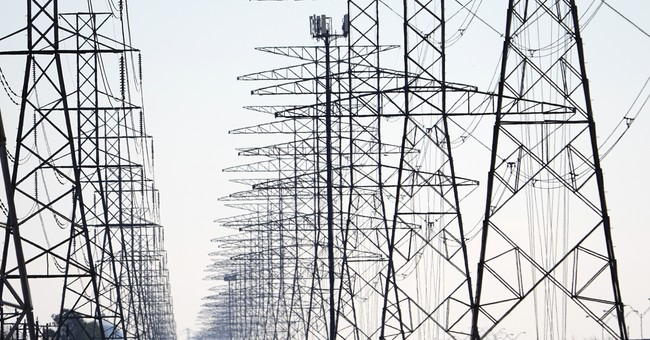
The Day Electricity Dies.

The Day the Electricity Died.

Editor’s NoteThis column was written by Frank Lasee. 
Imagine one of your kids freezing to death in your home. Eleven-year-old Cristian Pineda’s mother found her son dead during the Texas blackout in February 2021.
Or you have a power outage for three days, losing a couple of hundred dollars’ worth
of food because your refrigerator didn’t work, as Michelle Jones did last summer.
The food she had just bought to feed herself, her daughter, and her granddaughter spoiled without electricity.

This is likely to become all too common in the future.

Why?

My years as a Wisconsin state senator and in Gov. Scott Walker’s administration gave me some insights. My senate district included a coal plant, a natural gas plant, two nuclear plants, a biogas plant, biodigesters, wind towers, and many miles of Lake Michigan shoreline—and since then it has added a solar plant. Here are some lessons I’ve learned.

First, we need to understand a little bit about how electric grids work. They cannot store electricity without a battery. Batteries are scarce and expensive. Electric demand must be met with electricity generation, always. If supply cannot keep up with demand, the utility will shut down electricity for some or many.

For nearly a week, Texas utilities were unable to meet demand. They shut down the electric grid. Five million people lost power, and from 250 to 700 died. If an electric
grid breaks, all the people it serves will be without electricity for weeks or months.

Nonetheless, Progressives favor energy policies that will make grid failures more frequent, widespread, and prolonged. They want to close coal plants without enough full-time power ready to take their place. They seem unconcerned about reliability. They want coal plants torn down even if we have to keep paying them—like selling your car to get a newer one while you still owe lots on the first.

The people of the upper Midwest will pay the price this summer.
Their multi-state grid operator, MISO, has warned that it will be 5 GWs short of electricity this summer. California also could be up to 5 GWs short, enough to power 1.3 million homes. Texas warned that there might not be enough electricity for last week’s unexpected 90° weather, or for hotter days coming this summer. 

What do they all have in common? 
Increasing their reliance on solar and wind and closing coal plants. A dirty green secret is that coal is full-time power and wind and solar are not. Electric grids must have full-time, on-demand power all the time—plus some—or blackouts are guaranteed.

Another dirty secret:
Wind and solar produce little or no energy 70% of the time. This means that to replace 1,000 MW of coal, it will take 3,500 MW of wind turbines’ “nameplate capacity,” or 5,000 MW of Solar’s. That’s about 1,200 3 MW wind turbines or 13 million solar panels, in either case occupying nearly 40 square miles.
About 240 coal plants in the United States deliver about 22% of our electricity. 
About 71,000 wind towers produce about 9% of our electricity on a part-time, when-the-wind-blows, basis. We are adding about 3,000 wind turbines a year, in the whole country. If wind didn’t have the part-time problem, those 3,000 could replace 2.5 coal plants a year. At that rate, it would take 96 years to replace them all.

Progressives have been demanding that we close coal plants faster than 2.5 a year.
If we want our electric grid to serve us full time, we need to reject this policy. We also need to stop everything they do to make coal and natural gas more expensive because that will raise our electric rates even faster.

Solar installations have slowed dramatically 
Because of a law recently passed by Congress that solar panels built by slave labor cannot be used in the United States. The Communist Chinese make 80% of the world’s solar panels using coal electricity, slave labor, and non-existent environmental protection laws. They also control, process, or manufacture 80% of the earth’s rare metals and polysilicon needed for solar panels, wind turbines, and batteries.

             is solar electricity cost effective – Bing video

is solar electricity worth it – Bing video

is solar electricity renewable – Search (bing.com) 
         is solar electricity cheaper – Search (bing.com)

is solar electricity expensive – Search (bing.com)

Mothers who want to make sure their babies live and their grandmothers don’t lose groceries when the electricity stops need to engage this issue. The Progressives’ craze
to close coal plants now, before replacement power is built, is a bad idea.

To top it off,
Progressives seem not to care that communist China, India, and many other countries are building hundreds of coal plants right now, or that worldwide coal usage is up by 9% over the last year and growing. Coal is a low-cost, reliable, full-time form of electricity. Only nuclear and coal can store fuel on site—which makes them the only energy sources that can keep on generating despite a prolonged extreme cold snap like the one that crippled Texas last year.
Closing coal plants before replacement electricity is ready puts our economy, our national security, and our lives at risk. We need grown-ups who live in the real-world making decisions.

The lowdown? 

             is wind turbines expensive – Search (bing.com)

is wind turbines renewable or nonrenewable – Bing video

is wind turbines good for the environment – Search (bing.com)
             How do you anchor wind turbines in the ocean – Bing video

How does wind turbines work – Bing video

Don’t embrace large-scale wind and solar unless you’re happy to suffer increasingly frequent, widespread, and prolonged power outages—and the deaths and other losses
they cost.

Frank Lasee served as a Wisconsin state senator and in the administration
of Gov. Scott Walker. He is the president of Truth in Energy and Climate and
wrote this column for The Cornwall Alliance for the Stewardship of Creation.

             electric cars versus gas cars – Search (bing.com)

electric cars versus home electric systems – Search (bing.com)

             electric cars versus hydrogen fuel cell – Search (bing.com)

             electric cars versus diesel and petrol – Search (bing.com)

electric cars versus gasoline cars – Search (bing.com)

electric cars versus ice cars – Search (bing.com) 

electric cars versus hybrid – Search (bing.com) 
 
What is electric produced from – Search (bing.com)
Global automakers face electric shock in China (msn.com)
Owning an EV is mostly cheaper over time than a gas car, study shows.
Government adviser calls for taxation on EV tires due to dangerous particles
What GM’s idea for an EV with two charging ports says about the car market,

As more electric vehicle drivers hit the road, largest Tesla charging station in
U.S. set to open between Los Angeles and Las Vegas (msn.com)
Emissions Analytics finds pollution from tire wear can be 1,000x worse
than exhaust emissions – Green Car Congress

History is never as simple as it was taught in high school!!!
1830 Louisiana Free Blacks Owned Black Slaves – Search (bing.com)
Scientist finally has figured out if dinosaurs are warm or cold blooded.
Opinions | When a teenager wants a semiautomatic rifle,
that’s enough of a red flag.

What is Monkeypox and how dangerous is it? Cases are rising globally (cnbc.com)

Also, someone ask me,

If I am right about the Sheriff having the power to set Washington D.C. Straight… This is very important, considering that most peace officers are “sworn officers”, who take oaths to support the state and U.S. Constitutions.

The oath being sworn by the sheriff when constitutionally elected to office is significant in the fact that he or she is the first line of defense in preserving the Constitutional rights of a citizen. When we look at the Office of the Sheriff, combined with the historical powers held by that office, he stands as the upholder, defender, protector and servant to the liberties of the people within the county.

In addition to upholding the law, the sheriff is also charged with upholding the supreme law, the Constitution. The law enforcement powers held by the sheriff supersede those of any agent, officer, elected official or employee from any level of government when in the jurisdiction of the county.  

The vertical separation of powers in the Constitution makes it clear

the power of the sheriff even supersedes the powers of the President.  

Furthermore, it is this responsibility that grants a Sheriff the Constitutional authority to check and balance all levels of government within the jurisdiction of the County.

And other peace officers, including police officers and others with arrest powers, join with the Sheriff and deputies, as Constitutional Guards, with one and the same mission:  to protect life, liberty and property.

The Constitutional Sheriffs and Peace Officers Association brings together We The People of the United States with peace officers and sheriffs, educating all in an effort to restore America peacefully for our posterity. 

 About – Constitutional Sheriffs and Peace Officers Association (cspoa.org)

Bonus: Sugar-Studded Protein Linked to Alzheimer’s Disease

Your personality might be linked to the risk of developing dementia, a study reveals.

Cars are going to stay expensive for one reason: Dealers and automakers are loving it.

The average age of a car in the US is up to 12.2 years, a new record. How old is yours?
The Human Heart Can Repair Itself, And We Now Know Which Cells Are Crucial for It.
Physicists predict Earth will become a chaotic world, with dire consequences.

Man on a mission to interview World War II veterans and share their stories.
Another nuclear plant closes: Get ready for electricity shortages.

Tesla Model Y Owner Outlines Regrets After 9,000 Miles

How one cheap part can kill off the combustion engine.

Posted in Uncategorized | Leave a comment

The End of America

Doctorate in Victorian Poetry. Co-Founder/ CEO, Daily Clout.

Predicted this whole s—storm in THE END OF AMERICA – ten steps to tyranny.
Proud wife of a veteran. Two days before The Bodies of Others, my new book about
Big Tech making war on us humans, comes out… please order a copy before it’s
burned by the Thought Police…  

I also just finished reading @drnaomirwolf ‘s End of America–an outstanding book– and was surprised by how far we have come down the path of tyranny since @drnaomirwolf warned us, back in 2008! That is what forcing an experimental jab does. They didn’t care what chemicals they forced into us or what side effects could occur, they want compliance. Every government military official, business, school or person who mandated this poison should be charged with Nuremberg violations. Especially schools that forced children. They are not Dr’s, yet they forced a medical procedure they knew nothing about,
risked not only, the health, but also, lives of perfectly healthy people.
  
image.png

List Of U.S. States And Number of Counties In Each – The Fact File

Alaska (boroughs) and Louisiana (parishes) are the only states 
that do not call their first-order administrative subdivisions counties.
  
Joe Biden’s Stolen Amerika.  United States – Counties | MapChart

Travel Hell: 3,300 Flights Canceled ~
So Far Over Memorial Day Weekend
There’s currently a shortage of pilots.
The US needs to fill 1,200 pilot positions.
Should’ve kept those unvaxxed pilots they fired ~
Because the vaxxed flight crews are fading fast.

image.png

AstraZeneca uses a virus that normally infects chimpanzees in their COVID19 vaccine. There is an emergence of Monkeypox virus in wild chimpanzees. See the connection?

Is Monkeypox a Cover for VAIDS? “Something Really Stinks About How All This Is Lining Up” – Dr. McCullough [VIDEO INTERVIEW] (redvoicemedia.com)   Also, per Dr. Malone, the FDA was aware early on that the COVID vaccines could spur viral reactivation of diseases like the varicella-zoster virus (chickenpox & shingles) in some people but chose not to disclose it. Here’s that proof from NIH

Varicella Zoster Virus Reactivation Following COVID-19 Vaccination: A Systematic Review of Case Reports – PubMed (nih.gov)   “The newly developed COVID-19 vaccines have established a safe profile, yet some individuals experience a wide range of adverse events. Recently, reactivation of varicella zoster virus has been observed after administration of different COVID-19 vaccines, although causality remains a matter of debate.”

Experts insist Covid infected people without symptoms were TWO-THIRDS less likely to pass virus on | Daily Mail Online Dr. Thomas Binder, MD @Thomas_Binder May 26

Replying to @thomas_binder
“It is my duty as a doctor to treat my patients to the best of my knowledge. This includes informing them about their disease in a way that lay people can understand and make informed decisions about what to do. In February / March 2020 I realised that it is my duty as a doctor to educate the public about this disease of the whole society, in a way that lay people can understand and make informed decisions about what to do. I am still doing this, no more but also no less, and nobody and nothing will stop me from continuing to do so.“

The Prevailing Corona Nonsense Narrative – Global Research Global Research –
Centre for Research on Globalization DrNaomiRWolf @DrNaomiRWolf May 27

@akamerica we need to do a video about the hives caused by the PEG in the MRNA vaccines, which the WarRoom/Dailyclout volunteers confirmed. @Canadainmom1997 ·May 27

It’s all making sense now isn’t it. These damned Covid injections are creating this stuff
a.k.a. MonkeyPox @Drmalonemd@DrNaomiRWolf@DrZevZelenko@P_McCulloughMD
@joerogan@DrEddyMD@reinerfuellmich@CoronaCommittee

Global Covid Summit Declares Pandemic a Fraud, demands indictment of Big Pharma 
by Miles Mathis – Search (bing.com)

“Your tax-funded Intel agencies like CIA, FBI, ICE, FEMA, ATF, and the military literally have nothing better to do than to run these terror events against you. You are paying the salaries of all these people to fuck with you 24/7.” http://mileswmathis.com/vax8.pdf  

One-Size-Fits-All Medicine: It’s No Less Absurd Than Mandating Nuts in Every Meal – Maajid Nawaz – Bing video   “… all of our bodies are different. We all react differently to medicine. Some of you, heck, react differently to peanuts! Something as safe as eating nuts, and some of you die from it, which is why we put allergy information on everything … And yet, here we are, nobody’s taking any responsibility for imposing vaccine mandates when we know, just like peanuts, that people’s bodies react differently. And some people have died from this thing…” 

How Did Bill Gates, Neither Doctor nor Scientist,
Become the Prophetic Visionary for Public Health?

“What if a bioterrorist brought Ebola, Malaria or smallpox to 10 airports?

How would the world respond to that?”
How many teenage athletes die of cardiac arrest due to the vaccine?  

7 year olds dying of heart attacks, teenagers with heart issues, athletes of all ages and disciplines collapsing while engaged in their sport, previously healthy 30 somethings/40 somethings/50 somethings with heart issues and/or collapsing/dying in their sleep. Pretty much any demographic you can think of … inexplicably succumbing in a way THAT SIMPLY NEVER USED TO HAPPEN.  paxbonum33 @paxbonum33 May 28

Replying to @drnaomirwolf
My 82 year old mother who had never been to the hospital or even took any medication had a stroke 6 months after second dose. Thankfully because of her good health she recovered fast. I’m the only one in my family who didn’t take the jab; warned them all. NOW, no one is getting boosted.Sad that so many trusted the institutions; can’t blame them…we should be able to but not these evil m-fers!!

Clip from the Highwire:  DR. MCCULLOUGH ON MONKEYPOX (rumble.com)

Amazing New Discoveries for Treating the Vaccine-Injured: Dr. Kory & Dr. Marik Break Down Their Findings [VIDEO INTERVIEW] (redvoicemedia.com)  

The Vigilant Fox @VigilantFox ~ May 28
Expecting Mothers Weren’t Told: Pfizer’s Claim That the Jab Was Safe for Pregnant Women Was Based On a Biased French Rat Study Naomi Wolf: “The doctors who ran the study were shareholders or employees of Pfizer and BioNTech.” Now – DOD data reports
an 80% rise in fetal congenital malformations. Full Video: The FDA Knew The Jab Was Dangerous and a Failure: The Pfizer Documents With Dr. Naomi Wolf [VIDEO INTERVIEW] (redvoicemedia.com)

Did US Biotechnology Help to Create COVID-19? by Neil L. Harrison & Jeffrey D. Sachs – Project Syndicate (project-syndicate.org) MariannePatriot  @MariannePatriot May 28

Update on a customer of mine who had a severe stroke after her booster. Mind you she was perfectly fit and healthy until the shots. While in rehab, her husband had to sell their home and buy another that had better wheelchair access and first floor bedroom. She was released from rehab a couple of days ago and is not adjusting well. Her left side most likely will never come back. She has 24 hour care and suffers now from severe nerve pain. Pain medications aren’t helping either. These monsters not only damaged and killed our citizens.

They have created a medical nightmare that we’re not going to be able to cope with.

image.png
– The Ministry of Truth was put on pause, and the crazy singing lady,
Nina Jankowicz, resigned from her position.

Dr. Robert Malone: “Sunlight is the best disinfectant. Do it. Speak out.” 

THE TRUTH IS OUT: Dr. Malone On The Critical Info The CDC Withheld;
Pfizer’s Published Side Effects – Bing video   

The Best Disinfectant Is Sunlight – Wonder  
I cannot fathom the psychic powers of individuals who proclaim such things that are unpredictable and without precedent. BUT their Job is to manage and control the future. They are driving the consequences of actions put in place and that will yield the results they wish to attain. And we know what they are. I just paid 8.00 for 2 chicken breasts at Kroger. AND The ritz cracker sleeve is HALF the size it was just 2 months ago. While cheese is through the roof. Those are staples.

Now it’s spreading … we cannot be lulled into a false sense of security but so far , so good ,,,  International Opposition Grows To Biden Granting WHO Pandemic Powers | ZeroHedgeWarRoom Posse you did this — you had the backs of James Rugowsky, Michelle Bachmann , Dr. Peter Breggin and so many more that plunged headlong into this ceding of American Sovereignty…

Shared history is so incredibly important. It reminds us who we are and where we came from. Our public educational system here in our country is failing our children. It is up to each and everyone of us as parents to pass on our history, and the greatness of America. Land of the free and home of the brave. We are a shining light on a hill. The world looks to us for what hope is. Don’t let that die. Keep it alive. That falls to us to pass it on! This Memorial Day let’s tell the story and honor our heroes!

Preventable Deaths and D3. The Ugly History of Vitamin D3 and Fauci’s pro-Vaccine Bias!!! Preventable Deaths and D3. – by Robert W Malone MD, MS (substack.com)  “…when Vitamin D3 is given prophylactically at sufficient doses.
There is clear and compelling evidence that Vitamin D blood levels of around 50 ng/ml will substantially reduce symptomatic infection, severe disease and mortality.”

Treating Children Who Have COVID-19 With Antibodies (webmd.com)

RELATED: Covid Mythbuster! Dr. Todd Wolynn Takes on Anti-Vaxxers
with Science, Singing and a Dose of Silly (yahoo.com)

Sugar-Studded Protein Linked to Alzheimer’s Disease (msn.com)

image.png
EXCLUSIVE: ‘Minister Of Truth’ Nina Jankowicz’s Firm is Still Receiving Federal Funds
To Fight ‘Disinformation’.

@DrNaomiRWolf @craigklein @stevebannon @tuckercarlson “When the government fears the people, there is #liberty.
When the people fear the government, there is #tyranny.” ~Thomas #Jefferson

Always Listening: China’s Dystopian Surveillance State
Dr. Paul Thomas: “I interviewed a pilot and stewardess for my show,  and they were in Shanghai, and their guide … said something, and, all of a sudden, her name was on a billboard and it said, ‘You’ve lost so many social points.’ They’re listening; they’re surveilling everything. You can get shut out on your finances because you’ve got currency that’s only digital. “

So all of a sudden, you have no money? You’re finished in that society.”

Full Video: Monkeypox, Vaccine Safety, and the Fight Against Tyranny:
Dr. Paul Thomas Joins Laura-Lynn [VIDEO INTERVIEW] (redvoicemedia.com)https://www.

https://www.youtube.com/watch?v=qy7a88FUHXI&t=6s

Principles for Dealing with the Changing World Order by Ray Dalio

PureGreen24 | Non-toxic hard surface antimicrobial EPA registered disinfectant

Cops TASER Father Trying To Save His Daughter During Texas Tragedy, (rumble.com)
Uvalde victims included 11 current or recent Little League players (msn.com)

image.png
Hero teacher Speaks Out About the terror at Robb Elementary

Texas mayor calls Biden’s border crisis as a ‘calamity’
YouTube · 11,000+ views · 3/30/2021 · by Fox Business
https://www.youtube.com/watch?v=Nno1RlxJhK8

img
GOD BLESS Jacob Albarado – Search (bing.com)
Posted in Uncategorized | Leave a comment

An Overview of Breast Cancer

Breast Cancer Stages | New Health Guide

By Jaime R. Herndon, MS, MPH 
Updated on February 15, 2022

 Medically reviewed by Oliver Eng, MD  
 
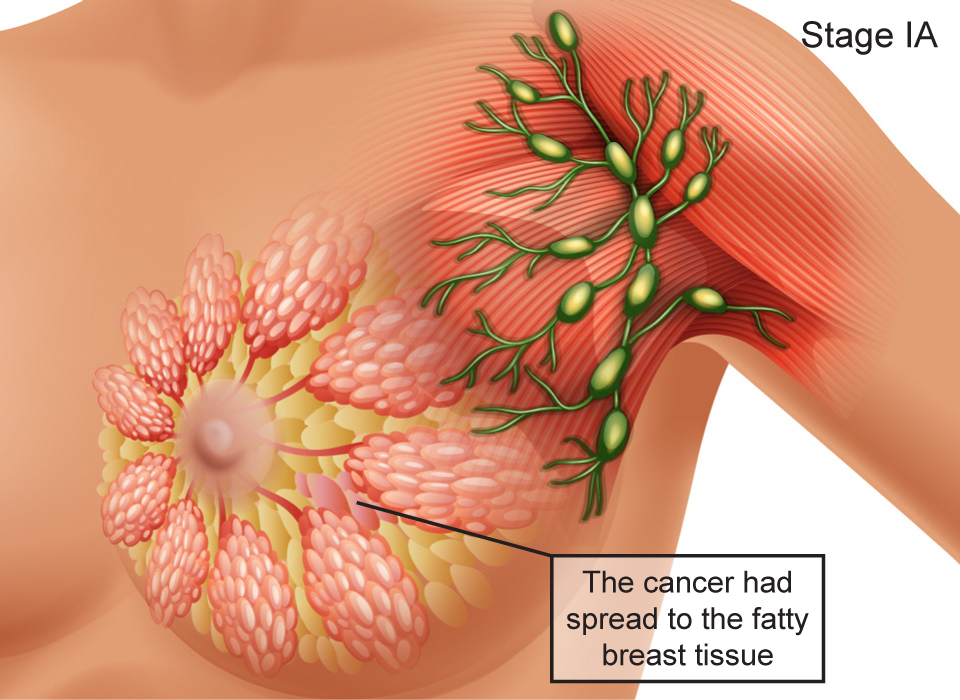
Stage 3 breast cancer is considered to be advanced breast cancer; however, it is not metastatic. This means that cancer has not spread from the breast to other
organs or distant sites in the body.

In stage 3, the tumor has reached a certain size and has spread to a number of lymph nodes above or below the clavicle (bone connecting the breastplate to the shoulder) or near the breastbone. Inflammatory breast cancer is also considered stage 3. There are several substages within stage 3 breast cancer, and it’s important to understand the differences since diagnosis helps to guide treatment and prognosis.

Read on to find out more about stage 3 breast cancer, its treatment options,
and living with breast cancer.

Characteristics
Stage 3 breast tumors can vary in size, but there are also types in which no tumor is found in breast tissue, as with inflammatory breast cancer.1 Therefore, this stage of cancer is not strictly defined only by tumor size but also by the degree of the cancer’s invasiveness.

At stage 3, cancer may have spread to the chest wall or the skin of the breast,
but it has not reached other organs of the body other than nearby lymph nodes.
Stage 3 is further classified by three substages: 3A, 3B, and 3C.
These substages describe the number of axillary (underarm) lymph nodes affected
and whether lymph nodes in the breastbone or collarbone are involved.

They also factor in tumor size and more.

These substages can be further broken down by other characteristics outlined
in the TNM classification of malignant tumors (also known as the TNM system).

TNM Staging
Since both your treatment and prognosis can be impacted by substage classifications, careful staging is needed.

Although the TNM system may seem confusing at first, the rationale is pretty straightforward. The TNM system stages cancer based on three characteristics
represented by its acronym:2

T: Tumor size
N: Lymph nodes
M: Metastases

The letters are followed by numbers that further describe the size and extent of
the malignancy. Further information can be added to the diagnosis of stage three
breast cancer by reviewing its TNM score.

 TNM Staging Letters and Numbers

Stage 3A Breast Cancer
TNM Score
Definition
T0, N2, M0
No tumor has been found in breast tissue, but cancer cells have been found in the lymph nodes of your underarm or breast.
T1, N2, M0
The tumor is 2 centimeters in size or smaller and/or has extended beyond the perimeter
of breast tissue. Cancer may have also spread to lymph nodes in your underarm or breast.
T2, N2, M0
The tumor is over 2 centimeters but under 5 centimeters in size. Cancer has also been found in the lymph nodes in your underarm or breast.
T3, N1, M0
The tumor is bigger than 5 centimeters but has not yet invaded breast skin or the chest wall. There will be cancer in the lymph nodes under your arm.
T3, N2, M0
The tumor is bigger than 5 centimeters but has still not affected breast skin or the chest wall. Cancer has been found in either the underarm lymph nodes or those of your breast.

Stage 3B Breast Cancer
TNM Score
Definition
T4, N0, M0 
The tumor may be of any size and has affected breast skin or has grown into your chest wall (without involving the pectoralis muscle connecting the front of the chest to the upper-arm and shoulder bones). This tumor may also be a rare type known as inflammatory breast cancer.
T4, N1, M0
The tumor may be of any size. It will have spread to breast skin or the chest wall, or it may be inflammatory breast cancer. Cancer will also be found in underarm lymph nodes near the affected breast.
T4, N2, M0
The tumor may be of any size. It will have spread to breast skin or the chest wall, or it may be inflammatory breast cancer. Cancer will also be found in underarm lymph nodes or nodes within the breast.

Stage 3C Breast Cancer
TNM Score
Definition
T(any), N3, M0
The tumor may be of any size but will be contained within breast tissue only. Your chest wall and breast skin would be unaffected. The lymph node status can vary. Cancer may be found in the nodes of your armpit, within your breast, over your collarbone, beneath your collarbone, or in several locations at once.

Your actual outcome can vary based on the substage and other factors, including a woman’s age and HER2 (human epidermal growth factor receptor 2 ) status.
(HER2 is a gene that makes protein that helps breast cancer cells to grow quickly.
Your doctor will talk to you about your individual prognosis based on various factors.
These can include your general health, age, and your cancer’s hormone status. 

 Treatment
If you are diagnosed with stage 3 breast cancer, your treatment plan would likely include surgery, chemotherapy, and, in most cases, radiation.3

The selection of drugs will depend on your cancer type. For example, if your tumor is HER2-positive, you will also be given Herceptin (trastuzumab). If it is hormone-sensitive (meaning that estrogen and/or progesterone can influence a tumor’s growth), hormonal therapies will likely be prescribed for at least five years after primary treatment ends. Hormone Therapy for Breast Cancer  

Breast Cancer Treatment Options

Surgery
Smaller tumors that have not infiltrated skin or muscle may be removed with a lumpectomy (surgical removal of the tumor). A sentinel node biopsy will be
needed to find out if cancer cells have traveled beyond your breast.3

Larger tumors, including those that have invaded the chest wall, will require a mastectomy (surgical removal of the breast) along with a lymph node biopsy. 
Breast reconstruction may be offered, but delayed due to radiation therapy.

Chemotherapy
Chemotherapy is typically used in stage 3 to eliminate any stray cancer cells following surgery, reducing the likelihood of recurrence. Chemo can also be given before surgery
to shrink a tumor, making it easier to remove as much of the cancer as possible.3

Chemotherapy given after surgery is referred to as adjuvant chemotherapy.
When given before surgery, it is called neoadjuvant chemotherapy.

If breast cancer involves the skin, it may be inflammatory breast cancer.
The breast will often look swollen and red. Neoadjuvant chemotherapy is usually the first course of treatment for this less common and aggressive type of cancer. Not only can it help shrink the tumor, but it will also kill cancer cells around the margins, making it easier to remove and reducing the need for repeat surgery.

Inflammatory breast cancer almost always requires a mastectomy and 
axillary lymph node removal (dissection).

Immunotherapy
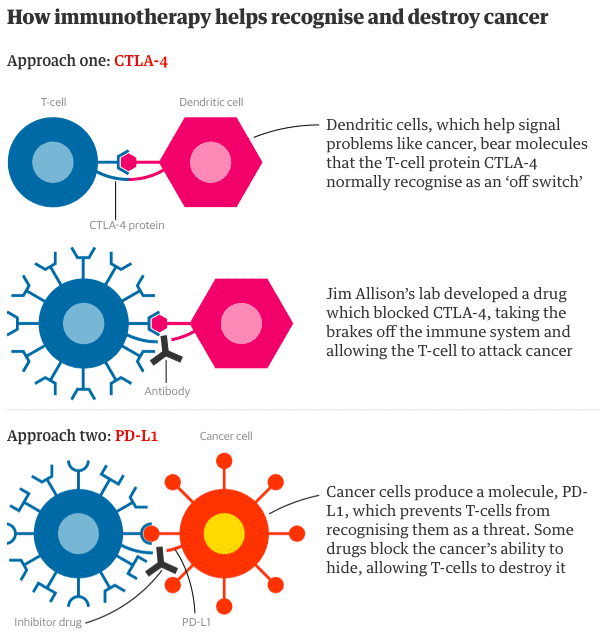
Immunotherapy uses medications to help a person’s immune system better recognize and destroy cancer cells in the body.4 These drugs usually work on certain proteins in the immune system to boost the immune response.

In breast cancer, these drugs target proteins that need to be “turned on or turned off.” Breast cancer cells use these proteins to avoid detection by the immune system.4  Immunotherapy drugs interfere with this and allow the immune system to respond
to the cancer cells.

CAR T – Cell Therapy and Breast Cancer – Bing video

Targeted therapies attack the proteins on cancer cells that control how the cells grow, divide, and spread. This may involve testing your tumor to see if it has targets that can
be addressed with these drugs. Targeted therapy drugs help treat cancer by:5

Helping the immune system kill cancer cells
Stopping cancer cells from growing
Preventing blood vessels from forming, thus “starving” tumors
Causing cancer cell death
Blocking hormones that fuel the cancer
How Cancer Spreads and Recurs

Survival Rate
Survival rate can vary based on the substage and other factors,
including a woman’s age and HER2 status.

Survival rates are often grouped into categories depending if the cancer is localized, regional, or distant. Stage 3 breast cancer is considered regional disease, which means it has spread to regional lymph nodes.6

The relative five-year survival rate for regional breast cancer, which means the percentage of those diagnosed with the disease who are alive five years after diagnosis, is 85.8%. It is important to remember that the statistics used to estimate survival are just that, statistics. Each person is different, and statistics simply give a larger overall picture.6

Your doctor will talk with you about your individual prognosis based on various factors. These can include your general health, age, and your cancer’s hormone status.

Furthermore, as newer and more effective therapies are being released each year, the survival rate may be very different five years from now compared to the rate today.

Keep in Mind
A five-year survival rate is the percentage of people who will live for at least five years
after diagnosis. It does not mean you will only live for five years. Many women with
stage 3 breast cancer will live for years and even decades more.

Follow-Up Care
Follow-up care will depend largely on your hormone and HER2 status. Once primary treatments are complete, you will have regular checkups with your oncologist for at least the next five years.

During this time, you will continue to have regular mammograms and perform regular self-exams if breast tissue is still remaining.

Women often assume that all of their breast tissue has been removed following a mastectomy. This is not necessarily the case.
Speak with your oncologist (doctor specializing in diagnosing and treating cancer) to understand the extent of the surgery and your need for regular breast exams.
Your healthcare provider may also recommend periodic magnetic resonance imaging (MRI) of your other breast if it was not removed. An MRI offers 10 to 100 times greater resolution than a conventional mammogram and may be more appropriate for high-risk cases.

You may also be advised to maintain a healthy diet and regular exercise or physical therapy program to rebuild your stamina, strength, and well-being.

Coping
Living with cancer can be challenging, not just physically, but emotionally as well. Finding a support group or therapist can be helpful. Many hospitals or cancer centers have disease-specific support groups available; talk with your treatment team to see if your treatment center has one. If not, ask your provider for resources.

Even finding support online can be helpful. Connecting with people going through similar things can be validating and reduce any feelings of isolation you may be experiencing. They can also provide tips and tricks for dealing with treatment and post-treatment life.

Summary
Stage 3 breast cancer is breast cancer that is advanced but not metastatic, and it is still treatable. Depending on the tumor’s characteristics, It can be treated with a variety of options including surgery, radiation, chemotherapy, targeted therapy, hormone therapy, or a combination of these. The survival rate for breast cancers with regional spread is around 86%, but remember that survival statistics may not take into account newer and more effective therapies.

Nutrition During Cancer Treatment Cookbook
Cancer treatment nutrition guide and cookbook
12 Famous Breast Cancer Survivors – Biography

Home – We help – The 3E-Program – Lothar Hirneise
The 3E-Program Lothar Hirneise – Bing video

Nutrition before cancer treatment – Bing video
Nutrition during cancer treatment pdf – Search.
Nutrition after cancer treatment – Bing video

Does stress cause cancer to spread?
Relaxing Music: With Nature Sounds, Soothing Relaxing Waterfall Music, Study, Meditation, Sleep Music We Zen Music share exclusive music videos of Sleep Music, Relaxing Music, Study Music, Meditation Music, Binaural Beat, DNA Repair Frequency, Healing Theta Meditation, Chakra Cleansing, Healing Music, Reiki Music, Zen Music,
Spa & Massage Music and Yoga Music.
Whether it is music for the spa or just instrumental relief that you need, we provide it the way you wish to hear it. So now for all those who wish to have peace and relaxation in life Zen Music Channel is the place to be in. So just enjoy, relax and achieve ultimate Nirvana through our channel.

Like our Page http://bit.ly/ZenMusicFB 
G+ Page google.com/+ZenMusics 
Follow us http://bit.ly/ZenMusicTwitter 
Subscribe our Channel http://bit.ly/SubscribeZenMusic ♫♫♫ Calm, Soothing & Peace Music – Calm, soothing and peaceful music is a way of making things easy and convenient for the masses. We provide this form of music, which is the solution to all problems in life. Calm, soothing and peaceful music is a way of making life an easier pitch to play on. 
Enjoy this relaxing music and bring back peace in your life. ♫♫♫ Reiki and Zen Music – Music these days is the best form of relaxation and gives an individual a reason to be happy forever. Reiki and Zen Music provides one with ways of relaxing as well as rejuvenating with a reason to make life a perfect journey of rhythm and happiness. Listen to Reiki Music and bring back lost energy with renewed vigor. Bring in the power of Zen Music and reinforce the power of tuned existence. ♫♫♫ Nature Music – Nature offers is indeed a beautiful form of natural creation and Nature Music is indeed a unique musical trend. 

The music is indeed a powerful way of helping Man to understand the meaning beyond the realms of reality. ♫♫♫ Sleep Music – Sleep is an essential part of life which provides rest and relaxation. Sleep Music is a way of endorsing one’s needs with the soul within and a method of providing complete rest to the body. ♫♫♫ Spa And Massage Music – Massage is a unique way of managing the everyday stress in a person’s life. Music with spa relaxation techniques when combined produces a unique combination which is indeed rejuvenating. Spa and Massage Music enables one to get focused, and provides an enlightening experience that is eternal.

Enjoy music and spend the best time with our spa and massage techniques. ♫♫♫ Spiritual Music – Spiritual Music is a unique way of blending the real and the imaginary and brings in a way of enjoying life in a different way. Spirituality is a way of understanding one’s inner self and we combine this with music and offer you a special way of experiencing the various facets of life. Enjoy this music and enliven your spirits taking it to a heightened level. ♫♫♫ Study & Focus Music – Have you ever thought of how wonderful it would be when one combines music with education? 

This is the concept of study and focus music.
It provides one with a way of relaxing one’s mind after the stress it goes through while dealing with academics. It is believed that music relaxes the muscles and nerves so enjoy this music and completely surrender to the world of music. ♫♫♫ Yoga Music – Yoga Music is a strong way of endorsing techniques that make life an easy journey. Enjoy the power of being united with the inner voice and move with the waves of musical existence. Yoga teaches one to attain ultimate enlightenment through simple means and regular everyday routine. We help you to achieve this easily. Start your session! (msn.com)

ALSO: Yoga for stress and anxiety with Adrienne

FREQUENTLY ASKED QUESTIONS:

What are the types of breast cancer?

There are many different types of breast cancer, but these represent some of the main types.
Invasive ductal carcinoma (IDC) is the most common type of breast cancer, representing 70%–80% of all cases. It begins in the cells lining a milk duct and spreads to other breast tissues.
Ductal carcinoma in situ (DCIS) is the earliest stage of ductal cancer. Cancer cells have not yet spread to other nearby areas, making it noninvasive or preinvasive.
Invasive lobular carcinoma (ILC) starts in lobules, or the breast glands that make milk.
Triple-negative breast cancer means that cancer cells lack estrogen or progesterone receptors, and create little or none of the protein HER2.
Inflammatory breast cancer: Lymph vessels are blocked by cancer cells, causing the breast to appear inflamed.
Paget’s disease of the breast: Cancer cells appear on the nipple and the areola.7

How many stages of breast cancer are there?
There are five main stages of breast cancer that start from stage 0 (noninvasive breast cancer) and end at stage 4 (invasive cancer that has spread to other areas of the body). However, each breast cancer stage above 0 also has subcategories. For example, stage 3 breast cancer has three subcategories, which are referred to as 3A, 3B, and 3C.8

Is Stage 3 breast cancer curable?
In general, Stage 3 breast cancer is considered curable.
However, the success of treatment depends on the extent of spread,
grade of the cancer, hormone receptor status, and response to treatment.

 How to Advocate for Yourself If You Have Cancer
Originally written by Pam Stephan

Related Articles:

How Breast Cancer Is Treated
Is Stage 0 Breast Cancer Actually Cancer?
Stage 1 Breast Cancer: What You Need to Know
Stage 2 Breast Cancer: What to Expect
What Is Stage 3 Breast Cancer: Advance Tumors
What to Know About Stage 4 Breast Cancer?
Does Stage 4 Cancer Mean That It Is Terminal?
Understanding Breast Cancer Surgery Options
Understanding Your Breast Tumor Size and Stage
Breast Cancer Staging: What You Need To Know
An Overview of Inflammatory Breast Cancer

Is Cervical Cancer Curable?
What is Stage 3 Lymphoma?
Dr Robert Martin Pancreatic Cancer.
What Is Stage 3 Lung Cancer Life Expectancy?
Your Guide to Stage 0, 1, and 2 Melanoma Treatment
What You Should Know About the Stages of Melanoma

image.png

Posted in Uncategorized | Leave a comment

Lyme + Autophagy:

Search Results for Lyme Disease | Cancer Quick Facts (solitarius.org)

Lyme + Autophagy: A New Way Forward for Those with Chronic Symptoms? 
 by Dr. Bill Rawls – Bing video

Note: The topics addressed in this article present a glimpse into the broader scope
of my work and insights from my forthcoming book on cellular wellness.
Are you interested in learning more? Visit cellularwellness.com for information.

The human body is a complex, interconnected collection of cells. Depending on your age, your body contains anywhere from 20 to 40 trillion cells. All of your tissues and organs
are made of cells. Absolutely everything that happens inside your body results from the actions of cells.
Whether it’s your heart beating or brain impulses firing, it’s done by individual
cells working in synchrony with other cells. But when microbes like Lyme disease-causing borrelia enter the picture, these actions can get derailed, and a range
of symptoms emerge.

Borrelia infection in the blood. Borrelia bacteria cause borreliose, transmitted by ticks and by lice.

Although Lyme disease is mostly thought of in terms of the physical and mental misery
it causes, technically, Lyme disease is an assault on the cells of the body. When the Lyme spirochetes enter the bloodstream by way of the tick’s saliva, they have only one goal —
to get to the cells that make up the tissues of the body. The bloodstream is the highway that takes them there.
They course through the bloodstream, and when they arrive at tissues of the body,
they invade cells — all types of cells — heart cells, brain cells, joint cells, intestinal cells, and many others. And you might be wondering, why?
To borrelia, cells offer a bountiful source of nutrients and resources. It causes harm by invading and destroying cells of the body to gain the nutrients that cells are made of. Borrelia and coinfections like bartonellababesia, and mycoplasma invade and replicate inside cells and are called intracellular bacteria. Existing inside cells shields them from antibiotics and the immune system.

The types of cells the bacteria invade are one factor that defines the symptoms of the illness. For example, invasion of heart muscle cells causes cardiac symptoms.
Invasion of joint cells and tissues causes joint symptoms. Invasion of cells that make up brain and nerve tissues cause neurological symptoms. More general symptoms, such as fatigue and malaise, are from cells throughout the body being weakened by invading bacteria. Of course, the body doesn’t take the assault nonchalantly.

The Immune System’s Response to Infection
The job of the immune system is to eliminate the bacteria before they get to tissues.
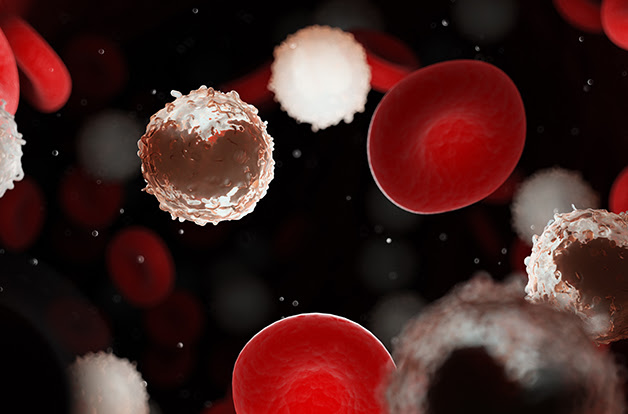
The very instant that bacteria invade the bloodstream, white blood cells of the immune system jump into action. They engulf the bacteria and destroy them with potent acid and enzymes.

3d rendered medically accurate illustration of too many white blood cells
In most cases, the vast majority of the bacteria are eliminated before they get to tissues.

If some bacteria make it to tissues of the body, however, the infection can become chronic. The degree of symptoms associated with the initial infection and whether symptoms become chronic can be influenced by several factors:
The load of bacteria at the initial infection: Multiple tick bites simultaneously or prolonged attachment increases the bacterial concentration in the bloodstream, which increases their chances of reaching tissues of the body.
Whether or not antibiotics are taken: During the initial stage of infection, when bacteria are coursing through the bloodstream, antibiotics can reduce the concentration of bacteria. Taking antibiotics, however, doesn’t guarantee that all bacteria are eliminated. Once the bacteria invade the cells of the body, antibiotics have little effect.
The presence of coinfections with other microbes: All ticks carry a variety of bacteria, and coinfections with multiple bacteria are well documented in Lyme disease. Infections with multiple bacteria at once may influence the severity of symptoms and the possibility of chronic infection.

The strength of the immune system: 
An immune system overtaxed or weakened by poor health habits is less able to fend off or control any type of infection. The health of cells of the body: As it turns out, cells of the body aren’t defenseless. Using a process called autophagy, cells can expel or destroy intracellular microbes. It means that healthy cells are less vulnerable to invasion by bacteria.

Autophagy and Cellular Defenses Against Lyme
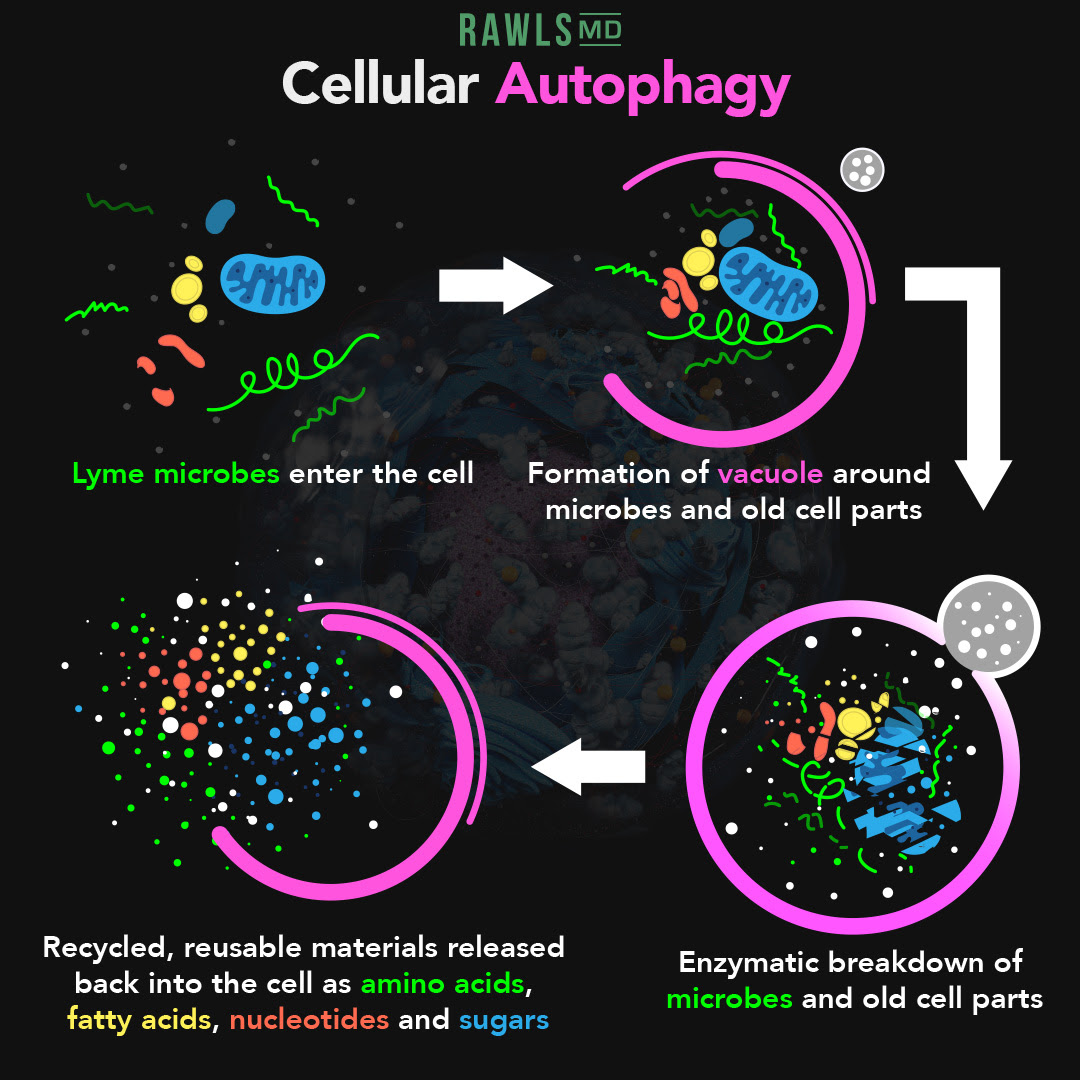
Autophagy is the process by which cells perform internal housekeeping. Cells continually gather misfolded proteins, burned-out mitochondria, damaged DNA, and other worn-out parts and wall them off into contained areas within the cell, called vacuoles. Within the vacuole, worn-out parts are broken down into component organic molecules (such as amino acids) that can be recycled into new proteins and cell parts.

In this way, cells stay lean and strong.

cellular autophagy diagram, microbes enter cell, from vacuole, recycled materials into cell, enzymatic breakdown
Cells of the body use this same process to destroy or expel many types of intracellular microbes.

And although pathogens have mechanisms to attempt to circumvent autophagy, healthy cells can overcome it and purge themselves of infections with bacteria, viruses, protozoa, and fungi. The ability of cells to expel microbes is a key part of the healing process for combatting any type of infection.

Impaired Autophagy and Lyme Disease
When cells of the body are chronically stressed from various factors, they must work harder and use more energy. Harder work and increased energy demands overtax mitochondria and accelerate wear-and-tear inside cells. If the capacity for autophagy and internal cleanup is exceeded, worn-out parts and damaged proteins accumulate inside the cell, compromising its ability to function properly. It also impairs the ability of cells to expel or repel bacteria and other microbes.

Woman sick in the bed, flu and virus infections, allergy, seasonal health issues.

This is what happens when Lyme disease becomes chronic.
Most people identifying with chronic Lyme disease don’t become sick around the time of a tick bite. If a person is healthy — in other words, if cells of the person’s body are healthy — then symptoms at the initial infection are often mild or nonexistent. That’s true with or without antibiotics. However, the Lyme bacteria and any other co-infections can stay dormant inside cells of the body without causing chronic symptoms.
The onset of chronic symptoms is typically associated with other predisposing stress factors. That can be chronic exposure to a toxic substance such as mold, unrelenting mental stress, years of poor dietary habits, prolonged physical stress or trauma, or a new infection, such as COVID-19. Typically, however, it’s a combination of multiple stress factors coming together in a perfect storm.

Chronic cellular stress overwhelms the mechanics of autophagy and compromises
cellular functions. That makes cells vulnerable to invasion by intracellular bacteria. Microbes emerge and infect vulnerable cells, increasing cellular stress and creating a vicious cycle of widespread cellular distress. Because cells are affected throughout the body, a wide range of chronic symptoms occur.
In this respect, the obvious solution to overcoming chronic Lyme disease is reducing cellular stress and normalizing autophagy. While reducing bacterial load is a part of that process, there’s more to it than just killing bacteria.

Normalizing Cellular Autophagy
Healing from chronic Lyme disease requires minimizing cellular stress such that cellular mechanisms of autophagy can rebuild the ability of cells to function normally. Minimizing cellular stress requires creating an ideal internal environment for cellular wellness.
That includes:

Optimal cellular nutrition
Clean environment
Low mental stress and adequate sleep
Low-intensity physical activity
Suppressing intracellular bacteria
But good health practices alone aren’t sufficient to achieve the escape velocity
necessary to normalize autophagy, expel the invading microbes, and regain wellness.
This is where herbal therapy can give you the extra edge you need. Herbs not only
suppress microbes but also reduce cellular stress at every level.

Herbal Therapy to Support Autophagy


image broken into sections, showing japanese knotweed, cats claw, andrographis, garlic, cryptolepis, reishi mushroom, cordyceps
Research suggests that many herbal phytochemicals — beneficial plant compounds — positively affect autophagy in a variety of ways. And many of the phytochemicals are from herbs that are well recognized for suppressing borrelia and coinfections.
Some of those herbs include:

Japanese knotweed
Cat’s claw
Andrographis
Garlic
Cryptolepis
Reishi
Cordyceps

To overcome chronic Lyme disease, taking herbs should be at the top of your list.
The great advantage of using herbs over antibiotics is that the herbs suppress the pathogens associated with Lyme disease but don’t disrupt the balance of normal flora in the gut and on the skin. However, herbs do a lot more than just suppress or kill microbes; herbs counteract all cellular oxidative stress factors. 
Also Reduced stress optimizes cellular autophagy and restores cellular functions —
and this is what healing is all about!

image.png
New Lyme Disease Forecast Map Targets Rising Tide of Ticks (infectioncontroltoday.com)

As the rate of Lyme disease grows rapidly across the United States, new research offers 
veterinarians a forecasting map that tells them which parts of the country are most at risk of Lyme disease infections in dogs, which could help track Lyme disease in people.

Read the Story »
How to Avoid Tick Bites + the Most Effective Tick Repellents for Lyme Season
Treating Chronic Inflammation in Lyme Patients – Search (bing.com)

Webinar Shorts: Is It Better to Use Herbs and Antibiotics Together?
Is It Better to Use Herbs and Antibiotics Together?
Proper Method to Remove a Tick – Search (bing.com)

Dr. Rawls is a physician who overcame Lyme disease through natural herbal therapy. You can learn more about Lyme disease in Dr. Rawls’ new best selling book, Unlocking Lyme.

You can also learn about Dr. Rawls’ personal journey in overcoming Lyme disease and fibromyalgia in his popular blog post, My Chronic Lyme Journey.

Learn About Dr. Rawls’ Herbal Protocol »
 
REFERENCES:

1. Bianconi E, Piovesan A, Facchin F, et al. An estimation of the number of cells in the human body. Ann Hum Biol. 2013;40(6):463-471.

2. Buffen K, Oosting M, Mennens S, et al. Autophagy modulates Borrelia burgdorferi-induced production of interleukin-1β (IL-1β). J Biol Chem. 2013;288(12):8658-8666.

3. Buffen K, Oosting M, Li Y, Kanneganti TD, Netea MG, Joosten LA. Autophagy suppresses host adaptive immune responses toward Borrelia burgdorferi. J Leukoc Biol. 2016;100(3):589-598.

4. Hu W, Chan H, Lu L, et al. Autophagy in intracellular bacterial infection. Semin Cell Dev Biol. 2020;101:41-50.

5. Rahman MA, Hannan MA, Dash R, et al. Phytochemicals as a Complement to Cancer Chemotherapy: Pharmacological Modulation of the Autophagy-Apoptosis Pathway. Front Pharmacol. 2021;12:639628.

6. Steele S, Brunton J, Kawula T. The role of autophagy in intracellular pathogen nutrient acquisition. Front Cell Infect Microbiol. 2015;5:51.

7. Yun HR, Jo YH, Kim J, Shin Y, Kim SS, Choi TG. Roles of Autophagy in Oxidative Stress. Int J Mol Sci. 2020;21(9):3289. Published 2020 May 6.
Posted in Uncategorized | Leave a comment

A Permanent War!!!

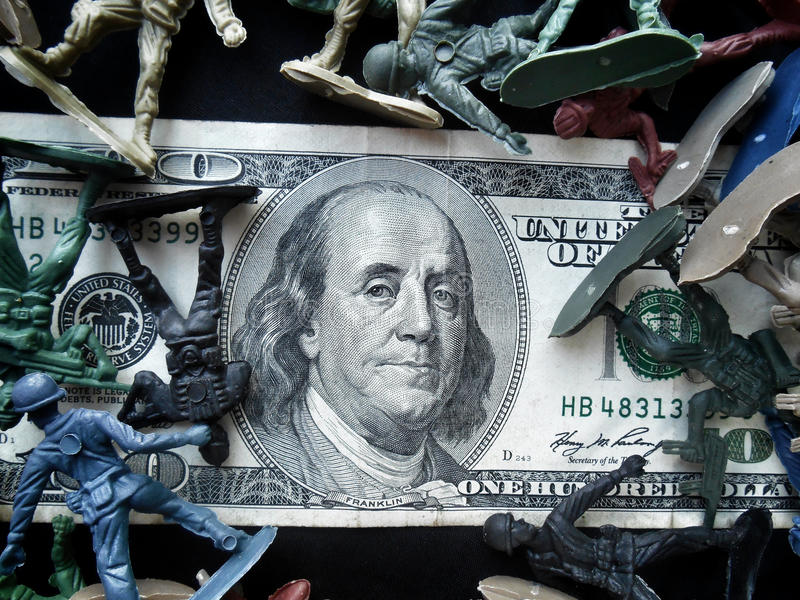
A return to permanent war is here: First it will bankrupt America, then destroy it.
Opinion by Chris Hedges, Salon, 5/26/22

The United States, as the near-unanimous vote to provide nearly $40 billion in aid to Ukraine illustrates, is trapped in the death spiral of unchecked militarism. No high speed trains. No universal health care. No viable COVID relief program. No respite from 8.3% inflation. No infrastructure programs to repair decaying roads and bridges, which require $41.8 billion to fix the 43,586 structurally deficient bridges, on average 68 years old. No forgiveness of $1.7 trillion in student debt. No addressing income inequality. No program to feed the 17 million children who go to bed each night hungry. No rational gun control or curbing of the epidemic of nihilistic violence and mass shootings. No help for the 100,000 Americans who die each year of drug overdoses. No minimum wage of $15 an hour to counter 44 years of wage stagnation. No respite from gas prices that are projected to hit $6 a gallon.

The permanent war economy, implanted since the end of World War II, has destroyed the private economy, bankrupted the nation, and squandered trillions of dollars of taxpayer money. The monopolization of capital by the military has driven the US debt to $30 trillion, $6 trillion more than the US GDP of $24 trillion. Servicing this debt costs $300 billion a year. We spent more on the military, $813 billion for fiscal year 2023, than the next nine countries, including China and Russia, combined.
We are paying a heavy social, political and economic cost for our militarism. Washington watches passively as the U.S. rots, morally, politically, economically and physically, while China, Russia, Saudi Arabia, India and other countries extract themselves from the tyranny of the U.S. dollar and the international Society for Worldwide Interbank Financial Telecommunication (SWIFT), a messaging network banks and other financial institutions use to send and receive information, such as money transfer instructions. Once the U.S. dollar is no longer the world’s reserve currency, once there is an alternative to SWIFT, it will precipitate an internal economic collapse. It will force the immediate contraction of the U.S. empire shuttering most of its nearly 800 overseas military installations. It will signal the death of Pax Americana.

Democrat or Republican. It does not matter. War is the raison d’être of the state. Extravagant military expenditures are justified in the name of “national security.”
The nearly $40 billion allocated for Ukraine, most of it going into the hands of weapons manufacturers such as Raytheon Technologies, General Dynamics, Northrop Grumman, BAE Systems, Lockheed Martin and Boeing, is only the beginning. Military strategists, who say the war will be long and protracted, are talking about infusions of $4 or $5 billion in military aid a month to Ukraine. We face existential threats. But these do not count. The proposed budget for the Centers for Disease Control and Prevention (CDC) in fiscal year 2023 is $10.675 billion. The proposed budget for the Environmental Protection Agency (EPA) is $11.881 billion. Ukraine alone gets more than double that amount. Pandemics and the climate emergency are afterthoughts. War is all that matters. This is a recipe for collective suicide.

War is the raison d’être of the state.
Extravagant military expenditures are justified for “national security.” The $40 billion allocated for Ukraine mostly goes to weapons manufacturers. Strategists talk of sending $4 billion more every month.
There were three restraints to the avarice and bloodlust of the permanent war economy that no longer exist. The first was the old liberal wing of the Democratic Party, led by politicians such as Sen. George McGovern, Sen. Eugene McCarthy and Sen. J. William Fulbright, who wrote “The Pentagon Propaganda Machine.” The self-identified progressives, a pitiful minority, in Congress today, from Rep. Barbara Lee —who was the single vote in the House and the Senate opposing an open-ended authorization allowing the president to wage war in Afghanistan or anywhere else — to Rep. Ilhan Omar are now dutifully lining up to fund the latest proxy war. The second restraint was an independent media and academia, including journalists such as I.F Stone and Neil Sheehan along with scholars such as Seymour Melman, author of “The Permanent War Economy” and “Pentagon Capitalism: The Political Economy of War.” Third, and perhaps most important, was an organized antiwar movement led by religious leaders such as Dorothy Day, Martin Luther King Jr. and Phil and Dan Berrigan, as well as groups such as Students for a Democratic Society (SDS). They understood that unchecked militarism was a fatal disease.

None of these opposition forces, which did not reverse the permanent war economy but curbed its excesses, now exist. The two ruling parties have been bought by corporations, especially military contractors. The press is anemic and obsequious to the war industry. Propagandists for permanent war, largely from right-wing think tanks lavishly funded by the war industry, along with former military and intelligence officials, are exclusively quoted or interviewed as military experts. NBC’s “Meet the Press” aired a segment May 13 where officials from Center for a New American Security (CNAS) simulated what a war with China over Taiwan might look like. The co-founder of CNAS, Michèle Flournoy, who appeared in the “Meet the Press” war games segment and was considered by Biden to run the Pentagon, wrote in 2020 in Foreign Affairs that the U.S. needs to develop “the capability to credibly threaten to sink all of China’s military vessels, submarines and merchant ships in the South China Sea within 72 hours.” 
The handful of anti-militarists and critics of empire from the left, such as Noam Chomsky, and the right, such as Ron Paul, have been declared persona non grata by a compliant media. The liberal class has retreated into boutique activism where issues of class, capitalism and militarism are jettisoned for “cancel culture,” multiculturalism and identity politics. Liberals are cheerleading the war in Ukraine. At least the inception of the war with Iraq saw them join significant street protests. Ukraine is embraced as the latest crusade for freedom and democracy against the new Hitler. There is little hope, I fear, of rolling back or restraining the disasters being orchestrated on a national and global level.  The neoconservatives and liberal interventionists chant in unison for war. Joe Biden has appointed these warmongers, whose attitude to nuclear war is terrifyingly cavalier, to run the Pentagon, the National Security Council and the State Department.

Since all we do is war, all proposed solutions are military. War will cripple Russia. War will curb the growing power of China. These are demented and dangerous fantasies of a ruling class severed from reality.
Since all we do is war, all proposed solutions are military. This military adventurism accelerates the decline, as the defeat in Vietnam and the squandering of $8 trillion in the futile wars in the Middle East illustrate. War and sanctions, it is believed, will cripple Russia, rich in gas and natural resources. War, or the threat of war, will curb the growing economic and military clout of China.
These are demented and dangerous fantasies, perpetrated by a ruling class that has severed itself from reality. No longer able to salvage their own society and economy, they seek to destroy those of their global competitors, especially Russia and China. Once the militarists cripple Russia, the plan goes, they will focus military aggression on the Indo-Pacific, dominating what Hillary Clinton as secretary of state, referring to the Pacific, called “the American Sea.” 
You cannot talk about war without talking about markets. The U.S., whose growth rate has fallen to below 2%, while China’s is 8.1%, has turned to military aggression to bolster its sagging economy. If the U.S. can sever Russian gas supplies to Europe, it will force Europeans to buy from the United States. U.S. firms, at the same time, would be happy to replace the Chinese Communist Party, even if they must do it through the threat of war, to open unfettered access to Chinese markets. War, if it did break out with China, would devastate the Chinese, American and global economies, destroying free trade between countries as in World War I. But that doesn’t mean it won’t happen.

Washington is desperately trying to build military and economic alliances to ward off a rising China, whose economy is expected by 2028 to overtake that of the United States, according to the U.K.’s Centre for Economics and Business Research (CEBR). The White House has said that Biden’s recent visit to Asia was about sending a “powerful message” to Beijing and others about what the world could look like if democracies “stand together to shape the rules of the road.” The Biden administration has invited South Korea and Japan to attend the NATO summit in Madrid.
But fewer and fewer nations, even among European allies, are willing to be dominated by the United States. Washington’s veneer of democracy and supposed respect for human rights and civil liberties is so badly tarnished as to be irrecoverable. Its economic decline, with China’s manufacturing 70% higher than that of the U.S., is irreversible. War is a desperate Hail Mary, one employed by dying empires throughout history with catastrophic consequences. “It was the rise of Athens and the fear that this instilled in Sparta that made war inevitable,” Thucydides noted in “The History of the Peloponnesian War.”
A key component to the sustenance of the permanent war state was the creation of the all-volunteer force. Without conscripts, the burden of fighting wars falls to the poor, the working class and military families. This allows the children of the middle class, who led the Vietnam antiwar movement, to avoid service. It protects the military from internal revolts, carried out by troops during the Vietnam War, which jeopardized the cohesion of the armed forces.

The all-volunteer force, by limiting the pool of available troops, also makes the global ambitions of the militarists impossible. Desperate to maintain or increase troop levels in Iraq and Afghanistan, the military instituted the “stop-loss” policy that arbitrarily extended active-duty contracts. Its slang term was the “backdoor draft.” The effort to bolster the number of troops by hiring private military contractors as well has had a negligible effect. Increased troop levels would not have won the wars in Iraq and Afghanistan, but the tiny percentage of those willing to serve in the military (only 7% of the U.S. population are veterans) is an unacknowledged Achilles heel for the militarists.
“As a consequence, the problem of too much war and too few soldiers eludes serious scrutiny,” writes historian and retired Army Col. Andrew Bacevich in “After the Apocalypse: America’s Role in a World Transformed“:
Expectations of technology bridging that gap provide an excuse to avoid asking the most fundamental questions: Does the United States possess the military wherewithal to oblige adversaries to endorse its claim of being history’s indispensable nation? And if the answer is no, as the post-9/11 wars in Afghanistan and Iraq suggest, wouldn’t it make sense for Washington to temper its ambitions accordingly?

This question, as Bacevich points out, is “anathema.” The military strategists work from the supposition that the coming wars won’t look anything like past wars. They invest in imaginary theories of future wars that ignore the lessons of the past, ensuring more fiascos. 
The political class is as self-deluded as the generals. It refuses to accept the emergence of a multipolar world and the palpable decline of American power. It speaks in the outdated language of American exceptionalism and triumphalism, believing it has the right to impose its will as the leader of the “free world.” In his 1992 Defense Planning Guidance memorandum, then-Deputy Secretary of Defense Paul Wolfowitz argued that the U.S. must ensure no rival superpower again arises. The U.S. should project its military strength to dominate a unipolar world in perpetuity. On Feb. 19, 1998, on NBC’s “Today,” Secretary of State Madeleine Albright gave the Democratic version of this doctrine of unipolarity. “If we have to use force it is because we are Americans; we are the indispensable nation,” she said. “We stand tall, and we see further than other countries into the future.”
This demented vision of unrivaled U.S. global supremacy, not to mention unrivaled goodness and virtue, blinds the establishment Republicans and Democrats. The military strikes they casually used to assert the doctrine of unipolarity, especially in the Middle East, swiftly spawned jihadist terror and prolonged warfare. None of them saw it coming until the hijacked jets slammed into the World Trade Center twin towers. That they cling to this absurd hallucination is the triumph of hope over experience.

There is a deep loathing among the public for these elitist Ivy League architects of American imperialism. Imperialism was tolerated when it was able to project power abroad and produce rising living standards at home. It was tolerated when it restrained itself to covert interventions in countries such as Iran, Guatemala and Indonesia. It went off the rails in Vietnam. The military defeats that followed accompanied a steady decline in living standards, wage stagnation, a crumbling infrastructure and eventually a series of economic policies and trade deals, orchestrated by the same ruling class, which deindustrialized and impoverished the country.
Donald Trump committed the heresy of questioning the sanctity of American empire, calling the invasion of Iraq a “big, fat mistake.” Told that Putin was “a killer,” he retorted, “You think our country’s so innocent?”
The establishment oligarchs, now united in the Democratic Party, distrust Donald Trump. He commits the heresy of questioning the sanctity of the American empire. Trump derided the invasion of Iraq as a “big, fat mistake.” He promised “to keep us out of endless war.” Trump was repeatedly questioned about his relationship with Vladimir Putin. Putin was “a killer,” one interviewer told him. “There are a lot of killers,” Trump retorted. “You think our country’s so innocent?” Trump dared to speak a truth that was to be forever unspoken, that the militarists had sold out the American people.
Noam Chomsky took some heat for pointing out, correctly, that Trump is the “one statesman” who has laid out a “sensible” proposition to resolve the Russia-Ukraine crisis. The proposed solution included “facilitating negotiations instead of undermining them and moving toward establishing some kind of accommodation in Europe … in which there are no military alliances but just mutual accommodation.”

Trump is too unfocused and mercurial to offer serious policy solutions. He did set a timetable to withdraw from Afghanistan, but he also ratcheted up the economic war against Venezuela and reinstituted crushing sanctions against Cuba and Iran, which the Obama administration had ended. He increased the military budget. He apparently flirted with carrying out a missile strike on Mexico to “destroy the drug labs.” But he acknowledges a distaste for imperial mismanagement that resonates with the public, one that has every right to loath the smug mandarins that plunge us into one war after another. Trump lies like he breathes. But so do they.
The 57 Republicans who refused to support the $40 billion aid package to Ukraine, along with many of the 19 bills that included an earlier $13.6 billion in aid for Ukraine, come out of the kooky conspiratorial world of Trump. They, like Trump, repeat this heresy. They too are attacked and censored. But the longer Biden and the ruling class continue to pour resources into war at our expense, the more these proto-fascists, already set to wipe out Democratic gains in the House and Senate this fall, will be ascendant.
Rep. Marjorie Taylor Greene, during the debate on the aid package to Ukraine, which most members were not given time to closely examine, said: “$40 billion but there’s no baby formula for American mothers and babies.”
“An unknown amount of money to the CIA and Ukraine supplemental bill but there’s no formula for American babies,” she added. “Stop funding regime change and money laundering scams. A U.S. politician covers up their crimes in countries like Ukraine.”
Democratic Rep. Jamie Raskin immediately attacked Greene for parroting the propaganda of Vladimir Putin.
Greene, like Trump, spoke a truth that resonates with a beleaguered public. The opposition to permanent war should have come from the tiny progressive wing of the Democratic Party, which unfortunately sold out to the craven Democratic leadership to save their political careers. Greene is demented, but Raskin and the Democrats peddle their own brand of lunacy. We are going to pay a very steep price for this burlesque.

Read more on the Ukraine war and its contradictions:
Russia, the U.S. and the Ukraine war: Dance of death in an age of self-delusion
The-days-of-abundant-resources-farming-inputs-is-over-says-deere-ceo – Search (bing.com)
Ending the Ukraine war is possible, but time is running out: Here’s how the U.S. can help
Is the U.S. in a proxy war with Russia? Sergey Lavrov and Lloyd Austin seem to think so
Wright: Wary of consumer discretionary, because inflation is starting to impact Americans
Dan Patrick: If America does not turn back to God, we are going to be a lost nation

Xi-Li Discord Paralyzes Officials Responsible for China Economy (msn.com)
How Many EVs Are Registered In Your State? You May Be Surprised (insideevs.com)
Current EV registrations in the US: How does your state stack up? – Electrek
Energy policy in the US is ‘disastrous,’ says Rep. Byron Donalds (msn.com)
Cummins Previews Hydrogen Future With 15.0-Liter Engine (msn.com)
See how many electric vehicles are registered in Ohio (msn.com)
How many electric cars registered in each state – Bing video
Electric car rapid charging costs soar, says RAC (msn.com)  

image.png
Investing Insider speaks out: “Wall Street’s Dark Day is Coming” – Investing Outlook

A New Financial Crisis is Brewing in America 
By Allison Comotto – Search (bing.com)

If Everything Is So Amazing, Why’s Nobody Happy? | VQR Online
If you’re a student of history, you’ve likely already noticed the signs:
We’re suffering the worst inflation since the 1980s…
The worst simultaneous food and energy shortage since the 1970s…
And the worst stock market performance since 1939.
The words “recession,” “crash,” and “bear market” are all over the financial press.
(Even the housing market is starting to look eerily similar to 2007.)

The consensus is clear:
A new crisis is brewing in our nation’s economy.
But if you’re over the age of 50 – it’s not the type of crisis you might expect.
And according to legendary investor, Matt McCall, the ramifications for your wealth could be more severe than any other crisis in history.
McCall likely has the greatest track record of any investor in America.
To date, he’s recommended over 40 stocks that all went on to soar over 1,000%.
He accurately called the day of the market bottom in 2009… recommended Bitcoin before it soared 9,000%… predicted the cannabis and electric vehicle 
trends years before they were on anybody’s radar… and perfectly timed the red-hot rebound after the 2020 COVID crash. Today, he’s stepping forward to issue his next big prediction – and make sure you don’t get left behind.

He told me,
“Millions of Americans are selling their stocks… hoarding cash… and waiting for a repeat of 2008 or 2020.
They don’t know the next financial crisis will be nothing like the last. And they’re making every mistake in the book because of it.”
Matt just took the stage in front of a live audience to explain his new prediction, and what it means for your money.
In fact, he’s summed up exactly what’s happening in just one word.
And he’s even giving away one of his top stocks to take advantage.
Click here to see his new prediction and stock recommendation, 100% free.

“Everything Is Amazing, But No One Is Happy”.

By Kelly Brown

Remember the Jetsons? George and Jane? Of course, you do…
They painted the dream that by 2062 we’d live in a world with video calls, robotic vacuums, smart watches, and tablet computers. And we do, forty years ahead of their timeline.
By most measurements, the world’s doing well for itself.
Global incomes are higher… our lifespan is longer. Literacy is up. Poverty is down. Violent crime has dropped in half since the 1990s. 
Communication is literally 100,000x cheaper than it was 100 years ago.
But simple things – like seeing a doctor or getting your car fixed or simply making more money for the lifestyle you want – are still so frustrating.
It’s as if everything is amazing, yet nothing ever works the way it’s supposed to.
Nothing’s efficient. 
No one can seem to do their job correctly.
The right people are never rewarded.
And everyone’s always mad at each other.
Recently, a renowned technology analyst stepped forward with a surprising explanation.
Matt McCall has appeared in the media over 1,000 times.  He’s published 2 books about investing and has a popular investing podcast with over 400,000 subscribers.

And he said,
“There’s an economic phenomenon happening right now that most people haven’t picked up on. It’s at the root of so many of today’s problems.  It explains why we’re seeing so many issues in the investing markets lately… and so many frustrations in our day to day lives.”
He adds that this phenomenon is what the wealthiest Americans are using to advance right now, while most investors and retirees bear the weight of violent market swings and inevitably get left behind.
In a first-of-its-kind presentation, Matt McCall explains this phenomenon and exactly what you can do to find yourself on the right side of it.

How to keep your cool during market uncertainty:
Learn how to avoid making emotional decisions when markets get choppy.
Both big and small swings in the market are regular parts of the investing experience. So, it’s important to be mindful of your reactions to these ups and downs and take a beat before making drastic money moves.

The high cost of Biden’s bitter partisanship: Inaction (msn.com)
Here are a few things to keep in mind as you ride the stock market roller coaster.

Keep perspective
Downturns are normal and expected. On average since 1926, stock prices have dipped every 6 years with losses averaging almost 40%. * But zoomed out to the full picture, we can see that the market has recovered each time and gone on to reach new heights.

Invest consistently
You can avoid making emotionally driven decisions by setting up monthly recurring investments. This helps ensure you stick to your plan, no matter what the market is doing!
That way when things start to get chaotic, you can remind yourself that you’re staying focused on your goal instead of the short-term volatility.

Take a break
Finally, if you find yourself stressed, anxious, and constantly checking in on how your investments are doing, consider taking a break (that’s if you don’t need your money right away).

Just like the saying “A watched pot never boils,” watching stock prices drop won’t bring them back up. Instead, do something that you enjoy! Get outside, watch a movie, or take a nap. You’ll likely find it’s a better use of your time.
To view the free presentation, click here.

Past performance is not a predictor of future results. All investing involves risk of loss and individual investments may vary. The examples provided are not representative of typical results. Your capital is at risk when you invest — you can lose some or all of your money. Never risk more than you can afford to lose.

About The McCall Report
The McCall Report is a monthly newsletter edited by lead analyst Matt McCall with the belief that the decade ahead of us – the Roaring 2020s – will bring exponential growth to companies that are embracing the monumental changes set to occur over the next 10 years.

“Biden Let The Cat Out Of The Bag”: Steve Forbes Calls Out POTUS’ “Confession”
Mitch McConnell tears into Biden for saying gas prices are going through an ‘incredible transition’ (msn.com)
Elon Musk says upcoming recession is ‘actually a good thing,’ and predicts how long it will last (msn.com)
Biden’s high gas prices and war on fossil fuels proves the president is cold, cruel and callous (msn.com)
How many times can you get COVID-19? What to know about coronavirus reinfections
Fed Inflation Gauge Slows Further In April, Adding to ‘Peak’ Consumer Prices Bets
Two-thirds of American workers say their pay is not keeping up with inflation
Poll: Americans Know Biden Is Too Old, Slow, and Stupid to Be President
U.S. Aims to Constrain China by Shaping Its Environment, Blinken Says

The CDC Has A New Boogeyman To Keep COVID Restrictions Around Even Longer,
Moderna CEO: 30 million COVID jab doses will be tossed ‘because nobody wants them’ 
Fauci’s researchers find natural immunity superior to vaccines – ClarkCountyToday.com
Opinion: Biden’s presidency reveals sour stink of ‘success’ | Opinion | peoriatimes.com
US Baby Formula Shortage Rate Jumps to 70% As Crisis Worsens (msn.com)
US Consumers Expect Inflation Shock to Pass, NY Fed Survey Finds (msn.com)
You Are Going to Get COVID Again … and Again … and Again (msn.com)
The real COVID surge is (much) bigger than it looks. (wgbh.org)
Which States Have the Highest COVID Death Rate? (msn.com)
US truckers talk ‘unprecedented’ diesel price surge (msn.com)
Posted in Uncategorized | Leave a comment

A CHOATIC WORLD

Climate Change is “Widespread, Rapid and Intensifying”

Physicists predict Earth will become a chaotic world, with dire consequences
By Paul Sutter

Hottest Summers United States History

Hottest Summers United States History (1900, 1908, 1936 and 1988 Rate High.)
Humans aren’t just making Earth warmer, they are making the climate chaotic,
a stark new study suggests. The new research, which was posted April 21 to the preprint database arXiv, draws a broad and general picture of the full potential impact of human activity on the climate.

And the picture isn’t pretty. 
While the study doesn’t present a complete simulation of a climate model, it does paint a broad sketch of where we’re heading if we don’t curtail climate change and our unchecked use of fossil fuels, according to the study authors, scientists in the Department of Physics and Astronomy at the University of Porto in Portugal. . 
“The implications of climate change are well known (droughts, heat waves, extreme phenomena, etc),” study researcher Orfeu Bertolami told Live Science in an email.
“If the Earth System gets into the region of chaotic behavior, we will lose all hope of somehow fixing the problem.”

Related: It’s ‘now or never’ to stop climate disaster, UN scientists say  

Climate shifts
Earth periodically experiences massive changes in climate patterns, going from one stable equilibrium to another. These shifts are usually driven by external factors like changes in Earth’s orbit or a massive surge in volcanic activity. But past research suggests we are now entering a new phase, one driven by human activity. As humans pump more carbon into the atmosphere, we are creating a new Anthropocene era, a period of human-influenced climate systems, something our planet has never experienced before.
In the new study, researchers modeled the introduction of the Anthropocene as a phase transition. Most people are familiar with phase transitions in materials, for instance when an ice cube changes phase from a solid to a liquid by melting into water, or when water evaporates into a gas. But phase transitions also occur in other systems.
In this case, the system is Earth’s climate. A given climate provides for regular and predictable seasons and weather, and a phase transition in the climate leads to a new pattern of seasons and weather. When the climate goes through a phase transition,
this means that Earth is experiencing a sudden and rapid change in patterns. 

Logistics problems
If human activity is driving a phase transition in Earth’s climate,
that means we are causing the planet to develop a new set of weather patterns.
What those patterns will look like is one of the most pressing problems of climate science.
Where is Earth’s climate headed? That depends significantly on exactly what our activity is over the next few decades. Drastically reducing carbon output, for example, would lead to different outcomes than changing nothing at all, the researchers wrote in the study.
To account for the different trajectories and choices that humanity could make, the researchers employed a mathematical tool called a logistic map.
The logistic map is great at describing situations where some variable — such as the amount of carbon in the atmosphere — can grow but naturally reaches a limit. For example, scientists often use the logistic map to describe animal populations: Animals can keep giving birth, increasing their numbers, but they reach a limit when they consume all the food in their environment (or their predators get too hungry and consume them).

Related: The 5 mass extinction events that shaped the history of Earth

Our influence on the environment is definitely growing, and it has been for over a century. But it will naturally reach a limit, according to the researchers. For example, the human population can only grow so large and can only have so many carbon-emitting activities; and pollution will eventually degrade the environment. At some point in the future, carbon output will reach a maximum limit, and the researchers found that a logistic map can capture the future trajectory of that carbon output very well.

 Everything is chaos
The researchers explored different ways that the human logistic map could evolve, depending on a variety of factors like our population, introduction of carbon reduction strategies and better, more efficient technologies. Once they found how human carbon output would evolve with time, they used that to examine how Earth’s climate would evolve through the human-driven phase transition.
In the best cases, once humanity reaches the limit of carbon output, Earth’s climate stabilizes at a new, higher average temperature. This higher temperature is overall bad for humans, because it still leads to higher sea levels and more extreme weather events. But at least it’s stable: The Anthropocene looks like previous climate ages, only warmer, and it will still have regular and repeatable weather patterns.

But in the worst cases, the researchers found that Earth’s climate leads to chaos.
True, mathematical chaos. In a chaotic system, there is no equilibrium and no repeatable patterns. A chaotic climate would have seasons that change wildly from decade to decade (or even year to year). Some years would experience sudden flashes of extreme weather, while others would be completely quiet. Even the average Earth temperature may fluctuate wildly, swinging from cooler to hotter periods in relatively short periods of time. It would become utterly impossible to determine in what direction Earth’s climate is headed.
“A chaotic behavior means that it will be impossible to predict the behavior of the Earth System in the future even if we know with great certainty its present state,” Bertolami said. “It will mean that any capability to control and to drive the Earth System towards an equilibrium state that favors the habitability of the biosphere will be lost.”
Most concerning, the researchers found that above a certain critical threshold temperature for Earth’s atmosphere, a feedback cycle can kick in where a chaotic result would become unavoidable. There are some signs that we may have already passed that tipping point, but it’s not too late to avert climate disaster.

Climate change is widespread, rapid, and intensifying: IPCC report puts the scale of climate risk in perspective (continuitycentral.com)

 Scientists are observing changes in the Earth’s climate in every region and across
the whole climate system, according to the latest Intergovernmental Panel on Climate Change (IPCC) Report, released today. Many of the changes observed in the climate are unprecedented in thousands, if not hundreds of thousands of years, and some of the changes already set in motion—such as continued sea level rise—are irreversible over hundreds to thousands of years.
However, strong and sustained reductions in emissions of carbon dioxide (CO2) and other greenhouse gases would limit climate change. While benefits for air quality would come quickly, it could take 20-30 years to see global temperatures stabilize, according to the IPCC Working Group I report, Climate Change 2021: the Physical Science Basis, approved on Friday by 195 member governments of the IPCC, through a virtual approval session that was held over two weeks starting on July 26.
The Working Group I report is the first instalment of the IPCC’s Sixth Assessment Report (AR6), which will be completed in 2022. “This report reflects extraordinary efforts under exceptional circumstances,” said Hoesung Lee, Chair of the IPCC. “The innovations in this report, and advances in climate science that it reflects, provide an invaluable input into climate negotiations and decision-making.”

Faster warming
The report provides new estimates of the chances of crossing the global warming level of 1.5°C in the next decades, and finds that unless there are immediate, rapid and large-scale reductions in greenhouse gas emissions, limiting warming to close to 1.5°C or even 2°C will be beyond reach.
The report shows that emissions of greenhouse gases from human activities are responsible for approximately 1.1°C of warming since 1850-1900, and finds that averaged over the next 20 years, global temperature is expected to reach or exceed 1.5°C of warming. This assessment is based on improved observational datasets to assess historical warming, as well progress in scientific understanding of the response of the climate system to human-caused greenhouse gas emissions.
“This report is a reality check,” said IPCC Working Group I Co-Chair Valérie Masson-Delmotte. “We now have a much clearer picture of the past, present and future climate, which is essential for understanding where we are headed, what can be done, and how we can prepare.”

Every region facing increasing changes
Many characteristics of climate change directly depend on the level of global warming, but what people experience is often very different to the global average. For example, warming over land is larger than the global average, and it is more than twice as high in the Arctic.
“Climate change is already affecting every region on Earth, in multiple ways. The changes we experience will increase with additional warming,” said IPCC Working Group I Co-Chair Panmao Zhai.
The report projects that in the coming decades climate changes will increase in all regions. For 1.5°C of global warming, there will be increasing heat waves, longer warm seasons and shorter cold seasons. 
At 2°C of global warming, heat extremes would more often reach critical tolerance thresholds for agriculture and health, the report shows.
But it is not just about temperature. Climate change is bringing multiple different changes in different regions – which will all increase with further warming. 
These include changes to wetness and dryness, to winds, snow and ice, coastal areas and oceans. For example:
Climate change is intensifying the water cycle. This brings more intense rainfall and associated flooding, as well as more intense drought in many regions.

Climate change is affecting rainfall patterns.
In high latitudes, precipitation is likely to increase, while it is projected to decrease over large parts of the subtropics. Changes to monsoon precipitation are expected, which will vary by region.
Coastal areas will see continued sea level rise throughout the 21st century, contributing to more frequent and severe coastal flooding in low-lying areas and coastal erosion. Extreme sea level events that previously occurred once in 100 years could happen every year by the end of this century.
Further warming will amplify permafrost thawing, and the loss of seasonal snow cover, melting of glaciers and ice sheets, and loss of summer Arctic sea ice.
Changes to the ocean, including warming, more frequent marine heatwaves, ocean acidification, and reduced oxygen levels have been clearly linked to human influence. These changes affect both ocean ecosystems and the people that rely on them, and they will continue throughout at least the rest of this century.
For cities, some aspects of climate change may be amplified, including heat (since urban areas are usually warmer than their surroundings), flooding from heavy precipitation events and sea level rise in coastal cities.
For the first time, the Sixth Assessment Report provides a more detailed regional assessment of climate change, including a focus on useful information that can inform risk assessment, adaptation, and other decision-making, and a new framework that helps translate physical changes in the climate – heat, cold, rain, drought, snow, wind, coastal flooding and more – into what they mean for society and ecosystems.
This regional information can be explored in detail in the newly developed Interactive Atlas interactive-atlas.ipcc.ch as well as regional fact sheets, the technical summary, and underlying report.

Human influence on the past and future climate.
“It has been clear for decades that the Earth’s climate is changing, and the role of human influence on the climate system is undisputed,” said Masson-Delmotte. Yet the new report also reflects major advances in the science of attribution – understanding the role of climate change in intensifying specific weather and climate events such as extreme heat waves and heavy rainfall events.
The report also shows that human actions still have the potential to determine the future course of climate. The evidence is clear that carbon dioxide (CO2) is the main driver of climate change, even as other greenhouse gases and air pollutants also affect the climate.
“Stabilizing the climate will require strong, rapid, and sustained reductions in greenhouse gas emissions, and reaching net zero CO2 emissions. Limiting other greenhouse gases and air pollutants, especially methane, could have benefits both for health and the climate,” said Zhai.

image.png
Drought ravaged farms during the Great Depression in 1936.

Heat Waves Throughout History Find out what happens when things start to really
heat up with this look back at some of the most infamous heat waves in history.

London’s Great Stink of 1858
This summer heat wave has lived in infamy not only for its soaring temperatures but also for the malodorous stench it unleashed on England’s capital. Many Londoners had recently traded in their chamber pots for water closets, which flushed an unprecedented amount of water and waste into the city’s 200,000 cesspits. As sewage overflowed into the River Thames and its tributaries, the warm weather encouraged the growth of bacteria with an odor so noxious that sheets soaked in chloride of lime were hung from the windows of the newly built House of Commons in an effort to blunt the smell. London’s poor still drank from the Thames, and thousands died that summer from cholera, typhoid and other diseases; these epidemics had yet to be linked to contaminated water and were instead blamed on the reeking air. One newspaper declared that “whoso once inhales the stink can never forget it and can count himself lucky if he lives to remember it.”
Amid public outcry, Parliament resolved to overhaul the city’s antiquated sewer system, enlisting the help of Joseph William Bazalgette, a brilliant and celebrated civil engineer. His sprawling network of drains and pumping stations, designed to handle 420 million gallons of liquid waste a day, officially opened in 1865 and became fully operational a decade later. Many credit Bazalgette with saving thousands of lives–and, of course, sparing countless noses from London’s intolerable stink.

The Great New York Heat Wave of 1896
At the end of the 19th century, New York City was home to some 3 million people, many occupying the notoriously cramped and stifling tenements of the Lower East Side and other low-income neighborhoods. When 10 days of relentless heat baked the Big Apple in August 1896, these abysmal living conditions went from an uncomfortable reality to a death sentence for an estimated 1,300 New Yorkers. Roasting in their jam-packed bedrooms and barred from sleeping in public parks by a citywide ban, many tenement dwellers sought a breath of fresh air on rooftops, fire escapes and piers. A sizable share of the heat wave casualties occurred when people fell asleep, rolled from their perches and plummeted to their deaths; others succumbed to heat stroke and other heat-related ailments. More than 1,000 horses also died during the crisis.
Even as the death toll mounted, the city government did little to address the disaster,
and the heat wave was on the verge of waning by the time the mayor called an emergency meeting. One relatively obscure official emerged as a hero: Theodore Roosevelt, the city’s police commissioner, who had angered New Yorkers earlier in the summer by cracking down on taverns that stayed open beyond the legal closing time. The future president instructed the police force to distribute free ice in tenement neighborhoods and provide ambulance services to the sick. According to some historians, the heat wave salvaged Roosevelt’s faltering political career and ultimately helped propel him to the White House.

The North American Heat Wave of 1936
In the United States, the timing of the 1936 North American heat wave could not have been worse. Battered by the Great Depression, bled dry by years of drought and blinded by perpetual dust storms, the country took yet another debilitating hit when temperatures soared to all-time highs in 12 states, clearing the 120-degree mark in some regions. (The Canadian provinces of Ontario and Manitoba also saw record heat that summer.) Like the blistering summer of 2010, the 1936 heat wave started early and followed an unusually cold winter, leaving Americans unprepared for such a drastic change in weather.
Reports of dramatic and horrific scenes poured in from around the country. The Midwest had been battling a grasshopper infestation for several years, and as temperatures climbed their broiled, lifeless bodies began dropping from the sky like antennae hail. In New York City, which hit a record high of 106 degrees, 75 seamstresses at a single factory fell into a collective, heat-induced swoon. In Detroit, one of the steamiest cities, doctors and nurses collapsed while treating patients, overcome by heat and exhaustion, and the morgues were overrun with bodies. By summer’s end, upward of 5,000 Americans and 1,100 Canadians had died from heat-related causes or drowned while trying to cool off in rivers and lakes.

The Chicago Heat Wave of 1995
Like much of the central and eastern United States, Chicago had suffered through the devastating heat waves of 1980 and 1988, which persisted for weeks and caused tens of thousands of fatalities nationwide. But in the summer of 1995, the Windy City lost approximately 700 residents in just five humid and sweltering days–a staggering mortality rate that exposed the city’s inadequate response system while debunking common assumptions about which groups are most susceptible to heat-related death.
On July 13, the temperature in the city hit 106 degrees and the heat index, which takes humidity into account to gauge how hot it actually feels, surpassed 120 degrees. As the heat lingered, much of Chicago’s urban infrastructure began to break down: excessive air conditioner use maxed out the power grid; relief seekers opened so many hydrants that several communities lost water pressure; and train rails and roads buckled, causing massive commuter delays. 
Paramedics, hospitals and morgues were quickly overwhelmed, and midway through
the heat wave there was a backlog of hundreds of bodies. In the aftermath of the tragedy, researchers found that most of those who died were older men who lived alone, despite the fact that senior women outnumbered senior men in the area; they concluded that women’s stronger social connections to the community had acted as a defense. Four years later, when another heat wave hit the city, better preparation and a more rapid response limited the deaths to just over 100.

The European Heat Wave of 2003
In July and August of 2003, countries across Europe sizzled through what some scientists deemed their hottest summer since 1500 A.D. The scorching temperatures peaked in the last two weeks of August and claimed at least 40,000 victims, taking a heavy toll on the very young, the chronically ill and elderly people living alone or in nursing homes. Forest fires raged in Portugal, Spain and Italy, while melting glaciers triggered flash floods in the Alps and crops withered throughout southern Europe.
France was hit hardest by the crisis, suffering an estimated 14,000 fatalities as temperatures soared to 104 degrees in a country with an aging population and limited air conditioning. In France and elsewhere, the appallingly high death toll revealed a lack of preparedness for extreme weather in regions with historically temperate climates. Reports cited treatment delays, unawareness of heat-related conditions like dehydration and inadequate medical personnel. In the years since 2003, most European governments have developed action plans for extreme heat that emphasize green spaces, public education, warning systems and emergency measures for the most vulnerable.

For more information contact:
IPCC Press Office ipcc-media@wmo.int, +41 22 730 8120
Katherine Leitzell katherine.leitzell@ipcc.ch
Nada Caud (French) nada.caud@universite-paris-saclay.fr
Temperature Breakdown By Decade (weather.gov)

Climate Change 2021: The Physical Science Basis. Contribution of Working Group I
to the Sixth Assessment Report of the Intergovernmental Panel on Climate Change…
The Working Group I report addresses the most updated physical understanding of the climate system and climate change, bringing together the latest advances in climate science, and combining multiple lines of evidence from paleoclimate, observations, process understanding, global and regional climate simulations. It shows how and why climate has changed to date, and the improved understanding of human influence on a wider range of climate characteristics, including extreme events. There will be a greater focus on regional information that can be used for climate risk assessments.
The Summary for Policymakers of the Working Group I contribution to the Sixth Assessment Report (AR6) as well as additional materials and information are available at https://www.ipcc.ch/report/ar6/wg1/
Note: Originally scheduled for release in April 2021, the report was delayed for several months by the COVID-19 pandemic, as work in the scientific community including the IPCC shifted online. This is first time that the IPCC has conducted a virtual approval session for one of its reports.

AR6 Working Group I in numbers
234 authors from 66 countries
31 – coordinating authors
167 – lead authors
36 – review editors
Plus:
517 – contributing authors
Over 14,000 cited references
A total of 78,007 expert and government review comments.

(First Order Draft 23,462; Second Order Draft 51,387; Final Government Distribution: 3,158) More information about the Sixth Assessment Report can be found here.

About the IPCC
The Intergovernmental Panel on Climate Change (IPCC) is the UN body for assessing the science related to climate change. It was established by the United Nations Environment Programme (UNEP) and the World Meteorological Organization (WMO) in 1988 to provide political leaders with periodic scientific assessments concerning climate change, its implications and risks, as well as to put forward adaptation and mitigation strategies. In the same year the UN General Assembly endorsed the action by the WMO and UNEP in jointly establishing the IPCC. It has 195 member states.

Thousands of people from all over the world contribute to the work of the IPCC.
For the assessment reports, IPCC scientists volunteer their time to assess the thousands of scientific papers published each year to provide a comprehensive summary of what is known about the drivers of climate change, its impacts and future risks, and how adaptation and mitigation can reduce those risks.
The IPCC has three working groups: Working Group I, dealing with the physical science basis of climate change; Working Group II, dealing with impacts, adaptation and vulnerability; and Working Group III, dealing with the mitigation of climate change.
It also has a Task Force on National Greenhouse Gas Inventories that develops methodologies for measuring emissions and removals. As part of the IPCC, a Task Group on Data Support for Climate Change Assessments (TG-Data) provides guidance to the Data Distribution Centre (DDC) on curation, traceability, stability, availability and transparency of data and scenarios related to the reports of the IPCC.
IPCC assessments provide governments, at all levels, with scientific information that they can use to develop climate policies. IPCC assessments are a key input into the international negotiations to tackle climate change. IPCC reports are drafted and reviewed in several stages, thus guaranteeing objectivity and transparency. An IPCC assessment report consists of the contributions of the three working groups and a Synthesis Report. The Synthesis Report integrates the findings of the three working group reports and of any special reports prepared in that assessment cycle.

About the Sixth Assessment Cycle.
At its 41st Session in February 2015, the IPCC decided to produce a Sixth Assessment Report (AR6). At its 42nd Session in October 2015 it elected a new Bureau that would oversee the work on this report and the Special Reports to be produced in the assessment cycle.

Global Warming of 1.5°C, an IPCC special report on the impacts of global warming 1.5
degrees Celsius above pre-industrial levels and related global greenhouse gas emission pathways, in the context of strengthening the global response to the threat of climate change, sustainable development, and efforts to eradicate poverty was launched in October 2018.

Climate Change and Land, an IPCC special report on climate change, desertification, land degradation, sustainable land management, food security, and greenhouse gas fluxes in terrestrial ecosystems was launched in August 2019, and the Special Report
on the Ocean and Cryosphere in a Changing Climate was released in September 2019.

In May 2019 the IPCC released the 2019 Refinement to the 2006 IPCC Guidelines
for National Greenhouse Gas Inventories, an update to the methodology used by governments to estimate their greenhouse gas emissions and removals.

The other two Working Group contributions to the AR6 will be finalized in 2022
and the AR6 Synthesis Report will be completed in the second half of 2022.

For more information go to www.ipcc.ch
The website includes outreach materials including videos about the IPCC and video recordings from outreach events conducted as webinars or live-streamed events.

Most videos published by the IPCC can be found on  
IPCC – YouTube and Vimeo channels.

BONUS INFORMATION: Ukraine Slams Idea of Swapping Land for Peace.

‘How do you shoot my baby?’ Uvalde dad learned from daughter’s friend
that she was killed in shooting (msn.com)

Texas school shooting is America’s latest exercise in ‘child sacrifice,’ says WaPo columnist
Three years after Dayton attack, Texas shooting fuels anger over Ohio inaction on guns
Earth Will Become One Big Supercontinent Again, And It Will Probably Kill Us
Adriana Reyes, Uvalde Shooter’s Mom, Insists They Had a Good Relationship
Grim task at hand after Texas school shooting: planning 19 children’s funerals
‘Good guys with guns’ – do they help stop shooters? Here’s what data says
Jill Biden says she and Joe WILL visit Uvalde after the school massacre
Game Theory Predicts Biden Is About to Make a Big Move with China
Student arrested at Texas high school with pistol, rifle in his vehicle
‘A bad day for … hope’: Another school shooting. More dead kids.
Why gun control advocates see no end in sight.
Police face questions over response to Texas school shooting
The Texas shooting shows the futility of arming teachers

image.png
Texas school shooting: 21 victims named and pictured | US News | Sky News


Posted in Uncategorized | Leave a comment

The Breakthrough

Follow along as this New York Times best-selling author details the astonishing scientific discovery of the code to unleash the human immune system to fight in this “captivating and heartbreaking” book (The Wall Street Journal).

For decades, scientists have puzzled over one of medicine’s most confounding mysteries: Why doesn’t our immune system recognize and fight cancer the way it does other diseases, like the common cold? 
As it turns out, the answer to that question can be traced to a series of tricks that cancer has developed to turn off normal immune responses – tricks that scientists have only recently discovered and learned to defeat. The result is what many are calling cancer’s “penicillin moment”, a revolutionary discovery in our understanding of cancer and how
to beat it. 

In The BreakthroughNew York Times best-selling author of The Good Nurse 
Charles Graeber guides listeners through the revolutionary scientific research bringing immunotherapy out of the realm of the miraculous and into the forefront of 21st-century medical science. As advances in the fields of cancer research and the human immune system continue to fuel a therapeutic arms race among biotech and pharmaceutical research centers around the world, the next step – harnessing the wealth of new information to create modern and more effective patient therapies – is unfolding at an unprecedented pace, rapidly redefining our relationship with this all-too-human disease. 

Groundbreaking, riveting, and expertly told, The Breakthrough is the story of the
game-changing scientific discoveries that unleash our natural ability to recognize and defeat cancer, as told through the experiences of the patients, physicians, and cancer immunotherapy researchers who are on the front lines. This is the incredible true story
of the race to find a cure, a dispatch from the life-changing world of modern oncological science, and a brave new chapter in medical history. 

Every year 17 million people are diagnosed with cancer across the world. A further 10 million people die of cancer-related deaths every year. As one notable oncologist politely put it, you’re more likely to get cancer than you are to get married. But those days of trembling at hearing the word cancer or equating it to a death sentence is over.

The Cure For Cancer Has Arrived

By Charles Graeber – Bing video

Traditionally the solution to eliminating this ghastly mutated foe was to either
cut it or burn it out with traditional techniques like chemotherapy or surgery. But a new dawn is upon us and it’s called immunotherapy. Immunotherapy represents a new class of specialized assassin drugs that, to put it simply, allows our immune system to see cancer operating in broad daylight, where it was once cloaked in invisibility.

Thanks to a motley group of genius scientists such as Nobel prize winners Jim Allison
and Tasuku Honjo, they have shown us that cancer can be defeated. The advent of immunotherapeutic drugs has meant that thousands of people worldwide are now finding their way into steady long-term remission. Where we go from here is up to science, but if the author of Breakthrough Charles Graeber would have us believe we can now dream of a day where cancer becomes just another manageable disease much like the flu or even polio. Let the revolution begin.

In terms of where cancer is within the journey of the body.
Can you give us a bit of background and perhaps a bit of context to the disease?
Well, cancer is part of us, it’s an inseparable aspect of our humanity. It’s a mutation that works, and in a sense, that’s us as well. The whole notion of evolution is that mistakes lead to differential reproductive success and some of that differential reproductive success happens on a cellular level, and that’s a tumour.  So this is something that’s plagued us since the very beginning. Usually, because we know our cells are rolling the dice over and over again.
In a sense, we were always busy dealing with microbes and the basic issues of survival; you were more likely to get eaten by a tiger or destroyed by microbes than you were to develop a tumour. It’s a luxury to be able to worry about cancer, but now it is, of course, our second biggest killer.  The main observation made by physicians was that for as long as we’ve had cancer, it was always a disease that was symptomless, that is until it crowded out the other organs.  It was something that was unlike any other condition. It’s different when you have a cold or flu. With cancer, there is no inflammation, no fever, not even a runny nose. And there is nothing to be done about it. Traditionally, the only treatment for cancer has been to cut it out or death.
This leads to the second observation by historians and physicians that occasionally cancer would burst through the skin especially in a crab-like shape, which the writer Siddhartha Mukherjee describes very well in his book The Emperor of All Maladies. It would lead to this infection, and this infection would somehow suddenly reverse the course of the disease to what they called spontaneous remission. 


“The physicians and the researchers I speak to believe that this will render cancer a manageable disease if we don’t cure outright for the vast majority of people within our lifetime.” – Charles Graeber

So to dig a little deeper, what does a tumour get out of differential reproductive success? Because essentially if a tumour is successful it kills
the body and then the tumour doesn’t survive anymore. So what is in it for a tumour to grow there in the first place?

That’s a great question. And this is a fun one to wrestle with.
Within the smaller picture, there’s always a sense that with evolution the point of it is that it had a direction. I think it’s a fundamental misunderstanding of evolution. It’s merely a matter of being able to reproduce yourself and pass on whatever that environment may be. In this case, it doesn’t apply because it’s not an organism, it doesn’t affect us as such. It’s a byproduct of a random mutation, and sometimes that happens on a genetic level which concerns us as a species.
Usually when the cells reproduce or when they divide they make mistakes and are cleaned up pretty quickly, or they are induced to kill themselves which is called apoptosis. It’s just sort of spring cleaning in the body, and we shed the equivalent of our body weight every year in these cells which is why our apartments are so dusty even though we’d like to think it was something else.

So, it’s 2018, and we’re at a pivotal point in the world of cancer.
A breakthrough has been made, is this the revolution we’ve all been waiting for. Is the cut and burn era over?
You have to be so careful with this question because the idea of raising false hope is cruel. We’ve seen this time and time again, where there have been breakthroughs, but it becomes one of the most shopworn headlines out there. The short answer is yes, this is the breakthrough.  This is a penicillin moment for this disease, which is to say we have fundamentally changed our understanding of the disease and of ourselves and how our immune system interacts or has forever failed to interact with cancer.

We understand that cancer takes advantage of the safety mechanism built into our immune system. Cancer uses a secret handshake to shut down the immune system
and to say “I’m cool, I’m a normal body cell, don’t attack me.” We count on these secret handshakes or checkpoints for the body not to be attacking ourselves all the time, to not be in a constant state of autoimmunity. The most dangerous thing in our bodies usually is our defenses, and that has evolved over 500 million years, and they’re really good. And when they go wrong, it’s terrible.

The safety built into them is necessary. We now know cancer takes advantage of those safety checks and now we know we can block that. That understanding has been sought after for well over one hundred and fifty years. It’s something that has puzzled humanity forever. And it was only understood recently.
So this is all fundamental to reimagining what is possible, and already the question is
‘Can we cure cancer or the 200 some diseases we know as cancer?’ And the answer is we already have cured cancer. We haven’t cured everybody but we’ve cured it in certain types of cancers and the subset of patients, that equates to tens if not hundreds of thousands of people.
The physicians and the researchers I speak to believe that this will render cancer a manageable disease if we don’t cure outright for the vast majority of people within our lifetime.


A tray containing cancer cells sitting on an optical microscope in the Nanomedicine Lab at UCL’s School of Pharmacy in London.  REUTERS/Suzanne Plunkett 

Essentially you’re saying these drugs called checkpoint inhibitors basically allow the immune system to function as normal and kill a tumour. But are you also saying that over time these checkpoint inhibitor drugs will become not only more intelligent but a lot more precise and they’ll be able to do a much better job at removing the tumour than just carpet bombing as in the current cut and burn process?

Any successful cancer already depends upon the immune system to be successful.
You can cut out the vast number of tumors or you can starve it, you can use any of the techniques that we’ve had such as cut it out, poison it and burn it. But techniques of surgery, chemotherapy and radiation are essentially a game of chicken where you hope that you kill the disease before you kill the host, being the patient.
What you’re doing is hoping to change the odds of the fight with the immune system but it has to be an awakened immune system to chase down every last cell. No drug can do it. Cancer mutates, it continues to change. But a drug does not change and we see this all the time with remissions where people are ok for a while and then the disease comes roaring back. This is because the treatments aren’t adaptable and flexible, they don’t dance and the immune system dances. So in a sense, it’s the only path that will work.
These checkpoint discoveries are tantamount to finding invisible breaks that were initially put on the cells that fight our diseases, which are the immune killer cells, the T-cell.
The problem is that the anti- CTL4-A drug which came first acted indiscriminately. It was similar to jamming a brick under the brake pedal. So, for some, it can be a rough ride, it can have a lot of toxicity because you’re creating an auto immunity. But then the anti-PD-1 drug came along which was the next checkpoint inhibitor drug, but this acts as a more precise checkpoint that can be targeted which changed everything.

Cancer therapy was really a science in disgrace. It was discredited underfunded
and it was the laughingstock of the cancer community because everyone knew that the immune system could not see cancer. There was no point in going in that direction.
Even the few immune therapists out there could not point out what was happening,
even though they guessed what was going in. Nothing worked in patients until extremely recently and the big change is that now we know that’s absolutely untrue.
Siddhartha Mukherjee’s Emperor of All Maladies does not mention cancer immunotherapy once and it’s because he is a classically trained chemotherapist/oncologist and then they were trained against it.
That’s why people refer to this as a penicillin moment. It wasn’t just the penicillin
which saved millions of lives – it was the understanding that these drugs could block these little critters that had plagued us for so long. That we could actually control the most basic diseases with a whole class of drugs that fundamentally changed our lives.


Source: National Cancer Institute 

To be honest, reading your book, I was just amazed at how intelligent
cancer really is, its process of hiding in front of the immune system is quite ingenious. We’ve been underestimating the depth of it for so long.
Well, part of that is a failure of imagination and part of it is simply that we didn’t
really have the science to understand what it is. I’d say it’s pretty much the equivalent to exploring the deep ocean in our own bloodstream.
One of my concerns is that once we’ve managed cancer or nearly cured it and it will lead to a more vicious mutation, if cancer is so intelligent surely it will come up with another sophisticated way to attack the system that will evade us?
Yes, our immune system is cancer or rather shall we say they train in the same gym, they were brought up together, they are one and the same.  This is not a disease or a strain of flu, it’s really a matter of allowing our immune system to dance unshackled and also we’re now able to apply other understandings of cancer to other approaches.

We can now make a Robocop version of the T cell.


Nobel prize-winning immunologist Jim Allison. Photo: LeAnn Mueller 
Must Watch: Pluto TV – Jim Allison: Breakthrough 

Synopsis:
Jim Allison: Breakthrough is the astounding, true story of one warm-hearted, 
stubborn man’s visionary quest to find a cure for cancer.
 
Today, Jim Allison is a name to be reckoned with throughout the scientific world —
a 2018 Nobel Prize winner for discovering the immune system’s role in defeating cancer — but for decades he waged a lonely struggle against the skepticism of the medical  establishment and the resistance of Big Pharma.
 
Jim Allison: Breakthrough takes us into the inspiring and dramatic world of cutting-edge medicine, and into the heart of a true American pioneer, in a film that is both emotionally compelling and deeply entertaining.
James Allison, winner of the 2018 Nobel Prize in Medicine, was born on August 7, 1948 in a tiny South Texas town called Alice.  Named for the daughter of the legendary King Ranch owner, Alice has boasting rights as birthplace of a second Nobel winner, Robert F. Curl, Jr., who took the honor for chemistry in 1996. It is also where Tejano, a unique Tex-Mex musical genre, took root in the mid-1940s.  Tejano may have inspired young Jim to take up the harmonica, which he still performs at parties and events, sometimes sharing the stage with fellow Texan Willie Nelson.   

Allison’s father, Albert, was a physician and his mother, Constance, a homemaker and “positive influence” who tragically died of lymphoma when he was eleven years old. 
There were 2 older brothers, Murphy and Mike. Life was difficult for Jim following his mother’s passing.  His father, an officer in the Air Force Reserves, was often away from home, during which time he was fostered by a local family with a son about his own age.  

Even as a kid, Allison displayed a yen for science.  Encouraged by his parents, he toyed around with a Gilbert chemistry set, setting off little bombs in the woods behind their home.  A summer in a NSF-funded science-training program deepened his interest.  
After graduating from high school at sixteen, he entered the University of Texas, Austin where he would earn a B. S. Degree in microbiology (1969) and a Ph.D. in biological science (1973).  He was a member of Delta Kappa Epsilon fraternity. 

But the fierce passion which kindled his interest in curative science, was unquestionably ignited by the early passing of his mother.  His life’s path was set by the time he entered graduate school, when he convinced his PhD advisor to bring cancer study into the lab.  

It was a propitious moment. 
The immune system’s “T-cell” had recently been discovered.  A type of white blood cell,
the T is a front-line soldier in the battle to keep us healthy, its role assigned by nature to distinguish friend from foe.  Though immunology was not even a bona fide science at the time, Allison zeroed in on the immune system’s potential against cancer.

(His dissertation proposed a new approach to treating leukemia,
but decades would pass before a similar drug was patented.) 

Soon after graduation, Allison began crisscrossing the country in a quest to unlock
the mysteries of the T cell.  How do T cells work?  How do they identify an invader? 
Why can they recognize the flu virus, for example, but not cancer? 
In addition to pure knowledge, he sought institutions open to innovative research – 
not a simple matter in a profession tending toward caution and rigidity. 
His first stop was Scripps Clinic & Research Foundation in San Diego (1974-77)
where he did postdoctoral work.  

Married by now to the former Malinda Bell, the couple often joined other Texas
ex-patriots at the port city’s Stingaree bar.  He fondly remembers one night playing his harmonica until the wee hours with Willie Nelson and his band.  “I didn’t have to buy a beer for a couple of years after that,” he recalls. 

LOVE THIS VIDEO: TCU “We Fight Back” Flash Mob for Komen 

That is called CAR T-Cell therapy, right? (A type of treatment in which a patient’s
T cells (a type of immune system cell) are changed in the laboratory so they will attack cancer cells.)

Yes, that spin-off is based on a new understanding of the immune system.
But you’re right, we’ve been underestimating the disease for a long time and failing, but we didn’t have much of a choice, it beat us every time.
What I found interesting was that in the end, the best thing you could do was to personify it and to give it some Majesty, hence Siddartha Mukherjee’s famous book, the Emperor of All Maladies if you will, so that you were vanquished by a worthy foe. That was the best we could offer, a noble death and now we’ve got other options.
“It’s really a matter of allowing our immune system to dance unshackled.”

There are currently as far as I understand almost a thousand immunotherapeutic drugs being tested by more than half a million patients. and another thousand drugs in the preclinical stage.  Where do we go from here? What happens to all the people reading this that have been touched by cancer that wants to understand more?

Well, the fight is on, and in a sense, it’s on for the first time. And that’s exciting.
The excitement needs to be tempered a bit though. There was this initial flush of enthusiasm and rightly so because some major successes happened. But we could use another breakthrough. We’re awaiting results on a weekly basis.
We used to have medical journals with updates on cancer only intermittently
now have new cancer immunotherapy updates on a weekly or bi-weekly basis.

It will be exciting to see what comes off first, all the combinations that are being tried
and those are just starting to tick out.  Personalized vaccines are hugely exciting, which is basically where you go and typify your cancer that relates to your immune system.
You then figure out the version of a drug that’s going to hurt you the least and cancer the most.  That’s science fiction stuff that’s now the clinical trials phase and continue to.
One of the hot areas right now is based on biomarkers and various means to figure out who will best benefit from what.
But in reality, it’s the economic toxicity that kills more people than anything.
We need to allow patients to be able to make better choices faster, based on what they need because if the drug works in just 40% of people, we’re just wasting your valuable time.  
But we also see for the first time an influx of talent from fields beyond the very narrow crosshairs of cancer and immunity. And thinkers from outside that space are coming into this space. It is sort of a sort of medical renaissance.

To temper this excitement down, some in the field have noted that Immunotherapy works on roughly 20 percent of people and that they have a variable survival benefit.  Some patients get to live long and productive lives, but many don’t. That it works well in some cancers and not at all for others and we are still finding ways to distinguish the two.
I‘m very very cautious. It’s a subset of patients and a subset of cancers. We’ve not arrived at a full and total cure. The door in a sense has only just opened, and there is a great hope that this will amount to a cure and treatment for a larger and larger group of patients. The notion of a total cure for all cancer is obviously the goal. I also think the idea that it’s all or nothing is a false goal.
It’s certainly not the way we treat mortality. The reality is, what you get with these is an immediate therapeutic response which is fundamentally different than the extra months
of life often that were given from front-line therapies.
What we’re looking at now is either it works, or it doesn’t.
There are remissions – and it doesn’t work in all patients. But for those whom it does work that is 20 percent of a hundred million people. It’s not right to just throw away those numbers. It’s 20 per cent success rate in some cancers, it’s 40 per cent in others, and it’s closer to 98 per cent in certain forms of childhood leukemia.


“We’ve blown open a whole door to a new wave of understanding diseases and treating it as so much of that.” – Charles Graeber 

Lastly, do you think immunotherapy could be deployed to fight other diseases other than cancer as well?  I’m aware of the AIDS epidemic and its relation to the immune system, and how it could have potentially been deployed early on had they the means.
How do you see that happening?
Yes, that’s a fascinating aspect of this, we’ve blown open a whole door to a new wave of understanding diseases and treating it as so much of that. It’s interesting you know so much of cancer immunotherapy came out of the AIDS epidemic.

Many of the researchers had experience with the failure of immunity.
Now that we know cancer therapy was considered a fringe science or some alternative treatment as did other “alternative therapies” which were looked at sideways by the mainstream scientific establishment.  We’re now understanding the role the immune system has in diseases like schizophrenia. It looks like diabetes and Alzheimer’s. We always thought of these as being outside diseases that perhaps the immune system failed to pick up on that.
We’ve failed to realize that perhaps we need to treat the immune system
rather than the disease. And the patient rather than the disease if you will and that that’s the breakthrough. It’s changed the horizons for a whole generation of scientists and
for us of course as humans.

The Breakthrough: immunotherapy and the race to cure cancer is out now through Scribe.

This interview has been edited and condensed for clarity purposes
Posted in Uncategorized | Leave a comment

Praying for Uvalde

SCHOOL SHOOTINGS: It’s not just Uvalde, Texas — gunfire on school grounds is at historic high in the US

21 dead in ’84 McDonald’s massacre a distant memory for border community.
The First Shooting I can recall is the San Ysidro McDonald’s massacre which was an act of mass murder occurring at a McDonald’s restaurant in the San Ysidro neighborhood of San DiegoCalifornia, on July 18, 1984.

The perpetrator, 41-year-old James Huberty, fatally shot 21 people and wounded 19 others before being killed by a police sniper approximately 77 minutes after he had first opened fire. At the time, the massacre was the deadliest mass shooting by a lone gunman in U.S. history, being surpassed seven years later by the Luby’s shooting.

For five years, they were co-teachers. Then they were gunned down. (msn.com)
It’s an all-too-common scene in the U.S., where gunfire on school grounds is at historic levels. And it’s not just after mass shootings — smaller-scale incidents at schools are also happening at alarming rates. Indiscriminate attacks at a school make up a small portion
of the more than 2,000 school shooting incidents since 1970.

Gunfire on school property is at an all-time high, according to the K-12 School Shooting Database. Children on lockdown. Armed officers rushing into a school. Parents and loved ones in tears waiting anxiously outside. Firearms became the leading cause of death among children and teens in the U.S. in 2020.

Uvalde mother living near school shares teacher’s heroic actions during the shooting…
Uvalde 4th Grader Didn’t Want to Go to School on Tuesday. She Died Next to Her Cousin.
Mother talks moment her son came face-to-face with Uvalde school shooter (msn.com)
Daughter of teacher killed in Texas shooting posts tribute: ‘I will forever say your name’.
After Texas school shooting, teachers weigh in on how to stop the violence (msn.com)
It’s not just Uvalde, Texas — gunfire on school grounds is at historic high in the U.S.
They hoped she was hiding in the Uvalde school. Instead, she was gone. (msn.com)
What we know so far about Salvador Ramos, the suspected Texas school shooter.
Details on how gunman entered Texas Classroom, killing 19 students 2 teachers.
Trauma surgeon recounts operating on victims of school shooting (msn.com)

This the deadliest school shootings in the United States since Columbine.
At least 554 children, educators, and school staff have been killed or injured in school shootings since the 1999 Columbine High massacre, The Washington Post reported. According to The Post, the shootings left 185 people dead and another 369 injured.
During that period, 311,000 children have been exposed to gun violence at school.

Gunman kills 19 children in Texas school rampage, as of Tuesday night.
The Post wrote that 331 schools have suffered from such attacks since the mass shooting at Columbine High School in 1999 when two students killed 13 people and injured 20 others. The frequency of shootings has also surged recently, with 34 incidents in 2021 — the highest in any year since 1999, The Post reported. Overall, an estimated 311,000 schoolchildren in the US have been affected by shootings or were exposed to gun
violence at their school since the 1999 Columbine shooting.

The outlet aggregated these numbers by analyzing news reports, open-source databases, law enforcement reports, and calls to schools and police departments, it said. Its findings only count gunfire incidents that happened on campus immediately before, during, or just after classes, and do not include shootings at colleges or universities.

It also excluded shootings after hours or accidental discharges where no one was hurt. Robb Elementary School had two days left in school year before deadly mass shooting that left 19 students dead and two teachers. Seven in 10 school shootings in the US were carried out by children under 18.

When It Comes to School Shootings, America Really Has a Deeply Tragic Problem.
Since 1999, the median age of school shooters on K-12 campuses is 16, per the outlet.
At least 70% of all school shootings since 1999 have been carried out by people under
the age of 18, when counting cases where the age of the shooter was recorded.

The youngest of these was a six-year-old male first grader, who shot his classmate in 2000 with a .32-caliber handgun after saying he didn’t like her. Based on incidents during that period, the median age of school shooters on K-12 campuses is 16, excluding 86 cases where the shooter’s age is unknown.

In cases where the source of the firearm used could be determined, more than 85% of shooters brought them from home or got them from friends or relatives, Combined, the figures point to the role adult negligence has played in allowing underaged children to obtain lethal firearms.

What we know about the gunman.
One of the deadliest attacks happened on Tuesday — a shooting at Robb Elementary School in Uvalde, Texas. With 19 children & two adults had died as of Tuesday night.
The suspect was an 18-year-old local resident, who was shot dead by a border patrol
officer who rushed into the school without backup and was wounded in the process, 
a law enforcement officer told The Associated Press. 

Authorities told the Houston Chronicle the suspect purchased the two AR-15-style rifles the day after his 18th birthday. According to The Post, 311,000 children in 331 schools have been exposed to gun violence in their schools since the 1999 Columbine High shooting. The outlet reached these figures by aggregating records from news reports, open-source databases, law enforcement reports, and calls to schools and police departments, it said.

The Post’s findings only factor in gunfire incidents that happened on campus immediately before, during, or just after classes, and excluded shootings at colleges or universities.
It excluded shootings after hours or accidental discharges where no one was hurt.

The Last Thing: Remembering the lives stolen (msnbc.com)

image.png
Large signs outside rural Colorado schools warn that teachers may be armed with guns.

119 school shootings since 2018
According to the website ‘Education Week,’ which has been tracking school shootings since 2018, there have been a total of 119 shootings in American schools since tracking began.

212 mass shooting in 2022
In addition, the Gun Violence Archive, an independent data collection organization, reports that there have been 212 mass shootings in the United States so far this year.
The shooter was only 18 and had a semi-automatic rifle

“Rifles should not be easily available to all.”

Eva Mireles’s aunt spoke to the press, as reported by The Independent, who said she
was “furious that these shootings continue,” adding: “These children are innocent.”

900 incidents of gunfire at schools in past 10 years
The American President seemed upset and frustrated as he continued, “It’s been 3,448 days — 10 years — since I stood up at… a grade school in Connecticut where another gunman massacred 26 people, including 20 first-graders at the Sandy Hook Elementary School. Since then, there have been over 900 incidents of gunfire reported on school grounds.”

“What in God’s name do you need an assault weapon for except to kill someone?”
In his speech, Joe Biden expressed what many people outside of America often think when they learn about American gun laws: “The idea that an 18-year-old kid can walk into a gun store and buy two assault weapons, it’s just wrong. What in God’s name do you need an assault weapon for except to kill someone? Deer aren’t running through the forest with Kevlar vests on, for God’s sake.”

Biden blames gun manufacturers
Biden then took a moment to call out gun manufacturers, saying, “It’s just sick. And the gun manufacturers have spent two decades aggressively marketing assault weapons, which make them the most and largest profit. For God’s sake, we have to have the courage to stand up to the industry.”

Changing gun laws isn’t easy in America
While Biden may be eager to make changes to the gun laws in the United States, it is much easier said than done. A ban on assault-style weapons or high-capacity magazines faces steep odds at the federal level.

Is bipartisan agreement enough?
However, there are some areas of bipartisan agreement. It is hard to say if that will be enough to make the changes the country needs. Only time will tell; however, if Biden somehow manages to improve gun laws in the US, he will accomplish what many presidents have attempted and failed at before.

LATEST UPDATES:
/first-responder-learned-his-daughter-was-among-the-dead-in-school-shooting
At least 19 children and 2 adults dead in Texas school shooting at Robb Elementary.
Live updates: Texas elementary school mass shooting was the deadliest since Sandy Hook
Texas Gov. Greg Abbott tweeted in 2015 that he was ’embarrassed’ that Texas was No. 2
in gun purchases and told Texans to ‘pick up the pace’

One place you won’t find guns in the wake of the Texas school massacre.
The NRA’s upcoming leadership conference in Houston this week.

Who Is Salvador Ramos?
Uvalde Police gather outside the home of suspected gunman 18-year-old Salvador Ramos (inset). 

Shooter worked at a local Wendy’s.
The teenage gunman accused of killing 19 students and two teachers at a Texas elementary school Tuesday opened fire at random, according to local police. Ramos worked the day shift at a local Wendy’s, a manager at the restaurant told CNN.

Adrian Mendes, evening manager at the Wendy’s, said Ramos “kept to himself mostly.”
“He felt like the quiet type, the one who doesn’t say much. He didn’t really socialize with the other employees,” Mendes said. “He just worked, got paid, and came in to get his check.”
Mendes didn’t know Ramos on a personal level and didn’t see him most of the time because they were on different shifts, he said. Ramos worked from 11 a.m. to 4 p.m.
or 5 p.m., five days a week, and was already working there when Mendes started in February, he said.

“The suspect made entry into the school and as soon as he made entry into the school he started shooting children, teachers, whoever’s in his way,” Department of Public Safety
Lt. Christopher Olivarez told KENS 5. Texas Gov. Greg Abbot identified the suspect  Tuesday as 18-year-old Salvador Ramos, an Uvalde resident who was killed by police during the rampage. At least 19 children, 2 adults killed in shooting at Texas elementary school, teen gunman also dead

What we know so far:
At least 19 children and two adults were killed in a shooting at Robb Elementary School in Uvalde, Texas, Tuesday afternoon, according to the Texas Department of Public Safety.
Texas school shooter allegedly threatened classmates, cut scars into his face!
Texas school shooter identified as 18-year-old Uvalde resident (msn.com)
“They will drill down into his background”: Ed Davis breaks down police
proceedings after Texas school shooting (msn.com)

Millions from Biden’s COVID relief bill went to museum, university programs pushing social, climate justice (msn.com)
After Buffalo, Trump threatens “civil war”: Mainstream media refuses to connect the dots.
A ‘Potentially Hazardous’ Asteroid Is Approaching Earth (msn.com)
Biden, like Obama, promises unity but doesn’t deliver (msn.com)
Why Is There a Baby Formula Shortage? (bloomberg.com)

Published April 7, 2022, 9:22am EDT ‘The Ingraham Angle’ on Biden’s open borders.
Uvalde Mayor Don McLaughlin: We are not equipped to handle this flood of illegal immigrants. This is a public safety problem, a public health problem, and a humanitarian crisis. This administration is doing nothing about it.

A group of students was watching a Disney movie as part of their year-end celebration when the Texas school shooting began, says a teacher: report (msn.com)
The stock prices of the top 5 US gun- and ammo-makers rose the morning after a Texas school shooting that left at least 21 people dead (msn.com)
What we know about mass school shootings in the US – and the gunmen who carry them out | The Conversation | bozemandailychronicle.com
Law Enforcement Broke Windows to Let Children And Teachers Escape During The Uvalde School Shooting, An Official Said (msn.com)
How-the-Uvalde-shooter-made-it-into-the-school-after-engaging-with-an-armed-school-resource-officer – Search (bing.com)
Columbine And Parkland School Shooting Survivors Are Posting Their Support For Uvalde Shooting Survivors (msn.com)
Texas school shooting victims: Third grader, 4 fourth graders, 2 teachers among those killed at Uvalde elementary (msn.com)

At least 3 of the children killed in the Texas elementary school shooting earned honor roll certificates that morning (msn.com)
The spouse of a Robb Elementary School worker brought his wife flowers to celebrate her retirement – Search (bing.com)
Two 10-year-old-cousins in the same class were among the students killed in Texas school shooting (msn.com)
Uvalde native Matthew McConaughey says ‘we are failing’ after school shooting in hometown (msn.com)
The Texas elementary-school gunman bought 2 guns right after he turned 18, authorities say (msn.com)
Americans Have More Guns Than Anywhere Else in the World and They Keep Buying More (msn.com)
AR-style rifles like the one used in Uvalde shooting often leave victims unrecognizable, experts say

Texas school shooting: all victims were in the same classroom, official says – latest update.
Texas school shooting victims include 4th graders, girl killed in same classroom as cousin
‘Surprised’ mother of Texas elementary school shooter says he ‘wasn’t a violent person’
Parents begged police for upwards of 40 minutes to stop Texas school shooter: Report
After mass shooting, the small Texas town of Uvalde gathers to mourn and remember
Amanda Gorman’s poem on Texas shooting has captivated the Internet. Here’s why.
All victims of Texas elementary school shooting were in one classroom, official says.
Texas gunman left home after fight with mom about Wi-Fi, mother’s boyfriend says.
Salvador Ramos Bought Firearm on 18th Birthday due to Texas Gun Law Change.
Texas school shooting: Who are the victims killed at Uvalde elementary school?

Our baby formula crisis has roots in the WIC program that cannot be ignored
World leaders ‘horrified’ by ‘murder of innocent children’ in Texas shooting
Texas school killing, deadliest in a decade, prompts Biden call for action
Authorities-investigate-actions-and-mindset-of-texas-school-gunman
Explainer – Can U.S. gunmakers be liable for mass shooting (msn.com)
‘Complete evil’: Texas gunman kills 19 children, 2 teachers (msn.com)
Uvalde 10-Year-Old Was Shot as She Called 911, Grandmother Says
Video shows scene outside of elementary school shooting in Texas
Texas school shooting suspect’s grandfather speaks out (msn.com)
The victims of the tragic Texas school shooting (msn.com)
Morning of horror: the Texas shooter’s path
There is a sickness in America (msn.com)
Eliajha Cruz Torres. – Search (bing.com)

Biden slammed for gas prices, inflation comment: ‘Saying quiet part out loud’

BONUS: Columbine survivor speaks out on Robb Elementary School shooting:
‘You just kind of keep reliving the unthinkable’ (msn.com)

Source: Records show 70% of school shootings since 1999 have been carried
out by people under 18: report (msn.com)

My son was a Columbine shooter. This is my story | Sue Klebold.
A look at some of the deadliest US school shootings (msn.com)
Gunman kills 19 children in Texas school rampage (msn.com)
List of school shootings in the United States – Wikipedia
Mass Shootings in 2022: A Partial List (msn.com)

image.png
Posted in Uncategorized | Leave a comment

What causes a Kundalini Awakening?

Can it happen spontaneously with no prior training?

Yes, it can happen spontaneously. Others will tell you “No” but it happened
(is happening) to me.
As far as “no prior training” goes, I wasn’t preparing specifically for an awakening
(at least not consciously)
I’ve answered questions like this before so please forgive me if I repeat myself
(and I will link the previous related answers in the comments)
I guess you could say that I’ve been unknowingly preparing all my life. I’ve meditated and practiced yoga off and on, and I’ve trained in and practiced polarity therapy, craniosacral therapy and other forms of energetic/vibrational/sound healing for the last 25 years. These modalities require a level of awareness and presence that certainly has helped smooth the rough edges of awakening, both Kundalini and spiritual
That said, I still wasn’t prepared. Kundalini ruled me and created sensations and Kriyas that were powerful and often overwhelming for the first 1.5 years of my awakening.

Now 2.5 years in and I’m able to function better.  


I hope this helps 🙏🏼♥️

We have this human concept of rules and regulations – that “the soul takes this many days/hours to travel” and “this many days is what it takes to incarnate again” or “if we behave, we will go to this place, if we don’t, we won’t.” It’s what humans do – box and open, box and open, store more boxes, argue about boxes, go to war over boxes.

What the research shows – and by research I’m referring to the thousands of clinical case studies from Dr. Wambach, Dr. Weiss, the thousands of reports from Michael Newton and the Newton Institute – is that we plan our journeys. So that would include people “opting out” or saying, “I’m not ready to go back” or “I’m having too much fun on the flipside to go back and be bothered with incarnating.” It’s what people report consistently – they can choose to opt out, or defer a lesson.

So then we have to figure out what time means to folks on the flipside.
In terms of the research (speaking to 100s of people no longer on the planet via a number of methods, including hypnotherapy, mediumship or meditation) people claim that we bring a portion of our conscious energy to the planet, and the rest stays home. When the curtain falls – we return home. “25 years on the planet feels like five to ten minutes back here.” That’s reported consistently. So if someone doesn’t return to the stage for 250 years, that still feels like 100 minutes to the person offstage. (a few hours ago.)

But how do people plan their journeys?
They do it in concert with guides, teachers, classmates, council members – everyone weighs in. No one “comes alone” and “leaves alone.” We’ve been doing this for a long
time now, and all the key players know about the play. The brain has filters that block this information for “survival” but now that we’re poisoning the theater, destroying the stage, the “survival” is relative to our realizing that we need to leave behind fresh water, air and earth not only for our children, but our own possible return.

And possible is also operative – as 35% of the reports from the Newton Institute include memories of lifetimes “off planet.” We don’t have to return here – but I know quite a few people who like it here, like coming here and would like to be able to breathe upon returning.

Focus on “birth.” We spend time talking about “reincarnation” when we haven’t got
a handle on incarnation yet. Focus on incarnation. How does it work?
At what point in time does the conscious energy enter the fetus?

In terms of data, in the 2750 clinical case studies from Dr. Wambach, she never had a report “prior to six months.” That is – the conscious energy, the portion brought to a lifetime, didn’t enter the womb of the mother until six months.

In Michael Newton’s interview for “Flipside” he said that in his 7000 cases, he never had anyone report “entering the fetus” until the 4th month. (The first trimester.) That’s not opinion – theory – or belief. It’s data. It’s what is reported. And I’m reporting it as well.

So, when one examines the process of “birth” – of how conscious energy chooses a lifetime, chooses parents, chooses the path or journey and then chooses the vehicle to drive around the planet in – and when they actually jump into the driver’s seat – that needs to be examined before we start discussing why anyone might want to return.

What is the dark side of spiritual awakening that most people never talk about?
If the bright side of spiritual awakening is remembering the blissful truth of our unified and all-loving existence, then the dark side is the horrific realization that we are colluding in a life that is totally out of alignment with the truth of who we are.

The depth of our horror is proportional to the depth of our awakening experience. The dark side is the recognition of our ‘evil twin’ who operates in the shadows and resides in our blind spot. When evil twins are disowned, unharnessed, and left to their own devices in the world, the horror they inflict is what we call evil. Waking up to the presence of evil and its Machiavellian ways is nothing short of devastating.

Reclaiming and harnessing our evil twin is the only way to prevent it from creating
merry hell in the shadows of our lives. This is what is meant by the term ‘shadow work’
and it is a necessary and essential part of integrating and embodying our spiritual awakening.
We cannot transform our consciousness without reclaiming our evil twin and cleaning up the mess it has made in our ignorance of it.

Waking up to Truth is not all love & light.
I’ve been experiencing some sort of spiritual awakening, but I have become fearful at
what is happening and I know I’ve gone off course somewhere, can someone shed some light/advice? 

I can absolutely feel you dear Sarah. During the spiritual process the persona (ego) becomes just experience. Being the persona before the awakening and then becoming
just an experience may feel very dissociating. It may still feel like the persona is trying to achieve something, to get something or to go somewhere. The persona always remains in the realm of time and space.

It may feel very painful after the insights in much deeper reality.
Realizing that you are not the persona (ego) but being not established in the Truth yet may feel very anxious and fearful. You are losing the old identity, but you have not the new one yet. You may experience the phase of “no self”, this was very scary for me and I am sure it is for everyone.

But let the “job” be done by itself. There is nothing to lose.
That feeling that you were the persona has never been real. So you are just walking
out of the dream, watching the dream from “the other side”, till the dream will vanish
completely. After that you will be sure what you are and fear will disappear.

Are synchronicities proof of a spiritual awakening?

Yes! It’s a sign you’re growing and becoming more aware of your spiritual nature.
We’re all spiritual beings. It’s our birthright. We’re all born as a recent incarnation of God, the divine in material form. Just look into someone’s eyes. Just look into your own eyes.
Only we forget this at different stages of our life.
“Normal memory” starts to kick in, which buries our birthright by layer and layers of childhood conditioning and material society that wants to imprint the notion on us that
we are separate from the Universe and separate from each other.

We are not taught that we are one with the Universe when we are young.
This 3D material reality is just a veil blocking us from the realization of our true nature, our oneness to the whole. Synchronicities are messages from the Universe ensuring you of this once forgotten truth. They are the signs that you are opening up to your spiritual path.
When a synchronicity or serendipity happens in my life, I write it down. I want to keep track of them. I want to be conscious of them. Are multiple people mentioning the same book to you?

HALLELUJAH – guitar inspiration from the most beautiful song by Rock Milady.

Are you running into people from your past or the same person frequently?

Did you meet someone in a chance encounter, and have a mutual friend or
on a similar life path?

Were you thinking of a person and then that person called you a few seconds later?

Did a random person help you with something?

These may seem like common random occurrences…
But they’re not random and they’re not common (to the untrained spiritual eye).
The “trained spiritual eye” is common and they will happen more and more in your life!

The more we cultivate “inner stillness and an inner space” in our minds and hearts,
we begin to live in gratitude more. Living in gratitude is where the abundance begins
to flow from us — that natural and infinite wellspring of love, pure source.

Pure source, love and abundance within, reflect outward into
our life circumstances and the people who come into our lives.

It’s magic!
It’s waking up.

image.png
Posted in Uncategorized | Leave a comment

Democracy versus Republic

How many times does ‘democracy’ appear in the US Constitution?
This article appeared in the February 2011 issue of Globe Asia.

Since Biden has cost the American People between 7 to 8 trillion dollars of their real life and boundless stress due to The Biden and Bernie’s 110 page Manifesto. In which Biden believes all property is owned by the Government in unrealized gains. I remember reading this “Professor Steve Hanke article which provides one of the most insightful analyses of the Founding Fathers and their documents that I have ever read. Instead of considering the Founders’ documents with our present views, biases and prejudices, he focuses on their essential, original meaning. Many will be shocked to learn that the word “democracy” was neither used in the Declaration of Independence nor in the Constitution. 
Indeed, the Founding Fathers were anxious and fearful of allowing any form of tyranny, including the tyranny of the majority. This essay should be read and meditated on by all those who think they have a right to influence society. A real gem!” In the aftermath of World War I, President Woodrow Wilson set out to make the world safe for democracy. Since then, U.S. Presidents have marched to the drumbeat of Wilsonian idealism. Indeed, most U.S. foreign policy is carried out under the pretext — and in some cases perhaps the genuine belief — that America is delivering democracy to the rest of the world. President Barack Obama’s rationale for foreign engagements is, therefore, neither new nor unusual.
Most people, including most Americans, would be surprised to learn that the word “democracy” does not appear in the Declaration of Independence (1776) or the Constitution of the United States of America (1789). They would also be shocked to learn the reason for the absence of the word democracy in the founding documents of the U.S.A. Contrary to what propaganda has led the public to believe, America’s Founding Fathers were skeptical and anxious about democracy. They were aware of the evils that accompany a tyranny of the majority. The Framers of the Constitution went to great lengths to ensure that the federal government was not based on the will of the majority and was not, therefore, democratic.

The Constitution divided the federal government into legislative, executive and judicial branches. Each branch was designed to check the power of the other branches.
The Founders did not want to rely only on the voters to check government power.
As a result, citizens were given very little power to select federal officials. Neither the President, members of the judiciary nor the Senate were elected by direct popular vote. Only the members of the House of Representatives were directly elected by popular vote. Even in this case, the franchise was quite restricted. If the Framers of the Constitution did not embrace democracy, what did they adhere to? 
To a man, the Framers agreed that the purpose of government was to secure citizens in John Locke’s trilogy of the rights to life, liberty and property. The Framers wrote extensively and eloquently. On property, for example, John Adams wrote that “the moment the idea is admitted into society, that property is not as sacred as the laws of God, and that there is not a force of law and public justice to protect it, anarchy and tyranny commence.”
The Founders’ actions often spoke even louder than their words. Alexander Hamilton, a distinguished lawyer, took on many famous cases out of principle. After the Revolutionary War, the state of New York enacted harsh measures against Loyalists and British subjects. These included the Confiscation Act (1779), the Citation Act (1782) and the Trespass Act (1783). All involved the taking of property. In Hamilton’s view, these Acts illustrated the inherent difference between democracy and the law. Even though the Acts were widely popular, they flouted fundamental principles of property law. Hamilton carried his views into action and successfully defended — in the face of enormous public hostility — those who had property taken under the three New York state statutes.

The Constitution was designed to further the cause of liberty, not democracy. 
To do that, the Constitution protected individuals’ rights from the government, as well as from their fellow citizens. To that end, the Constitution laid down clear, unequivocal and enforceable rules to protect individuals’ rights. In consequence, the government’s scope and scale were strictly limited. Economic liberty, which is a precondition for growth and prosperity, was enshrined in the Constitution. After European settlement, America consisted of thirteen English colonies. They benefited from a rather light administration from London and salutary neglect. This contrasted with the French colonies, which were controlled from Paris, and the Spanish colonies, which had entire institutional superstructures imposed from Spain.
Everything did not go well in the American colonies, however. One major colonial problem centered on money. Officially, British silver coins were the coin of the realm in America. But there were problems. The Navigation Acts prohibited the export of silver coins from England. There was also a prohibition against any of the colonies establishing mints. As a result, there was an endemic shortage of silver coins in the colonies. To fill this large gap, bills of credit were issued and circulated freely during the first half of the eighteenth century.
This resulted in high inflation, which forced most of the colonies to abandon fixed exchange rates and a specific standard. Things finally deteriorated to such an extent that the British Board of Trade imposed the Currency Acts of 1751 and 1764. These prohibited the issuance and use of bills of credit not fully backed by specie. The prohibitions against paper money created an enormous source of resentment in the colonies. Coupled with the better‐known Stamp Act of 1765, the prohibitions on bills of credit set the stage for the Declaration of Independence and the ensuing Revolutionary War.

The Revolutionary War added to America’s money problems. 
The best estimates place the cost of the Revolutionary War at about 15 to 20 percent of the colonies’ GNP. Roughly 85 percent of it was financed with fiat money. During the 1775–80 period, annual inflation was about 65 percent. Subsequently — and prior to the Constitutional Convention (1787) — the economic situation was one in which individual states increased taxes and regulations dramatically and money remained unstable. In addition, there was a great deal of political corruption and scandal. And to top it off, the economy was in a general slump which was punctuated by the crisis of 1787.
As a reaction to the overall political‐economic situation, the Constitutional Convention convened in 1787 in Philadelphia. In due course, the Constitution was crafted and ratified in 1789. It is a short, clear, intelligible document. The Constitution’s preamble contains only 52 words which are followed by seven short articles and ten amendments known as the Bill of Rights (1791).

The Original Constitution established the rule of law and limited government.
It is noteworthy that about 20 percent of the Constitution itemizes things that the federal and state governments may not do, while only 10 percent of the Constitution is concerned with positive grants of power. In total, the legitimate powers granted by the Constitution were less than those that had existed. The bulk of the Constitution — about 70 percent — addresses the Framers’ conception of their main task: to bring the United States and its government under the rule of law.
The Constitution is primarily a structural and procedural document that itemizes
who is to exercise power and how they are to exercise it. A great deal of stress is placed
on the separation of powers and the checks and balances in the system. These were not a Cartesian construct or formula aimed at social engineering, but a shield to protect the people from the government. In short, the Constitution was designed to govern the government, not the people.
The Bill of Rights establishes the rights of the people against infringements by the State. The only thing that the citizens can demand from the State, under the Bill of Rights, is for a trial by a jury. The rest of the citizens’ rights are protections from the State. For roughly a century after the Constitution was ratified, private property, contracts and free internal trade within the United States were sacred. The scope and scale of the government remained very constrained. All this was very consistent with what was understood to be liberty.

A remark about the Framers and the public is in order. 
There were 55 Framers and 35 had attended college. The college entry standards in
those days were very high and strict. At the age of 14 or 15, the normal college entry age, students were required to be fluent in both Latin and Greek and proficient in the Classics. They were skilled at the art of rhetoric and were keenly aware of the necessity of garnering public support for their constitutional project. For the Framers, policies needed to be developed from the bottom up.
At the time, Americans were literate and well informed, via pamphlets and manuscripts, about the political debates of the day. There were four times as many newspapers in the United States as there were in France, which was the center of continental thinking and debate on many constitutional and philosophic matters. The Federalist Papers were published in 1787 and 1788 in New York City’s Independent Journal, an ordinary newspaper. These important essays — written under pseudonyms by Alexander Hamilton, James Madison and John Jay — were of very high quality and set the stage for the Constitutional Convention and the resulting product.

 In passing, it is worth mentioning that Hamilton organized this project, wrote most of the essays, and of all the Founding Fathers, performed most of the intellectual work for the least historical credit. That said, two notable economists have given Hamilton his due. Lionel Robbins thought the Federalist Papers were “the best book on political science and its broad practical aspects written in the last thousand years.” And if that were not enough, Milton Friedman wrote in 1973 that Federalist Paper 15, written by Hamilton, “contains a more cogent analysis of the European Common Market than any I have seen from the pen of a modern writer.”
After the Constitution was ratified and George Washington was elected President, the new federal government lacked credibility. Public finances hung like a threatening cloud over the government. Recall that paper money and debt were innovations of the colonial era, and when the Revolutionary War began, Americans used these innovations to the maximum. As a result, the United States was born in a sea of debt. A majority of the public favored a debt default.

Alexander Hamilton

Acting as Washington’s Secretary of the Treasury, was firmly against default. As a matter of principle, he argued that the sanctity of contracts was the foundation of all morality. And as a practical matter, Hamilton argued that good government depended on its ability to fulfill its promises. Hamilton won the argument and set about digging the country out of its financial debacle. Among other things, Hamilton was — what would today be called — a first‐class financial engineer.
He established a federal sinking fund to finance the Revolutionary War debt. He also engineered a large debt swap in which the debts of individual states were assumed by the newly created federal government. By August 1791, federal bonds sold above par in Europe, and by 1795, all foreign debts had been paid off. Hamilton’s solution for America’s debt problem provided the country with a credibility and confidence shock. The state of economic affairs in the United States, roughly until World War I, was in the spirit of the Constitution.
The economy flourished, with large increases in labor and capital inputs as well as strong productivity growth. There was, of course, one near fatal interruption during this period: the Civil War. The war consumed 15 to 20 percent of GNP, about the same proportion as during the Revolutionary War. War finance was somewhat similar in the Confederacy (the South) as it was during the Revolutionary War. About 60 percent of the financing for the southern effort was paper money. The North also resorted to fiat money financing, but at only a 13 percent rate. Consequently, there was an inflationary surge.

In addition to the major disruption caused by the Civil War.
It is worth mentioning one major anomaly in the U.S. economy: lands owned by the federal, as well as state and local, governments. Alexander Hamilton, the first Secretary of the Treasury, wanted to sell the public lands as fast as possible. This did not happen. In consequence, the government still owns a huge amount of real estate. Its surface area is about six times larger than the total area of France. This is a state-owned enterprise. As you might expect, it is also unproductive. Detailed studies of SOE lands indicate that they are only about 25–30 percent as productive as comparable private ones.
America’s SOE lands have been the center of repeated debates about the free market system in the United States. Indeed, the American Economic Association put itself at the center of one of these debates. One, possibly the major, motivation for establishing the American Economic Association was as a protest against laissez‐faire attitudes in the United States. Not surprisingly, the May 1885 American Economic Review contains three papers justifying the retention of government‐owned timberlands!

On the Eve of World War I
Government expenditures were less than 2 percent of GNP and 99 percent of the population paid no income tax. The income tax had just been introduced, but the top rate was only 7 percent and applied to incomes exceeding $500,000. The federal government had around 400,000 employees, less than 1 percent of the labor force. About 165,000 troops were on active duty. No federal regulations of capital or labor markets existed. Agricultural production and distribution were also unregulated. There was no minimum wage rate and no social security. One area where there was a rather aggressive interference in the economy concerned the rates and tariffs that the railroads charged. Antitrust was also strong.
The conflagration of World War I marks a violent break with the letter and spirit of the Constitution. Property rights were suspended on a large scale. There were wide‐scale nationalizations of rail, telephone, telegraph and to a lesser degree ocean shipping. Over 100 manufacturing plants were nationalized. The government got involved in labor‐management relations under the Adams Act in 1916. Conscription was instituted. The Espionage Act was passed in 1917. The Sedition Act of 1918 imposed penalties for anti‐government expression, subverting the Bill of Rights. The novelist, Upton Sinclair was actually arrested for reading the Bill of Rights and Roger Baldwin, one of the founders of the American Civil Liberties Union, was arrested for reading the Constitution. President Woodrow Wilson accomplished all this under emergency powers granted to him by Congress in 1916.

Much of this anti‐Constitutional apparatus was scrapped after World War I. However, residues remained and eventually resurfaced. All it took were other national emergencies — the Great Depression, World War II, the Vietnam War, and so on. With each, laws were enacted, bureaus created and the budgets enlarged. In many cases, these changes turned out to be permanent. The result is that crises acted as a ratchet, shifting the trend line of government size and scope up to a higher level. It comes as no surprise that governments spend more money and regulate more actively during crises — wars and economic bailouts are expensive and complicated. 
But a more active government also attracts opportunists, who perceive that a national emergency can serve as a useful pretext for achieving their own objectives. The U.S. and other countries seem no more aware of this today than they were in the past. And yet history has provided many examples to illustrate how damaging it is. Take the Great Depression. At that time, the organized farm lobbies, having sought subsidies for decades, took advantage of the crisis to pass a sweeping rescue package, the Agricultural Adjustment Act, whose title declared it to be “an act to relieve the existing national economic emergency.”

Almost 80 years later.
The farmers are still sucking money from the rest of society and agricultural policy has been enlarged to satisfy a variety of other interest groups, including conservationists, nutritionists and friends of the Third World. Then, during World War II, when the government accounted for nearly half the U.S. GDP, virtually every interest group tried to tap into the vastly enlarged government budget. Even bureaus seemingly remote from the war effort, such as the Department of the Interior (which is in charge of government lands and natural resources), claimed to be performing “essential war work” and to be entitled to bigger budgets and more personnel. Within the U.S. government, the war on terrorism has given cover to a multitude of parochial opportunists, whose proposals range from bailing out the airlines to nationalizing vaccine production. 
As a result, former President George W. Bush — a so‐called conservative — ushered in a record‐setting expansion of government. This trend continues with the interventionist President Barack Obama. What lessons can we learn? First, “democracy” and “freedom” are not interchangeable words. Second, only the first century of the American experience represents a standard for freedom. Expanding democracy is a slogan which requires great caution. It can easily result in elected tyranny. Freedom is the concept. Our challenge is to persuade every citizen that benefits flow from freedom’s practical applications. 

Freedom might flourish in very diverse and unexpected forms.
Democracy versus Constitutional republic
Democracy: What is a Banana Republic?

Democracy versus Autocracy
              Democracy versus Capitalism

  Democracy versus Communism
  Democracy versus Socialism

 Democracy versus Dictatorship
             Democracy versus Democratic Republic

ABOUT THE AUTHOR


Steve H. Hanke Senior Fellow and Director, Troubled Currencies Project

Read More:

“$150 trillion to ‘transform’ our economy into something we didn’t vote on… didn’t ask for… and very few are prepared for.” – The Legacy Report
The COVID-19 pandemic, also known as the coronavirus pandemic, is an ongoing pandemic of coronavirus disease 2019 (COVID-19)
Bad news is good news for the stock market as investors look for an end to the highest inflation in 40 years, Fundstrat says
2 maps show how bad the Obamacare time-bomb could get for Democrats if it goes off just before the midterms (msn.com)
Biden Caught Aides ‘Off Guard’ by Saying U.S. Would Militarily Intervene if China Invades Taiwan Reports CNN (msn.com)
Democrats praise Biden on CBS, ABC and CNN for ‘very good job:’ Doing well ‘by any metric’ except inflation (msn.com)
New polling shows Americans are increasingly concerned about the economy amid midterm primaries | Watch (msn.com)
‘Deteriorating quickly’: U.S. earnings revisions could knock stocks down another 5% to 10%, warns Morgan Stanley (msn.com)
Eye Opener: Surprising comments from President Biden about potential Chinese invasion of Taiwan | Watch (msn.com)

High Energy Cost Will Accelerate the Energy Transition, says Deutsche Post DHL Group CEO – Search (bing.com)
Mike Pence is swooping into Georgia to help Gov. Brian Kemp defeat Trump-endorsed David Perdue (msn.com)
Italian Street Food. Melted Cheese on Pretzel, Huge Grill of Ribs, Pork Meat for Sandwich, more Food – YouTube
Americans were worried about the economy even before inflation exploded, Fed survey shows (msn.com)
Americans were ‘doing okay’ or ‘living comfortably’ last fall before inflation hit, stocks plunged (msn.com)
Yergin: Natural gas supply is causing the most concern for industry and consumers | Watch (msn.com
Biden rolls out alternative to traditional trade pact in Indo-Pacific, aim is countering China (msn.com)
Putin Ally Warns World War III Is Coming Unless West Stops Weapons Supply (msn.com)
China Expresses Outrage at Biden’s Comments That U.S. Would Defend Taiwan
It’s-hard-to-see-the-u-s-entering-a-recession-in-23-says-citi-s-jane-fraser
Utah Studying Idea of pipeline from Pacific Ocean to the Great Salt Lake

Based on That Answer, Biden Economic Adviser Admits We’re Heading for a Recession
Biden says he’s considering lifting import tariffs on Chinese goods imposed by Trump
Don’t believe those who say ending Roe v Wade will leave society largely intact
What California loses in population it makes up for in bad, inflationary ideas
Inflation-may-be-coming-down-sooner-than-expected-says-kari-firestone
Pennsylvania Republicans frustrated by Trump’s primary endorsements
* * * How Much Does It Cost to Charge an Electric Car? (msn.com) * * *
Marty Walsh Barrack Obama Connection – Search (bing.com)
October 2019 Marty Walsh AFLCIO Convention and Covid 19
Boston Mayor Marty Walsh’s Legacy of Empty Promises

Here’s how many Americans think Biden is responsible for rising inflation (msn.com)
Do Americans think Biden is responsible for the US unemployment rate? (msn.com)
Here’s how Biden’s approval ratings compare to Obama’s and Trump’s (msn.com)
White House Hits Back at Inflation Criticism From Jeff Bezos | Watch (msn.com)
Environmentalists Are Trying To Stop Tesla’s Giga Texas Expansion (msn.com)
Economic-inflation-puts-Biden-s-approval-rating-in-freefall – Search (bing.com)
Biden’s confusing Taiwan-China remarks reveal a troubling pattern (msn.com)
World economy has ‘buffer’ against recession says IMF’s Gopinath (msn.com)
IMF says economy faces ‘perhaps its biggest test’ since WWII (msn.com)
Trump warns of ‘greatest danger ever’ for nuclear war (msn.com)

Lithium Shortage Expected to Spike EV Prices and Battery Costs (msn.com)
Stressed-Out Supply Chain Managers Are Throwing in the Towel (msn.com)
Average U.S. Gas Price Is Now $4.60, With Many Regions Paying Way More.
Panel spars over Biden’s accountability on inflation, baby formula (cnn.com)
High Energy Cost Will Accelerate the Energy Transition – Search (bing.com)
How many times does ‘democracy’ appear in the US Constitution? – Quora
What history says happens to stocks if there’s a recession (msn.com)
Heat Relief Coming With Cool Temps on the Way | Watch (msn.com)
IMF-inflation-a-clear-and-present-danger – Search (bing.com)

Biden officials eyeing diesel stockpile to ease shortage (msn.com)
Human Injected With Cancer-killing Virus Vaccinia (msn.com)
Vertical Farms: A new form of agriculture – Search (bing.com)
25 iNTERESTiNG Facts about Earth’s History – Bing video
Is the spike in gas prices good for America? (msn.com)
Vertical Farms: A new form of agriculture – Bing video
Diesel prices skyrocket as tankers run dry (msn.com)
Biden approval rating hits new low: poll (msn.com)
Asia and Pacific – Asia and Pacific – GLOBE.gov
Biden says the US will defend Taiwan,

BONUS:

MAY 18, 2022, 9PM ET – PART 1- A STEEL TRUTH EXCLUSIVE WITH
DR. VLADIMIR ZELENKO  (rumble.com)

MAY 19, 2022, 9PM ET – PART 2 – A STEEL TRUTH EXCLUSIVE WITH
DR. VLADIMIR ZELENKO (rumble.com)

‘American Idol’: Kentucky crooner Noah Thompson crowned winner after country showdown (msn.com)

‘American Idol’: Kenedi Anderson speaks out on why she left the singing competition

HunterGirl: 5 Things To Know About The Country Standout In ‘American Idol’s Top 3

All 20 ‘American Idol’ winners, ranked. How does your favorite fare?
Posted in Uncategorized | Leave a comment