Maya Gebala her birthday September 20th is a 13‑year‑old survivor of the February 2026 Tumbler Ridge, British Columbia school shooting, who has made remarkable progress in recovery With steady hope.
Background of the Shooting
On February 10, 2026, 12‑year‑old Maya was shot three times — in the head, cheek, and neck — during a mass shooting at Tumbler Ridge Secondary School. The attack, carried out by 18‑year‑old Jesse van Rootselaar, killed eight people, including students, an educator, and the shooter’s mother and half‑brother CBC+1. Maya was airlifted to B.C. Children’s Hospital in Vancouver, where she underwent at least five complex surgeriesCBC+1.
Maya, who was shot twice—in the neck and the head—during the rampage that left nine dead and 27 injured, underwent emergency surgery but continues to heal gradually. Surgeons showed the family CT scans with noticeable improvement. Her father described some movement in her right arm and leg and her left eye reacting to light. The family remains cautious but hopeful, taking it day by day.
“The doctors diagnosed a left cranial nerve palsy, specifically involving the third cranial nerve,” he wrote. “This nerve helps control the eye’s ability to move inward (toward the nose) and upward. Because all the nerves work together, they don’t believe this will be completely debilitating; it may just make the eye a little ‘lazier’ than the other.”
Early stage: Maya was unable to move or speak for months after the injury CBC.
Medical progress: She has been treated at BC Children’s Hospital in Vancouver, with her family also considering relocation for ongoing care CBC.
Communication breakthrough: In June 2026, she began using a tablet with a “yes/no” button app to communicate, marking a major step forward CityNews Toronto.
Emotional milestone: In September 2026, her mother, Cia Edmonds, shared a video of Maya saying “Mom” in a raspy voice — a moment Edmonds said she had prayed for for months CHVN Radio.
Recent activities: In September 2026, Maya celebrated her 13th birthday in Vancouver, participating in bowling, air hockey, and attending a Foo Fighters concert, showing significant functional improvement CBC.
Family and Support
Her parents, Cia and David Gebala, have shared updates on social media, describing the journey as “one step at a time” and noting both setbacks and victories CHVN Radio. A GoFundMe campaign launched by Maya’s cousin has raised over $598,000 of a $650,000 goal to support her recovery and her mother’s care GoFundMe.
Current Status
As of the latest reports, Maya is awake, aware, and able to recognize her mother, but still cannot move her body or speak without assistive technology CBC+1. Her family hopes for continued progress, with her mother expressing pride in her resilience and the “miracles” she is showing CHVN Radio.
Key takeaway: Maya Gebala’s story reflects both the severity of her injuries and the remarkable strides in her recovery, supported by her family, medical team, and public donations.
According to court filings, a bullet shattered bone fragments through her brain CBC. She has been awake and aware, recognizing her mother’s voice and face, but has been unable to move her body or speak for much of her recovery CBC.
Recovery Milestones
September 2026: Maya celebrated her 13th birthday in Vancouver, activities including bowling, air hockey, and attending a Foo Fighters concert CBC+1.
Earlier in 2026: Her mother, Cia Edmonds, shared a video of Maya saying “Mom” in a raspy voice — a moment Edmonds described as a long‑prayed‑for milestone CHVN Radio+1.
Edmonds notes Maya is still in hospital, sometimes upset about wanting to go home, but showing “fragments of her blossoming into a version of her former self” CHVN Radio.
Family and Public Support
Maya’s parents have shared frequent updates on social media, highlighting both setbacks and victories CBC+2. A GoFundMe campaign launched by her cousin has raised over $598,000 CAD of a $650,000 goal to support Maya’s care and her mother’s expenses GoFundMe.
Personal Notes from Family
Her mother wrote: “13 looks different but you wear it well… I am watching you become someone new, again and again… Thank you for staying with us”CBC+1. Edmonds also described Maya’s recovery as “one step at a time” and “miracles” CHVN Radio.
In summary:
Maya Gebala’s journey is one of resilience after a catastrophic injury. While her recovery is ongoing, she has achieved significant milestones, including verbal communication, participation in celebratory activities, and public recognition of her strength CBC+2.
She continues to fight with courage that inspires thousands of people around the world.
This little warrior has already overcome so much.
Yet she keeps holding on.
Keeps healing.
Keeps showing everyone what true strength looks like.
There are still hard days ahead.
There are still prayers being whispered every night.
But there is also hope.
Hope for healing.
Hope for brighter days.
Hope for the moment we get to see Maya smile freely again.
Sweet girl, never forget how many hearts are standing beside you every single day.
No matter how long the journey may be, Maya’s story continues to remind people that even after unimaginable pain, the human spirit can still shine through.
Her strength has become something bigger than words — a reminder that courage is not about never being afraid, but about continuing to move forward even when the road feels impossible.
Every update from her family brings another wave of relief, hope, and emotion to the thousands of people who have been praying for her since the very beginning.
And while recovery is still ongoing, one thing has become clear to everyone following her journey:
Maya is not fighting alone.
An entire community — and people from around the world — continue standing behind her, cheering for every victory, every smile, and every step forward.
Keep shining, sweet girl. Your light is reaching farther than you could ever imagine.
There is something incredibly powerful about MAYA’s determination.
Even through the hardest moments, her story continues to inspire hope.
Every small step forward carries meaning and reminds us to keep believing.
MAYA deserves all the love, encouragement, and prayers surrounding her.
May her path ahead be filled with healing, courage, and beautiful days. #maya strong
“It’s not how far you fall, but how high you bounce that counts.” ~Zig Ziglar
What would you do if your bungee cord snapped mid-jump?
In this episode of Believe It or Not, She Fell 365 Feet… and Lived | The Shocking True Bungee Survival Story: we tell the incredible true survival story of Erin Langworthy, a 22-year-old student who fell 365 feet from Victoria Falls Bridge after her bungee cord broke — and survived. She hit the Zambezi River. She was tangled in rope. She had a broken collarbone. And she had to swim to safety in crocodile territory.
Learning: • How fast a 365-foot fall really is • Why water can feel like concrete at high speeds • The science of impact survival • How staying calm can save your life • And the unbelievable reason she says she would bungee jump again, Because she refuses to allow fear define her life.
— A woman fell 360 feet into crocodile-infested waters after her bungee cord snapped.
— Bungee jumping is on countless lifelong bucket lists, with many people dreaming of that exhilarating moment of freedom.
— But it also shows up just as often on the ‘absolutely never’ lists – and the story below may help explain why.
Where did Erin Langworthy do her bungee jump?
On December 31, 2011, 22-year-old Australian tourist Erin Langworthy stepped off the 365-foot Victoria Falls Bridge for what was supposed to be an unforgettable bungee jump. But when her cord suddenly snapped, she plunged headfirst into the crocodile-inhabited Zambezi River, briefly losing consciousness after hitting the water.
Australian traveler Erin Langworthy was exploring Zambia when she decided to take on the challenge of bungee jumping from a bridge, which overlooked the Zambezi River, known for its strong currents and crocodile population.
What was supposed to be a thrilling experience took a terrifying turn when her bungee cord snapped mid-air, sending her plummeting into the rushing waters below.
With her legs still attached to the broken cord, Erin was repeatedly pulled underwater as the rope became caught on rocks and powerful rapids threatened to sweep her away.
Despite suffering a fractured collarbone, bruising, and lung injuries, she managed to free herself and reach the riverbank in a remarkable escape captured on camera.
Footage shared on social media captured the moment Langworthy plunged into the water after the cord gave way.
The woman fell 360ft into crocodile-infested waters when her bungee cord snapped. Credit: Australia Department of Foreign Affairs and Travel
Struggling against the powerful current, Langworthy fought to stay afloat as the river carried her downstream.
The fateful day…
But Langworthy could have never imagined the catastrophic event that unfolded the very next day. Despite being a fearful thought for many, over two million individuals have performed bungee jumps in total since the sport’s inception.
The desire for an adrenaline rush is a major motivation for travel, and bungee jumping is a prime example of this trend. And contrary to what most people might believe, the data suggests that women are slightly more likely to try bungee jumping than men.
Miraculously, Langworthy survived her fall, as well as the potential threat of lurking predators.
Erin Langworthy: ‘If I had been over land, I’d have been dead. Luckily, it had rained the day before, so the river was turbulent and full.’ Photograph: Ross Wallace for the Guardian
Speaking about her injuries in a Cover-More Youtube video,
Langworthy recalled: “I was black and blue all over, my lungs were full of blood and water.” She reportedly had to swim with her feet tied together, and was able to free the cord when it got caught on rocks. A staff member from the bungee company managed to rescue her from the river, after which she was rushed straight to a hospital in Victoria Falls, Zimbabwe.
Despite Langworthy’s fall occurring at 5:30 p.m., she only arrived at the hospital by 11:00 p.m., where she was placed on a ventilator and administered antibiotics to prevent infection.
What injuries did she sustain?
Medical professionals treated the young woman for injuries, such as partially collapsed lungs, and monitored her condition due to concerns over the contaminated water she had ingested.
Fortunately, X-ray results confirmed that she had not suffered any broken bones.
Erin Langworthy miraculously survived the fall and the potential threat of lurking predators. Credit: Australia Department of Foreign Affairs and Travel
In an interview with The Guardian, Langworthy recalled: “I started coughing up blood and began to worry about internal injuries. I just felt exhausted and struggled to process what had happened.”
The bungee company later visited the woman in the hospital to apologize for the accident and expressed astonishment that she had survived such a dangerous incident.
What is the likelihood of surviving a bungee jump cord snap?
According to experts, the likelihood of surviving a bungee jump cord snap is extremely low due to the direct impact with the ground.
Modern bungee jumping has a very low fatality rate – about 1 in 500,000 jumps – but these odds are for the sport as a whole, not specifically for a cord snap.
The low overall fatality rate is a testament to the industry’s strict safety precautions, including equipment inspection and fully-trained staff.
Erin Langworthy fought for her life for 6 hours on the floor of the Zimbabwe jungle after a devastating drop into crocodile-infested waters while her limbs were tied together. This is her miraculous and treacherous story. The Treacherous Vacation Story of Erin Langworthy | Spooky Journaling
The Horrifying Fall
Image Credit: Australia Department of Foreign Affairs and Trade
A video capturing the incident shows the terrifying moment Langworthy hit the water with immense force. The Zambezi River, known for its fast-moving currents and crocodile inhabitants, presented immediate dangers beyond her injuries.
Langworthy later described the bungee jumping moment in an interview, saying, “I was completely black and blue, my lungs were filled with blood and water.” The impact left her disoriented, yet she summoned the strength to stay afloat as the river carried her downstream.
The Fight for Survival
Battling the river’s current, so badly injured, Erin faced a dire situation. Her internal injuries included partially collapsed lungs, and she risked severe infection from the dirty river water she had swallowed. Miraculously, a staff member from the bungee company rushed to her rescue, pulling her from the crocodile-laden waters.
“I just felt drained, like I couldn’t comprehend what had just happened,” Langworthy later reflected.
The Road to Recovery After Her Bungee Jumping Incident
Image Credit: Australia Department of Foreign Affairs and Trade
Erin was immediately transported to the hospital in Victoria Falls, Zimbabwe. Their medical team worked for hours to stabilize her. Miraculously, though her lungs were badly damaged, x-rays showed that she had not broken any bones. After such a high fall, this was extremely lucky of her.
Doctors were more concerned about severe infection, given her injuries and the water she was washed away in. “Coughing up blood was terrifying,” Langworthy recounted, underscoring the severity of her injuries and the exhaustion from the ordeal. The long journey to the hospital—lasting nearly six hours—only added to her distress.
The Aftermath and Reflection
Image Credit: Pexels
The bungee company’s representatives later visited Langworthy in the hospital to apologize, expressing their shock and disbelief at her survival. Falling from such a height into crocodile-infested waters should have ended in tragedy, yet Langworthy defied the odds. Her story became an inspiration, a testament to human resilience in the face of life-threatening danger.
A Grim Coincidence Just Days Before The Bungee Jump
Image Credit: Australia Department of Foreign Affairs and Trade
In a twist of irony, just a day before her jump, Langworthy had jokingly written on a postcard to her mother, “I’m going bungee jumping tomorrow, so I’ll say goodbye now… only kidding!”
Prior to the jump, Langworthy noted that she had jokingly sent a postcard to her mother the day before, in which she wrote: “I’m doing a bungee jump tomorrow, so I’ll say goodbye… only joking!”
The postcard has since become a treasured keepsake in her family’s home, reminding them all of how she was so close to death that day. Her mother has since made it clear that she will never be attempting such a stunt again, tempting fate.
A Miraculous Survival
Erin Langworthy’s survival is nothing short of miraculous.
Erin Langworthy’s survival is nothing short of miraculous. Image Credit: Australia Department of Foreign Affairs and Trade
She was treated for her injuries, which included partially collapsed lungs and concerns about the dirty water she had swallowed. Thankfully, X-rays confirmed there were no broken bones.
Langworthy later told the Guardian: ‘I started coughing up blood and began to worry about internal injuries. I just felt exhausted and struggled to process what had happened.”
She revealed how, despite jumping from the river at 5.30pm, she finally arrived at the hospital at 11pm, where she was placed on a ventilator and given antibiotics due to the risk of infection from ingested water.
The bungee company later visited her in the hospital to apologise for the incident, adding that they were ‘astounded’ she had survived.
Langworthy also mentioned that she had jokingly sent a postcard to her mother the day before the jump, in which she wrote: ‘I’m doing a bungee jump tomorrow, so I’ll say goodbye… only joking!’
The postcard has since earned a prized spot on the family’s fridge, but Langworthy insisted her mother is ‘adamant’ that her beloved daughter won’t be thrill-seeking any time soon.
Nervously getting into the correct harness position, the woman is captured in a video pushed just outside of the platform with her legs dangling mid-air.
Despite the terrifying ordeal and significant injuries, she emerged with a story that serves as both a cautionary tale and a testament to the resilience of the human spirit. For thrill-seekers worldwide, her experience is a stark reminder that while the pursuit of adrenaline is exhilarating, it comes with real risks that can change lives in an instant.
A team from Purdue University is investigating a potential discovery of Amelia Earhart’s plane on Nikumaroro Island. The expedition aims to identify the Taraia Object, a visual anomaly in the lagoon, as the missing aircraft.
A Purdue‑backed expedition has traveled to Nikumaroro Island—home to giant coconut crabs up to one meter across—to investigate a possible underwater object believed to be Amelia Earhart’s missing Lockheed Electra 10‑E, while also preparing for the dangers posed by the island’s large, meat‑eating crabs.
Their mission is to investigate the “Taraia Object,” a submerged anomaly detected by satellite imagery that may be the wreckage of Earhart’s aircraft. Modesto Bee+1
Findings are expected to be announced by October 16.
Nikumaroro, part of the Kiribati Republic, is known for its population of coconut crabs (Birgus latro), described as “bird‑eating behemoths” with leg spans up to one meter and the ability to lift objects as heavy as a 10‑year‑old child. These crabs are known to hunt rats and large birds and pose enough risk that the expedition team plans to leave the island before sundown each day.
Why the Crabs Matter to Earhart Theories
One long‑standing theory suggests that Earhart may have survived a crash landing on Nikumaroro but succumbed to injuries, after which coconut crabs scattered her remains. This idea is supported by anecdotal accounts, biological evidence, and historical reports of bones found on the island in 1940.
Expedition Goals
Verify whether the Taraia Object is the wreckage of Earhart’s Lockheed Electra 10‑E.
If confirmed, plan a full archaeological excavation in a future mission.
Navigate environmental hazards including dense vegetation, rats, and the island’s large predatory crabs.
The expedition reflects ongoing efforts to resolve one of aviation history’s most enduring mysteries. Could a crab (or crabs) be responsible for the ultimate demise of one of the 20th century’s great American heroes?
As researchers make their way to the remote Pacific island of Nikumaroro in search of the famed aviator Amelia Earhart, they’ll contend with thick vegetation, rats and giant meat-eating crabs.
Meat-eating crabs?!
Yes, meat-eating crabs. Nikumaroro, an island that’s controlled by the nation of Kiribati, is home to coconut crabs, a species of arthropod that the London Museum of Natural History calls “bird-eating behemoths” that thrive on “isolated tropical islands.”
A giant coconut crab on Christmas Island in 2022. By JohnKarmouche, Getty Images
“Their leg span is up to a meter,” or more than three feet, the museum says on its website, and the crabs, which can live up to 60 years, “have incredible grip strength and they can lift objects the weight of a 10-year-old child.”
The museum describes the crabs, whose scientific name is Birgus latro, as “absurdly large, land-dwelling, bird-hunting crustaceans.” Once fully grown, they can only live on land, and they’re known to hunt rats and large migratory birds, the museum says.
The Taraia Object expedition, which includes researchers from Indiana-based Purdue University, Purdue’s Archaeological Legacy Institute and the Purdue Research Foundation, departed on Oct. 2 and is expected to reach the island by Oct. 12.
They’re in search of the plane that belonged to Earhart and her navigator, Fred Noonan, who went missing in 1937 as they attempted to be the first people to fly around the world at the Equator. (Purdue produced a podcast series about Earhart and the search for her plane.) A new search: Is it her plane? New Amelia Earhart expedition begins
Photo of pilot Amelia Earhart standing by her plane circa 1935. By Getty Images
While the research team is en route to Nikumaroro, communication is difficult. But one member of the team, Steve Schultz, senior vice president and general counsel at Purdue University, indicated that the team is well aware of the danger they pose, saying in an email through the university, “The coconut crabs are one of the reasons we’re leaving the island every night before sundown.”
Meanwhile, at least one theory has Earhart meeting her demise not in a crash, but instead at the hands, uh, claws of the giant coconut crabs, who have an excellent sense of smell and may have detected a wounded Earhart on the beach after a crash landing.
A 2013 article in Smithsonian Magazine, drawing on a story in Environmental Graffiti (a now-defunct online publication), lays out the long-held, if somewhat gruesome, theory that Earhart and Noonan crash-landed their Lockheed Electra 10-E in a lagoon on Nikumaroro and she survived, but was wounded.
The kaveo or coconut crab isn’t a crab but the biggest arthropod. By Patrick Bouvier, Getty Images/iStockphoto
The theory goes that the crabs, whose huge claws are strong enough to crack coconuts open, were drawn to the smell of blood and descended on the wounded aviator, overtaking her and, well, taking her.
Smithsonian Magazine quotes Environmental Graffiti, which wrote: “In 1940, researchers discovered a fraction of a skeleton on the island that matched the description of Amelia Earhart. Now, even more interesting clues are arising that seem to substantiate the idea that this is where she met her demise. The most compelling hypothesis currently under consideration is that coconut crabs overwhelmed her where she lay.”
In 2007, researchers even tried to test the theory, using a small pig carcass to see how the crabs would react, Environmental Graffiti said; the bones, it continued, were quickly removed and scattered by the crabs.
A giant coconut crab beside a coconut that gives a true idea of its immense size. By JohnKarmouche, Getty Images
Christmas Island, Territory of Australia, October 10th 2022: Christmas Island is an Australian Territory located in the Indian Ocean south of Java.
Perhaps the scariest thing about all of this?
Coconut crabs, according to the London Museum of Natural History, aren’t even the world’s largest crabs. The Japanese spider crab, the Monterey Bay Aquarium says, can be as large as 12 feet from claw to claw.
Phaedra Trethan is a national correspondent for USA TODAY, writing about history and Americana. Contact her by email at ptrethan@usatoday.com, on X @wordsbyphaedra, on BlueSky @byphaedra, or on Threads @by_phaedra.
I was stationed on Diego Garcia in the Indian Ocean and there were coconut crabs on that island. They’re not a danger unless you fall asleep in the jungle. Their diet consists mainly of: Coconuts – They use their incredibly powerful claws to tear open coconuts and eat the flesh. Fruits – Especially fallen tropical fruits, including figs and pandanus fruit. Nuts and seeds – An important part of their natural diet. Dead animals – They scavenge carcasses, including dead birds, fish, and other crabs. Small animals – Occasionally rats, birds, turtle hatchlings, and other small creatures. Other coconut crabs – They sometimes practice cannibalism.
Coconut crabs are endangered in most inhabited islands that are part of their habitat. They hide from humans. When they are smaller, birds prey on them. They are a delicacy that are often kept for months by some Pacific Islanders as they are fed before being roasted for their wonderfully sweet meat. Has this guy from Purdue actually been to Micronesia before?Reply(4)
Parker Wynk, joined by his teammates Jake Klosterman (11) and Noah Talmadge (0), leads the Bulldogs through the tunnel and onto the field during Friday night’s homecoming game against Bath. Photo by Paige Sutter/The Daily Standard
A Homecoming Miracle
Parker Wynk returns to walk on Senior Night
By Gary R. Rasberry
CELINA – Fifty days from being taken off the Celina Stadium field on a stretcher with concerns of not being able to walk again, Parker Wynk on Friday walked across the field for Senior Night and Homecoming. The Bulldogs defeated the Wildcats 42-0.
“It’s really nothing short of a miracle,” said Parker’s mother, Sierra Wynk, during a Zoom interview this week with Parker and father Gary Wynk. “We are so, so incredibly grateful to God and everyone for just fervently praying, without ceasing, honestly, for this entire time that we’ve been here (in Columbus).”
The Celina senior’s story of going from initial paralysis to making the walk across the field is one of emotion.
On Aug. 21 in the season opener with St. Henry, Wynk was trying to recover a fumble near the goal line, collided with another player and did not get up.
Coaches, trainers and medical personnel ran onto the field. Parker asked for his parents when he was unable to move.
Paramedics from the Celina Fire Department immobilized Parker to a backboard and stretcher and took him to Mercer Health in Coldwater, then he was transported to Dayton Children’s Hospital and later the Wexner Medical Center on the campus of Ohio State University.
It was discovered that Parker had spinal stenosis, the narrowing of the spinal canal that could lead to spinal damage. A laminoplasty, a procedure to widen the spinal canal on the cervical spine portion of the neck to relieve pressure, was performed.
“Before the surgery, Dr. Xu (who performed the procedure) was really, really happy about it, he was like very confident,” said Sierra.
“And he was really nice to me, and he was like saying that this is going to go super good. The next day after he was like, you’re a super strong kid, I know you’re gonna make a really good recovery,” interjected Parker.
Wynk and his senior teammates walk onto the field for the coin flip. Photo by Paige Sutter/The Daily Standard
“So that was really encouraging to him,” continued Sierra. “But this other doctor that was with them told Parker he’d probably be in a wheelchair for a very long time. And so that was really discouraging to him.”
Slowly, but surely, things began to improve for Parker once he moved from Wexner to the Dodd Rehabilitation Hospital in Columbus.
“Whenever I was able to move my fingers, that’s when I felt like I would (be OK). I was like, really scared,” said Parker. “I wouldn’t be able to move my hands, and whenever I was able to move my fingers and legs it gave me motivation, because I knew everything I wanted to do would be possible, so that helped me definitely.”
Eventually, short steps led to longer walks, with someone holding a special belt to keep Parker from falling. Walks on the floor and climbing flights of stairs became part of his therapy.
“Four to five weeks ago, we didn’t know where we would be and if it would actually be possible,” said Gary. “I mean, we kept on praying to get Parker to the point that he can walk back on the field. Prayers did come true.”
The doctor who initially gave the pessimistic long-term prognosis was very happy.
“He was like, ‘This is awesome. This is what makes us love to work in this field to see this type of progress,’ ” said Parker. “Whenever we were at Wexner, he did my test, and he was like, ‘I feel like you’re gonna be in a wheelchair for a very long time.’ Now he sees me walking in the hallways, and he’s always super impressed and can’t believe it.”
The support for Parker poured in. Family, teammates, classmates and coaches visited whenever possible.
At top left, Celina football players surround their teammate Parker Wynk to pray before walking onto the field Friday night. Photo by Paige Sutter/The Daily Standard
“It helps take your mind off, like if you’re not having a good day, it helps you bring your day up and then makes you happy,” said Parker about the visits from back home. “It makes you ready to go to therapy and get better so you can get back to hanging out with them normally.”
Area schools showed their support. Many football teams wore helmet stickers bearing Wynk’s No. 8. In the pregame before Celina’s Week Two game with Wapakoneta, Redskin players and coaches wore T-shirts with a green No. 8 on the back.
Businesses around Celina had Wynk’s name and number painted on windows, with support for his recovery and return home added to business signs. Numerous businesses ran fundraisers or promotions to help defray the family’s costs of travel and medical bills. T-shirt makers created special designs, restaurants held Parker Wynk days or sold Bulldog Pride drinks, and multiple vendors donated efforts to a special tailgate Aug. 28 that brought the Celina and Wapakoneta communities together to support Parker and his family.
Wynk, his father, Gary Wynk, and former coach Roy Pifer make their way through Bulldog alley greeting fans. Photo by Paige Sutter/The Daily Standard
The visits and notes didn’t just come from local supporters. Lieutenant governor and former Ohio State football coach Jim Tressel visited. Current Ohio State coach Ryan Day and Buckeye football players also stopped by as part of the Buckeyes’ tradition of visiting patients the day before games. Cincinnati Bengals Joe Burrow and Tee Higgins sent autographed jerseys, other NFL players sent letters, and colleges sent care packages.
Wynk meets the Ohio State running backs Sept. 26 in Columbus. Photo by Paige Sutter/The Daily Standard
“It’s really cool. The (Ohio State players) visiting me and the schools sending me cards and stuff. It helps motivate me to want to work harder,” said Parker
Former Ohio State football player Tyson Gentry, who suffered a spinal injury during a scrimmage that left him in a wheelchair, also visited. Gentry’s New Perspective Foundation helps families of spinal injury patients with travel expenses. That allowed some of Parker’s relatives from outside Ohio to be able to visit him in Columbus.
Then there are the family, friends and neighbors that have done the little things to make sure Gary and Sierra could focus on Parker’s recovery.
“Old friends of mine from school, Sean and Karen Steinbrunner, live about a half-hour away,” said Gary. “They’ve always opened their house to us if we need showers. They’ve brought meals to us about 56 times already.”
“Our friends, family and neighbors have just supported us in taking our kids (Gianna, who plays soccer for the Bulldogs, sister Channing and brother Hudson) places, letting our dog out,” continued Sierra. “Our neighbors walked our dog, mowed our grass and did our garbage.”
“Pastor Craig (Flack) and Pastor Brad (Seeger, from Celina First Church of God) came several times to see us. Our church community has been amazing,” added Gary.
“It’s been nothing short of amazing,” said Sierra. “We’re so, so thankful to everyone.”
When the Wynks were able to bring Parker home for a day visit in late September. Students from Tri-Star Career Compact built a wheelchair ramp to allow Parker to enter the house easily.
Tri-Star Career Compact students build a ramp at the Wynk residence. Photo by Paige Sutter/The Daily Standard
Then on Thursday, the day before Senior Night and Homecoming, Parker came home to stay. He will travel to Dublin three days a week to continue his rehabilitation therapy.
Parker, who needed just one credit to graduate, has been able to keep up with school work with an online English course.
The Wynks plan on meeting with the school to see about the rest of the school year. The hope is that by the third quarter, Parker will be able to attend classes between his continued therapy sessions. Parker also plans on walking to receive his diploma come graduation next spring.
When asked what he would offer to others who have gone through what he has gone through, Parker didn’t hesitate. “I would definitely tell them don’t lose hope and never stop fighting and attack every day’s therapy like it’s your last,” said Parker.
“I feel like today, I was walking even better than I was yesterday. So just feel the more, the harder you work, I feel like, the easier everything gets, and I’ll definitely tell them if they believe in God, pray, and He’ll give you peace and strength to get through this.”
Lindsey Vonn Shows Off Scar Update During Intense Workout: ‘Keep Getting Better and Stronger’
As my eyes fill with tears (not ideal while doing intervals on the bike ), I can’t quite put into words what this means to me. @TIME was always one of my mom’s favorite magazines. I can still see her in bed in Minnesota, reading each issue intently—ice cream in hand. I know she would be proud.
I never could have imagined, even in my wildest dreams, that my life would lead me here. I’m just a girl from Minnesota who wanted to ski fast. But this cover means I’ve done a lot more in my life than just ski fast. People might not know what I’ve done on the mountain, but they know that no matter how many times I fall, I will always pick myself back up, and I hope it inspires others to do the same!
At 41, Lindsey Vonn is still chasing dreams, still pushing limits, still believing in what’s possible.
My hope is that anyone reading this remembers: never give up on yourself.
No matter what happens next, I’ve already won—because I’ve followed my heart, my passion, and my purpose. Never stop dreaming.
Lindsey Vonn hasn’t said what’s next for her professionally, but she’s continuing to work her way back into shape after suffering a devastating injury at the 2026 Winter Olympics.
Vonn shared a video of her rehab via Instagram on Sunday, September 13, in which she was hard at work in the gym, lifting weights and getting her cardio in.
“Feel like I’ve been running around all over the place lately… but I always try to keep a good balance of work and living my [life] to the fullest,” she wrote in the caption. “One thing I won’t skip on is my training though. Worked very hard to get here and will keep working hard to keep getting better and stronger. #onestepatatime.”
Vonn sported a noticeable scar running down the lower half of her left leg, one of the remnants from the complex tibia fracture she suffered in Italy and the subsequent complications that nearly led to her losing her left leg.
“I still have another surgery, so I’m trying to get as strong as possible,” she said. “And once I get my ACL, then I’ll have another long road ahead of me. But for now, I feel great, and I’m very thankful for that.”
She continued, “I’m hoping that I can have the [ACL] surgery in November, but it’ll be in the winter sometime, and then it’ll be another nine months until I’m fully recovered from that, so I can’t really look beyond that. I don’t really know what the future holds, but like I said, I’m just thankful for where I am right now.”
Vonn was up and walking at the US Open after using a wheelchair and crutches in the early stages of her rehab.
In April, she opened up to The Athletic about her rigorous rehab schedule.
“It’s a lot of rehab. Wake up at 7:30, breakfast at 8, 9 to 11 is rehab at my house,” she said. “I have a little break, eat some food. Go to a hyperbaric chamber. Do about two hours with decompression in the hyperbaric, and then I come back and have a little break. And then usually work out from, like, 5 to 6:30, little break, shower, dinner.”
Lindsey Vonn Shares Defiant Recovery Photo
Lindsey Vonn has released a powerful new photo on social media, declaring her unwavering resolve to return from the devastating injuries she suffered at the 2026 Winter Olympics. Posted on Monday evening, March 30, 2026, the footage shows the skiing icon intensely focused on her rehabilitation as she battles back from a complex leg fracture that nearly resulted in amputation.
Despite the grueling physical toll of five surgeries and a long recovery ahead, Vonn’s message to her followers was one of pure grit, stating that no matter how hard she gets knocked down, she will always find a way to get back up. The video has quickly gone viral, serving as a testament to the legendary “Speed Queen’s” legendary resilience and her refusal to let a heartbreaking Olympic finish be the final chapter of her storied career.
There is a regulatory system built into every tissue in your body that science did not even know existed until 1992.
Not a minor side pathway. Not a niche chemical footnote. A full-scale, whole-body balancing system — running quietly in your nervous system, your immune system, your gut, your liver, your bones, your reproductive organs, and your brain — governing whether you feel pain or comfort, calm or anxious, inflamed or resolved, hungry or satisfied, exhausted or restored.
It has been there your entire life.
It was there in your ancestors’ lives. It has been there in every vertebrate animal for approximately 500 million years.
And the reason science only found it in 1992 is that researchers were trying to understand how cannabis produces its effects — which led them to discover that the brain makes its own cannabis-like molecules, for its own regulatory purposes, entirely independently of the plant.
That was the discovery.
Not that cannabis is medicinal (though it may be, for certain conditions). Not that THC does interesting things (though it does). The discovery was that your body has been producing its own version of these molecules all along — to do the fundamental work of keeping you balanced.
The endocannabinoid system.
Named after the plant that accidentally led to its discovery. Older than cannabis by hundreds of millions of years. And one of the most important biological systems you have almost certainly never been taught about in a doctor’s office.
This guide covers all of it — what the system is, how it works, what it governs in your body, what breaks it down in modern life, and what actually supports it. Starting from the basics.
𝐇𝐎𝐖 𝐓𝐇𝐄 𝐒𝐘𝐒𝐓𝐄𝐌 𝐈𝐒 𝐁𝐔𝐈𝐋𝐓 — 𝐓𝐇𝐄 𝐓𝐇𝐑𝐄𝐄 𝐏𝐀𝐑𝐓𝐒
Every signaling system in the body needs the same three things: a messenger, a receiver, and a way to turn the signal off when the message has been delivered. The endocannabinoid system has all three.
The messengers are molecules called endocannabinoids — lipid-based signaling compounds your body makes on demand from the fats in your cell membranes. The receivers are receptors — protein docking stations located on the surface of cells throughout your body, waiting for the right molecule to arrive and flip their switch. The off-switches are enzymes that break the messengers down once their job is done, keeping the signal clean and precise.
𝐓𝐡𝐞 𝐑𝐞𝐜𝐞𝐩𝐭𝐨𝐫𝐬 — 𝐓𝐡𝐞 𝐃𝐨𝐜𝐤𝐢𝐧𝐠 𝐒𝐭𝐚𝐭𝐢𝐨𝐧𝐬:
There are two main receptors — CB1 and CB2 — and understanding where each one lives in the body is the key to understanding everything this system does.
CB1 receptors live primarily in the brain and nervous system. They are found at extraordinarily high density in the regions that govern movement, memory, emotion, pain perception, appetite, and reward. They are also present in the spinal cord, in peripheral pain-sensing nerves, and in organs like the liver, gut, and reproductive system. CB1 is the receptor responsible for the psychoactive effects of cannabis — because THC (cannabis’s primary active compound) binds and activates CB1 directly.
One anatomical detail about CB1 that matters enormously from a safety perspective: CB1 receptors are almost entirely absent from the brainstem region that controls breathing. This is why cannabis overdose — unlike opioid overdose — does not cause respiratory failure and death. The opioid receptors are present in the respiratory control centers; CB1 is not. This is not an accident — it is a design feature of how the body uses this receptor.
CB1 is also remarkable for where it sits in the synapse. Most neurotransmitter receptors sit on the receiving end of a nerve signal. CB1 sits on the sending end — meaning that when a nerve cell receives a message and decides that message was strong enough, it releases endocannabinoids that travel backwards to the cell that sent the signal and tell it to calm down. This retrograde signaling — the receiving cell talking back to the sending cell — is the endocannabinoid system’s primary way of preventing the nervous system from becoming overexcited. It is the brain’s built-in volume control.
CB2 receptors live primarily in the immune system. They are found on macrophages, mast cells, B cells, NK cells, and the brain’s own immune cells (microglia). They are also present in bone cells, liver immune cells, and the gut lining. CB2 activation does not produce any psychoactive effects — it has no meaningful presence in the neuronal circuits that generate euphoria or cognitive changes. What it does produce is immune modulation and anti-inflammation. CB2 is the system’s immunological arm — the part that governs whether immune cells launch a full inflammatory response or stand down.
Beyond CB1 and CB2, there are additional receptors that the endocannabinoid system works through — including a receptor called TRPV1 (the same receptor that responds to the heat of chili peppers, and which one of the main endocannabinoids also activates), receptors that regulate insulin release and gut hormones, and nuclear receptors that control fatty acid metabolism and inflammatory gene expression. The system is larger and more interconnected than its two primary receptors alone suggest.
𝐓𝐡𝐞 𝐌𝐞𝐬𝐬𝐞𝐧𝐠𝐞𝐫𝐬 — 𝐘𝐨𝐮𝐫 𝐁𝐨𝐝𝐲’𝐬 𝐎𝐰𝐧 𝐂𝐚𝐧𝐧𝐚𝐛𝐢𝐧𝐨𝐢𝐝𝐬:
The two primary endocannabinoids are anandamide and 2-AG.
Anandamide was named from the Sanskrit word ananda, meaning bliss — which gives you a sense of the mood the researchers were in when they discovered it. It is released during exercise, meditation, positive social interaction, and stress resolution. It activates CB1 as a partial agonist, meaning it produces a gentler, more controlled CB1 activation than THC does — it has a natural ceiling on its effect that synthetic cannabinoids do not. It is also broken down very quickly by an enzyme called FAAH, which is why the bliss of a runner’s high doesn’t last all day.
Anandamide is found in small amounts in cacao — one of the more charming pieces of biochemistry behind chocolate’s mood effects.
2-AG is the more abundant of the two — present in the brain at concentrations approximately 170 times higher than anandamide. While anandamide is a partial activator of CB1, 2-AG is a full activator — the primary endocannabinoid behind the retrograde “volume control” signaling described above. It is the key messenger for the synaptic braking that prevents excitatory runaway in the nervous system. It is broken down primarily by an enzyme called MAGL.
There are also several related molecules — including OEA and PEA — that are not strictly endocannabinoids but behave similarly, activate overlapping receptors, and have significant clinical relevance. PEA in particular will come up in the protocol section as one of the most evidence-supported supplements in this space.
𝐓𝐡𝐞 𝐄𝐧𝐳𝐲𝐦𝐞𝐬 — 𝐓𝐡𝐞 𝐎𝐧/𝐎𝐟𝐟 𝐒𝐰𝐢𝐭𝐜𝐡𝐞𝐬:
The most important thing to understand about endocannabinoids is that they are not made in advance and stored. They are synthesized on the spot, at the moment of cellular activation, from fats already present in the cell membrane — and then immediately broken down once their job is done. This is called on-demand synthesis, and it is what makes the retrograde signaling so precise. The cell makes exactly the messenger it needs, at exactly the moment it needs it, and the system clears it promptly.
FAAH is the enzyme that breaks down anandamide. When FAAH is inhibited — by certain drugs, supplements, or dietary compounds — anandamide rises and stays elevated for longer, producing a gentle sustained increase in ECS tone without the jarring full-receptor activation of direct CB1 agonists. This is why FAAH inhibition is one of the most studied approaches to supporting the ECS therapeutically.
MAGL is the enzyme that breaks down 2-AG. Inhibiting MAGL simultaneously raises 2-AG and reduces the breakdown product (arachidonic acid) that would otherwise be converted into pro-inflammatory compounds — making MAGL inhibition doubly anti-inflammatory.
One additional enzyme worth knowing: COX-2 — the same enzyme that NSAIDs like ibuprofen block — also degrades endocannabinoids. This means that NSAIDs may partly work by preserving endocannabinoid levels, not only by blocking prostaglandin production. The ECS and the prostaglandin system are deeply intertwined.
Because CB1 and CB2 are distributed throughout virtually every organ system, the endocannabinoid system governs an extraordinary range of functions. Here is each one explained plainly.
The ECS governs pain at every stage of its journey — from the nerve endings in inflamed tissue all the way up through the spinal cord to the brain’s pain processing centers.
At the peripheral level, CB1 receptors on pain-sensing nerve endings reduce how excitable those nerves become in response to injury or inflammation. CB2 receptors on nearby immune cells reduce the inflammatory chemicals that sensitize those nerves in the first place — addressing the root of peripheral pain amplification.
At the spinal cord level, CB1 receptors reduce the intensity of pain signals traveling upward to the brain — acting as a dimmer switch on the ascending pain highway.
At the brain level, endocannabinoids are involved in the descending pain control system — the brain’s ability to send signals back down the spinal cord to reduce pain. They also modulate the emotional component of pain, which is why the same pain signal can feel unbearable in one psychological state and manageable in another.
This is also where the ECS connects to chronic pain specifically. The nervous system phenomenon called central sensitization — where the spinal cord becomes so reactive that even normal sensations register as pain — is partly driven by excessive glutamate signaling. The ECS’s retrograde braking of glutamate release is one of the primary mechanisms opposing this sensitization. When ECS tone is low, central sensitization has less resistance. When ECS tone is supported, the nervous system’s own pain-dampening capacity is stronger.
The pain applications of ECS-targeting are the most extensively studied in clinical research. There is sufficient evidence for regulatory approval in multiple countries of the cannabis-derived medicine Sativex for multiple sclerosis spasticity and pain.
The ECS is one of the body’s primary brakes on the stress response. When a stressor activates your hypothalamic-pituitary-adrenal (HPA) axis — the hormonal cascade that releases cortisol — endocannabinoids are simultaneously released to moderate that response. CB1 activation in the hypothalamus and prefrontal cortex dampens the CRH signal that drives the cascade, preventing the stress response from going further than the situation warrants.
In the amygdala — the brain’s fear processing center — the ECS plays a specific role in fear extinction: the process of learning that something that was once dangerous is no longer threatening. Endocannabinoids are released during extinction learning and facilitate the weakening of the fear memory at the synaptic level. This is the cellular mechanism of moving through fear rather than staying stuck in it.
When this system is chronically impaired — as it is in PTSD — fear extinction fails. The fear memories persist and generalize because the ECS can no longer perform the synaptic softening that extinction requires. Lower anandamide levels have been found in PTSD patients, and genetic variants that accelerate anandamide degradation increase PTSD susceptibility. The ECS connection to PTSD is one of the most compelling clinical applications in this entire field.
Chronic stress creates a vicious cycle here: stress depletes ECS tone by raising cortisol (which downregulates CB1 receptors and speeds up anandamide breakdown), and depleted ECS tone means the next stress response is less buffered, driving more cortisol, depleting more ECS tone. This is one reason chronic stress is so difficult to break out of biologically — the very system meant to buffer it is being progressively impaired by it.
𝟑. 𝐌𝐨𝐨𝐝 𝐚𝐧𝐝 𝐃𝐞𝐩𝐫𝐞𝐬𝐬𝐢𝐨𝐧 — 𝐓𝐡𝐞 𝐇𝐞𝐝𝐨𝐧𝐢𝐜 𝐑𝐞𝐠𝐮𝐥𝐚𝐭𝐨𝐫:
The ECS governs hedonic tone — the baseline level of positive feeling that colors everyday experience. Anandamide in the brain’s reward system modulates the dopamine signal that underlies the capacity to feel pleasure. When anandamide is chronically low, this capacity is reduced — producing the flatness and inability to feel enjoyment that characterizes depression.
The runner’s high is the most universally accessible demonstration of this. For decades it was attributed to endorphins — the brain’s endogenous opioids. Research published in Nature has since shown that endorphin molecules are actually too large to cross the blood-brain barrier, meaning they cannot be responsible for the mood change felt during exercise. Anandamide crosses freely. The runner’s high is an endocannabinoid phenomenon — and this has been confirmed by showing that genetically modified animals unable to respond to endocannabinoids lose the mood benefit of running, while those unable to respond to opioids still experience it.
This makes exercise not just good for mood in a general sense but specifically a direct activator of the system designed to regulate positive emotional experience.
𝟒. 𝐌𝐞𝐦𝐨𝐫𝐲 𝐚𝐧𝐝 𝐋𝐞𝐚𝐫𝐧𝐢𝐧𝐠 — 𝐓𝐡𝐞 𝐒𝐲𝐧𝐚𝐩𝐭𝐢𝐜 𝐄𝐫𝐚𝐬𝐞𝐫:
The ECS performs a function in memory that sounds counterintuitive at first: it helps you forget.
Not in a damaging way — in an adaptive way. The brain is constantly receiving new information, and without a mechanism for selectively weakening memories that are no longer relevant, it would fill with noise. Endocannabinoids facilitate the synaptic weakening process (called long-term depression) that allows outdated, irrelevant, or resolved experiences to fade. This same mechanism is what allows fear extinction to occur — the ECS-mediated weakening of the fear memory synapse is literally the cellular process of letting go of past threat.
This is also why heavy, sustained cannabis use impairs the ability to extinguish fear memories — by flooding CB1 receptors with external THC in a non-physiological, non-activity-dependent way, it disrupts the precisely timed, context-specific endocannabinoid signaling that normally guides this process. The acute memory impairment of cannabis intoxication reflects CB1 overactivation in the prefrontal circuits that support working memory. These effects resolve with cessation but illustrate how important the precisely timed nature of endogenous ECS signaling is compared to chronic receptor flooding.
CB1 receptors in the hypothalamus — the brain’s appetite control center — stimulate the hunger-promoting neurons that drive the desire to eat. This is the direct biological mechanism behind the cannabis “munchies.” But the ECS’s role in metabolism goes far beyond that single effect.
The satiety hormone leptin (released by fat tissue to signal fullness) works partly by suppressing hypothalamic endocannabinoid production. When leptin resistance develops — as it commonly does in obesity — leptin can no longer perform this suppression, hypothalamic ECS tone stays chronically elevated, and appetite-promoting signals remain switched on. This is one of the biological reasons obesity is self-perpetuating at the hormonal level.
In the liver and fat tissue, chronically elevated CB1 activation (driven by excess 2-AG in metabolic disease) promotes fat storage and contributes to fatty liver disease and insulin resistance. CB2 in these same tissues has the opposite effect — anti-inflammatory and metabolically protective. The distinction between the two receptors’ metabolic roles is one of the most practically important aspects of ECS biology for anyone dealing with metabolic health concerns.
𝟔. 𝐈𝐦𝐦𝐮𝐧𝐢𝐭𝐲 — 𝐓𝐡𝐞 𝐈𝐧𝐟𝐥𝐚𝐦𝐦𝐚𝐭𝐢𝐨𝐧 𝐆𝐨𝐯𝐞𝐫𝐧𝐨𝐫:
CB2’s primary job is immune regulation. When CB2 is activated on macrophages and other immune cells, it raises the threshold required before those cells launch a full inflammatory response — acting as a check on unnecessary or excessive inflammation. It reduces the production of pro-inflammatory signaling molecules (TNF-alpha, IL-1-beta, IL-6) and promotes the anti-inflammatory ones (IL-10). This is the same bidirectional cytokine balancing seen with vitamin D and butyrate.
On mast cells specifically — the cells that drive allergic reactions by releasing histamine and other inflammatory compounds — CB2 activation reduces the likelihood of degranulation. The ECS is one of the systems governing how reactive your mast cells are. When ECS tone is low, mast cell thresholds are lower, and allergic and inflammatory reactivity is higher.
In the gut, both CB1 and CB2 are densely expressed throughout the intestinal lining and gut immune tissue. The gut ECS is one of the primary governors of intestinal permeability, immune tolerance to food and commensal bacteria, and the overall inflammatory tone of the gut environment. Impaired gut ECS function is directly tied to increased intestinal permeability, dysbiosis, and gut-based immune dysregulation.
𝟕. 𝐒𝐥𝐞𝐞𝐩 — 𝐓𝐡𝐞 𝐂𝐢𝐫𝐜𝐚𝐝𝐢𝐚𝐧 𝐑𝐞𝐬𝐭𝐨𝐫𝐞𝐫:
Anandamide levels rise in the brain during sleep deprivation and contribute to the sleepiness that drives sleep onset — working alongside adenosine (the molecule that caffeine blocks) as part of the sleep pressure system.
The FAAH enzyme that breaks down anandamide follows a circadian rhythm — it is less active at night (allowing anandamide to accumulate and contribute to sleep readiness) and more active during the day (allowing anandamide to fall and wakefulness to be maintained). Regular sleep timing maintains this rhythm. Irregular sleep, night shifts, and chronic late nights disrupt it — and with it, the ECS contribution to sleep architecture.
Cannabis (THC specifically) acutely suppresses REM sleep — the deep dreaming stage. With regular use, the brain compensates by suppressing its own REM mechanisms further. Upon stopping, REM rebounds dramatically — producing the intensely vivid and often disturbing dreams that characterize cannabis withdrawal. This rebound is the brain restoring the REM it was denied.
Within minutes of traumatic brain injury, 2-AG concentrations in the injured brain increase dramatically — in some animal models, by up to tenfold. This surge activates CB1, which reduces the release of excitatory glutamate, which reduces the calcium influx that kills neurons following injury. The ECS mounts its own emergency neuroprotective response to brain trauma.
CB2 is simultaneously upregulated on the brain’s immune cells in the injury zone, reducing the neuroinflammatory secondary damage that follows initial injury. Both arms of the ECS — the neuronal braking arm and the immune-dampening arm — respond to brain injury as a coordinated protective system.
The clinical translation of this finding into treatments for traumatic brain injury remains an active area of research. What it already tells us is that supporting ECS function before injury occurs may improve the brain’s capacity to mount this endogenous protective response.
𝟗. 𝐑𝐞𝐩𝐫𝐨𝐝𝐮𝐜𝐭𝐢𝐯𝐞 𝐇𝐞𝐚𝐥𝐭𝐡:
The ECS is expressed throughout the reproductive system and plays roles that are not yet widely appreciated. On sperm, anandamide at physiological levels supports the capacitation process required for fertilization — but at very high levels (or with THC present), sperm motility and fertilization capacity are impaired. The dose-dependence is critical.
In the uterine lining, a specific “anandamide window” — a precise range of anandamide concentration at the time of embryo implantation — is required for implantation to succeed. Both too high and too low impair implantation. This is one of the biological mechanisms through which cannabis use during conception attempts and early pregnancy can affect fertility and implantation, independently of any other effects.
During fetal brain development, the ECS is one of the primary guiding systems for how neural cells proliferate, migrate, and differentiate — how the architecture of the brain is laid down. Cannabis use during pregnancy disrupts this process in ways that affect the offspring’s own developing endocannabinoid system and are associated with lasting neurodevelopmental consequences.
𝟏𝟎. 𝐁𝐨𝐧𝐞 𝐇𝐞𝐚𝐥𝐭𝐡:
CB2 receptors on bone-resorbing cells (osteoclasts) reduce their activity — reducing bone breakdown. CB2 receptors on bone-building cells (osteoblasts) promote bone formation. The net effect of CB2 activation is bone-anabolic — building-oriented — which is why CB2-selective compounds are being studied for osteoporosis, and why the ECS represents a less commonly discussed piece of the bone remodeling picture.
In 2001, a researcher named Ethan Russo proposed a concept called Clinical Endocannabinoid Deficiency — the hypothesis that chronically insufficient ECS tone is an underlying feature of several poorly understood, overlapping chronic conditions.
The conditions he identified were migraine, fibromyalgia, and irritable bowel syndrome — three conditions that have baffled conventional medicine for decades, that tend to cluster together in the same individuals, that have no clear structural pathology on imaging or routine bloodwork, and that all involve dysfunction in exactly the systems the ECS governs: pain modulation, central sensitization, gut motility, and nervous system tone.
The evidence since 2001 has continued to accumulate. Migraine patients have lower anandamide in their cerebrospinal fluid than non-migraine controls. Fibromyalgia — which is now understood as a central sensitization syndrome, a state of amplified pain processing — involves impaired descending pain inhibition, which is precisely the function the ECS provides. IBS patients show reduced CB1 expression in intestinal biopsies and altered endocannabinoid metabolism. PTSD, with its impaired fear extinction and HPA hyperactivity, fits the ECS deficiency model as clearly as any condition.
Clinical Endocannabinoid Deficiency remains a hypothesis — it has substantial mechanistic and epidemiological support but has not reached the status of a formal clinical diagnosis. It is, however, a genuinely useful framework for understanding why ECS-supporting interventions might benefit people with these conditions, and why the lifestyle factors that deplete ECS tone so commonly precede their onset.
What depletes ECS tone:
→ Chronic stress — the most significant and most common cause; cortisol downregulates CB1 receptors and accelerates anandamide breakdown simultaneously, creating a dual impairment that is self-reinforcing
→ Sedentary behavior — exercise is one of the most potent physiological ECS activators; a sedentary life means the system is chronically understimulated
→ Dietary omega-3 deficiency — both main endocannabinoids are built from arachidonic acid, an omega-6 fat; the modern diet’s severely imbalanced omega-6:omega-3 ratio alters ECS function at the membrane level in ways that reduce the quality of endocannabinoid signaling
→ Poor sleep — FAAH follows a circadian rhythm that disrupts when sleep is irregular or insufficient, altering the daily anandamide cycle
→ Gut dysbiosis — the gut microbiome produces compounds that feed the gut ECS; an unhealthy microbiome means a compromised gut endocannabinoid network
→ Aging — CB1 receptor density falls with age; FAAH activity increases, clearing anandamide faster; the declining ECS tone of aging may contribute to the increased pain sensitivity, mood flattening, and cognitive changes that accompany it
→ Genetics — individual genetic variation in FAAH, CB1, and related genes creates meaningful differences in baseline ECS tone and in how people respond to both cannabis and ECS-supporting interventions
One of the most remarkable findings in endocannabinoid research is how many plants — completely unrelated to cannabis — have independently evolved compounds that interact with the ECS. Cannabis was the key that unlocked the system’s discovery. But it is far from the only plant that speaks this language.
𝐓𝐡𝐞 𝐜𝐚𝐧𝐧𝐚𝐛𝐢𝐬 𝐩𝐡𝐲𝐭𝐨𝐜𝐚𝐧𝐧𝐚𝐛𝐢𝐧𝐨𝐢𝐝𝐬:
THC is the primary psychoactive compound of cannabis and a direct, full-strength activator of CB1 receptors — which explains both its euphoric effects at low doses and its anxiety-producing effects at high doses. The biphasic dose response of THC is one of the most clinically important principles for anyone using medical cannabis: low doses tend to be anxiolytic and analgesic; high doses can flip into anxiogenic and hyperalgesic territory as CB1 receptors become overwhelmed. The dose matters more with this compound than almost any other in botanical medicine.
CBD (cannabidiol) is the most studied non-psychoactive cannabis compound and the most pharmacologically complex. Contrary to what most consumer marketing implies, CBD does not directly activate CB1 or CB2 at the doses found in typical products. Its primary ECS mechanism is FAAH inhibition — raising anandamide levels and producing indirect CB1 and CB2 activation through the body’s own endocannabinoid. CBD also sits at an allosteric site on CB1 that reduces how strongly THC and anandamide activate it, which is the mechanism behind CBD softening THC’s psychoactive effects. Beyond the ECS, CBD activates serotonin receptors, reduces neuroinflammation through several pathways simultaneously, and inhibits adenosine reuptake.
The clinical evidence for CBD is highly indication-specific. It is FDA-approved as Epidiolex for two rare childhood epilepsy conditions at doses of 10–25mg per kilogram of bodyweight daily. The anxiety research showing significant benefit used doses of 300–600mg. Most consumer CBD products contain 10–50mg per serving — substantially below the doses where clear clinical evidence exists. The evidence for general wellness use at consumer doses is limited.
CBG (the “mother cannabinoid” — the compound from which the plant makes THC and CBD) also inhibits FAAH, has modest CB1 activity, and is attracting increasing research attention. CBC has shown the intriguing ability to promote adult neurogenesis — the production of new neurons — in animal models. THCV behaves as a CB1 blocker at low doses and suppresses rather than stimulates appetite. CBN, the degradation product of THC that forms as cannabis ages, is mildly sedating and is increasingly featured in commercial sleep products, though the clinical evidence for sedation in humans is limited.
𝐍𝐨𝐧-𝐜𝐚𝐧𝐧𝐚𝐛𝐢𝐬 𝐩𝐥𝐚𝐧𝐭𝐬 𝐭𝐡𝐚𝐭 𝐦𝐨𝐝𝐮𝐥𝐚𝐭𝐞 𝐭𝐡𝐞 𝐄𝐂𝐒:
Beta-caryophyllene (BCP) is the most accessible and most important non-cannabis ECS modulator in the diet. It is a naturally occurring terpene — the compound responsible for the characteristic spicy warmth of black pepper, cloves, hops, rosemary, basil, oregano, and many other aromatic herbs. It is the first dietary compound ever identified as a selective CB2 full agonist. It binds and activates CB2 with meaningful affinity, producing anti-inflammatory and neuroprotective effects through the immune arm of the ECS, with no psychoactive effect whatsoever. The concentrations achievable through generous culinary use of black pepper and aromatic herbs are estimated to be pharmacologically relevant for CB2 activation — meaning freshly ground black pepper is literally an ECS-activating medicine hidden in plain sight on your spice rack.
Echinacea contains compounds called alkylamides — the compounds responsible for the characteristic tingling sensation of a genuine, high-quality echinacea tincture on your tongue. Those alkylamides are CB2 agonists. The CB2 immunomodulatory effect is one of the primary pharmacological mechanisms behind echinacea’s immune-supporting reputation. A tincture that produces the tingle has alkylamide content; one that does not produce the tingle may not.
Magnolia bark (honokiol and magnolol) contains two compounds that activate CB2 and additionally modulate GABA receptors — the combination making magnolia bark one of the most pharmacologically rational botanical supports for anxiety and neuroinflammation outside of cannabis itself.
Cacao contains small amounts of anandamide itself, and additional compounds that compete with anandamide for FAAH degradation — allowing anandamide to remain active slightly longer. Whether the concentrations in a typical serving of dark chocolate are large enough to produce meaningful pharmacological ECS effects is genuinely debated. What is clear is that cacao’s well-documented mood effects involve multiple converging mechanisms — theobromine, caffeine, phenylethylamine, and the ECS compounds among them.
The polyphenol family more broadly — quercetin, resveratrol, curcumin, kaempferol — contains multiple compounds that modestly inhibit FAAH or modulate CB receptor activity. The ECS interaction may be one of the mechanisms through which diverse dietary polyphenols produce their anti-inflammatory and mood-supporting effects.
The most important starting point: the most powerful and best-evidenced approaches to ECS health are not cannabinoid products — they are lifestyle and dietary interventions that support the endogenous system the body already has.
𝐄𝐱𝐞𝐫𝐜𝐢𝐬𝐞 — 𝐭𝐡𝐞 𝐦𝐨𝐬𝐭 𝐩𝐨𝐭𝐞𝐧𝐭 𝐄𝐂𝐒 𝐚𝐜𝐭𝐢𝐯𝐚𝐭𝐨𝐫:
Sustained aerobic exercise above approximately 70–80% of maximum heart rate — the intensity where breathing is elevated and conversation is possible but effortful — produces a measurable increase in circulating anandamide in humans. This intensity threshold matters: low-intensity walking does not produce the same anandamide response.
Chronic exercise does more than produce acute anandamide spikes. It increases CB1 receptor density in the hippocampus and striatum, reduces FAAH activity (meaning anandamide is cleared more slowly), and raises BDNF — which further supports ECS signaling. Regular moderate-to-vigorous aerobic exercise 4 or more times weekly is the single most effective lifestyle ECS intervention available.
𝐃𝐢𝐞𝐭𝐚𝐫𝐲 𝐨𝐦𝐞𝐠𝐚-𝟑 𝐟𝐚𝐭𝐬 — 𝐭𝐡𝐞 𝐦𝐞𝐦𝐛𝐫𝐚𝐧𝐞 𝐟𝐨𝐮𝐧𝐝𝐚𝐭𝐢𝐨𝐧:
Both anandamide and 2-AG are synthesized from membrane fats. The ratio of omega-6 to omega-3 fats in cell membranes directly affects how efficiently endocannabinoids are made and whether those fats are channeled into ECS signaling or into pro-inflammatory prostaglandin production instead.
The modern Western diet’s omega-6:omega-3 ratio of approximately 15:1 (versus the estimated ancestral ratio of 4:1 or lower) represents a systematic dietary impairment of ECS function. Correcting it through increased fatty fish, algal DHA, or high-quality fish oil (2–3g EPA+DHA daily) and reduced seed oil consumption (sunflower, safflower, corn, soybean) is the most structurally fundamental dietary ECS intervention.
𝐁𝐞𝐭𝐚-𝐜𝐚𝐫𝐲𝐨𝐩𝐡𝐲𝐥𝐥𝐞𝐧𝐞 — 𝐭𝐡𝐞 𝐝𝐢𝐞𝐭𝐚𝐫𝐲 𝐂𝐁𝟐 𝐚𝐠𝐨𝐧𝐢𝐬𝐭:
The most directly ECS-targeted dietary intervention that requires no supplements. Generous daily use of freshly ground black pepper, cloves, rosemary, basil, oregano, and thyme provides meaningful CB2 stimulation through BCP. The difference between a kitchen that uses these herbs and spices liberally and one that rarely does is a real difference in chronic CB2 tone. The aromatic herb tradition of Mediterranean cooking was providing regular ECS stimulation long before the receptor was discovered.
𝐒𝐭𝐫𝐞𝐬𝐬 𝐦𝐚𝐧𝐚𝐠𝐞𝐦𝐞𝐧𝐭 — 𝐩𝐫𝐨𝐭𝐞𝐜𝐭𝐢𝐧𝐠 𝐄𝐂𝐒 𝐭𝐨𝐧𝐞:
Because chronic stress is the primary biological antagonist of the ECS — depleting it through cortisol — any genuinely effective stress reduction practice is a direct ECS intervention. Mindfulness meditation has been shown to reduce cortisol, normalize HPA axis function, and is associated with higher circulating anandamide in experienced meditators compared to non-meditators. Slow diaphragmatic breathing and HRV biofeedback activate the vagal system, which is extensively CB1-expressing and deeply intertwined with ECS function. Positive social contact — the warmth and safety of genuine human connection — activates the ECS in the amygdala as part of the social bonding response.
𝐒𝐥𝐞𝐞𝐩 — 𝐫𝐞𝐬𝐭𝐨𝐫𝐢𝐧𝐠 𝐜𝐢𝐫𝐜𝐚𝐝𝐢𝐚𝐧 𝐄𝐂𝐒 𝐫𝐡𝐲𝐭𝐡𝐦:
Regular sleep timing maintains the circadian FAAH rhythm that governs the daily anandamide cycle. Deep slow-wave sleep stages appear most important for ECS restoration. Chronic sleep restriction reduces daytime anandamide — contributing to the pain sensitivity, mood flattening, and immune vulnerability that accompany poor sleep through an ECS mechanism that sits alongside all the other sleep-deprivation biology.
𝐆𝐮𝐭 𝐦𝐢𝐜𝐫𝐨𝐛𝐢𝐨𝐦𝐞 — 𝐭𝐡𝐞 𝐄𝐂𝐒 𝐦𝐞𝐭𝐚𝐛𝐨𝐥𝐢𝐜 𝐩𝐚𝐫𝐭𝐧𝐞𝐫:
Butyrate — the short-chain fatty acid produced when gut bacteria ferment dietary fiber — stimulates endocannabinoid production in the intestinal lining. The bacterium Akkermansia muciniphila produces lipid compounds that directly activate CB1 on intestinal cells, promoting the tight junction proteins that maintain gut barrier integrity. A healthy microbiome is a functioning gut ECS. The practical protocol is the same as for gut health generally: 30–40g of diverse dietary fiber daily, regular fermented food intake, and minimizing unnecessary antibiotic exposure.
PEA is a naturally occurring compound the body produces — structurally related to anandamide, made from palmitic acid instead of arachidonic acid — that activates anti-inflammatory receptors (primarily PPARα) and stabilizes mast cells. It is not psychoactive, has no significant drug interactions, has an excellent long-term safety profile, and has genuinely robust clinical evidence.
Multiple randomized controlled trials and systematic reviews have documented significant benefit for neuropathic pain — with a 2017 meta-analysis of 12 clinical studies confirming meaningful pain reduction. Additional trial evidence supports PEA for fibromyalgia, IBS, carpal tunnel syndrome, sciatica, and osteoarthritis. The evidence is sufficiently established that PEA is licensed as a medical food for neuropathic pain in Italy and several other EU countries.
The standard dose used in clinical trials is 600mg twice daily. Micronized formulations (labeled as ultra-micronized or PEA-um) have improved bioavailability and may work at lower doses with faster onset. PEA is, in the opinion of many ECS researchers, one of the most underutilized supplements in the English-speaking wellness market — far better evidenced than most of what fills supplement store shelves, and far less well-known.
𝐂𝐁𝐃 — 𝐰𝐡𝐞𝐧 𝐭𝐡𝐞 𝐞𝐯𝐢𝐝𝐞𝐧𝐜𝐞 𝐬𝐮𝐩𝐩𝐨𝐫𝐭𝐬 𝐢𝐭:
CBD has its strongest clinical evidence for rare childhood epilepsy (FDA-approved at high doses), anxiety (300–600mg in controlled studies), and insomnia. It has emerging evidence for PTSD and inflammatory pain. For general wellness at the doses found in most consumer products (10–50mg), the evidence is limited — the effective doses studied in clinical trials are substantially higher. Quality control in the consumer CBD market is poor; a 2017 JAMA analysis found that nearly 70% of tested CBD products were mislabeled. Only products with an independent third-party certificate of analysis from an ISO-accredited laboratory can be trusted.
So correct me if I’m wrong, but, my takeaway is that chronic overuse of THC can be detrimental to ECS, occasional low doses of THC may have some positive effects, and CBD used in high doses may have benefits to certain health issues. But overall health can be achieved better by exercising, deep social connection, managing stress and incorporating other herbs and nutrients into our daily diets?
Laura Keisling Frost correct. Chronic, heavy THC use can cause tolerance and downregulation of CB1 receptors and interfere with the ECS’s normal finely tuned signaling. Occasional low-dose THC may have therapeutic benefits for certain people and conditions, but it isn’t necessary for maintaining a healthy ECS.
CBD is a little different. It has legitimate therapeutic potential, but the strongest evidence is condition-specific, and many of the positive clinical studies have used much higher doses than typical over-the-counter CBD products.
And yes, the bigger message is that we don’t need cannabis to support the ECS. Regular exercise, good sleep, stress management, healthy fats, a healthy gut, diverse plant foods and meaningful social connection all support the body’s own endocannabinoid signaling and have benefits far beyond the ECS as well. THC and CBD can be useful tools in certain situations, but lifestyle is the foundation.
A nurse performing a finger-prick blood test on a senior patient during a health check.
What is ‘type 3 diabetes’? Who’s most at risk
Story by Claire Dodds
Type 1 and Type 2 diabetes have long been studied by medical experts and are known as the most common types of diabetes.
However, research shows that there may be a third strain of diabetes, one that is particularly affecting certain groups.
In general, diabetes occurs when the body does not produce enough insulin or cells do not respond properly to insulin, leading to high blood sugar levels.
According to experts, patients with Alzheimer’s disease may, actually, be experiencing a similar phenomenon, with some medical professionals referring to it as Type 3 diabetes.
“The term ‘Type 3 diabetes’ reflects the idea that Alzheimer’sdisease may involve a form of insulin resistance or impaired insulin signaling in the brain,” Suzanne Craft, Ph.D., professor of gerontology and geriatric medicine and director of the Alzheimer’s Disease Research Center at Wake Forest University School of Medicine, told Newsweek.
“This differs from Type 1 diabetes, in which an autoimmune process prevents the pancreas from producing sufficient insulin, and Type 2 diabetes, in which the body becomes resistant to insulin and has difficulty regulating glucose metabolism.”
According to the Alzheimer’s Society, patients with the condition may become resistant to insulin as their brains change.
“Nerve cells in the brain may become resistant to the effect of insulin. This may lead to the build-up of amyloid and tau proteins in the brain,” the society explains.
Seemingly, this risk goes both ways, as diabetes has been suggested to put patients at a higher risk of developing dementia.
“Some of the strongest evidence comes from large, long-term observational studies showing that adults with Type 2 diabetes have an increased risk of cognitive decline and dementia, including Alzheimer’s disease,” Craft told Newsweek.
“There is also growing evidence that the risk begins before diabetes develops: people with prediabetes, insulin resistance and other forms of metabolic dysfunction also appear to be at increased risk.”
However, according to the Alzheimer’s Society, “it is important to note that diabetes is only a risk factor and does not mean that a person with diabetes will go on to develop dementia.”
Often Misdiagnosed
Type 3 diabetes is not a new notion. A 2017 Newsweek article identified Type 3c diabetes as one caused by various types of damage to the pancreas.
“Type 3c diabetes is caused by damage to the pancreas from inflammation of the pancreas (pancreatitis), tumors of the pancreas, or pancreatic surgery,” Newsweek reported at the time.
“This type of damage to the pancreas not only impairs the organ‘s ability to produce insulin, but also to produce the proteins needed to digest food (digestive enzymes) and other hormones.”
The research noted that Type 3c diabetes was often misdiagnosed as Type 2 diabetes. However, this diagnosis is unrelated to the presentation of evidence for Type 3 diabetes relating to Alzheimer’s disease.
Mitigating Risk
As scientific interest in this phenomenon develops, medical experts advise on a number of ways to mitigate diabetes risk.
“Regular physical activity is one of the most promising lifestyle interventions for reducing the risk of cognitive decline and dementia,” Craft continues.
“Maintaining a healthy weight, eating a healthy diet and controlling cardiovascular risk factors such as blood pressure and cholesterol are also important.
“These approaches may be particularly powerful when combined rather than pursued individually.”
Diabetes research is constantly changing, bringing to light new information on the treatment and management of this disease.
The idea of a third type of diabetes may have just been getting off the ground a decade ago, but continued research is helping doctors and patients alike learn more about what makes their insulin production systems tick.
A person slices tomatoes and carrots on a wooden cutting board surrounded by fresh herbs and spices.
Scientists say older adults reversed biological age in just 4 weeks with a simple diet change
Story by Brooklyn Smith
A small diet study is drawing major interest after researchers found that older adults could lower their biological age score in as little as four weeks.
Improvements were seen among participants who cut fat or ate more plant-based carbohydrates, suggesting that even diet changes made later in life may quickly affect markers associated with aging.
The eating plans included two omnivorous diets and two semi-vegetarian diets, with the semi-vegetarian groups getting about 70% of their protein from plant sources.
Within those diet groups, researchers divided participants between a higher-fat, lower-carbohydrate pattern and a lower-fat, higher-carbohydrate one. They then used 20 biomarkers, including cholesterol, insulin, and C-reactive protein, to estimate each person’s biological age, which reflects how the body is functioning rather than simply how many birthdays they have had.
The findings, published in the journal Aging Cell,, showed that all groups except the omnivorous higher-fat diet had declines in biological age. The biggest improvement was seen in the omnivorous higher-carbohydrate group.
Lead researcher Caitlin Andrews said the results point to “the potential benefits of dietary changes later in life,” while also emphasizing that longer studies are still needed.
Biological age has become an increasingly watched health measure because it can capture wear and tear on the body that chronological age cannot. Two people may be the same age on paper but have very different risks for heart disease, diabetes, inflammation, and other age-related conditions.
The four-week study did not show whether people will live longer or avoid disease.
The study did not show that one diet can dramatically or permanently “reverse aging.” It measured short-term changes in cholesterol, insulin, and inflammation, which doctors and public health experts already monitor in older patients.
The findings also align with broader nutrition research suggesting that diets centered more on plants and lower in heavy fat intake may support healthier aging. – Search Videos A separate recent study linked healthy plant-based eating to a lower risk of Alzheimer’s disease and other dementias.
For now, researchers are calling for larger, longer trials to determine whether these biological age changes last and whether they translate into lower rates of age-related disease. They also want to know whether the same effects would appear in other age groups or cohorts.
Short-term biomarker improvements are promising, but they do not prove better health outcomes over time. This study adds to growing evidence that reducing excess fat intake and building meals around more plant-forward carbohydrates, such as beans, whole grains, fruits, and vegetables, may support healthier aging.
Diagnosed at just 60 years old, the mother-of-two detailed her experience with the illness, and how she navigated memory loss and the NHS. Fiona publicly shared her personal journey to spread widespread awareness of the condition, which also claimed the lives of her parents and an uncle.
The journalist first dealt with months of severe anxiety and brain fog before being diagnosed with young-onset Alzheimer’s disease in 2022. Opening up about the emotional changes, Fiona wrote: “Finally, it clicks in place, and I turn it in. I gently push the door open, but then in that very moment. I sense the person I love has disappeared again.” She added: “They’re gone. The memory has gone. And I’m all alone. And that’s how it is for me living with Alzheimer’s.”
Fiona Phillips’ memoir Remember When offers a deeply personal and moving account of life with early-onset Alzheimer’s, chronicling her experiences, family history, and coping journey while providing valuable insights for readers facing similar challenges Amazon+1
Overview of the Book
Remember When: My Life with Alzheimer’s is a memoir by Fiona Phillips, first published in July 2025 by Macmillan in the UK and Pan Macmillan in other editions Amazon+1
The book spans approximately 323–336 pages and is available in print, Kindle, and audiobook formats Amazon+1
. It reached Sunday Times bestseller status at number one shortly after publication Amazon+1
In the memoir, Fiona shares her journey after being diagnosed with early-onset Alzheimer’s disease at age 61, after having cared for both of her parents, who also suffered from the illness Amazon+1
She recounts her initial symptoms—such as “brain fog” and difficulty concentrating—that she initially attributed to menopause, and describes the gradual progression of memory loss and confusion. The book captures both her personal perspective and the experiences of her family, particularly her husband, highlighting the multiple layers of impact dementia has on loved ones Alzheimer’s Society
Themes and Content
Personal Journey: Fiona writes with honesty about facing the diagnosis herself and navigating daily life with Alzheimer’s. She chronicles her emotional responses, anxieties, and coping strategies 2.
Family History and Caregiving: The memoir includes her experiences watching her parents succumb to Alzheimer’s and the challenges she faced caring for them 1.
Healthcare and System Navigation: Fiona shares insights into interactions with the NHS and care systems, providing guidance for others navigating similar situations 2.
Life, Joy, and Perspective: Despite the disease, Phillips emphasizes the continuing value and joys of life, aiming to give hope and understanding to readers 3.
Her TV work ceased in 2018 due to anxiety, and her Alzheimer’s diagnosis was announced in 2022. She is also an ambassador for Alzheimer’s Society, making her memoir particularly connected to advocacy as well as personal storytelling Amazon+1
Reception and Impact
The memoir has been praised for its honesty, emotional depth, and relatability. Readers and reviewers highlight the courage of Fiona and her family in facing the disease with grace. Notable quotes from public figures include Alison Hammond: “The strength, the love, the way they’ve handled everything with such grace and courage is so inspiring” Amazon+1
The Alzheimer’s Society book group found the memoir compelling, raw, and insightful, particularly appreciating the dual perspectives from Fiona and her husband for understanding the complexities of family caregiving Alzheimer’s Society
Significance for Readers
Remember When offers more than a personal narrative; it provides:
Understanding of early-onset Alzheimer’s, including symptom progression and emotional challenges
Support for carers and insights into patient and caregiver perspectives
Hope and affirmation that even with dementia, meaningful experiences and memories can still be cherished 2
2 Sources
In summary, Fiona Phillips’ memoir is an essential read for anyone seeking to understand Alzheimer’s from the perspective of someone living with and alongside the disease, as well as for those interested in human resilience, caregiving, and family dynamics affected by dementia Amazon+2
Fiona Phillips’ memoir Remember When: My Life with Alzheimer’s provides an intimate, unflinching portrayal of life with early-onset Alzheimer’s, chronicling both the cognitive and emotional dimensions of the disease. Her narrative is deeply personal yet resonates broadly, offering readers insight into living with a condition often shrouded in fear and misunderstanding. Key aspects of her experience include:
1. Early Symptoms and Realization
Subtle onset: Fiona initially noticed “brain fog”, difficulty concentrating, and memory lapses, which she and others attributed to menopause.
Gradual realization: Over time, these subtle cognitive changes escalated to more frequent forgetting, confusion, and disorientation, marking the progressive impact of Alzheimer’s on daily life.
Familial echoes: Having witnessed both her mother and father succumb to Alzheimer’s, Fiona recognized patterns that intensified her awareness of the disease’s trajectory.
2. Cognitive and Emotional Impact
Memory erosion: She describes the feeling of memories being “close but unreachable”, likening it to chasing a note in the wind, or a nightmare in which loved ones disappear into darkness.
Identity and frustration: Losing the ability to recall personal and professional experiences generated fear, anxiety, and a sense of isolation, accentuated by her awareness of the family history of dementia.
Dual perspective: Through alternating narratives with her husband Martin Frizell, the memoir shows both the internal struggle of the person living with Alzheimer’s and the observational strain of caregiving, emphasizing the disease’s multifaceted emotional impact.
3. Daily Life and Caregiving
Navigating routine: Simple tasks that were once second nature, like recalling schedules or managing work commitments, became increasingly challenging.
Support systems: The memoir highlights interactions with healthcare providers and the NHS, illustrating practical hurdles in accessing support while offering guidance for others in similar situations.
Spousal caregiving: Martin’s perspective captures the emotional labor, vigilance, and advocacy required to maintain Fiona’s safety, dignity, and quality of life.
4. Awareness, Advocacy, and Coping
Hope and value in life: Despite the disease’s progression, Fiona emphasizes that life still holds joy, meaning, and moments of connection, fostering a message of perseverance.
Public education: As an Alzheimer’s Society ambassador, she uses her platform to underline the importance of awareness, research funding, and support networks.
Reflection on legacy: The memoir serves both as a personal chronicle and as a resource for families navigating caregivers’ burdens and emotional strain.
5. Narrative and Style
Candid transparency: Fiona writes with unvarnished honesty, expressing the abrupt, sometimes terrifying realities of early-onset Alzheimer’s.
Alternating perspectives: Including Martin’s voice offers depth, illustrating the daily emotional and practical challenges faced by loved ones of someone with dementia.
Emotional resonance: Readers frequently describe experiences of tearfulness, empathy, and profound reflection, highlighting the book’s ability to humanize and contextualize Alzheimer’s beyond statistics or clinical descriptions.
Conclusion
Living with early-onset Alzheimer’s, as conveyed by Fiona Phillips, is an experience marked by gradual cognitive decline, emotional turbulence, and the reshaping of identity and routine, yet tempered by love, support, and advocacy. Remember When captures both the harrowing challenges and moments of retained joy, offering an invaluable window into the lived experience of the disease for both patients and caregivers. It stands out as a candid, compassionate, and educative memoir that fosters understanding, empathy, and awareness of the realities of Alzheimer’s at a stage of life traditionally unconceived as vulnerable to it.
Why does Fiona Phillips describe Alzheimer’s as a family ‘curse’?
Why the Walls May Feel Like They’re Closing In on someone with Alzheimer’s Dementia Patient.
In Alzheimer’s disease, the brain changes in ways that can distort a person’s senses and interpretation of their environment.
This can make familiar surroundings feel unsafe, crowded, or as if they are “closing in” — even though nothing is physically changing.
1. Hallucinations and false perceptions Alzheimer’s can cause hallucinations — false sensory experiences that feel real to the person Dementia Care Central+1. These may be visual, tactile, or even spatial. A person might “feel” pressure, movement, or objects pressing in when there is none. This can happen because the brain misinterprets sensory input, or because it creates sensations without an external cause Dementia UK.
2. Changes in perception Beyond hallucinations, dementia can cause misperceptions — when the brain misreads real sensory information. For example, a person might mistake a shadow for a person, or a doorframe for an obstacle Dementia UK. In some cases, this can create a sense of being “squeezed” or “trapped” because the environment is perceived differently from reality.
3. Fear, anxiety, and memory loss As memory and spatial awareness decline, people with dementia may feel unsafe in their surroundings helpdementia.com. The brain’s ability to process and hold onto familiar layouts fades, so rooms can feel unfamiliar or threatening. This can trigger a fight-or-flight response, making them feel as if the space is shrinking or closing in.
4. Possible related conditions Some people with Alzheimer’s also experience Capgras syndrome or other delusional misidentification syndromes, where they believe familiar people or objects have been replaced Dementia Care Central+1. While this is more about misidentification, the emotional distress can also create a sense of being “pressed in” by the environment.
5. Why does it feel real to them To the person with dementia, the sensation is genuine — it’s not “imaginary” in their mind. The brain’s altered processing makes the experience real, even if it’s not true in the outside world alzheimersinyourhome.com.
What can help
Stay calm and reassured: Use simple, supportive words like “I’m here, you’re safe” Alzheimer’s Association.
Avoid arguing: Correcting them can increase distress; instead, acknowledge their feelings.
Reduce triggers: Ensure the environment is well-lit, familiar, and free of clutter.
Medical check: Rule out infections, vision/hearing issues, or medication effects that can worsen hallucinations Alzheimer’s Association.
Non-drug strategies: Maintain routines, use familiar objects, and provide a safe, predictable space.
In short, the “walls closing in” feeling is often a mix of sensory misinterpretation, hallucination, and fear caused by brain changes in Alzheimer’s. It’s a real experience for the person, and the best response is to address the fear, not just the perception.
Fiona Phillips uses the term curse to describe how Alzheimer’s disease has repeatedly affected her family members. She notes that the condition has taken the lives of her grandmother, both of her parents, and her uncle Barry. 1 Article
In her 2025 memoir, Remember When, Phillips reflects on the recurring nature of the illness within her lineage, stating that it feels like a curse that keeps coming back to claim her family. She describes the personal struggle of living with the disease, which she was diagnosed with in 2022 at the age of 60, and shares the emotional difficulty of losing memories that feel just out of reach. 1 Article
I can’t imagine how it must feel to outlive your life partner and all three of your children. She’s been through what most people couldn’t even fathom. Kudos to her
Whitehead, in her adult years, moved to West Salem in Mercer County, part of Greater Pittsburgh. She didn’t move into assisted living until 2011, when she was 101 years old.[5] She has stated that she never smoked or drank alcohol. She told reporters, “I’ll live as long as the Lord lets me.”[6]
Several of her grandchildren accredit her long life to her belief in God.[5] Whitehead lives at St. Paul’s Senior Living Community in Greenville, Pennsylvania.[1][7] Naomi Whitehead celebrated her birthday surrounded by between 80 and 90 family members: “She has always been the pillar of our family”. Naomi Whitehead turned 116 on September 26 and continues to be the oldest known living person in the United States.
Whitehead became the nation’s oldest living person in October 2024, at 114, following the death of Elizabeth Francis, This past February she moved into second place globally, trailing only 117-year-old Ethel Caterham of the United Kingdom, after the death of France’s Marie-Rose Tessier.
The American, who resides in Greenville, Pennsylvania, also holds the second place among the world’s oldest people, only behind the British Ethel Caterham, who is 117 years old, according to the records of LongeviQuest and the Gerontology Research Group (GRG).
Born in Georgia in 1910, Whitehead spent part of her childhood on a family farm, where she helped with the cotton and tobacco harvest. In 1930, she married Sylvester Whitehead and had three children.
Her 116th birthday was celebrated in Greenville with a family gathering attended by between 80 and 90 people, including descendants from several generations. Two of her grandchildren organized the party, where relatives wore blue shirts with pictures of Whitehead and the number 116. The honoree also posed for photographs with her family members.
Over the years, Whitehead has attributed her longevity to some personal habits: she never smoked, rarely drank alcohol, and maintained a deep religious faith.
Her family also highlights the importance she has had for them. Her great-granddaughter Neely Whitehead told The Blackshear Times that Naomi “has always been the pillar of our family” and that when she thinks of her, she does so in terms of “honor, legacy, faith”.
During the celebration, a great-niece also collected family memories and anecdotes. The meal included chicken, ham, green beans, macaroni and cheese, and other dishes prepared for the attendees.
Second oldest person in the world
Whitehead became the oldest known American in October 2024, following the death of Elizabeth Francis, who was 115 years old. Since February 2026, she holds the second position in the verified international longevity rankings, behind Ethel Caterham.
Specialized organizations verify these ages through historical documents such as birth certificates, censuses, and marriage records. Therefore, positions can change when a person included in the ranking passes away or a new case is documented.
Key takeaways
Milestone Birthday: Naomi Whitehead turned 116 on September 26, celebrated with 80–90 family members across four generations in Greenville, Pennsylvania.
Global Ranking: She is the oldest known living American and the second oldest person in the world, behind 117-year-old Ethel Caterham.
Longevity & Legacy: Attributes her long life to never smoking, rarely drinking, and strong religious faith; regarded as the pillar of her family, inspiring honor, legacy, and faith.
In 1910, the world was a very different place. Horse-drawn transport was still commonplace, there were fewer than 20 aircraft in the entirety of the US, and American women were still ten years away from getting the vote.
Into this strange world, Naomi Whitehead was born on a farm in the state of Georgia. Having witnessed two world wars, the Moon landings, and the dawn of the internet, Naomi is celebrating her 115th birthday.
“I’ll live as long as the Lord lets me,” she says.
She’s the oldest living person in the United States, and the third-oldest worldwide. The current record-holder is Hampshire, England’s amazingly well-preserved 116-year-old Ethel Caterham.
Naomi says that her astounding longevity is down to three factors: avoiding alcohol and cigarettes and a lifetime of hard work. Her early years saw long hours of gruelling field work – picking cotton and tobacco. At the age of 113, she still recalled being afraid of getting kicked by horses on the farm.
Her grandson, Daniel Whitehead, says that Naomi had always been “a good girl” and avoided temptation: “She didn’t drink, she didn’t smoke. She eats right and eats light and she believes in God.”
Naomi, born Naomi Washington, married Sylvester Whitehead in 1930, and the couple went on to welcome three sons Sylvester Jr., Parrish and Elbert. Naomi has not only outlived her husband, but all three of her children.
However, she has a network of loving grandchildren, great-grandchildren, and nieces and nephews who visit her regularly at the St. Paul’s Senior Living in Greenville Pennsylvania, where she has lived since turning 101 in 2011.
Her granddaughter, Stacia Talbert, said Naomi’s extraordinarily long life had come thanks to. “God, faith, family, and hard work.”
Naomi’s lifelong avoidance of booze and cigarettes will have been a major contributing factor. Experts say that drinking alcohol increases the risk of cardiovascular disease, pancreatitis, liver problems and multiple types of cancer.
Research published in leading medical journal The Lancet, based on the study of 600,000 drinkers, estimated that having 10 to 15 alcoholic drinks every week could shorten an average person’s life by between one and two years.
While some studies had previously suggested that the polyphenols in red wine can have a beneficial effect on drinkers’ hearts, scientists have recently suggested these benefits may be exaggerated.
Tim Chico, professor of cardiovascular medicine at the University of Sheffield, told the BBC: “This study makes clear that on balance there are no health benefits from drinking alcohol, which is usually the case when things sound too good to be true.
“Although non-fatal heart attacks are less likely in people who drink, this benefit is swamped by the increased risk of other forms of heart disease including fatal heart attacks and stroke.”
The dangers of smoking are already well-established – the habit is known to increase the risk of heart disease, stroke, and cancer, as well as respiratory conditions such as COPD.
A sedentary lifestyle also increases the risk factors of almost all of those conditions, and Naomi’s long life of physical hard work, along with her avoidance of alcohol and cigarettes, can only have boosted her chances of a record-breaking long life.
Let’s talk about the attitude of people who lived long lives in the Bible.
Their faith overtook their fears and took them far in life.
Some adventures are nearly impossible to replicate and stargazing in Michigan’s Upper Peninsula is one of them. When it comes to dark skies, few places on Earth surpass the U.P. Looking up at its dome of stars and planets and watching the Northern Lights shimmer and dance on the horizon will fill you with wordless wonder and awe.
Living on Michigan’s Upper Peninsula for One Summer — Bucket List Guide
A single summer in Michigan’s Upper Peninsula can be a lifetime of memories — from Mackinac Island’s Victorian charm to Porcupine Mountains’ wild trails, and Lake Superior’s rugged shores.
Why the U.P. is a Summer Bucket List Must
Michigan’s Upper Peninsula is vast, wild, and diverse — a mix of historic towns, untouched forests, and Great Lakes shorelines. Even seasoned travelers find new trails, lakes, and festivals to explore Upper Peninsula Travel and Recreation Association+1.
Why the Upper Peninsula is One of the Best Stargazing and Northern Light Viewing Areas on Earth
Most of us never see how amazingly bright and beautiful Nighttime Sky – Search Videos. Living in a city or suburb, lights from streets, parking lots and buildings dim the universe overhead and the Northern Lights on the horizon.
The Upper Peninsula, however, is mostly wilderness surrounded by three massive Great Lakes. There are few towns and most are small and emit little light pollution. In the fall through mid-spring, our days are shorter and nights are longer. That gives you more darkness to stargaze. Because the U.P. is closer to the North Pole, it increases the visibility of the Northern Lights, making it one of the top viewing areas in the contiguous 48 United States.
All these factors are why the stars, planets, nebulae, shooting meteor showers and Northern Lights pop into clear view on cloudless nights year-round.
What Causes the Northern Lights (aka Aurora Borealis)?
What creates the dazzling, graceful swirls of greens, purples, oranges and reds above the horizon? The celestial show occurs when sun particles ride on a solar wind and then collide with Earth’s atmosphere. It doesn’t happen every night, but when it does, you won’t want to miss it! Here’s how to plan your visit.
Best Times in the U.P. to Stargaze and See the Northern Lights
Stargazing is great all year. Go out on a clear night with no lake-effect snow in the weather forecast.
To see the Northern Lights, venture out on cloudless nights between August and April, with peak months being April, October and November. Check the forecast and tailor your search with these sites:
When the KP Index is in the 0-2 range, the Aurora Borealis will be farther north, dimmer in intensity, and not as shimmery. When the index reaches the 3-5 range, the Northern Lights move farther from the poles and explode in color and motion.
The U.P.’s Best Stargazing and Northern Lights Viewing Spots
Go anywhere in the Upper Peninsula away from town lights to see the stars and planets. For watching the Northern Lights, the farther north you go, the more likely you will see them on the horizon.
The southern shore of Lake Superior offers the best views.
NORTHERN LIGHTS IN BARAGA@6:30am /9/29/25
These are some favorite areas throughout the U.P.:
This Lake Huron island in the far-eastern Upper Peninsula offers some of the best Northern Lights viewing in the world. Two places to plop down your blanket and look out to the horizon are Drummond Island Township Park Beach about six miles east of the ferry dock and Glen Cove Beach on the eastern end of the island, just north of Marble Head.
Brimley State Park
One of the oldest state parks in the Upper Peninsula, this park has 2,000 feet of sandy Lake Superior beach to watch the sky show on clear nights to the north.
Whitefish Point
Whitefish Point is located at the northeastern tip of the Upper Peninsula, 11 miles from the town of Paradise. Its Lake Superior rocky/sandy beach is renowned for rock collecting, freighter and bird watching, and seeing the Northern Lights.
Pictured Rocks National Lakeshore
The country’s first national lakeshore, Pictured Rocks pairs Lake Superior viewing with its historical, sandstone cliffs. If you think these views are stunning in the daylight, just wait for nightfall. With the park open 24 hours a day, you will have no trouble finding a spot to watch the Northern Lights and stargaze. Some popular viewing places are Grand Portal Point, Miner’s Beach and Twelvemile Beach.
Munising
Along M-28 between Munising and Marquette, take any of the Lake Superior pullouts to find a spot along the shore to catch the Northern Lights or star-filled sky. The nice thing about these pullouts is in winter you have the option to watch the sky show from the warmth of your car.
Au Train
Located in the Hiawatha National Forest, Au Train Beach is easily accessible from M-28. It’s a good dark sky area.
Marquette
The U.P.’s largest city has some of the best Northern Lights viewing, especially in the late fall and early winter months. Check out the M-28 pullouts mentioned above or hike in the summer months to watch this soul-stirring sky display from Sugarloaf Mountain.
Big Bay
The small town of Big Bay is 23 miles northwest of Marquette and is located on Lake Superior’s Big Bay. You can catch the Northern Lights from the Big Bay Point Lighthouse (now a bed and breakfast) or Squaw Beach.
Escanaba
Lake Michigan also offers some Northern Lights viewing destinations. As you travel along US-2, duck down the Garden Peninsula and Stonington Peninsula east of Escanaba. When Northern Lights conditions are right, claim your viewing spot at Fayette Historic State Park & Townsite , Sac Bay County Park or Ludington Park in Escanaba. All three are open year-round.
One of the best places near Skanee to view the Northern Lights and stars is in Arvon Township Park . It is along the Huron Bay, one of the largest freshwater fjords in North America.
Copper Harbor – Keweenaw Dark Sky Park
The U.P. is thrilled to have a dark sky park certified by the International Dark Sky Association. It is the third in Michigan. The Keweenaw Dark Sky Park is headquartered at the Keweenaw Mountain Lodge outside of Copper Harbord and extends to Brockway Mountain. The lodge opens its grounds nightly at no cost to the public and offers stargazing workshops and events throughout the year.
Isle Royale National Park
Isle Royale National Park — Minong “the good place” in Ojibwa — is one of the least visited national parks in the country. Conversely, it is also one of the most revisited and on National Geographic’s “Best of the World” list for 2021. While this remote and rugged Lake Superior park is a premier location to watch the Northern Lights, it is only open to visitors in the warmer months. Your best bet is to see the aurora between mid-April and late October.
Eagle River
On the west side of the Keweenaw Peninsula, Eagle River and Eagle Harbor , along M-26 offer some Northern Lights viewing on their Lake Superior coastline. Look north toward Canada and watch the sky dance!
Ontonagon
Framed by the vastness of Lake Superior, Ontonagon boasts a prime location for viewing the Northern Lights. With minimal light pollution and breathtaking northern vistas, it’s a photographer’s dream come true. The nearby Porcupine Mountains Wilderness State Park offers additional options for finding that perfect aurora-viewing spot.
How to Take Stunning Northern Lights Photos
You do not need a full-frame camera to capture the shimmering beauty of the Northern Lights, although many professional stargazers prefer them. Use any camera with manual controls so you can adjust the ISO, exposure time and aperture settings. Set ISO between 1600-3200 with exposure lengths between 15 and 30 seconds. Pack a wide-angle lens and set the aperture between f/2.8 and f/5.6.
Bring a lightweight, sturdy tripod and add an intervalometer and two to three fully charged batteries to your camera case.
In the Upper Peninsula, the Northern Lights are most often visible during September–March when the KP index is 5 or higher, with peak odds around the September and March equinoxes. auroraforecast.io+2.
Seasonal and Activity Patterns
Best months:September through March is prime aurora season, with the equinox months (September and March) statistically most active due to higher geomagnetic storm frequency auroraforecast.io+2.
Peak activity months: Some sources also highlight April, October, and November as strong months for sightings, often due to clear skies and favorable solar cycles Upper Peninsula Travel and Recreation Association.
Year-round possibility: Aurora can occur any night with enough solar activity, but in the U.P. it’s rare outside the fall–spring window because of shorter nights and more cloud cover in summer Upper Peninsula Travel and Recreation Association+1.
How Often?
The U.P. is far enough north (≈46–47°N) that moderate storms (KP 6–7) can produce visible aurora along Lake Superior’s northern shore auroraforecast.io.
KP 5+ events are common enough that, in active solar cycles, you can expect dozens of visible nights per year in the U.P. during aurora season greatlakesledger.com+1.
In the current Solar Cycle 25 (peaking 2024–2025), geomagnetic storms are occurring more frequently than in past decades, increasing the odds of sightings greatlakesledger.com.
If you’re in the Upper Peninsula during fall–spring and the KP index is 5 or higher, you have a good chance of seeing the Northern Lights on a clear night. In the current high solar activity period, that could mean multiple sightings per month in peak season, but the exact number depends on weather and solar conditions auroraforecast.io+2.
Tip: Monitor NOAA’s Space Weather Prediction Center and local aurora forecast sites before heading out, and choose dark-sky locations like Keweenaw Dark Sky Park or Copper Harbor for the best odds auroraforecast.io+2.
What Causes the Northern Lights Phenomenon
The northern lights (aurora borealis) are caused by charged particles from the Sun colliding with gases in Earth’s upper atmosphere, producing glowing curtains of light www.telescopeadvisor.com+1.
The northern lights are caused by charged particles from the Sun colliding with oxygen and nitrogen in Earth’s upper atmosphere, after being funnelled toward the poles by Earth’s magnetic field.
These particles originate in the solar wind and create glowing colours—mainly green, red, blue, and purple—when they excite atmospheric gases. Bing Videos
Solar wind emission – The Sun’s corona, heated to millions of degrees, constantly releases a stream of charged particles (mostly electrons and protons) called the solar wind, traveling at 300–800 km/s www.telescopeadvisor.com+1.
During solar flares or coronal mass ejections (CMEs), this flow can intensify dramatically www.telescopeadvisor.com.
Earth’s magnetic field interaction – Earth’s magnetosphere deflects most of the solar wind, but some particles are funneled toward the magnetic polesNatural History Museum+1.
Atmospheric collisions – These particles accelerate into the atmosphere at altitudes of 100–400 km, striking oxygen and nitrogen atoms www.telescopeadvisor.com+1.
How the Process Works
1. The Sun Releases Charged Particles
The Sun constantly emits a stream of charged particles called the solar wind, travelling at 300–800 km/s. stellarnomads.com+1
Solar flares and coronal mass ejections (CMEs) can intensify this flow, sending billions of tons of plasma toward Earth. stellarnomads.com
2. Earth’s Magnetic Field Redirects the Particles
Earth’s magnetosphere deflects most solar wind, but some particles become trapped and funnelled toward the magnetic poles. telescopeadvisor.com+1
These particles accelerate along magnetic field lines into the upper atmosphere, forming auroral ovals around the poles. Natural History Museum
3. Collisions Create Light
When the particles collide with atmospheric gases at altitudes of roughly 100–400 km, they excite oxygen and nitrogen atoms. stellarnomads.com
As these atoms return to their normal energy state, they emit light—producing the aurora.
Auroras occur in both hemispheres: aurora borealis (north) and aurora australis (south). telescopeadvisor.com
They can also appear on other planets with magnetic fields and atmospheres, such as Jupiter and Saturn. NASATypical auroras occur between 100 and 600 km above Earth’s surface. Natural History Museum
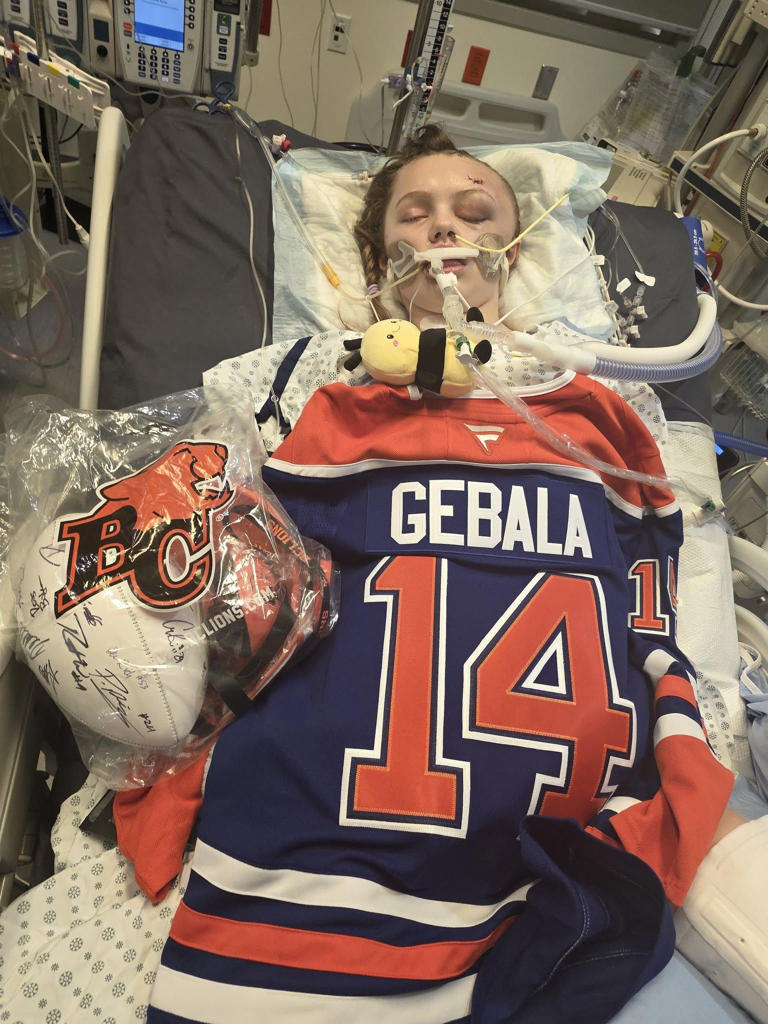

CityNews Toronto.
CHVN Radio.


 You’ve Never Heard Celtic Music Like This Before | Hallelujah — Heavenly Irish Celtic Music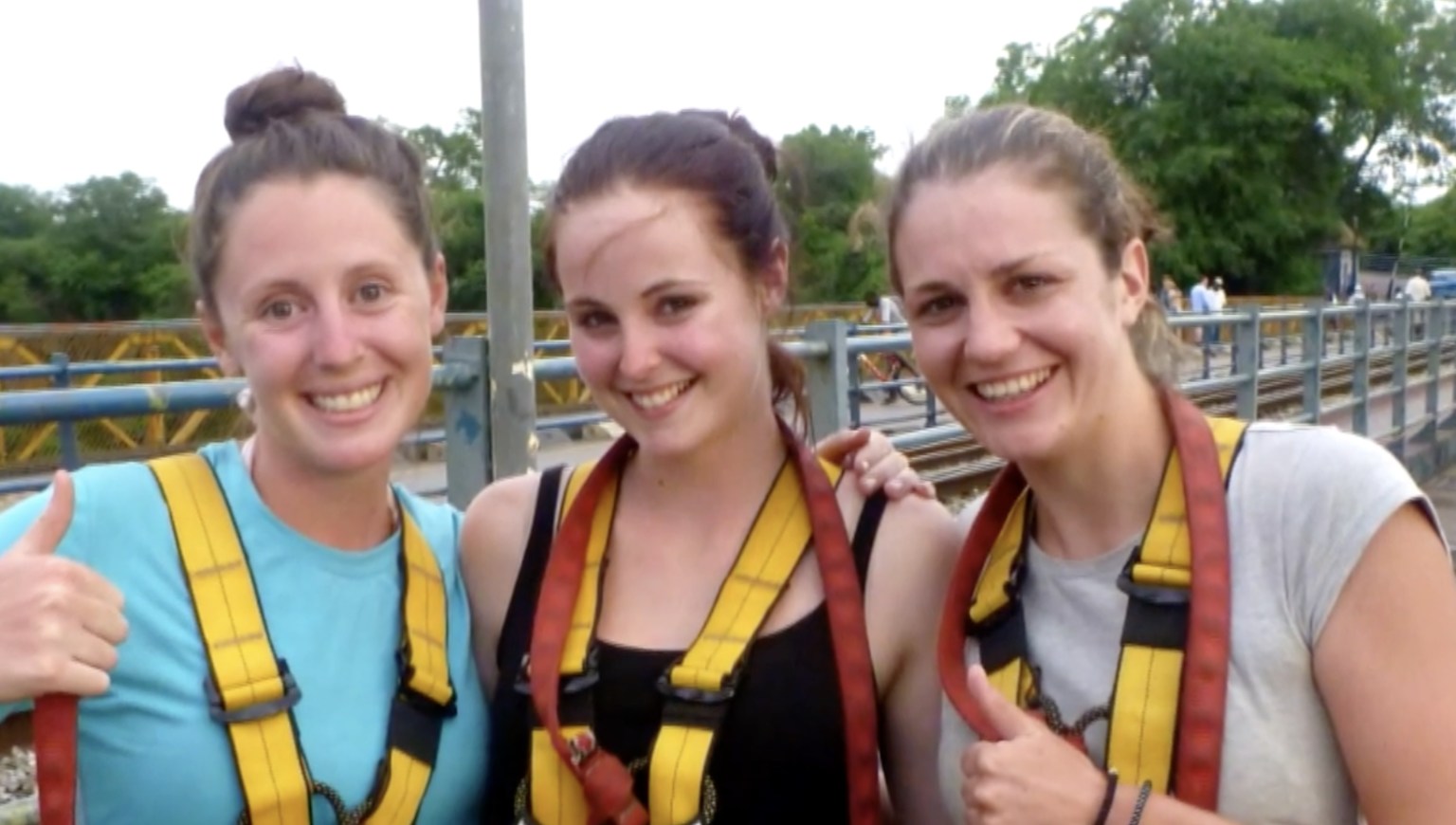

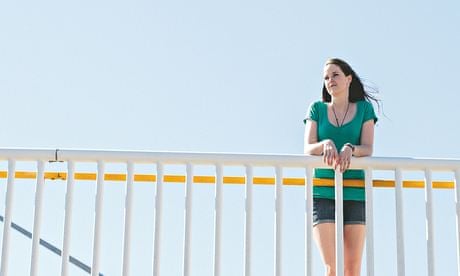
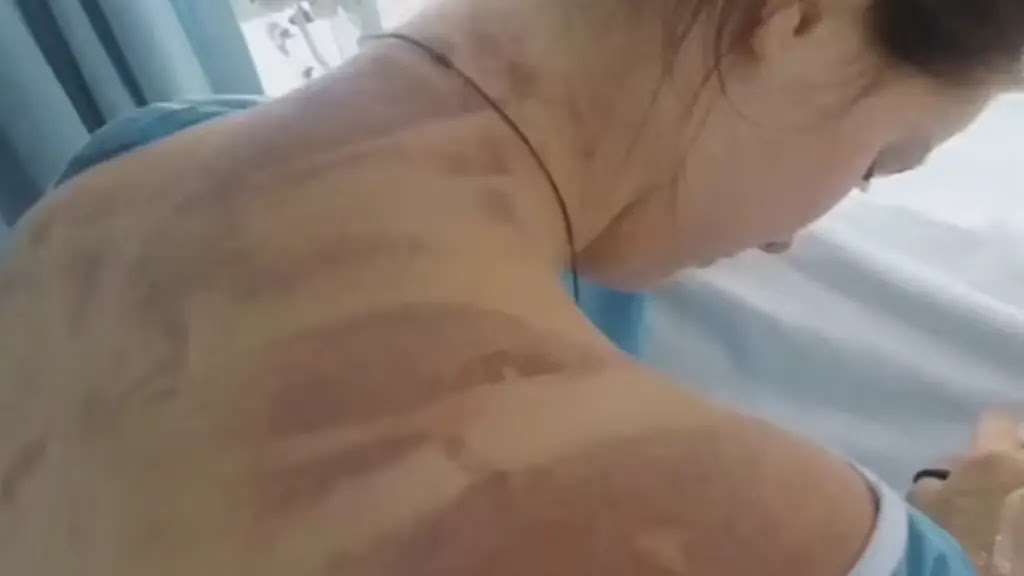


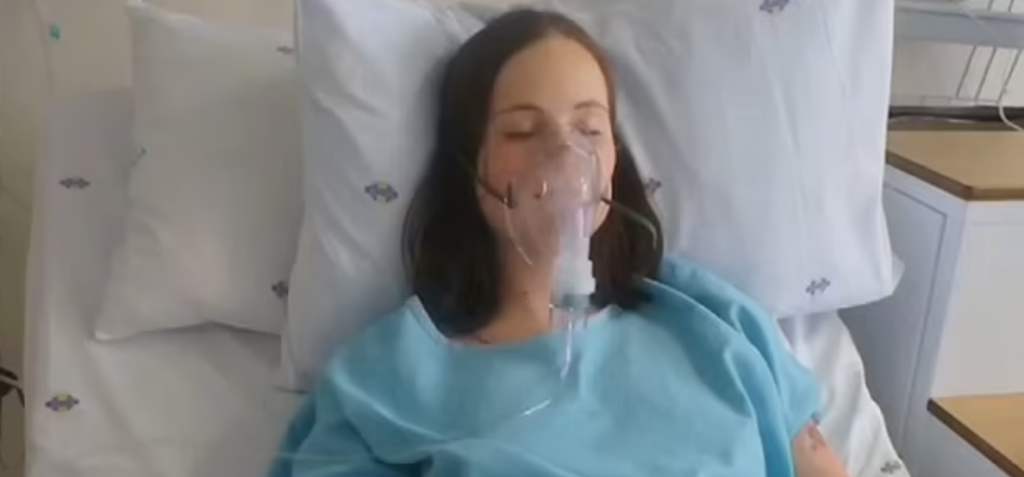


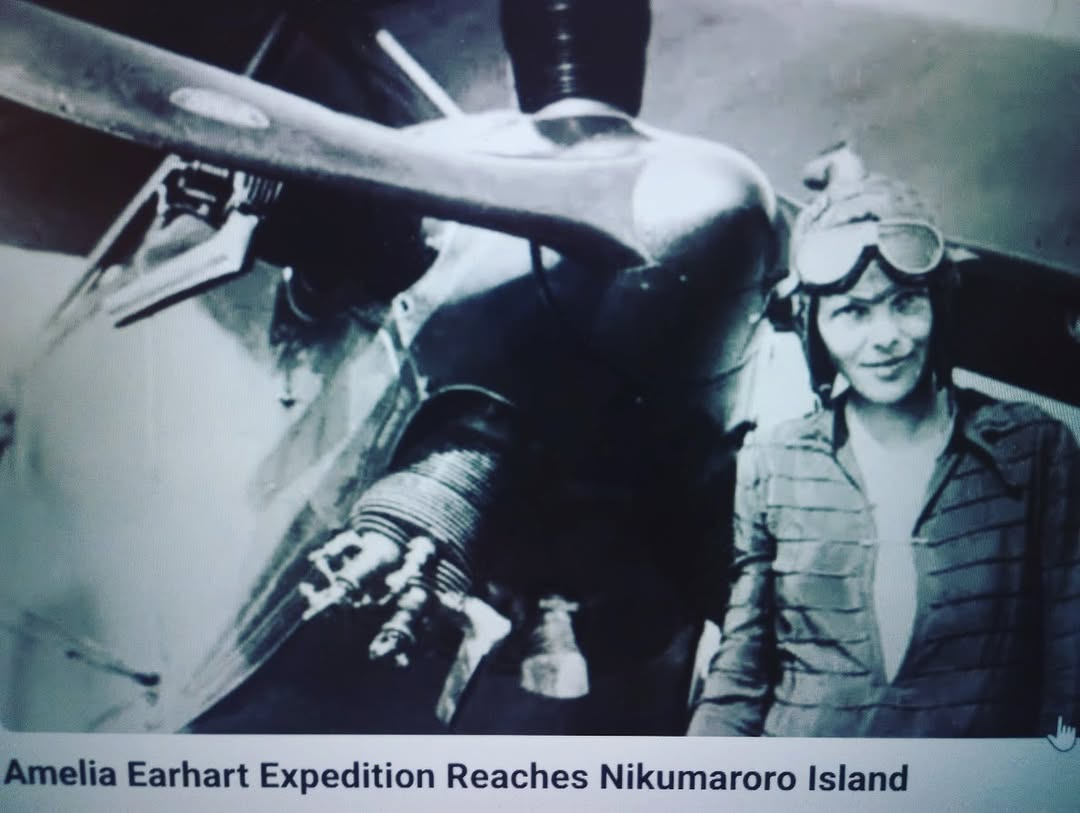
 Modesto Bee+1







 | Never Give Up
 ), I can’t quite put into words what this means to me.
 Never stop dreaming.
  .”
.”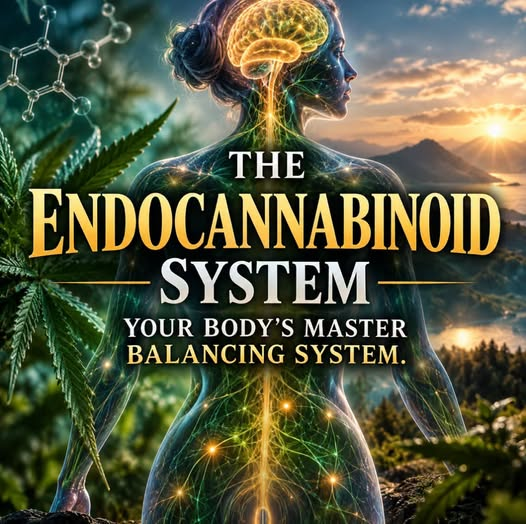

 𝐇𝐎𝐖 𝐓𝐇𝐄 𝐒𝐘𝐒𝐓𝐄𝐌 𝐈𝐒 𝐁𝐔𝐈𝐋𝐓 — 𝐓𝐇𝐄 𝐓𝐇𝐑𝐄𝐄 𝐏𝐀𝐑𝐓𝐒
 𝐓𝐡𝐞 𝐑𝐞𝐜𝐞𝐩𝐭𝐨𝐫𝐬 — 𝐓𝐡𝐞 𝐃𝐨𝐜𝐤𝐢𝐧𝐠 𝐒𝐭𝐚𝐭𝐢𝐨𝐧𝐬:
 𝐖𝐇𝐀𝐓 𝐓𝐇𝐄 𝐒𝐘𝐒𝐓𝐄𝐌 𝐀𝐂𝐓𝐔𝐀𝐋𝐋𝐘 𝐃𝐎𝐄𝐒 — 𝐄𝐕𝐄𝐑𝐘 𝐅𝐔𝐍𝐂𝐓𝐈𝐎𝐍 𝐈𝐍 𝐏𝐋𝐀𝐈𝐍 𝐋𝐀𝐍𝐆𝐔𝐀𝐆𝐄
 𝟏. 𝐏𝐚𝐢𝐧 — 𝐓𝐡𝐞 𝐁𝐨𝐝𝐲’𝐬 𝐕𝐨𝐥𝐮𝐦𝐞 𝐂𝐨𝐧𝐭𝐫𝐨𝐥 𝐟𝐨𝐫 𝐏𝐚𝐢𝐧 𝐒𝐢𝐠𝐧𝐚𝐥𝐬:
 𝐏𝐋𝐀𝐍𝐓𝐒 𝐓𝐇𝐀𝐓 𝐒𝐏𝐄𝐀𝐊 𝐓𝐇𝐄 𝐄𝐂𝐒’𝐒 𝐋𝐀𝐍𝐆𝐔𝐀𝐆𝐄 — 𝐁𝐄𝐘𝐎𝐍𝐃 𝐂𝐀𝐍𝐍𝐀𝐁𝐈𝐒
 𝐖𝐇𝐀𝐓 𝐀𝐂𝐓𝐔𝐀𝐋𝐋𝐘 𝐒𝐔𝐏𝐏𝐎𝐑𝐓𝐒 𝐓𝐇𝐄 𝐄𝐂𝐒 — 𝐓𝐇𝐄 𝐄𝐕𝐈𝐃𝐄𝐍𝐂𝐄-𝐁𝐀𝐒𝐄𝐃 𝐏𝐑𝐎𝐓𝐎𝐂𝐎𝐋
 Author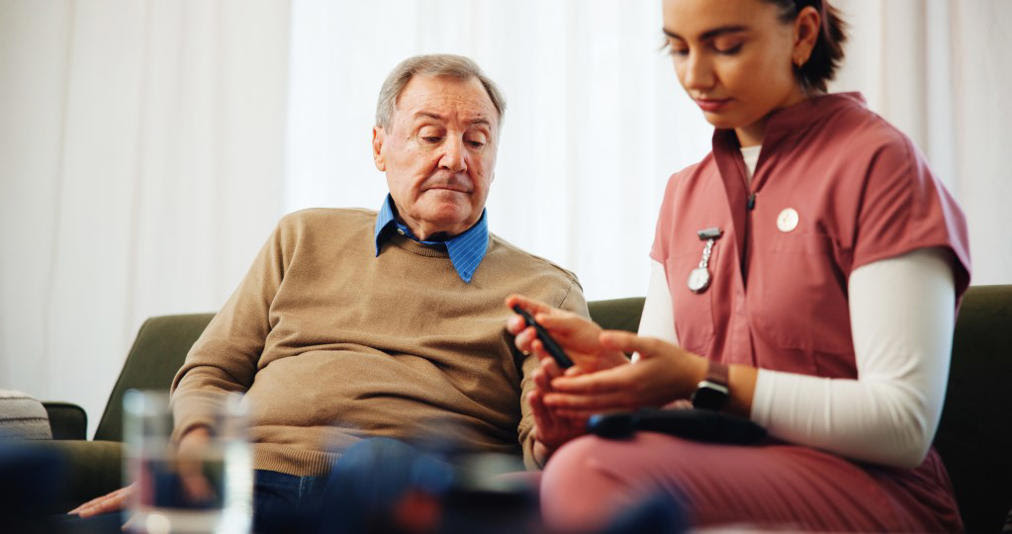


 4 Sources
 2 Sources
 Dementia Care Central+1
 Dementia UK
 helpdementia.com
 alzheimersinyourhome.com
 Alzheimer’s Association
 1 Article


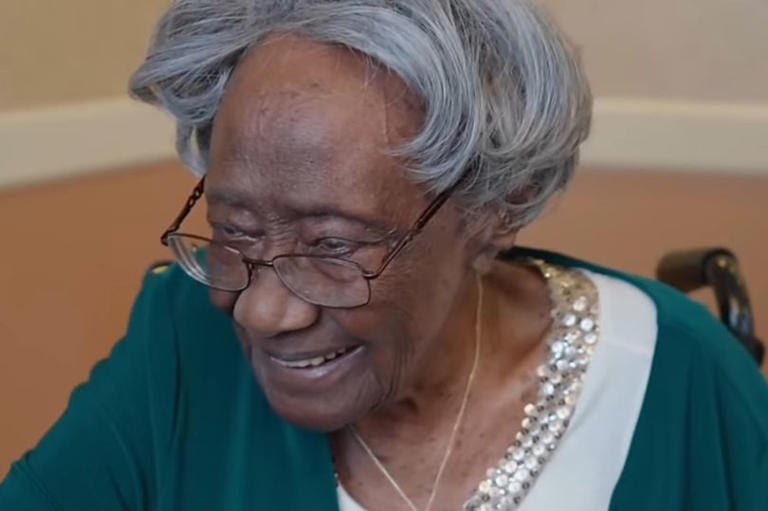

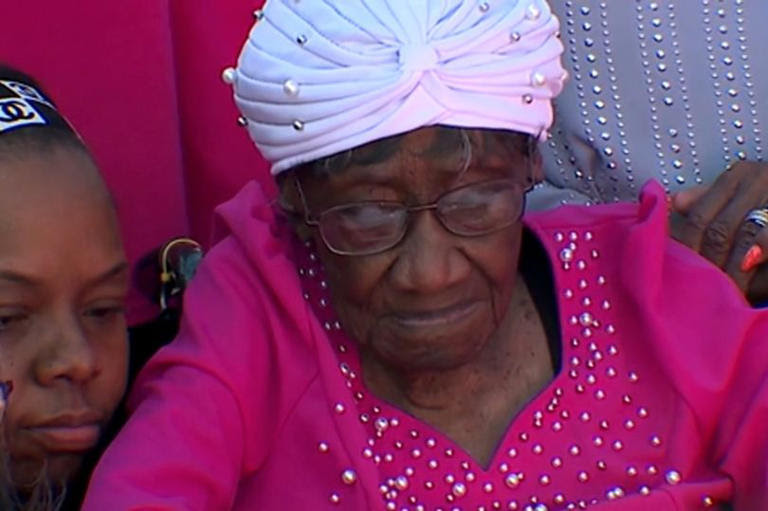
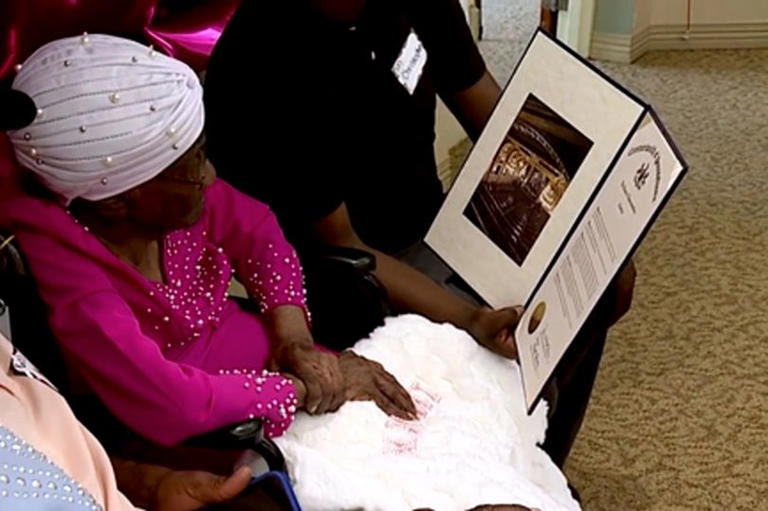




 Upper Peninsula Travel and Recreation Association
 greatlakesledger.com+1
 My Michigan Beach and Travel
 www.telescopeadvisor.com+1
 Natural History Museum+1
 telescopeadvisor.com+1
 Natural History Museum
 Royal Museums Greenwich
 NASA
NASA