Anxiety Disorder = Memory Loss

Do you ever walk into a room and forget why you went in there in the first place? Or was going to say something and forgot your words. This happens countless times to most of us. But if you have chronic bouts of forgetfulness  it could be your anxiety  causing the mental miscues.  This is because stress, anxiety, and even depression, can cause memory loss and mental haze.

Too much stress over long periods of time can hinder brain function in a major way. One of the reasons for this is:   because when you become stressed your body releases a stress hormone called cortisol.  This hormone,  which is also known for causing excess belly fat and therefore increased risk of heart disease, affects your ability to remember things and think straight.

When we become stressed or anxious, our bodies also release adrenaline into the bloodstream, which in turn causes the body to release cortisol.  The two compounds are    an essential part of your fight or flight response but are very different.  One of the major differences is that cortisol remains in your body much longer than adrenaline does. This gives the cortisol the time it needs to adversely affect your brain cells (watch how stress triggers adrenaline and cortisol ).

While in the brain cortisol disrupts the normal function of neurotransmitters, which       are the brains “communication towers.” Neurotransmitters are the chemicals used by brain cells to carry information  and if they are disrupted by cortisol your brain has a difficult time sorting things out.
In addition to memory loss, this is also why you experience the anxiety gaze (staring blankly) and brain fog from time to time. Your brain’s ability to transmit information,    like memories,  is temporarily affected by the stress hormones  you release when you       are feeling high anxiety or prolonged stress.  The brain is simply bogged – down by all          the anxiety juice released into the bloodstream.
Here it is again, anxiety unmasked for what it really is. Anxiety is really high levels of stress over a long period of time, which is sustained by ‘bad’ thoughts. I was tempted in  the past to put a magical circle of  light around my anxiety disorder  for its ability to do nasty and seemingly mysterious things to me.  But now I see it for what it is and in a lot     of ways it makes it a lot less imposing to view it as just a physiological response to stress and not some ‘crazy’ disorder.

The moral of the story is that you must lower your stress level. In the long run stress       will not just eat at your memory but also at your physical health. Stress can cause you       to become so anxious that you also start to imagine sickness and before long you have accomplished this goal via a psychosomatic effect. In other words, you stress so much    and it makes you feel so bad that you assume and start to believe that you are sick and eventually this will be the case.

Don’t chalk up all your bad sensations to anxiety.  Realize while your feeling anxious you are also under a great deal of stress. Try to tone down your stress levels by eating a healthy diet and getting regular exercise. The exercise will help to burn off that “excess” adrenaline and  hopefully  will prevent the release of excessive amounts of cortisol.  Relax as much as you can, it’s for your own good. For more information on how stress affects the brain click here.   Recommended reading:  The Relaxation & Stress Reduction Workbook

Link Between Heart Attacks & Memory Loss!!!

Half of Heart Attack Sufferers Have Memory Loss. The study, led by Lund University investigators, suggests cardiac arrest causes a temporary lack of oxygen to the brain that has lasting effects on patients’ mental functions that could lead to dementia. The findings are based on the experiences of 950 heart attack survivors in Europe and Australia who underwent cognitive screening tests.

Both the patients and their relatives were also asked to report changes that had taken place following the cardiac arrest. Half of all heart attack survivors experience memory loss, attention problems, and other cognitive deficits, new research shows.  The study,    led by Lund University investigators,  suggests cardiac arrest causes a temporary lack       of oxygen to the brain that has lasting effects on patients’ mental functions that could   lead to dementia.

The findings are based on the experiences of 950 heart attack survivors in Europe and Australia who underwent cognitive screening tests. Both the patients and their relatives were also asked to report changes that had taken place following the cardiac arrest.

Tobias Cronberg, M.D., associate professor at Lund University and consultant neurologist at Skåne University Hospital, said the study underscores the need to provide quality post-operative care — such as encouraging healthy lifestyle habits that boost brain function —
to compensate for the potential cognitive deficits that heart attack patients may suffer.

“Our conclusion is that if we are to provide good treatment to cardiac arrest patients, we don’t just need to save their lives; we also need to ensure that they tackle these risk factors, for example through improved diet and more exercise.

Otherwise they are at risk of developing dementia,” said Dr. Cronberg, who              reported the team’s findings in the journals Circulation and JAMA Neurology

Special: Do You Find It Hard to Control Your Anxious Thoughts?

Immediate treatment is essential when dealing with cerebral hypoxia. The sooner            the normal oxygen supply is restored to the brain, the lower the risk of brain damage.    The type of treatment depends on the cause of the anoxic injury and may include:

– Breathing assistance via mechanical ventilation and oxygen.
– Controlling the heart rate and rhythm.
– The use of medicines such as phenytoin, phenobarbital, valproic acid, or general anesthetics.

The patient’s recovery depends on how long the brain lacked oxygen. The patient might have a full return to function. . . if the oxygen supply to the brain was blocked only for a short time. The longer a person lacks this oxygen supply, the higher the risk for serious consequences, including death, and severe brain injury.

LOOKING FOR BEHAVIOR PATTERNS.  Sundown Syndrome  is  a  condition  most        often associated with early-stage Alzheimer’s, but has been known to affect the elderly recovering from surgery in hospitals or in unfamiliar environments. Occasionally, the syndrome will also affect people in the early morning hours.  Sundowning,  or sundown syndrome, is a neurological phenomenon associated with increased confusion and also restlessness in patients with delirium or some form of dementia.

Most commonly associated with Alzheimer’s disease,  but also found in those with other forms of dementia,  the term  “sundowning”  was coined due to the timing of the patient’s confusion.  For patients with sundowning syndrome,  a multitude of behavioral problems begin to occur in the evening or while the sun is setting.

Sundowning also seems to occur more frequently during the middle stages of Alzheimer’s disease and mixed dementia. Patients are generally able to understand that this behavioral pattern is abnormal. Sundowning also seems to subside with the progression of a patient’s dementia. Research shows that 20–45% of Alzheimer’s patients will experience some sort of sundowning confusion.

Generalized Anxiety Disorder

Here are the criteria for GAD from the Diagnostic and Statistical Manual of Mental Disorders, Fifth Edition (DSM-5) of the American Psychiatric Association: Excessive anxiety and worry occurring more days than not for at least 6 months, about a variety       of events.
The individual finds it difficult to control the worry.
The anxiety and worry are associated with three (or more) of the following six symptoms (with at least some symptoms having been present for more days than not for the past 6 months):
– restlessness
– being easily fatigued
– difficulty concentrating
– irritability
– muscle tension
– sleep disturbance

The anxiety causes distress or impairment in social, occupational, or other important  areas of functioning. The disturbance is not related to substance (e.g., a drug of abuse,       a medication) or another medical condition. F. The disturbance is not better explained     by another medical disorder (e.g., hyperthyroidism).

Clear The Clutter and Calm Down

Anxiety about a variety of issues, more days than not for 6 months or longer. And at a   level that results in some social  and occupational impairment – meaning that the person finds it difficult to control the worry and that worry gets in the way of relating with others and getting things done. The key here is that the anxiety is about a wide variety of issues.

For example- if the person is experiencing a grave financial crisis and finds himself worrying about finances most of the time – but doesn’t find that the worry generalizes       to other circumstances – we are less likely to generate this diagnosis.

The key elements then are (a) anxiety about a variety of situations; (b) more days than not; (c) for 6 months or longer; (d) the worry is difficult to control; (e) the anxiety is at a level that interferes with daily functioning.

It can be diagnosed via a clinical interview that assesses all of these areas.
There are several steps in the process of diagnosing generalized anxiety disorder.     Doctors routinely conduct a physical examination to rule out medical problems that      may be causing your anxiety. A psychological test is usually given to eliminate other causes.

Health care professionals may also ask a series of questions related to the symptoms experienced.  The final diagnosis is made if you meet the specific criteria for GAD listed     in the Diagnostic and Statistical Manual of Mental Disorders (DSM), which also include experiencing severe anxiety for a minimum of six months, not feeling in control of your anxiety, and having your worries get in the way of your daily routine.

Anxiety and Memory Loss.

Memory loss is a byproduct of stress, but various other anxiety symptoms can actually create further memory loss as well. Below, we’ll explore the effects of memory loss on anxiety and provide tips for controlling it. Memory loss anxiety symptom description:    For example,  you may struggle with memory loss once in a while  and not that often,       feel it off and on,  or feel it all the time.  Memory loss anxiety symptoms may precede, accompany, or follow an escalation of other anxiety sensations …

This is because stress, anxiety, and even depression, can cause memory loss and mental haze. Too much stress over long periods of time can hinder brain function in a major way. One of the reasons for this is because when you also become stressed your body releases a stress hormone called cortisol.  Chronic Anxiety,  Stress and Memory Loss. Chronic stress and anxiety, on the other hand, can be very harmful to brain health.  Chronically elevated levels of circulating cortisol can physically change parts of the brain – hardwiring strong connections between the amygdala and hippocampus (the brain areas for fear processing and memory formation) according to this study.

How to manage memory loss. Memory loss due to depression is typically managed with regular counseling or therapy and antidepressants. Leading an active lifestyle and getting involved in your community can also elevate your mood. You can also manage your memory loss by using memory aids.
A recent study suggests that significant amounts  of  stress and anxiety  can be the cause     of short-term memory loss in aging adults. According to findings published in the Journal of Neuroscience this month, researchers from the University of Iowa observed that high levels of the stress hormone, cortisol, can affect areas of the brain linked to memory.

How to Make Stress Your Friend. Normally, when a person feels stressed, their blood vessels constrict, McGonigal says.  If prolonged, this cardiovascular state could lead to major health problems. However, in one particular study, those who viewed the effects     of stress as helpful didn’t have any blood vessel tension.
Posted in General News | Leave a comment

BACK FROM THE BRINK

 Brit mum Kate Malvenan’s world came crashing down after doctors broke the horrific news that the non-smoker had  just            six to 24 months to live following  lung cancer diagnosis….  By Corey Charlton

A TERMINALLY ill mum – who kept her cancer diagnosis a secret from her toddler –       has shocked doctors after her tumour was reduced by 75 per cent following alternative treatment in Mexico.
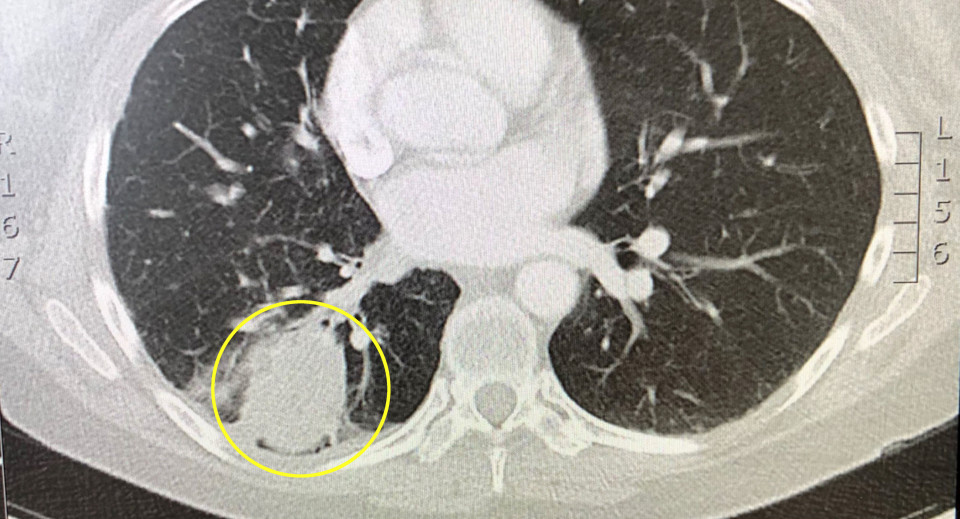
Back in October 2018, Kate Malvenan’s world came crashing down after doctors broke    the horrific news that the non-smoker had just six to 24 months to live following a shock lung cancer diagnosis.

The 40-year-old, who is originally from Kessingland, Suffolk, UK, but now resides on the Gold Coast in Queensland, Australia, said she has always taken great pride in maintaining her good health by eating nutritious foods and regularly working out at the gym – while also being a strict non-smoker.
In April last year, the single mum-of-one started coughing blood, which she claims her doctor misdiagnosed as bronchitis.

But after she began experiencing chest pains in September, she was sent for a series of scans which revealed a massive tumour growing on her lungs.
Kate’s worst fears were confirmed a few days later on October 3, 2018, when her doctor broke the horrific news that the deadly cancer had spread.
After a friend told her about an alternative cancer treatment centre called ‘Hope4Cancer’ in Cancun, Mexico, Kate re-mortgaged her home and dug into her life savings in order to afford the £35,000 three-week program.

‘MY WORLD STOPPED SPINNING’
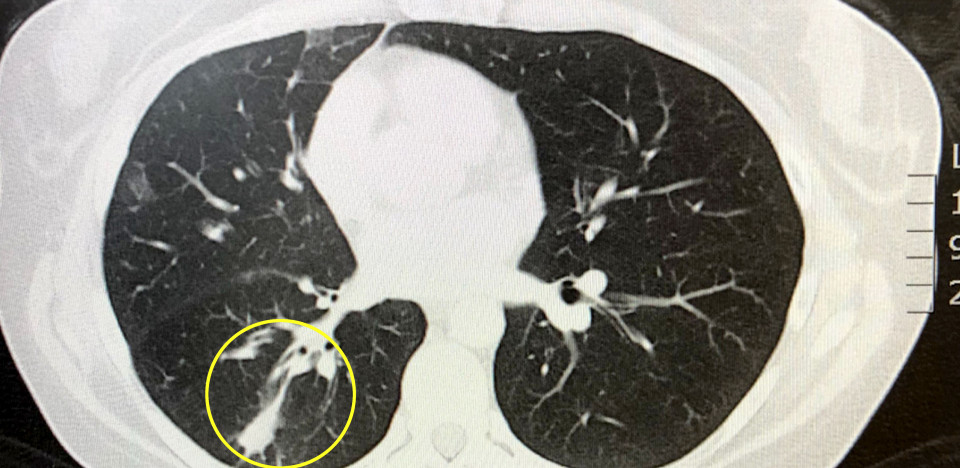
And following her first treatment in late October, Kate said the tumour on her lung         had shrunk by 75 per cent – going from the size of an apple to the size of a grape –        while there is zero traces of cancer in her lymph nodes & limited cancer in her liver.

Kate, who owns her own homeware store, said: “I was told there was nothing I could         do to save my life  and that I only had six to 24 months at the very maximum to live.
“That’s when my world stopped spinning. I couldn’t understand how I could have a terminal illness when I felt healthy.
“My cancer had spread to my liver, lymph system, hips, spine, ribs and shoulders.       When you’re told by all the specialists that you’re going to die you believe it.
“I was put on a target therapy drug called Alectinib, but was told it would only give          me a two year life expectancy and I needed to live much longer than that.
“Then a friend told me about a cancer clinic in Mexico and all the incredible results           he had seen there. I had no other choice.”

TREATMENT IN MEXICO
Kate underwent intense treatment for seven hours a day, six days a week at the clinic        in Mexico.Treatments focused on heat, light and laser therapies – including hyperbaric oxygen therapy, full body hypothermia, infrared lamp therapy, pulsed electro-magnetic field therapy, coffee enemas, saunas and vitamin C IV therapy.
Kate was also fed a strict plant-based organic diet while receiving treatment & continues   to follow this eating plan to this day.
After returning home from her first stint in Mexico in November, Kate underwent       follow up scans at her local hospital in Australia – and claims doctors were shocked            at her remarkable results, which revealed her tumour had reduced by 75% with zero    traces of cancer in her lymph nodes.

  Pictured is Kate’s scan in October 2018                And here it is pictured in March 2019,

With such an incredible outcome, Kate decided to dig into her life savings again and return to Mexico in February for another round of intensive treatment.  Kate said:  “I was told by one of my doctors to go home,  drink wine and spend time with my daughter before I died.
“There was no chance of staying alive. But now there is hope. The doctors here have said my results are remarkable and that I’m breaking all the rules.

“I’m very positive that with continued treatment my cancer will be 100 per cent eradicated.” Kate said she made the decision to keep her cancer diagnosis a secret          from her daughter,  as she felt it was better  to protect her from the dark  and sad     realities of cancer. She said: “Annabelle has no idea about my cancer. She is too             little and didn’t need to know that I could die.”

https://www.youtube.com/watch?v=iUu0kCGzb6A

https://www.youtube.com/watch?v=-gCcSF9KXHY

Posted in General News | Leave a comment

Thoughts 0f My Own Mortality

 When we are young we think we are    immortal: it’s only when we get older we realize how short life was and how quickly         the years flew as we question are mortality.

Young people tend to assume they will never die, but a person’s sense of his or her mortality generally increases year by year, and often increases greatly after a serious accident or illness. Still, many people refuse to change behaviors that would improve    their chances of living into old age.

Mortality rates are calculated by government agencies, insurance companies also charge premium cost based upon state medical history. Infant mortality rates (the rate at which infants die in childbirth)  provide a good indicator  of  a state  or country’s overall health; in recent years, the rates in countries like Iceland, Singapore, and Japan have been much better than in the United States.

Medical immortality – the idea that we’ll be able to reverse the biological ageing process and eliminate the diseases that kill us – seems attractive at first. But there are a litany of reasons why long-term medical immortality would actually be kind of a nightmare.

First and foremost: our brain capacity is limited. This is why the older you get, the harder it gets to remember details of things that happened when you were young. There are only so many memories you can store and recall efficiently, the higher they pile up, the harder and slower they are to recall at a moment’s notice. That’s a problem, because we recall on quick memory recall for virtually every part of our everyday lives.

The end result is that even if you stay biologically twenty years old for 200 years, you’re still going to have the slow,  embarrassing brain  of a very old person:  misremembering names and dates,  calling up random  or incorrect memories,  and telling the same jokes over and over. Your perception of time would likely become extremely warped, the older you get, the more quickly time seems to pass.

What Is Life? Is Death Real? 

Living things avoid decay, disorder with equilibrium ~ Erwin Schrodinger!!!

When someone transitions or passes, which some call “death” (I call it Part 0f LIFE) you may hear people say,  regardless if they are religious,  or not, regardless if you even read a book, you will hear people say  “they are in a better place”  or something along the lines of this whether positive or negative.  These words are spoken innately in most people, and it may comfort them so that is why they say it.

But you can listen to those words itself and that person knows that they are “elsewhere”   or even still “here” and very present, even when they are mourning and looking at the body they once occupied they know that “soul” or “energy” or “character” no longer inhabits the body.

However, those individuals speaking this (not all) don’t reflect on what they mean when they say this. I AM IMMORTAL, simply because I left traces of my energy (soul) on earth,  I am immortal because I continue to exist in minds/hearts & spirit,  just like how we exist in each others mind while we are “alive.”

All the great ancient souls still lives through their teachings, because they live within us. SIMPLY what I am speaking about is that – energy is immortal, energy cannot be created nor destroyed, only transferred. GOOGLE: the definition of ENERGY.

Scientist have already explained our body is electromagnetic, they may not use those words in detail, but if you can put information together then you overstand that energy is in many forms, think about your first breath you took when you are “born” and also think about where the breath goes when we “die”.  And where does it return to?

Where did you go/return to/or enter? therefore YOU, the energy you are is immortal and that energy is what gives energy to this vehicle.  This is why your environment and food is very important.  Are you eating the electric foods? Are you charging yourself up while you are in this realm?  Or do you unplug from the motherboard and live in a lower vibration?

Energy is Infinite.

Death is a powerful force that has been motivating human behavior forever. It causes us   to spend our life savings to live in a nursing home. Also: being medically immortal doesn’t mean being actually immortal. It just means you won’t die of old age or (possibly) disease. Instead,  you must accept the Fact 0f LIFE you may die in an accident,  or a homicide, or a war, or meet some other violent end.

And even if you’re OK with that, think about the absolutely brutal effect that will have      on your friends and on family in a world where people no longer have to die. Now, death sucks but at least it’s fair – we all die.  In the world of medical immortality,  that is much less true, and every death is a sudden, unexpected shock that seems all the more unfair because had you not been hit by that truck, you could have lived another 50 years.

Then of course there are all of the social problems: overcrowding, limited resources, the total pointlessness of the prison system, the elimination of retirement, and the stagnation of social, economic, and political systems where the old never die off,  Death is a powerful force that has been motivating human behavior forever.  Taking it out of the equation will change everything about human life,  and only a fool would assume — all of those changes would be for the better.

Perhaps that’s for the best. On our darkest days, it certainly seem humans are nothing more than cruel,  violent,  destructive creatures and the universe might genuinely be better off without us.  Even so, as a human myself at any age, it’s hard for me to get excited about the glorious future in which we bring about immortality by eliminating humanity.

Many religions tell us we may become immortal once we have shed our mortal bodies       in death.  There is no evidence for this  and at the moment remains purely speculative.        It seems unfair that we have to toil through life, suffer hardships and disappointments, experience pleasure and joy, only for it all to come to an end with no noticeable reward.

It seems unfair that we have to toil through life, suffer hardships and disappointments, experience pleasure and joy, only for it all to come to an end with no noticeable reward. The universe isn’t fair nor is it unfair, it just is.
The old must make way for the new. It is the natural order of things.
If you believe that you have a soul or spirit and you believe that spirit is infinite and cannot be destroyed, then yes we are actually immortal. Moreover, our immortality only exists on the spiritual plane and not on any physical one.
Just as science considers as an axiom that information cannot be lost or destroyed, then the same exists with spirit as well.
However understanding the nature of immortality goes hand in hand with understanding infinity!!  According to the Oxford dictionary the term  ‘Immortal’  means  “living forever; never dying or decaying,”  and it’s a Fact 0f Life that this definition clearly does not apply to humans.

HER VOICE IS LIKE AN ANGEL
I’m in love with Madilyn Bailey’s voice. It Like Perfection.
I’m sorry but 3:47 to 3:50 is just pure ENERGY. This note hit me so hard!

Posted in Thought Provoking | Leave a comment

The Healing Power of Primordial Awareness!!!

Picture Credit: Eddie Giron

The Hidden Forces of Life

In any given moment of a health challenge,  illness or suffering,  can serve as a doorway      to your boundless nature and an opportunity for healing.  In this teaching, Geshe Tenzin Wangyal Rinpoche also guides a meditation practice that helps one tap into the profound healing powers of awareness and compassion.  In his link  which was broadcast live from the annual Fall Retreat at Serenity Ridge, Nelson County, Virginia, on Oct. 11, 2014.

Tenzin Wangyal Rinpoche whose the founder and spiritual director of Ligmincha Institute. Rinpoche is the author of The Tibetan Yogas of Dream and Sleep;  Tibetan Sound Healing; Wonders of the Natural Mind;  Healing With Form, Energy and Light: The Five Elements in Tibetan Shamanism,  Tantra & Dzogchen;  Unbounded Wholeness  (with Anne Carolyn Klein);  Awakening the Sacred Body;  Tibetan Yoga’s of Body, Speech and Mind;  and also Awakening the Luminous Mind.

Primordial energy is an unstable form of energy, whose nature is not yet known.   According to the “inflationary universe” theory primordial energy is what powered           the “Big Bang”. If the big bang was an explosion, who 0r what supplied the energy            for the phenomena?

Universal Energy & Signs You are Highly Sensitive to It.

At some instant,  this energy was transformed  into the fundamental particles from       which arose all the matter we observe today. Applying Einstein’s theory of gravity to        the inflationary universe model results amazing scenario. . .that all the matter in the universe could have arisen from a bit of primordial energy weighing less than a pea.       (the low mass of the primordial energy actually predicts conflict with the singularity theory.)

The known laws of nature can in principle explain where the matter and energy in           the universe came from, provided there was at least a tiny seed of energy to begin with. This tiny unstable seed is called Primodial Energy.

That primordial energy must have been  “lumpy” —  unevenly spread out in space — for formation of stars and planets become possible. Where did primordial energy come from? With the only solution that I can come up is multiverse theory — an influence from higher or parallel universe. . . .Energy also has no start or ending, it just keeps changing between different forms.

Energy is the existence state of mass.
With the existence states of mass having no beginning or ending, and keeps changing to different states. Driven by the fundamental tendency of mass to stay thermodynamically more stable state, and due to the move caused, the more statable state changed, so mass keeps chasing it. . . . this process never end.  So the existence state of mass just changes from one state to another.

There are two categories of energy: free movement energy (including mass state matter free movement energy,  and also energy state matter free movement energy) and position potential energy (including structural position potential energy and gravitational position potential energy). Their are the two categories of the existence states of mass in another word.

Free movement energy is the most usable form of energy, position potential energy just partly usable to us,  most of its energy is locked  in its position potential  that only nature itself can unlock — only central black holes can thoroughly free up the locked energy and turn it into free movement energy.

Central black holes are the energy transformation catalysts that keep the energy in the universe dynamically balanced between the free movement energy and position potential energy by the positive boosting mechanism and negative restraining mechanism. . . . that alternatively dominates the process in central black holes.

This process prevents the equilibrium caused by the entropy growing from happening      in the universe level, though that does happen in any local space and limited time span. This process also prevents the equilibrium caused by gravitation – it wouldn’t allow the central black holes to swallow everything in the universe to cause gravitational death.

The Middle Class Is Shrinking Everywhere — In Chicago It’s Almost Gone!!!

So there is no reason for the universe to have fundamental unbalance such as big crunch, big bang, space dilation(universe expansion), and there is no need for dark energy, dark mass to balance it neither.  Its mass and energy distribution is quite homogeneous.

Its radio wave and microwave back ground radiation level is always stable and distributed homogeneously in space and time. It’s all due to the central black holes’ self-adjusting and self-balancing natural functions. Central black holes are the cells of the universe.

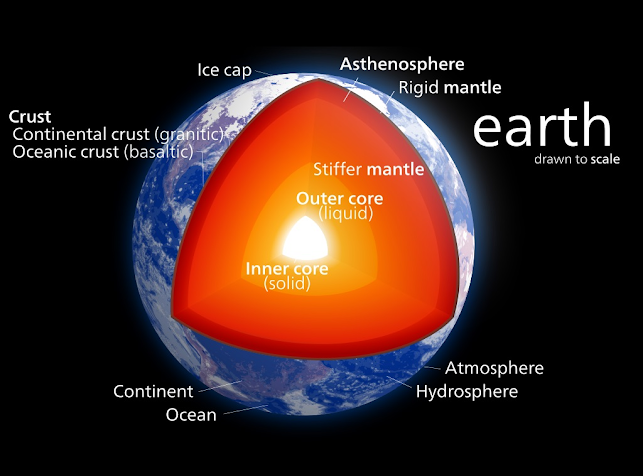
Many years ago, billions of rocks collided and stuck together in our solar system. They continuously collided over thousands of years into the forming planet, eventually forming what would later become known as Earth. With each collision came a little more energy, causing our planet to heat up.


Some of the heat still remains from the formation of the planet nearly four and a half billion years ago. To this day, nearly 6,500 km beneath the crust, the core of the Earth continues to pump out heat from the residual heat.  However, a number of factors are       at play. The heat comes from both residual heat that still exists from the formation of      the planet, as well as from the nuclear fuel that naturally exists within its interior.

The core is incredibly hot, but just how much longer can its fuel supplies sustain the     heat until the Earth fizzles out?  Scientists at the University of Maryland claim they will    be able to answer the question within the next eight years. Driving Earth’s tectonic plate movement  and powering its magnetic field requires an immense amount of power. The energy is derived from the center of the Earth, but scientists are certain its core is slowly phasing out.

What makes the center of the Earth hot?
Keeping the center of the Earth hot are two sources of power: primordial energy left      over from the formation of the planet and nuclear energy that exists because of natural radioactive decay. The formation of the Earth. . . .came at a time when the solar system was brimming with energy.

During the its infancy, meteorites constantly bombarded the forming planet causing excessive amounts of frictional force. At the time, Earth was rife with volcanic activity. Since the beginning, the planet has cooled significantly.  However, residual heat from      the formation of Earth remains.  Although the primordial heat has largely dissipated, another form of heat continues to warm the mantle and crust of the Earth.

Naturally radioactive materials exist in large quantities deep in the Earth with some residing around the crust. During the natural decay process of the radioactive material, heat is released.  In combination with primordial heat  and  natural radioactive decay,     the Earth’s core remains at an incredibly high temperature – over 10,000 degrees.

Unfortunately, the heat produced from both sources is running out.
Scientists know heat flows from Earth’s interior space at about 44 × 1012 W (TW).        What they do not know, however, is how much of the heat is primordial.

The issue is that if the Earth’s heat is predominantly primordial, then it will cool off significantly quicker. However, if the heat is created mostly in part due to radioactive decay, then the Earth’s heat will likely last much longer.

Why it is important?
Earth’s core keeps the temperature stable, more importantly, it prevents the atmosphere from being stripped off by solar wind. At the center of the our planet is also a massive solid iron core that rotates. This rotation gives off a massive magnetic field. . . . that extends into space. The field holds charged particles in place that are mostly collected from the solar wind.

The fields also create an impenetrable barrier in space that prevents the fastest, most energetic electrons from reaching Earth.  The fields are known  as the Van Allen belts,    and they’re what enables life to thrive on the surface of the Earth. This animated video represents  the Van Allen belts,  Two donuts of seething radiation  that surround Earth, called the Van Allen radiation belts, having been found to contain a nearly impenetrable barrier that prevents the fastest,  most energetic electrons from reaching and deflects & absorb high energy electrons, preventing them from reaching Earth.

heart earth rainbow in sphere

Also this collection of charged particles deflects and captures the solar wind preventing     it from stripping the Earth of its atmosphere. Without it, our planet would be barren and lifeless.   NASA’s Van Allen Probes Spot  an  Impenetrable Barrier in Space!!!  The video  also shows how particles move through Earth’s radiation belts.  The sphere in the middle shows a cloud of colder material  called the plasmasphere.   New research shows that the plasmasphere helps keep fast electrons from the radiation belts away from Earth.

The Big Bang theory offers a comprehensive explanation for a broad range of observed … and the flatness problem are most commonly resolved with inflationary theory, However, details of the inflationary universe are still left unresolved and …  According to theory, the energy density in matter decreases with the expansion of the. . . .then,  within a miniscule fraction of a second,  it rapidly grew in size —  inflated —  by at least a factor of 10raised to the 25th power. This theory, known as inflation, is currently the dominant explanation for what happened after the Big Bang and for how the universe came to be the way it is today.

So Is It The Big Bang Theory

or Does God really exist?

https://thebl.com/science/hawking-was-wrong-god-exists.html

William Maillis: is not your typical kid.

There is nothing unusual about seeing college students and children on our campus,        but HCHC recently hosted a most unusual visitor  who is both a college student and a  child. William (Vasilios) Maillis is one of the youngest people ever to graduate from a public high school — at the ripe old age of nine — and  will  soon  have  his associate’s degree from St. Petersburg College in Florida.

His long-term goal is to earn  a doctorate in astrophysics and scientifically prove              that God exists. The son of a Greek Orthodox Priest, William wants to prove that               an outside force is the only thing capable of creating the universe,  which means               that “God does exist.”  In this video ,This kid is literally a GENIUS, and has been     declared one by Ohio State University psychologist, Joanne Ruthsatz.

William’s desire to become an astrophysicist is rooted in his strong faith beliefs.                 He disagrees with some of Einstein and Hawking’s theories on black holes and has           his own ideas to prove the existence of the universe.

Stephen Hawking, who passed away at the age of 76, held a much different assertion.

“Before we understood science, it was natural to believe that God created the universe,    but now science offers a more convincing explanation,” once said the renowned physicist.  an atheist.”  William’s parents say, they have never pushed him toward his studies or this God-proving endeavor, but rather that he’s was a pretty “normal” kid. He likes his sports, television shows, the computer and video games like everyone else.”

I believe it takes a God to Create Miracles!!!!

As a child, doctors told Jacob Barnett’s parents their autistic son would probably never know how to tie his shoes. However, experts say the 14-year-old Indiana prodigy has an  IQ higher than Einstein’s and is on the road to winning a Nobel Prize. He’s given TedX talks and is working toward a masters degree in quantum physics.

The key, according to his mother Kristine Barnett, was letting Jacob be himself and by helping him study the world with wide-eyed wonder instead of focusing on a list of things he couldn’t do.  Diagnosed with moderate to severe autism at the age of two,  Jacob spent years in the clutches of a special education system that didn’t understand what he needed. His teachers at school would try to dissuade Kristine from hoping to teach Jacob any more than the most basic skills.

Jacob was struggling with that sort of instruction, while withdrawing deeper into himself and refusing to speak with anyone.  But Kristine noticed that when he was not in therapy, Jacob  was doing spectacular things on his own.  He would create maps  all over our floor using Q-tips.  They would be maps of places we’ve visited  and  he would memorize every street, Kristine told the BBC. One day, his mom took him stargazing. A few months later, they visited a planetarium where a professor was giving a lecture.

Whenever the teacher asked questions, Jacobs little hand shot up and he began to answer questions easily understanding complicated theories  about physics  and the movement of planets. Jacob was just 3-1/2 years old when his mom also realized that Jacob might need something  the standard special education curriculum just wasn’t giving him.  So Kristine decided to take on the job herself.

For a parent, its tough and terrifying to fly against the advice of the professionals, Kristine writes in her memoir, The Spark:  A Mothers Story of Nurturing Genius. But I knew in my heart that if Jake stayed in special-ed,  he would slip away.  The Hamilton County mom, a nursery school teacher, decided to take Jacob home school & prepare him for mainstream kindergarten herself. Jacob thrived under his mom’s personal attention.

She let him explore the things he wanted to explore. He studied patterns and shadows    and stars.  At the same time,  she made sure that he enjoyed normal childhood pleasures softball, picnics along with other kids his age. I operate under a concept called muchness, Kristine said.  Which is surrounding children with the things they love be it music, or art, whatever they’re drawn to and love.  By the time he was 11 years old, Jacob was ready for college.  He is now studying condensed matter physics at the Indiana University-Purdue University in Indianapolis.

His IQ rounds out to 170  that’s 10 points higher than that of Albert Einstein.

Professors at Princeton Institute for Advance Study are impressed that Jacob has been working on his own theory of relativity.. and the Big Bang Theory. The theory that he’s working on involves several of the toughest problems in astrophysics  and theoretical physics, astrophysics Professor Scott Tremaine wrote to the family in an email.

Barnett,  explained his expanded theory of relativity — in a YouTube video. His mother Kristine Barnett, who admittedly flunked math, did what every other mother would do if her genius son started talking mathematical gibberish. She told him to explain the whole thing slowly while she taped her son explaining his take on the theory.

While most of his mathematical genius goes over our heads, some professors at the Institute for Advanced Study in Princeton, New Jersey — you know, the U.S. academic homeroom for the likes of Albert Einstein, J. Robert Oppenheimer, and Kurt Gödel —   have confirmed he’s on the right track to coming up with something completely new.

Forget What You Know: Jacob Barnett at TEDxTeen

For now, they’re encouraging Barnett to continue doing what he likes to do, which is explaining calculus using a whiteboard marker and his living room windows as seen in    the video above. “I’m impressed by his interest in physics & the amount he has learned    so far,” Institute for Advanced Study Professor Scott Tremaine wrote in an email to the family. “The theory that he’s working on involves several of the toughest problems in astrophysics and theoretical physics.”

“Anyone who solves these will be in line for a Nobel Prize,” he added.
Barnett’s parents knew that there was something different with their son when he didn’t speak until the age of two. He was diagnosed with Asperger’s syndrome, a mild form of autism, so they thought he might have problems in school. Instead, they were astounded when he started solving 5,000 piece puzzles by the age of 3.  The 12-year-old also taught himself calculus,  algebra and geometry in two weeks,  and can solve up to 200 numbers  of Pi. He left high school at the ripe old age of eight and has been attending college-level advanced astrophysics classes ever since.

Barnett now, attends Indiana University – Purdue University in Indianapolis.           Einstein was 26 when he first published his Theory of Relativity. We figure that              Jake has a couple of years to kick back  and relax before he finally debunks the                  big bang theory. “I’m still working on that,” he said. “I have an idea, however,                    I’m still working out the details.”

(More on TIME.com: Is genius born, or can it be learned?)

#Happiness is ~
Understanding this  https://youtu.be/M1LiK7T0L2E ~

https://www.youtube.com/watch?v=Sxinud01PXk

Posted in Thought Provoking | Leave a comment

Joyful Energy is Quite Healing

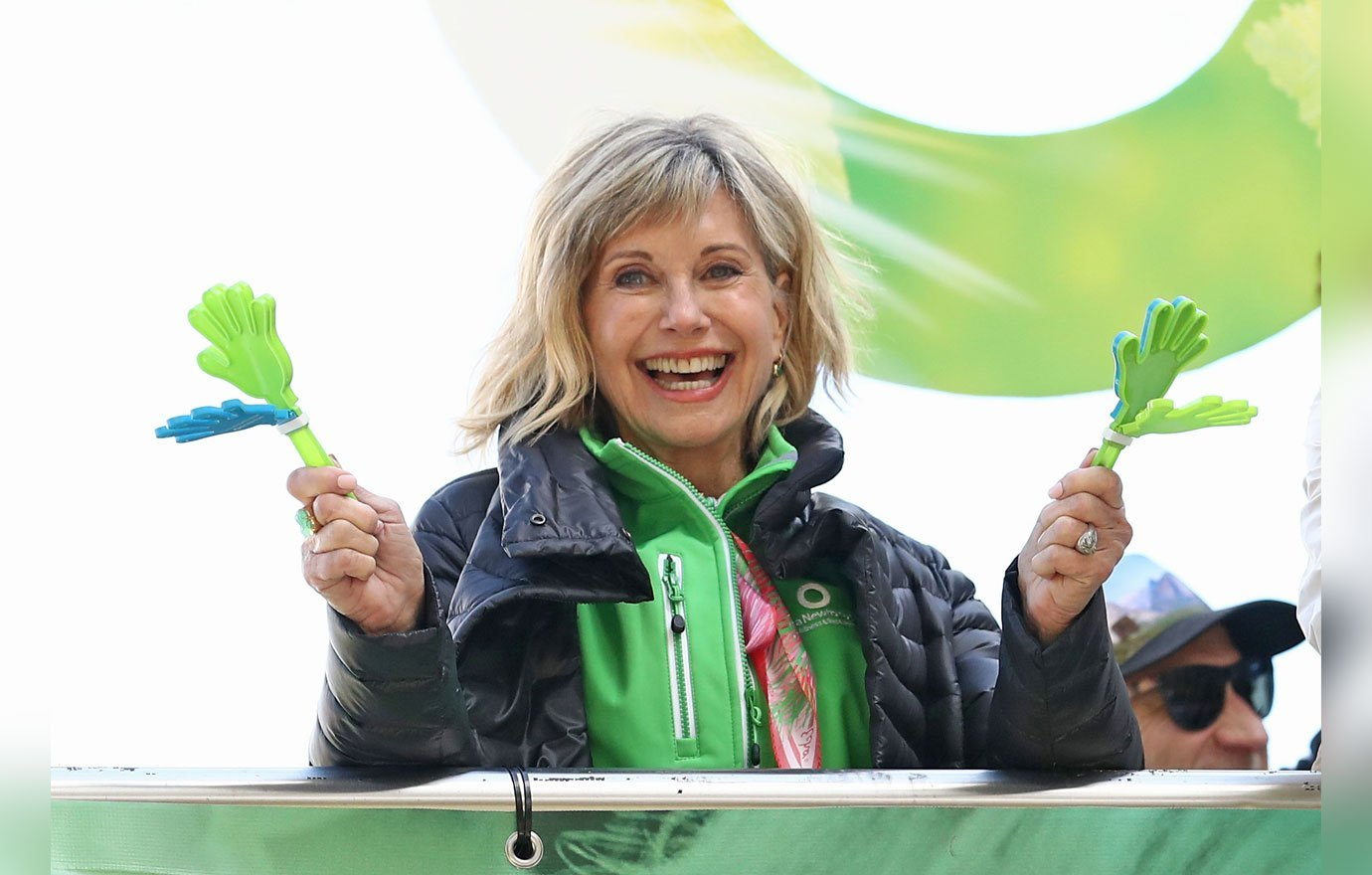
Olivia Newton John life has been like a Heart Attack as she finds the bright side to any struggle – even as devastating  as  a  third Journey with cancer. Now that she’s battling    the disease once again,  the singer talks about  how she’s fighting back,  including why she’s using her husband’s homegrown cannabis as part of her treatment. Now with her health on the up – swing she’s moving forward once again.

‘I’m not going to be one of those statistics, I’m going to be fine.’
Olivia Newton-John is not letting cancer slow her down.

Don’t Stop Believin’ is her life motto. . . . as she stays  focused  and nurture your spirit.  Laughter is so incredibly important  and I Love to Laugh at my dog and husband’s antics. Seinfeld reruns crack her up as – well – as the Netflix show “The Kaminsky Method” with Michael Douglas. Anything good and funny that’s what Olivia Newton-John is all about.. it’s a wonderful release of endorphins.

Grease was an amazing time but I sure wouldn’t want to go back to that part of my life. You have to be try and to be satisfied where you are in your life. Moving forward never backwards. Memories are what you carry with you forever, but it’s not realistic to think anything will ever stay the same because we don’t really ever control anything in life.

That’s why moving forward is the healthier option and most enriching path because       you bring past memories forward while forging brave new territory. Louise Hay, founder of Hay House publishing  was ON-J’s Superstar.  Louise’s  was  diagnosed  with  ovarian cancer but lived another 29 years to be 90 — and she credited a positive mindset for her longevity.

In Hays book, You Can Heal Your Life restored ON-J to the right mind set and taught      her  to Thank God for the little kindnesses in your Life.

“Nature is quite the church and spending time in nature is where Olivia finds the peaceful part of her world.  Olivia finds peace through prayer  as she also believes Power is through prayer.  As she has witnessed it other people’s healing and in meditation and chanting too. It doesn’t really matter how you  get  to  that place of total peace  and  complete calmness, but finding that peace is so healing.

In Olivia’s new memoir, Don’t Stop Believin she states, be careful what you think because it creates your reality. There’s science that shows that your outlook and the way you think affects your health and your future. It also effects your survival. Bottom line: you have to reach for good in any given situation.

We can’t expect to be happy 100% of the time,
however, I do think being happy is a decision.
Olivia finds that going through pain makes you stronger,
and choosing the light will always push out the darkness.

The History of Ancient Medicines and Healers

IN Australia where Olivia grew up;

Ngangkari heal through observing, listening and touch. Ngangkari are Traditional Aboriginal healers of the Anangu  of  the Western Desert in Central Australia, which includes the Pitjantjatjara, Ngaanyatjarra and Yankunytjatjara peoples. Also in some places, particularly South Australia, Ngangkari are increasingly being brought into Western health settings to work beside doctors.
Their skills come from a lifetime of immersion in cultural ways of being. Ngangkari         are recognized  as having particular facilities  for healing in their infancy or childhood   and are then encouraged to develop their skills. They often talk about being taught        hand in hand by their grandparents.
Ngangkari are immersed in Aboriginal ways of being and cannot easily translate            what they do to a wide audience. The way they work cannot be explained through             the scientific framework Western understanding demands.
There is an understanding that the spirit can become dislodged through trauma,      causing mental and physical disorders. Ngangkari bring it back into place. They               are particularly adept at treating psychological disorders.

As the Ngangkari Naomi Kantjuriny said:
The Ngangkari aren’t recognized in the Australian health system. While other health professionals can expect to be paid,  they cannot.  There is no category for  “Ngangkari services” in government payments for health care as well as in the private health sector. And Australia’s drug regulator,  the Therapeutic Goods Administration (TGA),  has not listed Ngangkari medications as either safe or beneficial.

What Ngangkari seek is the right to practise in the same way as any other paramedical service in the Australian system. While various societies around the world recognise the value of healers who are  culturally rather than scientifically based,  Australia is lagging behind.
Depressed people can feel a lot better within themselves after a Ngangkari treatment. That’s one of their specialities. Their spirits are out-of-sorts, and not positioned correctly within their bodies. The Ngangkari’s job is to reposition their spirits and to reinstate it to where it is happiest.

In Ngangkari treatment Their diagnostic process was simple, low-key – very different       to any other medical examination I’d had. It involved assessing my whole naked body.         I was aware of the deep scrutiny applied to posture and movement.

As well as touching me, a very delicate touch. As one massaged my abdomen and removed a “blockage”  there,  they entered into conversation in language. They then spoke to me of my state of mind.  They described a personal dilemma causing me a great deal of sadness, that they had no way of knowing.

https://www.youtube.com/watch?time_continue=14&v=tbuMpWIZMO8

Posted in General News | Leave a comment

Tick Experts Address Lyme Disease

Curing Lyme Disease 

in Worcester County, Massachusetts

Summertime and the living is easy in Massachusetts — but not for local tick mothers.        In July, the pregnant females are literally exploding egg bags, dying shortly after laying. Countless millions of their tiny, harmless young began emerging soon after from there   leaf litter, seeking their first blood meals, mostly from white-footed mice.

Unfortunately, older, previously infected tick larvae from last year’s crop were desperately seeking blood, too,  especially in June.  June to a slightly lesser degree in July — injecting Lyme disease bacteria into human and nonhuman victims. At the peak of vacation season, hospitals consequently see the largest rash of Lyme disease patients.

In years of high heat and little precipitation, many humidity-dependent ticks die in the  dry woods. With summer’s frequent rains appear to have created ideal conditions for their spread.  However, with many little-appreciated researchers have been working behind the scenes to mitigate the damage of local tick-borne diseases, including the bird-banding team stationed at the Auburn Sportsman’s Club.

The sudden and rapid spread of the disease inland that began in the 1970s might be playing a role in the disease’s eruption in Central Mainess.  Dr. Peter Rand and the Maine Medical Center in Portland. For years,  Maine provided the identification and microscopic analysis of the bacteria from the ticks, pulled off many of the thousands of locally captured resident and migratory birds in Worcester County.

Despite mutual benefits, that pioneering relationship with Maine eventually ended. Budgets, staff limitations and Maine Lyme disease priorities frequently set aside our Worcester County specimens for long periods. Science vitally depends on money.

Serendipitously, help was found collaborating with this prior blog post without skipping a beat. https://www.solitarius.org/2018/08/02/putting-bullseye-lyme-disease/

World-renowned disease specialists Dr. Sam Telford, Dr. Richard Pollack and Dr. Andrew Spielman analyzed all the ticks are provided from local bird captures and wild mice, With their help, its determined which bird species carried ticks — they all traveled low through deer and mice habitat — and what percentage of them carried the infectious bacteria.

It was found significantly lower incidences inland than at the more humid coast. The grand scope of their other work on Ebola and other world-threatening diseases — and    the fact that there was no money in Lyme disease research — again put tick samples on   the shelves for frustratingly long periods.  As a need to find  another partner persisted.
Fortunately, researcher at Tufts University’s School of Veterinary Medicine in Grafton.   Dr. Stephen Rich analyzed all their tick specimens for several years until he left Tufts       for another position.        Allen Steere yet another expert!!! 🙂

Most recently, Yale School of Public Health Lyme disease research leader Dr. Maria Diuk-Wasser and her associates,  Dr. Jory Brinkerhoff  and  Dr. Corrie Folsom, have partnered with The Diuk-Wasser lab that has been involved in cutting-edge DNA analysis of Lyme disease bacteria in birds, supporting the notion that there are several strains of the bacteria. http://danielcameronmd.com/lyme-disease-conversations-facebook/

That conclusion has many important human health implications. It could explain            why people have different reactions to the bacteria.  Different strains could have      different virulences that might benefit from different modes of treatment.

At Yale, in a very time-consuming process, it takes two days just to extract the DNA.    Each tick is placed in a vial of liquid nitrogen, frozen, smashed into workable particles. After appropriate chemicals are mixed in, the DNA is then filtered and separated.
But the DNA at this point in both tick DNA as well as Borellia bacteria DNA. To get just  the bacterial DNA takes two more days of magnification or amplification of these small quantities, duplicating them as many as 30 times.
DNA finally needs to be run in a gel. Some 3-1/2 days are needed to get DNA from each batch, and hundreds of batches have to be analyzed. Teaming with Yale has revealed much about birds and Lyme disease in Worcester County. But to get enough tick specimens from birds required considerable assistance.  We are at the forefront of understanding the role of birds in this dreadful disease in large part thanks to the dedicated local research volunteers assemble and train.

The voluminous data needed from Worcester County came from tens of thousands of  work hours every spring and fall by Helen Blazis, Susan Finnegan, Tom and Stephanie Donaldson, Dr. Richard Weagle, Keith and Kim MacAdams, Jill and Gary Hetel, Mary Sharkey,  Mattie Vandenboom,  Brian and David Sheridan, Sarah Reich, Dr. Laurence Reich, Myrt Morin, Michael Contois, Ed Banks, John White, Dan Semenuk, Craig, Ken  and Justin Dion, Lois Kolofsky, Dr. Stephen Vincent, Theresa Walcott and Nancy Best.

Alyssa Powers started getting sick in 2002 when she was eleven years old. She was tested for “pretty much everything,” she said, including fibromyalgia, multiple sclerosis, brain tumors and leukemia. When all the tests came back negative, doctors told her to call a psychiatrist. After two years of suffering symptoms, she finally found the culprit: Lyme disease. Her doctor wrote her a prescription for twenty-eight days of antibiotics and sent her on her way. ReadMore:

The Importance of Looking at Parasites, Viruses, Yeast and Fungal Infections
By Dr. Richard Horowitz

Welcome To The Lyme Disease News Homepage!

http://sciencecases.lib.buffalo.edu/cs/files/lyme_vaccine.pdf

Heather Bruntil and her family sought conventional treatment for Lyme disease when their household of four simultaneously came down with the tick-borne disease after a   hike one early spring a few years ago.  When that didn’t work,  Bruntil said,  “I battled  with my insurance company to cover IV antibiotics.” Still, even after other extended antibiotic therapy, the family struggled to get better.
Bruntil turned to a book called Healing Lyme by master herbalist and psychotherapist Stephen Buhner. The book advocates using potent herbal & supplements, in particular andrographis,  Japanese knotweed  and Cat’s Claw used in the core protocol.

While Andrographis, or green chiretta (Andrographis paniculata), has been used for centuries in China and India and maybe also beneficial for Lyme symptoms because it is considered anti-spirochetal,  and is believed to enhance immune function,  protect heart muscle,  act as an anti-inflammatory  (for arthritic symptoms)  and enhance and protect liver function. Cat’s Claw (Uncaria tomentosa, U. guianensis) is a woody vine commonly found in the Amazon rainforest.

It’s useful in treating Lyme symptoms such as arthritis and muscle pain, by enhancing     the immune system. Japanese knotweed (Polygonum cuspidatum) is an invasive species  in New York state. It’s believed to be useful in fighting off the spirochetes that cause Lyme, as well as providing anti-inflammatory properties by protecting the body from endotoxin damage and reducing Herxheimer reactions.

All three of these herbs, expert herbalists say, can be taken either alone or in    combination with antibiotics to treat Lyme. After learning about Buhner’s protocol, Bruntil decided to get rid of all the pharmaceuticals  her family had been using and     follow his recommendations, even though Buhner himself suggests that the herbal protocol should be used alongside antibiotics to achieve an optimum outcome.

Best Supplements To Kill Lyme and Everything Else You Ever Wanted                                 To Know About Lyme Disease    May 2, 2018 by Michael Edwards

VIDEO: Healing Lyme with Stephen Harrod Buhner

https://www.tiredoflyme.com/the-buhner-protocol-for-lyme-disease.html  http://wisewomanradio.com/interviews/buhner.html
https://lymetips.com/category/stephen-buhner/

Bruntil discovered that many of her symptoms, which she thought were caused by her Lyme disease, were also in part due to the antibiotics. She had to “repair all the damage done by them [antibiotics],” she said.  The long-term antibiotics had resulted in painful side effects, particularly on her gut flora.  Since transitioning away from antibiotics and focusing on herbal remedies and diet, Bruntil and her family have finally recovered.

She is now an herbalist & helps guide others suffering from Lyme in the New Paltz area.
While Bruntil did her own research to find the best remedies for her and her family after antibiotics failed, many naturopathic or homeopathic practitioners, such as Rhinebeck’s Dr. Tom Francescott, offer personal consultations for long-term Lyme sufferers.
New York State does not license naturopaths as medical professionals, however, fifteen other states do. Francescott earned his doctorate in Naturopathic Medicine from Bastyr University, one of four medical schools in the country that specialize in evidence-based natural medicine. He treats patients suffering from a range of diseases, from Lyme to Crohn’s disease.

He offers treatments based on homeopathy, herbal medicine, craniosacral therapy and other alternative medicines. Naturopathic medicine also involves creating a personalized treatment for each individual patient,  which Francescott believes is especially important with Lyme disease, since it affects each patient differently. “A tick could bite two different people,” he says, and each person would have “complete different reactions.” Francescott recommends pairing his therapies with antibiotic therapy, speculating that an integrated and comprehensive approach may be the most effective in fending off the infection especially if the Lyme is caught late.
One of the most popular advocates for alternative therapies for Lyme disease is                Dr. Richard Horowitz,  author of Why Can’t I Get Better? Solving the Mystery to Lyme   and Chronic Disease, who also claims to have treated more than 12,000 Lyme patients.

One of the therapies that Horowitz uses in his practice involves a protocol developed        by Dr. William Cowden, an internist and cardiologist specialized in integrative medicine. The “Cowden Protocol” uses various herbal extracts such as Samento, Banderol, Cumunda, Quina,  parsley,  and Burbur are believed to act as broad-spectrum remedies against Lyme, exerting antibacterial, antiviral, antiparasitic and antifungal effects, as Horowitz writes     in his book.

NutraMedix, a company that sells the Cowden treatment, provided the herbs to      Horowitz to administer in a six-month clinical trial with his patients, studying the   efficacy of the herbs versus standard antibiotics.
According to Horowitz, the Cowden treatment improved acute and chronic Lyme symptoms in over 70 percent of the patients in whom he prescribed the full protocol.          A follow-up study was conducted by researchers from the University of New Haven.

They tested the effectiveness of Samento and Banderol extracts against the most commonly used antibiotic in Lyme disease, doxycycline, on several different forms of Borrelia burgdorferi, including the spirochetes, round bodies, and biofilm-like colonies they form. (See John Carey’s story, Biofilms: The Culprit in Chronic Lyme). The results showed that the herbal extracts were effective in eliminating or dramatically reducing      all three forms of the bacterium whereas the doxycycline had a significant impact only     on the spirochetes.

I have found some answers in a book, The Widening Circle: A Lyme Disease Pioneer    Tells Her Story. It was written by Polly Murray.

One of the greatest challenges the Lyme community has faced during the past several decades is defining, diagnosing and effectively treating chronic Lyme disease/PTLDS. PTLDS has been defined in the medical literature as  “a syndrome in patients who have been treated  for  an erythema migrans rash (EM) with appropriate antibiotic treatment who have persistent or recurrent patient-reported symptoms of fatigue, musculoskeletal pain, and/or cognitive complaints with associated functional decline.”

Although it has been defined, the etiology of ongoing symptoms in PTLDS still remains controversial.  “Theories of why patients remain ill  generally range from autoimmune reactions post infection  to tissue damage and/or persistent infection of the spirochete and/or its parts.  No one model, however, has  been  sufficient  to  explain the  ongoing symptomatology after standard courses of antibiotics”. With regards to chronic Lyme disease, the situation is more complex. There is no one accepted definition for chronic Lyme disease, nor a working model to properly diagnose & treat chronically ill patients. Healthcare providers and patients often lack a map to navigate the complexities of this disease,  leading to long term suffering,  rising health care costs,  as well as increased morbidity and mortality.

Dr Phyllis Freeman  recently published a data mining study in the journal Healthcare       to help answer these important questions. As a member of the HHS Tickborne Disease Working Group, she grappled with these issues during the past year.  Apart  from  the  need to provide Congress  and  the American people  with an up-to-date overview and  report of disease vectors, surveillance, and prevention; pathogenesis, transmission and treatment; testing and diagnostics;  vaccines  and therapeutics as well as access to care services and support to patients, we felt it was important to define chronic Lyme disease.

This group represents the majority of those still suffering with “medically unexplained symptoms” apart from those suffering with PTLDS. I have treated over 13,000 chronically ill patients with tick-borne disease during the past 30 years and based on the needs of our working group and the Lyme community.

Dr Freeman decided to do a data mining study of 200 patients with chronic Lyme disease/PTLDS treated with dapsone combination therapy (DDS CT). This allowed us      to evaluate the efficacy of these new “persister protocols” in chronic tick-borne illness (validating our prior published work on dapsone combination therapy) and evaluate the role of co-infections.

The results were published in part 1 of a Precision Medicine study. Detailed data mining also provided us the opportunity to examine the role of overlapping abnormalities on the MSIDS map causing inflammation, and how their downstream effects can potentially lead to chronic illness. The link below in the journal Healthcare represents the results of a six month data mining study on 657 volumes of charts in those with chronic Lyme disease/ PTLDS.

Among the conclusions of that study:  “They suggest that patients now be considered to    have “Lyme-MSIDS”  and  believe that this term best describes  the multiple biologic and biochemical abnormalities that can be present after an infection with Borrelia burgdorferi (whose etiologies go beyond tick-borne disease), causing chronic illness.  Each patient is unique, and each treatment approach must be individualized. . . The MSIDS model helps provide a framework for diagnosing and treating complex chronic Lyme disease patients that have a multiplicity of symptoms,  along with a map of up to 16 potential factors that may need to be addressed.

These factors can keep a patient chronically ill, but these abnormalities are not regularly accounted for in routine standards of patient care. Establishing a uniform definition of chronic Lyme disease will facilitate diagnostic and treatment decisions and allow comparison among varied cohorts of patients”.

“The rising numbers of individuals suffering with Lyme disease and other long-term disabling illnesses (like CFS, FM, autoimmune disease and Alzheimer’s dementia) alerts   us to a necessary shift in the paradigm for the diagnosis and treatment of chronic disease. An integrated, interdisciplinary systems-biology approach described in this study may help us to better understand Lyme and associated diseases.”

Precision medicine is the medicine of the future, and the MSIDS model is a proven precision medicine approach, tested over three decades. There has been too much suffering for too long. The approach described in this article (and in my two books,     “Why Can’t I Get Better? and “How Can I Get Better?”, St Martin’s Press, 2013, 2017) which helps provide a map and answers for those patients and healthcare providers desperately looking for answers. My wife is now one and 1/2-years symptom free in remission since doing dapsone combination therapy and treating all of the abnormalities on the MSIDS map. I wish the same blessing of health for you and your loved ones.  In service and in health, Dr. Richard Horowitz

Dr. Bill Rawls says he suffered with the disease for years to the point where he was forced to leave his practice.  He tried all kinds of conventional solutions until he found something that worked for him.  He sheds light on his success story in videos and his website in which he says:

Other Resources:

Andrew Spielman, an entomologist at Harvard whose studies of mosquitoes, ticks and other insects shed light on the diseases that parasites carry to humans, most notably malaria, the West Nile virus and Lyme disease, died on Wednesday, December 20, in Boston. He was 76. Based on research on Nantucket in the 1970s, Dr. Spielman’s observations of deer ticks proved valuable in understanding the transmission of Lyme disease, which was in the early stages of its diagnosis. He had been studying another potentially fatal parasitic illness, babesiosis, which deer ticks carry. https://www.lymeblog.com/modules.php?name=News&file=article&sid=797&fbclid=IwAR1zaT4dFgq-yWQ02pj6AHotxMAuFZ8f4qEjolfidhUM4AHqUMdEGNVzs4k

Dr. Sam Telford discusses tick-borne viruses, including the Powassan virus, in this article in The Martha’s Vineyard Times. This virus, as well as other tick-borne viruses are spreading (infection rates with Powassan are between 4 and 6% in ticks in NY), can enter in the body within 15 minutes of a tick bite (tick prevention!) and can lead to increased morbidity (neurological deficits) and mortality. I discuss viral infections in more detail    on pages 155-158 of “How Can I Get Better?” Noted tick researcher Sam Telford said he sees no evidence that true Powassan exists on Martha’s Vineyard; with the pathogen’s close relative, deer tick virus, is extant on the Island.

Lyme Connection newsletter editor Janet Jemmott recently interviewed Dr. Brian Fallon, Director of Columbia University’s Lyme and Tick-Borne Diseases Research Center. Fallon, along  with Jennifer Sotsky, M.D.,  wrote Conquering Lyme Disease,  Science Bridges the Great Divide.  Packed with science and written for both medical and lay people, this book may help improve the dialogues we have with the practitioners who treat us for tick-borne disease.

The Story of Mike Grier.
I am not a story that will create big news,  but I am a story saying being cured happened for me.  It required my treating physician’s knowledge along with my countless hours of studying and learning as well to put an end to this disease. I contracted Lyme Disease in early 2013 archery hunting in West Texas.  I all started off as many others do going from doctor to doctor with an autoimmune diagnosis of unknown origin and treatment with steroids that I never took because I felt there was more to it than that.

Dr. Sam Telford Talks Ticks – Part I 

Dr. Sam Telford Talks Ticks – Part II 

Thoughts on Lyme disease and ticks (commentary) 

Mark Blazis: Tick population has been way down this season

https://www.therapies.com/lyme-disease.html

After years battling an “invisible illness” Rachel Channon has pinned her hopes on a controversial treatment at a clinic in Germany. The 34-year-old Corrimal woman will be one of hundreds of people from all over the world who have flocked to the St Georg Klinik to undergo hyperthermia as a last-ditch attempt to cure them of Lyme disease.

“Under Our Skin,” a critically acclaimed documentary and Oscar semi-finalist exposes the hidden story of Lyme disease, one of the most serious and controversial epidemics of our time. Slant Magazine calls it “head-spinning…riveting…a rigorously researched and highly thorough piece of investigative reporting.”
Each year, thousands go undiagnosed or misdiagnosed, often told their symptoms are     all in their heads. “Under Our Skin” brings into focus a troubling picture of a health care system that is far too willing to put profits ahead of patients.  The Chicago Daily Herald calls it “a ripping indictment of the medical establishment’s failure to uphold its oath.”

Lyme disease/Moringa research is paying off!!!

National Guideline Clearinghouse:
Summary of ILADS Treatment Guidelines for Lyme Disease

Best Lyme lab test for chronic lyme(10+years)?

With So Many Inaccuracies…

Read More

#1. DNA Connexions
The Lyme panel tests for 4 different genes that are found in Borrelia burgdorferi, the    most common cause of Lyme disease in the United States,  and eight common Lyme disease c0-infectors including  Babesia microti,  Babesia divergens, Babesia duncani, Bartonella bacilliformis, Bartonella henselae, Bartonella quintanta, Borrelia miyamotoi, Borrelia recurrentis, Ehrlichia chaffensis and Anaplasma phagocytophilum. Testing of Lyme co-infectors (other tick-transmitted organisms) indicates likely infection with the Lyme spirochete as well. Can Ship Internationally. Click Here for More Details.

Kim Martindale
Lyme Disease; The Short History!
I’ve compiled these resources for myself and those who are looking for answers   concerning Lyme Disease. Simply click on the text below to learn more.
~7~ SEVEN LYME FACTS THAT COULD HAVE SAVED ME!!!

Posted in Information & Research | Leave a comment

Reversed Dementia On a Mediterranean Diet

The Holistic Health Show with Dr. Carl Helvie and guest Dr. Dale E Bredesen.

Dr. Bredesen’s research has led to new insight that explains the erosion of memory seen    in Alzheimer’s disease,  and has opened the door to a new therapeutic approach.  He has found evidence that Alzheimer’s disease stems from an imbalance in nerve cell signaling: in the normal brain, specific signals foster nerve connections and memory making, while also balancing signals support memory breaking,  allowing irrelevant information to be forgotten.

But in Alzheimer’s disease, the balance of these opposing signals is disturbed, nerve connections are suppressed, and memories are lost. This model is contrary to popular dogma that Alzheimer’s  is a disease of toxicity,  caused by the accumulation of sticky plaques  in  the brain.  Bredesen believes  the amyloid beta peptide,  the source of the plaques,  has a normal function in the brain — promoting signals  that allow some of         the nerve connections to lapse. Thus the increase in the peptide occurs in Alzheimer’s disease shifts the memory-making vs. memory-breaking balance in favor of memory      loss.

It must have been heart-breaking for Mark Hatzer to realize his mother Sylvia, an              82 year old dementia sufferer,  could no longer recognize her own son. The last thing        he wanted was to lose a parent but as her condition worsened, Sylvia was admitted to North Manchester General Hospital for her own safety.

During her time there, it was challenging in a number of ways. Sylvia’s memory began wavering in 2015  and she would often struggle  to recall plans she made or birthdays.       But it was in December 2016 that doctors diagnosed her with Alzheimer’s disease and when Mark noticed his mother’s rapid deterioration.

Failing to remember lunch plans and birthdays is understandable with age. Sylvia          had even called the police and accused nurses at the hospital of kidnapping, which             is forgivable.  However,  it was when Mark’s mom could not recognize him that he            felt he “reached the lowest point of his life.”

Road to Recovery: How Sylvia Hatzer Beat Dementia
Sylvia had been in hospital for two months before doctors allowed her to be discharged from the hospital.  She wasn’t yet in the clear,  though. Sylvia was still exhibiting all the early signs and symptoms of dementia…

-Memory problems (especially short-term)
-Increased confusion
-Trouble concentrating
-Changes in personality or behavior
-Generally withdrawn, apathetic, or depressed
-Unable to complete simple, everyday tasks

However, it was the Hatzer family’s next steps that made all the difference.
“When she left hospital, instead of prescribed medication, we thought we’d perhaps          try an alternative treatment.… In [Mediterranean] countries Alzheimer’s is virtually unheard of because of their diet.

Everyone knows about fish but there are also blueberries, strawberries, Brazil nuts         and walnuts – these are apparently shaped like a brain to give us a sign that they are    good for the brain.”

Researcher have also studied diets from Mediterranean countries (e.g., France, Italy,          Spain, Croatia, Turkey) for quite some time now. Scientists and Mediterranean natives alike     tout these cultural diets as being helpful for improving memory or thinking and reducing dementia risk.

According to the Alzheimer’s Society,  “Mediterranean diets  are  traditionally high in     fruit, vegetables, legumes and cereals, with moderate consumption of oily fish and dairy, and low in meat, sugar and saturated fat.”

More Evidence That Mediterranean Diets Can Prevent and Treat Dementia
In fact, research presented at the July 2017 Alzheimer’s Association International conference revealed that eating a Mediterranean diet could significantly lower adults’    risk of dementia. The study, led by University of California’s Claire McEvoy, analyzed ~6,000 Americans’ eating habits.

And although the average age of participants was 68-years-old, the study was nationally representative enough for its findings to be relevant to the general public, as reported by CNN.

“After adjusting for age,  gender,  race,  low educational attainment  and lifestyle  and      health issues – such as obesity, hypertension, diabetes, depression, smoking & physical inactivity – researchers found that those who followed the MIND or Mediterranean diet had a 30% to 35% lower risk of cognitive impairment.”

A 2013 systematic review published in Epidemiology analyzed the results of twelve  relevant scientific papers to see whether Mediterranean diets could positively affect cognitive function. In it, researchers found “that greater adherence to Mediterranean     diet is associated with slower cognitive decline and lower risk of developing Alzheimer disease.”
Another 2016 systematic review published in Advances in Nutrition further reiterated earlier findings. Although researchers require more studies before they make causation claims between Mediterranean diets and dementia prevention, they do acknowledge     “that adherence to the MD is associated with better cognitive performance.”

What Else Did Sylvia Do That Helped Reverse Dementia?
Mark shared that his mother also frequently performed cognitive exercises. These included things such as crosswords and jigsaw puzzles, as well as staying engaged               in social clubs.  He even got his mother  a  pedaling device that helps her exercise            while sitting down.
“It wasn’t an overnight miracle but after a couple of months she began remembering things like birthdays and was becoming her old self again, more alert, more engaged. People think that once you get a diagnosis your life is at an end. You will have good        and bad days but it doesn’t have to be the end.”
If someone at 82-years-old  was able to make  a real-life difference through diet, who’s       to say you can’t also benefit? Changes don’t need to be big either! So, whether you choose to tweak your diet, stop a smoking habit, or any other lifestyle habits to prevent dementia, you can start protecting your brain today.  https://nutritionfacts.org/?s=alzheimer
Source: Theheartysoul.com

Almost 20 years after being diagnosed with Alzheimer’s, Christine Bryden has defied         all odds and stumped medical professionals by defying the disease and living a normal successful life. After being diagnosed with early onset dementia at the age of 46 in 1995, the mother-of-three was devastated by her terminal prognosis.  She  was  also  told  she would need full-time care within five years and would be dead before she turned 60.

And yet 2 decades later, Ms. Bryden has reshaped medical thinking about the disease, writing two books,  completing a post-graduate diploma  and even entering into a new relationship with her partner – all while her brain continues to deteriorate. ‘Somehow       its difficult to be brave when you face losing the ability to be brave.  Slowly I’m trying        to adapt and its hard work trying to keep going, keep talking and keep thinking.’

Despite her emotional turmoil,  Ms. Bryden refused to simply let the disease take over      her mind. She released a book, ‘Who Will I Be When I Die’, which explores the isolation and the feeling of identity loss experienced by dementia sufferer.

P. Murali Doraiswamy discusses recent breakthroughs in diagnosing Alzheimer’s      disease and what everyone can do to postpone the onset of memory loss.

This is a clip from a documentary I made in support of nurses and nurse practitioners.        I found this man and his situation very touching.

The documentary is called “A Nurse I Am.

The 7 Stages Of Alzheimer’s Disease

How Alzheimer’s Evolves From Early to late stages…

Has Alzheimer’s been cured?  Ten patients with Alzheimer’s genes,  Alzheimer’s or      similar cognitive decline have seen a reversal of their symptoms thanks to a regimen      that includes drugs,  diet,  exercise,  and brain stimulation. As long as they stick with       the regimen from their clinical trial, the improvements are sustained.

Can this regimen also work on other patients? In this article, we have details about all      10 patients, links to the study, and details on which diet and exercise recommendations were used in the treatment.

Now researchers from Tel Aviv Uniyversity found that extracts from cinnamon bark    inhibit  the toxic amyloid polypeptide oligomers  and  fibrils that have been found in Alzheimer’s Disease (AD) brain plaque formations. In animal models of Alzheimer’s, cinnamon reduced s-amyloid plaques also associated with the pathology of AD.           Reduction of these proteins can improve mental cognition.

In one model, cinnamon extract resolved AD associate reduced longevity, helped recover locomotion defects  and completely abolished tetrameric species  of  plaque in the brain.
Other benefits of cinnamon are: anti-microbial actions, blood sugar balancing, improving colon health, boosting brain function. Cinnamaldehyde in cinnamon also has been well researched for its effects.

Compounds in Black Cumin Have Neuroprotective Benefits.                                                Studies on the neuroprotective effects of N. sativa and TQ which were published between 1979  and  2018, were searched using various databases.  The results of these studies show  N. sativa and TQ have the protective effects against neurodegenerative diseases, including; Alzheimer,  depression,  encephalomyelitis,  epilepsy,  ischemia, Parkinson, and traumatic brain injury have been discussed in the cell lines and experimental animal models.

Prevagen Improves Memory*
Extra Strength Prevagen is a dietary supplement that has been clinically shown to help with mild memory loss associated with aging.* Prevagen contains apoaequorin, which       is safe and uniquely supports brain function.*

Also A Film to be Made of Father’s Recovery from Alzheimer’s with Coconut Oil!!!

Google silica and Alzheimer’s: Research heavy metals and remove the aluminum           from the brain to prevent Alzheimer’s!!!

Side Note: While most people tolerate Vytorin® ( ezetimibe/simvastatin) well, side effects can occur.  For people taking Vytorin, memory loss (known medically as amnesia) is a rare but possible side effect,  probably occurring in less than 1 percent of people.  Be leary of all Prescriptions they are taking and their induces side effects.

Posted in Information & Research | Leave a comment

Live to Ride-Ride to Die

In the introduction to TRUE GRIT AND GRACE, Amberly Lago ends with a line that sums up not only her book, but her outlook on life.

“You’ve got a shovel in your hand. You can either lean on it and pray for a hole, or you can start digging.”

True Grit And Grace is the true story of Amberly Lago and embodies the subtitle,     Turning Tragedy Into Triumph, perfectly.  She begins by setting the stage and showing  how ordinary and every day routines can change ones life in the blink of an eye.

The first event occurs where many accidents happen, in her own neighborhood.

This relatively minor incident sets off a string of events that culminate in a horrible motorcycle crash that altered her life forever.

She nearly loses her leg in an accident and it is only her own Texas grit and in the    support of her husband that she finds the resolve and courage to fight through and       keep her damaged limb. She pulls no punches as she describes the horrendous pain        and the relentless determination of herself , her family and her medical team to save       her and keep her leg.

Throughout her story, Amberly reflects on her life growing up and reveals not only the upbringing that gave her the no surrender attitude that carried through the pain of over  30 surgeries, but she reveals a background that has broken more than one person on its own.

True Grit And Grace: Turning Tragedy To Triumph is a raw, brutal tale of courage and personal strength that will alternately tug at your heartstrings and make you cheer out loud as she fights her way back to normal life. The book itself is well written and paced, leading to a story you will not be able to put down.

True Grit and Grace is the true story of how Amberly Lago’s life was forever altered by        a devastating motorcycle accident,  and the victory she discovered through her recovery.      In this memoir, Lago weaves the tale of her childhood and early adulthood alongside the grueling process of healing from 34 surgeries and being diagnosed with Chronic Regional Pain Syndrome (CRPS).

Amberly inspires readers to thrive, even when their circumstances have narrowed their possibilities, and delivers hope and encouragement to others who suffer from chronic pain.

Following my motorcycle accident, I was diagnosed with Chronic Regional Pain Syndrome (CRPS).  It’s is known as  “the suicide disease”  because it causes constant chronic pain and has driven so many people suffering from it to suicide. It’s ranked highest on the pain scale and has no known cure.

When I was first diagnosed, I was told I’d be permanently disabled and wheelchair-bound.
At first, I lived in denial and pretended nothing was wrong. Behind my smile, I was dying inside from physical and emotional pain. Everything I read about CRPS left me feeling hopeless. Still, I continued moving forward, despite the feeling of a vice grip on my foot and battery acid through my veins.

I tried every kind of treatment for my pain, including a spinal stimulator, nerve blocks, ketamine infusions, Eastern and Western medicine, and anything that claimed it could bring me relief.

It wasn’t until I accepted the fact that I had CRPS and what I call my ‘new normal’ that       I began to show myself the self-love  and self-compassion  I needed to start to feel better.     I wish I could tell you. . .that I found some magic pill or movement that relieves my pain.

But the truth is, every day is different, and so are my pain levels. What works some days doesn’t always work the next, so I just keep trying, and doing, and praying.When I am in pain, I go through my list of helpful tools. There is no particular order.

I practice mindfulness, meaning I do whatever I can to stop thinking about and focusing on my pain.
I surround myself with positive people. No more doggy downers, only puppy uppers!
I count my blessings and practice gratitude.
I give myself permission to rest on a flare day and remember that I am doing exactly    what I need to do. I am recovering.
I eat an anti-inflammatory diet.
I am on a sleep schedule (and yes, this means that I have an alert on my phone that tells me when it’s bedtime).
I am still learning to meditate.
I breathe deep breaths.
I pray.
I do everything I can to be of service to others. When you focus on the well-being of others, your self-pity disappears as you improve the quality of someone else’s life.

Then I repeat. Instead of allowing my pain to make me bitter, I do my best to appreciate everything I have, no matter how big or small. I will focus on the good in my life and let that be my medicine.

I focus on what I can do and don’t get caught up in past accomplishments. I celebrate small victories along the way,  whether it’s being able to walk up the stairs on my own       or walk on the beach with my family.

I only look back to see how far I have come. Instead of letting my chronic pain detour me from my endeavors, I use it as a tool to connect me with others going through challenges and am reminded that I am not alone on this journey.
You have endured incredibly trying times prior to your motorcycle accident, including parental divorce and sexual abuse.  How has maturity and resilience helped you since   your accident?

I learned from a young age to “cowgirl up” because, at the time, there was no alternative. Dwelling on why reality wasn’t prettier wouldn’t have done a thing for me. It would have crippled me then, preventing me from achieving everything I wanted to, and crippled me years later when I was actually crippled, preventing me from choosing nothing less than recovery.
As weird as it may be to say this, I believe the pain and isolation I felt in those difficult times as a child were an ironic blessing of sorts. When you know from an early age that you’re on your own  and can rely only  and entirely on yourself,  it’s as liberating as it is sad. But if you can take the sadness and self-pity out of it, then what you’re left with is a liberating sense of freedom and, when trauma strikes, you don’t waste any time looking  for someone to bail you out.

How and why did you choose to ignore and defy the doctor who abruptly told                    you that you would never function normally within society and not walk again?

Call it my stubbornness, my love of a good challenge or being in complete denial, but          I wanted, more than anything, to chase after my daughter like a mother should. I also wanted to be free to do the things that make my heart sing,  like hiking and exercise.      Just because my body was ‘broken’ on the outside, I was still the determined athlete         on the inside.

I learned to truly listen to my body and to be the healthiest I could be, despite my circumstances.  We may not get to control what happens to us, but we can control           how we react to it. So, getting on with my life was a series of three steps up and six        steps back, both physically and emotionally.

Every one of my surgeries, which totaled 34, I viewed as bumps in the road. I couldn’t think of them as anything but that.  If I had, I would have given up.  And nothing, not  even a doctor’s advice,  could get me to do that.  Although I love my doctors,  I had to  think for myself when it came to my own health and happiness.

Understandably, you experienced severe depression following your accident. What        was  the turning point for you? And how do you find strength and energy to turn such despair into positivity?
Somewhere in between surgeries number 28 and 34, I mentally spiraled into a deep,    dark depression. I could feel myself giving up and giving into the pain. In that moment,      I thought about my beautiful children,  my family, my friends, my clients, and realized         I had better make a decision.  I could go down the road of despair,  or down the road of peace and happiness.

I immediately threw myself into a place of gratitude for all I did have in my life. Every  time a negative thought  crept into my mind,  I replaced it with something  I was grateful for. I threw myself into physical therapy and stayed active with my fitness clientele. Even though I couldn’t physically train them at first, I could still create their exercise plans and coach them over the phone. Being of service really took me out of my despair and gave me a sense of purpose and a strong feeling of connection.

Throughout the book, you discuss the need for hope, acceptance and gratitude —                 to be thankful for all you have rather than looking to the past and what you have lost.

Do you feel this is the key to getting the most out of life?
At first, I was so caught up in my past accomplishments that I couldn’t live fully in the present moment. I went from being a dancer, athlete, and fitness trainer to fighting just   to stand upright for a few seconds at a time. I was so embarrassed by my scars and tried   to pretend that nothing was wrong with me.
Slowly, however, my perspective changed and I took ownership of my story. I then     viewed my scars as battles I had won.  Instead of looking down at my leg in anguish,             I looked at it as a blessing. I still had my legs. Once I embraced my imperfections and learned self-acceptance, I truly began to heal and be comfortable in my own skin.
Without the traumas and heartbreaks of life, I wouldn’t be able to serve the way I do now. It’s not about circumstances, but about what you decide to do with them. I focus on what    I am grateful for and don’t leave any room for self-pity. I make my purpose bigger than  my problems.

As Albert Einstein said:    “There are only two ways to live your life.   One is though       nothing is a miracle. The other is though everything is a miracle.” I believe in miracles.

Whitney Elizabeth Houston  Lived: Aug 09, 1963 – Feb 11, 2012 (age 48) was an American singer and actress. She was cited as the most awarded female artist of all time by Guinness World Records and remains one of the best-selling music artists of all time with 200 million records worldwide.

She released seven studio albums and two soundtrack albums, all of which have been certified diamond, multi-platinum, platinum, or gold by Recording Industry Association  of America. Houston’s crossover appeal on the popular music charts—as well as also her prominence on MTV, starting with her video for “How Will I Know”—influenced several African-American women artists who followed in her footsteps.

Posted in Uncategorized | Leave a comment

Capture Your Journey With Pain

                               No matter how painful or pleasant it is:  it is life experience and that makes you stronger.
Think about all the life lessons  you’ve taken out living your own life. What did you learn? Simple facts with  no emotional coloring to them.  The more we go through life,  the more we turn our wounds into a source of wisdom and power – the stronger and more resistant we become to life challenges and overcoming the agony of painful times.

All these life lessons played a big role in your evolutionary development.

There is a reason for you to be here. You learn and teach. You live and go through life lessons. And this world is so much better with your heart beating… You are capable of loving again.  You are capable of opening up your heart. But first, you need to learn to   love and appreciate yourself for all the strength and courage your heart possesses and      for all the kindness your soul is filled with.

Chronic or severe pain can interfere with our ability to work, maintain relationships,     and sleep properly. If pain meds and other treatments are unable to bring you full relief from migraines, rheumatoid arthritis, neuropathic pain, injury and/or other conditions, consider trying these mind-based techniques to reduce your pain.

Transforming Pain into Art!!!

 Michelangelo is well known for his hypnotizing murals in the Sistine Chapel  and classic Renaissance sculptures  such  as David  and Peta. He created these masterpieces while living with osteoarthritis  and also severe pain in his hands and joints. Another famous artist, Vincent Van Gogh lived with severe migraines, and French Impressionist Pierre – Auguste Renior suffered  from rheumatoid arthritis. Through out time many artist  lived with chronic pain and created inspiring and beautiful works.

 Contemporary Artist Mark Coleen also understands the beauty of expressing pain through art. After he herniated  a disc in his lower back,  he then suffered  from severe nerve pain.  He struggled to communicate that pain with his doctor about his chronic pain. He then began to paint. . . as a way to visually share his pain with his doctor.  After showing his art work to his doctor. His doctor then better understood his challenges and recommended a new treatment plan that helped improve Colleen’s pain symptoms.

Through this experience,  Coleen reached out to other artist living with chronic pain to create a collection of paintings and artwork to capture their journey with pain. He started a non-profit in 2012 called  Pain Exhibit painexhibit.org to educate health-care providers and the public about chronic pain through art  and to give a voice  to the many who suffer  in silence.

 Dawnique Savala, as a young girl from New Mexico always           knew she wanted to be an artist. She played volleyball and was a cheerleader, however,      it was drawing and painting that really inspired her, She was rarely ever sick. . . until at      age 27. When she begin to feel she had the flu and within a month  couldn’t do her own  hair without her mothers help.

After visiting with her primary doctor, Dawnique was diagnosed with Raynaud’s syndrome. Within a few weeks she was referred to a rheumatologist who confirmed        she had rheumatoid arthritis (RA).  At the time of the diagnosis, Savala was studying        art and finishing her last semester at New Mexico Highlands University in Las Vegas.  After taking time off to manage her symptoms, Savala finally finished her bachelor of     fine arts degree and pursued her love of painting.

Her health challenges make it hard for her pursue her entrepreneurial dreams but           her love for painting is an outlet for her frustration  and stress which helps her deal        with all that. Some people turn to Yoga Dawnique turns to painting. 

In her favorite painting called ‘Struggles’ it depicts a pair of shoes that denotes to        others — never judge unless you have walked in that person’s shoes!

 Sterling Witt is an artist and  a multi-instrumentalist accomplished  bassist who tours the United States with only his guitar and his story.  Although he is     also a visual artist he has created myriads  of  sculptures  and paintings which mostly consist of portraits, namely self-portraits. One of his signature elements. . . is having created slews of pictures entirely with his feet.

His childhood seems to be much of a mystery ensconthed in the foggy rural suburbs of Kansas City Missouri.  His works are often personal  because they attempt to explain the torment he lives as a result of chronic pain. Creating art helps him also to survive a life of constant pain. It’s through his artwork he gives a face to a faceless enemy. At 15 Witt was diagnosed with scoliosis, three years later he started to feel severe back pain that has only increased over the years.

Witt decided not to manage his back pain with medication because he doesn’t want to    lose touch with his pain.  My pain keeps me in tune with my body so I know when to take    a break or rest. Instead of taking traditional painkillers, which shutdown your stomach he has discovered alternative options including a type of physical therapy for the spine called Schroth therapy.

He occasionally gets a deep tissue massage called Rolfing that effects the body’s posture and reduces spinal curvature and raindrop therapy  which involves rubbing the muscles with essential oils. And the act of painting actually makes him feel better. Over the years, Witt has painted a series of paintings called “Distort” of the many faces of pain.

Tara Shuey of North Hampton Pennsylvania,  an oil painting called  “Dream Weaver”   best describes her journey with pain.  This  abstract  painting  depicts    her pain and how it radiates, also affecting both her body and mind. Tara has been living with Fibromyaglia and trigeminal neuralgia for over a decade. During 1 of her trigeminal nerve episodes Shuey drew a crying fairy that had burning, shooting pain mixed into her cheeks.

Shuey remembers a healthy childhood  and a passion for painting and it wasn’t until          her early 20s. When she had her wisdom teeth pulled in an emergency procedure that    she started feeling her pain.  It began in her jaw. . . . then radiated throughout her face. Shuey didn’t sleep for thirty straight days and left her in a depressed, suicidal state and desperate for help.

Focusing on her art that saved her life:  she started off  with simple pieces  like drawing SpongeBob  and SquarePants for her son.  As she allowed raw emotion inspire her future paintings, including a magical version of Vincent van Gogh’s Starry Night. With her paint brush she feels free while not feeling the pain and only what she paints on the canvas.

Posted in Thought Provoking | Leave a comment

Turning Fear into Faith

The Universe has your back -“Faith has the power to turn trauma into healing,
conflict into growth and fear into love.” ~Gabrielle B  🙂 

Ok, we all have trauma. What shall we do about it? Heal it. It’s there to heal.                      We have conflict/contrast. What shall we do with it?

There were hidden parts of my shadow that needed to come forward and memories               I didn’t know. I spent a year cracking into that place of remembering what I needed           to unearth so that I could be free.

I wrote this book while going through rock bottom.  So in the midst of breaking down     and picking myself up,  I had to write.  I had a publishing deal,  a word count,  a deadline. The process of writing the book healed me.  When you’re called  and committed to writing  a book on love,  the Universe  and  connection to a higher power,  there’s no other choice but to be in the daily remembrance of what is real to you.

That was my experience of writing this book.  While I was going through the toughest time, it was the remedy. What was it you were holding on to or rejecting or afraid of?

I had been going through what I now know was the process of cracking into a traumatic memory, and ultimately, that memory was the reason I was a drug addict in the first place 11 years ago.

It was something that I’d shut away for 30 years. While I was writing this book, a lot of the ways that I controlled my life and kept things in order so that I wouldn’t have to remember that trauma started to be taken from me.

My husband left his job to come work with me. It created this feeling of, “Oh my God.    I’ve got to let go of the rope.” Wanting to have a baby, I realized, “Wow, I’ve really got       to  let go of control there.”

These monumental shifts in my life created this breaking point for me. And so month  after month I was cracking open to something I didn’t know, and it was horrifying. The month I submitted this book was when the memory came in.  So in the editing process,      I used the book through this very raw,  scary,  horrific time.  The book healed me again.
What came up for you then? Are you allowed to share?

Of course. The memory was one of childhood sexual abuse. And I didn’t have any recollection of it at all. Over the years, many psychics and mediums had said to me,    “What happened to you when you were 6 years old, Gabby?”

I had been asked that many, many times in my life. “There’s trauma, there’s fear           from 6 years old,” they’d say. And I would be like, “Nothing. Absolutely nothing.          What the hell are you talking about?” Because I had no idea.

And if anyone out there has had the remembrance of trauma, it’s horrifying because       you go back into the memory. You go back into the time, and your whole body constricts.
Thankfully, I was in therapy when I remembered it, and thankfully I have this world that we live and work in that is filled with the greatest trauma therapists, Emotional Freedom Technique practitioners, EMDR people, Somatic Experiencing experts and all the people that can serve me.

The practice that helped me overcome work addiction and this is the first time I’ve been around you that I’ve actually seen you calm.  It’s the first time I am calm. When I was in this early recovery from trauma,  I also noticed I was struggling to get out of bed in the morning.

I’d wake up in the morning, feel really depressed and walk up to my office. I’d sit down      to the computer and start working. I realized this was my way of numbing out. And so while I had put down the drink and the drug and had been clean for 11 years, I was…
You were on the go constantly.

My drive, my work, create, create, create, while it was funneled into something that was serving the world greatly… it was killing me. I was addicted to work, which is something no one talks about.

In fact, we’re praised for it. People say, “Oh, you work so hard. You do everything.           You do so much.” And you’re proud of your accomplishments, sure, but at what cost?   Your relationships, your physical presence capacity to be with someone, connected in some way.,

You’re still pretty driven.
Well, it’s amazing. I haven’t lost any drive, but I have let go of the control, and I have       let people help me. I let my husband step in and run my business in the most beautiful way, and I just got out of the way.

I had this affirmation that I was using throughout the year when I was falling apart.       The affirmation was something that I wanted. I wasn’t there yet, but I wanted it. And        so I would say out loud  in the mirror or walking around,  “Everything is happening    around me and I am truly taken care of.”

I had one area of my life where I felt like that affirmation was true. I have an event  planner named Anette, and even at the time when I wasn’t letting people help me,                I let her help me. I would think about what it felt like with Anette, because it was               the one reference that I had.

I would use the affirmation, feeling the feeling of what it felt like to do an event               with Anette. And then four or five months into my trauma healing, all of a sudden                 I was looking at my life and I realized my affirmation had manifested.

Everything is happening around me and I am truly taken care of.

Transforming fear to faith 🙂
What’s the first step to overcoming fear or transforming fear?
Witness it. Be the nonjudgmental witness of it. Look at it and say, “Something’s                 got to give.” If you don’t show up for what’s up, it will keep coming up. So witness           your resistance. Fear is the resistance to what you desire.

In the absence of resistance, you become a magnet for what you desire. When you let         go of that fear, that’s when you start to become a Super Attractor. That’s when you start    to let what is truly of service for you into your life, when you let true happiness into your life.

And even if you don’t have the tools yet, when you look at the fear and you’re like,          “Oh, I see this fear. I see this resistance. I see how it’s blocking my life, and I choose          to see it differently,” you’re led to the guidance you need.

You crack open your consciousness to find solutions rather than find problems. When you’re not looking at the fear, you’re just living in the fear and believing in the problem. But when you witness the fear and you’re willing to see it differently,  you start living in    the solution.

So it’s acknowledging that you’re experiencing the fear […] not beating yourself up,      “and trusting your healing path.

I believe that the Universe works through people, so when you say yes to healing,              the healing is presented to you in very profound ways that you could never imagine,        and it comes through because you open up your awareness for it.

That’s powerful. Is there anything you have yet to heal?
I’m still healing this trauma stuff. I’m in such early recovery, and while I’m out of              the weeds, I’ve got stuff to deal with — with people, with my physical body, with my    sexual energy. It’s brutal.

I’m not going to be the victim. I’m going to be the survivor.
That’s the next step in healing fear: If you ask for guidance, and then guidance             shows up, you’d better say yes to it.  Trust in the guidance you receive and know                the Universe is supporting you. You’re not alone.

Scientific Evidence: The Mind, Body, Spirit Connection & Your Health
Dr. Ingrid Maes September 3, 2008 Health Articles Leave a Comment

Dr. Ingrid Maes specializes in gentle chiropractic care and creating a lifestyle that promotes your best health. As a doctor of chiropractic and certified acupuncturist,     Ingrid is skilled at identifying the root cause of imbalance and creating physical, nutritional and emotional balance in all systems of your body.
Research over the last several decades demonstrates the fact that you cannot separate     the mind, body and spirit in health and healing. Ingrid’s additional expertise in Applied Kinesiology (AK) Bio Energetic Synchronization Technique (BEST), Thermography and Body Zone exercises brings a broad spectrum of holistic healing solutions that can be tailored to your needs.
Her passion for holistic medicine started as a child. She grew up in Belgium, where a natural approach to health and pure botanical medicine was highly valued in her family.
As a result, Ingrid specializes in bringing pure, natural solutions to you AND your family. As a mom with 3 kids, Ingrid is aware of the challenges our modern lifestyle has on family health. Whether environmental toxins, commercialism or poor food quality, Ingrid shows you how to easily incorporate health and lifestyle changes that benefit your whole family.
The truth is your body was designed to be healthy. True health means you are healthy physically,  emotionally,  and spiritually. When all 3 parts are equal and balanced you      not only feel good but your life is happier and more complete!
Most healing programs work at the level of the body, forgetting the importance of your mind and spirit. This is why you may find yourself searching out multiple practitioners      to support your journey to well-being.
At PureBalance Natural Health, our PureBalance Method (PBM) takes into account      your whole healing process – mind, body and spirit.
Our natural health center services provide the full range of holistic health services,          but don’t worry if you can’t come to see us at our health center.  Our site is designed to support you on your healing path. You will find questionnaires and articles to guide you   to the appropriate lifestyle modifications, botanical remedies, and nutritional products that support your best health.

Science and The Mind-Body-Spirit Connection to Health:
Studies in the field of psychoneuroimmunology are demonstrating the effects of the     mind and spirit in healing the body.
Placebo effect – In clinical trials, people who got the “sugar pill” or fake drug got better just because they believed they would.
Attitude and cancer – Dr. H. Steven Greer conducted several studies, including a study with a 15-year follow up on women with breast cancer, and found evidence that attitude     is linked to duration and survival of cancer.
Your beliefs affect your health, including your genes – Dr. Bruce Lipton, internationally recognized biologist and article of The Biology of Belief , is a leader in teaching about the science of epigenetics.  His scientific experiments prove  that your perception or beliefs, affect your health.  His studies show that even if you have a gene for a certain disease, it      is your beliefs that can turn genetic issue off or on. To learn more, watch The Biology of Belief.

                                    The Psychology of Cancer

WE ARE ONLY beginning to understand, in a scientific way, the connection between disease and the mind. There is rapidly growing body of research studying the relationship among emotions,  personality characteristics, and disease, especially cancer. The answers are  beginning to emerge,  and they demonstrate a definite connection between emotions and  the chances of developing cancer,  as well as the prognosis of  the disease once it has appeared. This review of the literature will emphasize the most recent developments and discoveries.
Several psychological characteristics appear to influence the course of cancer: depression, stress, lacking a sense of control,  having a negative outlook, and also lacking an adequate support system.  All correlate with a poor prognosis.  Having a sense of control, a positive outlook, and a good support system correlate with a better prognosis.

Posted in Thought Provoking | Leave a comment