The Middle Place

Excerpt from The Middle Place by Kelly Corrigan

I recently came across this video by Kelly Corrigan, who was diagnosed with Stage III breast cancer in August 2004, just days before her oldest daughter turned three.

Her family was surrounded with support and kindness for months, carrying her through eight cycles of chemotherapy, a lumpectomy and two months of radiation. The meaningful and creative ways her friends found to support her was the inspiration for this site.

In this video Kelly reads a wonderful piece about friendship, and how we women can        all support each other through thick and thin. You don’t have to have had experience of cancer to appreciate this video. I  pass it on in celebration of all women and friendship.  http://www.caringcommunity.org/helpful-resources/models-research/kelly-corrigan-author-breast-cancer-survivor/  
 
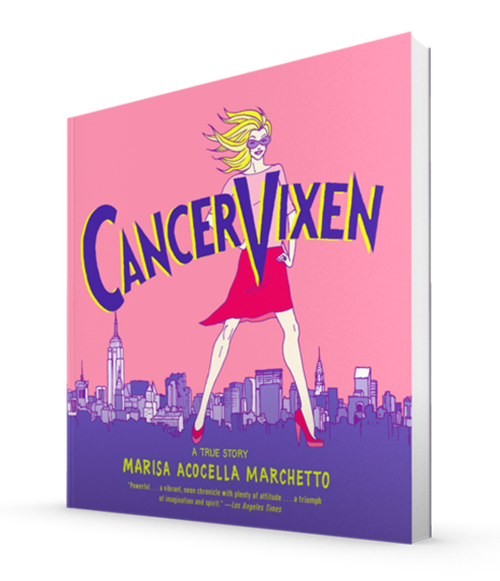
It was a total shock to the system when: At thirty-six, Kelly Corrigan had a marriage        that worked, two kids and a weekly newspaper column.  Yet Kelly still saw herself as the daughter of garrulous charmer George Corrigan.   She was living in the Middle Place – comfortably wedged between her adult duties and her parents’ care. But Kelly is shoved into coming-of-age when she finds a lump in her breast – and gets the diagnosis no one wants to hear.  When George, too, learns he has late-stage cancer,  it was Kelly’s turn to look after the man who’d always taken care of her – and to take the leap and grow up.    Image result for the middle place kelly corrigan
  In her bestselling memoir, The Middle Place, Ms. Corrigan alternates chapters between that difficult year and flashbacks to her childhood, partially for much-needed comic relief and partially to make the point that “you don’t really grow up until you learn to live in the world without the people who made it a safe place for you.”
.
Her second memoir, LIFT,  tells three stories of risk and parenthood, including her daughter’s bout of meningitis.  Kelly has become an expert in crisis and caretaking.           Ms. Corrigan’s writing is lauded by the Today Show, Good Housekeeping magazine         and millions of readers. https://www.youtube.com/watch?v=3BUCCxDk4zQ
.
Kelly Corrigan’s first book, “The Middle Place,” is a memoir about her Irish-American father’s battle with cancer and her own triumph over the disease. It was published on January 8, 2008 (hardcover) and December 23, 2008 (paperback).
.
At its peak, the hardcover reached #2 on the Non-fiction New York Times bestseller list. The paperback has reached #2  on  the  Trade Paperback Non-fiction New York Times bestseller list to date. “The Middle Place” was also recognized by Barnes and Noble as          part of the “Discover Great New Writers” campaign.
.

Shortly after her own battle with breast cancer, Corrigan launched Circus of Cancer, a how-to web site for friends and family of women with the disease. The website includes      a photo album of her own struggle against breast cancer and writings in such categories    as  “Finding a Lump”  and  “Losing My Hair.”   Below is an excerpt from  “Getting the Diagnosis”:

At 1pm, Emily Birenbaum called and said these exact words: “Kelly,  I understand that you called in this morning.  I have the biopsy report and Kelly, it’s cancer.” I called out, “Edward!” and he  came  to  me  and  we  crowded  around  the  phone,  politely asking the simplest of  questions.

“Is  the  test  always  correct?” “Does  it  say  how  much  cancer  there  is?”  “Could it be a false positive?”     After a very short conversation where we learned the phrase ‘invasive ductal carcinoma’, we hung up. The girls were at our knees, needing to be  fed and put down  for a nap. There was so much to do, on so many fronts, that the only thing to do was to start doing.

Corrigan created the annual benefit concert Notes and Words in 2010, and has since raised over $5 million for Children’s Hospital Oakland Research Institute in Oakland, California. An annual event, Notes & Words features bestselling authors and recording artists onstage together at the Fox Theatre in Oakland. The event in 2014 raised over $728,000 and had an attendance of 1900 people. The co-chairs of the philanthropy – Corrigan, Melissa Williams and Kristina Smith – are all grateful parents whose children have received services and care from Children’s Hospital & Research Center Oakland.
 .
The Huffington Post calls Corrigan the “Poet Laureate of the Ordinary” while O Magazine says Corrigan is “the voice of a generation.” Her books The Middle Place and LIFT, reached #2 on the New York Times bestseller list and Corrigan’s reading of her essay on the value of friendship was viewed over 5 million times on YouTube.
.
Ms. Corrigan co-founded the Notes and Words benefit for Childrens’ Hospital and Research Center Oakland. Her new book, a memoir about her mother called Glitter            and Glue, will be published in February, 2014.
 .

  Bestselling author of The Middle Place and Glitter and Glue, Kelly Corrigan shares  her thoughts on motherhoood and the great adventure.  Glitter and Glue is a new memoir that examines the bond — sometimes nourishing,  sometimes exasperating,  occasionally divine—between mothers and daughters.

When Kelly Corrigan was in high school, her mother neatly summarized the family dynamic as “Your father’s the glitter but I’m the glue.” This meant nothing to Kelly,       who left childhood sure that her mom — with her inviolable commandments and proud stoicism — would  be  nothing more than background chatter  for  the rest of Kelly’s life,  which she was carefully orienting toward adventure.

After college, armed with a backpack, her personal mission statement, and a wad of traveler’s checks,  she took off for Australia to see things and do things and Become Interesting. But it didn’t turn out the way she pictured it. In a matter of months, her savings shot, she had a choice: get a job or go home.

That’s how Kelly met John Tanner, a newly widowed father of two looking for a live-in nanny. They chatted for an hour, discussed timing and pay, and a week later, Kelly moved in. And there, in that house in a suburb north of Sydney, 10,000 miles from the house where she was raised, her mother’s voice was suddenly everywhere, nudging and advising, cautioning and directing,   while escorting her through a terrain as foreign as any she had ever trekked. Every day she spent with the Tanner kids was a day spent reconsidering her relationship with her mother,  turning it over in her hands like a shell,  straining to hear whatever messages might be trapped in its spiral.

This is a book about the difference between travel and life experience, stepping out and stepping up, fathers and mothers. However, mostly it’s about who you admire and why, and how that changes over time.  https://www.youtube.com/watch?v=vYmQs8bs1cY

In her TEDxTalk, Kelly explores the value of reading, and why we should do more of it.    In her down-to-earth, humorous style, she shows us how reading is the foundation upon which we build our vocabulary,  which is surprisingly core to who we are,  both professionally and personally. 

Kelly argues that expanding our working vocabulary through reading leads to occupational success, intellectual development and personal connection.   Her hope is that individuals, couples, families, workforces, electorates and communities will read at least 30 minutes a day, exposing us to two million words used in context per year, words that will exponentially impact how we think and connect. https://www.youtube.com/watch?v=_I_M0k-jubQ

 Everyone loves a good story, and that is why we are often tempted to project simplified narratives onto our own complex lives. In this talk, Kelly Corrigan, author of Glitter and Glue, explores the liberating power of acceptance – the act of embracing life in its full complexity.
Posted in Uncategorized | Leave a comment

Spontaneous Regression

.

Whoa, hold the lines, stop the presses!

Every once and awhile (not often) I stumble on a simple, clean, and deep scientific question, such as this one. Let me say, my mouth is watering the same way the mouth waters before a meal.

The question is good, because it is slightly ‘loaded’, but at the same time not so much         so that anyone can address it with whatever topic they like.


For me, Cancer is an interesting topic. Your body is made up of cells, so that you are a multicellular Metazoan. When cells didn’t aggregate to form a multicellular organism,  they tended to behave individually and follow ‘selfish’ rules. Me, me, me.

What can I do to survive? Eat more than you? Yes! Give me.

So that is what happens when cells don’t communicate to others. They don’t play fair, they’re not—as psychologists and evolutionary biologists say—altruistic.

So, because you are a multicellular Metazoan, you are made up of complex arrays (tissues) of cells that each have a particular function. Each of the 10 trillion cells you own knows its job, and understands it needs to communicate with its neighbors, both near and far, to carry out its job best.

By best, I mean for You, the organism. Because, when all your cells (inside their families, i.e. tissues) do what they’re supposed to, when they’re supposed to do it, and under the proper conditions, you do good. When you do good, you can reproduce. So, when your cells communicate properly, they are all behaving selfishly on your behalf, at the expense of other organisms. If you perform better (your choice of definition), then you survive. That’s natural selection in a nut-shell.

Now, in certain circumstances, cells lose this ability to communicate. They “revert”        back to “old” programming, and can start to act selfish again. Boooo! Me. Me. Me.

Then, Cancer.

.
Amazing Human Body – Communication Between Cells.
.
Our body is constituted by millions of cells, which are being renewed, everyday by reproducing themselves and replaced by the new cells till it stops gradually leading us to old age and finally a natural death. If everything goes smooth without any hindrance, we could live a life everlasting. But after some years in a human life, something prevents this re-generation; the reason science is not able to explain.
.
Cells are constantly engaged in a complex communication process and communicate each other every now and then. They work in a very synchronized manner resulting in a healthy body.
.
All these millions of cells are a part of a de-centralized system and this communication between the cells goes on till a person cease to exist. The interesting fact is that we are aware about the activities these complex and hard working cells are engaged for keeping us live. Also we don’t have control over this process.

.

What happens when our cells fail to communicate or ignore the communication they receive from other cells? When cell fails to communicate properly, many of the functions of our body get disrupts and eventually leads to various health issues. For a cancerous cell, they just don’t care about these messages and reproduce themselves without any control making tumor and other type of cancers in our body. Polluted environment, exposure to radiation, life style etc. can damage our cells and adversely affects the proper functioning of cells.

Preview  Inside the living body

 
Our body is constructed amazingly by the creator. The design of human body is impeccable and nothing can be compared to the perfection and complexity of functions a human body handles. The way cells are functioning is a great proof about the wisdom of our creator.
.

Cancer does not kill, as all cancer really is your very own cells that have somehow started to mutate. What kills the body is the restriction of vital nutrients to other “healthy cells”  and the body slowly starves to death from lack of vital nutrients.

This protocol is designed to increase inter-cellular “communication” cycles, and help repair and regenerate “damaged” DNA. Once this happens, cancer cells often return to their “normal” state of existence. This “miracle” is known as “spontaneous regression” – and happens quite often. how do cells communicate with the environment 

how do cells communicate with the environment. 

Cells gather info about their environment BY communicating with one another. They communicate via the genetic code contained in the DNA and with signaling molecules. Signaling molecules include neurotransmitters. Basically, a cell will send out a signal that travels in a vesicle and fuses with another cell. The message then binds to a receptor on the plasma membrane of the target cell, which causes a signaling cascade. After binding, the signaling molecule triggers the cascade by changing the target cell’s shape which leads to a phosphorylation cascade. Eventually a change in gene expression ensues, stimulating the cell to produce many proteins as a response.
 
 
Specific proteins embedded in the cell membrane can act as molecular signals that allow cells to communicate with each other. Protein receptors are found ubiquitously and function to receive signals from both the environment and other cells. These signals are transduced and passed in a different form into the cell. For example, a hormone binding to a receptor could open an ion channel in the receptor and allow calcium ions to flow into the cell. Other proteins on the surface of the cell membrane serve as “markers” that identify a cell to other cells. The interaction of these markers with their respective receptors forms the basis of cell-cell interaction in the immune system.
 
Cells communicate through receptors on their surface; however, when these finely tuned systems don’t work correctly, diseases can be triggered. Professor Yvonne Jones has been working to identify the structural biology of cell surface recognition and signaling complexes. Receptors embedded in the surface are potential targets for therapeutic intervention in many diseases including cancer. Professor Jones is director of the Cancer Research UK Receptor Structure Research Group.  https://vimeo.com/131556557
.

Cells communicate through their own language of chemical signals. Different compounds, such as hormones and neuro- transmitters, act like words and phrases, telling a cell about    the environment around it or communicating messages.

When the pancreas detects a person has just eaten,  example,     it releases the hormone insulin  to tell other cells in the body      to remove glucose from the blood. Just as a person needs ears  as much as a mouth to have a conversation, cells use receptor proteins either on the outer cell wall or inside the cell itself to “hear” different signals.

Once the signal chemical binds to a receptor, that protein     turns on a signaling cascade in the cell that ultimately leads      to the cell’s response. Every cell has receptors that can detect      a lot of  different signals,  so they are constantly bombarded   with biological conversation.  Imagine being in a room and having everyone talking at you at once!

So how does a plant use cellular communication to grow  toward sunlight?

The growing tips of plants produce auxin — a hormone that tells cells to grow and divide — which  is  then  sent  to  the rest of  the plant.  The shady parts  of  a  plant  receive  more  auxin,  which causes  those  cells  to elongate  while  the sunny-side cells don’t. When one side lengthens while the other side stays the same, the plant will bend.

I wanted to note, though, that this is the super-short, incredibly oversimplified response. Cellular communication is inexplicably complicated. For example, these are the pathways associated with a single receptor, the B cell antigen receptor:

The tangled web of B cell interactions, from Cell Signaling Technology

Not only do individual receptors do many things, different responses are linked to          a      wide diversity of receptors and messages. Take the protein Akt, a serine/threonine    kinase  (which means it adds phosphate groups to serine  or  threonine amino acids on   other proteins). Akt is implicated in signaling cascades throughout the body, and is one    of the most important players in cancer signaling:

Entire careers are dedicated to discovering how different signals or intercellular pathways work. By studying cellular communication, scientists hope to uncover key messages or receivers that can be used to alter how cells act. For example, a breakdown in communication is part of what allows cancer cells to grow unchecked. The belief is that if we can untangle the twisted web of chemical interactions within and between cells, we can find ways to steer living tissues to do what we want, whether it be growing organs in culture dishes, giving plants and animals resistance to pests, or fighting off incurable diseases.

When you think about it, basically all of our pharmaceuticals are chemical messages or designed to stop them. Some drugs either mimic or are identical to natural chemical messengers, so when we pop a pill, we’re influencing the conversation going on in our body. Others look enough like them to get stuck where the real ones would bind, blocking messages from being received.

Sometimes, we send signals to our cells when we don’t intend to. There are a number of chemicals we use industrially, for example, the mimic the hormone estrogen, and thus when they enter our bodies, they start telling cells to do things we don’t want them to do. These xenoestrogens have become a huge regulatory problem, and not only because of us, but also because of the effects they have on plants and animals that they come in contact with.

Whether we ever have a controlled conversation with our bodies or not, the more we understand the ways that cells communicate, the more we appreciate just how complex and intricate the mini-machines are. These tiny computers process millions of signals every day. They communicate across unfathomable distances to coordinate disparate    body parts. And though we know a lot about how they work, the microscopic world is      still a very foreign place to us metazoans, and we’re only just beginning to understand what goes on at a cellular level.

Here is a pretty fancy video looking at cell communcation from a big-picture perspective:  https://www.ted.com/talks/bonnie_bassler_on_how_bacteria_communicate

Fruit flies are one of the most well studied organisms and they have provided many clues to how genes interact. This dramatic poem is based on the work of Dr. Ross Cagan of the Mount Sinai School of Medicine who used a clever genetic technique to create flies that carry a mutation that causes a certain cancer in human beings. The flies can live but their eyes are horribly disfigured.
If the flies food are spiked with drugs, however, some of their eyes are partially restored. In one case, one of the drugs was able to almost entirely restore the fly eyes. And then, amazingly!, this drug was shown to be effective as a cancer treatment for those people who have the same hereditary mutations! In this way the flies have provided not only valuable clues into the relationship of genes, but have also directly contributed to the discovery of cancer therapies.

Fruit flies are one of the most well studied organisms and they have provided many clues to how genes interact. This…

How does mindfulness and meditation improve health? Helen Weng, UCSF Osher Center for Integrative Medicine, explains that training our internal mental lives can have positive effects on our minds, health, and relationships.  https://www.youtube.com/watch?v=PCymeuQECOs&t=144s   https://www.youtube.com/watch?v=XlAEjKMXp9k 

This video is Wayne Dyer on the energy inside you.

Wayne Dyer was an American self-help author and motivational speaker.
His first book, Your Erroneous Zones (1976), is one of the best-selling books of all time, with an estimated 35 million copies sold to date.

Wayne Dyer Quotes – “If you change the way you look at things, the things you look at change.”

“How people treat you is their karma; how you react is yours.”

“Be miserable. Or motivate yourself. Whatever has to be done, it’s always your choice.”

“When you judge another, you do not define them, you define yourself.”

“You cannot always control what goes on outside. But you can always control what goes on inside.”

“Conflict cannot survive without your participation.”

“When you dance, your purpose is not to get to a certain place on the floor. It’s to enjoy each step along the way.”

“You cannot be lonely if you like the person you’re alone with.”

“The highest form of ignorance is when you reject something you don’t know anything about.”

“Doing what you love is the cornerstone of having abundance in your life.”

This video is Wayne Dyer on the energy inside you. Wayne Dyer was an American self-help author and motivational speaker. His…

Joanna will speak about the sound therapy and its importance in our lives

Joanna is a qualified and experienced sound therapist and holds an MA in Applied Anthropology, Youth and Community. She has supported children, young people and families for over 15 years within mainstream, special needs schools, youth and community groups. She creates and delivers wellbeing workshops through the use of sound healing, music, drama, mindfulness and breath and body awareness.

Joanna will speak about the sound therapy and its importance in our lives Joanna is a qualified and experienced sound therapist and holds an MA in Applied An…

Burberry CEO Angela Ahrendts talks about the positive and transformative power of human energy.

Burberry CEO Angela Ahrendts talks about the positive and…
Over the past century we have developed technologies, such as mobile phones, that pose a direct threat to our future health, but there is an equally harmful radiation that comes from the earth and could be responsible for many of the health problems facing the modern world. It is called ‘Geopathic Stress’. This documentary looks at the effect of geopathic stress and electromagnetic radiation on our health. For the first time ever, a link is established between them. This ground-breaking documentary is a wake-up call for the modern medical and scientific establishments and also for anyone who has an interest in their own health.
Posted in General News | Leave a comment

How Microorganisms Cause Disease

 The physiology of abnormal states:

Many infections and diseases are caused by microorganisms—organisms that cannot         be seen without the aid of a microscope. But, not all microorganisms cause disease.     There are many bacteria in the environment that don’t make you sick.

How do the pathogens—disease-causing agents—produce infection and disease                    inside the body?

http://www.pandemsim.com/CauseDisease.html 


Pathophysiology: specifically the functional changes that accompany a particular syndrome or disease,
 
Don’t tell me the sky’s the limit when there are footprints on the moon.
 

Pathophysiology or physiopathology is a convergence of pathology with physiology. Pathology is the medical discipline that describes conditions typically observed during a disease state, whereas physiology is the biological discipline that describes processes or mechanisms operating within an organism. Pathology describes the abnormal or undesired condition, whereas pathophysiology seeks to explain the physiological processes or mechanisms whereby such condition develops and progresses. Pathophysiology can also mean the functional changes associated with or resulting from disease or injury. Another definition is the functional changes that accompany a particular disease.

How Pathogens Make Us Sick

Infection with a pathogen does not necessarily lead to disease. Infection occurs when virusesbacteria, or other microbes enter your body and begin to multiply. Disease occurs when the cells in your body are damaged as a result of infection and signs and symptoms of an illness appear. The incidence of disease among those infected varies greatly depending on the particular pathogen and individual susceptibility.
Many of the symptoms that make a person suffer during an infection—fever, malaise, headache, rash—result from the activities of the immune system trying to eliminate the infection from the body.
In response to infection, your immune system springs into action. White blood cellsantibodies, and other mechanisms go to work to rid your body of the foreign invader. Indeed, many of the symptoms that make a person suffer during an infection—fever, malaise, headache, rash—result from the activities of the immune system trying to eliminate the infection from the body.
 .
Pathogenic microbes challenge the immune system in many ways. Viruses make us sick by killing cells or disrupting cell function. Our bodies often respond with fever (heat inactivates many viruses), with the secretion of a chemical called interferon (which blocks viruses from reproducing), or by marshaling the immune system’s antibodies and other cells to target the invader. Many bacteria make us sick in the same way that viruses do, but they also have other strategies at their disposal. Sometimes bacteria multiply so rapidly they crowd out host tissues and disrupt normal function. Sometimes they kill cells and tissues outright. Sometimes they make toxins that can paralyze, destroy cells’ metabolic machinery, or precipitate a massive immune reaction that is itself toxic.
 .
Other classes of microbes attack the body in different ways:
  • Trichinella spiralis, the parasitic worm (helminth) that causes trichinosis, enters the body encased in cysts residing in undercooked meat. Pepsin and hydrochloric acid in our bodies help free the larvae in the cysts to enter the small intestine, where they molt, mature, and ultimately produce more larvae that pass through the intestinal wall and into the bloodstream. At that point they are free to reach various organs. Those that reach skeletal muscle cells can survive and form new cysts, thus completing their life cycle.
  • Histoplasma capsulatum, a fungus that causes histoplasmosis, grows in soil contaminated with bird or bat droppings. Spores of the fungus emerge from disturbed soil and once inhaled into the lungs germinate and transform into budding yeast cells. In its acute phase, the disease causes coughing and flu-like symptoms. Sometimes histoplasmosis affects multiple organ systems and can be fatal unless treated.
The protozoa that cause malaria, which are members of the genus Plasmodium, have complex life cycles. Sporozoites, the stage of the parasite that infects new hosts, develop in the salivary glands of Anopheles mosquitos. They leave the mosquito during a blood meal from a human, enter the host’s liver, and multiply. Cells infected with sporozoites eventually burst, releasing another cell form, merozoites, into the bloodstream. These cells infect red blood cells and then rapidly reproduce, destroying the red blood cell hosts and releasing many new merozoites to do further damage. Most merozoites continue to reproduce in this way, but some differentiate into sexual forms (gametocytes) that are taken up by the female mosquito, thus completing the protozoan life cycle.

Pathogens are microorganisms – such as bacteria and viruses – that cause disease.

Bacteria release toxins, and viruses damage our cells. White blood cells can ingest and destroy pathogens. They can produce antibodies to destroy pathogens, and antitoxins to neutralise toxins.

In vaccination pathogens are introduced into the body in a weakened form.

The process causes the body to produce enough white blood cells to protect itself against the pathogens, while not getting diseased. Antibiotics are effective against bacteria, but not against viruses. Some strains of bacteria are resistant to antibiotics.

Pathogens – bacteria

Pathogens are microorganisms that cause infectious disease. Bacteria and viruses are the main pathogens.

a salmonella bacterium cell

Structure of a salmonella bacterium cell

Bacteria are microscopic organisms. They come in many shapes and sizes, but even the largest are only 10 micrometres long – 10 millionths of a metre.

Bacteria are living cells and, in favourable conditions, can multiply rapidly. Once inside the body, they release poisons or toxins that make us feel ill. Diseases caused by bacteria include:

  • food poisoning
  • cholera
  • typhoid
  • whooping cough
  • gonorrhoea – a sexually transmitted disease
  • allergens

Pathogens – viruses

spherical shaped virus showing a cross-section through the core

A hepatitis C virus showing DNA enclosed in a protein coat.

Viruses are many times smaller than bacteria. They are among the smallest organisms known and consist of a fragment of genetic material inside a protective protein coat.

Viruses can only reproduce inside host cells,  they damage the cell when they do this.    A virus can get inside a cell and, once there, take over and make hundreds of thousands    of copies of itself. Eventually the virus copies fill the whole host cell and burst it open.   The viruses are then passed out in the bloodstream, the airways, or by other routes.

Diseases caused by viruses include:

  • influenza – flu
  • colds
  • measles
  • mumps
  • rubella
  • chicken pox
  • AIDS

Functions of the white blood cells

A white blood cell ingesting disease-causing bacteria

A white blood cell ingesting disease-causing bacteria.

White blood cells can:

  • ingest pathogens and destroy them
  • produce antibodies to destroy pathogens
  • produce antitoxins that neutralise the toxins released by pathogens

In a written examination, it is easy to get carried away and waffle on about things           such as invaders and battles, but stick to the point. Note that:

  • the pathogens are not the disease – they cause the disease
  • white blood cells do not eat the pathogens – they ingest them
  • antibodies and antitoxins are not living things – they are specialised proteins

More about white blood cells

There are several different types of white blood cells, each with different functions,          but they can be put into two main groups:

  • phagocytes or macrophages
  • lymphocytes

Phagocytes

Phagocytes can easily pass through blood vessel walls into the surrounding tissue and move towards pathogens or toxins. They then either:

  • ingest and absorb the pathogens or toxins
  • release an enzyme to destroy them

Having absorbed a pathogen, the phagocytes may also send out chemical messages that help nearby lymphocytes to identify the type of antibody needed to neutralise them.

Lymphocytes

Pathogens contain certain chemicals that are foreign to the body and are called antigens. Each lymphocyte carries a specific type of antibody – a protein that has a chemical ‘fit’ to a certain antigen. When a lymphocyte with the appropriate antibody meets the antigen, the lymphocyte reproduces quickly, and makes many copies of the antibody that neutralises the pathogen.

Antibodies neutralise pathogens in a number of ways:

  • they bind to pathogens and damage or destroy them
  • they coat pathogens, clumping them together so that they are easily ingested by phagocytes
  • they bind to the pathogens and release chemical signals to attract more phagocytes

Lymphocytes may also release antitoxins that stick to the appropriate toxin and stop it damaging the body.

https://courses.lumenlearning.com/microbiology/chapter/how-pathogens-cause-disease/

Inline image 1

Six Guiding Principles to Being Food Smart

As The Stupid Diet suggests, there are six guiding principles for identifying high-quality foods. The first is Organic and Grass-Fed Foods, which means any food free of synthetic pesticides, fertilizers, herbicides or fungicides; genetically modified organisms (GMOs) such as seeds or ingredients; sewage; antibiotics or added growth hormones; animal byproducts and other undesirable substances in animal feed.

Organic fruits and vegetable juices will help combat the side effects of chemotherapy. There are over 2,000 papers cited worldwide on the benefits of antioxidants to patients during and after treatment (regardless of what conventional oncology states). Learn about the power of live (i.e. not concentrated or synthetic) foods and juices.

Furthermore, organic standards require that the animals are treated humanely, in pastures instead of warehouses, so that their living standards accentuate their health and natural behavior.

The second principle is food that is hypoallergenic, meaning it is unlikely to cause an allergic reaction. Most people are aware of what happens when folks with food allergies eat their version of Kryptonite, such as peanut butter – the throat swells up or they get hives.

However, it is estimated that 75% of Americans actually have food sensitivities to various degrees. These types of food reactions are harder to detect, because of their subtlety, delays and they produce symptoms that appear unconnected to a food reaction, such as headaches, acne, fatigue, digestive pain, chronic infections, depression, mood swings, joint pain and much more.

These sensitivities are generally caused by allergens and are further complicated by chemical toxins, additives, genetically modified organisms and whatever other junk is put into our food.

As you may know, your body has a certain pH level that it needs to maintain to remain functional. A more alkaline environment (meaning the opposite of acidic) is ideal, as this is better for cellular communication and function, the transport of oxygen and nutrients. In contrast, an acidic environment is the exact opposite, making it very hard for cells to do their job. If you want to prevent disease, you want to keep your physical constitution as alkaline as possible. Increasing intake of organic vegetables, fruits loaded with live enzymes and high-quality water can help.

You also need to balance your glycemic index, or the rate at which your blood sugar levels rise after eating certain foods. After eating, glucose, the sugar from the food, is released in the bloodstream. Then, insulin, a hormone produced by the pancreas, transports the glucose through the bloodstream and to cells, thus regulating blood sugar levels. Our cells use the glucose as fuel, for growth and recovery.

Cancer cell grow faster in sugar and high fructose corn syrup. Cancer cells are anaerobic, using glucose and fermentation as an energy source. Candida and fungal infections also feed on sugars. (Most cancer patients also have fungal infections as the disease progresses for some of the same metabolic reasons.)

So the glycemic index evaluates the rate food releases glucose into the bloodstream. A faster release is given a higher value and a food that has a slower release has a lower value. Now, foods with a high GI cause rapid fluctuations in blood sugar levels, which, over time, screw up the insulin receptors on the cell membranes, making them less responsive or even resistant to insulin. When this occurs, it’s known as Type 2 Diabetes. Over 80% of people of people with this condition are obese or overweight and excessive fat cells exacerbate the problem, increasing insulin-resistance.

On the other hand, low GI foods can actually reduce insulin levels and insulin resistance, helping to control appetite and delay hunger. Disruption in insulin levels has been shown to affect everything from cardiovascular disease to immunity problems and research shows that risk from heart disease or Type 2 Diabetes is strongly related to the GI of your overall diet.

If you follow The Stupid Diet, you will eat combinations of foods that help slow the absorption of glucose and sustain those levels over a longer period, preventing extreme hunger or lack of energy (like many side-effects from fad diets). Balancing your GI is essential to long-term health and prevention of disease.

It is also very important to support your immune system with immune-supportive foods. After all, your immune system is your first and last defense against destructive elements in the body. This type of intake falls back on earlier points, such as avoiding allergenic foods, balancing alkalinity, etc. As you can see, it’s all interconnected.

A clean, efficient and strengthened immune system that isn’t weighed down with attacking allergens, toxins or inflammation is free to wage war on things like infection and cell mutations. As you may know, even the smallest of infections can lead to worse conditions, such as cancer. For example, human papillomavirus can lead to cervical cancer and hepatitis C can lead to liver cancer. Not to mention, it’s estimated the average immune system terminates cell mutations and their development into cancer cells over 10,000 times per day.

It goes without saying your immune system requires everything it needs to function at its best. Eating high-quality, nutrient-rich foods is the primary way to give your body a chance of overcoming and preventing disease.

Last but not least, there’s detoxification. Avoiding exposure to toxins in our industrial world is nearly impossible, unless you lived in a magic bubble. Therefore, it’s important to eat foods that flush toxins from the body, so toxins don’t build up. Yes, the body detoxifies itself naturally, but given the ever-increasing amount of toxins in our everyday environments, it’s important to really make sure this function runs at full capacity. Some antioxidants like glutathione help clean the liver and neutralize the effects of harmful medications for patients dealing with chronic disease and cancer, making it an important part of cancer nutrition.

Detoxification is key when fighting infections, because dead bacteria (such as Lyme disease) can release harmful neurotoxins. If you’re trying to recover, it makes no sense to get further sick by the byproducts of the war waging inside you. Detox is also key when losing weight because toxins can remain stored in fat tissue. As that weight is shed, years of accumulated toxins are released into the bloodstream.

Certain foods that promote healthy urination, bowel movements and support live function are the best detoxifiers, as these are the primary elimination points within the body.

Hopefully, explaining these dietary habits will help you understand how dieting really works and that it’s important to aim for more than shedding pounds, but an overall healthy body, like a well-oiled machine.

Learning these habits may be difficult at first, but over time, as you develop healthy   dietary routines, you will begin to reap the benefits of your hard work and begin to live a new life that is healthy, energized and strong. Whether used as prevention or as an adjunct to treatment, getting the food right will help you. Keep it simple and once you learn these principals, you can create many wonderful recipes for yourself and your family.

The best part about these treatments is they are helpful for most, if not all cancers.

If you have questions about your specific cancer or if you have any questions about chronic disease treatment, chronic Lyme disease complex treatment, integrative cancer treatment, recovering the strength of your immune system or other questions, feel free to contact us today at:     https://www.envita.com/cancer/smart-foods-that-impact-your-fight-with-chronic-disease-and-cancer 

Related image Caroline Porter Thomas is the founder                       of EmpoweRN inc. and the author of “How to Succeed in Nursing School: Before,           During and After” and “New Nurse?  How to Get, Keep and LOVE Your First Job!”  https://www.youtube.com/channel/UCmhPgswuoCd–XV4Lu34Kkw

Both of which offer a revolutionary approach to achieving success in nursing school and on the nursing job.  Caroline graduated from Fayetteville State University, in May 2008, with a bachelor’s degree in nursing.  Currently, she works as a Registered Nurse in Miami FL, with Parallon Workforce Management Solutions.  Which offers Per Diem supplemental staffing to Local Hospitals.    Welcome & thank you for visiting EmpoweRN.com:   http://empowern.com/


Day of the Dead 2017
 

Posted in General News | Leave a comment

Autumn Magic

Image result for Autumn magic

The landscape shows many clear features of glaciation which is the forming, existence      or movement of glaciers over the surface of the earth.  https://www.youtube.com/watch?v=kuHkt31zg9U

I found this article about the goiter belt to be quite interesting—what it is and what causes it.

The medical world has known about this belt for over 50 years,  and they have attributed it to low  iodine content in the soil. A lack of iodine in the diet causes low thyroid and goiter, which is simply swelling the thyroid gland.

The problem with this old hypothesis about the connection between iodine and goiter        is that the United States has required for years … that all salt in the Great Lakes Region contain supplemental iodine, yet the incidences of low thyroid across the US … have not dropped as significantly as expected. Hypothyroidism is still a prevalent problem across the entire US and not only in the goiter belt. There must be some or many other factors contributing to this problem.


.
Researchers most recently blame two things for the hypothyroidism epidemic: chemicals/toxins in the water and soil and low content of other essential minerals like selenium in our soil.Over the years, we’ve either released (through mining and other practices harmful to the earth) or disposed of harmful chemicals into our soil and water. Coal-mining produces dihydroxybenoic acids that lower thyroid function. Any water and soil in areas of the US near coal mines probably contains these toxins (Stephen E. Langer, Solved the Riddle of Illness).
.
The CDC has done studies showing that perchlorate, a toxin from (of all things) rocket fuel is showing up in the soil of California primarily in higher than safe concentrations. This toxin actually damages the thyroid. Fire-repellant/retardant causes thyroid problems in cats, and probably in humans as well although I haven’t found a study to support it. In the end, it’s really hard to diagnose what is causing the thyroid problems because it could be any number of chemicals from any number of sources. Sometimes, it’s simply necessary to take medication to counteract the effects of these and other unknown toxins.
.
The second blaming factor for hypothyroidism in the US is the lack of other essential minerals and vitamins in our soil and our diets that make it impossible for our bodies to convert T4 into T3 and other usable forms of thyroid hormone. Dr. David Brownstein     gives a short list of these in his book Overcoming Thyroid Disorders: some of the lacking minerals and vitamins are iodine, iron, selenium, zinc, vitamin A, vitamin B2, vitamin B6, vitamin B12.
.
As much as the FDA doesn’t like the idea of people using vitamin supplements, in some regions of the country, it may be necessary to make up for soil depletion.
.
If you’d read Dr. Brownstein’s book on iodine you will find information on how many of the thyroid damaging chemicals we have surrounded ourselves with are ones that contain bromides (flame retardants for instance), fluorides and chlorides which compete for iodine receptors. In other words, they make us more iodine deficient.
.
I wish there was an easy way to find out which vitamins and minerals your soil is lacking, but I don’t think there is. It might be best just to supplement, but look up the problems associated with taking too much of any one of these vitamins/minerals and notice if you start having any of those symptoms.
.
Remember, taking too much of any vitamin or mineral is as bad as not having enough. Too much iodine can actually cause thyroiditis. How close a correlation is there between the identified area know as the goiter belt and the limit of the last era of glaciation? Could it be that the glaciers had some thing to do with the level of minerals in the soil?
.

Also, why does the map shown not include the areas of Canada that also lie within the affected zone? I was always told that the lack of iodine in the diet was highest around the Great Lakes and that the cause was due to a dependence on fresh water fish in the diet which have little or no iodine as opposed to sea water fish that contain iodine.

 “Why do we need iodine in our food intake” you ask? Iodine is the ingredient that activates the thyroid and makes it work. Your thyroid can malfunction by being hyper active or hypoactive. Under, or over active. Either of these is bad. There are many visible cues that tell us that a thyroid is malfunctioning. Doctors tend to notice it more in men than in women, in part because when they see the symptoms and then take blood tests to measure, the blood tests are normed entirely for men and not for women.
.

So a woman’s score will be the same as if she is a man. This leads to many problems because women tend to store iodine in their breast tissue. The breast are intense receptor sites for iodine and it tends to go to them and not to the rest of the body. Therefore the thyroid does not get enough, for many women, even if they are taking supplements or eating iodine enriched foods.

There are also issues with the “chemistry set” manipulations of whole health thinking.

We add fluoride and chlorine to our water for health reasons.   These are important considerations,  but these ingredients will counteract the iodine supplements that people obtain to make their thyroids work properly. It is complex and needs to be discussed with your physician. Listen to our podcast to get some information you may need and then see if you need to talk to your own doctor about your thyroid.

At what age do women usually start developing breast cancer….?

I went to the American cancer societies web page Cancer Facts & Figures 2017 and you can see cancer rates by state  and site of cancer.

Breast cancer in Ohio
incident – 129.9 per 100,000 women
Mortality – 27.8 per 100,000 women

National
Incident – 111.9
Mortality – 24.8

Most alarming, the state of Ohio ranks 4th in the nation in breast cancer mortality, with a rate of 24.8 per 100,000 individuals, but both the state and local rates are higher than the national average of 22.6.
..

Cancer comes in many different forms – with different problems accompanying each!

We have spent over 30 years searching for natural answers that can help cancer, or a particular types of cancer.  Medical has also looked for a magic bullet that will help all cancers.  Alas, so far that hasn’t happened.

That is, of course, until we found Dr. Li’s research that inspired our blend of extracts, enzymes and nutrients in our AngioGenesis Factor supplement.  It has been designed to fight ALL types of tumors by helping the body dissolve the blood vessels that feeds the cancer tumors.  We have been extremely happy with it and you can also read about it in   Cancer Protocol.

However, the topic of this article is the role of Iodine in the fight against some specific cancers.

Take Iodine for Breast, Prostate or Thyroid Cancer!

(If not, you may be missing a very helpful and very inexpensive aid.)

We like to base recommendations on clinical studies.  In this case, the evidence is not direct proof – but there is a substantial amount of indirect evidence for taking iodine to fight these cancers.

It does makes sense.  Iodine is an essential trace element. Since the body cannot make elements, we must get iodine from food and drinking water.  The ocean, of course, is the largest source because a lot of iodine has been leached out of the land into the ocean.  In fact, even land far removed from the oceans can have low iodine levels (such as the “goiter belt” in the U.S. Midwest).

This geographical association of the prevalence of goiters and reproductive cancer problems was addressed a long time ago by adding iodine to table salt.  This is especially true regarding one of the most serious forms of cancer there is – thyroid cancer!

If you’re over 60 years old, you might be interested to know that autopsy studies have shown that up to 100% of men and women over 60 have thyroid cancer!  Fortunately,   the overwhelming majority of these cancers are benign.  They rarely cause a problem     and are often only accidentally discovered.

One reason is that thyroid cancer comes in several different forms. The most common    and least dangerous form is papillary carcinoma.  The potentially dangerous forms are the follicular and the anaplastic carcinomas.

Image result for Autumn magic

What We Know About Iodine and Thyroid Cancer

One review article says this about the most dangerous forms of thyroid cancer (follicular and the anaplastic carcinomas):

“Circumstances and conditions which cause iodine deficiency, through suboptimal  intake in water and food… have been associated to increased risk of thyroid cancer, most notably follicular and anaplastic carcinomas…. At least in some countries (Switzerland), a favorable impact of the introduction of iodized salt on mortality from thyroid cancer has been reported.”

In another paper, the author states,

“Animal experiments have demonstrated a clear increase in incidence of thyroid epithelial cell carcinomas after prolonged iodine deficiency …. However,  the overall incidence of differentiated thyroid carcinoma is generally not considered to be influenced by the iodine intake of a population, whereas the distribution of the types of thyroid carcinoma seems to be related to the intake of iodine, with fewer of the more aggressive follicular and anaplastic carcinomas and more papillary carcinomas in iodine rich areas.”

Studies show iodine does what lutein, zeaxanthin and beta carotene cannot do. This is implying that taking more iodine,  not so much in prevent the benign forms of thyroid cancer, but in possibly helping prevent the aggressive, dangerous forms!

Since all of us over 60 already have thyroid cancer, all we need to really be concerned about is whether or not the cancer we have is the aggressive kind or not.

Here is How it Works

   Iodine is necessary for the production of thyroid hormones, enzymes and is involved in numerous biochemical pathways. Insufficient iodine intake can cause abnormal neuronal development, mental retardation, congenital abnormalities, spontaneous abortion, miscarriage, congenital hypothyroidism, infertility, goiter, and as well appears to increase the risk of thyroid, breast, prostate, and gastric cancer.  

   For example, after the Chernobyl disaster, thyroid uptake of radioactive iodine was enhanced by an iodine deficiency.  Now, large doses of potassium iodide are considered the best protection for the thyroid in the event of exposure to radioactive iodine. Some individuals living downwind from nuclear power stations actually keep a bottle of high-dose potassium iodide on hand in case there is an accident.
  • Iodine is critical for the formation of thyroid hormones.
  • And thyroid hormones are essential for life.

They are the hormones that specifically tell the cells to do what they are supposed to do.  So when you’re iodine deficient, your cells stop working and things start falling apart.

The brain then registers this and sends stimulating signals to the thyroid to produce the hormones the body needs so badly. This causes the thyroid to overwork, and eventually the over stimulation of the thyroid gland can result in the formation of an aggressive thyroid cancer.

The best form of iodine is called Lugol’s Solution.  It was developed way back in 1829 by, of course, Dr. Lugol.  It is a mixture of potassium iodide and elemental iodine. You can buy it at Amazon in either a liquid or a tablet but the tablet form is the best way to take it.

Dosage

Most adults take one 12.5 mg tablet per day (which is considerably more than most multivitamins include).  This 12.5 mg is the average amount of iodine that Japanese  men and women get in their diets. (And the Japanese have much lower risks for both prostate and breast cancer.)

And here’s an interesting statistic. When Japanese men and women move to the U.S.     and adopt a Standard  American Diet S.A.D. (containing only a fraction of the iodine        in the traditional Japanese diet) they have the same cancer risks as Americans!

As early as 1976 it was postulated that iodine deficiency was associated with the risk          of prostate, endometrial, ovarian and breast cancer. This was based on geographical associations of the prevalence of goiter and the incidence of reproductive cancers.

All this suggests that a larger dosage of iodine than the “minimum” is worth considering

http://www.tpauk.com/main/article/iodine-breast-cancer-choices/

Preview  Iodine and Cancer…What they are not telling you!!!!

Posted in General News | Leave a comment

What is Estrogen Dominance?

48-foods-balance-hormones-boost-metabolism-lose-weight

(It’s probably not what you think!)

Estrogen gets a bad rap for so many things. Women hear that too much estrogen causes breast disease, and too little causes everything from hot flashes to hair loss in menopause. We also hear from many women with concerns about “estrogen dominance” — a state of high estrogen levels blamed for a wide range of distressing symptoms as well as fibroids, endometriosis, hypothyroidism and breast cancer, too.

While excessive estrogen can lead to problems, it’s a little more complicated than simply “too much estrogen.” To manage all your symptoms, it’s important to understand how your individual estrogen levels are related to your other hormones — particularly progesterone and testosterone. For example:

Some signs & symptoms of high estrogen-to-progesterone ratio

  • Unwanted hair growth
  • Irritability
  • Breast tenderness
  • Water retention
  • Weight gain
  • Cyclical migraines
  • Headaches
  • Mood swings
  • Skin outbreaks
  • Digestive imbalance
  • Fuzzy thinking
  • Irregular periods / anovulatory cycles
  • Breakthrough bleeding, spotting

Some conditions associated with relatively high (or “unopposed”) estrogen levels

  • Uterine fibroids
  • Menorrhagia (heavy bleeding)
  • Endometriosis
  • Menstrual migraines
  • PMS
  • Breast/gynecological cancers
  • Lupus
  • Are your estrogen levels holding steady in perimenopause, while your progesterone levels are plummeting?
  • Have your estrogen and testosterone levels been well above normal reference ranges, while progesterone has always been low?
  • Or, are you adding extra estrogen unknowingly through certain lifestyle choices?

Each of these common scenarios — and many others — can create imbalance between     the ratio of estrogen to other hormones and lead to problematic symptoms.

The good news is that by better understanding what underlies estrogen imbalance,          you can determine your best natural options for feeling better. Let’s take a closer look.

Why estrogen dominance is about progesterone and testosterone, too

A healthy woman’s body maintains appropriate ratios of estrogens, progesterone, and testosterone throughout life. A complex set of feedback loops determines how much or little of each hormone is being made at any one time. This ongoing communication takes place between the brain, the ovaries, and the adrenal glands, acting in concert with all your other bodily systems.

That’s why we use the phrase hormonal balance when we talk about “normal” ratios of hormones. But hormonal balance doesn’t mean a steady-state, equal balance — like the scales of justice or a perfectly balanced see-saw — but a dynamic equilibrium. Within this dynamic there are reference ranges. When your hormones fluctuate outside of these ranges, that’s when you are most likely to experience symptoms.

Fluctuations in estrogen can have dramatic effects on how we feel, think, and function. Compared to other hormones, estrogen is very tightly regulated by the body, and it’s more powerful in smaller amounts than other steroid hormones. Even tiny changes in estrogen levels can cause symptoms.

When ratios aren’t normal: Three experiences

Keep in mind that your hormones are continually changing — even on a moment-to-moment basis. Diet and lifestyle have a tremendous effect upon your entire neuroendocrine (brain-hormone) system — and directly impact your estrogen and overall hormonal balance. So do your genes, which influence not just how your body produces hormones, but how it responds to them.

Day of the Dead 2017Estrogen Dominance Diet

48 Foods to Balance Your Hormones, Boost Your Metabolism, and Lose Weight.
 

Our hormones control our metabolism, mood, digestion, and libido. On the other hand, if our body lacks important nutrients, the production of hormones will be obstructed, and these functions will be compromised. This means that your choice of food actually stimulates of obstructs the production of hormones.

The balance of all micronutrients, fat, protein, and carbohydrates is of high importance for the health.

Fat is vital for the hormonal imbalance, even though we are often told to avoid fats. Actually, healthy fats support the production and the balance of hormones.

Fatty acids and cholesterol help the production of fats, so their deficiency will cause hormonal imbalance, especially

Hormone- balancing meals should involve healing herbs, antioxidants, protein, and healthy fats. You can choose some of the categories given below and combine your own healthy breakfast:

HEALING SPICES AND HERBS

  • Garlic
  • Turmeric
  • Cinnamon
  • Cumin
  • Ginger
  • Cayenne

ANTIOXIDANT-RICH VEGETABLES

  • Dark green veggies ( cilantro, spinach, asparagus, collard greens, broccoli, cabbage kale)
  • Brightly colored veggies ( red/white onions, carrots, tomatoes, red cabbage, and green/red/yellow and orange bell peppers)
  • Starchy vegetables (turnips, sweet potatoes, yucca, artichokes, beets, butternut squash, spaghetti squash)

PROTEIN

  • Seeds
  • Soaked or sprout nuts
  • Beans
  • Lentils
  • Organic pasture-raised/grass-fed chicken, beef, turkey, elk, bison, pasture-raised eggs
  • Quinoa
  • Wild caught fish

HORMONE-BALANCING HEALTHY FATS

  • Nuts and seeds ( flaxseed oil, soaked nuts, and seeds, olives, fermented cod liver oil, olive oil hemp seed oil, raw cultured dairy product)
  • Avocados ( they are a rich source of folic acid, fiber, magnesium, potassium, vitamin E, B-vitamins, and healthy fat)
  • Egg yolks ( They are high in nutrients which support hormonal balance, healthy skin, and contribute to a healthy reproductive system, including calcium, iron, chlorine, phosphorus, potassium, and vitamins A, D, E, B2, B6, and B9)
  • Coconut oil ( it has lauric acid, which stimulates hormonal production and is beneficial for the skin, boosts the metabolism, and fights off bacteria and viruses)
  • Raw butter ( it includes fat-soluble vitamins like A,D,E, and K2, which are important for the production of hormones, as well as medium-chain fatty acids which strengthen the immune system, treats bad bacteria and viruses, and boosts the metabolism)

Read the full article here: 48 Foods to Balance Your Hormones, Boost Your Metabolism, and Lose Weight

 https://www.youtube.com/watch?v=9RoGI-CWKKg

Let’s look at the experiences of three women, each of whom has “estrogen dominance” issues.


What could she do to help her symptoms?A daily, top-notch multivitamin–mineral complex could help Kylie get more B-complex vitamins and omega-3 fatty acids — nutrients that favor proper energy regulation and estrogen metabolism. This in turn will help improve her sleep, decrease her cravings,     and reduce the fatigue, irritability, and anxiety she experiences.

Scenario 1: Adding estrogen through lifestyle

Kylie, 23, is in her last year of college — squeezing in every party while still keeping her 4.0 average. Lately, she’s felt fatigued, anxious, and tense just before her period, and her irritability quotient is off the chart. She’s had these problems since puberty, but they’ve gotten much worse in college.

What’s happening? Many women unknowingly alter their estrogen metabolism through lifestyle choices. Kylie’s social drinking is moderate, but she regularly burns the candle at both ends and relies on a caffeine fix the next day. And her college-student diet of fast food isn’t helping. All these factors could be slowing her liver’s capacity to metabolize estrogen, and Kylie could also be lacking key nutrients.

Scenario 2: Plummeting progesterone in perimenopause

What could she do to help her symptoms?Women with plummeting progesterone in perimenopause have several natural options     to consider. A good place to start is with an endocrine-balancing phytotherapeutic formulation,  especially effective along with dietary and lifestyle changes.  Sue may also want to consider acupuncture and/or a trial of prescription-strength bioidentical progesterone before opting for a surgical solution.

Sue, 46, has had occasional menstrual migraines for years, but now she’s experiencing unpredictable and extremely heavy periods, too. An ultrasound revealed she has a large uterine fibroid. Her practitioner is recommending a hysterectomy, but Sue is looking for a less invasive alternative.

What’s happening? A sharp decline in progesterone right before your period can  trigger a menstrual migraine.  And if it occurs when your estrogen is also declining    (which is common at Sue’s age), the drop-off can lead to erratic or excessive bleeding. Also, the relative abundance of estrogen in comparison to progesterone can support development of uterine fibroids.

Scenario 3: Extra estrogen after menopause

Valerie, 55, is in early menopause. Despite constant dieting, she is struggling with   steady weight gain. She’s always been a little heavy in her hips and thighs, but now         it seems like the less she eats and the more she exercises, the more weight she gains.

What could she do to help her symptoms?Valerie shares a problem with many women today, who would benefit greatly from     piling on the vegetables. It sounds simplistic, however plant foods contain two things — phytochemicals  and fiber — that enhance estrogen metabolism in the body and support healthy weight.  Adding phytotherapy,  including soy isoflavones and herbs such as red clover and kudzu,  can further benefit her estrogen metabolism,  help her detoxify any toxins in her system, and promote healthy estrogen metabolism.

What’s happening? Some women’s bodies are more prone than others to accumulate  fat — especially around the waist, hips, and thighs. This is a survival feature that can be beneficial for women in menopause because body fat produces estrogen and other hormones.

But in this day and age, extra fat in menopause can be problematic. Our fat cells produce excess estrogen, and we often have trouble metabolizing it,  especially when our food is less than ideal. Endocrine disruptors in our environment known as xenoestrogens cause even more excess estrogen to accumulate in our fat cells, disrupting our hormonal metabolism and balance still more.

Resolving estrogen dominance — the Women’s Health Network approach

No matter what your age or individual levels of hormones, there are ways to give your body the natural support it needs to build better hormonal health. For most women, a combination approach works beautifully.

Phytotherapy — a gentle approach to a complex issue. If you are like many women,  you can probably benefit from an approach that incorporates phytotherapy.  We’ve found the following medicinal herbs to be beneficial for women with symptoms      of estrogen dominance:

  • Black cohosh
  • Ashwagandha
  • Chasteberry

The use of a well-balanced botanical formulation such as our Herbal Equilibrium                is most effective when combined with nutritional and lifestyle modifications.

Dietary and lifestyle changes. Lifestyle is a critical factor in the production and storage of estrogen, progesterone and testosterone to support hormonal balance. Here    are four simple elements to start with today.

  • Limit exposure to xenoestrogens. Choose organic foods when possible, and    wash your produce. If you include animal foods in your diet, select those that were sustainably raised without hormones and harmful chemicals. Avoid plastics for heating or storing food, and limit body care and cleaning products to those with all-natural ingredients.
  • Eat a natural, plant-based diet. Eating lots of vegetables provides fiber, which feeds the beneficial flora in your intestines, which help you metabolize your hormones the way Mother Nature intended. Plant foods also provide your body with phytoestrogens, which protect your body from damaging xenoestrogens. Good choices include legumes, licorice, yams, and anything in the broccoli/cabbage family. Foods to avoid include those made with refined flours, sugars, partially hydrogenated fats, and artificial ingredients.
  • Restore balance with supplements. We generally recommend high-quality daily nutritional supplements to help restore a woman’s hormonal balance. Because they work as molecular messengers, nutrients such as B-vitamins and omega-3 fatty acids can help increase your body’s ability to balance its hormone ratios.
  • Manage stress levels. Most women have skipped a period or two while under stress—one obvious effect of stress on our hormonal cycles. In relation to estrogen dominance, one theory is that stress fuels chronically high levels of adrenaline and cortisol, stress hormones known to alter the feedback loops regulating our sex hormones.

Even with this type of support, there are still many women whose bodies produce               an abundance of estrogen. These women may continue to experience symptoms              and conditions associated with estrogen dominance.  Such women may find             dramatic improvement by adding bioidentical progesterone. If this describes you,         then it’s    probably worthwhile to talk to your practitioner.

Find your unique path to hormonal balance

The concept of estrogen dominance came to the forefront of women’s health through the work of Dr. John Lee, who pioneered the idea that low levels of estrogen are not the only cause of menopausal symptoms. While we understand now that the equation isn’t as simple as “Too much estrogen — just add progesterone,” Dr. Lee captured the public’s attention and moved us all forward in how we view the complexities of hormonal balance. Read more in our short article estrogen levels and estrogen dominance. As we continue learning more, we intend to keep looking for gentle interventions that restore balance best — and most naturally.

Estrogen Effect vs. Progesterone Effect

As mentioned earlier, progesterone acts as an antagonist to estrogen. For example, estrogen stimulates breast cysts while progesterone protects against breast cysts.

Estrogen enhances salt and water retention while progesterone is a natural diuretic. Estrogen has been associated with breast and endometrial cancers, while progesterone  has a cancer preventive effect. Studies have shown that pre-menopausal women who   were deficient in progesterone had 5.4 times the risk of breast c ancer compared to   healthy women.    How to test for estrogen dominance?

.
Posted in General News | Leave a comment

The Tipping Point

Image result for jessica lynne music

When I first arrived in the States with the high flying ambition to “make it” in the music industry,  someone once told me  that the difference between the ones who make it and  the ones who don’t is perseverance. You would think it would be talent, or even money.

But  it makes sense that the ones who actually make it are the ones who never give up.

When I really decided to listen to my heart and do what makes me happy I traveled from my home in Denmark to Seattle, WA – almost 5,000 miles, to pursue my dream of being country music artist. I have made a good life for myself and I still have those high flying ambitions. However, with how incredibly challenging the road has been it’s astonishing that I haven’t given up yet and chosen a different path.   So how does that tie into the survivor mindset that Ken is talking about?

In my experience the survivor mindset has to do with a combination of thoughts and outlook on life and the way you choose to react to your surroundings.  Without the strong vision I would never have won the title of Washington State Winner of the Texaco Country Showdown in 2013. You can see the performance here: https://www.youtube.com/watch?v=i0GEo8r9Gww    https://www.youtube.com/watch?v=nxopmUsxDD0

Country music artist Jessica Lynne hails from Denmark and now lives in the USA. (Photo for The Danish Pioneer Newspaper courtesy of Jessica Lynne) Let me be clear, I have never had to survive cancer or anything like that.  Life has thrown a very different scenario at me. I survived religious indoctrination and the programming of behaviors,  thoughts and values  that were very suppressive for me that was negative  and  so far away  from   my true self.  Because of this I have gone through many hours of therapy and self help.

I have dedicated my life to “re-programming” my mind toward positivity and happiness.

I now believe that we are a product of our thoughts, and that the world reflects who we are on the inside. This is a far cry from what I was taught as a child, that life happens to us and the world is something external that we react to.

I want to refer you to an author named Barbara Frederickson, who has done extensive   research on positivity and the effect on our lives. Her books Positivity and Positivity 2.0 are amazingly enlightening. Her research show that true contentment and happiness boils down to a happiness ratio of 3 to 1.   She calls this the tipping point.   What does that mean?  It means that for every negative thought, word or action we need 3 positive ones to even out the negative one.

3 to 1 is the tipping point for true contentment and happiness.

“But I am such a positive person!” Are you… really? When I took the test the first time       4 years ago, my initial attitude was exactly that. The test revealed something completely different however. My thoughts and my emotions especially revealed that I had far to go before I could truly declare that I was a positive person.

I actually only had a ratio of 2 to 1 at the time. This isn’t necessarily bad. At least I had   two positive thoughts for every negative one.  That’s quite the feat.  But it was far from    who I wanted to be.

A lot of people walk around with the assumption that they are way more positive than they actually are. I know, I was one of those people. Even years after working toward that goal.  I still hadn’t even reached the tipping point. We may be positive on the outside but also harbor years of resentment on the inside. S0 If you truly aspire to have a survivor mindset, these thoughts are well worth looking at.

Listen to your self talk. Become the observer of your thoughts. And when you catch yourself in a negative thought or uttering a negative sentence,  s0 how do you treat yourself afterwards?

For the purpose of this blog post (and out of mere curiosity) I took the test again.                 I now (at this moment in time) have a positivity ratio of 10 to 1.

I am not mentioning this to boast or reflect how far I’ve come, but to give hope. The hope is that even the most negative of minds can turn into a survivor mindset.

Footnote:
You can test your own positivity by taking the positivity test here: http://www.positivityratio.com/single.php

Contact Jessica at: https://www.facebook.com/jessicalynnemusic/

or though her website www.jessica-lynne.com

Preview Jessica Lynne – Calling Me Home

Official Music Video

Posted in Thought Provoking | Leave a comment

Is This What Hell is Like

Image result for lyme warriorNancy Hunt-Remick,  50 of Ellsworth Maine battled pain and fatigue for years — until she uncovered the sneaky culprit and fixes that restored  her vitality.

Nancy Hunt-Remick runs Coastal Health & Wellness Therapeutic Massage and Holistic Healing. It is located at 567 Bangor Road in Ellsworth.

In her own experience with Lyme disease, which she has had for almost two years, Hunt-Remick learned that using an infrared sauna could be helpful as something that would “enhance her healing.”

She found out there were no such saunas available locally, however, and traveling long distances was not a realistic option. So she and her husband decided to invest in one and it is now in place at her office.

Though Lyme disease patients can be helped, Hunt-Remick said it also can help ease the pain of things such as arthritis, fibromyalgia and other ailments. She stressed that while it can help people suffering from those things, it is not a cure completely.

  For Nancy it all started two years earlier when the fatigue prevented her from being a full time (grand)mother. As Mark her husband has to pick up the slack and started to have to take their daughter McKenzie to dance class.   Closing his business early  which impacted them financially. As Nancy had to miss quality time with her grand children, as her oldest daughter knew she was struggling as she didn’t ask her to babysit.
  The last straw was when my knee pain got so bad I could barely climb the stairs. Then one day I noticed a scab on my arm and thought nothing of it until it became sore and realized it was a tick. I went straight to the ER and the doctor ran a blood test for Lyme Disease which came back negative. I told him about the symptoms as he put me on a        three day course of antibiotics just in case and told me not to worry.
  Nancy states, she couldn’t help but feel nervous I am already sick and how much worse can it get if it’s Lyme Disease. Since answers hadn’t been easy through Western medicine she decided to see a Naturopath who treated a friend for Lyme. After talking for hours he decided the symptoms were so severe the tick bite was probably two years prior.  I also felt lucky that I got the second tick bite because it led to a diagnosis and the right treatment.
  My new doctor put me on a stronger antibiotic and high dose probiotics. Which he said would help the anti-biotic more effective and keep my gut healthy — is key to helping me heal.  He also gave me vitamin D, fish oil and an iron infusion — his protocol to kill Lyme bacteria, ease pain, detoxify the body and boost immunity. Within the first few weeks the fatigue lifted and symptoms improved. But didn’t totally vanished, so he told me to try an infrared sauna.
  He told me the sauna would break down the biofilm — the sticky coating protects’ Lyme Bacteria — plus helps clear out the toxins  that are release as the bacteria are eliminated. Nancy used the sauna two to three times a week and immediately noticed a difference in her energy level and pain. She also did a detox diet which made her feel even better — as her hair grew back.  Biofilms make Lyme disease 1000x’s harder to nix.
  Antibiotics can quickly kill Lyme Bacteria not encased in this barrier protecting biofilm,   so the quicker Lyme is diagnosed the better. To diagnose Lyme experts advise two test.    The first C6 ELISA (which picks up all strains of Lyme) and a Western Blot (that test for antibodies in the blood. Dr. Richard Horowitz says the fatigue, joint pain, head aches and memory problems are caused by a reaction between the bacteria and toxins that lurk in our bodies.
  Also a $28.00 natural cure can help when anti-biotics alone don’t work.     Horowitz suggest Banderol from NaturalHealthyConcepts.com will break down these biofilms and kills Lyme Disease.  Also he states a protocol including rifampin ( a drug that eradicates biofilms) and dapsone (to kill bacteria) has helped 100% of his patients. Despite the prevalence of Lyme disease sufferers: 85% don’t know they have it.  Since fewer than 25% know they have it being blood test fail to diagnose the condition half- the-time.
  Enter the infrared saunas, which experts state can triple the body’s detox abilities. “Infrared saunas stimulate lymphatic drainage, which removes toxins that contribute to Lyme symptoms out of your body.  Dr. Horowitz recommends 20 minutes in an infrared sauna (visit SpaFinder.com) for locations 3 to 4 times a week. Dr. Horowitz recommends to consume and immune boosting diet (such as the Paleo/Mediterranean hybrid diet high in inflammatory produce and probiotic rich kimchi and yogurt.
 As Nancy began living her life again — she began spending time with her grand children again. As her energy was restored she began doing the things she love to do and got more out of life.  Dr. Richard Horowitz, M.D. author of Why Can’t I Get Better? says, studies show the production of the immune cell that fight Lyme declines with age. The risk is high presently for women born before 1977.
 .
The infrared sauna at Coastal Health & Wellness Therapeutic Massage and Holistic Healing offers a “wonderful, natural warm feeling,” according to proprietor Nancy Hunt-Remick,  COASTAL HEALTH & WELLNESS  🙂
Nancy L. Hunt-Remick's Profile Photo, Image may contain: 1 person, smiling, closeup
Posted in General News | Leave a comment

Overcoming the Scariest Season

             Image result for animated halloween candle gif

  For some parents Halloween for their child isn’t the happiest of times. Trick or treat it exposes them..       For some of us this can be a brutal awakening, sometimes its a hospital visit. . . .But stay strong and just understand (innerstand) you have some work to do.. We are working on generations of wrong living and eating, it starts before the womb and continues after “death” (transition) . . . . Just keep unlearning and letting go of that false knowledge that has been programmed into that dome piece. . . . Peace to you with Love n’ Light!!! 

Every 36 minutes, a young person in the U.S. is diagnosed with cancer. In 2015, Teen Cancer America’s 50 States, 50 Stories series visited teens across the country to capture their stories and unique voices. These teens need dedicated spaces,  teams,  treatments,  and research to improve their experience, outcomes, and survival. https://www.youtube.com/playlist?list=PLSyLhU3jyJrStgKLdMx9sLMQ-65lQy8Cw

Teen Cancer America partners with hospitals throughout the United States to develop specialized facilities and services for teens and young adults with cancer. We build teen friendly environments, develop standards for age-targeted care, improve collaboration between pediatric and adult specialists, and support dedicated research to improve outcomes and survival rates. https://www.youtube.com/watch?v=fGP_nBL1O6A    


Twelve percent of childhood cancer survivors carry germline mutations that put them      or their children at increased risk of developing cancer,  according to a landmark study presented today at the annual meeting of the American Association for Cancer Research. The findings from St. Jude are expected to have an immediate and potentially life-saving impact on the growing population of childhood cancer survivors.   https://www.youtube.com/watch?v=MEipReNIAK4

Study Press Release: http://ow.ly/DkJG30dU1xt
St. Jude LIFE study: http://ow.ly/N7yV30dU1yR 


The Childhood Cancer Survivor Study “points out long-term complications related to specific kinds of cancer treatment,” said Dr. Anna Meadows, director of the Pediatric Cancer Survivorship Program at the Children’s Hospital of Philadelphia.  Today 80 percent of children with cancer become long-term survivors.

By the time survivors are 30 years out from their cancer diagnosis, however, almost 75 percent of them have a chronic health problem and 42 percent die or have severe life-threatening conditions.

“Those are sobering statistics. The data are shocking and worrisome,” said Dr. Kevin Oeffinger, director of the Adult Program for Pediatric Cancer Survivors at the Memorial Sloan-Kettering Cancer Center.  https://curesearch.org/Incidence-Rates-Over-Time

He calls the study, “the most significant paper in the pediatric cancer survivor literature.”

The study found that cancer survivors were 3.3 times as likely as their healthy siblings to have a chronic health condition, and 4.9 times as likely to have two or more chronic health conditions including second cancers, fertility problems, heart disease and kidney failure.

Part of the problem, experts say, is pediatric cancer survivors do not seek out cancer specialists as they get older.

Less than 20 percent of adult cancer survivors are followed by cancer centers, and most doctors do not know what to look for or are completely unaware of these increased risks.

Follow-up care is crucial because pediatric cancer survivors “are not out of the woods at any one period of time,” said Dr. Lisa Diller, clinical director of pediatric oncology at Harvard Medical School.

Psychologist Meghan Marsac, PhD, of The Children’s Hospital of Philadelphia discusses coping strategies for children and families facing childhood cancer.  https://www.youtube.com/watch?v=1zautVzuhpg

Surprising research suggests that childhood cancer is most common in the Northeast, results that even caught experts off-guard. But some specialists say it could just reflect differences in reporting.

The large government study is the first to find notable regional differences in pediatric cancer. Experts say it also provides important information to bolster smaller studies, confirming that cancer is rare in children, but also more common in older kids, especially among white boys.

The study from the Centers for Disease Control and Prevention is also based on data representing 90 percent of the U.S. population. It found cancer affects about 166 out         of every million children, a number that shows just how rare childhood cancers are.

The highest rate was in the Northeast with 179 cases per million children, while the lowest was among children in the South with 159 cases per million. Some experts suggested that could mean there is better access to care in the urban centers of the Northeast, leading to more diagnoses.

The rates for the Midwest and West were nearly identical, at 166 cases per million and   165 per million, respectively.

The cancer incidence in boys was 174 cases per million, compared with 157 cases per million in girls. In white children, the rate was 173 per million, versus 164 per million in Hispanics and 118 per million in blacks. Teenagers had higher rates than younger kids.

A total of 36,446 cases were identified in the study, which analyzed 2001-03 data from state and federal registries. The research appears in the June edition of Pediatrics, released Monday.

“It’s very powerful that this study includes so much of the U.S. population so it gives         us a good picture of where we are with the incidence of these childhood cancers,” said Elizabeth Ward, the American Cancer Society’s surveillance director.

Experts said the regional differences, though small, are intriguing, but that reasons for them are uncertain.

Better care, more diagnoses?
Dr. Rafael Ducos, a children’s cancer physician at Ochsner Medical Center in New Orleans, said the South’s low rates were perplexing and might simply reflect under-reporting there and over-reporting in other regions.

“I’m at a loss to explain it,” he said.

Environmental factors might play a role, including exposure to radiation, said lead    author Dr. Jun Li of the CDC. Radiation has been linked with the most common types       of childhood cancer _ leukemia, lymphoma and brain cancers.

Radiation sources include X-rays, nuclear plant emissions and natural sources such as radon gas. But Li said research is needed to determine if these sources vary enough by region to affect childhood cancer rates.

Dr. Lindsay Frazier, a cancer specialist at Children’s Hospital Boston and Dana Farber Cancer Institute, said pollution and housing stock that’s older than anywhere else in the nation might help explain the Northeast’s higher rates.

But also, there could be better access to cancer centers in the Northeast, which would result in more diagnoses, she said. That could also explain why other research has shown that children’s death rates from cancer are also lowest in the Northeast.

While noteworthy, the differences in rates among regions shouldn’t cause alarm among parents, said Dr. Adam Levy, a cancer specialist at the Children’s Hospital at Montefiore Medical Center in New York.

“As a parent raising a family in the Northeast, this does not at all increase my concern      for my family or for my neighbors,” Levy said, adding, “First and foremost, these are      still very rare diseases in children.”

Regional differences in rates for some specific cancers have been found in adults, but these are likely due to personal habits and lifestyle factors, Ward said. For example, lung cancer rates are high in the South because smoking is generally more popular there, she said.

But it generally takes years of exposure to lifestyle factors such as smoking before cancer develops, she said, so this wouldn’t explain children’s rates. I have also known expectant mother’s that smoked and the kid turned out healthy  !!!

https://www.youtube.com/watch?v=5lH9wIeowFA   https://www.youtube.com/watch?v=vNLQA5oKix4  https://www.youtube.com/watch?v=6zTmG_9kc5M   https://www.youtube.com/watch?v=gAO2zmZ5SzI    https://www.youtube.com/watch?v=tdY2QrvEW3Q    https://www.youtube.com/watch?v=lTx4wCrOfL4        https://www.youtube.com/watch?v=XXzofQ7s3M4   https://www.youtube.com/watch?v=o3YY0sZnl9U 

Posted in Thought Provoking | Leave a comment

The C-word is a Dirty One

Related image

For many American families who have been struck with cancer.

Breast cancer is the most common form of the disease in the U.S., with 122 new cases diagnosed per 100,000 Americans in 2012. Since October is Breast Cancer Awareness Month,  I am looking at data from the Centers of Disease Control and Prevention on  cancer rates in different states.

The states with the highest incidence rates for breast cancer are Kentucky, Rhode Island, Delaware,  Louisiana  and New Jersey.  The states with the lowest rates are New Mexico, Arizona, Wyoming, Alaska and Virginia.  Incidence rates can vary widely. The difference between Kentucky and New Mexico, for example, is 193 cases.

The EPA says this Louisiana town has the nation’s highest risk of developing cancer     from air toxins. The plant emitting the toxins says otherwise. Locals are outraged.

Preview Toxic tensions in the heart of ‘Cancer Alley’

 
The type of cancer residents are most likely to develop and the type they are most likely to die from also vary by state.


A graphic showing cancer rates in Kentucky.

Age-Adjusted Cancer Incidence Rate Courtesy CDC


For example, Kentucky – which has one of the highest smoking rates in the U.S., according to the Kaiser Family Foundation – has a higher rate of lung cancer than other cancers.


A graphic showing cancer death rates in Kentucky.

 Age-Adjusted Cancer Death Rates Courtesy CDC.

You can see the rates for your state on the CDC’s comparison tool here.

According to the CDC, these 10 states have the highest age-adjusted cancer incidence rates.

Find out what some of the biggest risk factors are in these states as well as what therapies are being introduced to curb the rising tide of cancer diagnoses.

I would attest that there is perhaps no word or diagnosis scarier to me in the English language than cancer. A survey conducted in 2010 by Cancer Research UK in Britain would appear to agree with me, as more respondents chose cancer as their biggest fear over a number of other ailments including Alzheimer’s disease, a heart attack, or being in a plane crash.

The reasons cancer is often viewed so negatively is twofold.

Today, utilizing that data from the CDC, which you can access here if you’d prefer to peruse it for yourself, we’re going to look at the 10 states with the highest age-adjusted incidence rates of cancer, focus on some of the more common cancer types, and examine a few of the groundbreaking therapies that are on the market or being developed that could drastically change the outlook for cancer patients to positive.
 .

Here are the 10 states with the highest age-adjusted incidence rates of cancer:

State Age-Adjusted Cancer Incidence Rate
Kentucky 510.7
Delaware 491.2
Pennsylvania 489.1
Maine 486.7
New Hampshire 485.7
Louisiana 485.3
Connecticut 485
New York 482.5
Iowa 480
Michigan 477.1

Source: Centers for Disease Control and Prevention, rates per 100,000 people according to 2000 U.S. Census.

My intent is certainly not to alarm anyone, but there is a significant bias east of the Mississippi River when it comes to cancer rate incidence in the U.S. To add some context to the above figures, the average age-adjusted cancer incidence in this country is roughly 445 people per 100,000.

G

 Breaking down these figures
There are four particular cancer types that are
diagnosed more in this country than any other form of cancer: prostate cancer in men, breast cancer in women, lung and bronchus cancer, and colorectal cancer.

As these states relate to prostate cancer incidence, five of the eight highest incidence states are listed above in Louisiana, Michigan, Delaware, New York, and New Hampshire. In female breast cancer, four of the aforementioned states are in the top nine — Connecticut, Delaware, New Hampshire, and Iowa. The story is similar in colorectal cancer, with only Louisiana, Kentucky, and Iowa showing up within the top six incident rate states. Finally, three of the states above — Kentucky, Maine, and Louisiana — crack the top nine in terms of highest incidence for lung and bronchus cancer.

Clearly, there are a number of factors at work here, but I suspect obesity could be a prime one. WHO, the CDC, and the Mayo Clinic all list obesity as a major cancer-causing risk factor. In addition, obesity can lead to a number of other serious diseases such as type 2 diabetes and heart disease. As of 2010, as you can see below, three of these 10 states — Louisiana, Kentucky, and Michigan — all had obesity levels in excess of 30%, likely increasing their cancer incidence rates.

Cdc Obesity

 Another prime cancer-causing factor that you’ll see some commonality to in these states is smoking. According to a compilation from Health.com, Kentucky and Louisiana rank third and fourth in terms of the percentage of the adult population that smokes. There is perhaps no greater cancer-causing risk factor than tobacco products, so I feel pretty confident surmising that this is a reason why these aforementioned two states are among the highest in terms of cancer incidence rates in the country.
.

In OHIO The leading cause of death in Franklin County is cancer. CMC’s forum features four physician experts who discuss new research and treatment of cancer in Central Ohio. Although death from heart disease is close behind, cancer is still the leading cause of death with cancers of the trachea, bronchus and lung at the top of the list. The Franklin County Health and Wellness assessment compares data of Franklin County residents with those of the state of Ohio.

U.S. population and the health and wellness goals for a variety of areas including cancer. Cancer deaths from 2004-2010 were lower in Franklin County than in the state and the nation. Incidence and death rates of specific cancers were compared showing Franklin County to be higher in lung and breast cancer rates of incidence and death, yet lower in colorectal rates. But, there are signs of hope on the horizon with new treatments, breakthrough research and amazing efforts in place to turn the tide towards survival.  https://www.youtube.com/watch?v=H7NnNtYz0i0

Amish People have very low Cancer Rates 🙂

Published on Apr 2, 2016

(1) Free from electromagnetic waves (no tv, no smart phone, no electric lights, no microwave cooking, etc);
(2) near-organic food;
(3) alcohol and smoking rare;
(4) active lifestyle.

Preview  Amish people have very low cancer rate

Posted in Information & Research | Leave a comment

Angels for Shannon

 Image may contain: 1 person, flower

She Beat Cancer Twice without CHEMO!

Published on Oct 19, 2017

Learn how Shannon Knight listened to her body and knew that beating cancer with alternative methods was the right choice for her.

Preview How to beat cancer NATURALLY without CHEMO!

Shannon Knight did!


Descriptions of the show: In honor of Breast Cancer Awareness Month.

Nikki Jencen interviews Shannon Knight a two time breast cancer survivor.

Learn how she overcame breast cancer without utilizing conventional medicines.

About the show: Nikki Jencen is a philanthropist with an inquisitive mind who is always seeking to interview experts who want to make a difference in our world.

She is the host of The Nikki Jencen Show, and Mega Wellness Summit (2015/2016) where she interviewed over 100 experts in the health and wellness field.  Nikki who   is  a former gluten-free and Paleo chef, and Health Coach.  Nikki shifted her career    to help Moms,  and families find their way through this crazy awesome life.

About the guest:  Shannon Knight survived breast cancer twice,  including stage four.           Like millions of others, she was faced with the challenge of deciding how   to save her life. She refused chemotherapy and did some radiation and mastectomy. When conventional medicine failed, her she discovered alternative healing at a CMN Hospital in San Luis Rio Colorado Mexico.

CMN ALTERNATIVE CANCER TREATMENT
Dr Payan is confident and gives patients confidence, he tries to understand what patients are feeling and experiencing, physically and emotionally, and communicates that he “understands”
He is caring, compassionate, and kind and shows he is personally interested in you as a patient by interacting with you and remembering you as an individual.”

He is forthright and tells you what you need to know. He is very respectful and takes your input seriously and works with you.” He is conscientious and persistent.”

He successfully healed me and my twin sister from breast cancer!
My twin sis successfully treated for breast cancer over a year ago and in 2011, I was healed from advanced stage 4 breast cancer with metastasis to the bones, all lobes of my lungs and lymph nodes.

Click on the link below to meet him.
http://www.cmnact.com/Our-Doctors/Dr-Edgar-Payan.aspx…
( Dr.  Payan relies on God first with healing. ) Dr. Payan’s words will inspire you.

Nov 21, 2015 – Uploaded by Shannon Knight
CMN Alternative Cancer Treatment http://cmnact.com/cancertreatment/ Phone 760-877-9813

There is advanced treatment at CMN but most of all there is compassion, values, standards and work ethics and an excellent patient-doctor relationship he keeps with all of us after we go home!

It was because of her courage and willingness to go on searching for alternative cancer treatment that she is alive today. She survived! The death sentence hanging over her head has been removed for six years. Shannon is now a cancer advocate and certified life coach who has assisted many survivors who struggle with the emotional issues connected with cancer. She has been a guest on radio shows and featured in documentaries.

Shannon is now a cancer advocate and certified life coach who has assisted many survivors who struggle with the emotional issues connected with cancer. She has been a guest on radio shows and featured in documentaries.

She has deep empathy and compassion for all cancer warriors and understands what an individual goes through once they learn of a cancer diagnosis. She can relate with having to choose treatment and how difficult it is deciding how to save your own life,  especially   if your doctor has given you only so much time to live.

Preview How Shannon healed stage 4 breast cancer

with alternative therapies

 
Show Notes
-Her first breast cancer diagnosis [1:07]
-The treatment suggested by her doctors [3:08]
-How complications from surgery turned out to be a blessing in disguise [3:20]
-How multiple surgeries inhibited the healing process [5:05]
-Therapies she chose instead of chemo [7:30]
-The connection between Vitamin D deficiency and cancer [8:37]
-How her cancer recurrence was misdiagnosed [9:00]
-How tumor markers can be unreliable [11:04]
-The importance of studying your medical records [11:53]
-Her second diagnosis (stage 4) [13:18]
-The damaging effects caused by radiation [15:41]
-Therapies she chose to heal stage 4 [20:09]
-How long it took her to get well [24:21]
-Her oncologist’s response to her clean pet scan [24:45]
-Traumatic events in her personal life that made her vulnerable to cancer [27:37]
-The importance of forgiveness [32:54]
-Her current projects: Angels For Shannon & Diagnosed TV [34:10]
-How she ended up in my living room [40:20]
-How survival statistics are skewed and misleading [42:50]
-The most powerful question a cancer patient can ask [44:30]

Selected links
Shannon’s website
Angels for Shannon
Diagnosed.TV
The Truth About Cancer Series
Dr. Nicholas Gonzolas

Posted in Thought Provoking | Leave a comment