This is My Life Now

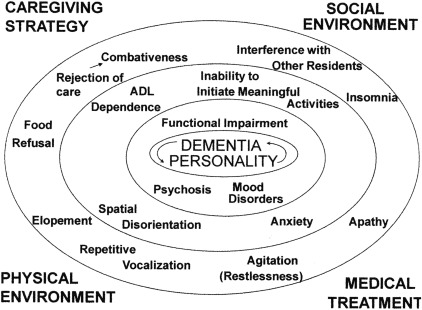
🧠 Dementia doesn’t typically cause true split personality—like dissociative identity disorder—but it can lead to dramatic shifts in behavior and personality that might feel like someone is switching between different selves.

Here’s what’s going on:

🌀 Why Personality Changes Happen in Dementia

  • Brain damage: Dementia affects different parts of the brain, especially areas responsible for memory, emotion, and social behavior. As neurons die, personality traits can shift or disappear.
  • Frontal lobe dysfunction: Damage here can lead to impulsivity, aggression, or apathy—making someone act very differently from their usual self.
  • Delusions and hallucinations: Some types of dementia, like Lewy Body or advanced Alzheimer’s, can cause people to see or hear things that aren’t there. They may respond to these experiences as if they’re real, which can resemble a “split” in personality.
  • Mood swings: Rapid changes in mood—calm one moment, angry the next—can make someone seem like they’re flipping between personalities.
  • “Show timing”: People with dementia sometimes appear perfectly fine in public or with doctors, but behave very differently at home. This contrast can feel like dual personalities to caregivers.
  • The term “sundowning” refers to a state of confusion that occurs in the late afternoon and lasts into the night. Sundowning can cause various behaviors, such as confusion, anxiety, aggression or ignoring directions. Sundowning also can lead to pacing or wandering. Sundowning isn’t a disease.

🧩 When It Looks Like More Than Dementia

Some caregivers report loved ones taking on multiple personas—like a meek version, an aggressive one, and a mediator—all within the same day. While this isn’t classic dissociative identity disorder, it may be a mix of:

  • Advanced dementia symptoms
  • Psychosis or schizophrenia-like features
  • Auditory hallucinations or delusional thinking

Doctors sometimes disagree on whether these behaviors are part of dementia or a separate mental illness. It’s a gray area, and each case is unique.

If you’re seeing this in someone you care about, it’s worth discussing with a neurologist or geriatric psychiatrist. They can help sort out what’s dementia-related and what might need different treatment.

Would you like help understanding the different types of dementia that cause more behavioral changes? Or tips for managing these shifts day-to-day?

1www.healthline.com2www.webmd.com3www.agingcare.com  

Understanding the different types of dementia that cause more behavioral changes? Or tips for managing these shifts day-to-day?

Absolutely—let’s break this into two parts: types of dementia with strong behavioral symptoms, and practical tips for managing those changes.

🧠 Types of Dementia That Often Cause Behavioral Shifts

Some forms of dementia are more likely to cause noticeable changes in personality, mood, and behavior:

1. Frontotemporal Dementia (FTD)

  • Affects the frontal and temporal lobes—areas tied to personality, judgment, and social behavior.
  • Common changes: impulsivity, inappropriate social behavior, apathy, emotional bluntness.
  • May resemble psychiatric disorders at first.

2. Lewy Body Dementia

  • Includes symptoms of Parkinsonism and fluctuating cognition.
  • Common changes: vivid hallucinations, paranoia, sleep disturbances, mood swings.
  • Can cause dramatic shifts in alertness and behavior from hour to hour.

3. Alzheimer’s Disease

  • Most common type, with progressive memory loss.
  • Behavioral changes: agitation, wandering, aggression, depression, sundowning (late-day confusion).

4. Vascular Dementia

  • Caused by reduced blood flow to the brain.
  • Behavioral changes: mood instability, apathy, slowed thinking, irritability.
  • Often coexists with Alzheimer’s.

🛠️ Tips for Managing Day-to-Day Behavioral Shifts

These strategies can help caregivers and loved ones navigate the ups and downs:

🧩 Understand the Triggers

  • Look for patterns: time of day, noise, hunger, pain, or confusion.
  • Keep a journal to track behaviors and possible causes.

🧘 Create a Calm Environment

  • Reduce clutter and noise.
  • Use soft lighting and familiar objects to create comfort.
  • Stick to a daily routine to reduce anxiety.

🗣️ Communicate with Compassion

  • Use short, clear sentences.
  • Avoid arguing or correcting—redirect gently instead.
  • Validate feelings even if the facts are off.

🎵 Use Distraction and Engagement

  • Music, art, or simple tasks can redirect agitation.
  • Offer activities that match their current abilities.

🧑‍⚕️ Involve Professionals

  • A geriatric psychiatrist or neurologist can help with medication or behavioral plans.
  • Sudden changes may signal pain, infection, or medication side effects.

Would you like a printable guide or checklist for caregivers? Or maybe we could explore how to respond to specific behaviors like aggression or hallucinations?

Can you provide a checklist for managing behavioral changes?

Absolutely! Here’s a practical and compassionate checklist to help caregivers manage behavioral changes in someone with dementia:

✅ Dementia Behavior Management Checklist

🧠 Understand the Person

  • Learn their type of dementia and typical symptoms.
  • Know their life history, preferences, and routines.
  • Track behavior patterns—when, where, and why they occur.

🔍 Identify Triggers

  • Check for pain, hunger, thirst, or discomfort.
  • Watch for environmental stressors: noise, clutter, lighting.
  • Note time-of-day patterns (e.g., sundowning in late afternoon).

🛠️ Respond to Behavior

  • Stay calm and reassuring—your mood affects theirs.
  • Redirect gently: offer a snack, music, or a walk.
  • Avoid arguing or correcting—validate feelings instead.

🧘 Create a Supportive Environment

  • Maintain a structured daily routine.
  • Use familiar objects and photos to reduce confusion.
  • Minimize overstimulation—soft lighting, quiet spaces.

🗣️ Communicate Effectively

  • Use short, clear sentences and a gentle tone.
  • Allow extra time for responses.
  • Use non-verbal cues like touch, eye contact, and smiles.

🎵 Engage and Distract

  • Offer music, art, puzzles, or simple tasks.
  • Encourage social interaction with family or pets.
  • Match activities to their current abilities.

🧑‍⚕️ Monitor and Adjust

  • Keep a behavior journal to share with healthcare providers.
  • Watch for medication side effects or new symptoms.
  • Consult a geriatric psychiatrist or neurologist as needed.

If you’d like, I can help you turn this into a printable version or tailor it to a specific behavior you’re dealing with—like aggression, wandering, or hallucinations. Want to dive deeper into one of those?

What are some common mistakes to avoid in behavior management?

Great question—avoiding common pitfalls can make a huge difference in how smoothly things go when caring for someone with dementia. Here’s a rundown of frequent mistakes and how to sidestep them:

🚫 Common Mistakes in Dementia Behavior Management

1. Arguing or Correcting

  • Trying to reason or correct someone with dementia often leads to frustration.
  • Instead: Validate their feelings, even if the facts are off. Redirect gently.

2. Ignoring Triggers

  • Overlooking what causes agitation—like noise, hunger, or pain—can escalate behaviors.
  • Instead: Track patterns and adjust the environment or routine accordingly.

3. Being Reactive Instead of Proactive

  • Waiting until a behavior becomes disruptive before acting.
  • Instead: Plan ahead with calming routines, soothing activities, and early interventions.

4. Overstimulating the Environment

  • Bright lights, loud sounds, or clutter can overwhelm someone with dementia.
  • Instead: Create a calm, familiar space with soft lighting and minimal distractions.

5. Using Complex Language

  • Long explanations or abstract ideas can confuse and frustrate.
  • Instead: Use simple, clear sentences and visual cues.

6. Taking Behavior Personally

  • It’s easy to feel hurt or blamed when someone lashes out.
  • Instead: Remember it’s the disease talking, not the person. Stay calm and compassionate.

7. Neglecting Self-Care

  • Burnout leads to less patience and more mistakes.
  • Instead: Take breaks, ask for help, and prioritize your own well-being.

8. Inconsistent Routines

  • Sudden changes can cause confusion and anxiety.
  • Instead: Stick to a predictable daily schedule with familiar activities.

9. Over-relying on Medication

  • Medications can help, but they’re not a cure-all and may have side effects.
  • Instead: Try non-pharmacological strategies first, like music, exercise, or sensory therapy.

10. Not Seeking Professional Help

  • Waiting too long to consult a specialist can delay effective treatment.
  • Instead: Reach out to a geriatric psychiatrist, neurologist, or dementia care team early.

Would you like a printable version of this list or tips tailored to a specific behavior you’re dealing with—like aggression, wandering, or hallucinations? I’d be glad to help.

What are strategies for addressing specific behaviors like aggression?

Managing aggression in dementia can be tough—but with the right strategies, you can often de-escalate situations and bring calm back into the room. Here’s a toolkit of approaches that caregivers and professionals use to address aggressive behavior:

🛠️ Strategies for Addressing Aggression in Dementia

🔍 1. Identify the Triggers

  • Keep a behavior journal to track when aggression occurs.
  • Look for patterns: time of day, noise, hunger, pain, or confusion.
  • Consider physical discomfort like infections, constipation, or untreated pain.

🧘 2. Create a Calm Environment

  • Reduce noise, clutter, and bright lights.
  • Use soft music, familiar scents (like lavender), and comforting objects.
  • Stick to a predictable routine to reduce anxiety.

🗣️ 3. Communicate with Compassion

  • Speak slowly and gently; avoid arguing or correcting.
  • Use short, clear sentences and non-threatening body language.
  • Validate feelings: “You seem upset. I’m here to help.”

🎵 4. Use Distraction and Redirection

  • Offer a favorite activity, snack, or music to shift focus.
  • Try sensory experiences like folding laundry, sorting buttons, or pet therapy.
  • Redirect with curiosity: “Tell me about that…” or “Let’s go see what’s outside.”

🧑‍⚕️ 5. Involve Professionals

  • Consult a geriatric psychiatrist or neurologist for medication review or behavioral plans.
  • Sudden aggression may signal a medical issue—don’t wait to get help.

🧩 6. Safety First

  • If aggression escalates, give space and stay near an exit.
  • Remove dangerous objects and ensure the environment is safe.
  • In emergencies, call for help and explain the person has dementia.

Would you like a printable version of this guide or tips tailored to a specific situation—like aggression during bathing or sundowning? I can help you build a personalized plan.

Absolutely—pinpointing triggers is like detective work with heart. It takes observation, empathy, and a bit of trial and error. Here’s how to sharpen your skills:

🔍 How to Identify Dementia Behavior Triggers Effectively

🧠 1. Know the Common Categories of Triggers

Triggers often fall into these buckets:

  • Physical: pain, hunger, fatigue, illness, medication side effects.
  • Environmental: loud noises, clutter, unfamiliar surroundings, poor lighting.
  • Emotional: fear, frustration, loneliness, overstimulation.
  • Routine disruptions: changes in schedule, unexpected visitors, travel.
  • Communication breakdowns: not understanding instructions or questions.

📓 2. Keep a Behavior Journal

  • Record what happenedwhen, and where.
  • Note who was present, what was said, and what the person was doing.
  • Track what happened before and after the behavior.
  • Look for patterns over time—certain times of day, activities, or environments.

🧩 3. Use the CAUSEd Framework

This tool helps decode behavior as communication:

  • Communication: Are they misunderstood or unable to express themselves?
  • Activity: Is the task too hard or unfamiliar?
  • Unwell/Unmet needs: Are they in pain, hungry, or tired?
  • Story: Does their personal history explain the reaction?
  • Environment: Is the space over stimulating or confusing?
  • dementia: Consider how brain changes affect perception and response.

You can learn more about this approach from DementiaHub.sg.

🧘 4. Observe Non-Verbal Cues

  • Watch for facial expressionsbody language, and tone of voice.
  • Sudden agitation, pacing, or withdrawal may signal discomfort or confusion.
  • If they can’t say “I’m in pain,” their behavior might be saying it for them.

🧑‍⚕️ 5. Rule Out Medical Issues

  • Behavior changes mean infectionconstipation, or medication side effects.
  • Consult a doctor to rule out physical causes.

🛠️ 6. Test and Adjust

  • Try changing one thing at a time—lighting, noise level, time of activity.
  • See if the behavior improves. If so, you’ve likely found a trigger.

Would you like help building a personalized trigger tracker or exploring how to use this in daily caregiving? 

I can help you set up a simple system. Familiar Music Helps Them to relax and calm down

Jamie MacDonald – Desperate (with Lauren Daigle) (Official Performance Video) – YouTube

Lawrence Welk Show – Salute To The Ladies from 1973

A salute to the ladies includes “Lady of Spain,” “Lovely to Look At,” “’til I Waltz Again with You,” “Girl of My Dreams,” “Margie,” “Every Day Is Ladies’ Day” and “The Most Beautiful Girl in the World.”

How to Respond to Anger, Aggression, Violence, TEMPER TANTRUMS in Dementia

Caring for a spouse with frontotemporal dementia – Donna’s Story.m4v – YouTube

What tips is there to help someone with dementia to calm down – Search Videos

Dementia and Sundowning: Tips to Help You Manage Sundowning

How To Convince Someone With Dementia They Need Help

3 things to NEVER do with your loved one with dementia

4 COMMON DEMENTIA CAREGIVER MISTAKES

Top 5 Caregiving Mistakes to Stop Doing Today

100’s of FREE Dementia Training Videos

What Stage of Alzheimer’s is Anger?
Posted in Uncategorized | Leave a comment

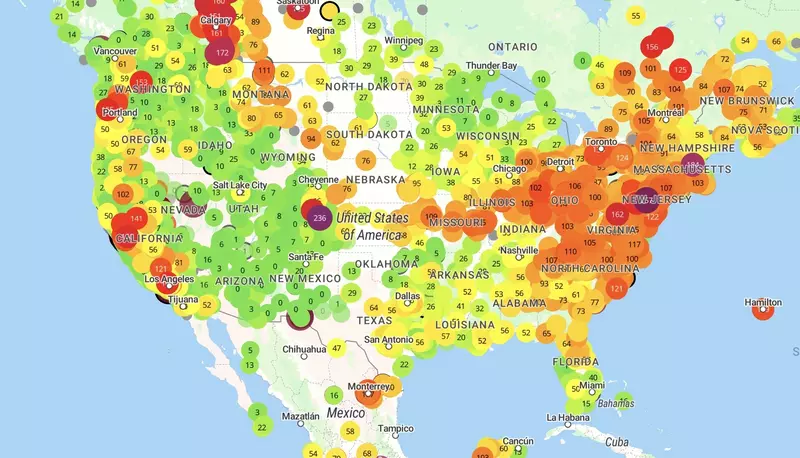
California’s Air Quality

U.S. Cities With the Highest Cancer Mortality Rates – Search

Why Does Northern California have higher cancer incidence rates than Southern California,

Notes:    State Cancer Profiles > Incidence Rates Table ||  Printable Maps

Native Americans Have Higher Cancer Rates – Search

Northern California does tend to show higher cancer incidence rates than Southern California, and while it’s tempting to pin that on environmental factors alone, the reality is more nuanced.

Here’s a breakdown of what might be driving the difference: One of History’s Biggest Natural Disasters Lies at the Base of California’s Mount Shasta | Watch

🧬 Demographics & Lifestyle Factors

  • Age distribution: Northern California counties often have older populations, and cancer risk increases with age.
  • Education & reproductive patterns: Women in affluent areas like Marin or San Mateo tend to have children later and fewer of them, which increases lifetime exposure to estrogen — a known risk factor for breast cancer.
  • Smoking & obesity: These behavioral factors vary by region and are linked to several cancer types.

🌍 Environmental & Occupational Exposure

  • Air and water quality: Some Northern counties have histories of industrial pollution or agricultural pesticide use, which can elevate cancer risks over time.
  • Occupational risks: Higher cancer rates have been observed among workers in farming, meat processing, and manufacturing — industries more prevalent in certain Northern counties.

🏥 Access to Screening & Diagnosis

  • Better healthcare access in wealthier Northern counties may lead to more frequent screenings, which can increase reported incidence rates even if actual cancer occurrence isn’t higher.
  • Late-stage diagnoses are more common in underserved areas, which can skew mortality statistics but not necessarily incidence.

📊 Statistical Clustering & Chance

  • Cancer clusters can occur randomly, and sometimes what looks like a pattern is just statistical noise. Epidemiologists often investigate these clusters but rarely find a single environmental cause.

If you’re curious about a specific county or cancer type, I can dig deeper. Want to explore Marin vs. Los Angeles, for example?

1www.publichealth.lacounty.gov  2www.ccrcal.org  3stacker.com  4statecancerprofiles.cancer.gov

How do lifestyle factors vary between Northern and Southern California?

The lifestyle differences between Northern and Southern California are pretty striking — almost like two siblings with totally different personalities. Here’s how they diverge:

🏙️ Urban Vibe & Pace of Life

  • Northern California is intellectual and tech-driven, especially around the Bay Area. Cities like San Francisco and Berkeley have a more progressive, activist spirit and a slower, more reflective pace.
  • Southern California is fast-paced and entertainment-focused. LA and San Diego pulse with media, fashion, and beach culture — it’s more about hustle and image.

🌞 Climate & Outdoor Culture

  • NorCal has cooler, foggier weather (especially near the coast), which lends itself to hiking redwood forests, wine tasting in Napa, and cozying up in mountain cabins.
  • SoCal boasts year-round sunshine and beach-perfect weather. Surfing, rollerblading, and outdoor yoga are practically lifestyle staples.

🍽️ Food & Wellness

  • Northern California is the birthplace of the farm-to-table movement. Think organic markets, kombucha on tap, and vegan co-ops.
  • Southern California is equally health-conscious but with a flashier twist — juice cleanses, celebrity-endorsed fitness studios, and trendy fusion cuisine.

🧘‍♀️ Attitudes & Values

  • NorCal tends to be more introspective, eco-conscious, and tech-savvy. There’s a strong emphasis on sustainability and innovation.
  • SoCal is more laid-back, image-driven, and culturally diverse. It’s about lifestyle branding, wellness aesthetics, and creative expression.

💰 Cost of Living & Housing

  • Both regions are expensive, but:
    • NorCal has sky-high housing costs in places like San Francisco and Palo Alto due to tech industry demand.
    • SoCal is pricey too, especially in coastal cities like Santa Monica and Laguna Beach, but inland areas offer more affordability.

Want to compare specific cities like San Francisco vs. Los Angeles or Sacramento vs. San Diego? I can break it down even further.

What are the cultural differences between Northern and Southern California?

Northern and Southern California may share a state name, but culturally they often feel like two distinct worlds. Here’s a breakdown of their key differences:

🧠 Mindset & Values

  • Northern California tends to be more introspective, tech-driven, and eco-conscious. Think innovation, sustainability, and social activism.
  • Southern California leans toward laid-back, image-conscious, and entertainment-focused values. It’s about lifestyle branding, creative expression, and beach vibes.

🎭 Arts & Entertainment

  • NorCal is known for indie music scenes, experimental theater, and literary culture — especially in places like Berkeley and San Francisco.
  • SoCal is the global epicenter of film and television, with Hollywood shaping pop culture worldwide.

🍽️ Food & Culinary Scene

  • NorCal birthed the farm-to-table movement and is home to wine country and Michelin-starred restaurants.
  • SoCal offers vibrant Mexican, Korean, and fusion cuisines, plus a strong street food and health-conscious scene (think acai bowls and juice cleanses).

🏄‍♂️ Lifestyle & Leisure

  • Northern Californians often spend weekends hiking redwoods, wine tasting, or skiing in Tahoe.
  • Southern Californians are more likely to hit the beach, surf, or visit theme parks like Disneyland and Universal Studios.

🏛️ Architecture & Urban Design

  • NorCal cities like San Francisco showcase Victorian architecture and walkable neighborhoods.
  • SoCal favors Spanish Colonial Revival styles and sprawling suburban layouts, with car culture deeply embedded.

🗣️ Language & Slang

  • NorCal residents famously say “hella” and “yee-ahuh.”
  • SoCal folks lean toward “you guys,” “yahh,” and sprinkle in surfer lingo like “gnarly” and “stoked”.

🎓 Education & Industry

  • NorCal is home to Stanford and UC Berkeley, with a strong tech and startup culture.
  • SoCal boasts UCLA and USC, with deep ties to entertainment, fashion, and media.

Both regions are melting pots of global cultures, but they express that diversity in different ways. 

Want to dive into how these cultural vibes affect politics, fashion, or even dating norms?

1theculturetrip.comtheculturetrip.com

How do these cultural differences affect social interactions?

The cultural divide between Northern and Southern California doesn’t just shape how people live — it subtly influences how they connect, communicate, and build relationships. Here’s how those regional vibes ripple into social interactions:

🧠 Communication Style

  • Northern Californians often favor thoughtful, nuanced conversations. There’s a tendency toward intellectual engagement, active listening, and respectful disagreement — especially in progressive hubs like Berkeley or Palo Alto.
  • Southern Californians lean toward expressive, upbeat interactions. Conversations may be more casual, image-conscious, and centered around shared experiences like entertainment or wellness.

🧍‍♂️ Social Circles & Networking

  • NorCal socializing often revolves around shared interests — tech meetups, book clubs, or environmental activism. Relationships may take longer to form but tend to be deep and purpose-driven.
  • SoCal fosters fast-paced, fluid social networks. From beach parties to industry mixers, connections are often made quickly and span diverse backgrounds, especially in creative fields.

🧘‍♀️ Personal Boundaries & Social Norms

  • Northern California tends to value privacy and introspection. People may be more reserved initially, and social norms emphasize consent, inclusivity, and emotional intelligence.
  • Southern California embraces openness and spontaneity. There’s a greater comfort with physical touch (like hugs), informal greetings, and sharing personal stories early on.

🏄‍♀️ Leisure & Interaction Spaces

  • NorCal social life often unfolds in nature — hiking trails, wineries, or cozy cafés. These settings encourage slower, more reflective interactions.
  • SoCal thrives on vibrant public spaces — beaches, rooftop bars, and wellness studios — where socializing is energetic and visually expressive.

🗳️ Social Causes & Conversations

  • Northern Californians may engage in more politically charged or philosophical discussions, especially around sustainability, equity, and innovation.
  • Southern Californians often center conversations around lifestyle, pop culture, and personal branding — though activism is strong in communities like Venice or Echo Park.

In short, NorCal interactions tend to be intentional and introspective, while SoCal ones are often dynamic and expressive

Want to explore how these differences play out in dating, workplace culture, or family dynamics? I’ve got insights for all of it.

What impact do these differences have on family interactions?

The cultural contrasts between Northern and Southern California ripple into family life in subtle but meaningful ways. Here’s how they shape family interactions:

🏡 Family Dynamics & Communication

  • Northern California families often emphasize intentional communication and emotional intelligence. Discussions around feelings, boundaries, and values are common, especially in progressive communities.
  • Southern California families may lean toward expressive and spontaneous interactions, with a focus on shared experiences like outings, entertainment, and wellness routines.

🧘‍♀️ Parenting Styles

  • NorCal parents tend to adopt conscious or attachment-based parenting, prioritizing autonomy, mindfulness, and eco-conscious values.
  • SoCal parenting often blends laid-back attitudes with trend-driven approaches — from holistic wellness to social media-savvy parenting.

🧑‍🤝‍🧑 Family Activities & Leisure

  • Northern families might bond over nature hikes, museum visits, or volunteering for social causes.
  • Southern families often gather around beach days, theme parks, or creative pursuits like dance, film, or art.

🗣️ Multigenerational Interactions

  • NorCal families may have more structured boundaries between generations, with respect for privacy and personal growth.
  • SoCal families often embrace intergenerational closeness, with grandparents actively involved in childcare and family events.

🧑‍🎓 Education & Values

  • Northern California families often prioritize academic achievement, innovation, and civic engagement.
  • Southern California families may emphasize creativity, emotional well-being, and cultural diversity.

In essence, NorCal family life tends to be reflective and values-driven, while SoCal family life is often vibrant and experience-oriented. Want to explore how these differences show up in holiday traditions, family rituals, or even conflict resolution styles? I’d love to dive deeper.

What is the difference between Northern And Southern California’s family rituals, or even conflict resolution styles? 

I’d love to dive deeper.

Absolutely, let’s dig into the cultural soil of California and see what blossoms 🌱. While Northern and Southern California share many overarching American customs, their regional identities shape distinct family rituals and approaches to conflict resolution. Here’s a breakdown:

🌲 Northern California: Family Rituals & Conflict Styles

Family Rituals

  • Nature-centric traditions: Families often bond through outdoor activities like hiking in redwood forests, camping in Yosemite, or attending seasonal festivals like mushroom or wine harvest events.
  • Cultural exchange: With strong Indigenous roots (e.g., Yurok, Pomo, Modoc), rituals may include storytelling, ceremonial dances, and gifting practices like the potlatch, which emphasizes generosity and community ties.
  • Symbolic gifting: A unique example is the “California Lemon Ritual,” where families bring lemons to East Coast relatives as a symbol of West Coast abundance and connection.

Conflict Resolution Styles

  • Collaborative and introspective: Influenced by progressive values and tech/startup culture, Northern Californians often favor collaborative problem-solving, open dialogue, and restorative practices.
  • Community-based mediation: Schools and organizations may use peer mediation and restorative circles to resolve disputes, emphasizing empathy and mutual understanding.

🌞 Southern California: Family Rituals & Conflict Styles

Family Rituals

  • Heritage-driven celebrations: With strong Latino, Asian, and Indigenous influences, family rituals often center around multi-generational gatherings, religious festivals, and food-centric traditions like tamale-making or Lunar New Year feasts,
  • Spiritual practices: Tribes like the Cahuilla and Luiseño maintain ceremonies tied to nature, dreams, and ancestral spirits—such as the White Deerskin Dance or mourning rituals that involve symbolic offerings.

Conflict Resolution Styles

  • Structured and expressive: Southern California’s diverse urban landscape fosters a mix of formal mediation services and expressive conflict styles, including assertive communication and emotional openness.
  • Restorative justice in schools: Programs like the ABCs of Conflict train educators to use peer mediation and healing circles, especially in multicultural school settings.

🧭 Key Differences

AspectNorthern CaliforniaSouthern California
Family Rituals       Nature-based, symbolic gifting, Indigenous roots         Heritage-driven, spiritual ceremonies, food traditions
Conflict Resolution       Collaborative, introspective, community-led         Structured, expressive, restorative justice
Cultural Influences      Tech, progressive activism, Indigenous tribes         Latino, Asian, Indigenous, entertainment industry

Would you like to explore how these styles show up in parenting, workplace dynamics, or even dating culture? I’ve got plenty more where that came from.

1www.discovering northern california.com 2california unpublished.com 3www.students history.com

4folklore.usc.edu 5www.westernjustice.org 6. Culture of California – Wikipedia

7. Traditions: Honoring Heritage, Ritual, and Family – Muzeo Museum and Cultural Center

8. Culture – Cahuilla Band of Indians | Tribal Sovereign Nation

9. The Luiseño of Southern California – Early California Resource Center

10. Workplace Conflict and Mediation – CalHR

11. Conflict Resolution Services San Diego

Posted in Uncategorized | Leave a comment

Who Thinks They Can Erase Cance

Who thinks they have a natural way to fend off Cancer – Search Images

Sue Mc Dr Thomas Seyfried out of Boston college 30 years studying it he’s double PhD in biology and researches cancer and has had incredible success his patience given six to nine weeks to live our living 10 years plus his last patient lived 10 years but had to have some kind of related but not related surgery and died from complications of surgery not from his cancer served by great filling stations. His primary focus is on glioblastomas

Bill Cotton Here is the one and only cure for cancer. It was figured out by 1928. PLEASE NOTE WORKS FOR SOME NOT OTHERS https://youtu.be/quuvi6Gvvmc

Keith Stumpf

READ two articles written by Sayer Ji – Black Seed the Remedy for everything but death

Alex Ayscough

Not completely natural but melatonin might be helpful https://onlinelibrary.wiley.com/doi/10.1111/jpi.12341

If it works leave a review on www.supphealthratings.com

Dhruv Chandra

• CANCER TREATMENT • Now let us focus on what we can do if we or a loved one is diagnosed with cancer. one needs to focus on the diet. ANGIOGENIC FOODS

Clearly one needs to eliminate all angiogenic foods from the diet. 

These include the following: 1. Milk and milk products 2. All animal foods including fish and eggs 3. Refined sugar 4. Refined Oils 5. Processed prepackaged foods ANTI ANGIOGENIC FOODS that should be added to diet are the ones which have strong anti-angiogenic properties.

 Some of these are listed below: 1. Allium Vegetables like Garlic, Onions and Leak 2. Cruciferous Vegetables like Broccoli, Cabbage, Kale 3. Ginger 4. Turmeric 5. Chili Peppers 6. Flaxseed 7. Lemon 8. Berries of all colors 9. Cranberries 10. Apple Peels 11. Green Tea 12. Pomegranate 13. Figs 14. Cinnamon 15. Significant research has been done on green mangoes and the effect of various foods on different cancers.

Tamara Webster
Antiparasitic and cannabis. Paolo Rossi · Look into liposomal luteolin – Search

Neil Post

Give your body more of the key molecules that your body needs to identify and resist and regulate….it’s called redox signaling molecules and past puberty we are all deficient. What can be better than giving our immune system what it needs to do its thing…..better than any chemical cocktail!

Marco Armbruster

Follow Dr.PeteSulack he’s brain cancer free and a man of GOD He has a great protocol you can download it for free, and they aren’t trying to sell anything or scam. 

Alan Gibson

Fenbendozole, Joe Tippens protocol, Ivermectin,

 Genuine Essiac tea Books by Hulda Clark!

Sharky McSharkshark

Steve Gonzalez Coffee, Almonds and Cashews should be avoided. Coffee lowers blood flow to the brain substantially, which may lessen the effect of your medications and supplements. Nuts are loaded with antinutrients and those two nuts are not super high in antioxidants. However… walnuts and pecans are okay for brain tumors due to having higher amounts of polyphenols and omega 3s.

Ketogenic Diet in the Treatment of Gliomas and Glioblastomas 1.

MCT oil is a non-toxic nutritional intervention for cancer management2It is a link between the MCT ketogenic diet, AMPA receptors, and cancer treatment3Glioblastoma multiforme (GBM) is a type of brain tumor, and the ketogenic diet is used to treat refractory epilepsy in children and can also target energy metabolism in brain tumors 4. 

The Very Low-Calorie Ketogenic Diet (VLCKD) is a restrictive nutritional protocol used in the treatment of gliomas and glioblastomas. It involves a minimum protein content, limited carbohydrate intake, and fixed fat consumption1A modified ketogenic diet (MKD) has also been assessed in patients with glioma2.

They should always be eaten alone as a snack too, not with a meal due to the antinutrients. If you need caffeine, switch to matcha tea. And like nuts, teas should be consumed alone due to phytic acid and other antinutrients…. Unfortunately, when you have cancer you shouldn’t strip your other foods of zinc, which is why it’s super important to eat foods that are higher in antinutrients alone or avoid altogether.

Steve Gonzalez

Author

Charlie Gilmour How long since diagnosis? I was diagnosed 11/24. Now I am doing this.

image.png

Who thinks they have a natural way to fend off Glioblastoma.

Marco Armbruster

We are using a metabolic therapy approach; we are blocking glutamine glucose and fatty acids pathway ways. cut out all sugars processed food seed oils and carbs. take Fenbendazole mebendazole Ivermectin. Start fasting do a 18 hr. fast then 24 hours fast then 72 hours fast work your way up to a 10 day fast.

Mary Keyte

You heard about methylene blue and DCA? They both cross the BBB really well – which is a big deal when it comes to brain cancer. There’s an awesome MB group here: Methylene Blue Healing Revolution💙 And if you wanna dig into DCA, check out dcaguide.org. Hope that helps! 🙏

Sodium dichloroacetate | Uses, mechanism of action | DCA Guide

DCAGUIDE.ORG

Sodium dichloroacetate | Uses, mechanism of action | DCA Guide

Roger Chen‘s comment: “try Zhineng Qigong. in USA it is named ChiLel” – Search

Paolo Rossi  · Look into liposomal luteolin

Jan Henderson

Find out about nicotine patches. Have been reading about them lately 💜

Steve Gonzalez

Jan Henderson Are you reading about them in science journals or on social media? Does more damage than that.

Jan Henderson
Steve Gonzalez from a well-known medical doctor who specializes in oncology. It’s up to the individual to do the research and get the information. No one should recommend a treatment unless you are qualified. I also know someone who has been using it for different reasons and has had very good results.

Jan Henderson

Find out about nicotine patches. Have been reading about them lately 💜

Brenda McLeod
Research Dr. BRYAN ARDIS ON NICOTINE PATCHES. – Search
HE HAS STUDIES THAT SHOW GLIOBLASTOMA HAS DISSOLVED IN LESS THAN 7 DAYS.

Tamara Webster
Antiparasitics and cannabis.

Steve Gonzalez
Author
I posted this for 2 reasons. One is to get intelligent knowledge of my disease, and two was to see how many ignorant people no clue of anything except they have are told over social media or politics with no regard for science.

Neil Post

Give your body more of the key molecules that your body needs to identify and resist and regulate….it’s called redox signaling molecules and past puberty we are all deficient. What can be better than giving our immune system what it needs to do its thing…..better than any chemical cocktail!

Alan Gibson

Joe Tippens protocol, Fenbendazoles, Ivermectin – SearchGenuine Essiac tea Books by Hulda Clark! # Cancer Ivermectin – Search Fenbendazoles, Colon Cancer – Search Videos

Sharky McSharkshark

Steve Gonzalez Coffee, Almonds and Cashews should be avoided. Coffee lowers blood flow to the brain substantially, which may lessen the effect of your medications and supplements. Nuts are loaded with antinutrients and those two nuts are not super high in antioxidants. However… walnuts and pecans are okay for brain tumors due to having higher amounts of polyphenols and omega 3s.

Ketogenic Diet in the Treatment of Gliomas and Glioblastomas – PMC 1. MCT oil is a non-toxic nutritional intervention for cancer management2It is a link between the MCT ketogenic diet, AMPA receptors, and cancer treatment3Gliomas exhibit high glycolytic rates, and MCTs play a major role in the maintenance of the glycolytic metabolism through the proton-linked transmembrane transport of lactate4.  The ketogenic diet is used commonly to treat refractory epilepsy in children and can also target energy metabolism in brain tumors5.

They should always be eaten alone as a snack too, not with a meal due to the antinutrients. If you need caffeine, switch to matcha tea. And like nuts, teas should be consumed alone due to phytic acid and other antinutrients…. Unfortunately, when you have cancer you shouldn’t strip your other foods of zinc, which is why it’s super important to eat foods that are higher in antinutrients alone or avoid altogether.

CBD, RSO and Astaxanthin are king for brain tumors.

1,000 mg of CBD starting and 200mg Astaxanthin starting. Astaxanthin will turn your poop red. As for RSO, start slow and work your way up to 1,000 mgs as well. Hold until the next scan shows us what else is needed.

Marco Armbruster

we are using a metabolic therapy approach.we are blocking glutamine glucose and fatty acids pathway ways. cut out all sugars processed food seed oils and carbs. take Fenbendazole mebendazole Ivermectin. Start fasting do a 18 hr fast then 24 hour fast then 72 hour fast work your way up to a 10 day fast.

Mary Keyte

you heard about methylene blue and DCA? They both cross the BBB really well – which is a big deal when it comes to brain cancer. There’s an awesome MB group here: Methylene Blue Healing Revolution💙 And if you wanna dig into DCA, check out dcaguide.org. Hope that helps! 🙏

Sodium dichloroacetate | Uses, mechanism of action | DCA Guide

DCAGUIDE.ORG

Sodium dichloroacetate | Uses, mechanism of action | DCA Guide

Sharky McSharkshark

CBD, RSO and Astaxanthin are king for brain tumors.

1,000 mg of CBD starting and 200mg Astaxanthin starting. Astaxanthin will turn your poop red. As for RSO, start slow and work your way up to 1,000 mgs as well. Hold until the next scan shows us what else is needed.

Reach out to Lee Simpson Cannabis – Search on this one.

Chardele Miller

Sharky McSharkshark rso

Daren Mccormick  · 

FREEDOMWARES.CA

The Oil Rush

Read The Comments in the Video Below by Clicking on Youtube

817,894 views Nov 26, 2021

In this video, research into the potential effect of Ivermectin on Colon Cancer cells. Search Results for Ivermectin | Cancer Quick Facts

Posted in Uncategorized | Leave a comment

Treating Cancer Naturally

ALL CANCERS DEATH RATE BY COUNTRY || The cleanest countries in the world

Cancer Rates by Country 2025 || Worldometer – real time world statistics

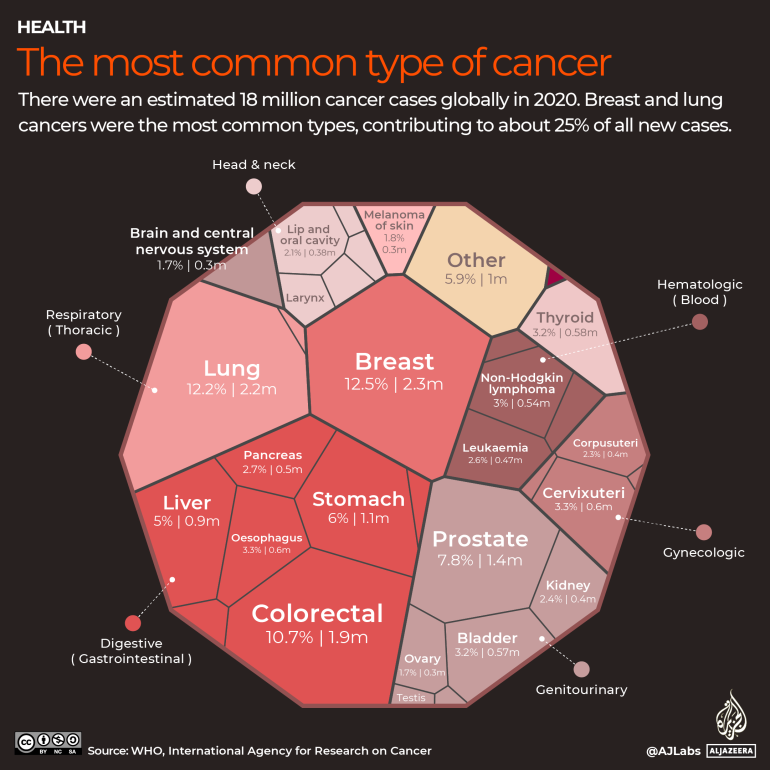
Infographic: A global look at cancer | Infographic News | Al Jazeera

Cancer Rates by State 2025  ||  sd3-21-cancers-by-state-2024.pdf

Map Shows States With the Highest Cancer Rates – Newsweek

Life expectancy in the US varies significantly by state 1 2 3 4 5.  

Mississippi has the lowest life expectancy, with an average of 70.9 years 2

Hawaii has the highest life expectancy 5.

Ranking The States By Life Expectancy

The Smartest Americans Live In Which States?

Right Liberal States Are the Smartest 🤣😂😅

Treating Cancer Naturally: 11 Strategies That Work

By Dr. David Jockers DC, MS, CSCS

Article Summary

  • Many disturbances to our body’s natural capabilities can promote cancer growth.
  • Using natural therapies helps to fortify the body and help treat and prevent cancer.
  • 11 natural treatments:
    1. Ketogenic diet
    2. Hyperbaric oxygen chamber
    3. Juicing
    4. Fermented foods
    5. Vitamin D
    6. Enzymes
    7. Turmeric
    8. Budwig Protocol
    9. Detoxification
    10. Sunlight
    11. Beta glucans

Editor’s Note: This article first appeared in the March 2016 edition of TTAC’s Insiders member newsletter.

Many disturbances to our body’s natural capabilities can promote cancer growth. Some of these concerns include a weak immune system, unbalanced pH, reduced oxygenation to cells, and excessive toxicity.

These problems can be treated and symptoms of cancer can be healed. However, treating cancer naturally using non-toxic therapies requires a diligent approach and a long-term commitment. You hold the power to unleash your natural healing capabilities. 

Use these 11 natural cancer treatments to relieve your symptoms and prevent the further spread of tumors throughout your body

If you are currently cancer-free, these modalities can be used to prevent cancer from gaining a foothold. Unlike toxic cancer treatments such as chemotherapy and radiation, these natural therapies fortify the body and help to keep your immune system strong.

#1. Ketogenic Diet

You can starve cancer by practicing a ketogenic diet consisting of an abundance of healthy fats (about 75%), only 20% protein, and no more than 5% carbohydrates

The ketogenic diet is low in carbohydrates and high in good fats

You can starve cancer by practicing a ketogenic diet consisting of an abundance of healthy fats (about 75%), only 20% protein, and no more than 5% carbohydrates

A ketogenic diet allows the body to turn fat into fuel (form ketones) in a physiological process which does not burden the cell’s powerhouses known as mitochondria. Typically, mitochondria create energy from glucose found in abundance in our carbohydrate-intensive diets.

A ketogenic diet reduces the risk of mutations occurring within cells along with the formation of free radicals, both of which are causes of colon, lung and breast cancer.

The ketogenic diet reduces symptoms in patients with metabolic conditions because it lowers the energy generated from the breakdown of glucose found in simple and complex carbohydrates. Cancer cells thrive off of the energy created from glucose fermentation, which is also called anaerobic metabolism due to the lack of oxygenation.

Examples of ketogenic approved foods include: pastured beef and dairy products (including eggs), organic poultry, and wild fish & seafood. Vegetables and fruits low in carbohydrates (including cabbage, asparagus, lemon and limes), healthy fats such as avocados and coconut oil, along with a few nuts and seeds are usually permitted.

Committing to a ketogenic diet can delay the development of tumors and increase the survival rate for patients by greater than 50 percent.

Using intermittent fasting where you consume meals between a 4 to 8-hour window each day can be a very effective way to get into ketosis. Fasting is an anti-inflammatory, immune strengthening activity as it reduces overall blood sugar and enhances ketone body formation.

#2. Hyperbaric Oxygen Chamber

Hyperbaric oxygen therapy treatments improve oxygen supply, and improve cellular conditions which reduces the risk of cancerous growth

Hyperbaric oxygen therapy treatments improve oxygen supply, and improve cellular conditions which reduces the risk of cancerous growth

Couple your commitment to the ketogenic diet with hyperbaric oxygen therapy. The combination of a nutrient-dense ketogenic diet and hyperbaric oxygen therapy is being studied for its effectiveness with various forms of cancer. Many health care practitioners are using this modality to improve immunity and help people overcome chronic disease conditions.

The two therapies combined have shown to decrease tumor growth rates, improve ketosis, and decrease glucose levels.

Hyperbaric oxygen therapy promotes oxygen supply to cells and improves pH by decreasing acidity which are two main factors which lead to cancer development. Healthy cells only thrive in conditions where they receive a proper oxygen supply, unlike cancer cells. Receiving hyperbaric oxygen therapy treatments can buffer your body’s pH, improve oxygen supply, and overall improve cellular conditions which reduce risk of cancerous growth.

Most practitioners will recommend a 50-minute session three times per week, but many individuals choose to purchase or rent a portable hyperbaric chamber where they can do several hours at a time or even sleep in it overnight on a regular basis.

#3. Juicing

Juicing cruciferous vegetable sprouts (such as kale, broccoli, & cauliflower sprouts) provides an additional boost of nutrients

Juicing cruciferous vegetable sprouts (such as kale, broccoli, & cauliflower sprouts) provides an additional boost of nutrients

Juicing is an amazing tool which anyone can use to decrease the likelihood of developing cancer. Juicing nutrient-dense foods inundated the body with powerful antioxidants and cancer fighting tools to boost the immune system and improve health. In fact, juicing some vegetables and fruit can supply a higher amount of nutrients for absorption in comparison to eating the entire raw or cooked food source on its own.

When deciding what to juice and how to receive the greatest benefits with minimal effort, try juicing cruciferous vegetable sprouts. Cruciferous vegetables, and their sprouts in particular, contain phytochemicals which have profound anti-aging, anti-cancer, and antioxidant properties.

Kale, broccoli, and cauliflower sprouts are only required in small concentrations to reap health benefits. Such sprouts provide natural enzymes for the body to fight cancer by reducing free radicals and inflammation.

To name only a few examples, sprouts contain nutrients such as:

  • Vitamins and minerals including K and C
  • Chlorophyll
  • Glutathione
  • Amino acids
  • Sulforaphane
  • Beta-carotene
  • Quercetin

Sulforaphane deserves special attention because of its abilities to detoxify natural pathways and reduce the burden of carcinogens in cells and tissue.

Quercetin, obtained in high yield when juicing fresh, high quality foods, increases apoptosis and prevents cancer metastasis.

Always attempt to drink juice immediately after making it in order to consume the juice at its most nutrient dense condition. Otherwise, store the juice in an airtight glass container in the darkest and coolest part of your refrigerator for optimal nutrient quality.

Many practitioners recommend cancer patients consume 32-64 ounces of fresh green juices each day to help slow cancer growth. For prevention, 8-16 ounces can be a great strategy to ensure your body is receiving sufficient micronutrients.

#4. Fermented Foods

Fermented vegetables are a good source of healthy bacteria

Fermented vegetables are a good source of healthy bacteria

Excellent sources for healthy bacteria are fermented foods and beverages. A healthy gut microbiota is important in regulating the entire health of the whole body and mind. Those at increased risk for metabolic conditions and cancer typically have elevated concentrations of harmful bacteria in their gut microbiomes.

Some cancers associated with unhealthy gut bacteria are colorectal cancer, pancreatic carcinoma, and gallbladder cancer.

Bacteroidetes are a main type of bacteria found in fermented foods which produce a substance known as butyrate. Butyrate possesses its own cancer-fighting properties and is involved in enzymatic processes associated with breaking down starch.

Try adding fermented dairy products such as yogurt and kefir with live cultures from grass-fed cows to your diet. Cultured vegetables, Kombucha, sauerkraut, and other fermented foods and beverages are also sources of good bacteria.

Many practitioners recommend 2-4 servings of fermented foods each day to improve health and prevent/slow cancer growth.

If following a ketogenic diet, look for fermented foods that are low in sugar and carbohydrates so that they fit into the ketogenic diet model. This would include sauerkraut, kimchi, coconut water kefir, water kefir, coconut milk kefir, apple cider vinegar, and unsweetened coconut yogurt.

Note of caution: Take things slow when first adding fermented foods to your diet to avoid painful gas and bloating.

#5. Vitamin D

Because vitamin D is a fat-soluble nutrient, it is important to take the supplement with a fatty based meal for optimal absorption

Because vitamin D is a fat-soluble nutrient, it is important to take the supplement with a fatty-based meal for optimal absorption

An important component to the central nervous system and the health of the entire human body is vitamin D. This vital nutrient has anti-inflammatory and antioxidant abilities which continue to astound researchers.

Studies find that vitamin D is associated with reducing autoimmune complications and can limit the release of natural killer cell secretions when situations are unwarranted, such as during pregnancy.

One of the key functions of vitamin D is its ability to balance inflammatory pathways linked to cancer and promote the production of proteins such as GcMAF which regulate cancer cells. (Learn more about GcMAF here.)

GcMAF requires vitamin D in order to be created and fulfill its vital functions to maintain the health of all cells and tissues. GcMAF has been shown to reverse breast cancer by preventing cancer cells from multiplying. Vitamin D therapy therefore also promotes GcMAF function and the ability to treat lymphoma, bladder, ovarian, and head and neck cancers among many others.

You can find out how much vitamin D is in your system by taking a blood test called the 25-hydroxy vitamin D test. (Other names for the test are 25-OH vitamin D test; Calcidiol; 25-hydroxycholecalciferol test.)

Ideal levels for vitamin D3 are between 60-100 nanograms per milliliter (ng/ml) with ideal ranges between 80-100 ng/ml for individuals looking to prevent or slow cancer growth. As a general rule, take 1,000 IUs per 25 pounds of body weight to slowly raise your vitamin D levels into range. OR take 2,000 IUs per 25 pounds of body weight to quickly raise your vitamin D levels.

#6. Enzymes

Like an ice-cream cone melting on a hot summer day, an enzyme can no longer can serve its function when certain conditions are not met.

Like an ice-cream cone melting on a hot summer day, an enzyme can no longer can serve its function when certain conditions are not met.

Your body contains numerous enzymes required for performing normal physiological processes. Enzymes promote anti-inflammatory effects, stimulate anti-cancer substances, and assist in the removal of toxins from the body.   Amazon.com : Know Difference between Digestive & Proteolytic Enzymes

Proteolytic Enzymes,

Perhaps you remember learning from your science teacher how a lock and key model represents an enzyme and the substance it acts upon to perform a function? Maybe you also remember then how if certain conditions are not met, enzymes become unraveled.

For this reason it is very important that the proper balance of pH in our bodies is met. Unfortunately, our diets often leave our internal organs swamped in an environment full of excess acidity and affect the ability of enzymes to perform.

The toxins in the air we breathe, the water we drink, the personal care and household cleaning products we use, and many other lifestyle conditions further exacerbate this problem which can lead to cancer.

You must consciously choose to replenish the enzymes in your body and promote a stable environment for them to function. Enzymes are found in foods such as raw fruits and vegetables, fermented vegetables, and legumes.

A couple of the enzymes contained in fruits and vegetables are quinone reductase and glutathione-S-transferase, which are critical in regulating antioxidant pathways.

When we consume enzyme-containing foods we enhance the natural detoxification pathways to clean the liver, intestines, lungs, and stomach. Citrus fruits such as lemons and limes are rich in organic acids which (ironically enough) help to lower the acidity in our bodies and improve natural functions.

Enzyme therapy has been shown effective in treating individuals receiving chemotherapy treatment and reducing side effects including nausea, fatigue, vomiting, and pain. Systemic enzymes improve the natural immune system defenses which target cancer cells and prevent further growth.

Health practitioners who use enzyme therapy Wobenzym N garden of life – Search will often recommend anywhere from 5 grams to 45 grams daily depending upon the speed of the cancer growth. Five grams is great prevention for a slow growing tumor, while 45 grams is the typical dosage for individuals with very fast growing cancers.

#7. Turmeric

Research in clinical studies has shown that curcumin found in turmeric root has powerful abilities to treat cancer symptoms, including its ability to fight inflammation. Turmeric exhibits the same inflammation prevention control as do synthetic anti-inflammatory drugs like Tylenol and is supported by more than 570 studies.

Turmeric is a spice which you can add to your favorite curry dishes, Indian cuisines, and traditional soups and stews. It is excellent mixed in with healthy fats such as pastured milk.

Curcumin promotes the production of other antioxidant compounds such as glutathione and prevents oxidative damage or stress done to organs.

Many practitioners recommend 500-1000 mg doses of curcumin 3-4 times daily with food. Curcumin should also be mixed with peperine from black pepper and taken with a fat-based meal for optimal absorption.

#8. Budwig Protocol

Flax-oil-blender-comp

The Budwig Protocol was developed by Dr. Johanna Budwig, a world leading expert of her time in research on fats and their impacts in human microbiology. Since the start of her research in 1952, the Budwig Protocol has been used to treat and cure cancers of the lungs, prostate, ovaries, breast, pancreas, and even brain.

The protocol requires the combination of quark (a soft, fresh cheese) and flaxseed oil. The resulting mixture limits the body’s toxic burden by improving oxygenation and promoting detoxification.

The health benefits of the quark mixture can be thought of as a comparison to a dead car battery. The flaxseed oil in the quark is high in electrons and saturated fats which becomes involved in a chemical reaction and protects electrons in the flaxseed so that they may enter dead cells.

This process charges these cells and gives them the boost they need to once again be healthy. Attracting oxygen into cells is necessary to kill off cancer cells and heal the body with healthy ones.

Dr. Budwig found this treatment so effective that she advised her cancer patients to consume quark up to 8 times daily for up to six months.

Follow the recommended recipe for quark preparation:

  • Combine 2 Tablespoons of quark (NOT organic cottage cheese) with 1 Tablespoon flaxseed oil or freshly ground flaxseeds. 
  • Using an immersion blender, mix the ingredients together until well combined and no visible oil appears. Eat immediately.

#9. Detoxification

Various detoxification pathways can become blocked or underused which leads to the buildup of carcinogens and the formation of cancer.

 Increase healing in your body by removing toxins using any or all of the following detoxification strategies:

  • Exercise: Increases oxygen flow and opens up pores for detox.
  • Infrared saunas: Stimulates deep tissue for the release of carcinogens.
  • Coffee enemas: Removes toxins along the gastrointestinal tract and can also improve mood.
  • Castor oil packs: Stimulates the flow of toxins out of organs and out of the intestines.
  • Dry brushing: Stimulates lymphatic flow and glandular function.
  • Consume an anti-cancer diet: Decreases toxic burden and decreases inflammation.
  • Drink lemon or mineralizing water: Balances the body’s natural pH.

Detoxification is a requirement in the process of healing the body and treating symptoms of cancer. Receiving a massage coupled with aromatherapy oils is another excellent technique to improve lymphatic function and promote detoxification. Essential oils can boost health in cancer patients and reduce stress and anxiety.

#10. Sunlight

Getting outside in sunlight is beneficial for improving both mental and physical health

Getting outside in sunlight is beneficial for improving both mental and physical health

Removing toxins from your body in order to treat cancer is dependent on the proper functioning of your glands. Part of Dr. Budwig’s protocol mentioned earlier is to receive naturally-sourced photons from the sun. This creates a magnetic field which attracts electrons into the cells of your body.

Dr. Budwig also believed that the sun’s rays stimulate the function of glandular organs including the pancreas, salivary glands, bladder, liver, and gall bladder. Stimulating energy into your cells is not only vital to heal cancer but can improve the health of your mind as well.

Sunlight can improve your mood, create optimism, and better support your immune system’s ability to fight off foreign invaders and cancerous cells.

Getting 20-30 minutes (for fair skin) up to 1-2 hours of high quality sun exposure (for darker skin) each day is of tremendous benefit to those looking to prevent or slow the growth of cancer. Be sure not to use sunscreen so you are able to absorb the UV rays that are critical to good health. You can use organic coconut oil on your skin before and after sun exposure in order to optimize your skin health.

#11. Beta Glucans

Beta glucans are found in the cell walls of yeast. Oats and mushrooms are also excellent sources of beta glucans

Beta glucans are found in the cell walls of yeast. Oats and mushrooms are also excellent sources of beta glucans

Beta glucans are naturally-occurring compounds found in nature but not in the human body. These complex sugar molecules supplement the immune system in order to design well targeted attacks on cancer and other foreign agents. Beta glucans provide immunomodulation and treat excessive inflammation due to autoimmune responses.

Some common foods which contain beta glucans are yeast, mushrooms, fermented foods, and indigestible soluble fibers including oats and barley.

Beta glucans protect the body from cancer by activating immune cells such as antibodies, natural killer cells, cytokines, T-cells, and macrophages.

Together these cells coordinate attacks on tumor growth.

There are more than 1,000 published scientific articles on the health benefits of beta glucan therapy. Beta glucan supplementation has been shown in research to lower the rate of cancer cell concentration by effectively detecting and destroying their targets.

Many practitioners use 500 mg daily as a preventative measure for a healthy individual and 1000 mg, taken 2 times daily, outside of mealtimes as an immune strengthening agent in order to slow or prevent cancer growth.

The Top 10 Natural Cancer Cures book by Danica Collins

The Top 10 Natural Cancer Cures presents 10 powerful natural cures that have healed tens of thousands of people of cancer, including those with late stage or terminal cancer. These cures have been hailed by health practitioners as the “best of the best.”

Turmeric —

Protocel —

Pawpaw —

35% food-grade hydrogen peroxide —

Essiac tea —

Cruciferous vegetables —

Flax oil and sulfur-based protein therapy —

Qigong —

Turkey tail mushrooms —

Wheatgrass.

The Top 10 Cancer Cures No One is Talking About (2011)

image.png

Cure Cancer Naturally: How to Cure Cancer Naturally – Cure Cancer Program Dr.  Brant Peters – Search Videos

Cure Cancer Naturally: How to Cure Cancer Naturally – Cure Cancer Program Dr. Brant Peters – Search  

Cure Cancer Naturally: How to Cure Cancer Naturally – Cure Cancer Program – GOOD | eBay

Cure Cancer Naturally: How to Cure Cancer Naturally – Cure Cancer Program – Search

Posted in Uncategorized | Leave a comment

Consensus On Cannabis Use

Cancer Playbook, Powered by Whole Health Oncology Institute, Launches the Largest Meta-Analysis to Date on Medical Cannabis and Cancer Symptoms

A groundbreaking meta-analysis by the Whole Health Oncology Institute Our Publicationsreviewed over 10,000 studies and found that 74% showed marijuana helps improve cancer outcomes—from reducing pain, nausea, and appetite loss to even triggering cancer cell death. It’s the strongest scientific confirmation yet that this plant isn’t just palliative; it can actively fight disease.

A meta-analysis of over 10,000 studies found that over 70% of them support the use of medical cannabis in cancer treatment123The review, led by Whole Health Oncology Institute, found that cannabis not only helps manage cancer symptoms but may also slow disease progression13.

Over 70% Of Studies Back Medical Cannabis In Cancer Treatment, Meta-Analysis Finds

By Dario Sabaghi,

   Dario Sabaghi covers the cannabis industry with a focus on Europe.

A sweeping meta-analysis of over 10,000 studies has found that more than 70% support the use of medical cannabis in cancer treatment, reinforcing growing scientific consensus around its therapeutic potential for managing symptoms and possibly even slowing disease progression.

The study, published in Frontiers in Oncology last week, is a comprehensive meta-analysis that evaluates the therapeutic potential and safety of medical cannabis in the context of cancer treatment.

The authors from Whole Health Oncology Institute and Chopra Foundation tried to understand a group of studies that had mixed or opposing results.

To do this, they used two different approaches. One approach was traditional statistical analysis, which involves numbers and calculations to find patterns. The other approach was sentiment analysis, which uses machine learning to analyze the overall tone or sentiment in the studies.

By combining both methods, the authors were able to get a more accurate and clear understanding of the research on the use of medical cannabis in cancer treatment.

Clinical trials are studying a medicine made from an extract of Cannabis that contains specific amounts of cannabinoids. This medicine is sprayed under the tongue. image.png

Consensus On Cannabis Use In Cancer Treatment

The use of medical cannabis in cancer treatment received strong backing, with 71.4% of studies showing clear support. Positive sentiment was 31.38 times more prevalent than negative sentiment, and in health-related measures, the supportive sentiment was 46.98 times stronger than the opposition.

“These findings revealed a significant trend suggesting support of cannabis’ therapeutic potential, particularly in managing cancer-related symptoms and possibly exerting direct anticarcinogenic effects. Across all categories examined—health metrics, cancer treatments, and cancer dynamics—there is a consistent consensus that supports the potential of medical cannabis,” the study reads.

As 39 U.S. states have legalized cannabis for medical use, and many other countries allow its use for various medical conditions, interest in its potential role in cancer treatment is growing.

In this context, the study aimed to determine whether there is a scientific consensus on the use of medical cannabis for cancer patients, including both palliative care and its potential as an anticancer treatment.

Over the years, several studies have suggested that cannabis could help ease chemotherapy side effects such as pain, nausea, and loss of appetite. It may also play a role in slowing the growth of cancer cells.

However, because cannabis remains illegal at the federal level under Schedule I of the Controlled Substances Act, conducting high-quality research on its use in cancer care remains challenging. This has led to a fragmented body of evidence, with varying study designs, cannabinoid compositions, and patient populations.

Medical Cannabis Use In Chemotherapy

The researchers reviewed over 10,000 peer-reviewed studies, totaling 39,767 data points. They used sentiment analysis, a machine learning technique, to label the research findings as “supported,” “not supported,” or “unclear” about cannabis use.

Medical cannabis was consistently supported for managing pain, nausea, and appetite loss during chemotherapy. The evidence for pain relief was particularly strong, showing clear positive correlations and little negative sentiment. Nausea and appetite loss showed slightly weaker support, with some variation depending on the cannabis formulation used. Many studies emphasized cannabis’ role in alleviating chemotherapy side effects.

While some disagreements remain, most research supports using cannabis alongside standard cancer treatments. Sentiment for cannabis in chemotherapy contexts was 191.75% more likely to be positive than negative.

“This substantial difference suggests a solid consensus in favor of using medical cannabis as an adjunct to chemotherapy, highlighting its potential therapeutic role in enhancing the effectiveness or mitigating the side effects of chemotherapy,” the study reads.

One of the most promising findings is that cannabis might help inhibit tumor growth, encourage apoptosis (cell death) in cancer cells, and reduce inflammation. The topic of its anticancer effects showed no significant opposition in the literature, indicating a growing consensus, although clinical trials are still limited.

Personalized Cannabis Therapy For Cancer Treatment

Researchers acknowledged that cannabis is not a uniform substance, as its effects can change depending on the THC-to-CBD ratio, the presence of minor cannabinoids, and the type of formulation, such as full-spectrum and isolated. Different cancers, like breast, glioblastoma, and melanoma, also respond differently to cannabis treatments, highlighting the need for personalized cannabinoid therapies and more research into how cannabis affects specific cancer types.

“Future clinical trials should move beyond generic CBD-based studies to explore the full therapeutic potential of comprehensive cannabinoid formulations, incorporating THC and other cannabis-derived compounds where legally and ethically feasible,” they said.

The study, however, has some limitations. There is a lack of clinical trials, and much of the evidence comes from preclinical and observational studies. Sentiment analysis tools may also misclassify technical or neutral language.

Still, even with these limitations, the findings of this meta-analysis strongly support the use of medical cannabis in treatment.

Challenges remain, especially when it comes to standardizing formulations and focusing on specific cancer types, but the results suggest it may be time to rethink the legal and clinical status of cannabis in medicine.

Therapeutic Effects of Cannabis and Cannabinoids – The Health Effects of Cannabis and Cannabinoids – NCBI Bookshelf
image.png

What are the health benefits and risks of cannabis?

Led by Cancer Playbook, powered by Whole Health Oncology Institute (WHOI), this systematic research review aggregated data from over 10,000 peer-reviewed studies—a scale never before achieved in this field, and over ten times the number included in the next-largest review.

Despite the decades-long lack of consensus regarding the efficiency of cannabis in treating cancer symptoms, the meta-analysis showed that for every one study that showed cannabis was ineffective, there were three that showed it worked. That 3:1 ratio—especially in a field as rigorous as biomedical research—isn’t just unusual, it’s extraordinary. The level of consensus found here rivals or exceeds that for many FDA-approved medications.

“We expected controversy. What we found was overwhelming scientific consensus,” said Ryan Castle, Head of Research at Whole Health Oncology Institute. “This is one of the clearest, most dramatic validations of medical cannabis in cancer care that the scientific community has ever seen.”

Because cannabis remains federally illegal, research efforts have often been blocked from receiving grants. This has left a vacuum in peer-reviewed, large-scale data—which Cancer Playbook has now filled with this independently funded meta-analysis. In the recent DEA hearings regarding the rescheduling of cannabis, Cancer Playbook’s data was an important part of the official scientific evidence presented to the DEA.

Key findings from the meta-analysis:

  • Cannabis reduced cancer cell proliferation
  • It inhibited metastasis, limiting cancer spread
  • It increased apoptosis (natural cancer cell death)
  • It has a profound anti-inflammatory effect, a critical factor since inflammation is linked to over 80% of the world’s most debilitating chronic diseases

Though this study is based on peer-reviewed work, Cancer Playbook makes the case that research can only paint part of the picture. By building on a dual foundation of research and patient experience, Cancer Playbook is redefining cancer support. The platform blends cutting-edge research with Patient Reported Outcomes (PROs), crowdsourcing real-world data from people living with cancer.

“The science matters. But so does the patient,” said Castle. “We are trying to support whole human beings, and that starts by listening to them.”

The significance of PROs is growing rapidly in modern medicine, as traditional clinical trials measure biological responses but often overlook what the patient is actually going through. PROs fill that gap, turning subjective experiences—like pain, fatigue, or emotional distress—into scientifically valid data. This is especially critical when looking at treatments like cannabis, where personal experience plays such a pivotal role in perceived and measurable benefit.

“Too often, people turn to cannabis as a last resort. We believe it should be part of the conversation from day one,” said Jim Gerencser, Founder of Cancer Playbook. “Refer to us at Cancer Playbook first as you weigh conventional treatment options. Don’t wait until traditional options have been exhausted. Whether or not you choose cannabis, we offer a fuller picture of what’s possible—one rooted in evidence, experience, and a belief that patients should be at the center of their own care. 

Whole Health Oncology Institute reviewed over 10,000 studies and found that 74% showed marijuana helps improve cancer outcomes – Search

This platform was built for patients, by patients, backed by the best data in the world.”

Thank you for reading The Marijuana Herald! You can find more news stories by clicking here.

Psychological intervention improves quality of life in patients with early-stage cancer: a systematic review and meta-analysis of randomized clinical trials | Scientific Reports

Insights for precision oncology from the integration of genomic and clinical data of 13,880 tumors from the 100,000 Genomes Cancer Programme | Nature Medicine

Cancer Biology, Epidemiology, and Treatment in the 21st Century: Current Status and Future Challenges From a Biomedical Perspective – PMC

Health Insurance Coverage Disruptions and Cancer Care and Outcomes: Systematic Review of Published Research – PubMed

Whole Grains, Refined Grains, and Cancer Risk: A Systematic Review of Meta-Analyses of Observational Studies – PubMed

Cancer Disparities and Health Equity: A Policy Statement From the American Society of Clinical Oncology – PMC

Integrative Multi-Omics Approaches in Cancer Research: From Biological Networks to Clinical Subtypes – PMC

Over nearly 80 years, Harvard study has been showing how to live a healthy and happy life — Harvard Gazette

Effects of Mindfulness on Psychological Health: A Review of Empirical Studies – PMC

A review of cancer immunotherapy: from the past, to the present, to the future – PMC

New approaches and procedures for cancer treatment: Current perspectives – PMC

Your Body Is Giving You Clues—Here Are 13 Ways to Eat Smarter by Listening

Role of Physical Activity on Mental Health and Well-Being: A Review – PMC

Nutrition and cancer: A review of the evidence for an anti-cancer diet – PMC

Cannabis and Cancer | Cannabinoids | Marijuana | American Cancer Society

Medical Cannabis In Cancer Treatment, Meta-Analysis Finds – Search Videos

MARIJUANA AND CANCER – Marijuana as Medicine? – NCBI Bookshelf

The Healthiest Seafood to Add to Your Diet, According to Nutritionists

Study Shows the Success of Whole Health – Whole Health

Nutrition and cancer: prevention and survival – PubMed

Common Cancer Myths and Misconceptions – NCI

The Case for Whole-Person Integrative Care – PMC

Antioxidants and Cancer Prevention – NCI

Cannabis and Cannabinoids – NCI

Cancer Disparities – NCI || Bing Videos

Search Results for Cannabis Oil | Cancer Quick Facts

Posted in Uncategorized | Leave a comment

ST🖐️P Cancer

 Dr. Eric Berg states,  He Should Have Been Dead 6 Years Ago – STAGE 4 CANCER image.png

 Dr Eric Berg and Cancer – Search Videos

Guy Tenenbaum was diagnosed with stage 4 cancer and wasn’t given any hope.This was 6 years ago, and he’s still alive today. Find out how Guy fought cancer.

I want to tell you a story that might blow your mind. It’s about a guy named Guy who was diagnosed with stage four cancer and given just weeks to live. But here’s the kicker: he’s still alive and kicking, six years later.

How did he do it? By giving the middle finger to conventional treatments and embarking on a natural protocol that starved his cancer cells. Buckle up because this is one hell of a ride.Now, I know what you’re thinking. Stage four cancer? That’s a death sentence. Well, not for Guy. He decided to take matters into his own hands and research the heck out of alternative therapies.

And what he found was pretty incredible: a combination of prolonged fasting, a ketogenic diet, and other natural remedies that essentially put his cancer cells on a starvation diet. It’s like he put his tumor on a no-carb, no-sugar plan and watched it fade up.

But here’s the thing: Guy didn’t just stumble upon this protocol by accident.

He spent countless hours poring over scientific literature, consulting with experts in the field, and experimenting with different approaches until he found what worked for him.

And now, he’s living proof that there’s hope beyond the standard slash-and-burn approach of chemo and radiation.

Understanding Stage Four Cancer

Stage four cancer is the most advanced stage of cancer, where the disease has spread from its original site to other parts of the body.

This process, known as metastasis, occurs when cancer cells break away from the primary tumor and travel through the bloodstream or lymphatic system to form new tumors in other organs or tissues.Being diagnosed with stage four cancer can be a devastating and life-altering experience for patients and their loved ones.It often means that the cancer has progressed to a point where it is no longer curable, and treatment options may be limited to managing symptoms and prolonging survival.

The Spread of Cancer to Vital Organs

In stage four cancer, the cancer cells have metastasized to distant organs, such as the lungs, liver, bones, or brain.

This spread can occur even if the original tumor is small or has been removed surgically.The extent of metastasis depends on the type of cancer and its aggressiveness. Some cancers, like breast and prostate cancer, tend to spread to specific organs, while others, like lung cancer, can spread to multiple sites throughout the body.

The presence of cancer in vital organs can cause a range of symptoms, depending on the location and size of the tumors.

For example, lung metastases may cause shortness of breath or coughing, while liver metastases may lead to abdominal pain and jaundice.

Prognosis and Survival Rates

The prognosis for stage four cancer is generally poor, with survival rates varying depending on the type and extent of the cancer.

According to the American Cancer Society, the five-year relative survival rate for all cancers combined is about 67% when diagnosed at the local stage but drops to just 27% when diagnosed at the distant stage (stage four).

However, it’s important to note that these statistics are based on large groups of people and may not accurately predict an individual’s outcome. Factors such as age, overall health, and response to treatment can all influence a person’s prognosis.

While stage four cancer is often considered terminal, advances in cancer treatment have led to improved survival rates for some types of cancer.

Believe it or not, breakthroughs in medical science have brought forward treatments–targeted therapies and immunotherapy–that offer those battling certain types of late-stage cancers (think melanoma or lung) a shot at longer life expectancy.

Guy’s Journey with Stage Four Cancer

Guy’s story is a remarkable example of how one man’s determination and willingness to explore alternative approaches led him to defy the odds in his battle against stage four cancer.

Diagnosed with advanced cancer that had spread to his bones, lymph nodes, and lungs, Guy was told that his condition was too advanced for conventional treatments like chemotherapy or radiation to be effective.

Faced with a grim prognosis, Guy made the difficult decision to forgo these standard therapies and instead seek out alternative methods to manage his cancer.

Choosing an Alternative Path

Guy’s decision to pursue a natural protocol for his stage four cancer was not made lightly.

He spent countless hours researching the latest scientific literature on cancer biology and treatment options, seeking the expertise of leading researchers and clinicians.

The more he learned, the clearer it became to Guy: a strategy that zeroes in on how cancer cells eat and grow could offer him a fighting chance against his illness.

He found out that cutting off cancer cells from their favorite snack, glucose, through strategies like the ketogenic diet and prolonged fasting might just do the trick in stopping them from getting a cold.

The Role of Diet in Guy’s Protocol

Guy’s natural protocol centered around two key dietary strategies: prolonged fasting and the ketogenic diet. Guy decided to skip meals for long stretches at a time, hoping this would starve his cancer cells by cutting off their food supply while helping the healthy ones grow stronger.

In addition to fasting, Guy adopted a strict ketogenic diet, which is high in healthy fats and low in carbohydrates. This dietary approach has been shown to reduce blood sugar levels and increase the production of ketones, which can serve as an alternative fuel source for healthy cells while starving cancer cells.

Guy’s commitment to these dietary interventions was unwavering, and he credits them with playing a crucial role in his remarkable survival story. Despite the advanced stage of his cancer, Guy has defied the odds and remained alive for six years since his diagnosis, a testament to the potential power of alternative approaches in managing even the most challenging cases of cancer.

Components of the Natural Protocol for Stage Four Cancer

Guy’s natural protocol for managing his stage four cancer was a comprehensive approach that went beyond just dietary interventions.

He used a bunch of different tactics to help his body naturally fight off cancer and specifically tackle the weak spots in those nasty cancer cells.

Ketogenic diet diagram

Prolonged Fasting and Ketogenic Diet

The foundation of Guy’s protocol was a combination of prolonged fasting and a ketogenic diet. By periodically fasting for extended periods, sometimes up to several days at a time, Guy aimed to deprive his cancer cells of the glucose they rely on for growth and survival.

During these fasting periods, Guy’s body would enter a state of ketosis, where it begins to break down stored fat for energy instead of relying on glucose from food. Cancer cells often struggle with this metabolic twist, finding it hard to use ketones as fuel as healthy cells can.

In addition to fasting, Guy followed a strict ketogenic diet, which is high in healthy fats, moderate in protein, and very low in carbohydrates. This diet can drop blood sugar levels while cranking up ketone creation, helping Guy shift away from needing glucose so much.

Seeking Expertise Outside Conventional Medicine

Guy’s journey to develop his natural protocol was not solitary. Chasing wisdom from every corner, he connected with the whizzes of cancer research and even got time with Dr. A trailblazer named Thomas Seyfried, who is changing the game by treating cancer as if it’s more about metabolic issues than anything else.

Through his consultations with experts like Dr. Seyfried, Guy gained a deeper understanding of the complex biology of cancer and the potential of metabolic therapies to target the disease.

He learned about the latest research on the role of glucose, glutamine, and other nutrients in fueling cancer growth and how dietary interventions could starve cancer cells while supporting the health of normal tissues.

Guy’s willingness to look beyond conventional medicine and embrace a more holistic approach to cancer care was a key factor in his success. Gathering insights from specialists far and wide, he mapped out a care strategy that hit his tough stage four cancer right where it hurts.

Fasting Mimicking Diet and Scott Inhibitors

In addition to prolonged fasting and the ketogenic diet, Guy’s protocol included several other innovative strategies aimed at targeting cancer metabolism. One of these was the use of a fasting mimicking diet, which involves consuming a very low-calorie, plant-based diet for several days at a time to simulate the effects of fasting without the challenges of complete food restriction.

Guy also incorporated the use of Scott inhibitors, a class of compounds that can block cancer cells’ uptake of glucose and other nutrients. By combining these inhibitors with his dietary interventions, Guy aimed to further restrict the energy supply to his tumors and slow their growth.

While the specific components of Guy’s protocol may not be suitable for everyone, his story highlights the potential of personalized, metabolically-targeted approaches in managing even the most advanced cases of cancer.

With help from seasoned pros and by welcoming novel tactics head-on, Guy shattered the early forecasts of his battle against stage four cancer.

Through this blend of expertise, collaboration etched by unconventional warfare on disease could carve out significant extra years that would be brimming with zest for him.

The Importance of Alternative Approaches in Cancer Care

Imagine battling stage four cancer and turning towards paths less traveled for care – that’s precisely what Guy did, offering a fresh perspective on facing such daunting odds.

While conventional treatments like chemotherapy and radiation remain the mainstay of cancer therapy, there is growing recognition of the need for more holistic and personalized strategies that address the unique biology of each patient’s disease.

Complementing Traditional Cancer Treatments

One key lesson from Guy’s experience is that alternative approaches, such as dietary interventions and metabolic therapies, can complement traditional cancer treatments.

Zeroing in on what makes cancer cells tick differently, along with giving a leg-up to our natural recovery processes, could really improve the effectiveness of standard treatments and make a big difference for folks fighting this battle.

For example, research has shown that the ketogenic diet can sensitize cancer cells to the effects of radiation and chemotherapy, potentially allowing for lower doses of these treatments to be used with fewer side effects.

Similarly, fasting has been shown to protect healthy cells from the damaging effects of chemotherapy while sensitizing cancer cells to the treatment.

By integrating alternative approaches with conventional cancer care, patients may be able to achieve better results and maintain a higher quality of life throughout their treatment journey.

However, it is important to note that these strategies should always be used under the guidance of a qualified healthcare provider and tailored to the specific needs and circumstances of each individual patient.

Future Research Directions

While Guy’s story is certainly inspiring, it is important to recognize that more research is needed to fully understand the potential of alternative approaches in cancer care.

Many of the strategies used in Guy’s protocol, such as prolonged fasting and the ketogenic diet, have shown promise in preclinical studies and small clinical trials, but their effectiveness in larger, randomized controlled trials remains to be seen.

One of the challenges in studying alternative approaches to cancer care is the highly individualized nature of these interventions.

What works for one patient may not work for another, and the optimal combination of strategies may vary depending on the type and stage of cancer, as well as other factors such as age, overall health, and genetic background.

Despite these challenges, there is growing interest in the potential of metabolic therapies and other alternative approaches in cancer care.

Researchers around the world are working to understand the complex biology of cancer better and develop new strategies for targeting the disease at its roots.

As our knowledge of cancer metabolism continues to grow, we will likely see more personalized and integrative approaches to cancer care that combine the best of conventional and alternative therapies.

Personal Narratives and Their Impact on Cancer Treatment Choices

Hearing stories like the one Guy shared really changes how we see cancer treatments and what options people facing it might have.

In a world where the dominant narrative around cancer often focuses on the limitations and side effects of conventional therapies,

Personal stories of success with alternative approaches can provide a much-needed sense of hope and empowerment for those facing a cancer diagnosis.

Inspiration from Survivor Stories

For many cancer patients and their loved ones, hearing about someone who has defied the odds and achieved long-term survival can be a powerful source of inspiration and motivation.

These stories can help to challenge the notion that a cancer diagnosis is an automatic death sentence and encourage patients to explore all of their treatment options, including those that may be considered unconventional or outside the mainstream.

At the same time, it is important to recognize that every cancer journey is unique, and what works for one person may not work for another. While stories like Guy’s can provide valuable insights and ideas, they should not be seen as a one-size-fits-all solution or a guarantee of success.

Ultimately, the decision to pursue alternative approaches to cancer care should be made in close consultation with a qualified healthcare provider who can help patients weigh the potential risks and benefits of different strategies and develop.

A personalized treatment plan that meets their individual needs and goals.

Educating Oneself on Cancer Options

One key takeaway from Guy’s story is the importance of educating oneself about the full range of cancer treatment options available.

In today’s rapidly evolving landscape of cancer care, patients have more choices than ever before, from conventional therapies like surgery, radiation, and chemotherapy to alternative approaches like dietary interventions, metabolic therapies, and immunotherapy.

By taking an active role in their own care and seeking information from various sources, patients can become more informed and empowered advocates for their own health.

Imagine combing through science journals, chatting with leading minds in medicine, and swapping stories with folks who’ve been in your shoes–all to find the best way forward.

Sorting through the mountain of information on cancer care feels overwhelming. Especially when you’re already carrying the weight of a diagnosis and its emotional toll.

That is why it is so important for patients to work closely with their healthcare team and seek out reliable, evidence-based resources to guide their decision-making process.

The real aim of caring for someone with cancer is to give folks enough insight, gadgets in their toolkit, and cheerleaders by their side. That helps everyone involved hit those health goals spot-on or even knock ’em out of the park.

By sharing stories like Guy’s and encouraging an open and honest dialogue about the full range of cancer treatment options available, we can help to empower patients and their loved ones to take an active role in their own healing journey.

Conclusion

Guy’s story is a testament to the power of taking control of your health and exploring alternative approaches to cancer treatment.

By combining prolonged fasting, a ketogenic diet, and other natural remedies, he was able to starve his cancer cells and defy the odds.

But it’s not just about the specific protocol he followed. It’s about the mindset of empowerment and the willingness to look beyond conventional wisdom.

Let me tell you about Guy – his path highlights that tough predictions don’t seal our fate; options exist if we look for them.

Of course, every cancer case is unique, and what worked for Guy may not work for everyone.

Reflecting on what he went through, it’s clear – hanging onto hope and remaining eager to discover novel solutions is crucial when dealing with serious health battles.

So, if you or someone you love is facing a cancer diagnosis, take a page from Guy’s book. Dive into learning, consider advice from the pros, and dare to think differently.

Because when it comes to beating cancer, sometimes the most powerful weapon is the one you discover for yourself.

The Hidden Truth About Sugar and Your Health After 50  – Search

After age 50, our bodies metabolize sugar differently 1 2 3 4 5. Our ability to manage blood sugar changes, and we may be at higher risk for complications related to diabetes and cardiovascular disease 1 2 3 4.

After 50, your body’s ability to manage blood sugar changes. Cells may become less sensitive to insulin, leading to insulin resistance and a higher risk of type 2 diabetes. As you age, your body produces insulin less efficiently during the first hour 1 2 3 4 5.

Supporting Data

How To Be Healed From Cancer : Testimonies & Teachings On Overcoming Cancer (Paperback)

How To Be Healed From Cancer : Testimonies & Teachings On Overcoming Cancer pdf – Search

https://jscholaronline.org/full-text/JOCR/3_104/Inhibition-of-Scot-and-Ketolysis-Decreases.php

https://www.ncbi.nlm.nih.gov/pmc/articles/PMC10196604/pdf/main.pdf

https://www.ncbi.nlm.nih.gov/pmc/articles/PMC9960359

https://pubmed.ncbi.nlm.nih.gov/28684065

https://pubmed.ncbi.nlm.nih.gov/29108233

Posted in Uncategorized | Leave a comment

Fifty-two years ago

Jean Raspail’s “The Camp of the Saints” is no ordinary novel—it’s prophecy.

Chad Crowley

View all posts

I would recommend all viewers so enamored with Agnieszka Holland’s “work” to at least go to Naples. Get off the train arriving at Napoli Centrale and walk a bit towards the Forcella district, among the stalls, streets, and alleys filled with African and Middle Eastern migrants. I would also suggest traveling to an Italian city, town, or district with a significant immigrant population and letting your daughter take a dog for a walk in the evening. After all, it’s normal for a child to be able to go out in the evening with a dog for a stroll in the city park, right?

The same in Rome. I recommend choosing a hotel near Stazione Termini and walking back in the evening around the station or, say, near Piazza Porta Maggiore. Just as a tourist. And only then, comment on the topic of immigration.

Italy’s struggles with immigration have been compounded by external challenges and international politics. The images from Lampedusa, such as crowded boats or migrants scaling fences, have alarmed many across Europe. A survey reported by the Italian La Stampa found that six out of ten Italians believe their government’s response is inadequate and 75 percent are concerned about the landings on Lampedusa.

Internally, the Italian government faces divisions. Supporters of former Deputy Prime Minister and Minister of the Interior Matteo Salvini have criticized Prime Minister Giorgia Meloni for the current state of affairs, noting that during Salvini’s tenure, migrant landings had been curtailed. Recent investigations have revealed the involvement of certain NGOs in human trafficking, a charge that Salvini had made earlier, leading to legal repercussions for him.

During Salvini’s time, the newspaper Corriere della Sera revealed the truth about immigrants. An undercover police officer spent some time on one of the ships owned by German NGOs and saw for himself that there was significant human trafficking taking place, and the criminals involved in paid smuggling collaborated with the “helping” activists. Rafts approached the ships, and activists took people from the traffickers.

The broader European immigration policy, particularly Germany’s open-door approach, has only amplified the influx of African migrants to Europe.

Jean Raspail’s “The Camp of the Saints” is chilling not only for its predictive narrative but also because it suggests a certain inevitability to the unfolding events. Written in 1973, it foretells a West paralyzed by guilt and overrun by mass migration.

Once banned, now buried, its warnings ring louder with every headline. Let’s discuss.   Jean Raspail’s The Camp of the Saints is more than a novel; it’s a work of prophetic truth. Like all really great novels, it captures timeless realities—in this case, a harrowing indictment of the moral and cultural rot infecting the West. Its dystopian narrative critiques unchecked immigration, self-destructive altruism, and the paralysis of Western civilization.

The story begins with a famine in India. In desperation, a million refugees, led by a grotesque figure known as the “turd eater,” commandeer a fleet of decaying ships and set sail for Europe. They bring with them not only hunger and disease but also an existential threat to the cultural and ethnic identity of the West.

Europe’s elites—politicians, church leaders, and the media—respond with blind enthusiasm. Cloaked in the insidious language of “human rights” and “universal brotherhood,” they champion the invaders, dismissing any opposition as bigotry or selfishness. Centuries of liberal humanism, manipulated postmodern Christianity, and recent decades of Marxist ideology have left the West ideologically disarmed, incapable of defending itself against its enemies.

As the fleet nears Europe, the contradictions of this moral collapse become painfully clear. Leaders hesitate to act, fearing accusations of cruelty or racism. Sound familiar? It should because it’s what’s happening today.

The refugees are not stopped at sea, nor are they quarantined upon arrival. Instead, the elites gamble the future of their nations on the untenable belief that such an influx can be absorbed without catastrophic consequences.

The consequences are devastating. France is the first to fall, its government overthrown by a radical leftist junta that turns the military against native resistance. Chaos reigns as rape, robbery, and destruction are sanctioned. Millions of Europeans flee their homes, while others cling to the hope that someone else will act to preserve their civilization.

The invaders, meanwhile, consolidate their power. Any pretense of diversity within their ranks is eliminated as they focus their collective strength on dismantling the remnants of Western society. The spectacle is watched with excitement by non-Europeans around the world, emboldened by the collapse of a once-dominant civilization.

Other European nations follow in France’s footsteps, collapsing under the weight of mass migration and elite betrayal. Switzerland, the last holdout, eventually succumbs to international pressure, marking the complete obliteration of the West.

Raspail’s narrative forces readers to confront the uncomfortable truths of Western decline. It is not merely an external threat but an internal sickness—a combination of cowardice, guilt, and ideological manipulation. The novel’s grim portrayal of the future is not just a warning but a call to recognize and confront the forces that seek to dismantle Western civilization and destroy its people.

The suppression of The Camp of the Saints isn’t the outright burning of books but something more insidious. Though technically available, its price and stigma ensure its lessons remain buried. The West’s elites don’t fear its exaggerations—they fear its truths.

Raspail’s vision was never meant as a precise prediction but as a warning about unchecked immigration and the collapse of the cultural and moral backbone needed to resist it. And yet, much of what he described in 1973 reads less like fiction and more like today’s headlines.

Consider the West’s current trajectory: plummeting birth rates among European populations, unchecked migration from the Global South, and an elite class eager to celebrate this transformation as progress. Even the rhetoric of the novel—pleas for human rights, accusations of racism against dissenters, and appeals to guilt—mirrors our present day.

Across the entire West, demographic replacement is not a conspiracy theory; it’s openly acknowledged by its proponents, who dress it up in euphemisms like “diversity” and “multiculturalism.” Meanwhile, native populations are silenced by a cocktail of media propaganda, academic indoctrination, and legal persecution for speaking out.

The truth is what makes Raspail’s work dangerous to those in power. He forces us to confront the long-term consequences of the West’s self-inflicted wounds: the loss of ethnocultural identity, the breakdown of social cohesion, and the eventual erasure of the very people who built Western civilization.

But Raspail’s relevance doesn’t stop at diagnosis—it extends to the emotional and spiritual toll of witnessing decline. His descriptions of Europeans paralyzed by guilt and fear, unwilling to act even as disaster unfolds, strike at the heart of our current malaise.

If there is any lesson to be drawn from The Camp of the Saints, it’s that guilt and passivity are luxuries we can no longer afford. The demographic and cultural transformation of the West is not an inevitable process but a choice—one that can and must be rejected if Western civilization is to survive.

At the core of Raspail’s The Camp of the Saints lies a searing critique of the moral framework that has paralyzed the West. It is not the famine in India nor the arrival of the refugees that spells disaster—it is the West’s spiritual decay, its pathological altruism, and its suicidal refusal to affirm its own identity. The novel interrogates the idea of universalism, suggesting that, stripped of a robust cultural backbone, it becomes a weapon against the very civilization that birthed it.

Universalism, in its idealized form, promises equality and unity, but Raspail lays bare its darker consequences. Applied without discretion, it demands self-sacrifice from one group to benefit another, with no consideration for reciprocity or limits. The Western elites, intoxicated by their own moral posturing, embrace this ideology not as a means of elevating others but as a vehicle for their own absolution. They offer up their nations, their traditions, and their people on the altar of a dogma that deifies guilt and condemns self-preservation.

The refugees in The Camp of the Saints are not villains in the traditional sense. They are portrayed as desperate, even pitiable. But their plight becomes weaponized by the West’s internal betrayers: its media, its clergy, and its politicians. These actors do not merely fail to defend their civilization—they actively dismantle it, wielding the language of compassion and justice as a cudgel against dissenters. Raspail forces readers to grapple with an unsettling question: can a society that prioritizes the needs of others above its own survival endure?

The novel also exposes the hollowness of the West’s secular replacement for traditional faith. Having abandoned Christianity’s spiritual framework but retained its emphasis on guilt and redemption, the elites concoct a bastardized moral code that demands endless atonement for colonialism, racism, and other historical sins. But this new creed offers no salvation, only perpetual self-flagellation. In their zeal to appease the world, they leave their nations defenseless, their cultures unmoored, and their people demoralized.

In depicting this collapse, Raspail does not shy away from the emotional toll. The despair of the average European, caught between the tidal wave of migration and the betrayal of their leaders, is palpable. Many turn inward, retreating into apathy or hedonism, while others succumb to despair, recognizing the futility of resistance in a system rigged against them. Yet, even in this bleak landscape, there are glimmers of defiance—characters who refuse to surrender, who cling to their heritage, even in the face of overwhelming odds.

The novel’s enduring power lies in its duality: it is both a damning indictment of the West’s weaknesses and a call to arms. Raspail does not offer a roadmap to salvation, but he does issue a challenge—to reject the narratives of guilt and passivity, to reclaim a sense of pride and purpose, and to act while action is still possible.

Raspail’s work remains a vital, if controversial, touchstone for understanding the crises of our age. It is not a comfortable read, nor is it meant to be. Its purpose is to provoke, to unsettle, and ultimately, to awaken.

The enemies of Western civilization, and of all European peoples, do not fear The Camp of the Saints because it is fiction—they fear it because, beneath the veneer of hyperbole, it is truth. The question is: The Camp of the Saints leaves us with is not whether the West can be saved, but whether it has the will to save itself.

The death toll from the July 4th weekend flooding in Central Texas has climbed to 118. Across the state, more than 170 people are considered missing. Texas Governor Greg Abbott has promised that the search will not stop until all the missing is found. Over the holiday weekend, officials say crews have been able to rescue more than 850 people. Deadly Texas flooding: 120 confirmed dead, 170 still missing || What the Floods in Texas Tell Us About Climate Change || Kerrville mayor says he wasn’t aware of state resources that Gov. Abbott said were in place ahead of flooding || They call it Flash Flood Alley: These are the worst floods ever to hit Central Texas || Dad’s last call before being swept away in Texas flood || The Flood of 1846 in Texas – Search || North Carolina Declares State of Emergency—Crisis Teams Mobilize Overnight || Bill Nye says Texas flood death and destruction compounded by ignoring climate crisis || 🔴LIVE: Texas Flooding

Posted in Uncategorized | Leave a comment

Horse Drawn Buggy to Smart Phone

List of the verified oldest people – Wikipedia

That’s a monumental milestone! If someone turned 120 today, they’d be just two years shy of the oldest verified age ever recorded—Jeanne Calment of France, who lived to be 122 years and 164 days.

What is the significance of turning 120 years old?

🎂 Turning 120 years old carries deep symbolic, cultural, and spiritual significance—far beyond just being a rare biological feat.

🌟 Spiritual & Biblical Meaning

  • Biblical benchmark: In Genesis 6:3, God declares, “…his days shall be 120 years,” often interpreted as the upper limit of human lifespan.
  • Moses’ life: He lived to be 120 years old (Deuteronomy 34:7), and his age is seen as the completion of a divine mission—his strength and vision remained intact, symbolizing a life lived fully under divine favor.
  • Pentecost gatheringActs 1:15 mentions 120 disciples gathered before receiving the Holy Spirit, representing unity and spiritual readiness.

🧠 Symbolism in Numerology

  • Divine completeness: The number 120 is often associated with wholeness, preparation, and fulfillment of purpose.
  • Transition and transformation: It marks the end of one spiritual cycle and the beginning of another—often seen as a time of reflection and legacy.

🏛 Cultural & Social Significance

  • Longevity blessing: In Jewish tradition, saying “May you live to 120!” is a common birthday wish, symbolizing a long and meaningful life.
  • Historical rarity: Only a handful of verified supercentenarians have reached or surpassed 120, making it a milestone of extreme longevity.

💡 Personal Reflection

Reaching 120—whether literally or symbolically—invites reflection on:

  • Purpose fulfilled
  • Wisdom gained
  • Legacy left behind

Whether you’re celebrating a person, a building, or an idea turning 120, it’s a moment that resonates with completion, endurance, and grace. Want to explore how different cultures view age and longevity?

1scripturesavvy.com  2biblicalchronology.com

What are some factors that contribute to longevity?

🌱 Living a long, healthy life isn’t just about good genes—it’s a blend of choices, circumstances, and a little luck. Here are some of the most influential factors that contribute to longevity:

🥗 Lifestyle Habits

  • Nutrition: Diets rich in fruits, vegetables, whole grains, and lean proteins—like the Mediterranean or plant-based diets—are linked to longer lifespans.
  • Physical Activity: Regular movement, even walking or gardening, improves heart health, mood, and sleep.
  • Sleep: Getting 7–9 hours of quality sleep helps regulate hormones, repair cells, and reduce disease risk.
  • Avoiding Harmful Substances: Not smoking and limiting alcohol intake are major contributors to a longer life.

🧬 Genetics & Family History

  • Inherited Traits: Genetics account for about 20–30% of lifespan. A family history of longevity can be a positive indicator.
  • Disease Risk: Some genetic predispositions (e.g. BRCA mutations) may increase risk for certain illnesses.

🌍 Environment & Access

  • Clean Living Conditions: Sanitation, clean water, and pollution-free environments reduce disease exposure.
  • Healthcare Access: Early detection and treatment of health issues can significantly extend life expectancy.

💬 Social & Emotional Well-being

  • Strong Relationships: Frequent social interaction and feeling respected are linked to longer, healthier lives.
  • Sense of Purpose: Volunteering, meaningful work, and spiritual engagement contribute to emotional resilience.
  • Optimism: A positive outlook has been shown to correlate with better health outcomes and longevity.

💰 Socioeconomic Factors

  • Financial Stability: Living in safe neighborhoods and having access to resources like transportation and healthy food play a role.
  • Education & Employment: Higher education levels and meaningful employment are associated with better health behaviors.

Want to dive deeper into any of these areas like —how Blue Zones communities live longer or how mindset affects aging? – Search

1www.health.harvard.edu 2online.aging.ufl.edu 3news.harvard.edu

4newsnetwork.mayoclinic.org 5www.realsimple.com

How does emotional well-being affect lifespan?

🧠 Emotional well-being plays a powerful role in shaping how long—and how well—we live. It’s not just about feeling happy; it’s about how we manage stress, connect with others, and find meaning in life. Here’s how it all ties together:

🔬 Scientific Connections

  • Chronic stress increases inflammation, which is linked to heart disease, diabetes, and cancer.
  • Loneliness and social isolation raise mortality risk by up to 29%, rivaling obesity as a health threat.
  • Optimism and resilience are associated with longer lifespans—optimists live on average 11% longer.

💓 Emotional Health as a Lifespan Booster

  • Positive emotions improve immune function, reduce cortisol (stress hormone), and support cardiovascular health.
  • Mindfulness practices like meditation and deep breathing help regulate emotions and slow biological aging.
  • Strong social bonds act as buffers against stress and promote healthier aging.

🛠 Strategies to Enhance Emotional Well-being

  • Practice gratitude journaling or positive affirmations.
  • Build and maintain supportive relationships.
  • Engage in regular physical activity—it’s a natural mood booster.
  • Seek professional support when needed; mental health checkups matter just as much as physical ones.

In short, emotional well-being isn’t just a feel-good bonus—it’s a cornerstone of longevity. Want to explore how different cultures approach emotional health or dive into specific practices like mindfulness or journaling?

1blueverve.comblueverve.com

Can you provide studies linking emotional health and longevity?

Absolutely! 📚 There’s a growing body of research showing that emotional well-being isn’t just good for your mood—it’s a serious contributor to how long you live. Here are some standout studies:

🧠 Resilience & Longevity

  • 2024 study published in BMJ Mental Health followed over 10,000 people for 12 years and found that those with the highest resilience scores were up to 38% less likely to die in the next decade—even after accounting for poor health or lifestyle factors.
  • Resilience was measured through traits like perseverance, calmness, and sense of purpose.

🌞 Optimism & Lifespan

  • The National Institute on Aging funded two major studies showing that optimism is linked to longer lifespans and better emotional health:
    • One study found that optimistic women lived 5.4% longer on average and were more likely to reach age 90.
    • Another study showed that optimistic men experienced fewer negative emotions, largely due to reduced exposure to daily stressors.

❤️ Relationships & Emotional Fitness

  • The Harvard Study of Adult Development, one of the longest-running studies in history (85+ years!), found that positive relationships are the #1 predictor of happiness and longevity—even more than wealth or genetics.
  • People who were most satisfied in their relationships at age 50 were the healthiest at age 80.

🧘 Mindfulness & Mental Health

  • 2023 study in Frontiers in Psychology showed that mindfulness-based stress reduction techniques can lower cortisol levels and promote healthier aging.
  • Practices like meditation and gratitude journaling were linked to improved emotional regulation and longer life expectancy.

These studies suggest that cultivating emotional resilience, optimism, and strong social bonds isn’t just good for your soul—it’s a science-backed strategy for living longer.

Want to explore how to build these traits into your daily routine?

1www.health.harvard.edu  2www.nia.nih.gov 3www.cnbc.com  4news.harvard.edu  5blueverve.com

What are practical ways to cultivate emotional resilience?

Cultivating emotional resilience is like building a mental muscle—it takes consistent practice, but the payoff is huge. Here are some practical, science-backed strategies you can start using today:

🧘 Practice Mindfulness

  • Helps you stay grounded in the present moment.
  • Reduces emotional reactivity and improves self-awareness.
  • Try guided meditation apps or simple breathing exercises like box breathing (inhale-hold-exhale-hold for 4 seconds each).

📓 Keep a Gratitude Journal

  • Write down 3 things you’re grateful for each day.
  • Shifts your focus from stress to appreciation.
  • Boosts mood and rewires your brain for positivity.

🧠 Reframe Negative Thoughts

  • Use cognitive restructuring to challenge unhelpful beliefs.
  • Replace “I can’t handle this” with “I’ve faced tough things before—I’ll get through this too.”
  • Builds a growth mindset and emotional flexibility.

🛑 Set Healthy Boundaries

  • Protects your energy and emotional space.
  • Say “no” when needed and prioritize self-care without guilt.
  • Helps prevent burnout and resentment.

🏃 Move Your Body

  • Regular physical activity releases endorphins and reduces stress.
  • Even a 20-minute walk can improve mood and resilience.
  • Try yoga, dancing, or any movement that feels good.

💤 Prioritize Sleep

  • Aim for 7–9 hours of quality sleep.
  • Poor sleep increases emotional volatility and reduces coping ability.
  • Create a calming bedtime routine and limit screen time before bed.

🤝 Build Supportive Relationships

  • Stay connected with people who uplift you.
  • Share your feelings and listen actively to others.
  • Join communities or support groups that align with your values.

🧩 Embrace Challenges as Growth Opportunities

  • View setbacks as temporary and solvable.
  • Ask: “What can I learn from this?”
  • Builds confidence and adaptability.

You can find a deeper dive into these techniques —they offer actionable tips and exercises to help you build resilience over time. 1. 2. 3.

What significant changes have occurred in 120 years?

🌍 Over the past 120 years, the world has undergone seismic shifts across nearly every facet of life. Here’s a sweeping look at some of the most transformative changes:

🧠 Social & Cultural Evolution

  • Civil Rights Movements: From women’s suffrage in the 1920s to the global push for racial, gender, and LGBTQ+ equality, societies have become more inclusive—though the journey continues.
  • Globalization: Cultures have become more interconnected through travel, trade, and digital communication, blending traditions and ideas across borders.
  • Education Access: Literacy rates have soared, and higher education has become more accessible to diverse populations.

🛠️ Technological Breakthroughs

  • Transportation: The Wright brothers’ first flight in 1903 led to commercial aviation, space travel, and even electric vehicles.
  • Communication: From the telegram to smartphones and social media, the way we connect has been revolutionized.
  • Computing & AI: The rise of computers, the internet, and artificial intelligence has reshaped industries, education, and daily life.

🧬 Scientific & Medical Advancements

  • Vaccines & Antibiotics: Penicillin, polio vaccines, and more recently mRNA technology have saved millions of lives.
  • Genetics & CRISPR: We’ve unlocked the human genome and developed tools to edit DNA.
  • Public Health: Life expectancy has increased dramatically thanks to sanitation, nutrition, and healthcare systems.

🌐 Political & Economic Shifts

  • World Wars & Cold War: These conflicts redrew borders, reshaped alliances, and accelerated technological development.
  • Decolonization: Many nations gained independence, especially post–World War II.
  • Economic Systems: The rise of consumer capitalism, global markets, and digital currencies has transformed how we work and trade.

🌱 Environmental Awareness

  • Climate Change: Industrialization brought prosperity but also environmental degradation. Now, there’s a global push toward sustainability and renewable energy.
  • Conservation Movements: Protected areas, endangered species programs, and eco-conscious lifestyles have gained traction.

🚀 Space & Exploration

  • Moon Landing (1969): Humanity stepped onto another celestial body.
  • Mars Missions & Telescopes: We’ve sent rovers to Mars and peered into the origins of the universe with telescopes like James Webb.

It’s wild to think that someone born in 1905 would’ve lived through horse-drawn carriages, moon landings, and TikTok. Want to zoom in on any of these areas—like tech, medicine, or civil rights?

How have these changes affected people’s daily lives?

🧬 The ripple effects of the past 120 years have reshaped daily life in ways that would’ve seemed like science fiction in 1905. Here’s how these transformations have touched everyday routines, habits, and expectations:

🏠 Home & Lifestyle

  • Smart Homes: From thermostats that learn your preferences to voice-controlled lights, homes have become more automated and efficient.
  • Appliances & Convenience: Washing machines, microwaves, and refrigerators revolutionized domestic labor, freeing up time for leisure and work.
  • Entertainment: Streaming services replaced radio dramas and VHS tapes, offering instant access to global content.

📱 Communication & Relationships

  • Instant Connectivity: Texting, video calls, and social media have made it easier to stay in touch—but also introduced new pressures like constant availability and digital fatigue.
  • Global Friendships: People now form relationships across continents, often without ever meeting in person.
  • Dating & Socializing: Apps have changed how people meet, date, and even marry, shifting cultural norms around romance and commitment.

💼 Work & Education

  • Remote Work: The rise of laptops and cloud computing means many jobs can be done from anywhere, reshaping work-life balance.
  • Online Learning: Education is no longer confined to classrooms—anyone with internet access can learn almost anything.
  • Job Evolution: Entire professions have emerged (like app developers or drone operators), while others have faded.

🏥 Health & Wellness

  • Longer Lifespans: Thanks to vaccines, antibiotics, and better nutrition, people live decades longer than they did in the early 1900s.
  • Mental Health Awareness: Therapy and emotional well-being are now part of mainstream conversation, reducing stigma.
  • Fitness Culture: From yoga studios to wearable fitness trackers, staying healthy has become a lifestyle choice.

🌍 Mobility & Travel

  • Global Travel: What once took weeks by ship now takes hours by plane, making international travel routine.
  • Urbanization: More people live in cities, influencing everything from commuting patterns to food delivery services.
  • Electric Vehicles & Ride-Sharing: Transportation is cleaner, more efficient, and increasingly on-demand.

🧠 Mindset & Identity

  • Individualism & Expression: People have more freedom to define their identities, careers, and lifestyles.
  • Information Access: With search engines and AI companions (hi 👋), knowledge is just a question away.
  • Cultural Shifts: Norms around gender, family, and success have evolved, making room for diverse perspectives.

It’s wild to think that someone born in 1905 might’ve started life with a horse-drawn carriage and ended it with a smartphone in hand. 

This Blue Zone resident turns 100 today — living proof that taking it easy on yourself is great for longevity

People Who Lose Interest In Talking To Anyone As They Get Older Usually Have These 11 Reasons

I Thought I Knew How to Survive — Until I Learned the Rules of 3s and 7s

What Happens to Us After We Die, According to 10 Different Religions

People Who Escape Loneliness Often Start with These 11 Small Shifts

Rural living isn’t as healthy as you think. Here’s what it’s really like

People That Become Lonelier as They Age Display These 7 Traits

20 Most Affordable Places For Families To Live In The US

120 years old today – Search

BONUS: Hero dad left goodbye voicemails to kids before dying in Texas floods.

100 year old working priest – Search Videos  Father James Kelly, a 100-year-old priest, has dedicated a lifetime to the Catholic Church and is considered the longest-serving priest in the Archdiocese of Philadelphia.

He was first ordained in 1950 1. Despite his remarkable life of service, he recently faced a health challenge that required life-saving surgery 2 3. Throughout his extensive ministry, Kelly has baptized thousands, officiated countless marriages, and he provides solace to the sick in hospitals3 4 5.

Posted in Uncategorized | Leave a comment

Fighting Cancer

Fighting Cancer

Fighting Cancer: A Step-By-Step Guide to Helping Yourself Fight Cancer

By Annette Block and Richard Bloch

Richard Adolf Bloch (February 15, 1926 – July 21, 2004)[1][2] was an American entrepreneur, and philanthropist best known for starting the H&R Block tax preparation and personal finance company with his older brother Henry in 1955. His personal experience with cancer led him to invest in helping others fight and overcome the disease.

Early life and education

Bloch was born to a Jewish family in Kansas City, the son of Hortense (Bienenstock) and Leon Bloch.[3][4] In the 4th grade, Bloch found a hand press in his uncle’s attic and began his first business as a printer. By the time he was 12, he had three automatic presses and was providing printing services to several Kansas City high schools. He sold his business to an Iowa college to use as a print course teaching model.

When he was 16, he entered the Wharton School (part of the University of Pennsylvania). In college Bloch was a member of Zeta Beta Tau, the campus’ Jewish fraternity. The youngest member of his class, he received a Bachelor of Science degree in economics in 1945. He helped pay his college expenses by purchasing used cars, repairing them and selling them for a profit.

Founding H. & R. Block

Bloch returned to Kansas City after graduating, married his wife, Annette, and began working in the municipal bond business. Around the same time, his brothers Henry and Leon launched the United Business Co. bookkeeping business. His brothers asked him to come aboard as an accountant.

Bloch left the business for about a year in 1953 to become a retail jewelry efficiency expert. While stranded on a San Francisco business trip, he realized his family in Kansas City was a top priority and returned. Soon after, Leon left the bookkeeping business to pursue a career as an attorney.

In 1955, Henry and Richard Bloch renamed the business H&R Block, changing the spelling to avoid mispronunciation, and focused on tax preparation services. While Henry managed the company in Kansas City, Richard concentrated on nationwide expansion. By 1969, he shifted his efforts overseas while Henry took charge of the company’s domestic business.

Cancer

Bloch was diagnosed with terminal lung cancer in 1978, and told he had three months to live. He refused to accept the prognosis, and sought treatment at the M.D. Anderson Center in Houston, Texas. After two years of aggressive therapy, his cancer went into remission. By 1980, he was focusing his energies on funding cancer research, and in 1982 he sold his interest in H&R Block.

Richard and Annette Bloch founded the Cancer Hotline in 1980 to educate newly diagnosed cancer patients, and their friends and families about available treatment resources. Later, they founded the R. A. Bloch Cancer Management Center and the R. A. Bloch Cancer Support Center at the University of Missouri–Kansas CityRonald Reagan appointed him to a six-year term with the National Cancer Advisory Board in 1982.

He was a member of the President’s Circle of the National Academy of Sciences, the Institute of Medicine, and the National Institutes of Health Office of Alternative Medicine. He also received the 1994 American Society of Clinical Oncology‘s Public Service Award and the 1995 Layman’s Award from the Society of Surgical Oncology.

In the late 1980s, Bloch was diagnosed with colon cancer, which was also successfully treated.[1] Richard A. (Dick) Bloch, co-founder of H&R Block, Inc., born in Kansas City, Missouri on February 15, 1926, was the youngest of three sons.

An entrepreneur at heart, at age nine he bought a hand printing press and started a business. He was so successful that by his twelfth birthday, he had progressed to three automatic presses and was doing much of the printing for all the high schools in Kansas City. After high school, he sold his business to a college in Iowa as a model shop for use in printing courses.

Dick attended the Wharton School of Finance at the University of Pennsylvania where he received a bachelor of science degree in economics at the age of 19. While in college, he bought cars, took them apart, put them back together and then sold them to pay for his expenses. After graduation, Bloch joined his older brother, Henry, in the formation of a bookkeeping and tax preparation company. They started a new company in 1955 specializing in just tax preparation, H & R Block, Inc. Today H & R Block operates more than 11,000 offices worldwide and prepares over 24,000,000 income tax returns annually.

In 1978, Dick was told he had terminal lung cancer with 3 months to live. Refusing to accept this prognosis, he went to a major comprehensive cancer center where, after 2 years of aggressive therapy, he was told he was cured. After Dick’s bout with cancer, he focused his attention on working “to help the next person who gets cancer.” He sold his interest in H&R Block, Inc. and retired from the company in 1982 to be able to devote all his efforts to cancer. To do this, he and Annette, his wife, formed the R.A. Bloch Cancer Foundation.

Richard and Annette Bloch are founders of the Cancer HotLine in Kansas City, a volunteer organization that matches cancer patients with a survivor of that type of cancer. The Cancer Hotline has received more than 200,000 calls from newly diagnosed cancer patients since its inception in 1980.

They also founded the R.A. Bloch Cancer Management Center at the University of Missouri – Kansas City. This was a free multidisciplinary second opinion panel staffed from 1980 to 1995 by over 100 physicians donating their time to help some 250 cancer patients per year know they were receiving the best possible treatment. Because of greatly increased demand, it was closed and replaced by local institutions offering a similar service.

On May 1, 1988, the R. A. Bloch Cancer Support Center was dedicated on the grounds of the University of Missouri – Kansas City. It was a relaxing, comfortable place for patients and their supporters to congregate for the purposes of sharing and education. This was coordinated by professionals and like all other Bloch programs, completely free. Innovative support programs were developed at the Center and sent out into the community. Once these programs were established throughout the area, they felt that it was no longer necessary to maintain the facility. The Support Center closed in 2001.

Dick conceived of a computer program which the National Cancer Institute implemented under the name “PDQ” for “Physicians Data Query.” It gives the state-of-the-art treatment for every type and stage of cancer and all the current clinical trials. This information is gathered from every cancer center in the United States and over 22 foreign countries and is continuously updated by a staff of 108 researchers.

In government publications it states, “If physicians avail themselves of the opportunity now offered by PDQ, the NCI estimates the national survival rates would rise by at least 10% or more than 40,000 lives per year.” The government named the building housing this program in Bethesda, MD the R.A. Bloch International Cancer Information Center.

Dick and Annette are the authors of three books.

Annette Modell Bloch was born in Philadelphia, Pennsylvania where she lived until her marriage to Dick. She and Dick have three daughters, seven grandchildren, and seven great grandchildren. A breast cancer survivor… Read full bio

CANCER . . . there’s hope in the story of Richard and Annette’s fight against his “terminal” lung cancer. It is written, not to tell a story, but to show others what they can do to battle this disease. Fighting Cancer is a step-by-step guide for cancer patients to help themselves fight the disease. Guide for Cancer Supporters is written to help supporters exclusively. All three are available free by calling the Bloch Cancer HotLine at 800-433-0464 or from our website www.blochcancer.org.

Dick and Annette started the Fighting Cancer Rally in 1986 to demonstrate that death and cancer are not synonymous and there is a possibility of a quality of life after the diagnosis of cancer. Over 700 Cancer Survivor Day Rallies now are held simultaneously across the United States and in over 15 countries on the first Sunday in June.

At the Rally in Kansas City in June 1990, the first R.A. Bloch Cancer Survivors Park was dedicated to the 5,000,000 living Americans who had been diagnosed with cancer, 2,000,000 of whom were considered cured. Today those figures have more than doubled!

In addition to Kansas City, other Richard and Annette Bloch Cancer Survivors Parks have been completed in Bakersfield, CA; Baltimore, MD; Chicago, IL; Cleveland, OH; Columbia, SC; Columbus, OH; Dallas, TX; Houston, TX; Indianapolis, IN; Jacksonville, FL; Memphis, TN; Minneapolis, MN; Mississauga, Ontario, Canada; New Orleans, LA; Omaha, NE; Ottawa, Ontario, Canada; Phoenix, AZ; Rancho Mirage, CA; Sacramento, CA; San Diego, CA, Santa Rosa, CA; Tucson, AZ, and Tampa, FL.

Annette and Dick talked to over 1,000 cancer patients individually each year, listening to their problems and trying to help them and their families. They went around the country speaking to different groups and organizations. They have been the subject of articles in numerous magazines including Family Circle, Medical World News, People, Cosmopolitan, Vogue, and Reader’s Digest. They have appeared on national television on every major network and in numerous documentaries. They have received awards or been honored by such organizations as the American Cancer Society, the Sertoma Club, the Department of Health and Human Services, the Rotary Club, the Lion’s Club, Church of Jesus Christ of Latter-day Saints, and they received the Mankind Award from Cystic Fibrosis.

Annette Modell Bloch was born in Philadelphia, Pennsylvania where she lived until her marriage to Dick. She and Dick have three daughters, seven grandchildren, and seven great grandchildren. A breast cancer survivor and philanthropist, Annette is president of the R.A. Bloch Cancer Foundation and oversees the Bloch Cancer Hotline. She is a trustee of the Palm Springs Art Museum and is very involved with Gilda’s Club and the Desert AIDS Project in Palm Springs. Annette’s work on behalf of heart and cancer patients has established the Richard and Annette Bloch Heart Rhythm Center, Richard and Annette Bloch Cancer Care Pavilion and Radiation Oncology Pavilion at the University of Kansas Hospital.

Richard A. (Dick) Bloch, born in Kansas City, Missouri on February 15, 1926, was the youngest of three sons. An entrepreneur at heart, at age nine he bought a hand printing press and started a business. He was so successful that by his twelfth birthday, he had progressed to three automatic presses and was doing much of the printing for all the high schools in Kansas City. After high school, he sold his business to a college in Iowa as a model shop for use in printing courses.

Dick attended the Wharton School of Finance at the University of Pennsylvania where he received a bachelor of science degree in economics at the age of 19. While in college, he bought cars, took them apart, put them back together and then sold them to pay for his expenses. After graduation, Bloch joined his older brother, Henry, in the formation of a bookkeeping and tax preparation company. They started a new company in 1955 specializing in just tax preparation, H & R Block, Inc. Today H & R Block operates more than 11,000 offices worldwide and prepares over 24,000,000 income tax returns annually.

In 1978, Dick was told he had terminal lung cancer with 3 months to live. Refusing to accept this prognosis, he went to a major comprehensive cancer center where, after 2 years of aggressive therapy, he was told he was cured. After Dick’s bout with cancer, he focused his attention on working “to help the next person who gets cancer.” He sold his interest in H&R Block, Inc. and retired from the company in 1982 to be able to devote all his efforts to cancer. To do this, he and Annette, his wife, formed the R.A. Bloch Cancer Foundation.

Richard and Annette Bloch are founders of the Cancer Hot Line in Kansas City, a volunteer organization that matches cancer patients with a survivor of that type of cancer. The Cancer Hotline has received more than 200,000 calls from newly diagnosed cancer patients since its inception in 1980.

They also founded the R.A. Bloch Cancer Management Center at the University of Missouri – Kansas City. This was a free multidisciplinary second opinion panel staffed from 1980 to 1995 by over 100 physicians donating their time to help some 250 cancer patients per year know they were receiving the best possible treatment. Because of greatly increased demand, it was closed and replaced by local institutions offering a similar service.

On May 1, 1988, the R. A. Bloch Cancer Support Center was dedicated on the grounds of the University of Missouri – Kansas City. It was a relaxing, comfortable place for patients and their supporters to congregate for the purposes of sharing and education. This was coordinated by professionals and like all other Bloch programs, completely free. Innovative support programs were developed at the Center and sent out into the community. Once these programs were established throughout the area, they felt that it was no longer necessary to maintain the facility. The Support Center closed in 2001.

Dick conceived of a computer program which the National Cancer Institute implemented under the name “PDQ” for “Physicians Data Query.” It gives the state-of-the-art treatment for every type and stage of cancer and all the current clinical trials. This information is gathered from every cancer center in the United States and over 22 foreign countries and is continuously updated by a staff of 108 researchers. In government publications it states, “If physicians avail themselves of the opportunity now offered by PDQ, the NCI estimates the national survival rates would rise by at least 10% or more than 40,000 lives per year.” The government named the building housing this program in Bethesda, MD the R.A. Bloch International Cancer Information Center.

Dick and Annette are the authors of three books. CANCER . . . there’s hope is a story of Richard and Annette’s fight against his “terminal” lung cancer. It is written, not to tell a story, but to show others what they can do to battle this disease. Fighting Cancer is a step-by-step guide for cancer patients to help themselves fight the disease. Guide for Cancer Supporters is written to help supporters exclusively. All three are available free by calling the Bloch Cancer HotLine at 800-433-0464 or from our website www.blochcancer.org.

Dick and Annette started the Fighting Cancer Rally in 1986 to demonstrate that death and cancer are not synonymous and there is a possibility of a quality of life after the diagnosis of cancer. Over 700 Cancer Survivor Day Rallies now are held simultaneously across the United States and in over 15 countries on the first Sunday in June.

At the Rally in Kansas City in June 1990, the first R.A. Bloch Cancer Survivors Park was dedicated to the 5,000,000 living Americans who had been diagnosed with cancer, 2,000,000 of whom were considered cured. Today those figures have more than doubled!

In addition to Kansas City, other Richard and Annette Bloch Cancer Survivors Parks have been completed in Bakersfield, CA; Baltimore, MD; Chicago, IL; Cleveland, OH; Columbia, SC; Columbus, OH; Dallas, TX; Houston, TX; Indianapolis, IN; Jacksonville, FL; Memphis, TN; Minneapolis, MN; Mississauga, Ontario, Canada; New Orleans, LA; Omaha, NE; Ottawa, Ontario, Canada; Phoenix, AZ; Rancho Mirage, CA; Sacramento, CA; San Diego, CA, Santa Rosa, CA; Tucson, AZ, and Tampa, FL.

Annette and Dick talked to over 1,000 cancer patients individually each year, listening to their problems and trying to help them and their families. They went around the country speaking to different groups and organizations. They have been the subject of articles in numerous magazines including Family Circle, Medical World News, People, Cosmopolitan, Vogue, and Reader’s Digest.

They have appeared on national television on every major network and in numerous documentaries. They have received awards or been honored by such organizations as the American Cancer Society, the Sertoma Club, the Department of Health and Human Services, the Rotary Club, the Lion’s Club, Church of Jesus Christ of Latter-day Saints, and they received the Mankind Award from Cystic Fibrosis.

In 1982, Dick was appointed by President Reagan to the National Cancer Advisory Board for a 6-year term. In 1989, he was selected as one of the “Most Caring Individuals” from 4,000 nominees by the Caring Institute in Washington.

He was a member of the President’s Circle of the National Academy of Sciences, the Institute of Medicine and was on the NIH’s Office of Alternative Medicine for two years. Dick received the American Society of Clinical Oncology’s Public Service Award in 1994 in recognition of exemplary contributions to the field of oncology and to patients with cancer.

He received the 1995 Layman’s Award from the Society of Surgical Oncology at their Annual Convention. Also in 1995, Dick and Annette received Coping Magazine’s 1995 Hero Award for Lifetime Achievement. In 2003, Dick was honored as the first recipient of the Allesandro di Montezemolo Lifetime Achievement Award given by the American Italian Cancer Foundation for his dedication to helping cancer patients, especially the development of PDQ.

Dick died in 2004 of heart failure. His family and staff continue his work through the R A Bloch Cancer Foundation to give hope and help to those diagnosed with cancer. Amazon.com: Richard Bloch: books, biography, latest update

Cancer …there’s hope

by Richard Bloch et al.

image.png

In 1978, Richard Bloch, co-founder and honorary chairman of the board of H&R Block, Inc., was diagnosed with lung cancer and told he had only a few months to live. With the help of his wife, Annette, the doctors who said he could lick the disease, and with a stubborn determination to survive, Bloch waged a bitter, painful, two-year war on the insidious disease.

He was completely cured.

So dramatic was his fight and recovery that Bloch and his wife decided to spend their lives helping to convince others that they too can cope with cancer. The purpose of this book is to advise cancer patients, their relatives and friends what could be involved and what some of their options are.

It is also to advise doctors and other professionals what reactions there could be to statements or treatments. The more knowledge we have about this dreaded disease, the better we can help ourselves and others cope.

Fighting Cancer: A Step-By-Step Guide to Helping Yourself Fight Cancer By Annette Block and Richard Bloch – Search Videos

How does the immune system fight Cancer  Bing Videos

Posted in Uncategorized | Leave a comment

Throw Away Your Phone

WE ARE CATHOLIC

Francis Uloko  · July 4 at 12:30 PM  · 

In this profound near-death experience (NDE) testimony, Madison recounts her journey beyond the veil: ✨ The harrowing moments leading to the accident and her spirit leaving her body. ✨ Her breathtaking encounter with Jesus and the overwhelming love and peace she felt. ✨ The “Screen Room” – a shocking vision of how screen addiction, social media, and digital devices are creating “shadows” and “chains,” isolating a generation and severing true connection. ✨ The 8,422 hours she’d lost to screens and the beautiful, connected life she was shown was possible. ✨ The difficult choice to return and the mission she was given.

📍 My Name is Madison Taylor Brooks

🕊️ I’m 14 years old, and on October 17th I died for 12 minutes when our car flipped three times on Highway 29.

Madison Taylor Brooks: A Life-Changing Testimony | TikTok

was in the backseat scrolling through TikTok, barely paying attention to mom driving me to volleyball practice.

My little brother Tyler was playing his Nintendo Switch next to me.

🌧️ The rain was coming down so hard that mom kept asking me to look up directions because she couldn’t see the exit. I remember being annoyed because I was right in the middle of watching this dance trend video. I didn’t look up.

Then it happened.

🚛 The semi-truck came out of nowhere. Mom screamed.

Tyler dropped his game. My phone flew out of my hands as our SUV spun across three lanes. I remember the sound of metal crushing and glass breaking.

Then… nothing.

But then… I was floating above our car.

🚑 I could see the ambulance lights flashing. People were running around below me. The rain was still pouring, but I couldn’t feel it.

I watched as they pulled my body out of the wreckage. My favorite blue volleyball shorts were torn. My face was covered in blood.

Mom was crying, being held back by a firefighter. Tyler was already in an ambulance. I tried to yell, “Mom, I’m okay, I’m right here,” but she couldn’t hear me.

✨ Then everything got really bright. The ambulances, the highway, Mom — it all faded away. I felt myself being pulled through what felt like a tunnel of light.

It wasn’t scary. It felt warm, like when you stand in the sunlight on the first day of summer.

That’s when I saw him.

✝️ Jesus was standing there, and he was nothing like the pictures in Sunday school.

He was… I don’t even have words.

Light poured from him, but somehow, I could still see his face.

His eyes. They looked right through me like he knew every thought I’d ever had.

Every mean text I’d ever sent.

Every TikTok video I’d ever posted. But he still loved me completely.

When he smiled at me, I felt like I was home. Really home. Not like our house back in Oak Ridge — something deeper.

“Madison.” He said my name, and it sounded like music.

His voice wasn’t loud, but it filled everything.

I started crying. Not sad tears. I don’t know how to explain it.

I just felt everything at once. All the love I’d ever wanted, and all the peace I never knew I needed.

“Am I dead?” I asked him.

“For a little while,” he said. “But I have something to show you first. Something important.”

He reached out his hand, and when I took it, suddenly we were somewhere else.

🖥️ It looked like a giant room with thousands of screens floating in the air.

On each screen, I could see kids my age — some younger, some older — all staring down at phones or tablets or computers.

“What is this?” I asked.

Jesus looked sad. “This is what I see every day. These are the children I love, but they cannot hear me anymore.”

As we walked through the room, I could see closer. Each screen showed someone like me, hunched over. Scrolling mindlessly. Their eyes looked empty.

But the weird thing was, around each person were these… shadows. Dark figures that whispered things into their ears.

“What are those?” I whispered, moving closer to Jesus.

“The enemy’s workers,” he said. “They speak lies through the screens.”

He brought me to one screen where a girl about my age was crying while scrolling through Instagram. Around her neck was what looked like a heavy chain, and at the end of it was her phone.

The shadows were putting more links on the chain with every swipe of her finger.

“Her name is Emma,” Jesus said. “She believes she is worthless because she doesn’t look like the filtered images she sees. She spends six hours every day comparing herself to lies.”

I felt sick because… that was me too.

I remembered crying in my bedroom because Kylie posted pictures from her birthday party that I wasn’t invited to. I’d spent three hours that night scrolling through everyone’s perfect lives, feeling worse and worse.

Jesus touched the screen and I could hear Emma’s thoughts:

“Nobody would care if I wasn’t here anymore. Look how happy everyone else is.”

“But that’s not true,” I said, “and people would care.”

“You understand,” Jesus said quietly. “But she cannot hear the truth anymore. The voices from her screen are too loud.”

We moved to another screen.

🎮 A boy, maybe 12, was playing a violent game. With each kill in the game, the shadows around him grew bigger. He looked pale, with dark circles under his eyes.

“He hasn’t slept more than four hours a night for three years,” Jesus said. “The games were designed to keep him there, to make him need them. His parents don’t know he’s playing until 3am every night.”

“His anger is growing. His ability to feel compassion is shrinking.”

I thought about Tyler and how he’d thrown his controller at me last week when Mom made him turn off his game for dinner.

Jesus showed me more screens. Kids sending cruel messages to classmates while laughing. Girls taking inappropriate pictures to get attention.

Boys watching violent and sexual content that made the shadows around them dance with glee.

Everywhere, phones and tablets glowed like little prisons.

“Madison,” Jesus said, turning to me, “Do you know how many hours you’ve spent looking at a screen in your life?”

I shook my head. He waved his hand, and I saw what looked like an hourglass. But instead of sand, it was filled with moments of my life. Moments I’d never get back.

I saw myself sitting on the couch while my grandma tried to tell me stories about her childhood. But I was watching YouTube.

I saw hundreds of sunsets I’d missed because I was taking selfies instead of actually looking at them. I saw myself ignoring my brother when he wanted to play because I couldn’t pause my TikTok scrolling.

“8,422 hours,” Jesus said quietly. “That’s how much of your life was given to a screen.”

I did the math in my head. That was over a year of my life gone.

“But everyone does it,” I whispered, feeling ashamed.

“Yes,” Jesus said. “And that’s why I’m showing you this. The enemy has found a way into every home, every bedroom, every mind, without anyone noticing. Parents give their children these devices without understanding they’re handing them poison in small, addictive doses.”

Then Jesus showed me something that broke my heart.

He showed me hundreds of moments where he had tried to speak to me — when I was alone in my room, or walking to school, or lying in bed at night. Times when his presence was there, when he wanted to comfort me or guide me.

But every single time, I’d reach for my phone instead. I’d chosen the noise over his voice.

“The greatest trick,” Jesus said, “was making everyone believe they’re connected when they’re actually more alone than ever.”

😭 Tears were streaming down my face now. “I’m sorry,” I said. “I didn’t know.”

Jesus put his arm around me. “This is why you’re seeing this, Madison, because others need to know.”

Then he showed me one more scene.

It was our living room, but different. My family was playing a board game. No phones in sight. Everyone was laughing.

Outside it was raining, just like the day of the accident. But inside, it was warm and bright. I could almost smell mom’s cookies baking.

“This could have been tonight,” Jesus said softly, “if the phones had been put away.”

💔 My heart felt like it was breaking. I never realized how much I’d missed by staring at a screen.

“Madison,” Jesus said, “your time here isn’t finished. You have an important message to share.”

“But I don’t want to go back,” I said, and I meant it. Being with him felt so good, so right. “I want to stay with you.”

He smiled that smile that made me feel completely loved. “I’m always with you, Madison. But your family needs you, and others need to hear what you’ve seen.”

“Will they listen?” I asked.

“Some will,” he said. “And that’s enough to start changing things.”

✨ He touched my forehead and suddenly I felt myself being pulled back — away from his light, through the tunnel again, faster and faster.

Then pain. So much pain.

⚠️ Beeping machines. Bright hospital lights. Someone yelled, “She’s back! We’ve got a pulse!”

I gasped for air, my chest burning like I’d swallowed fire. My whole body hurts. I couldn’t move my left leg. There was a tube down my throat.

The doctors called it a miracle. They said my heart had stopped for 12 minutes. They said I should have brain damage, but all my tests came back normal. They couldn’t explain it.

Mom cried for three days straight. Dad, who had been away on a business trip, refused to leave my hospital room after he arrived.

Tyler made me a card that said, “Best sister ever,” even though I’d been pretty mean to him lately.

📱 When they finally took the breathing tube out, the first thing I said was, “Where’s my phone?” Mom looked surprised. “Honey, it was destroyed in the crash.”

And I started crying. Not because I missed my phone, but because I was relieved it was gone.

It took weeks before I could tell them everything I’d seen. At first, I was afraid they wouldn’t believe me. But something had changed in me, and they could see it.

📥 The first night I was home from the hospital, I asked everyone to put their phones in a basket. Then I told them about Jesus. About the screens. About the shadows. About the moments we’d lost.

I told them how the devices we think keep us connected are actually tearing us apart.

Dad cried. I’d never seen him cry before.

That was six months ago.

🏡 Our house is different now. We have a phone box that all devices go into during family time. We started playing board games on Friday nights. Mom deleted most of her social media apps. Dad stopped bringing his laptop home from work. Tyler still plays games, but with a timer — and mostly ones we can play together.

The hardest part was going back to school and telling my friends.

Some of them thought I was weird now. Some stopped hanging out with me because I wouldn’t spend lunch period scrolling through TikTok anymore.

But some listened.

My best friend Zoe deleted Snapchat after I told her what I saw. She said she’d been feeling more anxious and sad lately but couldn’t figure out why. Now she’s sleeping better. Her mom sent my mom a thank-you text.

📵 I still struggle sometimes. Those apps are designed to pull you back in. Sometimes I borrow Mom’s phone and find myself mindlessly scrolling before I even realize what I’m doing.

The habit is strong. But now I can feel when it’s happening — like Jesus opened my eyes to see the chains.

🎙️ If you’re watching this, I want you to try something. Just for one day, put your phone away. Look at the people around you. Really look at them. Listen when they talk. Feel the sun on your face without taking a picture of it.

You might be surprised by what you hear in the quiet.

Jesus told me that the enemy can’t create anything. He can only distort what God made. He took our need for connection and twisted it into something that actually isolates us. He took our desire to be known and loved and convinced us that likes and followers could fill that hole.

They can’t. They never will.

I know some people won’t believe my story. That’s okay.

But if you’re a parent watching this — please hear me.

Your kids need you to be brave. They need you to set boundaries they can’t set for themselves. They need you to create space where God’s voice can be louder than the screens.

And if you’re my age, watching this — know that you’re worth more than your follower count. The filtered, perfect lives you see online aren’t real.

The shadows want you to believe you’re missing out. But the truth is, life — real life — is happening right now, all around you.

And Jesus is trying to get your attention. Maybe this video is one way he’s doing that.

I don’t have all the answers. I’m just a 14-year-old girl who died for 12 minutes and came back different.

But I know what I saw. I know what I felt. And I know we can’t keep living like this — heads down, thumbs scrolling, hearts empty.

Put down your phone. Look up. He’s waiting to show you what really matters.

⏳ Because the truth is, none of us know how much time we have left.

And I don’t want to waste another second of mine on shadows and screens.

My name is Madison Taylor Brooks.

📅 I died on October 17th.

💌 And Jesus sent me back to tell you this.

— Madison Taylor Brooks

(Transcribed and formatted for clarity)

#Afterlife #NDE #SpiritualAwakening

At 14, Madison Taylor Brooks was pronounced dead for 12 minutes following a devastating car accident. What she experienced during that time, the incredible encounter she had with Jesus, and the urgent message she was sent back to share will fundamentally change the way you look at your phone, your connections, and your life. In this profound near-death experience (NDE) testimony, Madison recounts her journey beyond the veil: ✨ The harrowing moments leading to the accident and her spirit leaving her body. ✨ Her breathtaking encounter with Jesus and the overwhelming love and peace she felt. ✨ The “Screen Room” – a shocking vision of how screen addiction, social media, and digital devices are creating “shadows” and “chains,” isolating a generation and severing true connection. ✨ The 8,422 hours she’d lost to screens and the beautiful, connected life she was shown was possible. ✨ 

The difficult choice to return and the mission she was given. Discover how this extraordinary NDE transformed Madison’s life, her family’s habits, and how she now navigates a world dominated by screens with opened eyes. Her story is not just one of survival, but a powerful wake-up call about the subtle dangers of digital distraction and a divine invitation to reclaim what truly matters.

This video explores: 🔹 The reality of the afterlife and spiritual encounters. 🔹 The psychological and spiritual impact of screen addiction on youth and adults. 🔹 The importance of genuine human connection over superficial online interactions. 🔹 Finding faith and purpose after a life-altering experience. 🔹 Practical steps to foster a more present and connected life.

 ➡️ What are your thoughts on Madison’s incredible NDE and her urgent message about screen addiction?

 ➡️ How has screen time impacted your life or the lives of those you love?

Posted in Uncategorized | Leave a comment