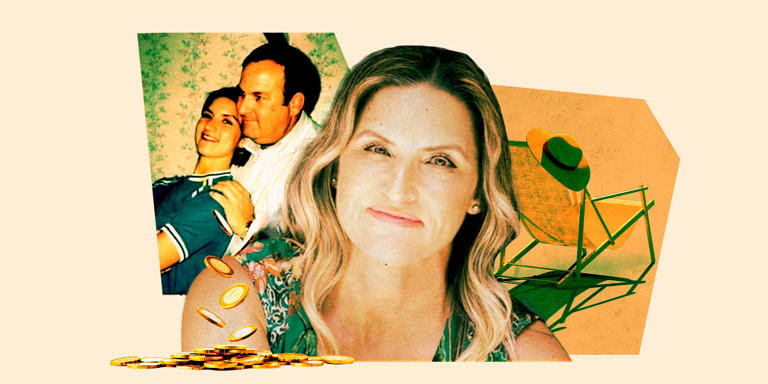
My Dad Sacrificed Everything

Here’s How Much Every Tax Bracket Would Gain — Or Lose — Under Trump’s ‘Big, Beautiful Bill’

My dad sacrificed everything to retire early — only to die before he could enjoy it. I’ll never recommend early retirement to anyone.

Story by insider@insider.com (Rebekah Sanderlin)

  • Rebekah Sanderlin’s father lived frugally, saving money and working hard for decades.
  • He retired at 50 but then lived in what Sanderlin calls a “monastic frugality prison” before dying at 58.
  • Sanderlin has inherited some of her father’s frugal ways but feels that no one should retire early.

My father was always a thrifty guy, and he tried — mostly unsuccessfully — to pass that trait along to me and my siblings.

When I was 6 years old, he gave me a small lidded basket to save the money I earned from the tooth fairy and from doing chores. When my basket got full, he took a very disappointed me to the bank to put it all in a savings account. According to a story my parents loved to tell, I exclaimed: “But I’ve already saved it! Now it’s time to spend it!”

My dad lived a frugal lifestyle

Working hard and saving money, my three siblings and I were told, was the only pathway to real happiness, and my parents practiced what they preached. My dad worked for the same sausage company for nearly his entire life; he started working there at 15, sweeping the parking lot, and he stayed until he was in charge of all the plant’s operations by his early 30s.

When the company was sold and his location was shuttered, my father — by then divorced from my mother — moved six hours away to run the new location. He could more easily imagine himself starting over alone in a new town than starting over with a new company.

He visited my siblings and me every other weekend. He was a master of finding frugal ways to have fun and always generously gave his time and attention.
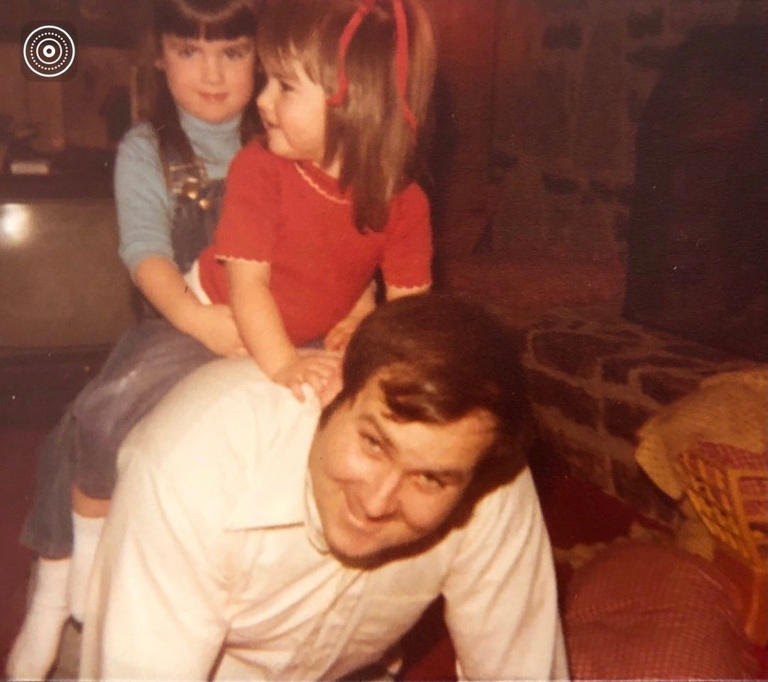
The author (in the red shirt) and her sister getting a piggyback ride from their father. © Courtesy of Rebekah Sanderlin

A typical Saturday would include lunch at Sam’s Club, where he encouraged us to eat all the free samples. Then we might take a stale loaf of bread to feed the ducks at the park or spend an entire afternoon riding the elevators in the buildings downtown. We went to air shows and free concerts and loaded up on cheap candy at the dollar store before taking our seats in a 99-cent movie theater

He couldn’t wait to retire and actually start living

My father had many penny-pinching ways. He price-shopped every purchase and always bought store-brand products, which, after decades in the food industry, he preached were of the same quality and even often made by the same manufacturers as name brands. He never bought a car new — only used — and he drove his cars until they no longer made financial sense.

When the headliner in one sagged so badly it blocked the rearview mirror, his solution was dozens of colorful thumbtacks pushed haphazardly into the ceiling of his sedan. I used to move them around while he drove, as if his car were a mobile Lite Brite.

It would’ve been a perfectly fine solution for a teenager, a college student, or someone struggling to make ends meet, but my father was the top boss at the largest employer in his town. He could’ve afforded a new — or at least newer — car, and he even would’ve been able to pay cash for it.

But his plan had always been to retire early. He couldn’t wait to wrap up his working life. To him, work was something you did until you could afford to quit and actually start living. Every paycheck got him closer to that goal.
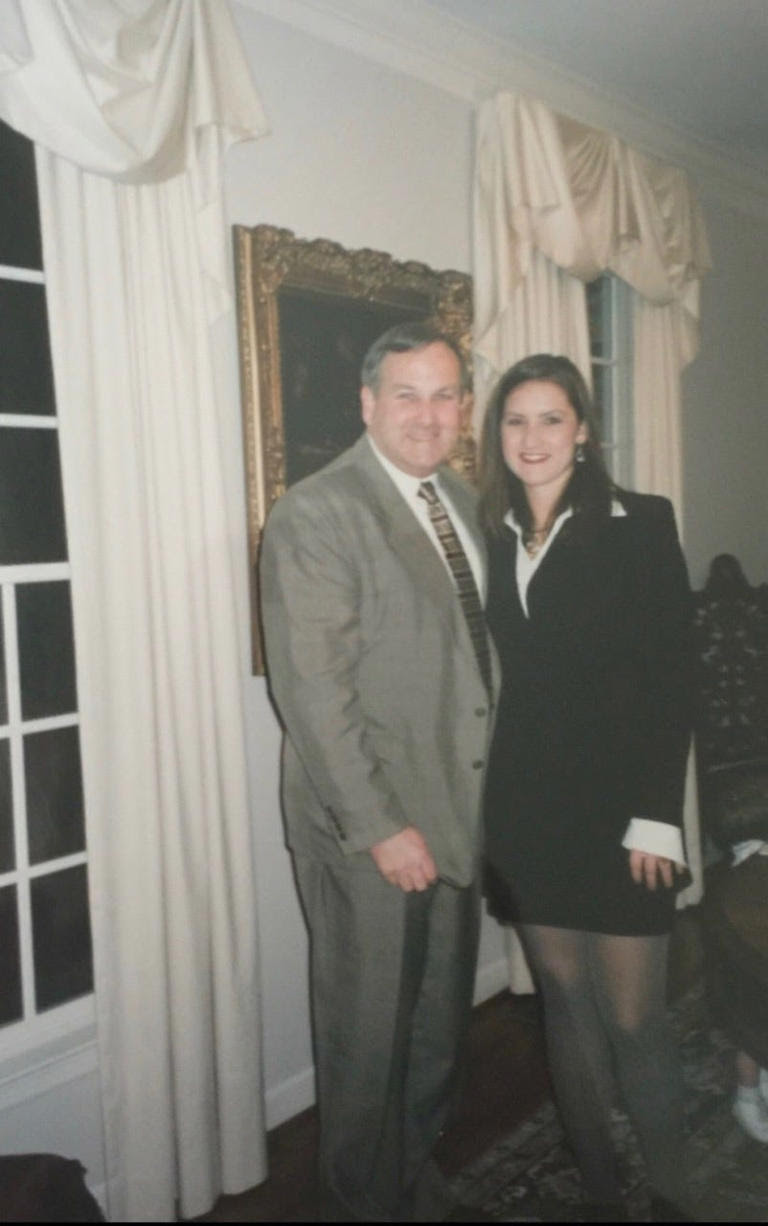
The author and her father at her college graduation party. © Courtesy of Rebekah Sanderlin

His life became tiny

At age 45, he got laid off. He hadn’t planned to retire that early and tried to find another job, but after several years of searching — and a few short stints at jobs he hated — he looked at his accounts and realized he didn’t really have to work anymore. At 50, he could retire and have plenty of time to do whatever he wanted.

The problem was figuring out what he actually wanted to do with his time. Whole weeks would go by in which he didn’t do anything at all. He never developed the kinds of interests that can sustain people once they stop working.

Moreover, his retirement budget was so tight that he couldn’t afford to explore anything new; he once told me that all his monthly expenses, including housing, utilities, vehicle, and food, were just $900. Both his parents had lived into their 90s, and though he had quite a bit saved for retirement, he worried that his savings might not last his entire life.

He wouldn’t even go out to eat with my siblings and me because restaurants simply weren’t in his budget. We would have paid for him, of course, but he was too proud to let us do that. My father’s life became tiny — a monastic frugality prison.

Most critically, his budget left no room for health insurance. This was prior to the Affordable Care Act, and he found out that buying health insurance would have cost him more than $1,200 a month, an expense he felt he couldn’t justify. He reasoned that his health would most likely be fine until he was old enough for Medicare, but he was wrong.

The author and her father at a "Blue Hawaii"-themed party a few years before his death. C.J. Shelker, courtesy of Rebekah Sanderlin

The author and her father at a “Blue Hawaii”-themed party a few years before his death. C.J. Shelker, courtesy of Rebekah Sanderlin© C.J. Shelker, courtesy of Rebekah Sanderlin

A cancer diagnosis changed his money outlook

He lived that way for eight years, until January 2008. Though he had lost a lot of weight and complained of a sore throat for months, he refused to see a doctor because he was worried about the expense.

After my siblings and I persuaded him to see a family friend who was a doctor, we finally found out what was going on: At age 58 my father was found to have Stage 4 esophageal cancer and was told he had six months to live. When the reality of his diagnosis settled in, it also hit him that he would never get to spend the money he had been saving since he was 15.

One day, he wrote each of his children a check for $10,000, saying he wanted us to go shopping and buy ourselves something expensive, something he had never done for himself. He joked that he’d already saved the money and now it was our turn to spend it, laughing as he turned that old family story on its head.

By then he was too sick to go shopping with us, but we each showed off our purchases to him. I was pregnant at the time and bought myself an expensive designer diaper bag. I also bought a pair of real diamond earrings, and his eyes lit up as he watched me slide them into my ears.

It turned out that the same man who had thumbtacked up the headliner in his car really enjoyed being the kind of father who could buy his daughter diamond earrings and a designer diaper bag.
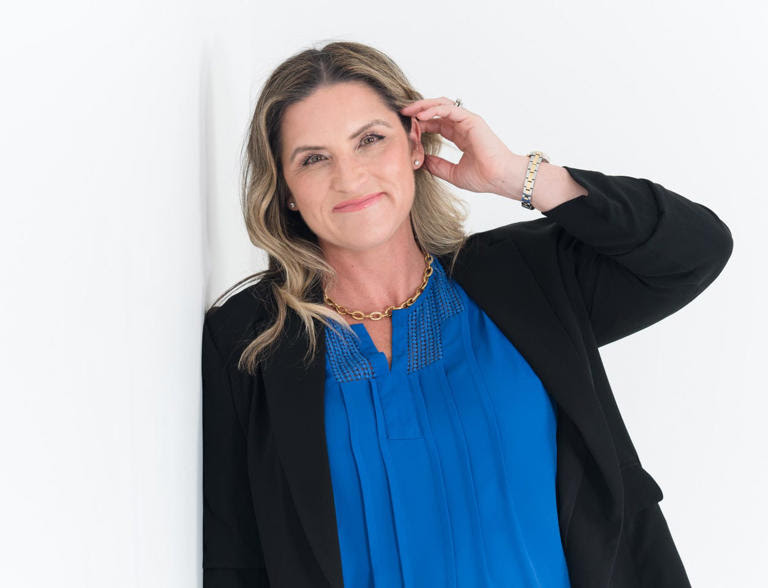
The author wearing the diamond studs her father bought for her, which she almost never takes out. © Christal Marshall, courtesy of Rebekah Sanderlin

He died not long after that, exactly six months after getting the cancer diagnosis.

I don’t think anyone should ever fully stop working

Nowadays, when I hear people say they want to retire early, I feel like I’m watching a teenager in a horror movie go alone into the basement. With all the ways that exist for people to engage with work and monetize their passions, I don’t think anyone should ever fully stop working, or at least doing things that bring them purpose.

Stop working a job you hate? Absolutely. Spend more time on pursuits that don’t pay very well, if at all? Hello, I’m a writer! Volunteer in your community or be a caregiver for family members or friends? Please, do that. But fully retire with no plan to engage in activities that provide a sense of purpose? I just don’t see how that is good for anyone.

I did inherit a few of my dad’s frugal ways, though. I always price-shop my purchases and fill my grocery cart with store-brand food. That old designer diaper bag now serves as my laptop bag, a reminder of everything I learned from my dad.
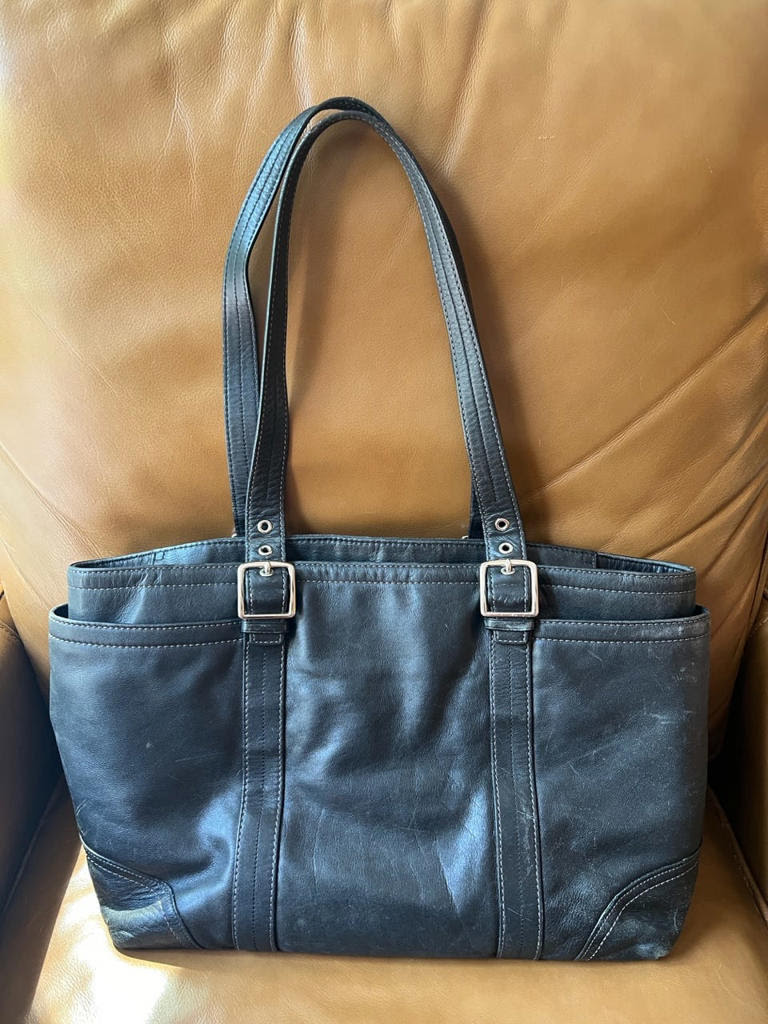
The diaper bag turned into a laptop bag. © Rebekah Sanderlin

And thanks to his lessons, I have a financial plan and solid savings. I plan to slow down as I age, but I don’t plan on retiring. I’ll write as long as I’m able, volunteer as long as I’m needed, and do it all wearing the diamond studs I got from my father.

Rebekah Sanderlin is a freelance journalist, copywriter, screenwriter, and marketing strategist.

If you retired early and would like to share your story, email Jane Zhang at janezhang@businessinsider.com.

If you enjoyed this story, be sure to follow Business Insider on Microsoft Start.

Ken of the world (anonymous chat.)

Uh, would you rather he died on the job? 

Retirement age varies widely depending on profession, influenced by physical demands, job security, and financial incentives 1. Some careers encourage early retirement due to strenuous conditions, while others allow individuals to work well beyond traditional retirement ages 2 3 4 5.

Retirement is very personal and some should retire young and some should not. I love my job at 65 so I don’t see retirement coming for a while. No one can predict how long they will be able to work or how long they will live. My parents lived until their early 90s but that does not mean I will too. Retired at 56, after seeing my BILL pass before receiving a single SS check. I never lived to work like some, work was never anything more than a way to put food on the table.

Starting in my late twenties I put in place one immutable rule, put a part of every check into a retirement account and never, never, never borrow from that account.
Sometimes the put something away each week would sting, but I made sure my family never really did without. I worked all the overtime I could and picked up part time jobs to fund our extravagances.

Never take your eye off the ball!

I am with you… counting the months for retirement. Life wasn’t meant to be a slave of capitalism and corporations! Good to hear that there are people out there that are enjoying and doing well in retirement. I would like to retire in my mid 50’s but all I read is that early retirees feel no sense of purpose, wither and die because they have nothing to do. My job is a means to an end, a huge source of stress and I can’t imagine missing it. I think you just explained how I feel working. I at least try to be in a job I enjoy. I always have one lined up if I am leaving the one I am at.

But… you can still include such content by leaving out the Dot in the web-address–for example AARPorg and the reader has to figure it out. AI (artificial intelligence) won’t figure it out, mainly because the human mind is superior to AI. 

‘Hope this helps.

There are many “retirees” who might go back to semi-retirement.
But see my other two comments in these discussion strings–one being a citing of that old axiom: “If you find a job you love, you’ll never work a day again in your life”.
My mentor & big bro’ Peter Jr. travelled the globe after his early retirement from the US Navy, going from enlisted to full Cmdr in charge of medical ops for the largest Naval base in our nation, Balboa in San Diego.

Then he enjoyed retirement fully, from all the positivity he accomplished, and still continued to spread world peace by bringing his persona to every continent including Antarctica. The  bottom line is fulfillment is as unique as one’s fingerprints, and it’s up to us each to obtain it–preferably (arguably) while helping others.
there should be a lot of fulfillment in the challenge of facilitating the human healing process in some way–as with all medical personnel.

Most of the people I know who retired early have purpose, have interests, and have fun. Travel. Take classes just because they are interested in things. Learn how to do household maintenance; learn to cook. Volunteer at animal shelters, food kitchens, work with kids in need, Work in little theater. Do all kinds of things they didn’t have time to do when working 8 to 10 to 12 hours a day.  

It is a CHOICE on how to live life in retirement. 

Make a good one!

Retired at 60 and loving life! I’m 63 now. We’ve traveled 3x to Europe, 2x to the Caribbean, 1x to Hawaii, and go to Florida and Alabama for a walk at the beach most years, and I take an annual trip to Nashville. We have a sizable nest egg that we only take money out for trips or gifts for our kids. House was paid off many years ago by doubling up on payments.
We’ve each lost a sister, my bro in law has had cancer 4x, our daughter had major cancer at 24 (half her liver removed) and thyroid cancer. Just found out my husband’s fam has a genetic disease that causes lots of cancers often, probably why our daughter and bro in law have had so much. All families are being tested. Point is, none of us know how much time we have left and we want to enjoy life as much as we can, while still having a hefty retirement plan.

I retired in my 50’s but prior to retiring I had a part time job lined up for a couple days a week. I loved it.
Find something to give you purpose or you will get bored pretty fast.

I think that sense of purpose thing is propaganda to keep people working and not take SS. Just picking up the house daily takes hours, never mind “goals”. I think the story behind the story is that people have to feel like they MUST work or they will die early, that simply is not true.  When reading through retiring early blogs, the writers never encourage people to sit around the house and do nothing. Literally nobody is saying that.

I retired a few years early. Took two years to relax and decompress. Eventually I started changing my life – relocated and got a terrible paying job that I absolutely love that supplements my Social Security. Started doing some real vacations. I will fully retire at some point but not quite yet. Nothing is guaranteed so make the best of whatever time you have.  My wife asked me what I was going to do today, I said “nothing”. She said that’s what you did yesterday. I said I didn’t finish yesterday.

Those unfortunate enough to be catatonic will, indeed, sit all day and do nothing.

Unfortunately most retirees run out of money after a few years and can’t afford much more than a trip to a nearby store. That’s the face of most retirees

Absolutely!! To quote the famous orator Eric Cartman “whatever, whatever, I do what I want!” – Search

They mean that they aren’t telling people that want to do other things that they can’t do them because they have to sit around doing nothing, so acting as if they are is not a fair complaint against their advice. Of course it’s fine for people to sit around doing nothing if that’s what they want to do. The point is that they’re doing it because they want to, not because they have no other options.

Retirement is not a choice for most Americans. We’d all love to retire early but most of us can’t because of money. None of us can control life. We just need to live our fullest each day. Easy to say, hard to do.   Why is this article suggesting that this man made the wrong choice and that is why he died early?

Usually because of the failure to plan is a plan to fail accordingly.

Problem is, most people nowadays do not understand the concept of saving money, or even investing. Start off easy with a CD at a bank. If your employer offers you a 401K, just start with the bare minimum to add to it. It may not seem that important in your 20s, 30s, 40s, but it will make a difference when you get close to your 60s. Also, don’t do things that cause more debt. Plan to have all bills paid off at least a couple years before retirement age. Keep in mind that many poor people end up wealthy by just watching what and how they spend and save.

sad but true. Not only don’t save but spend more than they make, pay a LOT in interest [and sometimes penalties to boot]. Take out loans to go to college [or for their kids’ college] and then complain “I am 70 and STILL paying my student loans off. It’s unfair.” Started saving at 21 & I “retired” around 58 and am as busy and as bored as I allow myself to be. My two sisters spent more than they made: one is homeless, the other working full time at 74. With three examples to follow, my niece is following her homeless mom’s example, despite everything I have done to try guiding and helping her. Massive student debt but went out and bought a $20K car at 27% interest AND ensnared her kid into co-signed the car loan, so the kid is headed down the same path. Sad and frustrating.

I don’t think that’s what she’s saying. I think she’s saying we never know what life is going to throw at us so sacrificing everything your entire life for a magical retirement that may not happen isn’t the way to live fully throughout your life. I think trying to find a middle ground between saving for retirement and living your life fully along the way is what she’s getting at.  Retirement is a choice, but it takes commitment and discipline over a long period of time.

My Wife and I worked hard, saved a lot, and planned for retirement. She died at age 57 from cancer, I was 60 and decided to retire immediately. 12 years now and no regrets other than she passed without enjoying retirement. I didn’t really like my job and was happy to ditch it.

I worked in a dam factory, a job I hated every day. I worked 27 years in that hole, but got a pension and at 51 when it shut down took a pension and never looked back….69 now and so glad I did. As I tell others, NOW is the time to enjoy your life, when you get older you spend less, do less, travel less so your bills are less. The big financial houses spewing lies about keeping a 401k, moving it all to a roth. and forgetting everything about the bs 4% rule of withdrawal in retirement.

I just retired at 67 and wished I had retired sooner. You want to be able to enjoy life too before the aches and pains set in too much. My job paid well but was very stressful.

And the docs research does point to stress as health and even life threatening. Which is why when I can, I will also retire. Granted, stress can be controlled to a certain extent, but for me, just knowing that I don’t have to worry about being laid off, etc. would be a weight off my shoulders.

I’ve lived a frugal life, well not too frugal like the story I will said; now about to reach 60 years old, and saved a pretty good savings and being diagnosed with a kidney disease, I now can cash yearly a percentage of my retirement to go on trips overseas, and see the world, I realize I may no enjoy until I retire early. Next month I am going to South America, Business Class ticket made a reservation to a beautiful hotel, and to live 2 relaxed weeks and enjoy while I can

I noticed no one has mentioned insurance as well. Except VA retirees who are covered by the VA.

I’m 80. I retired at 51 for 4 years then retired again at 62. Glad I did. Not able to do some of the things I could do 30 years ago but still basically healthy and happy. 

Gave up a lot of money but it worked out well. Success is not always about money but being happy. Money can’t buy happiness, but to an extent, the older you get the more you may need it. Money doesn’t make you wealthy understand=ing it does

 I did the same thing! Retired @ 50 for 4 years and back to work. Though I’d only work a year to save up travel money, but Covid & the economy has me still working (58). 

I do hope to retire next year @ 59, but certainly no older than 60.  He did it wrong. He didn’t retire early; he was forced out before he hit his $ number. Didn’t have a transferable skill. I retired at 59 and my wife was 56. It’s great. We travel and have multiple hobbies.

It has been wonderful, 23 years retired and still having my best life. I live in Las Vegas and live in my art studio/auto customizing shop, 49 for me was just perfect, all I have is my SS and 1/5th of my pension. I get to be at concerts from the first day anyone, like stage crews get there, to the day no one is left, 300 concerts last year alone, plus every event at the Festival Grounds in Las Vegas. It’s so cool to be able to make things happen for yourself, with no pressure.

It seems like it is an all or nothing situation when trying to decide when to retire. This story is a good example of how valuable it would have been to hold a job that paid insurance but also allowed for free time. My experience was that work responsibilities kept increasing until retirement. There was no “medium ground”. Optimally, after 50 or so, work responsibilities should decrease as we should spend time focusing on our health.

I know that some people find work that they are truly passionate about. And they have minimal responsibilities outside of work. I’ve been reading articles about people who have worked into their 90’s. I guess that IF I would have no regrets dying on the job, that would be okay. Most people need to work until 65 if they value health insurance. I couldn’t imagine forgoing insurance, knowing what I know about healthcare in this country. But some may choose to make the gamble.

I’ve been responding to articles about this topic. Some real research on it would be very valuable.

I worked with a lady (Beth) who was getting close to retirement. She and her husband (Don), a farmer, had an RV and every February, they drove to Daytona for the beginning of the NASCAR season. Their dream was to follow the NASCAR circuit with the friends they had made. Right before she retired, Don was discovered dead sitting at the computer. Beth decided to retire, but, before she did, she was diagnosed with Alzheimer’s. Everything they had worked so hard for, and they were great people, was now GONE! Beth died from Alzheimer’s about 2 years later. What a gyp!! I think of them often, especially in February.

No one is guaranteed a long life. 

Balance savings and living. Work with good fiduciary advisors. Your kids will never be young again. You can’t postpone life with them. Money cannot buy time. Have adventures and make memories. In the end, these are all you will have when someone passes. 

 I know that we are not guaranteed a long life. But these people were of the Greatest Generation who had lived through the Dust Bowl, the Great Depression, and World War II, got married, worked, and did everything to achieve the ‘American Dream’. I know that life is not fair, but it should be fairer than this because I think of the CEO, the millionaires, the billionaires who do not care about anybody but themselves!!

I guess that retirement savings commercial that shows the old couple running, holding hands down a beach in Bermuda is a bit of a long shot. No one escapes death, unfortunately. As much as anyone hopes to live until they are X age, the truth is no one can ever predict the future. However, at least try to prepare as best as you can. May make the difference. Everyone should be able to retire but you have to plan. Things beyond your control will happen (s-happens) and you can’t plan for every detail in your life, how boring that would be. Make plans and retire but plan, plan and plan some more. Plan to do something instead of just not knowing what to do.

Best bumper sticker I have seen, “The harder I work the ‘LUCKIER’ I get”

There is no such thing as luck. You were prepared to take advantage of opportunities that came up. I am planning to retire at 55 but my husband and I have saved millions of dollars by investing and saving and having a very simple life. We travel a lot too,,, Even MORE of a case to retire early. Whether he worked or not, he would have been dead at 58. At least he was able to enjoy some of his retirement in his way and not work until he died. Actually… We don’t know how much he did and not having health insurance contributed to his death. I personally think that we should have universal health care and then it doesn’t become a factor in that decision.

When I was reading this I was wondering what was so terrible about driving a car with thumbtacks in the ceiling. I’ve got an ugly car too, but I couldn’t care less because it gets me from point A to point B. It seemed as if the moral of the story was to stop saving so much and instead go out and buy that ridiculously expensive diaper bag or the diamond earrings. I would much rather have the extra time he was able to enjoy rather than the ability to splurge on fancy goodies all along the way.

The father sounds like a hardworking, responsible person. He accepted the role of a man for his generation. He was humble and it would appear deeply loved his family, putting their needs ahead of his own. He lived within his means and prepared for the future. We don’t know because it isn’t told, but while it is sad that the father’s plans didn’t go as he’d have hoped, I get the sense he had no regrets. He would have lived much the same life even if he had known he would die of cancer young. I wish more men, more people, would be a bit more like this woman’s dad. I admire the image I have of him after reading this story.

Exactly….putting your family’s needs ahead of your own…a concept not well understood by the younger people today. To me this story just reinforces the idea to retire early if you want and can. You must save and plan for tomorrow and you also should enjoy life along the way.

 There are too many stories like this where a person just keeps working towards the end result but never makes it there. We only get one go around on this planet so enjoy it. But 50 was probably a bit too early for this man. 

And if he had taken a part time job to cover his health insurance, maybe he’d still be with us. I don’t need to work at this point and I’m caring for a sick husband, but I never shut the door on the idea that I may need to find a job. Put 10% into your retirement and don’t worry about retiring early. A lot of people don’t make it. It seems like everyone I’ve known that retired early, died early. You need to find a way to enjoy your life along the way.

I retired from the US Military at 40 with a decent pension (retired as a LTC) and waited till 70 to collect my full Social Security benefits. I have plenty of money, but I have continued to work and volunteer as I have all my life. I find it rewarding to do both. I work part-time and volunteer with a couple of nonprofits. I love the interaction, connection and the challenge of giving back all I can! I cannot imagine NOT doing any of that! I am also a glass artist, so my days, weeks and years are full! Oh, and I have also been married for 3 years. My husband fully retired 2.5 years ago and pretty much sits on the couch and scrolls through his phone. Very sad.

There is an old expression [paraphrased here] which may apply:
“Once you find a job that you love you’ll never work a day again in your life.”

The lines have blurred these days on what constitutes “work”–we can all consider these two scenarios, as evidence of the blurred lines:

= Is volunteering not work, even without a paycheck ?

= Is hugging a very sad & crying child in the classroom really work even if it is not in the job description of a caring Teacher ?

Hopefully there is fulfillment for any reader here.

In my case, hearing the genuinely positive (anonymous !) feedback from almost all of my thousands of students over many years as a Teacher & Prof was worth more than a much larger paycheck–if viewed 100 years from now. As long as you are not a burden on society because you didn’t save enough to pay your bills. And guess, prices go up, they do not stay the same. I’m a former smoker and have had breast cancer. Are you an actuary? If (formerly) smoking subtracts 15 years from your life, and I add that to my current age, then I’m elderly.

What’s so good about “living on the beach”?
I’d rather live in God’s Country, than “paradise”.

My brother died of esophageal cancer. It is one of the hardest to detect early and difficult to treat. The mortality rate is very high. I am glad he retired and got to have 7-8 years enjoying hobbies and family without the stress of work.  Sadly, that’s one of my husband’s favorite hobbies, watching old episodes on MeTV. (But I get him out of his comfort zone often.)  I never understood the idea that you cannot work and enjoy your life at the same time. There are enough hours in a week and vacation time to do this.

 Plus, you don’t have to work full-time. 

When you are a supervisor at many companies, there is nothing in your life resembling free time. I have known people who would work three days straight, go home a sleep a few hours and then work another three days. Most people think their work is their life.

It’s a part of life, if you read the Old Testament.

 People in the Bible days lived long lives. They worked into their 100s.

They didn’t retire from work. My friend whom I loved very much, worked at one place for 44 years. She had over 1.5 million in her 401k. Plus savings accounts, she didn’t have kids, nor was she ever married. She decided to retire at 62, when she turned 62, she bought herself a Silverado, so she decided to continue to work to pay for her truck, 4 years later she decided to retire in June of 2022, but in November of 2021 she was diagnosed with stage 4 colon cancer, June of 2022, she passed away. Never got to enjoy her retirement or money or her home. She left her 2 sisters well off though. I miss that crazy women everyday.

Regardless of how long a person could or can live, being happy with the choices you make along the road is more important than money. For some, even if they only live 25 years, as long as they enjoyed life for that time is really what it should be about. No one is guaranteed to live long, be it from disease, natural disasters, war, etc.

There have been studies done. The longer you wait to retire the less life you will live. IE; if you retire at 50 you have 30 years left. If you retire at 60 you have 15 years left. If you retire at 70 you have 2 years left. Now these numbers aren’t exact but the study showed that the longer you wait the earlier you will die. This is of course barring major illnesses (like cancer). P.S. Yes, you need medical insurance.

And there have been studies that show no correlation between retirement age and mortality.

correlation <> causation

Those who retire at 50 generally are those who are very well off. They have exponentially less life stressors and the time and ability to take care of themselves. Compare that with the single parent who works 2 jobs to provide for their family. The stress is dangerous(deadly). The long hours are very hard on the person. They don’t have time for the daily gym visits or a yoga class. They also don’t end up with the ability to retire early. In other words it is not retiring early that generally allows people to live longer…. it’s all the things that generally correlate with the ability to retire early.

Tus statement is what was left after the garbage censorship at Microsoft got done with it. This is absolutely disgusting that you can no longer make the most innocuous and logical statement without the ridiculous censorship removing every word you state. I disagree. It is different for everyone. Sometimes working gives a person purpose. Some people have enough to do to retire early. But regardless, activity is important.

This is an odd article. It seems to place blame on working hard to retire early and enjoy life. Why people don’t enjoy life and die early?

The writer’s definition of “retire” seems to be sit on the couch and do nothing for the duration. I retired a little early (at 61 two years ago). Best thing I’ve ever done for my physical/mental health and overall well being. I have hobbies and do volunteer work, so plenty to do (on my own terms).

I think many of the life lessons your Dad taught you were spot on. There is nothing wrong with being a little frugal. 

Yes some (including him) may have taken it too far but learning to save more and spend less on day-to-day expenses is not a bad thing.
I am also striving to retire early, at 62 hopefully. However I do believe to successfully retire early, apart from having a budget and a plan to meet it, you also need the following:
1. Enough resources to bridge the health insurance gap until Medicare kicks in. Nobody in their 60s should “take a chance” without health insurance. If that means taking part-time work or whatever to keep it then that should be done. If you can’t afford health insurance, you’re not ready to retire early.
2. A plan for spending your extra time, which includes being as active as you possibly can be. Volunteer work, clubs/organizations, inexpensive hobbies, and exercise plans can keep you busy.

Don’t just watch TV.
Great article, very moving. 

I believe your Dad was a good father and a good guy.

I was very frugal during my working years, saved but did not have a poverty mentality. I retired at 55 with no debt. I no longer have to save and can easily spend more on luxuries but years of frugality can be hard to leave behind for some. Not necessarily a bad thing. My husband loved his job and was going to work until 65. He had a stroke at 56 within months of my retirement and was never able to work again. We lost our health insurance.

 Thankfully I was able to afford that 1K a month for insurance. Never had any health issues in the 10 years to Medcare but wasn’t willing to gamble with my health. He has since had several smaller strokes, heart surgery, kidney cancer surgery and ongoing long Covid symptoms from 2020. Not the retirement we envisioned yet plan B is still pretty sweet. We take pleasure in what we can do at every opportunity and are thankful that the frugal years allow us to afford that without worry.

Cancer can affect anyone at any age. 

Perhaps the father decided to retire early because he was aware of his diagnoses.

Honestly, I think retirement is somewhat overrated. I worked until age 70 to increase my SS benefit, and since then have worked part-time (3 mornings a week) at a non-stressful job and have no regrets. I’ve known too many people like my dad, who retired and then parked themselves in front of a TV for the rest of their lives. Not for me. But everybody’s needs and goals are different. Early retirement works for some.

Retire as soon as you are able to afford it and are financially able to retire when you are healthy and young enough to enjoy retirement, 40 years is enough working years

By her measure, she wanted her dad to work till his last breath. What a tragic way to go. What she saw as someone being cheap or not being able to afford going to a restaurant, IMO, is just someone being frugal and thinking, why waste money going to spend money on spaghetti or lasagna dinner when I can make it at home for 1/3rd the cost or less and get 5x-8x the portion. I just saw a menu at a local Italian restaurant, and they wanted $22 for lasagna entree for dinner… excluding tax or tip, so that’s going to push nearly $30 for one meal, no dessert, and with water.

Sorry for the loss of your father. Not sure why he felt 50 was when he wanted to leave the ‘race’, but to each their own. I walked away at 59, couldn’t be happier. And I didn’t live a super tight or extravagant lifestyle, just saved basically all along the way, usually about 8-10% when young and while the kid was little, a bit more as I could, and about 20% last 10-12 years before retiring. BEST advice I can give is to NOT retire with a lot of debt, pay off that house and the cars before!

My FIL died at 56…..Was retired for less than 30 days. I retired at 53, now 56. Life is short, no guarantees…..I wasn’t going to die while still working.

Unfortunate, but working too long, too much, especially at a stressful job/career you hate and not enjoying life also a killer, he could have continued to work and still end up sick, at least he did manage to get a few years in to enjoy life, OK so someone retired early and died, people die under 5, under 10, in their teens, 20s, 30s, and 40s. People die. Life is not about SS or retiring, it’s about living your best life while you can. Stop concerning yourself with retirement and thank God for each day you are here and make the most of it.

While frugality is sometimes a necessary short-term means to an end, I think aspiring to it as a lifestyle is a form of mental illness. I have a relative who has built her entire persona and life around frugality. The author’s description of it as a “monastic frugality prison” is spot on.

One person’s story is not everyone’s story. I too grew up in circumstances which caused me to be a frugal adult. In comparison, I shopped everything and used hand-me-down furniture for decades, and kitchen things I’d owned since age 18. I still use some flatware from my own childhood that once belonged to my mom. I’m not talking silver, I’m talking stainless we got from pasting Blue-Chip Stamps into books. 

Retiring early is a privilege I earned for myself. I retired at 51 and now have more annual income as a retiree than I had when I was working. You don’t have to go to work to make money. I deny myself very little now, and while I still compare shops, it’s because I don’t mind SPENDING money, I just don’t want to WASTE money. Whether she approves of her dad’s choices is irrelevant. It was HIS life to live the way he saw fit. She can live as she pleases, but others can live as they choose as long as they aren’t hurting anyone.

Your father sounds like a great person. You learned a lot from him and told your story well. If your any where’s close to my age your father probably grew up during the depression. A lot of independent living lessons were taught the hard way to the “Greatest generation”. You should be proud of your heritage. Thank you.

This is more of a hindsight 20/20 anecdotal instance that does not really fully consider that he did not like work and was forced into early retirement or consider what his life would have been like if he spent all the money and then was forced into retirement and lived until 95. But if you can’t afford health insurance or preventative care to detect disease, you have no business calling yourself retired.

I really am not sure the writer understood her dad. I semi-retired at 64 and started to take my social security when Covid hit since I did not feel like I wanted to be taking all the New York City folks out to look at homes at the height of the virus. NY did not fare well. I finally retired fully at the beginning of 2023 when I passed on my business to a colleague and moved cross country to live near my daughter, and I can say I am the only one in my family to ever collect social security. 

My dad died early, my mom at 60 from cancer, my sister at 39 from breast cancer and my brother at 56 from liver disease. I honor them by collecting something they paid into and never had the chance to collect. We have no guarantees that all the planning and dreaming about the day you are not responsible for a client, a boss, a colleague or a project. I had my own business from 2008-2023 and I was entirely responsible for keeping the lights on.

 I loved being in charge of my own destiny, although I was ready at almost 67 to give it up. I love my new life, and I volunteer and live near my daughter and listen to her tell me about her day and her stress as a single person taking care of herself. I live frugally because I moved to an expensive area and like the writer’s father, I have been great at not wasting and saving for that rainy day. 

When covid hit, I had money to take care of my business, and I did not take any money from the government. I just did not want to be beholden to the government. I made do and being able to live on less helped me out and kept my business afloat. I am glad her father got some time off before he died. My family never had that chance. She should be grateful he did.

I just retired at 58 and am bringing in about $100K in retirement. Working longer than you need to if you don’t just love it, is crazy. I’m already less stressed and enjoying myself. If you plan right, retiring early is a great way to enjoy life. I’ve truly never heard anyone on their deathbed say, “I wish I’d worked longer”.

I’m a frugal person. I love my frugality. It is a way of life. But I also like to enjoy myself. When I was in my 20s, I worked as much as I could. I’d work 50+ hours a week. Nowadays, I don’t do that anymore. I turn down extra work (read: extra income) because it’s not worth it. My plan is to retire early, but I know plans have a way of not going the way you expect them to, so I also have back-up plans.

For too many people retirement is an early death sentence. The change of lifestyle is too stressful.
To the author….kudos to your dad. He sounded happy. It’s too bad his health didn’t hold up. I can’t see where working up until his death would have made him or anyone else happier. Apparently, you and he had a different definition of “a sense of purpose”.

That’s the worst. The timing of retirement is so unpredictable. I had a coworker that was retired for only a few days before he passed. He retired much older than I would have, he quit at 68. I’m trying to retire early for this reason. You never know.

Balance, in all things.
And I already know what I will be doing in my retirement: the same things I do now in smaller amounts, but can do more of when I am retired. (examples: writing novels, playing music instruments, composing music, painting, playing computer games, gardening, tend the poultry, create a birdhouse or repair a small bridge over a stream)

I can imagine waking up at 7am when I am retired and then the sun goes down and I wonder where the day has gone and then I realize I did everything I wanted to that day.

This story says “retire early” tomorrow is not guaranteed. I know a lot of people that live a frugal life, and they love it, financial freedom gives you peace of mind. Your dad could have not lived a frugal life and still developed cancer and passed away at an early age.

I’m 85 and retired at 55. I have not regretted it for one second. I got to spend lots of time with Grandchildren. travel. hike, fish and do whatever suited me at the moment. Age and health has stopped that now but darn did I have fun. Someone asked me once how long it took me to adjust to retirement. My answer was somewhere between my desk and my car.

“Never recommend early retirement”
I think the author got this backwards, seeing how if he had been frugal enough to put a couple million in the bank, that would have yielded (4% rule) $80k a year for retirement forever.

The very day he hit the $2 million mark, he should have retired. This way he can live life on his terms.

The trick to early retirement is to get involved and proficient at the activities you enjoy LONG BEFORE RETIREMENT. Get active bicycle riding, fishing, skiing, golf, pickle ball, white water rafting, hiking, sailing, working in your yard, and hobbies in your garage or shop (not all of these). Don’t sit on your butt after work. Finding other married couples or married children who enjoy the same things long before you retire is a must. Activities that provide significant exercise like bicycling, hiking, and skiing are ideal. Make sure you have a variety of activities that allow you to keep entertained year around.

I retired 25 years ago and have never sat around bored. I have more than enough money but it doesn’t take that much money to keep active at a minimal cost.

Man that’s par for the course! My best friend’s dad was a dept. headed for a huge Bell affiliate and finally retired at 65. He spent the summer working on his house and they planned a trip to Europe the next year. He had a heart attack and never saw 66.

Thank you to like-minded people in the comments. I’m ready for early retirement too! I’m 32. We need to make early retirement at 40. Thank you for listening to my ted talk.
Depends on what you consider to be an “early retirement”. I would agree that 50 years old is a bit early, but if you can pull it off financially and enjoy a comfortable lifestyle, go for it. 

I retired three years ago at 62.5 after 51 years of gainful employment and a 45-year career in telecommunications / IT. I know at least a dozen people who have died before they could draw their first social security check or enjoy their first day of retirement. I knew that I wasn’t going to be a member of that club. I retired as soon as I hit the early withdrawal age.

Think about all the money that is given back to the government each year by those who have paid into the Social Security / Medicare system for decades, only to die before drawing their first retirement check. Uncle Sam is counting on this scenario to play out as much as possible.

By this logic, her father should have never retired. Me, I retired during my late 20’s -early 30’s and now plan to retire again next year at age 68.
I saw my parents die before they could enjoy their retirement, that is why I made sure to enjoy mine “early”.

My dad retired at 50 and was dead by 58 due to colon cancer. I just retired at 60 this past March and I am living my best life because my job has a pension and a supplement if I left before the age of 62. I also got a check from the military. Right now, I am living my best life not working. I have been working since I was 15. I used some of my 401k to do some upgrades to my house. My pension and VA benefits are the game changer. It is a shame that many jobs do not offer a pension. Social security was never meant to replace your income, just supplement what you have in saving.

7 Key Factors That Could Affect How Long You’re Retired | JD Financial Solutions & Insurance Group, Inc.

Happiness and life expectancy by main occupational position: Who will live longer and be happy?

The ‘8-Year Rule of Social Security’ — A Retirement Rule | Kiplinger

How long does the average person live after they retire?

How long is the average retirement in years – Search

How Long Will Your Retirement Really Last?

xxxxxxxxxxxxxxxxxxxxxxxxxxx

The Big Beautiful Bill – Unbiased Breakdown: What It Means for Your Money Explained in Summary

Trump’s Big Beautiful Bill in Senate: Social Security & Medicaid Explained – Money Instructor

Want to retire early? Here are the top 5 regrets of Americans who called it quits too soon

I Tried Early Retirement With My Husband—Here Are 16 Reasons I Ran Back to Work

BREAKING: Big Beautiful Bill PASSED | The Future Of The Section 8 Program
Posted in Uncategorized | Leave a comment

Cancer by Mark Sloan

When Mark Sloan – Search was 12 years old my mother died of cancer.

“Cancer” By Mark Sloan

I didn’t realize it until years later, but the tragedy of losing my mother was actually my greatest gift: My mother gave me a story that could inspire others and a mind that could find the answers the world was literally dying to know. My purpose in life is to ensure that no child has to go through what I did, ever again.


Mark has published a number of books Amazon.com : Mark sloanincluding the 6x #1 international bestseller Red Light Therapy: Miracle Medicine and two monumental works on cancer called The Cancer Industry and Cancer: The Metabolic Disease, both of which include a combined total of over 2400 scientific and clinical references. Never before has the root cause of cancer been so well documented and easy to understand.


Mark has been researching health, including hundreds of books, for over 15 years and has many unique evidence-based insights to share with the world. His website is EndAllDisease.com and he believes the goal of ending all diseases is not only possible, but it’s only a matter of time before his message becomes universally known throughout the world.

image.png

Cancer: The Metabolic Disease Unravelled by Mark Sloan | Goodreads

Never Fear Cancer AgainWhat if I told you that all the research needed to end the disease of cancer forever has already been completed?  Would you believe it?  Well now you don’t have to!

The Metabolic Disease Unravelled is your complete guide to the revolutionary scientific discoveries made over the past 150 years that reveal exactly what cancer is, what cancer isn’t, and the most efficient ways to remedy it – without causing patients any harm whatsoever in the process.

Bestselling author Mark Sloan lost his mother to cancer when he was 12 years old and now he’s made it his life mission to ensure that no child has to go through what he did, ever again.

Backed by evidence from over 3500 scientific and clinical references, The Metabolic Disease Unravelled explodes the myth that cancer is a disease of genetic origin, and reveals its true underlying dysfunctional metabolism.

In The Metabolic Disease Unravelled, you’ll

The single most important scientific cancer discovery ever madeHow The overwhelming evidence showing cancer is a metabolic diseaseThe single most powerful dietary change you can make for long term healthAt least 5 effective alternative cancer therapies and testimonials from cancer survivors who used The Metabolic Disease Unravelled is your ultimate guide to understanding what cancer is, what cancer isn’t, and how to correct the root cause quickly and inexpensively without causing any harm whatsoever in the process.

Jim Allison: Breakthrough – YouTube is a name to be reckoned with throughout the scientific world, holding a 2018 Nobel Prize for discovering the immune system’s role in defeating cancer. But for decades he waged a lonely war against the skepticism of the medical establishment and the resistance of Big Pharma. This is the astounding true story of one warm-hearted, stubborn man’s quest to find a cure for cancer.

Cancer with Mark Sloan: What it is, what it isn’t, and how you can prevent it – Deep Roots at Home

Things Everyday Workers Deal With That The Wealthy Can’t Relate To | Watch

Study Links Air Pollution To Lung Cancer In Non-Smokers Worldwide | Watch

The Cancer Industry [Book Review] Evil causes cancer – Limitless Mindset

Amazon.com : metabolic approach to cancer book

Interview with Mark Sloan, a man on a mission and author of several books; The Cancer Industry, Cancer: The Metabolic Disease Unravelled, and Red-Light Therapy: Miracle Medicine. Also, his obsessive research is a dissection of one of the darker truths about modernity – that evil is at the root of the cancer epidemic which threatens your life and your loved ones.

For a full review of The Cancer Industry book click the link below:

Posted in Uncategorized | Leave a comment

The ‘Impossible’ Happened

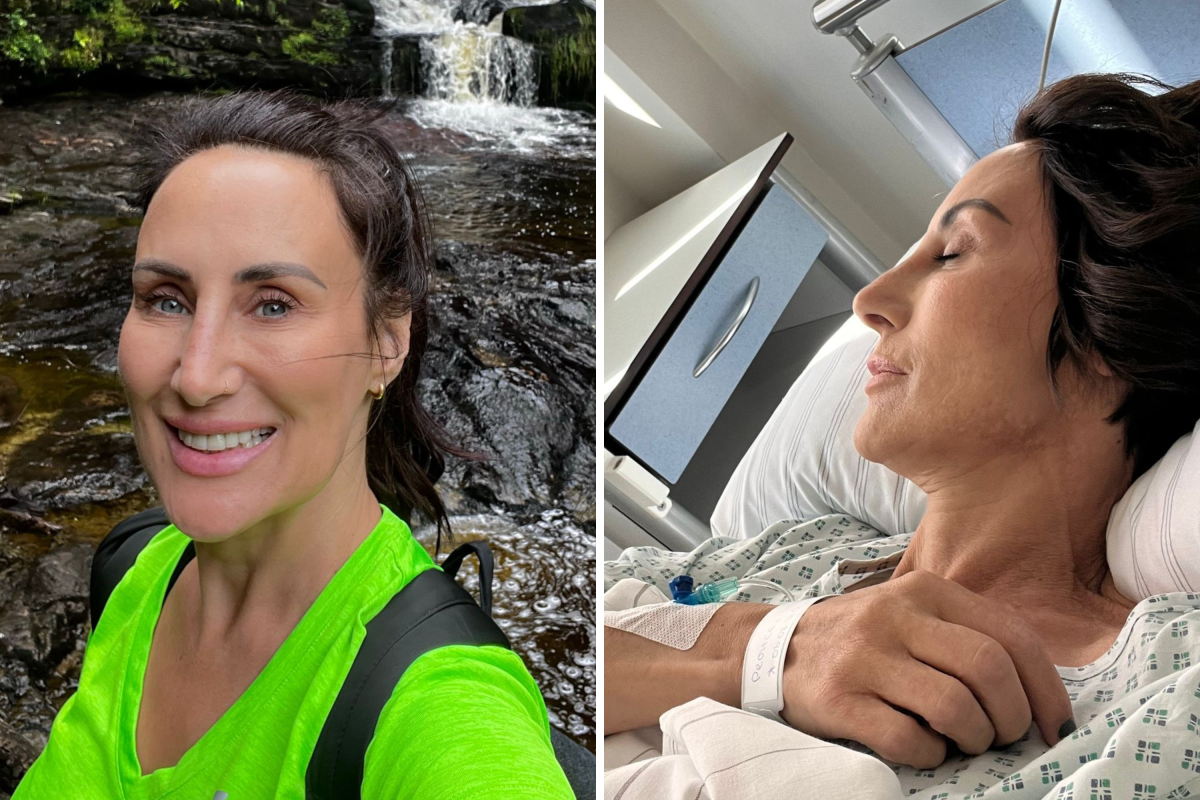
I was hiking just four weeks prior to my stage IV diagnosis. Lying in the hospital bed during treatment. Laura Pearce/TikTok/@lauralucy72

I Was Given Less Than 6 Weeks To Live, Then the ‘Impossible’ Happened

Published Jul 06, 2025 at 6:00 AM EDTUpdated Jul 07, 2025 at 5:43 AM EDT

I was 50 years old when a doctor looked me in the eyes and said I had just four to six weeks left to live. Nothing can prepare you for that moment. I was in shock.

Just weeks earlier, I had been on holiday. But, shortly after I returned, a wave of exhaustion hit me. I brushed it off—after all, I was a business owner, a mom of six, and navigating a separation. Of course, I was tired. Life was full on, and I assumed it was simply catching up with me. Cancer never even crossed my mind. I had already beaten it once.

In 2018, I was diagnosed with Stage II breast cancer and went through eight rounds of chemotherapy and 25 rounds of radiotherapy before getting the all-clear. I was monitored annually—but only my breasts. No one looked anywhere else.

But cancer recurrence doesn’t always return to where it started. Sometimes, it creeps back, silent and unseen, until it spreads somewhere new. And, in my case, it came back with a vengeance.

After nearly five cancer-free years, I was told in August 2023 that I had Stage IV cancer. It had overtaken 85 percent of my liver. It had metastasized into my bones and there was a tumor in my lung.

The public health system in England offered me palliative care. It was a death sentence I wasn’t willing to accept. I wasn’t ready to leave behind my six children: Matt, 35; Will, 24; Hannah, 19; Alfie, 17; Oscar, 14; and Evie, 13.

Family photo

With five of my six children when I was 50. (L-R) Matt, then 33, Oscar, 14, Alfie, 17, Evie, 13, Wil, 32. Laura Pearce

I’d spent my life juggling parenting, building businesses, staying fit, and doing everything that I thought a “perfect” mom and wife should do. I didn’t want my story or my children’s memories to end in a hospice.

With the help of a friend, I found a lifeline: a specialist for radiotherapy-radiation oncology in Frankfurt, Germany—Dr. Thomas J. Vogl, who was known for treating advanced cancers that others wouldn’t touch.

Just three weeks after my diagnosis, I left for Germany. I said goodbye to my children, terrified that it might be for the last time. My ex-husband, who is still a great friend, came with me. I could barely sit up. Even speaking was difficult.

At the clinic, Vogl told me plainly: “No one in your condition would normally be treated. But I’ll give you a chance.” There was a risk the treatment itself could kill me, but I had nothing to lose.

Laura Pearce

In September 2023, when I was given a prognosis of just weeks to live.

In June 2024 with my son William. Laura Pearce

Vogl began a procedure called transarterial chemoembolization (TACE). It is a minimally invasive treatment that involves delivering high doses of chemotherapy directly into the blood vessels feeding the tumor, through the hepatic artery. Then, the blood supply to the tumor is intentionally blocked, or “embolized,” to trap the chemotherapy in the tumor and starve it of nutrients. This targeted approach allows the treatment to be more concentrated in the tumor.

Vogl told Newsweek: “We are using Transarterial chemoperfusion (TACP) and TACE for a lot of different organs, mainly the liver, but also lungs, pelvic, brain and extremities.”

He added: “This patient is a real miracle.”

An NHS England press officer told Newsweek: “TACE are treatments for primary liver cancer. Primary liver cancer is different to cancer that spreads to someone’s liver from somewhere else in their body. This is called secondary liver cancer or liver metastases.”

I flew back home the very next day, and I didn’t tell the NHS. They had warned me not to go. I knew it was risky—they wanted to treat me systemically, not locally. But I believed in my gut that I had to try.

Naively, I agreed to systemic chemotherapy, too. In hindsight, it was a mistake, but I was scared and desperate.

Within weeks, I had sepsis. My body went into free-fall. I was on 24-hour care, and my body was turning on itself.

Somehow, I pulled through. And just four weeks later, I was strong enough to return to Germany for my second TACE session.

This time, I knew I had to do more than just attack the cancer. I had to rebuild my body, too. I had testing done to identify every deficiency. I focused on gut health, inflammation, and nutrient absorption. I cut out alcohol and red meat.

image.png

Laura Pearce

August 21, 2024  · 

🙏Good news 🙏 Oncology appt for CT scan and blood results blood 🩸 all stable and only 2×1.2cm tumours now active. New uk oncologist and told her about my Frankfurt : TACE treatment and totally supportive – I’ve never dared mention it before as in the uk they can then immediately stop treatment and scans / bloods which I need to monitor everything. Tumour markers ⬇️down ⬇️again from 94 to 72 … I’m continuing to improve despite the odds and I’m beyond grateful 🙏 As always a huge thank you to all my friends and family for their continued positivity, love and support even when I’m a cowbag 🤦🏻‍♀️Above a pic of todays juice to show how healthy I’m trying to be … it’s a lifelong path now ❤️… with a little chocolates along the way 🍫😉

The sun and air were just perfect today ☀️

A hike through the woods, soaking in the rhythm of nature—and reconnecting with the best version of myself ✨

This wasn’t just a hike. It’s a lifestyle: wellness, discipline, and beauty in harmony.

I installed a sauna in my house and used it several times a week to detox. I hired an oxygen chamber and started hyperbaric therapy. I switched to filtered water, practiced Zen Buddhism, and committed to mindfulness. I trained my mind as hard as my body.

Over 11 months, I underwent 11 TACE sessions. Each trip cost around $6,790, but it was worth every penny. After each one, I had an MRI. My tumors shrank by roughly 10 percent each time. After the second session, the tumor in my lung vanished.

Laura Pearce

September 13, 2024  · 

❤️To all my friends and family ❤️I just wanted to share the amazing news that after my microwave ablation in Germany on Thursday and my contrast MRI this morning, Prof Vogl advised that I am a walking miracle (he’s the miracle worker not me!!) and he has never ever seen such a response to treatment. He’s one of the world’s best. 

Even my U.K. oncologist, who was initially skeptical, was amazed by the progress; however, they had no idea until February 2024. I had to come clean as I got sepsis for the third time, and I stopped oral chemotherapy as it was too much for my body. But my oncologist told me they now supported my choice.

Laura Pearce

I crossed my fingers before my appointment with Vogl, hoping for the all-clear and I got it.

Now I’m reclaiming my glam. Laura Pearce

In April 2024, scans showed the cancer had stopped spreading through my pelvis, spine, hips, and ribs. In August, after my final TACE session, I was scheduled for microwave ablation—a treatment reserved for when tumors are nearly gone.

It is a minimally invasive procedure that uses high-frequency microwave energy to generate heat, which destroys cancerous tumors and cells. The term “ablation” refers to the destruction or removal of tissue, and “microwave” refers to the method of energy delivery.

After the procedure, Vogl’s assistant said something I’ll never forget.

“It was a perfect procedure and perfect result,” as the tumor had completely gone.

I wept.

My blood-cancer markers—which had once been over 5,000—have dropped into the 70s, and my last test showed a CA 15-3 of 29 (which is within the normal range of <30 U/mL for this tumor marker that is mainly used to monitor breast cancer treatment or recurrence, though it can also be elevated in other cancers or noncancerous conditions like endometriosis and autoimmune diseases).

Vogl and my oncologist believe this dramatic result could be due to the abscopal effect—an incredibly rare immune response where local cancer treatment triggers the immune system to eliminate tumors elsewhere in the body. It’s rare, but not impossible. I believe the strength of my immune system played a role.

My last treatment was in September 2024.

 I am still living with complications—particularly ascites, a fluid buildup in the abdomen linked to a compromised liver. I drain a liter of it each day. But I’ve lived with it for 20 months. My UK oncologist says he’s never seen someone survive this long with it.

image.png

(1) Laura Pearce – So this is my hero, the man who has saved my life… | Facebook

Laura Pearce is with Thomas J. Vogl and Andy Pearce.

December 11, 2024  · 

♥️♥️So this is my hero, the man who has saved my life, the man who says I’m a miracle, a world expert, leader and pioneer at the forefront of radiology and chemotherapy, who has just done a CT and MRI scan with contrast and given me the best news. He said he thought I’d need treatment today after a 3 month break and I’m sitting on a bomb, but today I’m ALL CLEAR! My TACE process and checkups with Prof Vogl are one of the scariest yet most positive things in my life – and at least I still have a life thanks to this genius Thomas J. Vogl #tace #frankfurt #cancersurvivor 

The best Christmas present ever for me  and my beloved familywas in 2024  (3) Facebook https://www.facebook.com/laura.pearce.942 

♥️♥️ Forever grateful 🙏 ♥️♥️ Last year I didn’t expect to see Christmas, this year I’ll be having the best Christmas ever 🤶❤️🌺♥️

I had a scan in Germany at the start of this month, and I was given the all-clear. It seems I have achieved the impossible with TACE and a holistic approach to support my body through recovery.

But I no longer let cancer define my life. I don’t want my children to remember their teenage years as one long hospital stay.

I cook, clean, drive, and do school runs. I train with a personal trainer three times a week to rebuild muscle after being bed bound. I’m no longer trying to be perfect—just present.

I regularly share my journey on TikTok at @lauralucy72, where my videos often go viral and have even reached millions of views. I want people to know they have options. Traveling overseas for treatment can be expensive, and I understand not everyone has the money. But if people don’t know these options exist, they lose the chance to try to fundraise or find the resources they need.

Source: I Was Given Less Than 6 Weeks To Live, Then the ‘Impossible’ Happened – Newsweek

When the Battle Moves: The Overlooked Link Between Brain Cancer and Breast Cancer

Embracing Life After Cancer: Laura’s Story of Hope and Healing – Care+Wear

Laura Pearce 2d󰞋󱟠 Had a fabulous chat with Joanna Ebsworth, – Search

Cause of Death of Country Singers_Country Music Stars Who Have Died

Central Ohio women’s cancer diagnosis drives her to educate on Black health disparities

Home | This Is Living With Cancer | Official Site

Our Story | Surviving Breast Cancer

Do I believe in Conventional medicine?

Cut, burn or poison it away for cancer patients. This is beside the point …my point is doing it this way without supplementation is purely barbaric. chemocare.com – Search

Surviving Breast Cancer (@sbc_org) | TikTok

https://www.survivingbreastcancer.org/social

image.png

Then It Hit Me: A Journey Through Cancer Support | TikTok

We have a song!! “Then it hit me,” inspired by a heartfelt poem, narrates Laura’s experience with the roller coaster of emotions that follows a cancer diagnosis, and her discovery of support in the community. May 27, 2025 · “Then It Hit Me”. A song by Hot Flashes & Cold Truths. The honest reality of a cancer diagnosis based on the blog and poem “The Night Train” published on Sur. – Search Images

Grab this audio, tell your story and reveal how you knew you weren’t alone🩷 Check out Bing Videos for inspiration🤩!!!!

We have a song!! “Then it hit me,” inspired by a heartfelt poem, narrates Laura’s experience with the roller coaster of emotions that follows a cancer diagnosis, and her discovery of support in the community. Grab this audio, tell your story and reveal how you knew you weren’t alone🩷 

Listen to the full song: https://open.spotify.com/track/0Ey1gU…
#cancer #breastcancer #cancerjourney #cancerstory #cancersupport
Listen to the full song in the video below!

  ‎Then It Hit Me – Song by Hot Flashes & Cold Truths – Apple Music

Then It Hit Me, a song by Hot Flashes & Cold Truths. Based on the poem featured on 

SurvivingBreastCancer.org: https://www.survivingbreastcancer.org/post… – Search

Leading liver specialists if not the best and today he gave me the unbelievable news THAT MY CANCER IS GONE AND ANY TINY BITS LEFT ARE TOTALLY INACTIVE. I’m still very tired and weak but this is something I can work on now. 

Gratitude is not a big enough or strong enough word to express how I feel, relief, joy, disbelief … it’s all mixed up. 

I know I have a long path ahead to rebuild my health and strength but now I feel I have a true chance of being here to be a Mum and Nan for a lot longer than I could have dared to hope. 

From late stage 4 with 80 percent liver metastasis, cancer in lung and bones and hospice care offered, to the scan I had today is beyond anything any of us could have hoped and prayed for. I’ll never take it for granted and every day is precious. 

Thank you to everyone who has supported me through this, you wonderful people know who you are ❤️ For anyone on this journey, believe you can do it, the body and mind are wonderful things and never let anyone tell you there is no hope ❤️❤️❤️❤️❤️❤️❤️❤️❤️❤️❤️❤️❤️

Meet the Sole Democrat Who Stood for Cancer Survivor DJ Daniel During Trump’s Address to Congress – RedState

Overcoming Challenges and Advo… – She Rises Podcast – Apple Podcasts

https://www.facebook.com/reel/1748330946038444

https://www.facebook.com/reel/1207557564431825

Posted in Uncategorized | Leave a comment

 The Electric Car Conundrum

How Wealthy the Average American Is Compared to The Rest Of The World

When a group of Spanish journalists embarked on a 2,500-kilometer journey across Europe, their mission seemed clear: test the viability of electric cars on long-distance trips.

But after their trek from Berlin to Madrid, the team returned with an unexpected conclusion. The future of electric cars, it seems, is not quite ready to dethrone traditional vehicles for those in search of a cost-effective and practical option on the road.  

he advent of electric vehicles (EVs) has been heralded as a major leap forward in the quest for clean, sustainable transportation. The image of silent, pollution-free cars gliding down city streets offers a seductive vision of an environmentally friendly future.

But beneath the surface of this green revolution lies a complex web of environmental, economic, and geopolitical implications that challenge the simplistic narrative of EVs as the unalloyed good for our planet.

How Much Debt The Average American Is In, How It Compares Globally

How America’s Income Gap Compares to The Rest of the World

The Journey Begins in Berlin with Blurred Vision

The Journey began in Berlin, where the group toured Tesla’s Gigafactory.

From there, they set out in two Tesla models, the Model Y Long Range RWD and the Model 3 Highland, both with Long Range versions designed for extended travel.

The goal was to assess how these electric vehicles stacked up against their diesel counterparts, particularly for long trips. The team’s route would take them through several European countries, ultimately ending in Madrid, offering ample opportunity to compare the costs and practicality of electric vs. diesel.

Testing the Real-World Efficiency

The journalists’ experiment was straightforward: drive the electric cars the same distance as a typical long-distance road trip while stopping every 200 to 300 kilometers for recharging. The trip allowed the team to experience firsthand the potential challenges of recharging an electric vehicle in real-world conditions.

⏯️  The Electric Car Conundrum: Is this really the future we want – Search

They primarily used Tesla’s Supercharger network but also explored other public charging stations. As they went from one stop to the next, they were constantly evaluating the time spent charging and the cost of electricity at each stop.

Despite the reliability of Tesla’s Superchargers, which provided a fast and efficient recharging experience, the team found themselves in frequent discussion over the challenges electric car users face.

One major factor they couldn’t ignore:

The time spent waiting for the vehicles to recharge was often far longer than the time it would take to fill up a diesel car at a fuel station. This was particularly evident as they navigated through areas where charging stations were sparse or less efficient.

The Cost of Recharging: Diesel’s Financial Edge

When the journey came to an end, the team sat down to crunch the numbers. According to data from the European Union’s official fuel price reports, the costs associated with recharging the Teslas were significantly higher than refueling a diesel vehicle.

Over the course of 2,500 kilometers, recharging the electric vehicles cost them €53.62 more than if they had fueled a comparable diesel car. This cost discrepancy grew even more when comparing the electric vehicles to a gasoline car, with the electric vehicles’ total fuel cost exceeding the gasoline vehicle’s by €136.61.

The study underscored a stark reality for electric car enthusiasts: while electric vehicles are often advertised as more affordable to fuel, long-distance trips could incur unexpected costs—particularly if fast-charging options like Tesla’s Superchargers are used.

Charging Infrastructure

While the cost of recharging was a concern, the type of charging infrastructure also played a significant role in the overall experience. Superchargers, known for their speed, are an expensive option. The journalists realized that opting for slower charging stations  could reduce the overall cost of the trip, but it would also mean adding more time to the journey. The infrastructure of charging stations across Europe remains a work in progress.

While fast-charging options are becoming more widespread, they often come at a premium. This challenge becomes particularly apparent when traveling across countries with varying electricity prices. The team’s findings suggested that for drivers to get the best value out of their electric vehicles, they may need to carefully strategize their charging stops, balancing speed, cost, and convenience.

Diesel’s Practicality: Speed and Convenience

Despite the higher fuel costs, the diesel vehicles proved to be far more practical for the long-distance journey. The speed of refueling with diesel far outpaced the recharging times of the electric vehicles. This was a crucial advantage also for the team, especially considering the nature of their trip. Diesel vehicles are widely available across Europe, and refueling stations are common, meaning the team could stop at any point and resume their journey without significant delays.

Though electric vehicles may offer lower maintenance costs and environmental benefits in the long run, the benefits of a diesel vehicle—speed and convenience—were clear. The team noted that for long-distance travel, diesel vehicles are likely to remain the preferred choice for most drivers in the foreseeable future, at least until the charging infrastructure for electric vehicles becomes more widespread and efficient.

Even Reporters Admit EVs Don’t Beat Internal Combustion

Close Up Detail Of The Unique, Minimalist Design of the Steering Wheel of a Tesla Cyber Truck. Credit: Shutterstock | Great Discoveries Channel© Daily Galaxy US 

Electric vehicles don’t work for long distance driving. The infrastructure does not match that built for internal combustion engines (ICE). And then there is cost. After Driving 2,500 Kilometers in Electric Car, they Reached an Irrefutable Conclusion: “Diesel” Is Still King on the Road

A group of journalists started at the Tesla factory in Berlin, and drove 2 vehicles from there to Madrid.

When a group of Spanish journalists embarked on a 2,500-kilometer journey across Europe, their mission seemed clear: test the viability of electric cars on long-distance trips. But after their trek from Berlin to Madrid, the team returned with an unexpected conclusion.

The future of electric cars, it seems, is not quite ready to dethrone traditional vehicles for those in search of a cost-effective and practical option on the road.

The cost of recharging was higher than what a comparable vehicle would have paid for either gas or diesel. Over the course of 2,500 kilometers, recharging the electric vehicles cost them €53.62 more than if they had fueled a comparable diesel car.

This cost discrepancy grew even more when comparing the electric vehicles to a gasoline car, also with the electric vehicles’ total fuel cost exceeding the gasoline vehicles by €136.61.

The charging infrastructure is also lacking. They were driving Tesla vehicles, and when they could find a Tesla supercharger, things were good. They couldn’t always find a Tesla charger however.

Superchargers, known for their speed, are an expensive option.

The journalists realized that opting for slower charging stations could reduce the overall cost of the trip, but it would also mean adding more time to the journey.

So will that extra time equate to a motel stay?

The article still parrots the idea that electric vehicles are better for the environment. Pay no attention to the environmental devastation caused by lithium mining in South America, or nickel mining in Indonesia, or child labor mining cobalt in Africa. The fact is that EVs don’t work for everyone.

This video is less than 4 minutes: The hat tip goes to Net Zero Quickie: Auto industry in “FULL PANIC MODE” | MGUY Australia. 

They Drove 2,500 Kilometers in an Electric Car and Learned One Thing: Diesel Is Still King – Jason Deegan

Enjoyed these articles? 

10 States Reach Major EV Target By 2025 Deadline In Decade-Long Clean Energy Push

10 Car Companies Worked on EVs Before It Was Cool & 10 That Never even Bothered

The Electric Vehicle Conundrum: Green Savior or Eco-Challenger? – The Geopolitics

2025 Chinese Cars: The 7 Models That Will Shake Up the Auto Industry | Watch

The electric car conundrum: more cars, more hype, or more hope? – ArenaEV

Spanish Muslims Start 8,000-KM Horseback Journey to Makkah | About Islam

10 Countries Speeding Toward Gas Car Bans—And a Few That Reversed Plans

20 Game-Changing Cars Set to Shake Up the Auto Industry in 2025 and 2026

Hybrid vs EV vs Gas: Which Actually Saves You the Most Money?

How Deep in Debt is America Compared to Other Countries?

Why Hybrid Cars May Be Better Than Full Electric (New Data Reveals)

Revealed: The Countries with The Most Electric Cars On The Road

13 States That Are Gearing Up to Ban Gas-Powered Cars

This new Hyundai EV might outrange all the rest

Here’s Why Electric Cars May Not Be The Future

Posted in Uncategorized | Leave a comment

Texas Hill Country

Texas flooding: Dozens killed following sudden burst of extreme rainfall

🚨FLASH FLOODING ALERT🚨

Texas Hill Country Floods: Death Toll Rises as Chaos Unfolds! — devastating Texas floods 2025, Texas Hill Country rain emergency, Fredericksburg flood rescue efforts.  “Texas Hill Country Floods Claim lives: Are We Prepared for Nature’s Fury?”  Bing Videos

—————–

Texas Hill Country flooding the night of July 3rd, Fredericksburg rescue operations, devastating rain events 2025. Fredericksburg experienced heavy flooding in 2025 1 2 .

The river reached its peak due to heavy rainfall in the Shenandoah Valley 3. At least six confirmed fatalities have been reported, and the community is in a state of emergency 4.

Devastating Floods Impact Texas Hill Country 

The Texas Hill Country has recently experienced catastrophic flooding following a night of relentless rain. As reported by journalist Lara Logan on Twitter, the region is grappling with the aftermath of these severe weather conditions. With at least six confirmed fatalities, local law enforcement anticipates that this number may rise as rescue operations continue. The community is currently in a state of emergency, with many residents seeking safety and assistance.

Ongoing Rescue Operations

Rescue operations are actively underway in Fredericksburg and surrounding areas, where first responders are working tirelessly to assist those affected by the flooding. The swift response from local and state authorities demonstrates the urgency of the situation as they navigate challenging conditions to reach individuals in need. The severity of the flooding has prompted officials to issue warnings and advisories, urging residents to stay indoors and avoid flooded areas.

Community Resilience

Despite the chaos, there are moments of gratitude and hope amidst the disaster. Lara Logan expressed her appreciation for the prayers and support received from the community, highlighting the spirit of resilience that characterizes the Texas Hill Country. 

Residents are coming together to support one another, showcasing the strength and unity that can emerge in times of crisis. Local shelters and organizations are mobilizing to provide food, water, and shelter for those displaced by the floods.

The Importance of Preparedness

This tragic event serves as a reminder of the importance of being prepared for natural disasters. Communities in flood-prone areas must have emergency plans in place, including evacuation routes, communication strategies, and access to resources. Residents are encouraged to stay informed about weather conditions and to heed warnings from local authorities. Preparedness can make a significant difference in minimizing the impact of such devastating events.

Call for Support

As the situation evolves, the community is calling for support from both local and national organizations. Donations of food, clothing, and financial assistance are crucial for recovery efforts. Those wishing to help can reach out to local charities or contribute to established relief funds aimed at supporting the affected individuals and families.

The Aftermath and Future Outlook

In the coming days, the Texas Hill Country will face the daunting task of recovery and rebuilding. The impact of the flooding will be felt long after the rains have stopped, as communities work to restore normalcy and provide aid to those in need. It is imperative for residents to come together and support each other during this challenging time, and for authorities to prioritize recovery efforts to ensure the safety and well-being of all affected.

The recent floods in Texas Hill Country have not only caused significant damage but have also tested the resilience of the community. As rescue operations continue and recovery efforts begin, the importance of preparedness, community support, and awareness becomes ever more evident.

The road ahead may be difficult, but with solidarity and also determination, recovery is possible. Shocking video shows how quickly the Texas flood waters rose over 20 feet in as little as 37 minutes

image.png

LIVE: Flooding in Texas latest from Kerr County, Camp Mystic | FOX 4 News

Devastating floods here in the Texas Hill Country where it poured with rain all night. When you think of Texas, images of sprawling landscapes, charming small towns, and sunshine often come to mind.

However, in recent days, the Texas Hill Country has faced a starkly different reality. The area has been rocked by **devastating floods**, with relentless rain pouring down for hours on end. As the situation evolves, the local community is grappling with the aftermath of the torrential downpour that has left many in dire circumstances.

Heavy rainfall can lead to catastrophic outcomes, and the Texas Hill Country is no stranger to this. Flooding can cause significant damage to homes, infrastructure, and the environment. This wasn’t just a light drizzle; it was a night filled with intense storms that resulted in a precarious situation for many residents. The local authorities are overwhelmed with the task of responding to the crisis, and tragically, the reports indicate that at least six lives have been lost, with the number expected to rise as rescue operations are still ongoing.

At least six officially confirmed dead w law enforcement indicating number expected to rise

The heart-wrenching news of loss is difficult to process. As of now, at least six individuals have been confirmed dead due to the flooding, a stark reminder of the power of nature and the dangers that severe weather can pose. The local law enforcement agencies are working tirelessly to assess the damage and locate missing persons, and they have indicated that the death toll may increase in the coming days.

It’s essential to recognize the human aspect of these tragedies. Each number represents a life lost, a family forever changed, and a community in mourning. The emotional toll on families and friends is immeasurable. As these rescue operations continue, the community is coming together to support one another, demonstrating resilience in the face of adversity.

Rescue ops ongoing

As rain continues to fall and the floodwaters rise, rescue operations are a top priority for local authorities. They are employing all available resources to reach those stranded or in need of assistance. Emergency services are working around the clock, navigating hazardous conditions to save lives and provide aid.

The stories emerging from these rescue efforts are both inspiring and heartbreaking. First responders, volunteers, and community members are coming together to help those affected. Whether it’s providing food, shelter, or simply a listening ear, the spirit of solidarity is evident. For many, it’s a powerful reminder of the importance of community during trying times.

We’re safe for now in Fredericksburg – thank you for your prayers

While many are facing unimaginable challenges, there are those who have found safety amidst the chaos. In Fredericksburg, a small town in the heart of the Texas Hill Country, residents are breathing a sigh of relief as they navigate the aftermath of the storm. It’s a moment of gratitude, recognizing how fortunate they are to be safe when so many others are not.

The outpouring of support from friends, family, and even strangers has been heartwarming. People are coming together in prayer and solidarity, reminding everyone that they’re not alone in this struggle. The community is banding together, showing that even in the darkest times, hope and kindness can shine through.

The impact of climate change on severe weather events

As we reflect on the devastating floods in the Texas Hill Country, it’s important to consider the broader implications of climate change. Severe weather events, including floods, hurricanes, and droughts, are becoming increasingly common and intense. Scientists have long warned that climate change could lead to more extreme weather patterns, and many communities are already feeling the effects.

The Texas Hill Country, known for its rolling hills and beautiful rivers, is not immune to these changes. As the climate continues to shift, communities must prepare for the possibility of more frequent and severe flooding. This includes investing in infrastructure, emergency response plans, and community education to ensure residents are equipped to handle such crises.

Texas camper who survived flood speaks out

What can you do to help?

In the wake of such tragedies, many people wonder how they can help those affected by the flooding. Here are a few ways you can make a difference:

1. **Donate to local charities**: Many organizations are on the ground providing relief to those impacted by the floods. Consider donating to local charities that are working directly with affected families.

2. **Volunteer your time**: If you’re in the area, look for opportunities to volunteer with rescue efforts or local organizations providing support. Every little bit helps.

3. **Spread awareness**: Share information about the flooding and the need for assistance on social media. The more people know about the situation, the more support can be mobilized.

4. **Check in on loved ones**: Reach out to friends and family in the affected areas to see how they’re doing. Sometimes, just knowing someone cares can make a world of difference.

Looking ahead

As the rain finally begins to ease, the focus will shift to recovery and rebuilding in the Texas Hill Country. It’s crucial for the community to come together to support one another, addressing both immediate needs and long-term recovery efforts. The road ahead may be challenging, but with resilience, hope, and collective action, the community can rebuild stronger than before.

In times of crisis, it’s essential to remember the power of unity and compassion. The Texas Hill Country will need all the support it can get as it navigates the aftermath of this devastating event. Each person’s contribution, no matter how small, can help bring about healing and recovery.

As we keep those affected by the floods in our thoughts and prayers, let’s also take action to support them in any way we can. Whether through donations, volunteering, or simply spreading the word, every effort counts in the journey toward recovery. 

image.png

Prayer for Healing, Restoration, and Unity Amid Disaster.

Authorities are still assessing the deadly effects of heavy rains that caused devastating flash floods in Texas Hill Country, leaving at least 32 people dead and many others missing as frantic parents sought word about their daughters unaccounted for at a girls camp near the Guadalupe River. 

In this heartfelt prayer, I lift up the nations and communities affected by recent floods, storms, Tennessee, 2021 Kentucky, 2022; Iowa 2024; Hurricane Helene, 2024 & Texas 2025 and past wildfires out west. 

We seek God’s comfort for those grieving loss, healing for broken hearts, and strength to face the challenges ahead. May His peace surround those in despair, guiding them toward restoration and hope. We pray for unity among nations, compassion for one another, and a renewed commitment to care for God’s creation.

Join me in this prayer for healing, resilience, and renewal as we stand together in faith, supporting those in need and trusting in God’s mercy. Pray with me to prevent the future.

Comparing The American States With The Lowest & Highest Life Expectancy

America is ready to celebrate its 250th birthday. But are Americans?

Death toll from Texas floods reaches 59, including 21 children

Posted in Uncategorized | Leave a comment

“Caught by the Grace of God”

‘Get Right with God’: Student Miraculously Survives Being Sucked From Car by EF-3 Tornado | CBN News

The Grace Of God – Search Videos

The expression “Caught by the Grace of God” conveys a sense of gratitude or acknowledgment that something good has occurred, often unexpectedly or against the odds, and is attributed to a higher power’s favor or intervention 1. The phrase is often used in religious contexts, such as in the Bible, where it signifies redemption and salvation 2.

Nine PBS on Instagram: “The EF3 tornado that hit St. Louis on May 16 injured at least 38 people, including 20-year-old Mya Grimes. N Grimes was swept away from her car by the tornado while home for summer break from Jackson State University.  Bing Videos

Jackson State University athlete Mya Grimes is known for her strength and resilience as a standout in the long jump, triple jump, and high jump. But nothing could have prepared the 20-year-old HBCU track star for the life-threatening ordeal she faced when an EF3 tornado tore through St. Louis on May 16.  

Grimes, a rising senior, was driving home when powerful winds suddenly engulfed her car. “My dad called and told me to just get home. I was trying,” she said in a harrowing interview with KMOV-TV. As the storm intensified, her vehicle was tossed violently, spinning out of control before the windshield shattered. Grimes was ejected from the car, tumbling nearly 40 yards before landing near the intersection of Union and Washington.

Bloodied and disoriented, she crawled through the debris until she found a metal pole to cling to for safety. “I was just trying to make it,” she said. Miraculously, an ambulance spotted her moments later and rushed her to the hospital. She escaped with cuts and burns, but no broken bones.

Her mother, who had been on the phone when the storm struck, described the moment as terrifying. “It’s nothing short of a miracle,” she said. The family is now sharing Mya’s story as a testament to God’s grace and St. Louis’s resilience.

Grimes’s courage and survival reflect the determination she brings to the track — a true embodiment of strength both on and off the field. Her story is a powerful reminder of faith, perseverance, and the enduring spirit of HBCU student-athletes at Jackson State University.

‘A true nightmare’: College student recounts surviving EF-3 tornado after being thrown from her car

Mya Grimes didn’t know May 16th would be the day her life would change forever.

A 20-year-old sophomore at Jackson State University, Mya was just trying to make it home. Her classes were done. Her week was full. And like any college student balancing books, dreams, and destiny, she was looking forward to rest.

But heaven had already scheduled a miracle.

As she drove through the streets of St. Louis that day, the weather turned quickly. Dark skies rolled in. The atmosphere shifted. Winds picked up with a voice of their own. In what felt like moments, an EF3 tornado was upon her—screaming through the city with 152-mile-per-hour winds.

“I didn’t even see it coming,” Mya later said. “It just… happened. One moment I was driving. The next, I was fighting for my life.”

The tornado shattered her car windows. It forced the driver’s side door wide open. Though Mya was wearing her seatbelt, the storm still pulled her from the vehicle. Thrown 40 yards down the road—yes, forty—her body collided with the street, glass, and debris. Her skin was cut. Her spirit was shaken. But her soul was still anchored.

And just before she was ripped from the car, Mya did something powerful: she picked up the phone and called her mother.

Three chilling words made it through the line: “It’s taking me.”

For any mother, that call would’ve been paralyzing. For Tina Grimes, Mya’s mom, it was both heartbreaking and divine. Because although her daughter’s voice was trembling—her voice was still alive.

And somehow, Mya held on.  

With adrenaline pumping and the storm still roaring, she clung to a nearby light pole—bloodied, bruised, but breathing. She doesn’t even remember how she got there. Some might call it instinct. But we call it intercession. The Holy Spirit covered what her hands couldn’t.

When first responders arrived, they were stunned. The paramedic told her, “You’re lucky to be alive.” But Mya wasn’t lucky—she was covered. Heaven had already assigned angels to surround her.

Her injuries included deep cuts from shattered glass and trauma from being dragged across pavement—but she walked away. Not just physically, but spiritually—she walked away with purpose, with power, and with a new level of praise.

“This wasn’t just a storm,” Mya shared. “It was a wake-up call. It reminded me that I have a reason to be here. I’ve got something I’m supposed to do with my life.”  Bing Videos

image.png

I love this and so glad God spared her life!!! Amen!!! 🙏❤️🙌

The Bigger Picture: When God Preserves the Young

Mya’s miracle isn’t just about survival—it’s about preservation. At only 20 years old, her life is now stamped with oil. What she went through should’ve taken her out. The storm should’ve silenced her. But God had another plan.

There are women twice her age still trying to find the courage to tell their story—and yet this young woman is standing in the middle of her trauma, declaring the goodness of God.

Her journey reminds us of a powerful truth: you don’t have to be old to be anointed. You don’t have to be seasoned to be selected. And you don’t have to be perfect to be protected.

She didn’t have time to pray a fancy prayer. She didn’t quote 10 scriptures. She didn’t have her oil in hand. But what she did have was a praying mama, a call on her life, and a God who was not finished with her yet.

Whether you’re 20 or 60, your survival isn’t random. You were kept for a reason. Some of you were tossed emotionally. Others were dragged through financial winds, betrayal, or burnout. But just like Mya, you didn’t break—you bent. You didn’t die—you developed.

So the next time you wonder if your story matters—remember Mya. A college student, thrown from her car by a tornado… and still here to tell the story.

The storm might’ve thrown her. But grace caught her.

College Student Caught in Dangerous Tornado on Her Way Home

Posted in Uncategorized | Leave a comment

Against All Odds

Jane McLelland – Search Videos beat cervical, lung, and blood cancers using the missing link to defeat cancer: starving it. She is partnering with Life Extension® to help other patients achieve the same results.

Scientifically reviewed by Dr. Gary Gonzalez, MD, in October 2024. Written by: Laurie Mathena.

McLelland was reluctant about writing her book, but she felt she had a duty to share with the world what she had discovered—and what had saved her life.

Jane McLelland shouldn’t be alive.

According to doctors and cancer statistics, she should have lived only about 12 weeks after receiving her diagnosis of stage IV cancer.

But McLelland refused to go down without a fight. Taking matters into her own hands, she dug through medical journals, poring over long-forgotten research and overlooked evidence, looking for clues to overcoming her cancer.

Along the way, she discovered a missing link to defeating cancer: starving it. Based on this concept, she developed her own cancer-starving cocktail—utilizing diet, supplements, and off-label drugs—that proved to be more effective than any current cancer treatment.

Now, 18 years later, after suffering from cervical cancer, secondary lung cancer, and treatment-related myelodysplasia, she is alive, well, and cancer-free.

And she has made it her life’s mission to help other cancer patients achieve the same results.

This is Jane’s remarkable story.

Strike One: Jane’s First Cancer Diagnosis

You have cervical cancer.

When Jane McLelland first heard the devastating news, she was only 30 years old. Just three days later, she underwent a complete, radical hysterectomy, followed by months of chemotherapy and radiation.

A cancer diagnosis was terrifying enough, but what McLelland struggled with most was the fact that she would never be able to have her own biological children.

“I was massively depressed. With cervical cancer, it’s not just about having a lump cut off,” she said. “Knowing that I would never have my own children was utterly devastating.”

What made the diagnosis even more tragic was the fact that McLelland’s doctor had misdiagnosed her for years. Since cervical cancer is highly treatable in its early stages, her tragedy could have been avoided.

After treatment, McLelland believed she was out of the woods. But two short years later, her mother’s cancer diagnosis was the wake-up call she needed.

A Wake-up Call

Woman holding kale

In 1996, McLelland’s mother received her own devastating news: She had stage IV breast cancer.

After an initial breast cancer diagnosis and treatment a few years earlier, the cancer had come back with a vengeance, and she died within a few months.

But McLelland says that her mother’s death is what ultimately saved her life.

“My mother’s cancer was a huge wake-up call to me to re-evaluate the situation I’d found myself in. For the first time ever, I realized I was only one step away from terminal cancer,” McLelland said. “That’s when I started looking at diet and supplementation in more detail as a way to combat cancer.”

In the early stages of her research, McLelland first learned that glucose feeds most cancers and that IGF-1 (an insulin-like growth factor hormone found in high levels in dairy and meat) also helped to drive its growth.

So, she modified her diet, cutting out simple carbohydrates and removing dairy and most meat. She cut out foods like potatoes and tomatoes because they caused an inflammatory reaction in her body (and she had learned that inflammation was a driving force for cancer). She also started drinking green tea, juicing, and taking numerous supplements.

Unfortunately, just a few months later, Jane started coughing up blood, and found out that her worst nightmare had come true: Her cervical cancer had spread to her lungs.

She now had stage IV, terminal cancer.

Strike Two

Just like the cervical cancer, Jane’s lung cancer was initially misdiagnosed (this time as a chest infection). But the benefit of having the improperly read X-ray from four months prior—along with the properly diagnosed X-ray—was the ability to see the rate at which the cancer was growing.

McLelland had repeatedly been told that diet had no impact on cancer, but the fact that her lung tumor had remained the size of a golf ball—and the fact that there were no tumors in other locations in her body—proved to her that the dietary changes she had already made were making a difference.

“You could see that my approach had slowed the tumor’s growth,” said McLelland. “I may have had that tumor for a long time. That was actually quite reassuring for me.”

This time, Jane would not be rushed into a hasty treatment decision. She delayed surgery and dove even deeper into cancer research. That’s when she learned that in order to fully eradicate her cancer, she’d have to attack it in a different way: by starving it.

Starving Cancer

The idea behind starving cancer cells is nothing new. In 1931, Otto Warburg was awarded the Nobel Prize for his discovery that cancer cells have an altered metabolism. Since then, more research has expanded on his initial studies, and has revealed that cancer cells require a tremendous amount of three fuel sources in order to survive: glucose, glutamine (an amino acid), and lipids.

Mainstream medicine ignores this simple fact, focusing instead on using chemotherapy and radiation therapy to target the tumor’s abnormal, fast-dividing cells. Given that chemotherapy often has poor outcomes for stage IV cancer, McLelland determined that she had to attack her cancer from two fronts: starve the cancer’s stem cells, and then kill them when they’re in a weakened state. Cancer stem cells are dangerous because they are more resistant to conventional treatment and are capable of producing new malignant cells that are more difficult to eradicate.

This one-sided approach is why mainstream treatments can appear to work for a time, only to have the cancer come back more aggressively in the future. It is also why the percentage of positive outcomes in a stage IV patient is, too often, zero.

On the other hand, starving the cancer by cutting off the supply to its three main fuel sources attacks the elusive stem cell. Based on that research, McLelland determined that she had to attack her cancer from two fronts: starve the cancer’s stem cells, and then kill them when they’re in a weakened state.

Jane McLelland’s Key Cancer-Starving Supplements:

  • Quercetin
  • Silibinin
  • Berberine
  • Polydatin
  • Vitamin C
  • Vitamin D
  • Indole-3-carbinol
  • Curcumin
  • Ursolic acid
  • EGCG (green tea)
  • Sodium selenite
  • Niacin*
  • Hydroxycitrate
  • Sea buckthorn oil
  • Omega-3 fish oils
  • Bergamot
  • Luteolin
  • Artemisinin (pulsed)

Working Together

McLelland underwent surgery to remove the tumor in her lung, and she endured six months of chemo (at a much lower dose than that recommended by her oncologist). But this time, she also employed a strategy to starve the cancer’s stem cells.

Her diet and numerous supplements were already helping on that front—particularly berberine, hydroxycitrate, gymnema, curcumin, niacin, and pycnogenol—all of which were inhibiting key pathways that are abnormal in cancer. She also underwent treatment with high-dose intravenous vitamin C.

“Intravenous vitamin C has been shown to target cancer stem cells, the original cancer cells that are responsible for chemo and radiotherapy resistance, because it stops a key step in the process of glycolysis, effectively starving the cancer as well as triggering apoptosis, or cell death,” said McLelland. “It helps block off one of cancer’s main energy supply lines.”

To her doctor’s utter amazement, it appeared that McLelland had beaten the odds once again. Nine months later, she was not only alive, but her cancer blood markers were good.

Those months turned into years of living cancer-free.

Still, McLelland lived with the constant realization that her cancer could always come back. And four years later, it did.

Strike Three

McLelland’s cervical cancer markers were in the normal range. But in 2003, she received yet another death sentence: treatment-related myelodysplasia, a form of bone marrow mutation that may progress to leukemia.

What had gone wrong?

“I couldn’t understand why I was controlling one cancer without controlling the other,” said McLelland. “But it’s all about metabolism. The metabolism of my leukemia was totally different from that of my cervical cancer. So, with my low glycemic index diet, I was controlling the cervical cancer, but I wasn’t controlling the leukemia, which instead thrives on proteins.”

She had to cut off the fuel supply line to this new cancer. In order to do that, she would need to bring in the “big guns”—off-label drugs. In doing so, she serendipitously reduced the nutrient supply to her first cancer as well.

McLelland’s Big Guns

plants growing in a beaker

McLelland discovered that there were numerous drugs on the market designed for other purposes (like heart disease or infections) that could go beyond diet and supplements to effectively cut off cancer’s various fuel lines. These drugs are considered “off-label,” since they were developed for conditions other than cancer.

The first big gun was a cardiovascular drug called dipyridamole, which stops protein from getting into the cancer cell, a key factor in starving leukemia, according to McLelland.

This was exactly what she needed, McLelland decided.

She made another critical finding when she picked up an issue of Life Extension® Magazine that she says played a key role in saving her life.

From Life Extension, she learned about a novel combination of a statin (lovastatin) plus a non-steroidal anti-inflammatory drug (etodolac).

“I already knew that statins would be potentially useful against cervical cancer. But research had also shown that they caused apoptosis in acute myeloid leukemias. I also had overlooked the fact that NSAIDs could cause cell death (apoptosis),” said McLelland. “What I learned from the Life Extension article was that there was a synergy between the two drugs, making them far more potent when taken together.”

She later learned that statins also block the cell surface receptor Glut1, which is used by most cancers to access more glucose. Another key, off-label drug McLelland learned about from reading Life Extension was the diabetes drug, metformin. Metformin is critical for starving cancer because it cuts off cancer’s supply to glucose & insulin and reduces IGF-1.

“I recognized that Life Extension was ahead of its time. It was providing information that nobody else seemed to be providing, and piecing together research and reporting on it before anybody else did,” said McLelland. “Life Extension really was instrumental in helping me survive.”

Years later, she also discovered the anti-cancer effects of the antibiotic doxycycline (which slows the creation of new cancer cells) and of the anti-worming drug mebendazole (which stops the cancer cells from being able to take on more glucose).

“All of these drugs are cheap and off-patent, which is why they have largely been ignored by the pharmaceutical industry, despite research supporting their effectiveness against cancer,” said McLelland.

According to McLelland, drugs like these are necessary because cancer cells rely on the same fuel the rest of your body requires to live. You can cut down on glucose, protein, and fat, but you can’t remove enough from your diet to starve the cancer cells without starving your own body in the process. These drugs solve that problem because they allow your body to access the nutrients it needs, while blocking the cancer’s access to them.

After intensive research, McLelland concluded that all of these drugs would starve the cancer from different angles: dipyridamole cut off cancer’s access to protein, metformin cut off access to glucose, and the statin cut off access to fat. Once the cancer cells were in their weakened state, the addition of etodolac could help finish them off.

McLelland believed she had finally found out how to beat her cancer once and for all. And her test results proved her right. Blood tests revealed that her TM2PK tumor markers (a marker of abnormal glycolysis) had dropped from 397 to 21.5—just slightly above a “normal” reading of 15.

She had done the impossible. Her cocktail of cheap, off-label drugs—in addition to diet and supplementation—had halted the progression of myelodysplasia.

Spreading the Word

In 2018, McLelland chronicled her cancer journey—including detailed information on her science-backed approach to cancer—in her book, How to Starve Cancer Without Starving Yourself.

McLelland was reluctant about writing her book, but she felt she had a duty to share with the world what she had discovered—and what had saved her life.

“I didn’t want to have to relive everything,” said McLelland, “but I knew I had information I had to pass on. It was a social responsibility to provide people with information they weren’t getting elsewhere.”

That information has already saved countless lives.

One man who followed her protocol took his PSA numbers from 1008 down to .67. She’s also helped a stage IV pancreatic cancer patient achieve full remission—another success story unheard of in the medical world.

And a breast cancer patient who was told by her oncologist she was going to die is still alive and well, going to the gym, working as a nurse, and living a full life—all as a result of following McLelland’s approach to starving her cancer.

But McLelland cautioned that we have to start looking at cancer differently.

“People are always looking for the disappearance of tumors, but we have to rethink how we evaluate success with cancer,” she said. “I have a huge number of people following my protocol who still have tumors in their bodies that are no longer growing. Success is not necessarily about getting rid of the tumor. You can live with the tumor quite happily as long as it’s not pressing on something vital.”

Utilizing the Metro Map

Woman holding kale

McLelland created a diagram depicting her approach to starving cancer that she calls the “Metro Map,” based on an analogy of an underground metro system.

If one tunnel is blocked, the trains will be rerouted through a different tunnel, but will ultimately keep running. Cancer is the same way. If you cut off one fuel source, it will simply “reroute,” using a different source for energy.

McLelland’s system simply boils down to this: You have to cut off all fuel sources at the same time in order to effectively weaken cancer.

“The Metro Map is the key to starving the cancer.

Once you’ve done that, killing it becomes much easier,” said McLelland.

She lists several off-label drugs (like chloroquine and loratadine), supplements (like curcumin, resveratrol, and quercetin), and treatments (like intravenous vitamin C, and following a low-glycemic diet). According to McLelland, all have been shown to block one or more of cancer’s three main fuel lines.

However, McLelland cautions that there is no one-size-fits-all approach. Her own experience with her various forms of cancer highlight that fact. Instead, McLelland’s approach focuses on learning which fuel sources your particular cancer uses—and then creating a targeted treatment plan based on that information.

In her book, McLelland provides all the information a cancer patient might need to point them in the right direction for developing a protocol to starve their cancer.

“The book is a starting point,” said McLelland.

Not a Death Sentence

Item #34162

Item #34162

For people currently struggling with a cancer diagnosis, McLelland has an important message: Never give up.

“I do believe we already have every drug and every supplement that we need to beat cancer. The key is getting the right combinations to people at the right time,” said McLelland. “Yes, in certain circumstances there can be too much damage to the body from the cancer itself. But if you can get to people before that, I cannot see why patients can’t be rescued even from advanced malignancies. Stage IV cancer should not be a death sentence, in my view.”

McLelland herself is the living, breathing proof of that belief.

Now, 18 years after her initial cancer diagnosis—after battling cervical, lung, and blood cancers—McLelland is living the life of her dreams. She married the love of her life, and through the selflessness of a surrogate, was able to have two sons of her own.

“I didn’t even think I was going to be alive, and I certainly didn’t expect to have a family,” said McLelland. “I have to pinch myself to believe it sometimes.”

If you have any questions on the scientific content of this article, please call a Life Extension® Wellness Specialist at 1-866-864-3027.

To order a copy of How to Survive Cancer Without Starving Yourself, call 1-800-544-4440.

Fasting may offer potential benefits in cancer treatment by enhancing the effectiveness of therapies and improving immune responses, but it also carries risks and should be approached cautiously.

Potential Benefits of Fasting in Cancer Treatment

  1. Targeting Cancer Cells: Research suggests that fasting can selectively target cancer cells, making them more vulnerable during treatment. Healthy cells can enter a protective state during fasting, while cancer cells, which cannot adapt as easily, may struggle to survive without nutrients. 1
  2. Enhancing Immune Function: Fasting has been shown to reprogram natural killer cells, a type of immune cell that plays a crucial role in fighting cancer. This reprogramming helps these cells survive in the challenging tumor environment and improves their ability to combat cancer. 1
  3. Metabolic Changes: Fasting can lead to metabolic changes that may help in reducing insulin growth factor (IGF-1) levels, which are associated with increased cancer risk. It may also enhance autophagy, a process that helps clear damaged cells and supports cellular health. 2
  4. 3 Sources

Risks and Considerations

  1. Malnutrition: Fasting can lead to malnutrition, especially in cancer patients who may already be at risk due to their condition. This can exacerbate fatigue, slow healing, and negatively impact overall health. 1
  2. Individual Variability: The safety and efficacy of fasting can vary significantly among individuals. Factors such as the type of cancer, treatment regimen, and overall health must be considered. It is crucial for patients to consult with their healthcare team before starting any fasting regimen. 2
  3. Not a Standalone Treatment: While fasting may complement cancer treatment, it should not be viewed as a standalone solution. The adaptability of cancer cells means that simply fasting may not effectively “starve” them, as they can switch to alternative energy sources. 1
  4. 2 Sources

Conclusion

Fasting may provide some benefits in the context of cancer treatment, particularly in enhancing the effectiveness of therapies and improving immune responses. However, it is essential for cancer patients to approach fasting with caution and under medical supervision to avoid potential risks such as malnutrition. Consulting with healthcare professionals is crucial to determine the best approach tailored to individual needs and circumstances.

Intermittent fasting and religious fasting during cancer treatment: What to know | MD Anderson Cancer Center

Cancer Dies When You Eat These 12 Foods (Cancer SECRETS)

Does Fasting Starve Cancer? – theoncologydietitian.com

Top Causes of Breast Cancer (NOT What You Think)

Do Cancer Advice Hope Inspire Healing

Fasting and cancer reddit – Search Videos

fasting and cancer cure – Search Videos

fasting and cancer reddit – Search

Posted in Uncategorized | Leave a comment

What Does Dementia Feel Like

The Neuroscientist Who Lost Her Mind | Psychology Today

What’s it like to Have Dementia

When Dr. Barbara Lipska’s hand disappeared in front of her face,

Her first thought was a brain tumor.

She understood exactly what that diagnosis would mean because, in addition to losing her first husband to brain cancer and battling breast cancer herself, she had dedicated her life to studying brain abnormalities in rats and the frozen brains of humans as the director of the human brain bank at the National Institute of Mental Health.

A Neuroscientist with First-Hand Experience Explains

The 7 Stages of Dementia: Symptoms and What to Expect

Barbara’s instincts were right, several melanoma tumors were growing in her prefrontal cortex and over the course of her treatment, there would be as many as 18 at a time. The moment she lost sight of her hand would mark the beginning of a harrowing journey that involved several experimental treatments including surgery, radiation, and an immunotherapy clinical trial. Her diagnosis should have been a death sentence, and many of the treatments came with difficult and painful side effects, but at the time of this writing, Barbara is fortunately in remission.

While new tumors continued to grow, the treatment caused significant brain swelling putting pressure on the prefrontal cortex and mimicking symptoms of the very dementia patients she had studied in her lab. For months, Barbara experiences cognitive changes in many of the same brain areas commonly affected by dementia.

“Dementia is not a specific disease. It’s an overall term that describes a group of symptoms associated with a decline in memory or other thinking skills severe enough to reduce a person’s ability to perform everyday activities.” – Alz.org

People with dementia are often unable to describe what their experience feels like, so Dr. Barbara Lipska’s journey is incredible not just because of her recovery, but her ability to tell us exactly what it was like to live with dementia symptoms with the clear hindsight of someone with regained cognitive ability. She has shared her insights by chronicling her experiences in her novel, The Neuroscientist Who Lost Her Mind.

“It was difficult, at first, to pinpoint the changes in my behavior, because they came on slowly. I didn’t suddenly become someone else. Rather, some of my normal traits and behaviors became exaggerated and distorted, as if I were turning into a caricature of myself.” – Barbara Lipska, NYT

Awareness

A recurring theme throughout Barbara’s experience is the fact that despite being expertly trained in the symptoms and what they meant, she was unable to recognize them in herself. It felt like the world, the people around her, even the neighborhood had all changed rather than her perception. This meant that surprisingly, despite a dire diagnosis, Barbara was calm and assured in her sanity and slightly frustrated that everyone else was causing a fuss. The very part of her brain that was affected was also the part that was responsible for letting her know something was wrong. She is able to describe her experiences now with an awareness that simply was not possible while she was experiencing symptoms.

“Strangely, I wasn’t worried. Like so many patients with mental illness, whose brains I had studied for a lifetime, I was losing my grasp on reality.

 I felt certain that there was nothing wrong with my brain. This wasn’t just wishful thinking, or extreme denial; my worldview made perfect sense to me. I still saw myself as a scientist — a master of the rational — and was in fact still working hard on other people’s brains, not able to see that my own was crashing.” – Barbara Lipska, NYT

Surprisingly, for Barbara, it was the look on other peoples faces and the changes in independence and routine that caused concern and stress rather than the fear of a progressing disease. That very fact that stopped her from being afraid while she was in danger is the thing that scares her the most now that she is out of harm’s way.

“I lost insight. I lost awareness that I am not behaving normally, which is the most frightening thing now and it will be probably until I die because when it happens again, if it happens again, I will not be able to recognize it.” – Barbara Lipska, Salon

Confusion

In addition to starting with visual hallucinations like the loss of her hand or face-blindness, Barbara had difficulty recognizing things and places she knew well. As an athlete, Barbara loved to run, bike, and swim, but often found herself lost in her own neighborhood or on familiar paths.

“I would read a paragraph and forget it instantly. I got lost driving home from work on a route I had taken for decades. I went running in the woods outside my house, barely dressed.” – Barbara Lipska, NYT

Due to the distorted awareness, she wondered why things had moved or who had moved them rather than accept her own difficulty getting around. This caused mistrust with her loved ones who, she believed, were moving things around in her home in a conspiracy against her. Her overwhelming feelings when confused were more around irritation than fear.

‘The Neuroscientist Who Lost Her Mind’ Tells How A Brain Doctor Coped With Cancer : Shots – Health News : NPR

In the tradition of My Stroke of Insight and Brain on Fire,

this powerful memoir recounts Barbara Lipska’s deadly brain cancer and explains its unforgettable lessons about the brain and mind. Neuroscientist Lipska was diagnosed early in 2015 with metastatic melanoma in her brain’s frontal lobe. 

Personality Changes

Barbara was always a strong and assertive woman, but as her brain swelled, she became impulsive, impatient, and easily irritated. The focus required to bond with others was simply not possible.

“I had no time for anything — not even for the things that I really enjoyed, like talking to my children and my sister on the telephone. I would cut them off mid sentence, running somewhere to do something of great importance, though what exactly, I couldn’t say. I became rude, and snapped at anyone who threatened to distract me.” – Barbara Lipska, NYT

Although these personality changes were painful for her family, they ultimately saved her life. The people around her were able to try and make sense of the confusion and other symptoms to a point, but the change in her personality caused them to bring her back to the doctor for a scan and discover the extreme swelling in her brain. Although the doctors didn’t ask about personality changes, they were the key to her recovery showing just how important the insights of friends and family can be.

Body-Budgeting

Barbara’s irritability also came from the fact that she had difficulty anticipating the needs of her body. There was no longer a build up towards hunger, fatigue, or even the need to urinate that she had once experienced. With the inability to plan ahead for her body’s needs, urges came on quickly and furiously shutting down her ability to focus on anything else.

For example, once, Barbara became hungry while out with her family. For her, the hunger demanded that she get home and cook dinner and she was unable to think about anything else. Although she experienced confusion in the kitchen and trouble finding things, her family’s offers to help felt like getting in the way of her single focus to solve the problem. She was frustrated and short with them, even though they were presenting solutions to the problem because her body-budget was out of alignment and she simply could not spare the energy to hear them.

 It can be emotionally hard on caregivers dealing with dementia patients, particularly when they are members of your own family. It is difficult not to take things personally particularly when the people you love become irritable and short and can’t explain why. Barbara’s memoir helps create context for some of this behavior, the demands on her body and attention.

“The underlying causes of mental illness are rarely as clear as metastatic brain cancer. And yet I felt I understood for the first time what many of the patients I study go through — the fear and confusion of living in a world that doesn’t make sense; a world in which the past is forgotten and the future is utterly unpredictable.” – Barbara Lipska, NYT

Ultimately it is important to remember that mental illness does not always reflect the patient’s full intentions, and certainly not their love for their family, but a wide range of very real demands on their body and mental faculties.

“The neuroscientist who lost her mind.” returns from the madness – Search

Living with dementia can feel like a gradual unraveling of self, memory, and independence, marked by emotional, cognitive, and social challenges.

Cognitive Changes

Dementia is characterized by a significant decline in cognitive functions, including memory, reasoning, and the ability to perform everyday tasks. Individuals often experience short-term memory loss, confusion, and difficulty with language and conversation. Many describe their experience as living in a constant present, where the past fades and the future feels unreachable. This cognitive decline can lead to feelings of frustration and helplessness as familiar routines become challenging. 

carepredict.com+1

Emotional Experience

The emotional toll of dementia is profound. In the early stages, individuals may sense that something is wrong, leading to feelings of confusion and fear. As the condition progresses, they may experience anxiety, depression, fear of being alone and isolation. The inability to communicate effectively can exacerbate these feelings, leading to withdrawal from social interactions and a sense of loneliness. 

Verywell Mind+1

Social Impact

Dementia not only affects the individual but also has a significant impact on relationships with family and friends. Caregivers often face a balancing act of providing support while dealing with their own feelings of grief and loss. The changes in behavior and personality can strain relationships, making it difficult for loved ones to understand what the person with dementia is experiencing. 

www.nhs.uk+1

Personal Accounts

Dr. Barbara Lipska, a neuroscientist who experienced dementia symptoms, described her journey as a slow transformation where her normal traits became exaggerated. She noted that despite her expertise, she struggled to recognize the changes in herself, feeling as if the world around her had changed instead. This highlights the disorienting nature of dementia, where individuals may feel calm and assured in their sanity, even as their cognitive abilities decline. 

carepredict.com

Simulated Experiences

Programs like the Virtual Dementia Tour allow participants to experience the challenges faced by those with dementia. Participants report feelings of vulnerability, confusion, and frustration when attempting to complete simple tasks in a simulated environment that mimics the sensory overload often experienced by individuals with dementia. 

carehome.co.uk

Conclusion

Overall, living with dementia is a complex and deeply emotional experience that varies from person to person. It involves navigating cognitive decline, emotional challenges, and social changes, all of which can significantly impact daily life. Understanding these experiences can foster empathy and support for those affected by dementia and their caregivers.

Posted in Uncategorized | Leave a comment

Lyme Disease Awareness

Terrifying Truth Behind Lyme Disease? – What You Need To Know! – Search Images

The Hidden Truth About Lyme Disease: What You Haven’t Been Told

The True Origins of Lyme Disease

DR. JOSH AXE

Dr. Josh Axe DNM, DC, CNS, is a certified doctor of natural medicine, doctor of chiropractic, clinical nutritionist and founder of one of the largest natural health websites in the world, draxe.com. He is the founder of The Health Institute, bestselling author of Eat Dirt and Ancient Remedies, and the co-founder of Ancient Nutrition and founder of Leaders.com. Most Importantly: Deep dive into extraditing a tick correctly – Images

The scary truth about Lyme Disease

Lyme disease is one of the most misunderstood and misdiagnosed conditions today. 

While many people associate it with a tick bite and a bullseye rash, the reality is far more complex. Symptoms can vary widely, testing is often inaccurate, and for some, the effects of Lyme linger long after treatment.

In this blog, we’ll uncover little-known facts about Lyme disease, explore its impact on mitochondrial health, and discuss holistic approaches that could make all the difference in recovery. 

Whether you’re battling Lyme or simply want to be informed, this is essential information you won’t want to miss. For more on this topic, watch the latest episode here.

How Are Lyme Disease Symptoms Not the Same for Everyone?

Many people assume that Lyme disease presents in a predictable way, but symptoms vary widely from person to person. This variability is due in part to mitochondrial dysfunction and cellular energy imbalances caused by the Lyme bacteria (Borrelia burgdorferi).

For instance:

  • Approximately 7% of people with Lyme disease experience no noticeable symptoms at all.
  • One in six Lyme patients never develop the classic bullseye rash.
  • Some may primarily experience fatigue and joint pain, while others may suffer from headaches, neurological symptoms, or cardiovascular issues.

This wide range of symptoms makes Lyme disease difficult to diagnose and often leads to misdiagnosis.

Antibiotics Don’t Always Cure Lyme Disease

Borrelia burgdorferi is a highly adaptable bacteria. Once transmitted through a deer tick or black tick bite, it can evade the immune system and persist in different tissues and organs. 

Even after antibiotic treatment, some people continue to experience chronic symptoms because the bacteria can relocate, survive, and multiply. This is one of the reasons why focusing on immune function and mitochondrial repair is critical to overcoming chronic Lyme disease.

What Is The Connection Between Lyme Disease and Mitochondrial Function?

According to the International Lyme and Associated Diseases Education Foundation, restoring mitochondrial function is key to healing from chronic Lyme disease. Here’s why:

  • Lyme bacteria hijack energy production: Mitochondria, known as the “powerhouses of the cell,” are responsible for generating the energy needed for cellular function. Borrelia burgdorferi can damage mitochondria, leading to severe fatigue and neurological issues.
  • Oxidative stress: Lyme disease patients often have elevated levels of mitochondrial superoxide, a reactive oxygen species that damages cells and impairs mitochondrial efficiency.
  • Neurological impact: Mitochondrial dysfunction can contribute to cognitive difficulties, mood disorders, and neuroinflammation.

Additionally, Lyme disease disrupts the gut microbiome, impacting neurotransmitter production. Biofilms formed by the bacteria can deplete essential nutrients like magnesium, zinc, and iron—nutrients that play a crucial role in neurotransmitter function (dopamine, serotonin, and GABA). These disruptions may lead to cognitive impairment, mood disorders, and even symptoms resembling PTSD.

Lyme Disease: The Hidden Epidemic

Startling Lyme Disease Statistics

  • The CDC estimates that 476,000 people per year in the U.S. develop Lyme disease, yet only about 60,000 cases are officially reported.
  • The actual number of cases could be 6 to 12 times higher than reported.
  • Many cases go undiagnosed or are misdiagnosed as fibromyalgia, chronic fatigue syndrome, depression, or autoimmune disorders.

Why Lyme Disease Often Goes Undetected

  • Symptoms mimic other conditions: Many Lyme patients are misdiagnosed with other chronic illnesses.
  • Stealth infections: Lyme bacteria can hide in tissues, avoiding immune detection.
  • Inaccurate testing: Standard Lyme disease tests, like the ELISA and Western blot, are notoriously unreliable, especially in early or chronic Lyme.
  • Delayed diagnosis: One study found that 54% of patients without a rash were misdiagnosed, and 23% of those with a rash were initially missed.

The Rising Threat of Lyme Disease

According to Johns Hopkins, Lyme disease is the most common tick-borne illness in the U.S., and cases have more than doubled over the past two decades due to:

  • Increased tick populations
  • Ecological changes, including climate shifts
  • Increased global travel

Many people live with Lyme disease for years without knowing it, mistaking symptoms for aging or other chronic conditions.

What Happens if Lyme Disease is Never Treated?

Untreated Lyme disease can have devastating consequences, including:

  • Posttreatment Lyme Disease Syndrome (PTLDS): Up to 20% of treated Lyme patients develop long-term symptoms.
  • Neurological Damage: Brain inflammation can cause memory loss, depression, anxiety, and even dementia-like symptoms.
  • Lyme Carditis: In rare cases, Lyme bacteria infect the heart, leading to life-threatening complications like cardiac arrest.
  • Autoimmune Activation: Chronic Lyme can trigger autoimmune conditions like lupus and rheumatoid arthritis.

The longer Lyme disease persists, the harder it is to treat.

Top 6 Remedies for Lyme Disease Recovery

  1. Anti-Inflammatory, Antioxidant-Rich Diet
    • Eliminate processed foods, added sugars, and inflammatory triggers.
    • Focus on nutrient-dense foods like leafy greens, berries, wild-caught fish, and healthy fats.
    • Support the immune system with vitamin C, zinc, selenium, and vitamin D.
  2. Adaptogenic Herbs & Traditional Chinese Medicine (TCM)
    • Herbs like ginseng, astragalus, and codonopsis boost immune resilience.
    • Functional mushrooms (reishi, cordyceps) enhance immune defense.
    • Acupuncture and Qi Gong improve energy flow and immune balance.
  3. Red Light Therapy
    • Supports mitochondrial function, improves circulation, and reduces inflammation.
    • Studies show it enhances tissue repair and immune function.
  4. Ozone Therapy
    • Increases oxygenation, creating an inhospitable environment for Lyme bacteria.
    • Enhances detoxification and immune response.
  5. RIFE Therapy
    • Uses electromagnetic frequencies to target Lyme bacteria.
    • Some patients report significant symptom improvement, though research is still developing.
  6. High-Dose Probiotics & Natural Antimicrobials

Terrifying Truth Behind Lyme Disease? – What You Need To Know! – Search

Are There Real-Life Lyme Recovery Stories?

McKenzie Vath, a well-known wellness advocate, battled Lyme for years before turning to holistic therapies like ozone therapy and RIFE treatments, which significantly improved her symptoms.

Case Study 1: Jamie (28-year-old female)

Jamie suffered from anxiety, depression, and fatigue due to undiagnosed Lyme. After 18 months on a comprehensive treatment protocol, she regained mental clarity, left a toxic marriage, and took control of her life.

Case Study 2: Jessica (16-year-old with social difficulties)

Jessica struggled with severe depression and was often misinterpreted as angry due to Lyme-related cranial nerve dysfunction. Once on a Lyme treatment protocol, her energy and social skills improved, and she was finally able to connect with peers.

The Road to Recovery: Healing from Lyme for Good

Lyme disease is often misunderstood and misdiagnosed, leaving many to suffer needlessly. 

While antibiotics are a common treatment, chronic Lyme often requires a more comprehensive approach focusing on mitochondrial health, immune balance, and gut restoration. 

With the right combination of therapies—including diet, herbal medicine, detox strategies, and alternative therapies—many individuals have been able to regain their health and vitality.

If you suspect you may have Lyme disease or have been struggling with unexplained chronic symptoms, consider a holistic approach to support your recovery and long-term wellness.

For more on this topic, watch The Dr. Josh Axe Show “The Most Misdiagnosed Disease in America (How to Heal from Lyme Disease)

The scary truth about Lyme Disease || Bing Videos

Get Bitten (actually, don’t) with Kris Newby on the Secret History of Lyme!

Under Our Skin: Part 1 & 2 (Both Lyme Disease Movies In One Video – Is Lyme Disease A Bioweapon?)

Posted in Uncategorized | Leave a comment

Fact Check

Medicare and Medicaid Cuts in Trump’s Big, Beautiful Bill: What’s at Stake

Updated: June 9, 2025, 11:08 PM Digital Team Digital Team

Seniors, veterans, and healthcare advocates are pushing back as President Trump’s massive tax bill sparks fears of deep cuts to Medicare and Medicaid.

President Donald Trump’s recently unveiled “Big, Beautiful” bill—a sweeping package of tax cuts and entitlement reforms—has ignited controversy on Capitol Hill and beyond. While the legislation promises significant tax relief, critics warn that it could come at the expense of key social safety net programs like  Medicare and Medicaid.

What’s in Trump’s ‘Big, Beautiful’ Bill?

The bill, which recently passed the House and is now before the Senate, aims to make Trump-era tax cuts permanent while expanding deductions for families and small businesses.

But the legislation also includes provisions that would dramatically reduce federal spending on Medicare and Medicaid over the next decade.

Budget analysts estimate the bill could lead to:

  • Over $3 trillion in tax cuts
  • Roughly $2 trillion in spending reductions to Medicare and Medicaid
  • Caps on future benefit growth tied to inflation

Supporters argue that these reforms are necessary to reduce the federal deficit and ensure the long-term solvency of entitlement programs. But opponents say they threaten to dismantle essential healthcare protections for millions of Americans.

Seniors and Low-Income Families at Risk

Medicare currently provides health insurance to more than 65 million Americans, mostly seniors. Medicaid, covers about 83 million low-income individuals, including children, people with disabilities, and elderly nursing home residents.

Under the proposed bill:

  • Medicare Advantage plans may see funding rollbacks, potentially leading to higher premiums or reduced coverage.
  • Medicaid expansion under the Affordable Care Act could be reversed, leaving millions uninsured.
  • Cost-sharing requirements may increase, especially for prescription drugs and long-term care services.

Health policy experts warn that such changes would hit seniors, rural communities, and disabled Americans the hardest, undoing decades of bipartisan efforts to protect these populations.  

Trump Base Responds With Concern

Many of Trump’s most loyal supporters—older, working-class voters—are expressing alarm over the potential cuts.

“We voted for lower taxes, not to lose our Medicare,” said Carol H., a 74-year-old retiree from Ohio who relies on Medicare for her cancer treatments. “This bill feels like a betrayal.”

Polling from Pew Research and Gallup in May 2025 shows a sharp divide among Republicans: While many still back Trump’s broader economic agenda, a growing number are uneasy with threats to programs they depend on in retirement.

Political Fallout Ahead of 2026 Elections

With the Senate poised for a narrow vote and the 2026 midterms on the horizon, Democrats are seizing on the bill as a major campaign issue.

Sen. Patty Murray (D-WA) said the bill “puts Wall Street above Main Street, gutting the programs families rely on to survive.”  

Meanwhile, some Republicans are distancing themselves from the bill’s more controversial provisions, with Sen. Susan Collins (R-ME) calling for “protections for the most vulnerable Americans.”

What’s Next for Medicare and Medicaid? 

The Senate is expected to debate amendments to the bill over the coming weeks. Advocates are urging constituents to call their lawmakers and attend town halls to voice opposition.

If the bill passes unchanged, major structural changes to Medicare and Medicaid could begin as early as Fiscal Year 2026, reshaping healthcare access for tens of millions of Americans.


Stay informed and protect your health. Medicare and Medicaid provide essential coverage for over 150 million Americans — understanding your eligibility, benefits, and upcoming policy changes is vital to maintaining access to care.

For personalized assistance or the latest updates, visit Medicare.govMedicaid.gov, or call 1-800-MEDICARE (1-800-633-4227).

How Trump could change Medicare : Shots – Health News : NPR

How Dr. Oz And Trump Could Affect Medicare And Medicaid

How Trump bill Medicaid cuts will impact U.S. health care

Are people Really Going to lose medicare and medicaid – Search

image.png

Demonstrators protested Medicaid cuts outside of the Capitol last week.

Credit…Joe Raedle/Getty Images

Margot Sanger-Katz
By Margot Sanger-Katz

Reporting from Washington

Published June 29, 2025
Updated July 1, 2025
Republicans’ marquee domestic policy bill that is making its way through the Senate would result in deeper cuts and more Americans losing health insurance coverage than the original measure that passed the House last month, according to new estimates from the Congressional Budget Office.

According to a report published late Saturday night, the legislation would mean 11.8 million more Americans would become uninsured by 2034. Federal spending on Medicaid, Medicare and Obamacare would be reduced by more than $1.1 trillion over that period — with more than $1 trillion of those cuts coming from Medicaid alone.

The fresh estimates make official what many analysts had already predicted and some Republican lawmakers had feared. The size and scope of the health care cuts in the bill, particularly from Medicaid, have been hotly debated, with fiscal hawks pressing for bigger reductions and other Republicans resisting them as they consider the impact on their constituents and health providers in their districts and states.

They are also at odds with President Trump’s vow not to touch Medicaid except to do away with waste and fraud.

The scale of the proposed reductions in Medicaid is unprecedented in the history of the program, which has tended to expand coverage over time since its creation in 1965.

The cuts in the bill are achieved through numerous provisions, but the bulk of the Medicaid savings come from two big features.

One would establish a new, strict national work requirement for some people on the program, who would need to demonstrate they had worked at least 80 hours the month before they sign up, or qualified for an exemption. The Senate version applies this provision to the poor parents of children older than 14 in addition to childless adults without disabilities, the group targeted by the House version. The budget office estimated that that provision alone would reduce federal spending by more than $325 billion over the decade.

The second big source of savings comes from new restrictions on a strategy many states use to finance Medicaid, by imposing taxes on medical providers to leverage a larger federal contribution. The bill’s restrictions on provider taxes and a related mechanism known as state directed payments would cut spending by a combined $375 billion, according to the report. The House bill would freeze the tax rate for most states, but the Senate version would require many states to lower their existing taxes, beginning in 2027.

The provider tax provisions are controversial among senators. Several who represent states with poor, rural populations have objected to the scale of the cuts, including Senators Susan Collins of Maine, Josh Hawley of Missouri, and Thom Tillis of North Carolina. Senate leaders added a last-minute provision Saturday to try to alleviate that concern — a $25 billion fund to support rural health care providers.

But Mr. Tillis voted against a procedural move to advance the bill on Saturday, citing the Medicaid effects as too extreme for his state, and said he would oppose the bill. Mr. Hawley, who voted in favor of taking up the bill, said he would back the measure even as he denounced the Medicaid cuts as “bad.”

The specifics of the legislation remain in flux. The Senate’s parliamentarian, who is reviewing provisions to ensure they comply with the chamber’s rules, is continuing to evaluate a few health care provisions.

Just Sunday morning, she ruled that several health care provisions violated the rules. 

Her ruling included two that would cause more spending on Medicare and Medicaid in Alaska and Hawaii,, according to the Senate Budget Committee. Republicans had added them in part to win over Senator Lisa Murkowski of Alaska, who had raised concerns about the Medicaid cuts and who voted on Saturday night to take up the bill.

The parliamentarian also identified problems with several provisions that would increase paperwork requirements for people enrolling in Medicaid, and the repeal of a regulation that would require a minimum staffing ratio in nursing homes paid by Medicaid.

Just after the late-night procedural vote to bring up the bill, Senator Ron Johnson of Wisconsin, who had initially voted to block it but then switched at the last moment, told reporters that he would propose an amendment that would cut Medicaid even further. His proposal would slowly reduce federal spending on people who have become eligible for Medicaid because of an expansion created by the Affordable Care Act. That change, if it were added, would likely increase the size of the cuts substantially and add to the number of Americans who would lose Medicaid coverage.

Are people Really Going to lose medicare and medicaid – Search

xxxxxxxxxxxxxxxxxxxxxxxx

image.png

What’s Next for the Fuzzy Big Beautiful Bill?

While the Senate’s passage is a major win for President Trump and GOP leadership, the bill’s future remains uncertain. The House of Representatives must now reconcile its own version with the Senate’s amendments—a process complicated by deep divisions within the Republican caucus. Speaker Mike Johnson can afford to lose only three GOP votes if he hopes to pass the bill along party lines.

Fiscal conservatives in the House are alarmed by the projected increase in the national debt, while moderates are uneasy about the deep cuts to Medicaid and nutrition assistance. With the July 4 deadline looming, the coming days will determine whether the “big, beautiful bill” becomes law or stalls in the face of intraparty resistance.

Key Takeaways

  • The “big, beautiful bill” passed the Senate by a single vote, with Vice President Vance breaking the tie.
  • Only three Republican senators—Tillis, Paul, and Collins—voted against the bill, joining all Democrats in opposition.
  • The measure now faces a challenging path in the House, where GOP unity is far from assured.

As the nation watches, the fate of the big beautiful bill will hinge on whether House Republicans can bridge their differences and deliver President Trump’s signature legislation before the Independence Day deadline. Which Senators Voted for the Big Beautiful Bill? Full Breakdown of the Historic Senate Vote

Margot Sanger-Katz is a reporter covering health care policy and public health for the Upshot section of The Times.

Senate Version of Trump’s Policy Bill Would Slash Medicaid Spending Even More – The New York Times

We Asked ChatGPT What Would Happen to the Economy If Every American Had the Same Net Worth

Trump pledged not to cut Medicare – but his budget bill does just that | Morningstar

Trump signs controversial spending bill during White House 4th of July celebrations

How Much Debt The Average American Is In, How It Compares Globally

How America’s Income Gap Compares To The Rest Of The World

How Deep in Debt is America Compared to Other Countries?

What Trump Has Done With Medicare So Far | Kiplinger

is medicare going away under trump – Search

Josh Turner – Unsung Hero (Official Music Video)

A Capitol Fourth 2025 | PBS

Posted in Uncategorized | Leave a comment