Lyme Disease Is on the Rise: How One Woman Cured Herself With Biomagnetic Therapy
After eight years of fatigue and brain fog, Rebecca Powers Tibball finally found relief! “Lyme disease is an epidemic that is well recognized on the East Coast and less recognized across the rest of the country,” says Sunjya Schweig, MD, a Lyme expert in California and an advisory board member of the Bay Area Lyme Foundation.
Indeed, infections have been found in every state, with cases doubling from 1990 to 2020. So how to treat Lyme disease? Antibiotics are the standard course of therapy, but for some, they don’t provide relief. That’s why many with chronic Lyme disease are turning to bio magnetic therapy. It worked for Rebecca Powers Tibball after eight years of suffering. Read on to learn more about the therapy and how it helped Rebecca heal.
What is Lyme disease?
Lyme disease is caused by the bacterium Borrelia burgdorferi and is transmitted to humans through the bite of infected black-legged or deer ticks. It’s typically treated with antibiotics as the standard course of therapy.
Despite the growing threat, “less than half of people even know they had a tick bite,” says Dr. Schweig. Symptoms to look out for include a rash, headache and stiff neck. Up to 20% of patients develop chronic Lyme, with symptoms like fatigue and brain fog. “Once it’s longer-term, it’s very difficult to cure,” says Dr. Schweig.
If you suspect Lyme, find a doctor versed in treating it. Experts advise getting the ELISA antibody test and the Western Blot. But the tests aren’t perfect, says Dr. Schweig. If you have a rash and think you were bitten by a tick, he advises taking antibiotics for two to three weeks, even if you test negative. “You want to be very aggressive to eradicate that bug.”
How to treat Lyme disease with biomagnetic therapy
They’ve been used for decades to help ease pain, but experts who treat chronic Lyme disease use a different type of magnetic energy to help their patients. Biomagnetic therapy uses two magnets with opposite magnetic fields placed on body parts where some type of imbalance has been found, says Heather Tallman Ruhm, MD, of the N.H. Health & Wellness Center in Nashua, New Hampshire. The technique hasn’t been well-studied, but she says, “The magnets seem to balance and restore optimal pH levels, which supports the body’s innate capacity to heal from pathogens, emotional imbalances and other conditions.”
For eight years, Rebecca Powers Tibball, 49, fought fatigue, fog and pain caused by Lyme disease. Then she found an unusual remedy that helped her heal.
“Another day, another thing stripped away from me,” Powers Tibball recalls of the day she quit the job she’d loved for 14 years as an elementary school teacher due to the debilitating effects of chronic Lyme disease.
“Soon after spinal surgery in January of 2015, I developed constant dizziness and migraines, joint pain, neuropathy, nausea and light sensitivity. I also started losing weight and feeling depressed and tired all the time.
Rebecca’s Lyme disease diagnosis
“I saw 14 doctors in 10 months, including a neurology specialist at Yale-New Haven, an ear, nose and throat doctor and a thyroid doctor. I developed anxiety because I felt like I was losing my mind. No one could tell me anything. They were very nice, but very dismissive. No one had any idea what was causing this.
“At one visit, a chiropractor said, ‘Everything you’re saying sounds like Lyme disease.’ I was thrilled to hear this: Could I finally have an answer? And when I looked it up to investigate further, the list of symptoms was everything I had.
Searching for answers
“It took me four months to get an appointment with a physician specializing in the disease. He did extensive blood work that was analyzed at Stony Brook University’s Lyme Disease Laboratory. The results showed Lyme disease and other tick-borne illnesses, including babesiosis and Rocky Mountain spotted fever. I felt so validated that I wasn’t crazy.
“The doctor started me on antibiotics, but they made me so sick. I had dizziness, I couldn’t eat, the slightest sound overwhelmed me and my eyes and face swelled. I became bedridden. I felt worse than ever. I’d been on the antibiotics for two months when my husband said, ‘Enough, no more antibiotics.’
“Then I tried natural strategies, from the homeopathic remedies a naturopath recommended to bee venom therapy and Rifing, or healing with sound frequency. It sounds kooky, but I slowly started to feel a little better. I was able to return to teaching in September of 2018. I still felt sick, but I had to go back.
“One day, a friend told me about a friend of hers with Lyme disease who went to a magnetic therapy practitioner in New Hampshire. She said, ‘He’s all better. He’s exercising, he’s working.’ I was like, ‘Oh my God, I need to go.’ I thought it sounded wacky, but when you’re as sick as I was, you’ll do anything.
“There was a two-year wait for an appointment, but in a stroke of luck, the practitioner, Janelle Salzman, got me in within four months, and in June of 2022 I had my first visit.
“Janelle uses the Lyme Magnetic Protocol Therapy, which means putting magnets on different parts of the body. It’s believed the magnets rebalance the body’s pH levels, which helps the immune system fight the disease.
Lyme disease relief at last
“I walked into her office with my mom and I broke down crying. Janelle was welcoming and warm and said, ‘You’re going to get better.’ I immediately stopped all of the other treatments and went to Janelle twice a month. The $200 treatments were an eligible expense for my insurance’s flexible spending account, and they were worth every penny.
“I would go in with brain fog and over the next week or two, notice that my thinking was clear. My appetite came back, my energy was restored. When you live with vague symptoms like I had, you feel crazy. Many practitioners make you feel like you’re nuts — that it’s all in your head.
“After six months, I was healed. Today, my blood work shows zero tick-borne diseases. I don’t want anyone to go through what I went through, so I became certified to perform this therapy on others. Now I see patients with Lyme disease and other ailments at my healing center in Berlin, Connecticut. I love helping others. I feel so blessed.”
Beat Autoimmune: The 6 Keys to Reverse Your Condition and Reclaim Your Health Paperback – April 30, 2019, by Palmer Kippola (Author), Mark Hyman (Foreword)
About this book
Beat Autoimmune: The 6 Keys to Reverse Your Condition and Reclaim Your Health by Palmer Kippola is a comprehensive guide for anyone seeking to understand, manage, and potentially reverse autoimmune conditions using a functional medicine approach.
What the Book Covers
Palmer Kippola introduces the F.I.G.H.T.S.™ framework—six root causes that she believes must be addressed to heal from autoimmune disease:
Food: Identifying and eliminating inflammatory foods
Infections: Treating hidden infections that trigger immune responses
Gut: Healing leaky gut and restoring microbiome balance
Hormones: Balancing hormones that affect immune function
Toxins: Reducing exposure to environmental toxins
Stress: Managing emotional and physical stress
Why It Stands Out
Palmer shares her personal journey of reversing Multiple Sclerosis by tackling these root causes head-on.
The book includes insights from leading experts in immunology and functional medicine, plus healing stories from other patients.
It’s designed to be actionable, offering step-by-step guidance, recipes, and lifestyle strategies.
This book is often recommended for those looking to take a proactive, integrative approach to autoimmune health. If you’re curious, I can help you explore each of the F.I.G.H.T.S.™ keys in more detail or suggest similar resources.
What are some healthy recipes from this book?
Palmer Kippola’s Beat Autoimmune offers a healing-focused approach to food, especially through her 30-Day Paleo “Food Vacation” plan. While the book itself contains a variety of recipes designed to reduce inflammation and support gut health, here are a few examples inspired by her framework and shared on her official site2:
Sample Healthy Recipes from Beat Autoimmune
1. Keto Cardamom Cookies
Grain-free, dairy-free, egg-free, and sugar-free
Made with almond flour, coconut oil, and cardamom
A great treat for those following a Paleo or Keto lifestyle
2. Autoimmune-Friendly Bone Broth
Made from grass-fed beef or pasture-raised chicken bones
Simmered with garlic, ginger, and turmeric for gut-healing benefits
Rich in collagen and amino acids
3. Cauliflower “Rice” Stir-Fry
Cauliflower pulsed into rice-sized bits
Stir-fried with coconut aminos, garlic, and seasonal veggies
Optional: add pasture-raised chicken or wild-caught shrimp
4. Zucchini Noodles with Avocado Pesto
Spiralized zucchini tossed in a creamy avocado, basil, and olive oil pesto
Dairy-free and loaded with healthy fats
5. Sweet Potato Hash with Greens
Diced sweet potatoes sautéed with kale, spinach, and onions
Topped with avocado slices and optionally a pasture-raised egg (if tolerated)
Can you provide more recipes from this book?
Palmer Kippola’s Beat Autoimmune includes a selection of Autoimmune Paleo (AIP) recipes designed to reduce inflammation, heal the gut, and support immune resilience. While the full recipes are in the book and bonus materials, here are more examples of the types of healing meals she features:
?Great question! The recipes featured in Beat Autoimmune by Palmer Kippola are crafted to support healing from autoimmune conditions by addressing key root causes of inflammation and immune dysfunction. Here’s how they benefit your health:
Key Health Benefits of Beat Autoimmune Recipes
1. Reduce Inflammation
These recipes eliminate common inflammatory triggers like gluten, dairy, refined sugar, and processed foods.
Ingredients like turmeric, ginger, and leafy greens help calm the immune system and reduce chronic inflammation.
2. Heal the Gut
Bone broth, fermented foods, and fiber-rich vegetables support gut lining repair and microbiome balance.
A healthy gut is essential for immune regulation and preventing autoimmune flare-ups.
3. Balance Blood Sugar
Meals are rich in healthy fats (avocado, coconut oil), lean proteins (wild-caught fish, pasture-raised meats), and low-glycemic vegetables.
Stable blood sugar helps reduce stress on the body and supports hormonal balance.
4. Support Detoxification
Cruciferous vegetables (like broccoli and Brussels sprouts), herbs, and clean proteins aid liver function and toxin elimination.
Reducing toxic load is a key part of Palmer’s F.I.G.H.T.S.™ framework.
5. Boost Nutrient Density
Recipes are packed with vitamins, minerals, and antioxidants from whole, unprocessed foods.
This helps replenish deficiencies common in autoimmune conditions and supports overall vitality.
6. Calm the Nervous System
Anti-inflammatory fats and magnesium-rich foods (like leafy greens and seeds) help reduce stress and support nervous system health.
Stress management is a cornerstone of autoimmune recovery.
These recipes aren’t just “healthy”—they’re strategically designed to help your body repair, rebalance, and thrive. If you’d like, I can help you build a personalized meal plan based on your goals or autoimmune condition.
Palmer Kippola Auto Immune Story is a powerful testament to resilience and the potential of lifestyle medicine. Diagnosed with relapsing-remitting Multiple Sclerosis (MS) at just 19, she endured decades of symptoms like numbness, tingling, optic neuritis, and profound fatigue. Despite being told by six neurologists that there was “nothing she could do,” Palmer refused to accept that prognosis.
Her Turning Point In 2010, after years of experimentation with diets, supplements, detox protocols, and stress reduction techniques, Palmer identified and removed what she calls her “lynchpin root cause.” That breakthrough led to a complete reversal of her MS symptoms. Blood tests later showed normalized antibody levels, and MRIs revealed that her lesions had faded or disappeared.
What are the most common root causes of autoimmune diseases?
Autoimmune diseases don’t have a single cause—they’re more like a perfect storm of internal and external triggers that confuse the immune system into attacking the body’s own tissues.
Here are the most commonly identified root causes:
1. Gut Health & Digestive Issues
About 70% of the immune system resides in the gut.
Conditions like leaky gut (intestinal permeability) allow toxins and undigested food particles to enter the bloodstream, triggering immune responses.
2. Chronic Stress
Long-term stress disrupts hormone balance and weakens immune regulation.
It can deplete protective hormones like progesterone and elevate inflammatory ones like cortisol.
3. Nutrient Deficiencies
Deficiencies in vitamin D, omega-3s, zinc, and magnesium can impair immune function and increase inflammation.
4. Genetic Predisposition
Family history plays a role, but genes alone don’t cause autoimmunity—they just increase susceptibility2.
5. Environmental Toxins
Exposure to heavy metals, pesticides, mold, and industrial chemicals can trigger autoimmune reactions.
6. Infections & Molecular Mimicry
Viral or bacterial infections may confuse the immune system.
In molecular mimicry, pathogens share similar structures with human cells, leading to mistaken attacks (e.g., strep infections triggering rheumatic heart disease).
7. Hormonal Imbalances
Estrogen dominance, thyroid dysfunction, and adrenal fatigue can all contribute to immune dysregulation.
These factors often interact—stress can worsen gut health, toxins can trigger infections, and so on. That’s why functional medicine focuses on identifying and addressing multiple root causes rather than just treating symptoms.
Would you like to explore how these causes relate to a specific autoimmune condition like MS, Hashimoto’s, or rheumatoid arthritis?
Can you explain the link between stress and autoimmune diseases?
Absolutely—this is one of the most fascinating and increasingly validated connections in modern medicine. Stress doesn’t just affect your mood or sleep—it can deeply influence your immune system, and in some cases, may even help trigger autoimmune diseases.
How Stress Disrupts the Immune System When you’re under chronic stress, your body releases high levels of cortisol and other stress hormones. Initially, cortisol is anti-inflammatory. But over time, chronic stress can blunt your cells’ sensitivity to cortisol, leading to increased inflammation instead of reduced inflammation.
Autoimmune Misfire Autoimmune diseases occur when the immune system mistakenly attacks the body’s own tissues. Chronic stress can:
Disrupt immune regulation
Increase inflammatory cytokines
Impair the body’s ability to distinguish between “self” and “non-self”
What the Research Shows
A large study found that people diagnosed with stress-related disorders (like PTSD) had a significantly higher rate of autoimmune diseases compared to their siblings and the general population.
Up to 80% of patients with autoimmune conditions report that their symptoms began after a period of intense stress—such as caregiving, divorce, or job loss.
Why This Matters Stress isn’t just a psychological burden—it’s a biological disruptor. Managing stress through mindfulness, therapy, sleep, and lifestyle changes isn’t just good for your mental health—it may be essential for preventing or managing autoimmune conditions.
If you want, I can walk you through stress-reduction strategies that are specifically helpful for immune regulation. Or we can explore how stress interacts with a specific autoimmune condition you’re curious about.
What are effective stress management techniques for autoimmune patients?
Great question—especially since stress isn’t just a side effect of autoimmune disease, it can be a major trigger for flare-ups and immune dysregulation. Here are some of the most effective, research-backed techniques tailored for autoimmune patients:
1. Mindfulness & Meditation
Helps calm the nervous system and reduce inflammatory markers like cortisol.
Even 5–10 minutes a day can improve emotional resilience and immune balance.
Apps like Headspace or Calm offer guided sessions for beginners.
2. Gentle Physical Activity
Movement releases endorphins and reduces systemic inflammation.
Low-impact options like walking, swimming, tai chi, or restorative yoga are ideal.
Avoid overexertion—listen to your body and pace yourself.
3. Breathing Exercises
Techniques like the “4-7-8” method (inhale 4 sec, hold 7, exhale 8) activate the parasympathetic nervous system.
Can be done anywhere to quickly reduce anxiety and tension.
4. Social Support
Connection reduces isolation and buffers stress.
Support groups (online or in-person), therapy, or simply talking to a trusted friend can make a huge difference.
5. Sleep Hygiene
Poor sleep worsens inflammation and stress.
Stick to a consistent bedtime, avoid screens before sleep, and create a calming nighttime routine.
6. Anti-Inflammatory Nutrition
While not a direct stress reducer, eating whole, nutrient-dense foods supports brain and immune health.
Avoid sugar, gluten, and processed foods that can spike inflammation and stress responses.
7. Creative Outlets & Nature Time
Art, journaling, music, or time in nature can help regulate mood and reduce stress hormones.
Even 20 minutes outdoors has measurable calming effects.
These techniques aren’t just about “feeling better”—they can help shift your body out of fight-or-flight mode and into healing mode. If you’d like, I can help you build a personalized stress-reduction plan based on your lifestyle and symptoms.
Her Healing Framework: FIGHTS™ Palmer developed a framework to help others reverse autoimmune conditions, called FIGHTS™, which stands for:
Food
Infections
Gut health
Hormone balance
Toxins
Stress
Her Book: Beat Autoimmune She compiled her insights and strategies into the book Beat Autoimmune: The 6 Keys to Reverse Your Condition and Reclaim Your Health, which blends personal experience with cutting-edge science and expert interviews.
Palmer’s journey is not just about healing—it’s about empowerment. She now works as a Functional Medicine health coach, helping others uncover and address their own root causes of autoimmune illness.
If you’re curious, I can walk you through her FIGHTS™ framework or explore how her approach compares to conventional MS treatments.
Reverse your negative health trajectory and start the journey towards healing and resilient health with Palmer Kippola’s groundbreaking plan to erase the effects of autoimmune disease. “An empowering and actionable guidebook that simplifies the steps back to health. Highly recommended!”
—Izabella Wentz, PharmD, FASCP and#1 New York Times bestselling author of Hashimoto’s Protocol Palmer Kippola is on a mission to make autoimmune disease history. When she was diagnosed with Multiple Sclerosis at age 19, she began a journey toward healing that resulted in a complete reversal of her symptoms.
Now, with the help of leading medical experts, including renowned specialists in immunology and longevity from UCLA and Stanford medical schools, as well as leading practitioners in the field of autoimmunity and functional medicine, Kippola wants to help you find freedom from disease too.
This comprehensive book is the first to explore all six of the critical lifestyle factors that are the root causes of autoimmune conditions—and the sources of regaining health:
* Discover the foods that can trigger disease as well as healthy solutions to fit your personal nutritional profile *Explore the impact of common, often-undiagnosed infections and ways to optimize your immunity naturally *Learn how gut health is the key to recovery *Gain insight on how hormone imbalances can disrupt healing and how to assess your hormone levels *Eliminate environmental toxins in your home and body, and learn how to live a detox lifestyle *Reduce stress and build resilience
Drawing on her own inspiring return to resilient health, as well as the healing stories of a dozen medical doctors and practitioners, plus years of research with autoimmune experts, Palmer Kippola gives readers the tools to beat autoimmune disease—and the hope that relief and healing are possible. “An excellent resource for those who want to use an integrative and functional medicine approach to support their healing journey!”
Dr. Riley Kirk, a cannabis research scientist and educator known for her work in pharmacognosy and science communication. She’s especially popular for making cannabis science accessible through platforms like TikTok (@cannabichem) and her book Reefer Wellness: Understanding Cannabis Science, Culture, and Medicine2.
If you’re curious about her research, advocacy, or want to explore her educational content, I can point you to interviews, podcasts, or her nonprofit work with Applied Pharmacognosy.
For centuries, the marijuana plant has been revered for its healing properties, but it’s also been criminalized, abused, and misunderstood. Although cannabis is now legal in much of the United States, many people are still confused about how to access it and unsure about how to use it safely and effectively.
Enter Reefer Wellness, an all-encompassing guide to cannabis from scientist and researcher, Dr. Riley Kirk. With colorful illustrations and everyday language, Reefer Wellness challenges the stereotypes about pot use and breaks down the complexities of cannabis for anyone who’s ever wondered if weed could help them relax or relieve chronic ailments.
Whether you’re an everyday user or just starting out on your healing journey with cannabis, you’ll find answers to your questions and science-backed evidence to support your use.
In it, you’ll get:
An introduction to the endocannabinoid system (ECS), the powerful regulatory system in the human body that controls everything from hunger signals to pain
A clear, visual explanation of how the molecular components of cannabis interact with the ECS, making it a uniquely powerful tool for healing
Guidance on how to consume cannabis, including the pros and cons of different delivery systems and how to customize your dosage
An overview of ailments that can be addressed with cannabis, such as chronic pain, sleep disorders, and insomnia
Tips for minimizing the side effects of marijuana use, like munchies, bloodshot eyes, and cottonmouth
Let Reefer Wellness jumpstart your deep and meaningful journey into the wonderful and nuanced world of modern cannabis and get ready to unlock its incredible healing potential.
Can you summarize her book *Reefer Wellness*?
Absolutely! Reefer Wellness: Understanding Cannabis Science, Culture, and Medicine by Dr. Riley Kirk is a vibrant, science-backed guide that demystifies cannabis and its therapeutic potential.
Here’s a breakdown of what you’ll find inside:
What the Book Covers
Cannabis Chemistry Made Simple: Dr. Kirk explains how heat activates THC and CBD by removing carboxylic acid groups, allowing these compounds to interact with the body’s endocannabinoid system—a key regulator of biological balance.
Medical Benefits:
Reduces inflammation in conditions like irritable bowel disease
May help regulate cell growth to lower risks of breast and prostate cancer
Can alleviate migraines by correcting endocannabinoid deficiencies
Risks & Responsible Use:
Cautions around use during pregnancy and for individuals predisposed to schizophrenia
Tips for safe consumption, including choosing dispensaries with certified lab testing and favoring craft over corporate sources for fresher, locally grown cannabis
Tone & Style
Written in accessible language with colorful illustrations
Challenges outdated stereotypes and encourages intentional, informed use
Perfect for both seasoned users and the “canna-curious” looking to explore cannabis for wellness3
If you’re looking for a book that blends hard science with cultural insight and practical advice, Reefer Wellness is a standout. Want help finding where to buy it or dive deeper into a specific chapter?
Reefer Wellness by Dr. Riley Kirk stands out in the crowded field of cannabis literature for its scientific rigor, approachable tone, and visual storytelling.
Here’s how it compares to other popular cannabis books:
Science-First, But Not Overwhelming
Dr. Kirk’s background in pharmaceutical sciences and natural product chemistry gives the book a strong scientific foundation.
Unlike many cannabis guides that lean heavily on anecdotal evidence or cultural commentary, Reefer Wellness explains the biochemistry of cannabinoids, activation through heat, and interaction with the endocannabinoid system in clear, digestible terms.
Visual & Accessible
The book uses colorful illustrations and everyday language to make complex topics engaging3.
This contrasts with more academic texts that can feel dense or clinical, making Reefer Wellness ideal for both beginners and seasoned users.
Holistic & Balanced
It offers a realistic view of cannabis, celebrating its therapeutic potential while acknowledging risks like use during pregnancy or in individuals predisposed to schizophrenia.
Many other books either glorify cannabis or focus solely on its dangers—Dr. Kirk strikes a thoughtful middle ground.
Wellness-Oriented
The book is framed around intentional use for healing and self-care, rather than recreational or commercial angles.
This makes it especially appealing to readers interested in plant medicine, mind-body balance, and natural health.
If you’re looking for a cannabis book that’s scientifically sound, visually engaging, and culturally progressive, Reefer Wellness is a fresh and credible choice. Want me to compare it to a specific title like The Cannabis Health Index or Smoke Signals? – Search
How does it compare to *The Cannabis Health Index*?
Friendly, visual, and science-backed with colorful illustrations and everyday language
Focus
Cannabis chemistry, safe use, and wellness applications
Audience
Canna-curious readers, wellness seekers, and science lovers
Strengths
Explains how cannabinoids work in the body, offers practical advice on sourcing and safety, and balances benefits with risks like schizophrenia and pregnancy concerns2
The Cannabis Health Index by Uwe Blesching
Feature
Description
Tone & Style
Encyclopedic, data-heavy, and holistic with references to scientific studies and mind-body medicine
Focus
Evidence-based analysis of cannabis for over 100 medical conditions
Audience
Healthcare professionals, researchers, and serious medical cannabis users
Strengths
Uses a scoring system to rank cannabis effectiveness for each condition, integrates Western science with Eastern healing philosophies
Key Differences
Scientific Depth: Cannabis Health Index dives deeper into clinical data and condition-specific research, while Reefer Wellness simplifies the science for broader accessibility.
Philosophical Lens: Blesching incorporates spiritual and psychological dimensions; Kirk stays grounded in pharmacology and practical wellness.
Use Case: If you want a reference guide for treating specific ailments, go with The Cannabis Health Index. If you’re looking for a friendly, science-informed introduction to cannabis wellness, Reefer Wellness is your match.
Want help choosing based on your personal goals or interests? I’d love to help tailor a recommendation.
Dr. Riley Kirk With a Ph.D. in Pharmaceutical Sciences from the University of Rhode Island, specializing in natural product chemistry, she has studied and published literature in various realms of nature including cyanobacteria, plants, and fungi. She’s also a popular influencer on TikTok where she shares accurate and relatable content. She resides in New Hampshire.
Dr. Riley Kirk is a dynamic force in the world of cannabis science . She holds a Ph.D. in Pharmaceutical Sciences from the University of Rhode Island and is known for her work as a cannabis and natural product chemist, educator, and advocate.
Here’s what makes her stand out:
Scientific Expertise
Specializes in cannabis chemistry and pharmacognosy (the study of medicinal plants).
Conducts consumer-relevant research for the cannabis industry.
Serves on the New Hampshire Cannabis Advisory Board.
Author & Educator
Wrote Reefer Wellness: Understanding Cannabis Science, Culture, and Medicine, a book that blends rigorous science with cultural insight3.
Aims to make cannabis education accessible, especially for consumers navigating the plant’s medicinal potential.
Social Media Advocate
Known as @cannabichem on TikTok, where she simplifies complex cannabis science for a broad audience.
Uses platforms like Instagram and YouTube to promote harm reduction and plant-based wellness.
Public Speaker
Featured at major events like the Cannabis Science Conference, where she discusses psychedelics research and integration.
Her mission? To dismantle outdated stigmas around cannabis and empower people with science-based knowledge. You can explore more through her Cannabis Now profile or Cannabis Science Conference feature.
Let me know if you’d like a summary of her book or want to explore her TikTok content!
Dr. Riley Kirk’s research contributions center around making cannabis science accessible, consumer-relevant, and culturally informed . Here’s a breakdown of her impact:
Scientific Research & Education
Natural Product Chemistry: During her Ph.D. at the University of Rhode Island, Dr. Kirk studied hundreds of medicinal plants, eventually focusing on hemp and cannabis for their unique chemical profiles and therapeutic potential.
Cannabis Pharmacology: She helped develop university-level courses on cannabis chemistry and pharmacology, aiming to bridge the gap between academic research and public understanding.
Consumer-Relevant Studies: Her research is tailored to real-world cannabis users, emphasizing how cannabinoids interact with the body and how whole-plant products may offer better outcomes than isolated compounds.
Advocacy Through Education
Social Media Science Communication: Known as @cannabichem on TikTok, she simplifies complex cannabis chemistry for everyday users, promoting harm reduction and informed consumption.
Book Publication: Her book Reefer Wellness: Understanding Cannabis Science, Culture, and Medicine blends rigorous science with cultural insight, advocating for whole-plant medicine and the right to grow cannabis at home2.
Psychedelics & Broader Plant Medicine
Dr. Kirk also participates in psychedelic research discussions, exploring barriers and learnings from studying other plant-based medicines, further expanding her scope beyond cannabis alone.
Her work is a fusion of rigorous science, cultural respect, and public empowerment.
If you’d like, I can dive deeper into her book or highlight specific cannabinoid studies she’s discussed.
Dr. Riley Kirk’s research has helped reshape how we understand cannabis quality, safety, and consumer experience—especially through her work on the Science of Smokability study. Here are the standout findings from her contributions:
Optimal Water Activity for Cannabis Pre-Rolls
In collaboration with other scientists, Dr. Kirk helped lead a groundbreaking study that identified 0.65 aW (water activity) as the sweet spot for cannabis pre-rolls2. Why does this matter?
Cannabinoid Delivery: Pre-rolls at 0.65 aW delivered the highest concentration of cannabinoids in the smoke.
Terpene Preservation: These samples also retained the most flavorful terpene profiles.
Consumer Comfort: Participants reported smoother, less irritating smoking experiences compared to drier or overly moist samples.
Economic Impact: Producers optimizing for 0.65 aW could gain up to $27.20 more per pound of flower, thanks to better product performance and yield.
Whole-Plant Medicine Advocacy
Dr. Kirk’s work also emphasizes the importance of whole-plant cannabis over isolated compounds like high-dose THC:
She warns that isolating THC and increasing its concentration can lead to more adverse effects.
Advocates for personalized cannabis use, encouraging consumers to tune into their bodies and find strains that work for them.
Promotes harm reduction and cultural respect, arguing that cannabis should be shared and understood in its historical context—not just commercialized.
Innovative Methodology
Her team used a dual approach:
Lab Analysis: Smoking machines measured the actual chemical composition of smoke—not just raw flower.
Consumer Surveys: Real-world feedback was integrated to assess how production variables affect user experience.
Dr. Kirk’s work is a rare blend of rigorous science and cultural insight. She’s not just studying cannabis—she’s helping people understand it as a nuanced, personal, and communal medicine. Want to explore how these findings could impact cannabis regulations or product development? I’d be happy to dive deeper.
Can you provide examples of whole-plant medicine practices?
Absolutely —whole-plant medicine is all about using the full spectrum of compounds found in a plant, rather than isolating a single active ingredient. This approach embraces the idea that the synergy between various plant constituents—like cannabinoids, terpenes, flavonoids, and other phytochemicals—can enhance therapeutic effects. Here are some compelling examples across different traditions and modern practices:
Cannabis Whole-Plant Use
Full-spectrum extracts: These retain all cannabinoids (like THC, CBD, CBG) and terpenes, offering what’s known as the entourage effect—where compounds work together to amplify benefits.
Smoking or vaporizing flower: Unlike isolates or distillates, using the whole flower preserves the natural balance of compounds.
Homegrown and artisanal preparations: Dr. Riley Kirk advocates for consumer empowerment through growing and preparing cannabis in ways that respect its full chemical profile.
Herbal Medicine Traditions
Chamomile tea: Made from whole dried flowers, used for calming effects and digestive support.
Ginger root: Used fresh or dried to aid digestion, reduce inflammation, and relieve nausea.
Turmeric: Consumed as whole root or powder, not just isolated curcumin, to leverage its full anti-inflammatory and antioxidant properties.
Garlic: Eaten raw or cooked, it supports cardiovascular health and immunity through its complex mix of sulfur compounds.
Traditional Systems
Ayurveda: Uses whole herbs like ashwagandha, tulsi, and triphala in blends tailored to individual constitutions.
Traditional Chinese Medicine (TCM): Prescribes herbal formulas with multiple whole-plant ingredients, often brewed into decoctions.
Psychedelic Plant Medicines
Ayahuasca: A brew made from multiple Amazonian plants, used in ceremonial healing contexts.
Psilocybin mushrooms: Consumed whole to preserve the full alkaloid profile, which may influence the nature of the psychedelic experience.
Whole-plant medicine is as much about philosophy as it is about chemistry—valuing balance, synergy, and the wisdom of nature.
If you’re curious, I can show how this compares to pharmaceutical isolates or help you explore DIY herbal preparations.
Whole-plant medicine offers a powerful, holistic approach to healing by using the entire plant—rather than isolating single compounds—to harness the full spectrum of therapeutic benefits . This philosophy is deeply rooted in traditional healing systems and increasingly supported by modern science. Here’s why it matters:
Synergistic Healing (The Entourage Effect)
Multiple compounds—like cannabinoids, terpenes, flavonoids, and alkaloids—work together to enhance therapeutic effects.
In cannabis, for example, THC and CBD combined with terpenes may offer better pain relief or anxiety reduction than isolated THC alone.
Broader Therapeutic Impact
Whole plants often target multiple systems in the body simultaneously.
Unlike pharmaceuticals that focus on one symptom, whole-plant remedies may support digestion, immunity, mood, and inflammation all at once.
Reduced Side Effects
Isolated compounds can be potent but harsh. Whole-plant formulations tend to be gentler and better tolerated.
The presence of balancing compounds (like CBD moderating THC) can reduce adverse reactions.
Nutrient Density
Whole plants contain fiber, vitamins, minerals, and antioxidants that isolated extracts lack.
For example, turmeric root offers curcumin plus other anti-inflammatory agents, while garlic provides sulfur compounds and selenium.
Cultural and Emotional Resonance
Whole-plant medicine honors traditional knowledge and rituals, fostering a deeper connection to healing.
Many indigenous and ancestral systems—like Ayurveda and Traditional Chinese Medicine—rely on whole herbs for personalized care.
Sustainability and Accessibility
Whole plants can often be grown, harvested, and prepared at home, empowering individuals to take charge of their health.
This reduces reliance on industrial processing and promotes ecological stewardship.
In short, whole-plant medicine is about embracing complexity, respecting nature’s design, and supporting the body as a system—not just a collection of symptoms. If you’d like, I can show how this compares to pharmaceutical isolates or guide you through making your own herbal remedy.
What are the potential downsides of whole-plant medicine?
Whole-plant medicine has many benefits, but it’s not without its challenges. While it embraces nature’s complexity, that same complexity can introduce variability, uncertainty, and even risk if not properly managed.
Here’s a balanced look at the potential downsides :
Inconsistent Potency and Composition
Natural variability: The concentration of active compounds (like cannabinoids or alkaloids) can vary widely between plant batches.
Unpredictable effects: This makes dosing harder to standardize, which can be problematic for clinical use or sensitive individuals.
Lack of Precision
Unlike pharmaceutical isolates, whole-plant remedies often contain dozens (or hundreds) of compounds.
This can make it difficult to pinpoint which component is responsible for a therapeutic effect—or a side effect.
Potential for Adverse Reactions
Some plant constituents may interact negatively with medications or cause allergic reactions.
For example, whole cannabis may contain terpenes that irritate the lungs when smoked, or herbs like St. John’s Wort may interfere with antidepressants.
Limited Scientific Validation
Many whole-plant remedies lack rigorous clinical trials, making it harder to prove efficacy or safety.
Regulatory bodies may be hesitant to approve treatments without standardized data.
Nutrient Gaps or Overload
In dietary contexts, whole-plant approaches (like plant-based diets) may lead to deficiencies in:
Vitamin B12
Iron
Calcium
Omega-3 fatty acids
These gaps can be addressed with careful planning or supplementation, but they require attention.
Complex Preparation and Use
Whole-plant medicine often requires careful sourcing, preparation, and knowledge of traditional practices.
Misidentification or improper preparation can lead to ineffective or even harmful outcomes.
Cognitive Bias Toward “Natural”
The idea that “natural equals safe” can be misleading.
Some of the most toxic substances in the world are plant-derived (e.g., belladonna, aconite), and even beneficial herbs can be dangerous in excess.
Whole-plant medicine is powerful—but like any tool, it works best when used with knowledge, respect, and care. If you’re exploring it for personal use or professional practice, I can help you build a safe, informed approach.
In a groundbreaking medical first, a 13-year-old boy from Belgium, Lucas Jemeljanova, has been cured of diffuse intrinsic pontine glioma (DIPG), a highly aggressive and typically fatal form of childhood brain cancer. Lucas’s remarkable recovery offers a beacon of hope for future cancer treatments.
A Devastating Diagnosis and a Glimmer of Hope
Lucas was diagnosed with DIPG, a rare and devastating tumour that affects the brain stem, with doctors giving him less than a year to live. The cancer, which is notoriously difficult to treat due to its location, has a median survival rate of less than one year.
A Pioneering, Personalised Treatment
While enrolled in a clinical trial at the Gustave Roussy cancer centre in Paris, Lucas was given a drug called everolimus. The decision to use this specific drug was based on the genetic analysis of his tumour, which revealed a rare mutation. The personalised approach proved to be a success, as Lucas’s tumour has completely disappeared and he is now considered cured.
A New Era for Cancer Treatment
Lucas’s survival marks a pivotal moment in the fight against cancer. His case demonstrates the immense potential of personalised medicine and genetic analysis in developing targeted therapies for some of the most challenging diseases.
While his specific genetic mutation is rare, his story provides invaluable insights that could pave the way for new clinical trials and tailored treatments for other children with DIPG and similar cancers. Lucas’s journey is not just a personal victory but a historic medical breakthrough that has ignited new hope for millions.
When Lucas was diagnosed with a rare type of brain tumor at the age of six, there was no doubting the prognosis. French doctor Jacques Grill gets emotional when he remembers having to tell Lucas’s parents that their son was going to die.
However, seven years later, Lucas is now 13 years old and there is no trace of the tumor left. The Belgian boy is the first child in the world to have been cured of brainstem glioma, a particularly brutal cancer, according to the researchers who treated him.
“Lucas beat all the odds” to survive, said Grill, head of the brain tumor programme at the Gustave Roussy cancer center in Paris. The tumor, which has the full name diffuse intrinsic pontine glioma (DIPG), is diagnosed every year in around 300 children in the United States, and up to 100 in France.
Ahead of International Childhood Cancer Day on Thursday, the medical community has praised advances that mean 85 percent of children now survive more than five years after being diagnosed with cancer.
But the outlook for children with the DIPG tumor remains grim – most do not live a year beyond diagnosis. A recent study found that only 10 percent were alive two years on.
Radiotherapy can sometimes slow the rapid march of the aggressive tumor, but no drug has been shown to be effective against it.
No other case like him
Lucas and his family traveled from Belgium to France so that he could become one of the first patients to join the BIOMEDE trial which tests potential new drugs for DIPG.
From the start, Lucas responded strongly to the cancer drug everolimus, which he was randomly assigned. “Over a series of MRI scans, I watched as the tumor completely disappeared,” Grill told AFP.
But the doctor did not dare stop the treatment regimen – at least until a year and a half ago, when Lucas revealed he was no longer taking the drugs anyways. “I don’t know of any other case like him in the world,” Grill said.
Exactly why Lucas so fully recovered, and how his case could help other children like him in the future, remains to be seen. Seven other children in the trial survived years after being diagnosed, but only Lucas’s tumor completely vanished.
The reason these children responded to the drugs, while others did not, was likely due to the “biological particularities” of their individual tumors, Grill said. “Lucas’s tumor had an extremely rare mutation which we believe made its cells far more sensitive to the drug,” he added.
Reproducing Lucas
The researchers are studying the genetic abnormalities of patients’ tumors as well as creating tumor ” organoids,” which are masses of cells produced in the lab. “Lucas’s case offers real hope,” said Marie-Anne Debily, a researcher supervising the lab work.
“We will try to reproduce in vitro the differences that we have identified in his cells,” she told AFP.The team wants to reproduce his genetic differences in the organoids to see if the tumor can then be killed off as effectively as it was in Lucas.
If that works, the “next step will be to find a drug that has the same effect on tumor cells as these cellular changes,” Debily said. While the researchers are excited about this new lead, they warned that any possible treatment is still a long way off.
“On average, it takes 10-15 years from the first lead to become a drug – it’s a long and drawn-out process,” Grill said. David Ziegler, a pediatric oncologist at Sydney Children’s Hospital in Australia, said that the landscape for DIPG has dramatically changed over the last decade.
Breakthroughs in the lab, increased funding and trials such as BIOMEDE make “me convinced that we will soon find that we are able to cure some patients,” Ziegler told AFP.
Please Note: History has been made as a 13-year-old boy has been cured of terminal brain cancer ❤️
Lucas Jemeljanova was only six-years-old when he was diagnosed with a rare and aggressive form of cancer called diffuse intrinsic pontine glioma (DIPG).
Patients who suffer from this rare brain cancer are predicted to live between nine and 12 months but Doctors managed to save Lucas.
An experiment was conducted by collectingt tiny fragments from each patient’s tumour, who were suffering form the same cancer, with a needle and were able to determine which drug would be most effective for each patient, with Lucas being given everolimus.
In an extraordinary development, Lucas was the only person in the experiment who saw his tumour disappear completely.
This week has been heavy. Like so many of you, I’ve wrestled with sadness and the weight of what happened.
It’s hard to see the brokenness in this world and not feel shaken.
And yet—Heaven calls it victory.
When the news about Charlie first broke, he had 1.7M followers on Instagram.
Today, that number has climbed past 12.4M.
That’s millions more souls leaning into truth, courage, and hope.
The impact keeps unfolding: Erika’s Biblical apparel line sold out overnight—reminders of Jesus now walking into countless spaces.
Social media is alive with people asking where to find God, where to worship, where to belong.
Lives are being stirred, voices are rising, and faith is spreading faster than ever. What the enemy meant for harm, God is turning for good. Charlie’s mission hasn’t ended—it’s multiplying.
His obedience still speaks, and his message cannot be silenced. Heaven is victorious. Souls are being reached. The Gospel is advancing. Thank you, Charlie, for carrying the torch so faithfully.
And Erika—you are living proof that even the smallest seed of faith can move mountains.
Watch Charlie Kirk take on a Catholic woman who shares some common misconceptions about the Bible. This insightful conversation tackles topics like authorship, scripture interpretation, and the importance of understanding God’s message.
Charlie expertly showcases how the Bible, despite being written by various authors, presents a consistent narrative of God’s love and our need for salvation. Watch as he clarifies the misconceptions regarding specific verses, addresses the differences in gospel accounts, and emphasizes the essential call to evangelize and share the truth of Christ with love and respect.
Key points you won’t want to miss:
The importance of recognizing God as the ultimate author.
How different perspectives in the gospels enrich the narrative rather than contradict it.
The necessity of understanding scripture as a guide for moral living, rather than simply a literary work.
The ultimate message of salvation through Jesus, and the duty we have as Christians to share that message.
Charlie navigates this debate with grace and poise, serving as a wonderful example of how to engage in conversations about faith. If you’re looking to deepen your understanding of scripture and improve your ability to discuss your beliefs, this video is for you! After you’ve watched, share your thoughts in the comments below—how do you respond to those who question the authority of the Bible? Let’s keep the conversation going! And remember: always be caring, pray for your loved ones, and strive to share the love of Christ with everyone around you!
Narcissism is all the rage these days. Everyone wants to understand more about narcissistic personalities—how to get along with them or how to avoid them. Narcissism now has many subtypes: the idealizing, grandiose, and mirroring narcissists that Kohut named in the 1970s arising from his work with narcissistic transferences, as well as new types of narcissists that seem to pop up every day. Examples of these are pro-social, anti-social, malignant, exhibitionist, and vulnerable.
Narcissistic personality disorder has become a more and more typical diagnosis. In 1979, social critic Christopher Lasch wrote The Culture of Narcissism, arguing that what was once viewed as narcissistic personality disorder had become typical of American society as a whole.
Sigmund Freud, who took ancient myths seriously, believed that myths like Oedipus and Narcissus illustrated themes deep in the human psyche. He thought that narcissism was a stage of development (“primary narcissism”) when the infant was aware of others only as an extension of himself. According to Freud, some people get stuck at this early stage and remain narcissists, unable to truly love another person as separate from themselves.
In the Freudian tradition, psychoanalyst Alice Miller made famous the concept of the narcissistic mother who is able to experience her child only as an extension of herself.
As I describe in a previous post, in Miller’s book, The Drama of the Gifted Child, she describes the damage that a narcissistic mother does to her child.
Emotional Dis`ease causes Disease
The concept that emotional issues can lead to physical diseases is supported by various scientific studies and research. Here are some key points: Neuroscience and Psychoneuroimmunology: Research indicates that emotions can influence the body at the cellular level, leading to physical manifestations of emotional states.
The concept of the Seven Deadly Sins as causes of disease is rooted in both religious and scientific perspectives. While the New Testament does not explicitly link sin to physical illness, it acknowledges that a person’s relationship with God can impact their health. The Seven Deadly Sins, as described in Christian theology, are considered severe moral transgressions that can lead to damnation if not repented. These sins, which include pride, lust, gluttony, greed, envy, sloth, and wrath, are believed to affect the individual’s spiritual health and can result in physical and spiritual consequences.
The modern understanding of the Seven Deadly Sins as causes of disease is supported by neuroscience research. The brain’s reward circuitry, which is activated by the most enjoyable sins, is also involved in the development of addiction and obesity. The more social sins, such as pride, envy, and lust, recruit the medial prefrontal cortex, which helps shape the awareness of self. These brain regions are activated when we struggle to resist impulses, leading to the development of habits and behaviors that can result in disease.
In summary, the Seven Deadly Sins are not only seen as moral transgressions but also as potential causes of disease, highlighting the complex interplay between sin, sickness, and faith.
Here are some of the diseases associated with each sin:
Pride: Can lead to a lack of humility and self-awareness, which may result in poor decision-making and health issues.
Avarice (Greed): Excessive desire for wealth and power can lead to financial mismanagement and health problems related to financial stress.
Luxuria (Lust): Intense sexual desire can lead to sexual health issues, including STDs and other sexual disorders.
Wrath (Anger): Chronic anger can lead to emotional and physical health problems, including heart disease and mental health issues.
Gluttony: Overindulgence in food and drink can lead to obesity, diabetes, and other metabolic diseases.
Envy: Rivalry and jealousy can lead to stress and anxiety, which may manifest as physical health issues.
Sloth: Laziness can lead to a lack of physical activity, resulting in obesity, diabetes, and other health problems.
These associations highlight the moral and health implications of the Seven Deadly Sins, suggesting that the pursuit of these sins can lead to both spiritual and physical consequences. It is important to recognize the potential dangers of these sins and strive for a balanced and virtuous life.
Psychopathy: a mental disorder marked by egocentric and antisocial behavior.
Machiavellianism: rooted in the political theory of 16th century Italian philosopher Niccolo Machiavelli, who pioneered the idea that achieving a desired end result is justified by any means necessary—no matter how unscrupulous the path may be.
Together, these personality traits are known as the “dark triad,” a sinister set of behavioral leanings often observed in people characterized as “callous,” “manipulative,” “malevolent,” or otherwise “notably offensive.”
That doesn’t mean the bad guys come out on top: The study’s findings also caveat the success of dark triad personalities in the long term. In the short term, dark business people can mask the dysfunctional aspects of their personalities (such as callous self-interest) with more functional ones (such as charisma), thus getting hired at firms that would hardly seek out a “cutthroat colleague.” Or they might even rapidly scale the corporate ladder by trampling on those around them.
But narcissism and psychopathy often result in a “fall from grace,” the study writes. The antagonistic behaviors associated with the dark triad can ultimately undermine relationships with coworkers, and diminish social capital, thus collapsing their sales performance. This happens more quickly in businesses where corporate culture is better structured to unmask dark personalities, versus in workplaces that obscure the misdeeds of a dark salesperson.
However, while the narcissistic and psychopathic often get their comeuppance, the same does not hold true for the Machiavellian—who might actually soar in the long term, the study suggests. And while the reasoning behind this is unclear, Machiavellian types have been known to, for example, cut corners at work to great effect.
The bottom line? The sales world cannot be blind to the dark triad, the study writes. At least, not if it wants to weed out the rotten apples—because who wants to buy those?
The Machiavellian Trait: The Prince of Manipulation
Named after the infamous Italian political philosopher Niccolò Machiavelli, this trait is all about manipulation and strategic thinking. Dark Triad Personality: Unveiling the Sinister Side of Human Nature often includes Machiavellianism as one of its key components.
Machiavellian individuals are masters of manipulation. They’re the chess players of the social world, always thinking several moves ahead. They’re charming, persuasive, and often highly successful – but they’re also willing to use others as pawns in their grand schemes.
Dealing with a Machiavellian can feel like navigating a minefield. They’re experts at using subtle tactics to get what they want, often leaving their targets feeling confused and manipulated.
To protect yourself from Machiavellian tactics:
1. Stay alert to flattery and charm 2. Look for inconsistencies between words and actions 3. Be cautious about sharing personal information 4. Trust your gut instincts 5. Maintain a strong support network
Remember, knowledge is power. The more you understand about Machiavellian tactics, the better equipped you’ll be to recognize and resist them.
The Psychopathic Trait: Cold as Ice When we hear “psychopath,” we might think of serial killers or violent criminals. But in reality, psychopathic traits exist on a spectrum, and many individuals with these tendencies never engage in criminal behavior.
In a non-clinical context, psychopathic traits often manifest as:
Imagine a colleague who seems charming and confident but shows no remorse when their actions hurt others. They might take unnecessary risks, lie without hesitation, and leave a trail of broken promises in their wake.
The impact of psychopathic traits in personal and professional settings can be profound. These individuals often excel in high-pressure environments but can create toxic atmospheres with their lack of empathy and disregard for others’ feelings.
The Sadistic Trait: Pain and Pleasure Now, let’s talk about a trait that might make you squirm a little: everyday sadism. No, we’re not talking about extreme behaviors here, but rather a tendency to derive pleasure from others’ discomfort or pain.
Signs of sadistic behavior in interpersonal relationships might include:
1. Enjoying teasing or humiliating others 2. Finding pleasure in others’ misfortunes 3. Using sarcasm or cruel humor frequently 4. Pushing others’ boundaries for personal amusement 5. Lacking empathy for others’ pain
Dealing with a sadistic individual can be emotionally draining. They might disguise their behavior as “just joking” or accuse others of being too sensitive. Dark Personality Traits: Exploring the Shadow Side of Human Nature often include sadistic tendencies, which can be particularly challenging in relationships.
Coping strategies for dealing with sadistic individuals include:
1. Setting firm boundaries 2. Calling out inappropriate behavior 3. Limiting exposure to the person 4. Seeking support from others 5. Practicing self-care and emotional healing
Remember, you don’t have to tolerate cruel behavior, even if it’s disguised as humor or playfulness.
The Paranoid Trait: Trust No One Ever met someone who seems to see conspiracies everywhere they look? Welcome to the world of paranoia. While a healthy dose of skepticism can be beneficial, excessive paranoia can wreak havoc on relationships and overall well-being.
Paranoid individuals often:
1. Are overly suspicious of others’ motives 2. Interpret neutral actions as threatening 3. Hold grudges and find it difficult to forgive 4. Have difficulty trusting even close friends and family 5. React defensively to perceived criticism
The impact on relationships can be severe. Paranoid individuals may push away loved ones with their constant suspicion and accusations. In work environments, they might struggle to collaborate effectively or may create a tense atmosphere with their distrust.
The Passive-Aggressive Trait: The Silent Saboteur Ah, passive-aggressiveness – the art of expressing negative feelings in an indirect way. It’s like a stealth bomber of negative emotions, often leaving its targets confused and frustrated.
Subtle manifestations of passive-aggressive behavior include:
1. Procrastination or deliberately poor performance 2. Sarcastic or backhanded compliments 3. The silent treatment 4. Subtle sabotage of others’ efforts 5. Agreeing to requests but then “forgetting” to follow through
Dealing with passive-aggressive individuals can feel like trying to nail jelly to a wall. They’re masters of plausible deniability, often leaving you questioning your own perceptions.
The Borderline Trait: Emotional Rollercoaster Borderline personality features are characterized by intense and unstable emotions, impulsive behaviors, and turbulent relationships. It’s like living life on an emotional rollercoaster – thrilling at times, but also exhausting and potentially dangerous.
Key features of borderline traits include:
1. Fear of abandonment 2. Unstable self-image 3. Impulsive and risky behaviors 4. Intense and volatile relationships 5. Chronic feelings of emptiness
Individuals with borderline traits often struggle with maintaining stable relationships and may engage in self-destructive behaviors. Dark Core Personality: Unveiling the Shadow Side of Human Nature often includes aspects of emotional instability that can be particularly challenging in interpersonal dynamics.
The Obsessive-Compulsive Trait: Perfection at a Price While being organized and detail-oriented can be positive traits, when pushed to extremes, they can become problematic. Obsessive-compulsive tendencies can lead to rigid thinking, excessive perfectionism, and difficulty adapting to change.
Common manifestations include:
1. Excessive attention to details 2. Rigid adherence to rules and schedules 3. Difficulty delegating tasks 4. Perfectionism that interferes with task completion 5. Inflexibility in moral and ethical matters
While these traits can lead to high achievement in some areas, they can also cause significant stress and impair relationships and overall life satisfaction.
The Avoidant Trait: Hiding from the World Avoidant individuals tend to shy away from social interaction and intimacy due to fears of rejection or inadequacy. It’s like they’re constantly wearing emotional armor, protecting themselves from potential hurt but also missing out on meaningful connections.
Key features of avoidant behavior include:
1. Social withdrawal 2. Hypersensitivity to criticism 3. Feelings of inadequacy 4. Reluctance to take personal risks 5. Avoidance of intimate relationships
While avoidant behavior may seem like a form of self-protection, it can lead to loneliness, depression, and missed opportunities for growth and connection.
The Schizotypal Trait: Reality Bends Schizotypal traits involve eccentric thinking patterns, unusual perceptual experiences, and social awkwardness. It’s as if these individuals are tuned into a slightly different frequency of reality than the rest of us.
Common schizotypal traits include:
1. Odd beliefs or magical thinking 2. Unusual perceptual experiences 3. Eccentric behavior or appearance 4. Lack of close friends outside of family 5. Paranoid ideation
While these traits can lead to creative and unique perspectives, they can also cause significant social difficulties and personal distress.
The Histrionic Trait: Life is a Stage Histrionic individuals have an excessive need for attention and often engage in dramatic, attention-seeking behaviors. It’s as if they’re constantly performing on a stage, with everyone else as their audience.
Key features of histrionic tendencies include:
1. Constantly seeking attention 2. Overly dramatic or exaggerated emotions 3. Easily influenced by others 4. Shallow and rapidly shifting emotions 5. Excessive concern with physical appearance
While histrionic individuals can be entertaining and charismatic, their constant need for attention can strain relationships and lead to difficulties in personal and professional settings.
Wrapping It Up: Embracing Our Whole Selves Phew! We’ve taken quite a journey through the darker corners of human personality. From the icy depths of psychopathy to the emotional turbulence of borderline traits, we’ve explored a wide range of challenging characteristics.
But here’s the thing: having some of these traits doesn’t make you a bad person. We all have our shadows, our quirks, our not-so-great moments. The key is awareness and balance.
Understanding these dark side traits can help us:
1. Develop greater self-awareness 2. Improve our relationships by recognizing potential pitfalls 3. Navigate complex social situations more effectively 4. Cultivate empathy for others who may struggle with these traits 5. Work on personal growth and development
So, what can we do with this knowledge? Here are some strategies for managing and mitigating dark side traits in ourselves and others:
1. Practice self-reflection: Regularly check in with yourself about your behaviors and motivations. 2. Seek feedback: Ask trusted friends or family members for honest input about your behavior. 3. Develop empathy: Try to understand others’ perspectives, even when it’s challenging. 4. Set boundaries: Learn to establish and maintain healthy boundaries in your relationships. 5. Seek professional help if needed: If you’re struggling with any of these traits, don’t hesitate to reach out to a mental health professional.
Remember, the goal isn’t to eliminate these traits entirely – that’s neither possible nor desirable. Instead, aim for balance and awareness. Dark Entity Personality: Unveiling the Shadows of Human Behavior is not about labeling ourselves or others as “good” or “bad,” but about understanding the complex tapestry of human nature.
By acknowledging and understanding our dark side, we can work towards integrating all aspects of our personality into a more balanced, authentic whole. After all, it’s the interplay of light and shadow that creates depth and richness in our characters and our lives.
So, the next time you catch a glimpse of your shadow self, don’t run away. Greet it with curiosity and compassion. It’s all part of what makes you uniquely, beautifully human.
References 1.Paulhus, D. L., & Williams, K. M. (2002). The Dark Triad of personality: Narcissism, Machiavellianism, and psychopathy. Journal of Research in Personality, 36(6), 556-563.
The ancient Catholic tradition reveals profound connections between the seven deadly sins and physical diseases. Explore how pride, greed, lust, envy, gluttony, wrath, and sloth manifest in your body through specific ailments and conditions. While modern medicine treats symptoms, spiritual healing addresses root causes. Learn the surprising ways your physical health reflects your spiritual state and the powerful remedies that bring wholeness to both body and soul. A life-changing perspective on health that science is only beginning to understand.
I REMEMBER ONE NIGHT YEARS AGO ~ ON SOCIAL MEDIA IN MY FACEBOOK GROUP, CATCHING HELL FROM A MEMBER WHO HAD LYME DISEASE AND WAS DESPERATE FOR AN ANSWER. TELLING ME DAMNIT KEN, THE DOCTORS DON’T KNOW THE ANSWERS. SO PLEASE RESEARCH LYME DISEASE FOR US. BECAUSE LYME DISEASE ISN’T COVERED BY INSURANCE. IT’S A LIVING DEATH SENTENCE FOR THOSE OF US THAT HAVE IT. Search Results for Lyme Disease | Quick Facts!
“Over My Dead Body”: A ten-year fight for diagnosis, healing, and hope
By Fred Diamond
When Mary Lyn Hammer first started feeling sick, she had no idea she would need to become a medical detective to survive.
Like so many Lyme disease survivors, her healing journey was long, complicated, and often lonely, shaped by misdiagnoses, skepticism from medical professionals, and years of relentless symptoms that stole her quality of life.
“I didn’t even know what Lyme was,” Mary Lyn said during a recent episode of the Love, Hope, Lyme Podcast. “But I knew something was terribly wrong.”
Her journey led her to author “Over My Dead Body: What I Learned During My Decade-long Journey to Heal from Lyme Disease and Co-infections.”
Mary Lyn had always been highly functioning. She’s the type of person who thrived on helping others and getting things done. But in 2003, everything changed.
“I had a very successful career. I was healthy. I was active. And then I just started falling apart.”
Her symptoms came in waves: crushing fatigue, neurological issues, and pain that couldn’t be explained.
“It was like someone had flipped a switch in my body,” she said. “I went from being vibrant and capable to feeling like I was dying, and no one could tell me why.”
After seeing countless doctors and being misdiagnosed with everything from fibromyalgia to mental illness, she finally received the diagnosis that would make sense of her symptoms: chronic Lyme disease and multiple co-infections.
But getting the diagnosis was just the beginning.
The search for answers
“Once I was diagnosed, I thought, ‘Okay, now I can finally get better,’” Mary Lyn recalls. “But it doesn’t work that way with Lyme.”
She quickly learned what many Lyme survivors know all too well: there’s no one-size-fits-all treatment, and even the experts don’t always agree. “I tried antibiotics, herbals, you name it. I kept hitting dead ends,” she says. “I realized that if I wanted to get well, I had to start doing the research myself.”
And that’s exactly what she did.
“I became obsessed with understanding the science. I read medical journals. I studied genetics. I researched pathogens and how they interact in the body,” Mary Lyn explains.
“I became my own medical detective.”
In her case, the clues went deep. She uncovered genetic mutations that made detoxification harder. She discovered mold exposure in her home that was compounding her illness. And she learned how viruses and co-infections were wreaking havoc on her immune system.
“I wasn’t just dealing with Lyme,” she says. “I was dealing with Epstein-Barr, Bartonella, Babesia and layers and layers of infections. It was like peeling an onion.”
Healing as a full-time job
Mary Lyn committed herself fully to healing, treating it like a full-time job. She built a team of integrative doctors, naturopaths, and functional medicine specialists. She shifted her diet, focused on detoxification, and learned to listen closely to her body.
“You have to become hyper-aware of what works and what doesn’t,” she says. “Even something as simple as a supplement can send you into a flare if your system isn’t ready.”
She also had to battle through moments of deep despair. “There were times I didn’t think I was going to make it,” she admits. “You start to question everything about your body, your mind, your worth.”
But what kept her going was her daughter.
“She was my light,” Mary Lyn says, her voice full of emotion. “Even when I couldn’t get out of bed, even when I was crying from the pain, I would think about her. I had to survive for her.”
Fighting for the truth
As her health slowly improved, Mary Lyn realized her story wasn’t unique, and that was a problem.
“There are thousands of people going through the same thing, and they’re not being believed,” she says. “They’re being told it’s in their head. They’re being gaslit by doctors who don’t understand chronic Lyme.”
This led her to write her book, “Over My Dead Body,” which exposes the systemic failures in medicine and education that impact chronic illness patients. While the book dives deeply into her research and advocacy efforts, it is also, at its heart, the story of a mother fighting to survive.
“I wrote the book because I didn’t want anyone else to feel as alone as I did,” she said. “People need to know they’re not crazy. They need to know they’re not weak. They are warriors.”
Lessons for other survivors
Now in a much stronger place physically and emotionally, Mary Lyn is eager to share what she’s learned with others navigating the maze of Lyme disease.
Her first piece of advice? Trust your instincts. “If you know something is wrong, don’t stop until you find someone who will listen. You are the expert on your own body.”
She also stresses the importance of hope. “Even on the darkest days, hold on. There were times I wanted to give up, but healing is possible. It’s not linear. It’s not fast. But it can happen.”
Another key lesson: you must become an active participant in your own healing. “This disease will force you to change everything from how you eat, how you think, how you live. But in that process, you’ll also discover who you really are.”
A message to the medical community
Mary Lyn’s experience also carries a clear message to the medical world.
“We need more education, more empathy, and more humility from doctors,” she said. “If a patient says they’re in pain, believe them. If treatment isn’t working, be open to alternatives. This rigid, dismissive approach has cost too many people their health and their lives.”
She advocates for a broader approach that combines the best of Western and integrative medicine. “We need to stop this false division. It’s not about one side versus the other. It’s about what helps the patient.”
Today, Mary Lyn continues to advocate for Lyme survivors, combining her personal experience with a tireless drive to uncover the truth. She’s not done being a medical detective, not for herself, and not for others.
“I want people to know they’re not alone,” she said. “I want them to know that even if no one else understands what they’re going through, there are people out here who do.”
And while her journey is still ongoing, she now walks it with clarity, strength, and purpose and with her daughter still lighting the way.
“My daughter gave me a reason to fight,” she said. “But now I fight for all the people who don’t yet have the answers. You deserve to be seen, believed, and healed. Don’t stop searching. The truth is out there — and so is hope.”
In this episode of Lyme and Beyond with Tanya, we welcome Mary Lyn Hammer, founder of Champion College Solutions and Champion for Life, and author of Over My Dead Body: Amazon.com: Books‘. Initially involved in student loans, Mary Lyn’s life turned upside down due to Lyme disease, which significantly impacted both her and her daughter.
Mary Lyn shares her journey of six and a half years of misdiagnosis, her near-death experience due to a blood infection, and the discovery of biofilm’s role in Lyme disease. She emphasizes the importance of mindset, detoxification, and personal development in the healing process. Mary Lyn also discusses her methods of treatment, the significance of biofilms, and her commitment to helping others overcome Lyme disease. #LymeCrusher, #lymedisease, #lyme, #lymediseaseawareness, #lymewarrior
“360 Health: Your Guide to Cancer Prevention, Healing Foods, & Total Body Wellness” by Kimberly Maravich is a comprehensive wellness guide that blends science, nutrition, and lifestyle strategies to help readers take control of their health.
What the Book Covers
Cancer Prevention: Explores the concept of epigenetics—how lifestyle choices can influence gene expression and potentially “turn off” harmful genetic predispositions.
Healing Foods: Offers insights into anti-angiogenic foods (those that help prevent cancer) and warns against foods that may promote disease.
Supplements & Detox: Recommends nourishing supplements while cautioning against potentially harmful ones. Also provides guidance on reducing environmental toxins.
Mind-Body Wellness: Includes tips for stress relief, spiritual health, and emotional balance to support total body wellness.
Practical Tools: Features a grocery shopping list and over 20 easy recipes using immune-supportive ingredients.
What are some healing foods mentioned in the book?
Kimberly Maravich’s 360 Health emphasizes anti-angiogenic foods—those that help prevent the formation of blood vessels that feed cancer cells. While the book doesn’t list every item publicly, it does highlight categories and examples of healing foods that support immune function and overall wellness2:
Healing Foods Likely Featured in the Book
Cruciferous vegetables: Broccoli, cauliflower, Brussels sprouts—rich in sulforaphane and other cancer-fighting compounds.
Berries: Blueberries, raspberries, strawberries—packed with antioxidants and polyphenols.
Leafy greens: Kale, spinach, arugula—loaded with vitamins, minerals, and fiber.
Garlic & onions: Known for their anti-inflammatory and immune-boosting properties.
Green tea: Contains catechins, which may inhibit cancer cell growth.
Turmeric: Its active compound curcumin has strong anti-inflammatory effects.
Tomatoes: Rich in lycopene, which may help reduce cancer risk.
Nuts & seeds: Almonds, walnuts, flaxseeds—great sources of healthy fats and micronutrients.
The book also includes a grocery shopping list and 20+ easy recipes that incorporate these kinds of ingredients to make healing both practical and delicious.
Want help building a weekly meal plan around these foods or exploring recipes inspired by the book’s philosophy?
Explain why these foods are considered healing.
Great question! The healing power of foods like berries, leafy greens, garlic, and turmeric comes down to their ability to influence biological processes—especially angiogenesis, which is the formation of new blood vessels.
Why Anti-Angiogenic Foods Are Healing
These foods are considered healing because they contain natural compounds that inhibit abnormal angiogenesis, which is often linked to diseases like cancer. Here’s how they work:
Cancer cells need blood vessels to grow and spread. Anti-angiogenic foods help block the formation of these vessels, essentially starving the tumor of oxygen and nutrients.
Many of these foods are rich in antioxidants, polyphenols, and phytochemicals that:
Reduce inflammation
Neutralize free radicals
Support immune function
For example:
Garlic contains allicin, which has anti-inflammatory and anti-cancer properties.
Turmeric has curcumin, known to suppress tumor growth and angiogenesis.
Green tea is loaded with catechins that inhibit blood vessel formation around tumors.
Berries are packed with anthocyanins and flavonoids that protect cells from damage.
Bonus Insight: Food Synergy
Combining these foods amplifies their healing effects—a concept known as food synergy. So a diet rich in a variety of these ingredients is more powerful than relying on just one superfood.
Would you like help building a meal plan or recipe ideas that incorporate these healing foods? I’ve got some tasty combos up my sleeve.
How do these foods impact overall health beyond healing?
These healing foods—like berries, leafy greens, garlic, turmeric, and green tea—don’t just help prevent cancer. They’re like nutritional multitaskers, supporting your body in ways that ripple across nearly every system. Here’s how they go beyond healing:
Cardiovascular Health
Lower blood pressure: Garlic and leafy greens help relax blood vessels and improve circulation.
Reduce cholesterol: Nuts, seeds, and berries contain healthy fats and fiber that support heart health.
Prevent plaque buildup: Antioxidants in green tea and tomatoes help reduce oxidative stress, a key factor in atherosclerosis.
Brain Function & Mental Clarity
Anti-inflammatory effects: Turmeric and berries reduce neuroinflammation, which is linked to cognitive decline.
Improved memory: Flavonoids in berries and catechins in green tea support brain plasticity and memory retention.
Immune System Support
Micronutrient density: Leafy greens and cruciferous vegetables are packed with vitamins A, C, and K, which strengthen immune defenses.
Gut health: Fiber-rich foods like seeds and vegetables feed beneficial gut bacteria, which play a huge role in immunity.
Metabolic Balance
Blood sugar regulation: Cinnamon, turmeric, and fiber-rich veggies help stabilize glucose levels.
Weight management: These foods are nutrient-dense but low in calories, helping you feel full without overeating.
Skin, Hair & Aging
Collagen support: Vitamin C from berries and greens helps maintain skin elasticity.
Cellular repair: Antioxidants combat free radicals, slowing signs of aging and promoting tissue regeneration.
Cellular Defense & Detox
Liver support: Cruciferous vegetables boost detox enzymes in the liver.
DNA protection: Polyphenols and flavonoids help repair cellular damage and reduce mutation risk.
According to the Food and Health Prevention|The Angiogenesis Foundation these foods activate the body’s natural defense systems—not just against cancer, but also against heart disease, diabetes, obesity, and more. They’re like nature’s pharmacy, working quietly behind the scenes to keep your body in balance.
Want to explore how to combine these into a weekly wellness menu or smoothie plan? I can whip up something delicious and functional.
What are other foods with similar health benefits?
You’re in for a treat—literally! Beyond the healing foods mentioned in 360 Health, there’s a whole lineup of nutrient-dense, anti-angiogenic superstars that offer similar benefits for cancer prevention, immune support, and total body wellness.
Additional Healing Foods with Similar Benefits
Food
Key Compounds
Health Benefits
Soy
Isoflavones (e.g., genistein)
May reduce cancer recurrence risk, support hormonal balance
Coffee
Polyphenols
Activates tumor suppressor genes, supports DNA repair
Grapes (especially red)
Resveratrol
Anti-inflammatory, supports heart and cellular health
Parsley
Apigenin
May inhibit angiogenesis and support detoxification
Seaweed
Fucoidan
Immune-boosting, anti-tumor properties, supports gut health
Mushrooms (shiitake, maitake)
Beta-glucans
Enhance immune response, may inhibit tumor growth
Citrus fruits
Flavonoids (e.g., hesperidin)
Antioxidant-rich, supports vascular and skin health
Improves circulation, reduces inflammation, supports brain health
These foods work through similar mechanisms: reducing inflammation, inhibiting abnormal blood vessel growth, and supporting cellular repair. And thanks to food synergy, combining them amplifies their effects—so variety really is your best friend in the kitchen.
Want help crafting a weekly meal plan or smoothie rotation that packs these powerhouse ingredients into your routine? I’ve got some delicious ideas up my sleeve.
What are the specific benefits of each food listed?
Absolutely! Let’s break down the specific health benefits of each of those powerhouse foods you asked about. These aren’t just trendy “superfoods”—they’re backed by science and packed with compounds that support everything from cellular repair to heart health.
Soy
Key compound: Isoflavones (phytoestrogens)
Benefits:
May reduce risk of hormone-related cancers (breast, prostate)
Enhances DNA repair and activates tumor suppressor genes
May reduce risk of type 2 diabetes and Parkinson’s disease
Supports liver function and metabolic health
Grapes (especially red)
Key compound: Resveratrol
Benefits:
Anti-inflammatory and antioxidant effects
Supports cardiovascular health and may slow aging
Protects brain cells and improves circulation
Parsley
Key compound: Apigenin and flavonols
Benefits:
Anti-cancer and anti-inflammatory properties
Supports kidney function and detoxification
Rich in vitamin K for bone health
Seaweed
Key compound: Fucoidan and iodine
Benefits:
Boosts immune response and may inhibit tumor growth
Supports thyroid function and metabolism
Rich in fiber for gut health
Mushrooms (shiitake, maitake, etc.)
Key compound: Beta-glucans
Benefits:
Strengthens immune system and may suppress tumor activity
Supports gut microbiome and reduces inflammation
Contains ergothioneine, a powerful antioxidant
Citrus Fruits
Key compound: Flavanones (e.g., hesperidin)
Benefits:
Boosts collagen production and skin health3
Supports heart health and reduces stroke risk
Enhances iron absorption and immune function
Pomegranate
Key compound: Ellagic acid and punicalagins
Benefits:
Anti-cancer and anti-inflammatory effects
Supports hormonal balance and cardiovascular health
May improve memory and brain function
Dark Chocolate (≥70%)
Key compound: Flavanols (catechins)
Benefits:
Improves blood flow and lowers blood pressure
Enhances brain function and mood
Rich in antioxidants that protect against cellular damage
These foods are like nature’s pharmacy—each one offers a unique set of compounds that target different systems in your body. Want help building a weekly menu that layers these benefits into your meals? I’d love to help you design something delicious and functional.
Explain Benefit of the Antioxidants in these foods
Absolutely! Antioxidants in healing foods are like your body’s natural defense system—they protect your cells, slow aging, and reduce the risk of chronic disease. Let’s break down how they work and why they matter:
What Are Antioxidants?
Antioxidants are compounds that neutralize free radicals—unstable molecules that can damage cells and DNA. Free radicals are produced naturally (e.g., during metabolism) and from external sources like pollution, smoking, and processed foods. When they build up, they cause oxidative stress, which contributes to aging and diseases like cancer, heart disease, and Alzheimer’s.
How Antioxidants in Healing Foods Help
Food
Key Antioxidant
Specific Benefits
Berries
Anthocyanins, Vitamin C
Protect brain cells, reduce inflammation, support collagen production
Leafy Greens
Beta-carotene, Vitamin E
Boost immune function, protect skin, support eye health
Garlic & Onions
Allicin, Selenium
Reduce oxidative stress, support detoxification, enhance immunity
Turmeric
Curcumin
Powerful anti-inflammatory, may inhibit tumor growth, supports joint health
Protect skin from UV damage, support prostate health, reduce cancer risk
Dark Chocolate
Flavanols
Enhance blood flow, improve mood and cognition, protect heart
Pomegranate
Ellagic acid
Inhibits cancer cell growth, supports hormonal balance, reduces inflammation
Citrus Fruits
Vitamin C, Hesperidin
Strengthen immune system, support vascular health, improve iron absorption
Overall Benefits of Antioxidants
Cellular protection: Prevent DNA damage and mutations
Anti-aging: Slow down skin aging and cognitive decline
Disease prevention: Lower risk of cancer, heart disease, diabetes
Immune support: Strengthen your body’s ability to fight infections
Detoxification: Help the liver neutralize toxins
Think of antioxidants as your body’s internal repair crew—quietly working behind the scenes to keep everything running smoothly.
Antioxidants are like your body’s internal clean-up crew —they neutralize harmful molecules called free radicals, which can damage cells and lead to chronic diseases. The healing foods we’ve been talking about—berries, leafy greens, garlic, turmeric, dark chocolate, and more—are loaded with these powerful compounds.
What Antioxidants Actually Do
Fight oxidative stress: Free radicals are unstable molecules that can damage DNA, proteins, and cell membranes. Antioxidants donate electrons to stabilize them.
Prevent chronic diseases: Oxidative stress is linked to cancer, heart disease, diabetes, and neurodegenerative conditions like Alzheimer’s.
Support immune function: Antioxidants like vitamin C and selenium help your immune system fight infections and inflammation.
Protect skin and eyes: Carotenoids (like beta-carotene and lutein) reduce sun damage and lower the risk of macular degeneration.
Boost brain health: Polyphenols in berries and dark chocolate may slow age-related memory loss and improve cognitive function.
Enhance liver detox: Antioxidants help the liver neutralize toxins and reduce inflammation.
Common Antioxidants in Healing Foods
Antioxidant
Found In
Key Benefit
Vitamin C
Citrus fruits, bell peppers, broccoli
Boosts immunity, protects cells
Vitamin E
Nuts, seeds, leafy greens
Protects cell membranes, supports skin
Polyphenols
Berries, tea, dark chocolate
Anti-inflammatory, brain & heart health
Carotenoids
Carrots, tomatoes, kale
Eye health, skin protection
Selenium
Mushrooms, eggs, brown rice
Immune support, thyroid function
These compounds don’t just prevent disease—they help your body function at its best. Think of them as nutritional bodyguards, keeping your cells safe and your systems running smoothly.
Want to dive deeper into how to maximize antioxidant intake through meals or smoothies? I’ve got some tasty ideas ready to go.
Kimberly Maravich is a registered nurse with a passion for preventative healthcare and nutrition. She also holds degrees in English and Teaching, blending her medical knowledge with a gift for clear, compassionate communication.
If you’re looking for a holistic approach to health that’s grounded in science and accessible in practice, this book might be a great addition to your shelf. Want help finding similar reads or diving into one of the topics it covers?
Kimberly Maravich Lives outside of Pittsburgh Pa., in Cranberry township. Was always fascinated by nutrition and learning how food could affect the body, but writing a book about cancer prevention never was a project she envisioned herself tackling.
First a nurse, Maravich became a teacher at the Pine-Richland School District’s Hance Elementary School in 2002, and after 13 years stepped away to stay home with her two young sons. As a hobby, she began writing articles on topics such as foods known to prevent disease for user-generated content websites.
“As I was writing, I started to see the connection between so many powerhouse foods and studies done on them to show they could, in fact, help prevent cancer,” said Maravich, 42, who earned her bachelor’s degree in English. “That became of real interest to me. Everyone has in some way been affected by cancer, and it just made some things click in my mind that if there are ways we could help prevent it, I wanted to share that information because it was so fascinating to me.”
Her book, “360 Health: Your Guide to Cancer Prevention, Healing Foods, and Total Body Wellness,” was published in August and at 4 p.m. on Nov. 16 she will be signing copies at Hance. The book is available through her website, www.kimmaravich.com, or Amazon for $14.95.
Maravich started out as a nurse in the cardiac care unit at Sewickley Valley Hospital and even after she began teaching full-time, she continued her nursing education and kept her license current. In researching topics for the book, she said, she wanted to make sure that what she was reading wasn’t just pop nutrition or something that sounded interesting on a blog.
“I wanted to make sure what I was writing was grounded in science, so I did a lot of research into medical journals and made sure I was citing real studies,” Maravich said.
Her book focuses not only on nutrition, but also on supplements, environmental toxins and how to flush them from the body, overall wellness and lifestyle practices and the different types of cancer screening. She also includes shopping lists and recipes.
Her former colleague at Hance, teacher Carin Liberati, said she isn’t surprised that Maravich wrote a book on health and wellness.
“I knew she was a nurse, prior to becoming an educator,” Liberati said. “When speaking with her in general conversation, anytime that the issue of health arose she was always well-versed and knowledgeable.”
Maravich hopes the message people take away from her book is that they can take charge of their health.
“Cancer is so scary but we actually have more control over our bodies than we know,” she said. “It doesn’t have to be that scary. And you don’t have to overhaul your entire life and do everything I list in the book. Just making a few changes can help decrease your chances of disease and make you feel better.”
A Trump insider and also longtime friend of Charlie Kirk tells The Gray zone how the assassinated conservative leader’s turning point on Israeli influence provoked a private backlash from Netanyahu’s allies that left him angry and afraid.The source said anxiety spread within the Trump administration after an apparent Israeli spying operation was uncovered.
Charlie Kirk rejected an offer earlier this year from Israeli Prime Minister Benjamin Netanyahu to arrange a massive new infusion of Zionist money into his Turning Point USA (TPUSA) organization, America’s largest conservative youth association, according to a longtime friend of the slain commentator speaking on the condition of anonymity. The source told The Grayzone that the late pro-Trump influencer believed Netanyahu was trying to cow him into silence as he began to publicly question Israel’s overwhelming influence in Washington and demanded more space to criticize it.
In the weeks leading up to his September 10 assassination, Kirk had come to loathe the Israeli leader, regarding him as a “bully,” the source said. Kirk was disgusted by what he witnessed inside the Trump administration, where Netanyahu sought to personally dictate the president’s personnel decisions, and weaponized Israeli assets like billionaire donor Miriam Adelson to keep the White House firmly under its thumb.
According to Kirk’s friend, who also enjoyed access to President Donald Trump and his inner circle, Kirk strongly warned Trump last June against bombing Iran on Israel’s behalf. “Charlie was the only person who did that,” they said, recalling how Trump “barked at him” in response and angrily shut down the conversation. The source believes the incident confirmed in Kirk’s mind that the president of the United States had fallen under the control of a malign foreign power, and was leading his own country into a series of disastrous conflicts.
By the following month, Kirk had become the target of a sustained private campaign of intimidation and free-floating fury by wealthy and powerful allies of Netanyahu – figures he described in an interview as Jewish “leaders” and “stakeholders.” “He was afraid of them,” the source emphasized.
He repaid his wealthy backers over the years by unleashing a relentless firehose of anti-Palestinian and Islamophobic diatribes, accepting propaganda trips to Israel, and sternly shutting down nationalist forces challenging his support for Israel during TPUSA events. In the Trump era, few American gentiles had proved more valuable to the self-proclaimed Jewish state than Charlie Kirk.
But as Israel’s genocidal assault on the besieged Gaza Strip drove an unprecedented backlash within grassroots right-wing circles, where only 24% of younger Republicans now sympathize with Israel over the Palestinians, Kirk began to shift. At times, he toed the Israeli line, spreading disinformation about babies beheaded by Hamas on October 7, and denying the famine imposed on the population of Gaza.
Yet he simultaneously ceded to his base, wondering aloud if Jeffrey Epstein was an Israeli intelligence asset, questioning whether the Israeli government allowed the October 7 attacks to proceed in order to advance long-term political goals, and parroting narratives familiar to his most vociferous critic on the right, streamer Nick Fuentes.
This July, at his TPUSA Student Action Summit
Kirk provided a forum for the right-wing grassroots to vent its fury about Israel’s political hammerlock on the Trump administration. There, speakers from former Fox News stalwarts Tucker Carlson and Megyn Kelly, to the anti-Zionist Jewish comedian Dave Smith, denounced Israel’s blood-soaked assault on the besieged Gaza Strip, branded Jeffrey Epstein as an Israeli intelligence asset, and openly taunted Zionist billionaires like Bill Ackman for “getting away with scams” despite having “no actual skills.”
Following the confab, Kirk was bombarded with infuriated text messages and phone calls from Netanyahu’s wealthy allies in the US, including many who had funded TPUSA. According to his longtime friend, the Zionist donors treated Kirk with outright contempt, essentially ordering him to fall back into line.
“He was being told what you’re not allowed to do, and it was driving him crazy,” Kirk’s friend recalled. The conservative youth leader was not only alienated by the hostile nature of the interactions, but “frightened” by the backlash. The friend’s account dovetails with those of multiple right-wing commentators with access to Kirk.
“I think, in the end, Charlie was going through a spiritual transformation,” Candace Owens, a conservative influencer who shifted decisively against Israel after October 7, reflected after her friend’s killing. “I know it, he was going through a lot. There was a lot of pressure, and it’s hard for me to watch the people who were pressuring him just say the things that they’re saying.”
She continued: “They wanted him to lose everything for changing or even slightly modifying an opinion. It’s very hurtful to me.” Kirk appeared visibly outraged during an August 6 interview with conservative host Megyn Kelly, as he discussed the menacing messages he was receiving from pro-Israel bigwigs.
“It’s all of the sudden: ‘oh, Charlie: he’s no longer with us.’ Wait a second—what does ‘with us’ mean, exactly? I’m an American, okay? I represent this country,” he explained, before addressing the powerful Zionist interests harassing him.
“The more that you guys privately and publicly call our character into question—which is not isolated, it would be one thing if it were just one text, or two texts; it is dozens of texts—then we start to say, ‘whoa, hold the boat here,’” Kirk continued. “To be fair, some really good Jewish friends say, ‘that’s not all of us’… But these are leaders here. These are stakeholders.”
He went on to complain to Kelly, “I have less ability… to criticize the Israeli government than actual Israelis do. And that’s really, really weird.” In one of his final interviews, conducted with Israel’s premier influencer in the United States, Ben Shapiro, Kirk once again tried to raise the issue of censorship of Israel critics.
“A friend said to me, interestingly: ‘Charlie, okay, we’ve pushed back against the media on COVID, on lockdowns, on Ukraine, on the border,’” Kirk told Shapiro on September 9. “Maybe we should also ask the question: is the media totally presenting the truth when it comes to Israel? Just a question!”
According to Kirk’s longtime friend, Kirk’s resentment of Netanyahu and the Israel lobby was spreading within Trump’s inner circle. In fact, they said, the president himself was terrified of Netanyahu’s wrath, and feared the consequences of defying him.
During the past year, the Trump insider was told by contacts in the White House that the Secret Service had caught Israeli government personnel placing electronic devices on its emergency response vehicles on two separate occasions.
While The Grayzone was unable to confirm the story with the Secret Service or White House, such an incident would not have been unprecedented. Indeed, according to a report in Politico citing three former senior US officials, a cell phone spying device was placed “near the White House and other sensitive locations around Washington” toward the end of Trump’s first term in 2019.
Former UK Prime Minister Boris Johnson recounted a similar incident in his memoir, writing that his security team found a listening device in his bathroom soon after Netanyahu used his personal toilet.
The Israel-did-it theory
Kirk was killed this September 10 with a single shot fired by a sniper apparently positioned on a rooftop 200 meters away. He was shot while seated before a crowd of thousands at Utah Valley University in Orem, Utah on the first leg of his American Comeback Tour.
The scene of Kirk collapsing from the impact of a gunshot to his neck just as he began answering a question about transgender mass shooters was perhaps the most shockingly vivid spectacle of assassination – and certainly the most viral – in human history.
There is currently no evidence of an Israeli government role in Kirk’s assassination. However, that has not stopped thousands of social media users from speculating that the pro-Trump operative’s shifting views on the issue contributed in some way to his death. By the time of publication, over 100,000 Twitter/X users have liked a September 11 post by libertarian influencer Ian Carroll declaring about Kirk, “He was their friend. He basically dedicated his life to them. And they murdered him in front of his family. Israel just shot themselves.”
Many advancing the unsubstantiated theory have pointed to a Twitter/X post by Harrison Smith, a personality at the pro-Trump Infowars network, starting on August 13 – almost a month before Kirk’s assassination – that he was told by “someone close to Charlie Kirk that Kirk thinks Israel will kill him if he turns against Israel.”
The frenzied speculation has set off shockwaves in Tel Aviv, where Netanyahu was compelled to explicitly deny that his government killed Kirk during a September 11 interview with NewsMax.
Netanyahu and his allies bury the Kirk crisis as “big tent” collapses
That appearance was just one of several interviews and statements the Prime Minister dedicated to Kirk in the wake of his killing in an effort to frame the late conservative leader’s legacy in a uniformly pro-Israel light. The major public relations push has occurred while Netanyahu wages a military campaign on seven fronts, punctuated by a regional assassination spree that most recently reached into the heart of Qatar, a US ally.
Netanyahu first tweeted prayers for Kirk at 3:02 PM in the afternoon on September 10, minutes after news of the shooting broke. He has since authored three additional posts about Kirk, even breaking away from the Israeli war cabinet to spend the afternoon of September 11 memorializing the conservative leader on Fox News.
During that interview, Netanyahu did his best to insinuate that Israel’s enemies were responsible for murdering Kirk, despite the fact no suspect was named or in custody at the time: “The radical Islamists and their union with the ultra-progressives—they often speak about ‘human rights,’ they speak about ‘free speech’—but they use violence to try to take down their enemies,” the Prime Minister told Harris Faulkner.
In a September 10 Twitter/X post eulogizing the conservative leader, the Israeli Prime Minister described a recent phone conversation with Kirk. “I spoke to him only two weeks ago and invited him to Israel,” Netanyahu declared. “Sadly, that visit will not take place.” Left unmentioned was whether Kirk declined the invitation—just as he did with the Prime Minister’s offer to reload TPUSA’s coffers with donations from his coterie of wealthy American Jewish cutouts.
At the time of publication, a 22-year-old resident of Utah has been taken into custody after supposedly confessing to killing Kirk. The public may soon learn the true motives of the alleged assassin. Perhaps they will fuel the narrative which Trump and his allies advanced in the immediate wake of the shooting – that a leftist radical was responsible, and that a wave of draconian repression must follow.
But after the shooter’s initial escape and a series of federal law enforcement mishaps, a large sector of Americans will likely never believe the official story. Nor will they ever know where Kirk’s turning point on Israel would have taken the conservative movement.
Four days before the assassination, frustration among pro-Israel commentators bubbled over in public during an Fox News interview in which Ben Shapiro Jewish Faith launched a chilling attack on Kirk without naming him. “The problem with a ‘big tent’ is that you may end up with many clowns inside,” Shapiro told Fox host and fellow Zionist gatekeeper Mark Levin in an apparent critique of TPUSA.
“Just because you’re saying somebody votes Republican—that doesn’t mean that they ought to be the preacher at the front of the church, they’re not the person that ought to be leading the movement, if they are spending all day criticizing the President of the United States as ‘covering up a Mossad rape ring’ or ‘being a tool of the Israelis for hitting an Iranian nuclear facility.’”
When Kirk took his usual place at the “front of the church” four days later, he was cut down by a sniper’s bullet. Within 24 hours of Kirk’s death, Shapiro announced that he would be launching his own campus speaking tour, vowing: “We’re going to pick up that blood-stained microphone where Charlie left it.”
The question of whether today’s Israeli Jews are the same as those in biblical times is complex and multifaceted. While some argue that there is no genetic, linguistic, historic, cultural, or religious evidence to support the claim of biblical Israelite descent, others assert that the Jewish people have a direct link to the Land of Israel and its historical inhabitants.
The modern State of Israel was established in 1948, and its establishment is seen by some as a fulfillment of biblical prophecies. However, the identity of the biblical Israelites is not definitively known, and the modern Jewish people are a diverse group with a rich history and culture that developed over centuries.
Whether Charlie kirk was assassinated, or hidden away….
Whether Jesus was really crucified or hidden…
What remains is their message, and that’s all that matters.
JESUS IS LORD, OUR KING, AND SAVIOR
Our words matter, but unfortunately, truthful words have had a deadly consequence since Jesus days.
SPEAKING GOD’S TRUTH IS A VIBRATION THAT CREATES WAVES OF AWAKENING THROUGH THE QUANTUM FIELD
Being bold by speaking God’s truth, doesn’t always end with a happy ending…
Only because the system hates God’s truth, and always will.
When you choose to walk in truth, the powers that be choose to walk against you.
A meme shared by Florida Congresswoman Anna Paulina Luna has gone viral.
The image placed conservative activist Charlie Kirk alongside Abraham Lincoln, John F. Kennedy, Martin Luther King Jr., and Jesus, with the words “All Because of Words” written underneath. The idea behind the picture was to suggest that Kirk, who was recently killed, belongs in the same category as these historic leaders who were assassinated.
Bernice King, the daughter of Dr. King, was one of the first to call it out. She tweeted, “There are so many things wrong with this.
So many. I get tired, y’all.” Her response struck a chord, as many online echoed her frustration and disbelief at the comparison.
For critics, the problem is simple: the legacies don’t match. Lincoln, Kennedy, King, and Jesus are remembered for their sacrifice and their life’s work for justice, civil rights, or spiritual guidance. Kirk, while influential among conservatives, spent years pushing back against the very movements that MLK fought for. He even publicly criticized Dr. King in the past, calling him “awful” and opposing the Civil Rights Act. To many, placing Kirk in the same portrait as those icons disrespects their sacrifices and minimizes what they stood for.
People across social media didn’t hold back. Some said the meme was “a slap in the face” to the legacy of Dr. King. Others pointed out that the historic figures shown in the image were targeted because they challenged systems of injustice, while Kirk often positioned himself against those struggles.
For Bernice King, this isn’t new.
She has spoken out repeatedly when politicians use her father’s image or words without respecting the full weight of his mission. This latest comparison seems to have hit a breaking point. At its core, the controversy is about respect and legacy. Who deserves to be remembered as a martyr, and what happens when powerful figures use those images to advance their own narrative?
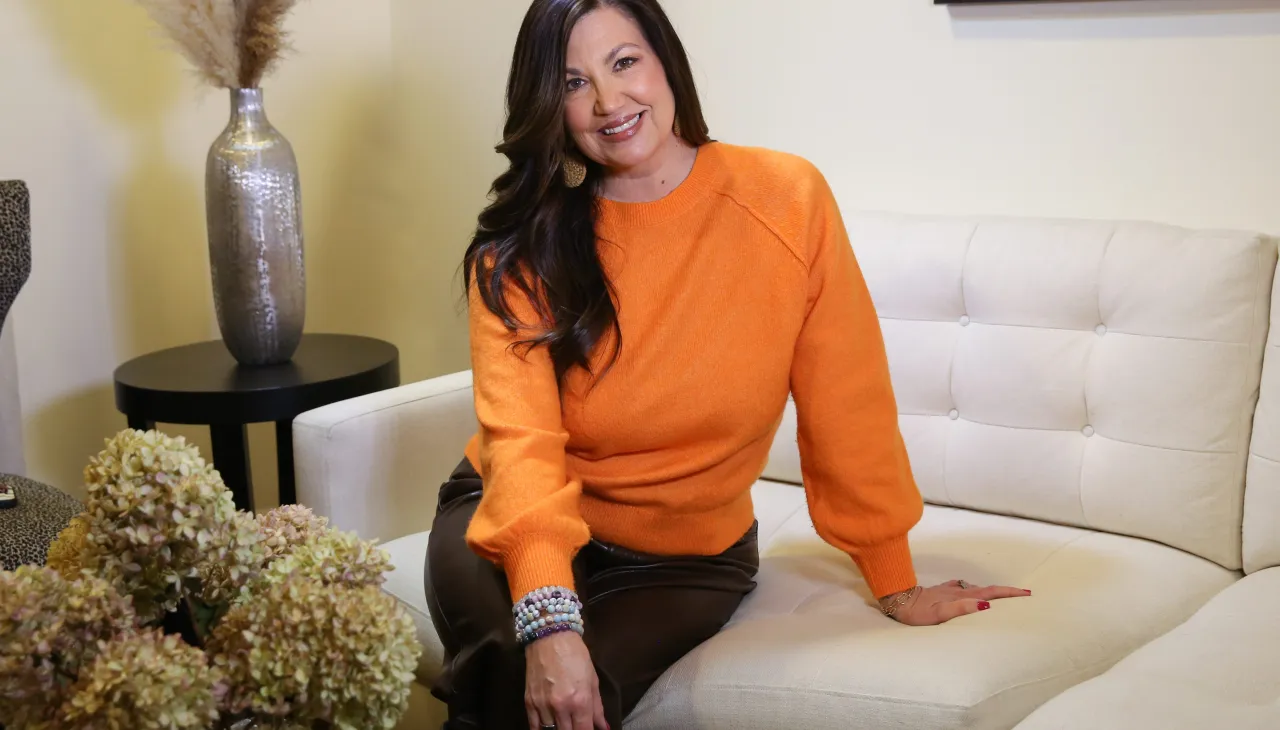

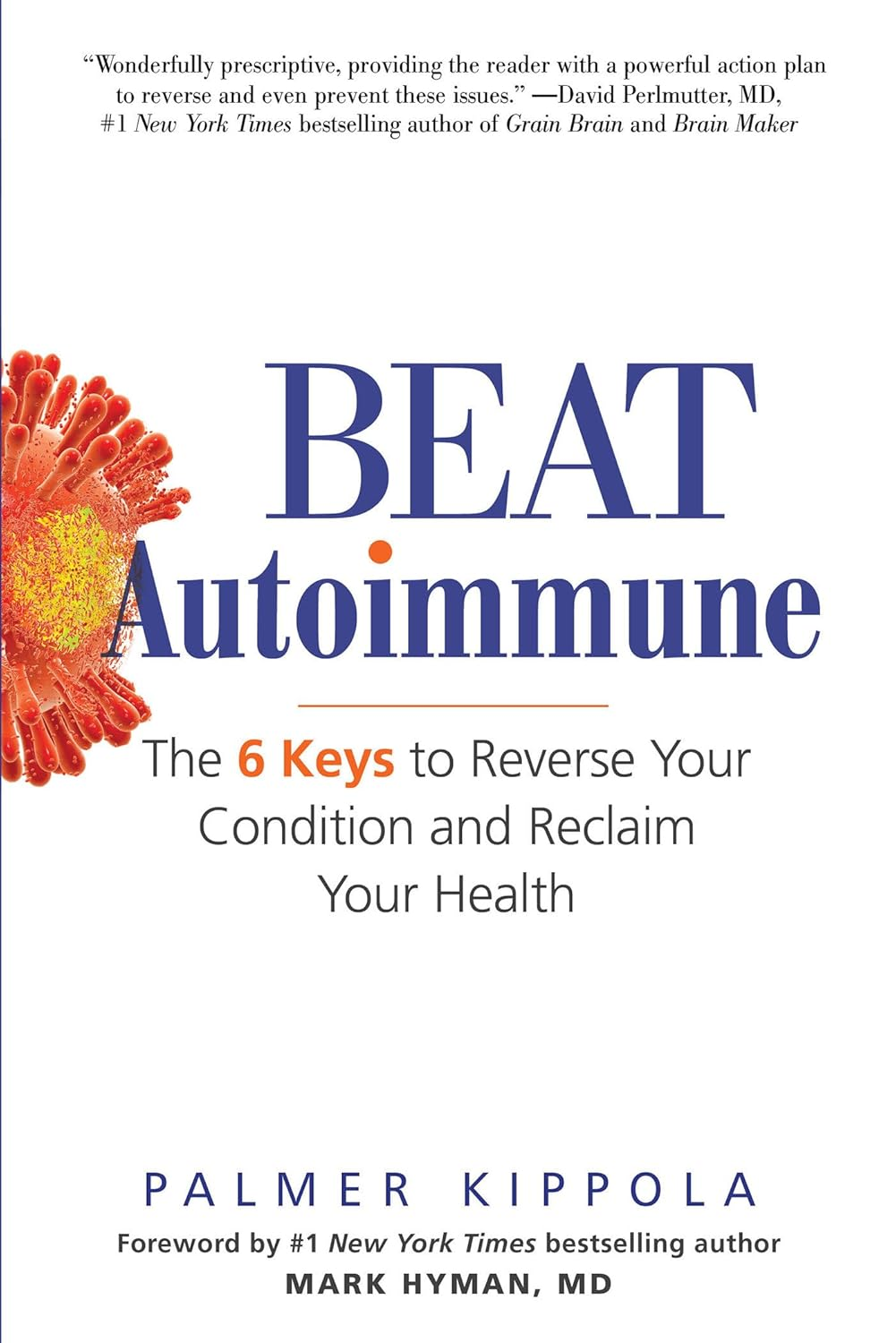
 Beat Autoimmune: The 6 Keys to Reverse Your Condition and Reclaim Your Health by Palmer Kippola is a comprehensive guide for anyone seeking to understand, manage, and potentially reverse autoimmune conditions using a functional medicine approach.
 What the Book Covers
 Why It Stands Out
 Bonus Resources
 Sample Healthy Recipes from Beat Autoimmune
 Made from grass-fed beef or pasture-raised chicken bones
 Cauliflower pulsed into rice-sized bits
 Spiralized zucchini tossed in a creamy avocado, basil, and olive oil pesto
 Diced sweet potatoes sautéed with kale, spinach, and onions
 More Recipes Inspired by Beat Autoimmune
 Her Turning Point In 2010, after years of experimentation with diets, supplements, detox protocols, and stress reduction techniques, Palmer identified and removed what she calls her “lynchpin root cause.” That breakthrough led to a complete reversal of her MS symptoms. Blood tests later showed normalized antibody levels, and MRIs revealed that her lesions had faded or disappeared.
 1. Gut Health & Digestive Issues
 2. Chronic Stress
 3. Nutrient Deficiencies
 4. Genetic Predisposition
 5. Environmental Toxins
 7. Hormonal Imbalances
 Autoimmune Misfire Autoimmune diseases occur when the immune system mistakenly attacks the body’s own tissues. Chronic stress can:
 What the Research Shows
 Why This Matters Stress isn’t just a psychological burden—it’s a biological disruptor. Managing stress through mindfulness, therapy, sleep, and lifestyle changes isn’t just good for your mental health—it may be essential for preventing or managing autoimmune conditions.
 1. Mindfulness & Meditation
 2. Gentle Physical Activity
 3. Breathing Exercises
 4. Social Support
 5. Sleep Hygiene
 6. Anti-Inflammatory Nutrition
 7. Creative Outlets & Nature Time
 Her Healing Framework: FIGHTS™ Palmer developed a framework to help others reverse autoimmune conditions, called FIGHTS™, which stands for: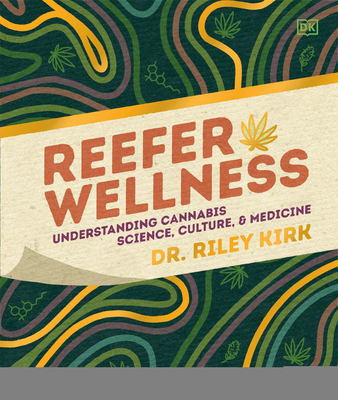
 Tone & Style
 Science-First, But Not Overwhelming
 The Cannabis Health Index by Uwe Blesching
 Author & Educator
 Social Media Advocate
 Public Speaker
 Innovative Methodology
 Reduced Side Effects
 Sustainability and Accessibility
 Potential for Adverse Reactions
 Limited Scientific Validation
 Complex Preparation and Use
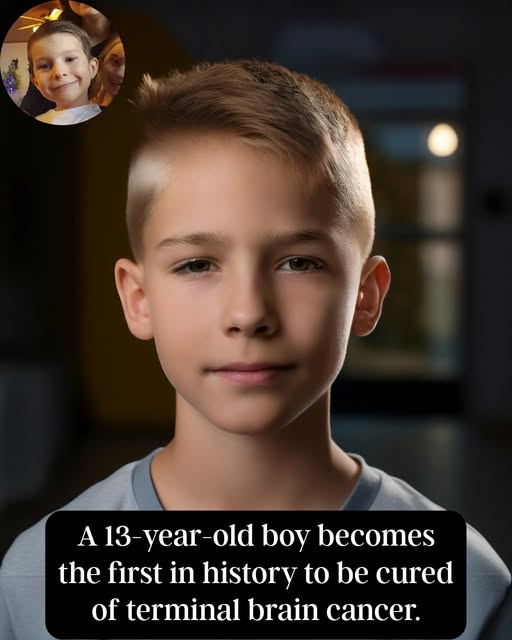

 Erika’s Biblical apparel line sold out overnight—reminders of Jesus now walking into countless spaces.
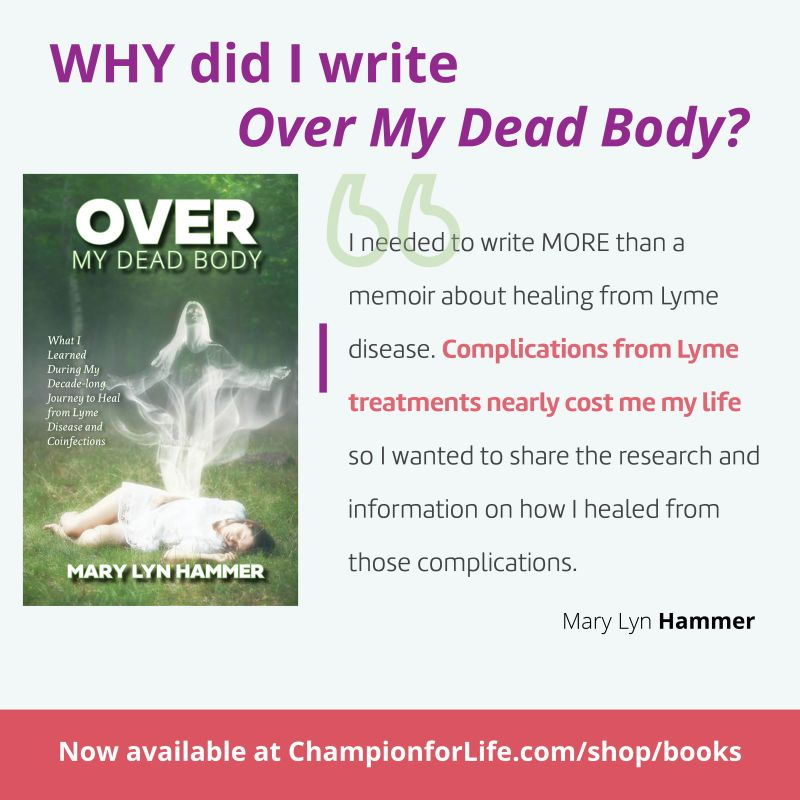

 NEW PODCAST: Listen Here: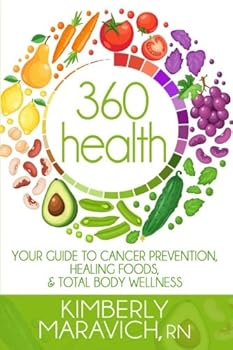
 Cardiovascular Health
 Immune System Support
 Skin, Hair & Aging
 Beyond the healing foods mentioned in 360 Health, there’s a whole lineup of nutrient-dense, anti-angiogenic superstars that offer similar benefits for cancer prevention, immune support, and total body wellness.
 Soy
Soy Coffee
 Grapes (especially red)
 Seaweed
 Mushrooms (shiitake, maitake, etc.)
 Citrus Fruits
 Pomegranate
 Dark Chocolate (≥70%)
 —they neutralize harmful molecules called free radicals, which can damage cells and lead to chronic diseases. The healing foods we’ve been talking about—berries, leafy greens, garlic, turmeric, dark chocolate, and more—are loaded with these powerful compounds.
 About the Author