Norman Sisler, second from left, was among those at his dad’s birthday party. (Submitted by Norm Sisler)
Burdett “Burd” Sisler (born 14 April 1915) is an American-born Canadian supercentenarian who is currently the oldest known living person in Canada, as well as one of the oldest living World War II veterans in the world. . He had five children with his wife Mae, who passed away in 1985. As of 2022, he has nine grandchildren, eleven great-children, and nine great-great-grandchildren.
Burdett Sisler was born in Akron, Ohio, USA, on 14 April 1915, and moved to Etobicoke, Ontario, Canada when he was three years old. Burdett Thomas Sisler is an American-born Canadian supercentenarian who is currently the oldest known living man in Canada. Burdett Sisler came to Canada at the age of three and settled in what is now known as Etobicoke. He grew up there and fondly remembered playing softball with his friends. Sisler was 18 when his father died and his mother died when he was 61.
Sisler served in the Second World War. He first joined the armed forces in 1943, serving with the Legion Horse Artillery before transferring to the Royal Canadian Electrical and Mechanical Engineers unit, from which he was honorably discharged in 1946. After the war, he worked with the Canada Border Services Agency (CBSA) at the Peace Bridge, dedicating nearly 30 years to the role.
He and his family moved to Fort Erie in 1947. At the time, it was just the three of them—his wife, their daughter, and himself. They went on to have four more children in the years that followed. His five children were: Norm, Betti, Sharon, Lorraine, and Burdett. His wife Mae passed away in 1985.Even at the age of 100, he remained active in the community, participating in various clubs and serving as treasurer for both the Dandelion Group and the Harmony Hill Group. He continued driving until the age of 99, having first taken the wheel in 1936.
When asked to share his greatest piece of advice, he said, “Don’t take life too seriously, and don’t stress yourself out. Roll with the punches is what I say.” He has never been in a hospital. Not even born in a hospital. Until early 2020, he was hospitalized with pneumonia but was released in March.
He drove until the age of 99 and lived in his own home until the age of 106.
When asked on his 100th birthday to share his biggest piece of advice, he said, “Don’t take life too seriously, and don’t stress yourself out. Roll with the punches is what I say.” In early 2020, he was hospitalized for pneumonia, and was released in March.
On his 105th birthday, a drive-by parade was held in front of his home to celebrate the occasion. At the time of his 110th birthday, he had 11 grandchildren, 22 great-grandchildren, and 14 great-great-grandchildren.
Shortly before his 109th birthday, he viewed the total solar eclipse that occurred on 8 April 2024. On 12 February 2025, following the death of 109-year-old Albert Middleton, Sisler became the oldest known living man in Canada.
On 14 April 2025, Sisler celebrated his 110th birthday, becoming a supercentenarian.
RECOGNITIONOn 12 February 2025, following the passing of 109-year-old Albert Middleton, he became the oldest living man in Canada, at the age of 109 years, 304 days.His age was verified by Eli Logan, and validated by LongeviQuest on 22 April 2025.
ATTRIBUTION* “Fort Erie’s Burd Sisler marks 100 years” – Niagara This Week, 16 April 2015* “Remembrance Day brings 107-year-old veteran and great-grandson closer together” – CBC, 11
On April 11, about 250 people gathered at the Fort Erie Legion for a birthday party for Burdett. Among them were about 60 family members and politicians including Fort Erie Mayor Wayne Redekop, Ontario Minister for Seniors and Accessibility Raymond Cho and MPP Wayne Gates.
Norman said an honour guard played bagpipes as he and Burdett came in. Later, guests sang Happy Birthday and Burdett blew out the candles on a cake. “I never thought I’d see such a large crowd to see one person,” Burdett said. “It was awesome.”
On 31 December 2025, following the death of 111-year-old Berthe Courtemanche, Sisler became the oldest known living person in Canada. Burdett Sisler currently lives in Fort Erie, Ontario, Canada, at the age of 110 years, 281 days.
Supercentenarian Secrets to Living – Search The secrets to living a long and fulfilling life as a supercentenarian include a combination of lifestyle choices, genetic factors, and a proactive approach to health.
Here are some key insights:
Diet and Nutrition: A balanced diet rich in fruits, vegetables, whole grains, and healthy fats is crucial for maintaining energy and overall health.
Physical Activity: Regular physical activity helps improve cardiovascular health, strength, and flexibility, contributing to a longer and healthier life.
Stress Management: Reducing stress through relaxation techniques and positive thinking can help maintain a healthy body and mind.
Social Connections: Maintaining strong social bonds and engaging in community activities fosters emotional support and a sense of belonging.
Genetic Factors: Some supercentenarians may have unique genetic profiles that contribute to their longevity, such as immune system resilience and protein maintenance.
These habits, along with a proactive approach to health and a positive mindset, can help supercentenarians live to their full potential and enjoy their golden years.
Marilu Henner (center) with the cast of Taxi in 1982. Taxi: NBC/PHotofest
Marilu Henner’s Exceptional Memory Spurs Interest in Brain Health
Actress Marilu Henner has a highly superior autobiographical memory, a rare condition identified in only 100 people worldwide.
This trait drives her to advocate for more funding for brain research.
Give Marilu Henner a random date in the past and she can recall it with amazing clarity. Take April 30, 1980. “It was a Wednesday,” she says without hesitation. “I was in Cancun, Mexico, with my boyfriend at the time, who was soon to be my first husband.
“She remembers wearing a cream-colored jumpsuit with harem pants and a stretchy strapless top with a turquoise jacket. “I drank tequila for the first time, and then never again for 25 years!” she says with a laugh. “The weather was beautiful that night, but it poured rain the next day, and all the plumbing in our resort went out. The whole thing comes back. It’s like remembering your address or phone number or the color of your eyes. It’s just there.
“For most people, such vivid memories are usually associated with major life events-your wedding day or the day your child was born-or traumatic moments like where you were when you heard about the attacks on the World Trade Center. Memories of our lives are typically like impressionist paintings, forming an overall picture from a distance but blurry when we try to zoom in and look at specifics.
LISTEN NOW: Marilu Henner shares how her ability to recall every memory throughout her life has taught her valuable lessons and has propelled her to advocate for brain research on the Brain & Life podcast.
But that’s not the case for Henner, who may be best known for playing Elaine Nardo on the 1978-83 sitcom Taxi and has appeared in numerous TV series since—most recently as Paula, the politically incorrect mother of Dave (Max Greenfield), on CBS’ The Neighborhood. Henner can recall past events in almost photographic detail thanks to a highly superior autobiographical memory (HSAM), a rare condition that has been identified in only about 100 people in the world.
The condition, which allows people to recall the events of most of the days of their lives with remarkable detail and accuracy, was first described in 2006 by James McGaugh, PhD, founding chair of the department of neurobiology and behavior and founding director of the Center for the Neurobiology of Learning and Memory at the University of California-Irvine.
Marilu Henner knew she had an extraordinary memory when she was five years old,
Memory Superpower
“Even when I was 5 years old, people would say to my parents, ‘What’s with that kid and her memory? She remembers the last time I was here and everything that happened,'” Henner says. “They’d call me Little Miss Memory, the Memory Kid, or UNIVAC. You know, the old-fashioned computer.”If someone [in my family] wanted to know when something happened, it was always, ‘Ask Marilu.’
Everybody in my family is extremely smart and everybody has great memories, but I knew something was very unusual about mine. When you’re one of six kids, you’re always looking for something that makes you different from your brothers and sisters.
“Henner is still close with her five siblings, photographed enjoying a meal together. Courtesy Marilu Henner
A Rare Condition
The first person to be identified with HSAM was Jill Price, who found Dr. McGaugh’s name on the internet and emailed him in June 2000, describing her ability. “Whenever I see a date flash on the television (or anywhere else for that matter), I automatically go back to that day and remember where I was, what I was doing, what day it fell on, and on and on and on and on,” she wrote in the email. After six years of working with Price, Dr. McGaugh and his colleagues published “A Case of Unusual Autobiographical Remembering” in the neuropsychology journal Neurocase in February 2006.
Shortly afterward, Henner explains, a producer at 60 Minutes heard about Dr. McGaugh’s research and proposed a story on the subject to Lesley Stahl, a correspondent on the show. Stahl wasn’t impressed. She told the producer she didn’t think the condition was that uncommon, since her friend Marilu Henner had the same type of memory. To prove it, Stahl took Henner and the producer out to lunch.
“This was on Wednesday, September 20, 2006. Lesley started asking me all these questions to prove that I had it,” Henner says. “And then the producer said something about her wedding on June 15, 1998, and I said, ‘Why’d you get married on a Monday? That’s so unusual,’ and she said, ‘Oh my God, you do have it!’
“Three years later, Henner says, Stahl called with the news that the condition is very rare. Dr. McGaugh’s group had mounted a search for more people like Henner and Price, and at that time had only found about a dozen. Along with four other HSAM “memory wizards,” Henner taped a segment of 60 Minutes for which she underwent an MRI scan of her brain, answered a lot of questions, and shared stories of memory feats that, to her, were just the way she remembered things.
“I was vibrating all day. I just loved it,” Henner says. “I answered more than 500 questions. They gave us all the regular memory tests they give people for Alzheimer’s, like number sequencing and repetition and looking at a box of images or objects. And then they got into the whole autobiographical part. I didn’t want it to end.”
Marilu Henner shares details about her highly superior autobiographical memory.
Informed Performance
After her 60 Minutes appearance, Henner served as a consultant for the TV series Unforgettable, which starred Poppy Montgomery as a police detective with HSAM who uses her detailed recollections to help solve crimes.
One of the first questions people ask Henner is whether her extraordinary memory helps her remember her lines. It is useful for that purpose, she says, but her memory is even better for enriching her characters. “It’s what’s behind the lines that makes the difference in a performance. I love being able to recall all my experiences in an emotional way,” she says. “When something happens to me, even if it’s negative, I think, ‘I’ll use this as an actor.’ I can’t tell you how many times people will stop me and say, ‘I think my son, my granddaughter, my sister has this, and they’re afraid of it.’ I say, ‘Get them in an acting class!’
“Henner on Broadway in Gettin’ the Band Back Together.
An Exciting Ability
Henner was a gifted student, but not necessarily because of her recall ability, she says. “I did well in school, but I think a lot of it had to do with being one of six kids, all of whom were very smart,” she says. “Teachers had expectations when they had a Henner in their class, so you’d better be smart.”For some people, HSAM can be frustrating and overwhelming—like constantly drinking from a fire hose of memory. Jill Price told Dr. McGaugh that it was “nonstop, uncontrollable, and totally exhausting.” But Henner takes great joy in her extraordinary memory and considers it a gift.
“People remember the highs and lows of their lives. I get asked if it’s hard remembering all the bad things that have happened to me—but the bad memories, you’re going to remember those anyway,” she says. “I happen to be able to cushion that and the happy memories with all those nice middle-of-the-road memories that make up your life. I call them the ‘Our Town moments’ [a reference to the Thornton Wilder play about the beauty of everyday life]. To this day, my siblings will say, ‘Mare, do a week from our childhood.’ It’s so great to have your life experiences at your fingertips.
“Henner with her sons, Joe and Nick, husband, Michael (far right), and family friends.
Memory as Solace
Henner lost both her parents at a relatively young age—her father when she was 17 and her mother when she was 26—and she says that having such a rich trove of memories of them is a great comfort. In her book Total Memory Makeover (Gallery Books, 2012), she recounts the tale of her father finding her—a la Jennifer Grey in Dirty Dancing—making out with one of the waiters at a vacation resort.
“I can remember in detail his finding me. I can see him standing there and feel my heart jump as he catches Sammy and me making out on the lounge chair by the pool,” she says. “It is intense and it is sad, but I wouldn’t lose this memory for the world. Every memory of my parents—good, bad, indifferent, the whole range of emotions—I have it all there.”
Actress and author Marilu Henner has an amazing ability. She can remember graphic details of almost every day of her life starting from her baptism as a child. What she did, what she wore, who she saw, what she talked about, everything. Her gift is called “highly superior autobiographical memory” or HSAM, and in this interview from 2012, she explains to Dr. Drew how it works and what YOU can do to improve your own memory.
THE RARE MEDICAL CONDITION MARILU HENNER LIVES WITH By Marie McMullan Jan. 30, 2023 10:45 am EST
Actor Marilu Henner has donned the small screen in some of the most iconic shows and movies of the last five decades. She got her start in the stage musical “Grease,” which later became the hit movie we all know and love, according to People. “I thought, ‘No way is this thing gonna be hit. I’m not gonna waste the time leaving school,'” Henner told People, rehashing how she had been in the very first production of the show in Chicago but backed out before it made Broadway.
Later, she joined the national tour alongside John Travolta, who would go on to play Danny Zuko in the beloved film adaptation. But Henner had her own career in the making, and she would prove to be quite successful when it came to winning over hearts on the television screen. She starred in the award-winning show “Taxi,” clocking in 114 episodes, per IMBd. But of course, she didn’t stop there. In fact, she is one of the highest-paid Hallmark stars and a fan-favorite on the network. Through the years, Henner has been a staple of the entertainment and television industry. But she has recently shared more insight into the rare medical condition that she lives with.
Marilu Henner has an amazing memory because of this rare medical condition Kathy Hutchins/Shutterstock
Often, when we hear news about health conditions affecting people’s memories, we brace ourselves for the worst. But that isn’t the case for practiced actor Marilu Henner.
Henner coins herself as a “memory expert” on her Instagram and has shared details about the medical condition responsible for her ability to recall every day of her life. Henner was diagnosed with hyperthymesia, nicknamed Highly Superior Autobiographical Memory, according to ABC News.
“When somebody gives me a date or a year or something, I see all these little movie montages, basically on a time continuum, and I’m scrolling through them and flashing through them,” she told the outlet, explaining how her memory is similar to a scene-selection screen when watching a movie.
Henner discovered her rare gift with memory when she was young, but she assumed it was just an interesting quirk – not one of the rarest medical conditions in the world. “Even when I was 5 years old, people would say to my parents, ‘What’s with that kid and her memory? She remembers the last time I was here and everything that happened,'” she said (via Brain and Life). As she got older, Henner’s career choice benefited from her ability to quickly memorize lines. But it wasn’t until much later that she learned that she had a Highly Superior Autobiographical Memory.
Marilu Henner learned that she is a memory wizard DFree/Shutterstock
Actor Marilu Henner had always been gifted when it came to learning, but she didn’t realize that her memory was near supernatural until the 2000s. According to Brain and Life, “60 Minutes” correspondent Lesley Stahl — who knew Henner and her wicked ability to recite any memory perfectly — had been pitched a story to cover concerning Highly Superior Autobiographical Memory. But Stahl didn’t think that the topic was newsworthy because Henner had a similar ability. It took a few years, but eventually, Henner underwent an MRI and answered questions while taped for a segment of “60 Minutes” covering HSAM.
From there, Henner had another accolade to add to her resume: “memory wizard.” She became a consultant for memory tips, per AARP, and even released a book all about her condition: “Total Memory Makeover.” While some with HSAM find the condition overwhelming — the constant bombardment of all their memories interrupting their everyday lives — Henner says that, for her, it’s a blessing. “I get asked if it’s hard remembering all the bad things that have happened to me — but the bad memories, you’re going to remember those anyway,” she told Brain and Life. “I happen to be able to cushion that and the happy memories with all those nice middle-of-the-road memories that make up your life … Your memory is your story, it’s your life, it’s everything.
The Fault In Our Stars is the tale of doomed teenage love that has entranced millions. Now its author reveals his inspiration: a chance meeting with the bravest girl of all
Esther Earl died of thyroid cancer in 2011 at age 16
She was a huge fan of author John Green’s books
Pair struck up friendship after meeting at a Harry Potter convention
She was his inspiration for the character in The Fault in Our Stars
By JOHN GREEN, AUTHOR OF THE FAULT IN OUR STARS
Published: 17:00 EST, 26 July 2014 | Updated: 17:56 EST, 27 July 2014
It Is the publishing phenomenon of the year; a heartbreaking teen novel that has rocketed to the top of the British bestsellers list, touched a chord with adult readers and sold more than 11 million copies worldwide in 47 languages – 1.6 million books in the UK alone.
Now the film of The Fault In Our Stars is riding high in the box office, topping the charts on both sides of the Atlantic. Remarkably, the touching, humorous and unconventional tale of two teenagers with terminal cancer was inspired by the true story of tragic teenager Esther Earl – Wikipedia , a friend of the book’s American author John Green, who died just three weeks after her 16th birthday when she lost a four-year battle with thyroid cancer.
Even before her death and the release of Green’s book, Esther had become a YouTube star with a significant online following.
Although her fans were impressed with Esther’s quick wit, character and courage, she was adamant that she was a human being complete with flaws, and shouldn’t be seen as some ‘cancer kid’.
As she wrote in her journal: ‘I feel like I’m fooling you all, because I’m not always amazing, and I’m not always awesome, and I’m not always strong… and you guys should know that.’
Her diaries have now been gathered into a book, This Star Won’t Go Out – a moving, clear-eyed and often witty commentary on her state of health, and life in general. Here, in the foreword to Esther’s book, John Green pays tribute to his courageous friend…
My friendship with Esther Earl began, as so many great love stories do, at a Harry Potter convention. My brother, Hank, is a wizard rocker, which means he writes songs about the Harry Potter universe, and had dragged me along to LeakyCon 2009, a celebration of all things Potter in Boston.
The first night of the conference featured a banquet and concert, which of course meant quite a lot of dancing.
Shailene Woodley and Ansel Elgort in the 2014 film The Fault In Our Stars
The great thing about the Harry Potter fan community is that no one judges you. Being a nerd isn’t seen as a character defect. Unironic enthusiasm is celebrated, and never more so than on the dancefloor. At a wizard rock concert, it doesn’t matter if you’re a great dancer or a terrible dancer, so long as you are committed to your dance moves.
Which I am not. I find it impossible to dance as if no one were watching, even when no one is watching. So when everyone rushed to the dancefloor, I hung back. My strategy at a dance event is to lean against a column or wall and stare thoughtfully at the musicians and the dancing crowd as if I am thinking Extremely Intelligent thoughts.
But I was interrupted by a small voice saying: ‘Are you John Green?’ I turned and saw a girl wearing a nasal cannula and a nearly identical girl – her sister, I gathered – holding an oxygen tank. ‘Yeah,’ I said. ‘Hi.’
What followed was pretty standard: The girl – her name was Esther – liked the video blog Hank and I made and wanted a picture.
Her sister took the picture and, after a quick conversation, I went back to leaning against the wall.
A couple of minutes later, a friend grabbed me and tried to pull me onto the dance floor. I spun around in panic and saw Esther and her sister Abby sitting at a table behind the dancefloor and said: ‘I, uh, need to go. I need to go talk to those girls.’
This was the first, but not the last, time that Esther Earl saved me from catastrophe. I sat down next to them and began chatting. It turned out that Esther wasn’t just a viewer of our videos – she was a hardcore nerdfighter. Nerdfighters are people who fight for nerds and celebrate intellectualism. [The community grew from fans of John and Hank’s Vlogbrothers videos.] Esther had been watching us for years.
I kept tabs on Esther after meeting her. We’d sometimes have brief Skype conversations or chat online. I knew Esther had cancer, but I also knew that most young people with cancer get better, and I never wanted to pry too much, not the least because I had been working for years on a book about kids with cancer and I didn’t want my friendship with Esther to become a research project. For a long time, there was an element of denial in our relationship.
I didn’t want to imagine that this hilarious, devoted fan might die, and Esther wanted friendships that weren’t defined and circumscribed by illness. Her physical disabilities made that difficult in real life, but on the internet, she wasn’t Esther Earl Who Has Cancer And An Oxygen Tank.
And then one day Esther and I were typing back and forth when she revealed that she was writing to me from a hospital bed, and – when I pried a bit – that she was actually in the ICU with tubes coming out of her chest to drain fluid that had accumulated in her lungs.
Even then, she made it all seem very standard and casual, as if all 14-year-olds just occasionally need chest tubes, but I was concerned enough to reach out to her friends, who put me in touch with Esther’s parents, Lori and Wayne. Soon after, all of her internet friends began to realise that Esther was terminally ill.
‘I didn’t want my friendship with Esther to become a research project. For a long time, there was an element of denial in our relationship. I didn’t want to imagine that this hilarious, devoted fan might die’
I realise now that I’m doing that thing where you create distance between yourself and your pain by using cold, technical phrases like ‘terminally ill’ and by describing events rather than feelings, so: I was so angry – with myself for all the times I cut our conversations short so I could go back to work, and with the Earth for being the sort of reprehensible place where children who’ve done nothing wrong must live in fear and pain for years and then die.
I dislike the phrase ‘internet friends’, because it implies that people you know online aren’t really your friends, that somehow the friendship is less real or meaningful to you because it happens through Skype or text messages.
The measure of a friendship is not its physicality but its significance. Good friendships, online or off, urge us toward empathy; they give us comfort and also pull us out of the prisons of our selves.
I imagine that part of Esther was sad to give up the illusion that she was going to be OK with her internet friends, but what followed was a revelation for all of us. Our internet friendships were real and they were powerful, and they became more real and powerful when Esther and her friends were finally able to acknowledge and openly discuss the truth about her illness.
A few months before Esther died, those internet friendships became IRL [in real life] for a while when several members of Cattitude [Esther’s online group of friends] spent a few days with Esther in Boston. I was there for one day. I wish I could tell you how cool and strong I was, but in fact I cried for most of the day and could hardly get out a sentence at times. I wish I’d been more of a grown-up with Esther and her friends, that, like her parents, I could have been a comforting and calming and loving presence instead of a blubbery and scared one. But so it goes.
Still, it was a great day. We talked about our hopes and fears for the future, about the last Harry Potter movie (which sadly Esther never got to see), and about our happiest memories. Esther told me that her happiest memory had occurred a year back, when she was hospitalised with pneumonia and thought to be dying.
She spoke about having her whole family around her, holding hands with them, feeling connected to these people who loved her infinitely. She used that word at some point referring to her family’s love, infinite, and I thought about how infinity is not a large number. It is something else entirely. It is boundless.
The Fault in Our Stars by John Green
We live in a world defined by its boundaries: you cannot travel faster than the speed of light. You must and will die. You cannot escape these boundaries. But the miracle and hope of human consciousness is that we can still conceive of boundlessness.
We watched a movie Wayne and Lori had made of Esther’s life. We ate Chinese food. We cried a lot together. Esther took breaks – for naps, to throw up, to have medicine injected into the port in her stomach – but she was fully with us, as alive as any of us, as capable of love and joy and anger and grief.
And as much as I didn’t want our friendship to be about my writing, I couldn’t help but be affected by her as a writer and a person. She was so funny, sharp-edged, and self-aware. She had such an improbable capacity for empathy. And most of all, she was a person, complete and complex.
We have a habit of imagining the dying as fundamentally different from the well. We hold them up as heroes and imagine they have reserves of strength forbidden to the rest of us. We tell ourselves that we will be inspired through the stories of their suffering – we will learn to be grateful for every day, or learn to be more empathetic, or whatever.
These responses, while certainly well-intentioned, ultimately dehumanise the dying: Esther was uncommon not because she was sick but because she was Esther, and she did not exist so that the rest of us could learn Important Lessons about Life. The meaning of her life – like the meaning of any life – is a maddeningly ambiguous question shrouded in uncertainty.
I made a video about Esther a couple of weeks later, and she soon became something of a celebrity. For the last months of her life, she handled this new-found attention with grace (which was, after all, her middle name). She even started making her own vlogs , and even though she was very sick and within weeks of death, they were funny and charming and found a broad audience.
We stayed in touch and she kept visiting with her friends in the Cattitude – The #1 Cat Podcast even when the conversation at times moved too quickly for her as her condition worsened. The last thing she ever filmed was part of a Cattitude collaboration video for my 33rd birthday, which was on August 24, 2010. By the time the video went live, Esther was back in the ICU. She died in the early hours of August 25.
When we think of death, we often imagine it as happening in degrees: we think of a sick person becoming less and less alive until finally they are gone. But even in her final days, Esther was wholly alive, as alive as anyone else, and so even though everyone who loved her understood she was dying, her death was still a terrible shock to me. She did not leave slowly, but all at once, because even when she could not get out of bed, she found ways to be fully alive: to play with her friends, to crack jokes, to love and to be loved. And then she was gone, all at once.
Esther inspired the story in the sense that my anger after her death pushed me to write constantly. She helped me to imagine teenagers as more empathetic than I’d given them credit for, and her charm and snark inspired the novel, too, but the character of Hazel is very different from Esther, and Hazel’s story is not Esther’s.
Esther’s story belonged to her and fortunately for us she was an extraordinary writer, who in the pages of This Star Won’t Go Out, tells that story beautifully. I find comfort in that, but make no mistake: I’m still angry. I still miss her. I still find her loss an intolerable injustice. And I wish she’d read The Fault In Our Stars. I am astonished that the book has found such a broad audience, but the person I most want to read it never will.
In fact, she is still saving me, all the time. In [This Star Won’t Go Out], and in my memories, she reminds me that a short life can also be a good and rich life, that it is possible to live with depression without being consumed by it, and that meaning in life is found together, in family and friendship that transcends and survives all manner of suffering. As the poet wrote in the Bible’s Song of Solomon: ‘Love is strong as death.’ Or perhaps even stronger.
In her own words: ‘I am not always perfect, I do stupid things and I cry. I hate my cancer’
On video, by letter and in her daily journal, Esther Earl never stopped recording her thoughts and observations until, in August 2010, she finally succumbed to cancer of the thyroid. As these brief extracts show, she is by turns moving, clear-eyed and witty, but never self-pitying. Her courage helped inspire a book that has enthralled millions.
Esther Earl, the inspiration for the book, pictured before her death as she chronicled her illness
June 2, 2007 ‘Please realise that you are amazing. I thank God that He blessed us with such loving people. Cancer is hard. I wouldn’t have made it this far if it weren’t for my family.’
Letter to her parents on their 24th wedding anniversary and the first time that Esther mentions cancer
June 3, 2007 ‘I just wanted you to know that maybe I don’t really care that I have cancer. It’s part of me at the moment and I find I’m quite fortunate. What I mean is that thyroid cancer is treatable with radiation and I’m barely affected by that. I feel differently about chemotherapy. I mean… that’s tons of poison, killing good stuff too. I hope they find a good cure for cancer soon, cause, well, if I hadn’t gotten sick, I wouldn’t have thought twice about all the patients that suffer from it.’
In a Mother’s Day card
December 5, 2008 ‘And lately I’ve been thinking about boys, uh-oh. It was weird ’cause I had this dream where I kissed a boy (I don’t know who) and then kissed him again and that’s why I have been thinking about boys. So, yeah, lately I’ve really, really thought that if and when I die I’d like to have one more normal teen thing which is kissing a boy.’
Esther’s journal
November 26, 2009 ‘I have been pretty close to dying multiple times. I’m thankful for the doctors and for medicine, and for, like, oxygen and all that stuff that keeps me from dying. I am thankful for just being alive.’
Video blog at Thanksgiving
August 3, 2010 ‘John you are crazy and amazing. Thank you for saying you love me. You don’t have to say it for me to know it. Saying you love someone is a good thing and I love you John.’
Video message to John Green
August 9, 2010 ‘I have the scans tomorrow and I feel scared that the cancer will not have been reduced or that there will be more or that it will have spread to my bones. I feel kind of lonely. ‘I am mostly in bed or on the couch and spending most of my time with my family and my cats. I feel tired. And confused. Very confused. I am also proud of pushing myself. But I feel like I am fooling you all because I am not always amazing, and I am not always awesome and not always brave and you should know that. ‘I am not always this perfect person. I do stupid things and I get angsty and I cry. I hate my cancer. I will see you tomorrow… probably.’
INSPIRATION: The fault in our stars the book that drew on her bravery and strength and has become a publishing sensation
In the midst of her fight Jane was invited to audition for America’s Got Talent and on June 8th, 2021 she performed her song, “It’s OK,” and won the hearts of millions and the AGT judges as she received Simon Cowell’s golden buzzer. The grasp of cancer was too strong for her body to overcome, and she dropped out of the AGT competition.
Jane Marczewski passed away on February 19, 2022, but left a lasting legacy of hope in Jesus that cannot be laid to rest, and her spirit is still impacting the lives of souls around the world through her music and her foundation.
Long before she took on the name Nightbirde, Jane Marczewski dreamed of becoming a singer as a little girl growing up in Zanesville Ohio. The cancer survivor captured the hearts of AGT viewers with her story and audition of her original song, “It’s OK.”
Unfortunately, Jane had to withdraw to focus on her health and she was unable to continue competing on season 16 of America’s Got Talent. After a four-year battle with cancer, America’s Got Talent Contestant Jane “Nightbirde” Marczewski died on February 19, 2022. Check out the video to learn more about her story and what AGT didn’t get a chance to tell you. https://www.instagram.com/_nightbirde/
This is a tribute to Esther Earl, who passed away August 25, 2010 after a four year long battle with thyroid cancer. Though I never met her and only talked to her online, she was truly an inspiration to me and anyone else who knew her. She will forever be missed, but she will never be forgotten. Rest in awesome, Esther.
The Amish way of life offers a glimpse into a world where horse-drawn buggies replace cars, handcrafted furniture beats factory production, and community ties run deeper than most modern neighborhoods. Visiting Amish country means stepping into communities that have preserved traditions dating back centuries, where you can watch skilled artisans at work, taste homemade pies that’ll ruin store-bought desserts for you forever, and experience a slower pace that feels like hitting the pause button on modern chaos.
These communities’ welcome visitors who approach with genuine curiosity and respect for their customs. From Pennsylvania’s rolling farmland to the flat prairies of Iowa, Amish settlements dot the American landscape in surprising numbers. Here is a list of places where you can experience authentic Amish life. Each offering its own unique flavor of this traditional lifestyle with its reduced cancer rates from eating clean and staying active within manual labor.
Lancaster County holds the crown as the oldest and most visited Amish settlement in America, established way back in the 1720s. The county is home to roughly 40,000 Amish residents spread across picturesque farmland, and you’ll find everything from authentic farmers’ markets to buggy rides through the countryside.
The town of Intercourse (yes, that’s really the name) serves as a popular hub with quilt shops, craft stores, and restaurants serving traditional Pennsylvania Dutch cooking that’ll have you loosening your belt.
Smicksburg feels like Lancaster County’s quieter cousin, offering an authentic Amish experience without the tour bus crowds. This western Pennsylvania community centers around a charming downtown where horse-drawn buggies outnumber cars on most days. The town hosts several craft shops, a working harness shop where you can watch leather goods being made, and bakeries that fill the air with the smell of fresh bread and pastries.
which is over 400,000 people across various communities. Smicksburg is part of a larger Amish community that has grown significantly since its founding in 1962, with a total of over 800 settlers since 1961. The community is known for its Amish heritage and offers a unique lifestyle with a focus on traditional values and community living.
New Wilmington combines a college town atmosphere with a thriving Amish community in western Pennsylvania’s rolling farmland. The settlement dates back to the 1840s and maintains strong traditional values while coexisting peacefully with Westminster College students and faculty. The area is known for harness racing, and you can often see Amish families training their standardbred horses along quiet country roads
The Amish population in New Wilmington, Pennsylvania, is approximately 2,097 as of the 2020 census. This community is part of the Old Order Amish sect and is known for its traditional lifestyle and cultural practices. The town is home to several Amish congregations and is surrounded by an Amish settlement with around 2,500 residents as of 2013. Pennsylvania Cancer
Holmes County boasts the largest Amish population in the world, with over 40,000 Amish people calling this rolling Ohio landscape home. The town of Berlin acts as the tourist center, packed with shops selling handcrafted furniture, cheese factories offering free samples, and restaurants where the portions are generous enough to feed a small army.
Unlike Lancaster’s more commercial feel, Holmes County maintains a quieter, more laid-back atmosphere that many visitors find refreshing.
Walnut Creek sits in the heart of Holmes County, but deserves its own mention because of the incredible concentration of authentic experiences packed into this small village. The Amish Flea Market operates year-round with dozens of vendors, while Hershberger’s Farm and Bakery offer tours where kids can pet farm animals and adults can load up on fresh bread.
The nearby Yoder’s Amish Home provides guided tours of an actual Amish house and farm, giving visitors a rare inside look at daily life. As of the 2020 census, Walnut Creek had a population of 908 residents. The Amish community in Ohio is the largest in the world, with over 60,000 members in total. Walnut Creek is centrally located in Holmes County, which is home to a significant portion of the Amish population in the state.
Geauga County, located northeast of Cleveland, hosts Ohio’s second-largest Amish population in a setting of rolling hills and maple forests. The community maintains a particularly traditional lifestyle, with many families still using old-order practices that other settlements have relaxed. The Amish population in Geauga County, Ohio, is approximately 20,980 as of 2024, making it the second-largest Amish settlement in Ohio and the fourth-largest in North America.
The community was founded in 1886 and has grown significantly over the years, with a diverse range of affiliations represented within the settlement. Fall brings spectacular foliage, and the maple syrup season showcases the community’s sugaring operations, where you can watch sap being boiled down using traditional methods. Ohio Cancer
The Amish population in Arthur, Illinois, is approximately 5,600 people, making it the largest Amish community in the state. The community, founded in 1864, has grown to encompass 33 church districts and is centered around Arthur, a small town with a population of around 2,000 residents. The Amish community is known for its traditional lifestyle and craftsmanship, with many families involved in farming and other local businesses.
Arthur represents the heart of Illinois Amish country, where the community has grown steadily since families first settled here in 1865. The downtown area features a charming collection of shops selling everything from handmade brooms to custom cabinetry, and the local cheese factory produces some seriously good varieties you won’t find in regular grocery stores.
Arthur is a village in Douglas and Moultrie counties in Illinois, with Arthur’s primary street, Vine Street, being the county line. What makes Arthur special is how the Amish and non-Amish residents have created a genuinely integrated community where both cultures thrive side by side. Illinois Cancer
Nappanee serves as the gateway to northern Indiana’s Amish country and combines authentic experiences with visitor-friendly attractions. Amish Acres, a historic farm and heritage resort, offers guided tours, theater productions, and traditional meals served family-style in massive portions.
The Amish population in Napanee, Indiana, is approximately 6,985 as of 2025, The surrounding countryside features numerous working farms where you can purchase handcrafted goods directly from the makers, and the weekly livestock auction provides genuine insight into the agricultural side of Amish life.Elkhart and LaGrange counties, Indiana
These neighboring counties form Indiana’s largest Amish settlement, with a combined population exceeding 28,000 Amish residents. The area specializes in furniture making, and you’ll find workshops and showrooms scattered throughout the countryside, producing everything from simple wooden chairs to elaborate custom cabinetry.
The town of Middlebury acts as a central hub with restaurants, shops, and the famous Das Dutchman Essenhaus serving traditional comfort food.
Shipshewana transforms into a bustling marketplace every Tuesday and Wednesday when the massive flea market and auction draw thousands of visitors to this tiny northern Indiana town. The community of about 650 people swells dramatically during market days, where you can bid on everything from quilts to livestock while rubbing shoulders with Amish families doing their weekly shopping.
The town also hosts the Midwest’s largest antique auction and offers buggy rides that take you past working Amish farms.
Indiana is home to the world’s third-largest Amish population. The state has long been important for the Old Order Amish. The “Plain People” have lived in Indiana for close to two centuries. Today, the Amish in Indiana form a vibrant and growing community. As of 2024, over 63,000 Amish live in over two dozen locations across the state. Indiana Cancer
As of 2025, the Amish population in Wisconsin is estimated to be 27,535, with Cashton being the largest settlement in the state. The Cashton community is part of a larger Amish population that has been growing since the 1960s, with a high birth rate contributing to its expansion.
Cashton anchors Wisconsin’s largest Amish settlement in the scenic Kickapoo Valley region of the southwestern part of the state. The community maintains a low-key approach to tourism, with most businesses operating out of homes rather than commercial storefronts.
You’ll find the area particularly beautiful in the fall, when the hardwood forests explode with color and local produce stands offer fresh vegetables, baked goods, and maple syrup produced by Amish families. Wisconsin Cancer
Michigan is home to a vibrant Amish community, with over 18,000 Amish residents spread across more than 50 settlements, offering a unique glimpse into their traditional way of life. Michigan has the sixth-largest Amish population in the United States, with a rich history of settlement dating back to 1895. The Amish communities are primarily located in the southern and central parts of the state, with notable concentrations in St. Joseph County, Branch County, and Hillsdale County. The Centreville community is the oldest and largest, housing around 2,000 Amish individuals. Michigan Cancer
Kentucky’s Amish Country is a testament to the enduring values of the Amish community. With a population of nearly 16,000 Amish living in 50+ locations across the state, Kentucky’s Amish population is now the 8th-largest in the country. The Amish in Kentucky engage in various activities, including farming, small business operations, and traditional crafts.
Notable settlements include Hart County, known for its rapid growth and diverse Amish communities, and Marion, the largest Amish town in Kentucky, offering a glimpse into the Amish lifestyle and culture. Visitors can explore Amish-owned businesses, antique shops, and historic sites, making Kentucky Amish Country a unique and authentic experience. Kentucky Cancer
Kalona gives you an authentic slice of Iowa’s prairie Amish life without the crowds you’d encounter at more famous destinations. The Kalona Historical Village preserves multiple 19th-century buildings that show how early settlers lived, while the weekly sales barn auction on Wednesdays draws Amish families from surrounding farms.
The Amish population in Kalona, Iowa, is approximately 1,600 people as of 2024, with the community consisting of 11 congregations (church districts). The Kalona Amish settlement is one of the oldest in the state, having been founded in 1846. Amish America The town’s quilt shops showcase the region’s quilting tradition, and local bakeries serve up fresh pastries that make skipping breakfast impossible. Iowa Cancer
Dover represents one of the fastest-growing Amish communities in America and offers a unique mid-Atlantic perspective on Amish life. The settlement started in the 1910s and has expanded steadily, with families farming the flat coastal plain that’s quite different from the rolling hills of Pennsylvania or Ohio. The Dover Amish community in Delaware has a population of approximately 1,990 to 2,000 Amish residents as of 2024.
This community, founded in 1915, consists of around 14 church districts and has been growing despite challenges from suburban development and land pressure. The community is known for its traditional lifestyle and has a rich history dating back over a century. The community operates numerous roadside stands and small shops, and the less touristy atmosphere means more genuine interactions with local families. Delaware Cancer
St. Mary’s County hosts Maryland’s only significant Amish settlement in a coastal region that contrasts sharply with typical Amish farmland. The community settled here in the 1940s and adapted its traditional farming to the warmer, more humid climate near the Chesapeake Bay. You can visit produce stands and craft shops along country roads, and the community’s annual mud sale in March draws crowds looking for deals on everything from quilts to farm equipment.
Maryland has had a small Amish presence since the mid-1800s. As of 2024, the estimated Amish population in Maryland is approximately 2,000 people, most of whom live in the sizable St. Mary’s County settlement. Maryland Cancer
Maryland Amish Markets – For several days each week, Amish from outside the state operate stands at suburban and city markets (Baltimore-area and other locations)
Ethridge represents the largest Amish settlement in the South and offers a distinctly different experience from northern communities. The warmer climate means year-round farming, and the community welcomes visitors through their network of home-based businesses marked by small signs along country roads.
The Amish population in Ethridge, Tennessee, is approximately 2,200 to 2,500 residents. This community is known for its conservative traditions and is one of the largest Amish settlements in the Southern United States, with a total of fourteen church districts. The Amish in Ethridge maintain a lifestyle that emphasizes family, faith, and traditional farming practices. You can stop at farms selling everything from handmade baskets to fresh produce, and the locals are known for being particularly friendly and willing to chat with curious visitors. Tennessee Cancer
Harmony bills itself as ‘the biggest little town in southern Minnesota’ and serves as the center of the state’s largest Amish community. The town created an Amish Tours operation that offers guided buggy rides through the countryside, giving visitors a chance to experience travel the old-fashioned way. Local shops sell traditional crafts and foods, and the surrounding area features beautiful bluff country that’s particularly stunning during the fall color season.
As of 2024, the Harmony Amish Settlement in Fillmore County, Minnesota, is home to over 700 Amish people. The community is the largest in Minnesota, with a total population of approximately 1,000 individuals, primarily engaged in farming and crafting. The Amish community is known for its conservative traditions and limited use of modern technology. Minnesota Cancer
Pinecraft breaks the mold of the Amish community as a winter vacation spot where Amish and Mennonite families from colder climates escape the snow. Located in Sarasota, this neighborhood comes alive from January through March when visiting families rent small homes and enjoy the warm weather.
You won’t find farms here, but you will discover a unique community where even the most traditional Amish families relax the rules a bit, riding bicycles and three-wheeled adult tricycles instead of buggies. Florida Cancer
Jamesport operates as Missouri’s largest Amish community and feels like stepping onto a movie set of rural America from a different era. The town’s main street lines up about 30 Amish-owned businesses selling bulk foods, handcrafted furniture, and traditional goods that reflect genuine craftsmanship.
Monday mornings bring the livestock auction to life, where you can watch Amish farmers buying and selling cattle, horses, and farm equipment using methods that haven’t changed much in generations. The Amish population in Jamesport, Missouri, is significant, with the community being the largest Old Order Amish settlement west of the Mississippi River.
As of the 2020 census, Jamesport had a population of 559 residents, and it is home to around 175 families. The Amish community in Jamesport has been established since the 1950s and is known for its rich agricultural lifestyle and adherence to traditional values.
Clark anchors Missouri’s second-largest Amish settlement in the northeastern part of the state near the Mississippi River. The community remains relatively undiscovered by mass tourism, which means you get a more authentic look at daily Amish life without the commercial overlay. Local families operate small businesses from their homes, and the weekly auction in nearby Kahoka draws Amish farmers from the surrounding area.
The Amish population in Clark, Missouri is part of a larger community that has seen significant growth in recent years. As of the latest estimates, Missouri has around 15,520 Amish residents, making it the seventh-largest Amish population in the United States. The Clark Amish community began in 1953 and has since expanded, with over 200 families residing in the area. The community is known for its traditional lifestyle and has become a popular destination for Amish families seeking a simpler life. Missouri Cancer
Chouteau is the heart of Oklahoma’s Amish community, set in a landscape that looks nothing like traditional Amish country. The settlement started in 1978 when families moved from more crowded areas to find affordable farmland in northeastern Oklahoma. The community welcomes visitors to their roadside produce stands and craft shops, and the contrast between Amish buggies and the surrounding Oklahoma prairie creates a uniquely American scene.
The Amish population in Chouteau, Oklahoma, is approximately 600 members of the Amish religious sect. This community is the largest in Oklahoma and has been a significant part of the state’s Amish population. The Amish in Chouteau are known for their use of tractors in farming and their involvement in various businesses. The community has a rich history and is known for its friendly culture and strong sense of community. Oklahoma Cancer
From past to present
The Amish communities scattered across America prove that traditional ways of life can still thrive in our fast-paced modern world. These settlements have grown from a few hundred immigrants in the 1700s to over 400,000 people today, maintaining their core values while adapting just enough to survive.
Whether you visit the bustling markets of Lancaster County or the quiet farms of rural Oklahoma, you’ll find communities that value craftsmanship, family, and faith above convenience and speed. The experience offers more than just a tourist attraction—it provides a working example that simpler living remains possible even in the 21st century. SOURCE:Best places to experience Amish life
I used to be an MMA fighter, then an Anaplastic Astrocytoma changed everything.
Time moves fast… April 2, 2019. It’s been a crazy journey, but it brought me to where I am now. I am so incredibly grateful. I was diagnosed with a plethora of diseases and disorders, an Anaplastic Astrocytoma being the worst.
I declined traditional treatments. No chemo, no radiation. I also quit all other medication which caused terrible withdrawals. I was no longer fighting in the cage… I was fighting for my life, and after a hard battle.
I won!!! Now I help people with their fights, so they can win their battles!!!
(This is not the recommended route, it’s just what I felt was best for me because the pharmaceuticals were making me sicker)
By natural route, I mean proper nutrition, herbs, oils, breathing, mindset, etc. It’s a lifestyle. I researched Dr. Sebi, Wim Hof, Rick Simpson and followed a lot of their practices. I followed the Dr. Sebi Nutritional Guide while healing and recommend it to everyone working on healing from illness/disease. I have various nutritional guides available on my website.
Melana’s Story — Told in Her Own Voice
Intimate. Raw. Reflective. A survivor speaking her truth.
I didn’t know how quickly life could split into a “before” and an “after” until the day the doctor said the words brain cancer. They didn’t hit me all at once. They floated in the air like something unreal, something meant for someone else. But they were mine. And in that moment, everything I thought I understood about strength changed.
Before cancer, I was a fighter in the literal sense — gloves on, adrenaline pumping, pushing my body past its limits. I thought toughness meant refusing to break. I thought resilience meant never showing fear. But cancer… cancer teaches you a different language. A quieter one. A truer one.
There were days when I felt like my body wasn’t mine. Days when exhaustion wrapped around me like a heavy blanket I couldn’t shake off. Days when I wondered if the woman I used to be was gone forever.
But even in the worst moments, there was a small spark inside me — a whisper that said, You’re still here. Keep going.
Healing didn’t come in a straight line. It came in spirals. In setbacks. In tiny victories that no one else could see. It came in learning to listen to my body instead of fighting it. It came in discovering that nature had answers I had never slowed down long enough to hear.
I reached for herbs, for plants, for practices that soothed the parts of me medicine couldn’t touch. I learned to breathe again — not just with my lungs, but with my spirit. I learned that healing isn’t about returning to who you were. It’s about becoming someone new.
And slowly, I did.
My scars stopped feeling like reminders of what I lost. They became proof of what I survived. Proof of what I rebuilt. Proof that I could walk through fire and still rise with something beautiful in my hands.
When I finally stepped back into the world, I knew I couldn’t keep my story to myself. I remembered how alone I felt at the beginning — how desperately I wished for guidance, for community, for someone who understood the terrain I was walking.
So I became that person.
I built a space for healing, for learning, for connection. A place where people could find what I once needed. A place where no one has to walk their journey in the dark.
I am a survivor, yes. But I am also a healer. A woman shaped by fire, softened by compassion, strengthened by truth. My journey didn’t break me — it revealed me.
And if my story can help even one person feel less alone, if it can remind someone that their pain can become purpose, then every step of this path has been worth it.
If you want, I can expand this into a full memoir‑style chapter, turn it into a spoken‑word performance, or craft a version meant for a website or video narration.
Melana Smith’s cancer story is powerful, grounded in resilience, and deeply tied to her mission of helping others heal.
The information available publicly paints a clear picture of what she went through and how she transformed that struggle into purpose.
Who Melana Smith Is
Melana Smith is a brain cancer survivor, former MMA fighter, entrepreneur, and founder of Melana Wellness — a platform dedicated to natural healing and holistic health.
Her Brain Cancer Journey
Public sources describe her journey like this:
A life‑changing diagnosis
Melana was diagnosed with brain cancer, a moment that forced her to rethink everything — her health, her lifestyle, and her future.
She has spoken openly about how frightening and isolating that period was, especially when she struggled to find resources that matched her needs.
Turning to natural healing
During treatment and recovery, she explored natural and plant‑based healing methods, including herbs, wellness practices, and cannabis‑based therapies.
She credits these approaches with helping her regain balance in her mind, body, and spirit.
A fighter in every sense
Before cancer, Melana was an MMA fighter. That discipline and mental toughness became part of her survival strategy — she approached healing with the same intensity and determination she brought to the ring.
Sharing her story to help others
After surviving cancer, she founded Melana Wellness, a hub for natural healing resources, education, and products.
She created it because she wished something like it had existed during her own battle — a place offering guidance, hope, and practical tools for recovery.
She also shares her story through interviews and videos to encourage others facing similar challenges, emphasizing that they are not alone and that healing is possible.
The Heart of Her Message
Across her platforms, Melana consistently promotes:
Never giving up, no matter how dark the moment
Taking control of your healing journey
Using nature as a partner in recovery
Living with purpose after surviving something life‑threatening
Her story resonates because it’s not just about surviving cancer — it’s about transforming that survival into a mission to uplift others.
If you’d like, I can also craft a tribute, a narrative version of her journey, or a motivational piece inspired by her story.
Who She Is
Melana Smith is widely recognized for:
Surviving brain cancer, which became the catalyst for her shift into wellness advocacy
Founding MelanaWellness.com, a hub for natural healing tools, herbs, CBD products, and motivational content
Sharing her journey publicly through YouTube, TikTok, and her personal site Melana’s World, where she blends her background as an MMA fighter, entrepreneur, and wellness consultant
What She Focuses On
Her work centers on:
Natural healing approaches she credits with helping her recovery
Education around cannabis-based wellness, including Rick Simpson Oil (RSO)
Motivational content for people facing illness or major life challenges
A “no excuses” philosophy that encourages people to build the life they want
Public Presence
She posts videos about healing, wellness, and her cancer journey, including:
How she used natural methods during her recovery
Tutorials on wellness oils and herbal remedies
Inspirational messages for others going through cancer or chronic illness
If you’d like, I can help you craft a bio, a tribute, a social post, or even a deeper profile about her.
What She Shares
Melana creates content that blends honesty, education, and empowerment. Her videos often explore:
Her natural-healing journey — openly discussing the methods, lifestyle changes, and mindset shifts she embraced during her cancer recovery
Hands‑on wellness tutorials — from herbal remedies to oils and plant‑based tools she uses in her daily routine
Motivational guidance — heartfelt messages aimed at anyone navigating cancer, chronic illness, or major life transitions, reminding them that healing is possible and strength is built one choice at a time
I can absolutely do that — and you have a few powerful directions to choose from. Each one creates a different emotional experience, so it depends on what you want this piece to do for the reader.
A Tribute to Melana Smith
Melana Smith, a brain cancer survivor, has become a prominent figure in the natural healing community. She founded MelanaWellness, a company dedicated to providing organic products and consulting services to help people achieve natural healing from various ailments. Melana’s journey and the products she offers have inspired many, and she continues to share her experiences and knowledge to support others on their healing paths.
Melana Smith is a brain cancer survivor who founded Melana Wellness, dedicated to promoting natural healing and wellness through organic products and consultation services.
Background Melana Smith is a former MMA fighter who overcame brain cancer and transformed her experience into a mission to help others. After her recovery, she established Melana Wellness, a platform that offers information, organic products, and consultation services aimed at promoting a healthy lifestyle and natural healing methods that aided her recovery. melanawellness.com
Melana Wellness Mission: Melana Wellness focuses on providing resources for individuals seeking natural healing solutions. The website serves as a motivational resource center, offering high-quality CBD oils and herbal products that Melana personally used during her healing journey.
Community Impact: Melana is also involved in community outreach, inspiring underprivileged youth through health education and martial arts, emphasizing respect, discipline, and achieving dreams.
Personal Journey and Advocacy Melana shares her story to inspire others facing similar challenges. She emphasizes the importance of natural remedies, including cannabis oil, which played a significant role in her recovery. Her advocacy extends to educating others about the benefits of these natural products.
Entrepreneurial Ventures In addition to her wellness initiatives, Melana has launched a lifestyle clothing brand called 23Mentality, which aims to inspire individuals to strive for greatness and resilience. This brand reflects her journey and commitment to empowering others. 23mentality.com
Melana Smith’s journey from cancer survivor to wellness advocate exemplifies her dedication to helping others find healing and balance in their lives. Through her initiatives, she continues to make a positive impact on many individuals around the world.
A woman who turned survival into a calling, and pain into purpose.
There are people whose stories don’t just inspire — they illuminate. Melana Smith is one of those rare souls whose strength radiates far beyond her own journey. Her path through cancer was not simply a battle fought; it was a transformation lived with courage, honesty, and a fierce devotion to healing.
Melana faced her diagnosis with the heart of a fighter — not surprising for someone who once stepped into the MMA ring with unshakable resolve. But cancer demanded a different kind of strength. It asked for vulnerability, patience, and a willingness to rebuild from the inside out. She met every moment with a spirit that refused to dim.
What makes her story extraordinary isn’t just that she survived. It’s how she chose to rise.Through fear, she found clarity. Through pain, she found purpose. Through healing, she found a mission bigger than herself.
Melana transformed her experience into a beacon for others, creating a space where people could find the support, knowledge, and natural healing tools she once searched for. Her work reflects a simple truth she embodies every day: healing is not just physical — it’s emotional, spiritual, and deeply personal.
Her presence is a reminder that resilience is not loud; sometimes it’s quiet, steady, and rooted in love for life. She shows others that even in the darkest chapters, there is room for hope, for growth, and for a future that feels whole again.
This tribute honors not only the survivor she is, but the healer she has become — a woman who turned her scars into strength and her journey into a gift for the world.If you’d like, I can also shape this into a speech, a social‑media post, or a more poetic version.
A Narrative Retelling of Melana Smith’s Journey
Written with the emotional depth and texture of a short memoir.
The headaches had been whispering for months — small, sharp pulses that came and went like passing storms. Melana brushed them off at first. She was a fighter, after all. An MMA athlete. A woman who had built her life on grit, discipline, and the belief that pain was something you pushed through, not something that stopped you.
But the day her vision blurred and the world tilted beneath her feet, she knew this wasn’t the kind of battle she could out‑train.
The Diagnosis
The hospital room was too bright, too white, too still.
When the doctor said the words “brain cancer,” they didn’t land all at once. They floated in the air like ash, settling slowly, painfully, into her reality. She felt the world shrink to the size of that room — the hum of machines, the sterile smell, the weight of her own heartbeat pounding in her ears.
She wasn’t afraid of fighting. She was afraid of not knowing how.
The Descent
Treatment was a world she had never prepared for.
The fatigue was unlike anything she’d felt in the ring — not the burn of exertion, but a hollowing, a draining. Some days she felt like a ghost inside her own body. Other days she felt like a warrior trapped in a war she didn’t understand.
People told her to “stay strong,” but strength felt like a distant memory. What she clung to instead was something quieter: the stubborn belief that her story wasn’t finished.
The Turning Point
When traditional treatments left her depleted, she began searching for something — anything — that could help her feel whole again.
That search led her to natural healing, to herbs, to plant medicine, to practices that soothed not just her body but her spirit.
It wasn’t a sudden transformation. It was slow, like dawn creeping over the horizon. She began to feel pieces of herself returning — clarity, energy, hope. Healing became less about fighting and more about listening, nurturing, rebuilding.
She realized she wasn’t just surviving cancer. She was rediscovering herself.
The Rebirth
As her strength returned, so did her purpose.
She remembered how lost she had felt at the beginning — how desperately she had wished for guidance, for community, for someone who understood the terrain she was walking.
So she became that person for others.
Melana Wellness was born not from ambition, but from compassion. From the desire to create what she once needed: a place where healing was holistic, accessible, and rooted in love for the body and the earth.
The Legacy She Lives Every Day
Melana’s journey didn’t end with remission. It evolved.
She carries her scars like medals — proof of battles fought, lessons learned, and a life reclaimed. She speaks openly about her experience not to relive the pain, but to light the path for someone else standing in the dark.Her story is not just about cancer. It’s about transformation. It’s about choosing to rise when the world tries to pull you under. It’s about turning survival into service.
And in every person she helps, every life she touches, her journey continues — not as a memory, but as a living, breathing force for healing.
If you want, I can expand this into a longer memoir‑style chapter, write it in first‑person as if Melana is telling the story herself, or shape it into something suited for a website, speech, or video script.
Rise Like Melana: A High‑Energy Motivational Piece
Bold. Electric. Forward‑moving.
There are moments in life when the ground shakes beneath you — when everything you thought you knew about your strength is tested. Melana Smith knows that moment well. She didn’t just face cancer; she stared it down with the heart of a fighter and the soul of someone who refused to disappear.
Her story isn’t quiet. It doesn’t whisper. It roars.
Because when life tried to break her, she rebuilt herself stronger.
The Knockdown
Cancer hit her like a punch she never saw coming.
It forced her to confront fear, uncertainty, and the kind of exhaustion that makes even breathing feel like a battle. But Melana didn’t stay on the mat. She rose — slowly at first, then with fire.
The Comeback
She transformed her healing into a mission.
She learned to listen to her body, to trust nature, to rebuild her strength from the inside out. She discovered that resilience isn’t about pretending you’re unbreakable — it’s about choosing to rise every time you fall.
And she rose with purpose.
The Legacy of Her Fight
Today, Melana stands as proof that your hardest chapter can become your greatest power.
She turned her pain into a platform, her struggle into service, her survival into a message:You are stronger than what tried to destroy you. You are capable of rewriting your story. You are built for the comeback.
What Her Journey Means for You
If you’re facing your own battle — illness, loss, fear, uncertainty — let her story remind you of this truth:
You don’t have to be fearless to keep going. You just have to refuse to quit.Melana’s journey is a call to action. A reminder that healing is possible. That transformation is real. That the future is still yours to claim.So stand up. Take a breath. Step forward.
Your comeback starts now.
What feels right to you
Tell me which style you want, and I’ll craft it with depth, emotion, and a sense of purpose. If you want, you can also tell me the audience — a support group, social media, a speech, a loved one — and I’ll tailor it perfectly.
A Detailed, Lyrical, Poetic Tribute to Melana Smith
Rich imagery. Deep emotion. A voice that feels almost mythic.
She did not choose the storm that found her — yet when it came, she stood in its center, bare‑souled and trembling, listening to the thunder as if it carried a message meant only for her.
Cancer arrived like a shadow stretching across her life, quiet at first, then consuming. It tried to unmake her, to unravel the woman she had spent years becoming. But even in the darkest hours, there was a pulse inside her that refused to fade — a small, stubborn ember of will.
And from that ember, she rebuilt herself.
The Descent and the Rising
There were days when her body felt like a battlefield, when exhaustion pressed against her bones and fear curled itself around her thoughts. But Melana learned to breathe through the ache, to honor the fragility of her own humanity without surrendering to it.
She learned that strength is not always loud. Sometimes it is the quiet decision to open your eyes one more morning, to take one more step, to whisper not yet when the world expects you to fall.
The Alchemy of Healing
As she walked through the fire, she discovered that healing is not a straight line — it is a spiral, a return, a remembering. She reached toward the earth for answers, toward plants and roots and ancient wisdom, toward the kind of medicine that speaks to the soul as much as the body.
Slowly, she felt herself re‑forming. Not returning to who she was — but becoming someone new, someone forged in truth and tenderness, someone who understood that survival is only the first chapter of rebirth.
The Transformation
Her scars became maps — not of what she lost, but of what she found. Courage. Clarity. Purpose.
She realized her journey was not meant to be held in silence. It was meant to be shared, to become a lantern for others wandering through their own darkness. So she stepped forward, not as a victim of what happened to her, but as a guide, a healer, a woman who turned her pain into a path others could walk toward hope.
The Legacy She Lives
Today, Melana moves through the world with the kind of grace that comes only from surviving the unimaginable. She carries light the way some carry breath — effortlessly, naturally, as if she was born to illuminate.
Her journey is a testament to the human spirit’s ability to rise from the ashes of its own breaking. A reminder that even in the deepest night, there are stars waiting to be born.
And she is one of them — a constellation of resilience, a healer shaped by fire, a woman who transformed her scars into strength and her story into a gift for the world.
If you want, I can expand this into an even longer piece, shape it into a spoken‑word performance, or craft a version written in Melana’s own voice.
Brain cancer survivor who helps people get natural healing all around the world!
The nickname for Minnesota is “The North Star State.” This nickname is derived from the state motto, “L’Étoile du Nord,” which translates to “The Star of the North” in French. It reflects Minnesota’s position as the northernmost state in the contiguous United States.
It refers to an individual’s habits of working, particularly in the context of business or criminal investigations. In criminology, it describes a distinct pattern or manner of working associated with a particular criminal, which can help law enforcement identify and link crimes to the same perpetrator. In legal contexts, it signifies a method of operation or pattern of criminal behavior that is so distinctive that separate crimes are recognized as the work of the same individual.
Democrats’ remarks follow deadly shooting of Renee Nicole Good by ICE agent in Minneapolis last week. Rep. Ilhan Omar, D-Minn., and Minneapolis Mayor Jacob Frey accused the Trump administration Friday of unleashing “political retribution” and an “invasion” on the state of Minnesota through federal immigration enforcement activity.
The remarks come as lawmakers gathered in the Minnesota Senate Building in St. Paul for a hearing titled, “Kidnapped and Disappeared: Trump’s Deadly Assault on Minnesota.” Tensions remain high in Minnesota following last week’s shooting death of Renee Nicole Good by a U.S. Immigration and Customs Enforcement (ICE) agent.
“What we are witnessing right now is unprecedented. There is no modern precedent for this level of federal overreach, violence, and lawlessness carried out in the name of immigration enforcement,” Omar said.
“This is not routine enforcement. This is not about public safety. This is not even about immigration. This is about political retribution,” she continued. “The president said it himself this week. It is increasingly clear that the entire purpose of these actions is to provoke chaos and fear in order to justify invoking the Insurrection Act and expand the president’s ability to rain terror upon American cities who do not vote for him.”
Federal immigration officers confront agitators outside Bishop Henry Whipple Federal Building, Thursday, Jan. 15, 2026, in Minneapolis, Minn. (Yuki Iwamura/AP)
‘What we’re seeing on our streets is unnecessary abuses of force. This is an invasion for the sake of creating chaos by our own federal government to interrupt the daily lives of tens of thousands of people,” Minneapolis Mayor Jacob Frey later said.
Fox News Digital has reached out to the White House and ICE for comment.
President Donald Trump first warned Thursday that he would invoke the Insurrection Act if people in Minnesota don’t obey the law and continue attacking federal agents there. He told reporters on Friday that the Insurrection Act was not needed amid anti-ICE unrest “right now” but said he could invoke the law if needed in the future.
Aliya Rahman is detained by federal agents near the scene where Renee Nicole Good was fatally shot by an ICE officer last week, on Tuesday, Jan. 13, 2026, in Minneapolis. (Adam Gray/AP)
The screaming woman who was filmed being pulled from her car by ICE agents in Minneapolis has been identified as a tech guru and LGBT and racial justice activist who describes herself as a “friendly neighborhood deniable asset.”
Aliya Rahman, a software engineer with a lengthy background in coding, has backed policies for police-worn body cameras and also has prior ties to multiple advocacy groups, including a decade-long history with the Black Lives Matter movement.
Rahman was thrown into the spotlight after viral footage showed federal agents breaking her car window and yanking her out on Tuesday after she apparently blocked ICE vehicles during a protest — less than a week after Renee Nicole Good was fatally shot nearby.
Aliya Rahman has been identified as the woman pulled from her car by ICE agents in Minneapolis on Tuesday.Getty Images
The driver was caught on camera shouting that she was “disabled” and claimed she “was just trying to get to the doctor” as multiple masked federal agents cuffed her and escorted her away in chaotic scenes.
As details surrounding the incident continued to emerge, here’s what we know so far about the activist involved:
Who is Aliya Rahman?
According to her LinkedIn profile, Rahman is a “community-focused security practitioner” in Minneapolis.AFP via Getty Images
Rahman, 43, is a “community-focused security practitioner” in Minneapolis, according to her LinkedIn. Her career history involves a slew of roles, including a full stack developer and engineering manager, at a host of tech-tied companies.
It wasn’t immediately clear how long Rahman has been based in Minneapolis. Her most recent publicly listed address had her living in Cedar Falls, Iowa.
Here’s the latest on the Minneapolis ICE agent shooting:
In her X profile, Rahman describes herself as “your friendly neighborhood deniable asset.”
She was previously a fellow at the New America’s Open Technology Institute, where her first project zeroed in on police body cameras and how they could be built into policy.
Rahman’s career history included multiple tech-related positions, including a full stack developer and an engineering manager.Getty Images
“Her work is informed by a background in legislative, electoral, and community organizing for racial and criminal justice campaigns, 15 years of software development for the social justice movement, and a former life as an educator and researcher working in public education and workforce development,” her bio on the institute’s website reads.
What is her history of activism?
Rahman, a US-born citizen, moved to a newly established Bangladesh with her family shortly after the nation’s liberation war against Pakistan ended in 1971. She told Tech for Social Justice that she was guided by the “revolutionary energy” she observed during her tumultuous childhood.
Rahman, a US-born citizen, moved to a newly established Bangladesh with her family shortly after the nation’s liberation war against Pakistan ended in 1971. REUTERS
“I got to see a country being put together. I grew up seeing garment workers, who were almost all women, protesting on the street,” she said in the profile.
By the time she was 6 years old, Rahman knew she was “definitely different” and later identified herself as “genderqueer” — in a country where homosexuality is punishable by imprisonment.
Rahman moved back to the US for college, having determined she “probably shouldn’t stay” in Bangladesh while she grappled with her queer identity.
Rahman labeled herself as “genderqueer” in Bangladesh, a country where homosexuality is punishable by imprisionment.REUTERS
She was just starting her junior year when the 9/11 terror attacks rocked the country. She told the initiative that two of her cousins were killed in the Twin Towers.
She cited the attacks as “a really important moment” that pushed her “to dig deeply into US social movements and understand what race means” in the US, compared to Bangladesh.
Rahman said that as she looked around Indiana, she saw that “brown folks are used against Black people.” As she dove into a relationship with a transgender man, she found that becoming “pretty involved in organizing” was borne out of “necessity.”
“Since college, Aliya had taken part-time positions with and volunteer roles for LGBT and racial justice organizations,” read her Tech for Social Justice profile.
Two of her cousins were killed in the 9/11 terror attacks. Getty Images
Rahman has bounced around between different advocacy and nonprofit groups, including Center for Community Change, Equality Ohio (an LGBT advocacy group) and Code for Progress.
She’s also supported the Black Lives Matter movement and pro-Palestinian causes, according to her social media.
Rahman served as the director of movement technology at Wellstone, a Minnesota-based nonprofit “that trains the community activists and political leaders that broadly make up the progressive Left,” according to the profile.
She boasted that she changed the advocacy group’s image from that of a “nice, white people-run organization” to “mostly queer, largely immigrant and overwhelmingly femme-identified or gender nonconforming.”
She’s also supported the Black Lives Matter movement and pro-Palestinian causes, according to her social media.REUTERS
Educational background
She graduated from Purdue University in Indiana with a master’s in science, her LinkedIn shows.
Rahman is also a certified cybersecurity professional with a Certified Information Systems Security Professional license.
After wrapping up her undergraduate education, Rahman spent several years teaching at public high schools on a Native American reservation in Arizona before pivoting back to her advocacy work, according to the Tech for Social Justice profile.
She graduated from Purdue University in Indiana with a master’s in science, her LinkedIn shows.Getty Images
Her recent run-in with ICE
The details on Rahman’s background came to light after she was yanked from her car after the feds accused her of allegedly impeding an immigration enforcement operation on a suburban street on Tuesday.
ICE agents could be seen trying to clear the streets of screaming protesters when they shouted for the woman to keep driving.
Eventually, one agent was filmed smashing the passenger window as another agent appeared to unlock Rahman’s side.
After wrapping up her undergraduate education, Rahman spent several years teaching at public high schools on a Native American reservation in Arizona. REUTERS
As Rahman was being pulled from the car, protesters could be heard yelling “Stop,” “That’s so f—ked up” and “All you do is hurt.”
She was quickly cuffed and hauled away.
It wasn’t immediately clear if Rahman was charged following the ordeal.
Rahman had several, mainly minor, brushes with the law over a decade ago, according to public records.
It wasn’t immediately clear if Rahman was charged following the ordeal. REUTERS
She pleaded guilty to criminal trespassing and driving under the influence charges in separate Ohio incidents and was charged with driving without insurance in Illinois, public records show.
In the DUI charge, she was also found guilty of following too close, stopping improperly at a stop sign, criminal trespassing and disorderly conduct, according to the records.
“I HAVE A BRAIN INJURY!” SCREAMING ACTIVIST DRAGGED FROM CAR BY ICE IN MINNESOTA — EXPOSED AS RADICAL LGBT & RACIAL JUSTICE ORGANIZER BLOCKING DEPORTATIONS!
This shocking photo of Aliya Rahman — longtime racial-justice activist, BLM-aligned organizer, self-described “friendly neighborhood deniable asset” — being pulled from her car after allegedly blocking ICE vehicles captures the chaos radicals create while Trump’s America First heroes enforce our laws!
Rahman screamed about her “brain injury” and “medical needs” — but witnesses say she REFUSED to move, obstructing federal agents deporting threats in Minneapolis! Viral footage shows agents smashing windows to extract her — lawful action against resistance endangering operations and lives!
“Justice activist”? Code for defending sanctuary chaos shielding criminals, gangs, fraudsters — Minnesota’s $9 BILLION+ welfare scam explosion tied to Somali networks thrived under Walz’s weakness Rahman cheered! Her “organizing”? Blocking heroes removing illegals while citizens suffer preventable crime, fentanyl deaths, stolen billions!
President Trump’s America First strength CRUSHES this obstruction: Record deportations removing violent threats FAST, extreme vetting stopping abuse, no sanctuary hideouts letting radicals interfere! Trump’s policies SAVE lives — crime plummeting, safety restored, resources for CITIZENS while activists like Rahman prioritize chaos over order!
“Brain injury” cries? Distraction from obstructing justice — Trump’s mandate: No tolerance for blocking deportations! Agents did their JOB protecting America — Rahman chose resistance, faced consequences!
Democrats defend “activists” endangering agents — Trump’s landslide rejected it, demanding LAW AND ORDER!
No sympathy for obstruction — deport threats, clear roads for ICE!
HELL YES — support Trump’s agents against radical blockers!
If you’re proud Trump empowers ICE to deport criminals without interference and furious at activists endangering heroes, SHARE this everywhere! Obstruction exposed — America First wins!
The Post’s efforts to reach her were unsuccessful.
“If the corrupt politicians of Minnesota don’t obey the law and stop the professional agitators and insurrectionists from attacking the Patriots of I.C.E., who are only trying to do their job, I will institute the INSURRECTION ACT, which many Presidents have done before me, and quickly put an end to the travesty that is taking place in that once great State,” Trump wrote on Truth Social.
“In Minnesota, the Troublemakers, Agitators, and Insurrectionists are, in many cases, highly paid professionals. The Governor and Mayor don’t know what to do, they have totally lost control, and our currently being rendered, USELESS! If, and when, I am forced to act, it will be solved, QUICKLY and EFFECTIVELY!” the president wrote Friday in another post on the matter.
Trump’s warnings came after a second ICE-involved shooting in Minneapolis in recent days. An ICE agent shot an illegal immigrant from Venezuela in the leg in Minnesota after a shovel attack during an ambush, federal officials said.
“This administration has unleashed a paramilitary force into our neighborhoods, terrorizing families, escalating enforcement, and now killing a U.S. citizen in our state,” Omar said at one point in the hearing Friday. “And this is just the tip of the iceberg. Our office has received numerous reports of deeply questionable arrests. Individuals detained without explanation, without warrants, without access to counsel, and in many cases, without any discernible lawful basis at all.”
“We have heard of agents pushing people because they look Latino or Somali, forcing them into car accidents where they smash windows, cut seatbelts, carry people away. Abandoned cars with broken windows have become a normal sight of daily life in the Twin Cities,” she continued.
Federal immigration officers stand outside Bishop Henry Whipple Federal Building, on Thursday, Jan. 15, 2026, in Minneapolis. (John Locher/AP)
“They have deliberately blurred the lines between public safety threats, legal immigration and U.S. citizens, creating an enforcement campaign so indiscriminate that citizens are being swept up, arrested and carried away to these detention facilities. In Minnesota, dozens of U.S. citizens have been taken into custody and released hours later. We have yet to see charges materialize, because, in nearly all instances, no federal charges are possible,” Omar said.
The “The Body Keeps the Score: Mind, Brain and Body in the Transformation” paperback book is manufactured in India. It explores the connection between the mind, brain, and body in the process of transformation. This collectible stationery item offers insights into how our bodies retain memories and emotions, shedding light on the significance of this relationship.
It looks like you’re referencing The Body Keeps the Score: Brain, Mind, and Body in the Healing of Trauma, the well‑known book by psychiatrist Bessel van der Kolk. The subtitle you wrote (“Mind, Brain and Body in the Transformation”) is very close, but the full published subtitle is:
Brain, Mind, and Body in the Healing of Trauma.
If you’re looking for a quick sense of what the book is about, here’s a clear, engaging overview.
What the Book Explores
The Body Keeps the Score examines how trauma reshapes both the mind and the body. Van der Kolk argues that traumatic experiences aren’t just “memories” — they become imprinted in the nervous system, influencing emotions, behavior, and even physical health.
Key ideas:
Trauma lives in the body, not just the mind.
Survival responses (fight, flight, freeze) can become stuck.
Traditional talk therapy isn’t always enough because trauma often bypasses verbal memory.
Body‑based therapies — such as yoga, EMDR, neurofeedback, and somatic practices — can help restore a sense of safety and connection.
Why the Book Became So Influential
It blends neuroscience, psychology, and clinical stories.
It helped popularize the idea that healing trauma requires integrating the body, not just analyzing thoughts.
It has been a long‑running bestseller and translated into dozens of languages.
A Note on Criticism
Some scientists have raised concerns about certain claims in the book, especially around:
memory and how trauma is stored
the scientific evidence behind some therapeutic methods These critiques appear in academic discussions and reviews.
If you want, I can also:
summarize specific chapters
explain the science behind one of the therapies
compare it to other trauma‑related books
help you reflect on themes for a class or discussion
Just tell me what direction you want to go.
Absolutely — you can pick any of those directions, and I can dive in. To make this as useful as possible, I’ll lay out each option clearly so you can choose what you want next.
1. Summaries of Specific Chapters
You can tell me which chapter(s) you want summarized, and I’ll create a clear, structured overview. If you’re not sure where to start, here are a few popular choices:
Chapter 4 — Running for Your Life: The Anatomy of Survival
Chapter 7 — Getting on the Same Wavelength: Attachment and Attunement
Chapter 13 — Healing from Trauma: Owning Your Self
Chapter 16 — Yoga and the Body–Brain Connection
Just name the chapter, and I’ll break it down.
2. Explain the Science Behind a Therapy
The book discusses several therapies with different scientific foundations. I can explain the neuroscience, the evidence, and the controversies behind any of these:
EMDR (Eye Movement Desensitization and Reprocessing)
Neurofeedback
Yoga and somatic practices
Internal Family Systems (IFS)
Trauma‑focused psychotherapy
Play therapy and movement‑based therapies
Pick one, and I’ll unpack the science in a way that’s both accurate and easy to understand.
3. Compare It to Other Trauma‑Related Books
I can compare The Body Keeps the Score to books such as:
“Waking the Tiger” — Peter Levine
“The Deepest Well” — Nadine Burke Harris
“What Happened to You?” — Oprah & Bruce Perry
“Trauma and Recovery” — Judith Herman
“No Bad Parts” — Richard Schwartz
“The Myth of Normal” — Gabor Maté
Comparisons can focus on:
scientific grounding
therapeutic approaches
writing style
accessibility
controversies
how each book defines trauma
Just tell me which comparison you want.
4. Help You Reflect on Themes for a Class or Discussion
I can help you explore themes such as:
the relationship between body memory and trauma
how trauma affects identity and relationships
the role of safety in healing
the limits of talk therapy
the ethics of trauma treatment
the book’s influence — and its criticisms
how trauma shapes communities, not just individuals
I can help you craft:
discussion points
essay ideas
debate positions
reflection prompts
thematic analyses
Your Move
Which direction do you want to go next — chapter summaries, therapy science, book comparisons, or class‑discussion themes?
Great — let’s build a clean, engaging set of chapter summaries for The Body Keeps the Score. To keep things useful, I’ll start with Part I (Chapters 1–4). If you want the rest, I can continue through all five parts.
PART I — THE REDISCOVERY OF TRAUMA
This section lays the foundation: what trauma is, how it was misunderstood, and how it reshapes the brain and body.
Chapter 1 — Lessons from Vietnam Veterans
Van der Kolk begins with Vietnam veterans who showed intense symptoms long after combat: nightmares, flashbacks, rage, emotional numbness.
He explains how trauma was not widely recognized in psychiatry at the time.
The chapter shows how traumatic memories behave differently from normal memories — they return as sensations, images, and emotions rather than coherent stories.
This leads to the idea that trauma is not “in the past” but continues to live in the body.
Chapter 2 — Revolutions in Understanding the Mind and Brain
The chapter traces the evolution of trauma research, especially after the introduction of PTSD as a diagnosis in 1980.
Van der Kolk describes how trauma affects brain regions responsible for memory, emotion regulation, and self-awareness.
He emphasizes that trauma is not just psychological — it changes the brain’s wiring.
Early research into medications and talk therapy showed limits, pushing clinicians to explore new approaches.
Chapter 3 — Looking into the Brain: Neuroscience of Trauma
Trauma disrupts the balance between the amygdala (fear center), the prefrontal cortex (reasoning), and the hippocampus (memory).
When triggered, the brain reacts as if the trauma is happening again.
The chapter introduces the idea of “bottom-up” vs. “top-down” processing:
Top-down: thinking, reasoning, talk therapy
Bottom-up: body sensations, movement, breath
Trauma often overwhelms top-down control, which is why body-based therapies become important later in the book.
Chapter 4 — Running for Your Life: The Anatomy of Survival
This chapter explains the body’s survival responses: fight, flight, freeze, and collapse.
Trauma occurs when the body cannot complete a survival action — the energy gets “stuck.”
People may later react to minor triggers with the same intensity as the original threat.
Van der Kolk introduces the concept of “trauma imprint”: the body remembers what the mind cannot fully process.
This sets up the book’s central argument: healing requires restoring a sense of physical safety and agency.
Absolutely — let’s dive into Part II: This Is Your Brain on Trauma. This section is the heart of the book’s neuroscience: how trauma reshapes perception, memory, emotions, and the sense of self.
I’ll keep the summaries clear, structured, and engaging.
PART II — THIS IS YOUR BRAIN ON TRAUMA (Chapters 5–9)
Chapter 5 — Body–Brain Connections: The Neuroscience of Trauma
This chapter explains how trauma disrupts the brain’s ability to regulate emotions and interpret bodily signals.
Key ideas:
The limbic system (emotional brain) becomes overactive after trauma.
The prefrontal cortex (thinking brain) becomes underactive, especially during triggers.
This imbalance makes people feel hijacked by emotions or numb and disconnected.
Trauma survivors often misinterpret bodily sensations — a racing heart may feel like danger even when safe.
Why it matters:
Healing requires restoring communication between the emotional brain and the rational brain.
Chapter 6 — Losing Your Body, Losing Yourself
This chapter explores how trauma disrupts the sense of self and the ability to feel grounded in one’s own body.
Key ideas:
Trauma survivors often feel disembodied, detached, or unreal.
The brain’s insula, which helps interpret internal sensations, becomes dysregulated.
Without accurate body signals, people struggle to know what they feel or need.
This leads to chronic anxiety, dissociation, or emotional shutdown.
Why it matters:
Reconnecting with bodily sensations is essential for rebuilding self-awareness and emotional stability.
Chapter 7 — Getting on the Same Wavelength: Attachment and Attunement
This chapter focuses on how early relationships shape the brain’s capacity for emotional regulation.
Key ideas:
Children learn to regulate emotions through attuned caregivers who mirror and soothe them.
Trauma or neglect disrupts this process, leading to insecure attachment styles.
The brain’s social circuitry — especially the mirror neuron system — becomes impaired.
Without attunement, people may struggle with trust, intimacy, and reading social cues.
Why it matters:
Healing often requires safe, attuned relationships that help rewire the brain’s social and emotional systems.
Chapter 8 — Trapped in Relationships: Trauma and the Social Brain
This chapter explores how trauma affects the ability to connect with others.
Key ideas:
Trauma can make people misread social signals — seeing threat where there is none.
The ventral vagal system, which supports calm social engagement, becomes underactive.
Survivors may oscillate between isolation and clinging to unsafe relationships.
Shame, fear, and hypervigilance distort communication and connection.
Why it matters:
Recovery involves restoring the capacity for safe, reciprocal relationships — a core human need.
Chapter 9 — What’s Love Got to Do with It?
This chapter examines how trauma affects intimacy, sexuality, and the ability to feel pleasure.
Key ideas:
Trauma can disconnect the brain’s pleasure systems from emotional closeness.
Survivors may experience:
numbness
fear of touch
compulsive sexuality
difficulty trusting partners
The body may interpret intimacy as danger, even when the mind knows it’s safe.
Healing requires rebuilding a sense of safety in the body, not just understanding the trauma intellectually.
Why it matters:
Trauma recovery is deeply tied to reclaiming the ability to feel pleasure, connection, and safety with others.
PART III — THE MINDS OF CHILDREN (Chapters 10–13)
Chapter 10 — Developmental Trauma: The Hidden Epidemic
This chapter introduces the idea that childhood trauma is fundamentally different from adult trauma.
Key ideas:
Children depend on caregivers for safety, regulation, and identity.
When caregivers are abusive, neglectful, or unpredictable, the child’s entire stress‑response system becomes distorted.
Van der Kolk argues that developmental trauma is more pervasive than PTSD but is not fully recognized in diagnostic systems.
Kids exposed to chronic trauma often show:
emotional volatility
attention problems
learning difficulties
aggression or withdrawal
trouble forming healthy relationships
Why it matters:
Childhood trauma shapes the architecture of the brain, not just memories — which means early intervention is crucial.
Chapter 11 — Unbearable Memories: How Trauma Distorts a Child’s Mind
This chapter explores how children store traumatic experiences.
Key ideas:
Children often cannot verbalize trauma; instead, it shows up as:
reenactment
play themes
bodily symptoms
behavioral explosions
Traumatic memories in children are sensory and emotional, not narrative.
Kids may seem “defiant” or “oppositional,” but their behavior is often a survival adaptation.
Punishment tends to worsen symptoms because it reinforces fear and shame.
Why it matters:
Understanding a child’s behavior as communication — not misbehavior — is essential for healing.
Chapter 12 — The Unbearable Cost of Trauma: How Trauma Shapes Identity
This chapter examines how trauma affects a child’s sense of self and worldview.
Key ideas:
Children internalize trauma as “something is wrong with me.”
Without stable, loving relationships, kids struggle to develop:
self-worth
trust
emotional regulation
a coherent identity
Trauma can lead to dissociation — a mental escape when physical escape is impossible.
Many traumatized children grow into adults who feel chronically unsafe, ashamed, or disconnected.
Why it matters:
Healing requires helping children rebuild a sense of safety, agency, and belonging.
Chapter 13 — Healing Children: Safety, Play, and Connection
This chapter shifts from problems to solutions — how children actually heal.
Key ideas:
Kids heal through relationships, not lectures.
The most effective interventions are:
play therapy
movement and rhythm (drumming, dance, yoga)
safe, attuned caregiving
structured environments that reduce chaos
Play allows children to process trauma symbolically and regain a sense of control.
The goal is not to force kids to “talk about it,” but to help them feel safe enough for their nervous system to reset.
Why it matters:
Children recover when adults create environments where they can explore, express, and reconnect — not when they’re pressured to explain their traum
Part IV is where the book pivots from psychology to the body itself — how trauma literally imprints on muscles, posture, hormones, and the nervous system. These chapters explain why talk therapy alone often isn’t enough and why body‑based approaches matter.
Here’s a clear, engaging breakdown of Chapters 14–16.
PART IV — THE IMPRINT OF TRAUMA (Chapters 14–16)
Chapter 14 — Language: Miracle and Tyranny
This chapter explores the limits of language in trauma healing.
Key ideas:
Trauma often shuts down Broca’s area, the brain’s speech center.
During flashbacks or intense triggers, people literally cannot put their experience into words.
This is why trauma survivors may say:
“I don’t know what I feel.”
“I can’t explain it.”
Talk therapy can help, but only when the brain is calm enough to access language.
Trauma is stored in sensory fragments — images, sounds, body sensations — not coherent stories.
Why it matters:
Healing requires approaches that work beyond words, especially when language fails.
Chapter 15 — Letting Go of the Past: EMDR and Memory Processing
This chapter focuses on EMDR (Eye Movement Desensitization and Reprocessing), one of the most researched trauma therapies.
This process helps the brain “unstick” traumatic memories and refile them as normal past events.
EMDR doesn’t erase memories — it reduces the emotional charge.
Many patients experience rapid shifts:
less fear
clearer thinking
new insights
Van der Kolk highlights EMDR’s effectiveness but also notes that it doesn’t work for everyone.
Why it matters:
EMDR shows that trauma healing can happen without detailed verbal retelling — the brain can reorganize itself through sensory processing.
Chapter 16 — Yoga and the Body–Brain Connection
This chapter explains why yoga became one of Van der Kolk’s most recommended treatments.
Key ideas:
Trauma survivors often feel unsafe in their own bodies.
Yoga helps people:
notice sensations
regulate breathing
calm the nervous system
rebuild a sense of agency
Slow, mindful movement activates the ventral vagal system, which supports safety and social connection.
Unlike talk therapy, yoga directly targets:
muscle tension
posture
breath patterns
dissociation
Research showed that yoga reduced PTSD symptoms more effectively than some medications.
Why it matters:
Trauma recovery requires reclaiming the body, not just understanding the trauma intellectually.
If you want depth and understanding → Therapy science
Choose this if you’re curious about:
how EMDR works in the brain
why yoga affects trauma recovery
what neurofeedback actually measures
which therapies have strong evidence and which are debated
Part V is the culmination of The Body Keeps the Score — the section where Van der Kolk pulls together decades of research to show what actually helps people heal. It’s practical, hopeful, and deeply rooted in neuroscience.
Here’s a clear, engaging breakdown of Chapters 17–20.
PART V — PATHS TO RECOVERY (Chapters 17–20)
Chapter 17 — Putting the Pieces Together: Self‑Leadership
This chapter introduces the idea that healing requires becoming the leader of your own internal system.
Key ideas:
Trauma fragments the self into parts that feel scared, angry, ashamed, or numb.
These parts aren’t “bad” — they’re protective adaptations.
Internal Family Systems (IFS) therapy helps people:
notice their inner parts
understand their roles
build compassion toward themselves
The goal is not to erase parts but to help the Self (calm, curious, compassionate) take the lead.
Why it matters:
Trauma healing isn’t about forcing change — it’s about creating internal harmony and safety.
Chapter 18 — Filling in the Holes: Neurofeedback
This chapter explores neurofeedback, a technique that trains the brain to regulate itself.
Key ideas:
Neurofeedback measures brainwave activity and gives real‑time feedback through sounds or visuals.
Over time, the brain learns to shift out of states associated with:
hyperarousal
dissociation
emotional volatility
Many trauma survivors show improvements in:
sleep
focus
emotional regulation
impulse control
Van der Kolk presents neurofeedback as promising but acknowledges that access and cost are barriers.
Why it matters:
Trauma is a brain‑based condition — and neurofeedback directly trains the brain to function more flexibly.
Chapter 19 — Finding Your Voice: Theater and Community
This chapter highlights the surprising power of theater, movement, and group expression.
Key ideas:
Trauma often silences people — they lose their voice, agency, and sense of belonging.
Theater helps survivors:
inhabit their bodies
express emotions safely
connect with others
rewrite internal narratives
Group activities (drumming, dance, choir, martial arts) regulate the nervous system through rhythm and synchrony.
Why it matters:
Healing is not just individual — it’s relational. Community restores what trauma disrupts.
Chapter 20 — Choosing Life: The Future of Trauma Treatment
The final chapter looks forward, arguing that trauma treatment must expand beyond traditional talk therapy.
Key ideas:
Trauma affects the whole person — mind, brain, and body — so treatment must be holistic.
Effective healing approaches include:
EMDR
yoga
neurofeedback
IFS
theater and movement
safe relationships
Van der Kolk emphasizes that safety is the foundation of all healing.
He calls for trauma‑informed schools, medical systems, and communities.
The chapter ends with a message of hope: the brain and body can change, even after severe trauma.
Why it matters:
Recovery is possible — not by erasing the past, but by building new pathways for connection, regulation, and meaning.
If you want to go further
I can help you with:
a full book summary
a theme analysis for class
comparisons with other trauma books
a breakdown of specific therapies (EMDR, IFS, yoga, neurofeedback)
discussion questions or essay prompts
Just tell me what direction you want next.
You’ve got a great menu of directions here, and each one serves a different purpose. To help you choose the most useful next step, here’s a quick guide to what each option gives you — and the kind of insight it unlocks.
1. A Full Book Summary
Choose this if you want a single, cohesive overview of The Body Keeps the Score from start to finish. Great for:
prepping for a test
refreshing your memory
getting the “big picture” in one place
writing an essay or report
You’ll walk away with a clear, structured understanding of the book’s argument, evidence, and conclusions.
2. A Theme Analysis for Class
Perfect if you’re working on:
a class discussion
a paper
a presentation
a deeper conceptual understanding
I can break down themes like:
the body–mind connection
memory and trauma
the role of safety
the limits of talk therapy
the importance of relationships
trauma and identity
This gives you academic‑level insight you can use directly in coursework.
3. Comparisons With Other Trauma Books
Choose this if you want context — how van der Kolk’s ideas stack up against authors like:
Judith Herman
Gabor Maté
Peter Levine
Bruce Perry
Nadine Burke Harris
This is especially helpful if you’re:
writing a comparative essay
choosing which trauma books to read next
trying to understand different trauma theories
4. Breakdown of Specific Therapies (EMDR, IFS, Yoga, Neurofeedback)
This is the best option if you want practical, scientific clarity. I can explain:
how each therapy works
what brain systems it targets
what research supports it
who it helps most
why van der Kolk emphasizes it
Great for psychology students, clinicians‑in‑training, or anyone curious about the science.
5. Discussion Questions or Essay Prompts
Choose this if you want:
high‑quality class discussion questions
essay prompts
debate topics
reflection questions
I can tailor them to:
high school
college
graduate‑level seminars
My Recommendation
If you want the most academically useful next step, go with Theme Analysis or Full Book Summary. If you want the most intellectually interesting next step, go with Therapy Breakdown. If you want the most practical for class, go with Discussion Questions/Essay Prompts.
Which direction feels right for you right now — summary, themes, comparisons, therapy breakdown, or discussion prompts?
US apologizes for mistake in deporting Massachusetts college student, but defends her removal
Story by MICHAEL CASEY
BOSTON (AP) — The Trump administration apologized in court for a “mistake” in the deportation of a Massachusetts college student who was detained trying to fly home to surprise her family for Thanksgiving, but still argued the error should not affect her case.
Any Lucia Lopez Belloza, a 19-year-old Babson College freshman, was detained at Boston’s airport on Nov. 20 and flown to Honduras two days later. Her removal came despite an emergency court order on Nov. 21 directing the government to keep her in Massachusetts or elsewhere in the United States for at least 72 hours.
Lopez Belloza, whose family emigrated from Honduras to the U.S. in 2014, is currently staying with grandparents and studying remotely. She is not detained and was recently visiting an aunt in El Salvador. Her case is the latest involving a deportation carried out despite a court order.
Kilmar Abrego Garcia was deported to El Salvador despite a ruling that should have prevented it. The Trump administration initially fought efforts to bring him back to the U.S. but eventually complied after the U.S. Supreme Court weighed in. And last June, a Guatemalan man identified as O.C.G. was returned to the U.S. after a judge found his removal from Mexico likely “lacked any semblance of due process.”
At a federal court hearing Tuesday in Boston, the government argued the court lacks jurisdiction because lawyers for Lopez Belloza filed their action several hours after she arrived in Texas while en route out of the country. But the government also acknowledged it violated the judge’s order.
In court filings and in open court, government lawyers said an Immigration and Customs Enforcement deportation officer mistakenly believed the order no longer applied because Lopez Belloza had already left Massachusetts. The officer failed to activate a system that alerts other ICE officers that a case is subject to judicial review and that removal should be halted.
“On behalf of the government, we want to sincerely apologize,” Assistant U.S. Attorney Mark Sauter told the judge, saying the employee understands “he made a mistake.” The violation, Sauter added, was “an inadvertent mistake by one individual, not a willful act of violating a court order.”
In a declaration filed with the court Jan. 2, the ICE officer also admitted he did not notify ICE’s enforcement office in Port Isabel, Texas, that the removal mission needed to be canceled. He said he believed the judge’s order did not apply once Lopez Belloza was no longer in the state.
The government maintains her deportation was lawful because an immigration judge ordered the removal of Lopez Belloza and her mother in 2016, and the Board of Immigration Appeals dismissed their appeal in 2017. Prosecutors said she could have pursued additional appeals or sought a stay of removal.
Her lawyer, Todd Pomerleau, countered that she was deported in clear violation of the Nov. 21 order and said the government’s actions deprived her of due process. “I was hoping the government would show some leniency and bring her back,” he said. “They violated a court order.”
U.S. District Judge Richard Stearns said he appreciated the government acknowledging the error, calling it a “tragic” bureaucratic mistake. But he appeared to rule out holding the government in contempt, noting the violation did not appear intentional.
He also questioned whether he has jurisdiction over the case, appearing to side with the government in concluding the court order had been filed several hours after she had been sent to Texas.
“It might not be anybody’s fault, but she was the victim of it,” Stearns said, adding at one point that Lopez Belloza could explore applying for a student visa.
Pomerleau said one possible resolution would be allowing Lopez Belloza to return to finish her studies while he works to reopen the underlying removal order.
MY Opinion is that I pray Trump will put his hos·til·ity a side about past deeds done to him!!! Mussel his mouth for a moment and begins making grown up decisions and think through his immigration policy.
The United States is in dire need of workers and 95% of the people Sleepy Joe Biden Allowed to walk into the U.S, are seeking a better life for themselves. They’re here working to improve their lives and can’t afford the admission cost. Shouldn’t be treated like chattel that should be apprehended and roughed up along the street and be treated like animals.
I voted for Trump three times, and I am becoming disenchanted with what most people feel is a con man trying to make a name for himself. Dump came off like a crook when he mentioned “the United States is now in control of Venezuelan Oil fields and now has his eye on Greenland by stealing that country away from Denmark.
Dump2 (D stands for deranged – Not Trump) with his goons —Tom Homan: (ogre).
In mythology, ogres are depicted as inhumanly large, tall, and having a disproportionately large head, abundant hair, unusually colored skin, a voracious appetite, and a strong body. …and Kristi Noem are really starting to make Dump2 look ridiculously stupid.
Common Sense tells you not to stand in front of a car and The ICE officer who fatally shot Renee Good is identified as Jonathan Ross. He suffered internal bleeding to the torso following the incident and was treated at a hospital but released the same day.
The extent of his injuries remains unclear, and the Department of Homeland Security has not provided further details. The incident has sparked significant outrage and protests across the Twin Cities, with local officials and witnesses disputing the officer’s claim of self-defense. FBI raids home of Washington Post reporter Hannah Natanson
Recently, Target faced significant backlash after federal immigration agents detained two U.S. citizens inside a store in Richfield, Minnesota. The incident occurred on January 8, and local activists and community members protested, demanding that Target protect its employees and customers from such actions without judicial warrants. Demonstrators called for Target to adopt clear policies against ICE activities on its property and to train employees on their rights. The situation has raised concerns about racial profiling and the treatment of immigrant workers, leading to calls for accountability from the retailer.
“What happened to this country?” asks another commenter. Some were worried about ICE’s rampant detainment done with impunity, which is why they are calling for proper punishments, “Need to face criminal charges for false imprisonment and kidnapping.”
It appears ICE can now easily kidnap people under pretenses, based on the video,
This woman lost her life because she was fully gripped by years of indoctrination that told her that she’s living in 1930s Germany and interfering with ICE is akin to fighting Neocon Liberalism. Can a nation endure when the law is treated as optional?
In 1948, the State of Israel was established on May 14, marking a significant moment in Jewish history and the culmination of decades of nationalist aspirations for a Jewish homeland in Palestine. This event led to the 1948 Arab-Israeli War, which was a conflict between the newly declared state and neighboring Arab countries, resulting in significant territorial changes and the displacement of many Palestinians.
The year also saw the Palestinian exodus, where many Palestinians fled or were expelled from their homes, a topic that remains controversial and debated in historical discourse. Understanding these events provides crucial context to the complex history of Israel and Palestine.
An Israelite refers to an ancient Semitic people with a shared history and culture, while a Zionist is a modern political advocate for the establishment of a Jewish state in Israel.
Historical Context: The term “Israelite” refers to the ancient people of Israel, believed to be descendants of the biblical patriarch Jacob. They were part of the twelve tribes of Israel and are known for their monotheistic beliefs and adherence to the laws of the Torah. The Israelites lived in the region of Canaan and are central figures in Jewish history and religious tradition.
Cultural and Religious Identity: Israelites are primarily associated with the Jewish faith, which is based on the teachings of the Torah. They practiced various religious customs and laws, including dietary restrictions and observance of religious holidays.
Political Movement: Zionism is a modern political movement that emerged in the late 19th century, primarily in response to widespread anti-Semitism and the desire for a safe homeland for the Jewish people. The movement advocates for the establishment and support of a Jewish state in the land of Israel, which is often referred to as the historic homeland of the Jewish people.
Diverse Beliefs: Zionists can be both religious and secular, and their motivations for supporting a Jewish state can vary widely. While some may be driven by religious beliefs, others may be motivated by nationalistic or humanitarian concerns. The term “Zionism” is derived from “Zion,” a hill in Jerusalem that holds significant religious importance for Jews.
In summary, Israelites are an ancient ethnic and religious group with a deep historical connection to the land of Israel, while Zionists are advocates for the modern political movement aimed at establishing and maintaining a Jewish state in that region. The two terms reflect different historical contexts and motivations, with the former rooted in ancient history and the latter emerging from modern political ideologies.
Jesus was Baptized by John the Baptist in the Jordan River on January 13
The Al-Maghtas ruins on the Jordanian side of the Jordan River were the location for the Baptism of Jesus and the ministry of John the Baptist.The event you’re describing is central to Christian tradition, but the specific date January 13 is not historically documented. That date comes from liturgical calendars, not from historical records.
What historians say
Modern scholarship places Jesus’ baptism in the early 1st century, most likely around AD 28–29, based on Gospel accounts and historical context. No ancient source records an exact day or month.
Where January 13 comes from
Different Christian traditions commemorate the Baptism of Jesus on different dates:
Western Christianity (Catholic, Anglican, etc.) celebrates the Feast of the Baptism of the Lord on the Sunday after Epiphany, which can fall between January 7–13 depending on the year.
Eastern Christianity historically celebrated both Epiphany and Baptism on January 6.
So January 13 is a liturgical observance, not the historical date of the event.
What is historically certain
Jesus was baptized by John the Baptist
It happened in the Jordan River, near present‑day Al‑Maghtas, Jordan
My father was a SSG in The Army Air Corp. turning parts as a machinist then fixing equipment in the theatre. Told me the government didn’t send replacement equipment you repaired what you had. While serving in Nuremberg during WWII to help liberate Europe, he said the Zionist were trying to take over Europe and they had no regard for human life. One of the ICE Enforcers could have punctured her tire!!!
Don’t become a statistic out of your strong sense of being delusional.
BOTTOMLINE: TRUMP NEEDS TO SEND ICE TO THE POLICE ACADEMY.😡🤬
Renne Good – Search Videos death is tragic for many reasons (starting with the fact that it was totally avoidable), but mostly because she sacrificed her life for a belief that isn’t real. She is yet another casualty of the brainwashed cult by the American media.
She was a 37-year-old woman, a mother of three kids. It’s the middle of a work week.
The father of those children is deceased. She is her children’s only living parent. The one job she has above every cause, every protest, every headline, is getting home to her kids.
And what is she doing instead?
She’s out of state, in the street, in her car, blocking federal agents who are doing their job. Her partner is right there, too, filming her like this is some brave little documentary moment. Around them: whistles blaring, people yelling, pure chaos…manufactured chaos, so agents can’t do their lawful duty.
Her window is down. She hears the orders. She understands the orders. She ignores the orders.
Then, she puts the car in reverse. Still doesn’t comply.
Then, she puts it in drive, NOT park! She moves forward into the agent.
Now, put yourself in the agent’s shoes for half a second. A driver is already in an unlawful act and refusing commands in a hostile, chaotic scene, and now that driver uses a vehicle to move toward you.
You get a split second.
You don’t get the luxury of “Maybe she’s just stressed.” You have to assume the worst. You have to think of protecting other people because if you assume the best and you’re wrong, you don’t go home and maybe others are injured or killed.
So, the agent fires after she makes an intentional and aggressive move toward him, because he has no idea what her intentions are, and she just demonstrated she’s willing to escalate.
Now…imagine her three kids.
At school,…sitting there like any other day. Not knowing their mother is out playing street-hero games for criminals.
She didn’t think about them.
She didn’t think, “If I get arrested, who picks my babies up?”
She didn’t think, “If I get hurt, who will take care of them?”
She didn’t think, “If I die, who raises them?”
She thought about protecting criminals. She thought about interfering with federal agents.
She thought about the camera.
She thought about the crowd.
She thought about the moment.
There is no amount of evidence, money, tears on TV, or news spin that can make this make sense.
At minimum, she knew her actions could get her arrested. And, she still chose it. She chose strangers. She chose chaos. She chose lawlessness.
It makes sense, because the only thing I see is three kids who just got abandoned by the only parent they had left, not by accident… but by a series of deliberate choices.
Now. Stop trying to make her a Martyr.
And if the mayor and the governor had allowed the police to do their job, she never would even have been there in the first place. They are the ones with blood on their hands, because they want casualties, they want deaths because that helps their agenda
WE THE PEOPLE ARE BEING thoroughly bastardized as both conservative and liberal.
All there really is the owners of the world and the subjects and the owners try to make all the subjects hate each other by dividing them into left and right which is a false dichotomy. I read Robert F Kennedy Jr.’s book called a letter to liberals.
It explains what liberalism really means: it means anti-war, it means free speech. It means pro unions and workers. It means anti-government corruption. It means questioning the government. But the fake liberals took over the Democratic party; they were all neoliberal capitalists who built their careers on corruption just like the right wingers in the Republican party.
In the book Letter to Liberals by Robert F Kennedy Jr explained what a real liberal is. A real liberal believes in free speech a real liberal believes in anti-war. A real liberal believes in freedom of worship, freedom of assembly. A real liberal believes in transparency in government. A real liberal supports unions over corporate bosses. But all the people that call themselves liberal in the Democratic party during the Covid coup are all fake liberals.
What if the story you’ve heard about vaccines and public health isn’t the full picture? Robert F. Kennedy Jr. has persistently questioned mainstream narratives, sparking debate and reflection on science, policy, and freedom. His work invites you to think critically about widely accepted truths and the forces shaping public discourse today.
These three books represent some of the most authoritative voices in the realm of Robert F. Kennedy Jr.’s activism and inquiry. From direct critiques of pandemic-era censorship to deep dives into vaccine safety, these titles offer insights grounded in legal expertise, environmental advocacy, and detailed scientific analysis.
David Prints’ workbook even offers a practical tool to thoughtfully engage with these complex issues.
While these expert-curated books provide proven frameworks, readers seeking content tailored to their specific interests and concerns Robert F. Kennedy Jr. might consider creating a personalized Robert F. Kennedy Jr. book that builds on these insights.
What if everything you knew about the response to COVID-19 was wrong?
Robert F. Kennedy Jr. challenges prevailing narratives by examining data on vaccines, mandates, and censorship during the pandemic. You’ll gain insight into debates over vaccine efficacy, natural immunity, and government-media alliances that shaped public perception. This book is particularly suited for critical thinkers interested in the intersection of science, politics, and civil liberties as it questions the compromises made by liberal values amid crisis. Kennedy’s analysis pushes you to reconsider assumptions about science and policy in a politically charged environment.
Taken together, these books emphasize three clear themes: questioning established narratives, scrutinizing vaccine safety with scientific rigor, and fostering informed personal reflection. If you’re grappling with the complexities of public health debates, start with “Letter to Liberals” to understand pandemic politics. For deeper scientific inquiry, “Thimerosal” offers detailed evidence and regulatory perspectives. To engage actively with these ideas, the “Workbook For Vax-Unvax” supports focused reflection and discussion.
For a more customized approach that matches your background and goals, you can create a personalized Robert F. Kennedy Jr. book to bridge the gap between general principles and your specific situation. These selections can help accelerate your understanding and critical thinking around Robert F. Kennedy Jr.’s work and its impact on public discourse.
Frequently Asked Questions
I’m overwhelmed by choice – which book should I start with?
“Letter to Liberals”. It provides a broad overview of Kennedy’s views on pandemic policies and censorship, setting the stage for the more specialized topics in the other books.
Are these books too advanced for someone new to Robert F. Kennedy Jr.?
Not at all. While they dive deep, “Workbook For Vax-Unvax” especially helps newcomers engage thoughtfully, making complex ideas more accessible through exercises and prompts.
What’s the best way to read these books?
Begin with “Letter to Liberals” for context, follow with “Thimerosal” for detailed scientific analysis, and finish with the workbook to reflect and discuss the ideas.
Do I really need to read all of these, or can I just pick one?
Each book offers unique insights. Reading all three provides a well-rounded understanding, but you can choose based on whether you prefer political analysis, scientific study, or interactive learning.
Which book gives the most actionable advice I can use right away?
“Workbook For Vax-Unvax” offers practical exercises to help you critically analyze information and clarify your views, making it the most immediately engaging for personal application.
Can Robert F. Kennedy Jr. books complement these expert titles?
Yes! These books provide strong foundations, and personalized books tailor insights to your interests and goals, bridging expert knowledge with your unique context. Learn more here.
The lack of efficacy and detrimental effects associated with COVID vaccines.
Kennedy argues that, contrary to the common portrayal of COVID-19 vaccines as safe and effective, prompting extensive vaccination campaigns, such efforts have not significantly altered the trajectory of the pandemic and have caused unprecedented damage.
Contrary to initial claims, the vaccine did not halt the transmission or contraction of COVID.
Initially, Dr. Anthony Fauci and Bill Gates were hopeful about the potential of COVID-19 vaccines to prevent infection and transmission, but later findings have cast considerable doubt on these early claims. Kennedy underscores that despite extensive vaccination campaigns, the continued transmission of the virus indicates that vaccinated people are just as likely to contract and transmit the infection as those who are unvaccinated.
Data from multiple countries suggest that vaccinated and unvaccinated individuals have a similar potential to spread COVID. Kennedy emphasizes multiple cases in which individuals fully vaccinated as advised significantly contributed to the spread of the virus.
He mentions a significant gathering in the nation’s capital, famously referred to as the Gridiron Dinner, after which, even though all attendees had received their vaccinations, 72 esteemed individuals were diagnosed with COVID-19. During a journey on a well-known cruise operator, over two hundred passengers who were fully vaccinated experienced COVID-19 infections. The author bolsters their case using a variety of global statistics and events, demonstrating that immunizations have failed to stop the proliferation or emergence of diseases. Ultimately, it was evident to both Dr. Fauci and Dr. Rochelle Walensky.
Other Perspectives
The potential to spread COVID-19 is not solely determined by vaccination status but also by adherence to other public health measures such as mask-wearing, hand hygiene, and social distancing.
The specific circumstances of the Gridiron Dinner, such as indoor setting, duration of exposure, and potential lack of other mitigation measures, could have contributed to the spread of the virus regardless of vaccination status.
The rate of infection among vaccinated individuals on the cruise ship should be compared to the rate of infection among unvaccinated individuals in similar settings to accurately assess the relative risk.
Dr. Fauci and Dr. Rochelle Walensky, as leading public health experts, have consistently communicated that while vaccinations may not completely prevent transmission, they significantly reduce the severity of the disease and the risk of hospitalization and death.
The protective benefits of immunizations may wane over time, which could lead to situations where vaccinated people might face a higher likelihood of infection than those who are unvaccinated.
Kennedy argues that not only do vaccinations not stop the spread of disease, but their protective effects diminish rapidly, occasionally leading to a situation where they may actually enhance susceptibility to the disease. As time progresses, it appears that individuals could be more prone to catching COVID-19 than those who remain unvaccinated. Kennedy cites a study from June 2022 published in The Lancet, which indicates that the vaccine’s protective benefits decrease and may become detrimental roughly seven to nine months following vaccination. The author cites statistics from multiple countries such as Israel, as well as health organizations in the United Kingdom, New Zealand, and Qatar, showing that vaccinated individuals demonstrate an increased vulnerability to infections compared to their unvaccinated counterparts.
Publication
The 120-page book was written by Robert F. Kennedy Jr. and published on August 2, 2022, by Skyhorse Publishing.[3]
Synopsis
The book is critical of the Democratic Party, accusing its leadership of lacking critical thinking, intellectual curiosity, and faith in science. Kennedy accuses the party of accepting the government’s public health measures implemented during the COVID-19 pandemic, which he paints as propaganda and unscientific.[1]
Mary Kathleen Turner (born June 19, 1954) is an American actress renowned for her deep, husky voice and versatile performances across film, television, and stage. She rose to fame with her breakout role in Body Heat (1981) and became a leading star of the 1980s in hits like Romancing the Stone, Prizzi’s Honor, Peggy Sue Got Married, and as the voice of Jessica Rabbit in Who Framed Roger Rabbit. A two-time Golden Globe winner and Oscar nominee, she has also earned two Tony nods for Broadway performances.
One of the most revered actresses of her generation and beyond, she is a woman who goes after what she wants – and gets it. In this memoir, she reveals her astonishing trajectory from struggling New York actress to household name – a result of passionate ambition, powerful instinct and unwavering self-belief.
Kathleen Turner rose to fame with Body Heat, won two Golden Globes for Romancing The Stone and Prizzi’s Honour, and was Oscar nominated for her role in Peggy Sue Got Married. Her theatre credits include Cat on a Hot Tin Roof and The Graduate.
From her first groundbreaking film, Body Heat, to her critically acclaimed performance in Who’s Afraid of Virginia Woolf, she has entranced audiences onstage and onscreen for three decades, whilst never failing in her commitment to the causes that she has supported throughout her life, and fighting an ongoing battle against the devastating pain of rheumatoid arthritis.
Kathleen Turner is an unstoppable force of nature with a lesson for women everywhere: if you don’t believe in yourself, how can you expect anyone else to?
They called her a drunk. She was dying—and chose silence over her career.
Kathleen Turner woke up one morning and couldn’t move her fingers. Each joint locked rigid. Pain radiated like broken glass grinding beneath her skin.
She was thirty-eight years old. A Hollywood icon at the peak of her power.
The 1980s had been hers—Body Heat made her a star, Romancing the Stone showcased her brilliance, Peggy Sue Got Married earned her an Oscar nomination. She was the sultry voice behind Jessica Rabbit. Gorgeous. Commanding. Seemingly invincible.
Then her body turned against her.
For an entire year, she suffered alone. Convinced herself it would pass. Gritted through film sets while her joints screamed. Until the day she couldn’t turn a doorknob. Couldn’t lift her head without agony.
Doctor after doctor missed it. Finally, the diagnosis arrived: rheumatoid arthritis. Her immune system was destroying her own body. Progressive. No cure.
“You’ll likely end up in a wheelchair,” they told her.
High-dose steroids kept her mobile—but transformed her appearance. Her face swelled. Her body changed dramatically. And Hollywood, which worships youth and beauty above all else, noticed immediately.
The rumors began. She let herself go. She’s drinking. What a shame.
Kathleen made an impossible choice: stay silent.
“They would hire someone with a drinking problem,” she later revealed, “but not someone with an unexplained disease.”
So when tabloids said she was out of control, she took the hit. When casting directors stopped calling, she bore it quietly. Eventually, drowning in relentless pain with nowhere to turn, she did drink—briefly numbing suffering that never ended.
The mid-1990s nearly broke her. Some mornings she couldn’t rise from bed. Walking became torture. Twelve surgeries across twelve years tried to save her deteriorating joints. Medications fogged her mind. At her darkest moment, she considered giving up entirely.
But Kathleen Turner doesn’t surrender.
She found better physicians. Discovered Pilates. Clawed her way back to movement.
By 2005, she had managed her disease into submission.
Then she did something extraordinary.
March 20, 2005: Who’s Afraid of Virginia Woolf? opened on Broadway with Turner as Martha—three hours of raw, physically demanding, emotionally devastating theater. Critics wondered if she had the stamina.
Opening night silenced every doubt.
She was magnificent. She didn’t conceal her illness—she channeled years of suffering into searing art. The production ran for months, transferred to London’s West End, and toured nationwide. “Performing,” she explained, “gives me energy I cannot find anywhere else.”
In 2008, she published Send Yourself Roses—finally revealing everything. The diagnosis. The medications. The drinking. The cruelty of an industry that valued appearance over humanity. She became a powerful advocate for the Arthritis Foundation. By 2006, her rheumatoid arthritis entered remission.
Today, at seventy, Kathleen Turner still acts. She appeared in 2024’s The Long Game. She uses a wheelchair or cane for extended events—not as defeat, but as wisdom, honoring a body that survived decades of war.
Her voice—deeper, weathered, utterly iconic—remains unmistakable.
Her story matters because she refused invisibility. She proved that strength isn’t looking thirty at fifty. Strength is showing up when your body is breaking. Strength is speaking the truth when silence would be easier.
The woman they labeled a drunk was fighting for survival.
The woman they said abandoned herself was enduring silent agony.
And when she finally spoke, she told the whole truth.
Kathleen Turner taught us that resilience isn’t measured in beauty or youth. It’s measured in courage, honesty, and the refusal to disappear—even when the world cannot comprehend your pain. Kathleen Turner – Wikipedia
I have suffered this horrific disease for over 30 years now, struck down at 27. It is a silent, invisible battle. Because we still show up and fight like HELL to be well enough to work, no one thinks it could possibly be as big a deal as it is. It is.
At nearly 60 now I work full time because I have to and frankly want to be productive. I ride my horses as often as body and schedule will allow. I have pushed my body through marathons, triathlons, multi-day races and mountain climbs. Always suffering, never giving up and sometimes screaming inside how hard just getting out of bed is. Life has been very hard. Very. And yet it’s mine, these are my cards. I choose how to play them.
It’s a very sad and frustrating event to acquire a chronic disease such as arthritis and others. People suddenly think you become lazy and reclusive. And really people that are stricken with these chronic illnesses are just trying to figure out what is wrong with them. I’ve been called names like lazy, lost cause, he’s just an old drunk, trying to get out of work, and many other insults and hurtful labels, because I have Psoriatic Arthritis which took over 15 years to diagnose. Even after that it’s a shot in the dark to try to find the right medicine. The one thing I’ve learned is healthy people do not have any idea what a chronically ill person is going through. It’s sad that they jump to conclusions like, they are just a drunk, or they let themselves go, or they are just not trying. If you have a friend or relative that is suddenly not around like they used to be, they probably have some kind of chronic illness, people don’t just stop living life, something happened to them and they need your support.
Incredibly beautiful lady. No one knows the struggles people face behind the smiles. Humans are cruel. I hope she knows her worth is far more than what Appears on the outside. She was truly stunning.. I wish she and others were appreciated for their beauty through the ages.
So many beautiful women have disappeared from acting… Sharon Stone, Ashley Judd, Kim Bassinger, Michelle Pfiefer, Meg Ryan, Melanie Griffith , Diane Lane just to name a few . its sad Hollywood doesn’t see the true beauty in women isn’t just their exterior but the way people connected to them
My wife Sandy (God rest her soul) died from complications of Loops Arthritis. The woman I loved with all my heart and soul passed after just 15 years of a good marriage. I was devastated, it’s something you get through but you will live with that loss all your life because you really never get over it. Still you move on with your life and just remember the love and the good times you had together.
I suffered from crippling Rheumatoid Arthritis. It ravaged my entire body. I drastically changed my diet and got some relief, but the sweetness of one banana would set me off for three weeks of agony. Eventually, I found a Functional Medicine practitioner and knew enough to ask for a GI Map (fecal exam). It came back positive for a bacteria called Prevotella and a parasite. Five days on an antiparasitic and three weeks on a sulphur based antibiotic and my body has been pain free for 10 years now. I do not eat processed food and am so glad to see what President Trump and Robert F Kennedy Jr are doing.
Hiding in plain sight.. silence because no one in the medical profession will acknowledge your illness. I too was afraid to be labeled as someone who was drinking because my mobility had been depleted by Crestor, a medication prescribed by my doctor, death for cholesterol. To this day ten years later I’m still recovering my mobility refusing to stop or use a walker. I know your suffering it’s real and it’s lonely. We are strong women and we fight because we were given no choice.
I was diagnosed at age 51 with severe, progressive RA and osteoporosis. I’m now age 75 and thankful for medications discovered over 30 years ago that have helped slow down the progression of this incurable disease. Even though I have all seven markers of RA, and am losing bones at a rapid rate, I’m still dancing at nightclubs and not senior centers!
The best thing she could do for herself now is to wean off whatever meds she’s taking, yes they’re doing more harm than good, and implement a Carnivore diet, a way of eating, which would reduce and eventually eliminate all the extreme inflammation that’s going on in her body. It would in fact cure her. Healthy, unprocessed, clean meats!!! And Get off the steroids.
There are thousands of cases where this has worked.
“Strong” is a poignant song by London Grammar,
that explores themes of emotional vulnerability and resilience, highlighting the contrast between perceived strength and inner turmoil.
Song Background Release Date: “Strong” was released as a digital download in the United Kingdom on September 1, 2013. It is part of their debut album, If You Wait.
Chart Performance: The song peaked at number 16 on the UK Singles Chart and reached the top ten in Australia, showcasing its popularity and resonance with listeners.
Themes and Meaning Emotional Distress: The song delves into the emotional struggles of a woman grappling with feelings of abandonment and the complexities of love. The lyrics reflect a deep sense of vulnerability, as the protagonist navigates her relationship with a partner who is emotionally distant.
Strength vs. Vulnerability: A central theme in “Strong” is the juxtaposition of strength and vulnerability. The lyrics suggest that outward appearances can be deceiving, as the protagonist acknowledges her internal struggles despite seeming strong to others. This is encapsulated in the repeated lines, “Yeah, I might seem so strong… I’ve never been so wrong,” which highlight the conflict between self-perception and reality.
Lyrics Analysis The lyrics pose thought-provoking questions about empathy and emotional response, using powerful imagery such as a lion’s roar and a child’s cry to illustrate the spectrum of human emotion. The song invites listeners to reflect on their own experiences of strength and vulnerability, emphasizing that both are essential aspects of the human condition.
Conclusion “Strong” by London Grammar is not just a song about resilience; it is a profound exploration of the complexities of human emotions, urging listeners to confront their vulnerabilities while recognizing the strength that can emerge from them. The haunting melody and evocative lyrics make it a standout track that resonates deeply with many. For those interested in experiencing the song, it is available on various music platforms and can be viewed on YouTube
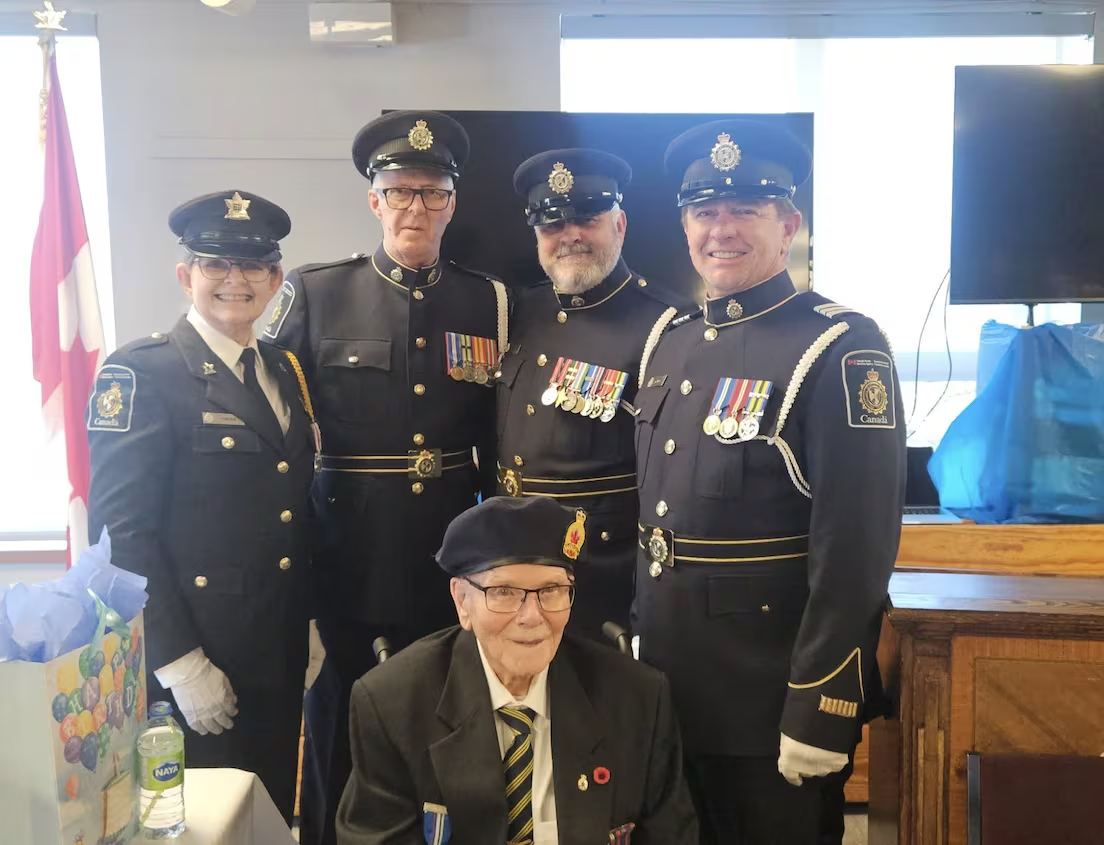
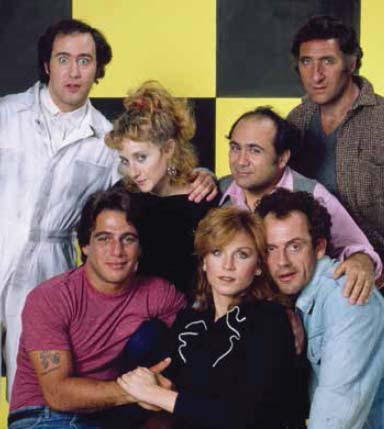

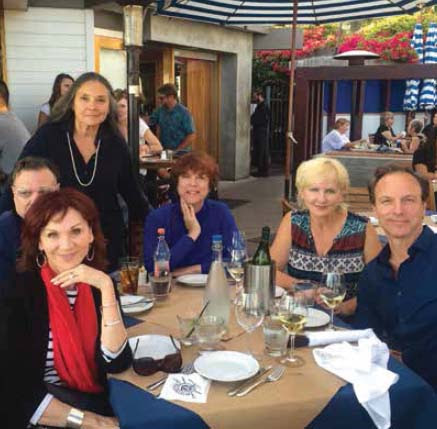
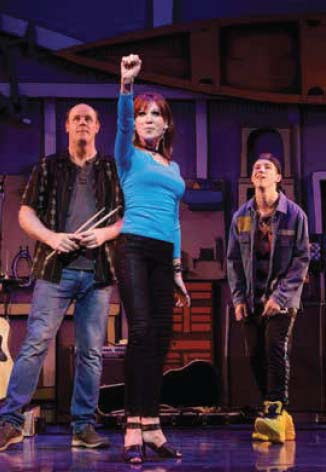
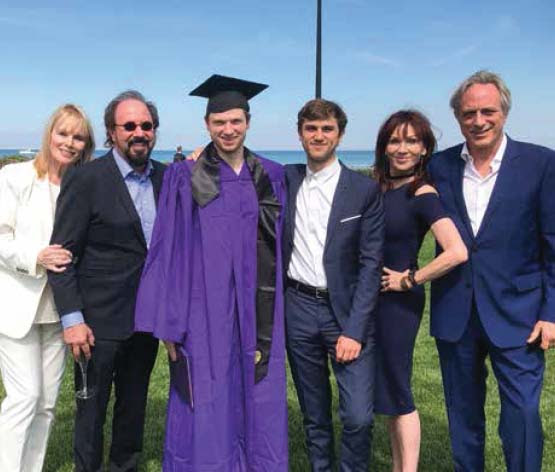

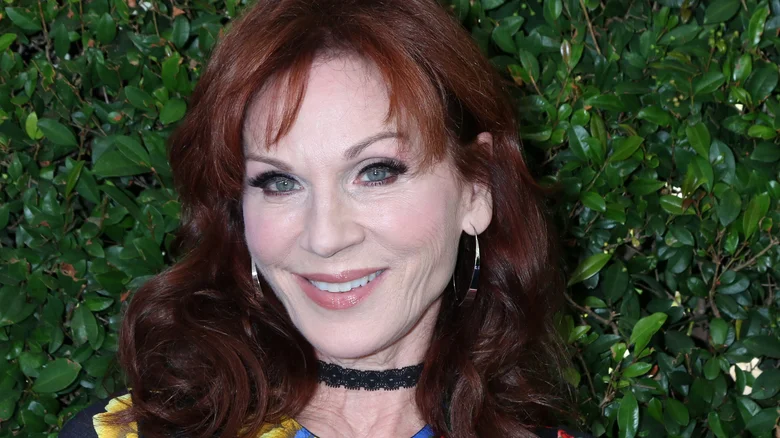
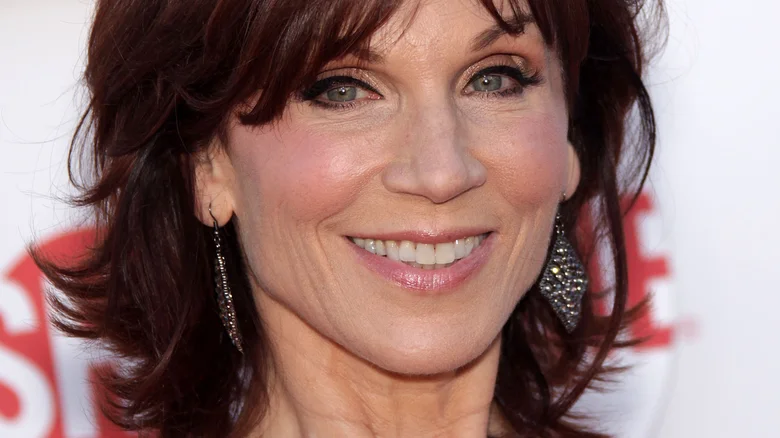


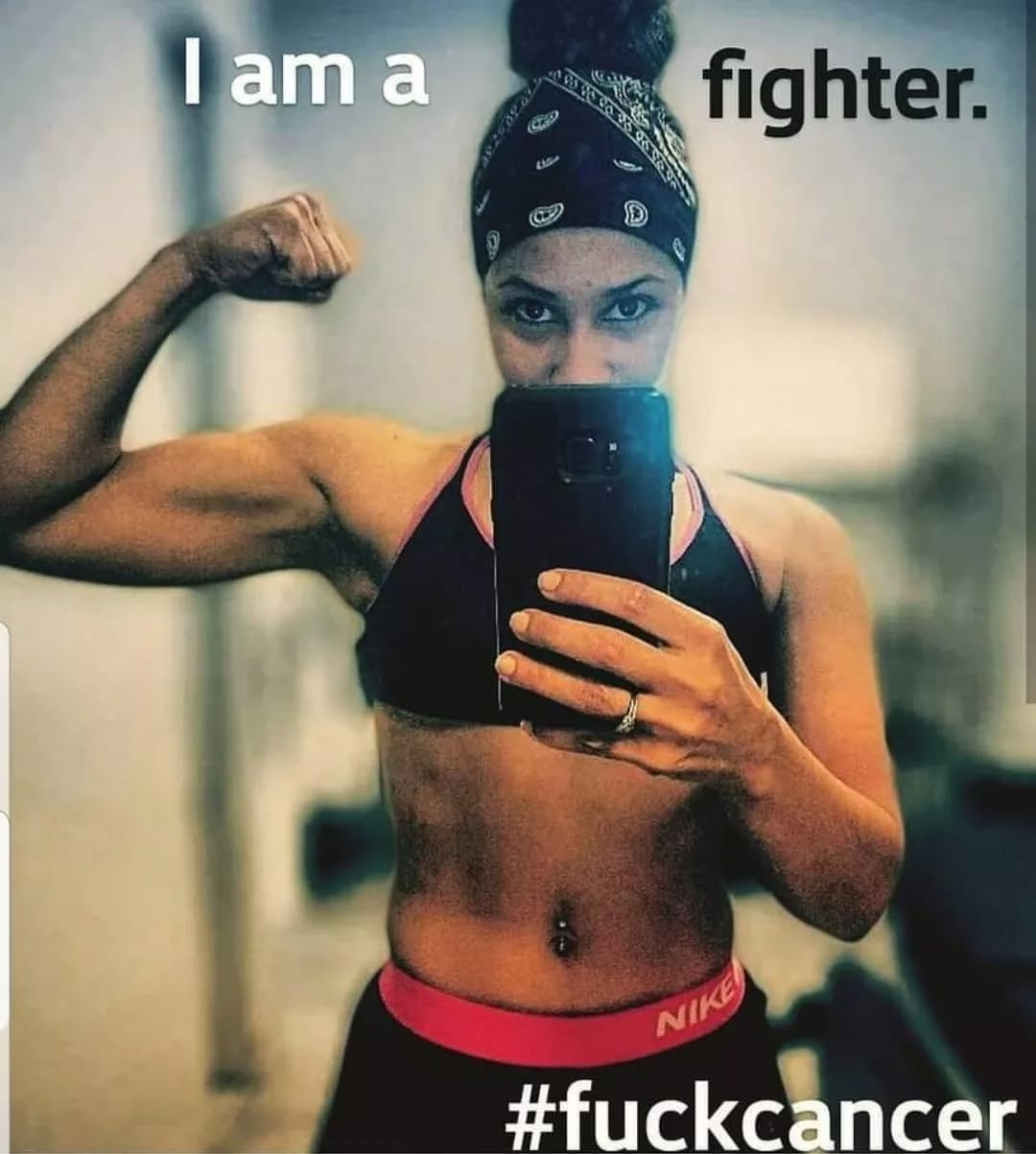
 Now I help people with their fights, so they can win their battles!!!
  Melana’s Story — Told in Her Own Voice
 Who Melana Smith Is
 Her Brain Cancer Journey
 A life‑changing diagnosis
 Turning to natural healing
 A fighter in every sense
 Sharing her story to help others
 The Heart of Her Message
 What She Focuses On
 Public Presence
 A Tribute to Melana Smith
 A Narrative Retelling of Melana Smith’s Journey
 Rise Like Melana: A High‑Energy Motivational Piece
 A Detailed, Lyrical, Poetic Tribute to Melana Smith
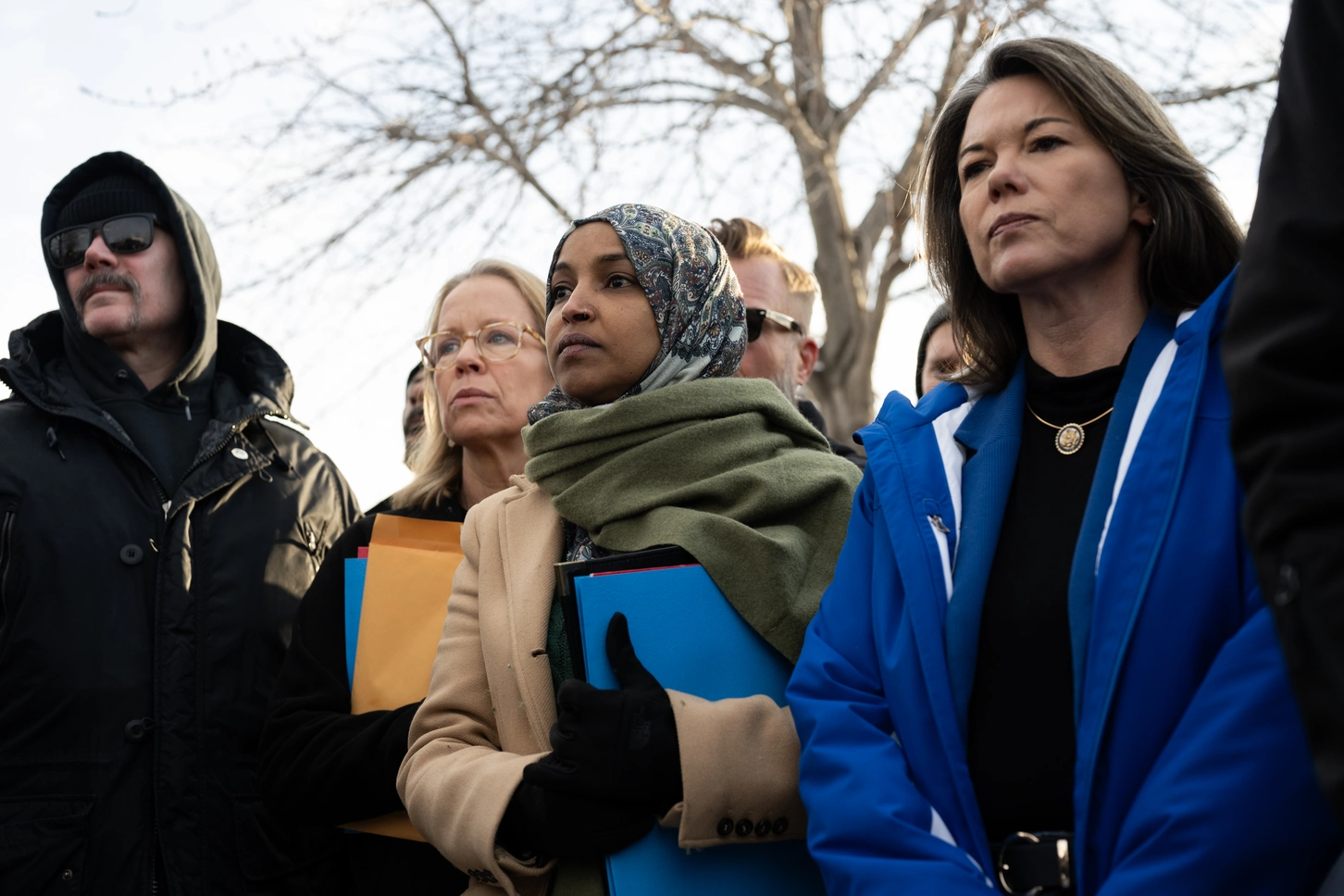

 “I HAVE A BRAIN INJURY!” SCREAMING ACTIVIST DRAGGED FROM CAR BY ICE IN MINNESOTA — EXPOSED AS RADICAL LGBT & RACIAL JUSTICE ORGANIZER BLOCKING DEPORTATIONS!

 What the Book Explores
 A Note on Criticism
 3. Compare It to Other Trauma‑Related Books
 4. Help You Reflect on Themes for a Class or Discussion
 Your Move
 PART III — THE MINDS OF CHILDREN (Chapters 10–13)
 PART IV — THE IMPRINT OF TRAUMA (Chapters 14–16)
 5. Discussion Questions or Essay Prompts
 What historians say
 Where January 13 comes from
 What is historically certain
 because no one in the medical profession will acknowledge your illness. I too was afraid to be labeled as someone who was drinking because my mobility had been depleted by Crestor, a medication prescribed by my doctor, death for cholesterol. To this day ten years later I’m still recovering my mobility refusing to stop or use a walker. I know your suffering it’s real and it’s lonely. We are strong women and we fight because we were given no choice.


