What if the key to getting healthy isn’t another diet, but balancing your nervous system and trusting Jesus? This is how I broke free from severe food sensitivities and chronic symptoms.
I learned this the hard way when severe reactions to food and things around me took over my life.
I could only eat zucchini and boiled chicken without getting terrible gut pain, brain fog, sleepless nights, and exhaustion.
I tracked every bite of food, checked how I felt with each one, and wouldn’t eat anything without reading the labels.
Even foods from places like Whole Foods were too much for me.
My anxiety and fear kept growing, and I felt trapped and alone.
Everyday items like candles and laundry soap made my symptoms worse.
I couldn’t wear perfume or go into older buildings because of mold.
Even going out to eat was hard. I could only order a salad, and even that left me exhausted. I was constantly drained, malnourished, and 20 pounds underweight.
I spent most of my time at home, avoiding anything that could trigger my symptoms and wondering if I would ever live a normal life again.
I spent countless hours on the couch praying for an answer and trying to figure things out on my own.
I saw many doctors and spent so much money on supplements and tests, but nothing brought lasting relief.
I was scared of trying more treatments because I feared making things worse.
I didn’t realize that the constant fight-or-flight stress response in my body was the root of my reactions.
Then God led me to Christ-centered brain rewiring. It was the only option left because it was natural, and it didn’t involve anything that could trigger my symptoms.
For the first time, I focused on balancing my nervous system, which was the key to stopping my fight-or-flight response and calming my body.
After just two weeks, I felt more change than I had in years of strict diets and supplements.
By balancing my nervous system, I found that nothing in my environment phased me anymore.
I learned that avoiding everything wasn’t the answer… calming my body and getting out of that constant stress response was.
Now, I can eat anything I want at restaurants, wear perfume, walk into older buildings, exercise, and socialize without fear.
I am healthy and strong, no longer underweight, and I can serve the Lord and go on vacations freely. The best part?
My boys have a resilient mom, my husband has his wife back, and I have my life back.
The life I prayed for didn’t come from diets and protocols, but from faith-based brain rewiring.
If you’re feeling stuck on the couch, weighed down by food and chemical sensitivities, I want to share what I’ve learned with you.
Join me for a free live challenge to see how Christ-centered brain rewiring can change your life. Don’t miss out.. save your spot : https://www.limbicsystemrewire.com/register
Have you ever felt rejected because of your symptoms?
When you’re walking through chronic illness, rejection hits differently. It’s not just physical pain, it’s the emotional weight of feeling misunderstood, dismissed, or left out.
People start pulling away. Invitations get fewer. You sit in appointments only to be told it’s all in your head. And sometimes, even in faith communities, you hear things like “just pray harder” or “have more faith,” as if that should instantly fix everything.
Instead of support, you’re left feeling misunderstood and spiritually isolated.
But here’s the truth: rejection doesn’t get the final word. Jesus experienced rejection more than anyone else, and He still responded with love, compassion, and unshakable peace. He didn’t let the world’s opinion define Him, and we don’t have to either.
Rejection is an opportunity to rewire your mind. Every time you choose love over bitterness, peace over fear, and truth over lies, you’re strengthening new pathways in your brain. You’re moving out of the chronic stress cycle and into healing.
If this is something you’re walking through, I want to invite you to a free 3 day live event happening Monday. It’s called the Food and Chemical Sensitivity Relief CHALLENGE, and I’ll be teaching practical, Christ-centered brain retraining tools to help you break free from fear, overwhelm, and the emotional toll of chronic illness.
What if I told you contentment is possible right now, even if your health isn’t where you want it to be?
Not after your next lab test comes back perfect.
Not when your symptoms finally disappear.
But right now. In the middle of it all.
I know how easy it is to wait for “someday” to feel at peace – to think, “Once I’m better, then I’ll be happy.”
But here’s the truth that’s been on my heart:
Contentment isn’t found in perfect circumstances. It’s found in Christ.
The apostle Paul said, “I have learned to be content whatever the circumstances,” and he wrote that from prison. He had discovered something most of us spend our lives chasing: a kind of peace that doesn’t shift with symptoms or change with circumstances.
And you can find that too.
It starts with the “even if” mindset:
Even if I’m still waiting for healing…
Even if I’m dealing with fatigue today…
Even if things aren’t easy, I can still have joy, still walk in peace, and still trust God fully.
Choosing this kind of contentment doesn’t mean you’re giving up on healing. It means you’re not letting your joy be held hostage by your circumstances anymore.
And when you make that shift, something powerful happens – not just spiritually, but physically too. Your body calms. Your stress response quiets down. Your brain starts to rewire. Peace settles in.
So if you’ve been chasing joy through changed circumstances, maybe it’s time to anchor your joy in the One who never changes.
If you agree, I’d love to stand in that truth with you.
We receive a limbic system correction by meditating and praying to God… but that will only correct what we already have, it shall not grow what we’ve been ignorant to go through. The limbic system rewiring that drops us dead to the ground and rises Us up, born again, something more and different…. Is only experienced through the only true frequency that shatters our perception of peace.
The frequency of stillness in nature when we are completely alone from other human bodies and vibrations of society. If you’ve never gazed through your own reflection, and the only environment that provides it. Then you want 100% and can only access 10% of your memory at once, which is the only requirement for being trapped in our imagination and growing depression. Go fishing alone or with a dog, or 100% remain a lifetime customer with depression. If you are emotional about these absolute facts about every single human being that’s ever lived, then you have the root cause of the ignorance blocking you from being a normal healthy human being.
You know that moment when you’re laughing so hard your cheeks hurt, and for a split second, you forget about all the stress? That’s not just fun, it’s healing. Scripture reminds us in Nehemiah 8:10, “The joy of the Lord is your strength.”
And Proverbs 17:22 backs it up: “A cheerful heart is good medicine, but a crushed spirit dries up the bones.”
God didn’t design joy as something extra for when life is going well. He built it into our healing process.
Neuroscience now confirms what the Bible said all along: laughter and joy release powerful chemicals that are your brain’s natural mood boosters. They reduce stress, lower inflammation, improve your immune function, and even help your body tolerate pain more effectively.
But here’s what I love the most: joy isn’t something you have to wait around to feel. It’s a choice. James 1 tells us to “consider it pure joy when you face trials.”
That means you can choose joy right in the middle of uncertainty, symptoms, setbacks, or stress. Not because your circumstances are easy, but because your hope is in something greater.
So what does that look like practically?
It’s turning up worship music and dancing in your kitchen. It’s letting yourself laugh, even when things aren’t perfect. It’s taking a deep breath, smiling on purpose, and soaking in God’s presence, because joy lives there. Psalms 16:11 says, “In your presence there is fullness of joy.”
So if you’ve been feeling heavy, overwhelmed, or discouraged lately, I want to gently remind you: joy is still available. You don’t have to earn it, and you definitely don’t have to fake it. You just have to open your heart and receive it.
Let’s be people who laugh more, smile bigger, and carry that kind of contagious, unshakable joy that only comes from Jesus.
If that’s the kind of life you want to live, I’d love to stand with you in that today.
“The French diet wins in every category,” Aziz told The Post, uncorking a full-bodied case for why fromage might just beat feta when it comes to staying slim and living longer.
But first: How did the French diet get such a bad rap?
It’s not just because of the cigarettes.
“The idea that the Mediterranean diet is ideal comes from the Seven Countries study, which showed that diets that are low in saturated fats can prevent heart disease,” Aziz explained.
But he’s not buying it. Aziz argues that the study cherry-picked countries, conveniently leaving out places like France and Switzerland, where saturated fats are a staple but heart disease rates remain surprisingly low.
As a result, Aziz said the public turned their backs on butter and cheese and embraced the Greek method instead — a move he believes was a mistake.
“No doubt, the Mediterranean diet is great. It is high in vegetables, fruits and whole grains — seven to 11 servings a day to be precise,” Aziz said.
“But the Seven Countries study was done on farmers who were very active in the fields working out hours to burn those excess calories from bread,” he continued.
For most Americans, though, that’s not the reality. Aziz insists the Mediterranean diet doesn’t fit with our sedentary lifestyles and can lead to weight gain — going so far as to call it a “dangerous diet” for anyone trying to slim down.
Let’s dive into the specifics.
Portion control
“The French diet is better for our weight,” Aziz said.
Just look at the numbers. Globally, Greeks rank 43rd for obesity rates, while the French come in at 143 — one of the lowest in the world.
Aziz believes the secret lies in portion control, which he argues helps keep calorie intake in check without relying on restrictive diets.
The French diet is high in saturated fats, despite the country having low rates of heart disease.
“The French diet emphasizes smaller portions and slow eating, leading to better digestion and reduced calorie intake,” Aziz explained.
In contrast, he said the Mediterranean diet features larger portions of olive oil, nuts and whole grains — which he says can lead to overeating.
“It is easy to eat seven to 11 servings of whole wheat bread a day from sandwiches as in the Mediterranean diet, but I have never seen anyone eating seven to 11 croissants a day,” Aziz said.
Dairy delights
Losing weight can be a boon for your bones, but Aziz argues that the core principles of the French diet give them an extra boost.
“The French diet includes more full-fat dairy like cheese and yogurt, which provides calcium and vitamin D,” he said. “These nutrients are great for bone health.”
In France, 22 out of every 100,000 people are diagnosed with colon cancer, while in Greece, that number jumps to 149, he noted.
Wine with meals
Both diets encourage moderate red wine consumption, but Aziz pointed out that the French typically enjoy it with meals.
“This reduces excessive alcohol intake and enhances polyphenol absorption from food,” he said. Polyphenols are plant compounds known for their antioxidant properties, which help neutralize harmful free radicals in the body.
“Drinking wine with food reduces blood sugar spikes and improves digestion,” Aziz added.
After the US, France is the world’s second-biggest consumer of wine.
While research suggests that moderate wine consumption may offer some health benefits, excessive alcohol intake can lead to serious issues, including long-term damage to the brain, heart, liver and an increased risk of cancer.
Current US dietary guidelines recommend limiting wine intake to two 5-ounce glasses per day for men, while women should stick to one drink daily.
“The French diet includes more high-quality meats, including organ meats like liver, which are rich in iron, B vitamins and essential nutrients,” Aziz said.
“The Mediterranean diet relies more on fish, which is great for omega-3s but can be low in iron and less satisfying for some people,” he continued.
Aziz argues that incorporating nutrient-dense meats in our diets can help prevent anemia and support brain function. However, research suggests it’s important to consume organ meats in moderation due to their high cholesterol content.
Putting it all together
“The French diet wins in longevity,” Aziz declared.
In France, the average life expectancy is 83.1 years, compared to 81.8 years in Greece.
“This data suggests that despite consuming rich, fatty foods, the French stay slimmer and healthier, likely due to portion control and meal timing,” Aziz concluded.
The 10 hallmarks of aging are biological processes that contribute to the aging of cells and tissues. They are grouped into three categories: primary hallmarks, antagonistic hallmarks, and integrative hallmarks2.
Primary Hallmarks
These are the root causes of cellular damage:
Genomic Instability: Accumulation of DNA damage over time, leading to impaired cellular function.
Telomere Attrition: Shortening of telomeres, the protective caps on chromosomes, which limits cell division.
Epigenetic Alterations: Changes in gene expression without altering the DNA sequence, disrupting normal cellular processes.
Loss of Proteostasis: Impaired protein folding and degradation, leading to the accumulation of damaged proteins.
Antagonistic Hallmarks
These are responses to damage that can become harmful over time:
Deregulated Nutrient Sensing: Disruption in pathways that regulate energy and nutrient use, affecting metabolism.
Mitochondrial Dysfunction: Decline in mitochondrial efficiency, reducing energy production and increasing oxidative stress.
Cellular Senescence: Accumulation of non-dividing, dysfunctional cells that secrete harmful substances.
Integrative Hallmarks
These result from the culmination of damage and responses:
Stem Cell Exhaustion: Decline in the regenerative capacity of stem cells, impairing tissue repair.
Altered Intercellular Communication: Disruption in signaling between cells, leading to inflammation and reduced tissue function.
Microbiome Dysbiosis: Imbalance in gut microbiota, affecting overall health and immunity.
These hallmarks provide a framework for understanding aging and developing interventions to promote healthier aging2. Which of these do you find most intriguing?
Emily had learned about the need for foster families throughout her teen and college years and even more so after getting really involved with communities while working for different minor league teams in young adulthood. Once married, Jesse and Emily chatted about how to get involved with foster care and adoption, which was something both were drawn to supporting. In 2020, the Cole’s decided to become a licensed foster family, an action that would truly change their life. They knew they’d only be able to bring so many children into their own home but they kept grasping at the idea that the Savannah Bananas could use their platform to make a real difference in the foster care community. Dreams turned to discussions for a nonprofit organization and soon Jesse exclaimed, “We could call it, Bananas Foster.” Jesse and Emily locked eyes and Bananas Foster was created.
Jesse and Emily Cole – Search Videos are the owners of the Savannah Bananas, known as the Greatest Show in Sports. The Cole’s started the organization with the goal to make baseball fun and bring families together.
After only selling a handful of tickets the first few months, the Bananas changed the status quo of entertainment and decided to give the power to the fans. The organization was obsessed over the fan experience and did everything they could to put fans first and entertain always. After dedicating every game to the ultimate fan experience, the fans responded and fortunately, the Bananas grew in popularity.
Our organization is committed to helping the whole foster care community. Advocating for everyone involved, Bananas Foster celebrates those already making a difference while inviting others to get involved so we can all help make this world a better place. – Emily Cole
The Cole Family on the 2025 BananaBall World Tour.
We first arrived in Savannah in October of 2015 with a goal to make baseball fun and bring back fans to Historic Grayson Stadium.
For the first time, minor league baseball had left the city, after calling Savannah home for 90 years. Now because of this, we realized that getting fans excited for a college summer team was harder than we could have ever imagined.
In our first few months, we only sold a handful of tickets. By January of 2016, just months before our first game, the team had over-drafted our account. Owners, Jesse and Emily Cole were forced to sell their home to keep the team going.
Then everything changed on February 25, 2016, when we named the team the Savannah Bananas.
This announcement created massive attention locally and nationally, being covered by CBS, NBC, and Sports Illustrated, even being featured as SportsCenters’s Logo of the Year.
But the name was not liked or appreciated by most people in Savannah. We heard comments like whoever came up with the team should be fired. The owner should be thrown out of town. “You’ll never sell a ticket”. We even did a mean tweet video a year later to share some of the “love” we received.
But even with mixed reviews we were finally on the map and people knew who we were.
With all the attention, we were able to sell out Opening Night. Our fans were met with a completely unique experience featuring all-inclusive food, our senior citizen dance team, the first Banana Baby, and dancing players.
Since the first season, we’ve sold out every single game – over 200 and counting.
The Bananas were part of the Coastal Plain League, a summer collegiate league, for seven seasons.
The team won three Petitt Cup Championships while part of the CPL and had over 35 players drafted across the seven years of play.
In 2022, the Bananas announced that they were leaving the Coastal Plain League to play Banana Ball year-round. Banana Ball was born out of the idea of making baseball more fast-paced, entertaining, and FUN.
Fans First Entertainment now field four independent professional teams – The Savannah Bananas, The Party Animals, The Firefighters, and The Texas Tailgaters.
All teams are made up of players who are recruited and paid for their play.
Current and former MLB stars such as Jonny Gomes, Bill Lee, and local Savannahian, Josh Reddick, have all played with the Bananas professional team.
You can find out more about the Bananas teams here.
OUR CAST OF CHARACTERS
Our owner, Jesse Cole, wears a yellow tuxedo. Not just sometimes, but all the time.
We have the Banana Nanas, a senior citizen dance team; the Man-Nana’s, our Dad Bod Cheerleading Squad; and the Banana Splitz, a youth dance team.
We have the World’s only Dancing Umpire in Vincent Chapman who will bust out the floss, robot or twerk it out on strike out calls.
We have the World’s only Breakdancing Coach in Maceo Harrison who may do the moonwalk or the Single Ladies dance before giving a sign to the hitter.
Every game we honor the Banana Baby. Cue the Lion King opening music and the players kneeling around the baby being lifted in a banana costume.
We play Banana Ball– the fastest and most entertaining game of baseball.
Our players perform choreographed dances every game – Taylor Swift, Morgan Wallen, Mariah Carey – You name it, they’ve danced to it.
Every game we have a 3-2-2, which stands for 3rd inning, second batter, second pitch. These are unique in-game pre-pitch dances that have combined together for over 300 million views on TikTok.
Our hitters’ walk-ups are legendary. Bananas may be escorted to the plate by the Banana Pep Band, walk down the yellow carpet wearing the finest Dolce and Banana, or they may even introduce themselves.
We are known for our epic scoring celebrations. From running through the crowd to performing fully choreographed country line dances. When we score, you never know what will happen next.
We have the World’s Tallest Hitter and Pitcher with Dakota “Stilts” Albritton who stands 10 feet tall.
When you come to Bananaland, your experience is All-Inclusive. Our concessions in Savannah are All-You-Can-Eat hotdogs, hamburgers, chicken sandwiches, water, soda, popcorn and cookies.
We gave the stadium back to the fans. Historic Grayson Stadium is the first ever Ad-Free ballpark.
We serve our own Savannah Banana Beer, Banana Split Cream Soda, and specialty alcoholic drink, the Slippery Banana, in Bananaland.
While you are visiting, be a part of Bananaland forever by signing our Fan Wall in right field to leave your very own lasting mark.
Over the past 20 years, Paris has undergone a major physical transformation, trading automotive arteries for bike lanes, adding green spaces and eliminating 50,000 parking spaces. Part of the payoff has been invisible — in the air itself.
Airparif, an independent group that tracks air quality for France’s capital region, said this week that levels of fine particulate matter (PM 2.5) have decreased 55 percent since 2005, while nitrogen dioxide levels have fallen 50 percent. It attributed this to “regulations and public policies,” including steps to limit traffic and ban the most polluting vehicles.
Air pollution heat maps show the levels of 20 years ago as a pulsing red — almost every neighborhood above the European Union’s limit for nitrogen dioxide, which results from the combustion of fossil fuels. By 2023, the red zone had shrunk to only a web of fine lines across and around the city, representing the busiest roads and highways.
The change shows how ambitious policymaking can directly improve health in large cities. Air pollution is often described by health experts as a silent killer. Both PM 2.5 and nitrogen dioxide have been linked to major health problems, including heart attacks, lung cancer, bronchitis and asthma.
Paris said au revoir to cars. Air pollution maps reveal a dramatic change.
Paris has been led since 2014 by Mayor Anne Hidalgo, a Socialist who has pushed for many of the green policies and has described her wish for a “Paris that breathes, a Paris that is more agreeable to live in.”
Her proposals have faced pushback — from right-leaning politicians, a car owners’ association and suburban commuters, who say that targeting cars makes their lives more difficult.
Carlos Moreno, a professor at Paris’s Sorbonne University and a former adviser to the city, said Paris has developed “an urban policy based on well-being.”
People flocked to the streets during Paris’ car-free day.
Paris has long been a city of cars as much as a city of lights, but this congestion pumps greenhouse gasses into the sky. On September 27th Paris held its first “car-free day,” eliminating motor vehicles from the city center, and cutting exhaust emissions by nearly 40 percent, Caroline Mortimer reports for The Independent.
Though cars were only banned from 30 percent of Paris, harmful pollutants still dropped substantially citywide. Exact numbers the greenhouse gas nitrogen dioxide varied throughout the city, from 20 percent at Place de l’Opera to 40 percent near the city center, Mortimer reports.
The initiative’s success could fuel support for a citywide ban on cars, writes Willsher. The support of a socialist mayor, the city’s poor air quality and an upcoming climate change conference may spur new car policies.
Car banning isn’t new for Paris: In 2014, the city banned even-numbered license plates for a single day and managed to nudge air pollution down by six percent. But the city will have to do much more than ban cars for a day to make long-term reductions in the pollution that has shrouded the Eiffel Tower in smog and triggered concern about health and quality of life.
For inspiration of more permanent moves, Paris’ mayor Anne Hidalgo might look to London. In 2003, London started charging motorists to drive downtown, a move met with widespread criticism. But years later, the initiative has reduced both air pollution and traffic fatalities.
Paris’ temporary car ban had another unexpected benefit.
Landmarks like the Arc de Triomphe often vanish behind traffic jams.
In Just a Decade, Paris Achieves 40% Less Cars and 45% Cleaner Air –
Here’s how they did it
In just ten short years, Paris has achieved a transformative feat many cities only dream of: reducing car use by an impressive 40% and slashing air pollution by a remarkable 45%. This significant metamorphosis didn’t happen overnight; it’s the result of a purposeful, conscious, and concerted effort by both the city’s authorities and its residents.
City of Pedestrians and Bicycles
Paris, renowned as the city of love and lights, is progressively earning another title – the city of pedestrians and bicycles. Over the past decade, the French capital has made significant strides in reshaping its urban landscape to prioritize pedestrians, champion cycling, and create safer streets for all. The result? A dramatic 40% plunge in car use and a breathtaking 45% reduction in air pollution. As revealed in a LinkedIn post by Anne Hidalgo, the Mayor of Paris, the city has followed a path towards sustainability and walkability.
Pedestrians First: Paris Paves the Way
As part of a relentless battle against climate change, Paris has evolved to put pedestrians first. The city’s ambitious Street Code initiative addresses the climate emergency by actively shifting transportation habits. Parisians have embraced this change with open arms, enthusiastically adopting the new, more eco-friendly ways of getting around.
Embracing Cycling: 900km of New Bike Lanes
In a bid to encourage sustainable commuting, Paris has gone the extra mile. The city now boasts a staggering 1,120km of cycle paths, a fivefold increase from the 200km recorded in 2001. This massive addition of cycling infrastructure has played a key role in transforming Paris into a cyclist’s haven.
School Streets Sans Cars: A Safer Environment for Kids
Safety and sustainability are not mutually exclusive in Paris. The city has made impressive efforts to create car-free zones around schools. This move not only ensures a safer environment for children but also fosters a healthier and more active lifestyle among the younger generations.
Enhanced Safety Measures: Making Streets Safer for All
The safety of every Parisian, whether a child, an elderly citizen, or a person with disabilities, is a top priority in the city’s transformation plan. Measures such as widening sidewalks, increasing the number of sound signals and guide paths for the visually impaired, and providing cycling safety workshops for children, are all testament to Paris’s commitment to inclusive city planning.
The Payoff: Dramatic Reduction in Car Use and Pollution
This extensive reshaping of urban transportation in Paris has yielded impressive results. Over a decade, car traffic has plummeted by 40%, leading to a significant 45% drop in air pollution. The city’s radical change in approach has not only reduced the carbon footprint but also vastly improved the quality of life for its residents.
Every Step Counts: You Can Contribute Too
Paris’s inspiring transformation is a testament to the power of collective change. Yet, every major shift begins with small, individual steps. Whether you’re in Paris or any other part of the world, there are several ways you can contribute to this cause. Opting for a bike over a car, supporting local green initiatives, or simply choosing to walk more often, are actions that can make a big difference. Remember, every step you take today towards sustainable living, helps to shape a healthier and greener future for all. Start today! Let’s make our cities and our planet better, together.
Described as the man who “father of stress research,” Hans Seyle took the word stress out of the sphere of physics & applied it medicinally. Seyle, an Austrian-born endocrinologist, noticed patients experiencing symptoms and signs unrelated to their diagnoses as early as the 1920s.
Seyle began inflicting stress upon rats and found “almost universally these rats showed a particular set of signs”, according to medical historian Mark Jackson.
His research led him to believe that,
Subjecting an animal to prolonged stress led to tissue changes and physiological changes with the release of certain hormones, that would then cause disease and ultimately the death of the animal.
Seyle called the effects of chronic stress “general adaptation syndrome” and worked tirelessly to promote his theory of stress.
We hear the word “stress” all the time, but where did it come from?
KEY POINTS The term “stress” emerged out of the field of engineering to describe the actual physical strain put on a structure, but has now been broadened. Selye (1936) discovered that after a rat was exposed to a stressor, a typical “syndrome” appeared which was not related to the physical damage. The stress response proposed by Selye (1976) suggested that three interdependent elements accompanied any specific stressor.
The notion of “stress” is ingrained in both academic and public discourse, creating a popular phenomenological term that is rarely defined. As accurately noted by Selye (1976), the founder of the term as we know it today, “everybody knows what stress is and nobody knows what it is” (p. 692).
The term “stress” emerged out of the field of engineering to describe the actual physical strain put on a structure. In the mid-1930s, however, the paper “A Syndrome Produced by Diverse Nocuous Agents” was published in Nature (Selye, 1936), which discussed experiments on rats who were given “acute non-specific nocuous agents,” or, “stressors,” which included exposure to cold, surgical injury, spinal shock, excessive muscular exercise, or sub-lethal drug administration.
Selye’s discovery In his investigation, Selye (1936) discovered that after a rat was exposed to a stressor, a typical “syndrome” appeared which was not related to the physical damage done by the stressor. Selye noted that regardless of the type of stressor to which the rats were exposed, two stages emerged after exposure:
In the first stage, 6-48 hours after the initial injury, amongst a myriad of symptoms, rats experienced a notable decrease in size of the thymus (the organ responsible for producing T cells, critical to immunity strategies).
In the second stage, beginning at 48 hours after the initial injury, it seemed the brain structures responsible for the production of the organism’s growth ceased to function in favor of other structures which would be more greatly needed, economizing the body’s resources. Selye’s work would be seminal in exploring the biomarkers of stress and provide a catalyst for stress research in general.
Emerging from this study, the stress response proposed by Selye (1976) suggested that three interdependent elements accompanied any specific stressor. These were: hypertrophy in the adrenal cortex (essentially an enlargement in the structure of the brain which stimulates androgen glucocorticoid production), atrophy in the lymphatic system (responsible for the defense of the immune system), and gastrointestinal ulcers.
The GAS model In noting the abundant health issues derived from “stress,” Selye (1976; 1980) developed the General Adaptation Syndrome (GAS) model, which suggested that the odd behavioral and physiological reactions to stress are caused by disrupting homeostasis, the body’s natural balance. The GAS model accounts for three distinct phases that activate when one is under stress: the alarm reaction (made up of the “shock” and “anti-shock” phase), resistance stage, and exhaustion stage.
Within homeostasis, the body adapts to minor stressors, however when a stressor exceeds the amount of adaptation given in homeostasis, the body enters into the shock phase of the first stage, alarm, where cells in the hypothalamus begin to activate, the sympathetic nervous system (which regulates the body’s “sympathico- adrenal system,” otherwise known as the “fight or flight” response) is suppressed.
However, in the “anti-shock” phase, when the stressor persists, the sympathetic nervous system is activated, and the “fight or flight” reaction occurs in an attempt to best mobilize the body’s resources in case of danger. This occurs through the activation of the hypothalamic-pituitary-adrenalcortical (HPA) axis.
In 1936, Hans Selye published a pivotal paper titled “A Syndrome Produced by Diverse Nocuous Agents” in Nature. This work laid the foundation for the modern understanding of stress. Selye’s experiments on rats revealed that exposure to various stressors—like cold, surgery, or drugs—triggered a consistent physiological response, which he termed the “General Adaptation Syndrome” (GAS). This model described three stages of stress response: alarm, resistance, and exhaustion2.
His findings were groundbreaking because they demonstrated that stress could have profound effects on health, beyond just emotional strain. Selye’s work eventually earned him the title “the father of stress research”1.
Does this align with what you were curious about, or would you like to dive deeper into his theories?
Hans Selye’s pioneering work on stress has had profound implications across various fields. Here are some modern applications:
Healthcare and Medicine: Selye’s General Adaptation Syndrome (GAS) model is used to understand how chronic stress contributes to diseases like cardiovascular disorders, diabetes, and autoimmune conditions. Stress management techniques, such as mindfulness and cognitive-behavioral therapy, are rooted in his research2.
Psychology and Mental Health: His distinction between eustress (positive stress) and distress (negative stress) informs therapeutic approaches to help individuals harness stress for motivation while mitigating harmful effects3.
Workplace and Organizational Management: Stress research has shaped workplace policies, emphasizing the importance of work-life balance, employee wellness programs, and stress-reduction strategies.
Education and Training: Selye’s insights are applied in educational settings to help students manage academic stress and optimize performance.
Sports and Performance: Athletes use stress management techniques to enhance focus and resilience during competitions.
Selye’s legacy continues to influence how we approach stress in daily life and specialized fields. Which of these applications resonates most with you?
The first scientific publication on ‘general adaptation syndrome’, or as we know today ‘biologic stress’ , was published in Nature in 1936 by the 29-year old Hans Selye. His results in that short publication that contained no references or illustrations, were based on experiments in rats that were exposed to severe insults/ stressors, but his idea about a ‘nonspecific bodily response’ originated from his observations of sick patients whom he had seen as a medical student and young clinician.
Autopsy of stressed rats revealed three major, grossly visible changes: hyperemia and enlargement of the adrenals, atrophy of the thymus and lymph nodes as well as hemorrhagic gastric erosions/ulcers (the “stress triad”). Based on this and additional observations, he concluded that the key master organ in stress reactions is the adrenal cortex (although he also accepted the limited and short lasting effect of catecholamines released from the adrenal medulla) which stimulated by an increased secretion of ACTH, secreted by the anterior pituitary gland.
He thus identified the first molecular mediators of the stress reaction, i.e., steroids released from the adrenal cortex that we call today glucocorticoids, based on his classification and naming of steroids. At the end of a very productive life in experimental medicine, Selye recognized that under both unpleasant and demanding stressors as well as positive, rewarding stimuli adrenal cortex releases the same glucocorticoids and only certain brain structures may distinguish the stimuli under distress and eustress – terms he introduced in 1974, that also contained his last definition of stress: the nonspecific response of the body on any demand on it.
After a brief description of the history of stress research, the rest of this review is focused on one element of the stress triad, i.e., gastroduodenal ulceration, especially its pathogenesis, prevention and treatment. Following a short description of acute gastroprotection, discovered by one of Selye’s students, we discuss new molecular mediators of gastroduodenal ulceration like dopamine and new drugs that either only heal (very potently, on molar basis) or prevent and heal ulcers like sucralfate derivatives and the relatively new peptide BPC-157.
We conclude that despite the extensive and multidisciplinary research on stress during the last 80 years, a lot of basic and clinical research is needed to better understand the manifestations, central and peripheral molecular regulators of stress response, especially the modes of prevention/management of distress or its transformation into eustress and the treatment of stress-related diseases.
Stress, it’s something nearly everyone experiences. Daily life happenings with work, family, money, and everything in between are often stressful, as are major life events – whether they’re good or bad. People hear a lot about how stress impacts the human body but don’t always comprehend what it means. Facts about stress are mixed with opinions about it, too. Understanding stress, the research behind it, what stress side effects can be, and some of the ways it shows up in our lives is really insightful. It’s also somewhat terrifying when you realize just what stress can do. Check out these facts about stress and vote up the information that really ramps up the tension.
Stress Can Lead to Tooth Loss
Stress doesn’t force teeth out of your mouth, but it affects teeth in several ways that ultimately lead to tooth loss. Stress may cause an individual to clench their jaw or grind their teeth (day or night), which can crack, wear down, and ultimately lead to tooth loss.
Stress also causes inflammation and depletes one’s immune system, potentially leading to gum inflammation and gum disease. Canker sores, nail-biting, and acid reflux brought on by stress can also introduce bacteria or erode teeth.
Hwang Dong-hyuk, the creator of Squid Game, indicated that stress was at the root of his tooth loss while making the show’s first season. He explained to the BBC that he lost “eight or nine” and, with his teeth aching again during filming season two, said, “I’ll probably have to pull out a few more very soon.”
Generational Trauma Contributes To Stress
Stress isn’t always the result of what’s happened yesterday, today, or may happen tomorrow. It can be influenced by the effects of traumatic events passed down through generations.
Generational trauma may be caused by war, discrimination, violence, oppression, or some other event that ultimately results in “a genetic adaptation that can be passed on to successive generations.” Learned behaviors also exacerbate generational trauma.
Generational trauma can then influence conditions such as reactions like anxiety, depression, substance abuse, and an “extreme reactivity to stress.”
The Most Stressful Life Events Involve Death And Divorce
Major life changes are the most stressful experiences for humans, according to research. The death of a spouse is the most stressful life change, with divorce and marital separation as the second and third, respectively. Going to jail, the death of a loved one, and personal injury or illness also score highly on the life change index scale.
None of these life events have the same reactions by everyone who experiences them. What they have in common is that they disrupt routine, put one’s physical and mental health into flux, and exacerbate anxiety, depression, and cardiovascular and infectious diseases.
This is why it’s possible to “die” of a broken heart, so to speak, because grief can result in chronic stress that reaches such extremes that the body can no longer handle it.
Denying You’re Stressed Can Make You More Stressed
Denial is a natural defense mechanism and often one used to delay or avoid accepting facts or reality. Denying stress may push away unwanted emotions but this can lead to more internal strife. As a result, stress levels increase.
When the mind thwarts the flow of emotions because they are too overwhelming or too conflicting, it puts stress on the mind and the body, creating psychological distress and symptoms. Emotional stress, like that from blocked emotions, has not only been linked to mental ills, but also to physical problems like heart disease, intestinal problems, headaches, insomnia and autoimmune disorders.
You Can Lose Your Hair and Get Pimples from Stress
The effects of stress on hair vary, but hair loss manifests itself in three ways.
Telogen effluvium is hair loss from hair follicles shutting down during a period of significant stress while trichotillomania is a compulsion to pull out one’s hair as a reaction to stress. Alopecia areata occurs when the immune system attacks hair follicles, leading hair to fall out.
The relationship between stress and gray hair wasn’t proven until 2020. That year, scientists confirmed that norepinephrine, a hormone that triggers the body’s “fight-or-flight” response, was released into hair follicles during stress. This causes hair pigment cells to release and the body only has so many to go around. When they’re gone, hair goes gray.
As far as acne goes, stress doesn’t cause pimples directly but the body makes more androgens when stressed. This stimulates the body’s oil glands and hair follicles, often leading to breakouts. Inflammation exacerbates this and may make breakouts worse.
How To Accept The Aging Process: 12 Tips That Actually Bring You Peace
BY CATHERINE WINTER – PUBLISHED ON 26TH MARCH 2025
cascade [kaˈskeɪd] To deal with people who don’t provide encouragement and support, consider the following12345: Seeking emotional support from others who understand your situation. Surround yourself with supportive people who believe in your goals. Recognize that their lack of support may be about them, not you. Address the issue directly with those who don’t support you.
Any time you turn on the TV or check social media, you’ll be barraged with adverts and messaging encouraging you to “fight” the aging process. We’ve been trained to see aging as an enemy that’s meant to be overcome rather than submitted to or accepted with grace, and that perspective has damaged countless people over the years. For a greater sense of peace, you can learn to accept — and even appreciate — the aging process with the tips mentioned below.
1. Focus on the positives (and there are positives). There are numerous benefits of aging, and focusing on them instead of the detriments can bring about immense personal peace. For example, you’re likely far more confident about advocating for yourself and standing up for injustice than you were when you were younger, and care less about what others think about you. Most people also discover that they’re respected far more in middle age than when they were younger. Those grey hairs and smile lines show others that you’ve lived long enough to know what you’re talking about! If a positive attitude doesn’t come naturally to you, or it’s been beaten out of you by life’s struggles, you may need to actively take steps to adopt a more positive mindset. Positivity requires a conscious effort, it doesn’t just happen.
2. Prioritize self-acceptance above all else. While it’s important to have the courage to change the things we can, it’s just as important to accept the things we can’t, with grace and dignity. You will enjoy aging much more if you learn to accept your flaws and embrace your imperfections. We cannot fight time, and accepting the aging process with humor and curiosity can go a long way toward easing the process. Another great aspect of self-acceptance includes making peace with your own limitations, while simultaneously celebrating your strengths. This is something I learned on my own midlife journey when health challenges changed what I was able to do. And according to research, accepting such limitations goes a long way toward lessening stress while increasing personal well-being.
3. Do things that bring you confidence as an individual. Make a list of the things in your life that you feel confident about, and pour energy into those that are most important to you. But don’t be afraid to try new things that you are passionate about too. Self-confidence increases by learning something new, such as a new skill, hobby, or language. The American Psychological Association stresses that people can learn new things at any age, so don’t think that you can’t because you’ve hit midlife! You’ll gain immense personal satisfaction and confidence by learning (and mastering) new things in areas that mean the most to you.
4. Define yourself more by who you are, than by how you look. How often have you lamented the fact that people judge you more for your appearance than your personality, either positively or negatively? As we get older, who we are as individuals matters a lot more than what our temporary vessels look like — especially to those who are most important to us. Outer beauty fades with time, but inner beauty remains. When you think of the people who have meant the most to you thus far, ask yourself whether you’ve valued them for their appearance, or for their hearts and minds. Others love you for you, not how you look.
5. Prioritize spending time on the things you love the most. We often put aside the things we love in favor of taking care of responsibilities, assuming we’ll have time for the fun stuff “later”. Although taking care of responsibilities is important, prioritizing the things that make you happy is just as vital. Organize your time in such a way that you get to spend as much time doing what you love as doing what needs to be done. You don’t exist to be a workhorse or caregiver: you also deserve to pour time and energy into the pursuits you adore.
6. Shift your perspective from “I have to” to “I get to.” Aging comes with many new responsibilities, and some can be tedious and dispiriting. The key here is to shift perspective from resentment to opportunity. When you do this, “I have to” becomes “I have the opportunity to…” For example: you may have to take several medications daily to keep various health issues in check, but by doing so, you get to spend more time with the people you love, eat your favorite meals, foster more kittens, read more books, and so on.
7. Change the way you speak to the person in the mirror. If you’ve always been prone to negative self-talk, especially with regard to your appearance, shift this to a gentler and more loving narrative instead. Being cruel to yourself about things you have no control over won’t do anything except make you feel miserable about yourself. Dr Kristin Neff, the pioneer of self-compassion theory, suggests that when you find you’re saying something negative about yourself, consider how you’d react if someone said that about your best friend. If you would feel livid about that mistreatment and would instantly reassure your friend with kindness, try to turn that response inward as well. If you find this hard, you may need to explore ways to stop beating yourself up and learn self-kindness instead.
8. Pay less attention to how others expect you to look. Our culture is obsessed with the cult of youth, and incredible emphasis is placed on remaining young and sexually attractive at all times — especially women, who are treated horribly if they “let themselves go” by having laughter lines or grey hair. As you age, do not compare yourself to others, especially online, as most of what you’ll see on social media is fake and unachievable. This study focused on how highly filtered social media posts can wreak havoc on people’s self-esteem, as they reflect a perfection that just doesn’t exist in reality. Worse still, is that using filters on your own pictures can have an even more negative effect on how you view yourself (and others).
9. Follow role models who inspire you. Instead of feeling dejected because the 20-year-old influencer you follow on Instagram is doing things you feel you can’t do anymore, seek out amazing social media accounts of people in your age group who are doing things that you admire. Whether it’s athleticism, creativity, charity work, or beyond, countless middle-aged people are thriving in pursuits they’re passionate about. Let them inspire you to pursue your own dreams in the full knowledge that you aren’t “too old” to do anything.
10. Do the best you can with what you have. Focus on what you can control and influence in your own life, rather than getting frustrated with your limitations. If physical impairments prevent you from doing triathlons, focus on yoga and/or Pilates instead. Additionally, be as good to yourself as you can be. Invest in the highest-quality healthy foods, skincare, and nutritional supplements that you can afford. Treat your body, mind, and spirit as you would a treasured, sacred child, and you’ll likely be astonished at how much better you feel.
11. Find something truly meaningful to dedicate yourself to. You’re less likely to be depressed or upset about the aging process when your time and energy are focused in a meaningful direction. If there’s something you’ve always wanted to do, there’s no time like the present to make it a priority and pursue it with great enthusiasm. Go back to school (even online) to get that degree, make that community garden project happen, etc. Determine which causes or pursuits mean the most to you, and dedicate as much time as you can to them. If you’re not sure what you feel passionate about, explore some of these options to get you thinking.
12. Emphasize the timeless things that you love about yourself. Do you love the color and shape of your eyes? Frame them with amazing glasses that suit your personality. Have people told you how amazing you are at organizing wonderful parties? Take every opportunity to plan spectacular get-togethers and enjoy them thoroughly. The fundamental aspects of who you are don’t change just because you’re getting older — in fact, they often get better as you age. Make these aspects a priority in your life and make a point of having fun with them as often as possible.
She joined Hopkins’ varsity team in eighth grade under head coach Brian Cosgriff, averaging 8.9 points, 3.5 rebounds, 2.1 assists and 1.4 steals per game.[17][18] She led her team in three-point shooting and ranked second in assists. Hopkins finished with a 28–3 record and a runner-up finish at the Class 4A state tournament,[a] where Bueckers was named to the All-Tournament Team.[5][21]
High school career
Bueckers made her freshman season debut for Hopkins High School on November 25, 2016, recording 28 points, five steals and four assists in a 74–34 win over Osseo Senior High School.[21] That year, she assumed a more important role than in her eighth-grade season and became one of the team’s leading scorers and passers.[22] As a freshman, Bueckers averaged 20.8 points, 4.5 rebounds, 4.5 steals and 4.1 assists per game, earning All-Metro first team honors from the Star Tribune.[23] She led Hopkins to a 31–1 record, its only loss coming against Elk River High School at the Class 4A state championship. Bueckers made the Class 4A All-Tournament Team.[24][25]
In January 2018, as a sophomore, Bueckers was sidelined with an ankle injury that had been hurting her for the first two months of the season.[26] She finished the season averaging 22.3 points, 6.8 assists and 5.9 rebounds per game.[27] Bueckers helped Hopkins to a 28–4 record but suffered her third straight loss at the Class 4A state title game, despite leading all scorers with 37 points.[28] She was named Star Tribune Metro Player of the Year, becoming the first sophomore to win the award since its creation 34 years earlier.[27] Bueckers was also recognized as MinnesotaGatorade Player of the Year for athletic excellence, academic achievement and exemplary character.[29]
As a junior on February 1, 2019, Bueckers scored a career-high 43 points in a 69–66 win over Wayzata High School and surpassed 2,000 career points.[30][31] On March 16, despite having an illness that had caused her to vomit earlier in the day, she recorded 13 points, seven assists, five rebounds and five steals as her team won the Class 4A state championship, 74–45, over Stillwater Area High School.[32][33]
Hopkins finished the season with a 32–0 record.[34] Bueckers averaged 24.4 points, 5.1 assists, 4.9 rebounds and 4.6 steals per game, repeating as Star Tribune Metro Player of the Year and Minnesota Gatorade Player of the Year.[35][36] She was one of three finalists for the Gatorade National Player of the Year award.[37] That year, Bueckers moved to the Minnesota Metro Stars AAU program, following her former North Tartan coach Tara Starks.[38][39] In August 2019, she was named AAU Player of the Year by Prep Girls Hoops.[40]
On January 29, 2020, during her senior season, Bueckers became the first female high school player to be featured on the cover of basketball magazine Slam.[37] Toward the end of the season, she suffered from a stress reaction in her right leg due to overuse.[41] Bueckers sometimes wore a walking boot as a preventative measure, was limited in practice and missed the first game of the state tournament.[42][43] She led Hopkins to the Class 4A state championship game, which was canceled on March 13 amid the COVID-19 pandemic.[44]
Bueckers was selected to play at the McDonald’s All-American Game and the Jordan Brand Classic, two prestigious high school all-star games, but both were canceled due to the pandemic.[45][46][47] She averaged 21.4 points, 9.4 assists, 5.4 steals and five rebounds per game, leading Hopkins to another undefeated season and 62 consecutive wins.[48]
Bueckers has been regarded as one of the best players in Minnesota girls’ high school basketball history.[12][33][55] During her senior season, Star Tribune columnist Chip Scoggins compared her influence in the state to that of Lindsay Whalen, writing, “A generation of girls—now young women—throughout the Twin Cities and greater Minnesota grew up idolizing [Whalen] as a basketball star. Bueckers is having that same impact on a new generation of girls.”[56]
Bueckers was drawn to UConn because she felt that head coach Geno Auriemma would maximize her talents, and because of the university’s reputation and enthusiasm for women’s basketball. She also believed that she could immediately have a key role at UConn, with the expected graduation of point guard Crystal Dangerfield, and was attracted by its team-oriented play style.[58]
Freshman season
Entering her freshman season at UConn, sports publications described Bueckers as the program’s most hyped recruit since Breanna Stewart in 2012.[61][62] Unlike Stewart and other former UConn stars, she became her team’s leader from the beginning of her college career.[63]Megan Walker, UConn‘s top scorer from the previous year, had opted to forgo her senior season to enter the 2020 WNBA draft, leaving the 2020–21 team with no seniors.[64][65] Bueckers was unanimously selected as the Big East Preseason Freshman of the Year by the league’s coaches.[66]
“I think the most impressive thing about Paige is that she plays at the same pace the entire game. That usually comes a bit later for most players, but she’s got it at such a young age. She makes the game slow down for her. I’m always surprised when she shoots and it doesn’t go in.”
– UConn head coach Geno Auriemma on Bueckers after her 31-point game in a win over No. 1 South Carolina on February 8, 2021[67]
On December 12, 2020, Bueckers made her collegiate debut for UConn, recording 17 points, nine rebounds, five assists and five steals in a 79–23 win over UMass Lowell.[68]
On January 21, 2021, she made a three-pointer with 25 seconds left to help defeat rivalTennessee, 67–61, despite shooting 3-of-14 from the field for a season-low nine points.[69] Late in the game, Bueckers sprained her ankle, causing her to miss the next contest against Georgetown.[70]
On February 3, she posted a season-high 32 points and seven assists in a 94–62 victory over St. John’s of New York. It was the highest-scoring performance by a UConn freshman since Tina Charles in 2007.[71]
Two days later, she scored 30 points in an 87–58 win over Marquette.[72] In her next game, Bueckers recorded 31 points, six steals and five assists, scoring her team’s final 13 points, in a 63–59 overtime win over South Carolina, the number one team in the AP Poll. She became the first player in program history to have three straight 30-point games.[73] On February 27, Bueckers posted 20 points, a program-record 14 assists and seven rebounds in a 97–68 victory over Butler.[74]
After leading UConn to the Big East regular-season title, she was named Big East Player of the Year and unanimous Big East Freshman of the Year, joining Maya Moore as the only players to win both awards in the same season. She was also a unanimous first-team All-Big East and Big East All-Freshman Team selection.[75] On March 8, Bueckers recorded 23 points, six rebounds and four assists in a 73–39 win over Marquette at the Big East tournament title game. She was named most outstanding player (MOP) of the tournament.[76]
On March 21, Bueckers recorded 24 points, nine rebounds, six assists, and four steals in a 102–59 win over 16th-seededHigh Point in the first round of the 2021 NCAA tournament. Her 24 points were the most by a UConn player in their tournament debut.[77] Bueckers scored a game-high 28 points in a 69–67 win over second-seeded Baylor in the Elite Eight to help UConn reach its 13th straight Final Four.[78] She was recognized as MOP of the River Walk Regional.[79]
As a freshman, she averaged 20 points, 5.8 assists, 4.9 rebounds and 2.3 steals per game, shooting 46.4 percent from three-point range.[90] Bueckers recorded 168 assists, the most by a freshman in program history, despite a shortened season due to the COVID-19 pandemic.[91]
Bueckers in her sophomore season debut against Arkansas in 2021
On April 30, 2021, Bueckers underwent surgery on her right ankle to repair an osteochondral defect, joint damage involving the bone and cartilage.[97] She could not practice for most of the offseason while recovering from surgery,[98] but was cleared to return by October.[99] Bueckers entered her sophomore season as a unanimous selection for both Big East Preseason Player of the Year and the AP preseason All-America team.[100][101] Among the newcomers to UConn was Azzi Fudd, the number one recruit in the 2021 class and Bueckers’ close friend.[102]
Bueckers made her season debut on November 14, 2021, recording a season-high 34 points, six rebounds and four assists in a 95–80 win against Arkansas.[103] She matched the program record for points in a season opener set by Kerry Bascom in 1989.[104][105]
On December 5, Bueckers injured her left knee while dribbling the ball up the court with 40 seconds remaining in a 73–54 victory over Notre Dame, and had to be carried off the floor by teammates. An MRI and CT scans revealed that she suffered a tibial plateau fracture with an estimated recovery period of six to eight weeks.[106]
On December 13, Bueckers underwent surgery to repair the fracture and a previously undisclosed lateral meniscus tear. She was expected to be sidelined for eight more weeks.[107] During Bueckers’ absence, UConn had a 15–4 record and briefly fell out of the top 10 in the AP Poll for the first time since 2005.[108]
Bueckers was cleared to return against St. John’s on February 25, 2022. She came off the bench for the first time in her career and scored eight points, playing only 13 minutes due to a minutes restriction, in a 93–38 victory.[111]
Bueckers continued to receive limited playing time until the NCAA tournament,[112] and UConn won the Big East tournament despite her scoring only two points in the championship game against Villanova.[113] Her offensive production also declined from before her injury.[114]
On March 28, at the Elite Eight of the NCAA Tournament, Bueckers led her team to a 91–87 double-overtime win over top-seeded NC State, as UConn reached its 14th consecutive Final Four. She scored a game-high 27 points on 10-15 from the field, including 15 points in the two overtime periods (4-5 from the field and 6-6 from the free-throw line), and was named MOP of the Bridgeport Regional.[115]
In the Final Four, Bueckers recorded 14 points, five assists and four rebounds in a 63–58 victory against top-seeded Stanford, the defending champions.[116][117] In a 64–49 loss to top-seeded South Carolina at the national championship game,[118] Bueckers was the only UConn player to score in double digits as she posted 14 points and six rebounds, and was named to the Final Four All-Tournament Team.[119]
Bueckers was an AP All-American Honorable Mention selection.[120] As a sophomore, she averaged 14.6 points, four rebounds and 3.9 assists per game.[121] In addition to her athletic honors, Bueckers was again named to the university’s dean’s list for her first semester as a sophomore.[1]
On September 1, Bueckers announced she would return to UConn for the 2023–24 season instead of declaring for the 2023 WNBA draft, for which she was eligible.[124] In her absence, the team finished the 2022–23 season with a 31–6 record, winning Big East regular season and tournament titles. UConn lost to Ohio State in the Sweet 16 of the NCAA tournaments, marking the first time they did not reach the Final Four since 2008.[125]
Junior season
Bueckers in 2023
On August 9, 2023, Bueckers announced that she was fully cleared to return to the court; two months earlier, she had been cleared for all activities except for five-on-five play.[126] Entering her redshirt junior season, she was named an AP preseason All-American and Big East Preseason Player of the Year.[127][128] On November 8, Bueckers made her season debut, recording eight points, seven rebounds and four assists in 21 minutes in a 102–58 win over Dayton.[129]
On November 16, she scored 31 points in a 78–67 loss to AP No. 2 UCLA at the Cayman Islands Classic.[130] Bueckers tied Maya Moore as the fastest player in UConn history to reach 1,000 career points (55 games) on December 10, scoring 26 points in a 76–64 victory against AP No. 24 North Carolina.[131] On January 17, 2024, she posted a season-high 32 points and seven rebounds in an 83–59 win over Seton Hall.[132] At the end of the regular season, Bueckers was named Big East Player of the Year and was a unanimous first-team all-conference selection.[133]
She helped UConn win the Big East tournament, where she was named MOP after recording 27 points and five blocks in a 78–42 win over Georgetown in the final.[134] In the second round of the 2024 NCAA tournament, Bueckers tied her season-high of 32 points, while recording 10 rebounds, six assists and four steals, in a 72–64 win over Syracuse.[135] In the Elite Eight, she posted 28 points, 10 rebounds and six assists in an 80–73 victory over one-seed USC, earning Portland 3 Regional MOP honors.[136] She scored 17 points in a 71–69 loss to one-seed Iowa in the Final Four.[137]
For a second time, Bueckers was a unanimous first-team All-American, being selected to the WBCA Coaches’ All-American team and earning first-team All-American recognition from the AP and the USBWA.[138] On February 16, 2024, she announced that she would return to UConn for the 2024–25 season, despite being projected as a top-three pick in the 2024 WNBA draft.[139]
Senior season
Bueckers in 2025
Bueckers entered her senior season as an AP preseason All-American and the Big East Preseason Player of the Year.[140][141] On November 7, 2024, she opened her season with 13 points, seven assists, and five steals in an 86–32 win over Boston University.[142] Eight days later, Bueckers scored 29 points, including 16 in the first quarter, in a 69–58 win over AP No. 14 North Carolina.[143]
On November 27, she scored 29 points again, leading UConn to a 73–60 victory over AP No. 18 Ole Miss at the Baha Mar Championship final.[144] Bueckers suffered a left knee sprain after colliding with an opposing player against Villanova on January 5, 2025 and missed her team’s next two games.[145] As part of an 18-point effort against Seton Hall on January 19, she became the fastest player in program history to reach 2,000 career points after 102 career games.[146]
On February 16, Bueckers recorded 12 points and 10 assists for her first double-double of the season, helping UConn upset AP No. 4 South Carolina, 87–58.[147] During her final game of the regular season, she was inducted into the Huskies of Honor, a program that honors All-American players at UConn.[148] Bueckers received the Big East Player of the Year award for the third time in her career, and was unanimously named first-team All-Big East.[149] In the 2025 Big East tournament final, she recorded 24 points and eight rebounds in a 70–50 victory over Creighton. She became the first player to win Big East tournament MOP three times.[150]
In the second round of the 2025 NCAA tournament, Bueckers scored 34 points in a 91–57 win over South Dakota State.[151] In the Sweet 16, she scored a career-high 40 points, including 29 in the second half, in an 82–59 victory over Oklahoma. She became the fourth UConn player to record at least 40 points in a game and the first to do so in the NCAA tournament.[152]
In the Elite Eight, Bueckers posted 31 points and six assists, leading her team to a 78–64 win against top-seeded USC and being named MOP of the Spokane 4 Regional. She tied her own program record with three consecutive 30-point games, while scoring a total of 105 points, the most by a UConn player over a three-game span.[153]
Bueckers won her first national championship, scoring 17 points in an 82–59 win over top-seeded South Carolina in the title game. She surpassed Maya Moore for the most career points by a UConn player in the NCAA tournament and moved to third among all players.[154]
Bueckers was a unanimous first-team All-American for the third time in her career, received the Wade Trophy as the top NCAA Division I player, and won her second Nancy Lieberman Award as the top Division I point guard.[155][156] She finished her career with the highest scoring average (19.9) and the third-most points (2,439) in program history.[157]
On March 28, 2025, Bueckers announced that she would enter the 2025 WNBA draft, forgoing her final year of college eligibility. She is projected to be the first overall pick in the draft by many publications.[158]
Bueckers tore her ACL while playing a pick-up game on August 2, 2022. According to the UConn Blog, she was racing at full speed when she attempted to come to a complete stop, but her left leg gave out unexpectedly, and she heard a crack. She could see right away that it was a major injury. Bueckers had an MRI that same night since the initial tests did not indicate the full degree of her injuries. Doctors verified that Bueckers had ruptured her ACL in her left knee, causing her to miss the whole season.
However, she has recovered and is ready to resume her basketball career. Despite not taking part in the UConn European tour at the time, the 5-foot-11 point guard claimed on social media that she was permitted to participate in August.
When questioned about her rehabilitation, she stated, “I’m in a really good place physically and mentally. Still sort of getting the rust off. I haven’t played in over a year, so it’s going to take some time to adjust and get my rhythm and flow back. But super excited for practice to start, for games to be in the distance in which we can see, and just super excited to be on the court.”
We, the civilized part of the World, need to get rid of Islam for good, never to return to our shores. Islam is an ideology that is against everything that we do, it is not compatible with us and must be driven out completely and comprehensively.
It’s fascinating how history can be so conveniently twisted to fit a narrative. The truth is, the Crusades were not a pure defense of Europe against some mythical Islamic aggression, but an opportunistic campaign driven by power, control, and the greed of European elites.
Maybe instead of pushing outdated stereotypes, you should take a closer look at the complexities of history. You might find that the real issue here isn’t “Islamic aggression,” but a lack of understanding and respect for a civilization that has contributed immensely to the world.
No, the Crusades were a response to the last 1000 years of Islamic warfare against Christian states which Muslims conquered, enslaved and took booty. Islam absorbed Syria, Jordan, Judea, Egypt, Libya Algeria were all Christian states. – SearchSo no Islam is not responding in kind. Islam started all the wars and has continued to this day to take over and attack all non-Islamic countries. That’s what the Quran commands until the world is under sharia.
Edited 2024 prison documentary edited with baptism clips. – Search This is highly informative. We need you to assist us in reaching them with the Bible. Love of Christ is the only message that draws Muslims to Jesus. I don’t favor the crusades but they didn’t happen in a vacuum. For centuries before this the Islamic hordes invaded and conquered many nations. They raped, burned, plundered ans pillaged every country in its path. They live by the sword.
Lol, the islamic rule of Spain lasted for more than 700 years, the kingdom had Muslims Christians and even Jews living in harmony.
Yet, today, Spain, England, France, Sweden, and other suicidal European nations let millions of brutal Muslims Extremist into their country.
Crusaders were genociders who went on a rampage massacring Jews, both in Europe and in the Land of Israel. Both sides can be wrong and bad.
The Crusades were nothing more than Christianity finally defending itself against a literally genocidal religious enemy determined to eliminate it from the face of the Earth. We need to understand what Islam is and what it is not. Islam was created by Augustinian monks – Search so the pope could have hired thugs to take Jerusalem for him. The Muslims took Jerusalem – Search but double-crossed the pope and decided they were going to keep it.
The Druids—a powerful Celtic order wiped out by Rome. Dive into the dark tale of how this spiritual force, rooted in nature, was annihilated in the empire’s relentless expansion.
Don’t act like they were friends of the Jews of their time. It is disingenuous and shows you will sell out your own people for a grist. Hasbara… This is complete nonsense. I see a lot of these youtube “historians” pushing this version. There is absolutely no disagreement among actual historians that the crusades were violent and mostly unprovoked acts of aggression motivated by religious fundamentalism.
Except that the Crusaders didn’t discriminate on who they slaughtered, right?
Any true Christian would be protective of the Jew– not dismember them in an orgy of bloodlust. Let’s agree that the Crusaders in general, were not Christian, but rather, an imperial force veneered in a religious wrapper.
The Crusades were a response to Islamic expansion, like Seljuk control of Jerusalem, – Search but calling it “400 years of Islamist aggression” oversimplifies it. They had religious, political, and economic drivers, not just reaction to aggression. Islamic expansion, over centuries, used both military and peaceful means, aiming for peace through governance. History’s complex—both sides see it differently.
The query asks why Islam uses military means if its goal is peace.
The linked X post by StateofNotes is inaccessible—possibly deleted, private, or not indexed—limiting context.
Historically, Islam spread through both peaceful means (trade, preaching) and military campaigns (e.g., early conquests), often justified as defense or to establish order. Scholars debate intent, but without the post, specifics are unclear. Ask Grok / X
Why does Islam use military means if its goal is peace?
Islam, like many religions, has a complex history where its ideals and practices have been interpreted and applied in diverse ways. The notion that Islam’s goal is peace stems from its foundational teachings— the word “Islam” itself derives from “salaam,” meaning peace, and the Quran emphasizes peace, justice, and compassion in numerous verses (e.g., Quran 2:256, “There is no compulsion in religion,” or 5:32, equating the saving of one life to saving all humanity). However, the use of military means by some Muslims throughout history, or even today, often ties back to specific contexts rather than the religion’s core theology.
Historically, early Islamic expansion in the 7th and 8th centuries involved military campaigns, but these were often driven by political and survival imperatives as much as religious ones. The Arabian tribes, unified under Muhammad, faced external threats from Byzantine and Persian empires, and warfare was a means of securing territory, resources, and influence—common to most empire-building of that era. The Quran permits defensive fighting (e.g., 22:39, “Permission [to fight] is given to those who are being fought, because they have been wronged”), which some interpret as justification for military action when under threat or to protect the faith.
Over time, interpretations of “jihad” evolved. While jihad primarily means “struggle” (often internal, spiritual effort), it’s the “lesser jihad” (armed struggle) that gets attention, especially when tied to defending or spreading Islam. Rulers and groups have invoked this to justify conquests, rebellions, or resistance—like the Umayyads expanding into Spain or modern groups like ISIS claiming religious legitimacy. These actions, though, are often more about power, identity, or reaction to oppression than an inherent Islamic mandate for war.
Today, military means by some Muslim-majority states or factions (e.g., Iran, Taliban) reflect geopolitical goals, sectarian rivalries, or responses to colonialism and intervention—think Afghanistan post-Soviet invasion or Palestine-Israel conflicts. Critics argue this contradicts Islam’s peaceful ethos, while defenders say it’s about justice or survival, not aggression.
The disconnect comes from human interpretation and circumstance, not a monolithic “Islam” wielding swords. Peace is the stated ideal, but history shows religion often gets tangled in the messy realities of politics and war. What do you think—does this tension exist in other faiths too?
That’s dishonest. While there are some Christians who attempt to justify expansionist wars, they do so without the support of Scripture. Islam is explicitly expansionist via the sword. Allah rebuked Mohammad for wanting ransoms from captives saying he wanted to manifest his religion through violence.
There is no allah and there was no mohammad — both a myth created by warlords. Anyone who believes otherwise has been misled.
This is historically dishonest..who initiated the conflict upon early Islam, before the Holy Prophet Muhammad death which was the cause Islamic expansion Byzantine and Persian Empires, Mohammad was a pedophile – Search“I have been commanded to wage war against mankind until they testify that there is no god but Allah and that Muhammed is the messenger of Allah.” Sahih Muslim 9:1:31. – Search
The first crusade had nothing to do with muslims. it was an act of genocide by the church to exterminate heretical tribes of christians in in europe.. then in the “Holy Land”, it was crusaders who went into a city and killed absolutely everyone..Christianity won the crusades around 1290’s . Islamic surrender. But it seems they failed to inform their side of the capitulation.
The CRUSADES is one of The DUMBEST things humans have done… 1. The Crusades were not the start of conflict — Muslims already ruled the Holy Land for centuries peacefully. 2. The First Crusade (1096) was an invasion of Muslim lands, launched by Europeans aiming to “liberate” Jerusalem. 3. Muslims responded to Crusader aggression and eventually threw them out. 4. So yes — the Crusaders invaded first, and were later defeated and expelled.
You are all manipulated FOOLS in a CULT that don’t question anything… And you forgot your own country’s history and pissed on every WW2 VET who fought against NAZISM… Zeitgeist Religion (Subtitulos Español) HD Educate yourself
Indeed…and ‘aggression’ is putting it mildly. To your point, the context for the Crusades was the attempt to Islamize Europe by brute force & invasion. Before the 1st Crusade, Spain was essentially conquered & Martel rebuffed the Caliphate in France. The Crusades were about going on offense vs. defense: Liberating Christians as well as Jerusalem.
Yet, the Crusades were unable to stop hundreds of follow-on yrs of attempts to make Europe part of the Caliphate. We fail to recognize that Islam’s attempt to conquer the West started in the 700s and were STILL ONGOING AFTER the Mayflower brought the Pilgrims to America. Instead, secularists have reimagined history to frame the Crusaders as exemplary support of their white guilt theory.
Christians used to be in North Africa. Think of the Roman Empire, and Christians were there at some point.
You can turn the other cheek in your personal relations, but your government and police are not there to turn the other cheek on your behalf. If they are not protecting you from invasion and violent criminal attacks, they are not doing their job. All part of our falsified history.
That’s correct, Islam didn’t start until the 6th Century,and then in the 12th Century the Crusaders fought them because they were slaughtering Christians. All Islamic countries now were Christian Nations and the Muslims conquered by the sword, just like they murdered 1,000 in Syria
In 1204, the Crusaders, primarily Latin Christians, attacked and sacked the Christian city of Constantinople, severely weakening the Byzantine Empire. The Crusaders established the Latin Empire in the city, but this was short-lived. The Byzantines eventually reclaimed Constantinople in 1261, but the damage had been done, and the Byzantine Empire was in decline.
U guys are idiots, don’t you understand that zionists are spreading lies about both of us. They never want Christian and Muslim to stand together. Zionists always want us to fight with each other so they can rule the world.
Justified, but not exactly a success. Eastern Empire: “Save us from the Muslims! Send us knights!”
The *Arabs were strong enough to build an empire to rival the Romans and actually at its height it was bigger. How do you think the muslims view us bombing them in multiple countries over the past 30-40 years? Or the sanctions we used to starve their children and keep medicine from their elders?
Or just the fact that we did most of these over flat-out lies?
Muslims have not changed. Their goals are still global domination. They have always wanted to destroy western civilization. Designed to manufacture division and maintain control over the populace. We are too busy fighting each other to wake up to our current slave system, Satan’s short season.
Seems Europe is now having to deal with the fruits of defiling history.
Such an oversimplification. Sorry for the soapbox!
The Crusades weren’t just about defense, they were a full on military campaign to take back the Holy Land.
Crusaders slaughtered Muslims, Jews, & other Christians, all for power and conquest.
We’re coming up on 1,000 years since the Crusades began. Our ancestors did a helluva job, but we might be overdue for a pushback against Islamic invasion if we plan to offer the same prosperity to our ancestors for another 1,000 years.
Obesity is a medical condition that occurs when there are excess fat cells in the body.
It raises your risk of various adverse health effects and conditions, such as cardiovascular disease, diabetes, and hypertension (high blood pressure).1 Clinical obesity can also impact lung function.
Difficulty breathing, gasping, and breathlessness (dyspnea) can be symptoms of obesity.
If breathing difficulties become severe and chronic, a healthcare provider may diagnose shortness of breath as obesity hypoventilation syndrome (OHS).2
There are several ways that obesity and breathing problems are linked, though more research is necessary. Below are examples of the relationship between breathing problems and obesity:
Pressure on the lungs:Excess fat tissue in the abdomen or chest adds pressure to the lungs, making them work harder to expand and contract. They may not fill completely and can work slower, affecting breathing capacity.3
Pressure on the airways:Excess fat deposits in the neck (pharyngeal fat)4 can put pressure on the airways when you lie down, which can cause snoring and obstructive sleep apnea (OSA).5
Inflammation:Obesity is associated with increased inflammation—the body’s immune response. Bodily inflammation increases susceptibility to a range of conditions, which can impact breathing.6
Hormones:Excess fat cells in the neck affect the hormones that help regulate breathing. Researchers believe this causes OHS.5
Shared risk factors: Poor lung function, asthma, and other issues are associated with obesity risk factors, such as smoking, lack of exercise, and a sedentary lifestyle.
Obesity puts you at higher risk for a range of cardiovascular and other diseases and conditions, including high cholesterol, cancer, and liver disease, among others.1
You are also more likely to experience breathing problems, including:7
Asthma
Attacks of gasping breath
Dyspnea
Obstructive sleep apnea (SOA)—which causes snoring and disrupts sleep
Obesity hypoventilation syndrome (OHS)
These issues—which often overlap—can cause carbon dioxide to build up in the blood, making getting enough oxygen more challenging.
Can Obesity Cause Shortness of Breath and Wheezing?
Alongside shortness of breath, you may experience wheezing or hear sounds when you breathe, especially during physical activity.
Physical exertion increases lung activity as your body demands more oxygen. When air travels in and out of your lungs faster, it increases pressure on the walls of the airways; this causes louder exhales and inhales. Excess weight can exacerbate this issue as the lungs work harder to keep up.3
Excess neck or abdominal fat can narrow the airways, resulting in louder breathing. Airway obstructions have a similar effect.6
Symptoms of Obesity Hypoventilation Syndrome (OHS)
Obesity hypoventilation syndrome (OHS) is a chronic condition that causes dyspnea, wheezing, and breathlessness both during waking and sleeping hours. Many factors contribute to this condition, including:8
Excess carbon dioxide (hypercapnia)
Insufficient blood oxygen (hypoxia)
Reduced inhale (respiratory drive)
The effects of disrupted or inadequate sleep
Weight-related impaired lung function
The symptoms of OHS include:9
Daytime sleepiness or sluggishness
Depression
Dizziness
Dyspnea and breathlessness
Fatigue, tiredness after minimal effort
Headaches
Snoring, choking, gasping, or difficulty breathing at night, interrupting sleep
How OHS Is Diagnosed
To diagnose OHS, healthcare providers rule out other potential causes of breathlessness and breathing problems, such as COPD or other lung issues. First, they’ll assess your medical and family history, medications, and other factors. They will perform a physical evaluation and may order additional tests. Diagnostic methods may include:8
Auscultation (listening to your lungs with a stethoscope)
Measuring your weight and height
Calculating your body mass index (BMI)
Measuring around your neck and waist (circumference)
Spirometry (assesses lung capacity and how quickly you exhale)
Plethysmography (a measure of lung volume when inhaling and after exhaling)
Lung diffusion tests (determine how much oxygen gets into your blood when breathing)
Exercise tests (track breathing and cardiac function while active—walking on a treadmill or performing another exercise)
BMI and Obesity
Though BMI is still widely used, it’s a flawed and outdated measure. It does not account for important factors such as body composition, ethnicity, sex, race, and age. Despite its bias, healthcare providers often rely on BMI because it’s an inexpensive and efficient way to assess potential health status and outcomes.
Obesity and Shortness of Breath Treatment Options
Treatment goals for obesity-related shortness of breath are to increase oxygen levels, strengthen the lungs, and manage weight. Treatments for obesity and OHS may include:98
Continuous positive airway pressure (CPAP): A CPAP machine pumps air into your lungs through a ventilator mask you wear while you sleep. It keeps the airways open, treating OHS and nighttime hypoxia.
Oxygen therapy:Also known as hyperbaric oxygen therapy, this treatment option involves breathing in supplemental oxygen from a tank.
Tracheostomy:In rare, severe cases, this surgical procedure delivers additional air through a hole in the neck.
Lifestyle changes:Your provider may recommend dietary changes and increased physical activity for weight management. Ensuring you’re getting enough sleep is also essential.
Medications: If lifestyle changes alone are not working, your healthcare provider may recommend medications for weight loss.10
Weight loss surgery: Weight loss surgery reduces the stomach’s capacity, thus reducing calorie intake and spurring weight loss.
Can Losing Weight Help With Shortness of Breath?
The evidence is clear: losing excess weight should help with obesity-related breathlessness. In one study, men with obesity who undertook a three-month weight loss program saw significant improvement; losing about 10% of body weight led to more substantial reductions in dyspnea measurements and symptoms during exercise.3
Researchers also found this effect in women after moderate weight loss over 12 weeks. They, too, reported less breathlessness with exercise, improved oxygen levels, and other signs of healthier lung function.7
Losing weight helps improve shortness of breath because it reduces pressure on the lungs or airways, improves breathing regularity, and reduces how much oxygen you need. In addition, researchers noted that weight loss can also affect brain activity, regulating the sensation of breathlessness.7
Summary
For some, obesity can cause shortness of breath. Excess weight places extra pressure on the lungs or airways, making breathing more difficult. Excess weight can also raise the risk of other conditions that affect lung function, such as asthma.3
In severe cases, shortness of breath can develop into obesity hypoventilation syndrome (OHS), a chronic breathing problem related to excess weight. This condition disrupts sleep and causes other symptoms, like dizziness, headaches, snoring, and choking at night. Treatments for OHS include therapies to improve breathing and methods to lose weight.9
By Mark Gurarie who is a writer and editor. He is a writing composition adjunct lecturer at George Washington University.
Ah, the saying “Money talks, and bullshit walks” is a colorful way of emphasizing the power and influence of money in certain situations. Essentially, it means that actions—or in this case, tangible resources like money—carry more weight than empty promises or meaningless chatter. Money often acts as a decisive factor in getting things done, solving problems, or influencing outcomes, while insincere talk tends to fade into irrelevance.
The phrase “money talks, bullshit walks” suggests that money can influence people and get things done, while bullshit or empty promises often fail. 1The phrase gained popularity during the Abscam scandal in 1979, where it was famously used by politician Michael Ozzie Myers 2. It implies that relying on material resources is more effective than relying on rhetoric or deceit 3. Overall, it highlights the power of financial resources in negotiations and decision-making 4.
Money has become a cornerstone of modern society because it serves as a universal medium of exchange. Before money, bartering was the norm—trading goods or services directly. But that system had limitations: what if you had eggs and needed shoes, but the shoemaker didn’t need eggs? Money solved this by acting as a common denominator, allowing transactions to flow freely.
In essence, money represents value. It enables the exchange of resources, facilitates trade on a massive scale, and drives economies by giving people the ability to specialize in their work rather than being entirely self-sufficient. It’s not money itself that “makes the world go round,” but rather the systems and relationships it sustains.
On a broader level, money also wields immense influence because of what it symbolizes—security, power, opportunity, and sometimes even freedom. Of course, its importance varies depending on individual perspectives and cultural values.
What are your thoughts? Do you think money’s role in society is positive, or does it create more problems than it solves?
It’s a phrase that highlights practicality and results over words or hollow intentions.
Do you think it holds true in most situations, or is there room for exceptions?
Its the reason our health care system will never be fixed in the United States. Money is the most important commodity in an economic system. Indeed, money “makes the world go ’round.” This is because money is the general medium of exchange. We sell our products and services for money, and then use it to buy the products and services of others.
Money also permits us to comparison shop. Since all goods are traded for money, every item in the market has its own money price. Consumers and producers are easily able to evaluate the relative money costs of consumer goods as well as the resources with which these goods are manufactured. This allows an efficient and economical use of the resources and commodities in society.
Controlling the printing press enables the government to be a consumer without first being a producer. Money also enables an efficient transfer of resources between savers and investors. People who wish to save their money are able to loan it to those who wish to spend it.
This process has been the basis upon which entrepreneurs and businessmen have been able to invest in the plant equipment and new and improved machinery that has given us our high standard of living.
Finally, money tends to keep people honest. If I want to buy what others have for sale, I must have money to do so. But, ultimately, the only way I can have money in a free-market economy is if I have earned it by producing something for which other people are willing to pay me.
Thus, my ability to obtain what others have produced is dependent upon first having produced something which others wish to buy from me. In a free-market society, each man serves his fellow men as the means to achieve his own personal ends.
The Danger of a Currency Monopoly
Since the beginning of recorded history, governments have had an insatiable desire to consume wealth. Kings and princes, tyrants and democratically elected representatives have never run out of ideas on ways to spend what others have produced and earned. And when governments have discovered that no further wealth can be extracted by means of taxation, they have resorted to the debasement of the currency.
In ancient times, governments “clipped” gold and silver coins; in more recent times, the invention of the printing press enabled governments to produce oceans of paper money; and in the era of “high tech,” governments merely add to the money in the economy by pushing a button on the computer — vast sums of checkbook money instantly appear on the balance sheet.
Money evolved in society out of the interactions of a multitude of buyers and sellers searching for ways to overcome the difficulties of barter. This is what makes a monopoly over the power to create money so valuable to governments.
Since money, as the general medium of exchange, is readily and willingly accepted by every member of the society, the control of money enables governments to have access to the society’s wealth without having first produced anything to acquire that money in exchange. Controlling the printing press enables the government to be a consumer without first being a producer.
In our century, governments have rationalized this process. They have declared that their purpose is to stabilize the economy, guarantee full employment, and assure a balanced financial environment. In 1913, the U.S. government established a central bank — the Federal Reserve System — to do this job. Its record speaks for itself: a “great depression” in the 1930s, a series of economic booms and recessions of various frequency and duration in the post-World War II era, and unending inflation for five decades. By their fruits you shall know them.
Government monopoly and control over money has been an economic and social disaster. Wealth has been squandered and misinvested, the savings of millions have been destroyed through inflation, and the social fabric of societies has been weakened at various times during periods of monetary debauchery.
Privatizing Money
In a time when the belief in socialism is dying around the world, it is time to realize that government monopoly of money is nothing less than monetary central planning. It, too, has been a failure. And it is time to “privatize” money for the same reasons that are being proposed to privatize the production and marketing of goods and services in the communist East and the democratic West. Only private enterprise, operating in a free market, can eliminate political abuse in the disposal of resources and can guarantee efficient use of those resources for the satisfying of consumer demands.
Contrary to government-created myth, money is not the creation of the State. Historically, money evolved in society out of the interactions of a multitude of buyers and sellers searching for ways to overcome the difficulties of barter. Commodities such as gold and silver were found by individuals to possess the qualities and attributes most useful in providing a sound and stable medium of exchange.
Government and the Gold Standard
In the 19th century, the friends of individual freedom and economic liberty advocated the establishment of a gold standard to limit governmental abuse of the printing press. Unlike paper money, gold cannot be manufactured through the turning of the handle of the printing press. The amount of gold in the market is limited by the profitability of mining it out of the ground. The quantity of money, therefore, is controlled by the market forces of supply and demand.
The Federal Reserve System must be abolished for individuals to use and contract in whatever money they desire.But the mistake these friends of freedom made was that they still believed that governments had to be given the authority to manage the gold standard, even while that gold standard was meant to check governmental abuse of the money-creation process.
The fox was assigned the role of watching over the chicken coop. As was to be expected, the system failed. The 20th century has seen tidal waves of inflation in various countries as governments found ways to circumvent the trust assigned to them under the gold standard and then rationalized the issuance of vast amounts of paper monies — all done in the name of the “national interest.”
Money must be separated from the State. The Federal Reserve System must be abolished; all legal tender laws prohibiting individuals from using and contracting in whatever money they desire must be eliminated. The market — which means all of us in our roles as consumers and producers — should be left free to decide which commodities shall be selected as the most advantageous mediums of exchange. Also, the market should be left free to determine the economically most useful forms of banking and financial intermediation.
Contrary to government propaganda, this would not lead to economic “anarchy” or collapse. Rather, it would be the foundation stone of freedom and prosperity in the 21st century. Government has been the cause of monetary disorder in our society. A free market in money and banking would be the solution to our “age of inflation.” Government central-planning of money has been tried and it has failed. It is now time for monetary freedom to be given a chance.
It was published in two parts on Medium: Part 1 on June 26, 2020 and Part 2 on July 5 2020.
Money is a projection screen
Even if it often appears otherwise in everyday life, money is only one thing: a medium – physical or virtual – on which we project, as if onto a neutral screen, our fantasies, desires, and insecurities. You may think this is a bold statement, given that you know for a fact you need money to pay your rent or mortgage, to buy food, to pay for your holiday. So, what do we mean when we say that money exists in this way and functions through the process of projection?
The object which we call Money has its own intrinsic value as being an object in its own right. Its separate monetary value only comes into existence through human projection. We agree that it qualifies as money: how much of it there is and how much of it you need to acquire something else for it. Money therefore has no intrinsic worth of its own and in a sense does not exist.
At best, we are looking at a piece of printed paper or embossed metal, or, as is more often the case these days, we look at zeros on a computer. In another way, money might be viewed as a promise and only works if we collectively trust in and value this promise. It is a cultural construction that functions through projection that we treat as if it were a law of nature.
In contrast, laws of nature are something that man did not invent and that applies equally to all of us, everywhere – whether I believe in laws of nature or not. Unlike money, the role and effect of gravity or radioactivity is not negotiable. But since money is a human invention functioning through collective projection, the assigned value and meaning of money is absolutely negotiable. Since we seem to have forgotten this, we pretend that money is as real as gravity or radioactivity.
To quote Yuval Noah Harari ‘Money is not coins and banknotes. Money is anything that people are willing to use in order to systematically represent the value of other things for the purpose of exchanging goods and services…Money was created many times in many places. Its development required no technological breakthroughs – it was a purely mental revolution. It involved the creation of a new inter-subjective reality that exists solely in people’s shared imagination.’
If you are interested to learn more about the history of money, we suggest Yuval Noah Harari’s thought-provoking compilation named Money or this insightful article in the German WirtschaftsWoche (in German only) on credit.
It is impossible for us to not create projections
Today we know from brain research that what we experience as reality is an internal creation or, in other words, a projection of our consciousness.
Our mind is incapable of recognizing anything that happens without naming it in the same breath. The moment of perceiving reality cannot be separated from the moment of interpretation, or, in other words, the moment of creating reality. Even if we want it to seem that way, our brain is not a camera that records something. The performance of our brain is most comparable to the latest virtual reality glasses that you can put on your nose. Like a computer, our brain calculates a virtual reality in real time, which then appears on the screen of our glasses. There we usually see what seems logical and consistent to us based on previous experiences i.e. our reality.
Money is just another of our so-called ‘realities’. We do not deal in real matter; we deal in illusions, in projections. However, this fact is not trivial. Every projection has a practical consequence in terms of the experience it creates. For example, my experience with money seems to support my original definition of money, which gives me the feeling of having evidence that money is indeed what said it was in the first place. Money is not per se what I think it is or what you think it is. It becomes, or appears to become, what one says it is through projection. Projections are circular in nature – they trap us in a hall of mirrors.
Incidentally, the fact that we have projections is not problematic. Projections are a normal and indispensable phenomenon of being human. Projections are our method of wresting meaning from meaningless events and sensory impressions. We cannot not create projections. Moreover, when applied consciously, the process of projection is precisely how we manifest our visions and intentions. When we project consciously, our projections become a tool and facility for our use.
However, when we are not conscious of our projections, which is in many instances the case, things appear to be happening to us as though being caused by external reality or nature, whereas we are actually causing them ourselves, without being conscious of this. This puts us in a state of conviction of a reality beyond question, which is an illusion. We have the feeling of being used by or being enslaved by money.
Not only can we then succumb to our personal illusions, but the more other people share these illusions with us, the more real they seem. It’s a true case of the emperor’s new clothes. In terms of money we will say something like, “Money makes the world go around”, unaware that it’s we who make this world go around, maybe in ways that we don’t particularly like or agree with, and think someone else or something else, like money, is the cause.
Basically, there are three different types of projections:
The First Type: Negative Projections
The first typeis characterized by unconsciously projecting negative qualities or attributes onto money.
Someone with projections of this type might complete the sentence ‘money is…’ with statements such as ‘money stinks, money is dirty, money means responsibility’.
People with these types of projections onto money suffer from the illusion that they have to earn their existence with great effort: money either does not find its way to them from the beginning or it slips through their fingers.
On an unconscious level, people with what we shall call ‘negative projections’ try to avoid money or to get rid of it because they do not want all the negative attributes associated with money in their lives.
The theme that runs like a common thread through the lives of these people is financial hardship and the constant struggle for sufficient resources.
Through their unconscious negative relationship with money, money predictably flows out of their pockets into the pocket of people with the second type of projection.
The Second Type: Positive Projections
The second typeis characterized by unconsciously projecting positive qualities or attributes onto money. For people with positive projections money means freedom, self-confidence, luxury, and power.
People with these projections suffer from the illusion that they must secure their existence. One could also say that they suffer from the illusion that they can secure their existence only by amassing more and more money.
Driven by the gnawing feeling that they can never have enough of the magical substance, all their actions are aimed at accumulating more money and then securing it.
The dark side of their projection is greed. This greed is triggered by the belief that there is something outside themselves and that only they can possess or be with money.
The Third Type: Mixed Projections
The third type of projections is a mixture of the first two types.
It is characterized by the fact that it alternately — or even simultaneously — projects negative and positive attributes onto money and is driven by them.
People of this type are usually able to make money — but they are not able to keep it with a sense of enjoyment.
As soon as it is there, it melts away before their eyes or they actively give it away. They oscillate helplessly between the two extremes of ‘longing to have’ and ‘not being permitted to have’. They are appalled by their own greed and feel neither comfortable or understood in the company of people with type one, nor in the company of people with type two projections.
Uncovering your Type
If money in principle has a hard time finding its way to you and you often fight for resources, you probably have unconscious negative projections (Type 1) onto money.
If you have money but are often worried about losing it or concerned about how to acquire more, you probably have unconscious positive projections (Type 2) onto money.
And if you earn money but somehow never have any money, if you are often plagued by feelings of guilt and then voluntarily and involuntarily find ways to get rid of money as quickly as possible, then it is likely that you are wavering between the projections of both types, between disgust and greed (Type 3).
Another way to do a quick self-diagnosis, even if rather superficial, is to look at the state of your bank account. If you’re chronically in debt you may be Type 1. If you’re steadily saving but concerned about the future, you may be Type 2. If your bank account is usually around zero, you’re probably Type 3.
And if you are one of those rare individuals for whom money really doesn’t matter, who are just as happy to have money as to give money away, as to have no money as to get money — count yourself lucky and exceptional!
Money Projection: Experiment
Just in case you are still not convinced that money functions through projection — let’s do a quick experiment. Take two separate pieces of paper. Leave the first piece of paper empty. On the second piece of paper write: ‘I promise the owner of this paper 100 hours of my time’, then put your signature to it.
Now imagine if you were to give one of these notes to another person. Which of the two notes feels more valuable to you?
Presumably the note that says ‘100 hours of my time’ feels more valuable. This note contains a promise. A promise is a projection of an anticipated result in the future. The value of that note exists in your thoughts — and maybe in the thoughts of the person you are giving it to. But just because we can share projections, it still doesn’t become a law of nature!
Since we cannot escape our projections, our goal can only be to become aware of them and to deal with them more playfully.
Maybe you are thinking, ‘Pfff — easier said than done!’ In fact, our unconscious projections are so persistent because our attitude towards money is part of our identity — which is what we will explore in CU*money. If you would like to take a deep dive into your identity as revealed by your relationship with money, join us on the journey.
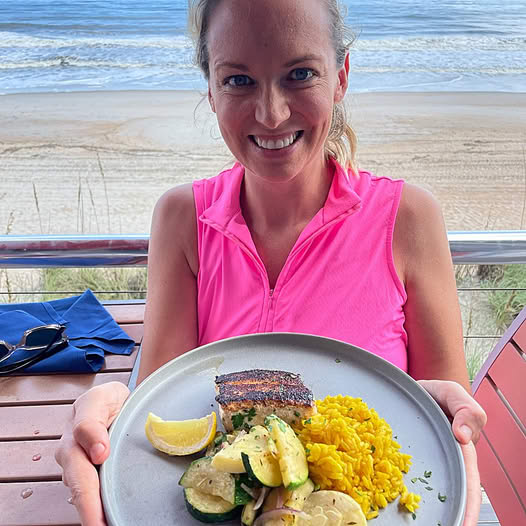






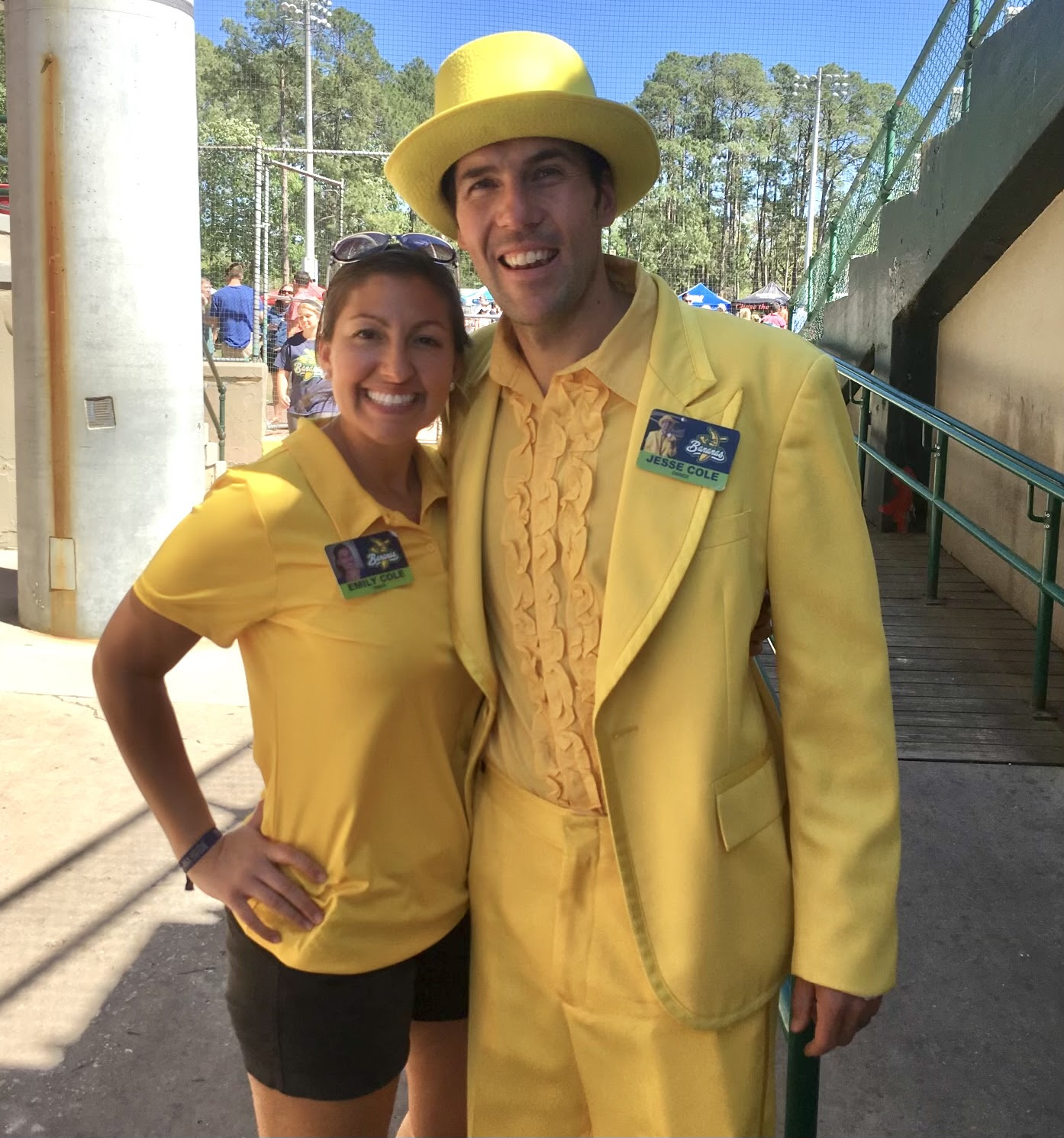



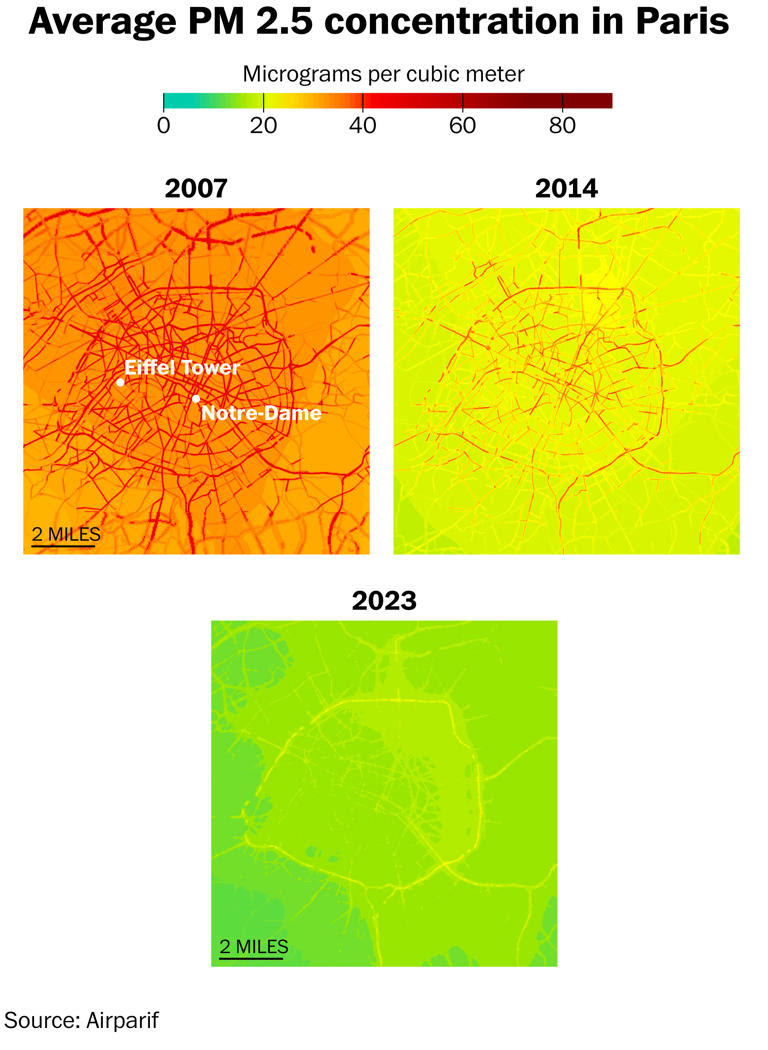


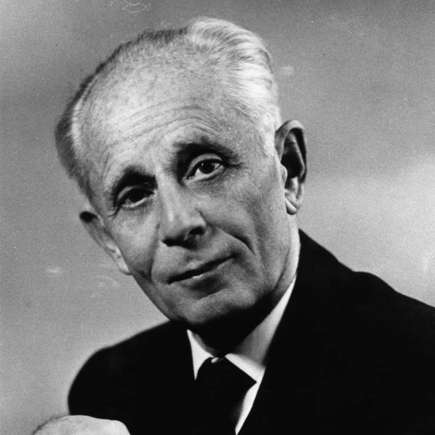


.jpg)






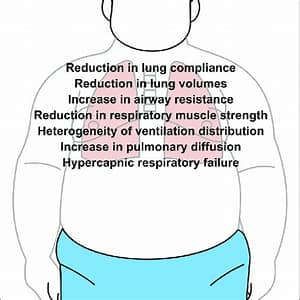
:max_bytes(150000):strip_icc():format(webp)/GettyImages-1491078303-595a3e29952944f9b0847cc31c25b01c.jpg)
:max_bytes(150000):strip_icc():format(webp)/Mark-Gurarie-1000-1bdb72526be24161a7d0d5eed3a7cc14.jpg)