Caroline Trumpff, an assistant professor of medical psychology at the Columbia University Irving Medical Center in New York City, has long been interested in the mind-body connection. While many studies have provided evidence for this link, it’s still rare to see this knowledge applied to clinical practice, she says. That is because it remains difficult to trace a direct path from life circumstances—an extended network of family and friends or, by contrast, a difficult childhood—to what is going on at the molecular level. These gaps are why Trumpff has taken an interest in mitochondria. By investigating how these tiny cellular powerhouses mediate the effects of mind on body and body on mind, she hopes to convince people to take the role of psychosocial factors on health more seriously.
Understanding mitochondria is a good place to start. Mitochondrial problems may be a culprit in a wide range of brain disorders and diseases, ranging from schizophrenia to Parkinson’s disease. But what causes problems in our mitochondria? Evidence from past studies, mostly in animals, has pointed to psychological stress as a key factor.
To investigate the relationship between mental states and mitochondria, Trumpff and her colleagues analyzed data from the Religious Orders Study (ROS) and the Rush Memory and Aging Project (MAP)—two large, ongoing assessments of aging and dementia that have recruited thousands of individuals aged 65 and older across the U.S. For these studies, known collectively as ROSMAP, researchers continuously track participants’ mental and physical health—and, after death, examine their donated brain.
For Trumpff’s study, the team looked specifically at whether there was a relationship between participants’ reported life experiences and the characteristics of mitochondria within the dorsolateral prefrontal cortex, a region of the brain involved in emotion regulation and executive functions, such as problem-solving and planning. Life experiences included those associated with better mental health (such as feeling purpose in life and having a large social network) and those with a negative impact on psychological well-being (such as adverse childhood experiences and social isolation).
The researchers’ analysis, which included data from 400 ROSMAP participants, revealed that positive experiences were most closely associated with a greater abundance of mitochondrial complex I, a key group of proteins involved in oxidative phosphorylation, the process by which mitochondria generate energy. Negative experiences, on the other hand, were associated with a lower abundance of the same protein complex. The results were published on June 18 in Proceedings of the National Academy of Sciences USA.
These findings, Trumpff says, suggest that our experiences may have an influence on how this minute cellular component can change its activity—ratcheting energy production up or down—in response to varying life circumstances. This chain of events might also go in the opposite direction: differences in the functioning of mitochondrial machinery could influence mental health in ways that determine what types of experiences a person will have. Trumpff says it’s likely that both things are happening because prior studies—mostly in rodent brains—have demonstrated both that chronic stress can alter mitochondria and that mitochondrial defects can alter behavior.
Previous work examining mitochondria outside the brain also support these results. In 2018, for example, Martin Picard, a mitochondrial psychobiologist at Columbia and a co-author of the latest study, found that people’s mood and stress levels affected the functioning of mitochondria in immune cells known as leukocytes. (Immune cells are commonly used in this type of study because they are found in blood, making them easier to access than brain cells, which can typically only be studied after death.) Researchers have also found signs of mitochondrial dysfunction in individuals with mental health disorders such as depression.
“The findings of this study highlight the significant impact that psychosocial factors—positive and negative experiences—may have on brain mitochondrial function,” says Audrey Tyrka, a translational scientist who studies stress, trauma and resilience at Brown University and was not involved in this work. “We know that, in turn, can influence cognitive function, psychiatric conditions and general well-being.” It is important, she adds, to conduct a similar analysis in a more diverse sample. Because 98 percent of the participants were white, this study cannot address any potential race- or ethnicity-specific issues, such as stress exposures arising from systemic racism and associated health disparities, Tyrka says.
Because the ROSMAP participants were all aged 65 and older when the study began, another open question is whether a similar relationship between life experiences and the functioning of brain mitochondria exists in younger individuals. In previous work, Iris-Tatjana Kolassa, a clinical biopsychologist at the University of Ulm in Germany, and her colleagues found that in adult women, childhood trauma was associated with increased, not diminished, mitochondrial energy production in immune cells after childbirth.
One explanation for this discrepancy, according to Kolassa, is that her study looked at the postpartum period, which is typically a stressful time that is also associated with inflammation. The way that mitochondria respond during such events might be different than during a normal state. Another possibility is that stress might lead to increased mitochondrial energy production in the short term—and, over time, this could lead to wear and tear that results in decreased mitochondrial capacity in older age. It may also be that mitochondria in immune cells react differently than those in the brain, according to Trumpff.
Although more research is needed to confirm the psychosocial-mitochondrial link that Trumpff’s team found, the study itself is a provocative finding that adds to the growing body of evidence indicating that states of mind and prior experiences such as early-life trauma can shape mitochondrial function, says Vidita Vaidya, a neuroscientist at the Tata Institute of Fundamental Research in India, who was not involved in the work. “At the moment, the jury is still out on causality—but there’s something here that’s really intriguing and worth exploring further.”
DIANA KWON is a freelance journalist who covers health and the life sciences. She is based in Berlin.
Our Universe was born billions of years ago. And since that time, it’s given birth to millions of galaxies, our Solar System, and who knows what else. Our Universe has been evolving for 13.8 billion years, but how exactly did we get here?
00:00 Evolution of the Universe 00:31 13.8 BILLION YEARS AGO 03:48 12.5 BILLION YEARS AGO 07:42 3.5 BILLION YEARS AGO 09:24 MODERN-DAY
It’s about believing that there’s a reason behind what happens, even if we can’t immediately understand it.
Whether you trust the universe’s benevolence, its endless possibilities, or your own resilience, your perspective shapes how you interpret life events.
Awakening and Growth:
The universe sends people into our lives to wake us up and facilitate growth.
Resilience happens out of necessity, not necessarily because someone has worked hard to achieve it. As a 2011 research article notes, there’s a dynamic nature to resilience across the lifespan.
“A key ingredient to resilience is recognizing that what you’ve been through is… significant, and recognizing the importance of seeing how it has impacted you and that you’re different than you were prior to the event,” says Kendra Kubala, PsyD, a psychologist working with trauma survivors in Pennsylvania and New York.
According to Kubala, resilience should be examined longitudinally (aka across time or across a chunk of someone’s life). If you’ve experienced trauma as a kid and then experience another traumatic event in adulthood from which you recover — either on your own or with the help of a mental health professional — that may be considered resilience.
You may have some degree of resilience if you exhibit any of the following behaviors:
You recognize the impermanence of difficulties.
You see setbacks as opportunities for growth.
You have tools to manage your stress and emotions.
You recognize that many things are out of your control.
You have a growth mindset versus a fixed mindset.
Outside factors such as social and community support may also play an important role in helping people develop or maintain resilience. Before Lainey Wilson was a household name, she was a young aspiring singer trying her luck in a reality singing competition.
Lainey Wilson is blazing a trail in country music and shows no signs of slowing down. She was the most nominated artist for the 2023 CMA Awards and took home the coveted title of Entertainer of the Year. In addition, she recently won her first Grammy Award and was named The Female Country Artist at the 2024 People’s Choice Awards.
However, the Louisiana native did not have an easy start in the industry. While co-hosting an episode of Country Countdown USA, Lainey Wilson revealed that she auditioned for American Idolseven times and never made it past the first round. Additionally, she shared that she also tried her luck on The Voice, only to have the same disappointing result. Lainey Wilson performed on American Idol in a full-circle moment.
Despite the early rejection, Lainey Wilson kept her head down and continued to relentlessly pursue her musical dreams. Eventually, her hard work paid off when she was invited to be a performer on the Season 21 finale of American Idol. She reflected: “I finally made it on American Idol. I tried out 7 times. I took the long way around, but finally made it on American Idol.”
Luke Bryan admits that American Idol does not always “get it right.”
Weeks after Lainey Wilson co-hosted Country Countdown USA, Weeks after Lainey Wilson co-hosted Country Countdown USA, Luke Bryan visited the very same radio show where he was shocked to learn about Wilson’s failed Idol attempts. Bryan, who has been a judge on the show for the last seven seasons, reacted:
“I didn’t know that, that was the first time I heard that, but I’ll go see my producers today and find out what happened… I’m glad she didn’t take the Idol letdown to heart. It also shows we don’t always get it right.” Lainey Wilson’s dedication to her craft and perseverance despite rejection is an inspiration and a reminder that dreams are worth chasing.
Take a look back at her 2023 CMA Entertainer of the Year acceptance speech below!
Lainey Denay Wilson (born May 19, 1992)[1] is an American country music singer-songwriter and actress. Wilson performed from an early age, before going to Nashville, Tennessee, to pursue a career as a country performer. In 2014, she released her first album on Cupit, followed by a second on Lone Chief in 2016. Wilson secured a publishing deal and later released an extended play (EP) in 2019, which included the song “Things a Man Oughta Know“.
Lainey Wilson was raised in Baskin, Louisiana, a town of 250 people. Her father, Brian, was a farmer while her mother, Michelle, was a schoolteacher. She also has a sister, Janna. She became interested in music at a young age.[2] Her family often listened to classic country music by Buck Owens and Glen Campbell. “Country music for me and my family, it was more than music. We lived the words to those songs,” she told The Advocate.[3]
At age nine, she attended a performance of the Grand Ole Opry and was drawn to the music. “I just remember looking up there, being like, ‘Man, I wanna do that’,” she recalled.[4] Wilson’s father taught her a couple of chords and she was soon writing songs by her preteen years.[2] In 2006, she released an extended play (EP) on Myspace titled Country Girls Rule.[1] In high school, Wilson took a job impersonating Hannah Montana. Often booking her own shows,[4] she performed as Hannah Montana at birthday parties, fairs, and festivals across Louisiana, Mississippi, and Arkansas, even once performing for child cancer patients at St. Jude Children’s Research Hospital.[2]
Career
2011–2018: early years in Nashville and independent releases
Wilson finished high school[2] and moved to Nashville, Tennessee in August 2011.[3] She first lived in a camper trailer outside of a recording studio in Nashville. The studio owner paid for Wilson’s water and electricity to help make ends meet.[5] In 2021, Wilson explained that her early years in Nashville were difficult: “It taught me that this thing was not going to be easy. It taught me perseverance.”[3]
For several years, Wilson played a variety of small shows and worked on her songwriting.[2] In 2014, Wilson released a self-titled album on the Cupit label.[6] It was followed in 2016 by Tougher, on the Lone Chief label.[7] The project garnered an audience and made the BillboardTop Country Albums chart.[8] In 2018, she issued her second EP, a self-titled collection that was self-released. It led to her signing a publishing deal[2] with Sony/ATV in 2018. The same year, she also signed a management deal.[9]
2019–present: breakout success with “Things a Man Oughta Know”
In 2018, Wilson signed a major-label recording contract with the BBR Music Group.[10] Her first major-label release was her third EP Redneck Hollywood (2019). Her debut major label single was also released in 2019: “Dirty Looks”.[11]Off the Record UK praised the EP, highlighting Wilson’s songwriting and the production from producer Jay Joyce. The publication concluded by saying, “The EP is raw and real, pushing the country music genre wider than ever and bringing it back to the traditional while still reinventing it to its modern surroundings.”[12] Wilson then received attention from Country Music Television, who included her in their “Listen Up” Class of 2019[13] and on their “2019 CMT Next Women of Country” tour.[14] She also toured with Morgan Wallen in 2019.[11] During this same period, several of her songs were featured in the Paramount Network show Yellowstone.[15]
The disc was her first full-length album issued on BBR and contained 12 tracks.[22] It was her second to reach the Billboard country albums chart, peaking at number 40.[8] The disc received positive reviews. “Beyond writing and recording songs that satisfy country music fans, she succeeds at introducing her whole self through the music,” concluded Taste of Country‘s Billy Dukes.[23]Entertainment Focus commented, “The rising star knocks it out of the park with her new album.”[24]
Wilson appeared as a supporting act on Jason Aldean‘s “Back in the Saddle Tour” in 2021.[25] The same year, Wilson collaborated with Cole Swindell on his single “Never Say Never“.[26] The duet was released as the second single from Swindell’s fourth studio album Stereotype, and became Wilson’s second single to top the Billboard country chart.[27] It was followed by her 2022 solo single titled “Heart Like a Truck“, then the album Bell Bottom Country.[28]
Wilson received a leading six nominations at the 56th Annual Country Music Association Awards, becoming the fourth artist to receive six or more nominations as a first-time nominee.[29] Wilson also joined the cast of Yellowstone in 2022, with some of her songs also being featured in the series.[30] She was a co-writer on the 2023 single “Chasing Tornadoes” by fellow country artist MacKenzie Porter.[31]
On May 9, 2024, Wilson announced that her fifth album Whirlwind will be released on August 23, 2024.[32] “Hang Tight Honey” was released as its lead single to country radio on May 20, 2024.[33]
Influences
Wilson’s musical style is rooted in country music, but also incorporates elements of pop, southern rock, contemporary country and classic country.[2][34] In describing her style, AllMusic‘s Mark Deming commented, “Wilson’s voice is clear and strong, with an unapologetic Southern accent, and her songs are tough but heartfelt contemporary country with an edge that has its roots in vintage Southern rock and classic rock, as well as a dash of modern-day pop.”[2]
In describing her own musical style, Wilson characterized it as “bell-bottom country”, which Taste of Country called “a cross between easy listening and hard truths.”[4] Wilson has been heavily influenced by Dolly Parton, paying tribute to her in the self-composed track “WWDD” (What Would Dolly Do).[35] She also credits Lee Ann Womack as an influence on her career and music.[36]
Personal life
In 2022, Wilson’s father, Brian Wilson, experienced severe health issues including a stroke and a fungal infection that resulted in the removal of his left eye. This all occurred while she was filming her first season on Yellowstone. Wanting to be closer to him, she considered quitting the show. However, her father encouraged her to continue filming regardless of his health outlook. He eventually recovered and was seen accompanying her on the red carpet at the 56th CMA Awards.[37][38][39]
In late 2022, Wilson became the subject of a viral trend that occurred on social media, predominantly on TikTok. A video of her performing at a concert spread very quickly on the platform. As a result of the angle of the camera and the leopard print pants Wilson was wearing, users felt the video was very flattering to the size and shape of her buttocks. The resulting trend saw users posting additional videos, pictures, and comments expressing admiration for Wilson’s figure. For her part, Lainey acknowledged the trend and has largely responded to it with good humor. She made several jokes about it and also expressed hope that many people who had only heard of her because of the posts would be inspired to listen to her music and become fans.[40][41]
Cruciferous Vegetables (e.g., broccoli, cauliflower, Brussels sprouts): Cruciferous vegetables are known for their high concentration of glucosinolates, which are compounds that may have anti-cancer properties. For example, sulforaphane, a compound found in broccoli, has been shown to exhibit potential anti-cancer effects by supporting detoxification enzymes and inhibiting the growth of cancer cells.
Inan era dominated by pharmaceutical solutions, there is a rising consciousness about the incredible healing and preventive powers of food. As the age-old saying goes, “Let food be thy medicine, and medicine be thy food.” But how does this translate in today’s world? Can we really use nutrition as a potent tool against sickness and disease? How does one curate a diet that supports health, longevity, and wellness? In this series, we are talking to nutritionists, dietitians, medical professionals, holistic health experts, and anyone with authoritative knowledge on the subject. As a part of this series, we had the pleasure of interviewing Nichole Andrews, RDN.
Nichole Andrews, RDN, has spent the last 12 years dedicated to transforming the way people view food and its impact on cancer risk and management as “The Oncology Dietitian,” Nichole understands the fear surrounding cancer and uses her platform of 154K+ survivors, allies, and current cancer fighters to dispel myths and give advice on how to actually reduce the risk of cancers through evidence-based research. By addressing popular myths head-on, Nichole empowers individuals to navigate the wealth of information available and make informed decisions that support their overall health and well-being.
Thank you so much for joining us in this interview series! Before we dive into the main focus of our interview, our readers would love to “get to know you” a bit better. Can you tell us a bit about your childhood backstory?
Growing up in Seattle, WA, my childhood was a whirlwind. I was that energetic kid who thrived on the thrill of discovering the great outdoors, playing various sports, embarking on spontaneous adventures with my circle of friends, and experimenting in the kitchen to make delicious treats. My adult life still echoes those sentiments. Embracing an active lifestyle has always been my way of living life to the fullest, and I continue to cherish every opportunity to explore, connect, and create memorable moments with my loved ones.
Inspired by my lifelong passion for baking, coupled with my unwavering love for an active lifestyle, I pursued an undergraduate degree in nutrition at Washington State University. I aimed to delve deeper into the intricate relationship between food, health, and overall well-being, all while continuing to revel in the joy of creating delicious and nourishing meals.
It was during my studies that I had my first profound encounter with the transformative power of nutrition, particularly in the context of oncology. Witnessing firsthand how tailored dietary interventions could impact the lives of cancer survivors, not only in terms of alleviating treatment-related symptoms but also in fostering better treatment outcomes and reducing the risk of recurrence, was a revelation.
It was in this nexus of food, health, and healing that my professional journey found its purpose. For the past 12 years, I have dedicated myself wholeheartedly to the realm of oncology nutrition, channeling my passion and expertise to empower and support cancer survivors in their quest for optimal health, vitality, and resilience. Now, as a parent, I have the joy of sharing my passions with my spirited trio, aged 5, 7, and 9.
What or who inspired you to pursue your career?
My journey began at Washington State University, where I was guided by a passionate professor of nutrition. As the semester unfolded, I found myself immersed in the intricate relationships between dietary choices, health, and the human body. My first-year professor inspired me with her dynamic teaching style and real-world examples, highlighting the profound effects of nutrition on overall vitality. I was fascinated by the idea that food was not just sustenance, but a catalyst for holistic wellness. It was in this class that my passion for nutrition was ignited, and a deep-seated desire to share this knowledge with others was born within me.
Motivated by this new purpose, I dedicated myself to the study of nutrition with the goal of becoming a registered dietitian. I wanted to make a tangible difference in people’s lives and provide them with the tools and knowledge to make informed and nourishing choices for their overall well-being, and I have never looked back!
It has been said that our mistakes can sometimes be our greatest teachers. Can you share a story about the funniest mistake you made when you were first starting? Can you tell us what lesson you learned from that?
Becoming a dietitian was a fulfilling journey that led me to various clinical settings, where I had the opportunity to work closely with cancer patients. While I was passionate about my work, I couldn’t help but notice the unmet needs of cancer survivors. They require more than brief consultation and generic handouts. Witnessing the gap between the available resources and the profound support that survivors truly needed, I yearned for a more impactful approach. Despite my best efforts within the confines of those settings, the limited time with patients left me feeling unfulfilled and yearning for a more substantial impact.
After several years of struggling with this realization, I finally decided to establish my own private practice. This leap of faith allowed me to extend my reach far beyond the boundaries of a single clinical setting. With the autonomy to design tailored programs and spend ample time with each client, I could make significant, life-changing improvements in their nutrition and lifestyle choices! I had the freedom to craft personalized programs that resonated with each individual’s unique journey as a cancer survivor. The ability to modify and customize my guidance to address the specific needs of survivors was incredibly empowering.
My journey didn’t end there.
Establishing my private practice allowed me to share my expertise on a broader scale. I authored two books, drawing on my experiences and insights, aiming to reach and empower more individuals worldwide. Witnessing the transformative impact of my approach has been the most rewarding aspect of this venture. Clients from all stages and types of cancer reported feeling better during treatments, achieving no evidence of disease (NED) with minimal side effects, and reclaiming their joy and vitality through personalized nutrition and lifestyle guidance. Witnessing their journeys and the tangible improvements fueled my passion for using nutrition as a powerful tool to not only reduce the risk of cancer but also to support survivors in reclaiming their lives beyond the diagnosis!
This incredible journey of establishing my own practice has taught me a valuable lesson: it is never too late to pursue a career change and follow your intuition to build something impactful and meaningful. I realized that waiting for the right moment to build my own private practice might mean waiting forever. It took a leap of faith and unwavering dedication to my vision as a cancer dietitian to create a platform that truly resonated with the needs of cancer survivors. As I built my cancer nutrition private practice, I had many people along the way tell me “That is not a good idea,” “No one needs that,” “People won’t pay for anything outside the hospital,” or even “people want XYZ trends, not cancer nutrition.” This experience has reinforced my belief that passion, dedication, and a genuine desire to make a difference can be the driving forces behind creating something extraordinary. I learned that being the first to pioneer a new path can be daunting, but it is also immensely rewarding. Four years later as The Oncology Dietitian, I can say it with all my heart, it was worth it AND I am just getting started!
My journey is a testament to the fact that anyone can be the change they wish to see in the world. I encourage everyone to trust their instincts, pursue their dreams, and build the life they envision. By combining passion with purpose, it’s possible to create a meaningful impact not only in the lives of others but also in one’s own life and the lives of those closest to them.
You are a successful leader. Which three character traits do you think were most instrumental to your success? Can you please share a story or example for each?
I attribute much of my success to the following character traits: commitment to my “why,” integrity, and authenticity.
Commitment to My “Why”: Throughout my journey, my unwavering commitment to the purpose behind my work has been my guiding light. Despite facing challenges and obstacles, I remained dedicated to my mission of providing comprehensive and personalized support to cancer survivors. One defining moment was when a long-term client, who had been struggling with the side effects of treatment, finally experienced relief and regained her energy through the tailored program I designed. Witnessing her transformation reaffirmed my dedication to my “why” and fueled my determination to continue making a positive impact. Being a single mother to three wonderful children while striving to excel as a cancer dietitian, I often faced challenges that tested my resolve. In those tough moments, I would always return to my purpose, finding fresh inspiration and innovative ways to keep pushing forward. My passion for making a meaningful impact in the lives of cancer survivors, coupled with my responsibility to provide for my family, continuously fueled my drive, propelling me to achieve success as a respected expert in the field.
Integrity: Upholding integrity has been crucial in building trust and fostering genuine connections with my clients. Transparency and honesty have been the cornerstones of my practice, ensuring that I provide accurate information and realistic expectations to those seeking my guidance. One instance that underscored the importance of integrity was when a client approached me with misleading information from a popular health trend. By providing her with evidence-based facts and guiding her toward a more balanced approach, I not only helped her avoid potential health risks but also solidified the trust she had placed in me as her advocate for her well-being. Integrity has always been at the core of my work. I value honesty and respect in all my interactions, and I’ve built my business on these foundational principles. This commitment has not only garnered the trust of my clients but has also fostered a results-oriented and collaborative environment. Upholding the importance of providing accurate and reliable information, I have strived to create a space where individuals can feel confident in their journey toward improved health and well-being.
Authenticity: Embracing authenticity has allowed me to connect with my clients on a deeper level, fostering a sense of understanding and empathy. Sharing my personal experiences and challenges with maintaining a healthy lifestyle during demanding times resonated with many of my clients, making them feel heard and understood. Authenticity has played a pivotal role in my success. By showing up as my genuine self, I have attracted clients who resonate with my approach and values. This authenticity has nurtured meaningful connections and open communication, fostering an environment of empathy and understanding. This genuine bond has not only allowed me to establish a strong rapport with my clients but has also enabled me to positively impact the lives of countless individuals globally, creating a ripple effect of inspiration and empowerment.
By embodying these character traits, I have not only achieved professional success but have also cultivated a fulfilling and purpose-driven career dedicated to empowering others in their health and wellness journeys.
What are some of the most interesting or exciting projects you are working on now? How do you think that might help people?
I have an array of incredible resources ready to support cancer survivors at every step of their journey!
My exclusive VIP 1:1 Cancer Nutrition Coaching offers unparalleled personalized support and accountability, featuring one-on-one phone calls and direct 1:1 chat support. This comprehensive program is designed to empower survivors, at any stage and cancer, with the knowledge and tools to cultivate a nourishing diet during and after cancer treatments, enabling them to bid farewell to excessive (or any!) side effects, and food fears. With detailed food logs, customized recipes, and close attention from me, participants can develop unshakable confidence in their dietary choices. (https://forms.gle/LkP9PLrZ282yLHCr6)
My membership program, Cancer Simplified, provides accessible and comprehensive resources, ensuring that survivors have access to simplified and up-to-date nutrition guidance. Cancer Simplified is a transformative membership designed to empower cancer survivors with the knowledge and resources needed to effectively nourish their bodies during or after their cancer journey. Inside this membership, survivors can expect to say goodbye to the daunting task of sifting through endless Google searches on cancer nutrition.
I understand the overwhelming emotional and physical demands that come with being a cancer survivor. Why add more stress and confusion to an already challenging situation? This membership is tailored to address these concerns, offering self-paced resources and delicious recipes that eliminate overwhelm and provide practical guidance.
If a survivor is looking to avoid having to dedicate hours to courses and research, is tired of feeling more stressed after scouring the internet for reliable information, or is uncertain about how to balance enjoying your favorite foods with making health-conscious choices, Cancer Simplified is your solution.
My no-nonsense approach provides bite-sized videos and comprehensive resources suitable for all stages and types of cancer. Gain simple yet effective guidelines for nourishing your body while leaving ample room for joy. Each module is designed for easy comprehension, allowing anyone to learn at their own pace without the need for extensive workbooks or complicated scientific jargon.
With Cancer Simplified, anyone can finally put an end to the constant worries about cancer recurrence and the stress of making the right dietary choices during treatment. Empower yourself with accessible, trustworthy, and up-to-date cancer nutrition advice. My goal is to equip you with the tools and knowledge to regain control of your health and well-being so that you can focus on living life to the fullest. Join us in embracing a simplified approach to cancer nutrition and start your journey towards a healthier and more fulfilling life today. (https://theoncologydietitian.com/cancer-simplified)
Additionally, my diverse range ofmasterclasses encompasses crucial topics such as combating brain fog, managing cancer-related fatigue, mitigating breast cancer risk, initiating weight loss, and reducing the likelihood of hormone-sensitive cancers. (https://theoncologydietitian.com/shop)
Last but certainly not least, my bestselling book, “Sugar Does Not Feed Cancer,” by Nicole Andrews offers an invaluable 450-page resource complete with 50 recipes curated to reduce cancer risk. Bursting with recipes using lean proteins, an abundance of plant-based options, high fiber content, and the inclusion of wholesome ingredients like turmeric, this book serves as an indispensable guide for all cancer survivors. With its comprehensive guidance through treatment and post-cancer care, this book is an essential addition to every survivor’s journey toward a healthier and more fulfilling life. (https://theoncologydietitian.mykajabi.com/book%20links)
Let’s now shift to the core focus of our interview about cultivating wellness through proper nutrition and diet. To begin, can you tell our readers a bit about why you are an authority on the topic of nutrition?
With over 12 years of dedicated experience in oncology, I have immersed myself in every facet of cancer nutrition, making me a trusted resource in the field. Throughout my career, I have worked extensively across diverse areas, including various cancer types and stages, pediatrics, adults, survivorship programs, and specialized areas such as breast cancer, infusion, radiation, immunotherapy, and hormone therapy.
My expertise is not only reflected in my extensive hands-on experience but also my contributions to the field. Having developed numerous programs, courses, and masterclasses, and writing two books (with one being a bestseller), I have successfully guided thousands of cancer survivors globally through my virtual practice and social media platforms.
By consistently delivering up-to-date, evidence-based cancer nutrition recommendations in an engaging and accessible manner, I have made it my mission to ensure that individuals of all ages and backgrounds can easily implement and benefit from sound nutritional practices, fostering a holistic approach to cancer care and wellness.
We all know that it’s important to eat more vegetables, eat less sugar, etc. But while we know it intellectually, it’s often difficult to put it into practice and make it a part of our daily habits. In your opinion what are the main blockages that prevent us from taking the information that we all know, and integrating it into our lives?
The main blockages that people often encounter when trying to integrate well-known nutritional information for cancer risk reduction into their lives:
Peer Pressure: Social dynamics and the desire for acceptance often compel individuals to conform to prevailing dietary norms, even if those choices may not align with their personal health goals. Fear of social isolation or rejection can overshadow the motivation to make healthier dietary choices.
History of Disordered Eating: Individuals with a history of disordered eating, such as anorexia, bulimia, or binge eating disorders, often struggle with a complex psychological relationship with food. This history can lead to a distorted perception of nutritional needs and foster a deeply ingrained fear of certain food groups, making it challenging to adopt a balanced and nourishing diet.
Food Traumas: Past experiences of food-related traumas, including instances of childhood malnutrition, food insecurity, or emotional eating due to stress or trauma, can create lasting emotional associations with food. Such associations may lead to comfort eating or aversion to specific food groups, complicating efforts to embrace a more balanced and nutritious diet.
Misconceptions About Healthy Eating:Many individuals hold the misconception that maintaining a healthy diet is costly, complicated, and time-intensive. This misconception often leads to a belief that healthy eating requires purchasing exclusively organic produce or specialty health foods, which can strain limited budgets.
Additionally, the assumption that healthy meals necessitate intricate recipes and elaborate cooking methods can discourage individuals from attempting to modify their diets. However, the reality is that healthy eating can be achieved through budget-friendly alternatives such as frozen fruits and vegetables, non-organic options, and canned goods. Simple, nutritious meals can be prepared quickly with just a handful of ingredients, demonstrating that adopting a healthy diet can be both affordable and convenient.
Educating individuals about these accessible and practical approaches can help dismantle the misconception that healthy eating is inherently expensive and challenging, encouraging more people to embrace a balanced and nutritious diet for cancer risk reduction and overall well-being.
Understanding these complex challenges is crucial to developing effective strategies that not only educate individuals about the importance of nutrition but also address the underlying psychological, social, and economic factors that influence dietary choices. By recognizing and addressing these barriers, it becomes possible to create more inclusive and sustainable approaches to promote healthier lifestyle choices for cancer risk reduction.
From your professional perspective, do you believe that nutrition plays a pivotal role in supporting the body’s natural healing processes and overall well-being, particularly in cases of chronic diseases? We’re interested in hearing your insights on the connection between a holistic approach to diet and its benefits for individuals facing health challenges.
Nutrition as a Foundation for Healing: Nutrition serves as a fundamental pillar in promoting the body’s natural healing mechanisms, especially for individuals battling chronic diseases such as cancer. A well-balanced diet tailored to meet specific nutritional needs can bolster the immune system, optimize energy levels, and enhance overall resilience. Emphasizing nutrient-dense foods, such as fruits, vegetables, whole grains, and lean proteins, supports the body’s ability to combat the adverse effects of cancer and its treatments, fostering a more robust and effective recovery process.
Holistic Diet’s Impact on Quality of Life: Adopting a holistic approach to diet not only aids in addressing physical health but also significantly contributes to the overall well-being and quality of life of individuals facing health challenges. By promoting the consumption of whole foods and minimizing processed and excessive intakes of sugary products, a holistic approach to nutrition and lifestyle can help manage side effects, improve appetite, and support emotional well-being. Encouraging the integration of mindful eating practices and fostering a positive relationship with food can further contribute to reducing stress, enhancing mood, and promoting a sense of control and empowerment during the treatment and healing journey of good health.
Empowerment Through Personalized Nutrition: Mastering the art of nourishing your body based on its unique requirements not only ensures long-term health but also instills a profound sense of confidence and empowerment. When individuals learn to curate a dietary approach that suits their specific needs and preferences, they naturally become beacons of inspiration for those around them. Acting as role models, they showcase the transformative power of personalized nutrition, emphasizing the significance of mindful food choices and empowering others to embark on their own journey towards improved well-being.
Based on your research or experience could you share with us five examples of foods or dietary patterns that have demonstrated remarkable potential in preventing, reducing, or managing specific health conditions? If you can, it would be insightful if you could provide real-life examples of their curative properties.
Here are five examples of foods or dietary patterns that have shown potential in preventing, reducing, or managing specific health conditions, including reducing cancer risk:
Cruciferous Vegetables (e.g., broccoli, cauliflower, Brussels sprouts): Cruciferous vegetables are known for their high concentration of glucosinolates, which are compounds that may have anti-cancer properties. For example, sulforaphane, a compound found in broccoli, has been shown to exhibit potential anti-cancer effects by supporting detoxification enzymes and inhibiting the growth of cancer cells.
Berries (e.g., blueberries, strawberries, raspberries): Berries are rich in antioxidants, such as anthocyanins and flavonoids, which have been linked to reduced oxidative stress and inflammation. These properties contribute to their potential in preventing cell damage and reducing the risk of certain cancers. For instance, studies have suggested that the consumption of berries may help in the reduction of oxidative stress and inflammation associated with the development of certain cancers.
Mediterranean Diet: The Mediterranean diet emphasizes the consumption of fruits, vegetables, whole grains, legumes, and healthy fats, such as olive oil and nuts, while limiting red meat and processed foods. Its rich array of nutrients and beneficial compounds has been associated with a reduced risk of various chronic diseases, including certain types of cancer. Studies have indicated that adherence to the Mediterranean diet may contribute to a lower risk of developing certain cancers, potentially attributed to its high intake of plant-based foods and healthy fats.
Green Tea: Green tea contains polyphenols, particularly catechins, which have been linked to potential anti-cancer effects. Epigallocatechin gallate (EGCG), the most abundant catechin in green tea, has shown promise in inhibiting tumor growth and promoting cancer cell apoptosis. Studies have highlighted the potential of green tea consumption in reducing the risk of certain types of cancer, such as breast, prostate, and colorectal cancers.
Turmeric:Turmeric contains curcumin, a bioactive compound with strong anti-inflammatory and antioxidant properties. Curcumin has demonstrated potential in inhibiting the proliferation of cancer cells and reducing tumor growth. Research suggests that the regular consumption of turmeric or its active component, curcumin, may play a role in reducing the risk of certain cancers, such as colorectal cancer, by modulating inflammatory pathways and inhibiting the progression of cancer cells.
Here are some easy ways to incorporate these cancer-fighting foods into your diet:
Cruciferous Vegetables:
Add broccoli florets to stir-fries or steam them as a side dish.
Make a delicious cauliflower soup or roast cauliflower with olive oil and spices.
Sauté Brussels sprouts with garlic and lemon for a flavorful side dish.
Berries:
Enjoy a bowl of mixed berries with yogurt or oatmeal for breakfast.
Make a refreshing fruit salad with blueberries, strawberries, and raspberries.
Blend berries into a smoothie for a nutritious and antioxidant-rich drink.
Mediterranean Diet:
Drizzle olive oil over salads or use it as a dip for whole-grain bread.
Prepare a colorful vegetable salad with tomatoes, cucumbers, and bell peppers.
Incorporate legumes, such as chickpeas or lentils, into soups, stews, or salads.
Green Tea:
Brew a cup of green tea and enjoy it as a soothing morning or afternoon beverage.
Use green tea as a base for refreshing iced tea during hot weather.
Add a subtle green tea flavor to desserts by infusing it into custards or ice creams.
Turmeric:
Sprinkle turmeric into your scrambled eggs or tofu scramble for a vibrant and flavorful twist.
Make a nourishing golden milk latte by combining turmeric with warm milk and a touch of honey.
Incorporate turmeric into curries, soups, and stews to add a warm, earthy flavor and vibrant color.
While these foods and dietary patterns show promise in preventing and managing certain health conditions, it is essential to incorporate them as part of a balanced and varied diet, along with other healthy lifestyle practices, to maximize their potential health benefits. Always consult a healthcare professional for personalized dietary recommendations and advice.
Do experts generally agree that merely choosing healthy foods isn’t sufficient, but that understanding how to consume them is key to unlocking their full health benefits? (For example, skins on/off, or cooked/raw, or whole grain/refined grain) Could you provide advice on how to approach this and sidestep common errors or misconceptions?”
I firmly believe that the foundation of a healthy diet is a significant step towards overall well-being. However, it’s imperative to recognize that unlocking the full health benefits of our food choices often requires a deeper understanding of the intricacies of nutrition and its preparation. Here are some key insights that can empower individuals to optimize their dietary practices and promote holistic wellness:
Optimizing Nutrient Absorption: Understanding the importance of dietary fats in aiding the absorption of fat-soluble vitamins is crucial. Incorporating healthy fats, such as those found in avocados, nuts, and seeds, can enhance the absorption of vitamins A, D, E, and K, promoting their bioavailability for essential bodily functions.
Synergistic Food Pairing: Encouraging individuals to consume vitamin C-rich foods alongside iron sources can significantly improve iron absorption. Combining sources of vitamin C, like citrus fruits or bell peppers, with iron-rich foods such as spinach or lentils, can enhance the body’s ability to utilize dietary iron effectively.
Decoding Food Labels: Educating individuals on how to choose genuine whole grains based on food labels is pivotal. Encouraging the selection of products with “100% whole grain” as the first ingredient can ensure the intake of fiber-rich and nutrient-dense whole grains, promoting better digestion and sustained energy levels.
Reducing Sodium Intake: Guiding individuals to choose lower-sodium canned foods and advocating for the use of herbs and spices as flavorful alternatives can effectively reduce overall sodium intake. This approach not only supports cardiovascular health but also mitigates the risk of fluid retention and high blood pressure, which can be particularly crucial for cancer patients undergoing certain treatments.
Lower sodium diets have been associated with a reduced risk of stomach cancer due to several reasons. Excessive sodium intake can lead to the development of Helicobacter pylori infection, a major risk factor for stomach cancer. Additionally, high sodium intake may cause inflammation and damage to the stomach lining, potentially increasing susceptibility to carcinogens. By adopting a diet low in sodium, individuals can help maintain a healthy gastric environment, reducing the likelihood of developing stomach cancer. Incorporating fresh fruits, vegetables, and whole grains while minimizing processed and high-sodium foods can contribute to a stomach-friendly and potentially cancer-protective dietary pattern.
Healthier Cooking Techniques: Emphasizing healthier cooking methods that utilize less oil and fats, such as steaming, baking, or sautéing with minimal oil, can help preserve the nutritional integrity of foods. By minimizing the formation of harmful byproducts like trans fats and oxidized lipids, individuals can safeguard their cardiovascular health and reduce the risk of inflammation and oxidative stress.
Mindful Meat Selection: Educating individuals about the potential risks associated with high-temperature cooking of animal proteins, particularly through grilling, can foster awareness about the formation of cancer-causing substances like polycyclic aromatic hydrocarbons (PAHs) and heterocyclic amines (HCAs). Encouraging the selection of lean red meats and incorporating plant-based protein sources can offer a balanced approach to protein consumption, reducing the potential risks associated with certain cooking methods.
By imparting this nuanced understanding of nutrition and culinary practices, individuals can make informed dietary choices that not only support their immediate health but also contribute to long-term wellness and disease prevention.
With the recent prominence of nutrition’s integration into healthcare, what’s your perspective on the collaborative approach between medical professionals, health coaches, and nutrition experts when it comes to delivering holistic patient care? Can you please explain?
From a cancer dietitian’s perspective, the collaborative approach between medical professionals and nutrition experts is instrumental in delivering comprehensive and holistic patient care. The integration of nutrition into healthcare has underscored the critical role that dietary habits play in both disease management and overall well-being.
Medical professionals, including oncologists and primary care physicians, offer crucial insights into the physiological aspects of cancer treatment and the patient’s overall health status. They can provide valuable guidance on the medical implications of specific dietary choices and ensure that any nutritional interventions align with the patient’s overall treatment plan.
Nutrition experts, such as cancer dietitians, offer specialized knowledge in the intersection of nutrition and cancer care. They provide tailored dietary plans that address the specific nutritional needs and challenges of cancer patients, considering factors such as treatment side effects, nutritional deficiencies, and individual dietary preferences. By working in tandem with other healthcare professionals, they can ensure that the dietary recommendations are seamlessly integrated into the patient’s overall treatment protocol, optimizing the patient’s nutritional status and supporting their overall well-being.
Dietitians in an outpatient setting can help patients focus on behavior change and patient empowerment. They can work closely with patients to set realistic health goals, provide ongoing support, and facilitate the implementation of sustainable lifestyle changes, including dietary modifications. Outpatient dietitian recommendations and guidance can provide expertise in motivational strategies and accountability can significantly enhance patients’ adherence to dietary recommendations and foster a positive and proactive mindset throughout the treatment journey.
Ultimately, the collaborative approach between medical professionals and nutrition experts fosters a comprehensive and patient-centered strategy that not only addresses the physical aspects of cancer care but also emphasizes the importance of mental and emotional well-being.
By combining our unique expertise and perspectives, we can create a more supportive and empowering environment for patients, enhancing their overall quality of life and long-term health outcomes.
It’s been suggested that using ‘food as medicine’ has the potential to reduce healthcare costs by preventing disease severity. However, there’s concern about the affordability of healthier food options. What solutions do you believe could make nutritious choices accessible to everyone, ensuring that food truly becomes a form of medicine for all?
The concept of ‘food as medicine’ has gained recognition for its potential to mitigate the severity of diseases and reduce overall healthcare costs. However, the concern about the accessibility and affordability of healthier food options remains a significant barrier to realizing this vision for all. To make nutritious choices accessible to everyone and ensure that food truly becomes a form of medicine for all, several solutions can be considered:
Community-Based Initiatives: Implement community gardens, farmers’ markets, and local food cooperatives to promote access to fresh, affordable, and locally sourced produce. Such initiatives not only increase access to nutritious foods but also foster community engagement and education about healthy eating habits.
Subsidies and Incentives: Introduce government subsidies and financial incentives that support the production and distribution of fresh fruits, vegetables, and whole grains. Implementing policies that reduce the cost burden for farmers and consumers can make nutritious foods more affordable and widely available, particularly in underserved communities.
Educational Programs: Launch comprehensive nutrition education programs that focus on practical, budget-friendly meal planning, smart shopping strategies, and cooking skills. Empowering individuals with the knowledge and skills to make informed food choices can help them prioritize nutrition within their budget constraints and encourage healthier dietary habits.
Food Assistance Programs: Enhance existing food assistance programs to include a greater variety of fresh, whole foods, in addition to non-perishable items. Collaborate with local food banks and community organizations to ensure that individuals facing financial constraints have access to a diverse range of nutritious food options, fostering equitable access to essential dietary resources.
Policy Interventions: Advocate for policy changes that promote equitable access to nutritious foods, such as zoning regulations that encourage the establishment of grocery stores and markets in underserved areas. Support initiatives that address food deserts and improve transportation infrastructure to facilitate the distribution of healthy food options in marginalized communities.
Partnerships and Collaborations: Foster collaborations between public and private sectors, including healthcare providers, local businesses, and nonprofit organizations, to develop sustainable and scalable solutions that promote the affordability and accessibility of nutritious foods. Encourage cross-sector partnerships that prioritize community health and well-being as a shared goal.
By implementing these multifaceted solutions, we can strive to bridge the gap between nutritious food accessibility and affordability, ensuring that everyone has the opportunity to benefit from the healing and preventive power of a wholesome diet. Affordable nutritious food is available now but most feel they are not, so here are 10 ways to make healthier choices that ARE more affordable:
Embrace Whole Foods: Opt for whole foods such as grains, legumes, and fresh produce, which are often more affordable and nutrient-dense compared to processed alternatives.
Bulk Buying: Purchase staple items like grains, nuts, and seeds in bulk, as this can be more cost-effective in the long run.
Meal Planning: Plan your meals ahead of time to avoid impulse purchases and minimize food waste, enabling you to make more informed and economical choices.
Cook at Home: Cooking meals at home allows you to control the ingredients and portion sizes, enabling you to make healthier choices while saving money.
Frozen Produce: Stock up on frozen fruits and vegetables, as they are just as nutritious as fresh options and often more affordable, providing a convenient and budget-friendly way to add more produce to your diet.
Canned Goods: Incorporate canned goods like beans, tomatoes, and fish, which are economical and offer a convenient way to add essential nutrients to your meals. Make sure to choose low or no-sedum and low-sugar canned foods.
Comparison Shop: Compare prices at different grocery stores and consider purchasing generic brands or items on sale to maximize savings without compromising on nutritional value.
Minimal Ingredients: Opt for recipes with fewer ingredients and simple preparation methods, as this can save time and money while still allowing you to create nutritious and satisfying meals.
Water as the Primary Beverage: Choose water as your primary beverage, as it is both budget-friendly and essential for maintaining proper hydration and overall well-being.
DIY Snacks: Prepare your own snacks, such as trail mix, yogurt with fruit, or homemade energy bars, as this is often more affordable than buying pre-packaged snacks and allows you to control the ingredients. Here are ten simple and healthy snack combinations, each made up of only 2–3 ingredients:
Apple Slices with Almond Butter: Enjoy the crisp sweetness of apple slices paired with the rich nuttiness of almond butter for a satisfying and nutrient-rich snack.
Carrot Sticks with Hummus: Dip fresh carrot sticks into creamy hummus for a delightful blend of flavors and a dose of fiber and protein.
Greek Yogurt with Berries: Combine tangy Greek yogurt with a handful of fresh or frozen berries for a refreshing and protein-packed snack rich in antioxidants.
Celery Sticks with Peanut Butter and Raisins: Spread peanut butter on celery sticks and top with raisins for a crunchy, sweet, and savory snack that provides a balance of protein and natural sugars.
Banana with Peanut Butter and Cinnamon: Drizzle peanut butter over a banana and sprinkle with cinnamon for a simple, delicious, and energy-boosting treat.
Cucumber Slices with Cottage Cheese: Pair crisp cucumber slices with a dollop of cottage cheese for a light and hydrating snack that offers a satisfying combination of crunch and creaminess.
Hard-Boiled Egg with Avocado: Slice a hard-boiled egg and avocado for a protein-rich and nutrient-dense snack that provides a mix of healthy fats and essential nutrients.
Whole Grain Crackers with Cheese Slices and Grapes: Enjoy the complementary flavors of whole grain crackers, cheese slices, and grapes for a balanced and satisfying snack that combines fiber, protein, and natural sweetness.
Rice Cakes with Almond Butter and Banana Slices: Spread almond butter over rice cakes and top with banana slices for a crunchy, creamy, and naturally sweet snack that provides a blend of carbohydrates, healthy fats, and vitamins.
Cherry Tomatoes with Mozzarella Cheese: Pair juicy cherry tomatoes with fresh mozzarella cheese for a simple and flavorful snack rich in vitamins, minerals, and protein.
Everyone’s body is unique, and what works for one might not work for another. How does one navigate the vast array of nutritional advice available today to curate a diet tailored to individual needs, ensuring health and longevity?
Navigating the abundance of nutritional advice available today to curate a diet tailored to individual needs can be a daunting task. Given the uniqueness of each person’s body, it’s essential to approach dietary decisions with careful consideration and a focus on long-term health and longevity. Here are some key strategies to help individuals create a personalized and sustainable nutritional plan:
Consult a Qualified Registered Dietitian Nutrition Professional: Seeking guidance from a registered dietitian who can provide evidence-based recommendations tailored to your specific health goals, dietary preferences, and any existing medical conditions. Our expertise can help you navigate through the vast sea of nutritional information and develop a personalized dietary approach.
Listen to Your Body: Pay attention to how your body responds to different foods. Keep a food journal to track how specific meals make you feel, both physically and emotionally. This can help you identify any patterns of discomfort, allergies, or sensitivities, enabling you to make informed choices about what to include or exclude from your diet.
Prioritize Nutrient-Dense Foods: Focus on incorporating a variety of nutrient-dense whole foods, including a colorful array of fruits, vegetables, whole grains, lean proteins, and healthy fats. Emphasize the quality of your food choices, aiming to include a wide range of essential vitamins, minerals, and antioxidants.
Experiment and Adjust: Be open to experimentation and adjust your diet based on your body’s response. What works for someone else may not work for you, so be willing to adapt your dietary choices based on your unique nutritional requirements and wellness goals.
Moderation and Balance: Strive for a balanced approach by incorporating a variety of food groups in moderation. Avoid extreme diets or restrictive eating patterns that may deprive your body of essential nutrients and lead to nutritional imbalances.
As our understanding of the intricate link between food and health continues to evolve, we’re curious to know which emerging trends or breakthroughs in nutritional science excite you the most. How do you envision these advancements shaping the future of healthcare?
As a cancer dietitian, I find the advancements in nutritional science and their potential impact on healthcare truly promising. One particularly exciting trend is the increasing recognition of the World Cancer Research Fund’s Continuous Update Project (WCRF CUP), which continually reviews and analyzes global research on how diet, nutrition, and physical activity affect cancer risk and survival. This dynamic approach allows us to stay updated on the latest findings and continuously refine our dietary recommendations to optimize cancer prevention and management strategies.
The 5 questions about nutrition and cancer with an Oncology Dietitian – NFCR comprehensive analysis not only sheds light on the impact of specific dietary components on various cancer types but also underscores the importance of a holistic approach to health. By emphasizing the significance of dietary patterns rather than isolated nutrients, this initiative encourages a shift toward whole food-based interventions. This approach aligns perfectly with the evolving understanding that the synergistic effects of various nutrients and bioactive compounds in whole foods contribute to overall health and may play a crucial role in cancer prevention and treatment.
This comprehensive research framework enables us to better educate individuals about the significance of long-term dietary habits and lifestyle choices in cancer prevention. By translating the WCRF CUP’s findings into practical and personalized dietary recommendations, we can empower individuals to make informed choices that align with their health goals and reduce their risk of developing cancer.
Looking ahead, I envision that the integration of the WCRF CUP’s ongoing research into clinical practice will revolutionize the way we approach cancer care and prevention. By prioritizing evidence-based dietary interventions and emphasizing the importance of sustainable lifestyle modifications, we can foster a proactive and preventive approach to healthcare, potentially reducing the global burden of cancer and promoting overall well-being.
How can we better educate the public about the medicinal properties of food, and what role do professionals like you play in this educational journey?
Educating the public about the medicinal properties of food is essential in promoting a deeper understanding of the profound impact that dietary choices can have on overall health and well-being. Whole foods, rich in vitamins, minerals, antioxidants, and phytochemicals, possess inherent medicinal properties that can support various bodily functions and contribute to disease prevention and management. Cancer dietitians play a pivotal role in this educational journey, serving as trusted guides who translate complex nutritional science into practical, actionable advice.
One crucial aspect of the cancer dietitian’s role involves safeguarding individuals from potentially harmful dietary practices. With the proliferation of misinformation and fad diets, cancer dietitians play a crucial role in identifying and debunking non-evidence-based dietary trends, dangerous practices, and scams. By providing evidence-based guidance, they empower individuals to make informed decisions about their dietary choices, steering them away from potentially harmful or ineffective dietary regimens.
Cancer dietitians can offer personalized nutritional assessments, thoroughly reviewing patients’ laboratory results to identify any nutritional deficiencies or imbalances. By tailoring dietary recommendations based on individuals’ unique health profiles, they can effectively guide patients towards foods that promote optimal nourishment and support the body’s natural healing processes.
In the realm of supplements and herbs, cancer dietitians emphasize the importance of caution and vigilance. Unlike medications, supplements are not subject to the same rigorous regulations as food and drugs. Therefore, it is essential to monitor and review any supplement usage to ensure their safety and efficacy. Cancer dietitians play a critical role in providing reliable information about the potential risks associated with certain supplements or herbs, highlighting the importance of consulting with healthcare professionals before incorporating them into one’s diet regimen.
By leveraging their expertise, cancer dietitians can effectively bridge the gap between scientific knowledge and practical application, empowering individuals to make informed dietary choices that promote optimal health, resilience, and longevity.
How can our readers further follow your work online?
Thank you for these really excellent insights, and we greatly appreciate the time you spent with this. We wish you continued success and good health!
Thank you for these really excellent insights, and we greatly appreciate the time you spent with this. We wish you continued success and good health!
About the Interviewer: Wanda Malhotra, a Certified Health Coach and wellness entrepreneur with 28 years of experience, is the visionary founder behind Crunchy Mama Box, a Mission-driven Marketplace promoting healthier, sustainable living. Committed to social engagement, Wanda supports causes like environmental preservation, animal welfare, mental health, human rights, and social responsibility. Through her work, Wanda writes passionately about clean beauty, wellness, nutrition, social impact, and eco-friendly living. She shares valuable insights, advocating holistic health and sustainability, and aims to simplify wellness with curated resources. Join Wanda and the Crunchy Mama Box community in embracing a healthier, more sustainable lifestyle at CrunchyMamaBox.com
Amy Ettinger would have turned 50 on May 15, and wrote beautifully about how she had no regrets about how she had lived her life. She had a history of embracing creative risk and adventure and wrote how putting friends and family first allowed her to face her terminal cancer diagnosis with a deep gratitude for the life she loved.
Amy’s approach to life inspired her friends, her writing community, her students, and her readers. As her husband Dan wrote, Amy was “flooded with responses,” to her first Washington Post essay, “which essentially asked: What would your life look like if you cared much less about what other people think of you? Could life be ‘a series of moments,’ and not the endless pursuit of stability over bliss, or working for some long-delayed dream of post-retirement fulfillment?”
“I’ve always tried to say ‘yes’ to the voice that tells me I should go out and do something now,” Amy wrote. “Even when that decision seems wildly impractical.”
Amy embodied that philosophy when she rode in a clunking old ice cream truck through the streets of Bensonhurst as part of her country-wide investigation into America’s favorite dessert in her 2017 book, Sweet Spot: An Ice Cream Binge Across America. And she showed that spirit when she packed up her bags and took her husband and daughter on an impromptu trip to a goat farm in central Oregon to see a solar eclipse. Her credo was this: “Money always comes back, but if you miss out on an experience, the opportunity may never come back.”
It brought Amy immense joy when she saw others taking chances, choosing adventure and happiness, making the most of their lives. In honor of her, and in the hope of keeping the inspiration she shared with all of us while she lived, let’s share how we plan to Live Like Amy.
Amy Jordana Ettinger, a beloved Bay Area author and writing teacher, died Monday morning at her home in Santa Cruz. She was 49. The cause of death was leiomyosarcoma, a rare form of cancer. Only 1,200 cases are reported in the United States per year. She was born May 15, 1974, in Rochester, New York. Her family moved to Cupertino in 1978. She attended Cupertino High School, where she was involved in the drama program and orchestra before she finally found her calling with journalism.
While still in high school, Ettinger was selected as one of the five “Our So Called Lives” columnists for the San Jose Mercury News, detailing the angst and struggles of Generation X. She was an alumna of UC Santa Cruz (Merrill ’95, American literature) where she majored in American Literature, and later received her Masters degree in journalism in Northwestern University in 1999. Ettinger worked as a daily news reporter for the Monterey Herald before becoming a freelance writer, contributing work to the New York Times, the Washington Post, New York Magazine, Salon, CNN, Newsweek, AARP, and many other high-profile publications.
Her nonfiction book Sweet Spot: An Ice Cream Binge Across America was published by Penguin Random House in 2017. The book is an experiential, historical and reporting project that looks at ice cream makers and the ice cream industry from across the United States. In a laudatory review, The Wall Street Journal described Sweet Spot as “a surprisingly serious, impressively thorough treatment of ice cream’s cultural significance.”
Ettinger has been interviewed on NPR Marketplace,All Things Considered,Here and Now,and on KQED FM. For the past seven years, Ettinger has worked as a creative writing instructor at Stanford Continuing Studies, teaching essay writing and nonfiction book proposal writing, and helping her students get their work placed in national publications. She stayed busy until the end, teaching her final Stanford course in late February just before starting hospice.
Ettinger began teaching in the Stanford Continuing Studies creative writing program in 2019 and continued teaching after she was diagnosed with leiomyosarcoma, a rare and incurable form of cancer. During her time at Stanford, she taught 14 non-fiction writing classes, including courses like CNF 75: Creative Nonfiction Book: From Idea to Proposal and CNF 76: Pitch and Publish Your Nonfiction Stories.
Her final story for the Washington Post appeared in print on Tuesday, March 19, just one day before she died. She is survived by her daughter, Julianna, and her husband, Dan White, (whom she met while both were working at the Santa Cruz Sentinel,) She is also survived by her brothers Mark and Steve, her uncle Kenny and aunt Mary. A Funeral Service will be held at Los Gatos Memorial Park on Monday, March 25th at 1:30pm. In Lieu of flowers, contributions may be made to Hospice of Santa Cruz County.
“Amy graciously and generously shared her love of writing with students who gravitated to her for her energy, enthusiasm, and unflagging support,” said Malena Watrous, the creative writing coordinator at Stanford Continuing Studies. “She wanted them to know that being a published writer was within the realm of possibility for anyone who was willing to pursue a story and put in the work of getting it on paper and revising it until it shone.”
Ettinger taught two courses in the program until she began hospice care.
She wrote about her experiences with a terminal illness in two pieces for the Washington Post – her final story published in print the day before she died – in which she reflected on some of the meaningful moments during her final months. One of the highlights she shared was teaching at Stanford to the very end of her life.
“Amy had a generous spirit. She never did anything in half measures, whether she was writing a personal essay for the Washington Post or teaching her writing classes at Stanford,” said Ettinger’s husband, Dan White. “She cared very much about her students, and she was so proud of the work they did.”
Helping students find their own sweet spot
Ettinger was an accomplished writer herself.
She began her career writing for the Monterey Bay Herald before becoming a freelance journalist. Her pieces appeared in national outlets including the New York Times, the Washington Post, New York Magazine, Salon, CNN, and Newsweek. In 2017, Ettinger published her own nonfiction book, Sweet Spot: An Ice Cream Binge Across America (Penguin Random House).
“Amy loved to connect to large audiences with her writing, but teaching added a whole new dimension to her career,” said White. “She loved the idea of helping students demystify the process of getting published and writing proposals, or removing some of the fear factor and help them consider the perspective of the editors and publishers who would be looking at their work.”
Ettinger encouraged her Stanford Continuing Studies students to find their own sweet spot. Ettinger’s classes filled with both new and returning students, including Alyssa Lauren Stone who took two courses with Ettinger in 2022.
Within months of working with Ettinger, Stone published her own work in well-known news outlets. She credits her early success to working with Ettinger, particularly her advice on pitching compelling ideas to editors.
“Amy had a real knack for knowing what stories editors like,” Stone said. “Amy was a generous teacher who did not hold back from sharing her tools for success.” Ettinger was also a mentor to another instructor in the Stanford Continuing Studies creative writing program, Gregg Wrenn.
“Amy was an extraordinary creative nonfiction instructor who gave me the emotional support and editorial expertise I needed to finish my memoir,” said Wren. “Her work touched hundreds of students just like me who will miss her deeply.”
When I found out I had Stage 4 uterine leiomyosarcoma, a rare and aggressive cancer. Doctors said I may have just a few months to live. Treatment could buy me a little extra time, but not much. My disease was advanced and incurable. My prognosis had left me shocked, sad, angry and confused. I wake up some mornings raging at the universe, feeling betrayed by my own body, counting the years and the milestones I expected to enjoy with my family.
I am leaving behind a husband and 14-year-old daughter I adore, and a writing and teaching career I’ve worked so hard to build. I’ve been thinking a lot about my life, and in addition to the horror, a surprising feeling has taken hold: I am dying at age 49 without any regrets about the way I’ve lived my life.
I learned that lasting love is about finding someone who will show up for you
In my teen years, I fell hard for a boy who broke my heart, not just once, but half a dozen times. It was an obsessive first crush, the kind that made me stop eating and sleeping. He broke up with me and we got back together many times in high school.
The feeling was addictive, although it made me miserable. Even after I graduated, I could not get him out of my head. His story ended tragically — he took his own life at age 21. His death was heartbreaking, but my fraught relationship with him, and the traumatic aftermath, taught me what I ultimately wanted in love — safety, support, fun and adventure.
I needed a partner who would help me feel good about myself, someone steady, reliable, and free from all that romantic drama. A few years later, I met my future husband, who was insecure and grappling with his own worries. Dan was smart, bookish, funny and kind.
His love for me was constant and never in question. He was a writer, but instead of being competitive with me, he supported my career. Dan and I have been together 25 years, never having broken up or even separated, even for a day.
I pursued my dream career with passion
“No one can make a career out of writing.” It was a statement I heard from almost everyone I knew, from teachers to parents to concerned friends. I was told I would face a life of rejection and begging for late paychecks. To ease my depression, I volunteered to help dying people
But I knew I could not survive waking up each day to the morning commute and heading to a 9-to-5 office job under fluorescent lights. I like to be in charge of my own life and schedule. When I wanted to write a reported history about ice cream in America, some people laughed. “I can see it as a magazine story, not as a book,” one agent wrote me.
And yet I went on to land a contract with Penguin Random House to travel the country, eating ice cream, gathering research, interviewing Jerry from Ben & Jerry’s, and riding around on the back of an ice cream truck through the streets of Bensonhurst, N.Y. The book contract was lucrative, and the publication of “Sweet Spot: An Ice Cream Binge Through America” opened up opportunities I never expected, like being on NPR and teaching creative nonfiction writing.
In the last few years, I have been able to mentor and coach dozens of promising writers. In return, these students, with their sincerity and soaring ambitions, helped revitalize my own writing, reminding me why I went into this business in the first place.
I have never had a bucket list; instead I said ‘yes’ to life
I’ve always tried to say yes to the voice that tells me I should go out and do something now, even when that decision seems wildly impractical. A few years ago, with very little planning, my family and I got in a car and drove 600 miles to a goat farm in central Oregon, where we camped out for four days to watch a solar eclipse. I once jetted off to Germany on two days’ notice, spending a week exploring Dresden and hiking through the Black Forest.
“Money always comes back, but if you miss out on an experience, the opportunity may never come back.” This has been my mantra since I met Dan. Even when our bank account was low on funds, we decided to move to New York City to pursue our writing dreams. It was ridiculously hard at first, but it worked out because we gave ourselves no other choice.
I’m a good saver but things like retirement accounts were never important to me. When given a choice between taking a family trip to Kauai or squirreling money into a 401(k), I always chose to head for the islands.
I found people in my life who can accept me as I am.
I don’t try to hide who I am or apologize for it. I am a bit of a hermit. I am sure I have hurt people’s feelings with my behavior from time to time by ducking out of parties early or choosing not to go to Happy Hour. I have spent very little time worrying about it. I think it’s more important to find people who get me and accept me than want to change me. I have done my best to avoid people who come at me with unreasonable expectations. And because I don’t have to spend any time covering up my real self, my friendships are genuine. Since my diagnosis, I’ve had a chance to tell my friends how much I love them. They’ve told me that, too, and I deeply feel it.
I live where I want even though the numbers never add up
I love spending time in the redwoods and by the ocean. Just a few months ago, I was walking four miles a day along the sweeping ocean coastline at West Cliff Drive where I could see surfers and otters frolicking, and humpback whales lunge-feeding just off the shoreline. This became my everyday routine.
My favorite spots are within a 10-minute drive of my house, and most are still accessible even as my energy continues to drop off as the cancer spreads through my body. The flip side of this dream life is the cost. My family and I live in one of the most unaffordable places in America.
Dan and I have talked dozens of times about uprooting, but my friends and our writing community are in Santa Cruz, and my daughter loves her friends and her school, so my husband and I have chosen to stay. My family will never own a house — at least not in my lifetime — but at least I am dying around people who love me and are bringing me meals when I need them. These are people who are willing to show up for me no matter what. And I know they will show up for my husband and daughter, even after I am gone.
The end of my life is coming much too soon, and my diagnosis can at times feel too difficult to bear. But I’ve learned that life is all about a series of moments, and I plan to spend as much remaining time as I can savoring each one, surrounded by the beauty of nature and my family and friends. Thankfully, this is the way I’ve always tried to live my life. Amy Ettinger was an author and creative writing instructor living in Northern California.
“It was not what I expected. I just wanted to survive it. I never expected to be able to walk out of it, knowing exactly how I was able to beat this cancer.” – Robb Owen
“Once I started filling all this stuff out, it jumped off the page. It’s a synergistic mix of everything together. The two prescriptions they gave me had key components in this. It wasn’t just all-natural. It really was an integrative mix between natural and conventional. I firmly believe that if you follow this path, the treatment can be reduced to three weeks versus a seven-week treatment plan.” – Robb Owen
“Half of my patients are up here behind me. I had to go through that same thing coming up with something novel. This is why it didn’t stress me out in what I did. I’ve had battles before with all kinds of doctors before with my own health where I’ve often been correct. So, I’ve had enough training in my background to put my mind at ease to make decisions that are not considered typical.” – Robb Owen
Meeting Summary
“Engaged patents get better outcomes” is one of our core beliefs at The Cancer Lab Youtube’ – Search (bing.com). But what does a very engaged patient look like? We encourage advanced cancer patients and caregivers to get very involved in educating themselves about their disease so that they can be copilots with their medical team in making complex testing and treatment decisions. Some patients and caregivers take it a step farther by leading their care decisions, sometimes disagreeing with the advice of their medical team, and carving their own path. If they are successful in controlling their disease, they are seen as “citizen scientist” role models by many.
He’s a mechanical engineer by education and profession. He is an artist, writer, and cancer patient “citizen scientist” activist by passion. He had never dabbled in the medical sciences until he got a diagnosis of stage 4a (metastatic) head and neck squamous cell carcinoma last October. He had heard of squamous cell carcinoma but knew very little about the disease. Two of his cousins had experienced head and neck cancers with one having a near identical incidence like his. He used his cousins as reference points in advance of his treatment, then dove in and learned everything he could about squamous cell carcinoma in a few months from extensive reading of the medical literature available.
He realized during his treatment that he was progressing remarkably better than his reference points. He began to ask direct questions of his oncologist. The multiple oncologists and medical team’s typical responses were, “Sometimes we see this, and sometimes we don’t, and we don’t know why.” He didn’t like these answers, so he decided to solve this mystery on his own. He began studying the details of the blood markers the doctors used to track his progress, then studied his head and neck squamous cell carcinoma biochemistry.
He had implemented a strict regimen plan including vitamins, minerals, hyper-hydration, drugs, stress mitigation, and exercise based upon a typical regimen he had utilized for several years. Once he added the modified chemoradiotherapy program into his regimen, the tumor resolved in two weeks, and he ended chemoradiotherapy after three weeks, showing no evidence of disease (vs. the seven-week standard protocol).
During his chemoradiotherapy treatment, he began cross-referencing how each component from his personal treatment plan interacted with components of the immune system and head and neck squamous cell carcinoma. He realized that the synergistic benefits of this plan were the reason for his remarkable recovery.
He had battles with his oncologist over his proposed treatment regimen.
His radiation oncologist had read a preliminary case study Robb had written about his plan and couldn’t dispute any of the findings, but did tell him, “You haven’t proven anything yet.” He then told him, ”You are risking your life by ending treatment now.” Robb responded, “I am risking my life more by remaining in the treatment because you are now treating a cancer-free healthy patient,” and stood his ground, ending the prescribed protocol. His primary care doctor told him, “You are putting out radical ideas,” but did remark that, “This treatment plan may be a cure for this disease or at worst, a better way to treat it.”
A follow-up visit after the post treatment PET scan with his osteopathic doctor, Robb asked, “How often have you seen people respond to treatment like I had?” His doctor responded that he saw it often, but stated, “The only difference between those patients and you is that you stopped treatment so early.
All patients previously either stopped portions of the treatment due to its debilitating effects on their body or they were terminal and wanted to live out the rest of their lives as normally as possible. I’ve never seen a patient stop their treatment on their own accord with the success that you’ve had.” His team is the group that submitted Robb’s case study to Mayo Clinic for review.
During his chemoradiotherapy, he didn’t experience the typical side effects of standard chemoradiotherapy — he did not throw up or lose any functional ability, and he was able to eat normally without taste issues with a modified Mediterranean diet and minimal side effects from the radiation (EBRT).
Robb wrote a 109-page technical case study about his experience that he has shared with Mayo Clinic, Ascension St. Vincent’s Oncology and ENT tumor clinic, and oncologists and doctors around the globe. He has written a book about his problem-solving method that is currently in an editing phase. He is writing a patent for an oral and IV version of the treatment solution to be used prior to and concurrently with standard chemoradiotherapy protocols.
What does Robb believe caused his exceptional response?
A combination of traditional medicine (chemotherapy, radiation, and steroids) with complementary therapies (nutrition, exercise, hydration, stress reduction, and supplements)
An unusual ability to heal faster than typical patients from a strong immune system, specifically a more robust fibroblast system (fibroblasts are cells in the tumor microenvironment that secrete factors which influence cancer progression), due to a combination of genetics and his lifestyle and supplements
The ability to handle anxiety and uncertainty in his chosen treatment based on previous experiences in fighting resistance to innovation
A model derived from research literature of how each treatment component (the standard therapies like radiation and chemotherapy, plus various supplements and superfoods, such as zinc) reacted with squamous cell carcinoma and with the immune system, then self-experimented with his cancer treatment; he used lymphocytes and the neutrophil to lymphocyte ratio to measure the strength of his immune system
His intuition and listening to his body’s cravings for specific foods during his treatment, which he believes helped his immune system fight his cancer
What can we learn from Robb’s story?
Advocate for yourself: Patients and caregivers should be willing to challenge their doctors.
Consider holistic approaches: incorporate nutrition, exercise, stress reduction, and supplements along with the standard treatments (e.g., chemotherapy and radiation)
Find a peer community: Connect with others who have gone through similar experiences to get a sense of community and support.
Run experiments: try things and measure it against an intermediate endpoint, e.g., the strength of your immune system
Strive to find your minimum viable dose vs. the maximum tolerated dose: if you have a measure of your disease status (e.g., through a blood test), tune your treatment to get the effect you want, and maybe you will need less treatment than the standard dose (usually the maximum tolerated dose), thereby avoiding toxic side effects
What can you do to learn more about integrative practices?
Study Robb’s spreadsheet with his treatments and their methods of action
See our conversations with others who have talked about integrative oncology:
The information and opinions expressed on this website or platform, or during discussions and presentations (both verbal and written) are not intended as health care recommendations or medical advice by Cancer Patient Lab, its principals, presenters, participants, or representatives for any medical treatment, product, or course of action. You should always consult a doctor about your specific situation before pursuing any health care program, treatment, product or other course of action that might affect your health.
For a transcript of the conversation, please see here.
For the video recordings and the matrix of treatments and effects, please see here.
If you would personally like to checkout Robb Owens Facebook Group
Man who died for 7 minutes shares insights from ‘the other side’
Story by Paige Freshwater & John O’sullivan
An academic who “died” for seven minutes has shared what he saw on ‘the other side’. Speaking about the incident, the man, who’s been deep into astrophysics PhD studies for 40 years plus, revealed a near-death experience due to a lung hemorrhage in March that resulted in a code blue – medical emergency call.
Through Reddit, he shared his story: “It took the doctors seven minutes to get my heart started again. During that time, I had a stroke due to the lack of oxygen in my brain.” Upon gaining back consciousness after two days of a semi-conscious state, he posed the question: “What happened?”
‘The actual correlation was something of a challenge to comprehend but he got the hang of it eventually, reports the Mirror. His experience during those collapse moments extinguished his dread of death. He quipped: “I’m not scared of dying, not in the least. Afraid of what comes before, sure, but nature makes dying easy.”
Further detailing his vision, he noted: “I saw a series of three oval ellipses, one at a time, just suspended in a black space. The ellipses were all upright, as though they were suspended by a string (but they weren’t), and they all had a thickness to them, like a ring. On the inner and outer surfaces of the first ellipse, I saw mountains, streams, forests, and clouds.
“They were beautiful at first, but then they began to sour as their colors took on a yellow tinge. It faded away, and was replaced by a second ellipse that was a hot ring of iron, so hot that pieces of iron were slowly crumbling from it.” He remembered the smell of iron, which he later realized could be the scent of blood, suggesting that his physical surroundings influence his visions. He continued: “I now take it that this is when I was in cardiac arrest.
Suddenly the scene brightened to reveal the third ellipse that was covered with beautiful clouds that were light pink and blue, like from the most beautiful sunrise or sunset.
That, I believe, is when my heart started beating again.
When I regained consciousness, those three ellipses remained firmly fixed in my memory. When I was told days later about my cardiac arrest and stroke, it all began to make sense to me.”
In an attempt to understand his visions, he explained how he had been studying German astronomer Johannes Kepler’s Astronomia nova – Wikipedia and trying to comprehend how Kepler determined that the orbits of the planets are ellipses rather than circles. He believes that during his cardiac arrest, this concept was still on his mind, causing him to “latch onto that shape” subconsciously.
“That’s all I saw. No tunnel of light or happy deceased family members welcoming me.
I think that dreaming, and dying reflect what happens to be most accessible in your mind during that time. Your mind tells you a story about it. I was never afraid during my ordeal, I was just a dispassionate observer. Amazingly, the only lasting effect of my seven minutes of code blue is a slightly diminished capacity of my short-term memory.” Your senses will shut down in a specific order when you’re about to die (msn.com)
Indeed, Dr. Tony Cicoria’s experience was remarkable. Struck by lightning in 1994, he found himself outside his own body, witnessing a woman performing CPR on him. Then, surrounded by a bluish-white light, he felt an enormous sense of well-being and peace. However, he abruptly returned to life. His near-death encounter aligns with what experts like Dr. Sam Parnia has studied: death is a process, not a black-and-white moment1. Fascinating, isn’t it?
At first, according to Dr. Nina O’Connor, a person’s breathing will become irregular and unusually shallow or deep. Their breath can then begin to sound like a rattle or a gurgle, which happens because the person isn’t able to cough up or swallow secretions in their chest and throat.
“All of it comes from the process of the body slowing and shutting down,” she says. This sound has been fittingly called “the death rattle.”
Then, at the moment of death, every muscle in the body relaxes. This may cause the person to moan or sigh as any excess air is released from their lungs and into their throat and vocal cords.
Meanwhile, as the body relaxes, the pupils dilate, the jaw may fall open, and the skin sags. If the person has any urine or feces in their body, these will then be released too. But as Parnia suggested, death doesn’t happen in an instant and some researchers assert that our brains can operate up to ten minutes after our hearts stop beating.
Within the first hour after death, the body begins to experience the “death chill” or algor mortis. This is when the corpse cools from its normal temperature to the temperature of the room around it. After a couple of hours, blood will begin to pool in the areas of the body that are closest to the ground due to gravity. This is known as livor mortis.
If the body stays in the same position for several hours, these body parts will start to look bruised while the rest of the body grows pale.
Limbs and joints will then begin to stiffen within a few hours after death during a process called rigor mortis. When the body is at its maximum stiffness, the knees and elbows will be flexed and the fingers and toes may appear crooked.
But after around 12 hours, the process of rigor mortis will start to reverse.
This is due to the decay of internal tissue and it lasts between one and three days.
During this reversal, the skin begins to tighten and shrink, which can create the illusion that the person’s hair, nails, and teeth have grown. This skin tightening is also responsible for the illusion that blood has been sucked from the corpses, which in turn inspired some of the vampire legends of medieval Europe that we still know today.
According to some physicians, death can feel like either a great depression or the need to poop.
Aside from the science of death and decomposition, humans have always also sought to know what the sensation of dying feels like. Because most of us, unlike Cicoria, won’t ever have a near-death experience, we are simply left wondering: What does it feel like to die?
“Most people will die in bed, but of the group that don’t, the majority will die sitting in the lavatory. This is because there are some terminal events, such as an enormous heart attack or clot on the lung, where the bodily sensation is as if you want to defecate.”
If a person doesn’t die from a terminal event, however, and instead passes on more slowly from a long-term illness or old age, dying may feel a bit like depression. Toward the end of their lives, people tend to eat and drink less, which results in fatigue and a lack of energy. This causes them to move, talk, and think slower.
Dr. O’Connor adds that “the physical fatigue and weakness [of people near the end] is profound. Simple things, like getting up out of bed and into a chair could be exhausting — that could be all of someone’s energy for a day.” But because it’s so often difficult or impossible for dying people to express how they’re feeling during the event, the question of how it feels when we die remains largely shrouded in mystery.
While the more ineffable matters of what it feels like to die may always be fuzzy, what’s very clear is what happens to the body in a practical sense after death. But how we handle our dead bodies and what ceremonies and rites we perform still varies greatly around the world.
Typically in the West, bodies are embalmed after death. The process of embalming dates back to the ancient Egyptians — and even earlier — when some cultures mummified their dead in the hopes that their soul could one day return to the corpse. Aztecs and Mayans likewise had a history of mummifying their dead, as did many of the world’s most studied civilizations in the pre-modern era.
But as for modern, Western practices, embalming in the U.S. only became popular during the Civil War as a means of transporting fallen soldiers back to their families to be buried. Modern embalming is a meticulous process. As soon as a doctor has certified that a person is dead, the body is transported to a coroner who may request a postmortem examination.
This process requires a pathologist to complete an external and internal examination. For the internal examination, the pathologist removes every organ of the body, from the tongue to the brain, and then inspects them and places them back in the body. Next, the body is drained of all its fluids, which are replaced with a preservative like formaldehyde. Meanwhile, the throat and nose are packed with cotton wool.
The mouth is stitched or glued closed from the inside. The hair is washed, the nails are cleaned and cut, and cosmetics are applied to the face and skin. Plastic caps are applied under the eyelids to help them hold their shape. Finally, the body is dressed and placed in a coffin. From here, it can be buried or cremated, depending on the person’s preference, culture, or religion.
What Really Happens After You Die — From People Who’ve Been There
Setting aside what happens to the deceased’s body after they die, what happens to them, to their very being and their soul? While the world’s cultures and religions can offer some possible answers, so can survivors of near-death experiences.
“I had the vision of seeing a white light and looking down and seeing myself in this bedroom with a nurse frantically trying to save my life and jabbing injections in me, and I’m calmly watching this whole thing,” she said, describing a scene common in reports from those who have almost died.
Dr. Sam Parnia recorded this phenomenon with multiple survivors during his 2014 study of near-death experiences. One patient could recall what was happening in the hospital for a full three minutes after his heart had stopped.
“The man described everything that had happened in the room, but importantly, he heard two beeps from a machine that makes a noise at three-minute intervals,” said Parnia. “So we could time how long the experience lasted for. He seemed very credible and everything that he said had happened to him had actually happened.”
While not every survivor that Parnia spoke with had an out-of-body experience, as many as 40 percent of them do recall having some sort of “awareness” when they were declared clinically dead. Even after flatlining, many survivors recall seeing a bright, welcoming light, or their deceased relatives, or the doctors and nurses working on them in the hospital.
What’s more, many of the people who experienced consciousness after death remember not wanting to return to their bodies. However, many scientists remain skeptical of these reports and attribute them to everything from lucid dreaming to a lack of oxygen in the brain.
While more research needs to be done before we know for sure what happens when we die, perhaps it is at least comforting to think that our consciousness floats on as our bodies expire.
The person you want to become will require you to..
Recognize that nothing changes unless you do
Take responsibility for your life circumstances & understand that your life is a reflection of your inner world
Let go of the person that you have been
Which means:
—Transforming the belief systems that keep you anchored into a mindset that doesn’t match who you truly want to be
—Healing the emotional patterns that cause suffering & chaos in your world
—Releasing the trauma stored in your body that keeps you stuck in negative subconscious patterns that repeatedly attract unwanted circumstances into your life
The change you want to see in your life must first happen within you.
Listen, you’re not wrong. You are not at fault for what hurt you..
But you are responsible for healing it
You’re not the one who caused the wound..
But you will be the one to perpetuate the pain cycle if you choose not to heal it
And the beautiful truth is, the wisdom and power you cultivate in your healing process becomes your medicine to the world
Your struggle becomes your wisdom
Your pain becomes your POWER ️
The people who hurt and challenge you most in your life are your master teachers, because they teach you how to give yourself what they wouldn’t give to you
The people who didn’t love or respect me taught me how to love and respect myself
We can blame the people who hurt us
Or we can learn how to give ourselves the love, respect and support that they couldn’t, and take the lesson as a blessing
When you blame you hand your power away
When you take responsibility for your circumstances, you now have the power to change them
This doesn’t invalidate the very real presence of pain or trauma that may exist, but it does give you the foundation to begin your healing process when you recognize that the power to heal and change is yours
This is one of the deep layers of trauma healing, and subconscious rewiring we address inside of the Sovereign Reclamation — 8-week 1:1 Rewiring Mentorship.
Are you ready to peel back the layers, and come home to the power to transform from within?
That ego-mind running rampant in your head is blocking your connection to your heart
(↓ Save this for the next time you need to move through some heavy negative energy, or get out of your head ↓)
Let me preface by saying that there’s nothing inherently BAD about the ego-mind, it’s actually an incredibly powerful and important tool
But the design of the ego is to PROTECT
Which means that it is operating from a place of fear- it’s always looking out for potential danger
And you can’t get mad at the ego, it’s just doing its job You just don’t want to give it the keys to the car
Here’s the switch—
The HEART exists in PRESENCE, and connects us to love consciousness
It has an electromagnetic field that is actually 5,000x STRONGER than the mind, meaning that when we’re connected to the heart our magnetism (which attracts similar vibrations to us) is amplified
But most of us don’t know how to even ACCESS the consciousness of the heart because we never train our ego-mind to sit the f*ck down
→ So here are 3 things I do to get out my head, and into my heart:
• Take a pause (many times throughout the day) to check in with how you feel, place your hands over your heart and intentionally breathe deeply into your chest, then hum with your exhale and feel the vibration of your voice in your chest
— where awareness goes, energy follows, so this brings immediate life force energy into your heart’s electromagnetic field
• EFT (tapping) — use your fingertips to gently tap rhythmically just below your collarbones
— this helps to move and clear stagnant or dense energy from the heart space
— this is a traditional sacred Hawaiian heart healing prayer that clears karma.
I use this prayer any time I’m struggling with feeling angry or hurt in a relationship.
Shifting from ego-centered consciousness rooted in fear and INTO heart-centered consciousness rooted in presence is a key to reclaiming Sovereignty
Experience this liberating shift inside of my 8-week Trauma Healing & Transformational Rewiring Mentorship program, The Sovereign Reclamation
One of the fastest & easiest ways to CHANGE our energy is… The 𝘣𝘳𝘦𝘢𝘵𝘩
Our breath is our primary source of 𝘱𝘳𝘢𝘯𝘢 -life force energy
There are 2 types of breath: the breath of survival mode & sympathetic nervous system — and the breath of presence & parasympathetic nervous system.
The nervous system controls bodily functions like digestion, heart rate, and immune system. The sympathetic nervous system carries signals that put your body’s functions on alert — whereas the parasympathetic nervous system carries signals that relax those systems.
Anxiety comes from the breath of survival mode, when we’re in this state of breath the ego mind is spiraling & searching for potential danger.
When we’re born into this world, we naturally breathe into our bellies.
You see it in infants & children — This is the breath of presence.
But growing up in a world that conditions us to live through the ego, and function in survival mode due to the constant rushing, competing and defending, eventually causes most of us to 𝘧𝘰𝘳𝘨𝘦𝘵 how to breathe.
When we breathe into the belly the diaphragm expands, stimulating the vagus nerve, which is the main nerve of the parasympathetic nervous system.
You are not your emotions.
You are a human being, experiencing the beautiful, wonderful, and divinely innate guidance system & internal compass that lives within you.
When we step back and allow ourselves to listen & be guided by this internal compass, we step into alignment with our true nature – our Dharma – or in my interpretation, our Botanic Body.
And what a blessing, to hold this magnificent guidance system that will ALWAYS lead us in the direction of our truth.
__________________
Is it my intuition, or is it just anxiety?
Anxiety is the expression of fear energy stuck in the body
Intuition is a subtle sense of knowing that comes from within
The key difference is this:
Anxiety comes from a place of fear Intuition comes from a place of deep presence
Anxiety stems from the mind, feeling like panic Intuition arises from the body, feeling like a peaceful knowing
So when you’re wondering, is this intuition or anxiety? Ask yourself this:
Am I stuck in my head? Is this coming from a place of fear?
If you’re able to get grounded into your body’s senses in a deep state of pure presence and that feeling is still there, that’s more likely your intuition.
The other piece of this is that fear IS stored in the body,
so that anxious feeling WILL also be felt in your body.
This is why having regular practices of feeling and processing emotion, and moving energy through movement like yoga or dance, is SO important.
A body that is not stuck in old emotional energy is connected to a state of grounded presence, and inevitably, peace.
This is the way to Sovereign Reclamation
Anxiety does not have to be a crippling force~ you have the power to cultivate peace from within by simply training your body to regulate through your breath.
Breathe consciously into your belly, and extend the exhales longer than the inhales. Practice this for 60 seconds to start your morning to bring your nervous system into rest & digest. Come back to this any time you need it.
in bio to tap in with me, love you
Let’s stand in solidarity with the indigenous peoples of the Amazon, whose very culture hangs in the balance. The relentless encroachment of the meat and dairy industry threatens to strip them of their ancestral lands and livelihoods, reducing them to mere migrant workers, displaced and vulnerable. Without the sanctuary of the forest, their cultural identity and sacred traditions face extinction.
They risk becoming slaves to industries that value profit over people and the planet. By boycotting all animal products, we can help safeguard not only the Amazon but also the rich tapestry of indigenous cultures that call it home. Let’s act now to ensure that their voices are heard, their rights respected, and their future secured, Krysten ✧ Holistic Healing Guide (@ethericyogini) • Instagram photos and videos
“The Ultimate Healing power is believing in your research…”
Some of the best advice is through Group Chat and YouTube Comment Section.
The majority of the baking sodas sold on the market are chemically made and legally allowed to be labeled as “pure. Real baking soda is sourced from one mineral called *nahcolite. It is sourced from lake beds in specific parts of the Midwest.
There are a select few brands that stick to outsourcing the natural mineral and use WATER extraction processes.
Bob’s Red Mill is one of them.
Simplicity it is!
Edit: Gentle reminder, stay on topic and do not move away from the goal— well being and education.
If your argument’s about “chemicals” and how this brand and other brands are the “same”, then your argument does not exist.
We’re not arguing about misinformation on baking soda having aluminum NOR arguing that Bobs is the same as other commercial brands.
If you want to make the argument, the argument CAN be about the PROCESSING.
Bobs use water extraction— dass it
Regular baking soda uses 2-3 chemicals in a factory to create the SAME BICARBONATE that is found in nature already.
I take 1/2 teaspoon in water every night before bed. I have digestive issues which aggravates my stress induced urine retention. I also take dandelion root for my kidneys and bladder. It helps keep everything flowing properly. I had 5 kids in 7 years, so I also do breathe work to help relax my bladder, and strengthen my pelvic floor.
I feel the same way. I’m so sick of everything I eat ends up being tampered with with some kind of chemical, and then I changed that and then something else popped up, it is so destroying and exhausting. I totally agree with you about the drinking water, we pay for that water and they still put chemicals and stuff in that that is poisonous. I go around Kids all the time saying no you can’t have that poison. No, you can’t have that. It’s poison, and other people think I’m crazy. I do have an amazing water machine that gets rid of all the rubbish and realizes my water so I’m super grateful for that because at least I know one of the main things that I’m consuming and everybody needs is actually actually pure and good
Lol this is entirely false. The processing methods are BOTH physical in nature (including water extraction among other steps) not chemical. No chemicals are used in processing except if they use a synthetic method of creating soda ash which leading brands of other baking sodas do not! Regular baking soda comes from trona, CO2, water, and physical processing. BRM comes from nahcolite and plenty of processing as well, quite similar to the trona process actually. The only “chemical” added to trona is CO2, which is quite literally the reason why nahcolite exists- because the evaporated lake beds where it’s mined from is high in it. There are 3 regions in the world where trona is mined, primarily in Wyoming. Also- BRM has a higher chance of trace contaminants like aluminum due to their processing and sourcing, for the record. So please explain what “2-3 chemicals” in a factory are believed to be used because that’s simply untrue.
Na’dair Anclos Exactly! Ths scare tactic ppl use by saying ‘chemicals’ is just sad. Pretty much everything is a chemical except like sunlight and wind. Lol. And the fact ppl like the op doesn’t even care to learn true scientific facts says everything.
I’m just learning more about this recently though I would share some links. Emf is causing lots of problems near me. Many are sick and dying around me in areas they cranked up the 5g towers. Unjabed are sick, sore, achy and many of the jabed are getting turbo cancers and rare cancers so many people with lumps on their backs It’s scary.
There’s baking powder which the argument is aluminum in. This is baking soda like an arm and hammer, separate things but now made complicated once again.
Sarah Kos Organic products have pesticides in them. Non-gmo means it wasn’t created using genetically modifying organisms. Stay clear of any product containing the warning label “contains BIOENGINEERED ingredients” which are ingredients that contain genetic material that has been modified through laboratory techniques and cannot be found in nature or obtained through conventional breeding. which is just about everything that doesn’t have the non-gmo/organic labels on them. All of your Big Corporation candy bars, HERSHEY’S, Nestlé,, soups, Campbell’s, ice cream, Friendly’s Ice Cream, Ben & Jerry’s, etc
Sarah Kos I’ve been a farmer my whole life, I guarantee you that organic uses pesticides. I have 2 organic farms within half a mile, I see them spray their crops every year.
Really interesting! I recently found Bob’s on sale. Using it has produced a better rise in baked goods with no alum. Hence its 3 times the price of a non aluminium bicarb products
“To be yourself in a world that is constantly trying to make you something else is the greatest accomplishment” ~ Ralph Waldo Emerson
Since my initial diagnosis of stage 3 breast cancer in 2006,
I’ve likened my journey through cancer survival to various experiences. Still, none has resonated with me as profoundly as The Wizard of Oz. Watching it as a little girl, I found personal metaphors within its story that still hold significant meaning. My battle began in 2006, and by 2011, I had fully recovered.
However, in 2010, I faced a daunting recurrence: stage 4 breast cancer. Facing stage 4 was a test of courage. Despite the UCLA oncologists’ prognosis that I had only 3-12 months to live and that nothing more could be done, I was determined. Such a definitive declaration could either break you or fortify your determination to battle more fiercely for your existence.
If someone told me I would survive and live through it, I wouldn’t believe them because I was so scared. I moved forward anyway, with one step in front of the other, never knowing the outcome of any decision I made.
I still had a lot of fight left in me, so Instead of giving up, I chose to leave my country and go to CMN Hospital in San Luis, Rio Colorado, Sonora Mexico, for advanced alternative cancer treatment. When I found CMN Hospital, I felt hope. And my God-given intuition said this was where I needed to go.
I had to raise the money because insurance would not cover the alternative cancer treatments. It took five months.
When my friends and I reached our goal, I dug my heels into the ground with excuses.
It was February, my birthday, and Valentine’s was the 14th, and I told my friends I wanted to wait until after those holidays. My best friend snapped me out of it. She said if I didn’t go to CMN hospital, they would give the money they raised to someone else who is ready to fight for their life. I got the message loud and clear. Thank you, Heather Rayburn, for being a best friend who demonstrated tough love when I was too afraid of the unknown. You grabbed a hold of me often and reminded me of my worth.
I felt like Dorothy in The Wizard of Oz.
At the film’s beginning, the tornado swoops up Dorothy’s house and spins it out of control. That’s how I felt when UCLA said I was out of time. When her house landed in munchkin land and she stepped out taking her first steps into the unknown. She wanted to be back home safe in her familiar life.
She was now in a land of spectacular color. She wasn’t in Kansas anymore! My life felt dark and dreary, like the muted sepia color that filled the screen for the first part of the movie.
Some of my worst fears came to life in my bedroom as I lay sick in my bed, especially at night. I was afraid of dying. My mind needed to calm down and faith had to be the only thing I clung to.
The moment I entered CMN Hospital, a burst of color and hope flooded back into my life; I was far from California now! My world was brighter than it had ever been. In the film, Dorothy headed out on a quest to return home.
Similarly, I yearned to reclaim the health I once enjoyed; I felt frightened and adrift. Glinda, the Good witch, advised Dorothy to follow the yellow brick road to also seek the Wizard of Oz’s aid in the Emerald city to return home.
I am reminded of everyone who thinks they have to do what their doctor says, those who don’t trust their instincts. I trusted mine, and it was never easy. I vacillated back and forth, over and over again, with my decision sometimes because I thought, “Who am I? I’m not a doctor.” I didn’t know I had the smarts to make the right decisions, even though all I had to do was follow my intuition. It turns out I was smart after all because here I am, completely healthy going on 14 years.
Resonates deeply, reminding me of the self-compassion and love I needed to embrace on my journey. Initially, I was my own harshest critic, but over the years, I learned the importance of treating myself with gentleness. This shift required time, deliberate practice, and heightened self-awareness to recognize and alter how I treated myself, especially realizing I was kinder to others than myself. This realization became a turning point, particularly after my divorce in 2012, propelling me towards significant personal growth.
Ah, the iconic song “If I Only Had the Nerve” from The Wizard of Oz! It’s a delightful tune performed by the Cowardly Lion, played by Bert Lahr. Let me share a bit more about it: You can actually watch Bert Lahr’s rendition of the song in the original film here. It’s a classic moment that captures the Lion’s longing for courage.
When the cowardly lion sings the song “Nerve,” I think of my twin sister, who also battled breast cancer five years after I had my victory, and her words remain in my memory forever. She said I’m not as brave as you, sis! I don’t have the strength you do to fight this. Just like the cowardly lion had courage all along, so did she. it’s hard to see sometimes when you’re in it so thick with fear. People around you see it later on; when you get to the other side and look back, you see it too.
Now… How about Dorothy’s ruby red slippers. She had the solution the entire time to get home with three simple clicks of her heels. How many of us walk around with the answer right there for us but we complicate our life because of our own manifestation of fear.
Through this process, I gained invaluable insights and became a certified life coach supporting other women facing similar emotional challenges. I discovered a typical pattern among women: the tendency to direct harsh criticism towards themselves, the kind they would never dream of unleashing on a friend or child. This journey taught me the power of changing the narrative we tell ourselves.
Looking back, I have often wondered if cancer was my fault, and I will never know. I know that traumatic events happen in life, and we have to learn how to cope and maintain self-respect. Self-compassion was the most crucial lesson in my life.
A Kansas farm girl dreams herself into a magical land where she must fight a wicked witch to escape.
My favorite song in the movie was “Somewhere Over the Rainbow,” where Dorothy shares her dreams and how more life and goodness were meant for her. Somewhere over the rainbow, bluebirds fly if birds fly over the rainbow. Why, then, oh, why can’t I?
What an inspirational song of hope!
I thought of others who had miracles happen for them, so why couldn’t I? Those ruby red slippers represent that she had the answer all along but didn’t realize it until she went through the journey along the yellow brick road.
Dorothy had to face the Wicked Witch of the West and evil flying monkeys. I had to face a diagnosis of stage III cancer in 2006 and then a recurrence of stage 4 cancer; while, my ex husband physically assaulted me.
No matter what path we take for any cancer treatment, I would never know until I got to the end of my yellow brick road if it would save my life. Like with cancer’ ~ Dorothy’s nemesis, The Wicked Witch of the West was determined to thwart any chance of her getting home and even captured Dorothy, holding her prisoner in her castle.
She threatened Dorothy’s life and gave her only a short time to live.
My nemesis was “time.” I could relate to the sands of The Wicked Witches Hourglass in the movie. Time was running out. UCLA doctors told me I only had months to live. The witch emphasized that Dorothy only had until the hourglass emptied to the bottom. She warned Dorothy, “You see that! That’s how much longer you’ve got to be alive!” I couldn’t escape the hourglass that appeared whenever I closed my eyes.
Dorothy’s friends try to help her escape, but the Wicked Witch grabs a torch and lights the scarecrow on fire. Dorothy spots a bucket of water nearby and swiftly hurls it over him to extinguish the flames. When the water splashes onto the witch, she suddenly begins to melt. The defeated witch’s final words were, “Who would have thought a good little girl like you could destroy my beautiful wickedness!” Dorothy conquered her fear, and the witch failed with her death sentence on Dorothy.
I narrowly avoided death by refusing to give up and seeking treatment at CMN Hospital in Mexico. It was a period filled with fear. In those months, I faced skeptics whose views filled me with anxiety. Some skeptics were genuinely concerned, driven by fear and a sense of care. They lacked belief in the healthier choices I pursued. They offered their opinions and advice, but ultimately, I was the one who would have to live with the consequences of my decisions—no one else.
Cancer didn’t win; it couldn’t claim my life—I triumphed and healed!
Despite my full recovery, the lingering fear of its return haunted me, especially since The American Cancer Society deems stage 4 survivors incurable. Yet, I believe in the immense power of our minds. It was crucial to maintain faith in my 2011 healing journey.
When questioned about the duration of my remission, I avoid the notion that I’m merely in remission. Instead, I assert that I have been healed or cured, recognizing the profound impact of the words we choose to use.
Every day, I continue to pray and express gratitude.
When people reach out, I offer prayers and try to inspire and lift their spirits. I’ve adopted numerous strategies to manage my fear and anxiety. Embracing the significance of savoring each day, spreading more love, and shifting my focus from my mind to my heart has been transformative.
Looking back, I’m thankful for the challenges I’ve encountered. They’ve offered a new perspective and have been instrumental in shaping me into the woman I am today. Throughout this journey, I’ve deepened my empathy for others and gained insights into the workings of our hearts and minds. It only takes a small measure of faith—a few drops from our bucket—to dissolve the formidable witch of fears, paving the way for us to craft our own happy ending.
Having loved ones who support your journey on that yellow brick road is necessary. While sick, I wrote out compassionate and loving affirmations and taped them on the walls. I read inspiring books, primarily faith-based, which gave me hope. I prayed daily. I know this helped me heal emotionally. My life’s purpose is to continue learning and teaching self-compassion.
Navigating the Crossroads of My
Cancer Journey
Cancer presents a daunting yet profoundly enlightening path with its myriad of crossroads. This journey, unique to each who walks it, has been a crucible of transformation for me, offering lessons wrapped in challenges and moments of profound insight amidst trials. I write this post to share my story and extend a hand of empathy and hope to others navigating their cancer journeys.
The First Milestone
Acceptance
Acceptance was my first, most challenging milestone. The diagnosis felt like a storm, uprooting normalcy and planting seeds of uncertainty. Yet, in this turmoil, I found an unexpected gift—acceptance. Accepting my diagnosis wasn’t about surrender; it was about acknowledgment. It was a crucial step that shifted my perspective from one of fear to one of proactive engagement with my treatment and future.
The Power of Gratitude
Gratitude became a sanctuary, a refuge on my most challenging days. It might seem counterintuitive to feel grateful in the face of cancer, but gratitude illuminated the richness of my life, even in the smallest moments. The warmth of a cup of tea, the comfort of a loved one’s presence, the serene beauty of a sunrise—these experiences took on new depth and significance. Gratitude didn’t negate the hardship but brought balance, reminding me of life’s dual nature—its sorrows and joys.
Finding Strength in Vulnerability
Vulnerability was an unexpected source of strength. Sharing my fears, hopes, and the raw truth of my experience brought healing and empowering connections. It taught me that vulnerability is not a weakness but a courageous openness that invites support, understanding, and genuine companionship on this journey.
The Role of Faith and Hope
Faith and hope have been my guiding stars:
Lighting the path through the darkest nights. I had faith in God in good times and through some of the most frightening moments when things don’t turn out as you hoped. the expertise and compassion of my medical team, in the love and support of my family and friends, and in my own resilience. Hope became the vision of a very possible future of more time with lived ones. Cancer was a chapter in my life surrounded by potential defeat and where doubt crept in I knew I had to keep yurning towards hope becauseI just couldn’t let this be the last chapter ending the entire story of my life.
Empathy and the Shared Journey
Through this experience, I’ve become part of a dear community bound by shared challenges, vulnerability and triumphs. The empathy and understanding within this community have been a source of immense comfort and motivation. It’s a reminder that no one walks this path alone and that together, we can face the uncertainties with courage, wisdom, heart and hope.
The Ongoing Journey
I am entirely healed from cancer, but the cancer journey is ongoing, marked by the reflection of all my victories and setbacks, moments of clarity, and periods of doubt. But each step forward was a testament to the human spirit’s resilience. The crossroads of this journey have taught me about the depth of my strength, the power of hope, and the value of faith in every moment.
To those on their cancer journeys, please know that your feelings are valid, your fears are shared, and your hopes are supported. If you turn away from hope you know what you will find and it is terrifying and dark. May you find strength in vulnerability, peace in gratitude, and a lit path always paved with faith and hope. Remember, this road is not walked alone; every step, no matter how small, is a victory.
The two most important days in your life are the day you are born
and the day you find out why.” – Mark Twain.
All of America Needs to Know!
Who has been acting as our Commander in Chief!?
Reminds me of the story, The Emperor’s New Clothes- one child pointed out the truth.
There are many more people who also want to know but they are afraid to ask.
We should all be very concerned because the government works for us.
I know the rest of the world and their LEADERS are at least wondering about our country. That is an important question.
I see these thoughtful apathetic posts, encouraging us to all just get along. Well, if it means to do what we were forced to do during the pandemic all we did was become divided within our families and friends and we were silenced.
We were trained well weren’t we-to keep our mouth shut!
Getting along, doesn’t mean accepting things as they have been. On the contrary it means more than ever before we need to unite because this is not that time to be apathetic. (to just get along).
It’s happened again, this time to someone else I know and love.
Previously, it happened to another friend and to myself on the 18th. We were all sharing the truth about our personal health journeys. Google owns -> Youtube- Alphabet (Pharma) keep digging from there, more screenshots.
On Monday, June 18th, 2024, YouTube removed my interview with Chris Wark, Chris Beat Cancer originally recorded in December 2014. The video, where we discussed overcoming stage 4 breast cancer without the use of chemo and Chris also sharing his personal journey of defeating cancer without chemotherapy was a genuine intention to allow our experiences to bring hope to others.
Think of this, CMN Hospital.saves my life with Alternative Cancer Treatment in 2011 after UCLA gave me a horrific prognosis saying to me I only had months to live. Chemo wasn’t an option for me due to a compromised immune system and the doctor was incorrect; death was not imminent.
Google is doing the censorship because they own YouTube since 2006. Google, and Alphabet/Verily partnered (also teaming up with Pfizer). I posted screenshots that highlight their unmistakable connection.
I can’t remain silent because of censorship. We cannot be silent.
To those who’ve overcome cancer without chemotherapy and want to share, there is also Rumble because Vimeo as of April hired Philip Moyer as New CEO, Former Google Cloud Executive.
It’s good to inspire hope in others who want an alternative to chemotherapy. And this is not going to stop their own written agenda in my screenshots. Alternative medicine is considered medical misinformation now along with all of those against the Covid vaccine. It’s public and easy to find.
I am happy I still have the mp4 file of this interview.
We need to stand together united and demand some answers of what’s been going on with our country the last few years.
We HAVE been lied to., I’ve transitioned to Rumble!
I need only 20 Rumble Followers to build my channel!
(I did it actually in 2020 but now I am transferring everything over from YT to Rumble !
After being accused by YouTube of spreading medical misinformation for a video with Chris Wark discussing our cancer survival without chemotherapy, I decided to leave the platform.
Our video was a sincere exchange about our alternative healing paths.
I’ve documented the incident from June 18th’s censorship Facebook. Truth (rumble.com)
Michael Ryan is Executive Editor of The Lion. A Kansas City native, he’s been an award-winning reporter, editor and opinion writer at newspapers in Kansas, Missouri, Georgia and Texas.
I write this today with compassion and concern welling up within me:
Liberal leaders in politics and their misleaders in the media seem to be in the throes of an unbreakable, feverish distemper that threatens the very existence of this republic.
What appears to be a rabid, insatiable lust for power is driving the far-left to whip up blind rage among its followers, and to censor, sue and imprison its opponents – and now to suggest impeaching judges and imploding institutions that stand in its way.
All, quite perversely, in the name of “saving democracy.”
America isn’t perfect. But it’s the best, freest, most welcoming place on Earth. Yet, the left carries on as if the nation is irredeemably malevolent and its institutions must be burned to the ground for something pure – a collectivist utopia as yet unprecedented in human history – to rise from the ashes.
An anger-fueled Rep. Jamaal Bowman, D-New York, famously disgorged his venom – not just for America, but for Israel – in a profane pre-election rant that, truth be known, may have accelerated his career’s death spiral. He lost, but the damage was done, the hatred spread among his faithful.
During Supreme Court consideration of abortion in 2020, Senate Minority Leader Chuck Schumer threatened two justices by name at a pro-abortion rally just outside the court, warning them, “You have released the whirlwind and you will pay the price. You won’t know what hit you if you go forward with these awful decisions.”
Then, in June 2022, just weeks after the leak of the decision that would overturn Roe v. Wade, a man was arrested outside the home of Justice Brett Kavanaugh and charged with attempted assassination.
On Monday – as another of Trump’s supporters was escorted to jail – the left perceived the U.S. Supreme Court was letting Donald Trump off its legal meat hooks, with a reasonable, necessary decision protecting all presidents from legal attacks over official acts. It sent the left into full rabies mode, attacking the court’s conservative majority as alleged dangers to democracy.
Rep. Alexandria Ocasio-Cortez, D-New York, railed ignorantly, “Today’s ruling represents an assault on American democracy. It is up to Congress to defend our nation from this authoritarian capture. I intend on filing articles of impeachment upon our return.”
In actuality, the courts exist precisely to prevent “authoritarian capture.” And any cool and coherent mind knows that threatening a court with impeachment because it doesn’t rule the way you like is, itself, the very definition of a threat to democracy.
Then, most ominously, the president used his position’s primetime powers Monday night to issue a full-frontal assault on the credibility and independence of the judiciary because he disagrees with its ruling against his political rival.
That’s the stuff of banana republics.
Biden’s loathsome rant is even more dangerous and reprehensible than it is shameless and shameful. In five deplorable minutes, this president set back the cause of justice and eroded his followers’ paltry remaining respect for our vital third branch of government.
Moreover, some believe the decision in the presidential immunity case, on the heels of President Biden’s disastrous debate performance last week, will put ever-more pressure on the New York judge to put former President Trump in jail on July 11 – and perhaps, explosively, leave him there during the very Republican National Convention at which he will be formally nominated.
You can’t get more incendiary – or more Third World – than that.
“Rage has again replaced reason as commentators misrepresent the [presidential immunity] opinion and race to the bottom in reckless rhetoric,” writes George Washington University School of Law Professor Jonathan Turley – who is, notably, an avowed Barack Obama voter.
“Within minutes of the Supreme Court’s decision on presidential immunity, liberal politicians and pundits seemed to move from hyperbole to hyperventilation,” Turley added in a New York Post column.
“Democrats have become the very threat the court was meant to resist.”
All this, after having tried to frame Trump as a Russian asset and then launching a multiyear, multimillion-dollar sham investigation of what turns out to be their own handiwork; then the paper-thin impeachments; then the intelligence community’s lie that the Hunter Biden laptop was Russian disinformation in order to protect President Biden just before the 2020 election; and now all the criminal and civil cases having materialized after Trump filed to run again.
What won’t the left do to consolidate its control over the government?
What won’t it do to our country in its rabid, single-minded pursuit of a one-party state – which, elsewhere in the world, is known as communism and despotism?
All I know to do – other than write plaintive warnings about the existential crisis the left is igniting, and to perform my own individual civic duties – is to pray. Hard.
I implore all Christians and conservatives: Pray fervently for our country, and for any of our liberal friends who are being unduly and treacherously misled, at high velocity, toward rank authoritarianism – the likes of which we have only witnessed from afar.
It’s been 248 years since ‘we’ declared independence from Great Britain:
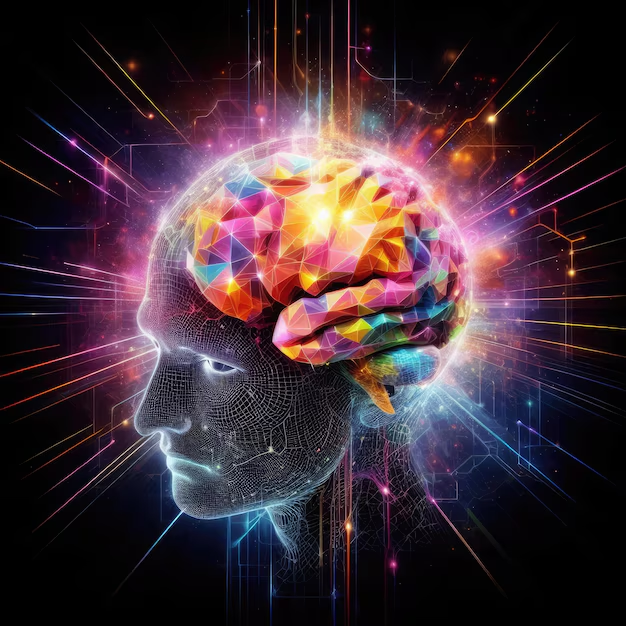


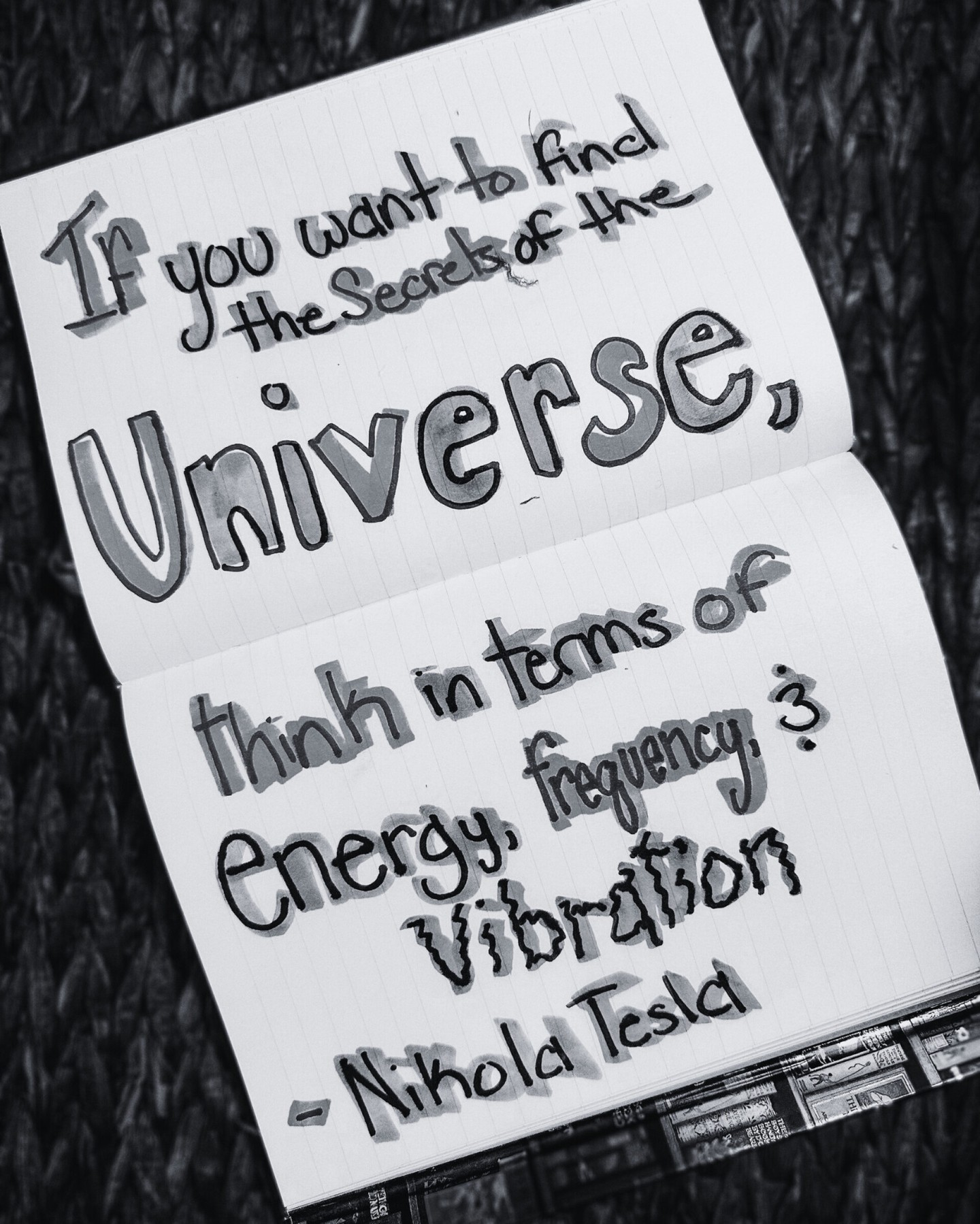
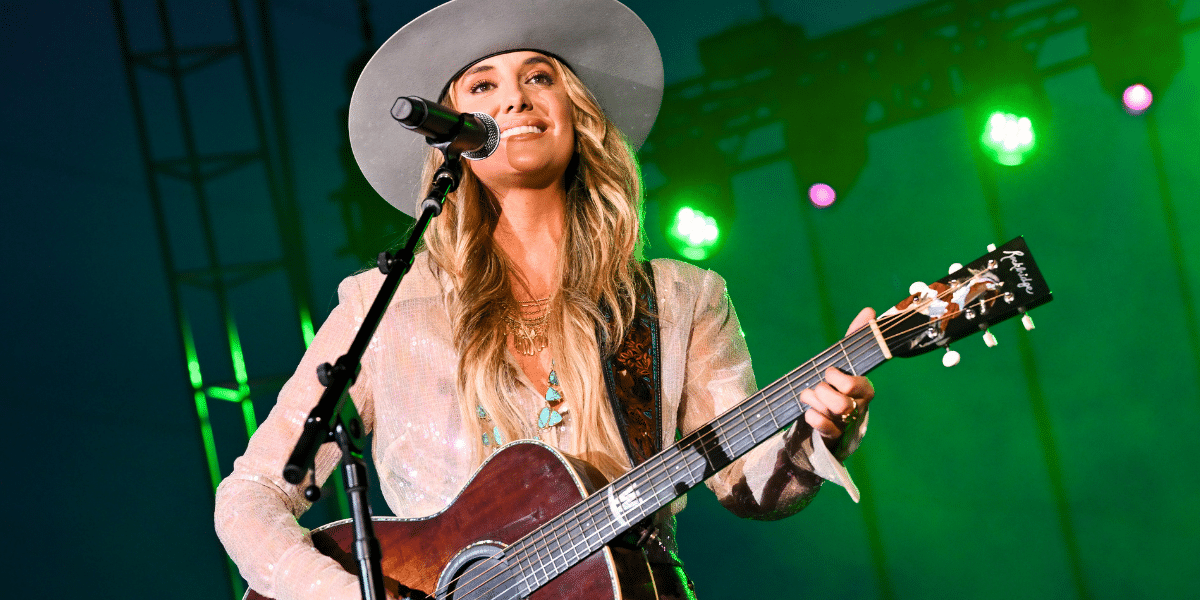
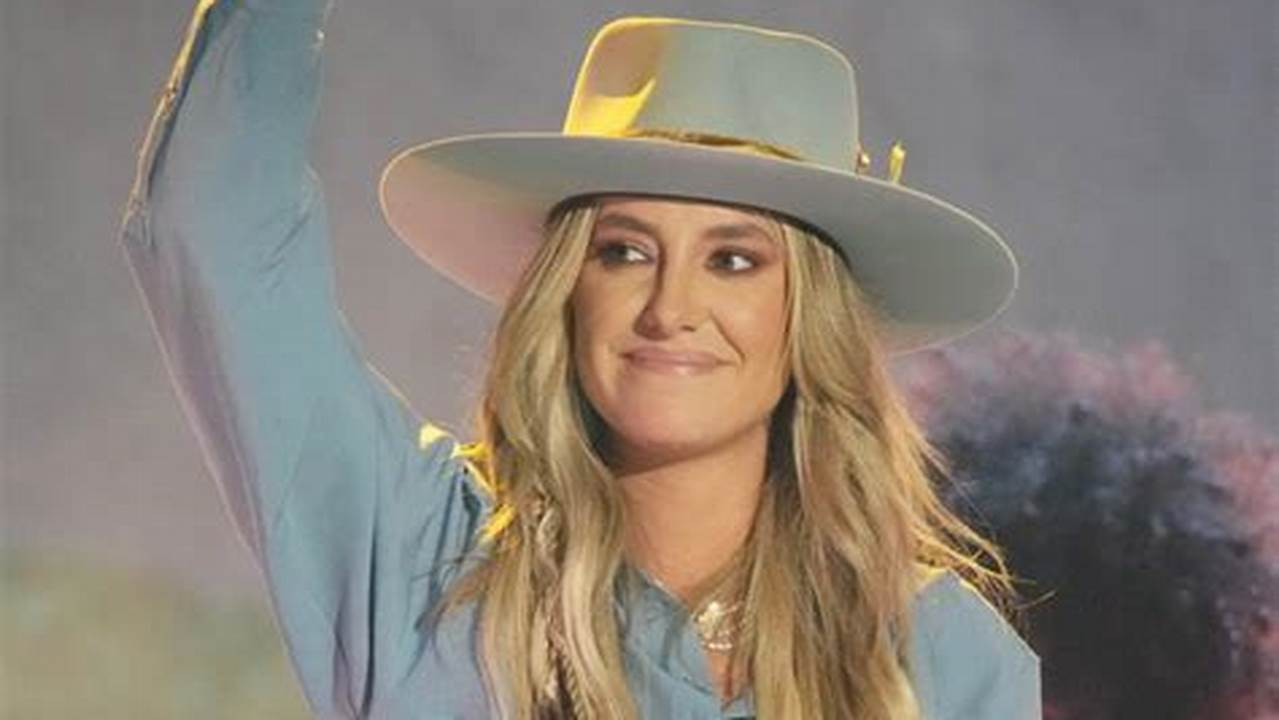
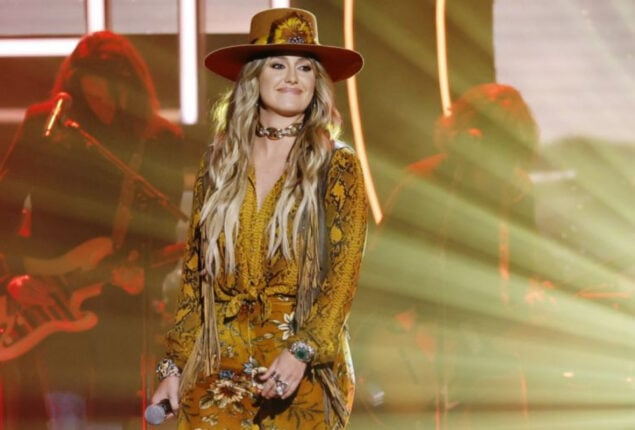









 ️
️


 The other piece of this is that fear IS stored in the body,

 ”
”



 “If I Only Had the Nerve” from The Wizard of Oz!
 It’s a delightful tune performed by the Cowardly Lion, played by Bert Lahr. Let me share a bit more about it: You can actually watch Bert Lahr’s rendition of the song in the original film
 (I did it actually in 2020 but now I am transferring everything over from YT to Rumble !