Dr Jordan Peterson

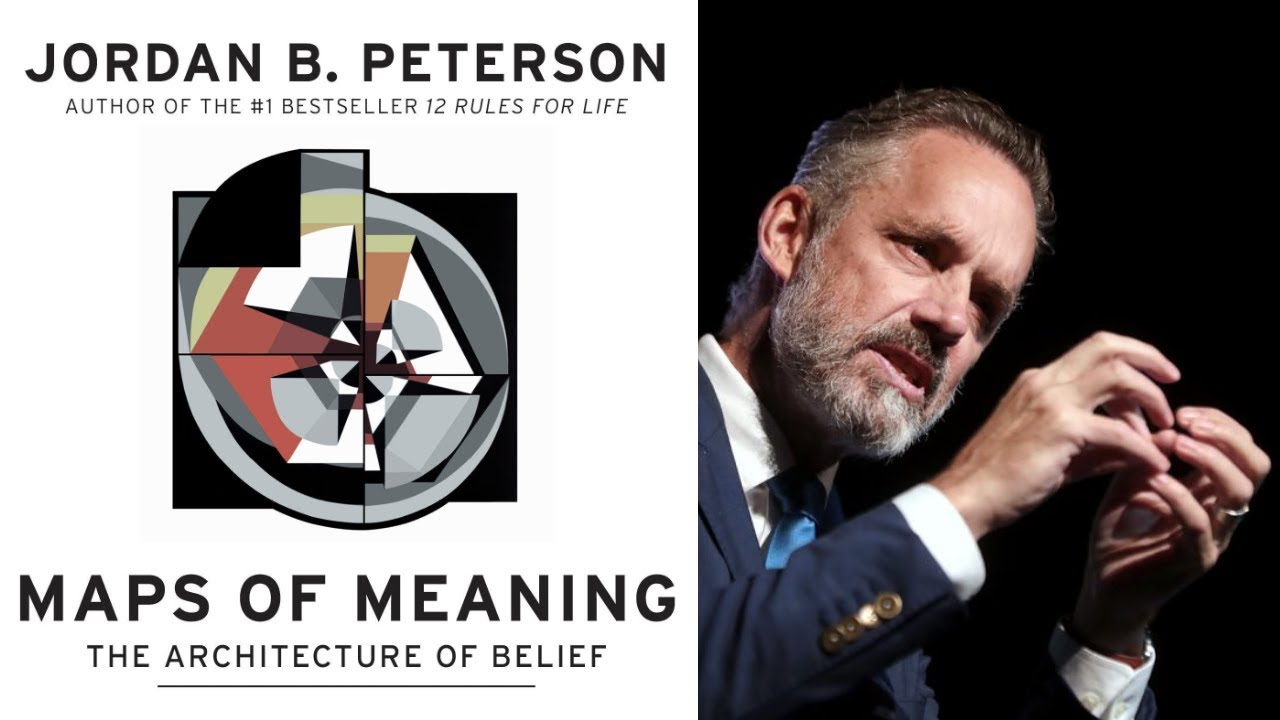
The Jordan Peterson Book Nobody Read | Maps of Meaning: A Review (youtube.com)

Maps of Meaning, by Jordan Peterson

Book Rating by Short Form Readers: 4.5 (74 reviews)

In the age of science, we’ve turned our backs on the myths our ancestors believed in. However, could it be that in giving up those stories, we’ve lost a crucial part of the human experience? In Maps of Meaning, Jordan Peterson argues that mythology provides a psychological tool that helps us create meaning in a chaotic world. Beneath their fanciful trappings, creation stories and heroic quests give us the moral foundations of society and the tools for adapting to life’s challenges. Perhaps even more importantly, myths teach us to recognize our individual capacity for good and evil.

In this guide, we’ll examine Peterson’s arguments on how myth affects the mind, mythology’s fundamental archetypes and stories, and how to apply the lessons of myth to live a more well-rounded life. We’ll also look at alternative interpretations of mythological stories, what science says about the intersection of myth and cognitive development, as well as how the symbols of myth have taken new form in the stories of today.

Jordan Peterson, - natal chart (Placidus)

Jordan Peterson,
natal chart (Placidus)
natal chart English style (Equal houses)
natal chart with Whole Sign houses

Canadian clinical psychologist and a professor of psychology at the University of Toronto, whose main areas of study are in abnormal, social, and personality psychology, with a particular interest in the psychology of religious and ideological belief and the assessment and improvement of personality and performance.

Peterson’s first book, Maps of Meaning: The Architecture of Belief (1999), examined several academic fields to describe the structure of systems of beliefs and myths, their role in the regulation of emotion, creation of meaning, and several other topics such as motivation for genocide. His second book, 12 Rules for Life: An Antidote to Chaos, was released in January 2018.

In 2016 Peterson released a series of YouTube videos criticizing political correctness and the Canadian government’s Bill C-16, “An Act to amend the Canadian Human Rights Act and the Criminal Code”. The Act added “gender identity and expression” as a prohibited ground of discrimination, which Peterson characterised as an introduction of compelled speech into law, although legal experts have disagreed. He subsequently received significant media coverage, attracting both support and criticism. Peterson is associated with the “Intellectual Dark Web”.

Peterson married Tammy Roberts in 1989. They have one daughter and one son.

Starting around 2000, Peterson began collecting Soviet-era paintings, displayed in his house as a reminder of, he argues, the relationship between totalitarian propaganda and art, and as examples of how idealistic visions can become totalitarian oppression and horror.

In late 2016, Peterson went on a strict diet consisting only of meat and some vegetables to control severe depression and an auto-immune disorder, including psoriasis and uveitis. He stopped eating any vegetables in mid-2018.

Jordan Peterson date of birth – Search (bing.com)

************

Understanding Dementia: Understanding Dementia on Apple Podcasts

The Cruel Reality of Dementia: A Condition That Robs Memories and Challenges Families Dementia, a term that strikes fear into the hearts of many, is a cruel and devastating condition that gradually erodes a person’s cognitive abilities, memory, and even their sense of self. It is a broad term encompassing various types of neurodegenerative disorders, each with its own unique characteristics, but all sharing the common thread of progressively impairing mental functions. As the global population ages, the prevalence of dementia continues to rise, making it one of the most significant public health challenges of our time.

 According to the World Health Organization (WHO), around 55 million people worldwide are living with dementia, and this number is expected to rise to 78 million by 2030 and 139 million by 2050. This insidious condition not only affects individuals but also takes a profound toll on families and caregivers, who bear witness to the slow and painful decline of their loved ones. The Many Faces of Dementia Dementia is not a single disease but rather a collection of symptoms caused by various underlying conditions. The most common form is Alzheimer’s disease, which accounts for 60-80% of all dementia cases. 

Other types include vascular dementia, Lewy body dementia, frontotemporal dementia, and Parkinson’s disease dementia. 

Alzheimer’s Disease Alzheimer’s disease is the most well-known and prevalent form of dementia. It is characterized by the buildup of abnormal proteins in the brain, leading to the gradual death of brain cells and the erosion of cognitive abilities. Early symptoms often include memory loss, difficulty with language and problem-solving, and changes in mood and behavior. 

As the disease progresses, individuals may experience severe cognitive impairment, confusion, difficulty with daily activities, and even personality changes. Vascular Dementia Vascular dementia is the second most common form of dementia and is caused by impaired blood flow to the brain, often due to strokes or other cardiovascular conditions. 

Symptoms can vary depending on the location and extent of the brain damage but may include memory loss, difficulty with decision-making and problem-solving, and changes in behavior and personality. This type of dementia is often associated with risk factors such as high blood pressure, diabetes, and heart disease.

Lewy Body Dementia Lewy body dementia is characterized by the presence of abnormal protein deposits called Lewy bodies in the brain.  It often manifests with symptoms similar to Alzheimer’s disease, such as memory loss and cognitive impairment, but also includes distinctive features like hallucinations, fluctuations in attention and alertness, and problems with movement and coordination. This type of dementia can be particularly challenging to diagnose and manage due to its complex and varied symptoms. 

Frontotemporal Dementia Frontotemporal dementia is a less common form of dementia that primarily affects the frontal and temporal lobes of the brain, regions responsible for personality, behavior, and language. Symptoms may include personality changes, impaired judgment and decision-making, difficulty with language, and, in some cases, movement disorders. 

This type of dementia often affects individuals at a younger age, typically between 45 and 65 years old. Parkinson’s Disease Dementia While Parkinson’s disease is primarily known for its motor symptoms, such as tremors and difficulty with movement, many individuals with Parkinson’s also develop dementia as the condition progresses. This form of dementia often affects cognitive abilities, such as attention, memory, and problem-solving skills.

 It is estimated that up to 80% of individuals with Parkinson’s disease will eventually develop dementia. The impact of dementia extends far beyond the individual affected, as it profoundly impacts the lives of family members and caregivers. As cognitive abilities decline, individuals…  ♫ The Jordan B. Peterson Podcast | Join intellectual phenomenon Dr. Jordan Peterson for enlightening discourse that will change the way you think. This podcast breaks down the dichotomy of life through interviews and lectures that explain how individuals and culture are shaped by values, music, religion, and beyond. It will give you a new perspective and a modern understanding of your creativity, competence, and personality. (iheart.com)

Jordan Peterson’s Experience with the Carnivore Diet – Insights and Impact (texasrealfood.com)

A Culture in Cognitive Decline: How Modernity is Exacerbating Dementia : r/Jordan Peterson (reddit.com)

Peterson seems to be reaching suffering people despite a lack of training or credentials in nutrition or medicine, and perhaps because of that distinction. Her Instagram bio: “For info on treating weight loss, depression, and autoimmune disorders with diet, check out my blog or fb page!” The blog, which is called “Don’t Eat That,” says at the top that “many (if not most) health problems are treatable with diet alone.” This is true, if at odds with the disclaimer at the bottom of the page that her words are “not intended to be a substitute for professional medical advice, diagnosis, or treatment.”

Sugar Cravings, Red Meat, and Your Health | Max Lugavere | EP 456 (youtube.com)

605,368 views Jun 17, 2024 #DrJordanPeterson #DailyWirePlus #JordanBPetersonDr. Jordan B. Peterson sits down in-person with filmmaker and science author Max Lugavere. They discuss his upcoming film, “Little Empty Boxes,” that details his mother’s progression through dementia, which set Max on his life’s journey to understand and communicate the science behind health and nutrition. Dr. Peterson and Lugavere also discuss obesity, toxic exposure, hypertension, and elimination diets.

Max Lugavere is a health and science journalist, filmmaker, and bestselling author. He is the author of the Genius trilogy of books, including the New York Times bestseller “Genius Foods” and the Wall Street Journal bestseller “Genius Kitchen.”

He hosts The Genius Life podcast, one of the top health and wellness podcasts in the U.S. His appearances on The Today Show, The Rachael Ray Show, The Doctors, and The Joe Rogan Experience have made him a respected and well-known voice in the field. His debut film Little Empty Boxes, a project 10 years in the making and the first film to document the science of dementia prevention, is available for pre-order now at LittleEmptyBoxes.com.

In 2016 Peterson released a series of YouTube videos criticizing political correctness and the Canadian government’s Bill C-16, “An Act to amend the Canadian Human Rights Act and the Criminal Code”. – Search (bing.com) | Dr. Jordan Peterson’s 12 Rules for Your Money (msn.com) | 2016/09/27: Part 1: Fear and the Law | Bing Videos

Mikhaila Peterson is a Canadian-born podcaster, founder, CEO, lifestyle and diet researcher, mother, and speaker. 

She hosts the Mikhaila Peterson Podcast – an interview style podcast sprinkled with solo episodes covering topics ranging from cutting edge health information to news to relationship and psychological advice. Her series “Opposing Views” brings on experts of their field to discuss contentious subjects with contrary beliefs to one another, with the goal of inspiring people to form their own educated opinion. 

From age 2 until her young adult years, she suffered from severe juvenile idiopathic arthritis, idiopathic hypersomnia and severe depression. She had her hip and ankle replaced at age 17 due to the severity of the arthritis which was active in 37 of her joints and not successfully treatable with medication.
When she was 23 she put her disorders into remission and got off immunosuppressants, antidepressants, and a number of other medications used to control her inflammatory responses by using an extremely strict paleo diet. Getting off of antidepressants caused 2 years of hellish antidepressant withdrawal. 

At age 25 she had a baby and started managing/growing her father Jordan B Peterson’s brand and companies, including managing PR, strategy, negotiations, and social media. That same year, 2017, she developed the Lion Diet to treat the lingering antidepressant damage/withdrawal. There’s a longer description of her illnesses on that website. 

The Lion Diet is a ruminant meat ketogenic, carnivorous, elimination diet that can be used to treat autoimmunity, psychiatric disorders, obesity (among other chronic health issues), and identify food sensitivities. It’s helped tens of thousands of people who had similar health issues. Hopefully the medical community will take it seriously one day. She’s been on the lion diet since 2017. Information is available at liondiet.com including instructions on how to do the lion diet,   recipes, an extensive FAQ, a blog, and links to the Facebook groups Don’t Eat That and The Lion Diet as well as a Lion Diet friendly restaurant locator.

At age 30 she launched Fuller Health, a supplement and product brand that produces pure non-toxic supplements and eventually products. Its first product is After Party – made for improving your mornings after drinking by helping you break down acetaldehyde. All of Fuller Health’s future products will be pure, with no fillers, excipients, or unnecessary ingredients, just third party tested pure ingredients for sensitive people. She started this company because of her inability to tolerate fillers and excipients in most supplements.

At age 31 she put together biotoxin.com to help people with illnesses caused by environmental toxins (such as mold toxicity), and currently believes that was the main culprit behind her and her family’s multiple chronic illnesses. Information on the website includes an in-depth guide to CIRS (chronic inflammatory response syndrome caused by toxins such as mold, bacteria, lyme, VOC’s, etc.), an extensive catalog of peer reviewed studies, treatment, physicians and an FAQ that includes cleaning protocols. 

She’s currently co-founder and CEO of Peterson Academy, an online education platform launching spring 2024. Peterson Academy produces 8 hour courses from world renowned professors to provide affordable education to anyone, and includes a community feature to allow students to connect with each other. 

She also manages her father, Jordan B Peterson’s companies and brand.

Mikhaila’s main goal is to help people become resilient, and recognize how much control they have over their own life, to encourage others to take responsibility for their physical and mental health, and to help show people that they have the power to better their lives, regardless of the cards they’ve been dealt. You never know what level you can reach if you decide to put in the work.

In my synopsis of this blog, I recovered from Severe depression in 2006.

Know the root cause and it wasn’t until after I realized the root cause of mine was a feeling sorry for myself and selfish why him why me attitude. My father passed away gradually in the early months of 2006. It was when I added Why anybody that was when I transition my outlook on life and lift myself out of the dark rabbit that depression was for me.

Dr. Jordan Peterson talks about ‘Trump Derangement Syndrome’ | Watch

Curious if people are getting dementia at a higher rate – Search (bing.com)

CEO, Podcaster, Lifestyle & Diet Blogger | Mikhaila Peterson

Jordan Peterson: Descensus ad infernos (reddit.com)

The Loneliest State in the USA (youtube.com)

image.png

THIS IS IN ADDITION TO MILITARY AGE CHINESE MEN COMING ACROSS OUR BORDERS ILLEGALLY.

China has been buying up strategically placed farmland next to military installations across the US, raising national security fears over potential espionage or even sabotage.

The Post has identified 19 bases across the US from Florida to Hawaii which are in close proximity to land bought up by Chinese entities and could be exploited by spies working for the communist nation.

They include some of the military’s most strategically important bases: Fort Liberty (formerly Fort Bragg) in Fayetteville, North Carolina; Fort Cavazos (formerly Fort Hood) in Killeen, Texas; Marine Corps Base Camp Pendleton in San Diego, California, and MacDill air force base in Tampa, Florida.

Robert S. Spalding III, a retired United States Air Force brigadier general whose work focuses on US-China relations told The Post: “It is concerning due to the proximity to strategic locations.
Posted in Uncategorized | Leave a comment

 Rare and ‘Unusual’ Cancers

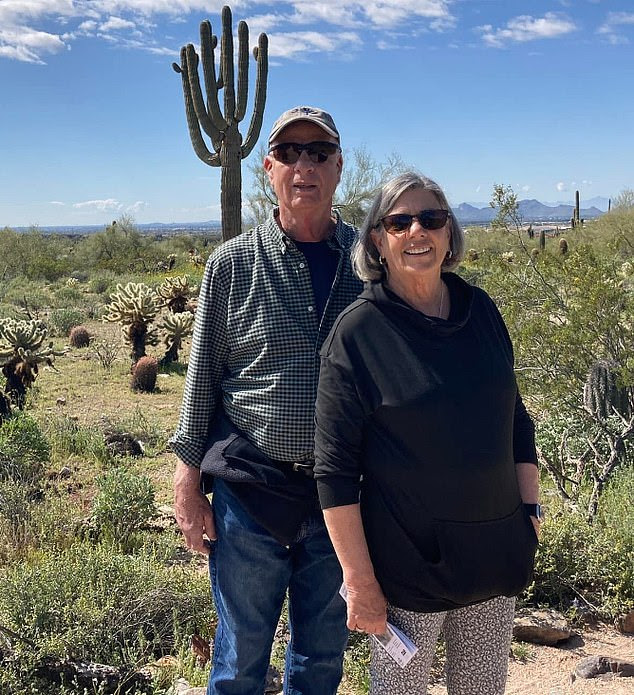
Bob and Bonnie Krall [shown left to right] were diagnosed with three types of cancer between them in a 14-month stretch despite having no genetic predispositions. Both had Covid previously. 
 Rare and ‘unusual’ cancers are emerging after the Covid pandemic

COVID-19 patients developing rare and serious cancers: Doctors (thehill.com)

Long Covid may be linked to rare cancers: Doctors | Vargas Reports (youtube.com)
Dr. Kashyap Patel is one of many doctors around the world who, when treating Covid patients, noticed that some contracted rare, powerful forms of cancer. Two of them are Bob and Bonnie Krall, who’ve dealt with three forms of cancer for more than a year. Patel and the Kralls shared their experiences on “Elizabeth Vargas Reports.”   #RiseAbove #WakeUp #Unete #CuéntameOrangeCounty

Rare and ‘unusual’ cancers appear to be linked to Covid (msn.com)

‘Unusual’ cancers emerged after the pandemic. Doctors ask if covid is to blame. : r/EverythingScience (reddit.com)
Doctors in the US believe the covid virus, not the jabs, is to blame for the ‘unusual’ cancers that have emerged since the pandemic. Since about 2021, they have been seeing young people with rare and unusual forms of cancers that typically affect seniors in their 70s and 80s. They are also noticing other strange things, such as patients coming down with multiple cancers at the same time. 

This coincidentally started happening just after the covid jabs were rolled out Daily Mail OnlineBut doctors do not believe this to be the primary driver of advanced, rare cancer cases. Instead, they think Covid itself is to blame. Dr Kashyap Patel, a North Carolina oncologist, has seen the phenomenon firsthand. He saw a patient in his 40s in 2021 who had a rare cancer of the bile ducts, which transport fluid produced by the liver to the small intestine, where it aids in the absorption and digestion of fats. This type of cancer typically affects people in their 70s and 80s. 


Then, multiple other patients he met with were diagnosed with an array of different cancers, something he said he has never seen in his two decades of practicing medicine. One couple he investigated were Bob and Bonnie Krall of Fort Mill, South Carolina, who in a 14-month period was diagnosed with three types of cancer between them despite having no family history of the disease.

 Mr Krall was diagnosed with a rare chronic blood and bone marrow cancer, while Mrs Krall had a cancerous mass in her abdomen weighing eight and a half pounds, according to the Washington Post. Mr Krall later learned that several of his neighbors had the same type of cancer: ‘It’s like a cold. It seems like everyone has it.’ CDC data shows that more people are being told they have cancer now than they were prior to the pandemic. 

In 2021, 9.8 percent of adults reported having ever been told by a doctor that they had cancer. In 2019, that proportion of adults was 9.5 percent. Viruses have been known to accelerate cancer since the 1960s, and researchers contend that a quarter of all cancers worldwide originated with HPV, Epstein-Barr virus, and hepatitis B. They cannot definitively rule out the Covid vaccines as playing a role, but believe the evidence supporting the virus theory to be much stronger.  

READ MORE: Global cancer phenomenon sees mystery spikes of kinds of tumors – Search (bing.com)By CASSIDY MORRISON SENIOR HEALTH REPORTER FOR DAILYMAIL.COMPUBLISHED: 11:54 EDT, 6 June 2024 | UPDATED: 16:55 EDT, 6 June 2024

Doctors across the US are reporting an alarming health trend in the wake of the Covid pandemic.   Since about 2021, they have been noticing rare and unusual cancers in patients who shouldn’t fit the bill – many of them young and without any family history of disease.  And they’re coming down with obscure forms of the disease that typically affect seniors in their 70s and 80s, including hard to pronounce ones like cholangiocarcinoma, a rare and lethal cancer of the bile ducts.There are other strange things happening, such as patients coming down with multiple cancers at the same time.

The pandemic forced people to isolate and put off preventative care measures that would screen for various types of cancers, out of fear of being infected.But doctors do not believe this to be the primary driver of advanced, rare cancer cases. Instead, they think Covid itself is to blame. Dr Kashyap Patel, a North Carolina oncologist, has seen the phenomenon firsthand.

He saw a patient in his 40s in 2021 who had a rare cancer of the bile ducts, which transport fluid produced by the liver to the small intestine, where it aids in the absorption and digestion of fats.This type of cancer typically affects people in their 70s and 80s. Then, multiple other patients he met with were diagnosed with an array of different cancers, something he said he has never seen in his two decades of practicing medicine. 

One couple he investigated were Bob and Bonnie Krall of Fort Mill, South Carolina, who in a 14 month period were diagnosed with three types of cancer between them despite having no family history of the disease.Mr Krall was diagnosed with a rare chronic blood and bone marrow cancer, while Mrs Krall had a cancerous mass in her abdomen weighing eight and a half pounds, according to the Washington Post.

Mr Krall later learned that several of his neighbors had the same type of cancer: ‘It’s like a cold. It seems like everyone has it.’CDC data shows that more people are being told they have cancer now than they were prior to the pandemic. In 2021, 9.8 percent of adults reported having ever been told by a doctor that they had cancer. In 2019, that proportion of adults was 9.5 percent.

  Dr Kashyap Patel, a North Carolina oncologist, has treated patients in their 40s with rare and advanced cancers post-Covid

Dr Kashyap Patel, a North Carolina oncologist, has treated patients in their 40s with rare and advanced cancers post-CovidViruses have been known to accelerate cancer since the 1960s, and researchers contend that a quarter of all cancers worldwide originated with HPV, Epstein-Barr virus, and hepatitis B.They cannot definitively rule out the Covid vaccines as playing a role, but believe the evidence supporting the virus theory to be much stronger.

Lab tests suggest that coronavirus proteins can reawaken dormant cancer cells and fuel their growth, increasing the odds of being diagnosed with breast, stomach, and blood cancers.Research into the links between Covid and cancer is relatively new, given the pandemic began only four years ago. 

A 2023 report in the journal Biochimie detailed different means by which the coronavirus can change genes that usually stop tumors from forming and cause widespread inflammation throughout the body. This inflammation might lead to the development of cancer cells in various organs, including the lungs, pancreas, and colon.

image.png
The photo shows the coronavirus indicated in yellow, 
Emerging from the surface of cells, indicated in blue/pink, cultured in a laboratory. 
Research suggests that the virus can reawaken dormant cancer cells and cause whole body inflammation that can lead to the proliferation of cancer cells.


And a team in Colorado has begun probing the possibility that the coronavirus brings cancer cells to life in mice. A preprint released in April showed that when mice who had cancer previously but recovered were injected with the coronavirus, cancer cells multiplied and spread in the lungs. The flu virus was shown to do the same thing.

Researchers such as Dr Ashani Weeraratna of the Johns Hopkins Bloomberg School of Public Heath, were not exactly surprised by this finding.She said that it makes sense that ‘something like influenza or Covid that triggers inflammation could change in the immune microenvironment,’ adding, ‘it’s rare the data are so striking.’ Dr Weeraratna said: ‘Mitigating risk of infection may be of particular importance for cancer patients,’ Weeraratna said.

Based on the study’s findings, measures adopted by vulnerable patients starting in the early days of the pandemic — wearing masks, avoiding crowded places, getting vaccines — become even more important.’ The data shows that cancer incidence is up compared to 2019, the eve of the pandemic.

That year, about 1.7 million cancer diagnoses were reported and 599,601 people died of cancer in 2019.  In 2022, an estimated 1.9 million new cancer diagnoses were made with around 609,000 cases proving fatal. 2023 data has not yet been made available, but projections show those cases and deaths increasing once again. The NIH estimates that nearly two million new cancer cases and nearly 610,000 cancer deaths are projected to occur in the US that year, but tallies are still being conducted.

Dr Patel is now researching the connection himself.

Based on data from over 300 patients, his office has logged over 15 patients with multiple cancers, about 35 who had rare cancers, and 15 couples with new cancers since the pandemic began four years ago. He posited that being infected with the virus more than once has an even greater impact, as did pandemic-related stress by exacerbating whole-body inflammation that could reactivate cancer cells.

image.png

The above graph shows the change in cancer case rates around the world.
Even during the first year of the Covid pandemic up to December 31, 2020, doctors began noticing an uptick in cancer cases.

A 2023 report in the journal Lancet Oncology looked at 2.4 million adults who had been diagnosed with cancer in 2018, 2019, and 2020. New cancer cases fell after the start of the pandemic, but ticked back up at the end of the year.The odds of being diagnosed with an advanced stage 4 cancer was more than seven percent higher in 2020 compared to the previous year.

Dr Xuesong Han, said: ‘I don’t have the data to support this opinion. But it’s an important question to follow up on.’

Publications

For a full list of Dr. XUESONG Han’s publications, see her Google Scholar page.

The connection between COVID-19, mental health, and smoking 

Since our last report, COVID-19 has affected the health of individuals across the globe. From 2019 to 2021, life expectancy in the United States declined by 2.7 years – the largest two-year drop since the 1920s – with much of this decline attributed to COVID-19 deaths. In addition, mental health has also declined in the U.S. which seems to have been heightened by COVID-19. 

This has been particularly true among youth, with 37% of U.S. high school students reporting poor mental health most of the time or always during the COVID-19 pandemic. Against this backdrop of worsening health indicators, disparities persist between Tobacco Nation and other states. Because the virus that causes COVID-19 attacks the lungs, the pandemic intensified concerns about the impact of smoking on health.

Similarly, declines in mental health during the COVID-19 pandemic raise concerns about the relationship between mental health, tobacco use, and difficulties with quitting tobacco. This is especially true in Tobacco Nation, which has some of the highest smoking prevalence in the country.

According to CDC data, nine of the 12 Tobacco Nation states fall within the top 25% of state-level COVID-19 death rates. Individuals in Tobacco Nation also report poorer mental health, on average, than residents of other states.  We know that smoking can harm mental health, increases the risk of infectious diseases and respiratory infections, and is a major cause of chronic health conditions and cancer.

Emerging evidence suggests that people who smoke may be at increased risk of infection and worse outcomes including progressing to critical condition or death from COVID-19. The combination of higher smoking prevalence, poor baseline physical and mental health, and limited access to health care created the perfect storm for COVID-19 to hit – harder than the rest of the nation – a community already beleaguered with health issues.

See “COVID-19: the connection to smoking and vaping, and resources for quitting,” “Tobacco Nation in the age of COVID-19,” and “Colliding Crises: Youth Mental Health and Nicotine Use” for additional information.  

image.png

Smoking prevalence in Tobacco Nation remains higher than the rest of the nation

Tobacco use is disproportionately high in several U.S. states – particularly in the South and Midwest. In our 2017 report, “Tobacco Nation: The deadly state of smoking disparity in the U.S.,” we highlighted a group of 12 states in this region, all of which had higher smoking prevalence than the national average: Alabama, Arkansas, Indiana, Kentucky, Louisiana, Michigan, Mississippi, Missouri, Ohio, Oklahoma, Tennessee and West Virginia. We called these states with very high smoking prevalence “Tobacco Nation.” 

These states not only have a high prevalence of tobacco use, they also tend to have worse indicators of health, socioeconomic status, and coverage by tobacco policies. Our 2019 follow-up report “Tobacco Nation: An ongoing crisis” found that most smoking, demographic, and health characteristics remained largely unchanged and looked beyond the most current annual estimates to examine trends in smoking over time. It identified the same 12 states as the first report, plus South Carolina, as states that had consistently ranked in the top 25% of U.S. adult smoking since 2011.

This year, we once again identified areas of the U.S. where smoking prevalence among adults was consistently high between 2011 and 2020. Today, Tobacco Nation comprises the same 12 states we identified in 2017— Alabama, Arkansas, Indiana, Kentucky, Louisiana, Michigan, Mississippi, Missouri, Ohio, Oklahoma, Tennessee, and West Virginia — with smoking prevalence within the top quarter of adult smoking prevalence in the country. 

We flagged three additional states to monitor – Alaska, South Dakota, and Wyoming – that may be on the verge of joining Tobacco Nation. While South Carolina, which was included in our last report, still has higher smoking prevalence than the national average, it did not consistently rate in the top 25% of smoking prevalence for states in the period we examined. 

Although smoking prevalence has declined across the U.S. since our 2019 report, residents of all ages in Tobacco Nation are still more likely to smoke than residents living in the rest of the U.S. Smoking prevalence is about 50% higher in Tobacco Nation compared to the rest of the U.S. among both adults (19% vs. 13%) as well as young adults (11% vs. 8%). 

Youth in the region have a higher prevalence of cigarette smoking compared to the rest of the U.S. as well (6% vs. 4% in 2019). Not only is there a higher smoking prevalence among Tobacco Nation’s residents of all ages, but they also smoke nearly twice as many cigarettes per capita annually (53 packs vs. 29 packs) than those in the rest of the U.S., amounting to nearly 500 more cigarettes a year.

With more than 67 million residents, these states include roughly 21% of the U.S. population but represent more than 28% of all adult current smokers in the country. When compared to the rest of the U.S., residents of Tobacco Nation states are less educated, not as financially well-off, and less likely to be employed, especially in white-collar jobs — trends we noted in our first Tobacco Nation report that remain true today.

Have scientists cracked cancer mystery in young people?

 Experts think they’ve pinpointed bodily changes that are driving skyrocketing cancer rates in under 50s | Daily Mail Online

The key to staying present and grounded takes just 30 seconds a day, according to podcaster and life coach Jay Shetty (msn.com)

Iowa, New Mexico Top List of Best States To Retire (msn.com)

Is Iowa Better Than Florida To Retire? What To Consider (msn.com)

Posted in Uncategorized | Leave a comment

She Lived Happily Ever After

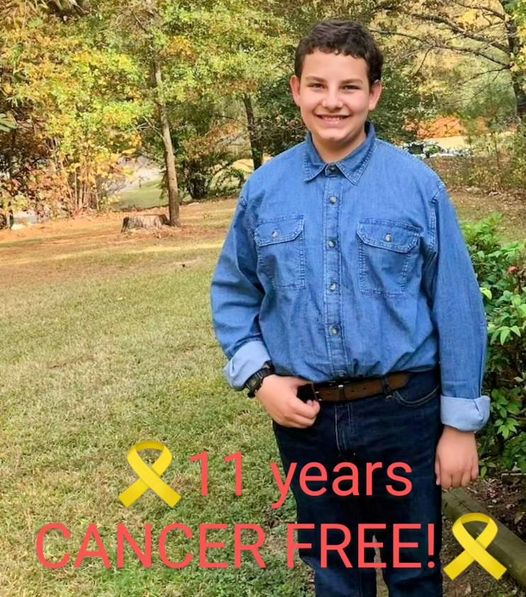
11 years Cancer Free 😇🎗💃💯💃💯🎗🎗💃🎗❤️🎗💃🎗🤗👏👏

Offer Hope for Landon    

Story of Landon Riddle – YouTube

Guess who is officially 11 YEARS CANCER FREE?

November 12, 2023

🎗😁 MR LANDON RIDDLE 😁🎗

From Failed Chemotherapy & Radiation- Sent home on HOSPICE- ☠️ to thrive & survival!

🗣ALL THANKS TO CANNABIS & SCIENTIFIC NUTRITION & DETOX!🥳🤩🥳

At times my 2 & 3 year old son took upwards of 5 grams of feco/rso/cannabis oil PER DAY! 🫠

And he took 1gram of THC per day & 500mgs of CBD per day for 365 days before I ever lowered it.

My protocol WORKS- if you actually do it. 

🙃#OGCannaMom #TeamLandon #landonslegacy #fuckcancer #leukemiawarrior

#landonslegacy #feco #cannabisoil #RSO #cbdoil #organicfood #hebeatcancer

#morethan4 #giveback #bethechange #rasta #gogold

#CannaKids #cannamoms #CannaMommy

  Landon Riddle – Search Results | Facebook Story of Landon Riddle – YouTube

Includes so many twists and turns as his mom fought his deadly cancer with Cannabis oil. Facing hurdle after hurdle as she watched him start to fade away from Chemotherapy there were many times desperation set in with the fear he wouldn’t make it. His little body dwindled from the Leukemia treatments that took such a toll his mom reached out to the famed Stanley Brothers in Colorado back in 2013.

Sierra Lynn Riddle from Salt Lake City to Colorado Springs so that Landon could get the cannabis medicine he needed. Landon started the cannabis oil treatment in January of 2013. Like a miracle, cancer started to fade, causing doctors to start asking questions. Sierra Lynn Riddle continued the cannabis treatment and took Landon off of chemotherapy in July. But, unfortunately for her not all agreed with her which led to Child Protective Services becoming very invasive in their lives, this came about due to a doctor who felt he needed Chemotherapy to stay alive.

“It was as if a miracle had happened! He was smiling again & started to eat again!” His mom wrote about how he started to recover quickly and documented it with photos. Enjoy this sneak preview into her upcoming book (s) about Cannabis and how it healed Landon.

What a beautiful sight!

He’s eating everything he can!!

Excerpts from Sierra Lynn Riddle:

“As the weeks went on the Chemo’s side effects seemed to lessen & lessen. His counts went up & he was able to leave the house a couple of times a week (he had been home-bound for months with low counts before Cannabis). His severe neuropathy, caused directly by one of the Chemos (he could barely walk 10 feet unassisted at the worst part of it) was healing itself! His reflexes started regenerating & the vomiting decreased to 10 times per day or less. He was up & awake most of the day now, walking a little, laughing & trying to be as normal as possible.

Friends, Family, everyone began to see the difference in Landon

“But, I think the most important & the most miraculous thing was that Landon started to ENJOY LIFE again! He was finally able to do more than sit on our couch or in bed & puke for weeks on end. He was finally able to eat & enjoy it AND keep it down!! Landon was finally able to LIVE again.”

Cannabis Beats Cancer“ Cannabis was starting to give him back what Chemo had stolen!” -Sierra Lynn Riddle,

He started playing again!

We all started smiling again!

“Watching my son “play” after what he had endured & was still enduring was a pivotal moment for me in this journey!”

image.png

Landon, Cancer & Cannabis • Instagram photos and videos

Cancer Playbook

November 27, 2023  · 

At FECO Playbook, we strive to develop playbooks to assist cancer patients by combining research with patient-reported outcomes. Our operations heavily rely on these outcomes, as sharing your experience can potentially save another person’s life. By extracting crucial data points from patient-reported outcomes, we can better identify successful treatment and lifestyle changes for specific cancers, allowing us to provide an effective plan for future cancer patients.
If you or someone you know has a story to share or requires additional guidance during their battle with cancer, please visit fecoplaybook.org today and join us in the fight against cancer…

To view Landon’s Full Story, visit our FECO Playbook YouTube Channel: Team Landon! Sierra Riddle joins to share her fight to save her son’s life!
https://youtu.be/yAdQYn6MOHo?si=IokdQcZkZTucgJqj

#patientreportedoutcomesmondays #fecoff #fecoplaybook 

— with Sierra Lynn Riddle and Offer Hope for Landon.

“Landon was now doing amazing & his Doctors in Utah could not figure out why! Especially since he had done so badly with the Chemos for so long. The Cannabis was doing far more for Landon than just helping with his pain & nausea. It was helping Landon on a cellular level as well! The weekly blood results were showing us in black & white the powers of Cannabis! The amount of Blood & Platelet transfusions needed after Chemo was cut by 75%, he no longer needed the IV promethazine or morphine! In fact, Landon no longer needed ANY pharmaceuticals for pain, nausea, anxiety, sleep, or night terrors! Cannabis took the place of around a dozen or more medications filling my cabinets. His Immune System was kept high & he no longer caught every virus that floated by in the air! This made life immensely better for Landon as he was about to get out of the sterile environment & participate in life again.”

When we look 8 years back into the History of Landon Riddle’s Cannabis Journey it allows us to see some of the issues that still plague parents today. It would seem with all of the experts abound there would be no issue with continuing this type of alternative medicine for kids with health issues of all types with crowds cheering on, but that simply isn’t the case. Parents face changing regulations, state entities that question their desire to use a plant, doctors that have still not become educated in the endocannabinoid system which modulates the major functions of our body and keeps everything in good working order – a term known as Homeostasis.

It’s so beautiful to read the stories like Landon’s as they give us hope and show that the plant truly does heal. His warrior spirit has brought him to the present his mom and those in Landon’s life enjoy. The ability to battle like a champion and come out of it on the other side of chemotherapy, toxic chemicals used in his treatment, and overcome shows everyone in the world of medicine and beyond that the Cannabis Plant should have never been villainized nor marginalized. The beautiful bounty of nature allowed this precious young child to grow up too soon to be a young man.

And that’s what Cannabis does that’s so incredible – it gives a future. We see this every day with Genevieve and her journey with severe Autism and Epilepsy, without this glorious plant her life wouldn’t be what it is today. There would be no dream of a carousel to celebrate at all – we need to embrace cannabis for what it is. It’s not a cure-all with a guarantee – it’s the nature that our maker intended for us to use.

They tried to stop his mom, they tried to keep him on Chemo, the plant is prohibited and nobody can prove it beats Cancer.

Landon Quit Chemo, His mom put him on Cannabis.

And He LIVED.

Cannabis Healed Him.

Mike Robinson Cannabis Team Landon

The Cannabis Love Story: How Genevieve Created A Family

-Mike Robinson, Cannabis Patient and Founder, Global Cannabinoid Research Center. But, most of all, Genevieve’s Daddy

Episode 7: Chemo vs. Cannabis – The Story of Landon Riddle – YouTube

6,461 views Jan 25, 2017 Cannabis Health Radio Podcast, episodes 1 to 223

image.png

The gripping journey of Landon Riddle – Search (bing.com)

At 2 years old, Landon Riddle was diagnosed with acute lymphocytic leukemia. We talk to his mother Sierra Riddle about the horrific effects of chemotherapy for Landon and how cannabis oil restored his health. ✅ Subscribe, like, share and hit the notification 🔔 📢 

Disclaimer: The content found on this YouTube channel is not intended to diagnose, treat, prevent or cure disease. We strive to make the information on this YouTube channel as timely and accurate as possible, we make no claims, promises, or guarantees about the accuracy, completeness, or adequacy of the contents of this YouTube channel. We suggest working with a medical practitioner or / and under adult supervision for any serious health issues. 

When Cannabis is Batched Properly it should have a gold color. 

and solvent used should be food gradable solvents not toxic!!!

Pure Food Grade Ethanol | Safe for All Uses | Lab Alley

image.png

Episode 7: Chemo vs. Cannabis – The Story of Landon Riddle – YouTubeMedication: Meet Patient Landon Riddle. #CannabisHeals (youtube.com)

Landon Riddle, His Cancer Helped Change Dr. Gupta’s Mind on Cannabis (weedist.com)

Meet Landon, our Cannabis Hero: The Dark Days… (teamlandon-cannabis.blogspot.com)

Landon, Cancer & Cannabis (@teamlandonandcannabis) • Instagram photos and videos

Team Landon! Sierra Riddle joins to share her fight to save her sons life! (youtube.com)

Landon’s Story – Issuu | Landon Riddle Story Updated | Stoner Blog (stonerdays.com)

Landon Beat Cancer | Medication: Meet Patient Landon Riddle. #CannabisHeals (youtube.com)

Cannabis Health Radio – Cannabis Is Medicine – Podcast (youtube.com)

Search Results for Cannabis Oil | Cancer Quick Facts (solitarius.org)

Where is landon riddle today – Search Images (bing.com)

Stanley Brothers in Colorado – Search (bing.com)

Josh Stanley in Colorado – Search Bing Videos

Bailey Rahn

Bailey is a senior content manager at Leafly, specializing in strains and health. She’s spent 7+ years researching cannabis products, spreading patients’ stories, and exploring healthy ways of integrating cannabis into daily life.

View Bailey Rahn’s articlesCannabis Oil Vs. Smoking Marijuana

 Cannabis OilMarijuana 

When you think of “classic” marijuana usage, what do you picture in your mind? 

Maybe it’s a few old hippies enjoying a joint in a circle. In order to roll that joint (or blunt,) you grind green, dried flower up and use rolling papers or wraps to pass around. 

But if you’ve browsed through Reddit cannabis or taken a look around, you know that not all cannabis products are gold standard. They don’t always come in flower form. Concentrates like shatter or budder are becoming more and more popular in the cannabis world as dabbing and other forms of ingesting cannabis are more accessible. 

One of the more versatile cannabis concentrates is cannabis oil. If you’ve never tried cannabis oil before, know that it’s useful to do some research and check it out. While smoking has its benefits, cannabis oil can be a discrete and versatile way to consume cannabis anywhere. 

Let’s talk about it. 

What Is Cannabis Oil? 

Before we get into the pros and cons of using cannabis oil vs. dried flower, let’s talk about what cannabis oil is in the first place. 

Cannabis oils, also known as cannabis tinctures, extract the main ingredients of cannabis using alcohol. After the extraction process is over, you are left with either THC or CBD. THC oil gets you high – CBD oil doesn’t. (CBD oil still has a lot of different benefits when it comes to pain relief, reducing inflammation, and feeling more calm!) 

While most cannabis oil products are simply THC oil or CBD oil, you can get a mixture of CBD and THC in the same product. 

As you can imagine, extracting THC out of the dried flower results in a very strong product. You can make your own cannabis oils, but if you’re new to this idea, you can buy cannabis oils online and get a precise idea of how much THC you are consuming in every drop. 

How to Ingest Cannabis Oil vs. Dried Flower

Smoking marijuana is a classic form of ingesting cannabis. You grind up dried flower, add it to a bowl, a joint, or a bong, and breathe in. Dried flower has also made its way into pot brownies and other edibles, but these offer a much different experience than good ol’ smoking. 

Now that oil is in the picture, users have much more options for ingesting cannabis. Ingesting cannabis oil is as easy as lifting your tongue and squeezing a few drops into your mouth. Cannabis oils were created to be consumed orally. 

If you want to get creative, you can also add cannabis oils to your smoothies, coffee, or tea. (You can also add dried flower to your tea as well – we’ve got some recipes to help you get started.) It’s easy to add cannabis oil to just about any food or drink that you were already planning on consuming.

But that’s not all. You can also add cannabis oil to a vape cartridge and take a few puffs. Vape pens are becoming a more popular way to consume THC, CBD, or tobacco. On our website, we offer Juul cartridges that contain THC oil and are ready to pop into your Juul. 

Cannabis users can experiment further by using cannabis oil on a dab rig. This delivers a fast, intense high – beginners should hold off on dabbing until they’ve gotten used to the effects of orally ingesting tinctures. 

Health Concerns 

Let’s talk about one of the reasons that users switch from smoking to vaping: health. What’s healthier: smoking marijuana or ingesting cannabis oil? The answer isn’t so simple.

People on the side of smoking marijuana do have some points to make about health concerns. Cannabis oil is stronger than good ol’ fashioned bud. Strains of marijuana have gotten stronger in recent decades – you can easily snag an indica that contains 25% THC. Concentrates triple that number. 

What does that mean? It’s easier for people to get “too high.” There is a lot more research to be done on the long-term effects of THC and cannabis. We do know, however, that too much THC can cause anxiety, dizziness, nausea, and an increased heart rate. THC impairs your thinking and brain function. You don’t want to have to call in sick or cancel your plans because you actually ingested too much of a product that is up to 80% THC. 

On the other hand, many people switch from smoking dried flowers to ingesting cannabis oil for health reasons. 

Smoking marijuana requires burning through your joint and dried flower. Like smoking tobacco, simply inhaling the smoke can cause long-term damage to the lungs, blood vessels, and heart. Tobacco smoke and marijuana smoke also both contain toxics and possible carcinogens that increase your risk of lung infections, chest illnesses, and even cancer. 

When you compare these risks to popping a more pure THC oil into your banana smoothie, it makes sense that you should want to make the switch to oil. But take things slow and dose it appropriately. One drop of cannabis oil is much different than one bong rip. Take things slow to find the amount of CBD oil that works for you. 

Other Benefits of Cannabis Oil 

Easy Dosage

One of the best ways to ensure that you enjoy cannabis oil safely is to pay attention to how much you are ingesting at any given time. Droppers of cannabis oil make it easy to know how much you are taking (vs. smoking marijuana, which can’t give you a great estimate of how much THC you are consuming.) 

Portable And Discrete 

Whether you pop a drop under your tongue, add THC oil to your coffee, or take a puff of your vape, you won’t have to worry about smelling like a skunk. Cannabis oil has no odour and won’t leave a long trace of smelly, thick smoke in the room. The tea at your desk can have THC oil and your supervisor won’t even know! 

Difference between marijuana strains – Search (bing.com)

Best weed strains for cancer patients – Search (bing.com)

Difference between marijuana and cannabis – Search Videos (bing.com)

Difference between smoking marijuana and cannabis oil – Search (bing.com)

Medication: Meet Patient Landon Riddle. #CannabisHeals (youtube.com)

Medication: Meet Patient Michelle Aldrich. #CannabisHeals (youtube.com)

Damian “Jr. Gong” Marley – Autumn Leaves (Official Video) (youtube.com)

Medication: Meet Patient Alissa Gabriel. #CannabisHeals (youtube.com)

Medication: Meet Patient Coltyn Turner. #CannabisHeals (youtube.com)

Medication: Meet Patient Boo Williams. #CannabisHeals (youtube.com)

Medication: Meet Patient Sara Payan. #CannabisHeals (youtube.com)

Medication: Meet Patient Nate Mai. #CannabisHeals (youtube.com)

Damian “Jr. Gong” Marley – R.O.A.R. (Official Video) (youtube.com)

Consciousness: The Fundamental Reality | Watch (msn.com)

 What Cannabis Products Should You Buy Next?  

Once you know the ins and outs of smoking vs. vaping vs. other types of dosing, the choice is yours. Smoking is a classic way to enjoy marijuana with your friends and enjoy the smells and tastes of different strains. On the other hand, cannabis oil is a discrete option that allows for higher (and stronger) doses. 
image.png
Posted in Uncategorized | Leave a comment

Preventing Disease Through Oral Health

While the overall connection between oral health and overall health is well documented.

 It’s not generally discussed at well or dental visits.

One secret to preventing dementia, diabetes, and heart disease may lie in your oral health habits. Here’s the dental routine to follow

BY NICOLE GULL MCELROY

While the connection between oral health and general health is well documented, it’s not generally discussed at well or dental visits. It should be: An April 2022 report from The National Institutes of Health found that 90% of adults ages 20 to 64 experience tooth decay, while almost 50% of adults 45 to 64 have gum disease. 

 Dr. Michael Roizen, chief wellness officer at Cleveland Clinic, says oral diseases have a large association with overall health. Research has shown that there’s an association between your dental health habits and whether or not you develop diabetesAlzheimer’s, stroke, or heart disease.

When we don’t take care of our oral health, says Roizen, dental caries (tooth decay) and gum disease can enter the bloodstream, contributing to plaque disruption in the arteries, or promoting inflammation in the brain and other areas of the body. “Flossing your teeth is the equivalent of 8,000 steps a day,” says Roizen. “Which is pretty darn powerful.”

Think of the body as a human donut

In 2019, the World Health Organization named tooth decay in permanent teeth as the most common health condition in its Global Burden of Disease report. Oral diseases affect about 3.5 billion people worldwide

What we often don’t realize is that this isn’t bad just for our mouths, but our bodies. “People think of their heads and teeth as disconnected from the rest of their bodies, but they’re not,” says Dr. Maria Ryan, DDS, Ph.D. in oral biology and chief clinical officer at Colgate-Palmolive Company. Viewing the body as one connected system helps reinforce how it can influence all areas of wellness and the importance of maintaining good oral hygiene, says Ryan.  

Related video: Hearing Aids Could Help Prevent Dementia, Study Suggests (Money Talks News) – Search Videos (bing.com)

 Naveem Jain, founder of Viome, a company that builds personalized toothpaste and supplements based on a person’s microbiome, compares the human body to a donut. “There is a tube that goes through us,” says Jain, noting that billions of microbes enter the body through that tube as we breathe. “When the protective barrier is broken, you have system inflammation in the body. If you have a leaky gum, it’s the same concept. If our heart is bleeding or even our fingers, we’d be trying to figure it out. If our gums are bleeding, eh whatever. In both cases, all of your microbes have a free path into the bloodstream.”  

That path is where trouble starts, says Ryan. It’s no surprise then that in one study, published in Hypertension, an American Heart Association journal, found that  people with gum disease were twice as likely to have a heart attack and three times as likely to have a stroke than those without inflammatory gum disease. “People think, ‘What’s the worst thing that can happen? I can lose a tooth,’” says Ryan. “Well, it could be worse than that.” 

 Poor oral health can also impact our confidence

If the prospect of developing heart disease or diabetes isn’t enough to get you to the dentist, maybe the idea of looking good will. After all, dental hygiene is also front and center in all of our human interactions. If you’re self-conscious about bad breath or missing teeth, it might affect your ability to move through the world with confidence. “That can impact someone’s ability to get a job, or their relationships,” says Ryan. “It’s important on so many levels.”

And weak teeth can impact the way you’re able to address more mundane aspects of your health. Ryan uses the example of a healthy diet. If a physician recommends eating more fruits and vegetables to a patient with poor oral health, the patient may feel stuck eating foods such as apples, carrots, and broccoli if missing teeth and cavities are a factor, Ryan says. 

When all of these factors impede a person’s ability to be social and engaged on a personal level, their mental health can suffer. One 2022 study documented the connection between poor oral health and increased anxiety and depression. 

A big part of addressing the oral health crisis is prevention and education, says Ryan who leads Colgate-Palmolive’s five-year, $100 million Know Your OQ (oral health quotient). It aims to shift some of these statistics and increase awareness on the importance of simple and consistent oral hygiene. 

 How to protect your oral health and overall well-being

The American Dental Association and WHO recommend six basic steps for preventing gum disease: 

  1. Brush twice a day for two minutes
  2. Floss once a day.
  3. See your dentist every six months.
  4. Limit sugary drinks and snacks.
  5. Avoid all forms of tobacco
  6. Use protective equipment during sports 

It might seem like really basic information, says Ryan, but if everyone was doing it the stats on oral health wouldn’t be what they are. 

Dr. Tien Jiang, a practicing dentist who teaches oral health policy and epidemiology at Harvard School of Dental Medicine, says she takes every opportunity she can to weave education into her interactions with patients so her approach is more preventative than reactive whenever it can be. “Just like high blood pressure, with a lot of dental diseases or concerns—for instance, an early cavity—you can’t feel anything,” says Jiang. “You might not feel anything until it’s advanced. You can have a patient come in and a dentist diagnoses five cavities and they’ve been feeling fine.”

But at that point, the situation has turned urgent and the patient is in tremendous pain—especially in the case of periodontal disease, says Jiang. To add insult to injury the patient now also faces a steep dental bill to cover care and save the tooth. “We have an uphill battle,” she says. “We want to diagnose but there’s always a suspicion that the dentist just wants to make money.”

From Ryan’s perspective, this makes education and normalization of these ideas critical to shift the trajectory of how we frame and prioritize our oral health. 

Relatedly, she says, knowing where to get dental care could also be a barrier. Aside from dental practices, dental schools offer cleanings, as well as federally qualified health centers (FQHC). “Not just preventative strategies, but also the signs and symptoms so if they have disease they go and get it managed. There are so many places to get care.”

This story was originally featured on Fortune.com 

Why might poor oral health lead to dementia – Search Videos (bing.com)

Tooth loss in older adults linked to higher risk of dementia

Alzheimer’s Disease Chronic Conditions Cognitive Health Dementias

Older adults with tooth loss have a higher risk of cognitive impairment and dementia, with increasing risk with each missing tooth, according to a new study published in the Journal of the American Medical Directors Association.

An older adult woman, with a toothless smile, is outside in the garden.

Problems with oral health, such as poor oral hygiene, tooth cavities, gum disease, and tooth loss, are more common in older adults than in other age groups. Older adults are also more likely to have cognitive impairment or dementia, and recent studies have suggested a link between oral health and these conditions. To get a comprehensive picture of this association, NIA-supported researchers led by a team at New York University analyzed results from several long-term studies on the link between tooth loss and the risk of cognitive impairment.

The researchers conducted a detailed search of six major databases of biomedical science publications and identified 14 relevant studies. These studies used questionnaires, assessments, medical records, and information from death certificates to identify participants with cognitive impairment or dementia. Out of a total of 34,074 participants, 4,689 had cognitive impairment or dementia. The studies used medical examinations and self-reported records to assess tooth loss and classified participants as having more or fewer missing teeth.

The researchers found that participants with more missing teeth had, on average, a 48% higher risk of cognitive impairment and a 28% higher risk of dementia. The relationship between tooth loss and cognitive decline was “dose-dependent”: Each lost tooth was associated with a 1.4% increase in the risk of cognitive impairment and a 1.1% increase in the risk of dementia. Participants who were missing 20 or more teeth had a 31% higher risk of cognitive impairment. Participants who had lost all their teeth had a 54% higher risk of cognitive impairment and a 40% higher risk of dementia. Interestingly, participants who had missing teeth but used dentures did not have a significantly higher risk of dementia than participants without missing teeth.

The researchers note that the reason for this association between tooth loss and the risk of cognitive decline is unclear. Still, tooth loss can result in problems with chewing that might lead to nutritional deficiencies, chemical imbalances, or changes to the brain that affect brain function. Also, poor oral hygiene might lead to increased bacteria in the mouth and to gum disease, which can cause inflammation and raise the risk of beta-amyloid plaques in the brain, leading to dementia. Tooth loss without the use of dentures might also be an indication of lower socioeconomic status and lower education level, both of which are independently linked to an increased risk of dementia. Alternatively, missing teeth might be an early sign of cognitive impairment: People with cognitive decline might be less likely to keep up with oral hygiene, leading to tooth loss.

The research was limited by the fact that the various publications studied used different methods of data collection and data analysis. However, the results suggest that timely interventions, such as encouraging the use of dentures and other orthodontic treatments and large-scale education programs on the importance of oral hygiene in older adults, might help prevent or slow down cognitive decline linked to tooth loss.

This research was funded in part by NIA grant R56AG067619.

These activities relate to NIH’s AD+ADRD Research Implementation Milestone 9.M, “Develop diagnostics/biomarkers in asymptomatic individuals.”

Reference: Qi X, et al. Dose-response meta-analysis on tooth loss with the risk of cognitive impairment and dementiaJournal of the American Medical Directors Association. 2021. doi: 10.1016/j.jamda.2021.05.009.

Most of us want to live to 100. Wait until you hear how much that retirement costs.

More Americans are poised to live past 100. It could be a lonely future for many of them. (msn.com)

MAPS THAT PUT THE WORLD IN PERSPECTIVE – EXPLORED PLANET

Posted in Uncategorized | Leave a comment

Chase Your Dream Renee Bruns

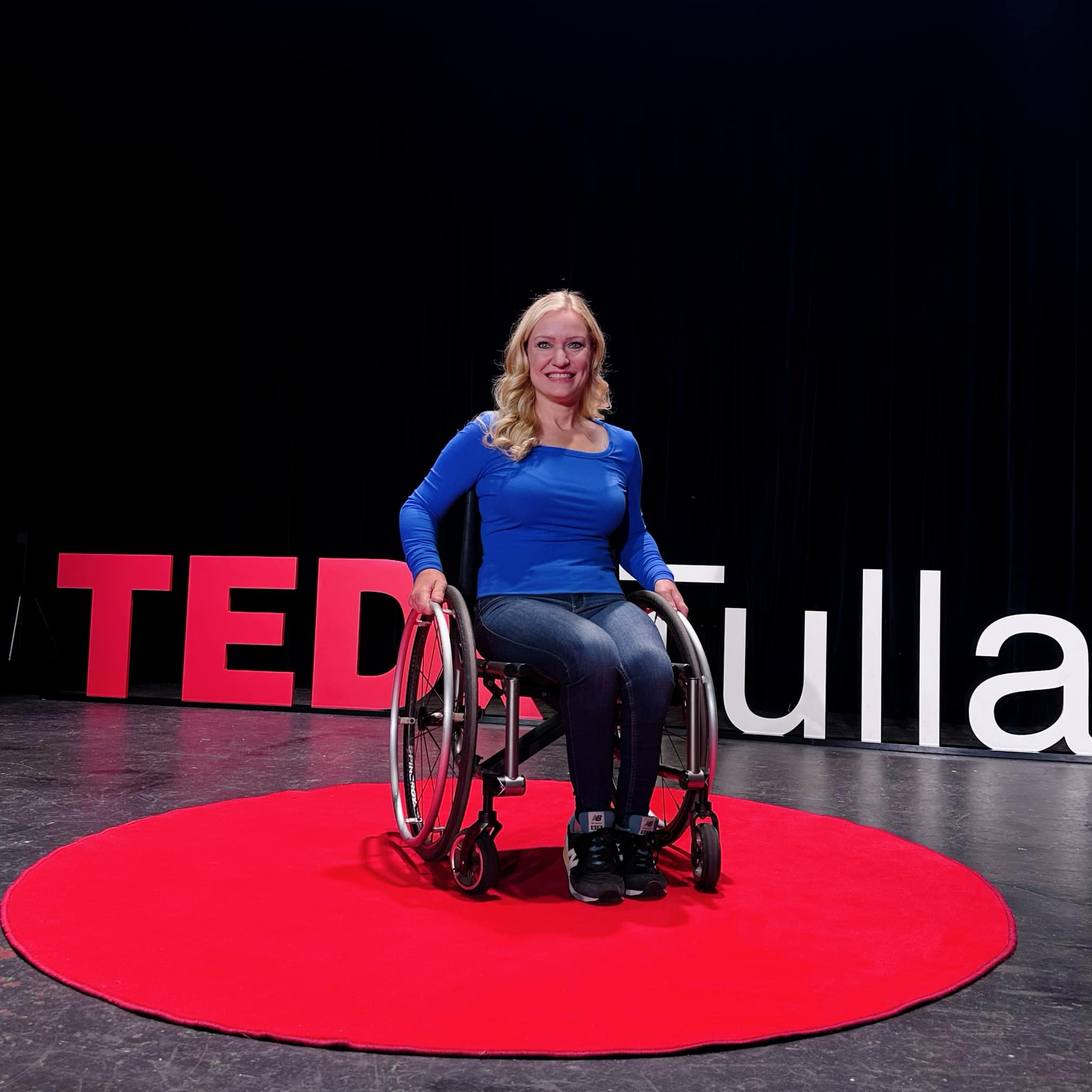
How I found out what I really wanted | Renee Bruns | TEDxTullahoma (youtube.com)

Renee Bruns described her experience as ‘scary and liberating’

A few months ago, I took the stage at my very first TEDx event. My heart was racing and my lip quivered as I rolled onto the stage. I closed my eyes for a brief moment, placed my hand on my stomach, and reminded myself of the very words I was about to say to everyone. As we go through life and chase so many big dreams, we cannot forget about the journey that led us there. Enjoy today – the struggles and the joys – and enjoy your dreams coming true too. It’s the cumulation of it all that makes life so beautiful.

#journey #tedx #tedxtalks #tedxspeaker #travel #empowerment #inspiration

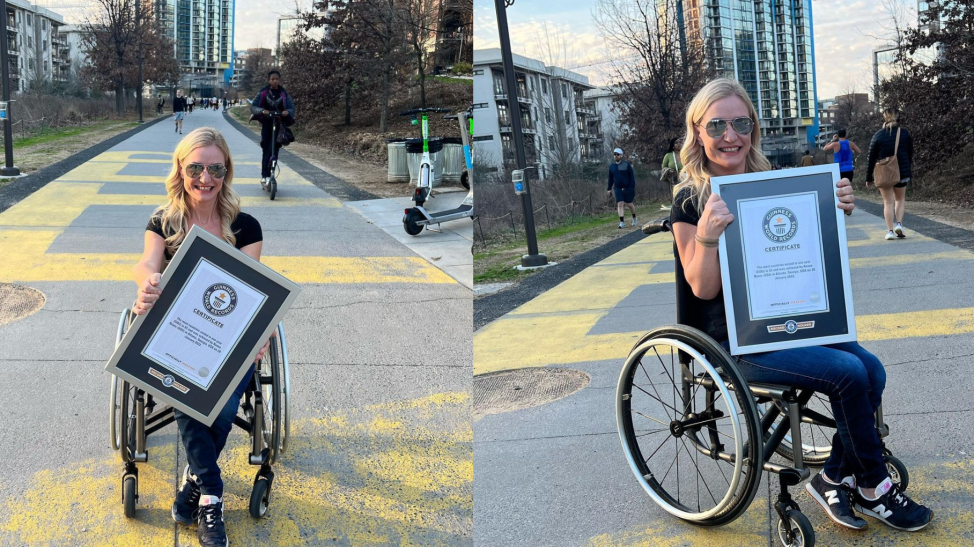
Defying odds, a specially-abled woman, Renee Bruns from Atlanta, Georgia in the US, travelled 129 countries on a wheelchair and recently broke the Guinness World Record (GWR) for the most countries visited in one year.

Renee Bruns is a former Fortune 500 insurance executive who left her role in May 2022 on a mission to see the world and reshape her views of humanity.  She was born with an undiagnosed skeletal disorder that has caused her to use a wheelchair full time. 

Renee Bruns | Motivational Speaker | Life Coach | Travel Blogger

Through her travels to 129 countries, all 7 continents, and all 50 states, she became a Guinness World Record Holder and has been featured on numerous media sites and podcasts. She is currently working on a book to share her story of navigating the world with a physical disability and the series of events that led her to find self-acceptance, and ultimately a diagnosis of her unique medical condition by a dedicated team of specialists.

Renee is also working on a doctoral degree where her research is focused on positive psychology and the impacts it has on the workforce. She is a life coach helping those who are looking to restructure their lives and helps guide and advocate for those navigating undiagnosed medical conditions.

Finally, Renee is an Ambassador for the Free Wheelchair Mission where wheelchairs are provided for only $96 each to people in need around the world. An American woman has set the world record for travelling to the most countries in a year in a wheelchair.

Renee Bruns, 40, was diagnosed with Diastrophic Dwarfism when she was 16 years old and spent much of her early years travelling around the US with her mother to see medical specialists. By her 16th birthday, she had already visited all 50 US states, an experience that inspired her to see more of the world.

Finally, Renee is an Ambassador for Free Wheelchair Mission where wheelchairs are provided for only $96 each to people in need around the world. An American woman has set the world record for travelling to the most countries in a year in a wheelchair.

“It was a very scary and liberating experience for me,” she told CNN.

‘Do it,’ says a solo traveler who uses a wheelchair. ‘You won’t regret it.’ | CNN

Bruns says that while there is more awareness of wheelchair users compared with when she was growing up, there are still challenges, saying: “it hasn’t been easy to navigate a world designed for people who use two legs”.

“I don’t have a dedicated medical assistant or a helper, if you will.”

She said: “What I have seen in my lifetime is just a lot more awareness. People are much more willing to help. There’s not this scariness factor of someone with a wheelchair.

“I experienced that a lot in my younger years and I don’t get it so much anymore.”

She cites Norway, Switzerland, Finland, Sweden, Australia and New Zealand as the countries with the most inclusive infrastructure, noting that more historic destinations tend to be poorer on this front.

While she accepts that the process of making a historic temple in Indonesia more accessible might be a challenge, she describes air travel as the biggest disappointment when travelling, stating that airlines have “a lot more to do” when it comes to making travel more inclusive for people with disabilities.

“In the past two or three years, it’s gotten slightly better,” she says. “And I hesitate to even say ‘slightly,’ because I don’t want to give the airlines too much credit.

“There is an immense amount of work that can go into flying for people with disabilities, and the airlines have a huge, huge responsibility to make it better.

“It is one of the most frustrating parts [of travelling] and just the treatment that the airlines give to people with disabilities.”

Despite this, Bruns says her experience of travelling using a wheelchair has given her an additional insight that non-disabled people may lack, citing an experience in Indonesia when she found herself temporarily stuck after she couldn’t get down a particularly high curb. In the end, a group of strangers came to her aid.

“In a strange kind of way, [being a wheelchair user] has allowed me to see humanity differently than an average traveller will see, because they can just go about, and step down that sidewalk and back up again,” she says.

“It’s no big deal [for them]. But I’m really relying on the help of complete strangers to get me to the places I want to go.”

As of now, she has traveled to 117 of the 195 UN-recognized countries and territories on the globe, and hopes to visit the remaining 78 destinations in the next decade or so.

With each new country she visits, Bruns aims to seek out a local person and “just chat with them about their family, life and culture”.

She says: “To be able to chat with a local person and just get to know them is one of the most rewarding things for me.

“It’s such a solid reminder of how much human beings have in common, and how much we are the same.

“There’s so much hate in the world, but when you really sit down with people from all over the world, [you find that] we are really all the same. And it’s really refreshing.”

Bruns described the Middle East as one of her favourite regions to visit, calling it “fascinating” and the people “some of the kindest in the world”. The destinations she’s most looking forward to visiting next are Saudi Arabia and Madagascar.

Bruns says that while there is more awareness of wheelchair users compared with when she was growing up, there are still 

challenges, saying: “it hasn’t been easy to navigate a world designed for people who use two legs”.

She said: “What I have seen in my lifetime is just a lot more awareness. People are much more willing to help. There’s not this scariness factor of someone with a wheelchair.

“I experienced that a lot in my younger years and I don’t get it so much anymore.”

She cites Norway, Switzerland, Finland, Sweden, Australia and New Zealand as the countries with the most inclusive infrastructure, noting that more historic destinations tend to be poorer on this front.

While she accepts that the process of making a historic temple in Indonesia more accessible might be a challenge, she describes air travel as the biggest disappointment when travelling, stating that airlines have “a lot more to do” when it comes to making travel more inclusive for people with disabilities.

“In the past two or three years, it’s gotten slightly better,” she says. “And I hesitate to even say ‘slightly,’ because I don’t want to give the airlines too much credit.

“There is an immense amount of work that can go into flying for people with disabilities, and the airlines have a huge, huge responsibility to make it better.

“It is one of the most frustrating parts [of travelling] and just the treatment that the airlines give to people with disabilities.”

Despite this, Bruns says her experience of travelling using a wheelchair has given her an additional insight that non-disabled people may lack, citing an experience in Indonesia when she found herself temporarily stuck after she couldn’t get down a particularly high curb. In the end, a group of strangers came to her aid.

“In a strange kind of way, [being a wheelchair user] has allowed me to see humanity differently than an average traveller will see, because they can just go about, and step down that sidewalk and back up again,” she says.

“It’s no big deal [for them]. But I’m really relying on the help of complete strangers to get me to the places I want to go.”

With each new country she visits, Bruns aims to seek out a local person and “just chat with them about their family, life and culture”. She says: “To be able to chat with a local person and just get to know them is one of the most rewarding things for me.

“It’s such a solid reminder of how much human beings have in common, and how much we are the same.

“There’s so much hate in the world, but when you really sit down with people from all over the world, [you find that] we are really all the same. And it’s really refreshing.”

Bruns described the Middle East as one of her favorite regions to visit, calling it “fascinating” and the people “some of the kindest in the world”. The destinations she’s most looking forward to visiting next are Saudi Arabia and Madagascar.

After experiencing burnout, Bruns took a sabbatical from her job as an insurance executive in 2022 to pursue a year of “intense full-on travel”.

While she’d previously travelled with a companion or her partner, Bruns opted to travel alone on her big trip, booking a one-way ticket to Bali, Indonesia.

Renee Bruns Has Visited 129 Countries in Her Wheelchair — and Wants to Inspire Kids to Chase Their Dreams – Nice News

Sharing her adventures on Instagram, and Facebook she hopes her experiences will help inspire others to see as much of the world as possible. 

Diastrophic Dwarfism

Content Area

Diastrophic dwarfism is a skeletal dysplasia that affects cartilage and bone development. Individuals with diastrophic dwarfism have short stature, with short arms and legs. Affected individuals may also have osteoarthritis and joint contractures. Diastrophic dwarfism is also characterized by the following deformities:

  • Scoliosis (abnormal curvature of the spine)
  • Hitchhiker thumb (shortening of the first metacarpal)
  • Cleft palate
  • Malformed ear cartilage
  • Clubfoot

Diastrophic dwarfism is related to the skeletal disorder, atelosteogenesis, albeit less severe.

Diastrophic dwarfism is quite rare, occurring in 1 in 100,000 live births. It has been linked to mutations in the SLC26A2 gene, which provides instructions for making proteins necessary for the normal development of cartilage, and the conversion of cartilage to bone. Mutations to the SLC26A2 gene interfere with the normal development of cartilage to bone, resulting in the skeletal abnormalities characteristic of diastrophic dwarfism. The SLC26A2 gene is inherited recessively; therefore, affected individuals have both copies of the gene. The parents each carry a single copy of the recessive gene and typically do not show any symptoms.

At the Paley Institute we treat these patients with reconstruction of the hip, knee, and foot. Limb lengthening is sometimes performed to increase stature; however, lengthening is not always indicated due to the severe joint problems in these patients.  Diastrophic Dwarfism – Paley Orthopedic & Spine Institute (paley institute.org)

Diastrophic Dwarfism – Paley Orthopedic & Spine Institute – Search Videos (bing.com)

Renee Bruns

From Wikitia

Renee Bruns
BornFebruary 21, 1984 (age 40)
Maria Stein, Ohio
NationalityAmerican
Alma materOhio Northern University Capital University
OccupationBlogger Traveler Activist Life Coach Motivational Speaker

Renee Bruns (born February 21, 1984) is a disabled American female, blogger,[1] traveler,[2] activist, life coach, and motivational speaker.[3] In 2023, she received a Guinness World Record[4] for ‘most countries traveled in one year with a wheelchair.’

In her one year of travel to achieve the Guinness World Record, she traveled to 55 countries.[5] Throughout her lifetime, she has visited 118 countries, all 7 continents, and all 50 US states.[6]

Contents

Early life

Renee was born in Maria Stein, Ohio and attended Marion Local Schools.[7] She was born with an undiagnosed skeletal disorder[8] and at an early age, she decided to visit all 50 states with her family, completing that goal by the age of 18. In 2022, she visited Antarctica and completed her goal of visiting all 7 continents.

Career

Renee earned her undergraduate degree from Ohio Northern University and her MBA from Capital University. She is a current online student at Business Science Institute in Luxembourg where she is working towards her Doctorate in Business Administration.

Renee worked in the insurance industry receiving numerous awards in her 15 year career, including a Breakout Award from Business Insurance magazine.[9] In 2022, she left her insurance executive role to travel the world.[10]

She is working towards visiting all 195 UN recognized countries. She is an active member of the travel community and won the NomadMania ‘Against All Odds’ award in 2022.[11] Renee is also an active podcaster appearing frequently as a guest on related podcasts.    Press – Renee Bruns

Podcast Appearances

References   Renee Bruns – Wikitia  Press – Renee Bruns

  1.  “Wheels Travels”Wheels Travels. 2023-08-02. Retrieved 2023-08-16.
  2.  “Mélange Accessibility for All Magazine Spring 2023”Joomag. Retrieved 2023-08-16.
  3.  Reporter, The Evening Leader11 May 2023 By BRENT MELTON Staff (2023-05-11). “Record setting world traveller has local roots”The Evening Leader. Retrieved 2023-08-16.
  4.  “Most countries visited in one year (CID2)”Guinness World Records. 2022-01-28. Retrieved 2023-08-16.
  5.  “Most countries visited in one year (CID2)”Guinness World Records. Retrieved 2023-03-19.
  6.  “‘Do it,’ says a solo traveler who uses a wheelchair. ‘You won’t regret it.'”CNN. Retrieved 2023-03-19.
  7.  “Globetrotter”The Daily Standard. Retrieved 2023-08-16.
  8.  Brandes, Rebekah (2022-11-21). “Renee Bruns Has Visited 110 Countries in Her Wheelchair — and Wants to Inspire Kids to Chase Their Dreams: Exclusive”Nice News. Retrieved 2023-03-19.
  9.  “Break Out Awards | Business Insurance”www.businessinsurance.com. Retrieved 2023-03-19.
  10.  Chikhwaza, Jeremiah (2022-12-05). “Renee’s Sabbatical Story: Former Executive Travels on Wheelchair”The Sabbatical Project. Retrieved 2023-03-19.

Got this in the mail February 14, 2023.

22 TED Talks That Will Change How You See the World (msn.com)

Posted in Uncategorized | Leave a comment

PROFILE: Sara Harris

Serving her purpose: Sara Harris inspires students, staff at Calera Elementary School

 Published 1:18 pm Tuesday, March 19, 2024  By Alec Etheredge   

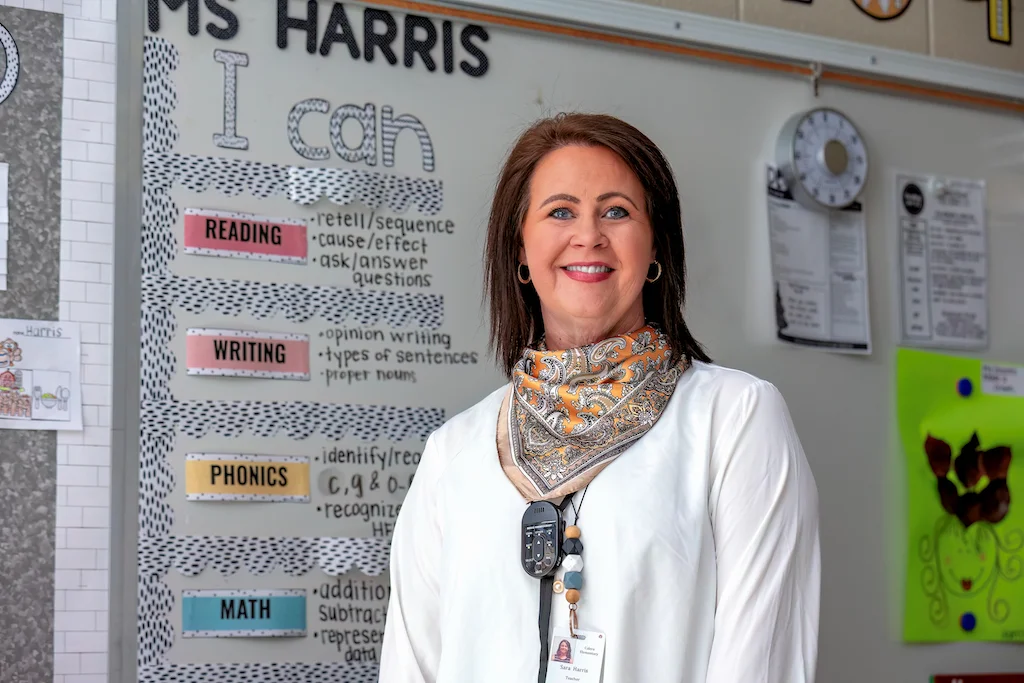
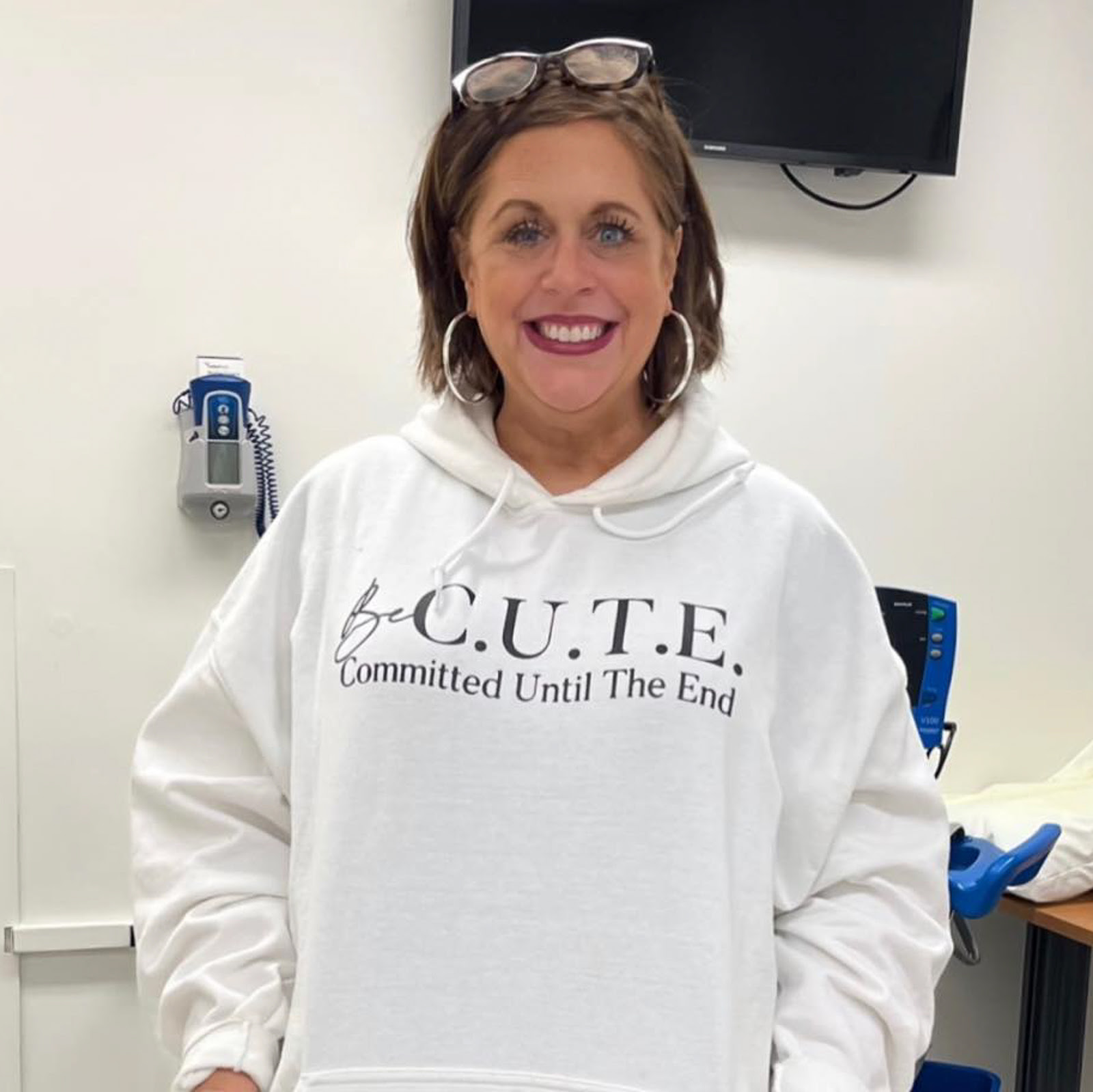
Calera Elementary School teacher Sara Harris continues to inspire her students and peers as she continues to work her dream job despite battling cancer. 

 Standing front and center in her classroom with a room full of students wide-eyed in anticipation, Calera first grade teacher Sara Harris breaks out in a dance.  The students quickly follow suit, some with giggles at their teacher, but all with one goal in mind—retaining knowledge through interactive lessons at the hand of their teacher.

 Through the fog of the boisterous environment of singing and dancing, you don’t see the pain of a teacher with an incurable metastatic breast cancer, and that’s exactly what Harris hopes for.  Diagnosed with breast cancer for the first time in 2019, the first grade teacher had it return in metastatic form by spreading to her sternum in 2021 when she got her dream job at CES.  Her focus, however, remains on the students, fighting through the painful days to serve her purpose and not let the cancer define her.

image.png

   “I absolutely love what I do,” Harris says. “I feel like it’s my purpose.

The best part of it is the children.

It is a joy to walk into this room every day, no matter how tired I am, no matter how I feel, sometimes I walk in and go, ‘Oh, I can’t do this today,’ and when they walk in that door, it wipes all of that away. Watching that lightbulb moment, it’s just so exciting to watch them learn and grow.”   

 For that reason and her engaging method that she continues to bring into the classroom each day, the hometown Calera girl was named this year’s Teacher of the Year at Calera Elementary School, giving her even more clarity on her path.  

 Finding her path  

It was actually Wonder Woman who set Harris on the path to becoming the teacher she is today, and no, not Lynda Carter from the TV series, but a Calera Elementary School kindergarten teacher who looked like her and treated her students in a fashion that made them look at her like a superhero. 

“She poured time into me, she invested in me,” Harris says. “She would braid my hair during recess and just show me how much she cared. I thought she was Wonder Woman. She looked like her and everything about her just seemed super. It wasn’t every day the original kind of thing, she went the extra mile.” 

 She says that was the start of her growing a love for education that grew with each teacher she had through high school.  

“They saw things that I didn’t see in myself,” she adds. “It would inspire me to push myself further because I was extremely shy. They would tell me, ‘No, you can be president of this or you can give a speech on that topic.’ I wanted to be that for children also. I wanted to pour that into students and other people as well. That became what I had to do.” 

image.png

 Ms. Sara Harris was recognized as our 2023 Teacher of the Year. The school is very proud of her and appreciate the love that she shows for her students and community. Congratulations, Ms. Harris!🥳

After graduating from Calera High School in 1993 as part of a class of 44 students, Harris went to college off and on and had her three kids before graduating with a degree in education.  Originally, she didn’t plan to return to the once small town of Calera. 

“At first, my sister was a teacher at Calera Elementary, and I thought to myself, ‘Why would anyone want to go back to their hometown?’ But, through the years, there is just something about this town,” she says. “There is such a love for community and still a small-town feel even as it grows.”  

 Harris went on to teach fifth grade, third grade and fourth grade in that order at Calera Intermediate School, but her heart continued to pull her back to younger children.  That led to her taking an opportunity at Randolph Elementary School as a first grade teacher to gain experience.  But then, a kindergarten job opened at Calera Elementary School and she couldn’t pass up the opportunity to chase down her dream.  

“I went here, my children went here, my grandchildren will go here, so it’s part of my legacy to continue pouring into this school and this town because I want this community to keep growing and for these kids to keep pouring into the community,” Harris says. 

Now in her 12th year as an educator, she has spent the previous two years teaching first grade at CES after serving as a kindergarten teacher in 2021.  She had her dream job at her dream school, but it didn’t come without its challenges.  

A detour around the roadblock 

 As the 2021 school year approached, Harris was giddy with excitement after being hired to take on a kindergarten teacher role at Calera, helping her dream become a reality, while her cancer, to her knowledge, was gone.  Then, a week before the school year officially began, Harris got the news that her cancer had spread to the sternum on Aug. 6, 2021.

  “It was gone in a sense. I had kind of beat it because it wasn’t showing up in my bloodwork,” Harris says with tears filling her eyes as she remembers the challenging time. “It was so ironic. It was my goal to be here and I find out that my cancer is back at the same time I’m about to start my dream job.”  In that moment, while difficult, she didn’t panic and very quickly told first-year principal Shannon Montgomery what was going on and that she didn’t want the cancer battle to define her, rather that her focus was on making a difference in the lives of the students and living out her dream. 

 “She has been very open with me about it since the beginning and has never wanted it to define her,” Montgomery says. “A lot of people could have said, ‘I just can’t handle all of this,’ but she said, ‘I want to be here as long as I can be here.’”  

image.png

  Through the adverse situation

She never lost sight of the students and she has rarely missed any days that weren’t for doctor appointments, fighting through exhaustion, pain and mental hurdles to be there for the kids on a daily basis.  “Even when she is out of work, she is constantly concerned about what they need to have to be able to succeed,” says co-worker and first grade teacher Hailey Dolbare. “She is currently battling cancer in her sternum—taking chemo meds and going to multiple doctor appointments—all while she is going above and beyond in the classroom.”  

A big reason for the ability to push through, in addition to her drive to make the kids her main priority, has been leaning on her faith and the community support.  “Faith plays a huge part in every part of my life,” Harris says with tears streaming down her face. “It is part of who I am. It’s part of how I respond to them as children, it’s part of how I respond to my co-workers, it’s part of how I respond to conflict, when I’m irritated. It drives me and I see something beyond what’s here.

 My goal is to hear Him say, ‘Well done.’”  

Currently, that’s what keeps Harris going on a daily basis, knowing that her purpose is to make a difference for the kids.  “It keeps me going, but I also believe if I’m going through this, there has to be a reason,” she says. “It’s either something I have to learn or someone around me has to learn. Cancer has transformed me physically, but it has also transformed me as a Christian and a person. 

Things that used to seem like a big deal to me aren’t a big deal anymore because they really don’t matter. In the grand scheme of things, my purpose on this earth is whatever he has placed on my life, and right now, it’s pouring into this classroom and these children. I feel like each child that is in here is in here for a reason and they’re handpicked to be with me for a reason. Each morning, when we have a moment of silence, I pray over them. They don’t know that, but I pray over them and pray over this school for protection around it and that I will be a positive light in their life.”  It’s that quality that rubs off on the staff and students around her, as they see her working for something bigger than herself.  

“Knowing her personally, she is always respectful of people and their views, but she is very vocal in her faith to us as a staff and that is an additional part of who she is,” Montgomery says. “I see that in her. She is very committed and relies on that heavily. She looks to that for strength as a teacher and day to day life, but also the journey she is going through in life. She extends grace.”  

Dolbare echoed that sentiment, saying it’s inspiring to see the strength she gains and the grace she has through the challenges.  “She will always tell you, ‘This is not my story, but His story,’” Dolbare says. “When you talk to her about her journey, she tells you that Jesus is right there in the midst of it. She constantly turns to Him. Does she have not so great days? Absolutely! But she keeps fighting every single day and her Eagles’ family rallies around her every step of the way. She is a literal angel on Earth. Heaven will be bigger because of Sara constantly sharing her unremarkable faith throughout her cancer journey.”

  Serving her purpose  

Standing on top of tables, teaching a fifth-grade class at Calera Intermediate School.

Harris and her students join together in singing songs at the top of their lungs.  Another interactive activity, she is trying to make sure her students can remember this song to help retain the knowledge.  “I’m not a great singer, but they go along with it,” she says. “I can’t get on the desks anymore because you don’t want the little ones to fall, but when we sing those songs, they remember them. They know what to do. I want them to come in and think learning is exciting.”  

image.png

  Even though she isn’t jumping up on desks anymore.

She continues to sing to her best ability, while also working to create other fun activities that include Math Easter Egg hunts, circus days to celebrate learning, transforming her room into a restaurant for “book tastings” and so much more. 

“When I shut that door, I will do whatever it takes to get their attention for them to learn,” she says. “I want them to come in and think, ‘What’s next?’ I want them to have a core memory of this is why I know the doubles like two plus two equals four.”

  She says she knows it’s her job to do everything she can for the kids because that’s the purpose she is meant to serve.  “They refill me and don’t just see me as someone with cancer,” she says. “I know there have been times that they have to listen to me say I don’t feel good, and they encourage me to keep going, but I try not to even tell them that. I just want to be there to give them all I can and make sure they have a fun day of learning.”  It’s a presence that carries from outside the classroom to start the day and into the classroom throughout the day. 

 “Her classroom is one of the happiest, most welcoming rooms in our building,” Dolbare says. “She meets all of her children in the hallway with a smile and a hug. She is constantly coming up with ideas on how to engage her students and sharing those ideas with all of our grade level. She is seriously one of the most helpful people you will ever meet.”  Montgomery says that the kindergarten through second grade years are so instrumental, and having a teacher go the extra mile like Harris is something that can set a student up for success for the rest of their education journey. 

 “She wants to make learning fun,” Montgomery says. “Getting to know her, what sticks out, is she is very dedicated. It’s so easy to kind of just give up and not show up for different reasons, but she shows up and when she’s here, she’s in it for these kids. We always have to teach to the standards. That’s what we always hear in education, but the fact that she takes that extra step to say, ‘Hey, what can I do to make this impactful to the kids?’ Standing on the teacher table, hanging bats from the ceiling just because she was setting up for that learning unit and just giving the kids that little surprise when they walk in the room. That not only makes it fun, but it sticks.” 

 Fulfilling her dream 

Passing Harris in the hallway one afternoon in the early part of the 2023 school year following dismissal, Principal Montgomery told Harris to come by her office in 10 minutes.  Immediately assuming the worst, Harris began the trek to the principal’s office that we all feared as children, but the news wasn’t the terrifying dream she had made up in her head.

  “She thought something was wrong and I knew she would think that,” Montgomery recalls. “She came in and sat down, I had my serious face on and started off with something vague. Then, I just blurted out, ‘You’ve been named Teacher of the Year! She immediately burst out in tears.”  Harris was in shock. She downplayed it and questioned Montgomery through her tears, saying, “Are you sure. I don’t deserve that.”  

image.png

  “It reminds you that everything you do, people are seeing,” she says. 

“It sounds ugly, but I’m not doing it for them.

I’m doing it for God and these children. But, it meant a lot for others to see something in me that they thought I deserved. I don’t feel like I deserve it, but it is greatly appreciated and it means a lot to me.”  Montgomery says that is just part of her humble nature and that she continually said that it surely couldn’t be her.

  “A lot of times, when you’re doing something good, you don’t really see it and it takes somebody else to see it and that was her,” Montgomery says. “She downplayed it and said she isn’t doing anything special. They see who she is, they see her as a person and a teacher and that is all a part of being Teacher of the Year.” 

 For Harris, however, it’s all about giving everything she has to the students because that’s the job she dreamed of.  “Some days are harder than others, but every time I walk in this door, the pain is gone,” she says.

“I don’t think I’ve ever missed a day because I don’t feel good. I’ll get up and may not be feeling it that day but keep moving forward because they need me to give them 110 percent, so that’s what I do. If I don’t have my all to give to them, they’re not going to get it.”  

image.png

  Calera Elementary School (@caleraelementary) • Instagram photos and videos

With that, it’s a medicine unlike anything else that helps Harris get through the difficult times.  Seeing it click with her students and seeing their love for her is the driving force that inspires her to be the best she can be. 

“Their joy about learning, their happiness to see me and the way they love me, it just makes you feel so good and excited about your day,” she says. “Knowing they need me to teach them and they need this, especially in first grade being such a big building block on their education, makes it all worth it.

 Their smiles, their joy, their happiness to be here and to learn, it makes me feel incredible. It brings me happiness to see their little faces.”  From the kindergarten student who was inspired by her teacher to pour into others to the Teacher of the Year at that same school, Harris is now pouring into others to make a difference in the same facet, and she isn’t letting a terrifying disease keep her from inspiring students the same way she was inspired at the same age. 

 “According to doctors, the cancer will never go away, but I will work until the half day of my funeral, I can tell you that much,” Harris says. “I will be here as long as I can physically come to school and do it. That could be five years or 15 years. I’m going to keep doing it because I love it and I’m not going to let something like that stop me.” Calera Elementary teacher living her purpose, inspiring students despite living with incurable cancer (wvtm13.com)

Posted in Uncategorized | Leave a comment

The Pandemic with Gianna Miceli.

The Day Covid 19 Hit Our Shore was equivalent to The Normandy landings were the landing operations and associated airborne operations on Tuesday, 6th of June, 1944 of the Allied invasion of Normandy in Operation Overlord during World War II.

Veterans Describe What It Was Really Like to Be a Soldier On D-Day | D-Day Documentary | Timeline | COVID – Coronavirus Statistics (worldometers.info)

On June 6, 1944, thousands of Allied servicemen landed on the shores of northern France with a mission to free western Europe from Nazi tyranny. Over the ensuing hours and days, the men faced decimating machine-gun fire, mortars and artillery, eventually fighting their way inland, but not before suffering a staggering number of casualties.

Codenamed Operation Neptune and often referred to as Deployment or D-Day – Search Videos (bing.com) it is the largest seaborne invasion in history.

Coronavirus (COVID-19) Cases – Our World in Data

Gianna Miceli is an expert cultural and political commentator always exposing the LAWFUL angle of situations, and the author of the book, Free-Dumb, The Patriot’s Playbook To Restoring Your Rights And Freedom available only on her website due to canceled culture. 

Baffled by the amount of people who so easily masked their faces, closed their businesses, and took a jab because the government said so, Gianna began studying the difference between rules, codes, and statutes during the pandemic which are not laws.

What happened to our Constitutional rights?

There’s not a college you can attend to gain this knowledge, and the common law is not taught in law school. One has to study Supreme Court rulings in addition to a lot of trial and error to fully grasp the power “of the people”.

Gianna has been studying this since the inception of the pandemic which has made her a self taught Constitutional rights and common law expert.

Her weekly online program, the Inalienable Show, exclusively on Rumble, is co-hosted by Scott Bernard, a law school graduate who chose not to join the BAR, but instead, had his eyes opened wide by the difference between statutory law and common law.

When she met Scott who has expertise In Corporate Commercial Law, Uniform Commercial Code, and Domestic Banking Law, she began studying under him and his unique knowledge, and just like Scott, she learned that she had already been living “in the private” for over 25 years. 

Together they crafted an online membership, called the Inalienable University where they teach people that their rights are INALIENABLE, and how to exercise them in their daily lives.

They teach how to acquire the lens at which to decipher the fraud and deception of government contracts such as the driver’s license, state registration, and recording your private property with the county, thus putting you “in the public”.

It’s no accident that civics is rarely taught in school because free people are a danger to the government’s out of control spending. 99.9% of people have never ever been taught how to exercise their rights and freedoms and unfortunately, blindly follow orders.

Gianna and Scott’s curriculum will change the way you walk in the world. 

The Truth About the Second Amendment. (giannamiceli.com)

I remember reading this article that Gianna wrote Fauci Lied. People Died. (giannamiceli.com)

Look at the state of the world. There are still people wearing masks in their cars, in the stores, on planes, and in the sunshine. The entire world masked, vaxed, stood on green circles, and believed news that was just fear mongering propaganda. Every facet of our lives has been disrupted.

15 days to stop the spread. Yeah right. Who didn’t know that was a lie? I knew it and I immediately made an appointment to move out of NYC the same day that was implemented.

But ok you’re here now. We’re here now. We are awake on many levels and we want out of the corporate slavery.

Self-determination is the “freedom to choose one’s own acts without external compulsion”. The term is generally associated with the freedom of the people of a given territory to determine their own political status.

The right to self determine dates back to Socrates in 399 BC, and Aristotle in 350 BC, and Cicero if 56 BC, and it took a more prominent position in Vatel’s Law Of Nations in 1758 which states:

“Each individual, moreover, is intimately conscious that he can neither live happily nor improve his nature without the intercourse and assistance of others.”

The U.S. Constitution of 1787 refers to the Law of Nations, twice.

Charles Caleb Colton states that, “Liberty will not descend to a people, a people must raise themselves to liberty; it is a blessing that must be earned before it can be enjoyed.”

And finally, it’s mentioned in the U.N. “INTERNATIONAL COVENANT ON CIVIL AND POLITICAL RIGHTS”, PART I Article 1; All peoples have the right of self-determination, “By virtue of that right, they freely determine their political status and freely pursue their economic, social and cultural development.”

It’s unfortunate that the U.N. of 2022, is now implementing the World Economic Forum’s Globalist Agenda of a one world government, and so far 55 countries have lost their right to self determine because of color revolutions using Dominion voting machines taking over and getting their chosen candidates installed, and the United States of America is on the chopping block having had our 2020 elections extremely tainted with fraud.

If you don’t see that we are in a color revolution in the USA, you’ve been asleep.

We are living in a time of complete lawlessness, and if the Biden regime had a plan to manage the decline of our country, they would be doing everything they’re doing today…..eroding our rights inch by inch. The frog in the boiling water pot.

Stand up now or be on your knees forever.

If that’s not enough to entice you to explore repudiating your US citizenship and becoming a state national, which is what you were when you were born, how about this:

The term “national” means a person owing permanent allegiance to a state according to

Title 8, Chapter 12 – Immigration and Nationality U.S.C. subsection 1101(a)(21).

To reach the Zero Percent tax bracket, a person must realize that they cannot be anything other than a state national listed in the government’s system.

The War Between “We the People” And the BAR Association

The BAR Association is a cause of the vast majority of problems we have in America and the world.

They own and control everything.
Who do you think controls every single thing you look at and every single thing you encounter? We live in a time in which we have some of the largest companies that have ever existed in the world.

We’ve got Microsoft, Amazon, Disney, Blackrock, Vanguard. Who do you think controls those? Who do you think controls mom and pop stores? Who do you think controls the government of Washington DC?

Who controls all the little municipalities and county governments?

We the people think that we elect our representatives, and they control the government, and the CEOs make the decisions for the corporations.

No, not one CEO, and not one legislator makes a decision. Not one. Invoices, contracts, brochures, policies, descriptions, every single one of them is not written by CEOs. They’re written by lawyers.

CEO’s don’t make a decision without running it past their legal departments. The BAR Association makes the decisions that run the world.

The truth is, that lawyers and judges barely know they “law”. They don’t know its origin. They don’t know where it came from. What they learn in law school is PROCEDURE.

Where did the law come from? What is its origin? How did we arrive at this thing called law where a small group of men could put something down on paper and try to hold free men and women accountable?

Let’s start with jurisdictions. Most people think of jurisdiction as a physical boundary like their town, county, or state. That’s just part of the equation.

Your Inherent Rights

There are three jurisdictions in the law.

It was in Genesis 1:26 that God gave man dominion over the land, the air, and the water.

The law of the land became common law. God gave all mankind property, its equity, and its rights.

Our rights are “un-a-lien-a-ble”, meaning they cannot place a lien upon our rights. Those rights are unalienable. It has to do with things of property; nature, patents, and grants and securities, gold, silver, commodities, and things we own.

That’s what common law is. It deals with properties. It deals with our rights.

The air is the highest form of law. The air is above the land which is above the water. The air is ecclesiastical, or Canon law, which is trust law. All things held in trust held in the benefit of another; our heirs.

In Genesis 1:26; then God said, “Let us make mankind in our image, in our likeness, so that they may rule over the fish in the sea and the birds in the sky, over the livestock and all the wild animals, and over all the creatures that move along the ground.”

Why did God start that off?

Right in the very beginning of the Bible, he put the world under trust to mankind. We’re the trustees. He’s the executor. He placed it to us to manage for the benefit of our beneficiaries; our future heirs for generations to come, and lives in perpetuity forever.

What is the definition of forever?

 Forever has until the end of the earth, that we’re an eternity.

Jurisdiction of the water is admiralty law. It is commerce and contract law; things held in contract with another. Think about when there were ships going across the seas to find, visit, and bring goods to other lands. There had to be things in place for international regulations right? That’s admiralty law.

Probably everyone reading this has signed a contract at some point in their life, having no idea that it was most likely unlawful. There are some interesting elements to a true contract that a BAR Association member doesn’t want to teach you.

The BAR Association teaches you that there’s got to be an agreement consideration.

Both people have to sign and you’ve got a contract.

That’s not true. There are eight elements of a contract..

But one of the most important of those elements is that a contract has to be between like kind. Can a man write a contract with a man? Yes. That means mankind in this context, not gender specific.

So a man can have a contract with a man.

But a corporation has to have a contract with another corporation.

Have you ever signed a contract with a corporation?

Like with a gym? Or a mortgage?

How about your apartment lease?

Or opening a bank account?

We do it every day and we’re probably doing so using our ALL-CAPS name as our corporate entity without even being aware of it. Sometimes we’re doing it with our non-caps name, and it’s not a lawful contract.

Can a man have a contract with a corporation? No. Why did they put things in corporations? To limit liability just to that corporation. Do you as mankind have limited liability? No.

If a man has integrity, purpose, and knows all eight elements of a contract and writes a proper contract where there’s a meeting of the minds, that’s a proper lawful and legal contract.

There’s full and honest disclosure of the terms and conditions of the contract. There’s equal consideration where one person gives something up, and one receives. It has to be a two way street.

So why did government entities recreate themselves as corporations?
The reason is because of a lack of integrity. If they had integrity they would never need a corporation.

One of the main things to be learned is that the United States of America is not the same thing as the United States; it is not the same thing as USA Inc.

Intrigued yet?

Gianna has attended media training at the Television News Center in Washington DC, Media Matters in NYC, Patricia Stark private training, and the Connecticut School of Broadcasting. 

REPLAY: Dan Carroll — June 5, 2024, • 99 mins

♫ 700 WLW On-Demand | 700 WLW Cincinnati (iheart.com)
Dan talks with Lora Ries of the Heritage Foundation about the border and Biden’s executive order as well as looking back at the COVID-19 Pandemic with Gianna Miceli. Dan also takes your calls and hears your voices.

Why American Women Are So Fat, Sick, Tired, & Angry: And What I’m Doing About It: Miceli, Gianna: 9781978112513: Amazon.com: Books
💥 Join me & our incredible guest, Gianna Miceli ”The Menopause Master” (youtube.com)

Women In Wellness: “Create a value system to keep drama out of your life” With Author Gianna Miceli | by Dr. William Seeds |  Authority Magazine | Medium

Female Disruptors: How Gianna Miceli is shaking up the way women think about aging | by Authority Magazine Editorial Staff | Authority Magazine | Medium
The Truth About The Second Amendment. (giannamiceli.com)
Coronavirus Pandemic (COVID-19) – Our World in Data
Covid-19: Milestones of the global pandemic (bbc.com)
Gianna Miceli (@msgiannamiceli) | TikTok
Gianna Miceli American National
BUY BOOK | Gianna Miceli
PMA | Gianna Miceli

Posted in Uncategorized | Leave a comment

Cancer Survivor Ashley McCrary 

After CBS News report on rare eye cancer mystery, hundreds share similar stories.

Ashley McCrary – Living with Ocular Melanoma

Ashley is a member of the Auburn cluster & a huge advocate for ocular melanoma & research for years!

Here’s a little snippet of her story:

“I was first diagnosed when I was 42 years old. It was 2012 & I lived in Memphis, TN with my husband & 4 children, the youngest was 7.

I had gone to the beach with family friends. My friend Jill asked me about a black spot on my eye. I hadn’t noticed it. I went into the bathroom & to my dismay there was an irregular black spot on my iris. I showed my husband, whose nickname for me was “Sweet eyes” & he had not noticed it either. I am ashamed to admit I went home & did nothing for about a month. I googled “change in iris color,” but nothing alarming came up.

A month later, on my daughter’s birthday, my husband & I were invited to a dinner party—which we only attended since our daughter was spending time with a friend.

My husband was the administrator for an oncology group in Memphis and the dinner party was at one of the doctor’s house. While there, a friend asked me about the black spot. She had her husband look at it & he strongly suggested I see a doctor as soon as possible.

On Monday I made an appointment with a local Ophthalmologist, but being a new patient it was going to be three weeks till I could get in to see the doctor. I can not believe I am admitting this but I had never had an eye exam except during elementary school. The only “symptoms” I was having was occasional blurriness.

While running errands I saw a large sign outside a “Visionworks” that read, “FREE EYE EXAM” so I walked in & asked for an eye exam. The beautiful young Optometrist did her exam & recommended eye glasses. When she completed the exam I asked her, “What do you think about the black spot on my eye?” She sat back & said, “You do have a black spot on your eye. Let me make a phone call.” She said I needed a dilated eye exam & she got me into Dr. Mathews who was a local Ophthalmologist…& so my story really begins!”

CANCER

Rare Eye Cancer Strikes Dozens in 2 Areas

It’s not yet clear what is causing the apparent clusters of ocular melanoma

After noticing black spots in her iris, Ashley McCrary was diagnosed with ocular melanoma. “I was like, ‘Well, I know two people who’ve had this cancer,'” McCrary tells CBS News. To say that’s unlikely is an understatement: Between five and six out of every one million people are diagnosed with the rare eye cancer, yet two of McCrary’s friends also had it; the three attended Auburn University in Alabama together.

Another Auburn alum was also diagnosed; the women started a Facebook page to look for other alums dealing with the same cancer—and 36 people have gotten in touch so far, McCrary tells CBS. According to the page, most of those affected attended Auburn between 1983 and 2001. Last month, WLTZ reported that at least 31 people who attended or worked at the university from 1980 to the early 1990s have been diagnosed with ocular melanoma. Earlier this month, Healthline put the number diagnosed in the area at 33.

Similarly, a number of people in the Huntersville, North Carolina, area have also been diagnosed with ocular melanoma, also known as uveal melanoma. CBS puts the number at 18, while WFAE reports that 23 people who lived, worked, or spent significant time in Mecklenburg County since 2000 have been diagnosed with the disease.

Many of the patients in both areas are young women, Newsweek reports, despite the fact that the disease is typically more common in older people and men. Officials have so far been unable to determine what might be causing the apparent clusters of cases (though the Alabama Department of Health’s official stance is that “it would be premature to determine that a cancer cluster exists in the area”), but doctors in Philadelphia are studying the patients, some of whom travel there for treatment in a clinical trial. Doctors at Columbia University are also studying the tumors of diagnosed patients, and Auburn University has put together a committee to investigate. (More cancer stories.)

She gives hope to cancer patients Ashley McCrary – Search Videos (bing.com)

Ashley McCrary | Patient | Ocular Melanoma

Interviewed on May 12, 2023

“I hadn’t been to the eye doctor since probably elementary school. Before my diagnosis, I had a little bit of blurry vision looking at a computer screen, but it was minimal. I didn’t think anything of it. But one night in 2012, we were out to dinner with colleagues from my husband’s oncology group, and one of the wives noticed a black spot on my iris. Her husband, who is a doctor, took a look at it. He wasn’t alarmed, but said I needed to have it looked at. So I did.

Soon after, I saw an optometrist, who sent me to an ophthalmologist, who sent me to an ocular oncologist. I didn’t even know ocular oncologists existed. We found out I had ocular melanoma, also known as uveal melanoma (UM), in my right eye. So, I had my eye surgically removed. Prior to the surgery, I was told that we were just gonna keep an eye on it (no pun intended).

But the cancer ended up being more serious than we originally thought. After genetic testing, which was fairly new at the time, we learned that the type of UM I had was very likely to come back. I was put on surveillance, with scans every four to six months. Honestly, I felt like I was just going to be that one person where the statistics worked in my favor. And for eight years, my scans were clear. 

Things quickly went from being totally fine to not fine

Fast forward to October 2020. Shortly after moving to Auburn with my family, my doctor called and said I needed to come in to talk about my recent scans. They told me I needed to bring my husband Dave with me. I texted my friend, Marlena Orloff, a doctor in Philadelphia I had met through UM research in years prior, and I said “I think we’re getting some bad news. They told me to bring Dave today, and that hasn’t happened before.” Things quickly went from being totally fine to not fine.

During the appointment, the doctor showed me an image of my liver. It was black with white dots all over. We called it starry night, as if we were looking up at the night’s sky and seeing the stars. Except the stars were 100 tumors. We knew then that my cancer had metastasized, and that nowhere in Alabama offered the treatment I would need.

The places you’d go would of course be Thomas Jefferson, Columbia, Sloan Kettering, Duke, MD Anderson, & UCLA. So, I was really lucky that I already had a relationship with the doctors in Philadelphia. Within a week we had a plan. Everything happened so fast. This isn’t the typical scenario. Usually it takes 6 to 8 weeks to get an appointment, and then another 3-4 weeks to figure out your treatment. I was very fortunate. 

The doctors in Philadelphia did a biopsy and looked for genetic markers. Not all doctors would have known to look for those markers – they were just buzzwords for most at the time – so again, I was very lucky. They found I had two markers indicative of aggressive cancer. I started with Immunoembolization (IE) for 8 months, and was also moved to the top of the clinical trial list.

That way, I had time during my initial treatment to learn about the clinical trial, ask questions, process it, and be ready to make a quick decision if IE didn’t work. And sure enough, in May, we found “innumerable new tumors.”

Normally when you’re diagnosed with metastatic disease, you have about a year, year and a half to live. And since my cancer is so rare (6 out of 1 million people are diagnosed per year), there aren’t many treatment options. So the idea of being on a clinical trial that could potentially work – and was working – was very, very encouraging. I was ready to sign the papers.

But Dave was more hesitant.  He said, “Wait a minute. The second person died in this trial. Can we talk about that? You’re going to be a human experiment. You know that, right?” He was hopeful for a more conservative approach. But I was ready to go. We had read the material in advance. We were prepared. But when it came down to signing the paper, his hand was trembling. It’s hard. He’s really just a beautiful soul.

To Dave’s point, in the early days of the trial before I joined, the first participant responded really well. Her name was Summer. She was in her mid 20s and was a friend of mine. But the second person, she was in her 70s, and after taking her first dose, she died the next day. So, they had to stop the trial and figure out what happened. This meant that Summer’s treatment stopped.

Unfortunately, she had no other options, and so she passed away. That was really hard. It turns out that the older woman died from a heart attack. She had comorbidities that she was unaware of. I was fortunate, because by the time I was ready to join the trial, they had already restarted it. 15 people were on it and were doing really well. So that made the decision easier for me.

I’ve never experienced pain like that in my life

I arrived for my first day of treatment in Philadelphia on a beautiful day in July. I was in a cute sundress. Normally you have to change into a gown and lay in the bed and get your treatment. They told me I didn’t need to change my clothes, I could just hang out. I had friends who came by to cheer me up.

So I was in my cute dress, with my cute friends, and my cute husband. I tell you this because it just felt very relaxed and casual. There was not a whole lot of stress about it. The doctors came in and gave me the infusion, and still within two hours I was feeling great.

During this time, a friend of mine took a picture with me, and I have a smile on my face. But within minutes of that picture, I went from 0 to 500 pain. I’ve never experienced pain like that in my life, and I’ve had four children. It scared everybody. Emergency teams were coming in.

I couldn’t lay in bed or sit up. I knelt on the ground with part of my body on the bed, in my cute sundress. My husband was trying to rub my back because that’s where the pain was so bad. The doctor came in and said the only reason my back would be hurting that bad was if the treatment was attacking a tumor in my back or kidneys (we found out later it wasn’t a tumor, it was just a painful response to treatment that only happened the first time). He was completely perplexed as to why I was in so much pain. It was very scary. 

It felt like five years of intense pain before I got morphine. Four hours later, the real symptoms kicked in: fever, shakiness, joint and back pain, and a dip in blood pressure. This would eventually happen like clockwork every time for 6-12 weeks. I got pre-drugs moving forward. Once I got through the initial dose escalations, it became an outpatient infusion. So I fly to Philly once a week for my infusions and stay in a hotel with a plethora of medicine with me, since I know what to expect with side-effects. I’ve now done this 94 weeks in a row.

My results have been shared all over the world

Other people have responded well to treatment, but I had a miraculous response over a period of time. I went from over 100 tumors down to 10. And then from 10 down to six. Two of my target tumors had shrunk 50% in size. My results have been shared all over the world.

Eventually, though, we found that one rogue tumor had grown, and it’s not easy to get approval to stay on a trial if your disease progresses. The trial sponsor didn’t want me to continue with it, but my doctor really pushed for it, because they knew the treatment was working for all the other tumors. It was just that rogue one, which they could treat with radiation.

So I got permission to stay on the trial for five more weeks, but my latest scans have shown that more tumors have started growing again and I have a growing tumor in my lung.

So, I’m at a pivotal point now. I’m in my third week of being treated beyond progression. My scans are on May 31st, and we’re supposed to come up with a Plan B, because I may not be approved for the trial anymore.

There were 16 people in the trial to start. Now there’s only seven. Some people had disease progression and passed away, some had trial burnout. Some couldn’t afford it. There are only a few places in the US you can go for treatment. There’s just not a whole lot of people who can do this once a week, every week, for the rest of their lives. To fly there every week, stay at a hotel, get Ubers, meet with the nurse practitioner…it’s very expensive. There’s a lot the trial will pay for, but it doesn’t cover everything and they don’t pay for someone to come with you. 

I kind of have what they call survivor’s guilt

My situation is extremely uncommon. I’m a unicorn when you consider I don’t have a financial burden in all of this. Through a divine encounter at work, I met representatives from Aflac and ultimately learned I qualified for their cancer plan. So, Aflac really bridges the gap in terms of what the Sponsor pays and what I have to pay out of pocket.

Aflac even covers for a person to go with me to Philadelphia every week. I wouldn’t be able to do it without them. But no one else on the trial has a cancer plan like I do.

So I’ve seen financially how people have had to drop off the trial because they just couldn’t afford it anymore. I’ve seen where people used to have someone come with them but can’t anymore because it’s too expensive.

So, they don’t have a secondary person to be there if anything bad happens. It would be scary to navigate that alone. I kind of have what they call survivor’s guilt. I see people who follow the typical statistics and pass away WAY too young because they just don’t have options.

There are people who would give anything to be on the trial I’m on, but the trial’s not accepting any more UM patients right now. Part of that is because the drug they’re testing (Prame) is working on other cancers as well, and since another treatment for UM was recently FDA approved [Kimmtrak], they closed the trial to UM patients. I’m just lucky I have options. 

Before my diagnosis, I learned some tough lessons from friends who had passed away

One of them was such an optimist. Even when the doctors were telling her she had two weeks to live, she was still optimistic. The doctor encouraged her to tell her children about her prognosis, but she didn’t. So, things were left unsaid. They never talked about her funeral. It was very hard on her husband.

My other friend had a lot of unresolved relationships. Pain and regrets and people who needed to be forgiven. So, when I was diagnosed, a light switch went off. I wrote each of my four children a letter…you know, just things you want to say. I had people in my life I needed to forgive, and others from whom I needed forgiveness.

I wanted to handle it all the right way. My husband gave me perspective though. He reminded me frequently, you’re not dead yet, be thankful for today and LIVE!  He was right, but I wanted everyone to be keenly aware of my prognosis.

My whole attitude has been, if this is happening, it’s for a reason. I knew God had a plan and purpose for my life. So instead of feeling sorry for myself or crawling in a hole, I look at everything as an opportunity and think, how can I use this to make a positive impact?

How can I live this out with grace?

I just look for opportunities in every single detail of every single day. I see the same servers at every single restaurant I go to when I’m in Philadelphia. I have the same Uber driver who takes me to the airport each week. His name is Geurino. He’s from Haiti. And he sometimes impacts me more than my doctors do.

The way he prays for me and the way he just speaks over my life is very tender and endearing. And the people who go with me to Philadelphia…there’ve been a lot of them. They see what I see, are impacted by it, and then they come back and use it to impact other people. It’s just this whole butterfly effect.

They also see the reality that it is okay to not be okay all the time.

This situation can be very heavy. People will ask where I get my strength from. I always say my strength comes from God; I could not do it without Him. All I can try to do with this cancer is look for opportunities to be positive, to be optimistic but not naive, to be real, to be transparent.

It’s important to have levity and laughter

My birthday is this week. Mother’s day is this week. All of my children and my daughter-in-law are coming to town, which doesn’t happen often. I didn’t ask for it, it was planned behind the scenes because they all understand that this might be a tricky year. We also have a big trip planned this summer. We don’t do stuff like that. So there’s a heaviness to it. We’re just trying to enjoy each day. We’re not suppressing it – we all have addressed what’s happening – but there’s a Southern saying: “don’t borrow worry.” We don’t know what’s going to happen later. I mean, I could live to be a hundred. Who knows. I don’t want to go into it thinking this will be my last Mother’s Day, because I want to be happy. But it’s all still very sobering. 

It’s important to have levity and laughter. Dave provides that for me. The world sees him as an introvert…quiet and stoic. But he’s not that way with me. As recent as two years ago, we would go on dates once a week, and in the car we would do carpool karaoke. I never shared it with anyone or recorded them. It was our little secret. But recently he recorded one for me and shared it on Facebook. He rapped to “The Champion,” by Carrie Underwood and Ludacris, one of my favorite songs. It’s gone viral. He helps us laugh even when things are hard.”‍

We first connected with Ashley in May of 2023. Here’s an update since then: ‍

June 13, 2023:

“Today Dave and I will be leaving for Philly for a new adventure in my battle against Ocular Melanoma. This will be my 99th trip for the Prame treatment but this week we will be adding Tebe (or Kimmtrak) to help fight the cancer that has now spread to my lungs. I am so thankful I have an option. I will go in the hospital for this treatment on Wednesday morning and will discharge Thursday. We will fly back that night. Then I will do these two more times before moving to outpatient weekly infusions.

Just this week I had two friends pass away, Dustin Alinger a week ago and just a short time ago today… my friend Clay Butler. They both ran out of treatment options. With a rare cancer that has no cure, options are few.”

October 11, 2023

“So excited to share the reports from my MRI and CTs. Dave and I found out late this afternoon. Both scans showed either stable tumor in my liver and lungs with a couple of tumors that shrunk! There were also NO new tumors which is so exciting. I found out there is a 1cm nodule in my right breast that was there before and it is unchanged. We are thrilled with this report and completely humbled as we believe the confidence we have is in God through the treatment he has provided through my team in Philly.

This is a huge win for us.

We are once again able to exhale and continue treatment for 12 more weeks!! I recognize what a gift this is since many don’t have the options or outcomes I have. And I am so thankful for Immunocore, the sponsor of both Prame and Kimm Trak. They are the reason I’m alive.

This is a picture of two members of my team… my amazing husband and my main nurse Christie Muldoon. I couldn’t do it without them.

Inspiring Strength 

To relieve stress, in 2023 Ashley started waterColor painting: How could I blend my love, passion and desire to help other people she wondered. The answer came in the form of painting Bible verses that have inspired her, along with bright flowers and cute animals, and selling the cards — with all the proceeds going to help fund other patients’ trips for treatment. 

Ashley ended spreading the word on social media and created a website EyeonGrace.com benefiting people with Ocular Melanoma needing travel assistance and, soon people were contacting her wanting to buy cards to help themselves or a loved one going through a troubling situation or challenging situation..

Before long Ashley was helping other cancer patients raise money for their own treatments. Today Ashley’s cancer is stable and she has sold over $10,000 worth of cards, which also includes non religious cards, such as, birthday cards. I love being able to help others and gives me a sense of purpose, knowing I am helping others in the same situation she went through and doing good in the world.

Eye on Grace Art (@eyeongraceart) • Instagram photos and videos

Eye on Grace Art by Ashley McCray on Facebook

Eye on Grace Art.com

 Ashley’s Advice for Caregivers

“I think it’s sometimes harder for the caregiver than the person in treatment. My husband loves me so much, but he can’t fix this. So he has this helpless kind of feeling. The support he needs is different from what I need. And if you don’t get that support, if you’re not careful, you’re going to hit a wall.

Because there’s this heaviness all the time, every single day. I get to just focus on me, but he has to focus on everyone plus his job. It is a lot to deal with. It’s been almost three years of treatment and I still get cards in the mail almost every day, while Dave’s dealing with work, the emotions related to what I’m going through, and the general stress of life.

He has compounding issues trying to take care of everyone else. So I look for opportunities for him to have time with his friends. And my kids…it is rare that anyone is ministering to them about all this. So when people say, Ashley, what can I do for you? I say if you want to minister to me, minister to my family. I don’t need the Chick-fil-A gift card, but they do.

We are also big advocates of therapy.

Dave has been a few times and it’s really helped. He has the opportunity to meet with other men through online support groups who can encourage him. I just really feel for the caregivers. They didn’t sign up for this. It is so important that their needs are met too and often their needs are greatly overlooked.”

Posted in Uncategorized | Leave a comment

 Natasha Allen’s Stage 4 Cancer Fight 

Help Natasha Fight Stage 4 Cancer! (gofundme.com)

 Natasha Allen never planned to go viral or have more than 146,000 followers on TikTok. In 2020, when she was 23 and first diagnosed with synovial sarcoma, a rare soft tissue cancer, it was the height of the COVID pandemic. She’d been on TikTok for a few months, but she was more of a watcher than a poster. That changed when she was staying in the hospital to receive chemotherapy. Allen was lonely and bored and started making videos to entertain herself.

TikTok quickly became a source of community.

“When I started with TikTok, I felt like I was the only one, and being able to post and see comments of people saying ‘I went through this, too’ and ‘This happened to me,’ it makes you feel less alone,” Allen tells Yahoo Life.

She now uses her platform to help educate others.

 “I like spreading awareness because, one, not everyone knows about the intricacies of cancer because you only see the romanticized version on TV and in movies, and, also, my cancer is rare, so I wanted to raise awareness for sarcomas because it does affect young people the most,” Allen adds. Allen also hopes the videos she posts help people understand what it’s like to be in your 20s and battling a disease that you never expected to have at all, especially so young. 

Dear Lord, please give her the courage to keep fighting, you are the healer of the universe and I wish Natasha going forward that the gift of continued quality of life for many many more years to come is in the cards for you. Keep fighting and thanks for sharing your story.

Thinking of you…oh beautiful one!!! My niece had cancer 6 years ago, she literally came back to life from the brink of death. I visited her every weekend for a year. I have to say being part of that experience has made me more emotional. In general, some people’s episodes of their life are just nonsensical! And if you don’t accept this B.S. life challenges might emotionally/spiritually kill you–it is such a tough experience. And I felt emotionally exhausted and I was just a stand-by. Furthermore in my niece’s situation Cancer robbed her of her fertility but at least she is alive, with long, thick afro hair up to mid back length! And I hope every woman of child bearing age, if possible, is always given the choice of freezing healthy eggs. Her Cancer when discovered was too advanced so she was never given the choice. I am ranting now….I really hope you come through! And you lead a good future!

@CCdarling98

15 hours ago

Literally everything she said is facts.  Down from the “for-lifer” friends disappearing on you to you feeling disconnected from your healthy peers and loneliness.  I hope and pray she reaches full recovery in Jesus name.



@adesuwaajirobaju6857

17 hours ago

In the name of Jesus I speak healing into your life, I speak divine healing into your life and command that infirmity to flee from you this instant in the name of Jesus!!! Amen…God’s got you girl you are healed this instant… Amen!!!. God is bigger than that battle Hallelujah   

I hope and pray she reaches full recovery in Jesus name.

Why people turn their back on people with cancer – Search (bing.com)

Cancer is a complex and emotionally charged experience, both for the person diagnosed and their loved ones. While it’s essential to recognize that not everyone turns their back on cancer patients, there are several reasons why some people may distance themselves or struggle to provide support:

Fear and Helplessness:

People who haven’t faced cancer themselves might feel overwhelmed by the situation. They may not know how to talk about their feelings or offer meaningful support.

Witnessing a loved one’s suffering can evoke feelings of helplessness, leading some individuals to withdraw rather than confront their own fears.

Guilt and Burden:

Cancer patients often feel guilty about the impact their illness has on family and friends. They may distance themselves to reduce this burden.

Conversely, patients who usually focus on helping others may find it challenging to receive help themselves.

Privacy and Emotional Avoidance:

Talking about cancer can be deeply personal and emotionally distressing. Patients may avoid interactions to prevent discussing their private, upsetting situation.

Some patients lack experience in expressing their emotions, especially when it comes to discussing their own feelings.

Protecting Others:

Patients may pull away because they fear upsetting their loved ones. When they talk about their illness, they may end up comforting the listener, which can be uncomfortable.

After treatment, patients might feel pressure to appear better than they actually feel, leading them to protect others from their true emotions.

Role Changes and Overwhelm:

Illness disrupts established family roles. Patients may pull away due to feeling overwhelmed by the care they receive.

Caregivers, even with good intentions, may inadvertently pressure patients, leading to a sense of loss of independence.

Alternative Therapies and Control:

Some patients explore alternative therapies, seeking a sense of control over their bodies. These therapies may not have strong evidence but provide emotional empowerment.

Doctors often caution against alternative methods, emphasizing the importance of evidence-based treatments.

Remember that each person’s response to cancer is unique, and there’s no one-size-fits-all explanation for why some people turn away. Empathy, open communication, and understanding can help bridge the gap and provide meaningful support during this challenging journey  123💙

Learn more: 1abc.net.au 2roswellpark.org 3cancer.gov 

Cancer: The mysterious miracle cases inspiring doctors (bbc.com)

9 synovial sarcoma questions, answered

BY DEVON CARTER

Synovial sarcoma is one of the rarest types of cancer. This type of soft tissue sarcoma can arise almost anywhere in the body, including the joints. Synovial sarcoma most commonly occurs in the extremities, particularly in the thighs, knees, feet and forearms. However, it also can occur in the head, neck and trunk.

We spoke with Dejka M. Araujo, M.D., and sarcoma research intern Michelle G. Yeagley to learn more about diagnosis, treatment options and the latest research on synovial sarcoma.

What are common synovial sarcoma symptoms?

At what point should someone see a doctor?

Most synovial sarcoma patients discover their tumor from a lump, and for some, related pain. It’s important to see a doctor if you find a lump or have persistent, unprovoked pain in a soft tissue, such as the muscle of an extremity or from within your abdomen. Synovial sarcoma may also occur in the lungs, so see your doctor if you notice shortness of breath.

Tell us about the types of synovial sarcoma and the differences between them.

There are two major types: monophasic, which is made up of only spindle cells, and biphasic, which is made up of both spindle cells and epithelial cells. There isn’t a difference in aggression or treatment between the types.

Are certain patients more likely to develop synovial sarcoma than others?

We don’t see a clear pattern, but synovial sarcoma can occur at any age, with a tendency to occur in young adults. We also see it in men slightly more often than women.

How is synovial sarcoma typically diagnosed?

Synovial sarcoma can be found in the soft tissues by an MRI, or in the lungs with an X-ray or CT scan. However, an official diagnosis can only be made by a pathologist after obtaining tissue samples through biopsy or surgery.

What can patients do to prepare for an initial doctor’s visit regarding synovial sarcoma?

Do your research. If possible, see a doctor who specializes in sarcoma and works at a cancer center that has surgeons, radiation oncologists and pathologists who also specialize in sarcoma. The first surgery to remove a synovial sarcoma tumor may determine a patient’s prognosis. If the diagnosis was made after the tumor was removed, make sure the doctors got all the cancer out. If you’re still not confident, get a second opinion.

How is synovial sarcoma typically treated?

At present, surgery is the most effective treatment, but radiation and chemotherapy may extend the time before recurrence and metastasis when used in conjunction with surgery.

Is there a risk for metastasis and if so, where?

Yes, synovial sarcoma often does spread to other parts of the body. The lungs are the most common, and usually the first, site of metastasis for synovial sarcoma. Metastasis to the brain, bone, lymph nodes and local organs are all possibilities.

Can you tell us about new synovial sarcoma clinical trials?

MD Anderson has two clinical trials that synovial sarcoma patients may be eligible for. The first is for HLA-A2+ patients with unresectable, metastatic and recurrent synovial sarcoma expressing NY-ESO-1. Eligible patients are treated with chemotherapy and given T cells genetically engineered to recognize NY-ESO-1. The hope is that these T cells will kill the cancer cells.

Another study, which is open to patients with various types of sarcoma, is trying to determine if we can successfully treat sarcoma by combining checkpoint inhibitors MEDI4736 and tremelimumab.

Is there anything else you want patients to know about synovial sarcoma?

Synovial sarcoma can be inactive for a long time before it grows again to a size that can be detected by a scan. So make sure you continue to get your regular scans and follow-ups with your doctor, even if you’ve had no evidence of disease for many years. That way, if your cancer does return, we can find it as early as possible, when it’s more treatable.

“Make sure you get your regular scans and follow-ups with your doctor, even if you’ve had no evidence of disease for many years.”

Dejka M. Araujo, M.D.

Physician

xxxxxxxxxxxxxxxxx

Here’s a summary of the “9 Synovial Sarcoma Questions, Answered”

by Devon Carter:

What is synovial sarcoma?

Synovial sarcoma is a rare type of cancer that arises in soft tissues, often near joints. It can occur almost anywhere in the body but is most common in the extremities1.

What are common symptoms?

Symptoms include a lump and possibly pain. If you have persistent pain or find a lump in soft tissue, it’s important to see a doctor1.

What are the types of synovial sarcoma?

There are two major types: monophasic (only spindle cells) and biphasic (spindle cells and epithelial cells). The aggression and treatment are similar for both types1.

Who is more likely to develop it?

Synovial sarcoma can occur at any age but tends to affect young adults. It’s slightly more common in men1.

How is it diagnosed?

Diagnosis involves MRI for soft tissue or X-ray/CT scan for lungs, but a definitive diagnosis requires a biopsy or surgery to obtain tissue samples1.

How to prepare for a doctor’s visit?

Research and consult a doctor specializing in sarcoma. The first surgery’s success is crucial, so ensure all cancer was removed or seek a second opinion1.

What are the treatment options?

Surgery is the primary treatment, but radiation and chemotherapy may help prevent recurrence and metastasis when combined with surgery1.

Is there a risk for metastasis?

Yes, synovial sarcoma often spreads, commonly to the lungs, and can also metastasize to the brain, bone, lymph nodes, and local organs1.

What about new clinical trials?

The article mentions discussing the latest research and clinical trials, which are essential for advancing treatment options1.

For more detailed information, you can visit the MD Anderson Cancer Center’s article on the topic1. If you’re looking for specific details or have more questions, feel free to ask!

Learn more: 1mdanderson.org 2govinfo.gov 3wendywalk.org

Are there any promising treatments on the horizon for Synovial sarcoma?

Yes, there are promising treatments for synovial sarcoma on the horizon. A recent clinical trial has shown potential for an immunotherapy treatment called afamitresgene autoleucel (afami-cel). This experimental cell therapy has been found to significantly shrink sarcoma tumors in more than one-third of patients1.

Here are some key points about this treatment:

Afami-cel is a type of engineered cell therapy, similar to CAR T cell treatments which is used for certain blood cancers.

In the phase 2 clinical trial, almost 37% of patients saw their tumors shrink after receiving a single dose.

Patients with synovial sarcoma responded to this therapy for an average of 11.6 months.

The most common side effect was low blood counts, and about 71% of patients experienced cytokine release syndrome (CRS), which is a common reaction after cell therapies1.

This represents a significant step forward for patients who have largely exhausted other treatment options. For more information on this and other clinical trials, you can consult with a medical professional or research at specialized cancer centers. If you have any more questions or need further assistance, feel free to ask!

Learn more: 1mskcc.org 2mskcc.org 3my.clevelandclinic.org

4pennmedicine.org 5link.springer.com 6en.wikipedia.org

The treatment with afamitresgene autoleucel (afami-cel) is currently under review by the FDA, and a decision is expected by August 4, 2024123. This follows the priority review status granted to the biologics license application (BLA) for afami-cel1. If approved, it would become available shortly after this date.

Here’s a brief timeline of the events leading up to the expected decision:

March 28, 2024: Results from an international phase 2 clinical trial published in The Lancet showed a favorable response for afami-cel in patients with metastatic synovial sarcoma4.

February 1, 2024: The FDA accepted the BLA for priority review1.

The priority review designation is granted to treatments that, if approved, would significantly improve the safety or effectiveness of treating, diagnosing, or preventing a serious condition. This accelerated review process is a positive sign for the potential availability of afami-cel.

Keep in mind that the availability will also depend on the outcomes of the FDA’s review process and any additional requirements that may be set by the regulatory body. It’s advisable to stay in touch with medical professionals or follow updates from the FDA for the most current information. If you have any more questions or need further details, feel free to ask!

Learn more: 1onclive.com 2cancernetwork.com

3targetedonc.com 4mskcc.org 5io.nihr.ac.uk

Posted in Uncategorized | Leave a comment

The Unraveling of America

Why is America Unraveling? | The Agenda – YouTube

Beneath the Surface of Things by Wade Davis – Search Videos (bing.com)

Renowned anthropologist, and former Explorer-in-Residence at the National Geographic Society, Wade Davis on the myth of American exceptionalism, and why Donald Trump is “less the cause of America’s decline than a product of its descent.” As they stare into the mirror and perceive only the myth of their exceptionalism, Americans remain almost bizarrely incapable of seeing what has actually become of their country. 

Wade Davis holds the Leadership Chair in Cultures and Ecosystems at Risk at the University of British Columbia. His award-winning books include “Into the Silence” and “The Wayfinders.” His new book, “Magdalena: River of Dreams,” is published by Knopf.

An acclaimed essayist takes a deep dive into cultural issues at home and around the world.

Aside from being a professor of anthropology at the University of British Columbia, Davis held the interesting title of Explorer-in-Residence at the National Geographic Society from 2000 to 2013. The essays in his latest book, following Magdalena, reflect his extensive travels and investigations, ranging across subjects as diverse as the history of the coca leaf to spiritualism in India. The author wrote most of the pieces during the pandemic, “the unhurried months when one who had traveled incessantly was obliged to stay still.” 

One of his best-known essays, “The Unraveling of America,” first published in 2020, is a lengthy contemplation on how the pandemic fits into the larger picture and history of the country. He sees the pandemic as a critical turning point, although this idea seems less strong as the crisis recedes in the rearview mirror. The best pieces display Davis’ expertise as an anthropologist, the area where he seems most at home. “The anthropological lens allows us to see, and perhaps seek, the wisdom in the middle way, a perspective of promise and hope,” he writes.

image.png

Délani Valin is the editor at Culturally Modified. She is a Cree-Métis writer with a Bachelor of Arts in Creative Writing from Vancouver Island University. She writes poetry, fiction, and non-fiction about culture and identity. Her work has been awarded the Malahat Review’s Long Poem Prize, and subTerrain’s Lush Triumphant Literary Award. She was nominated for a 2018 National Magazine Award.

Anthropologist Wade Davis is an author, an activist, and the Explorer-in-Residence at National Geographic. In 2018, Culturally Modified featured his talk“The Worldwide web of Belief and Ritual.” The following is a discussion of his article, “The Unraveling of America,” written with the advent of the coronavirus pandemic. 

In “The Unraveling of America,” Wade Davis suggests that the COVID-19 pandemic signals the beginning of the end of the American empire. 

Empires rise at great costs to other nations. The Roman empire depleted the resources of North African countries to feed its growing population, the French and British colonized peoples on nearly every continent. The United States traces its history from this colonization, and from the slavery of African peoples that ensued. An empire uses the labour and resources of other nations to prop itself up. 

By the mid-twentieth century, the United States wielded influence during World War Two in no small part due to the nation’s manufacturing prowess. As an example, Davis notes that “a single American factory, Chrysler’s Detroit Arsenal, built more tanks than the whole of the Third Reich.” 

The American empire established itself as a world superpower with its large military presence. In his article, Davis references past President Jimmy Carter’s recent assertion that the United States is “the most warlike nation of the world.” 

But even with such military might, every empire is destined to fall. The decline of an empire, while observable by outsiders, is usually felt first within the nation itself. Well before the protests and the images of burning police precincts in late May 2020, and before the refrigerated trucks parked en masse outside New York hospitals when COVID-19 first hit the United States in April 2020, there were more subtle signs of dysfunction that Davis points to in his article: “only half of Americans report having meaningful, face-to-face social interactions on a daily basis. The nation consumes two-thirds of the world’s production of antidepressant drugs.” Grandparents, he notes, no longer live with their families— instead, they are housed in retirement homes, often isolated.

Family, as an institution, has been eroding. Davis notes, “the average American father spends less than 20 minutes a day in direct communication with his child,” and children spend an increasing number of hours staring at screens. And while many right-leaning politicians harken back to a family ideal from the 1950s that may have been plucked straight from T.V. dinner advertisements, rather than any person’s lived experience (placid stay-at-home mothers, well-behaved children, responsible fathers, and the not-so-subtle, ubiquitous whiteness), America has also long been fond of expressions of individualism. 

Every empire is destined to fall.

From picking a car to opting for a specific breakfast cereal, the ability to make choices, no matter how trivial, became shorthand for freedom. Perhaps nowhere is this seen more starkly than in the fashion industry, which started to unravel even before the pandemic hit. In her article, “Sweatpants Forever,” Irina Aleksander interviews fashion designer Scott Sternberg as he describes how the fashion-bubble finally burst. The unsustainable practice of creating new clothing for every single season finally came to a halt, when lockdowns forced shoppers to stay home and saw them adopting more comfortable clothing options. This resulted in the bankruptcy of American clothing giants J.Crew, Neiman Marcus, and J.C. Penney, among others. 

Yet, even as these giants fall, the pandemic is seeing the richest Americans make gains, with billionaires increasing their wealth just as the poorest Americans, often people of colour, struggle not only financially but with greater odds of mortality from the pandemic. This disparity has been growing in the background for decades. Davis notes that in the 1950s, American CEOs made on average 20 times more than their salaried staff. CEOs now make 400 times more than their staff. Davis says, “COVID-19 didn’t lay America low; it simply revealed what had long been forsaken.”

Individualism in America can be understood as the freedom to define one’s values, albeit often through consumption. Although the aspiration to buy luxury items has always ultimately been unattainable for many, business closures and lockdowns have made getting even basic necessities and healthcare an urgent concern for many more. It is perhaps no surprise then, that some people have been expressing their ability to make choices through the rejection social distancing measures and the wearing of masks in the name of freedom.

Perhaps it is these same Americans who chose, as Davis puts it, “to prioritize their indignations, placing their own resentments above the fate of the country and the world, as they rushed to elect a man whose only credential was to give voice to their hatreds, validate their anger, and target their enemy, real or imagined” when they elected Donald Trump as President in 2016. And though Donald Trump was not re-elected in the November 2020 election, Davis says, “for better or worse, America had its time.”

The fall of an empire is shortly followed by the rise of another, and like many, Davis predicts China will fill the power vacuum left by the United States. For this, Davis says there is no reason to celebrate, “for their concentration camps of the Uighurs, the ruthless reach of their military, their 200 million surveillance cameras watching every move and gesture of their people, we will surely long for the best years of the American century.” 

It’s important to note that what counts as the best years of the American century for some, could be considered devastating years for others, including, but not limited to, some of the countries which still have United States troops within their borders. Yet, the rise of a Chinese empire is certainly not guaranteed to be any more peaceful. Perhaps what is most daunting in this new era is what is always most daunting with any change: entering into uncertainty.

To read Wade Davis’s article, “The Unraveling of America,” in full,

follow this link – Wade Davis (daviswade.com)

(Via Rolling Stone August 6, 2020).

By Wade Davis

Anthropologist Wade Davis on how COVID-19 signals the end of the American era.

Unsettling as these transitions and circumstances will be, short of a complete economic collapse, none stands out as a turning point in history. But what surely does is the absolutely devastating impact that the pandemic has had on the reputation and international standing of the United States of America.

In a dark season of pestilence, COVID has reduced to tatters the illusion of American exceptionalism. At the height of the crisis, with more than 2,000 dying each day, Americans found themselves members of a failed state, ruled by a dysfunctional and incompetent government largely responsible for death rates that added a tragic coda to America’s claim to supremacy in the world.

For the first time, the international community felt compelled to send disaster relief to Washington. For more than two centuries, reported the Irish Times, “the United States has stirred a very wide range of feelings in the rest of the world: love and hatred, fear and hope, envy and contempt, awe and anger. But there is one emotion that has never been directed towards the U.S. until now: pity.” As American doctors and nurses eagerly awaited emergency airlifts of basic supplies from China, the hinge of history opened to the Asian century.

No empire long endures, even if few anticipate their demise. Every kingdom is born to die. The 15th century belonged to the Portuguese, the 16th to Spain, 17th to the Dutch. France dominated the 18th and Britain the 19th. Bled white and left bankrupt by the Great War, the British maintained a pretense of domination as late as 1935, when the empire reached its greatest geographical extent. By then, of course, the torch had long passed into the hands of America.….

But freedom and affluence came with a price. The United States, virtually a demilitarized nation on the eve of the Second World War, never stood down in the wake of victory. To this day, American troops are deployed in 150 countries. Since the 1970s, China has not once gone to war; the U.S. has not spent a day at peace. President Jimmy Carter recently noted that in its 242-year history, America has enjoyed only 16 years of peace, making it, as he wrote, “the most warlike nation in the history of the world.” Since 2001, the U.S. has spent over $6 trillion on military operations and war, money that might have been invested in the infrastructure of home. China, meanwhile, built its nation, pouring more cement every three years than America did in the entire 20th century.

As America policed the world, the violence came home. On D-Day, June 6th, 1944, the Allied death toll was 4,414; in 2019, domestic gun violence had killed many American men and women by the end of April. By June of that year, guns in the hands of ordinary Americans had caused more casualties than the Allies suffered in Normandy in the first month of a campaign that consumed the military strength of five nations.….

Evidence of such terminal decadence is the choice that so many Americans made in 2016 to prioritize their personal indignations, placing their own resentments above any concerns for the fate of the country and the world, as they rushed to elect a man whose only credential for the job was his willingness to give voice to their hatreds, validate their anger, and target their enemies, real or imagined. One shudders to think of what it will mean to the world if Americans in November, knowing all that they do, elect to keep such a man in political power. But even should Trump be resoundingly defeated, it’s not at all clear that such a profoundly polarized nation will be able to find a way forward. For better or for worse, America has had its time.

The end of the American era and the passing of the torch to Asia is no occasion for celebration, no time to gloat. In a moment of international peril, when humanity might well have entered a dark age beyond all conceivable horrors, the industrial might of the United States, together with the blood of ordinary Russian soldiers, literally saved the world. American ideals, as celebrated by Madison and Monroe, Lincoln, Roosevelt, and Kennedy, at one time inspired and gave hope to millions.

If and when the Chinese are ascendant, with their concentration camps for the Uighurs, the ruthless reach of their military, their 200 million surveillance cameras watching every move and gesture of their people, we will surely long for the best years of the American century. For the moment, we have only the kleptocracy of Donald Trump. Between praising the Chinese for their treatment of the Uighurs, describing their internment and torture as “exactly the right thing to do,” and his dispensing of medical advice concerning the therapeutic use of chemical disinfectants, Trump blithely remarked, “One day, it’s like a miracle, it will disappear.” He had in mind, of course, the coronavirus, but, as others have said, he might just as well have been referring to the American dream.

This is an excerpt from an article which was originally published in Rolling Stone on the 6 August, 2020.

 Regarding climate change, he is scathing about the way that the dogma of the prevailing narrative has suppressed debate and compromise, replacing the development of viable, cost-effective solutions with meaningless, doom-laden rhetoric. Davis accepts the inherent validity of non-Western cultures and religions, although sometimes his desire to see all sides of a question means that he fails to arrive at any answer at all. Ultimately, this book is more about consideration than finality, tension rather than coherence. It is not for readers who want straightforward conclusions, but Davis offers plenty of food for thought.

“Wade Davis knits history, sociology, faith, and scientific inquiry into a colorful, meditative tapestry. In Beneath the Surface of Things” is a collection of new and selected essays that delve into a variety of thought-provoking topics. The book, set to be released on April 30, 2024, offers insights into the demonization of coca, the Great War, the British conquest of Everest, and the meaning of the sacred, among other subjects12.

Davis, known for his anthropological lens, explores these themes with depth, bringing his unique cultural perspective to the forefront. His work has been praised for its ability to go beyond the surface level of ideas, particularly in discussions about war, racism, and climate change12.

The book has garnered attention for its reflective and meditative approach, born from a period when the author, usually a constant traveler, was compelled to remain still. This stillness allowed for a contemplation of events in a world that is always in motion12.

Learn more: 1amazon.com2amazon.ca3cbc.ca4writersfestival.org5overdrive.com

The 2020 United States elections were held on Tuesday, November 3, 2020. The Democratic Party’s nominee, former vice president Joe Biden, defeated incumbent Republican president Donald Trump in the presidential election. This was the biggest scandal in United States History and was perpetrated by the Italian Mafia and Deep State.

WATCH 2000 MULES (2022) FULL MOVIE English “2000 Mules” a documentary film created by Dinesh D'Souza

WATCH 2000 MULES (2022) FULL MOVIE English “2000 Mules”

a documentary film created by Dinesh D’Souza

This event was a perfect setup By Nancy Pelosi to frame Trump.

“The Real Story of January 6,” a documentary by The Epoch Times, reveals the truth that has been hidden from the American people. While a narrative has been set that what took place that day was an insurrection, key events and witnesses have been ignored until now. The documentary takes an unvarnished look at police use of force and the deaths that resulted in some measure from it. The film asks tough questions about who was responsible for the chaos that day. With compelling interviews and exclusive video footage, the documentary tells the real story of January 6. The film is narrated by Joshua Philipp, host of “Crossroads” on EpochTV and a senior investigative reporter at The Epoch Times.

The Real Story of January 6 | Documentary

The Real Story of January 6 | Documentary

Jasper Fakkert, editor-in-chief of The Epoch Times, said: “There has been a narrative perpetuated about January 6 that omits many of the facts about what happened that day.

“With in-depth interviews and exclusive video footage, we take an objective look at the issues, the people, and the impacts of the events.”

The film takes a close look at the shooting of 35-year-old Air Force veteran Ashli Babbitt and the deaths of three other supporters of former President Donald J. Trump. It analyzes the police response to the massive crowds and use of force around the U.S. Capitol.

It examines the human impacts of Jan. 6, including the suicide of one defendant and the long pretrial imprisonment of dozens of others. It also investigates claims that some attacks on the Capitol and police were carried out by unindicted suspicious actors.

image.png

John Christopher Stevens (April 18, 1960 – September 11, 2012),

Was an American career diplomat and lawyer who served as the U.S. Ambassador to Libya from May 22, 2012, to September 11, 2012. Stevens was killed in the U.S. The Special Mission in Benghazi, Libya, was attacked by members of Ansar al-Sharia on September 11–12, 2012. In my research somebody on the other side wanted US Ambassador Stevens dead and Hillary Clinton took the money.

https://en.wikipedia.org/wiki/J._Christopher_Stevens

Then Secretary of State Hillary Clinton, this old hag slept through this blunder under her watch. With those that were in Benghazi, stated later this movie was an accurate account of what really happened in Libya on September 11, 2012. IMO the only bigger snakes in this country are the liberals that vote these clowns 🤡 into office. And Hillary never did do her job, it took Air Tripoli to get them out of Benghazi. This link is the free online version of the movie.

Watch 13 Hours: The Secret Soldiers of Benghazi (2016)

Full Movie Online Free – 123Movies (123moviesme.online)

But you have to click onto ▶️ it few times so the movie uploads. 

image.png

The U.S. Left Billions Worth of Weapons in Afghanistan.

Yes, and this black hearted mother f**Ker did look at his watch. Bing Videos

image.png

Someone Should Remind Him About This Video (youtube.com)

Some officials are worried that the Taliban could use U.S. drones and small arms.

Alright, here’s what’s on tap: The Taliban are parading U.S. weapons left in Afghanistan on Kabul’s streets, Biden’s National Security Council has a new strategy guru, and an American prisoner is freed in Russia.

Almost 80 U.S. aircraft—with control panels smashed out—were left abandoned at Kabul’s Hamid Karzai International Airport when the United States pulled out last August. The United States left behind nearly 42,000 pieces of night vision, surveillance, biometric, and positioning equipment in the Taliban-controlled country.

By the time the last U.S. transport aircraft left Afghan airspace on Aug. 30, 2021, 70 percent of U.S. weapons given to the Afghan forces over the past 16 years were left in the country as well as nearly $48 million worth of ammunition.

In all, the United States left behind more than $7 billion worth of weapons and equipment when it left Afghanistan last year, according to a congressional-mandated Defense Department report first seen by CNN.

The equipment was transferred to the Afghan government, which collapsed even before the U.S. withdrawal last year. The detritus is another hidden cost of the U.S. and NATO military withdrawal that ended two decades of Western involvement in the war-torn country.

The news comes as the Taliban have been on a killing spree against perceived opponents of the regime in recent weeks, and a spate of terrorist groups that the United States promised to monitor from “over the horizon” in bases in the Persian Gulf have also made a resurgence. The Taliban have also cracked down on human rights in the war-torn country, recently moving to ensure girls don’t go to school.

“With these weapons, the Taliban are feeling power to implement their barbaric rules on the people of Afghanistan,” said Zelgai Sajad, the former Afghan consul general in New York. “They are holding many military shows with these weapons in the cities and trying to convince people to obey them.”

In recent weeks, the Taliban have been seen parading through the streets of Afghanistan in U.S. armored vehicles that were first provided to the Afghan army. The United States left 23,825 Humvees in Afghanistan, including armored gun truck variants, and nearly 900 combat vehicles, officials familiar with the report said. “These weapons are potentially in the service of crushing human rights,” said Aref Dostyar, Afghanistan’s former consul general in Los Angeles.

The Defense Department insists that it’s unlikely the Taliban could use the American weapons left behind because they require specialized maintenance and technical support that was once provided by U.S. contractors.

But officials familiar with the report are concerned that the Taliban could use the small arms, at least. There are more than 250,000 automatic rifles, 95 drones, and more than a million mortar rounds that require little training to use. And if the Taliban don’t use the systems, the cash-starved militant group could pass them on to American adversaries or they could find their way into the hands of terror groups.

The Pentagon insists that U.S. forces were able to destroy or render inoperable much of the equipment and weapons provided to Afghanistan before the troop withdrawal, a figure that amounted to $18.6 billion.

“It is important to remember that the $7.12 billion figure cited in the department’s recent report to Congress corresponds to [Afghan National Defense and Security Forces] equipment and not U.S. military equipment used by our forces,” said Maj. Rob Lodewick, a Defense Department spokesperson. “Nearly all equipment used by U.S. military forces in Afghanistan was either retrograded or destroyed prior to our withdrawal and is not part of the $7.12 billion figure cited in the report.”

And the Pentagon has tried to get some of the money back. In April, the Pentagon told the Special Inspector General for Afghanistan Reconstruction that it had tried to get back money previously provided to the Afghan government to build up its military but had failed due to the collapse of the Afghan banking system.

Sajad, the Afghan diplomat, doesn’t believe that the Taliban can use the weapons for long. “In the long term, I am not sure that the Taliban have the capacity to protect and repair these weapons,” he said. It is not about stopping it, it’s about keeping the illusion going on.

Smedley D. Butler wrote about this. It’s called War is a Racket. 

Someone Should Remind Biden About This Video (youtube.com)

image.png

How Obama Sided with the Muslim Brotherhood | National Review

I ask why our government allows shit people like Obama and Biden and their coup d’état to take over Washington DC … without a second thought. With His Middle name being Barack Hussein Obama after they took down The World Trade Center in the heart of the United States financial system. And we still have liberals not seeing the light of day until our country turns dark?

The Defense Department insists that it’s unlikely the Taliban could use the American weapons left behind because they require specialized maintenance and technical support that was once provided by U.S. contractors. But officials familiar with the report are concerned that the Taliban could use the small arms, at least. There are more than 250,000 automatic rifles, 95 drones, and more than a million mortar rounds that require little training to use.

And if the Taliban don’t use the systems, the cash-starved militant group could pass them on to American adversaries or they could find their way into the hands of terror groups. The Pentagon insists that U.S. forces were able to destroy or render inoperable much of the equipment and weapons provided to Afghanistan before the troop withdrawal, a figure that amounted to $18.6 billion.

“It is important to remember that the $7.12 billion figure cited in the department’s recent report to Congress corresponds to [Afghan National Defense and Security Forces] equipment and not U.S. military equipment used by our forces,” said Maj. Rob Lodewick, a Defense Department spokesperson. “Nearly all equipment used by U.S. military forces in Afghanistan was either retrograded or destroyed prior to our withdrawal and is not part of the $7.12 billion figure cited in the report.”

And the Pentagon has tried to get some of the money back. In April, the Pentagon told the Special Inspector General for Afghanistan Reconstruction that it had tried to get back money previously provided to the Afghan government to build up its military but had failed due to the collapse of the Afghan banking system.

Sajad, the Afghan diplomat, doesn’t believe that the Taliban can use the weapons for long. “In the long term, I am not sure that the Taliban have the capacity to protect and repair these weapons,” he said.

image.png

Wake up you woke liberal NutJobs in this country.

Best documentary I’ve ever seen. This explains to me everything that is happening today. If it weren’t for greed and power, could you imagine how beautiful the world would be? I hope in 2024 more people will watch this. We need to heighten our collective consciousness to right our broken country. This along with a History of Central Banking & The Enslavement of Mankind are without a doubt the two most important focuses on YouTube. Anyone still in denial that this world has long been run by psychopaths is a complete fool and beyond saving.

We live in a super messed up world. And the realization of this becomes like a joke for people. Most people don’t think or question about it, they just follow it like rules. I guess you can say its like Chess, there are rules on how each piece moves but what if you wanted to make your own rules?

Then people think you are weird, but in reality you can set up any rules for any game, even if it is beneficial to you.

It isn’t “the government the founding fathers created” It’s the government we have allowed to be taken by the wealthy. and yes, we are responsible for it all. “If you don’t participate in politics you will be ruled by your inferiors” ~Plato’s Republic~

Everything is still a rich man’s trick…and my favorite expression.

We are in the end times, it tells us this in the Holy Bible. God bless you.

Jesus is coming back soon, and the only thing any of us can (or should for that matter) is to turn our faces back to Him and repent. If we all loved God, none of this would be happening. But God has told us through His word that all of these things would come to pass. I pray for peace, blessings, and a relationship with God for all of you. Come quickly, Lord Jesus! Deliver us of this sin we lift up and celebrate in our society. Deliver us in our homes and in our hearts, that we might have a true relationship with you. 

1Thessalonians chapter 4, verses 13-18. Especially v18. – Search (bing.com)

Everything Is a Rich Man’s Trick - Full Documentary

Everything Is a Rich Man’s Trick – Full Documentary

Now I truly understand why ignorance is bliss. This documentary is both excellent and horrifying, I hope in 2024 more people watch this. We need a huge breakthrough in a collective consciousness. Best documentary I’ve ever seen. This explains to me everything that is happening today. If it weren’t for greed and power, could you imagine how beautiful the world would be?

Greed of money and power makes normal sane persons do acts of unbelievable violence against humanity. The world would have been a better place if man was not about greed and power we could have a had a simpler life where there was no wars , and laundering of people’s money to make self wealthy and we wouldn’t have had crime the way we do today if people were not so greedy and want to control things and people

One day tho, these evil fucks will answer to God, the Judge of all men’s doings and will reap their ‘eternal reward’ of damnation. In a true communist system, there is no money and everyone is only given everything equally. Go read the communist manifesto or any theory at all before talking about things you know nothing about on the internet.

No shit, even in the most ideal situation communism has always failed and met terrible ends, there is no way you can argue for it without sounding like a naive idiot. There will always be hierarchy and control will be seized by those closest to the “spigot” When you start handing out free shit and see how quick you lose control of distribution, not possible to redistribute wealth without some sort of hierarchical structure, in your utopian scenario you would pay the sickly, disabled, lazy, entitled in the same manner as a doctor or an electrician? How about a politician? Who’s in charge of maintaining order when rules break and who gets to enforce those laws? Romans 10: 9-13. – Search (bing.com)

When the power of love overcomes the love of power,

the world will know peace. Jimi Hendrix

Commie’s take what you have and give you back what you need.

In a Marxist economy and blame the other guy for what they’re doing/ did like Pelosi’s intrusion on January 6th. “United States House Speaker Nancy Pelosi often recounts learning about politics as a little girl during the 1950s when her father Thomas D’Alesandro ran the Democratic machine in Baltimore, Maryland. D’Alesandro was a congressman for five terms from 1938 to 1947, and Baltimore mayor for three terms from 1947 to 1959.

The Honorable D’Alesandro allegedly was a ‘constant companion’ of notorious mobster Benjamin ‘Benny Trotta’ Magliano and other underworld figures according to the FBI file on the old-school politician. The mob ties and other corruption allegations against Mayor D’Alesandro curiously have remained absent in the accounts by Speaker Pelosi about her political family.”

Let the light of justice shine brightly in our souls, as we unite to defend our nation’s values. 🔥🗽🙏

I will be taking off a few weeks from blogging to celebrate my 64th Birthday

0n June 14 and will leave you with a few patriotic songs!!!

Ragged Old Flag | Super Bowl LVII 2023 Tribute to America | America’s Youth Choir & Johnny Cash (youtube.com)

Paul Harvey If I Were the Devil Original 1965 – Search Videos (bing.com)

Lawrence Welk God Bless America Special from 2003 (youtube.com)

Best Patriotic Country Songs of All Time – Search Videos (bing.com)

Best Patriotic Songs of All Time – Search Videos (bing.com)

Remember, Faith, Hope, Glory.

image.png
Posted in Uncategorized | Leave a comment