As The Post has reported, an increase in colorectal cancer diagnoses in 20- and 30-somethings is alarming health experts.
“As a cancer dietitian, I want to educate you on the things that do increase colon cancer risk and then things you can do to lower your colon cancer risk,” Andrews said in an eight-minute TikTok this week that’s drawn more than 18,000 views.
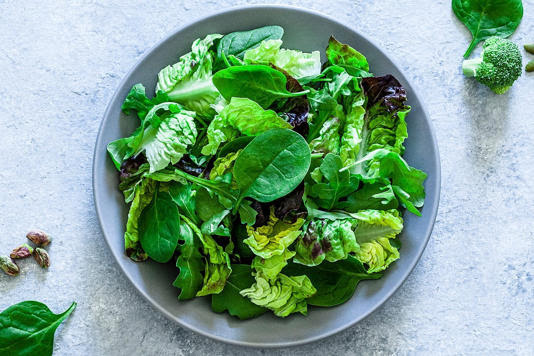
She advises quitting drinking, cutting out processed meats, adopting a high-fiber diet, moving more, exercising regularly, limiting red meats, eating whole grains, emphasizing plant foods, stopping smoking, undergoing regular screenings, reducing fat tissue, consuming more dairy and focusing on gut health.
Andrews’s primary suggestion is to slash the sauce. “The first thing you want to do is remove alcohol. Alcohol is going to increase the risk of colon cancer,” she said.
Alcohol raises the cancer risk because rather than ingesting it, your body breaks it down into a chemical called acetaldehyde, which damages DNA and prevents the body from repairing itself.
The Centers for Disease Control and Prevention warns that all alcoholic drinks, including red and white wine, beer and liquor, have been linked to cancer. The more you drink, the higher your cancer risk.
No. 2 on the chopping block, or deli slicer, are processed meats.
Andrews explains, “Any consumption of processed meats increases risk of colorectal cancer, especially those red, processed meats, like sausages, things that are considered red meat, like beef, pork or lamb, pepperonis on pizza, daily meats for your sandwiches.”
She added: “Removing processed meats from your lifestyle, which also includes hot dogs, is definitely going to help you reduce your risk of cancer.”
Andrews explains that consuming 30 grams of fiber a day helps reduce the risk of colon cancer. She recommends that people seek fiber from plant sources, which include fruits, veggies, whole grains, beans, legumes, nuts and seeds.
“We need to be focusing more on adding these plant foods with every single meal,” she said. “You’re gonna get to your 30 grams pretty quick.”
Andrews insists that regular exercise is essential to lowering your risk of colon cancer. She suggests 150 minutes of moderate or 75 minutes of vigorous physical activity a week, a recommendation that echoes the World Health Organization.
Moderate intensity is defined as the ability to talk but not sing while working out, while vigorous intensity equates to the inability to converse.
In addition to meeting your moderate or vigorous minutes each week, Andrews stresses the importance of being physically active throughout the day.
“I need you to be moving … using your body, moving around, doing things with your family, doing things with yourself, going for walks, doing things around the house,” she said. “Moving more and sitting less will reduce your risk of colon cancer.”
Though it’s nutrient-rich, red meat contains heme iron, which can facilitate the production of potentially carcinogenic chemicals.
According to Andrews, moderation is the name of the game. She says 18 ounces, or 500 grams of red meat a week, is generally OK. “You just don’t want to go beyond that 18 ounces,” she explained.
She also strongly cautions against the carnivore diet: “It’s a very low-fiber diet. It’s full of processed meats, it’s full of red meats. That’s going to increase your risk of colon cancer absolutely 100%.”
Andrews says to reach for the whole kind when it comes to grains. “You name it, there is a whole grain option, and I need you to be choosing that more. It’s going to be higher in fiber, it’s going to have more nutrition, likely more protein. It’s going to be a better choice,” she said.
In addition to adding fiber to your diet, plant foods are rich in phytochemicals and antioxidants, known to combat cancer.
“When you eat an orange, or nuts or a whole-wheat piece of bread, you’re reducing risk of cancer,” she said. “You’re shielding those cells from any type of free radicals … or you’re helping those cells repair and get back to normal and not become a cancerous cell. It’s amazing.”
Andrews insists that if you want to lower your colon cancer risk, pass on puffing, particularly if you’re smoking and drinking.
“If there’s smoking going on, you’re definitely increasing your risk of many different cancers,” she said. “You increase your risk of cancer worse if you combine both the alcohol and the smoking.”
Andrews recommends regular screenings. Screenings for colorectal cancer typically start at age 45, but those experiencing symptoms and those with a family history may be eligible earlier.
“Everyone’s going to be a little bit different, but you need to be checking in with your doctor and getting screened,” she said. “That’s a great way to find things if they’re there ahead of time so you can get them gone.”
To combat this fat and lower your risk, she suggests “more plant foods, higher fiber, more exercise, moving more — all of these things are going to help you lower that body fat.”
Andrews says calcium is key to colon health. Her suggestion to get down with dairy is supported by a recent study that suggests dairy products can help the immune system fight off tumors.
The Post reported that the compound trans-vaccenic acid, or TVA, found in dairy products like milk, cheese, butter and yogurt, seems to activate T cells, which help the immune system fight germs and protect against disease.
Andrews says good gut health holds the key to staving off colon cancer. She urges those with GI issues to seek treatment and recommends everyone prioritize fiber, pro- and prebiotic foods, hydration and adequate sleep.
“What that does is it creates really consistent bowel movements,” she said. “You should not be chronically constipated. It should not be really hard for you to pass a bowel movement.”
Some — like gender, age and family history — can’t be controlled. But others, like diet, can be managed.
Proper nutrition has been shown to reduce cancer risk, noted Dr. Brian Slomovitz, director of gynecologic oncology and co-chair of the Cancer Research Committee at Mount Sinai Medical Center in Miami Beach, Florida.
“First, we know that the rate of obesity is high and only increasing — and it’s a risk factor for many cancers,” he told Fox News Digital. “A healthy, balanced diet will help to decrease these cancers.”
A healthy diet may also limit fatigue and promote increased physical activity, which can also help with prevention, the doctor added.
Nichole Andrews, a registered dietitian nutritionist and cancer nutrition specialist who works with patients and survivors in Kennewick, Washington, shared with Fox News Digital her recommendations for what to eat — and what to avoid — in order to reduce cancer risk.
Here are her six tips.
When it comes to building a lifestyle that reduces cancer risk, Andrews recommends making plant-based foods the centerpiece of meals.
“This means embracing a diet rich in fruits, vegetables, whole grains, legumes, nuts and seeds,” she said. “These foods are packed with essential vitamins, minerals, fiber and antioxidants that have been linked to a reduced risk of various types of cancer.”
In addition to lowering cancer risk, Andrews noted that prioritizing plant-based foods also provides the body with the nutrients it needs for overall health.
“Making these dietary changes can have a positive and lasting impact on your long-term health, whether you’re seeking to prevent cancer or reduce the risk of recurrence if you’re a cancer survivor,” she said.
Plant foods contain a symphony of health-protective nutrients, Andrews said, including vitamins, minerals, fiber, phytochemicals (which fight oxidative stress and inflammation, the roots of cancer) and antioxidants (which prevent harmful damage to healthy tissue).
“These food components have protective effects to slow the production of cancer cells through multiple mechanisms, such as apoptosis (cell death to unhealthy cells), DNA repair, hormone regulation and inflammatory responses,” she told Fox News Digital.
Dr. Amber Orman, a radiation oncologist and board-certified lifestyle medicine specialist for AdventHealth in Orlando, Florida, believes that up to 40% of all cancers could be prevented with a “plant-predominant diet combined with other aspects of lifestyle, specifically physical activity, avoiding tobacco and alcohol, and maintaining a healthy body weight,” she told Fox News Digital.
“Some of the most powerful anti-cancer foods include dark leafy greens, cruciferous vegetables, mushrooms, beans including soy, berries, unpeeled apples, ginger, garlic, turmeric, ground flax, and green tea with lemon,” Orman said.
“Also, look for locally grown, organic foods whenever possible.”
You do not have to go meatless or vegan to reduce cancer risk, Andrews pointed out.
“A plant-based diet includes all foods except processed meats and alcoholic beverages,” she said. “It is focused on two-thirds of the meals or snacks made up of vegetables, fruits, whole grains, beans, legumes, nuts and/or seeds.”
Slomovitz, for his part, pointed out that studies have shown that vegan diets may decrease the risk of cancer.
“Plant-based foods are of benefit to decreased risk,” he said. “However, compliance may be limited. It is not necessary to be vegan to be plant-based.”
“By definition, two-thirds of the diet should be plant-based and the other third can be lean animal protein or plant–based protein like protein or beans.”
Orman advises patients to think of animal products as “condiments” while increasing their plant intake. “Most of my patients consume a diet consisting of a minimum 80% plants,” she said.
Opting for non-processed meats and reducing red meat consumption in favor of lean protein sources like chicken, turkey, fish, seafood and plant proteins offer several cancer prevention benefits, Andrews said.
“These choices typically contain lower levels of saturated fats and heme iron, which are associated with an increased risk of cancer, particularly colorectal cancer,” she said.
“Additionally, white meats and fish are generally leaner, helping to maintain a healthy weight, which is crucial in reducing the risk of several cancer types,” she went on.
“By embracing these protein changes, individuals can reduce their exposure to potentially carcinogenic compounds and enhance their overall health, contributing to a lower risk of cancer development.”
Andrews recommends incorporating the following nutritious protein options:
Meat, poultry and eggs: Lean cuts of beef, lamb, goat, pork loin, skinless chicken and turkey, quail, duck, fortified omega-3 eggs
Fish and seafood: Salmon, tuna, cod, shrimp, mackerel, lobster, catfish and crab
Low-fat dairy foods: Yogurt, milk, cheese and cottage cheese
Legumes: Beans, split peas, lentils and soy
Whole grains such as brown rice, whole wheat, quinoa and oats are rich in fiber, which aids in digestion and helps maintain a healthy weight — a key factor in cancer prevention, Andrews said.
“These grains also contain essential vitamins, minerals and antioxidants that combat inflammation and oxidative stress, both of which are linked to cancer development,” she noted.
“Additionally, the fiber in whole grains can help regulate blood sugar levels and reduce insulin resistance, which may lower the risk of certain cancers like colorectal cancer.”
By choosing whole grains over refined grains, you can provide your body with a wealth of nutrients and protective compounds that can contribute to a reduced risk of cancer and better overall health, Andrews said.
As part of a cancer risk reduction diet plan, Andrews recommends aiming for a daily goal of 30 grams of fiber.
Below are some of her tips to increase fiber intake.
Start your day with a high-fiber breakfast cereal or oatmeal.
Swap white rice and pasta for whole grains like brown rice and whole wheat pasta.
Incorporate legumes like beans and lentils into soups, stews and salads.
Snack on fruits, vegetables and nuts instead of processed snacks.
Include a variety of high-fiber foods in your meals, including artichokes, chia seeds, split peas, avocado, quinoa, raspberries, pear and barley.
“Incorporating these fiber-rich foods into your diet can significantly contribute to your daily fiber intake and help lower your cancer risk,” Andrews said.
Alcohol consumption has been strongly linked to an increased risk of various types of cancer, including mouth, throat, esophagus, liver, breast and colorectal cancers, Andrews warned.
“Alcohol can damage DNA, promote inflammation and interfere with the body’s ability to absorb essential nutrients — all of which contribute to carcinogenesis,” the expert said.
“These options not only quench your thirst, but also provide hydration and essential nutrients without the potential cancer risk associated with alcohol consumption,” Andrews said.
Reducing daily sodium intake to no more than 2400 mg is crucial for lowering the risk of stomach cancer, said Andrews.
“Excessive sodium consumption can damage the stomach lining and increase the likelihood of developing stomach cancer,” she said.
To achieve this goal, she offers three practical tips:
Read food labels carefully, and opt for products labeled as “low-sodium” or “no added salt.”
Limit processed and packaged foods, which are often high in sodium, and prioritize fresh, whole foods like fruits, vegetables and lean proteins.
Use herbs, spices and natural flavor enhancers like garlic, lemon and vinegar to season your meals instead of salt.
“By adopting these strategies, you can significantly reduce your daily sodium intake and take important steps toward reducing your stomach cancer risk,” Andrews said.
“Building a cancer-prevention lifestyle doesn’t have to be overwhelming,” the expert said. “Instead, take small, manageable steps each day, focusing on one diet change at a time.”
The key is to gradually incorporate healthier eating habits, she said, which will foster lasting results that you can integrate into your daily life with greater ease.
Slomovitz agrees that when deciding which diet is best, it is important to choose one that is not only healthy, but also sustainable.
“For example, switching to a plant-based diet has its benefits, but some individuals would find it difficult to follow,” he said.
“It is also important to consult with a dietician with specific concerns or questions.”
Comrade Harris is no longer the Vice President who failed to secure the border.
She’ll now be tough on illegal migration.
Kamala Harris takes the Chicago stage on Thursday in the culmination of one of the most audacious bets in recent political history: That in 100 days Democrats can turn the co-pilot of an unpopular Presidency into the reincarnation of Barack Obama’s movement for hope and change.
On the present course they might even pull it off.
That’s the message that Michelle and Barack Obama were selling as they extolled Ms. Harris in their Tuesday speeches in Chicago. And it’s no accident that the Vice President has recruited Mr. Obama’s campaign operatives to advise, if not entirely take over, her campaign. Out go the bad memories of her association with Joe Biden, and in come the gauzy slogans about “our future,” the “contagious power of hope,” and “fighting on behalf of people who need a voice and a champion.”
She’s no longer the Veep who said “Bidenomics is working” while inflation reached a 40-year high. She’s now the candidate who will reduce your family’s food bill by going after your grocer for “price gouging.”
She’s no longer the candidate of 2020 who questioned the need for cash bail and blamed police for urban violence. She’s now the tough prosecutor who as California Attorney General dared to investigate . . . Exxon.
She’s no longer the presidential candidate of 2019 who wanted to ban fracking, endorsed Medicare for All, and questioned whether the current Immigration and Customs Enforcement agency should exist. Her campaign suggests she’s changed her views on all that, although she hasn’t said why—or even been asked. Americans are expected to take her expedient leap from the left to the center on faith.
The Democratic Party has a history of nominating candidates who are relatively unknown and offer hope and change. Jimmy Carter was a one-term Georgia Governor who promised a more honest politics in 1976. Bill Clinton “the man from Hope,” Ark., whose character flaws were overlooked in 1992. Mr. Obama was a first-term Senator promising to unite the country in 2008. His divisiveness in office paved the way for Donald Trump.
The difference this time is that all of those men were more vetted than Ms. Harris, who was handed the Democratic nomination without a primary contest. She hasn’t done an interview of note since her elevation as the nominee, much less one with any hard questions. Her speeches are scripted and more Teleprompter-safe even than the remarks of the declining President Biden. She is the least known presidential nominee in modern times. What does she really believe?
On domestic policy, it’s possible to infer that she’d pursue President Biden’s agenda, perhaps even more aggressively. Her few distinctive policy hints so far suggest she is a California progressive who favors higher taxes and even greater spending to complete the President’s Build Back Better agenda.
But she has largely avoided specific proposals that carry a price tag and open her to criticism. This is no doubt by design as she runs a campaign about “vibes.” In a version of Nancy Pelosi’s famous crack about ObamaCare, the public will have to elect Ms. Harris to see what’s in her plans.
“We have to pass the bill,” she said, “so that you can find out what is in it — away from the fog of the controversy.”Yes, you’re referring to Nancy Pelosi’s quote during her speech at the National Association of Counties’ 2010 legislative conference. She said, “We have to pass the bill so that you can find out what is in it, away from the fog of the controversy”12. This quote was about the Affordable Care Act and has been widely discussed and often misinterpreted over the years.
Conservatives — abetted by dozens of political journalists who should have known better — immediately seized on a truncated version of the quote. Pelosi was really expressing her confidence in the underlying merits of the bill, but it became instead a shorthand for the allegedly dodgy process through which Obamacare was passed.
But Pelosi never said the bill was enacted in secret or under cover of night, because it wasn’t. She said it was enacted in a fog of controversy. The controversy, naturally enough, focused on the most contentious aspects of the bill rather than on the most broadly popular. Much of it was about misunderstandings or misconceptions — claims that the bill contained death panels or did nothing to restrain health care costs — rather than on the Affordable Care Act’s concrete benefits.
Once the bill was in place, Pelosi was saying, people would come to value and appreciate its contents. She was mocked for this relentlessly for years. But everything that’s happening this winter shows she was right all along.
Republicans didn’t even challenging the “patient protection” part:
The ACA itself contained many, many, many moving pieces. The most discussed elements of it expanded health insurance coverage to millions of previously uninsured Americans. But most Americans who aren’t on Medicare get their insurance through their jobs, not in the individual market or through Medicaid, and so the parts of the law relevant to the largest number of people dealt with regulatory changes.
A ban on “lifetime limits” on insurance coverage that’s saved thousands of families from bankruptcy. A ban on “rescission,” or retroactive cancellation of an insurance policy, a practice by which insurers used to seek out any possible pretext for dumping customers who fell gravely ill and became unprofitable.
A guarantee that young adults could stay on their parents’ health insurance plans up to the age of 26, increasing their early-career flexibility and providing valuable peace of mind to millions who don’t wind up incurring large health care bills while delivering lifesaving care to the relatively small number who do.
Guaranteed coverage of a full suite of preventive health care services that it’s in the long-term economic (and public health) interest of the country to cover, but that don’t always deliver an immediate benefit to the insurers covering them.A guarantee that insurance companies actually spend the bulk of their revenue on providing health care services by requiring them to offer rebates to consumers if they don’t.
These and other consumer protections were added to the law over the course of the legislative process by various congressional Democrats who’d been fighting for them for years but had never been able to overcome opposition from insurance companies. The big push for a major overhaul became the perfect vehicle for them — the lifetime limits ban is largely due to the work of just one former senator, North Dakota’s Byron Dorgan — but the ideas themselves were not hotly debated during the legislative process.
Republicans would, of course, have been embarrassed to say that they were fighting for the right of an insurance company to cancel a cancer patient’s coverage because the patient hadn’t disclosed some earlier, unrelated illness or injury.
But it’s notable that now that the law is in place and Republicans are fighting to repeal it, absolutely nobody is talking about repealing this stuff. That’s in part because these regulations can’t be undone in a budget reconciliation package, so Republicans will need 60 votes to overcome a Democratic filibuster.
Still, Republicans will propose a lot of legislation over the next year and a half that requires 60 votes to pass. There are nine Democratic Party senators up for reelection in 2018 in states Trump won. When Republicans have ideas that they think are popular, they’ll try to either pressure those nine Democrats into voting for them or else use them as cudgels with which to win midterm elections.
A legislative program of large-scale deregulation of a widely despised health insurance industry would have just the opposite effect — a total political bailout for Trump Country Democrats. Any Senate Democrat facing an uphill reelection campaign would be able to brag about stopping Republicans from taking away health care from 23-year-olds or sick people. The Patient Protection and Affordable Care Act’s “patient protection” provisions are very popular. But Congress had to pass the law for people to see and appreciate these benefits.
Obamacare is popular when you try to take it away
The original version of the Social Security Act passed in 1935. Because Social Security has proven over the decades to be one of the largest and most popular federal programs, we’ve forgotten that the literal specific content of the Social Security Act of 1935 was never especially beloved.
Conservatives hated it, of course, because they hated the idea of a big new federal guarantee of financial security in retirement. But liberals, too, had little reason to be enamored of the actual legislation, which was incredibly cramped and limited compared with the program we know today.
Benefits weren’t paid to the widows and dependent children of beneficiaries until 1939. In 1950, domestic laborers (maids, nannies, and the like) became eligible for benefits, along with nonprofit workers and the self-employed. Four years later — nearly two decades after the law’s initial passage — hotel employees, agricultural workers, and most state and local government employees became eligible.
Foreign policy is where the Vice President’s known unknowns are most troubling. The U.S. faces the greatest security risks since the end of the Cold War, and probably since World War II. The Cold War at least had the relative stability of bipolar competition between the U.S. and Soviet Union. Today there are multiple global risks from multiple adversaries working together with menacing new weapons.
Yet Ms. Harris hasn’t had to explain her security views on much of anything. Does she still favor cutting the defense budget, as she did as a Senator? She has criticized Israel more aggressively for the war in Gaza than her boss has, but what does she think of Iran’s role as the main instigator of Middle East terrorism? What would she do about its drive for a nuclear weapon, and how would she restore American deterrence in this dangerous world?
The Vice President can try to slipstream behind Mr. Biden’s foreign policy for the rest of the campaign, but as President her personal instincts and decision-making will be paramount. She hasn’t explained to the public what her core principles are, or even who she relies on for foreign-policy advice.
***
Perhaps Ms. Harris has qualities of leadership we haven’t observed. Vice Presidents called on unexpectedly have sometimes risen to the occasion, as Harry Truman and Gerald Ford did. Perhaps, too, she will show some of those qualities in Thursday’s speech or in the campaign to come. But so far she is a vessel for the triumph of hope over experience, whom Americans are expected to embrace mainly because she isn’t Donald Trump.
Ocasio-Cortez’s decision to lend her credibility to the Biden-Harris administration’s false narrative around Gaza was a stinging slap in the face. Kareem Elrefai
2016 was the start of a monumental political shift on the American left. Bernie Sanders’ promise of political revolution electrified a disaffected generation of voters yearning for a complete overhaul of the status quo. The ensuing movement went on to elect a handful of members of Congress as well as hundreds of similarly inspired democratic socialists across state and local governments.
None were able to capture the movement’s frustration with the Democratic Party and the political establishment, or the hope of creating something new, more than Alexandria Ocasio-Cortez. Her victory in 2018 had a profound effect on the democratic socialist movement. Groups like the Democratic Socialists of America swelled in size, with thousands of new organizers hoping to replicate the success of her victory in New York.
The game plan seemed clear: while the left pushed for change in the streets, Ocasio-Cortez and her allies would bring the priorities of the movement to the halls of power. She proved how effective this strategy could be with her famed sit-in in Nancy Pelosi’s office with the Sunrise Movement. Ocasio-Cortez also used her newfound clout to help expand the Squad and back progressive challengers to the party status quo—including Sanders.
Ocasio-Cortez is a once-in-a-generation political talent.
She has an innate ability to communicate with a broad audience about the struggles working-class people face, and to link those struggles to a movement for institutional change within the Democratic Party. Now, though, it’s hard to escape the sense that her partnership with the movement that carried her into office is fading.
This shift was on full display on Monday night, when Ocasio-Cortez gave a rousing speech in support of Kamala Harris at the Democratic National Convention. The crowd, many of whom might have viewed her as a mortal enemy just a few years ago, cheered wildly for her. And the speech was tailored to please as broad an audience as possible.
References to Medicare for All, Green New Deal, and taxing the rich were virtually absent. The brightest burst of populism came when she tore into Donald Trump as a “two-bit billionaire union buster.” Though the speech was powerfully delivered and contained encouraging vestiges of radicalism, the contrast with the Ocasio-Cortez of earlier years was palpable.
But the biggest, most dismaying indication of the widening gap between Ocasio-Cortez and the democratic socialist movement might have been the way she chose to handle the issue of Gaza in her speech.
Her only reference to Gaza was a line in which she credited Harris with “working tirelessly to secure a ceasefire in Gaza and bring the hostages home.” The moment was quickly clipped and posted to TikTok by the Harris campaign—a clear attempt to use one of the most popular young, left-wing politicians in the country to win over younger, left-leaning voters concerned about Gaza. “ @Alexandria Ocasio-Cortez,” the campaign account commented.
But Ocasio-Cortez’s statement was simply not true. There have been no indications that Harris is playing a central role in any ceasefire negotiations. And there is mounting evidence that those negotiations are more fantasy than reality.
Moreover, while Harris may have called for a ceasefire, the actions of the Biden-Harris administration have consistently enabled genocide. Just last week, as famine in Gaza continued and the reported Palestinian death toll rose to over 40,000, the Biden-Harris administration approved an additional $20 billion in military aid for Israel. The administration has placed practically no limits on acceptable behavior for the Israeli regime and has used stronger language to condemn campus protesters than the blood-soaked Netanyahu government. Harris has not distanced herself from any of these decisions.
***
Given that reality, any Democratic politician who claims this administration is meaningfully working to end this conflict is either misinformed or lying. It would have been galling to see anyone engage in this fiction. But to see Ocasio-Cortez—a movement politician and a self-described democratic socialist—do so was a genuine blow.
Worse: it was an outright betrayal.
Reasonable people can disagree about the value of Ocasio-Cortez’s decision to work a more inside track within the Democratic Party. There are undoubtedly benefits to having someone like her moving up the ranks, and she could very well help elevate a whole host of progressive causes.
But Gaza is not just any cause. It is a red-line, defining issue of our time, and Ocasio-Cortez has found herself on the wrong side of it.
Given her skill as a political synthesizer, Ocasio-Cortez could have used her time to plot a new course for the Democratic Party on Gaza. Poll after poll shows that Americans, especially those in swing states, overwhelmingly favor a ceasefire, and disapprove of the administration’s handling of the conflict. She could have spoken about the pain that Americans, particularly Palestinian, Arab, and Muslim Americans, feel.
She could have called for an arms embargo against Israel.
And even if she felt she couldn’t take such a bold step, she didn’t have to help Harris push a narrative that is not true. She could have done what Bernie Sanders did in his speech on Wednesday night, when he said, “We must end this horrific war in Gaza, bring home the hostages, and demand an immediate ceasefire.” When one considers the realm of what is possible, even at a DNC speech, it is hard not to feel entirely let down.
On the same day that Ocasio-Cortez spoke, thousands rallied in the streets of Chicago to demand that not another bomb be sent to Israel on the US dime. DSA-backed Chicago Alderman Byron Sigcho-Lopez and DSA National Co-Chair Ashik Siddique spoke about the importance of ending US support for a genocide that a Democratic administration has backed to the hilt. The movement was clear about its demands: permanent ceasefire now, arms embargo now.
In order for an inside-outside strategy to be effective, you usually want to see the demands of the outside be articulated clearly and fearlessly on the inside. Instead, Ocasio-Cortez opted for an intensely disappointing and borderline sickening approach.
Popular “Swipe → left below to view more authors”:
Even Joe Biden went further than Ocasio-Cortez by saying that the protesters “have a point.” Ocasio-Cortez didn’t mention the protests at all. To be outflanked by Biden in that way was outright embarrassing.
Being asked to speak at the DNC is a milestone for a self-identifying democratic socialist politician. It is an opportunity to talk to millions of working people who are looking for a vision, for someone to speak truthfully about the issues they face and the horrors they are witnessing.
I like to think the Alexandria Ocasio-Cortez of 2018 would have been able to rise to that occasion and speak with clarity on behalf of the movement that sent her to Congress about the rights of all people, especially those subjected to the worst excesses of the American empire. Instead, we saw the 2024 AOC.
She tacked away from the movement in favor of her own rising star within the Democratic Party and gave left-wing credibility to an administration facilitating the genocide of Palestinians without hesitation. It now seems clear: she still does great things as an ally, but I fear that the era of Alexandria Ocasio-Cortez as a movement standard bearer is coming to an end.
An illustration showing blue lines emanating from near Earth’s north pole,wrapping around the planet and re-entering near the south pole.
Illustration by MARK GARLICK, SCIENCE PHOTO LIBRARY
A visualization of the magnetic lines of force surrounding Earth, known as the magnetosphere. The magnetic field, thought to be generated by the movements of Earth’s molten core, protects Earth from the sun. It does not, however, cause climate change when it shifts.
Earth’s shifting magnetic poles don’t cause climate change—the conspiracy theory debunked. Scientists explain why there’s no merit to recent claims blaming Earth’s magnetic poles for global warming—and what those geomagnetic shifts really mean.
When solar radiation and cosmic rays threaten to penetrate Earth’s surface, a vast magnetic field generated within Earth’s outer core safeguards the planet by deflecting harmful space energy.
Scientists know that the internal forces that generate Earth’s magnetic field can change and that the strength of the field oscillates over time. This can lead to gradual shifts in the intensity and location of Earth’s magnetic north and south poles and even reversals where Earth’s magnetic poles trade places.
But are these geomagnetic events responsible for extreme weather, extinction, and even disasters? Claims that Earth’s magnetic field is responsible for climate change are rampant online, but scientists say the theory has no merit.
“At this time there aren’t any credible mechanisms that could make it a possibility,” says Gavin Schmidt, a climatologist and director of the NASA Goddard Institute for Space Studies in New York. “It’s not that we’re ruling out magnetic effects on climate without thinking about it, we collectively have thought about it, and it’s been found wanting.”
Misinformation around shifting magnetic poles
There are three north poles on Earth: true north, geomagnetic north, and magnetic north.
True north is a fixed position on the globe that points directly towards the geographic North Pole. But the geomagnetic north, currently located over Canada’s Ellesmere Island, is not a fixed point—it represents the northern axis of Earth’s magnetosphere and shifts from time to time. Magnetic north corresponds to magnetic field lines and is what your compass locates.
However, the “Adam and Eve Story,” a climate change conspiracy theory that attributes climate change impacts to changes in Earth’s magnetic field, is having a second life on Instagram and TikTok. The Adam and Eve theory was revitalized when it was featured on a January 2023 episode of the “Joe Rogan Experience.” Unraveling the Adam and Eve Conspiracy | Joe Rogan Experience Podcast Analysis Between January and April 2023, the media watchdog group, Media Matters identified seven viral clips from the January episode discussing the conspiracy theory, which has garnered millions of views on TikTok.
The fake theory was coined in 1965 by Chan Thomas, – Search (bing.com) a former U.S. Air Force employee who suggested magnetic pole reversals were responsible for the extinction of several ancient civilizations. Thomas claimed that the first flood happened with Adam and Eve, followed by Noah and the Ark—and that the third event has yet to be observed.
I dream of … trending topics?
Here’s how social media can become the stuff of nightmares:
Geomagnetic excursions are significant but short-lived variations in magnetic field intensity that can span a few centuries to thousands of years, according to NASA.
The last major excursion occurred around 41,500 years ago and is known as the Laschamps excursion. During this event, Earth’s magnetic field rapidly weakened, and the poles flipped, only to reverse again 500 years later.
A 2021 study connects the Laschamps excursion to climate upheaval, extinction events, and even changes to human behavior. The scientists hypothesized that during a time when Earth’s magnetic field was weaker than normal, increased solar and cosmic radiation was able to penetrate Earth’s atmosphere, altering ozone levels and driving global climate shifts and extinctions.
But Schmidt says this study is speculative at best.
“Where is the evidence for any changes in climate 42,000 years ago that are associated with extinctions? There are no shifts in the ice cores. We know that there was a lot of climate variability over the last ice age, and we have it pretty well-timed, none of it lines up with this magnetic excursion.”
In the past 70,000 years there have been three notable excursions: the Norwegian-Greenland Sea event that took place about 64,000 years ago, the Laschamps event between 42,000 and 41,000 years ago, and the Mono Lake event which happened around 34,500 years ago.
For Buis the key takeaway is that, “There’s no evidence that Earth’s climate has been significantly impacted by the last three magnetic field excursions, nor by any excursion event within at least the last 2.8 million years.”
How about pole reversals?
During a pole reversal, Earth’s magnetic north and south poles swap locations. This happens on average every 300,000 years or so, but the last flip occurred around 780,000 years ago, according to NASA. In Earth’s geologic history, pole reversals are relatively common, reversing 183 times in the last 83 million years. When a pole reversal occurs, the magnetic field substantially decreases in strength, but Earth is not left defenseless.
The magnetosphere teams up with Earth’s atmosphere to deflect the majority of harmful space energy before it reaches Earth’s surface. Some scientists have hypothesized that reversals and the corresponding decrease in strength of the magnetic field could lead to global climate shifts and extinctions, but current data does not support these claims.
“There’s no evidence that links magnetic changes to climate when we’ve seen big magnetic reversals or near reversals in the paleoclimate record,” says Schmidt. “There’s no climate change that goes with them, there’s no mass extinction that goes with them.”
But this also coincides with a large volcanic eruption in India called the Deccan volcanism, which produced some of the longest lava flows on Earth. “We’ve always attributed that transition to the carbon dioxide released by the Deccan volcanism and the increase of greenhouse gases,” says Johnson.
“There’re two things happening: The magnetic field is changing, the Deccan volcanism is happening, and there’s climate warming. So that would be an example of coincidental climate change.” He adds, “The cautionary tale there is that just because you have correlation doesn’t mean you have causation.”
I know this is unpopular belief because it’s used as a pol*tical tool
This isn’t fear mongering, but simply facts.
We have no way of knowing when this shift will occur or how quickly but it’s been an earth phenomenon for eons. Magnetic pole shifting is complex and I suggest you do some research as it is causing havoc worldwide in weather, climate, earthquakes, tsunamis etc.
Do not fear, but do not bury your head in the sand. Be prepared and listen to your intuition.
It’s ludicrous to think there is a single cause, or that because there are shifts happening within the Earth that greenhouse gases aren’t adding to the problems and causing climate change to worsen.
And if everything happens in energy first, what does this mean to you?
Our poles shifted? What is polarisation in energy terms?
Does it mean we take for positive what it’s negative and vice versa?
If so, we can change it. We need to learn the truth. And I guess nobody knows it, especially in the spiritual world, where people just connect to beings and give their power to access their minds whenever. There’s more black magic than ever. And people think it’s white magic.
For me, any magic is black. Even tarot as it opens the astral doors.
These things happening do not cancel out the effects that human lifestyle and waste have on the environment.
Ofc climate change is a complex event and not all of it caused by humans – but the consequences our consumption has on many aspects of Nature are undeniable. Your statement sounds more like burying a head in the sand, looking for an even more “secret” truth. Climate change will not be solved, but humans can still be enormously more conscious of the waste we produce and how we treat our physical surroundings.
Earth’s Magnetic Field Nearly Collapsed 600 Million Years Ago.
Then, Weird and Complex Life Evolved
Story by Tara Wu
Earth’s magnetic field sustains life on our planet, protecting us from solar winds, radiation and extreme changes in temperature. But around 591 million years ago, it almost collapsed. According to a new study, this near-disaster may have actually been the key to a burst of evolution, which paved the way for larger and more varied life forms to develop.
Published in the journal Communications Earth & Environment this month, the study found that a drastic weakening of Earth’s magnetic field that lasted for 26 million years corresponded with a period of the planet’s history called the Ediacaran. During this time, a large amount of oxygen in Earth’s atmosphere and oceans allowed for the first multicellular, oxygen-using organisms to arise from the sea.
The creatures that evolved during the Ediacaran hardly resembled anything seen today, however, taking on disc-like forms and shapeless masses—some of which exceeded three feet in size. These fronds and fans include Earth’s earliest known animals, such as the blob-like Dickinsonia.
Scientists theorize that without the protection of the magnetic field roughly 600 million years ago, solar radiation pounded the Earth’s atmosphere, stripping away hydrogen and other light gases from the atmosphere. This left behind an abundance of free-floating oxygen atoms for organisms to use.
“If we’re right, this is a pretty profound event in evolution,” lead author John Tarduno, a geophysicist at the University of Rochester, tells Stephanie Pappas of Live Science.
Building on previous research that pointed to historical fluctuations in the magnetic field, the team of researchers examined rocks containing crystals that cooled over tens or hundreds of thousands of years. Now, these structures act as time capsules, evidencing the strength of the magnetic field at various points in Earth’s development.
An analysis of feldspar from southern Brazil revealed that 591 million years ago, the magnetic field was 30 times weaker than it is now. But two-billion-year-old rock from South Africa suggested that at that time, the magnetic field held the same strength it does today.
Then, Earth’s core was liquid, not solid. The liquid inner core churned as it released heat into the cooler mantle, moving molten iron around the core and enabling Earth’s magnetic field to exist. By the Ediacaran, this difference in temperature had decreased, reducing the movement of the core and, consequently, the presence of the magnetic field.
“By the time we get to the Ediacaran, the field is on its last legs,” Tarduno explains to CNN’s Katie Hunt. “It’s almost collapsing. But then, fortunately for us, it got cool enough that the inner core started to generate [strengthening the magnetic field].”
The new findings also shed light on a long-standing question: At what point did the Earth’s core solidify?
Previous estimates ranged from 2.5 billion to 500 million years ago, but the team’s analysis places the event on the more recent end of that spectrum, closer to 565 million years ago.
The solidification of the inner core was also a crucial event for the evolution of life—it allowed Earth’s magnetic field to regain its strength and protect the planet’s water from being entirely eroded by solar radiation.
“We need the Earth’s magnetic field to preserve water on the planet,” Tarduno tells Live Science. “But it is sort of an interesting twist that during the Ediacaran, the really weak magnetic field may have helped accelerate evolution.”
Previously, the scientific consensus held that photosynthesizing organisms like cyanobacteria created the surplus of oxygen during the Ediacaran, and it accumulated in the oceans over time, study co-author Shuhai Xiao, a geobiologist at Virginia Tech, writes to CNN. The new findings don’t necessarily disprove this idea—instead, they might show the Earth gained oxygen in multiple ways.
“We do not challenge that one or more of these processes was happening concurrently.
But the weak field may have allowed oxygenation to cross a threshold, aiding animal radiation [evolution],” Tarduno says to CNN.
David Dunlop, a physicist at the University of Toronto who was not involved in the research, tells Dino Grandoni of the Washington Post that while the recent work needs further study, the analyses were “impeccably done.”
“The hypothesis, although obviously speculative as any ideas about the earliest origins of life must be, seems worth a close look,” Dunlop tells the publication. “Causality is always hard to prove, but I am all for new ideas being put out for public scrutiny. It provokes further study and that is all to the good.”
Convection Currents: Heat from the inner core causes the molten iron and nickel in the outer core to move in convection currents.
Electric Currents: These moving molten metals generate electric currents.
Magnetic Field Generation: The electric currents create magnetic fields. Because the currents are constantly moving, they generate a complex, dynamic magnetic field that extends from the Earth’s interior out into space.
Why do compasses become less accurate near the poles?
Compasses become less accurate near the poles due to the behavior of Earth’s magnetic field lines in those regions. Here’s why:
Vertical Magnetic Field Lines: Near the magnetic poles, the magnetic field lines are nearly vertical. This causes the compass needle, which is designed to align horizontally with the magnetic field, to dip or tilt.
Magnetic Declination: The angle between magnetic north (the direction the compass points) and true north (geographic north) can be quite large near the poles. This variation, known as magnetic declination, can lead to significant errors in navigation.
Weaker Horizontal Component: The horizontal component of the magnetic field, which the compass relies on, becomes weaker near the poles. This makes it harder for the compass needle to settle in a stable direction.
These factors combined make compass readings less reliable as you approach the magnetic poles.
Have you ever traveled to a region where you noticed this effect, or are you planning a trip to such an area?
It’s fascinating how such a potentially catastrophic event might have actually paved the way for the development of more complex life forms! What do you find most interesting about this period in Earth’s history?
Also follow the migration of sea life. Beluga and whale sharks are seen off the coast of San Diego and OC, areas they are not used to.
I’m sorry for your first sentence but do you remember that we were doomed for environmental catastrophe due to the thinning of the ozone layer back in the 80’s and 90’s?
Scientists figured out that it was because of the presence of a man-made compound called CFC.
Back then the world used products that contain this compound. Nations all over the world signed for a protocol and phased out CFC’s. Now the ozone layer is improving. Humans do contribute to climate change and it is our responsibility to let everyone know that we should be accountable as a collective and do something about it rather than denying that we are out of the picture.
Things have changed in my lifetime and some has to do with raping the earth of its bounty to line the pockets of a few. It could be a natural change also but we still need to care for our lands and not turn them into deserts. Either humans go up vertically or down to accommodate the population and still allow land to be farmed or followed to provide places to replenish our oxygen or we will disappears as other civilisations before us have
I find it crazy that I had a small melt down about this yesterday. The sun is literally breaking and we are down here concerned with the craziest things, never mind that we are literally in control of very little. Just floating, and along for the ride.
Look into HAARP and their project right over that location, I’ve been saying this for years! The shift started a while ago.
Eventually the poles will rotate 180 degrees and will end up where the equator is. It’s happened before too!
Well the elders warn us about this…the winds of change are here…. .🙌👏🙌👏
I go from being extremely tired all the time to not being able to sleep well at night. 🔥❤️🙏🏼🙏🏼🙏🏼
The planet has a natural heating and cooling cycle that we’ve traced back hundreds of thousands of years. It has nothing to do with humans. Let’s say hypothetically humans have not contributed to climate change. Magnetic poles are a separate topic. Saying we haven’t caused anything and it’s part of a natural cycle absolves us of trying to do anything to help or lessen these changes. Even If there is no climate change and humans have not created any of this, how can we sit by and watch it happen without trying to do something?
What does magnetic pole shifting and earthquakes have to do with human-caused climate change? These topics have almost nothing to do with each other. What a weird topic to combine. Humans are not helping. Cause and effect of our pollution has huge effects on the climate too. Great way for more land to form, from volcanoes and more plants, more CO² for them to thrive.
No matter what, it is our duty to respect and take care of our beautiful mother earth. #earthday
I feel like this also has a lot to do with people feeling unwell, often.
We need to look inside and then we will see better change outside x 🌌🌀🕳✨✨✨✨
FACTS
The Amazon is disappearing as trees are removed the lungs of the Earth are reduced in size so the process of metabolizing carbon dioxide is impaired, Waste is running into the seas in places like the gulf of Mexico where algae blooms create dead zones choke the seas of oxygen, Soils are dying due to pesticides and herbicides affecting natural oxygen rich cycles of decomposition. my gosh I could go on,
Why do we deny our part in the situation?
So that we don’t have to change our ways, so that we can sleep at night I guess.
This isn’t fear, it’s called reality. The best remedy for fear is actually to take action. Apathy and denial create depressed energy.
It is best for all of us if we each do something in our own ways. The Earth is a living organism everything we do affects her, these are her polarities. Could it be the reason why on a metaphysical level I feel my triggers are being tested? Not just me but people around me @oracleofyoursoul
The problem with this is it takes the focus off the impact humans are and do have. I agree completely that evolution of our planet is always occurring and we have known for years that the earth is tilting slightly all the time. Of course this has huge impacts as time goes on. The shift of the seasons is very apparent in Qld Australia. But humans are so responsible for incredible devastation on our planet. I don’t think we should rush to mitigate our responsibility in the destruction of this world.
I don’t know if we are ‘causing climate change’ but colonialism and the patriarchy have done nothing but take from mother earth and upset the balance of life on the planet. YES!! Thank you for posting this. 💛✨💛✨
I agree, and the politicians and the WEF need to stop interfering with mother nature. Bill Gates and weather modifications etc.
Milankovitch cycle. ICE AGE…🤷🏻♀️ Of course the sky is falling and has been marketed and monetized. Knock it off!
People once thought the world was flat. Whenever, the sun is out and I am happy 💯
Maybe all we really know is that we don’t really know what’s going on with Mother Earth or Father Sun. And even if we did know, we wouldn’t know what to do about it. Let us all take care of our own environment, make better choices for our own health and refuse to put any energy (money) into those companies, things, food that make us sick. We are the world 🙌
Earth has always been an electromagnetic realm.
It’s been going on since 12/12/12, and was predicted by our ancient cultures that had way more knowledge of the celestial and terrestrial planes than modern science could even comprehend. I’m nothing, if not open-minded.
The government know this, and what a perfect script for them 😁
What is so striking about this thread is how invested people are to be right about one particular theory or body of knowledge, the definition of genius is being able to hold two contradicting thoughts in your mind at once while connecting the two thoughts and having it makes perfect sense. If more people try to do that we would be less polarized and maybe it would lead to more wisdom and knowledge.
Climate change is an issue, as it is caused by unsustainable practices, it has been scientifically proven and this also is very interesting; go deeper rather than spending time diminishing the work of those who have devoted their lives to valid work and saving the planet.
I think if we are to become better people then we have to be accountable for all the behavior and the ramifications of it here on earth.
Isn’t that the goal of spiritual enlightenment…to be better human beings and more knowledgeable.
Maybe we all can benefit from some humility.
This is really interesting. I never 😵💫😵💫
Something came to me… many of us were taught about “Heaven on Earth” and how it’s lush and much like paradise. When I think of paradise, I do not think of snow, ice and cold. I think of warm weather, beaches, tropical fruit… 🤔 Maybe the more we awaken mass consciousness and elevate, our energetic frequency raises the temp. And, maybe the devastation is going to continue to happen in regions where freedom and consciousness needs to occur on a deep level.
Agree! Thanks for being brave and speaking up against the whack ‘climate change’ narrative. It’s all garbage.
Exactly ! The poles shifting is massive. This is both a physical and spiritual movement that will reverse “reality” as we’ve known it but for me I see that as actually ridding the spell and confusion that once was !
The sun is also heading towards its solar maximum and it’s poles are shift too
I have had serious inflammation and heat. I wonder if it is elevated by this ?
I can’t even. I’ve always supported nature, so this has always been a heartbreaking topic. 💔
I’ve believed this for many years just by looking at our history!
Where do you advice getting knowledge about this…
I don’t like this argument because people use it as a cop out from accountability, and we really need to acknowledge how many of our behaviors/addictions/agendas have a very serious impact on all life on earth ☹️ it’s extremely sad.
Everything is working in cycles!
Mother Earth has power, wisdom & intelligence.
She will always heal herself ✨💕
Everyone look up Chemtrails 💨✈💨
There has been a significant amount of money invested in “climate change denial” by the Koch Brothers, who just happen to be one of the worst polluters. Rolling Stone did an extensive report on The Koch, a privately held conglomerate. This empire, which was inherited from their dad, who was a chemist. I grew up the WV, where chemical companies and coal companies have raped the environment. You cannot safely drink the water and flash floods and earthquakes are now commonplace due to fracking and mountaintop removal mining.
The sun holds a lot of secrets on this topic. Science is starting to catch up
“Climate change” is normal, historically and scientifically 💦🔥❄️
A few months ago, I had the most vivid dream about the sun. I was walking on the sun, and I could see these solar flares and spirals that you’re talking about. I could feel the vibrations and hear this low hum. I feel like it was trying to tell me something but I was also focused on trying not to burn, though I wasn’t on fire or hot at all.
Thank you! I’ve been saying this for years (that we’re not responsible for climate change) and that the weather has cycles but apparently people I talk to don’t remember having history in school lol. I didn’t know why it cycles or any of the stuff you mentioned but I always felt that it wasn’t us doing it.
Facts!!!🔥
I love this!! If you’re interested there’s 2 channels on YouTube you may like…Leak Project – Search (bing.com) & Oppenheimer Ranch Project. – Search (bing.com) I’ve been listening to them for years & There’s a few videos of these guys explaining this as Oppenheimer is a geologist. If you’d like I’ll DM you the link, I think you’d enjoy what they have to say. And they’re fun 😊 How wild it is that the north pole is moving SO quickly
I agree with you….Earth is just doing her thing – climate is cyclical.. sure we are contributing to pollution but we are not causing climate change. I appreciate your point of view and your courage to say so. 💫
Yes. The rotation of the core has slowed. This might indicate pole shift is imminent. If you’ve ever heard the phrase, “Nothing can stop what is coming”, now you know why. Earth is gonna do what she’s gonna do. We’re just along for the ride. ❤️
Super Interesting, I have been following the solar flares as well as The Schumann Resonance Index which is quite fascinating. Wondering if you see these impacting us and our evolution etc?
❤️🙌❤️ Damn, I’ve also just heard and learned about earth’s pole shifting, it’s so crazy interesting 🧐
Completely agree climate change is natural- governments talking rubbish as per usual!!!
What is a hoax is that man has any control of climate other than local issues such as it being warmer over cities. I think so too. That doesn’t mean we should stop trying to reduce pollution and other things harming our planet.
Attention: My degrees are in Atmospheric Science, and I am a former USAF Weather Officer/Climatologist. Just retired from the US Forest Service. Man-made climate change/global warming is the biggest hoax ever perpetrated on the world’s population…except for maybe Covid-19.
YES. 100%. No actual SCIENTIFIC evidence it’s man made so paying a stupid carbon tax to the ultra wealthy RULERS isn’t going to help the planet.
Plymouth Rock It always has been at sea level for at least 404 years and how many thousands since 1620 was carved into it? The grift is worth trillions of dollars so people are going to grift
Climate change isn’t a hoax, why, climate change just occurred this morning.
Ask any “climatologist “ what the perfect temp of the earth is supposed to be and at what time in the Earth’s history did it occur ?
Global warming and its link to human interaction with the environment?
More fiction than fact. The amount of impact humans has had is minimal, especially considering the planet has been much warmer and still teaming with complex life.
The climate goes through warming and cooling cycles, greatly influenced by solar activity. Manmade Climate Change is indeed a hoax, but the climate changes every time a volcano erupts, axial precession and where the sun hits the earth, etc. Are there things we can do to be more environmentally friendly?
Absolutely. I’m all for throwing mass, intentional polluters in prison.
I’m all for working to curtail deforestation and replanting forests, clearing out brush to mitigate forest fires and the like. We need to be better stewards of the environment , but we can’t blame everything on Western civilization when the vast majority of pollution is created in 3rd world countries around Asia, Africa. and India.
This entire world you think you live in is a hoax. Electrons, muons, tauons, quarks, and gluons have no internal structure and no physical size, meaning that they are entirely illusory or put another way, made up of energy. They are zero-dimensional and more like events than things. So you’re just a thought in a world in which you think is there. You are the center of your own universe which actually doesn’t exist except for the thought of it existing.
I think the climate is changing. Do I believe taxing the world to death will lower the temps even one degree ? Not a chance. And the people pushing this fly private jets and own yachts. Not really worried about carbon output are they ?
The idea that we can stop any sort of change in the climate is a hoax. If this planet wants to heat up, it’s gonna do it. The Middle East used to be tropical. That’s gonna happen again no matter what we do. Why else do they keep moving the goalposts? It’s not science (as many scientists agree), it’s propaganda, a tool of control.
Consensus is a BIG FAT LIE protected by intimidation.
Climate change is real. The hoax is believing our half-baked solutions are the answer.
This is just another way for Grifters to get rich off of the backs of the unsuspecting!
The climate will change randomly as it has for billions of years. We don’t control it.
For anyone that studied paleontology or science know earth goes through cycles.
Absolutely, Earth goes through various cycles that are well-documented in paleontology and other scientific fields.
Milankovitch Cycles are fascinating and play a significant role in Earth’s long-term climate patterns. Named after Serbian scientist Milutin Milankovitch, these cycles describe how variations in Earth’s orbit and axial tilt influence climate over thousands of years.
Here are the three main components:
Eccentricity: This refers to the shape of Earth’s orbit around the Sun, which changes from more circular to more elliptical over a cycle of about 100,000 years. When the orbit is more elliptical, there is a greater difference in solar radiation received by Earth at different points in the orbit.
Obliquity: This is the angle of Earth’s axial tilt relative to its orbital plane, which varies between about 22.1° and 24.5° over a cycle of approximately 41,000 years. Changes in obliquity affect the severity of seasons; a greater tilt means more extreme seasons, while a smaller tilt results in milder seasons.
Precession: This is the wobble in Earth’s rotation axis, which completes a cycle roughly every 26,000 years. Precession affects the timing of the seasons relative to Earth’s position in its orbit, influencing the distribution of solar radiation across the planet.
These cycles interact in complex ways to influence Earth’s climate, contributing to the timing of ice ages and interglacial periods. Understanding Milankovitch Cycles helps scientists predict long-term climate trends and study past climate changes.
Is there a particular aspect of these cycles you’d like to delve deeper into? Milankovitch Cycles have a profound impact on the timing and intensity of ice ages.
Here’s how each component contributes: Eccentricity: When Earth’s orbit is more elliptical, the difference in solar radiation between the closest and farthest points in the orbit is greater. This can lead to more pronounced seasonal changes, which can influence the growth and melting of ice sheets. During periods of high eccentricity, the variations in solar energy can trigger the onset or end of ice ages. Obliquity: Changes in the tilt of Earth’s axis affect the distribution of solar radiation between the poles and the equator. When the tilt is greater, the poles receive more solar energy during their respective summers, which can lead to the melting of ice sheets. Conversely, a smaller tilt means less solar energy at the poles, promoting ice sheet growth and potentially leading to ice ages.
Precession: This wobble in Earth’s rotation axis changes the timing of the seasons relative to Earth’s position in its orbit. When precession aligns with periods of high eccentricity, it can amplify the seasonal differences in solar radiation. This can either enhance or mitigate the effects of obliquity, influencing the advance or retreat of ice sheets.
The interplay of these cycles creates periods of glaciation (ice ages) and interglacial periods (warmer times between ice ages). For example, the last glacial maximum, when ice sheets were at their greatest extent, occurred about 20,000 years ago and was influenced by these cycles. Understanding Milankovitch Cycles helps scientists reconstruct past climate changes and predict future climate trends. If you have more questions or need further details, feel free to ask!
Heinrich events are significant climatic phenomena that occurred during the last glacial periods.
Understanding Heinrich events helps scientists gain insights into the complex interactions between ice sheets, ocean circulation, and climate during glacial periods. If you have more questions or need further details, feel free to ask!
Scientists use several methods to date Heinrich layers in sediment cores, ensuring accurate timelines for these events. Here are the primary techniques:
These methods, often used in combination, provide a robust framework for dating Heinrich layers and understanding the timing and impact of these significant climatic events.
If you have more questions or need further details, feel free to ask!
By combining these methods, scientists can create detailed reconstructions of past ocean circulation patterns, which are crucial for understanding how the ocean has influenced climate in the past and how it might change in the future.
Is there a specific aspect of ocean circulation or a particular time period you’re curious about?
The climate hoaxers can’t even tell you how much CO2 is in our atmosphere.
They don’t even have a clue. So, their baseless scare warnings are based on zero evidence and a lot of studies funded by them. A while back there was a climatological study in Phoenix Arizona.
They found temperatures rising 5-10 degrees from the past. Real scientists found the answer, and no it wasn’t global warming. (they changed it to climate change, it was easier to market).I digress. They found a direct historical link between the rise in temperatures and progress in population. The more buildings built and the land they cover in cement the more the climate rose.
Oh, but there’s more, as more and more air conditioning was installed the hot air they expelled heated the ambient air. Sorry for the rant, but I’m 76 and stupid just pisses me off. Living things may influence it a bit. Mother Earth will do as she sees fit over time regardless of humans. All they did is change the color palette on maps…. it’s meant to keep you fearful. I only fear God.
Current State: Recent studies suggest that the AMOC has weakened over the past century, potentially due to climate change and increased freshwater input from melting ice sheets. This weakening could lead to more extreme weather events, sea level rise along the U.S. East Coast, and changes in marine biodiversity14.
Understanding the AMOC is essential for predicting future climate changes and mitigating their impacts. If you have more questions or need further details, feel free to ask!
They lied to you about Russia Collusion, Hunter laptop,January 6, The 2000 Mules and Joe’s mental health. If you’re a Socialist Democrat etc. You need to do some soul searching.
Grocery Prices: The Harris campaign said Wednesday the candidate would work in her first 100 days to help Congress pass a national ban on “price gouging” for food and groceries, as well as give the Federal Trade Commission and prosecutors authority to go after companies they determine price gouge, support small businesses in the industry, take a closer look at mergers between big grocery companies and “aggressively” investigate price-fixing in meat supply chains specifically.
Housing Costs: Harris will also announce measures Friday addressing housing costs, her campaign said, and The Guardian reports she will support plans to fund more affordable housing and build communities that are more resistant to the impacts of climate change.
Taxes: Harris will continue President Joe Biden’s promise not to raise taxes on American households earning $400,000 or less annually, but does support raising taxes for high earners and corporations, according to The New York Times.
No Tax On Tips: Harris endorsed a plan to get rid of taxes on tips for hospitality and service workers, echoing a proposal by former President Donald Trump—which has been criticized by some experts—though a campaign official told CNN tips would still be subject to payroll taxes, and would include an income limit and guardrails to prevent people like hedge fund managers from taking advantage of the policy.
Child Tax Credit: Harris wants to expand the child tax credit, Politico reports, and reportedly chose Minnesota Gov. Tim Walz in part because of his success implementing that and paid leave in his state.
Paid Leave: Harris has not released a specific paid leave proposal, but she has previously co-sponsored 12-week paid leave legislation, Politico notes, with Sen. Patty Murray, D-Wash., telling the outlet, “I absolutely believe that when they are in office, we will get a paid leave bill done finally.”
Prescription Drug Prices: The Harris campaign said Wednesday that Harris’ Friday speech will include policies regarding prescription drug costs, after the Biden administration announced Thursday it reached a deal to lower Medicare costs for 10 widely used prescription drugs.
Minimum Wage: Harris called for raising the minimum wage in a Las Vegas speech earlier in August, but her campaign has not specified how high she believes it should be raised.
Fed Independence: Harris has vowed to maintain the Federal Reserve’s independence after Trump said he believed “the president should have at least [a] say” on the Federal Reserve’s decisions, with Harris telling reporters, “The Fed is an independent entity and as president I would never interfere in the decisions that the Fed makes.”
How Do Harris’ Policies Compare With Biden’s?
Harris’ economic policy agenda is expected to be largely in line with Biden’s economic platform, though she’s likely to emphasize different policies than the president did, like paid leave. “Same values, different vision,” a Harris aide told The Guardian. “She’s not moving far away from him on substance, she will highlight the ones that matter most to her.”
The initial plans from Harris’ campaign on “price gouging” suggest the vice president plans to be more aggressive in her policy approaches than Biden, however, as polls have suggested voters hold dim views of how the president has handled the economy. While Biden has also opposed price gouging, Harris’ proposal to enable the FTC and U.S. attorneys to go after companies that hike up prices goes beyond what the president has proposed, Politico notes.
While Harris will give more detail about her economic proposals Friday, her speech is expected to be fairly light on specific details, which The New York Times reports is by design. The Times reports the Harris campaign has adopted a “strategic vagueness” for her economic proposals, believing that being more of a “blank slate” will help ward off attacks and attract more support from business groups.
How Do Harris’ Policies Compare With Trump’s?
Trump’s economic agenda is largely focused on raising tariffs on imported goods, which Harris has said she opposes. The ex-president has also called for cutting taxes and regulations in hopes of lowering inflation, including lowering the corporate tax rate, and has encouraged increasing oil production in order to lower energy prices.
In addition to his “no tax on tips” proposal that Harris has also endorsed, Trump has called for ending taxes on Social Security benefits, which Harris has not yet responded to. Expertsbelieve the ex-president’s proposal could speed up Social Security and Medicare becoming insolvent, with the Committee for a Responsible Federal Budget projecting exempting taxes on benefits would result in Social Security and Medicare receiving $1.6 trillion less in revenue between 2026 and 2035.
The Trump campaign opposed reports of Harris’ economic proposals Wednesday, with spokesperson Steven Cheung saying in a statement, “Kamala Harris can’t hide from her disastrous record of skyrocketing inflation … Americans are struggling under the Biden-Harris economy, and now she wants to gaslight them into believing her bald-faced lies.”
42%. That’s the share of voters who trust Harris more to handle the economy, according to a Financial Times/University of Michigan poll released Sunday, versus 41% who trust Trump more. That’s down from Trump holding a six-point lead over Biden in July, though the poll also showed 42% believe a Trump presidency would leave them better off financially, while only 33% said the same for Harris.
Key Background
Harris became the presumptive Democratic presidential nominee in July after Biden stepped down suddenly from the presidential race, following weeks of pressure over mounting concerns about his mental fitness.
While the vice president has quickly garnered Democrats’ support and risen in the polls, Harris has released few concrete policy proposals in the first few weeks of her campaign—drawing some criticism as a result—with her speech Friday expected to be the most substantive remarks she’s given on policy so far.
Her focus on the economy comes as polling has repeatedlyshown it’s the most important issue to voters in this election cycle, with the vice president hoping to attract support amid low approval ratings for Biden’s handling of the economy. Harris’ speech also comes days after news that inflation fell in July to its lowest point in more than three years, with federal data released Wednesday showing inflation at 2.9% in July, the first time it’s been below 3% since March 2021.
(Bloomberg) — US Vice President Kamala Harris will call for a federal ban on food and grocery price gouging as part of a broader set of proposals intended to reduce consumer costs, her campaign said in a preview of the first policy speech of her nascent presidential bid.
The Democratic nominee is promising to target price gouging and price-fixing within her first 100 days in office, along with other measures to ease the burden of high prices that have weighed on American households and contributed to many voters’ low marks for President Joe Biden’s handling of the economy.
Harris plans to direct the Federal Trade Commission and other agencies to investigate and penalize “big corporations” that violate the rules, and to find other ways of tackling price fixing and other anti-competitive practices in the food and grocery industries, her campaign said late Wednesday night.
While price controls have a checkered history in the US, Harris’ team is working to quickly add some proposals to the Biden administration’s achievements and goals, which are at the core of her campaign agenda. She will also detail plans to cut prescription drug and housing costs in an economic address during a visit to Raleigh, North Carolina on Friday.
Former President Donald Trump has made inflation, which spiked early in the Biden administration as the Covid-19 crisis wore on, a centerpiece of his argument that he should be returned to the White House. The Republican candidate and his allies cite Democratic spending programs as a source of the surge in prices for food, gasoline and many other items.
On Thursday, the Biden-Harris administration announced new, lower prices for the first 10 drugs selected for Medicare price negotiation. The cuts on widely used drugs to treat heart disease, cancer, and diabetes would save Americans $1.5 billion in out-of-pocket costs in the first year of the program, according to the administration.
The Trump campaign didn’t immediately respond to a request for comment.
While Harris understands that “price fluctuations are normal in free markets,” her campaign said there is “a big difference between fair pricing in competitive markets, and excessive prices unrelated to the costs of doing business.”
Americans, the campaign added, “can see that difference in their grocery bills” as prices have stayed high even as corporations’ costs have leveled off and their profits have stayed high.
Harris, in her speech, will specifically single out the highly consolidated meat industry, deeming its processing middlemen “particularly egregious” price fixers with a history of being found to have illegally controlled prices.
She also plans to direct her administration to carefully scrutinize proposed mergers between large food companies with an emphasis on considering whether they will result in higher grocery prices for consumers. That work would include continuing to examine the proposed merger between Kroger Co. and Albertsons Cos., which faces challenges from the FTC and several states.
The Harris campaign argues that her proposals “stand in stark contrast” to Trump’s economic agenda, which it said “would increase inflation and costs for middle-class families” by levying tariffs on imports of household goods including groceries.
These measures are part of her broader strategy to lower costs for middle-class families and tackle inflation. What do you think about these proposals?
In the four weeks since becoming a presidential candidate, Vice President Kamala Harris has been brimming with enthusiasm but short on specifics on her economic policies.
That’s set to change Friday, when the Democrat outlines three economic proposals at a speech in North Carolina aimed squarely at middle-class consumers. Harris plans to propose a federal ban on food and grocery price gouging. It would give the Federal Trade Commission and State Attorneys General the authority to investigate and impose “stiff penalties” in the food industry, according to an announcement from the Harris campaign.
Lack of competition in the meat processing industry in particular has led to higher prices for consumers, the release notes. Over the past year, beef and veal prices have risen 4.5%, according to the latest Consumer Price Index report. As part of the ban, Harris plans to crack down on “unfair mergers and acquisitions that give big food corporations the power to jack up food and grocery prices,” the release added.
The economic message picks up on an inflation-fighting theme from the Biden administration, which has called on oil companies to lower gasoline prices, waged war on hidden fees charged by the hospitality industry, and called on corporate landlords to limit rent increases.
Harris is campaigning ahead of the Democratic National Convention, which starts Monday in Chicago. Her speech in North Carolina comes after her opponent, former President Donald Trump, held a press conference at his New Jersey golf club where he talked about the rising cost of food while displaying various food items such as coffee, pastries, and fruit.
At a campaign stop in Pennsylvania | LiveNOW from FOX – YouTube this week, Trump hammered Harris and the administration on the cost of food, telling an audience of supporters he doesn’t even order bacon anymore. Harris’ speech will also outline more support for new small businesses to help them better compete with large conglomerates. Two other economic proposals concern prescription drugs and housing prices.
History shows clearly the failures inherent in socialism, yet many Americans cannot articulate why it is such a bad idea. In “Marxism, Socialism, and Communism,” examine the schools of thought that led to the rise of these ideologies and equip yourself to defend a free society.
My dad always said all governments are corrupt from the local city, county, state and all the way to the White House. I believe him. And the dial is turned way up on the corruptness meter. How corrupt do you think the U.S. political system actually is on a scale from 1-10?
You are witnessing the greatest Disinformation Campaign ever.
The Awakening.. to the TRUTH. It will be #Biblical
“…all have sinned and fall short of the glory of God” -Rom. 3:23 “I am the way…” -John 14:6 “Believe in the Lord Jesus, and you will be saved” -Acts 16:31. Liberty and Justice for ALL The Constitution must survive the radical loons attack above all else!
I think we need to go higher than 10… It is corrupt.
The Establishment is running roughshod now, wide open, pedal to the metal.
President Kennedy was the last person with power to promise to expose them.
Once he was eliminated, they had clear sailing until 2015 with President Trump.
We have put together I think the most extensive and inclusive voter fraud organization in the history of American politics. Joe Biden. Ballot harvesting in senior homes, mail ins, dead people voting . no photo ID, now they want illegals to vote. It never ends,,,Come on, there’s no political system.
There’s a hierarchy that is ruling us.
Nobody likes any politician anymore. People don’t even respect the president. I blame Bill Clinton for that. That’s when respect started going downhill. You can’t even trust the news and there’s always a hacker. The Gold medal for corruption goes to…the DeepState of the United States.
Almost all of our representatives are owned by AIPAC and big business lobbies. They are loyal to Israel, bankers, and globalist… not American citizens. However, DC is controlled by the security state and the media is its propaganda bullhorn. The federal government is a corrupt joke. They all bow down to Israel. They all make money off war. Most of what the federal government does is actually money laundering. They all support color revolutions and regime changes which equal the death of civilians and regional disasters. They take our money and misuse it while building debt for our children and grandchildren. F em
Is God moving in America? Florida Lawyer Rachel Rodriguez shares what she’s seeing during this chaotic US election.
Totally corrupted. Everything is done for someone’s personal interest. Term limits and better financial tracking needed. I think the US political system gets an 11 for corruption. It’s like Dante‘s Inferno. Some of the people are so evil, they have become creatures from mythology. Yeah.
1. Term limits for Congress and purchase power positions.
2. Banning all lobbying of the government. Can’t clean it up.
Also can’t pick up a turd by the clean end.
The larger the gov’t, the more money involved. Unfortunately, politics these days often attracts unsavory characters. With lots of money to spend, there are many ways to “spread it around.” Money laundering, with pols benefitting. Smaller gov’t is the answer!
Democrats should have to change the name to the Communist Socialist Marxist party!.
Believers are exposed to the Propaganda of the Leftists Marxist crap!. And all these misinformed liberals are eating it up!. Americans today what their cake and to eat it too, however,
you can’t have it both ways.
What Did Trump Actually Say About Sea Levels Rising?
Former Secretary of Labor Robert Reich told his X followers Trump “has no comprehension of reality,” while the X account of Vice President Kamala Harris’ 2024 presidential campaign posted audio of the interview, with the caption: “Trump, slurring, says he’s okay with climate change and rising sea levels because he thinks he’ll ‘have more oceanfront property’.”
And I only know about 10% of what is actually going on, but if ALL OF US knew the actual level of corruption that is currently in the elected GOVT and the non-elected DEEP STATE, I think we would all be in a full blown panic now. . . . .Corruption in the government it’s extremely high . We have to remember the people in government come from the people in our society.
Almost off the scale of disbelief. Isaiah describes it extremely well.
Isaiah 28:8. 8 For all tables are full of vomit and filthiness, so that there is no place clean. .
Before Trump, I thought it was around a 7.
But since watching the lengths they will go to take out a threat to their ecosystem, I believe it’s greater than10. But I’ve seen what the Democrats have done to our country. Corruption has been a global plague since time immemorial. How have we come to tolerate it to such an extent, and why do societies continue to accept it?
Given that corrupt networks operate on a global scale, what international solutions could we implement to effectively combat this issue? We need to address the root causes and break the chains that link corrupt actors across borders. Now, imagine a world without corruption.
Where would humanity be today if corruption had never taken root?
Picture the advancements in science, technology, and social progress we might have achieved. Envision a society where resources are allocated based on merit and need, not personal gain. Consider the potential for global cooperation and problem-solving if trust in institutions were unshakeable.
To move towards this ideal, we must address the root causes of corruption and dismantle the interconnected systems that perpetuate it across borders. Only through concerted global effort can we hope to break free from the chains of corruption and unlock humanity’s true potential.
I do believe there are still some decent people that have not and can not be corrupted.
It is a matter of trust now. Who do you trust? Who takes money from Big Pharma?
Who makes backroom deals? If you seriously think about it, I’m sure you can come up
with other countries that are worse.
It’s getting worse and they don’t care to hide it anymore!
Who initiated the dehumanization process of Donald Trump and why?
There are very few “honest” politicians just as always However now their level of greed and corruption knows no bounds. No one has yet examined the problem of American societal division and the threat of civil war from this perspective.
There are still some Honest, earnest, elected representatives in DC, but the system has become owned by lobbyists, the wealthy and the media. The remainder of the blame is that Americans no longer think politicians, or how our nation runs, has anything to do with them…. Citizens are not interested in being an ACTIVE, INVOLVED citizen; they are more interested in making a living, leisure, blaming others for problems, and are waiting for “someone else” to address the problems, vs understanding that being an ACTIVE CITIZEN is the only actual way to address the corruption in DC.
I don’t think people’s imagination or knowledge of history is all it’s cracked up to be. – 3 straight DNC primaries excluded candidates – Installation of Harris – Stolen elections (2020, 2012) – Act Blue money laundering – Globalist vs Globalist elections (1988, 1992, 2000, 2004, 2008, 2012) – RNC/DNC conspire to wedge out 3rd parties,
Obama lack understanding of the US Constitution – Search (bing.com) Time for a Constitutional Convention!! Our Government needs a complete makeover!! – Term Limits for ALL GOVERNMENT EMPLOYEES – NO Special Interest Projects – NO Lobbying – NO PACs – Eliminate Pensions and lifetime benefits for elected officials and government employees – 100% Transparency on Spending of Taxpayer money – NO program should ever be implemented that spends taxpayer money without taxpayer approval over a certain $ amount – END handouts!! A HAND-UP is ok, but a lifetime of handouts has to be OVER! – Social Security & Medicare are EARNED NOT ENTITLEMENTS! You don’t pay into them, you don’t receive them! – End Property Tax! – Who and Why is America sending taxpayer money to? – End the WAR machine – Fix Education K-College Trust me I could keep going!! America has turned a blind eye to its government for decades. That is how and why it became this big green ugly greedy monster! They do not teach children in school how “government” works anymore. Ignorant people are easier to manipulate (brainwash). We are suffering the consequences of exactly this problem! The dumbing down of America has been on purpose and very strategic. Gen Z cynical about future as majority call cost of living the number one election issue (msn.com)
Trump vs. Harris: Here’s Who Americans Think Will Be Better for the Economy and Inflation (msn.com)
Harris says that she wants to make housing and the cost of living more affordable. You can’t do that and continue to deficit spend like a drunken sailor. It’s impossible.
Standard of living and quality of life peaked in the 90’s, plateaued after 2000 and we’re now sliding inexorably down the slope.
Things were way better with Trump… It’s Biden’s failed “inflation reduction act (A.K.A. the green new deal)” failure that caused inflation. Only Trump can reverse it and get us back to a better place. Face it! Harris had only 1 job and didn’t do it!
The Inflation Reduction Act (IRA) has faced several criticisms from various groups and individuals. Here are some of the main points of contention:
Effectiveness on Inflation: Critics argue that the IRA may not significantly reduce inflation in the short term. Some economists believe that the act’s spending on clean energy and healthcare could potentially increase demand and prices in the near term.
Tax Increases: The act includes tax hikes on large corporations and wealthy individuals, which some opponents claim could stifle economic growth and investment. They argue that higher taxes could lead to reduced business expansion and job creation.
Energy Sector Impact: While the IRA promotes clean energy, it also includes provisions for oil and gas leasing. Environmentalists criticize these provisions, arguing that they undermine the act’s climate goals.
Healthcare Provisions: Some critics are concerned that the healthcare savings measures, such as allowing Medicare to negotiate drug prices, could lead to reduced innovation in the pharmaceutical industry. They argue that lower profits might result in less investment in new drug development.
Implementation Challenges: There are concerns about the practical implementation of the IRA’s provisions. Critics worry about the administrative capacity to effectively manage and distribute the funds and benefits outlined in the act.
Political Opposition: The IRA has faced significant political opposition, particularly from Republicans who argue that it represents excessive government intervention in the economy and could lead to increased federal debt.
These criticisms highlight the complexities and trade-offs involved in large-scale legislative efforts like the IRA. Do you have any specific concerns or aspects of the act you’d like to explore further?
: Criticism on Inflation Impact : Tax Increase Concerns : Energy Sector Criticisms : Healthcare Provisions Debate : Implementation Challenges : Political Opposition
The Inflation Reduction Act (IRA) has several significant tax-related provisions aimed at ensuring a fairer tax system and funding its various initiatives. Here are some key impacts on taxes:
Overall, the IRA aims to create a more equitable tax system while funding initiatives that promote clean energy, healthcare affordability, and economic growth. If you have any specific questions about these provisions or their potential impacts, feel free to ask!
She’s even more useless than Biden! She’ll finish us off with her ineptness !
Why do you think all the blacks and tons of lifelong DNC supporters are defecting & lining up to vote for Trump?
The writing is on the wall. Biden sank the economy because he wants America to accept his New Socialist Green Deal
Don’t believe BIDEN numbers because it’s been show.
The economy was roaring while President Trump was in office. Kamala has no plan, and the only thing she stated was to bring in communism to control prices. This country will take a fast nosedive if she gets elected.
Harris doesn’t have an economic policy, a border policy, a beneficial energy policy, a tax policy, an infrastructure policy, a foreign policy etc….. National credit card debt is at an all time high. People are spending money they don’t have. Her policy is I’m better than the other guy…. and her feeling of empowerment will sink this country into an affordability crisis.
Don’t fall for Kamala’s B.S. or Good luck to everybody.
Rep. Anna Paulina Luna, R-Fla., calls out the vice president’s response to migrant crime and responds to her ‘MAGA’ swimsuit controversy on ‘Jesse Watters Primetime.’
Vice President Kamala Harris is expected to unveil more details about her economic agenda during a Friday speech in North Carolina, in which early reports and campaign statements about her policies suggest the Democratic nominee will focus on lowering grocery prices, addressing housing costs and more, with an eye on bolstering the middle class. Key Facts
Grocery Prices: The Harris campaign said Wednesday the candidate would work in her first 100 days to help Congress pass a national ban on “price gouging” for food and groceries, as well as give the Federal Trade Commission and prosecutors authority to go after companies they determine price gouge, support small businesses in the industry, take a closer look at mergers between big grocery companies and “aggressively” investigate price-fixing in meat supply chains specifically.
Housing Costs: Harris will also announce measures Friday addressing housing costs, her campaign said, and The Guardian reports she will support plans to fund more affordable housing and build communities that are more resistant to the impacts of climate change.
This implies concerns about housing affordability under Kamala Harris’ potential presidency. Are you interested in more details about Harris’ housing policies or the broader economic outlook?
Taxes: Harris will continue President Joe Biden’s promise not to raise taxes on American households earning $400,000 or less annually, but does support raising taxes for high earners and corporations, according to The New York Times.
No Tax On Tips: Harris endorsed a plan to get rid of taxes on tips for hospitality and service workers, echoing a proposal by former President Donald Trump—which has been criticized by some experts—though a campaign official told CNN tips would still be subject to payroll taxes, and would include an income limit and guardrails to prevent people like hedge fund managers from taking advantage of the policy.
Child Tax Credit: Harris wants to expand the child tax credit, Politico reports, and reportedly chose Minnesota Gov. Tim Walz in part because of his success implementing that and paid leave in his state.
Paid Leave: Harris has not released a specific paid leave proposal, but she has previously co-sponsored 12-week paid leave legislation, Politico notes, with Sen. Patty Murray, D-Wash., telling the outlet, “I absolutely believe that when they are in office, we will get a paid leave bill done finally.”
Minimum Wage: Harris called for raising the minimum wage in a Las Vegas speech earlier in August, but her campaign has not specified how high she believes it should be raised.
Fed Independence: Harris has vowed to maintain the Federal Reserve’s independence after Trump said he believed “the president should have at least [a] say” on the Federal Reserve’s decisions, with Harris telling reporters, “The Fed is an independent entity and as president I would never interfere in the decisions that the Fed makes.”
How Do Harris’ Policies Compare With Biden’s?
Harris’ economic policy agenda is expected to be largely in line with Biden’s economic platform, though she’s likely to emphasize different policies than the president did, like paid leave. “Same values, different vision,” a Harris aide told The Guardian. “She’s not moving far away from him on substance, she will highlight the ones that matter most to her.”
The initial plans from Harris’ campaign on “price gouging” suggest the vice president plans to be more aggressive in her policy approaches than Biden, however, as polls have suggested voters hold dim views of how the president has handled the economy. While Biden has also opposed price gouging, Harris’ proposal to enable the FTC and U.S. attorneys to go after companies that hike up prices goes beyond what the president has proposed, Politico notes.
While Harris will give more detail about her economic proposals Friday, her speech is expected to be fairly light on specific details, which The New York Times reports is by design. The Times reports the Harris campaign has adopted a “strategic vagueness” for her economic proposals, believing that being more of a “blank slate” will help ward off attacks and attract more support from business groups.
Trump’s economic agenda is largely focused on raising tariffs on imported goods, which Harris has said she opposes. The ex-president has also called for cutting taxes and regulations in hopes of lowering inflation, including lowering the corporate tax rate, and has encouraged increasing oil production in order to lower energy prices.
In addition to his “no tax on tips” proposal that Harris has also endorsed, Trump has called for ending taxes on Social Security benefits, which Harris has not yet responded to. Expertsbelieve the ex-president’s proposal could speed up Social Security and Medicare becoming insolvent, with the Committee for a Responsible Federal Budget projecting exempting taxes on benefits would result in Social Security and Medicare receiving $1.6 trillion less in revenue between 2026 and 2035.
The Trump campaign opposed reports of Harris’ economic proposals Wednesday, with spokesperson Steven Cheung saying in a statement, “Kamala Harris can’t hide from her disastrous record of skyrocketing inflation … Americans are struggling under the Biden-Harris economy, and now she wants to gaslight them into believing her bald-faced lies.”
42%. That’s the share of voters who trust Harris more to handle the economy, according to a Financial Times/University of Michigan poll released Sunday, versus 41% who trust Trump more. That’s down from Trump holding a six-point lead over Biden in July, though the poll also showed 42% believe a Trump presidency would leave them better off financially, while only 33% said the same for Harris.
Key Background
Harris became the presumptive Democratic presidential nominee in July after Biden stepped down suddenly from the presidential race, following weeks of pressure over mounting concerns about his mental fitness. While the vice president has quickly garnered Democrats’ support and risen in the polls, Harris has released few concrete policy proposals in the first few weeks of her campaign—drawing some criticism as a result—with her speech Friday expected to be the most substantive remarks she’s given on policy so far. Her focus on the economy comes as polling has repeatedlyshown it’s the most important issue to voters in this election cycle, with the vice president hoping to attract support amid low approval ratings for Biden’s handling of the economy. Harris’ speech also comes days after news that inflation fell in July to its lowest point in more than three years, with federal data released Wednesday showing inflation at 2.9% in July, the first time it’s been below 3% since March 2021.
(Bloomberg) — US Vice President Kamala Harris will call for a federal ban on food and grocery price gouging as part of a broader set of proposals intended to reduce consumer costs, her campaign said in a preview of the first policy speech of her nascent presidential bid.
The Democratic nominee is promising to target price gouging and price-fixing within her first 100 days in office, along with other measures to ease the burden of high prices that have weighed on American households and contributed to many voters’ low marks for President Joe Biden’s handling of the economy.
Harris plans to direct the Federal Trade Commission and other agencies to investigate and penalize “big corporations” that violate the rules, and to find other ways of tackling price fixing and other anti-competitive practices in the food and grocery industries, her campaign said late Wednesday night.
While price controls have a checkered history in the US, Harris’ team is working to quickly add some proposals to the Biden administration’s achievements and goals, which are at the core of her campaign agenda. She will also detail plans to cut prescription drug and housing costs in an economic address during a visit to Raleigh, North Carolina on Friday.
Former President Donald Trump has made inflation, which spiked early in the Biden administration as the Covid-19 crisis wore on, a centerpiece of his argument that he should be returned to the White House. The Republican candidate and his allies cite Democratic spending programs as a source of the surge in prices for food, gasoline and many other items. Related video: Harris makes fighting high prices a campaign issue (MSNBC).
The policy announcement comes as Ms Harris, the Democratic nominee for president, campaigns for the White House, at a time when the high cost of living and inflation is top of mind for Americans. Healthcare makes up around 8% of Americans’ spending, according to the Pew Research Center.
A study released February by the RAND Corporation, a California think tank, found that drug prices in the US are on average three to four times higher than in 33 other countries, including the United Kingdom and neighboring Canada.
On Thursday, the Biden-Harris administration announced new, lower prices for the first 10 drugs selected for Medicare price negotiation. The cuts on widely used drugs to treat heart disease, cancer, and diabetes would save Americans $1.5 billion in out-of-pocket costs in the first year of the program, according to the administration.
The Trump campaign didn’t immediately respond to a request for comment.
While Harris understands that “price fluctuations are normal in free markets,” her campaign said there is “a big difference between fair pricing in competitive markets, and excessive prices unrelated to the costs of doing business.”
Americans, the campaign added, “can see that difference in their grocery bills” as prices have stayed high even as corporations’ costs have leveled off and their profits have stayed high.
Harris, in her speech, will specifically single out the highly consolidated meat industry, deeming its processing middlemen “particularly egregious” price fixers with a history of being found to have illegally controlled prices.
She also plans to direct her administration to carefully scrutinize proposed mergers between large food companies with an emphasis on considering whether they will result in higher grocery prices for consumers. That work would include continuing to examine the proposed merger between Kroger Co. and Albertsons Cos., which faces challenges from the FTC and several states.
The Harris campaign argues that her proposals “stand in stark contrast” to Trump’s economic agenda, which it said “would increase inflation and costs for middle-class families” by levying tariffs on imports of household goods including groceries.
Posted on July 31, 2020 |
President Donald Trump recently signed executive orders that he says will reduce drug prices by 50% “and even greater, in certain instances.” That could happen for some individuals, but it remains to be seen how the orders will be implemented and whether they will result in such large reductions.
The orders, which largely revive past administration proposals, require the Health and Human Services secretary to take various actions, such as moving through the federal rule-making process.
Two of the orders pertain to Medicare beneficiaries — one of those, which is still subject to negotiation with pharmaceutical companies, pertains to only a certain class of drugs. Another order concerns insulin and epinephrine for low-income individuals, and the fourth involves allowing the importation of some drugs.
These measures are part of her broader strategy to lower costs for middle-class families and tackle inflation. What do you think about these proposals?
In the four weeks since becoming a presidential candidate, Vice President Kamala Harris has been brimming with enthusiasm but short on specifics on her economic policies.
That’s set to change Friday, the exact time of Harris’ Friday speech hasn’t been announced. My Guess is when Obama gets the speech prepared will outline the three economic proposals at a speech in North Carolina aimed squarely at middle-class consumers.
Harris plans to propose a federal ban on food and grocery price gouging. It would give the Federal Trade Commission and State Attorneys General the authority to investigate and impose “stiff penalties” in the food industry, according to an announcement from the Harris campaign.
Lack of competition in the meat processing industry in particular has led to higher prices for consumers, the release notes. Over the past year, beef and veal prices have risen 4.5%, according to the latest Consumer Price Index report.
As part of the ban, Harris plans to crack down on “unfair mergers and acquisitions that give big food corporations the power to jack up food and grocery prices,” the release added.
The economic message picks up on an inflation-fighting theme from the Biden administration, which has called on oil companies to lower gasoline prices, waged war on hidden fees charged by the hospitality industry, and called on corporate landlords to limit rent increases.
Harris is campaigning ahead of the Democratic National Convention, which starts Monday in Chicago. Her speech in North Carolina comes after her opponent, former President Donald Trump, held a press conference at his New Jersey golf club where he talked about the rising cost of food while displaying various food items such as coffee, pastries, and fruit.
At a campaign stop in North Carolina this week,
Trump hammered Harris and the administration on the cost of food, telling an audience of supporters he doesn’t even order bacon anymore. Harris’ speech will also outline more support for new small businesses to help them better compete with large conglomerates. Two other economic proposals concern prescription drugs and housing prices.
Several U.S. presidents are often considered turning points in American history due to their significant impact on the country’s direction.
Here are a few notable ones:
George Washington: As the first president, he set many precedents for the office, including the two-term limit and the establishment of a cabinet.
Abraham Lincoln: His leadership during the Civil War and his role in the abolition of slavery were pivotal in shaping the nation’s future.
Franklin D. Roosevelt: His New Deal policies helped the country recover from the Great Depression and his leadership during World War II solidified the U.S. as a global power.
These presidents, among others, played crucial roles in shaping the course of American history. Is there a specific president or era you’re particularly interested in?
Sydney McLaughlin-Levrone has mastered the art of the game face.
️Recently Sydney opened up to WH about prioritizing her mental health, relying on her inner mental fortitude, and enjoying every moment she’s in, no matter the outcome.
As WH’s Olympics Issue cover star, she’s opening up about the hurdles she’s had to clear—both physically and mentally—to become her best self.
While the 24-year-old prepares for Paris, she’s also honing a deep awareness and understanding of what her body and soul need in order to thrive. “It does get harder as the years go by. You’re pushing your body to its limits,” she tells WH. “It’s a part of sports that can be physically draining, mentally draining, and that’s why taking breaks and remembering why you love it is so important.”
With her refreshed focus and a new approach to training, Sydney is ready to take on Paris just like she did in Tokyo in 2021. “This feels like a full-circle Olympics—combining those past experiences into this one,” she says.
Sydney McLaughlin knows about facing down obstacles. She has mastered not only racing over hurdles on the track but also tackling challenges in her personal life—from lifelong battles with perfectionism and anxiety to persistent questions about her identity and whether she was “enough.”
Her pursuit of perfection and people-pleasing continued for years until God broke into her story with his overwhelming grace, transforming love, and empowering truth.
In Far Beyond Gold, Sydney) will share aspects of her life story and personhood she has never shared publicly before, offering a more complex picture of who she is.
She will inspire you to:
Conquer your fears in Christ’s strength
Stand strong in your identity in him
Push past your perceived limits
Overcome the challenges you’re facing
Experience the story of a woman who shifted from anxiety to boldness, from limits to freedom, and from perfectionism to purpose—and now shows the world that often what we think is impossible is possible with God.
Two-time Olympic gold medalist and world record–holding American sprinter and hurdler. In 2016, she made history at age 16 as the youngest US Olympian to compete in track and field since 1972 and set a junior world record in the 400m hurdles at the Olympic team trials.
McLaughlin cemented herself as a track superstar in the 2021 Tokyo Olympics by winning a gold medal in the 400-meter hurdles, breaking the world record with a 51.46-second time, and winning a gold medal for the 4×400-meter relay.
In 2022, McLaughlin again broke the 400-meter hurdle record and won a gold medal at the Track and Field World Championships in Eugene, Oregon. She ran a mind-blowing 50.68 seconds, becoming the first woman to ever run the race under 51 seconds, making it the fourth time in two years she’d broken the world record. McLaughlin was named one of 2022 World Athletics’ Athletes of the Year.
Prior to her professional career,
McLaughlin competed at the University of Kentucky and was the Gatorade National High School Track and Field Athlete of the Year for two consecutive years. McLaughlin was born in Dunellen, New Jersey, and currently resides in Los Angeles, California, with her husband, Andre Levrone Jr.
Held between September 27 and October 6, 2019 in Doha, Qatar, McLaughlin ran the distance in 52.23 seconds finishing in second place behind Dalilah Muhammad. However, in 2021, McLaughlin defeated Muhammad at the Olympic Trials in Eugene, Oregon, running a world record time of 51.90. Later, at the Olympic Games in Tokyo, McLaughlin bettered her time to 51.46 to claim the Olympic gold.[42]
In June 2022, she broke her own world record; running a time of 51.41 during the USATF Championships at Hayward Field in Eugene. A month later at the World Championships, also at Hayward field, she broke her own world record again with a time of 50.68 seconds and took the title of World Champion.
On June 30, 2024, at the 2024 Olympic Trials, McLaughlin-Levrone would go on to break her own world record once more, finishing with a time of 50.65 seconds and qualifying for the 2024 Summer Olympics.[43]
McLaughlin-Levrone once again broke her own world record, powering over the 400-meter hurdles in 50.37 seconds on Thursday night to defend her Olympic title. The 25-year-old American has now lowered the world record six times. She was in the lead around the corner and breezed down the home stretch to beat teammate Anna Cockrell by 1.50 seconds. [44][45]
LVE Sydney she’s in a league of your own….we are in awe of everything you accomplish!
Record breaker and carries herself with the utmost integrity on and off the track- respect such an amazing @tagheuer ambassador
The face of a woman who is in awe of God 51.90
I could feel this meet was going to be something special… but MAN. Weeks like these are some of the hardest in a track athlete’s life. The mental strain of preparing for the rounds in order to solidify your spot is heavy enough. But the amount of weight the Lord took off my shoulders, is the reason I could run so freely yesterday. My faith was being tested all week.
From bad practices, to 3 false start delays, to a meet delay. I just kept hearing God say, “Just focus on me”. It was the best race plan I could have ever assembled. I no longer run for self recognition, but to reflect His perfect will that is already set in stone. I don’t deserve anything. But by grace, through faith, Jesus has given me everything.
Records come and go. The glory of God is eternal. Thank you, Father.
Congrats to everyone who made the team, as well as my awesome competitors!! Let’s go represent the USA the best way we know how!
“So let us come BOLDLY to the throne of our gracious God. There we will receive ~
His mercy, and we will find grace to help us when we need it most.” – Hebrews 4:16
Praise. His Name.
What a beautiful day yesterday was. Preparing for this meet, the core of my team was centered around faith and belief. The amount of prayer coupled with hard work was divinely culminated in 50.68 seconds. By the grace of God, we accomplished our goal. Thank you so much to my coach, my husband, my team, my family, and all of my supporters. Let’s continue pushing the bounds of the sport,
because with God, all things are possible! God bless.
She’s not celebrated like the others because she’s Bold about her faith in Christ. The other reason is that she’s not wearing colored wigs, not doing wild interviews, doesn’t have crazy tats or fingernails, and just wins races. She’s boring in their eyes
LVE your boldness for the Lord! You are classy, strong and you are a wonderful ambassador for our Lord and Savior Jesus. Type of athlete where getting 2nd place in her races should be viewed as a victory Can’t wait to see how he’s going to use you.
Lve the fact that you guys have given her her flowers. She’s one of one. A generational athlete who does one thing and one thing only. WIN. Which is why she’s not celebrated like a lot of other Olympians who are celebrated for the wrong reasons.
The G.O.A.T. . And one of the greatest athletes of all time. Congrats Sydney!!!
Bless you. “If we are thrown into the blazing furnace, the God whom we serve is able to save us. He will rescue us from your power, Your Majesty. But even if he does not, we want you to know, Your Majesty, that we will not serve your gods or worship the image of gold you have set up.” ~ Daniel 3:17-18
OUR
She’s not new to this, some just might be new to her.
“But they who wait for the Lord shall renew their strength; they shall mount up with wings like eagles; they shall run and not be weary; they shall walk and not faint.” Isaiah 40:31
Truth! Although to be fair, most of these elite athletes are doing what us mere mortals could only dream to do, so even just getting to the Olympics is honestly a victory, an honor, a hard earned deserve, and speaks for itself.+
Truth! Although to be fair, most of these elite athletes are doing what us mere mortals could only dream to do, so even just getting to the Olympics is honestly a victory, an honor, a hard earned deserve, and speaks for itself.
The sky’s the limit and your feet are firmly planted on the ground.
A dietitian specializing in cancer prevention told Business Insider that simple lifestyle changes can be powerful when it comes to reducing the risk of developing cancer.
The rates of younger adults being diagnosed with cancer have been rising since the ’90s, according to the American Cancer Society, with colorectal, breast, and stomach cancers a particular concern. One in three people will develop some form of the disease in their lifetime, according to the US Centers for Disease Control and Prevention.
But certain lifestyle choices can help to prevent cancer, Tejal Parekh, a registered and licensed dietitian who specializes in helping mesothelioma patients reduce cancer symptoms through diet at Asbestos.com, told Business Insider.
Eat a plant-based diet
Individual herbs and foods — such as apples, cherries, walnuts, lentils, blueberries, green tea, tomatoes, soy, and grapefruit — are thought to help prevent cancer because they contain certain phytochemicals, antioxidants, and fiber, Parekh said.
Phytochemicals and antioxidants are thought to play a role in preventing cancer from developing by repairing DNA damage, while fiber helps with maintaining a healthy weight.
“But experts agree it is overall diet and teamwork from a combination of plant foods that seems to offer the strongest cancer protection,” she said. Parekh recommends filling at least two-thirds of your plate with plants at each meal. That includes fruits, vegetables, whole grains (such as barley and quinoa), herbs and spices, beans, and legumes.
Adding different herbs and spices is an easy way to increase the number of plants on your plate, as can trying out recipes from vegetarian cookbooks, Parekh said. Or try adding dark, leafy greens such as spinach and romaine lettuce to salads in addition to the usual iceberg lettuce.
Limit processed foods, red meat, alcohol, and salt
Parekh recommended eating as few ultra-processed foods — such as sodas and sweetened breakfast cereals — as possible. UPFs, which tend to be made from chemically modified ingredients using industrial methods, have been linked with many other health issues, such as cancer, as well as early death, heart disease, obesity, and type 2 diabetes.
One 2023 study suggested that the more UPFs someone eats, the higher their chances of dying of cancer. Parekh it’s also best to avoid red meat, which the International Agency for Research on Cancer classifies as “probably carcinogenic,” meaning that based on current research, it could be linked to an increased risk of developing the disease.
Cutting down on salt is also wise, Parekh said. Research suggests that diets high in salt are linked to an increased risk of stomach cancer.
If you have to drink, women and men should limit that to one or two servings per day, respectively, she said. This is the amount that the CDC considers moderate, where one drink is equal to five ounces of wine, 12 ounces of beer, or one shot.
The World Health Organization states that no level of alcohol consumption is safe for our health.
Exercise regularly and maintain a healthy weight
Being physically active for at least 30 minutes daily can help prevent cancer, Parekh said. Exercising has a huge range of health benefits, and according to the National Cancer Institute, it improves the functioning of the immune system and reduces inflammation.
Exercise also helps with maintaining a healthy weight — according to the NCI, people with higher levels of body fat are more likely to develop several cancers, although researchers aren’t sure why. If you enjoyed this story, be sure to follow Business Insider on Microsoft Start.
If 30 minutes a day sounds like a lot, one study found that even doing 4.5 minutes a day of vigorous activity during your day-to-day activities could help reduce the chances of developing certain cancers by 32%.
If you have specific dietary restrictions or concerns, consulting with a dietitian who specializes in oncology can provide personalized guidance. How are you managing your diet currently?
In the US, the most common food allergies are dairy, eggs, soy, peanuts, tree nuts, wheat, sesame, fish, and shellfish. In this post, we’ll take a look at the most common allergens, why they’re important when it comes to food labels, and tips for managing them.Jump to:
According to Food Allergy Research and education (FARE), an estimated 32 million people in the US have food allergies. This includes about 1 in 10 adults and 1 in 12 children. Food allergy symptoms can range from mild (hives or tingling in the mouth) to anaphylaxis which is life-threatening. But the impact of food allergies goes far beyond dealing with these symptoms. Cooking with food allergies
To avoid symptoms, people with food allergies have to strictly avoid the foods that they’re allergic to. This brings up challenges every single day. From grocery shopping and preparing food to dining out and traveling. Anywhere there is food is a potential pitfall for people with food allergies.
In this post, we’ll focus on the most common food allergens in the United States. We will also take a look at common allergens in other countries around the world.
What Are Food Allergies?
A food allergy occurs when the immune system overreacts to a certain protein in a food (an allergen). Allergic reactions usually happen within minutes to up to a couple of hours. It’s important to know that even a tiny amount of food can cause an allergic reaction.
Some immune system responses can cause delayed reactions.
Following are two of these conditions.
Food protein Induced Enterocolitis Syndrome (FPIES)
FPIES is a type of food allergy that causes more of a delayed reaction but can still be life-threatening. A person with FPIES who is exposed to a food allergen can experience vomiting and diarrhea which can lead to severe dehydration and even shock.
Eosinophilic Esophagitis (EoE)
Another allergic condition that causes a more delayed reaction is Eosinophilic Esophagitis (EoE). In EoE, there is a buildup of cells called eosinophils in the lining of the esophagus. These can cause inflammation and make it difficult for food to pass through it. This can lead to symptoms like trouble swallowing, chest pain, and feeling like food gets stuck.
It is crucial for individuals with these conditions to strictly avoid even trace amounts of the allergen that triggers the reaction.
Food allergies vs food intolerances
When it comes to adverse reactions to certain foods, it is important to understand the difference between food allergies and food intolerances.
Food allergies occur when the immune system overreacts to proteins in foods, causing symptoms like hives and even life-threatening reactions. The only treatment is to avoid trigger foods. Even a tiny amount of an allergen can lead to a serious reaction.
Food intolerances, on the other hand, involve trouble digesting certain foods, leading to symptoms like bloating, gas, and diarrhea. Intolerances are not an immune system response and are not life-threatening like allergies can be.
Unlike food allergies, people with food intolerances can sometimes eat small amounts of the food they don’t tolerate without having symptoms. It’s important to see a health professional to diagnose these conditions and create a treatment plan for you.
Top 9 common food allergens
Even though a person can be allergic to any food, there are nine allergens that are the most common in the U.S. About 90% of food allergies are to these “Top 9” allergens. To read more about each of the top 9 allergens including label reading tips and substitutes to use in cooking, baking, and more, check out the following posts about each allergen:
Other food allergies: Barley, cranberry, eggs, hemp seed, black and white pepper, tomato, yeast.
Common allergens throughout the world vary by region. You can see all of the common allergens for each region on this interesting chart from the University of Nebraska-Lincoln. For example, in Canada, the most common allergens are known as “priority allergens” and include:
Eggs
Milk
Mustard
Peanuts
Crustacean and molluscan shellfish
Fish
Sesame seeds
Soy
Sulfites
Tree Nuts (almonds, Brazil nuts, cashews, hazelnuts, macadamia nuts, pecans, pine nuts, pistachios and walnuts)
Wheat and triticale
The European Union recognizes 14 common allergens including:
Corn allergy is not a common food allergy, so, unfortunately, there isn’t a lot of helpful information available to manage it. The tricky part about managing an allergy to corn is that it is used in foods and products and it’s not always clear what ingredients are derived from corn when reading food labels.
Knowing how to read food labels is one of the most important skills for managing food allergies. In this section, we will explore allergen labeling laws in the United States and tips for reading food labels to enable you to make safer and more informed choices in managing your food allergies.
Food allergen labeling laws
The Food Allergen Labeling Consumer Protection Act of 2004 (FALCPA) requires foods regulated by the U.S. Food and Drug Administration to clearly state if a product contains any of the most common allergens. This includes flavorings, colorings, and other additives.
Food companies can do this in a couple of ways. First, the label can include the allergen within the ingredient list like this:
The other way is to list the allergens at the end of the ingredient list like this:
Contains Wheat, Milk, Egg, and Soy
Ingredient lists should list specific types of tree nuts (i.e. almonds, cashews, etc.), fish (i.e. flounder, cod, etc.), and crustacean shellfish (i.e. shrimp, crab, etc.) These labeling requirements apply to packaged foods, including conventional foods, dietary supplements, infant formula, and medical foods.
Some Foods Are Exempt from FALCPA including:
Raw agricultural commodities (such as fresh fruits and vegetables)
Highly refined oils derived from the top food allergens
Any ingredient derived from highly refined oil
Note that expeller-pressed and cold-pressed oils are not exempt as they could still contain allergen proteins. Food companies can request an exemption from FALCPA if they prove that the ingredient in question does not contain large enough proteins that can cause a reaction. The FDA makes these public on their website.
Food labeling for cross-contact
Cross-contact can happen at any stage of a food’s life cycle, from production to preparation, cooking, serving, and even during packing and storage. Any time two foods can possibly come into contact with each other, cross-contact can happen.
Precautionary allergy labeling (PAL), also known as “advisory statements”, warns you about potential cross-contact in manufacturing. These statements are not required by law and are written in different ways on labels. Some examples include:
“May contain traces of (allergen)”
“Made in a facility that also processes (allergen)”.
“Made in a facility that uses (allergen)”
“Made on shared equipment with (allergen)”
“Not suitable for people with a (allergen) allergy”
It’s important to know that different wording of PAL does not mean there is a higher or lower risk of cross-contact. They all mean the same thing. Read more about cross-contact and how to prevent it in this post.
Read Labels Every Time!
It might seem like a lot of trouble to read food labels every single time but it is so important! Here’s why: Ingredients can change without warning. Don’t assume that because you buy a product every week that it’s going to be safe forever.
Ingredients and manufacturing practices can be different from region to region. In other words, if I buy a product in Minnesota it may be produced in a facility that is free from our allergens. But if I buy the same product in California, it may be produced in a different plant where there is potential cross-contact.
Packaging of “safe” and “unsafe” foods is often very similar. I learned this the hard way when I mistakenly bought a low carb tortilla instead of a gluten-free one. The package looked almost identical! Reading the label takes a minute and can prevent spending time dealing with a reaction in the long run.
Again, I know reading food labels every time is tedious but I can’t say enough how important it is! If you’re a parent of a child with food allergies, encourage them to read food labels, too.
Cooking with food allergies
As outlined above, one of the most important aspects of managing food allergies is avoiding the allergens. And this is done through careful label reading and being aware of places where crosscontact can occur.
But avoiding allergens is just one part of living well with food allergies. Being able to prepare nutritious foods that you enjoy is equally important!
If you’re just starting out you’ll want to check out the following resources: The allergy free foods post links you to substitute ideas for each of the most common allergens. With substitute ideas, you can begin to alter your favorite recipes to be “allergy free”!
If you’d rather not have to experiment but prefer to make tried and true recipes, then be sure to check out the recipe index. There you’ll find recipes free from the top 9 allergens. Finally, check out my tips for meal planning with food allergies so you can save time, money, and stress!
A Conversation with Stefano Luccioli, M.D. – Search (bing.com)
Dr. Stefano Luccioli’s research primarily focuses on food allergies and the safety of the food supply. At the FDA’s Center for Food Safety and Applied Nutrition, he works on identifying and mitigating allergen hazards in foods. His efforts aim to improve labeling practices and ensure that food products are safe for individuals with allergies.
One of his notable research areas includes studying the prevalence and impact of food allergens in various food products. He also investigates the effectiveness of different allergen detection methods and the development of new technologies to enhance food safety. Dr. Luccioli’s work is crucial in shaping policies and regulations that protect consumers from allergen exposure.
Is there something specific you would like to know about Dr. Luccioli or his work?
Stress is inevitable. But too much of it can be terrible for our health. Chronic stress can increase our risk for heart disease and strokes. It may also help cancer spread. How this works has remained a mystery—a challenge for cancer care.
Xue-Yan He, a former postdoc in Cold Spring Harbor Laboratory (CSHL) Adjunct Professor Mikala Egeblad’s lab, says, “Stress is something we cannot really avoid in cancer patients. You can imagine if you are diagnosed, you cannot stop thinking about the disease or insurance or family. So it is very important to understand how stress works on us.”
Now, He and Egeblad may have reached a breakthrough in understanding exactly that. The work has been published in Cancer Cell.
Working with CSHL Professor Linda Van Aelst, they discovered that stress causes certain white blood cells called neutrophils to form sticky web-like structures that make body tissues more susceptible to metastasis. The finding could point to new treatment strategies that stop cancer’s spread before it starts.
The team arrived at their discovery by mimicking chronic stress in mice with cancer. They first removed tumors that had been growing in mice’s breasts and spreading cancer cells to their lungs. Next, they exposed the mice to stress. What He observed was shocking.
“She saw this scary increase in metastatic lesions in these animals. It was up to a fourfold increase in metastasis,” Egeblad recalls.
The team found that stress hormones called glucocorticoids acted on the neutrophils. These “stressed” neutrophils formed spider-web-like structures called NETs (neutrophil extracellular traps). NETs form when neutrophils expel DNA. Normally, they can defend us against invading microorganisms. However, in cancer, NETs create a metastasis-friendly environment.
To confirm that stress triggers NET formation, leading to increased metastasis, He performed three tests. First, she removed neutrophils from the mice using antibodies. Next, she injected a NET-destroying drug into the animals. Lastly, she used mice whose neutrophils couldn’t respond to glucocorticoids. Each test achieved similar results. “The stressed mice no longer developed more metastasis,” He says.
Notably, the team found that chronic stress caused NET formation to modify lung tissue even in mice without cancer. “It’s almost preparing your tissue for getting cancer,” Egeblad explains. To Van Aelst, the implication, though startling, is clear. “Reducing stress should be a component of cancer treatment and prevention,” she says.
The team also speculates that future drugs preventing NET formation could benefit patients whose cancer hasn’t yet metastasized. Such new treatments could slow or stop cancer’s spread, offering much-needed relief.



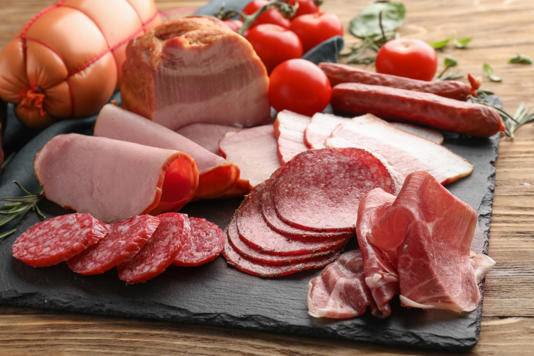
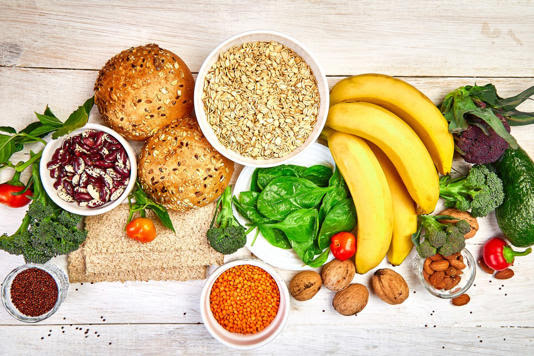


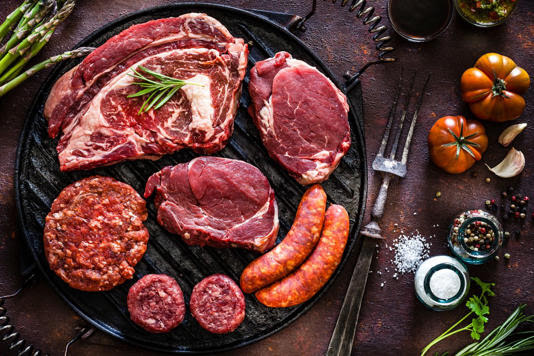
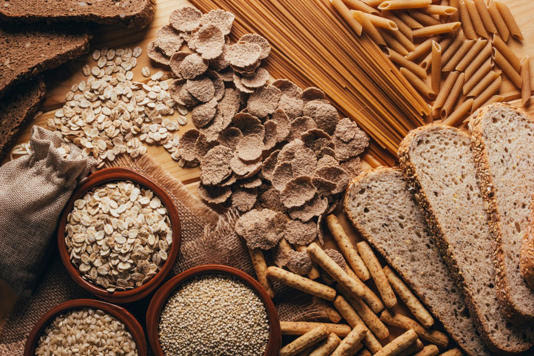
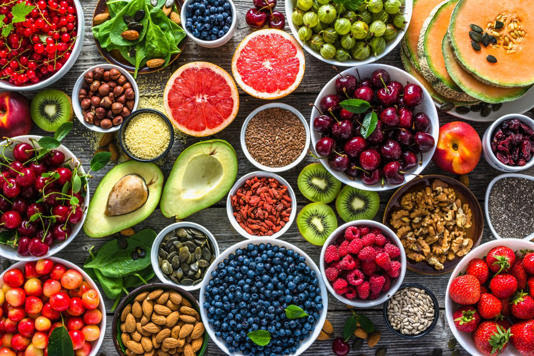



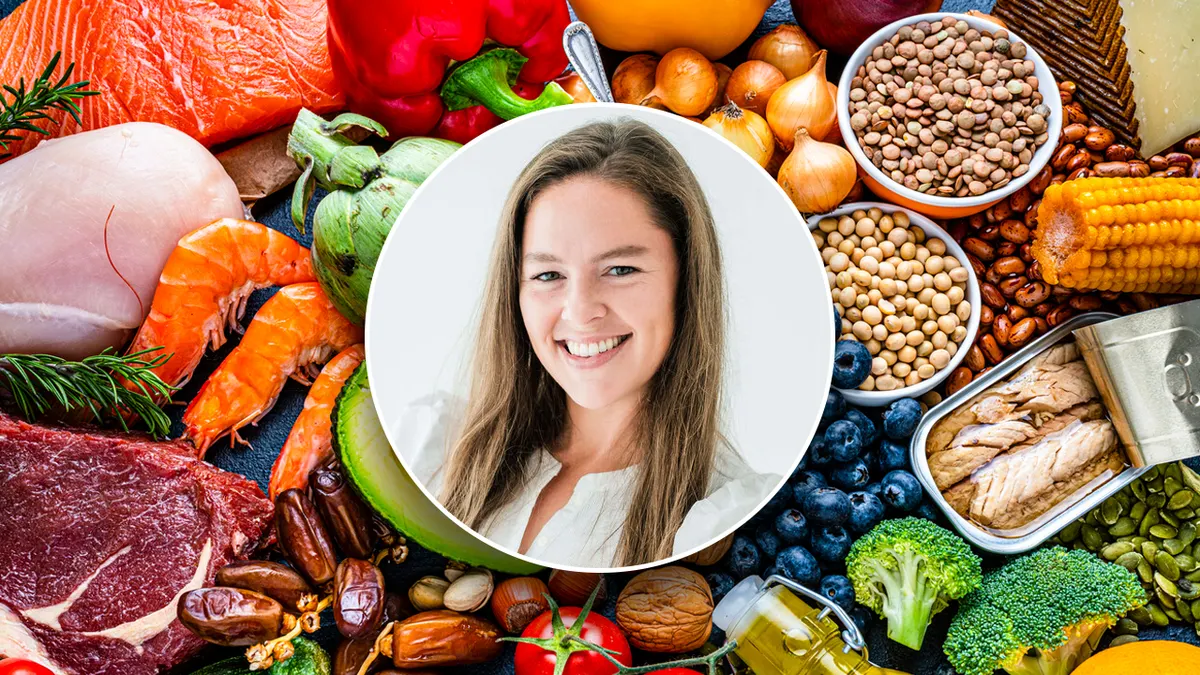

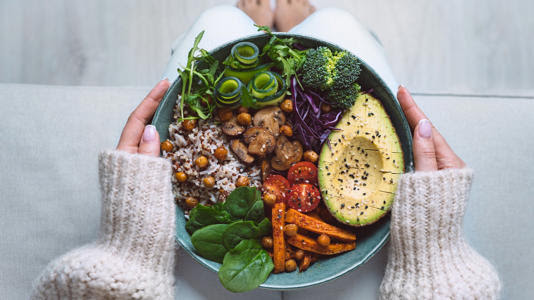




 @Alexandria Ocasio-Cortez,” the campaign account commented.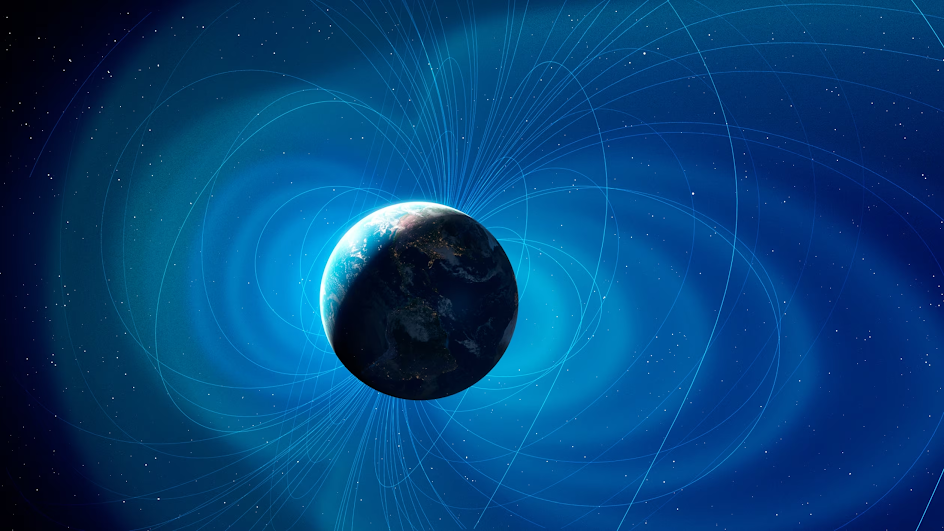
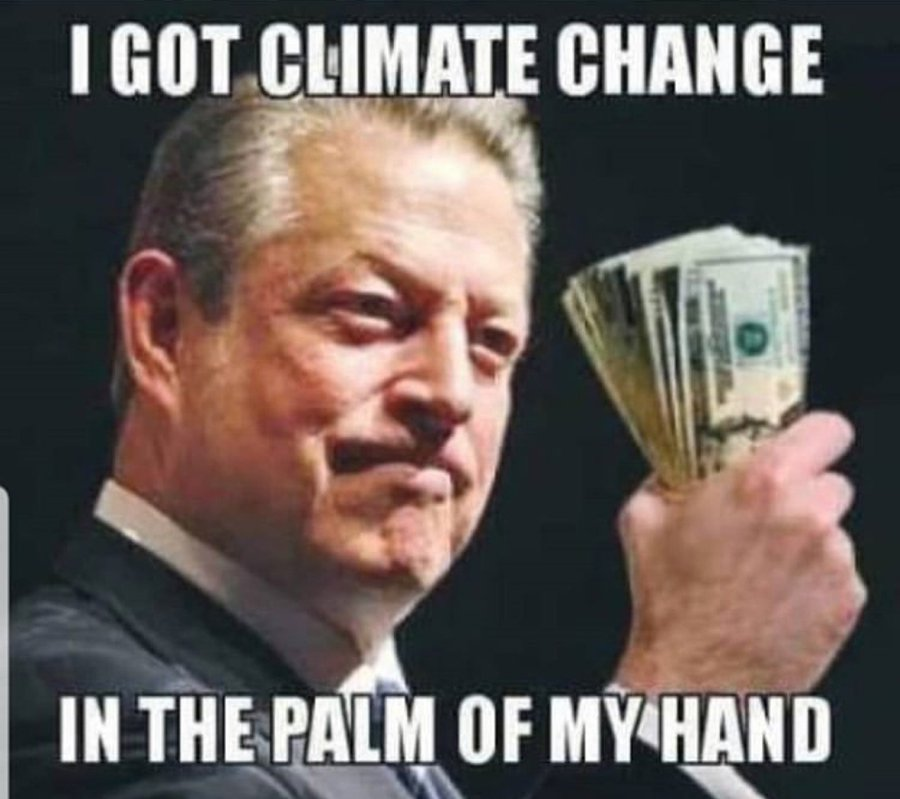




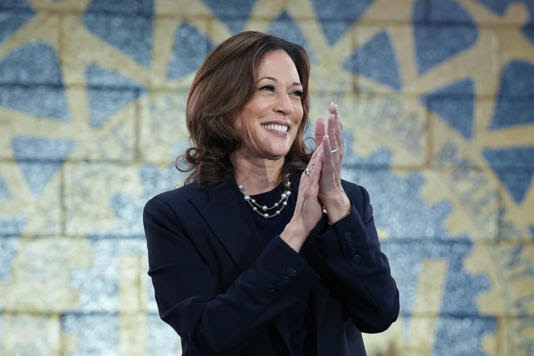

 corrupt.
 Americans Supporters are for Trump, all the rest are Communist Traitors! Like the mainstream media!.
  Isaiah describes it extremely well.

 show.
show.
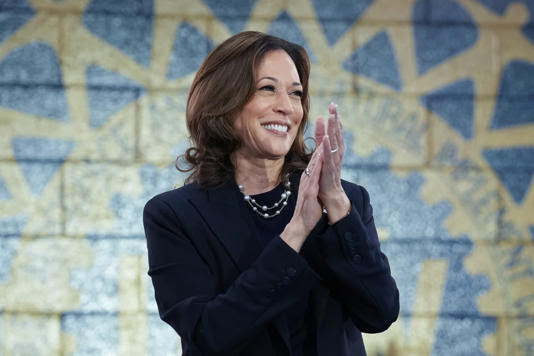




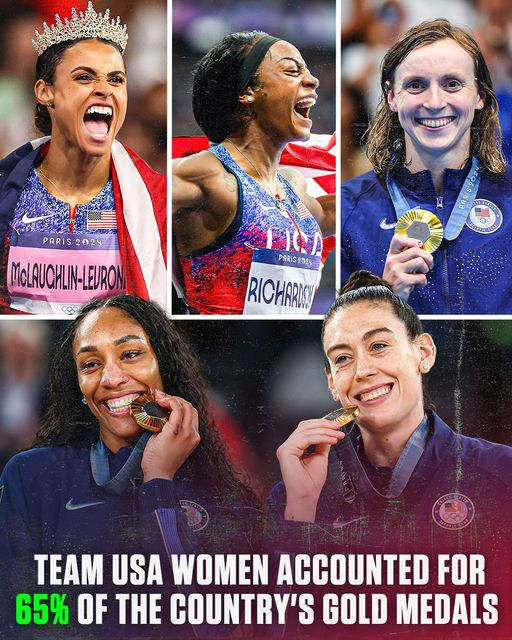
 VE Sydney she’s in a league of your own….we are in awe of everything you accomplish!
 such an amazing


 . And one of the greatest athletes of all time. Congrats Sydney!!!