
Extensive New Study By Neuroscientist

Recent expert studies may reveal why humans gained consciousness

Everything Experts Believed About Consciousness May Be Wrong According To Extensive New Study By Neuroscientist

Consciousness is something that is very difficult to study. While all of us know that we are conscious, understanding exactly what it is and how it works is difficult.

Story by Michael Levanduski
Key Takeaways

  • Neuroscientist Peter Coppola reviewed over 100 years of brain research, revealing that the neocortex may not be essential for consciousness.
  • The study suggests that neuroscientists must reconsider existing theories and conduct new research to understand consciousness better.
  • This could impact patient care and our understanding of animal rights, indicating that consciousness might be more prevalent than previously thought.

In many ways, the concept of consciousness is a subject that is better looked at philosophically than strictly scientifically. After all, it is often defined as the immediate awareness of our surroundings (including our experiences, emotions, and feelings).

Based on that, consciousness is something that is personal and subjective to each person. Science looks at things from an objective perspective, which can make it difficult.

Where science can offer helpful insights, however, is in learning how and why consciousness occurs, even if that doesn’t necessarily help with how each person experiences it.

To that end, Peter Coppola, a visiting neuroscience researcher at the University of Cambridge, conducted a review of over 100 years of research on the brain. In his exhaustive studies, he analyzed studies on humans, cats, monkeys, and much more. According to what he wrote in The Conversation, his goal was to provide a hierarchy of the brain, which would illustrate which regions were used in what ways for consciousness.

Perhaps surprisingly, what he found was that the common understanding throughout the medical and academic world seems to be almost entirely wrong.

image.png

Specifically, while there are different theories of how consciousness works, they all agree that the neocortex (the wrinkly outer part of the brain) is necessary. When Coppola looked at the evidence, however, that doesn’t seem to be the case. He wrote:

“people born without the cerebellum, or the front of their cortex, can still appear conscious and live quite normal lives. However, damaging the cerebellum later in life can trigger hallucinations or change your emotions completely.”

So, while consciousness may very well be reliant on the neocortex for those whose brains formed normally, it is not necessarily required for those who had some type of defect or abnormality from the earliest times of development.

The brain, it seems, can adapt based on how it develops to provide consciousness to people in more than one way. Perhaps the neocortex is the preferred area for generating consciousness, but if that is not available or is sufficiently defective, the brain can perform the function elsewhere (though where exactly is not known).

The review shows that neuroscientists need to take a step back and re-examine the evidence and perform new studies without previous assumptions. Coppola says:

“This means we may have to review our theories of consciousness. In turn, this may influence patient care as well as how we think about animal rights. In fact, consciousness might be more common than we realized.”

image.png

How this is to be done is another difficult topic. Studying the brain is notoriously hard since it is unethical to perform most types of experiments on people that could impact the brain. And studying consciousness in animals is not always helpful because they cannot provide real feedback on their subjective experiences.

While Coppola doesn’t provide answers, his review of the evidence does show that it is time to forget much of what was previously thought to be known. Sometimes, unlearning things is the most important first step toward finding the truth.

If you thought that was interesting, you might like to read a story that reveals Earth’s priciest precious metal isn’t gold or platinum and costs over $10,000 an ounce!

Sign Up to receive the Twisted Sifters weekly newsletter for the best Internet culture news updates.

The post Everything Experts Believed About Consciousness May Be Wrong According To Extensive New Study By Neuroscientist first on TwistedSifter.

Who conducted the extensive new study?

The extensive new study was conducted by Peter Coppola, a visiting neuroscience researcher at the University of Cambridge.

Would you like me to walk you through the key findings he uncovered about consciousness and why they challenge long‑held assumptions in neuroscience? 

Experts today see consciousness as far more complex and flexible than older theories suggested. Instead of being tied to one brain region (like the neocortex), it’s increasingly understood as an emergent process that can arise in different ways depending on brain development and context

🧠 Current Expert Views on Consciousness

  • Not limited to the neocortex New research shows that people born without parts of the cortex can still live conscious lives. This suggests the brain can adapt and generate consciousness through alternative pathways.
  • Dynamic and fluctuating Consciousness isn’t a simple “on/off” state. Clinicians describe it as a continuum that can shift depending on perception, awareness, and environment.
  • Beyond traditional theories Popular models like the Global Neuronal Workspace Theory (GNWT) and Integrated Information Theory (IIT) are being challenged. Large-scale experiments suggest neither fully explains consciousness, pushing scientists to rethink assumptions.
  • Perception as central Many experts now argue that perception itself—our ability to experience and interpret the world—may be more fundamental to consciousness than reasoning or abstract thought.
  • Ethical implications If consciousness is more widespread than previously believed, this could reshape debates about patient care (e.g., people in minimally conscious states) and even animal rights.

🌍 Why This Matters

  • Medicine: Better understanding could improve treatment for brain injuries and disorders of awareness.
  • Philosophy & AI: Raises questions about whether machines could ever achieve consciousness—or whether our definitions need to evolve.
  • Society: Expands ethical discussions about who or what counts as a conscious being.

In short, experts now view consciousness as adaptive, distributed, and deeply tied to perception, rather than a single brain structure or fixed state.

Would you like me to break down the two major theories (GNWT vs IIT) and show how recent experiments challenged them? That’s where the debate gets especially fascinating.

Experts today view consciousness as a dynamic, elusive, and multifaceted phenomenon rather than something tied to a single brain region or theory. There is no universally accepted definition, and current research emphasizes perception, complexity, and adaptability over rigid models.

🔑 Key Expert Perspectives on Consciousness

  • No clear boundary between conscious and unconscious states Clinicians note that consciousness is not a simple on/off switch. It fluctuates and can be subtle, making it difficult to measure or define. Joseph Giacino at Harvard describes it as a “dynamic, fluctuating state” rather than a fixed condition.
  • Challenges to traditional brain-based theories For decades, theories like the Global Neuronal Workspace Theory (GNWT) and Integrated Information Theory (IIT) dominated. Recent large-scale experiments show neither fully explains consciousness. Instead, new findings suggest that perception itself may be more central to consciousness than reasoning or planning.
  • Biases in how humans think about mind and body Iris Berent at Northeastern University argues that part of the mystery comes from our own cognitive biases. Humans naturally imagine consciousness as something that could exist outside the body, which complicates scientific understanding.
  • Adaptability of the brain Studies show that people born without certain brain regions (like parts of the neocortex) can still live conscious lives. This suggests the brain can re-route or adapt to generate consciousness in multiple ways, challenging the idea that one structure is essential.
  • Future directions in consciousness science Researchers like Axel Cleeremans and Anil Seth emphasize that the field is moving toward integrating neuroscience, psychology, and philosophy. The goal is not just to locate consciousness in the brain but to understand how subjective experience arises from complex systems.

🌍 What This Means for Science and Society

  • Medical care: Understanding consciousness as flexible may improve treatment for patients with brain injuries or disorders of awareness.
  • Animal rights: If consciousness is more widespread than assumed, ethical debates about animals could shift significantly.
  • Philosophy & AI: These findings reignite questions about whether machines could ever achieve consciousness—or whether our definitions need to evolve.

In short, experts now see consciousness less as a single “thing” and more as a process that emerges from perception, complexity, and adaptability. The field is in flux, with old assumptions being overturned and new interdisciplinary approaches taking shape.

Would you like me to break down the two major competing theories—GNWT and IIT—and explain how recent experiments challenged both? That’s where the debate gets especially fascinating.

When was the study on consciousness published?

The study by neuroscientist Peter Coppola reviewing over 100 years of brain research on consciousness was published on November 15, 2024.

Here’s a structure you could use to make the timeline both clear and engaging. I’ll give you two possible frameworks—one chronological and one thematic—so you can choose whichever feels more natural for your project:

🕰 Chronological Framework (Decade by Decade)

  • 1900s–1920s: Early philosophical and introspective psychology (William James, phenomenology, Gestalt beginnings).
  • 1930s–1950s: Behaviorism dominates; consciousness largely sidelined.
  • 1960s–1970s: Cognitive revolution; renewed interest in mental states and information processing.
  • 1980s–1990s: Rise of neuroscience; neural correlates of consciousness (Crick & Koch, Libet experiments).
  • 2000s–2010s: Integration of brain imaging, global workspace theory, integrated information theory.
  • 2020s–present: Cross-disciplinary approaches (AI, computational models, predictive processing, embodied cognition).

🔍 Thematic Framework (Phases of Inquiry)

  • Philosophical Foundations: Introspection, phenomenology, dualism vs. materialism debates.
  • Psychological Models: Behaviorism, cognitive psychology, information-processing metaphors.
  • Neuroscientific Era: Neural correlates, brain imaging, theories like global workspace and IIT.
  • Contemporary Integrations: AI, complexity science, predictive coding, interdisciplinary consciousness studies.

✨ My suggestion: use the thematic framework as the backbone, and then weave in decade markers within each phase. That way, you capture both the intellectual shifts and the historical progression.

Would you like me to sketch out a hybrid version—where each phase is broken down by key decades and thinkers—so you have a ready-to-use outline?

🧠 Timeline of Consciousness Theories (Hybrid Outline)

Phase 1: Philosophical Foundations (1900s–1930s)

  • 1900s–1910s:
    • William James (Principles of Psychology) → stream of consciousness, introspection.
    • Phenomenology (Edmund Husserl) → focus on lived experience.
  • 1920s–1930s:
    • Gestalt psychology (Köhler, Wertheimer) → perception as holistic patterns.
    • Early debates on dualism vs. materialism.

Phase 2: Psychological Models (1940s–1970s)

  • 1940s–1950s:
    • Behaviorism (Skinner, Watson) → consciousness sidelined, emphasis on observable behavior.
  • 1960s–1970s:
    • Cognitive revolution (Miller, Neisser) → mind as information processor.
    • Herbert Simon & Allen Newell → AI and symbolic cognition.
    • Split-brain research (Roger Sperry, Michael Gazzaniga) → hemispheric specialization.

Phase 3: Neuroscientific Era (1980s–1990s)

  • 1980s:
    • Francis Crick & Christof Koch → neural correlates of consciousness.
    • Benjamin Libet → experiments on free will and readiness potential.
  • 1990s:
    • Brain imaging (fMRI, PET) → mapping conscious states.
    • Gerald Edelman → neural Darwinism.
    • Antonio Damasio → somatic marker hypothesis.

Phase 4: Contemporary Integrations (2000s–2010s)

  • 2000s:
    • Global Workspace Theory (Bernard Baars, Stanislas Dehaene) → consciousness as broadcasting.
    • Integrated Information Theory (IIT) (Giulio Tononi) → consciousness as complexity.
  • 2010s:
    • Predictive processing (Karl Friston) → brain as prediction machine.
    • Embodied cognition → consciousness tied to body and environment.

Phase 5: Cross-Disciplinary Frontiers (2020s–Present)

  • 2020s:
    • AI and machine consciousness debates.
    • Anil Seth → “controlled hallucination” model of perception.
    • Neuroscience + philosophy collaborations (e.g., Peter Coppola’s 2024 review).
    • Growing interest in psychedelics, altered states, and their neural signatures.

✅ This outline gives you a ready-to-use skeleton: each phase has decade anchors and key thinkers, so you can expand into a narrative or keep it concise as a timeline.

Would you like me to turn this into a polished visual timeline chart (with decades on one axis and phases layered across), so you can see the progression at a glance?
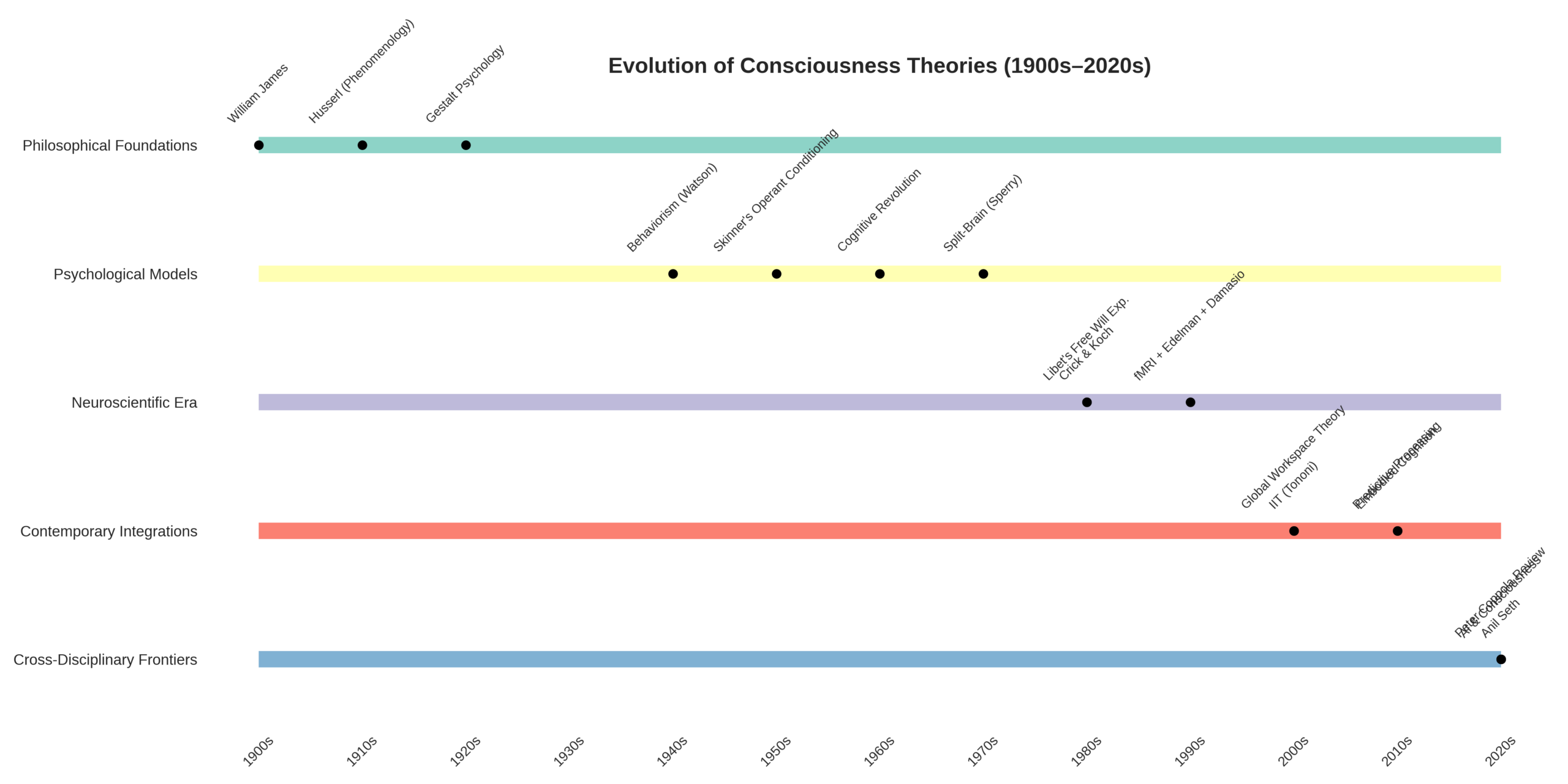
CLICK ONTO This Chart Shows:

  • Horizontal axis: Decades from the 1900s to the 2020s.
  • Vertical layers: Five phases of consciousness research (Philosophical Foundations, Psychological Models, Neuroscientific Era, Contemporary Integrations, Cross-Disciplinary Frontiers).
  • Key thinkers/events: Each decade highlights pivotal figures and breakthroughs, from William James and Husserl to Crick & Koch, Tononi, and Coppola’s 2024 review.

The color-coded bands make it easy to see how philosophical roots evolved into psychological models, then into neuroscience, and finally into today’s interdisciplinary frontiers. This visualization captures both the intellectual flow and the historical anchors at a glance.
Posted in Uncategorized | Leave a comment

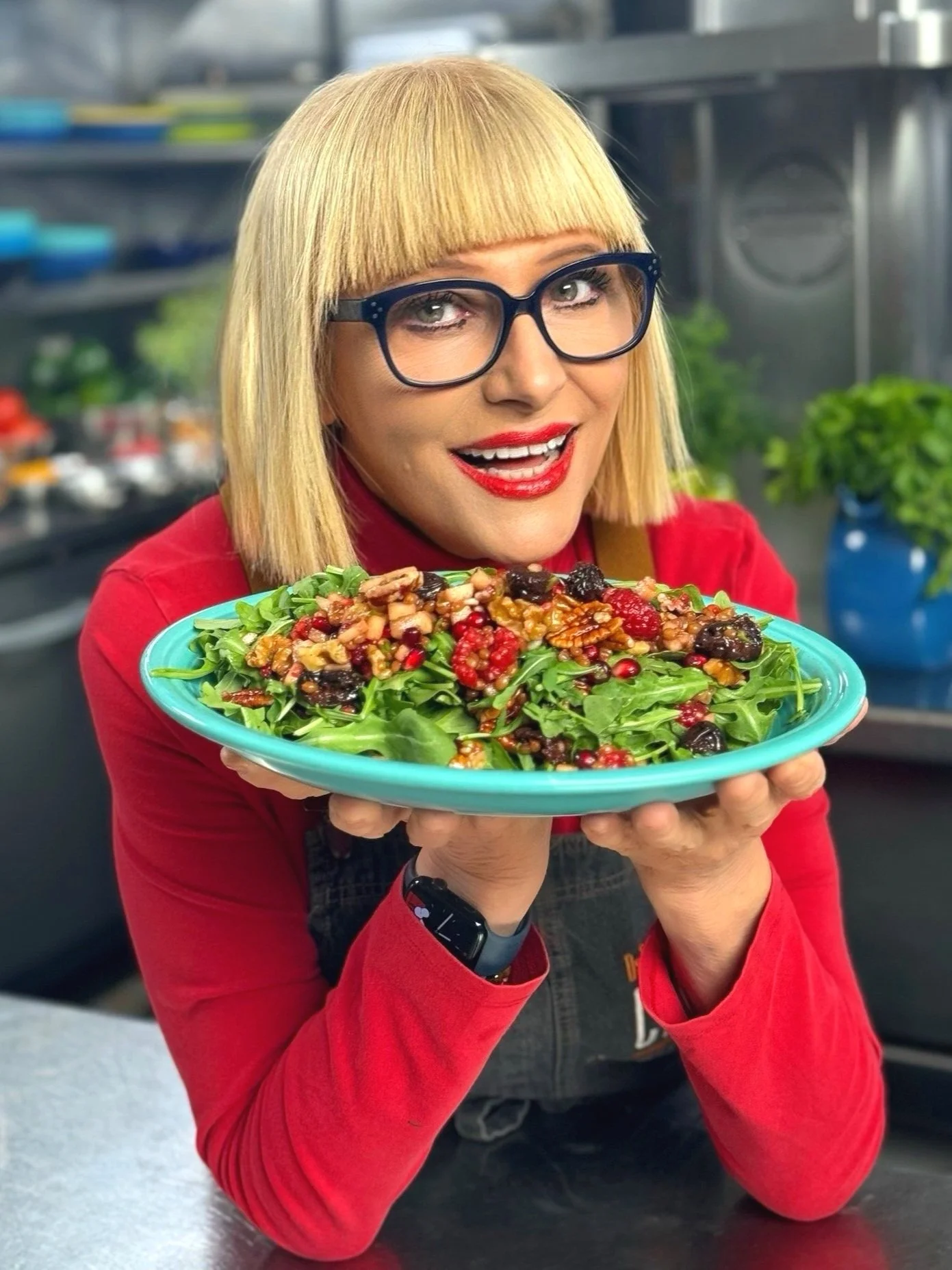
Who is Chef Maria Loi?

18 Authentic Chef Maria Loi Recipes Delicious – Simply Family Recipes

The Essence of Greek Cuisine

Our guide today is none other than Chef Maria Loi. She’s a renowned Greek chef, restaurateur, and author. Her culinary philosophy is deeply rooted in Greek tradition and the Mediterranean diet. Chef Maria Loi’s recipes are a celebration of Greek heritage. They’re a blend of old-world charm and modern culinary techniques. Her dishes are not only delicious but also visually appealing, making them a feast for the senses.

In this article, we’ll explore some of Chef Maria Loi’s most popular recipes. From the classic spanakopita to the flavorful Greek-style fish, these dishes will transport you to the heart of Greece. So, whether you’re a seasoned home cook or a food enthusiast looking for new culinary adventures, get ready to be inspired. Let’s dive into the delicious world of Chef Maria Loi’s recipes.

Chef Maria Loi is more than a chef; she’s a culinary ambassador. Her journey from Greece to global recognition is inspiring. Born in the beautiful land of Greece, her love for cooking began early. She grew up surrounded by the Mediterranean’s culinary wonders. Chef Loi is known for her approachable Greek cuisine. Her recipes are both authentic and innovative, a remarkable blend. Her dedication to healthy cooking shines through in her work.

She emphasizes fresh, wholesome ingredients in every dish. Loi’s expertise is showcased at her New York City restaurant, Loi Estiatorio. It offers a true taste of Greece. She’s also a prolific author with numerous cookbooks. “The Greek Diet” is one of her bestselling works. Chef Loi has appeared on various TV shows and networks. Her engaging personality captivates audiences worldwide.

Besides cooking, she shares cultural insights and stories. These enrich each recipe with a deeper meaning. Her influence extends beyond her restaurant and books. She hosts popular cooking workshops, attracting food lovers globally. A passionate advocate, Chef Loi tirelessly promotes Greek gastronomy. Her work brings Greek cuisine into kitchens everywhere.

Greek cuisine is a celebration of simplicity and natural flavors. It reflects Greece’s rich history and stunning landscapes. The Mediterranean diet is central to Greek cooking.

It’s known for its heart-health benefits and vibrant ingredients. High-quality olive oil is a staple. It enhances the flavors of many Greek dishes, from salads to grilled meats. Herbs and spices like oregano and thyme create distinct taste profiles. These ingredients bring depth and aroma to meals. 

Common elements of Greek cuisine include:

  • Fresh seafood from Greece’s coasts
  • Legumes and grains, providing texture and nutrition
  • Feta cheese, offering tangy and creamy notes

Greek food is more than just sustenance. It’s about community and sharing, rooted in family traditions. This cuisine captures the spirit of togetherness and joy, inviting everyone to enjoy the simple pleasures of life.

Chef Maria Loi’s Culinary Philosophy

Chef Maria Loi believes that food is a path to well-being. Her focus is on wholesome, unprocessed ingredients. She champions the Mediterranean diet for its health benefits. This diet combines taste with nutrition, promoting longevity. High-quality ingredients are essential in her recipes. She emphasizes using fresh produce and natural flavors. Greek tradition is at the heart of her cooking. Her recipes maintain the authentic soul of Greek cuisine. Chef Loi also values simplicity in her dishes. Her culinary philosophy encourages everyone to enjoy cooking and eating. EVERYTHING TASTE BETTER WITH OLIVE OIL!!!

A Taste of Greece: Featured Recipes

Chef Maria Loi’s recipes provide a journey into Greek culinary delights. Each recipe reflects her passion for creating delicious and approachable meals. These dishes offer a taste of authentic Greek flavors. They’re perfect for anyone wanting to explore Mediterranean cuisine at home.

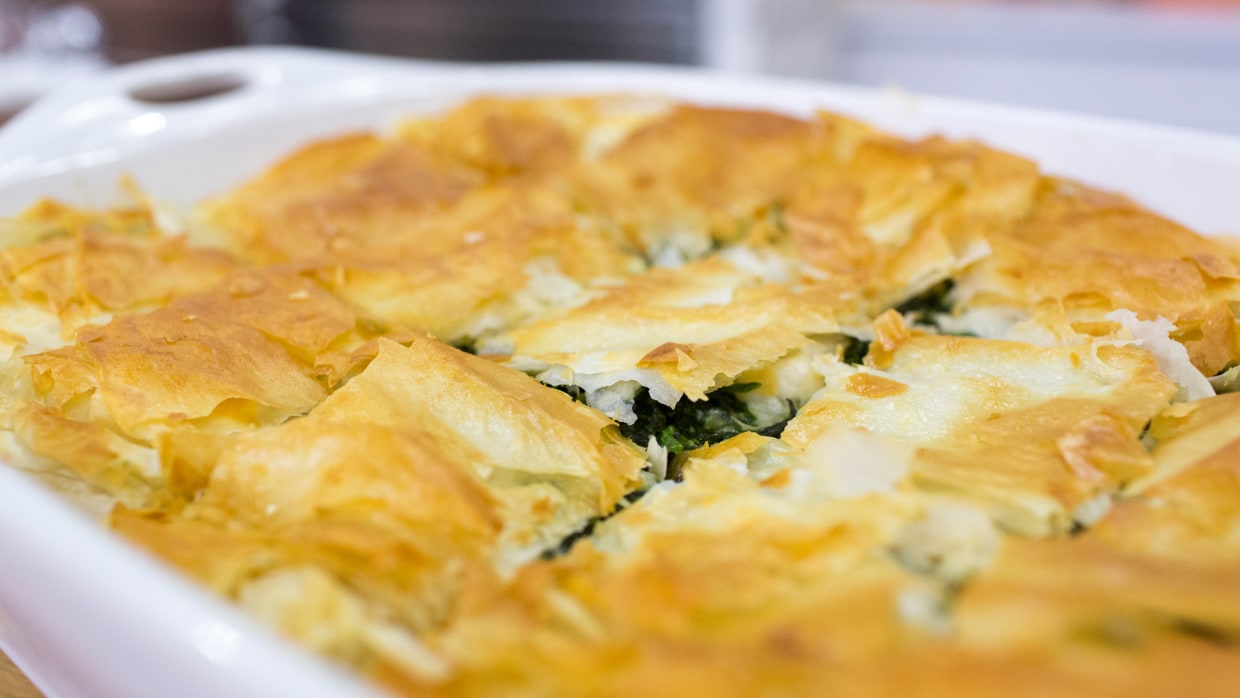
Spanakopita: A Spinach Delight

Spanakopita: A Spinach Delight

Spanakopita is a classic Greek dish that combines tradition with taste. It’s a savory pastry filled with spinach and feta cheese. The flaky layers of phyllo dough add a delightful crunch. This dish is enhanced by fresh herbs like dill and parsley. Chef Loi’s take on spanakopita ensures simplicity. She encourages using fresh ingredients for the best flavor. Spanakopita is perfect as a main dish or appetizer. It’s a versatile recipe that can fit various occasions. A staple in Greek cuisine, this dish never fails to impress. It’s a celebration of vibrant flavors and rich textures.

Moussaka: Layers of Flavor

Moussaka is a beloved dish that showcases robust flavors. It’s a hearty casserole layered with eggplant, meat, and béchamel sauce. The dish is often compared to lasagna but offers unique Greek twists. Chef Loi’s version highlights spices like cinnamon and nutmeg. These spices add warmth and depth to the dish. Moussaka is often baked until golden and bubbly. For an authentic touch, she recommends using fresh ingredients. Quality lamb and seasonal vegetables are key to success. Moussaka is ideal for family dinners or special occasions. Its rich flavors make it a crowd-pleaser that’s bound to impress.

Greek-Style Fish: A Seafood Adventure

Greek-style fish is a testament to Greece’s coastal traditions. This dish pairs fresh fish with olive oil and lemon. Chef Loi’s recipe is simple yet flavorful. She uses herbs like oregano and thyme for added depth. The fish is baked until tender and infused with fragrant aromas. This cooking method ensures healthful yet delicious results. Chef Loi emphasizes the importance of fresh seafood. It’s a centerpiece for any Mediterranean-inspired meal. Greek-style fish captures the essence of Greek cuisine. It reflects the harmony between simplicity, taste, and nutrition.

Cooking Tips from Chef Maria Loi

Chef Maria Loi is not only renowned for her recipes but also for her practical cooking tips. Her advice helps home cooks elevate their Greek dishes with ease. She stresses the importance of high-quality ingredients. Chef Loi often highlights the benefits of using fresh, local produce. Incorporating olive oil in cooking is essential. This staple of Greek cuisine adds richness and enhances flavors. Chef Loi also encourages experimenting with herbs. Ingredients like oregano and rosemary can transform a dish. 

Here are some key tips from Chef Maria Loi:

  • Always use fresh produce for the best flavor.
  • Don’t skimp on olive oil; it enhances taste.
  • Play with herbs like thyme and oregano.
  • Opt for Greek yogurt for creamy textures.
  • Balance spices to achieve depth in dishes.
  • Chef Maria Loi Vegetarian Recipes

Her tips are designed to inspire creativity in the kitchen. They offer a simple way to achieve authentic Greek flavors at home.

Bringing Greek Food Ideas into Your Kitchen

Incorporating Greek food ideas into your meals can transform your cooking experience. It introduces vibrant flavors and healthy eating habits to your table. Start by adding staple ingredients like olive oil and feta cheese. Experiment with dishes that showcase traditional Greek flavors, and you’ll surely delight your palate. Biography of Maria Loi | Explore Recipes, Shows & More | PBS Food

Conclusion: Embracing Greek Cuisine Recipes

Embracing Greek cuisine recipes is a journey into rich traditions and delightful flavors. Chef Maria Loi makes Greek cooking both accessible and exciting for everyone. Her recipes combine health and taste, inviting you to explore Greek culture through food.

Try these recipes and enjoy the vibrant world of Greek cuisine.

The Greek Diet: Look and Feel like a Greek God or Goddess and Lose up to Ten Pounds in Two Weeks: Loi, Maria, Toland, Sarah: 9780062334442: Amazon.com: Books

Categories Recipes for us

Tags Chef Maria Loi RecipesMaria Loi Recipes

Delicious Ninja Foodi Possiblecooker Pro Recipes

Delicious Ninja Possible Cooker Meal Ideas Recipes

Posted in Uncategorized | Leave a comment

Hope This Helps Lyme Warriors

Lyme disease, A Ticking Time Bomb – Search Videos

Sass Levine

Welcome to “LIFE WITH LYME” 😵‍💫

I could go to the Lyme Center and probably spend $20,000 in a year. 

I am at a point where I think I am going to spend the money and see a lyme literate MD, but I’m on disability, so not sure how. 

there are many organizations that offer grants for Lyme.

Financial Assistance Lyme disease | Lymedisease.org 

Financial Assistance Programs – Project Lyme

There’s Lyme grants available. Google it.

When I first started my journey to heal from chronic Lyme disease…

I was terrified I wouldn’t make it.

Terrified I’d end up like the patients I’d seen—sick for years, barely improving, living a fraction of the life they deserved.

My mind was full of “What ifs…”

❌ What if I had too many co-infections? (I had Bartonella, Babesia, viruses, parasites, candida, mold—basically the full house.)

❌ What if I’d been sick too long and it was too late?

❌ What if even the best doctors couldn’t help me?

❌ What if I didn’t know enough, even as a pharmacist and health coach, to get well?

❌ What if I never got my energy back… or ended up alone, in pain, unable to work?

Sound familiar?

Here’s what I learned:

Our beliefs can be just as toxic as the infections in our bodies.

We inherit beliefs from parents, schools, media, and even our culture—beliefs that tell us to hand our power to someone else, to wait for someone to “fix” us, to see illness as an identity we can’t escape.

But here’s the truth:

Healing begins the moment you decide it’s possible.

When I shifted my mindset, everything changed. And I see the same thing in my clients—once they believe healing is inevitable, their body starts to follow.

Here are 3 shifts that transformed everything for me:

1️⃣ Decide you can get well.

Your brain believes what you feed it. “What if I could…” is a far more powerful question than “What if I can’t…”

2️⃣ Stop wearing your diagnosis like a name tag.

You are not “your Lyme disease.” Say “I am healing” instead of “I am sick.”

3️⃣ Trust your body’s ability to heal—and give it the tools.

For me that meant nature, breathwork, meditation, and boundaries.

For you, it might look different. But your body is designed to heal.

When I work with clients, we go beyond protocols and supplements—we uncover the beliefs, habits, and patterns keeping them sick, so they can finally step into the identity of someone who heals.

That’s when the real transformation happens.

If you’re ready to do the same, I’m inviting you to apply for a Breakthrough Blueprint Session with me.

We’ll uncover your biggest blocks and map out your next steps toward lasting recovery.

👉 Apply for your Breakthrough Blueprint session here:

https://go.lymesupport.com/book-bt-call

With love,

Dr. Christine (Tina) Arseneau, Pharm.D., FMCHC, CCHt

Are you a late Lyme disease sufferer?

We’re keen to help and support you as much as we can. 🙏

Here are some self-help tools to manage your condition, including:

🔹 Strategies for reducing inflammation.

🔹 Managing pain, endocrine, mood and sleep.

🔹 Improving body and mind dynamics.

🔹 Tips for mental hygiene.

image.png

PowerPoint Presentation

Lyme disease Support

ENHANCED EDUCATION: 🫩 🕷️ LYMES SUPPORT 🕷️ 🫩

🦠 Lyme Disease Support: What You Should Know 🌿

WHAT IS LYME DISEASE?

Lyme disease is a bacterial infection caused by Borrelia burgdorferi, transmitted through the bite of infected black-legged ticks (aka deer ticks). If not addressed early, it can spread to joints, the nervous system, and even the heart.

HOW IT’S CONTRACTED:

✔️ Most people get Lyme from a tick bite during outdoor activities like hiking, camping, or gardening.

✔️ Ticks need to be attached for 36–48 hours to transmit the bacteria—so daily tick checks matter!

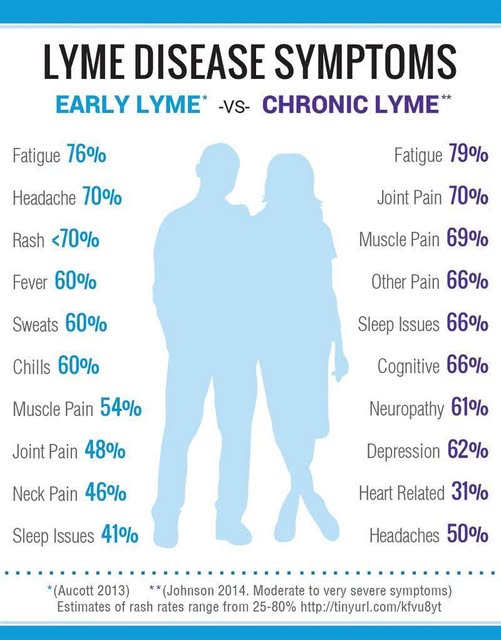
🔍 EARLY LYME VS. CHRONIC LYME

🟢 Early Lyme (Acute Stage)

• Appears days to weeks after the tick bite

• Symptoms: bullseye rash, fever, chills, body aches, swollen lymph nodes

• Bacteria is still mostly localized

• Easier to treat and recover from if caught quickly

🔴 Chronic Lyme (Late/Disseminated Stage)

• Appears months to years after infection

• Symptoms: fatigue, joint pain, nerve pain, brain fog, heart issues

• Bacteria may have spread into the nervous system, joints, and organs

• Often mimics autoimmune or neurological disorders

• Requires long-term immune and detox support

💪 LIFESTYLE SUPPORT FOR LYME RECOVERY:

🌱 Nourish your immune system – Prioritize clean eating (anti-inflammatory foods, bone broth, leafy greens).

🧘 Reduce stress – Chronic stress taxes immune function. Breathwork, meditation, and sleep hygiene help.

🚶 Gentle movement – Light walking or stretching to support lymphatic flow without overwhelming the body.

💧 Hydration is key – Help flush toxins and keep your energy up.

💧 YOUNG LIVING WELLNESS SUPPORT:

🌿 Immune Support:

• Thieves – Apply to feet or diffuse daily

• Inner Defense – Helps guard the immune system

• Super C & Super Vitamin D – Nutrients that fuel immune resilience

🧠 Neurological & Brain Support:

• Brain Power – Apply to temples and back of neck for cognitive clarity

• NingXia Red – Antioxidant-rich and supports energy, cellular repair, and immunity

🌼 Inflammation & Joint Support:

• AgilEase – For lingering joint discomfort

• Cool Azul Pain Cream – Topical support for soreness

• Sulfurzyme – MSM + wolfberry combo for tissue healing and inflammation

🧘 Stress & Sleep Support:

• Peace & Calming / Lavender / Rutavala – Use before bed or during high-stress moments

• Unwind – Magnesium + herbs to calm nerves and improve sleep

🕷️ BONUS TIP: PREVENTION IS POWERFUL!

Use Young Living’s Insect Repellent Gel or Wipes or a DIY spray with Purification + Citronella when outdoors.

And remember: tick checks = self-care. 🕷️ 👀

✨ Lyme can be a long journey, but with the right tools and support, you are not alone.

Frankincense resin it’s very good to boost your immune system as well. You can apply it in your belly button and if it’s labeled for ingestion, then you can make some frankincense tea. I have some frankincense resin that I’m making frankincense resin water with that will boost the immune system also. But you have to be careful of what brand you get. It has to be steamed and not chemically distilled. Otherwise there’s traces of chemicals in the oil.  https://www.youngliving.com/us/en/referral/38276604 image.png
Nobody takes the disease seriously unless it personally affects them and even then it’s still hard to comprehend  

Peggy Mahan

Judy Feyen ivermectin helps my symptoms for 3 weeks, but no more. I’ve done it 2-3 times. Have you read Brian Rosner’s book on rife and Lyme? He explains Lyme so well, and how antibiotics (and natural remedies?) only force it into a different form, persister cells. I am having good success with a homemade frequency generator!

Janine Hauck

Google Dr Rawl Vital Plan, PALyme.org great resource

PA Lyme Resource Network

PALYME.ORG

PA Lyme Resource Network

Jennifer Nygard

Dr. Bill Rawls in NC treated himself for Lyme & developed an herbal protocol which has worked for me. Go to Vital Plan. The Restore Kit or the Restore 180 protocol are effective in my experience. Their health coaches give support & communication throughout and will understand your suffering. (My history of chronic Lyme is similar to your experience started in 2006, terrible arthritis, joint injuries, tooth loss, seizures, fatigue, loss of muscle etc.)

The herbs are antimicrobial & do not cause the same damage as years of antibiotics (which I tried 12 yrs.). Dr. Rawls based the Vital Plan protocol in part on Steven Buhner’s herbal treatment for Lyme, presented in the book, “Healing Lyme”. Buhner’s core herbs are Japanese knotweed (Polygonum cuspidatum), Cat’s Claw (Uncaria tomentosa), and Andrographis – page 208.

I have made tinctures myself to treat my husband’s Lyme based on Buhner’s protocol on page 216. (He caught it in 2022 and chose making tinctures myself as the least expensive way to treat him.) I have found Dr. Rawls regimen as to sleep, stress reduction, gentle exercise and diet (diet highly important) along with the Vital Plan supplements to be the most effective way to battle tick borne illness, regain strength, and get your life back.

Ev Rein

Look to dr Rawls herbal therapy , also clean up your diet and get as much exercise as you can, low impact biking helps me,… you will improve at least minimally, and that might be enough to start over with life again..

Good luck..

Scott London

🫂. FYI, 3-Things that are working for me, to help with my chronic Lyme condition:

1). Herbal Lyme “Cowden protocol” from NutraMedix (their website has a “.com” after their name).

This is the only treatment my Lyme Literate Medical Provider and I have tried in over 4-1/2 years, that has really worked for me -to noticeably move me forward in my health recovery journey.

… (IF, you are ever working with a Lyme Literate Medical Provider, or a Functional Medicine Provider -and these often tend to be Chiropractors, IF they carry any of the NutraMedix products, they can order you the Cowden Protocol from NutraMedix at a discount, haven’t shipped direct to you from the manufacturer, and it’s then cheaper this way for you, than you buying Cowden Direct from the manufacturer (NutraMedix, with a “.com” after their name for their website, -FYI).

2). Portable Infrared Sauna tent. I got mine from Amazon, and I bought the only oversized unit I could find. It is 2 inches taller & 2 inches wider (at 40 inches wide), than all the other models I found, which are at 38 inches wide. Keep in mind I am only 5’10” tall and 190 pounds, and I am glad I got the oversized unit. in your Amazon search bar, just type in oversized, portable, infrared, sauna tent, and you’ll find it.

… on the Amazon website, in their search bar, to see the oversized, 40 inch model I have (or their 38 inch model), just type in the following description (as of today, Saturday 9/27/25 at 4:15am (cst), I see they have 1, 40 inch wide model left in stock. (Not to worry about inventory, as they are always getting in more inventory replenishments).

“ SereneLife Oversize Portable Infrared Home Spa | One Person Sauna | with Heating Foot Pad & Portable Chair”

3). Red Light with Near Infrared Red Light Feature. I got mine from the company RedTherapy (their website is their name with “.co” after it, not .com).

*** NOTE:

*** I am Not affiliated with any of these products or these companies. I am just a happy customer of these products, and of these businesses. ***

Best wishes on your health recovery journey.

Julie Harrison

I am finding

Lymphatic drainage

Breathing techniques

Restorative yoga

Massage

Acupuncture

terrain staking detox methods like dr pete protocol – Search Results | Facebook

Treating central sensitization syndrome to get out of fight flight fear helpful

Then in parasympathetic rebuilding small nerve fiber and mitochondria for energy helpful .

Elaine Luikart

Fight it with all you have. Healthy food, lose as much excess weight, no junk food, no sugar, alcohol or cigarettes. Exercise( bicycle is easiest on joints) and sunshine. Magnesium, vitamin d in winter and vitamin k. Muscle Milk for good protein. I’ve had Lyme for 30 years and that worked til I had a seizure and broke ribs. I’m finally coming back from that.

Nancy Arrowsmith

What Lyme testing did you do? The normal IgM/IgG has at least 50% of false negatives. I also highly suspect you have Bartonella and possible Babesia if it is affecting your joints. I was bitten by a tick in Austria 40 years ago, had the classic bullseye rash, and had a doctor who was informed enough to recognize it as Lyme and got me on abx that same day.

But at that time, 2 weeks was considered enough, and I believed myself “cured”. I never made the connection when my joints started getting painful, just believed it was my congenital knee issues when the arthritis became severe, and I needed a joint replacement in my 40s. 3 joint replacements later, no doctor ever though to test me for Lyme, it was never mentioned, no one asked me if I had ever had a bullseye rash. Now I know I also have Bartonella, am treating with herbs, and things are very slowly getting better.

Send your blood to igenex.com, order a test kit they take insurance. Who did your test? Quest labs? Or something like them?

Lyme Disease Testing | Tick-Borne Disease Testing

IGENEX.COM

Lyme Disease Testing | Tick-Borne Disease Testing

Michele Lattimore Sedor

Samm Horton I see an infectious disease Dr at upstate and he sort of dismissed the igenex blood test that showed I was positive for babesia. I have had all the symptoms! Thankfully my GP who did the test put me on medrol and Zithromax.

I was diagnosed two years ago with Lyme. I wasn’t too happy with his dismissal of the igenex test.

Meghan Lindsay Cyr

Have you been tested for co-infections? Was your testing simply through an Elissa or western blot test? Reason I ask is because my labs are all normal until I finally got a diagnosis of Hashimotos. All my doctors essentially gaslit me. It’s been 11 years like this. I’m in NY state and it wasn’t until I went to a functional doctor that I found out that NY makes it illegal to test for Lyme and all tick borne diseases through a lab that is specific for testing Lyme and co infections.

I went to Pennsylvania and did a test through vibrant labs and that is how I found out I have Lyme and do infections. Likely the reason that caused the Hashimotos Unfortunately functional doctors that are well versed in Lyme aren’t cheap. But they will try to run what they can through insurance and work with you test by test based on the money you have available.

Veris Vitality!!! They offer incredible testing done with hair and saliva. It’s not invasive and can be done from your home and sent to their lab. You can work with one of their practitioners. Their prices are beyond reasonable, especially since you know the prices of what’s in this field.  They are so knowledgeable and create custom natural protocols resonating with each client based on their testing.

Jill Dye

I have a NP who treats me for Lyme (in VT) and also had one in FL. As long as they are Lyme literate and on the list of Lyme practitioners, you’re in good hands. I’m on Medicare and FL Blue and most of my expenses have been covered except I pay for drugs (Good RX 👍👍) and Byron White formulas are out of pocket. Igenex Lab is covered by Medicare but you need accurate tests even if you’ll need to pay. I don’t go to one of the out of pocket functional doctors who is Lyme literate due to the cost.

Anonymous participant 613

Okay without truly knowing for sure I would suggest a full vitamins and mineral test to see where you are low.

I tested through spectracell and was low on SO many vitamins and minerals which I now supplement daily. I am sharing this because I believe if your nutrients levels are not right, your body will be more susceptible to injury like you described. I don’t think this is 100% of the answer but it will help.

 you’ll also obviously want to clear the infection – though herbs and/or antibiotics I’m guessing. And detox with binders. Herbs and binders can be found over the counter. Just take the binder 2 hrs away from other supplements and foods. 

Follow the alpha gal diet and eat a very healthy raw diet plus fresh squeezed citrus each morning the nutrients added and allergens removed will fix the pain from inflammation

Jenn Lewis

Have you been checked for the alpha gal allergy? My Lyme was complicated by poor indoor air quality in my own home and at work but also I developed an allergy to mammalian meat and to a certain extent dairy, butter, etc. It was causing inflammation and once I started to lower my intake of that things improved a whole lot.

I’ve also found that getting away from Wi-Fi and cellular signals especially at night is tremendously helpful. There’s a number of things you have to do to allow your body to calm down and heal. I no longer tested CDC positive for Lyme after doxycycline and IV Rocephin. I had an emergency appendectomy in 2018 and since then I no longer test positive for the IgM for Borellia.

However, my IgM remained high until I figured out the alpha gal component of what was going on. There’s a lot of toxic load on our bodies and it’s minimizing all of those sources. There are so many variables involved. It’s difficult to sort through at all.

Nicky Newman  · 

Apologies if I’m repeating. So many comments here. Have you changed diet? Eliminated all gluten, wheat and processed foods. Chemicals. Plastics etc. Have you done a heavy metal cleanse? Parasite cleans? Detoxed with binders etc. I was dead in a bed for over a decade. In agony. Feel like I was being poisoned and my skin was inside out. I could find no diagnosis.

So I focused on my liver, kidneys, and lymphatic system, and on getting my body as absolutely clear, clean and strong as possible, while learning any dose of any bacteria or virus or whatever. This journey was long and slow, but I am up again and working. Not full-time yet, but I am no longer getting nerve pain, many of my symptoms have lessened. I am still trying new things and keeping as clean living as I can.

Change any product in my environment that has pesticides or chemicals, such as shampoo, clothes, detergent, washing, liquid liquids, skin, care products, toothpaste etc.  Also be aware of electrical and EMF exposure. If you can try get clean spring water not bottled in plastic.

I have chosen to work with herbs but have also tried the antibiotic route. I also did gut healing protocols. Again, long and slow but crucial for good digestion and extraction of nutrients from food. So sorry you are facing this, it’s a lot. But the body’s own healing system is indeed magic given the right conditions. Don’t give up hope.

Sarah Sparks Heimkreiter

Yes! I’m also taking ivermectin! I have noticed it works well especially when you take a binder with it like a charcoal pill.

Sarah Sparks Heimkreiter

LDN- low dose naltrexone (start at 1 mg and go up to 4.5mg. This might take 4-6 months to increase), eating a clean diet- do the autoimmune protocol. Do your research- it’s free. Only the holistic Drs will agree with this having huge impacts. It does!!

These two would be a great start. If you have the ability add in a good probiotic (msg me if you want me to send the kind I like that’s high quality), vitamin c ivs and ozone ivs.

These things helped me tremendously go from not being able to walk to being functional!

I’m so sorry you’re going through this! It’s a horrible disease and regular Drs know nothing more than doxy.

Barbara Bronson

Consider Bee Venom Therapy for Lyme disease and coinfections. My son and I were misdiagnosed/undiagnosed for many years. We started in July and are seeing improvement with air hunger and arrhythmias. We ice first and the honey bees are at the end of their life cycle. Look up the scientist Ellie Lobel’s story. Pollenpeddlers.com also has very good educational videos on BVT. The bee venom has an amazing peptide called Melittin. It paralyzes and destroys borrelia. Least expensive treatment by far. Best wishes to you in your healing journey.

Bee Venom Therapy | Pollen Peddlers Apiary

POLLENPEDDLERS.COM

Bee Venom Therapy | Pollen Peddlers Apiary

Mary Engesetter

I got Lyme disease nearly 20 years ago while living on Long Island. Everyone is different–what works for one person, might not work for the next. I’ve been through a lot of different treatments and none of them healed me. There is one rule, though, that has eased my symptoms–no sugar, no dairy, no grain. Along with lots of garlic and health promoting supplements, my symptoms are very manageable and often times seem non-existent. Sugar and dairy seem to be the worst offenders for me. I wish you the very best! Hopefully, this simplistic advice can help you in some way.

Echoe Larson

They love the heart, brain, and collagen tissues. I have seen a heart specialist myself and still nothing but I tell everyone about Stephen Buhner’s book Healing Lyme 2nd edition. It addresses those symptoms and what to take.

Dawn Marie Persons

I’m using Hawthorn berries grinded into my teas, helping my high blood pressure, research on YouTube Hun, hope this helps …I found in old Merc’s manual from 1887 I believe it was , hugs 🗝️

Penny Leech

This has saved my life when I feel I am under attack this is what I take it’s for viruses 2 capsules in morning and evening I will stay on it for a few weeks until I get relief sold on amazon

May be an image of ‎medicine and ‎text that says '‎iristopher iristoph Orig Origilal For Formulas mulas Saar aS المهله Dietary Supplement X-INFX 100 Vegetarian Caps 440 440mg mg each‎'‎‎

Samm Horton

Yup , we are all in similar boats . Hang in there and fight . I’m trying my hardest as well . SUNY upstate in Syracuse has an infectious disease doctor that may be worth exploring . He treats Lyme disease with iv antibiotics.

Gunnar Roy Hansen

I have been on a similar journey since 1994, finally diagnosed with Lyme in 2014. I don’t even want to estimate the $$ I’ve spent, but I value the guidance and relief (if not full or permanent) wonderful LLMDs have given. I believe some people are able to “go it alone”. I think Dr. Neil Nathan’s book “toxic” is a good resource, as is the podcasts of BetterHealthGuy.com.

If you can find a good LLMD who can work as a guide while you find your path on whatever your budget allows, maybe that is an avenue to explore.

Best wishes!

Home - BetterHealthGuy.com

BETTERHEALTHGUY.COM

Home – BetterHealthGuy.com

Kelly Scott

https://carolinaholisticmedicine.com/yusuf-saleeby-md

Give them a call. They do telemedicine and have a membership program that doesn’t cost outrageous amounts like most LLMDs.

Dr Yusuf Saleeby, MD

CAROLINAHOLISTICMEDICINE.COM

Dr Yusuf Saleeby, MD

Shana Spooner

CHeck out Ravel Health. They treat Lyme &. Coinfections through telemedicine and are very reasonable

Kathryn Basso

I am a native NYer but live in NC. The healthcare here is non-existent. But I will tell you that Stonybrook University Lyme clinic takes insurance and has appointments! I was supposed to travel there last week but was too sick to travel. Since then, I have discovered Ravel Health. Although they are telemedicine mostly, they are far more affordable than any other LLMD I have come across and they responded to my inquiry rather quickly. I am having a meet and greet with my new ND tomorrow and can’t wait to start treatment. Dr. Rawls is the MD who oversees Ravel. They have been wonderful so far.

Kathryn Basso

I had my first phone call yesterday with my ND. It was a fifteen minute “meet and greet”. It far exceeded my expectations, considering all the other “concierge” and concierge functional doctors that charged me outrageous amounts of money and did absolutely nothing. First, my interactions leading up to my decision to join Ravel with one of the co-founders, Keith, was exceptional. The communication was quick and very helpful. My phone call with my ND doctor was so encouraging. Ravel is far more affordable, caring and helpful than any other service I’ve come across. I am looking forward to working with them.

Laine Tarbania Tigges

You sound like me lol. You definitely need an LLMD! I see MBC and her initial cost is only $450 and I highly recommend it. She’s wonderful. https://www.marybethcharno.com

EfficientDragon787

I wonder why llmd are gouging clients to help them get well. THAT IS NOT MEDICINE. Too bad all the good drs have retired or have been long gone.

Jodie J Drury-Roznos

Its very hard to be sick and afford treatment There are inexpensive ways that I did not know about such as Live Bee stinging, changing diet, supplements. Best thing to do is stay away from western med doctors. They just about killed me. I know someone that had lyme. Given 10 days antibiotics and then other prescriptions…they wound up wheelchair bound, in Long Term Care, mentally out there, no muscles, lost their appetite., turned to mush. Do what you need to do. 🙏

Elly Kelly

Get on Telegram & follow Dirt Road Discussions & Universal Antidote channels. You should try their suggestions about using Ivermectin & chlorine dioxide. You are going to have to rely mainly on yourself to get educated about tick borne diseases. It doesn’t matter which one(s) you have, ivermectin & chlorine dioxide work against all of them.

Gary Berkebile

i am 78 this spring I decided to try Ivermectin 1.87% I went up the steps on all 4s and came down 1 step both feet on 1 step both feet on. I could not walk on flat ground 500 ft and it hurt. I started ivermectin taking a pencil size piece of the paste 1 time a day for 3 days off for 4 days on for 3 off for 4. I could not believe it could go up the stairs. Still a weak coming down walking almost 2 miles no pain Tractor supply horse paste I am serious You have nothing to lose everything to also the price has doubled since Do your own research

Paul Grinvalsky

Gary Berkebile 17.99 at my tractor supply. I’ve got bartonella. I’ve done 5 tubes so far don’t notice anything. I’m going to give it up and see if any difference. Took a little while to get up the balls to take it but after all my misdiagnosis and being shuffled around in this BROKEN healthcare system we have I did it. Glad I did. Gotta do something when nobody else in healthcare will help you

Lots of Helpful Info @ “Lyme Disease Support & Wellness” – Search Results | Facebook

My motto is: Become your favorite doctor, go slow, and read a lot. 

Nobody knows your body as well as you do:

When Life Gives You Lyme | Ashley Baker | TEDxHagerstownWomen

Lyme Disease, Documentary full free – Search Videos

Anne Wilson – Strong (Official Acoustic Video)

Documentary: Under Our Skin 2 ‘Emergence’

Posted in Uncategorized | Leave a comment

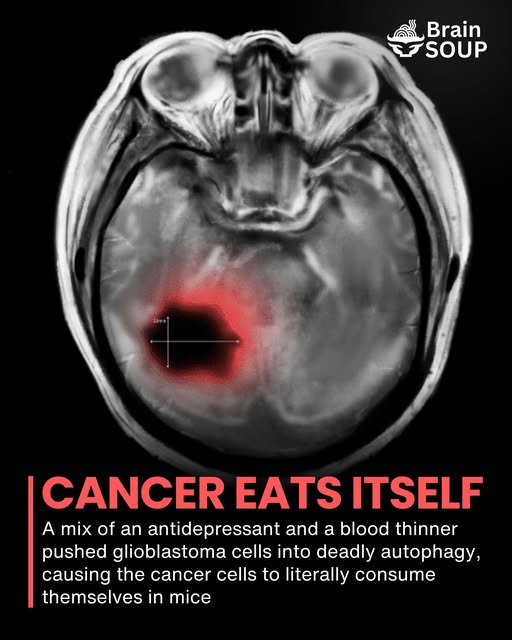
Cancer Eats Itself

Scientists have made one of the most startling and promising discoveries in brain cancer research. 

A new study shows that a simple combination of an antidepressant and a blood thinner forced glioblastoma cells into a state of lethal autophagy in mice. Autophagy is the process where cells break down and recycle their own components.

In normal cells it is a survival mechanism. In cancer cells this controlled breakdown can become so extreme that the cells collapse and die. Researchers found that when these two drugs were paired together they pushed glioblastoma cells past their survival point and turned autophagy into a death trigger.

Glioblastoma (GBM): What It Is, Symptoms & Prognosis

Glioblastoma is one of the most aggressive and deadly forms of brain cancer and current treatments offer limited long term success. This discovery is gaining global attention because it uses already known drugs that could be repurposed faster than completely new medications. Scientists reported that the treated tumors shrank dramatically in mice as cancer cells began consuming themselves until they were no longer able to survive. Healthy cells were not harmed which makes this approach even more promising.

Experts emphasize that although this success has been shown in mice human trials will be required to understand safety dosage and long term outcomes. Still this research opens a new pathway for developing treatments that attack cancer by turning its own survival system against itself.

The idea that deadly tumors could be taught to self-destruct is capturing worldwide interest. This breakthrough brings real hope and shows how innovative thinking can lead to powerful new strategies against one of the hardest cancers to treat. How about we just get excited that two drugs cause Autophagy in glioblastoma?  #Brainsoup #lifestyle #HealthBreakthrough #ViralScience

   The link to the research

Long-term use of certain antidepressants has been associated with decreased incidence of gliomas, possibly through the induction of autophagy, the catabolic process of breaking down cellular components. In a transgenic mouse model of glioma, Shchors et al. found that the tricyclic antidepressant imipramine induced autophagy and impaired proliferation in glioma tumors and extended the life span of mice with low-grade, but not high-grade, tumors. This difference in low- versus high-grade tumor-bearing mice is consistent with the observation that prescribing imipramine after diagnosis lacks a survival benefit in glioma patients.

 Therefore, the authors screened for drugs that enhanced imipramine’s antiproliferative effects in cultured human glioma cell lines. Only one of those tested, the anticoagulant drug ticlopidine, enhanced the toxicity of imipramine in all cell lines tested, but ticlopidine inhibits the adenosine diphosphate receptor P2Y12, an abundant receptor on platelets. Glioma cells had increased abundance of P2Y12 compared with the amount in normal glial cells. Combining other tricyclic antidepressants with other P2Y12 inhibitors was also synergistically toxic to glioma cells in culture. 

Blocking P2Y12 maintains a high activity of adenylyl cyclase and subsequently high production of cyclic adenosine monophosphate (cAMP), which can alter the balance of AMP:ATP, thereby increasing autophagy. The combination of imipramine and ticlopidine – Search increased the rate of autophagy, inferred from the detection of various autophagy proteins and structures in tumor cells in culture or in mice, above that induced by either drug alone. Pharmacologically inhibiting autophagy or knocking down key autophagy mediators impaired the cytotoxic synergy of the drug combination in tumor cells in culture or in mice. 

Treating transgenic or xenografted glioma-bearing mice with the combined therapy of imipramine and ticlopidine had a greater effect of increasing survival and suppressing tumor progression than either monotherapy, even in mice with late-stage tumors. The findings indicate that the toxic amount of autophagy triggered by the combination of tricyclic antidepressants and P2Y12 inhibitors may be therapeutically beneficial for glioma patients.

K. Shchors, A. Massaras, D. Hanahan, Dual targeting of the autophagic regulatory circuitry in gliomas with repurposed drugs elicits cell-lethal autophagy and therapeutic benefit. Cancer Cell28, 456–471 (2015). [PubMed]

In mice…. Okay so how did the mouse get cancer in the first place? Was it via a vaccine 💉? I’m genuinely questioning everything here.

The Vaccine Anktiva is already melting glioblastomas in people. Minimal sidefx, no SAE’s and very little chemo. Game changer

There is no publicly available data that this (or a similar) drug-pair has been tested in humans for glioblastoma treatment — at least not with published results.
• Recent human data (2025) suggests that antidepressant use after GBM diagnosis correlates with worse survival — which could reflect confounding factors, or might indicate antidepressants alone (or in usual doses) don’t help — and certainly doesn’t support repurposing them yet for treatment.

Linda Casper Crossman doesn’t know what ‘recent human data’ you are sitting here, but both Trintellix and Prozac show extended survival for glioblastoma patients. The studies were performed in Sweden and in the US at Stanford. No trials so far (right, who’s gonna pay for trials on two fairly old drugs to repurpose). When you inject ‘certainty’ into your ‘doesn’t support repurposing them for treatment’ you contradict the published studies and CERTAINLY mislead people looking for ways to beat cancer when official treatment is exhausted.

Well the standard conventional treatment has NEVER cured glioblastoma. 

   Conventional treatment ensures you will die.

Monica Frate look up “the cancer bug” – Search

If this is factual The idea of understanding, safety Dosage would be as simple as looking at the data of these already known drugs. Trials should be even easier by simply administering these medications’s dosage on a higher side of normal and looking for a reduction and tumor size. If this is factual, this will be one of the fastest treatments of its kind. It is just so hard to believe anything on Facebook anymore.

Are we whales now?

The claim is based on real science, but is not (yet) a proven breakthrough for humans
Yes: there was a study that found an antidepressant + a blood thinner triggered lethal autophagy in glioma cells in mice, and modestly extended their lifespan.
No: that does not mean we have a new effective, safe treatment for human glioblastoma. There is no convincing human evidence yet the approach remains hypothetical and experimental.

Where is the link to the published research study please?

Glioblastoma (GBM) research shows certain antidepressants, especially tricyclics (TCAs) like imipramine, can trigger excessive autophagy (cells eating themselves), potentially killing cancer cells, and work better combined with other drugs (like blood thinners) or therapies (like VEGF inhibitors) to improve survival in mice, but clinical trials show mixed or no overall survival benefit, highlighting the need for more research into safe, effective combinations with standard treatments like Temozolomide (TMZ).

Some people are unwell enough and have tested and tried and saw their family members test and try “the healthcare system” and it did not work and they would rather try ANYthing else than that. And you’re adding insult to injury. What would you have these desperate people (with a life threatening illness) to do if they have lost faith in the system???Where is the link to this study? Also, fasting and controlled heat exposure (ie: sauna) will support autophagy as well

Dr Pete Sulak cured himself of brain cancer in one year. – Search

Autophagy was part of his protocol and it occurs during fasting. Other things he addressed were oxygenation, cellular renewal, he also had Dendritic Cell Therapy in Mexico, which the majority of folk can’t afford, so not all down to fasting  superfoods, stress relief, natural cancer protocols, stem cell research etc etc etc.

What is the specific antidepressant & blood thinner they are talking about?
Antidepressants work depend on Serotonin to dopamine meds for anxiety and stress google it – Search Videos

Neuronic Devices
Hope grows when science dares to look at old problems in new ways. Breakthroughs like this remind us that progress often begins with curiosity, persistence and the courage to rethink what’s possible. Hold on to that reminder in your own life too the path forward can change faster than we expect.

Detox for chemicals and metal then organic ketogenic diet alkaline body stops cancer (fungal infection)
I read this everywhere that cancer is fungus and mold it changes according to body temperature that’s how remission is explained

Evgenia Kotsifos and parasitic.. look up drs hulda Clark and Barbara O’Neil. Also bitter raw apricot seeds(whole or capsule form) kills c@ncer cells… also look up dr limor goren c@ncer researcher – Search who stumbled on the power of raw first press high oleocanthal olive oil to kill all different types of C cells… spoon a day!! 

Just get it from Italy or Greece, flown not boat shipped and in metal can not glass or plastic. My faves are LA Masseria from Sicily and Liokareas or Kosterina from Greece

LA Masseria Olive Oil from Sicily – Search Images is a testament to the island’s rich agricultural heritage and the quality of its olive trees.

The olive oil is crafted from Nocellara Etnea olives grown at the base of Mount Etna, are known for their unique flavor and high polyphenol content. These olives thrive in the volcanic soil and Mediterranean climate, producing an extra virgin olive oil that is rich in antioxidants and health benefits. The oil is characterized by a bright, fresh taste with hints of herbs, nuts, and a peppery finish, making it suitable for various culinary uses, including dressings and salads.   

These olives are hand-harvested and cold-pressed the same day, ensuring freshness and authenticity. The oil is first cold-pressed, which retains the natural taste, aroma, and health benefits of the olives. LA Masseria’s olive oil is not only delicious but also rich in nutrients, showcasing Sicilian heritage and craftsmanship. It is a family-owned and independent small business, dedicated to delivering high-quality olive oil straight from their groves to your doorstep.

Glioblastoma is considered rare in both Greece and Italy.

It is the most common type of malignant brain tumor in adults, but its incidence is relatively low, with fewer than 25,000 Americans diagnosed with glioblastoma each year.

In Italy, the median survival time for glioblastoma patients is approximately 12 to 18 months when treated with standard therapies, indicating that while glioblastoma is aggressive, it is not the most prevalent type of brain cancer in these regions.

High quality Olive Oil is subjective for the prevention of Glioblastoma Brain Tumor; there’s a lot that goes into the efficacy. 

It’s the first press? Did it come from those specific olives in Greece and Italy that have been studied? Was it stored properly or exposed to light? Did it sit in a bottle for too long? And anyways it’s not a be all and end all solution. There’s a lot of different things you could do. It’s just one good thing to add into your routine.  the specific brands that I mentioned have lab tests to corroborate every batch and have been studied for their almost highest levels of polyphenols and oleocanthal

Linda O’leary honestly the best way to buy it is sourced directly from the olive oil producers… the stores get their products from overseas they’re shipped on boats they sit in boxes and warehouses before they even make it to the shelf. Even in dark glass you don’t know what kind of sunlight or temperatures they’ve been exposed to in that process and most people in this business know that the quality of their olive oil and the antioxidants and polyphenols degrade over time. 

Always best consumed within a year to 18 months max from the time it’s bottled. So to guarantee quality product, the best way is to buy direct and have it shipped to you by air mail.

Preferably the brands that are in a metal can… my preferred brand if you’re interested in checking them out are Masseria (first press) from Sicily and Greece has several great brands as well, Kosterina and Liokareas are two great ones – Search  but honestly if you just

Google top Italian or Greek early press highest quality olive oil – Search you’ll see a whole list of different producers and trust me they’re all amazing. I tried a lot of different ones when I was in Greece this year and I also took a class with an olive oil Sommelier – Search ( I know.. I didn’t know there was such a thing either) the key is that it is first press which has the highest level of polyphenol when the olives are still not fully ripe and that there’s a date on when it was harvested and a lab report that corroborates it’s oxidation level. Most of the better competitive oils come with all of that.

Metal or opaque ceramic type glass where you can’t see through are your two best vessels. They’re not cheap I’m not gonna lie.. but the high-quality ones are for health not cooking all day every day. A tablespoon a day by mouth or drizzled over anything you eat is really all you need and a good size container will last you the year. And then buy your everyday cooking olive oil from among the regular second press slightly less expensive batches. The somm said the best Greek olive oils always come from Kalamata or Crete… and that generally Greek or Italy always vie for the top gold medal yearly winning spot with olive oils so there really aren’t any better ones out there.

Josh Brizendine can you please show me the study? 

Maybe some effects in a lab setting in a dish not in the human body

‘Olive oil’ drug shows early promise for some brain cancer patients.

Glioblastoma cells under a microscope

Image: Glioblastoma cells under a microscope. Credit: Professor Chris Jones, The Institute of Cancer Research, London. 

‘Olive oil drug’ may help treat deadly brain tumor glioblastoma | New York Post

A unique drug derived from oleic acid – which naturally occurs in animal and vegetable fats such as olive oil – has shown promise for patients with an advanced form of the most common type of brain cancer, following a study led by The Royal Marsden NHS Foundation Trust and The Institute of Cancer Research, London.

Results from the multi-centre Phase 1/2 study, which have been published in the British Journal of Cancer, suggest the drug could be particularly effective for patients with glioblastoma, an aggressive type of brain cancer which affects 3200 people across the UK each year.

One patient experienced an exceptional response

Following these results, the drug is now being trialled in a global randomised Phase 2b/3 study focused on newly diagnosed glioblastoma patients, which is recruiting patients at The Royal Marsden.

The drug, named 2-OHOA, is a first-in-class treatment – which means it offers a new and unique way of treating the disease – and is designed to block the growth of cancer cells.  

The early study enrolled 54 patients with recurrent glioblastoma and other advanced solid tumours. Of the 21 patients with glioblastoma treated, around a quarter (24%) responded to the drug and one patient experienced an exceptional response, which lasted for more than three years.

Drug alters cancer cell walls

2-OHOA is a synthetic lipid derived from oleic acid that works by restructuring the abnormal membranes of cancer cells. Lipids are a broad group of organic compounds which include fats and waxes, and they play an important role in the structure of cell membranes. Cell membranes are the exterior layer of a living cell and help to regulate its growth.

The abnormal membranes of cancer cells make it easier for proteins within each cell to meet neighbouring proteins. This creates signals, which drives the disease’s growth. 2-OHOA blocks these signals by making the membranes of cancerous cells act like normal cells, putting the brakes on the abnormal growth signals driving cancer progression.

Including brain cancer patients in early phase trials

Phase 1/2 study lead Dr Juanita Lopez, Consultant Medical Oncologist at The Royal Marsden NHS Foundation Trust and Reader in Early Phase Drug Development at The Institute of Cancer Research, London, said: “Glioblastoma is an incredibly difficult disease to treat and patients with advanced disease have very poor outcomes, often living for just a year after their diagnosis. There hasn’t been an effective new treatment for this patient group in nearly two decades, so drug development urgently needs to be accelerated.”  

“Unfortunately, patients with brain cancer often don’t have the opportunity to participate in early phase trials. This underpins the vital importance of research into novel new drugs like 2-OHOA, which is designed from the same building blocks as olive oil. The drug works by reshaping the walls of cancer cells, blocking crucial growth signals that drive cancer.

By including glioblastoma patients in this study, we were able to more quickly show early and hopeful results, supporting their inclusion in the Phase 2b/3 trial. We’re very much looking forward to results from ongoing trials and hope this treatment eventually becomes widely available.”

The trial has ‘given me hope’

After being diagnosed with glioblastoma in March 2023, Michele Treen, 42 from Crawley, quickly reorganised her wedding and got married a week before undergoing brain surgery. She was then referred to The Royal Marsden where, along with being treated with radiotherapy and chemotherapy, she joined the phase 2b/3 trial for 2-OHOA. She recently had her fourth stable scan in a row. Michele said:

“I was meant to be getting married in July 2023, but when we found out about the brain tumour, we wanted to do it straight away. Thanks to our incredible friends and family, me and my husband, Aaron, somehow pulled off a wedding in two weeks. We were so happy and so sad that day, crying all the way through. After the wedding, the first thing we did as a married couple was attend another appointment where we were told that the tumour was grade four and incurable. Our entire world came crashing down.

“I recovered well from surgery and, when I was told about the trial, I thought, why not? There’s nothing to lose. The drug comes in a sachet – a bit like Lemsip – and I take it with water three times a day. I experience some side effects, like fatigue and nausea, but we don’t know if that’s from the drug – which could be a placebo – or my ongoing chemotherapy. Either way, I feel fine and can still do things I love. For example, I spent the summer traveling across Europe with my husband and 11-year-old daughter in a motorhome. From mountain-biking in Andorra to exploring Venice’s canals, I did things I’ll never forget with the people I love most.

“The Royal Marsden is the most incredible hospital I’ve ever been to and everyone, from the reception staff to the nurses and doctors, are all so kind. It was amazing the hospital offered me the chance to join this trial, which has given me hope.”

The phase 1/2 study was funded by Laminar Pharmaceuticals and carried out in the Oak Foundation Drug Development Unit at The Royal Marsden and The Institute of Cancer Research (ICR), which was funded by The Royal Marsden Cancer Charity, and is supported by Cancer Research UK, the Experimental Cancer Medicine Centre Network and the National Institute for Health and Care Research (NIHR).  

 I drink high quality olive oil daily and it didn’t do anything for me!!!

I just want everybody to be safe because cancer is at an all-time high right now especially in younger people. This whole world is just full of nothing but pollutants, toxic stuff for the human body and everybody wonders why there are so many autoimmune disorders. They supply us with all the unhealthy stuff to make us sick. Then we go to the doctor and get put on medicine which lines their pocket when all it boils down to the stuff they put in food. It’s hard being healthy in an unhealthy environment.

*******

  Scientists at Harvard put out that study.  Chemo destroys every cell in the human body to the brink of barely surviving.  It not only kills cancer cells. Evgenia Kotsifos states Apricot seeds contain cyanide which a lot of foods we eat contain apples including one good thing people need to understand is moderation cigarettes are poison but people do it every day.  Alcohol is poison but people do it every day.  It has been scientifically proven that apricot seeds kill cancer. It doesn’t kill healthy cells as well, so that’s why I say apricot seeds are safer than chemo.🤦‍♂️ it’s all scientifically proven and also you can do the research yourself. The government used to back apricot seeds for cancer treatment, but a curing patient is not profitable just saying, but I understand where you’re coming from. 
Evgenia Kotsifos also states that apricot seeds have a very low level of cyanide that eaten in high doses could be toxic but actually no they’ve been studied for their healing properties and you can buy a bottle of apricot seed powder capsule at online pharmacies all over the place. They wouldn’t sell it to you if it was poison .. you just don’t exceed a capsule or two a day or five seeds total  You must realize that chemotherapy is poison too right?  It’s literally poisoning your whole body, killing both bad cells and healthy ones. I’d rather have my poison come from nature than a lab but that’s just me. 

Promising Research

Some research on laetrile and amygdalin as cancer treatments has been published in reputable journals. For example:

  • Is Vitamin B17 Safe to Use for Cancer Treatment? 
  • In 2021, researchers said that they uncovered the mechanisms by which amygdalin induces apoptosis: It appeared to increase one cellular protein and reduce another. They also saw other beneficial actions at the cellular level, stating that “amygdalin possesses anticancer properties and induces apoptosis,” and that “amygdalin can act as a multifunctional drug in cancer therapeutics.”
  • In August 2020, researchers said they demonstrated that amygdalin can kill certain breast cancer cell lines (grown in a lab setting) and that amygdalin may prevent those cells from spreading through the body. They also stated that it was not toxic to healthy skin cells.7
  • In June 2020, researchers combined amygdalin with the enzyme beta-glucosidase (ß-glu), which enhances amygdalin activity. They found that the combination led to the death of prostate cancer cells in a lab setting. They also noted that while the treatment had some impact on heart and liver function, it did not appear to cause organ damage.  https://www.acsh.org/sites/default/files/2025-01/laetrile-story.pdf
Posted in Uncategorized | Leave a comment

Living in the Blue Zones

We’ve outlined some of the key dietary and lifestyle characteristics specific to the Blue Zones that make each of them part of this exclusive club below.  

I had a loudmouth hater on social media tell me one night that he didn’t believe in the Blue Zones because there are other parts of the world that have higher life expectancy.

He was right 0n that account, but the Blue Zone have the highest concentrations of centenarians (people over 100 years of age),

What is a blue zone?

“Blue zone” is the term given by Dan Buettner to geographic regions home to unusually large numbers of older people. Buettner named five such zones in a book he wrote on the subject.

They are:

The Ikaria Greece Secrets to Longevity, Health, and Happiness

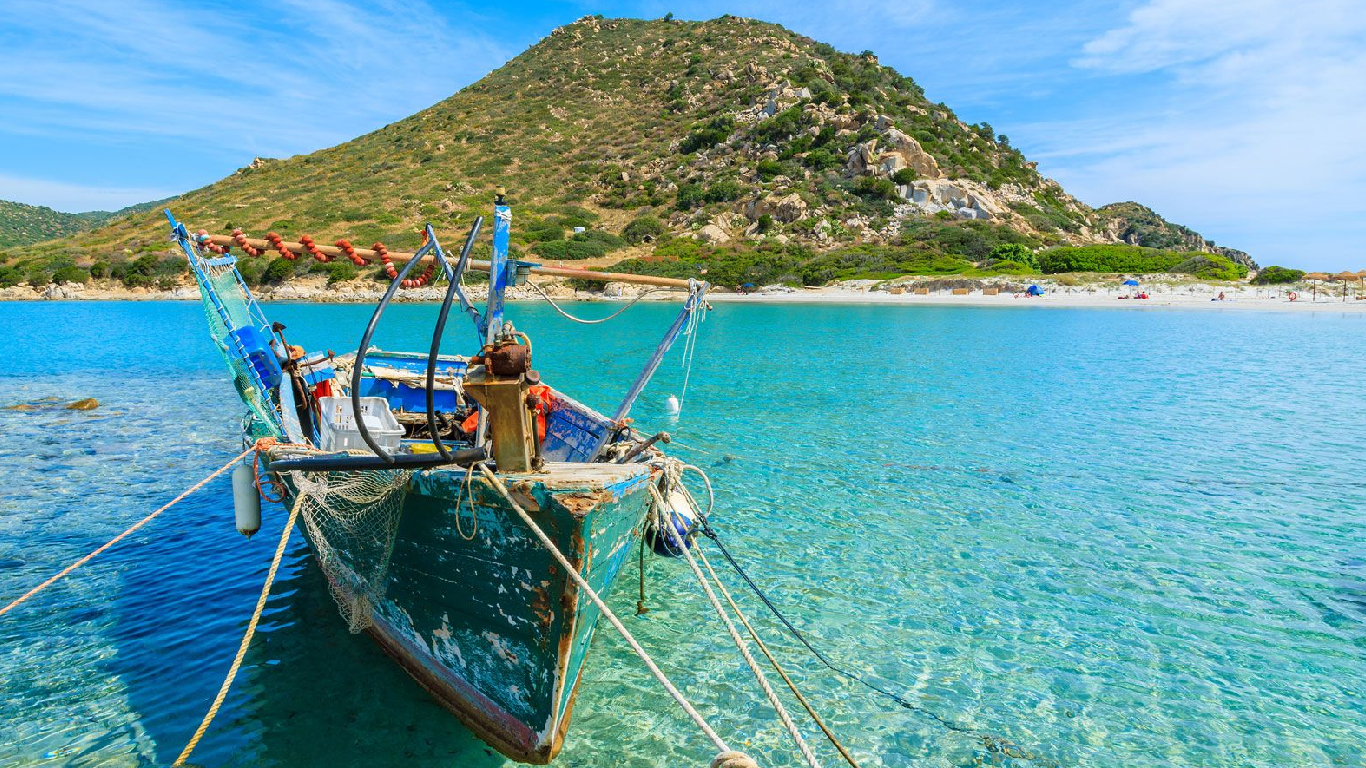
In Search Of The Secret Of Long Life In Ogliastra. Sardinia Approach to Life

Cultures Explained: Okinawa — Why is it so Different from the Rest of Japan

What Lifestyle Nicoya People Live – A Longer Healthy Life

How Costa Rica’s Nicoya Became a ‘Blue Zone’

Why Loma Linda residents live longer than the rest of us: They treat the body like a temple – Los Angeles Times

RELATED: Good Sleep Is More Important Than You Think… Here’s How Anyone Can Master It

Blue Zones: 5 Locations With The Secrets To “Immortality”

The never-ending pursuit of biological longevity has seen people jump some ridiculous hoops to maintain – or at the very least, maintain the appearance of – a healthy mind and body. While cosmetic treatments and fad diets may offer temporary solutions to the anti-aging battle, five parts of the world known as Blue Zones have ostensibly unlocked the secrets to a long and healthy life.

For context, Blue Zones are the unique geographic regions where you’ll find the oldest life expectancies, the highest concentrations of centenarians (people over 100 years of age), as well as the lowest rates of chronic diseases. The term was originally coined by American author Dan Buettner, who studied these areas with his team at National Geographic. During their research, Buettner placed a blue circle around each locale on a map – hence ‘Blue Zones.’

1. Ikaria (Greece)

Island where people live longer than anyone on earth | 60 Minutes Australia

Lifestyle

This small Greek island typifies the traditional Mediterranean lifestyle. For many generations, Ikaria’s mountainous landscape has forced locals to be in prime physical condition simply by moving around the island. Exercise is seamlessly integrated into their daily lives, from tending to livestock, gardening, walking along the glorious paths, to doing their own backyard work and renovations. No Airtasker here, that’s for sure.

Ikarians live humble and modest lives prioritising strong relationships between family and friends. The locals are also proud Greek Orthodox Christians with a total of 58 parishes spread across the tiny island. Their strong social and religious ties have created a sense of meaning and purpose that is conditioned into both the current and future generations. A siesta is also on the daily to-do list, having proven to reduce the risk of heart disease by up to 35%. 

Diet

The Ikarian diet is a variation of the Mediterranean diet involving the consumption of potatoes, full-fat dairy products, and coffee (Greek-style, of course). The strictly whole food diet is rich in olive oil which provides a source of healthy fats. Fruits, vegetables, beans, legumes, and whole grains are all essential for fibre. Ikarains maintain a low consumption of meat, coupled with moderate red wine consumption.

Dairy products derived from goats are favoured to those from cows and since it’s a lactose-free way to get some potassium, in addition to containing tryptophan (a stress-relieving hormone). As an island, Ikaria loves its seafood with sardines, salmon, herring, and trout being amongst those most frequently consumed. Herbal teas ranging from wild rosemary to sage are commonly enjoyed by Ikarians as they’re high in antioxidants which maintain low blood pressure.

In Ikaria, one in three people make it to 90 and the island is almost completely free from dementia. Their clean Aegean air, lush mountains, whole food diet, and balanced lifestyle have essentially culminated into a Mediterranean utopia.   


2. Sardinia (Italy)

Sardinia — The Island Of Mysterious Longevity

Lifestyle

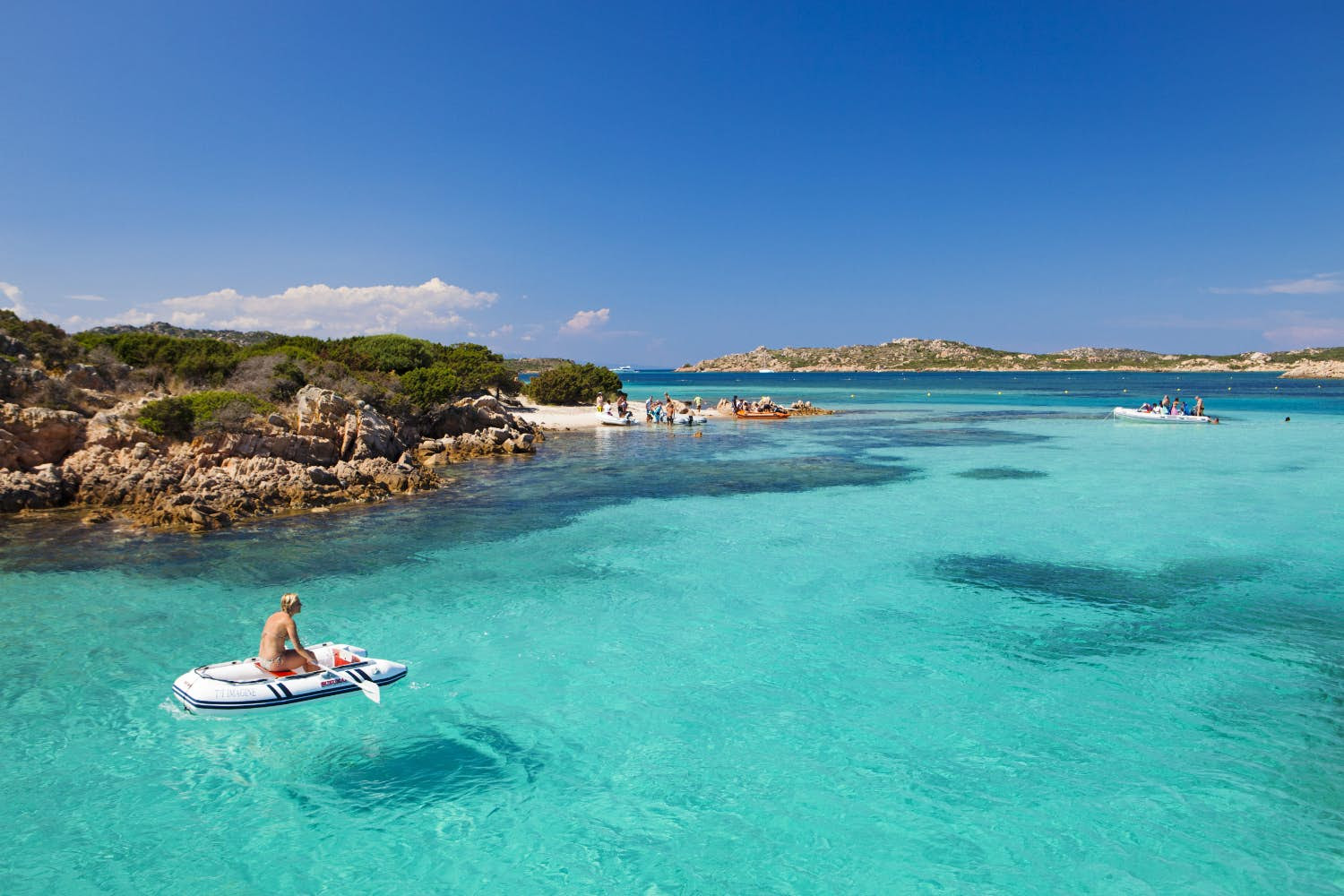
Officially home to the world’s oldest men, Sardinia is a small Italian island situated south of Corse and north of Tunisia. The Ogliastra region within the island is a cluster of villages that has almost ten times more centenarians per capita than the US.

The Sardinian locals have strong family values which (apparently) contributes to lower rates of stress, depression, and suicide. Grandparents are not just part of the family but are active members of the communities with solid relational ties between the youth and the elderly.

It’s also common to frequently socialise with friends, the region known for its sardonic humour. Laughter reduces stress and, over time, lowers the risk of cardiovascular disease. Many locals are shepherds or farmers who engage in physical labour, consistently walking in excess of eight kilometres a day, proving all the exercise required to live past a century.

Diet

Another variation of the Mediterranean diet, the Sardo-Mediterranean diet is heavily associated with the prevention of chronic diseases. Under this regime, Sardinian locals eat high amounts of olive oil, fish, and dairy products. Processed foods are not consumed and nutrients are instead obtained from various fruits, vegetables, legumes, grains, nuts, and herbs alike.

With low meat consumption, a low-protein diet is commonly consumed amongst the Sardinian population who have extremely minimal rates of diabetes and cancer. One or two glasses a day (and almost always more) of red wine is also welcomed with open arms.

Eternal Life? The secrets of the centenarians | DW Documentary


3. Okinawa (Japan)

Okinawa (Japan) longest lived people – Search Videos

Lifestyle

The largest island in Japan’s subtropical archipelago, Okinawa is officially home to the world’s oldest women. Once known as the land of immortals, this Japanese prefecture boasts incredibly low rates of cancer, dementia, and heart disease per capita. Potentially the most compelling factor behind the majority of citizens living to 100 and beyond is the Okinawans’ focus on ‘ikigai.’

Ikigai is a Japanese word that encapsulates a deep sense of meaning and life purpose. There is not a single uniform purpose that everyone follows, but rather it is unique to each individual. A clear sense of roles and responsibilities that lead to enhanced psychological well-being means that Okinawans have an extremely low rate of depression.

This is furthered by their emphasis on ‘moai’ or ‘social networks,’ which provide emotional and financial support in times of need. In some villages, there are buckets where members of the local community can donate. The funds are then graciously given to families or individuals who are struggling in desperate times of need.

The Okinawan lifestyle is also upheld by a passion for gardening and walking, serving as a source of low-intensity exercise. Tai chi, a meditative martial art form, also increases blood flow and enhanced joint stability. Spending frequent time outside also allows for Okinawans to consistently soak up vitamin D leading to positive impacts on immune function, bone, muscle, and heart health.

Diet

The Okinawan diet comprises mostly foods rich in soy, such as miso soup and tofu. It is almost exclusively a plant-based diet that focuses on staples like leafy greens, sweet potato, and low GI grains – in other words, the ones that won’t spike your blood sugar levels. Animal-based products such as meat and dairy are only consumed occasionally.

Okinawans have also been known to follow a rule they call the ‘hara hachi bu.’ In Western culture, this is known as the ‘80% rule,’ which essentially dictates you eat only until you’re 80% full and nothing more. This avoids a caloric surplus and subsequently reduces the risk of weight gain and chronic diseases.


4. Nicoya (Costa Rica)

Nicoya (Costa Rica) longest lived people – Search Videos

Lifestyle

Situated in the Guanacaste province of Costa Rica, this 130-kilometre peninsula has a mortality rate 20% lower than the rest of the country. Successful centenarians from Nicoya live in close association with their ‘plan de vida’ or ‘reason to live.’ It provides elders with a strong sense of purpose within their communities who also feel an innate need to contribute to something bigger than themselves.

Nicoyans are extremely social people with frequent visits from neighbours matched by a great appreciation for life and laughter. Elder members of the community often live with their families, emphasising the importance of the family unit and values. Locals also engage in regular exercise, often achieved through physical labour, closely related to consistent sun exposure and vitamin D.

Diet

When compared to the diets of the other Blue Zones, the Nicoyan diet has a higher animal-based food consumption, including chicken, eggs, and cheeses. They have a low intake of healthy fats and high intakes of foods rich in fibre, such as fruits, vegetables and legumes, grains, as well as low GI foods.

Nicoyans drink a lot of coffee, juice, and guaro (a Costa Rican alcoholic beverage). The diet avoids milk as well as both processed and frozen foods.


5. Loma Linda, California (US)

Healthy Aging in Loma Linda – YouTube

Lifestyle

Undoubtedly the biggest outlier out of all the Blue Zones, Loma Linda is a small city just south of San Bernadino in California that has the highest concentration of Seventh-day Adventists in the United States. The Seventh-day Adventist church is an Adventist Protestant Christian denomination.

Possibly the most unique element of this way of life is the 24-hour sabbath taking place every Saturday. During this day, the focus of Adventists is exclusively on family and God, serving to provide perspective, clarity, and stress relief. Daily walks are a popular form of regular exercise and Adventists commonly spend the majority of their time with other Adventists. They find spending time with like-minded individuals in tight-knit communities to be extremely beneficial to their mental well-being.

Volunteering through the church is also very common, creating a strong sense of togetherness and inclusivity. Adventists don’t drink alcohol or smoke.

Diet

People in the Seventh-day Adventist community typically follow a vegan diet. This consists of fruits, vegetables, legumes, and grains. Olive oil and nuts are also good sources of fat. It’s also customary for Adventists to eat early, light dinners. This is believed to avoid large caloric consumption during inactive stages of the day. This may be linked to lower BMI and better sleep.


Although each of the five Blue Zones have very little in common geographically, their populations share several common characteristics highly pivotal to their collective longevity. While some of these factors are more prevalent in certain Blue Zones than others, they provide a balanced framework that can help you achieve an overall healthier mind and body.

Tips to live like you’re in the Blue Zones

  • Consume a diet rich with whole foods (especially plant-based foods)
  • Consume alcohol only in moderation (make red wine your first choice if you can)
  • Integrate exercise into daily life, this can be as simple as walking or household chores
  • Prioritise a good night’s sleep and try to sneak in a nap when you can
  • Have a clear life purpose and search for deeper meaning
  • Get involved in your community, maintaining a healthy social network with friends and family

It’s important to remember that there’s no single food or lifestyle trait which will automatically gift you “immortality.” The key is to ensure you maintain a healthy balance of social engagement with diet and exercise. Consistent stimulation of mind and body coupled with a strong sense of self and spiritual purpose is where the magic happens.

If you’d like to learn more about Blue Zones, check out The Blue Zones by Dan Buettner here.

The Singaporean Way of Life: Harmony in Diversity

Singapore longest lived people – Search

6th Blue Zone Singapore – Search

Singapore has been hailed as the world’s sixth ‘Blue Zone’. Blue zones are regions where people live longer than average, and Singapore is an “engineered blue zone” representing healthy longevity. The longevity secrets in Singapore are attributed to its health-conscious policies, culture of activity, and strong community bonds.

Lifestyle in Singapore | Expat Arrivals

In Singapore, harmony in diversity is not just a slogan; it’s a way of life that pulsates through the city-state’s vibrant streets. Here, cultures intertwine seamlessly, creating a mosaic where Chinese, Malay, Indian, and various expatriate communities coexist and thrive.

Picture bustling hawker centers, alive with the aromas of char kway teow and nasi lemak, where individuals from all walks of life congregate, sharing laughter and stories over food. This intricate tapestry of traditions comes alive during festivals, where the streets are adorned with colorful decorations, and celebrations blend into a kaleidoscope of sounds and sights, captivating everyone in their midst. In Singapore, respect for differences is cultivated from a young age, encouraged in schools and communities alike, transforming the city into a model of inclusion and unity that resonates with its inhabitants.

The essence of the Singaporean way of life lies not just in tolerance, but in the genuine celebration of its rich diversity, fostering a sense of belonging that envelops all who call this unique city home.

Navigating the Urban Jungle: Public Transport in Singapore – Search Videos

Singapore Lifestyle – Search Navigating Singapore’s urban jungle can be an exhilarating experience, thanks to its highly efficient public transport system that seamlessly connects every corner of the island. The Mass Rapid Transit (MRT) system, with its sleek trains gliding through underground tunnels and sprawling above-ground tracks, is the backbone of daily commutes. Each station buzzes with a blend of hurried professionals and leisurely tourists, all moving in a symphony of purpose.

Buses, too, play a vital role, their routes crisscrossing the city like veins in a living organism, making even the most remote neighborhoods accessible. Combined with a host of apps that offer real-time updates and directions, getting around is not just easy; it’s a journey filled with opportunities for micro-adventures.

There’s something uniquely invigorating about sharing a crowded train at peak hour, surrounded by the rich tapestry of Singaporean society, where every journey tells a story waiting to unfold.

Culinary Delights: A Food Lover’s Paradise

Stepping into Singapore is like wandering into a gourmet wonderland where the diverse tapestry of cultures is vividly reflected on every plate. Imagine the sizzling sounds of satay skewers over charcoal flames wafting through the air, mingling with the tantalizing aroma of fragrant laksa that beckons from vibrant street hawker stalls.

From Michelin-starred restaurants nestled in sleek skyscrapers to humble eateries serving soul-satisfying dishes, the city is a culinary treasure trove. Every meal is an adventure waiting to unfold—whether its indulging in the rich flavors of Indian biryani, savoring the light, delicate notes of Cantonese dim sum, or delighting in the fiery zest of Malay rendang.

Each bite tells a story, with influences from Chinese, Indian, and Malay cuisines creating a unique palate that keeps food enthusiasts coming back for more. In Singapore, dining is not just about the food; it’s a vibrant cultural experience that invites both locals and visitors to gather, share, and revel in the joy of eating together.

Conclusion

In conclusion, living in Singapore is an experience like no other, blending modernity with rich cultural heritage and natural beauty. The city’s unique lifestyle is characterized by its vibrant public spaces, efficient public transport, and a tapestry of diverse cuisines that reflect its multicultural population.

From the bustling streets of Little India to the tranquil paths along the Singapore River, residents find a balance between urban excitement and serene escapes. Areas like River Green serve as perfect reminders of the city’s commitment to integrating nature within its urban landscape.

Whether you are a local or an expatriate, the dynamic essence of Singapore fosters a sense of community and belonging, making it an exceptional place to call home.

How To Live To Be 100. Full Series

Singapore named 6th “Blue Zone” region known for exceptional longevity – Singapore News

Netflix’s Live to 100 Names Singapore the World’s Sixth Blue Zone

Blue Zone’ Status: Discover the Longevity Secrets in Singapore

Netflix’s Live to 100 – Search Videos

Journey on the longest roads across the globe

Posted in Uncategorized | Leave a comment

Light of Hope

The Declaration of Independence on its 250th anniversary

Today’s Firestorm and the Declaration

Larry P. Arnn

President, Hillsdale College

The 250th anniversary of the Declaration of Independence will be a significant celebration in American history. The National Park Service, along with the National Archives, the Library of Congress, and other federal agencies, will participate in this commemoration. The event will include various programs and activities, such as volunteering, sharing stories, and participating in events at iconic historical sites. The National Park Service will also invest in preserving America’s historic places and diverse history.

The National Archives will host events and activities that celebrate the ideals of equality and liberty enshrined in the Declaration of Independence. The Library of Congress will share its collections and insights, inviting Americans to rediscover the Library and participate in the celebration.

The United States Department of State will encourage citizens to renew their love of American history and ignite a spirit of adventure and innovation. The White House will present a video series that tells the remarkable story of American Independence

The following is adapted from remarks delivered on November 18, 2025, at a Hillsdale College reception in Franklin, Tennessee.

Two momentous things come together as the New Year approaches. The first is the 250th anniversary of the greatest document in political history, the Declaration of Independence. The second is the national firestorm that rages over its meaning.

Trump

The first of the contrary winds fueling our national firestorm is Donald Trump, who has closed out his first whirlwind year. Crime is down in several cities where he sent the National Guard. The economy is doing pretty well, and predictions are that it will continue, decline, or quicken (I think it will fluctuate). The stock market is high, and the range of predictions is the same. 

Iran and Hamas are weaker, thanks in vital part to Israel, and the cauldron of the Middle East is a little cooler. 300,000 fewer people work for the federal government (after the number had increased by 240,000 during the Biden administration). Military recruitment and defense spending are up, and Secretary of War Hegseth gave a stirring speech to the military about its purpose, which is to fight. 

Secretary of State Rubio has given some wonderful speeches about the purpose and manner of American foreign policy, and he and others shuttled around the Middle East at speed to put together a fragile yet promising peace deal. Secretary of Education McMahon has cut the Department in half and is after the rest. Secretary of the Interior Burgum is looking for ways to use the land, and Secretary of Energy Wright is looking for energy. Attorney General Bondi seems to know no fear. Vice President Vance frightened the daylights out of Europe, calling for the elimination of wokeness and for increased defense spending.

A blizzard of executive orders has given regulatory relief, stemmed the tide of DEI, and reduced the size and reach of the federal establishment. Shower pressure is up: you can now take a hot shower under a heavy stream. Pressure is up on colleges, too, which have been violating civil rights law systematically. Tariffs are higher here and abroad, and that is still shaking out. The federal debt is rising a bit slower. The border is closed. The Ukraine War is a stubborn disaster; Trump is working on it and asking Western Europe to pay the bill.

The Resistance

The other wind blows from the self-described “resistance” to the elected government, and it is picking up. The “No Kings” demonstrations have turned out a lot of people—or fewer than a lot, depending on who you talk to. Mamdani is the first self-proclaimed socialist Mayor-Elect of New York. Virginia went bluer. Jews have been harassed on our college campuses with almost European intensity. An assassin killed Charlie Kirk, and reports are that several Trump administration officials and their families have been moved onto military bases due to threats to their safety. Violent attacks upon law enforcement officers proliferate.

Zany radicalism abounds both on the left and the right, left and right being promiscuous terms that mean even less today than usual. Young people on the left seem enamored of Marx; on the right, many gravitate towards Nietzsche. Nick Fuentes, who has a big audience, professes to like both Hitler and Stalin, who to be fair did cooperate to carve up their neighbors before they waged merciless war on each other. Churchill made sense of that by saying that national socialism and communism differ as the North Pole differs from the South. Many young people do not seem to realize that the North and South Poles are bad places to live. Their confusion stems from reasons that are deep but also limpid, visible to the bottom.

What do we see when we look down to that bottom? We see a generation in which too many have been taught that the only truth is in the human will, which then becomes sovereign. The past is presented to them as a dark time, now happily superseded; therefore they learn no edifying or useful history. The quest for truth dies not only in the humanities, but increasingly in the sciences. To think there is one right answer to a math problem has been derided as a racist concept. And of course we confuse the sexes.

Gloria Steinem attributes the feminist saying, “A woman needs a man like a fish needs a bicycle,” to a 22-year-old Australian, Irina Dunn, who said she wrote it first on the wall in a toilet stall. It perhaps did not occur to her that a fish and a bicycle could occupy that stall till kingdom come and never produce Irina Dunn. Such ignorance leaves boys free to become useless wimps or dangerous predators. It leaves too many women to themselves even if they wish to face the fulfilling trial of children. Little wonder we are not reproducing even at a replacement level. Little wonder that so many boys and girls gravitate toward different, if ultimately indistinguishable, wastelands.

When human will becomes sovereign, unencumbered by nature and divorced from God, we are left with movements—people organized to impose their will on their adversaries. This is the terminal product of historicist philosophy and modern social science: the war, not of all against all, but of movement against movement.

At the bottom of the rot is a set of doctrines that have remade the American government and are remaking the society. These doctrines are the abnegation of the Declaration of Independence. Under these doctrines there are no truths that last, no commands from above that must be obeyed. There is only what people do to one another, and by this process they shape the society and each other. What they ought to do does not enter into it.

This is the great “discovery” that plagues our day: the sovereignty of history, of time, and of circumstance. Discovering there is no “ought,” we can break free by reinventing everything according to our desires. This is why Nick Fuentes giggles while he calls for rape, the Gulag, and Auschwitz; why thuggish Antifa mobs have become the vanguard of the mainstream Left; why so many deny the fact of two biological sexes and defend the sexual mutilation of children. As the torturer O’Brien proves to his “student” Winston in George Orwell’s 1984, two plus two equals five—or any number you please.

These doctrines have remade the American government. This can be seen in the change of the size of government, relative to the society, since progressivism took hold; in the change in the number of people working for the government; in the wealth gathered around Washington, D.C.; in the centralization of authority and resources into the government and within government; in the level of taxation; and in the national debt.

Here is an easy measure: where are our laws made now? Are they made by the Congress or by unelected agencies? It was common doctrine in America’s Founding that the legislative power, the most important of the powers of government, cannot be delegated. Article I of the Constitution, which concerns the Congress—unlike the Articles concerning the executive and the judiciary—begins with the word “all”: “All legislative Powers herein granted shall be vested in a Congress of the United States. . . .” In his Second Treatise of Government, John Locke writes: “The Legislative cannot transfer the Power of Making laws to any other hands; for it being but a delegated Power from the People, they who have it cannot pass it over to others.”

Senator Mike Lee of Utah keeps a cabinet in his office that looks to be over four feet high and over three feet wide. It contains the laws and regulations enacted by the federal government in a single two-year congressional session. In the two-year sessions since 2000, an average of just under 4,800 pages per session were added by the Congress itself, and just over 150,000 pages per session were added by the bureaucracy. Nobody elected the bureaucracy to do that. Until a year ago, no one could even dismiss bureaucrats from office. There is the firestorm, made up of two opposites colliding.

The Declaration of Independence

The solution to all this, if we will but adopt it, is found in the Declaration. It tells us what we are. It tells us how to govern ourselves. And say what you want about Donald Trump, but it is a fact that he loves the Declaration—he’s had an original copy of it installed in the Oval Office—and wants the celebration of it to be full-throated.

In an extraordinary development, Hillsdale College has joined with the U.S. Department of Education, of all places, and with the White House to help with the celebration. We are making videos in the White House to mark the milestones in the year that led up to July 4, 1776. We are explaining the events and inviting people to read and understand the document. We are paying for all that ourselves. In addition, Hillsdale’s online education office and Hillsdale Studios will be releasing two documentaries to explain the American Founding—one on Colonial America and one on the Revolution—the latter, we hope, in theaters first.

To “commemorate” is to remember together. It is time for us Americans to do that. It is not so hard. The Declaration is 1,350 words long. Its majesty is matched by its pithiness. It contains an entire account of the source, the purpose, and the manner of the government of the United States. These three things are to be found the solution to our problems.  

First, the source of our government: “The Law of Nature and Nature’s God in the Declaration.” These are the things we know by seeing and thinking about the things around us in nature. The satire from Irina Dunn about the fish and the bicycle and the man and the woman would not be funny or meaningful, except we know by nature what is a fish, what is a bicycle, what is a man, and what is a woman, and we know how they are related or not related.

Under these laws of nature, the Declaration says “that all men are created equal.” Put any common noun in place of “man,” and the formula still works. For instance, all horses are created equal, all being equally horses. But men and horses are different things.

All men, meaning human beings, are equal in being human, which makes them equal in their rights. You can ride a horse. If you are a little boy or girl, you can even ride on the back of your father, but only if your father gives permission. Jefferson, explaining the Declaration shortly before his death on its 50th anniversary, wrote that “the mass of mankind has not been born with saddles on their backs, nor a favored few booted and spurred, ready to ride them legitimately, by the grace of God.”

Similarly, in the Lincoln-Douglas debates in 1858, Stephen Douglas asked Abraham Lincoln why a man might take his hog into the free territory of Nebraska and have it protected by law, but not his slave. Lincoln replied that there is no reason at all, if the hog and the slave are the same thing. But they are not. Even down in the slave states they recognized this, which is why they passed laws against teaching slaves to read but passed no such laws regarding hogs.

Understanding these distinctions, we have the restoration of nature itself and of the moral law—recognized repeatedly in the Declaration—that constitutes the rights inherent in our humanity. Here we have family, property, justice, work, learning, conscience, and worship. Nature is impossible to extinction until the last trumpet sounds, and therefore our rights cannot be extinguished. Everything we know, we know through our perception of nature and our understanding of the Divine.

Next, the purpose of our government: the Declaration describes to what end we are to be governed, namely the protection of our rights, the rights that are written in our nature. These are inherent in man himself, instilled by the Creator Himself. What are these rights? To do the things a human being can do by nature: think, work, speak, learn, worship, and defend. We are born able to do these things. We must do them or be diminished. We have a right to them.

Finally, the Declaration describes the manner in which we must be governed:

One, the government must be representative in form. We the governed must consent to it. This is entirely natural and right. I can tell you from my experience running a college that young people will put up with most anything if they have consented to it and almost nothing if they have not. That is human nature.

Two, the government must be limited. It may only exercise the powers we delegate to it. Our rights are ours by nature, and we delegate authority to the government only on condition that our rights be protected, and only in certain ways. The Constitution, which follows the Declaration by eleven years but in principle follows it in every way, lays out a government in which local things are managed locally, by the people nearest and most affected. The federal government has only the specific powers delegated. 

Today, through a misreading of what is called the Commerce Clause in the Constitution, the federal government regulates everything down to the footpaths in Hillsdale, Michigan. It also has dominance in public finance, which is why the streets are too often untended and, in many cities, unpoliced. This is the cost of centralization.

Three, the government must act in all dispositive ways through elected representatives. There were to be no permanent officials who make laws so numerous and so complex that we cannot read them. The unelected bureaucrats that fit this description today are the only ones with kingly powers among our leaders. In a delicious irony, it is they that the “No Kings” movement sets out to protect from our elected representatives.

Four, the powers of government must be divided, not concentrated.

 In the Declaration, they are united only in the hands of God, the perfect being, who appears in the Declaration as the legislature (“the Laws of Nature and of Nature’s God”), the executive (“Divine Providence”), and the judiciary (“Supreme Judge of the World”). Those powers are not to be combined in human hands.

Here in beautiful outline is the basis of our country, the most successful free country in history.

 Its anniversary is a chance to remember it.

***

A proper celebration of the Declaration will be helpful in all our troubles. It will be helpful to the young men and women who are lost today by helping them to rediscover nature and reason. I was privileged to know and teach Charlie Kirk. His widow Erika read from his journals at his memorial service. Much of what she read were notes on an Aristotle class. Studying the classics, he learned to appreciate the fact that things are real: two plus two does in fact equal four, in all cases and always. 

Men are not to be ridden as horses because they are not the same thing. The Declaration of Independence, like the classic authors, teaches that things are real. Charlie was inspiring because he was able to show that to millions of young men and women and to help them find their way. Nick Fuentes has called himself the alt-Charlie. He is rather the anti-Charlie. He lives in unreality.

In our college right now is a young man by the name of Luke who has started an organization named after the 12th Legion Fulminata of ancient Rome. The Emperor Licinius put members of the 12th Legion in freezing water to die unless they would renounce Christianity. In commemoration of that, Luke and the members of his group go to our local lake in freezing weather before the sun rises and stand in the water singing hymns and reciting Bible passages. This is a very young-mannish thing to do, but what do they learn from it? To serve. To be strong. To be free. To look up. These are the kind of young Americans who will save our country.

The oldest building on Hillsdale’s campus was dedicated on the Fourth of July in 1853. Many of the young men who attended that dedication would serve in the Civil War. Their numbers surpassed any non-military college accepting Yale. Four of them would be awarded the Medal of Honor. Why did they go? They believed in freedom because they believed that things are real.

At Hillsdale next year, we will carry on teaching here on campus, with intensity and purpose, that things are real. We will teach it as well to millions of people through our online courses. We will teach it in our K-12 charter schools, which number close to 100 with thousands using our curriculum, all for free. We will teach it to anyone who will listen and wishes to learn.

And we will celebrate the Declaration of Independence on its 250th anniversary, as we have always done, wholeheartedly and with a full throat. As it founded our country, so today it can save it. Source  Today’s Firestorm and the Declaration – Imprimis

Pledge of Allegiance via Red Skelton 1969 Masterpiece

The United States Constitution consists of the Barney Fife and the Preamble, and seven articles, also 27 amendments. The Preamble outlines the purpose of the document, while the articles establish the framework of the federal government, detailing the powers and responsibilities of each branch. The first ten amendments, known as the Bill of Rights, guarantee essential rights and liberties to citizens.

amendmentyeardescription
First Amendment1791prohibits laws “respecting an establishment of religion” and protects freedoms of religion, speech, and the press and the rights to assemble peaceably and petition the government
Second Amendment1791protects the people’s right to “keep and bear arms”
Third Amendment1791prohibits the involuntary quartering of soldiers in private homes during peacetime
Fourth Amendment1791forbids unreasonable searches and seizures of individuals and property; requires probable cause for search warrants; prohibits nonspecific search warrants
Fifth Amendment1791protects the criminally accused by requiring indictment by a grand jury, prohibiting double jeopardy and forced self-incrimination, and forbidding deprivation of “life, liberty, or property, without due process of law”; bars the taking of private property for public use without “just compensation”
Sixth Amendment1791further protects the criminally accused by establishing the rights to a speedy and public trial by an impartial jury, to be informed of criminal charges, to confront hostile witnesses, and to have the assistance of counsel
Seventh Amendment1791establishes rules governing civil trials
Eighth Amendment1791prohibits excessive bail, excessive fines, and “cruel and unusual punishments”
Ninth Amendment1791establishes that the enumeration of certain rights in the Constitution does not “deny or disparage” other rights “retained by the people”
Tenth Amendment1791reserves to the states those powers not delegated to the federal government or prohibited to the states by the Constitution
Eleventh Amendment1795establishes the principle of state sovereign immunity
Twelfth Amendment1804repeals and revises presidential election procedures established in the original Constitution
Thirteenth Amendment1865outlaws slavery
Fourteenth Amendment1868grants citizenship and equal civil and legal rights to African Americans and slaves who were emancipated after the American Civil War
Fifteenth Amendment1870guarantees that the right to vote cannot be denied based on “race, color, or previous condition of servitude”
Sixteenth Amendment1913permits a federal income tax
Seventeenth Amendment1913provides for the direct election of U.S. senators by the voters of the states
Eighteenth Amendment1919imposes the federal prohibition of alcohol
Nineteenth Amendment1920extends to women the right to vote
Twentieth Amendment1933changes the beginning and ending dates of presidential and congressional terms
Twenty-first Amendment1933repeals the Eighteenth Amendment
Twenty-second Amendment1951limits to two the number of terms a president of the United States may serve
Twenty-third Amendment1961permits citizens of Washington, D.C., the right to choose electors in presidential elections
Twenty-fourth Amendment1964prohibits the federal and state governments from imposing poll taxes before a citizen can participate in a federal election
Twenty-fifth Amendment1967sets succession rules relating to vacancies and disabilities of the office of the president and of the vice president
Twenty-sixth Amendment1971extends voting rights to citizens age 18 or older
Twenty-seventh Amendment1992requires any change to the rate of compensation for members of the U.S. Congress to take effect only after the subsequent election to the House of Representatives

This article was most recently revised and updated by Amy Tikkanen.

Posted in Uncategorized | Leave a comment

Extremely Blessed

8 amazing 100-year-olds share their longevity tips and 0ne habit more important than diet

Story by A. Pawlowski

After turning 100 years old, centenarians have life pretty much figured out — knowing what matters most for health and happiness.

That wisdom is being achieved by more and more Americans.

The number of centenarians in the U.S. grew by 50% in the most recent decade, the U.S. Census Bureau reported in 2025. Most are still “overwhelmingly” female, with women making up almost 80% of this population.

But more men are reaching the milestone, too:

Actor Dick Van Dyke turns 100 today, Dec. 13.

TODAY.com met several extraordinary centenarians in 2025. Some are still working, running a business, lifting weights at the gym, living on their own and getting married.

Here are some of their top tips for a long healthy life:

Keep Working If You Enjoy It

JoCleta Wilson keeps working. (Courtesy Home Depot)

JoCleta Wilson keeps working. (Courtesy Home Depot) – Search Videos © Courtesy Home Depot

JoCleta Wilson, who recently turned 101, is Home Depot’s oldest employee in the U.S., working two mornings a week as a cashier in a store in Louisville, Kentucky.

She likes being around other people and talking with customers.  

“I retired three different times — 10 years each time in retirement, and it is not what it’s cracked up to be. I got so tired of myself,” Wilson said.

“I had to get out of the house and come back to work and see what was going on in society. … I have a lot of fun.”

The former dancer and business owner lives independently in her house, drives her car to work and cooks for herself.

It’s Never Too Late to Fall in Love

In July, 100-year-old John Glomstad married his 87-year-old bride in a waterfront ceremony in Bremerton, Washington.

Kathie Harless and John "Jack" Glomstad got married on July 26. He loves to drive and has five cars, including a Mazda Miata convertible. "The top is never up," he says. (Courtesy John Glomstad)

Man, 100, Marries, Drives Convertible, Offers Tips For Long Life 

Kathie Harless and John “Jack” Glomstad got married on July 26. He loves to drive and has five cars, including a Mazda Miata convertible. “The top is never up,” he says. © Courtesy John Glomstad

They met through their church in 2019 after both became widowed. They became friends and companions. He proposed earlier this year.

The couple likes to cook, go on cruises and go for drives in his Mazda Miata stick shift convertible.

“Who knew that there would be life after 100?” Glomstad said. “I’m just an eternal optimist.”

The World War II veteran credits a positive outlook on life, having faith and his Norwegian heritage for his longevity.

Dream Big and Go On Adventures

Jimmy Hernandez celebrated turning 100 by skydiving on his milestone birthday in August.

He got the idea after watching the late President George H.W. Bush jump from a plane in his 80s and 90s.

Jimmy Hernandez went skydiving for his 100th birthday. (Courtesy Vickey Hernandez Farley)

Jimmy Hernandez went skydiving for his 100th birthday – Search Videos. © Courtesy Vickey Hernandez Farley

“It wasn’t scary,” the World War II veteran, who lives independently with his 91-year-old wife in San Luis Obispo, California, recalled. “It came out pretty smooth.”

Have a Purpose in Life

For Anne Angioletti, 101, it’s her jewelry store in Cresskill, New Jersey, which she’s owned for decades and still runs full time.

“It gives me a reason to get up, to shower, to dress, to (put on) makeup, to try to look presentable, and to enjoy my business. It’s all pleasure,” she said.

“I don’t have anything to do if I were at home. So that’s not good.”

Anne Angioletti, 101, poses at the counter of her jewelry store. (Courtesy Alison Rubach)

Anne Angioletti, 101, poses at the counter of her jewelry store. © Courtesy Alison Rubach

Angioletti still drives a car, lives independently in her own apartment, and goes out with friends every Saturday night for dinner and some dancing.

Move Your Body

Ruth Lemay, 100, recently went viral when her workout was featured online. She goes to the gym in Virginia Beach, Virginia, three times a week, riding a stationary bike for an hour, then walking more than a mile on the track.

“I’ve always exercised,” said Lemay, who once worked as a model. “I feel fine. I might be a little bit tired after riding the bicycle and the walk, but that’s OK. I don’t expect not to feel tired.”

Ruth Lemay at the gym. (Courtesy Alexandra Joy)

Ruth Lemay at the gym. (Courtesy Alexandra Joy) – Search Videos © Courtesy Alexandra Joy

Mary Coroneos100, does a full-body resistance workout three times a week with her trainers at a gym in Norwalk, Connecticut.

The exercises, designed to strengthen her arms, legs and core, and improve her balance, are a challenge, “but then you feel good afterwards,” she said.

“You’ve got to exercise. You’ve got to keep going. You’ve got to keep moving,” said Joseph Caminiti100, who does cardio and weightlifting five days a week at a gym in Bristol, Connecticut.

Exercise is even more important than nutrition, said Dr. John Scharffenberg101. The physician gives lectures about living longer with simple lifestyle changes. He urges everyone to walk and be active, especially in middle age when people tend to sit around more and eat more.

Eat Healthy Food

Scharffenberg follows a plant-based diet that includes milk and eggs. He advises skipping alcohol and eating less sugar.

Other centenarians pay attention to their diet, too.

Glomstad focuses on eating fresh, whole foods — including two or more vegetables at every meal — and a variety of meats, such as beef, chicken, pork and lamb. He also eats lots of fruit, including blueberries, strawberries or a banana for breakfast with his cereal.

Angioletti eats an egg every day and likes oatmeal — a cardiologist’s favorite breakfast.

Lemay said she loves vegetables. “I grew up in the country, and my dad grew all kinds of vegetables, and they were wonderful for you,” she noted.

Treat Yourself

Every Friday, after Lemay gets her hair done, she enjoys two hot dogs with chili, mustard and lots of onions at a local eatery. “That’s my one treat a week,” she said.

Wilson keeps a chocolate cake in her freezer and takes a slice about once a week.

Coroneos loves tiramisu.

Such treats make life sweeter, the centenarians said.

“Dessert, I’ve got to have that,” Hernandez noted. “We always have coffee and pie.

I like peach pie and apple pie. A donut once in a while.”

This article was originally published on TODAY.com  

Source: 8 amazing 100-year-olds share their longevity tips and 1 habit more important than diet

Reversing Alzheimer’s Timothy J Smith MD – Search Videos

Posted in Uncategorized | Leave a comment

The Ef`fi´cience Shannon Knight

The Cancer Journey — Shannon Knight

When I write, it’s always with the hope that a woman reading will feel a little more understood and a little more free from something pressuring or scaring her. This photo is of me and my dearest friends. It was taken this year and it represents twenty years of friendship and what that takes.

We have seen the best and the worst in each other and through it all, we’ve shared our stories of health, relationships, fears, loss, and survival — divorce, heartbreak, and battles we’ve fought with our heart, our soul, and all the courage we could muster.

Over the years, we’ve had our differences too — things that never would have mattered twenty years ago but somehow, because of everything happening in the world around us and the increasing manipulation through AI and media, we have to step back and look at how unpredictable and fragile life really is. Here we are, experiencing it together.

Sometimes life beat us down hard where we wondered how we would get through, sometimes we’d rise and find grace easily again, and other times it took a while and we were there to support each other. I look back on those years when aging wasn’t something we ever had to think about.

As a cancer coach and advocate for women, my goal is for them to help heal from past trauma, to understand stages of grief, emotional wellness when they are afraid and strengthen their faith. I do not teach health from a nutrition standpoint — my focus is on emotional well-being, healing from unresolved trauma, and growing stronger in faith. The emails I get are from women who have cancer and some are very confused that they got a diagnosis because they do eat healthy foods and take supplements and do not understand why.

I see how advertising spotlights women at midlife and it is easy to understand why many women blame themselves. I’ve noticed how aggressively vitamins, minerals, prebiotics, probiotics, digestive enzymes, and every kind of supplement are pushed at women in our fifties and sixties. Reds, greens, golds, oils — anything to prevent weight gain, aging, cancer, Alzheimer’s — and the list goes on: thinning hair, brittle nails, collagen loss, wrinkles, skin elasticity, bone density, crepey skin.

We must improve everything about us — the ads are meant to cause a disturbance or fear and then offer solutions by using those perfect “before and after” AI images that aren’t even real. Most “before and after” photos today are created by AI. They take an ordinary woman and make her look worn down in the first picture, then turn her into a version of herself that looks decades younger in the next — all to convince us that one more bottle is the answer.

And then, of course, there are the diets. Keto, carnivore, intermittent fasting, low-carb, no-carb — and somehow it comes up in almost every conversation I have, even with family and friends. There’s always a new rule, a new warning, a new thing we’re “supposed” to do. And honestly, half the time it feels like one more way women are told that who we are isn’t enough unless we’re following the newest plan.

I do think fear is a big part of the reason health declines. The lack of peace of mind can increase cortisol levels. Unresolved emotional trauma can cause illness and when we get sick it does not have to be our fault with regard to what we ate or did not eat.

With AI ads now, the targeting is streamlined and more personal than ever. They know exactly which words, which fears, and which insecurities will stop a woman, make her look in the mirror and notice things she did not before — then sell you the pill, liquid or powder at a ridiculous cost for the worry they just stirred up. And it works! The supplement world has turned into a massive, money-driven industry.

It’s no wonder many women think it’s their fault if they’re not taking half the supplement aisle home — there’s something sold for every part of our body now. The supplement industry has grown by more than 50% in the last five years and the cost has gone up steadily too.

But here’s what I keep coming back to: women my age have lived a lot of life. We’ve cared for people. We’ve lost people we loved. We’ve survived things no ad could ever understand.

We are strong in ways that will never make headlines.

And I don’t believe for a second that a woman needs a counter full of bottles to feel whole.

It’s okay to want less.

It’s okay to keep things simple.

It’s okay to say, “This is too damn much, and I don’t need all of it.”

Some supplements can help, yes — but not the way fear would have you feel if you take a month off from pills. What most of us need is something reasonable that doesn’t drain our peace of mind or our bank account.

If you’ve been feeling this too… you’re not alone. I think with the overkill of before and after AI images a lot of us are waking up to it.

And it feels good to remember that we get to choose what we welcome into our lives — and what we don’t.

You are more beautiful than you realize.

Shannon Knight discusses what she did after she was diagnosed with stage 4 cancer.

Episode 12: Shannon Knight: Winning and Thriving Against Cancer and in Life – The School of Transformation

Shannon K. & her no-chemo journey – products vs. chemo

The Best Diet for Cancer — What Oncologists Don’t Tell You About Food

Like minded support is Quite Healing – Search

image.png

AND HAPPY 6th Anniversary to Shannon Kight  

🥂🍾Happy anniversary, my love!

Today marks the beginning of an extraordinary journey that has profoundly transformed my life day after day and through the years, a true testament to the boundless power of love.

Our wedding day, December 3, 2019, was a beautiful celebration of the transformative power of true love, a union that continues to uplift and inspire me every day.

You and I against the world – this phrase resonates deeply within me, and I am forever grateful for our life together, a gift that I cherish deeply, here on earth and for eternity.

I recall reading a book once, small yet powerful (I still have it), “Don’t Sweat the Small Stuff,” a book that has helped countless people gain a new perspective on what truly matters in life. 

It has taken on new meaning for me, reminding me that life’s little challenges that once seemed insurmountable now pale in comparison to our shared journey and the daily promise of a brighter future unfolding before our eyes.

Reflecting on what we’ve gone through together, including the pandemic that kicked in right after we got married, I am reminded of the strength and resilience of our love.

With you by my side, I am always empowered to focus on what truly matters most – our love, our faith in God, and trust in the Lord, knowing that we are in His hands and He is the center of our marriage.

When we face challenges in life, we know that we don’t just turn to each other, we turn to God, and we always find the answers we need to bring us peace and a successful marriage.

What a gift and a blessing in challenging times to have one another’s perspective lighting other paths we may not have seen, providing answers we need – that’s the magic of partnership, knowing we can trust each other’s best intentions for each other.❤✝

I love you, Michael Madden – you are my everything, and your happiness and well-being are forever intertwined with mine.

I know what it means to love and to be truly loved always and forever.

~ Shannon Knight

image.png

Love Stimulate and Fear Suppresses the Immune System – Search

Love and fear are two sides of the same coin, and they can both influence the immune system in different ways. Love can stimulate the immune system, as seen in studies where women who fell in love showed increased activity of genes involved in antiviral defenses. This could be a proactive response to anticipating future intimate contact, given that most viruses are spread via close physical contact. However, this increased activity of antiviral genes is also consistent with the biological preparation of the body for pregnancy.

On the other hand, fear can suppress the immune system. The amygdala, the brain’s fear center, lights up when you feel fear, preparing your body for a fight-or-flight response. This can lead to inflammation and chronic illnesses. Chronic stress, which is often associated with fear, can impair immune response and reduce the activity of natural killer cells and other immune cells.

Understanding the interplay between emotions and the immune system is crucial for maintaining overall health and well-being. Engaging in positive emotional responses and fostering social connections can help strengthen the immune system and reduce the risk of chronic inflammation.

The relationship between love and the immune system is complex and multifaceted. While love can stimulate the immune system, fear can suppress it. Here’s a summary of how love and fear impact the immune system:

Love:
Positive Emotions: Love, joy, and gratitude can boost immune function. These emotions activate the immune system and can even prepare the body for pregnancy.

Thymus Gland: Positive emotions like love stimulate the thymus gland, which is crucial for immune system function.

Social Connections: Engaging in meaningful relationships enhances emotional well-being and supports immune function.

Fear:
Negative Emotions: Fear, anger, and pessimism can weaken the immune system. These emotions can lead to chronic inflammation and reduced immune cell activity.

Stress: Chronic stress from fear can trigger the release of cortisol, which can impair immune response.

Inflammation: Negative emotions increase inflammation, contributing to chronic illnesses like diabetes and heart disease.

Understanding this interplay can help individuals manage their emotions and improve their immune health.

Posted in Uncategorized | Leave a comment

 JONI EARECKSON TADA 

A Place of Healing

By: Joni Eareckson Tada

Joni Eareckson Tada
BornOctober 15, 1949 (age 76)
BaltimoreMaryland, U.S.
OccupationAuthorartistsingerradio personalitydisability rights advocate
GenreChristian literature
SubjectNon-fiction
SpouseKen Tada (m. 1982)
Website
www.joni and friends.org

Joni Eareckson Tada (born October 15, 1949) is an American evangelical Christian authorradio host, artist, and founder of Joni PTL, Joni and Friends,[1] an organization “accelerating Christian ministry in the disability community”.[2][3]

Four decades after an accident left her a quadriplegic, JONI EARECKSON TADA – YouTube faces a new battle: unrelenting pain. Here she offers her perspective on suffering, divine healing, God’s purposes, and living with joy. She invites you to join her in bridging the distance that separates God’s magnificent yes  and heartbreaking no – and find new hope for thriving “in between.”

Early life

Joni Eareckson was born on October 15, 1949, in Baltimore, Maryland, the youngest of four daughters, to John and Lindy Eareckson.[4] She was named after her father, so Joni pronounces her name as “Johnny”.[4] John participated in the 1932 Summer Olympics as an alternate for the United States wrestling team and was honored as a Distinguished Member of the National Wrestling Hall of Fame and Museum in 1996.[5][6] Joni was a member of Bishop Cummins Reformed Episcopal Church, where she was confirmed as a young woman.[7]

With the example of her parents, Joni lived a very active life all throughout growing up. She enjoyed riding horses, hiking, tennis, and swimming. On July 30, 1967, at age 17, Joni dove into the Chesapeake Bay after misjudging the shallowness of the water.

She had a fracture between the fourth and fifth cervical vertebrae and became a quadriplegic  (or tetraplegic), paralyzed from the shoulders down.[4] During her two years of rehabilitation, according to her autobiography Joni, Joni experienced anger, depression, suicidal thoughts, and religious doubts.

However, during occupational therapy, she learned to paint with a brush between her teeth and began selling her artwork. She also writes this way, although for most writing tasks she relies on voice recognition software. To date, she has written over 40 books, recorded several musical albums, and starred in an autobiographical movie of her life, and is an advocate for people with disabilities.[4]

Joni wrote of her experiences in her 1976 international best-selling autobiography, Joni: The unforgettable story of a young woman’s struggle against quadriplegia & depression, which has been distributed in many languages. The book was made into a 1980 feature  film of the same name, starring herself. Her second book, A Step Further, was released in 1978.[8]

Ministry and public life

Tada founded Joni and Friends in 1979, an organization to “accelerate Christian ministry in the disability community”[9] throughout the world. In 2007 the Joni and Friends International Disability Center in Agoura Hills, California, was established.[10] 

Led by Tada (founder and CEO) and John Nugent (president and COO), the Joni and Friends International Disability Center runs a multi-faceted non-profit covering a number of program outlets. The longest-running program is “Joni and Friends Radio”, a five-minute radio program begun in 1982. It now runs four minutes in length and can be heard each weekday on over 1,000 broadcast outlets.[11] 

Tada also records a one-minute radio feature, “Diamonds in the Dust”, that airs daily.[11] Both programs have received awards: “Joni and Friends Radio” received the “Radio Program of the Year”[12] award from National Religious Broadcasters in 2002, and “Diamonds in the Dust” won the same award in 2011 in the short program.[13]

Other Joni and Friends programs include Family Retreats (a camp/retreat experience for families affected by disability),[12] Wounded Warrior Getaways (which offer a similar experience for families of Wounded Warriors),[14] and Wheels for the World (which collects manual wheelchairs and other mobility devices to be refurbished by volunteers in prison restoration shops, then shipped overseas, where the wheelchairs are fitted by physical therapists to people in developing nations).[12] 

Joni and Friends also has produced 51 episodes of Joni and Friends TV,[15] and overseen the formation of the Christian Institute on Disability (a training and advocacy arm of Joni and Friends), among other ventures.[16] 

While the main office of Joni and Friends remains in Agoura Hills, California, smaller offices can be found across the United States.[17] President George W. Bush calls on the Senate to support a ban on human cloning during an address on April 10, 2002. Pictured at center to the right of the lectern is disability advocate Joni Eareckson Tada.

In 2005, Tada was appointed to the Disability Advisory Committee of the U.S. State Department.[18] Tada served on the National Council on Disability under presidents Reagan and Bush in 1988.[how?] The first draft of the Americans with Disabilities Act was authored by this council.[19]

Tada is a conference speaker. Her articles have been published in Christianity Today,[20] Today’s Christian Woman,[21] The War Cry (Salvation Army),[22] and newspapers around the world. Tada has appeared several times on Larry King Live.[23] 

In 1989, Tada was a plenary speaker at the Second International Congress on World Evangelization in Manila. She served until 2013 in her appointment as the Lausanne Senior Associate for Disability Concerns. As of 2017, Tada is still a board member of the Lausanne Movement.[24]

As of 2017, Tada is an adviser on many organizations, such as the Board of Reference for the Christian Medical and Dental SocietyYoung Life Capernaum Board, CBM International, National Institute for Learning Disabilities, and the American Leprosy Mission.[11] She also served on Love and Action, the Institute on Learning Disabilities, the Disability Advisory Committee, New Europe Communications, and the Christian Writers Guild, and as honorary co-chair of the Presidential Prayer Team.[25] She has been interviewed by the Chicago Tribune,[26] Ligonier Ministries,[27] and the Los Angeles Times.[28]

In November 2009, Tada signed an ecumenical statement known as the Manhattan Declaration calling on evangelicals, Catholic and Eastern Orthodox Christians to work towards changing laws which permit abortion, and other matters that go against their religious consciences.[29][30]

Music

Tada received media attention in 2014 for her performance of the title song from the Christian film Alone yet Not Alone.[31] With limited lung capacity due to her disability, Tada had her husband, Ken, pushing on her diaphragm while she recorded the song to give her enough breath to hit the high notes. Tada has no professional training in music.[32] 

While the song’s writers initially received a nomination for an Oscar in the Original Song category, the nomination was later revoked for what the academy deemed improper campaigning by the composer, Bruce Broughton.[33] Some controversy followed this decision, and subsequent media attention helped the song’s official YouTube video, featuring Tada, surpass one million views.[34][35]

Books

Tada is the author of over 48 books on the subjects of disability and Christianity. Several of them have been children’s books, including Tell Me The Promises, which received the Evangelical Christian Publishers’ Association‘s (ECPA) Gold Medallion and the silver medal in the 1997 C. S. Lewis Awards, and Tell Me The Truth, which received the ECPA Gold Medallion in 1998. The life story of Tada was used by Czech composer Ivan Kurz in his opera Večerní shromáždění ketho (Evening Divine service).[34]

Personal life

Joni married Ken Tada in 1982. For many years, Ken was a high school history teacher and coach, though he is now retired.[36] Ken is sansei, meaning that he is the third generation to be born in the United States after his family immigrated from Japan.[37] 

JONI EARECKSON TADA Cancer Journey

In 2010, Tada announced that she had been diagnosed with Stage III breast cancer. She underwent a mastectomy  and chemotherapy.[39][40]  Tada’s treatment proved successful, and she was declared cancer-free in 2015.[41] In November 2018, Tada was diagnosed with a malignant nodule on her chest wall near the site of her original cancer.[41] Radiation treatments for the nodule proved successful, and, in July 2019, Tada announced that she had once again been declared cancer-free.[42] 

SOURCE: Joni Eareckson Tada – Wikipedia

Joni Eareckson Tada and Laura Story – “Blessings” from the Sing! Conference  

Joni Eareckson Tada Shares Her Thoughts About Depression

When Joni Eareckson Tada was 17, she took a dive into shallow water in the Chesapeake Bay that left her paralyzed from the neck down. Over 55 years later, Joni has experienced a great deal of debilitating suffering. Even so, her focus is not on the darkness she’s been exposed to, but on the light of her Savior in the midst of the valleys. 

Her experience has taught her that one cannot hope in their circumstances, but in Christ alone, and that a great way to stir this hope is through singing hymns and spiritual songs rich with scriptural wisdom. In her book, Songs of Suffering, Joni includes 25 hymns with accompanying devotions and photography designed to spark hope in hardship.

This beautiful rendition of the song Alone Yet Not Alone is performed by Joni Eareckson Tada (www.joni and friends.org). Quadriplegic, Joni with limited lung capacity due to her disability, had her husband, Ken, pushing on her diaphragm while she recorded the song to give her enough breath to hit the high notes.

Posted in Uncategorized | Leave a comment

Unrestrained Depression

How to lower your Alzheimer’s risk, according to Dr. Daniel Amen | Watch

Scientists reveal the one practice that could prevent dementia as you age

Story by Angelica Stabile

A lack of socializing may be a major risk factor for neurological disorders in older adults.

New research from the University of New South Wales (UNSW) in Sydney, Australia, has considered how “social frailty” can be a predictor of dementia.

The study, published in The Journals of Gerontology, looked at data from 851 people over the age of 70 in Sydney’s suburbs who did not have dementia at the time.

ALZHEIMER’S RISK DECLINES SHARPLY WITH ONE DAILY LIFESTYLE CHANGE, RESEARCHERS SAY

The researchers evaluated social frailty using measures of social support, frequency of social interactions, sense of purpose, engagement in community or volunteer activities, and the individual’s perceived social roles and connectedness, according to a press release.

Based on this analysis, participants were classified as socially frail, pre-frail or non-frail.

Researchers considered levels of social connection among nearly 900 Australian seniors. iStock

Researchers considered levels of social connection among nearly 900 Australian seniors. iStock© iStock

The participants were followed for over 12 years, undergoing neuropsychological tests every two years to diagnose any new dementia cases. The researchers adjusted for other factors like physical frailty, psychological frailty and health history.

The study concluded that social frailty was associated with a higher risk of dementia, with socially frail individuals facing about a 47% increased risk compared to those in the non-frail group.

SCIENTISTS UNCOVER HOW SOME 80-YEAR-OLDS HAVE THE MEMORY OF 50-YEAR-OLDS

In most socially frail people, the factors that were most strongly associated with this risk included low financial and family satisfaction, infrequent social contact and limited participation in social activity.

Study co-author and clinical psychologist Dr. Suraj Samtani, UNSW Sydney postdoctoral research fellow at the Centre for Healthy Brain Ageing, emphasized the consequences of aging people lacking in social connections.

"Social isolation is the biggest risk factor for dementia" late in life, the lead researcher said. iStock

“Social isolation is the biggest risk factor for dementia” late in life, the lead researcher said. iStock© iStock

“In midlife, risk factors like hearing loss and metabolic syndromes like hypertension and diabetes are very important to prevent and manage,” he said in the press release. “But in late life, social isolation is the biggest risk factor for dementia.”

WHY MOST PEOPLE FALL OFF A ‘HEALTH CLIFF’ AT 75 — AND 5 WAYS TO AVOID THE DROP

In an interview with Fox News Digital, co-author and postdoctoral research fellow Dr. Annabel Matison noted that the study population was “generally healthy, well-educated and Caucasian.”

While the researchers would like to confirm these findings among a broader group, Matison commented that the strength of the association between socialization and cognitive decline is “noteworthy.”

“We hope these findings raise awareness that poor social connections, resources and support are risk factors for dementia,” she said. “We encourage older adults to stay socially active with family, friends and neighbors, and to consider volunteering.”

Another recent study by researchers at Cornell University found that social relationships can actually slow cellular aging.

Lead study author Anthony Ong, psychology professor and director of the Human Health Labs in the College of Human Ecology in New York, shared with Fox News Digital how the “depth and consistency” of social connection across a lifetime “matters profoundly.”

“Strong social ties appear to work in the background over many years, building a more resilient body by reducing the chronic, low-grade inflammation that is a key driver of accelerated aging,” he said.

Staying socially engaged and attached to loved ones is key to healthy aging, experts say. iStock

Staying socially engaged and attached to loved ones is key to healthy aging, experts say. iStock© iStock

In a previous interview with Fox News Digital, longevity experts David Cravit and Larry Wolf, the Canada-based authors of “The SuperAging Workbook,” shared several aspects of “super-aging,” including attachments to others.

CLICK HERE FOR MORE HEALTH STORIES

“I’m lucky enough to have been married to the same wonderful lady for almost 60 years,” Wolf said. “Cultivating contact with people you love, with people you like, and expanding your social network, are all very critical.”

The experts noted that mental and physical exercise are also crucial for keeping the brain young and sharp. Multiple studies have shown that loneliness can be hazardous to humans’ health. In fact, a previous Harvard study found that being lonely is as detrimental as smoking 15 cigarettes per day.

U.S. Surgeon General Dr. Vivek Murthy released an updated notice on the loneliness epidemic and in his 2023 report, he reported a growing decrease in social connection, especially among young people.

Americans have fewer friends than ever before, especially among younger groups, the surgeon general warns. iStock

Americans have fewer friends than ever before, especially among younger groups, the surgeon general warns. iStock© iStock

Psychiatrist Dr. Daniel Amen, founder of Amen Clinics in California, also commented on the grave impact that loneliness may have on human health.

“The number of friends people have has dropped 40% since 1990,” he said in a previous interview with Fox News Digital. “Why? We’re more connected online, but we’re more disconnected in person.”

TEST YOURSELF WITH OUR LATEST LIFESTYLE QUIZ

“Loneliness increases stress hormones, making you more vulnerable to anxiety and depression, and it’s just bad for you,” he went on. 

“When you’re face-to-face with actual people, your brain has to work so much harder, which ultimately is like working out your brain.”

Original article source: Scientists reveal the one practice that could prevent dementia as you age

BRIGHT MINDS—Proven Ways to Reduce the Risk of Alzheimer’s Disease and Dementia | Amen Clinics Amen Clinics

Alzheimer’s Disease Archives | Daniel G. Amen, MD

Prevention of Alzheimer’s

outdoor lunch

Quality of Olive Oil in Greece and Italy lowers your risk for Alzheimer’s and Dementia – Due to Alzheimer’s devastating results, also many hours and funds are being spent on discovering a cure. At this time, scientists are not entirely sure what causes Alzheimer’s disease or how to stop it.

A standard curve has not been found, but there are some studies that suggest that the disease may be delayed, prevented, or even reversed. Below are some examples of studies that offer some hope for Alzheimer’s patients.

MIND Diet and General Diet Changes

One of the main areas of focus – for preventing or slowing down the effects of Alzheimer’s is also a change in diet. The MIND diet is an acronym standing for Mediterranean-DASH Intervention for Neurodegenerative Delay, and some studies suggest that the MIND diet can help reduce the risk of Alzheimer’s.

The MIND diet is the introduction of 10 important foods, and the exemption of 5.

10 Foods to eat on the MIND diet:

  • Berries at least twice a week
  • Spinach and other green leafy greens at least six times a week
  • Nuts five servings a week
  • Fish at least once a week
  • Poultry twice a week
  • Wine – at least one glass a day
  • Vegetables at least once a day
  • Olive Oil as the main oil for cooking
  • Whole Grains 3 servings daily
  • Beans – at least four times a week

5 Foods to avoid:

  • Red Meat no more than 3 servings a week
  • Fast food/fried food less than once per week
  • Cheese less than once a week
  • Pastries and Sweets should be very limited
  • Butter and Margarine – less than one tablespoon daily

While it is not entirely known why this diet may help, scientists have their theories.

 Keith Pierson writes, “…scientists who created the diet think it may work by reducing oxidative stress and inflammation. Oxidative stress occurs when unstable molecules called free radicals accumulate in the body in large quantities. This often causes damage to cells. The brain is especially vulnerable to this type of damage.”

High consumption of fats (especially from red meat) can cause inflammation and can create an excess of free radicals in the body. These free radicals can cause damage to brain cells which is even more concerning for a person suffering from dementia.

Diets rich in vitamins C and E can help reverse the number of free radicals in the body, thereby helping to protect brain cells. In addition, consumption of vegetables, fruit, and fish rich with omega-3 are helpful with general memory and brain function.

Supplements that are associated with general brain health may also be beneficial. Some of these supplements may include additional omega-3’s, ginkgo biloba, coenzyme Q10, tumeric, and alpha lipoic acid.

Additional Steps

There are other healthy lifestyle options that may help reduce the risk of Alzheimer’s – Due to the perceived link between a weak cardiovascular system and Alzheimer’s, exercise can be a helpful tool to promote a healthy brain. Scientists suggest a minimum of 30 minutes of moderately vigorous exercise three to four days a week for overall health.

Not smoking, reducing stress, and getting enough sleep are other suggestions that may reduce the risk. There is a small amount of evidence that also suggests that continuing to exercise the brain can be beneficial. Learning new skills, connecting with people, and practicing cognitive activity could help.

Synergistic Treatment

doctor-visit

11 lifestyle changes to ward off Alzheimer’s disease | New York Post

There was one small trial performed in 2014 at UCLA that used a comprehensive plan to treat Alzheimer’s patients. Of the 10 people in the study, there were 9 positive outcomes using this plan.

In this study, they likened typical Alzheimer’s treatment plans to using one very good method to fix one hole in a leaky house when there are 35 other holes. While the drugs prescribed may fix one problem associated with Alzheimer’s, there were 35 others that the drug could not compete with. Therefore the drug appeared to be ineffective.

In this comprehensive plan, they targeted issues with each particular patient. Treatment included things like exercising, dietary changes, increased sleep, meditation, supplements, and hormone replacement therapy.

Dr. Dale Bredesen – Search Videos who was responsible for the study, said, “…a broader-based therapeutic approach, rather than a single drug that aims at a single target, may be feasible and potentially more effective for the treatment of cognitive decline due to Alzheimer’s.”

However the scope of this study was very small, only including 10 participants. There is not enough research into this method to know if it would be effective en masse.

Conclusion

Alzheimer’s disease is a very sad and devastating disease. Scientists and researchers will continue to invest money, time, and energy to find a cure for this disease that affects millions.

One beneficial thing that all people can do is to raise awareness for this disease that could easily affect us or our loved ones. The more awareness of the disease, the more likely that we will come up with a cure.

The second thing people can do is to strive to live healthy lifestyles that will help lessen the risk of developing Alzheimer’s.

The brain is a beautiful thing. We’d be wise to do all we can to protect it.

Posted in Uncategorized | Leave a comment